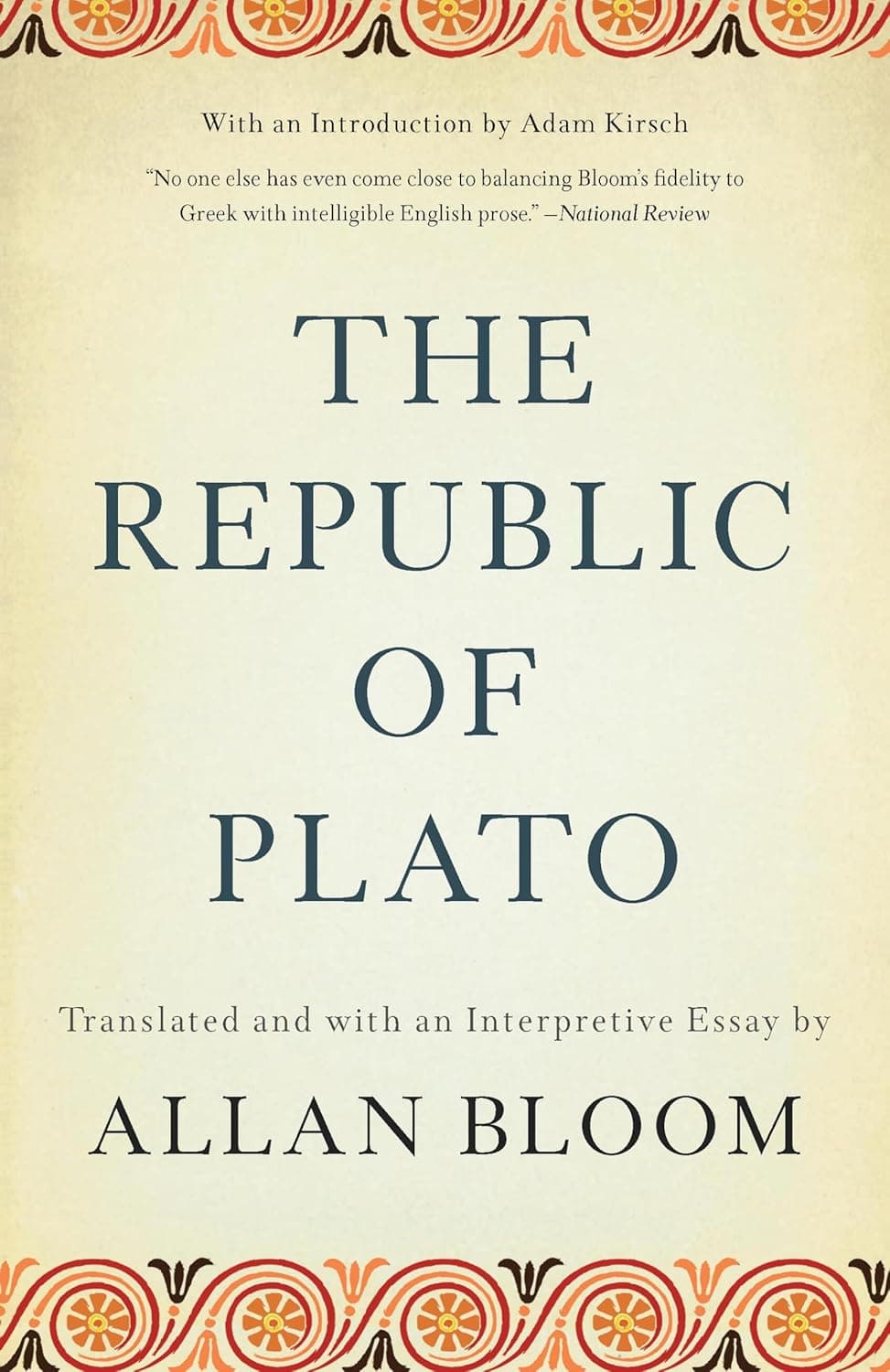
The Republic
380 BC · 528 pages
Asked why anyone should be just when nobody is watching, Socrates answers by building an entire city in conversation. The allegory of the cave has never stopped explaining people to themselves.
★ 8.8
 skopia
Asked why anyone should be just when nobody is watching, Socrates answers by building an entire city in conversation. The allegory of the cave has never stopped explaining people to themselves.

Job loses everything, demands an explanation, and gets a whirlwind of questions back. Ecclesiastes calls all of it breath. Proverbs, unmoved by either, tells you how to live anyway.
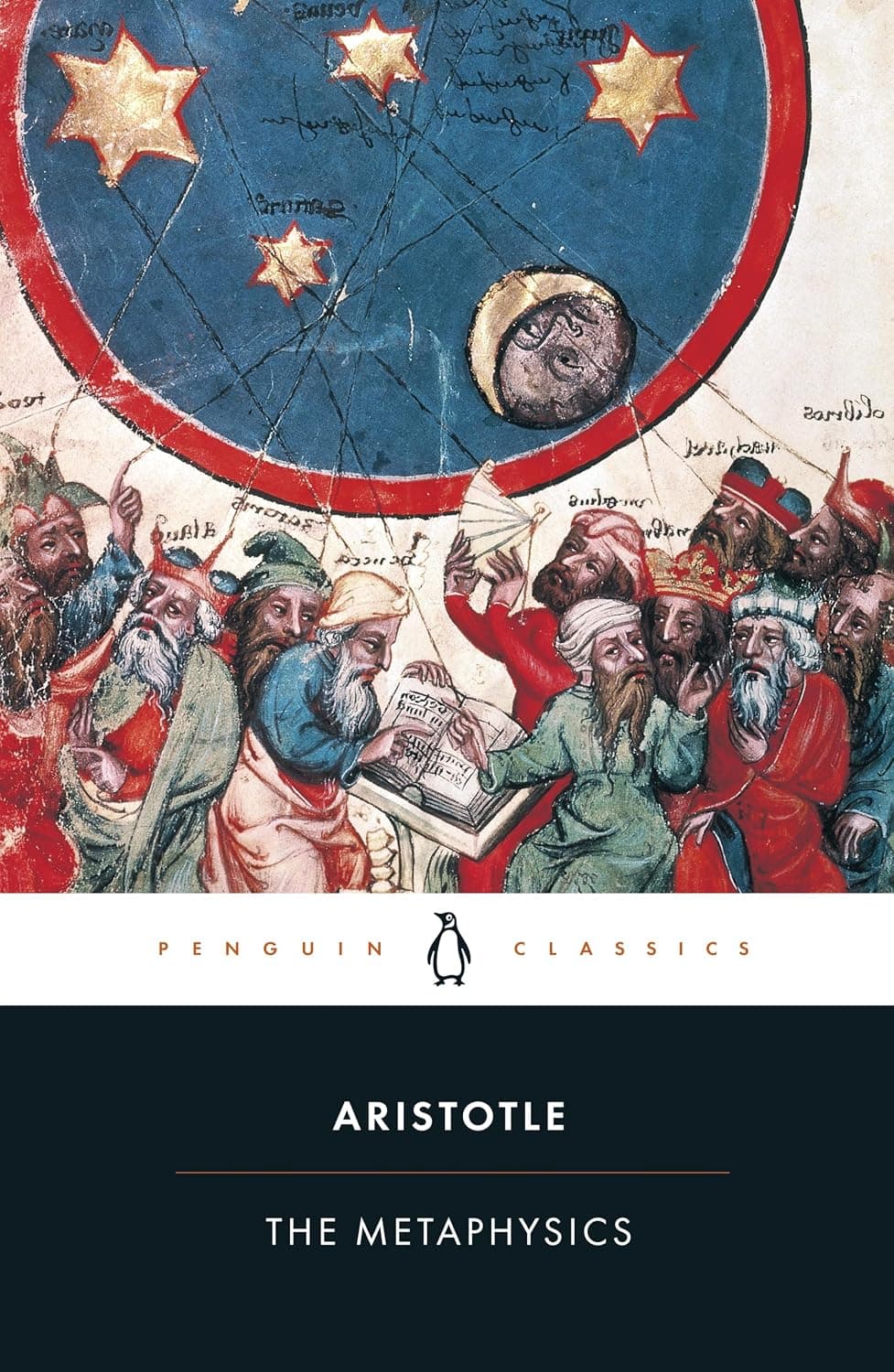
Aristotle asks what a thing most fundamentally is, and the answer runs through matter, form, and cause to a god who moves the whole world simply by being loved.
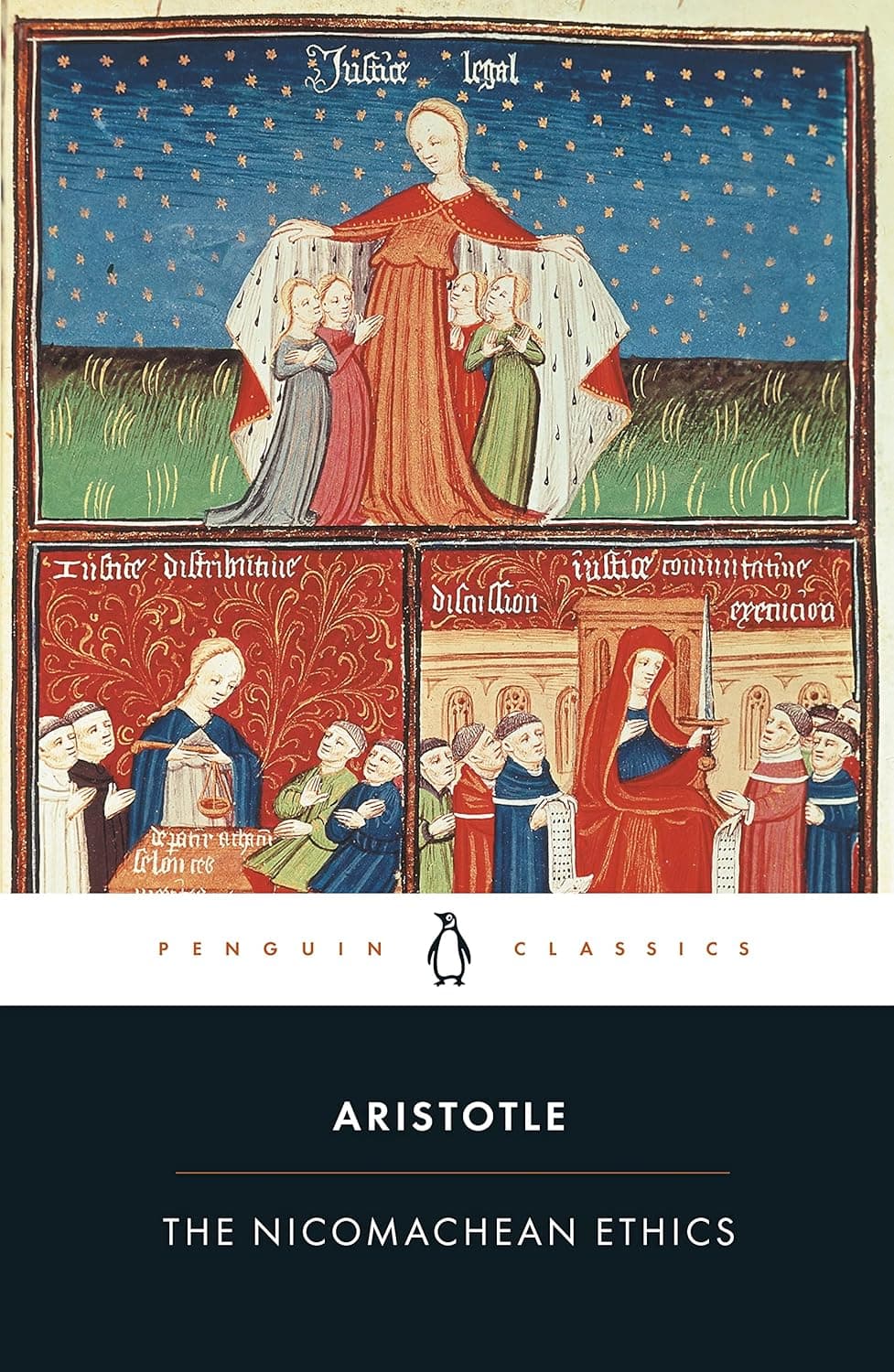
Everyone wants to be happy. Aristotle's answer is that happiness is not a feeling but a life of acting well, and that you become brave only by doing brave things.

Callicles tells Socrates that morality is a con the weak run on the strong, who should take whatever they want. Socrates answers that doing wrong harms you more than suffering it ever could.

Charged with corrupting the young and denying the gods, Socrates defends himself, refuses the escape his friends arrange, argues that the soul survives, then drinks the poison. His calm is the hard part.
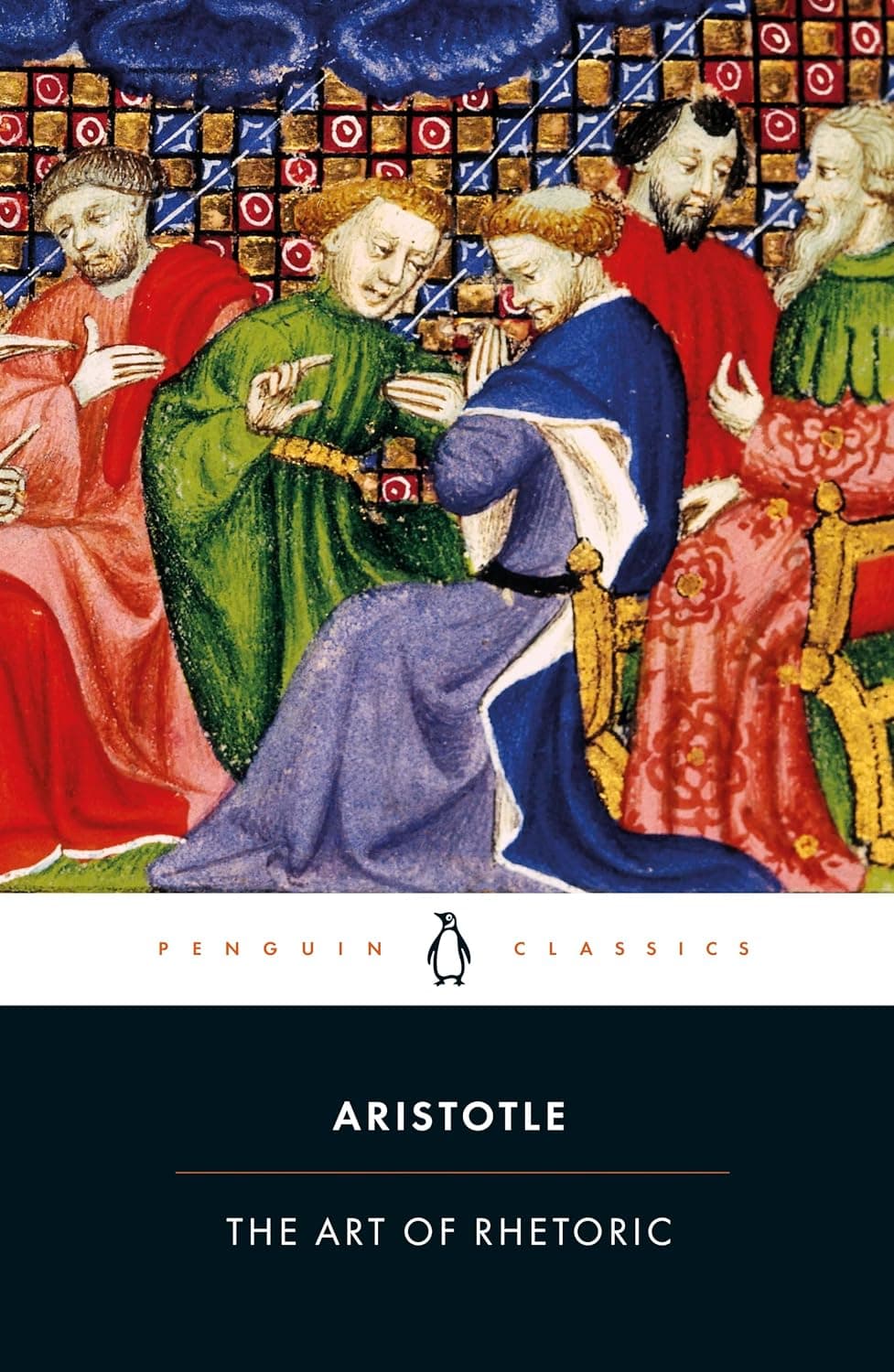
Persuasion runs on three things, Aristotle found: the speaker's character, the listener's emotions, and the argument. He shows how to make an audience angry or ashamed, and you notice the machinery everywhere afterward.

Five brothers gamble away a kingdom and their wife, then return from exile to a war that swallows their world. Carole Satyamurti's English verse holds the whole Sanskrit epic, Krishna's counsel included.
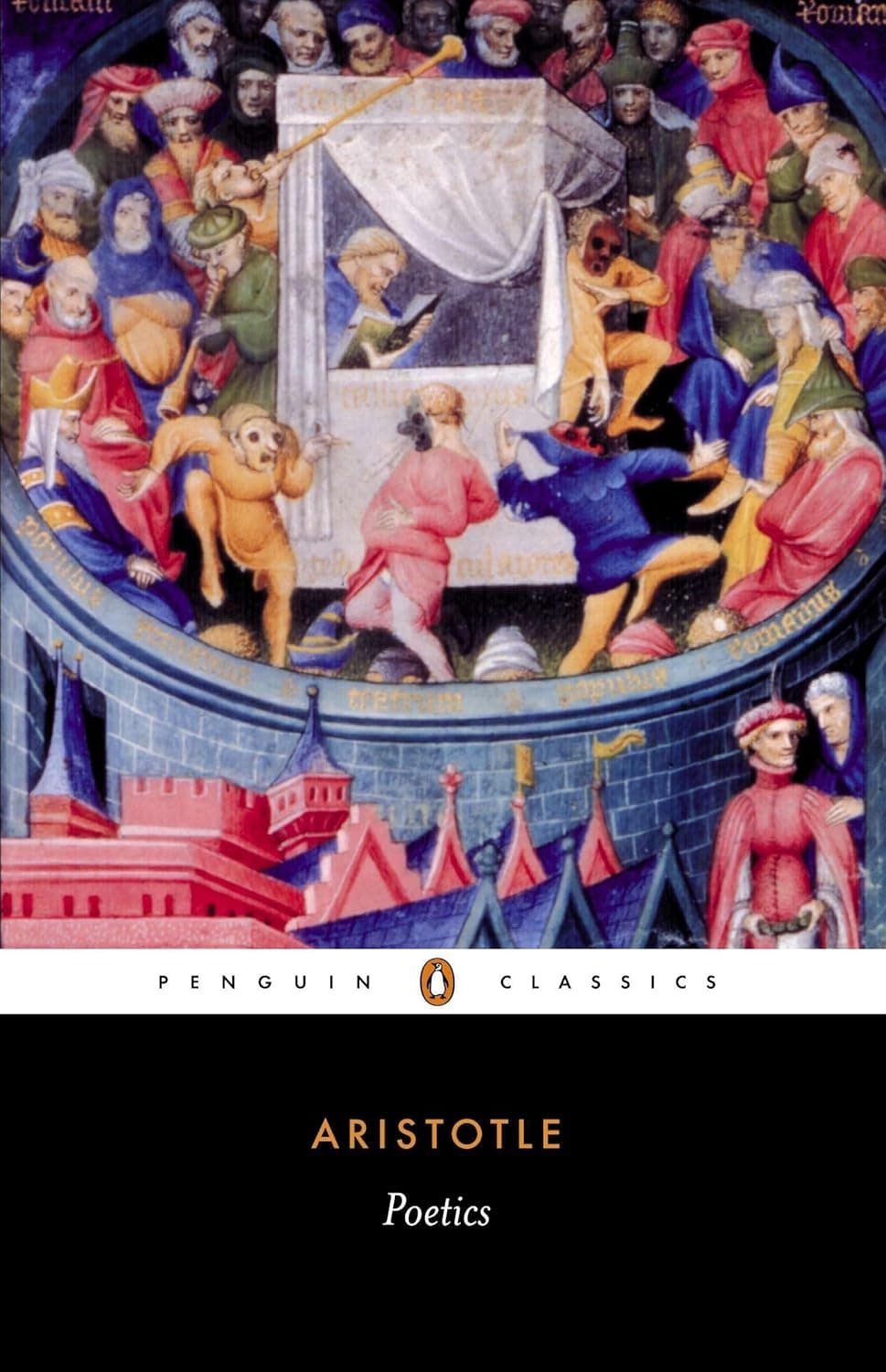
Tragedy earns pity and fear through the mistake of a decent man, Aristotle argues, and plot matters more than character. Every screenwriting manual since has been repeating him.

Ten thousand Greek mercenaries, stranded in Persia with their prince dead and their generals murdered, elect Xenophon and march north through snow until the men in front shout that they see the sea.
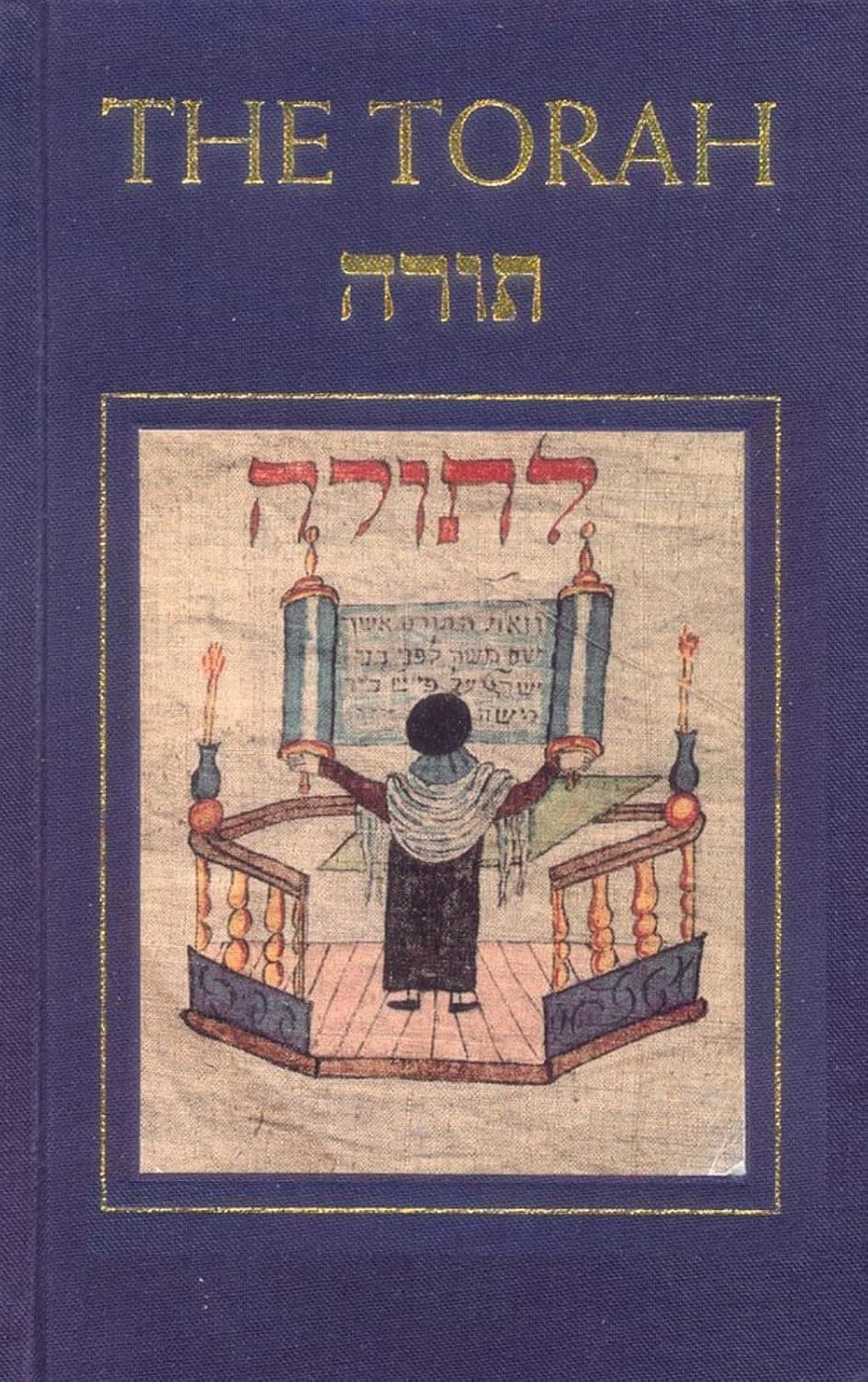
These five books make the world, drown it, and follow one family from Abraham to the law given at Sinai. Four billion people now worship the God who speaks in them.
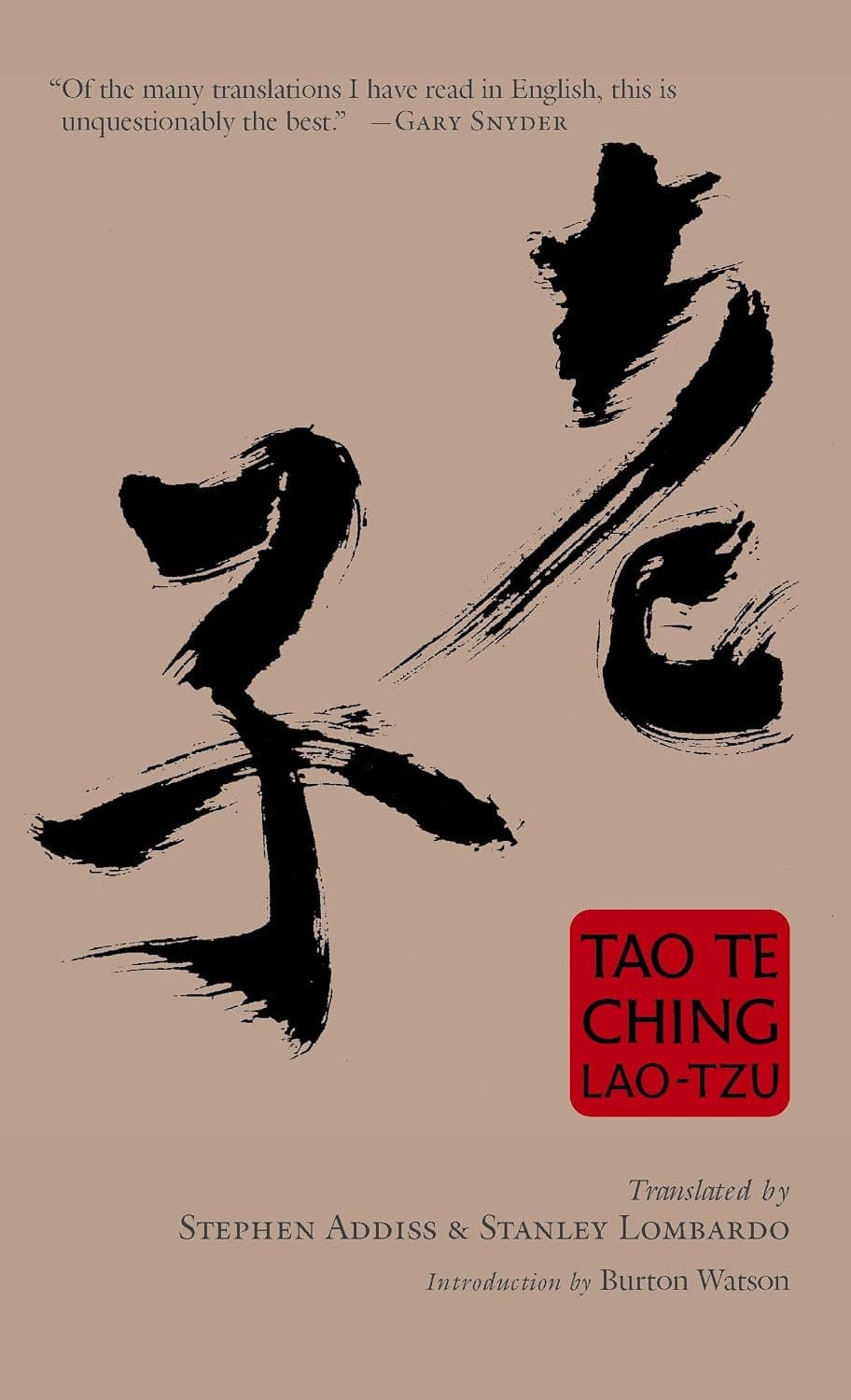
Water wears down stone, and the way that can be spoken is not the eternal way. Eighty-one verses on yielding, emptiness, and governing least have shaped Chinese thought for twenty-four hundred years.
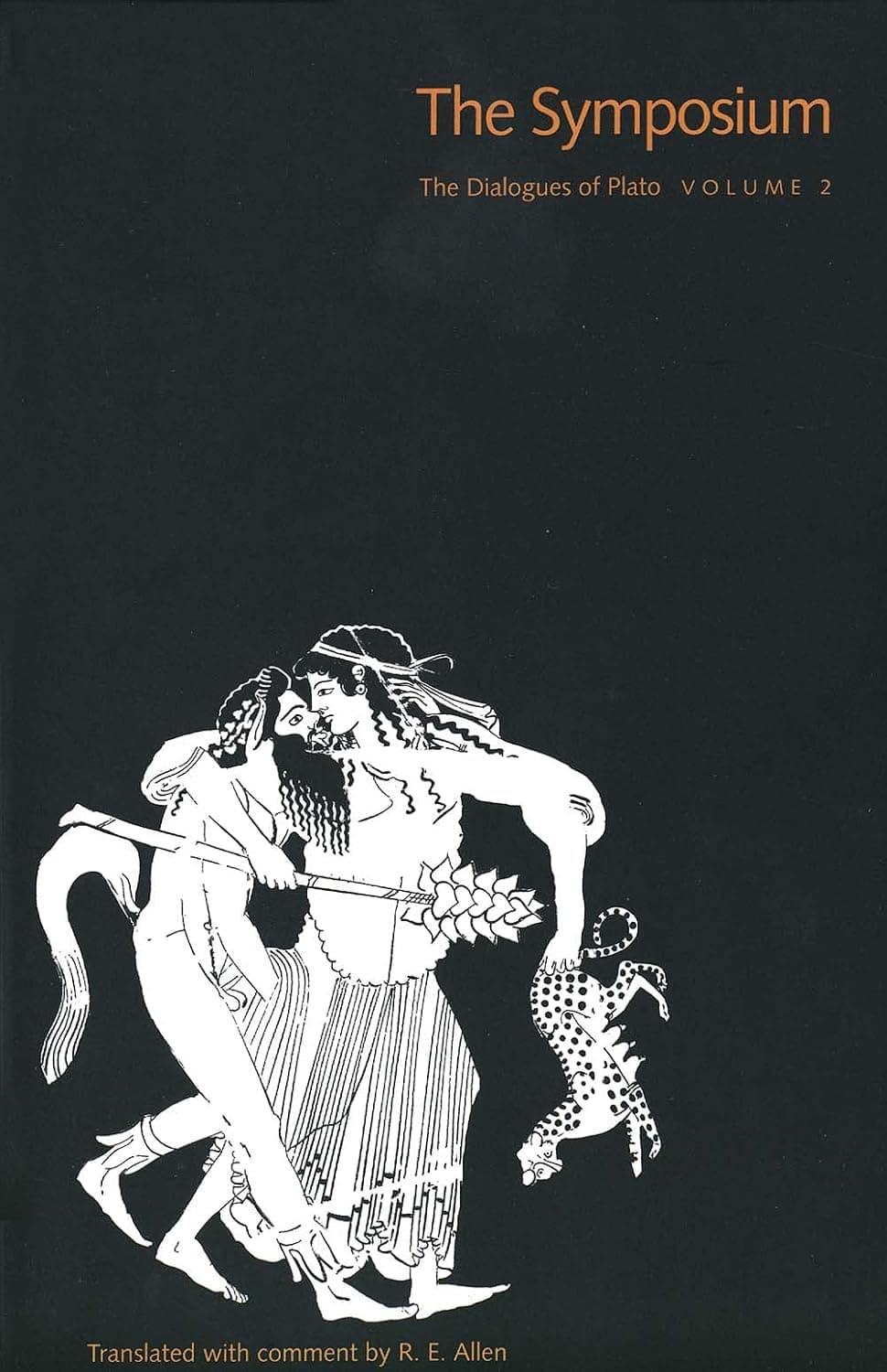
Athenians take turns praising love at a drinking party. The comic poet Aristophanes says we were once double creatures split in two, still hunting our other half, and romance repeats him still.