Browse by time · century

18th century

1701 – 1800

Showing 49 books from the 18th century

The Wealth of Nations

1776 · 537 pages

Wealth is not gold in a vault but what a country produces, and specialization multiplies it. Smith begins with ten men making pins and every economic argument since descends from him.

★ 8.2

Gulliver's Travels

1726 · 511 pages

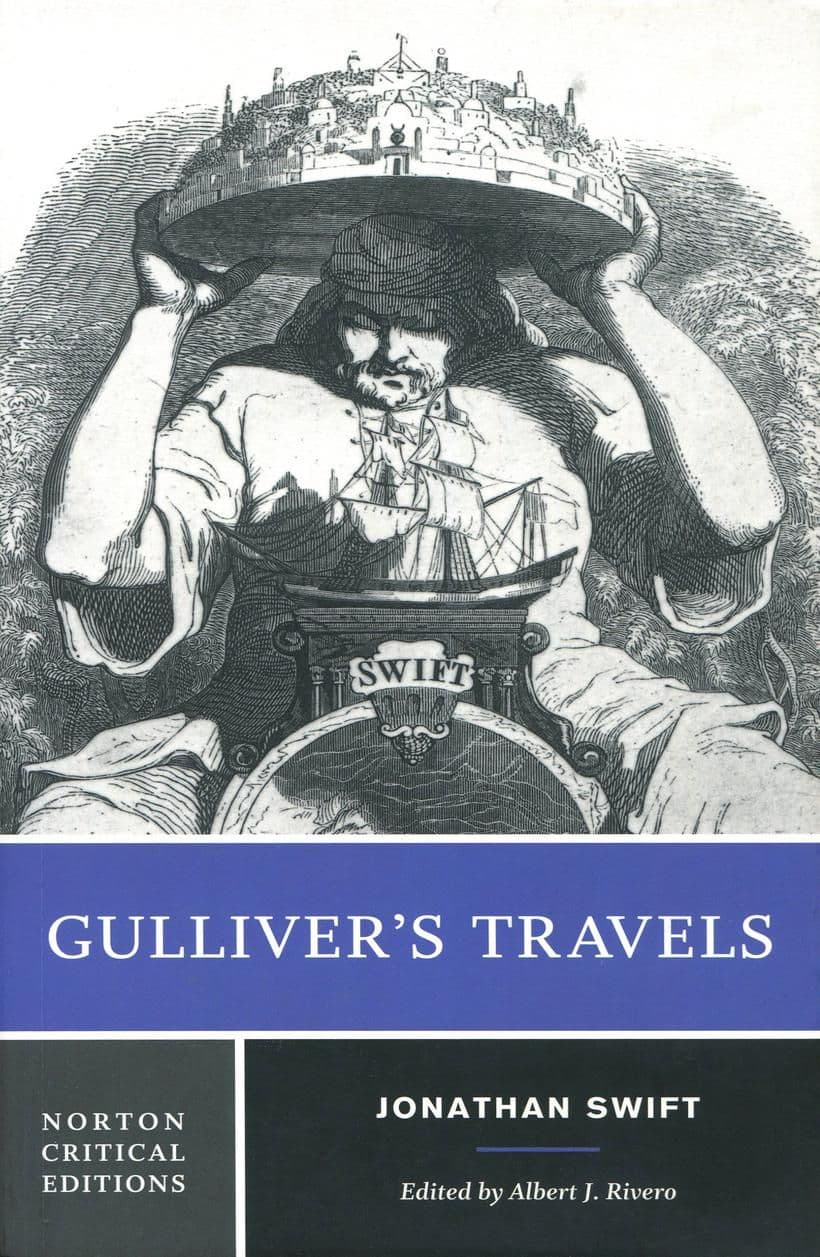
Swift's ship's surgeon washes up among people six inches tall, then among giants, then among rational horses who find humans repulsive. Each voyage is funnier than the last and angrier about us.

★ 8.2

Candide

1759 · 336 pages

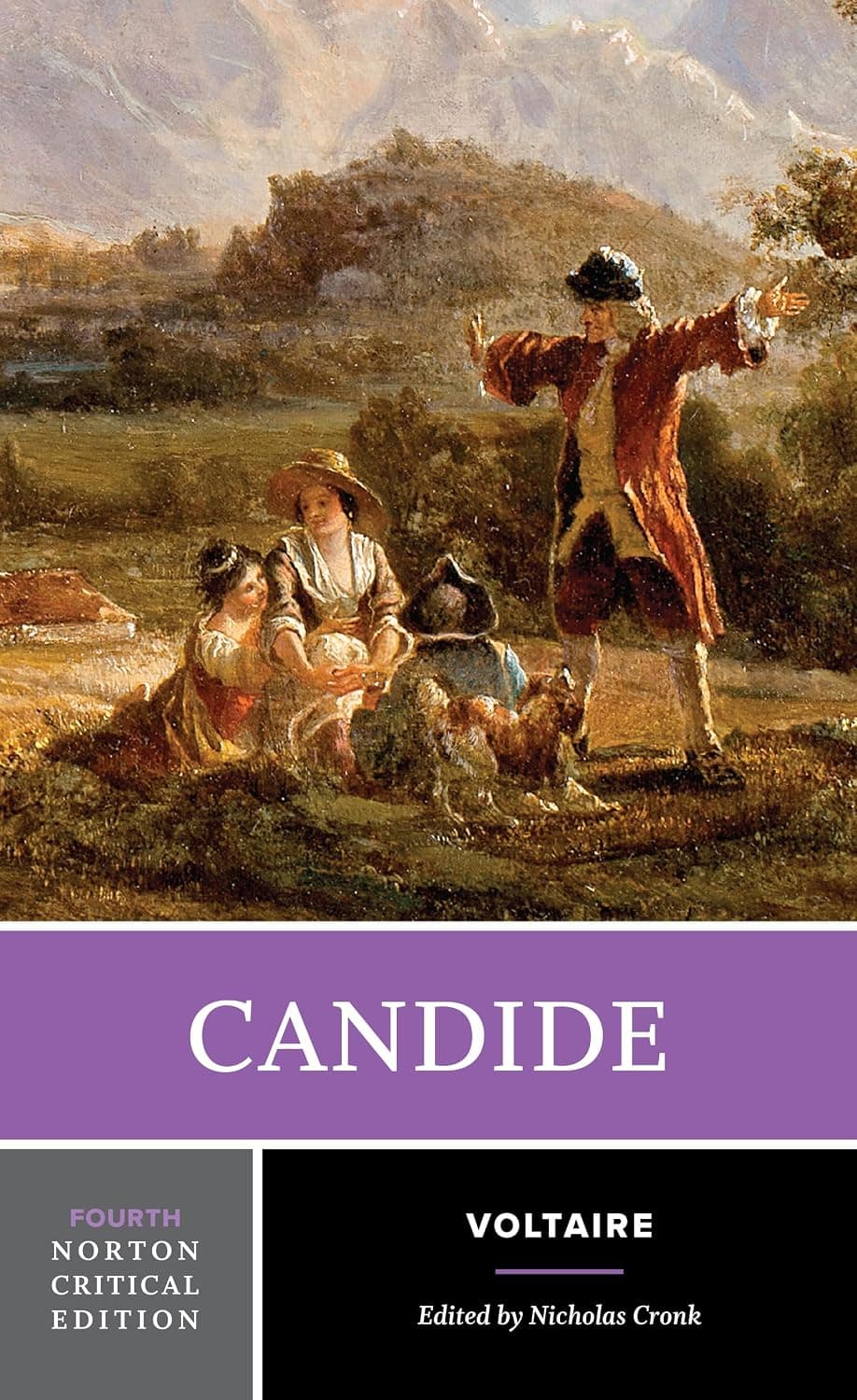
Voltaire sends an innocent young man taught that this is the best of all possible worlds through war, earthquake, and the Inquisition. The comedy is savage and the optimism does not survive.

★ 8.2

Critique of Judgment

1790 · 448 pages

Beauty sits in no object, yet you expect everyone to agree with you. Kant grounds that strange demand, and shows why a raging ocean enlarges the person watching it rather than crushing him.

★ 7.5

Spirit of the Laws

1748 · 757 pages

Montesquieu sorts governments into republics that run on virtue, monarchies on honor, and despotisms on fear, then argues that liberty survives only where power is divided. The American framers read him closely.

★ 7.5

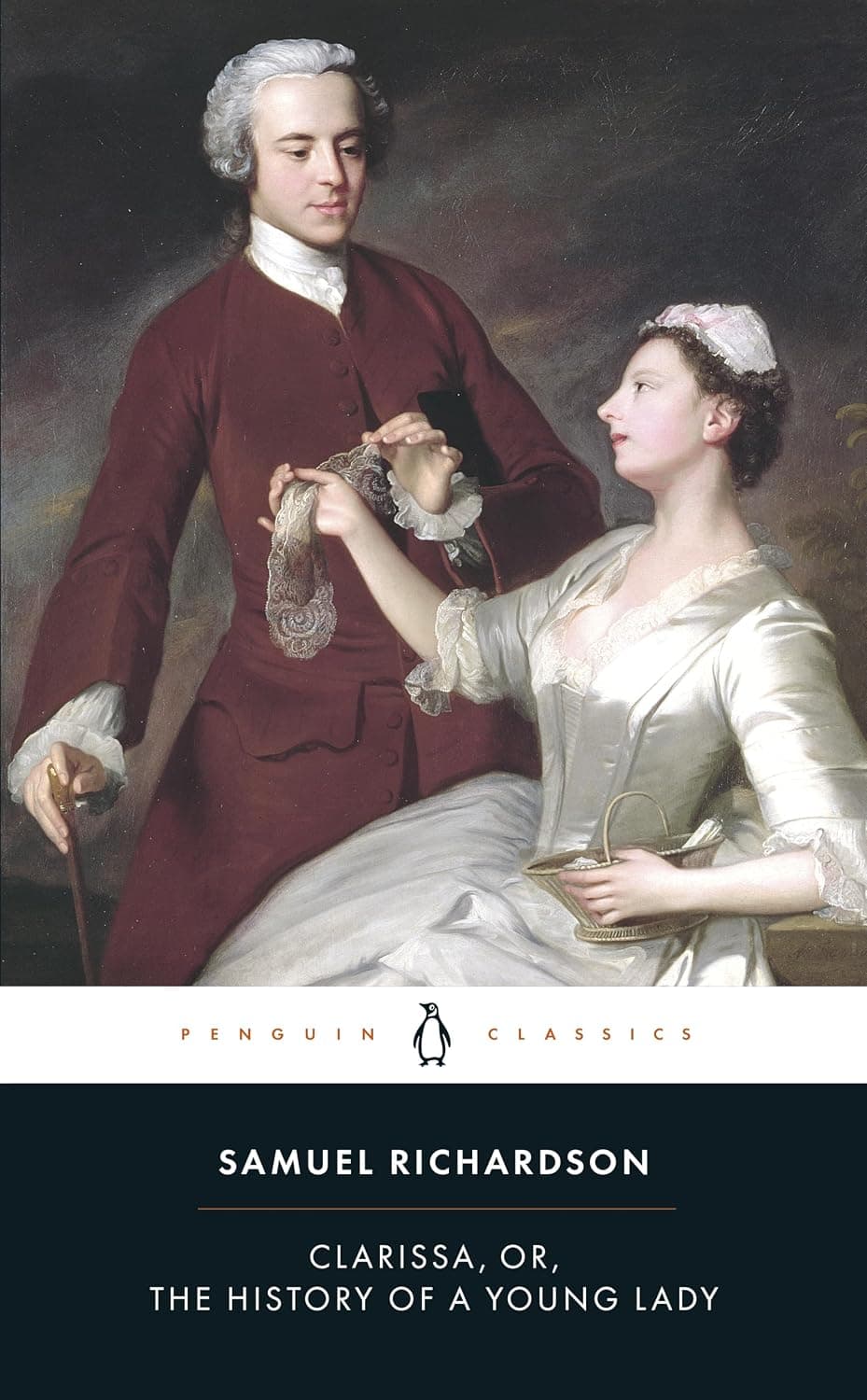
Clarissa

1748 · 1533 pages

Clarissa refuses the suitor her family has chosen, and a charming predator named Lovelace offers to rescue her. Told entirely in letters, it puts you inside both minds while the dread builds.

★ 7.1

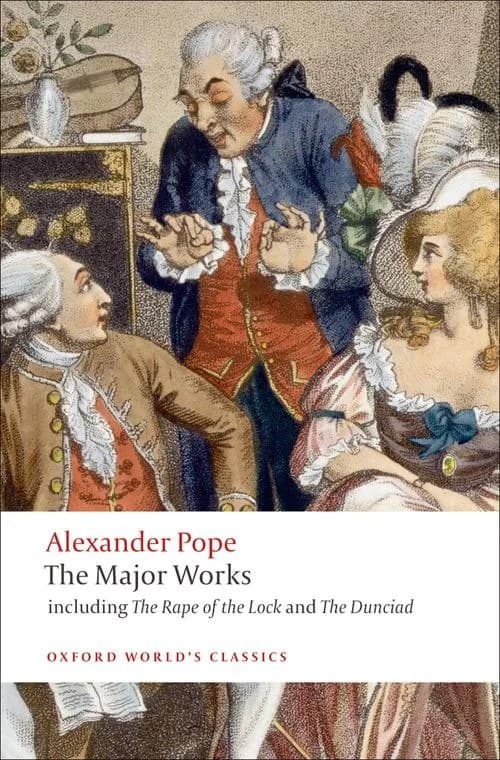
The Major Works

1744 · 768 pages

Pope wrote couplets that turned into proverbs, including "to err is human, to forgive divine." He built a mock epic around a stolen lock of hair and shredded his enemies in verse.

★ 7.1

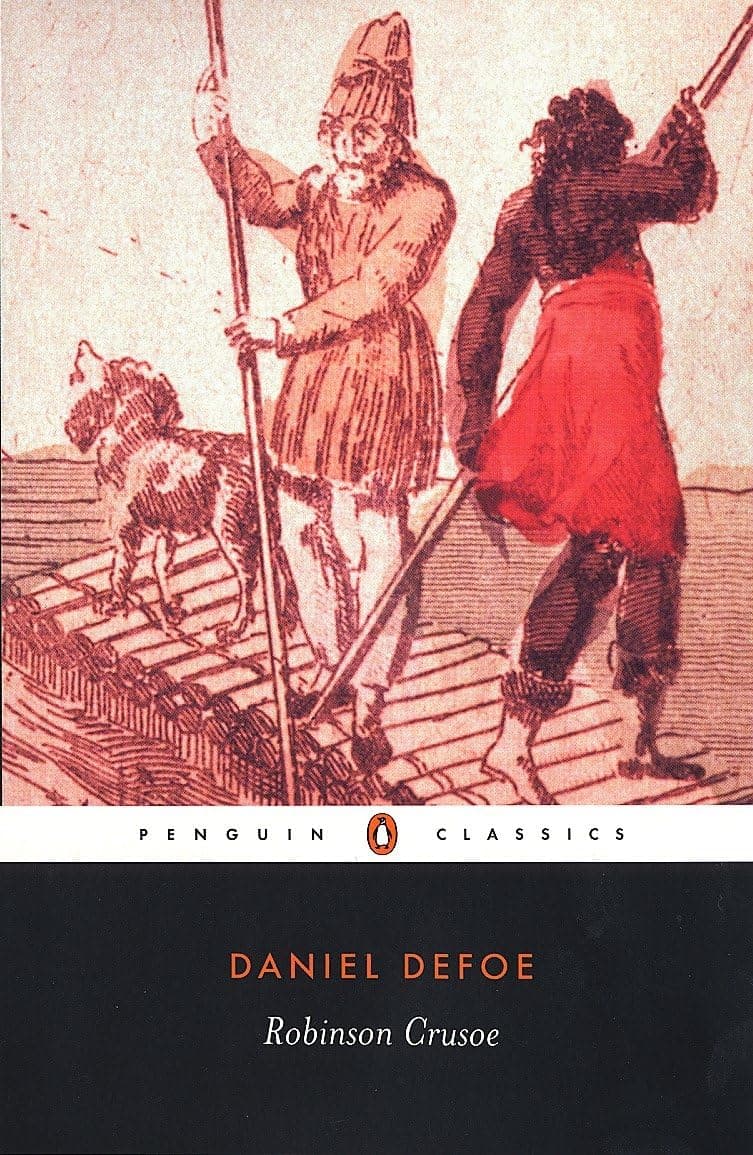
Robinson Crusoe

1719 · 304 pages

Twenty-eight years on an island near the Orinoco, counting days on a post and keeping his own moral ledgers, until a footprint appears in the sand. The English novel grew from this.

★ 7.0

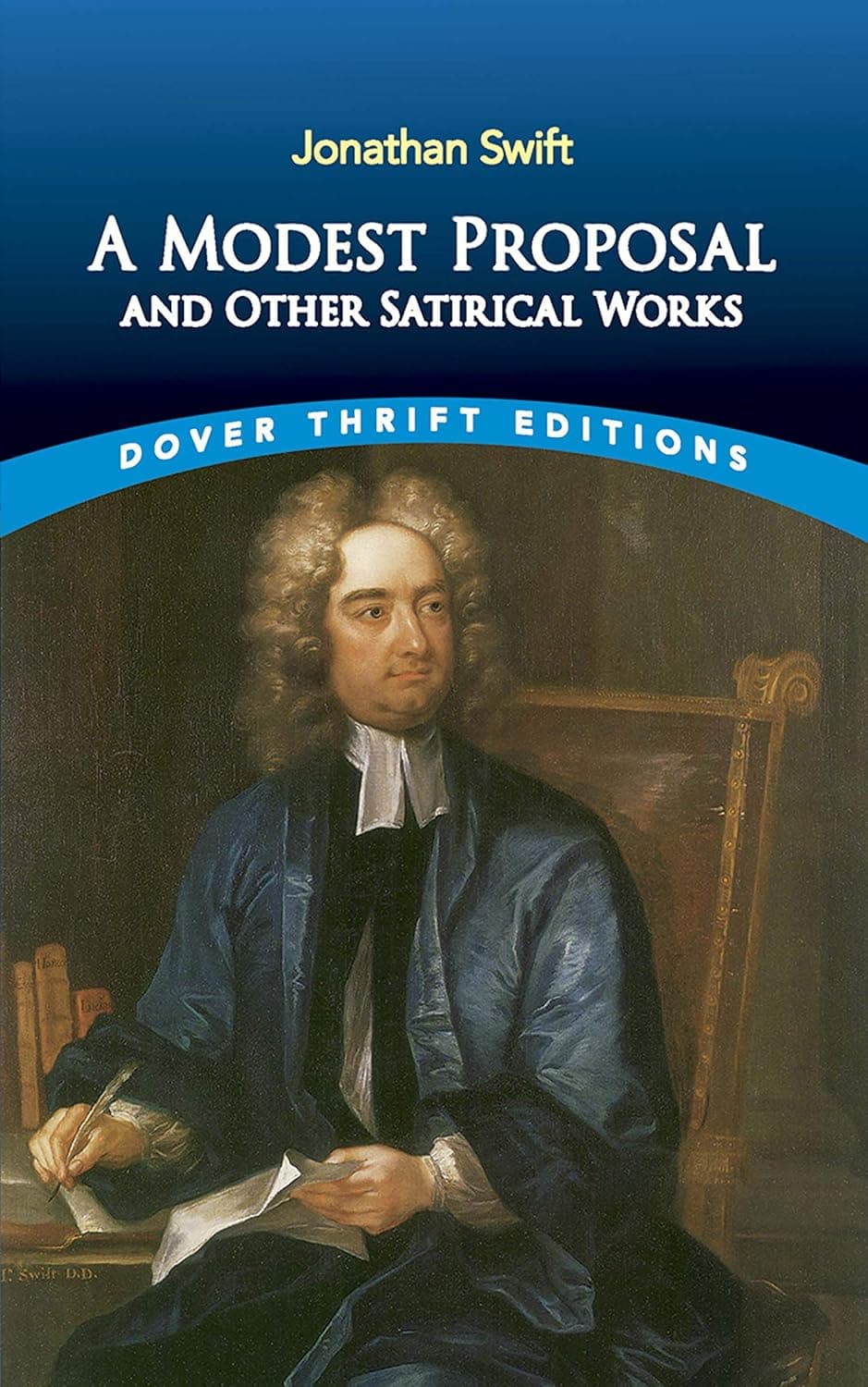
A Modest Proposal

1729 · 59 pages

No other satire cuts this cleanly. A reasonable gentleman proposes that the infants of the Irish poor be fattened and sold as food to landlords, and calculates the savings to the shilling.

★ 7.0

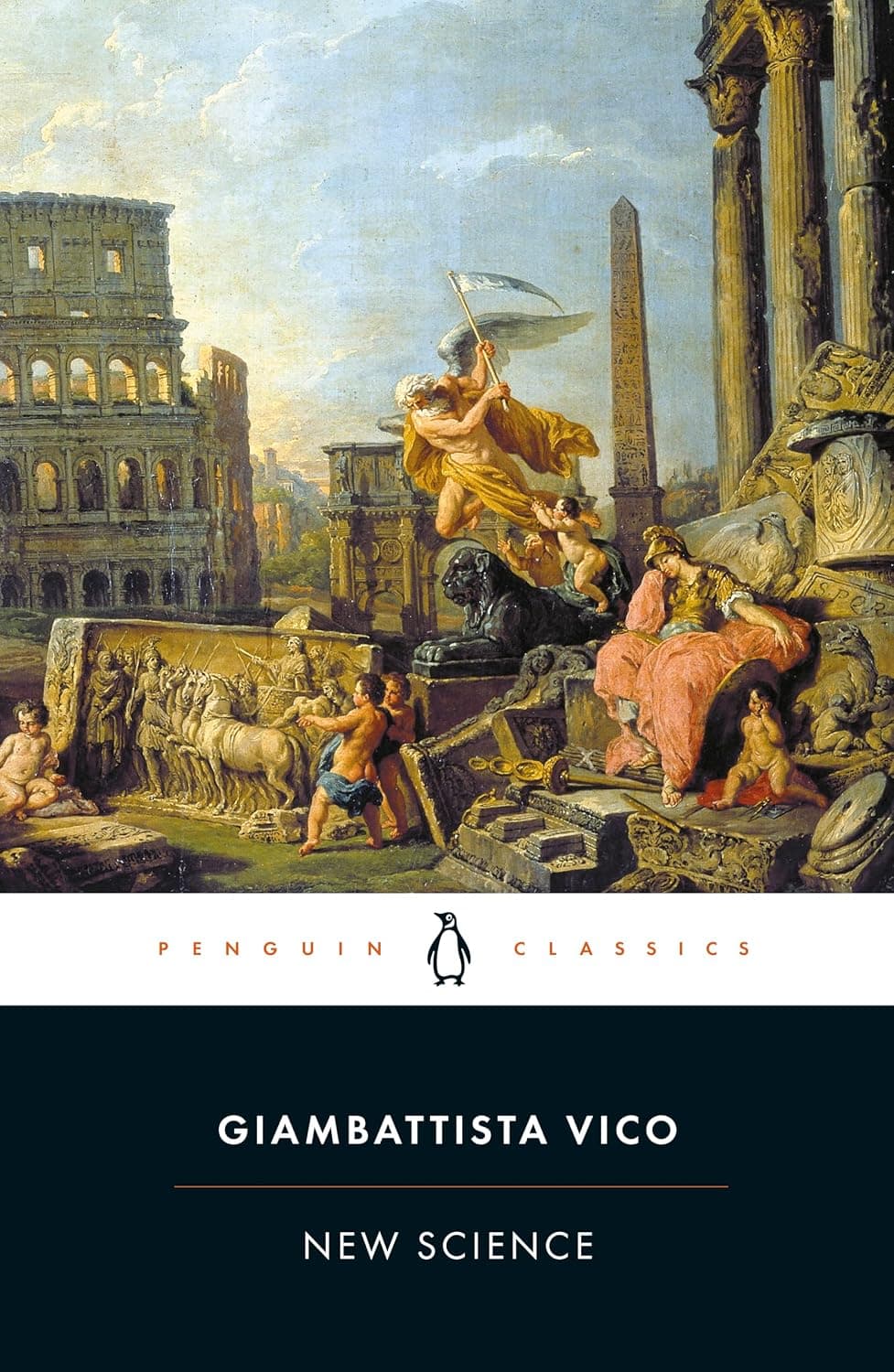
The New Science

1725 · 520 pages

History can be known, Vico argues, because men made it. He reads myth and law as the record of every nation passing through ages of gods, heroes, and men, then collapsing into barbarism.

★ 6.4