Spirit of the Laws
Montesquieu sorts governments into republics that run on virtue, monarchies on honor, and despotisms on fear, then argues that liberty survives only where power is divided. The American framers read him closely.

Montesquieu sorts governments into republics that run on virtue, monarchies on honor, and despotisms on fear, then argues that liberty survives only where power is divided. The American framers read him closely.

Look inside for a self and you find only a rush of sensations. Look for cause and effect and you find only habit. Reason itself, Hume concludes, is the slave of the passions.

Found as a baby in a squire's bed, Tom grows up generous and reckless, loses his home, and follows Sophia Western to London. Coleridge ranked the plot beside that of Oedipus.

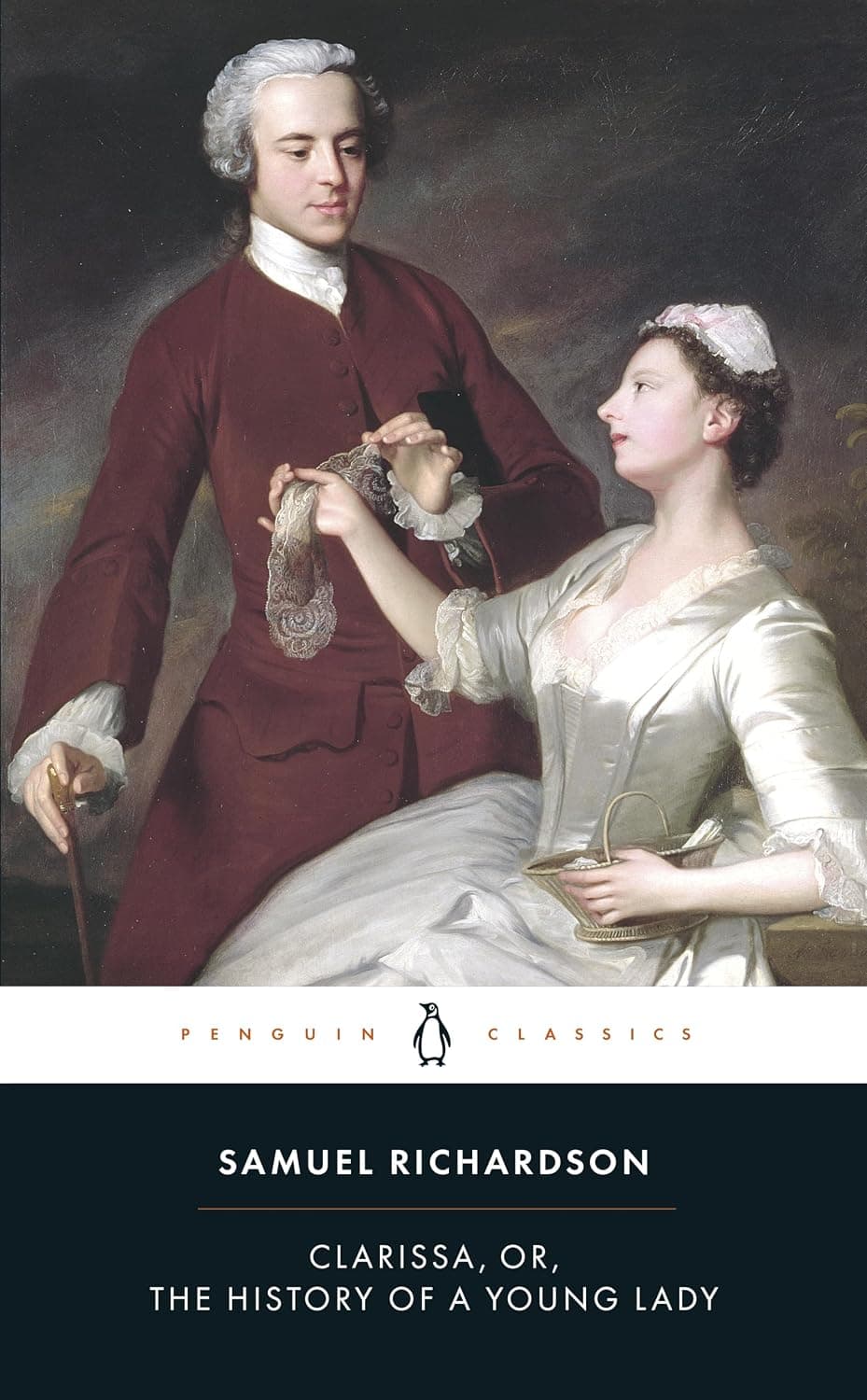
Clarissa refuses the suitor her family has chosen, and a charming predator named Lovelace offers to rescue her. Told entirely in letters, it puts you inside both minds while the dread builds.

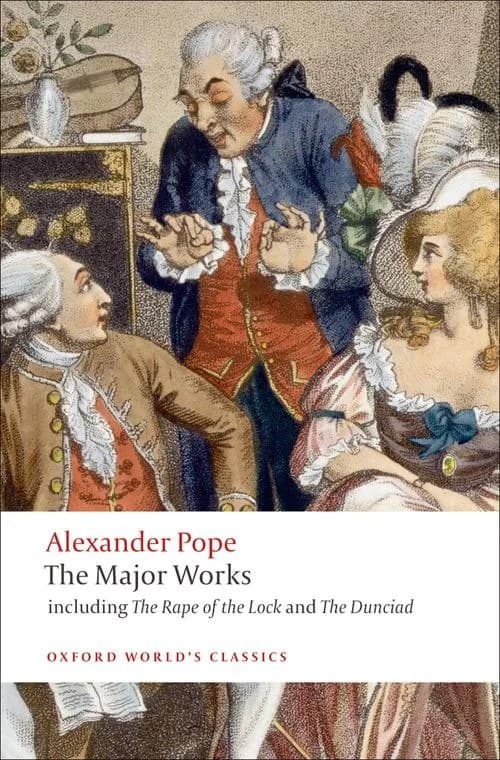
Pope wrote couplets that turned into proverbs, including "to err is human, to forgive divine." He built a mock epic around a stolen lock of hair and shredded his enemies in verse.

Hume's clearest book, and his most dangerous: no testimony establishes a miracle, he argues, unless its falsehood would be more miraculous than the event reported. Every later defense of miracles answers him.

Standing before a Connecticut congregation in 1741, Edwards said God holds sinners over hell as one holds a spider over a fire. The moaning grew so loud he had to pause.

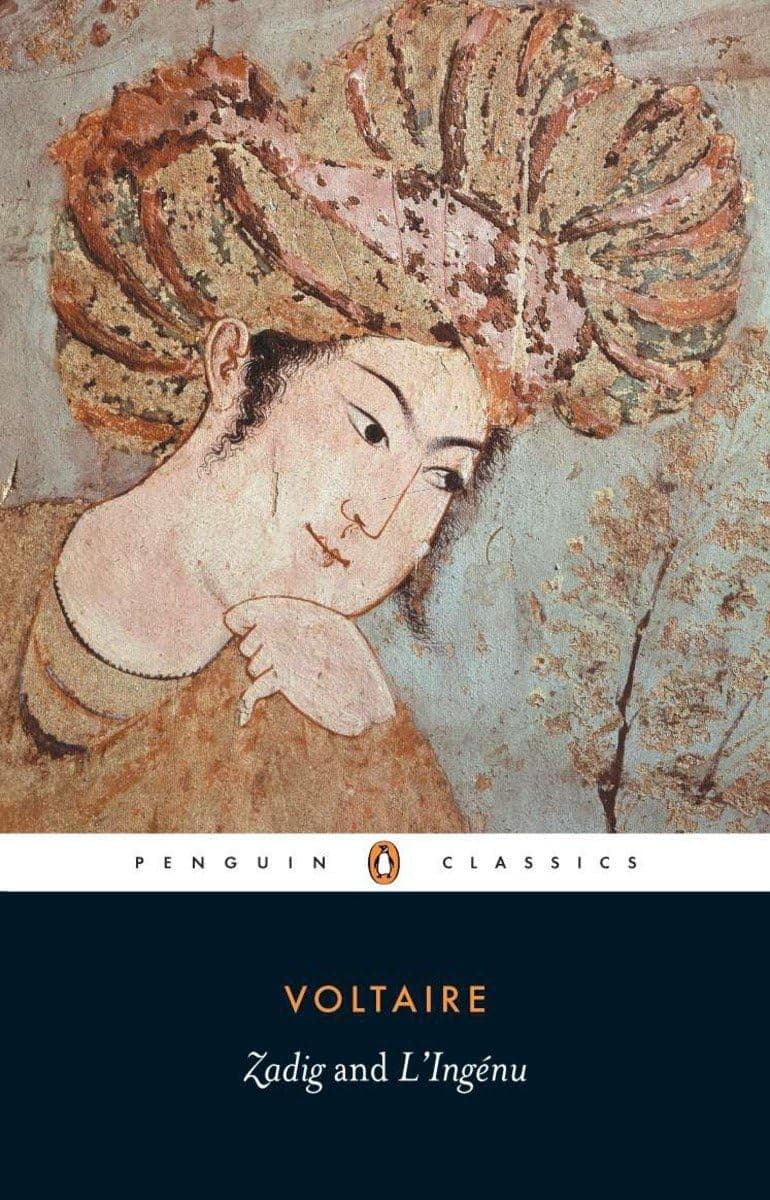
Voltaire uses wit as a demolition tool. Zadig reconstructs a dog and horse from their tracks and is fined for knowing too much, and a Canadian Huron in Brittany finds French religion absurd.