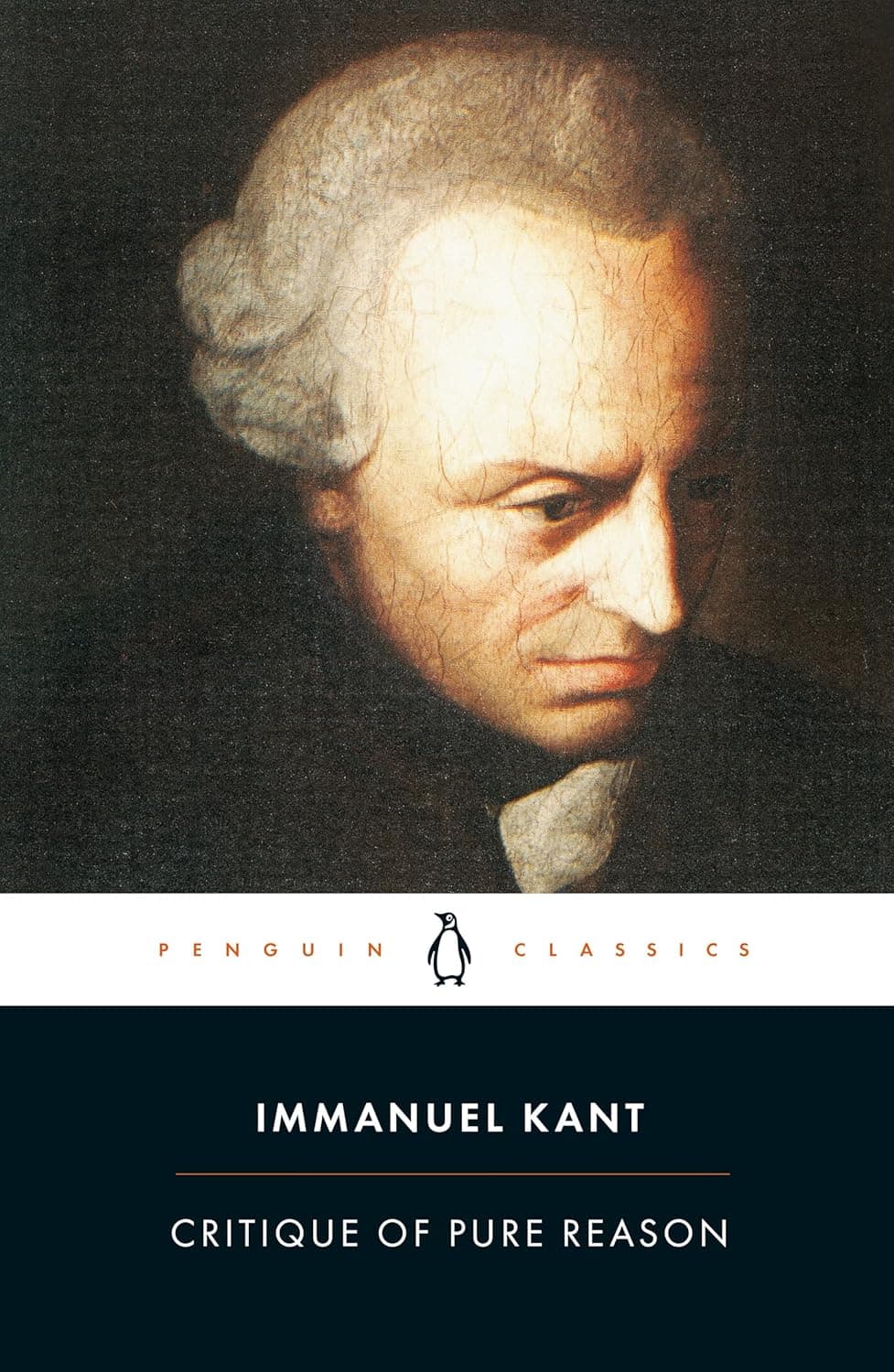
Critique of Pure Reason
1781 · 784 pages
Western thought divides at this book. Kant argues that space, time, and cause belong to the mind doing the looking rather than to the world, and marks the boundary reason cannot cross.
★ 8.8
 skopia
Western thought divides at this book. Kant argues that space, time, and cause belong to the mind doing the looking rather than to the world, and marks the boundary reason cannot cross.

Short poems in simple meter about lambs, chimney sweeps, and a tiger burning in the forests of the night. Blake sets an innocent version beside a bitter one and lets you decide.

Hamilton, Madison, and Jay wrote eighty-five essays to sell New York on the Constitution, arguing that a large republic tames factions and that ambition must counteract ambition. Courts still quote them.

You know you ought to do what you would rather not, and Kant takes that as proof you are free. Freedom, God, and immortality return as what practical reason must assume.

Nothing is good except a good will. From that Kant derives two commands: act only on a principle you could will everyone to follow, and treat persons as ends, never merely as means.
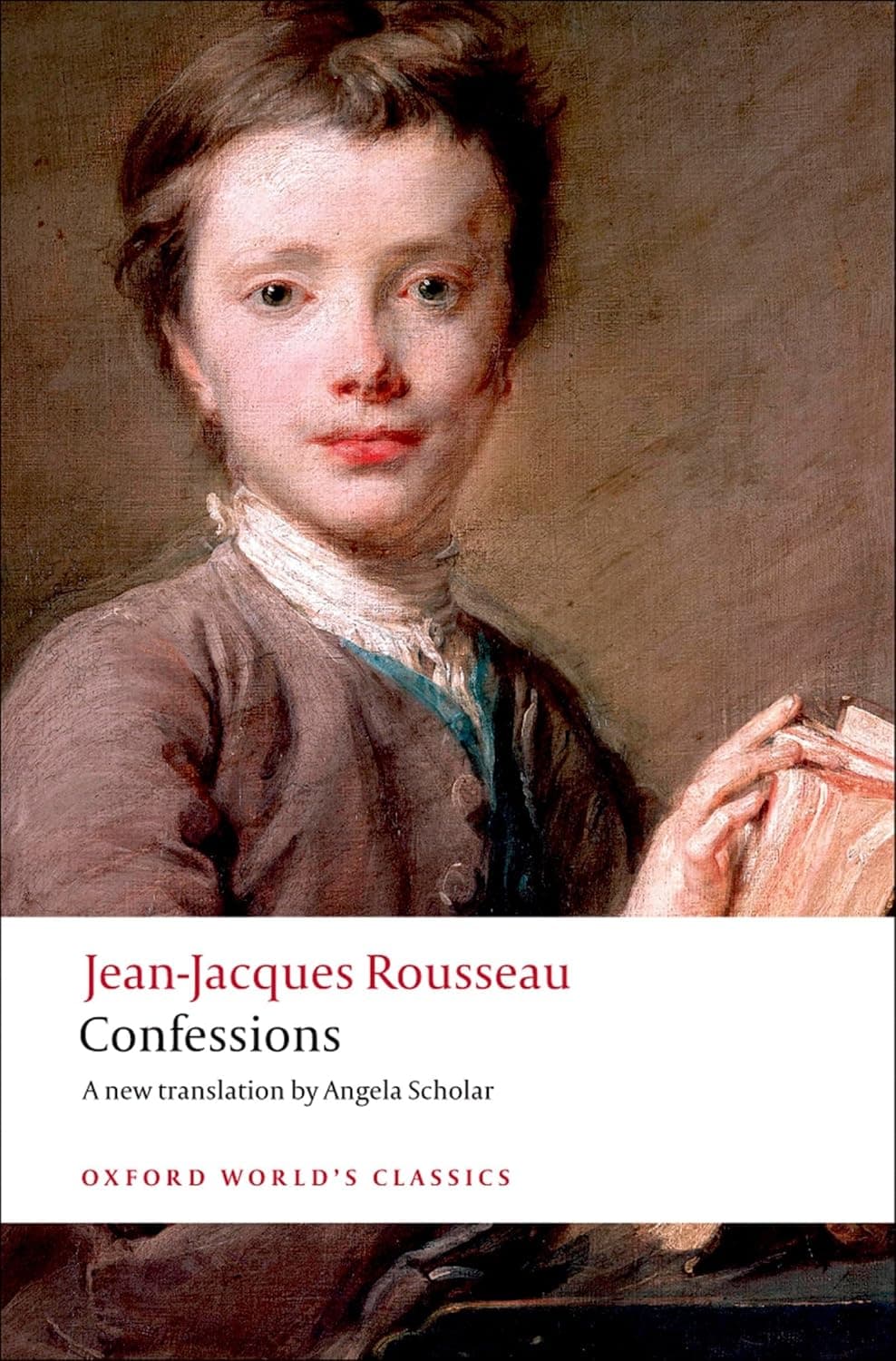
Every confessional memoir descends from this. Rousseau promised to show himself entire and delivered: the ribbon he stole and blamed on a servant girl, the five children he gave to a foundling hospital.

Two aristocrats conduct seduction as a military campaign, and every move reaches us through their own letters. Their targets are a devout married woman and a girl just out of the convent.
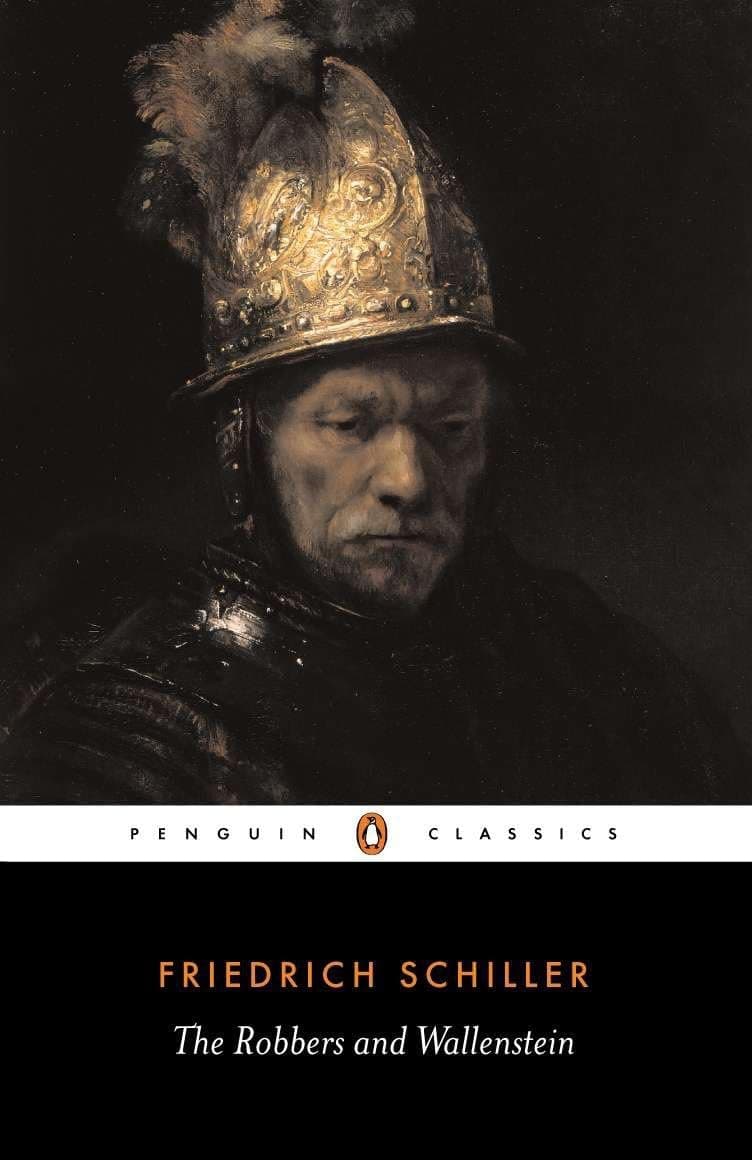
Karl Moor, disinherited by his brother's forged letter, takes a robber band into the Bohemian forests and learns that idealism under arms turns to butchery. Romantic literature has been rewriting him ever since.