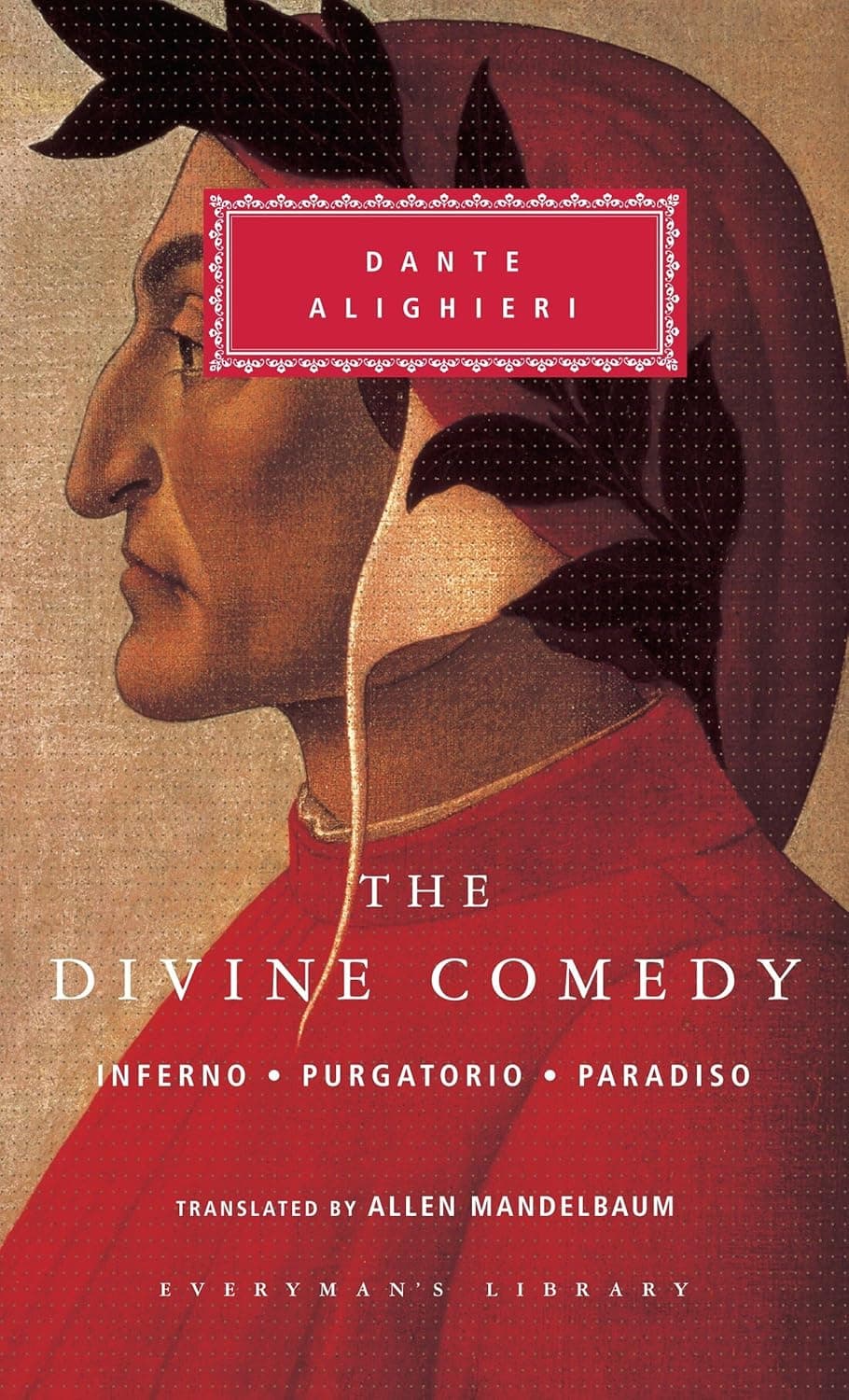
The Divine Comedy
1321 · 798 pages
No poem has reached higher. Dante goes down through hell, up the mountain of purgatory, and into the light of God, settling scores with real Florentines and arriving where Beatrice waits.
★ 9.8
 skopia
No poem has reached higher. Dante goes down through hell, up the mountain of purgatory, and into the light of God, settling scores with real Florentines and arriving where Beatrice waits.

Chaucer's thirty pilgrims ride to Canterbury swapping stories, the knight a courtly romance and the miller a filthy joke, and he wrote them in English when serious poetry meant Latin or French.
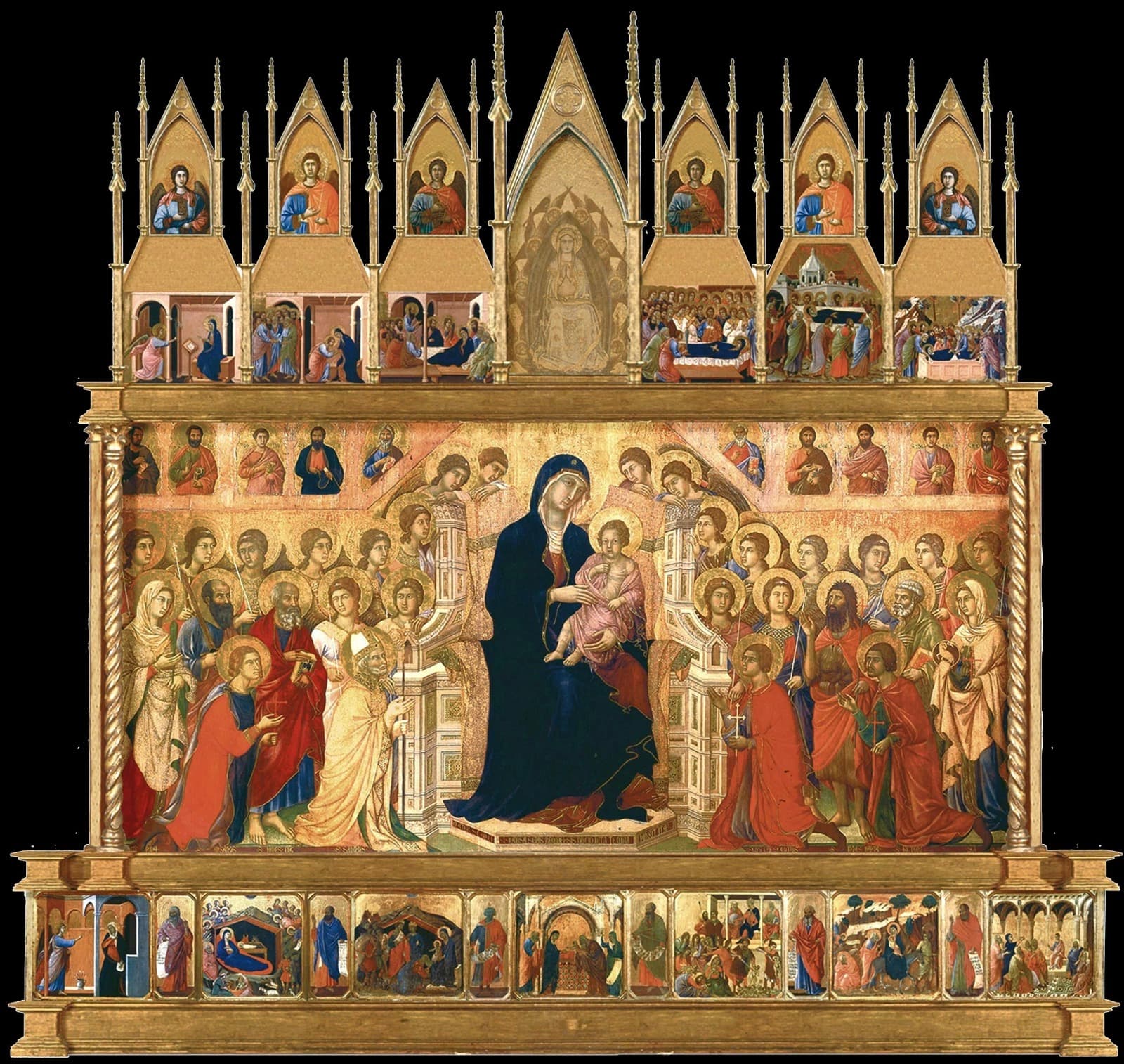
When Duccio finished it in 1311 the whole of Siena walked it to the cathedral in procession, with the bells going the entire way.
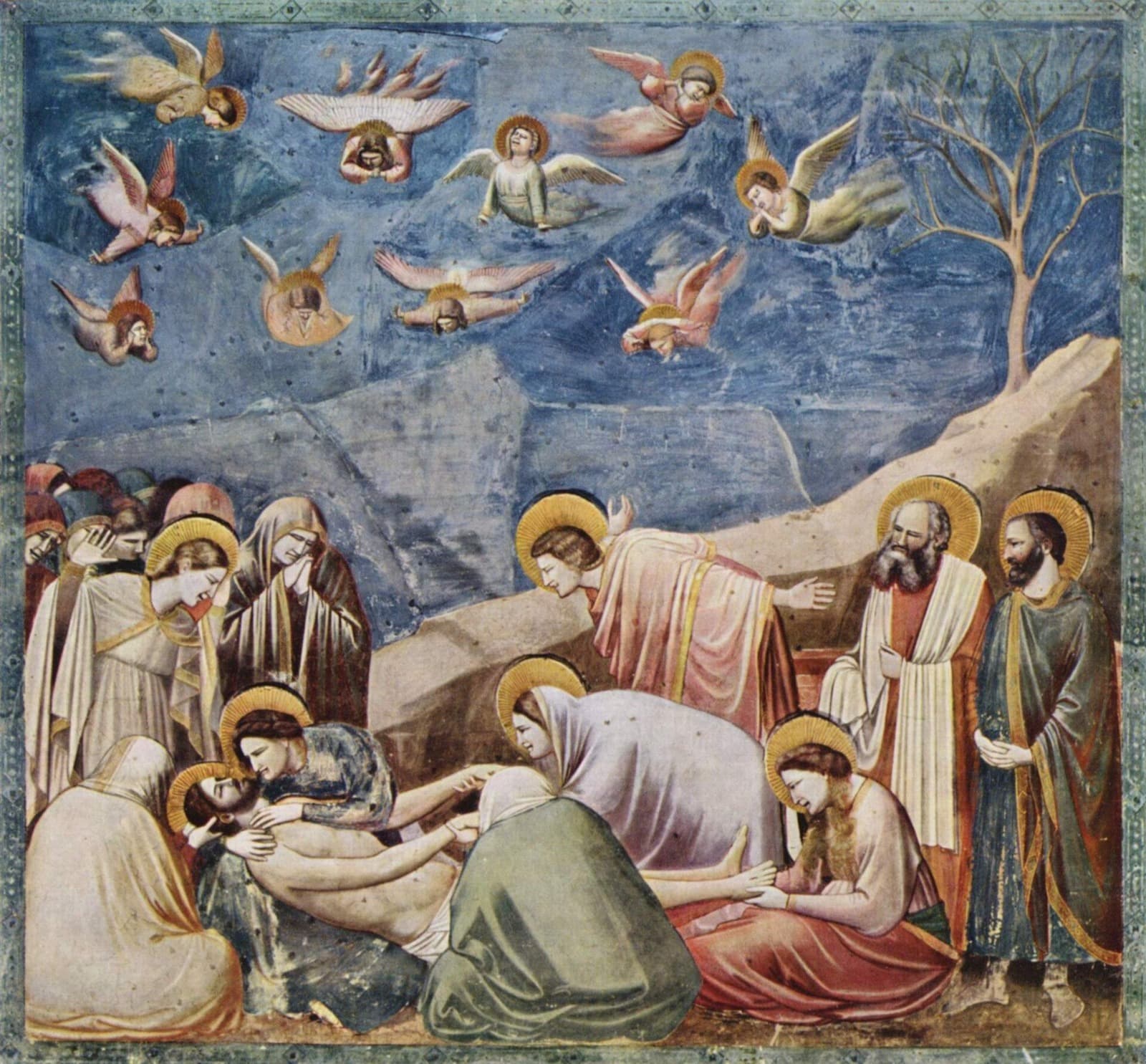
Two mourners sit with their backs turned to pull us in, and the angels overhead double over. Giotto frescoed it in the Arena Chapel at Padua.
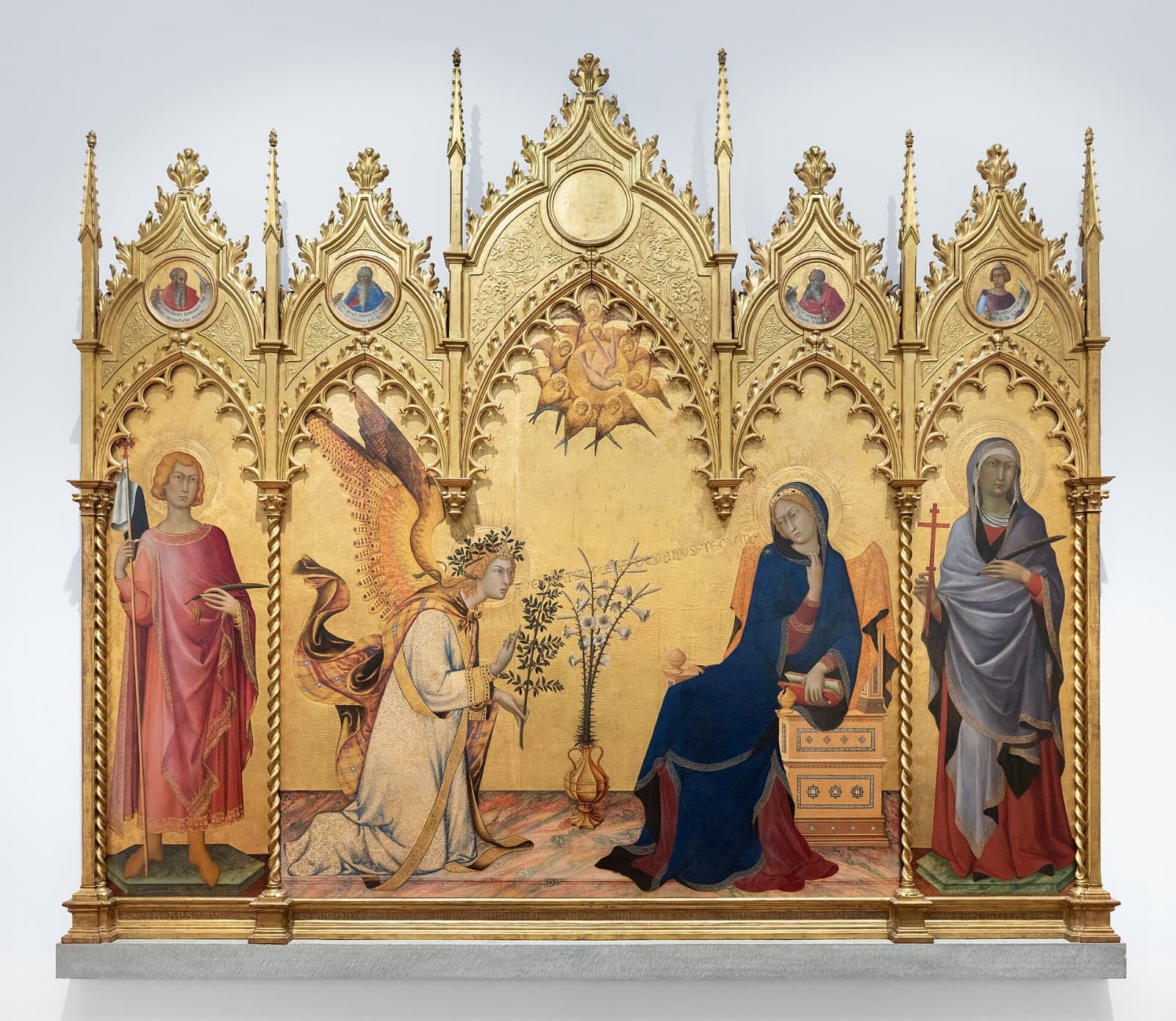
Gabriel's greeting runs toward Mary in raised gold letters and she twists away from it, her thumb still caught in her book.

A collector loved the scroll so much he tried to have it burned with him at death. It was pulled from the fire in two pieces.

Torches and spears bristle against the sky, and at the still center Judas wraps Christ in his yellow cloak and meets his eye.
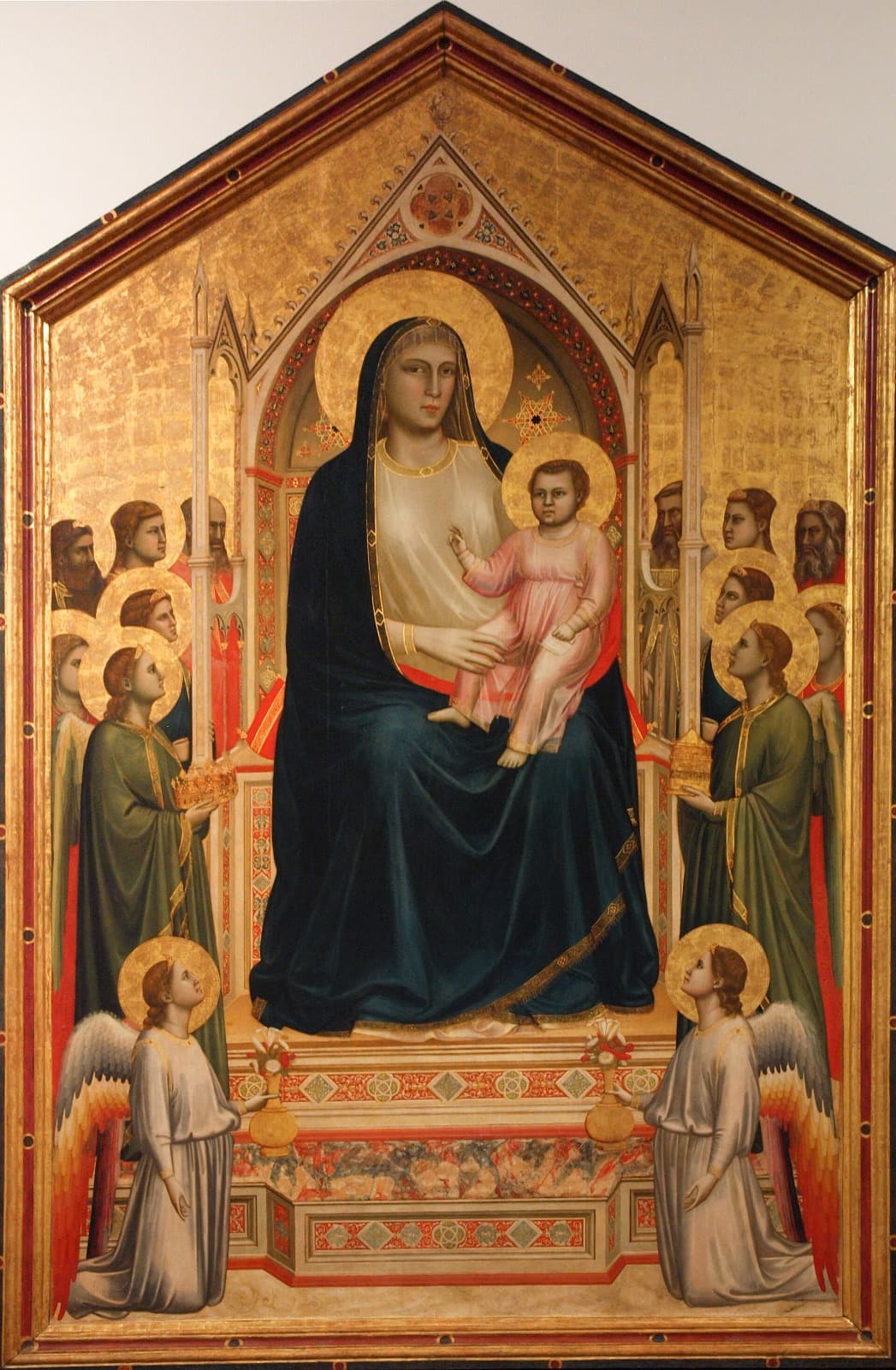
Where Cimabue and Duccio floated their Madonnas on gold, Giotto gave his weight, a real throne, and a body that presses through the cloth.
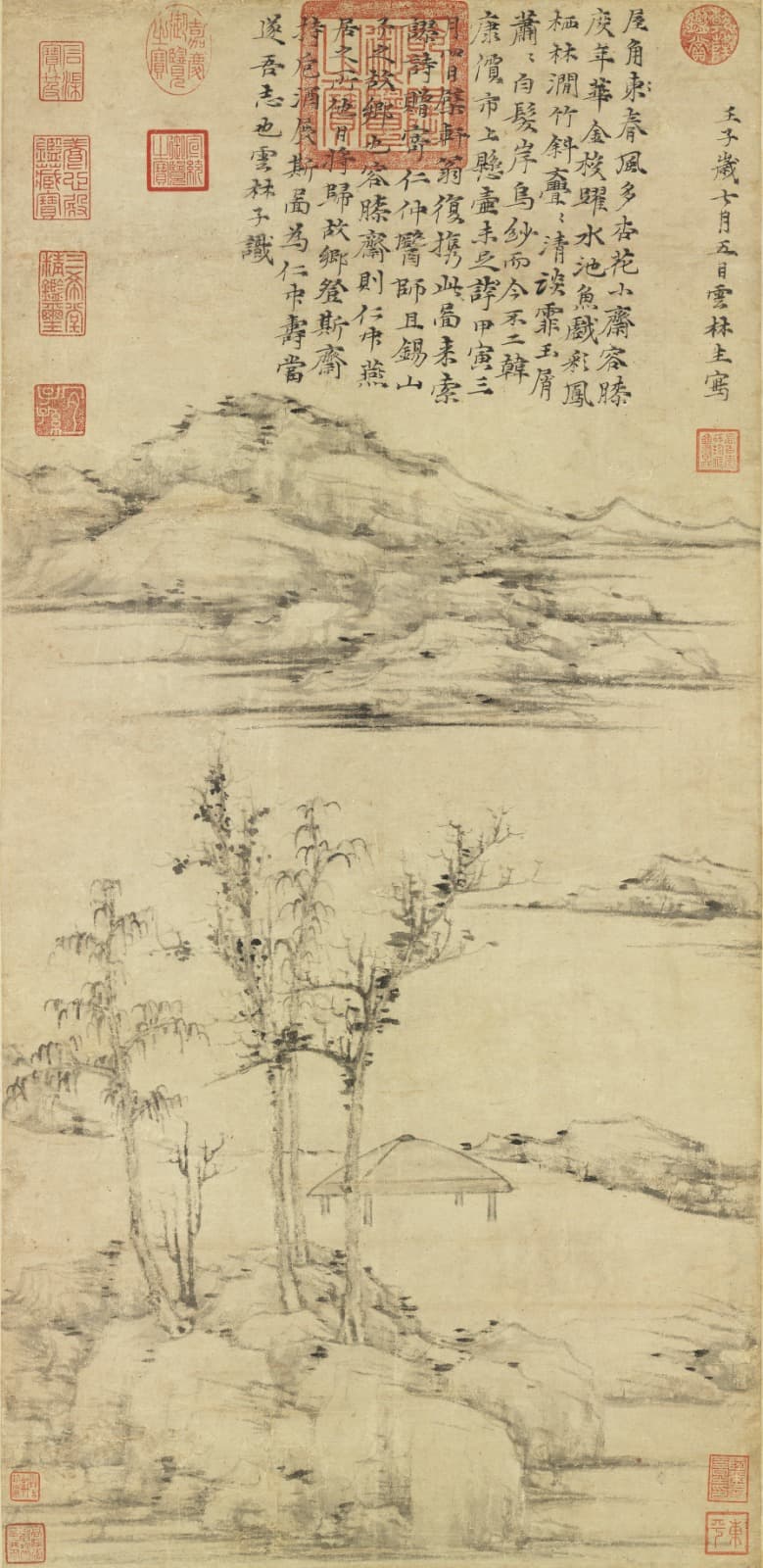
An empty pavilion, a few dry trees, no people at all. Ni Zan gave away his estate and spent his last years on a houseboat.
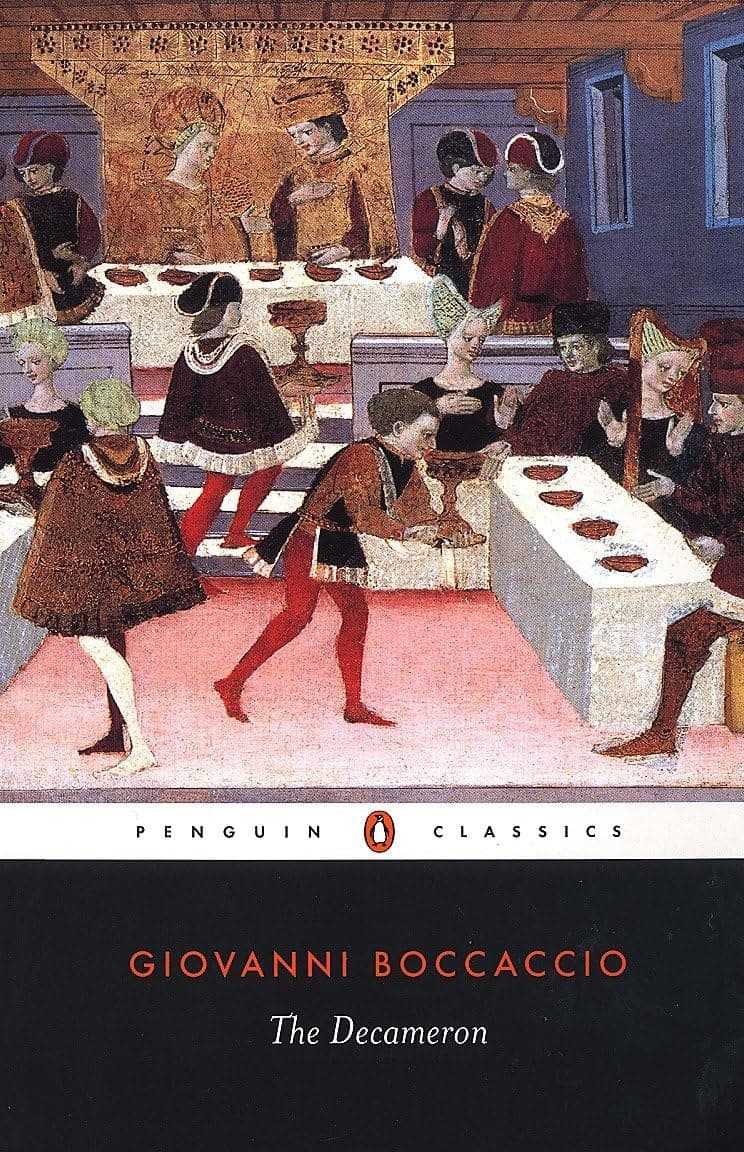
Ten young Florentines flee the plague to a country house and spend ten days telling a hundred stories of seduced wives, crooked friars, and lucky fools. The jokes still land six centuries later.

At Arthur's Christmas court a huge green man offers his neck to anyone willing to take the same blow a year later. Gawain swings, and the real test waits in a bedroom.
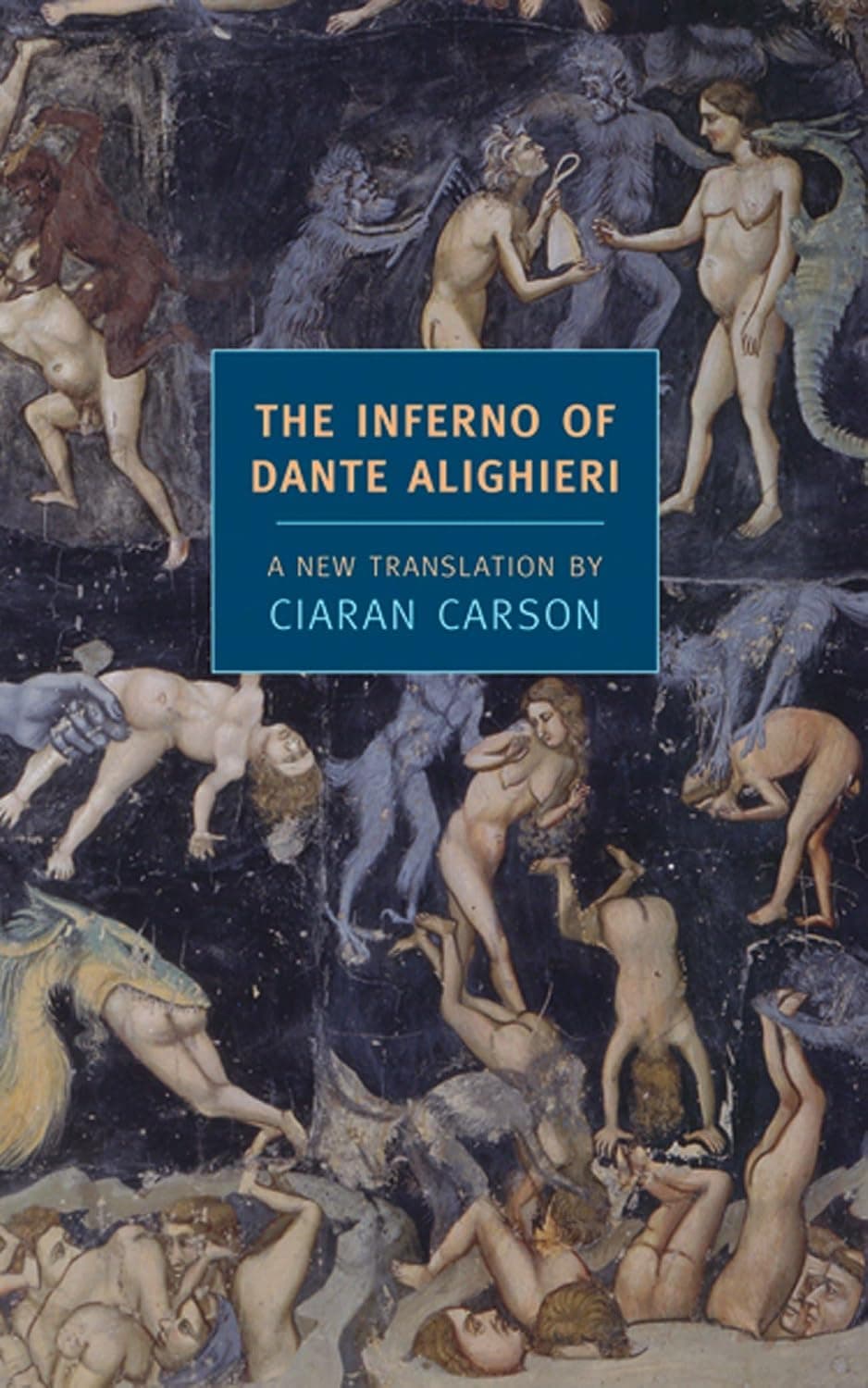
Lost in a dark wood, Dante follows the Roman poet Virgil down through nine circles, past lovers, popes, and traitors frozen in ice. Every punishment is built to answer its sin.
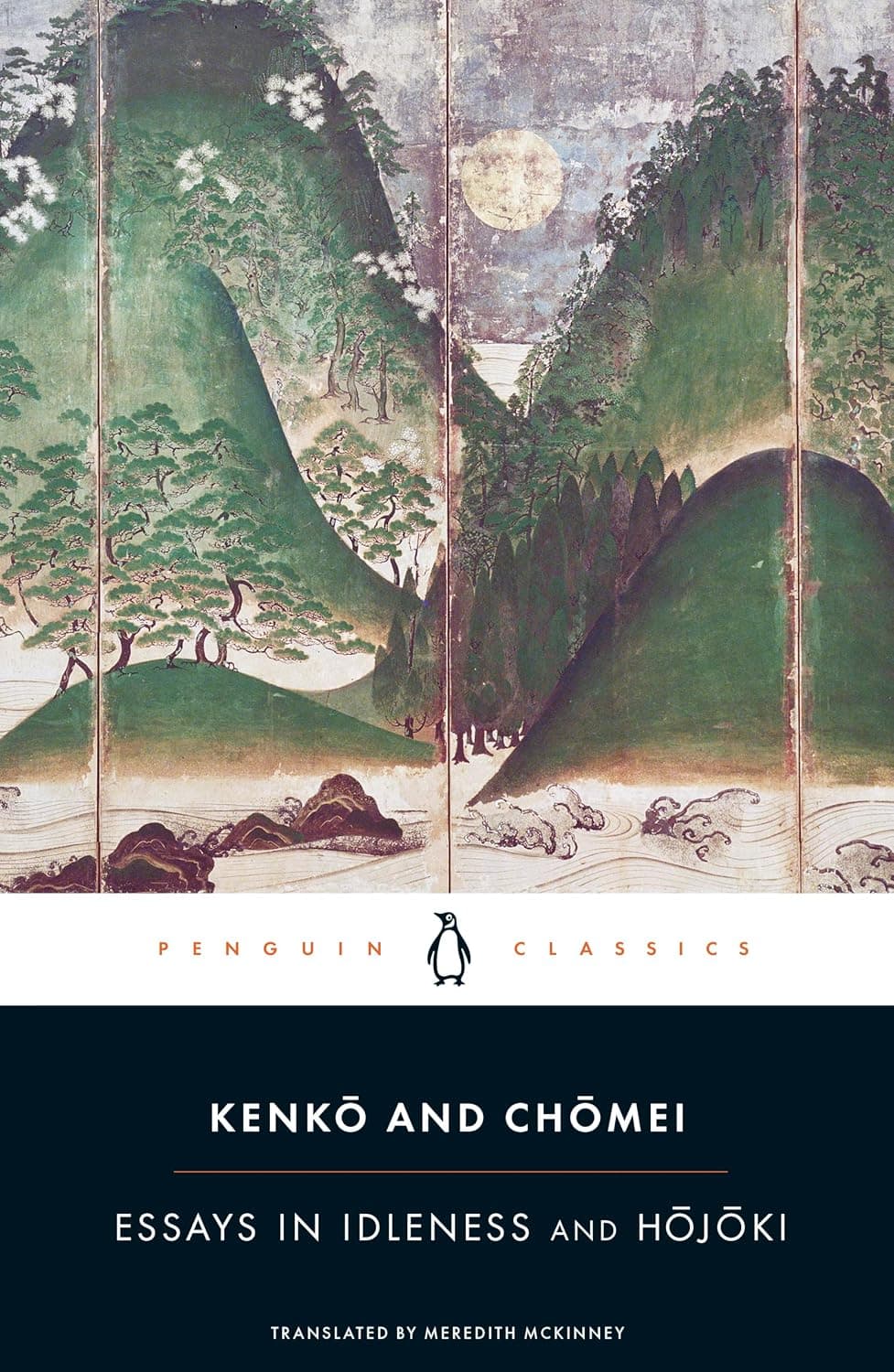
Writing in fourteenth-century Japan, the monk Kenko set down fragments on manners, boredom, and death, asking why we look at cherry blossoms only in full bloom. Impermanence makes attention urgent.
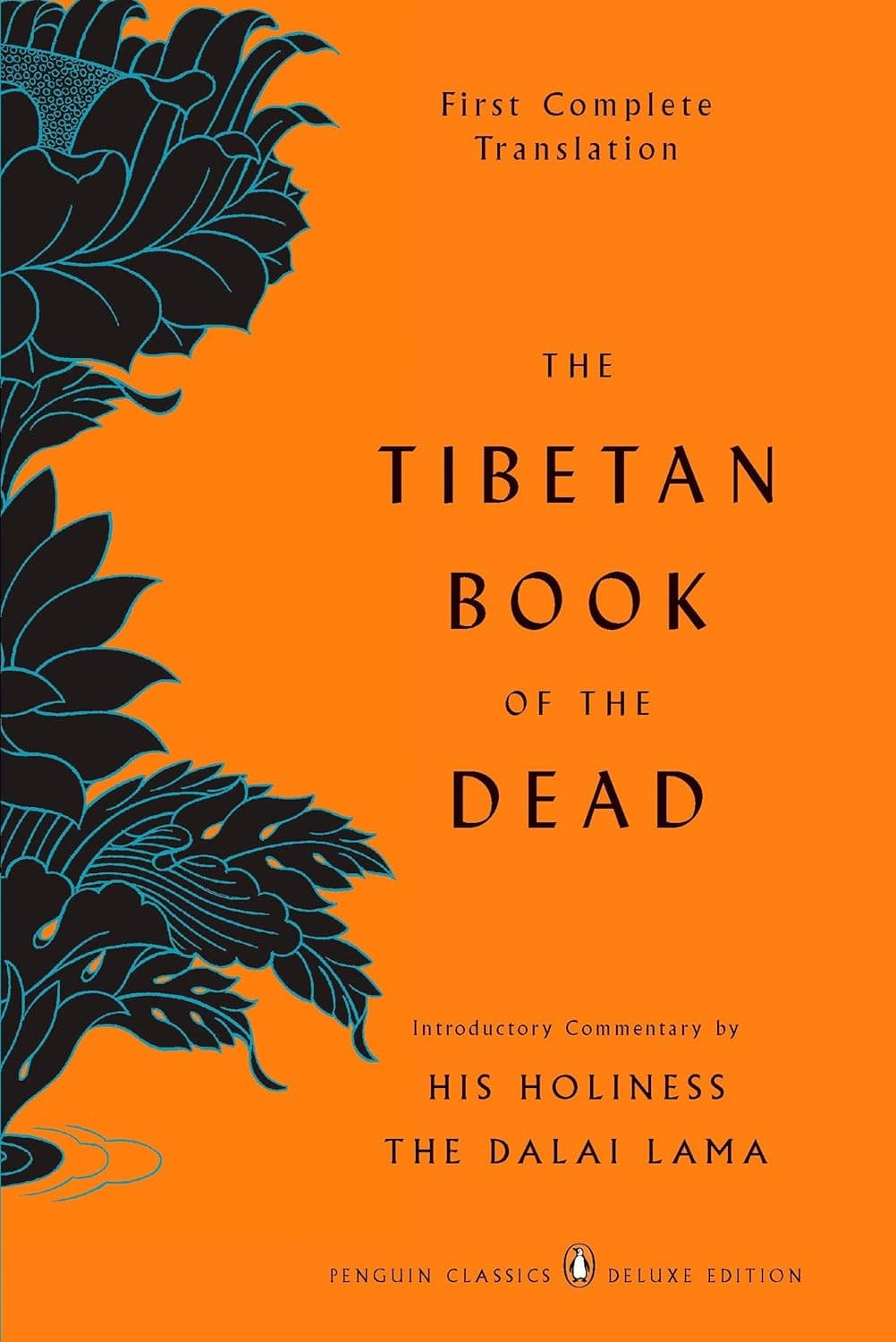
Chanted to the newly dead across the forty-nine days between one life and the next, Tibetan Buddhism's manual for dying insists that the radiant and monstrous deities arriving are the mind's own projections.
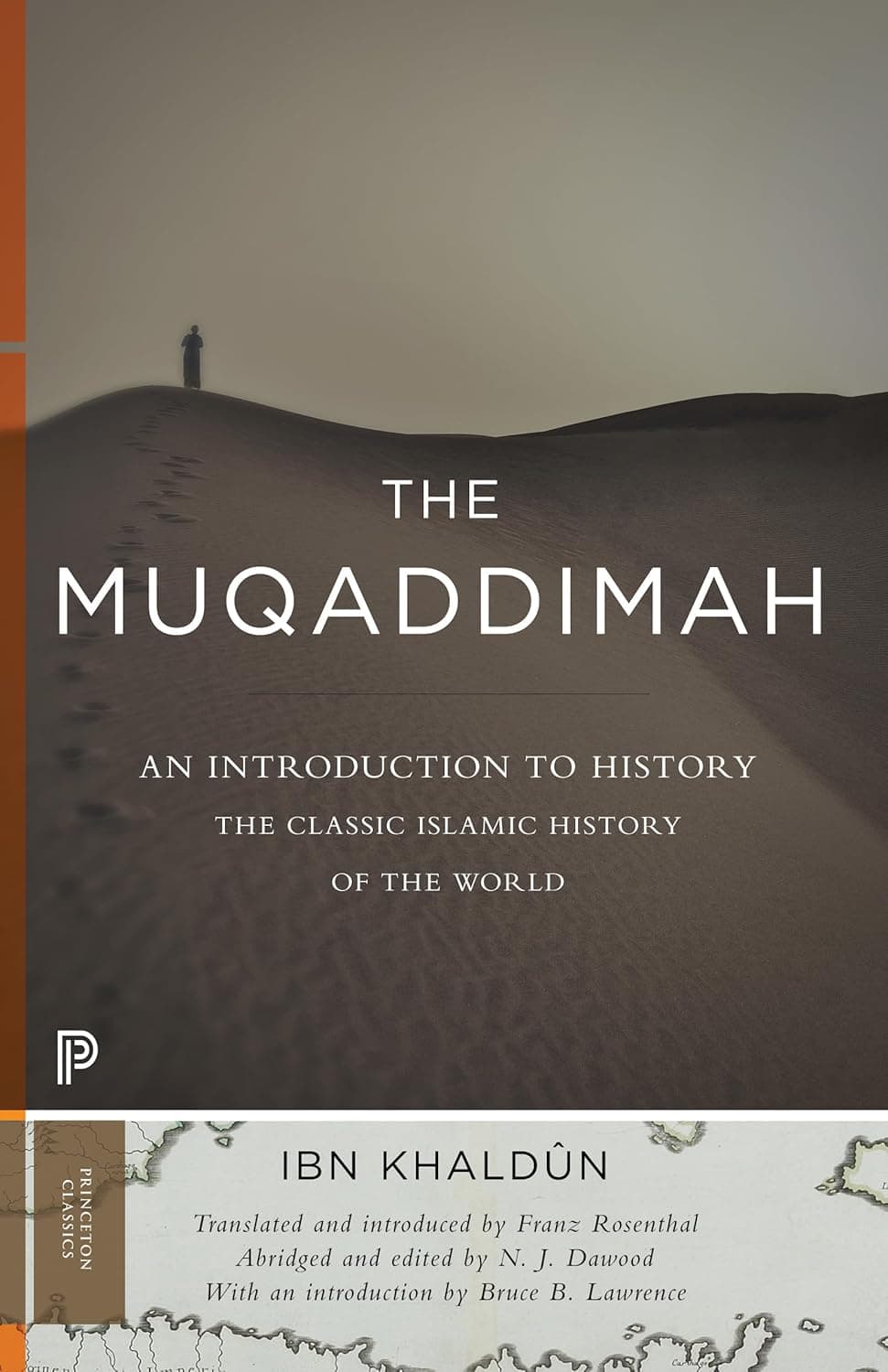
Ibn Khaldun found history's engine in group solidarity, which carries a tribe from desert to throne, then dissolves in city luxury within three generations. Europe produced nothing comparable for centuries.
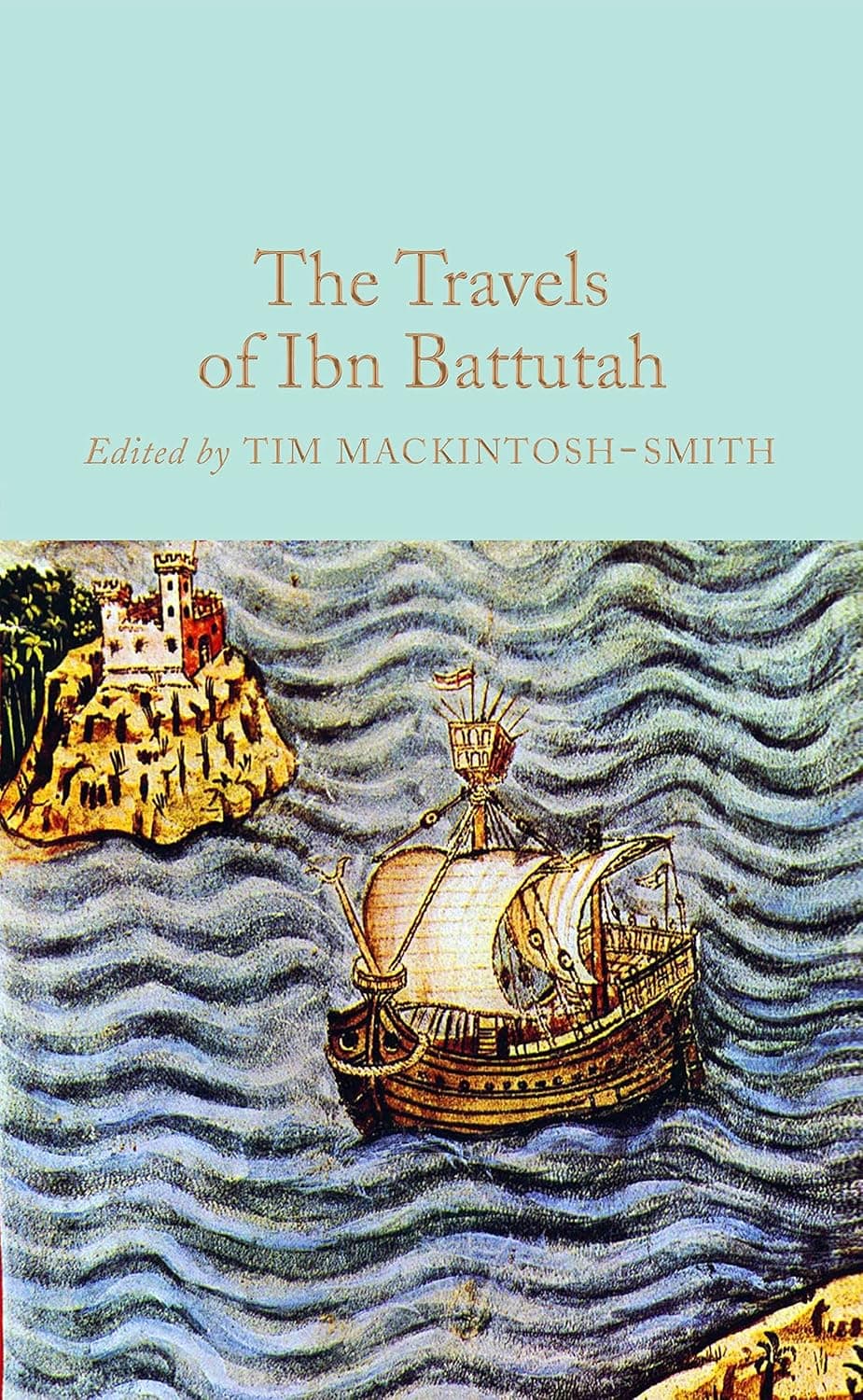
Ibn Battuta left Morocco at twenty-one for the hajj and stayed away twenty-nine years, judging cases in Delhi and crossing the Sahara to Mali. He dictated all 75,000 miles from memory.
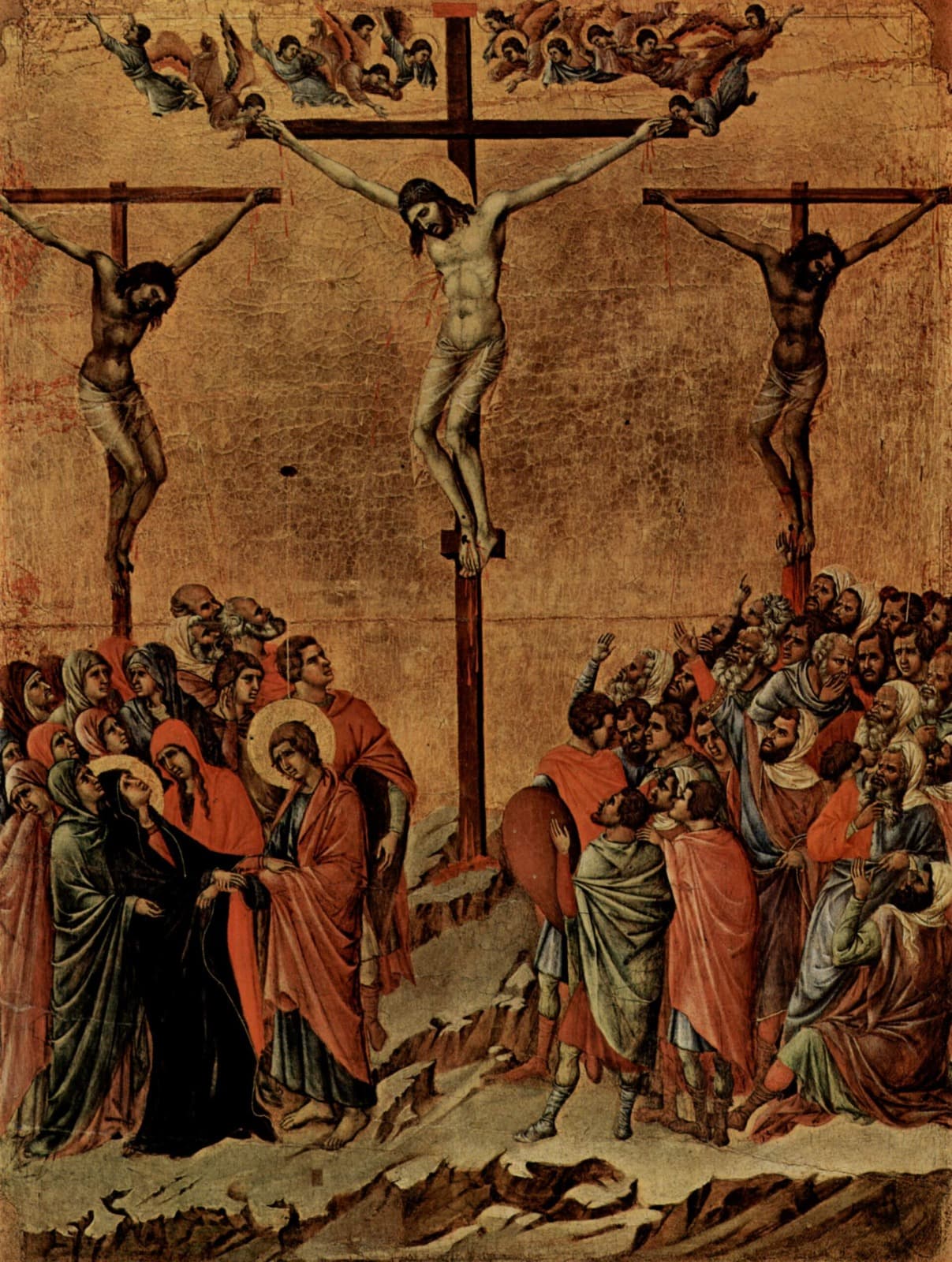
This is the largest scene on the back of the Maesta, the Virgin fainting on one side and the crowd arguing on the other.

Martin cuts his soldier's cloak in half with his sword to give a beggar the other part, dressed by Simone in courtly gold.

The earliest surviving English book by a woman came from an anchoress sealed into a cell beside a Norwich church. Julian saw all creation lying in her palm, small as a hazelnut.

Giotto had watched Halley's Comet in 1301 and painted the Star of Bethlehem as a comet, apparently the first artist to do it.
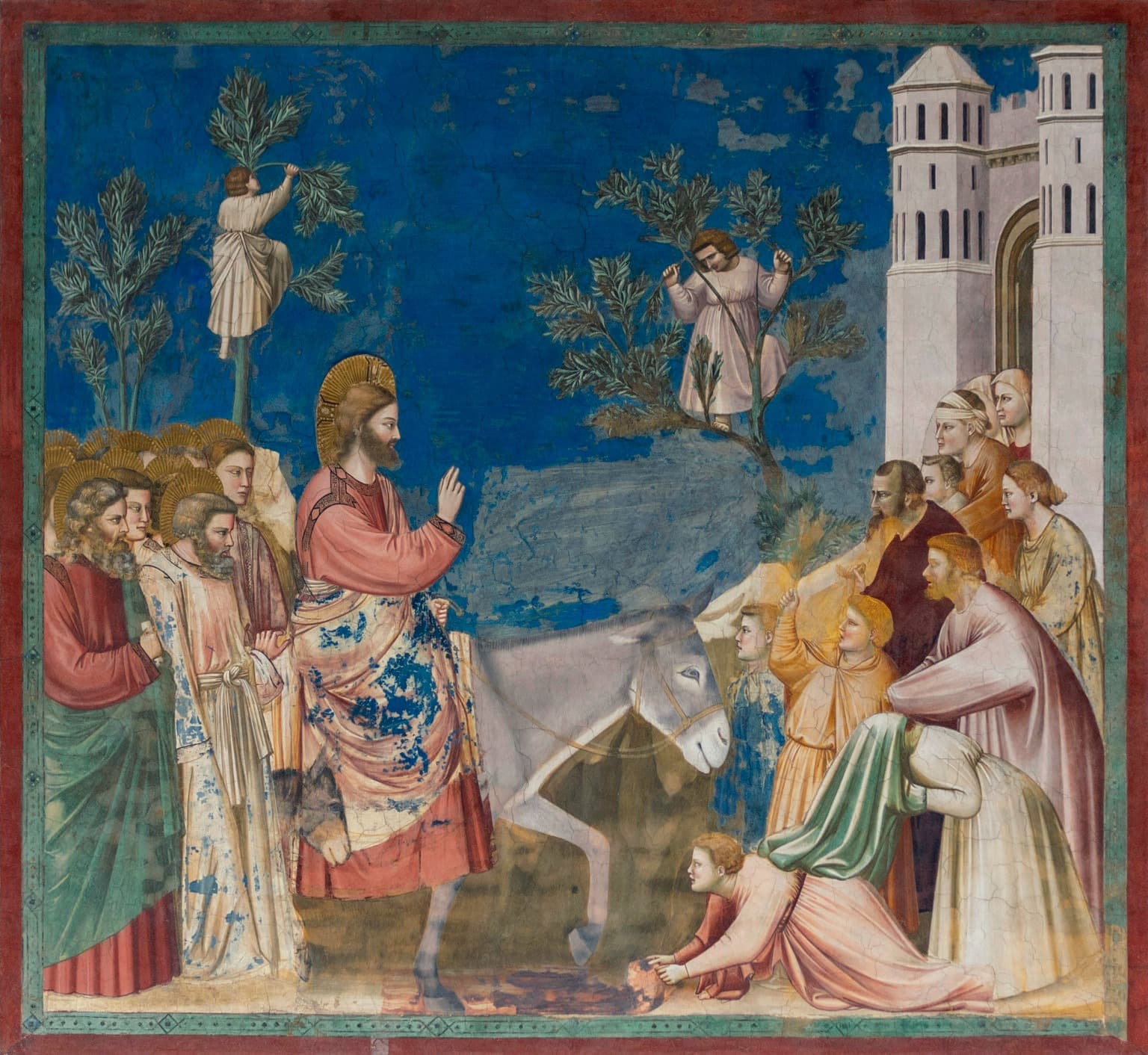
Boys climb the trees to break off palm branches while the procession moves along a stage-like ledge under deep blue. Padua, around 1305.

A shepherd twists onto his back and throws up a hand against the glare. One of the first real night scenes in Western art.

Duccio and Giotto painted this same entry within a year of each other. Duccio's is the crowded one, full of towers, incident and color.
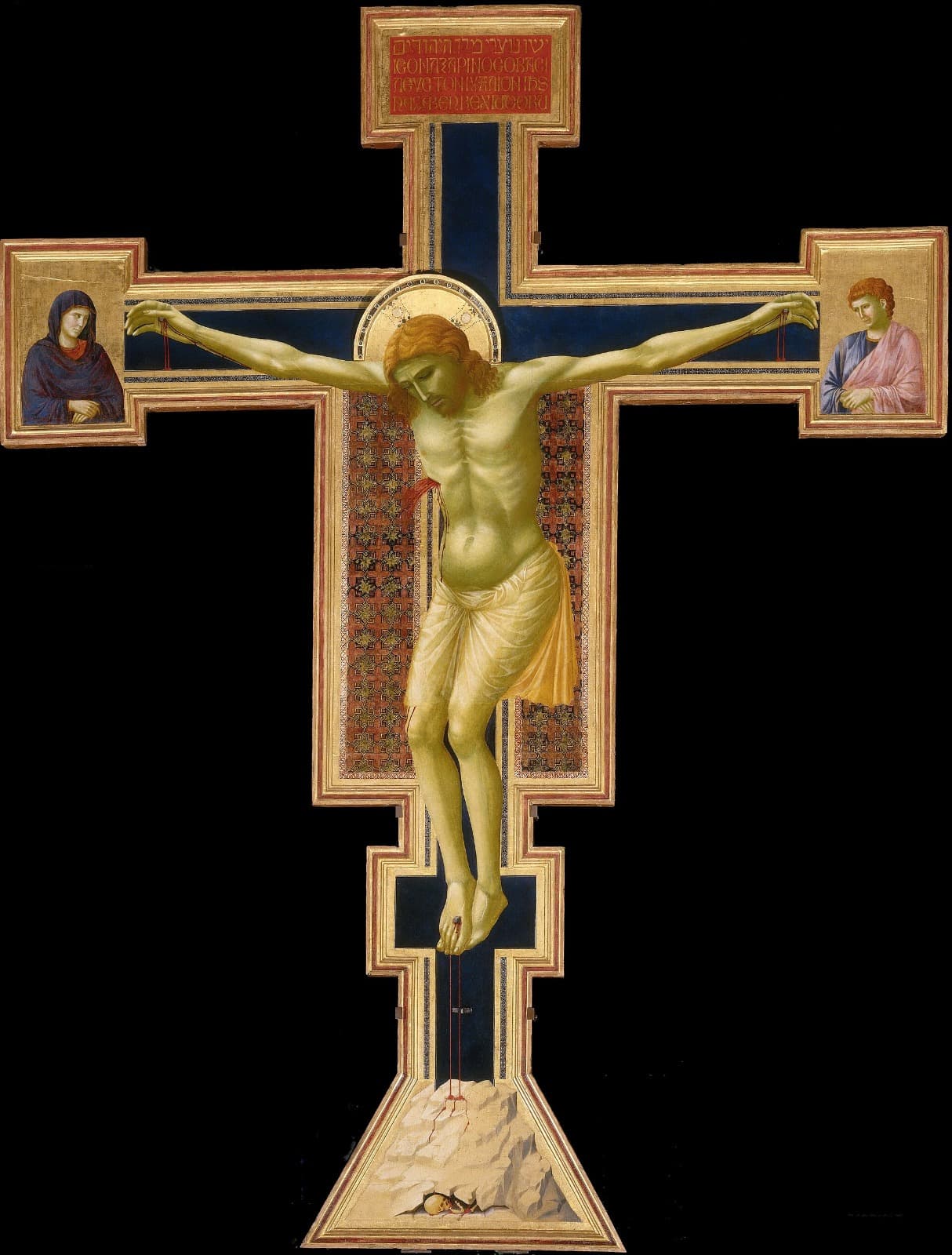
Where Cimabue's Christ swings in an elegant curve, Giotto's hangs straight down under his own weight, belly sagging, head on his chest.

One woman flings both arms over her head, others press their faces to the body. Simone drops all restraint against a sky streaked red.

The Devil offers all the kingdoms of the world, rendered as tiny gold-edged walled towns scattered down the slopes, and is refused.

Herod gestures from a balcony while soldiers pull babies out of their mothers' arms. Giotto carries the horror on the mothers' faces alone.

Machaut left money for this mass to be sung at an altar in Reims Cathedral in his memory, and it was, for centuries.

Six angels lean in along the throne with their heads tilted, which turns a rigid Byzantine formula into something nearly intimate.
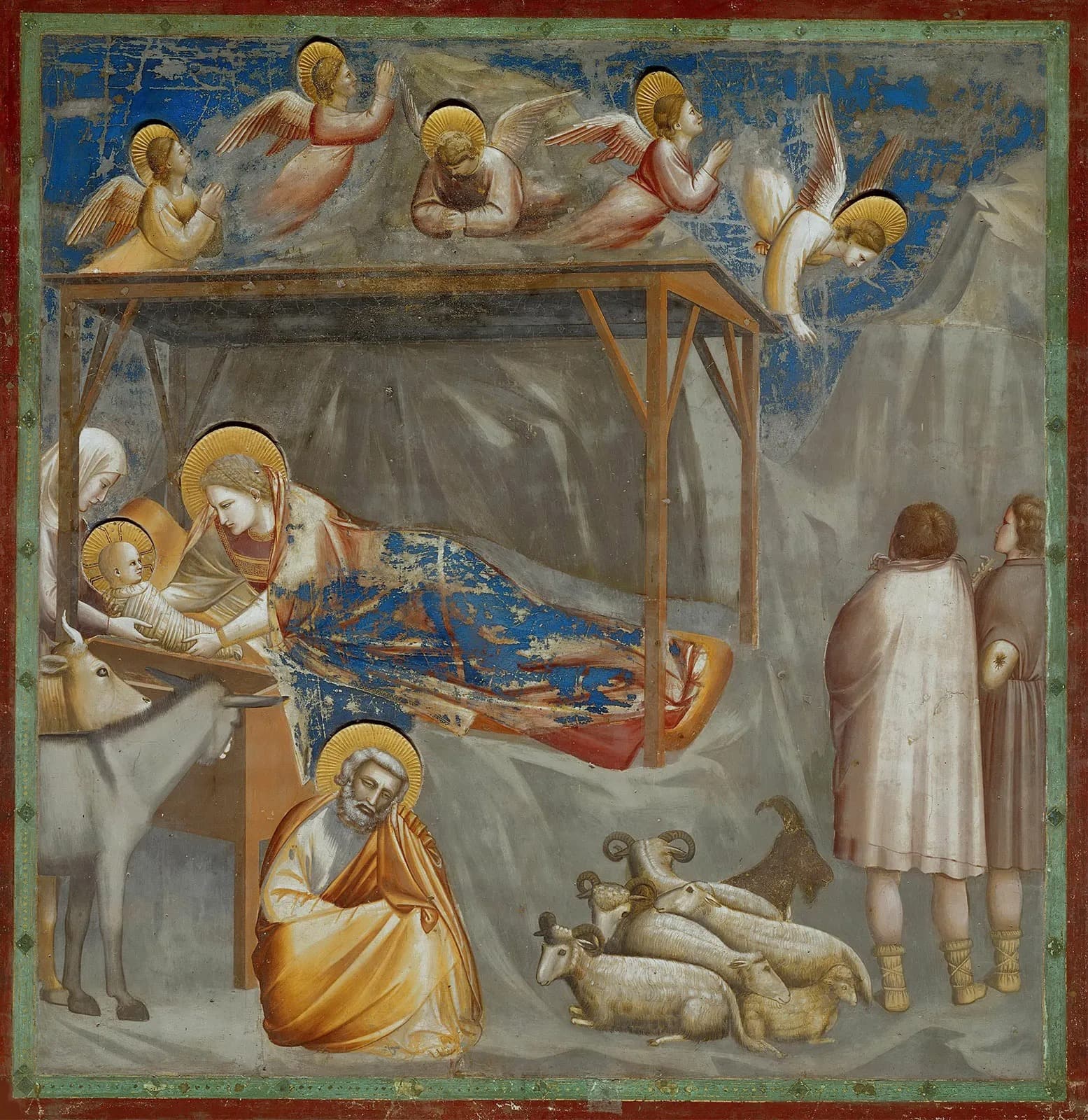
The Virgin lies on the hillside and turns to lay her son in the manger, looking at his face. No gold, just a cold blue sky.

A soldier drags Christ out through the city gate by his robe, the diagonal of the cross cutting against a bristling line of lances.

Servants stoop over the great stone jars in the foreground to draw out wine that was water a moment ago.

The brothers pause with the net still trailing fish through green water, caught between the work and the man on the shore.

Christ in vivid red is hauled by a rope through the gate of a white, many-towered Jerusalem while children scamper at the edge.