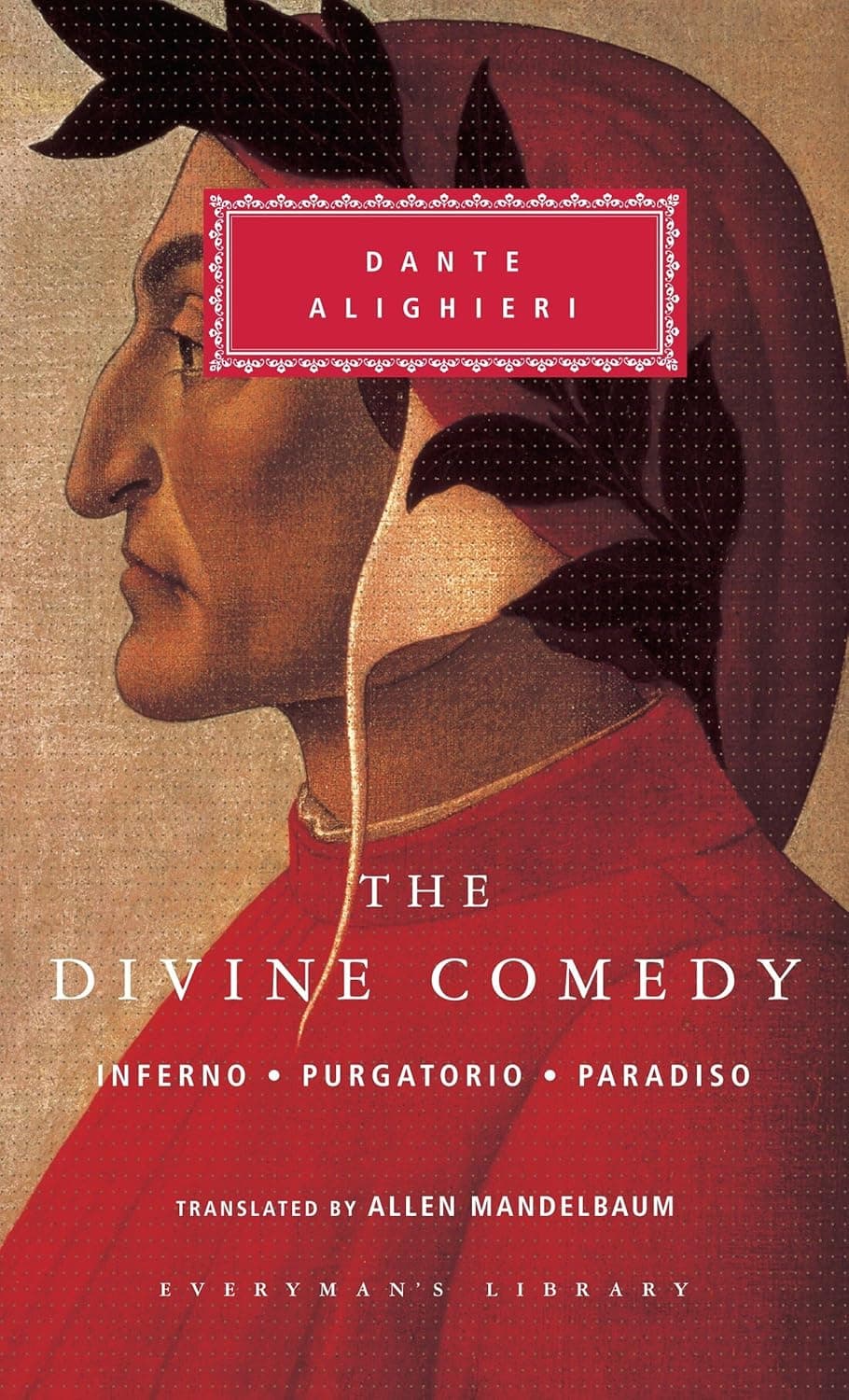
The Divine Comedy
1321 · 798 pages
No poem has reached higher. Dante goes down through hell, up the mountain of purgatory, and into the light of God, settling scores with real Florentines and arriving where Beatrice waits.
★ 9.8
 skopia
No poem has reached higher. Dante goes down through hell, up the mountain of purgatory, and into the light of God, settling scores with real Florentines and arriving where Beatrice waits.

Chaucer's thirty pilgrims ride to Canterbury swapping stories, the knight a courtly romance and the miller a filthy joke, and he wrote them in English when serious poetry meant Latin or French.
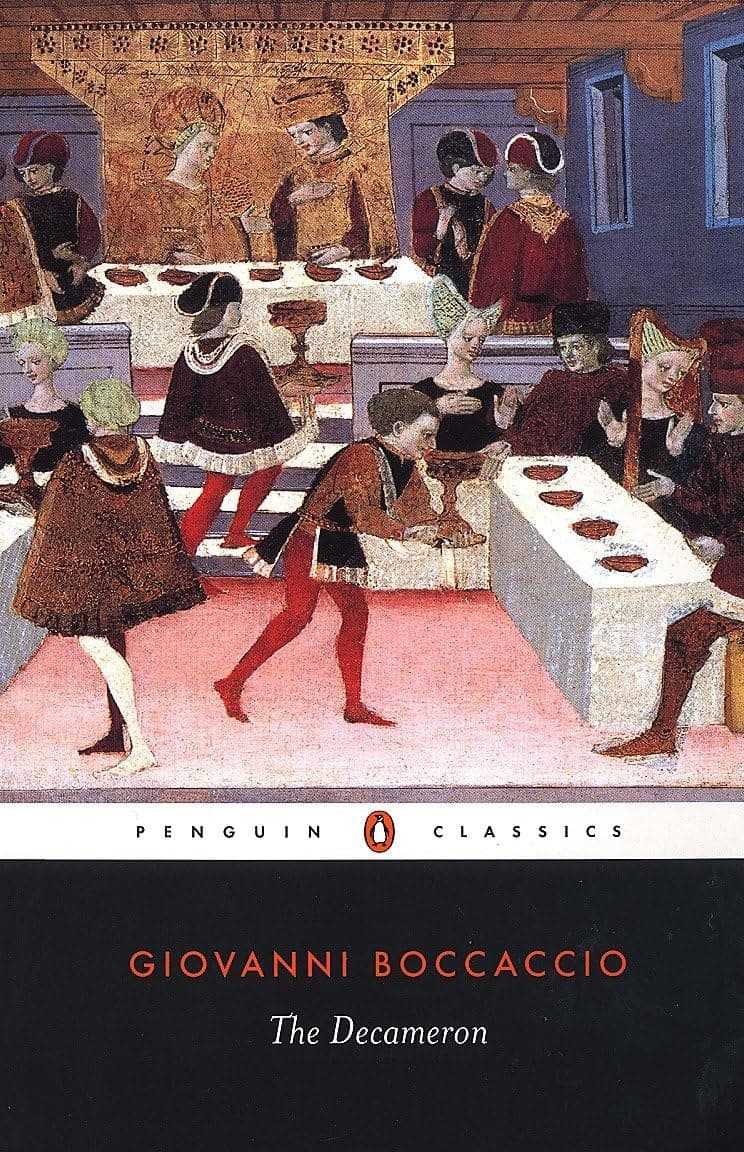
Ten young Florentines flee the plague to a country house and spend ten days telling a hundred stories of seduced wives, crooked friars, and lucky fools. The jokes still land six centuries later.

At Arthur's Christmas court a huge green man offers his neck to anyone willing to take the same blow a year later. Gawain swings, and the real test waits in a bedroom.
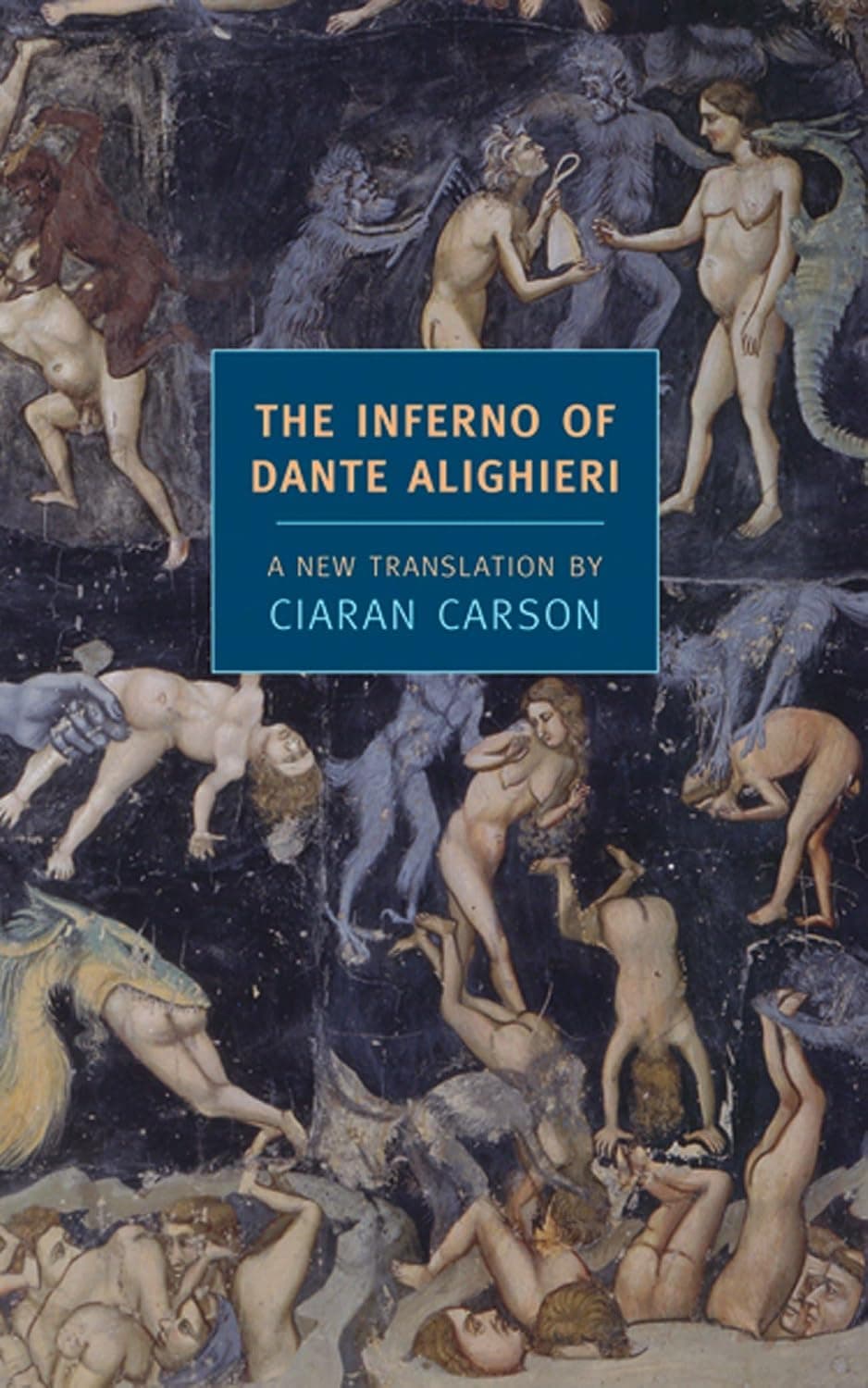
Lost in a dark wood, Dante follows the Roman poet Virgil down through nine circles, past lovers, popes, and traitors frozen in ice. Every punishment is built to answer its sin.
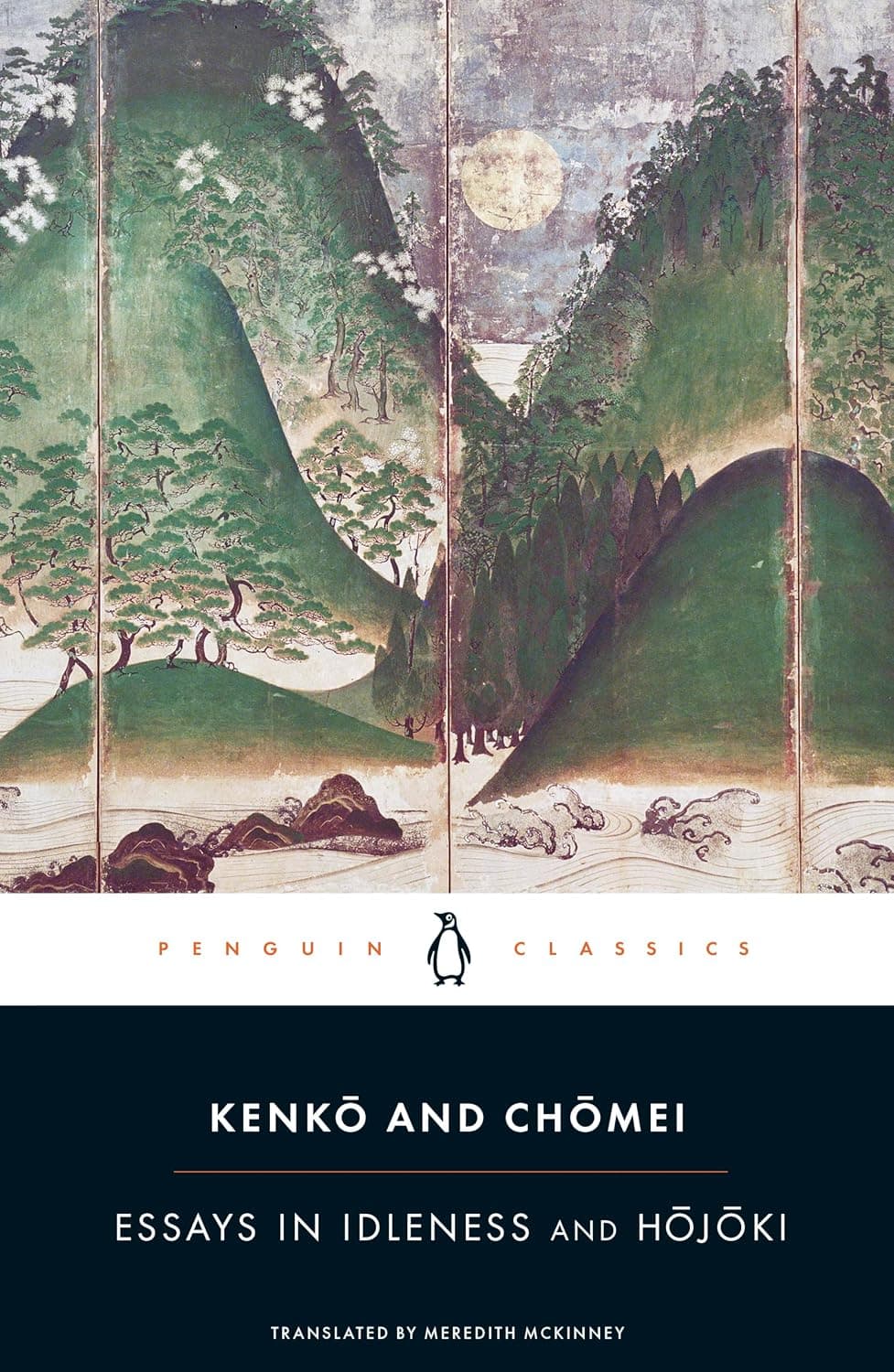
Writing in fourteenth-century Japan, the monk Kenko set down fragments on manners, boredom, and death, asking why we look at cherry blossoms only in full bloom. Impermanence makes attention urgent.

Chanted to the newly dead across the forty-nine days between one life and the next, Tibetan Buddhism's manual for dying insists that the radiant and monstrous deities arriving are the mind's own projections.
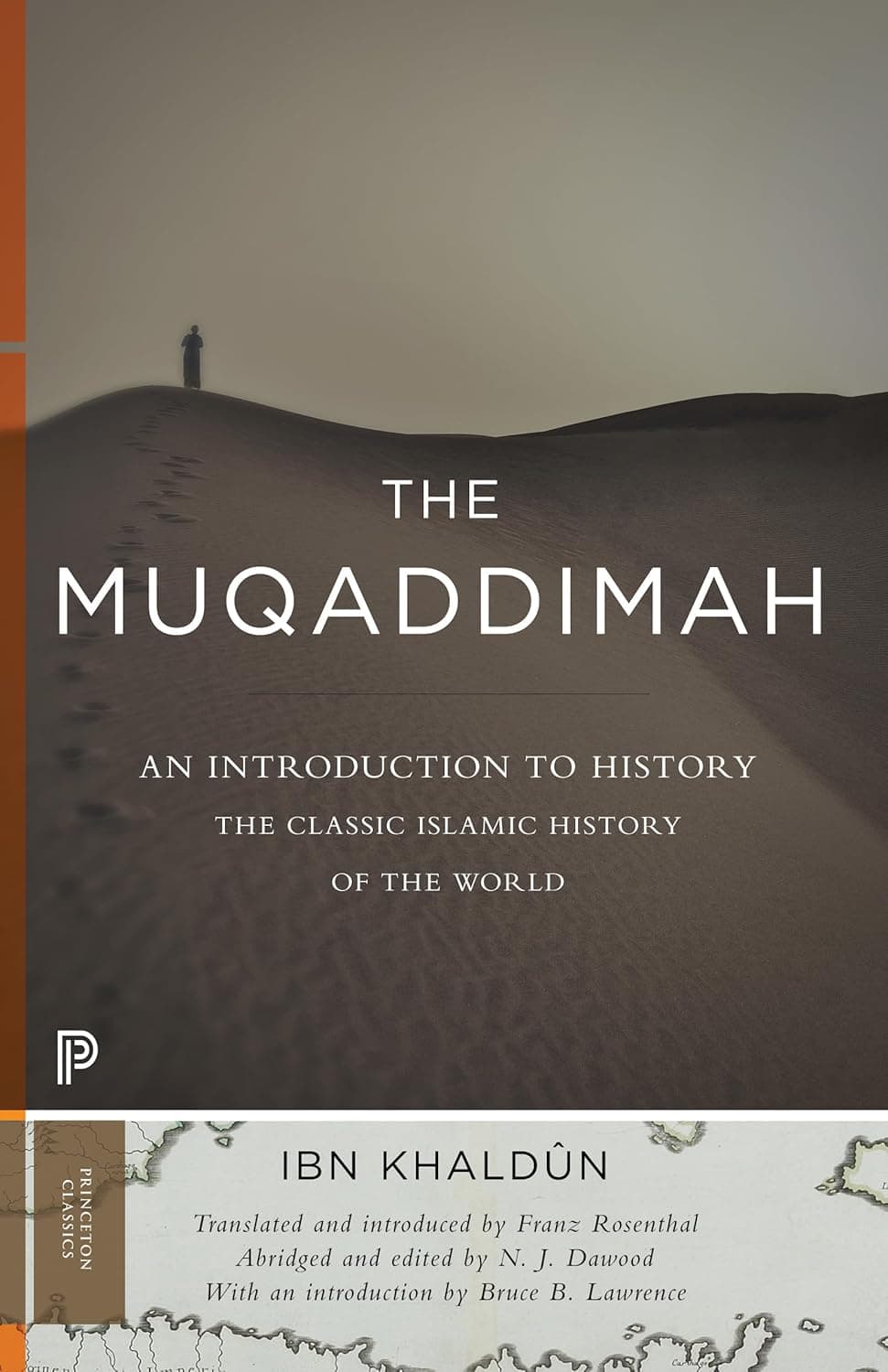
Ibn Khaldun found history's engine in group solidarity, which carries a tribe from desert to throne, then dissolves in city luxury within three generations. Europe produced nothing comparable for centuries.
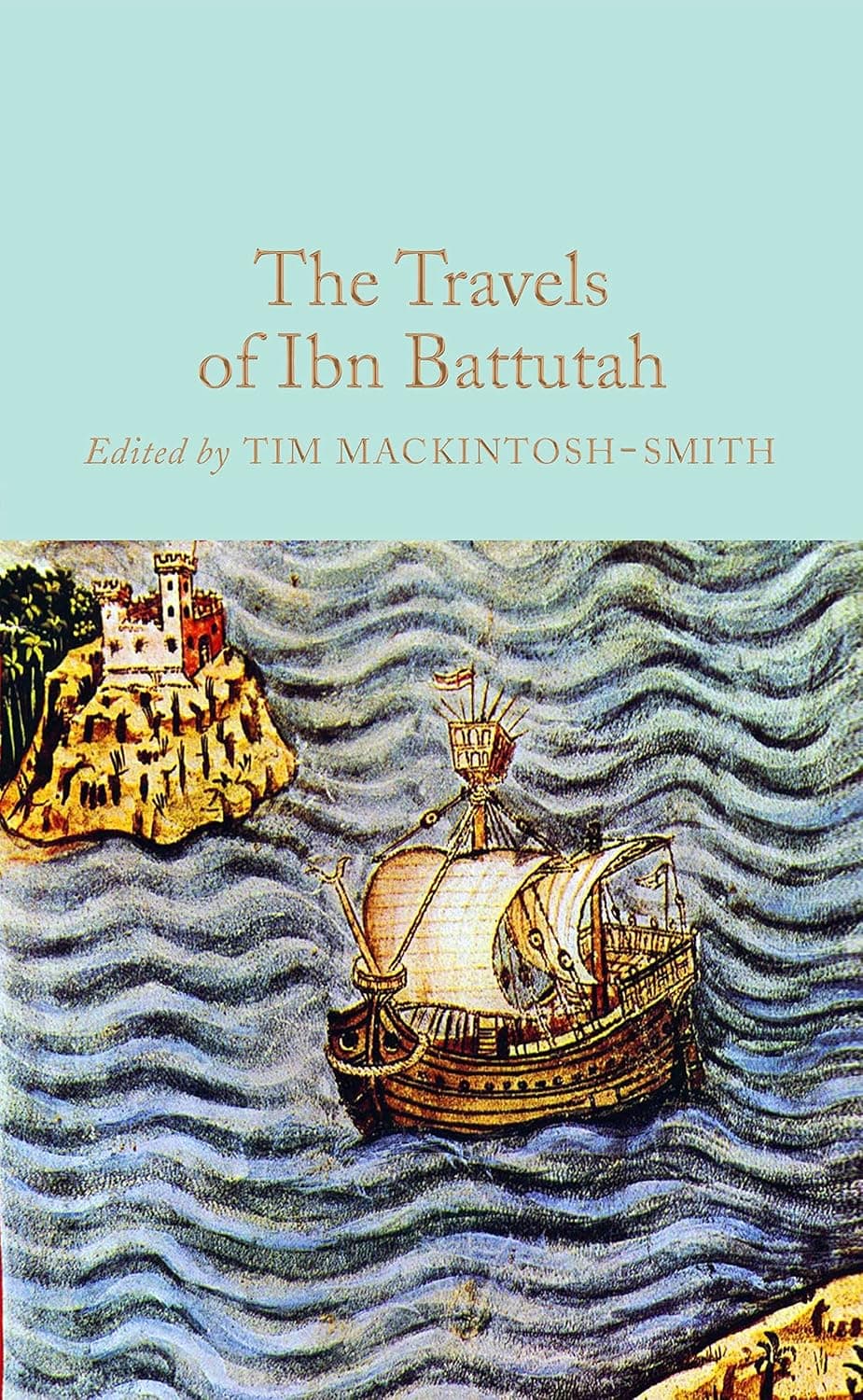
Ibn Battuta left Morocco at twenty-one for the hajj and stayed away twenty-nine years, judging cases in Delhi and crossing the Sahara to Mali. He dictated all 75,000 miles from memory.

The earliest surviving English book by a woman came from an anchoress sealed into a cell beside a Norwich church. Julian saw all creation lying in her palm, small as a hazelnut.