
All Quiet on the Western Front
1928 · 304 pages
German schoolboys enlist after a teacher's patriotic speech and find mud, lice, and men dying badly. Remarque was in those trenches, and no book has done more damage to the idea of glory.
★ 8.0
 skopia
German schoolboys enlist after a teacher's patriotic speech and find mud, lice, and men dying badly. Remarque was in those trenches, and no book has done more damage to the idea of glory.

Driving ambulances for the Italian army, an American falls in love with an English nurse while the front collapses around them. Hemingway's plain sentences leave you completely undefended by the last page.
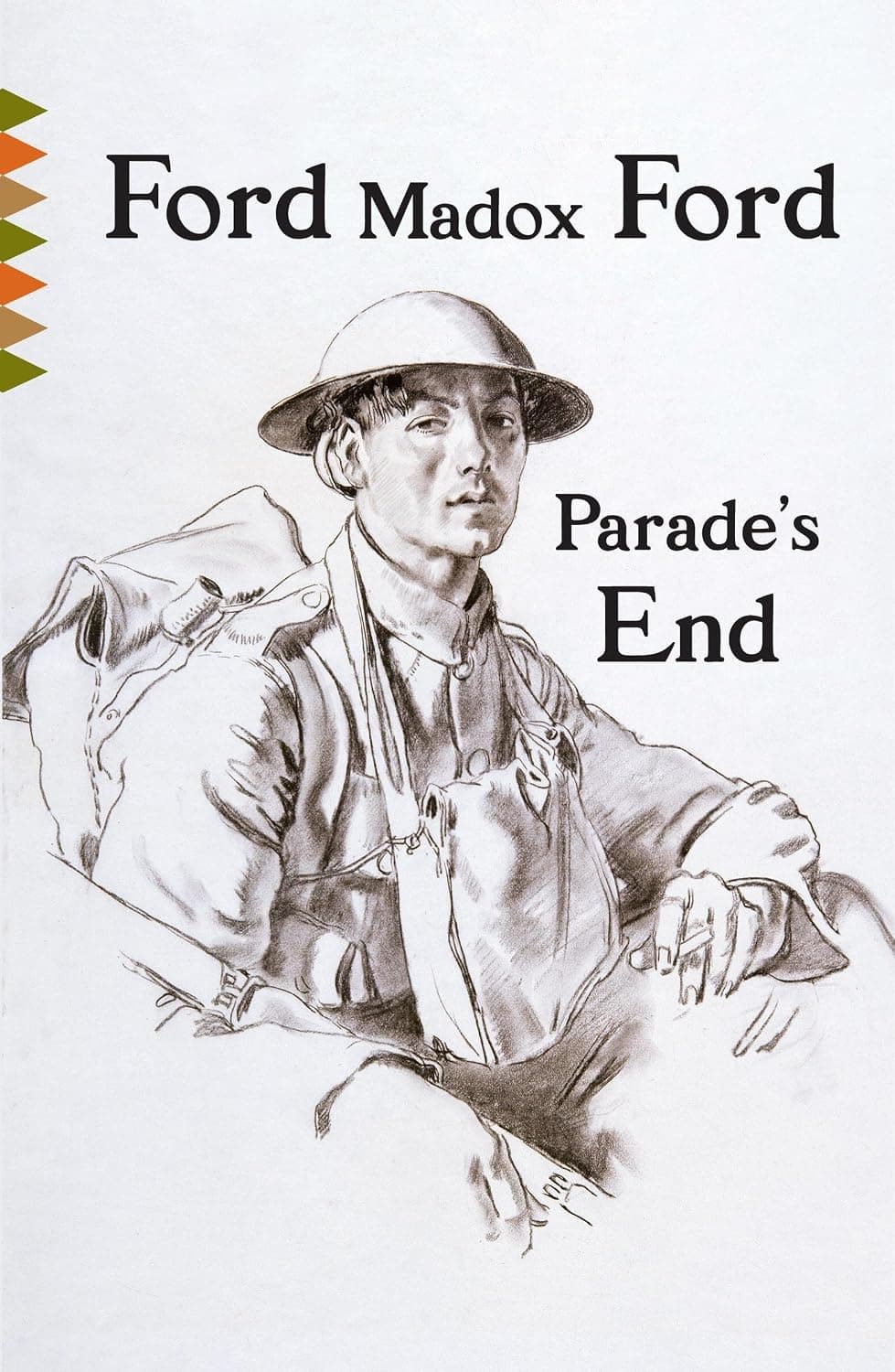
Christopher Tietjens, a government statistician called the last Tory, endures a wife bent on ruining him and a war in France that takes apart the England he was raised to defend.

Clark reconstructs the July crisis of 1914 and finds no villain, only leaders watchful but unseeing, each rational step carrying Europe closer. He reopened the fiercest fight over war guilt in decades.

August 1914, told hour by hour as generals launched plans they could no longer stop. Kennedy had it in mind through the Cuban missile crisis, vowing nobody would write The Missiles of October.
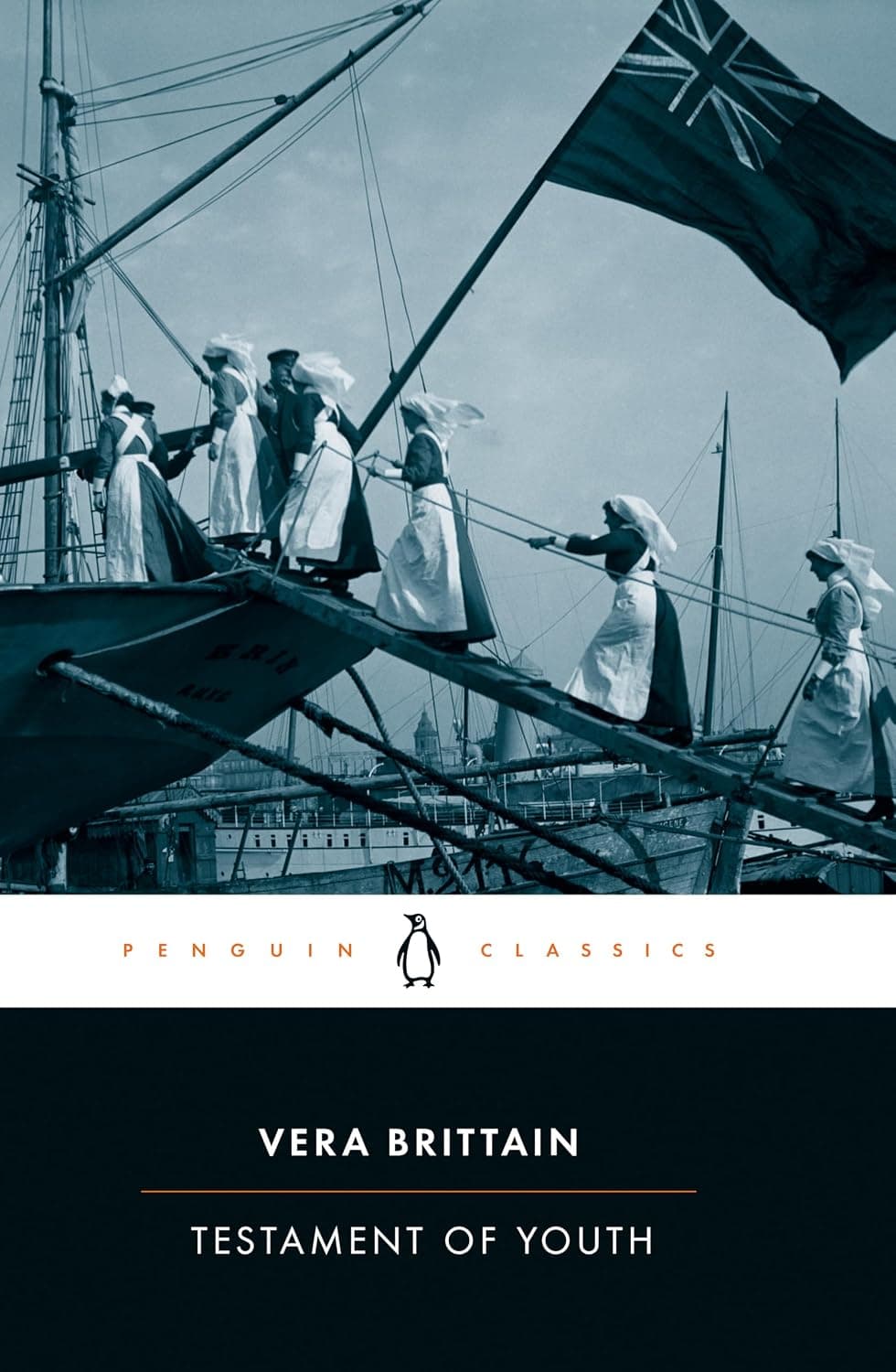
Brittain left Oxford to nurse the wounded and lost her fiancé, her brother, and two close friends. She set down the grief of an entire generation without softening a line of it.

The trenches taught the century to speak in irony, Fussell argues, reading Sassoon, Graves, and Owen against the language they inherited. Historians have argued with him for fifty years inside his frame.
Franz Ferdinand Trotta drinks through the last spring of peace, then loses the war, his money and his wife. On the night Hitler annexes Austria he walks to the emperors' crypt.