
The Collected Poems
1954 · 583 pages
Stevens sold insurance in Hartford and wrote sumptuous poems about what the imagination makes once God is gone. Read "The Emperor of Ice-Cream" aloud and the sound arrives before the sense.
★ 8.6
 skopia
Stevens sold insurance in Hartford and wrote sumptuous poems about what the imagination makes once God is gone. Read "The Emperor of Ice-Cream" aloud and the sound arrives before the sense.
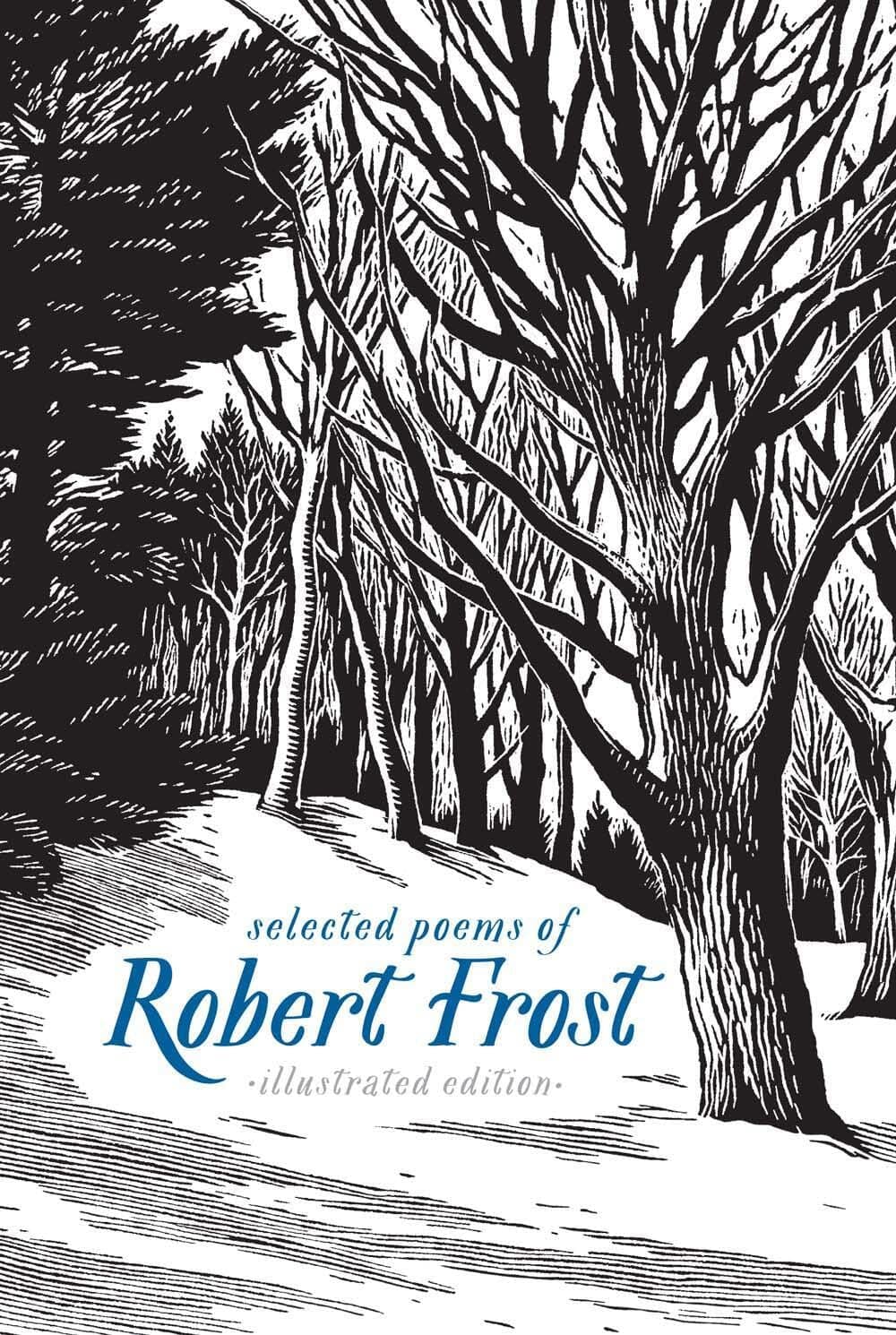
Frost's New England of stone walls and deep snow arrives in plain talk held to strict meter, with something much colder underneath. Stopping by Woods on a Snowy Evening offers no comfort.
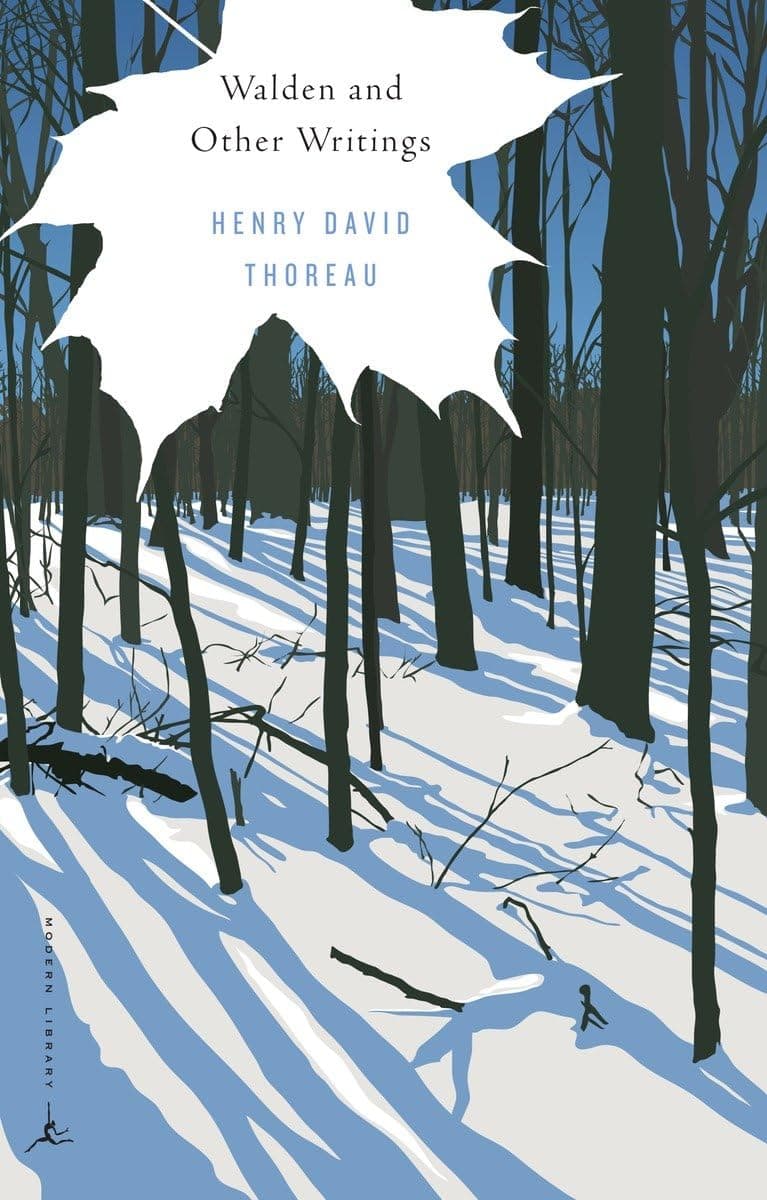
Two years in a cabin by a Massachusetts pond, and the permanent argument against a life spent earning. Thoreau writes about beans, loons, and why most people lead lives of quiet desperation.

Tess, a poor farm girl, is sent to claim kinship with rich relatives, and what happens there decides the rest of her life. Hardy called her a pure woman and Victorian England erupted.

Everything is atoms falling through empty space, Lucretius argues in Latin verse, your soul included, and it dies when your body does. He wrote the poem to cure his readers of fearing death.
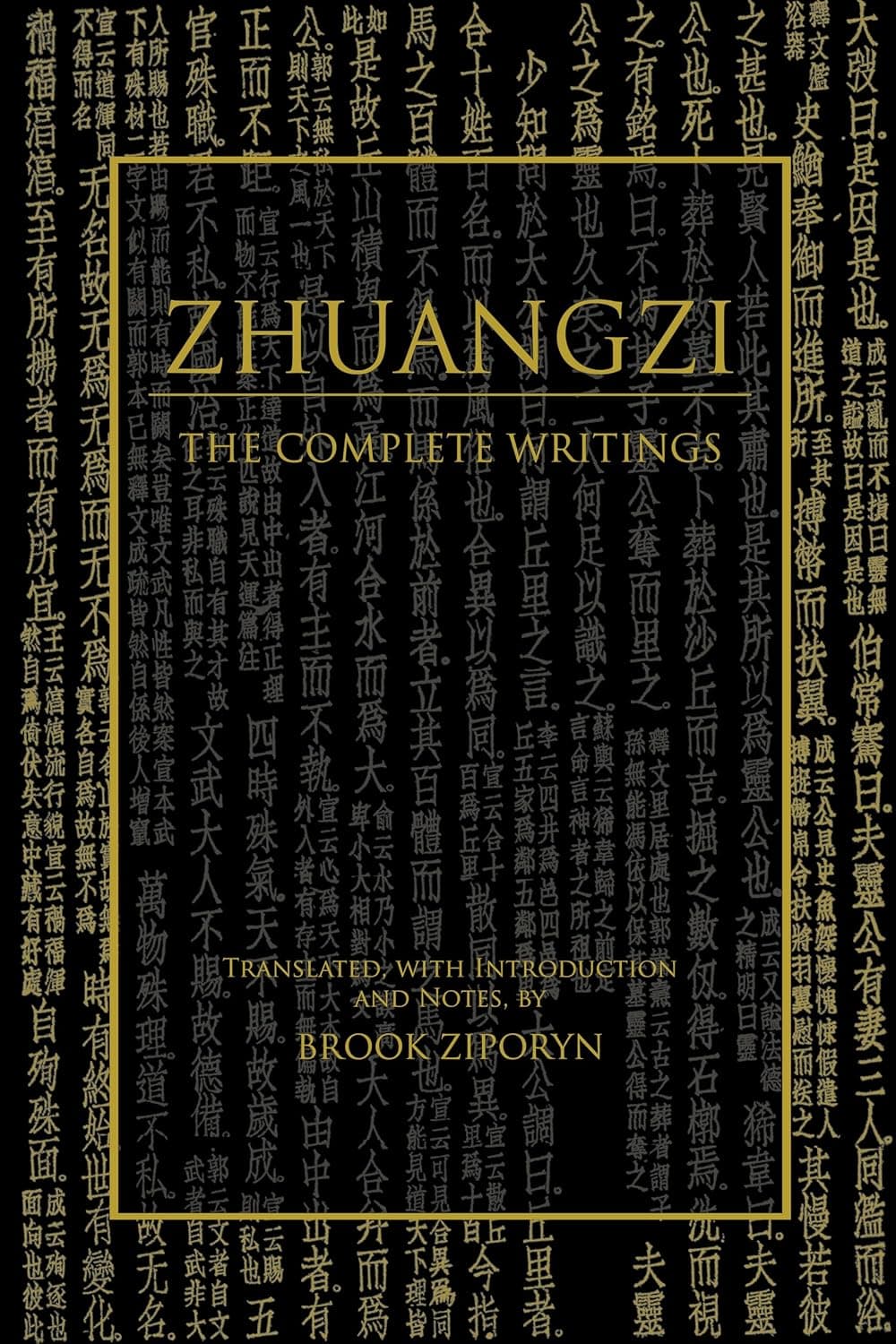
Zhuang Zhou dreams he is a butterfly and wakes unsure which one is dreaming. The jokes, tall tales, and arguments with logicians that follow work to loosen your grip on your own categories.
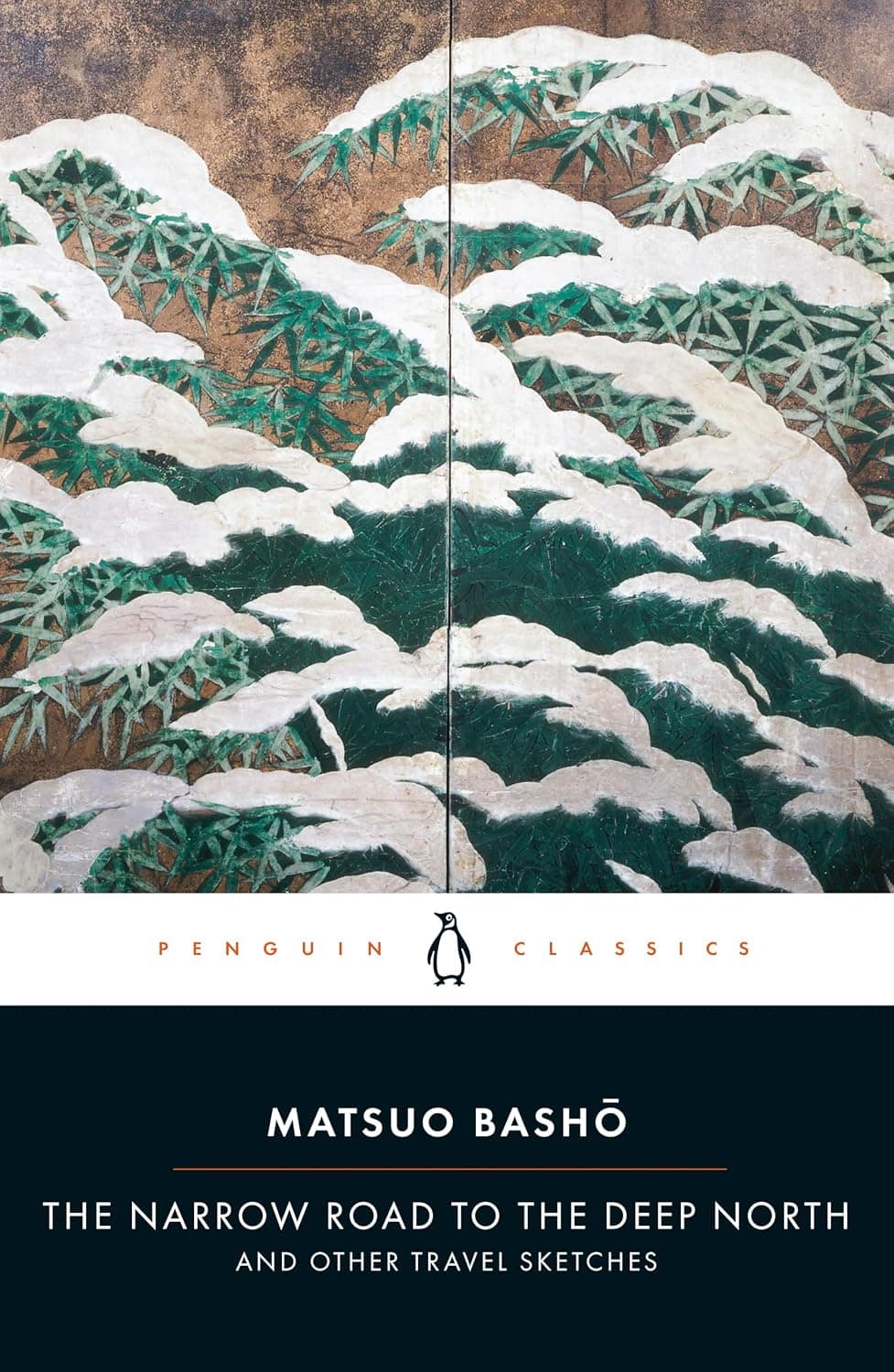
Basho sold his house and walked hundreds of miles into northern Japan, writing prose that stops for a haiku. At a battlefield he finds summer grass, all that remains of warriors' dreams.
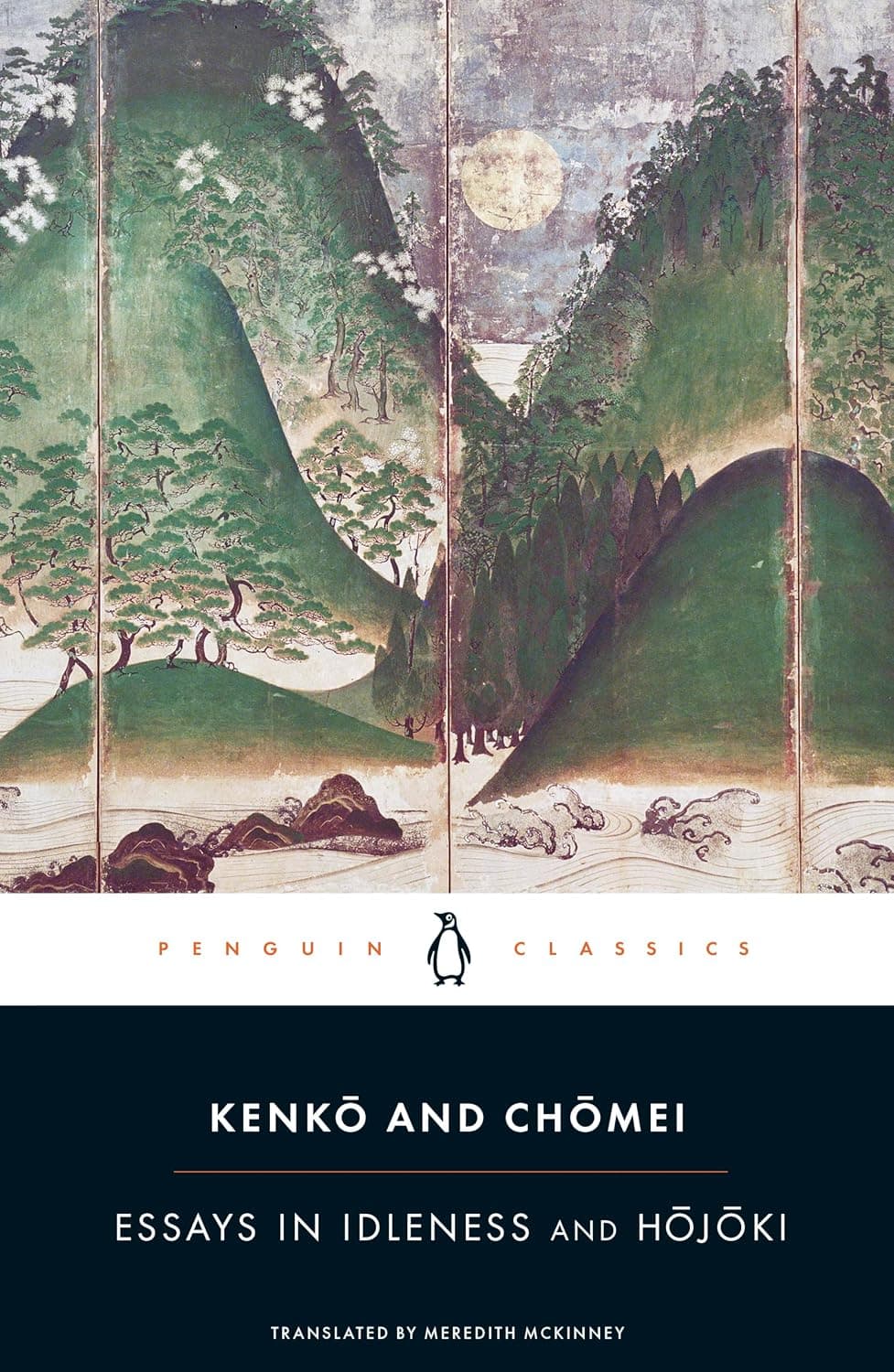
Writing in fourteenth-century Japan, the monk Kenko set down fragments on manners, boredom, and death, asking why we look at cherry blossoms only in full bloom. Impermanence makes attention urgent.

In our family, Maclean writes, there was no clear line between religion and fly fishing. Two brothers and their minister father on the Big Blackfoot, and a love that cannot save anyone.
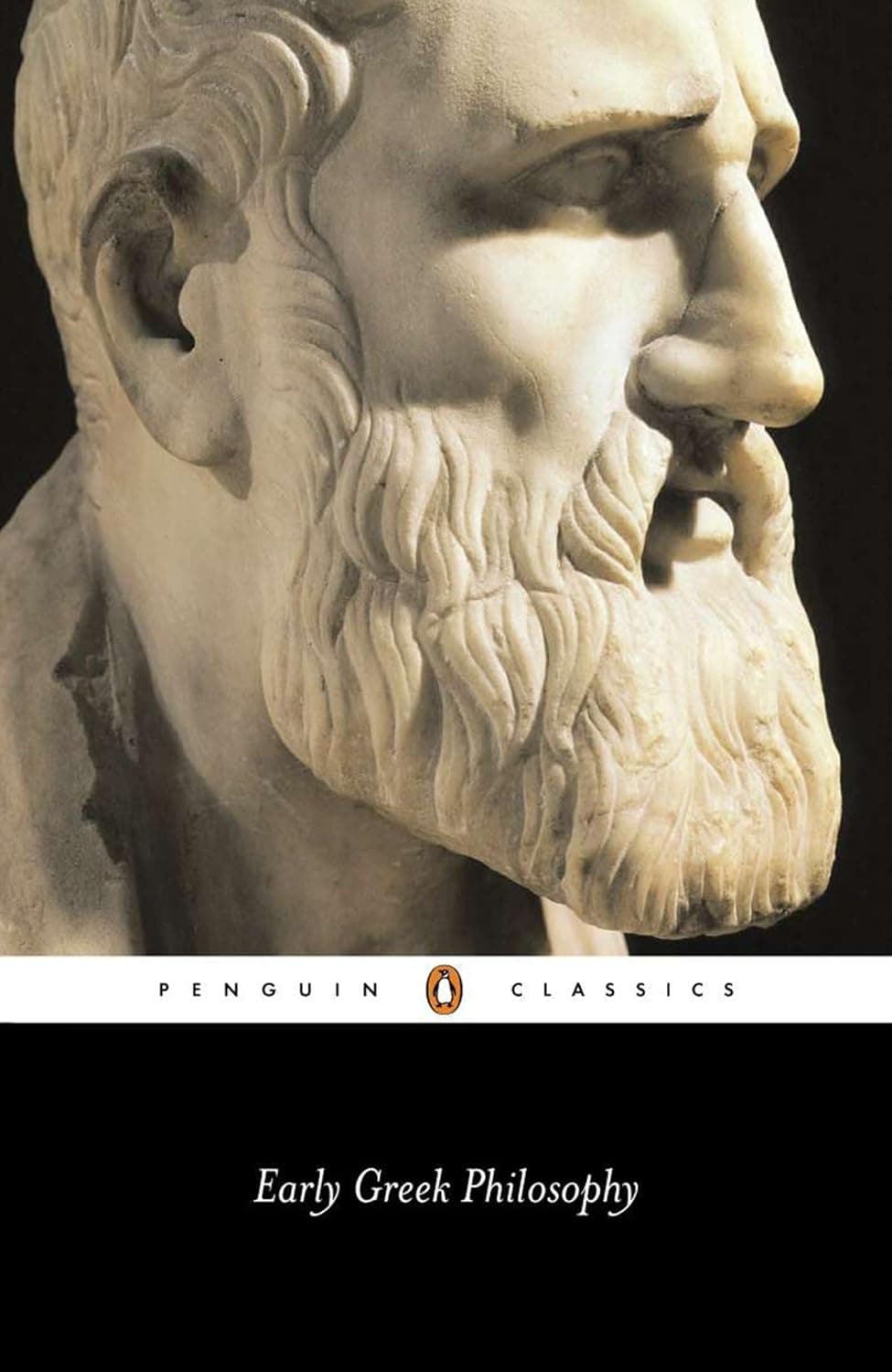
Heraclitus said you cannot step into the same river twice. Parmenides said nothing changes at all. Before Socrates, Greek thinkers asked what the world is made of and answered without appeal to gods.
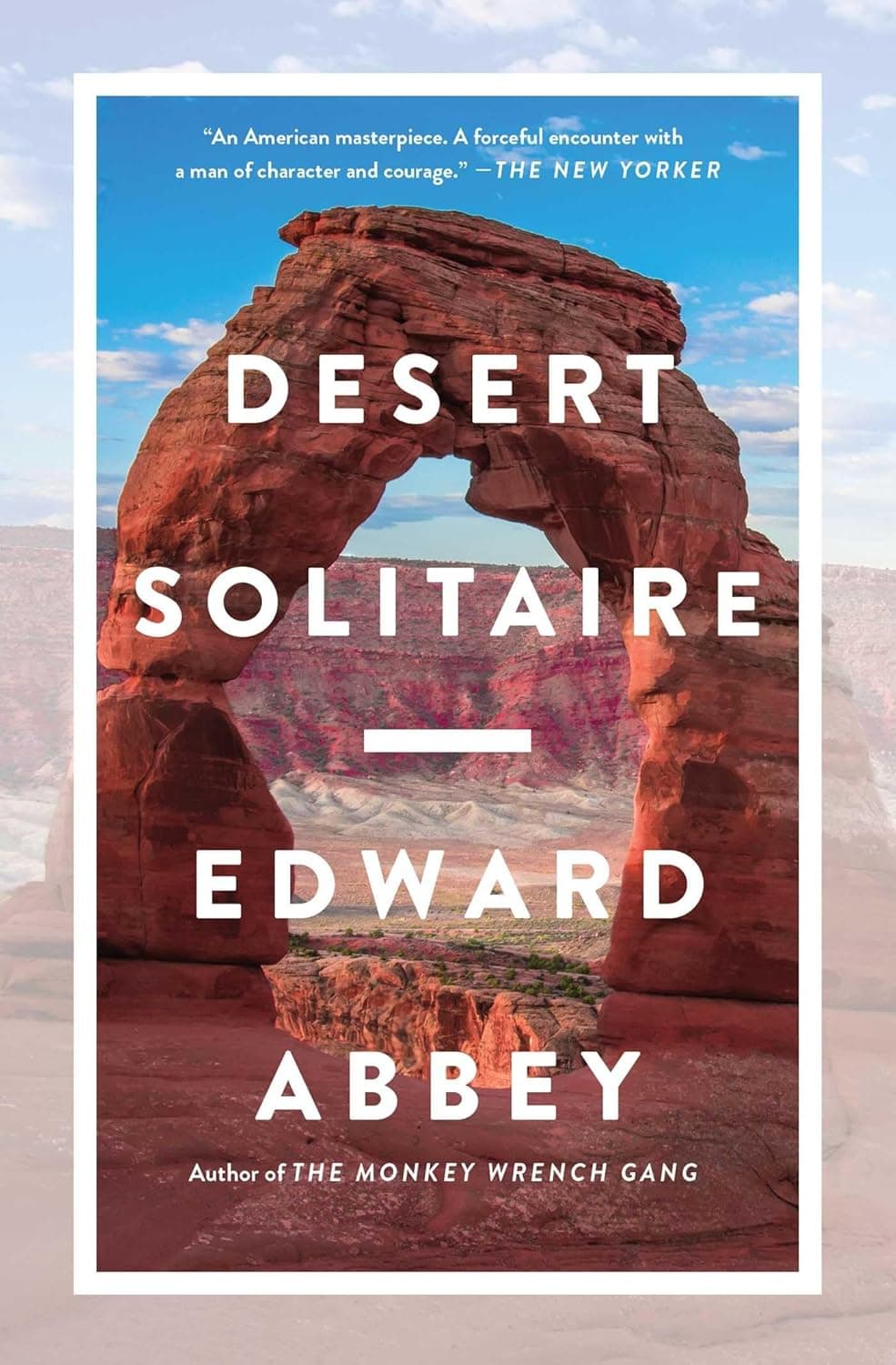
Two seasons as a ranger at Arches in Utah, and Abbey renders the red rock with a naturalist's precision and turns his fury on the paved roads bringing cars into the parks.
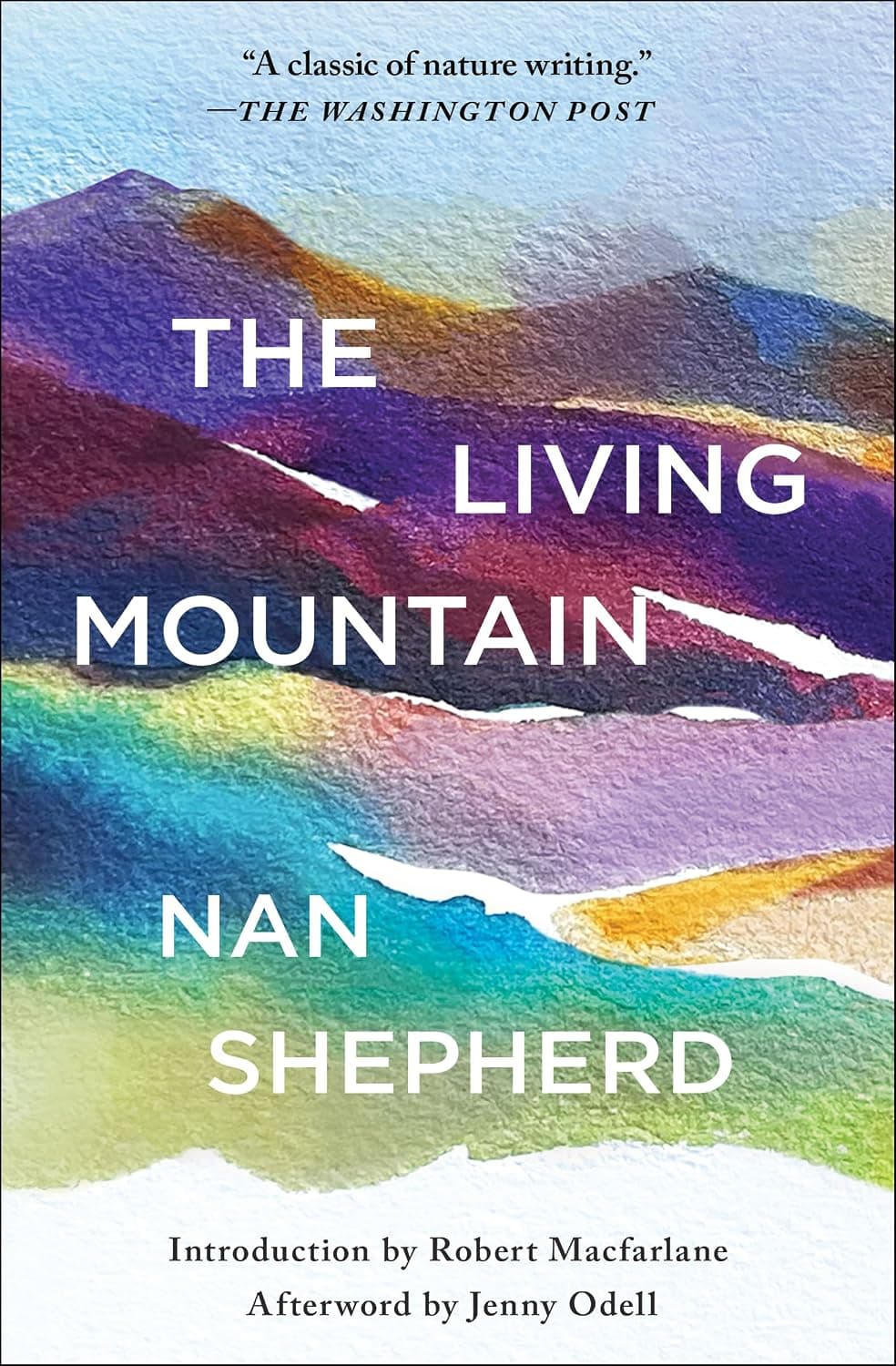
Summits barely register. Shepherd spent a lifetime in the Scottish Cairngorms and writes about going into the mountain rather than up it, attending to water and frost until the seeing becomes the point.

Trust thyself, Emerson writes, and every heart vibrates to that iron string. The poet Oliver Wendell Holmes called his Harvard address the declaration of independence of American intellectual life.

Three Alaskas: a river trip above the Arctic Circle, the hunt for a new capital site, and the trappers of Eagle on the Yukon. Reporters have been studying McPhee's patience ever since.

Leopold shot a wolf and watched the green fire go out of her eyes. Land is a community we belong to, he concluded, and his land ethic became American environmentalism's creed.

For a year Dillard watches a creek in Virginia's mountains, where a giant water bug drains a frog to an empty skin. She wants to know what kind of God made this world.
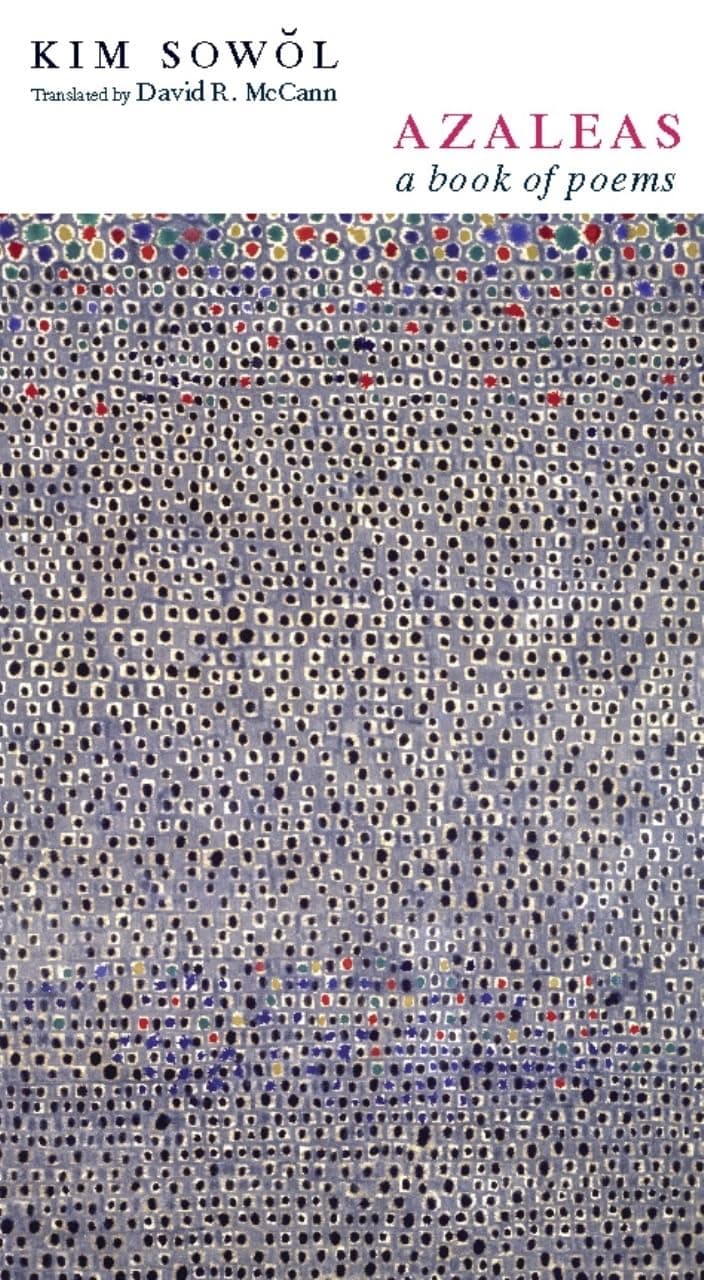
A woman watches her lover go and promises to scatter azaleas in his path rather than weep. Kim Sowol put Korean folk-song rhythm into modern verse, and the whole country memorized him.

On Corfu in the 1930s a boy hunts scorpions and owls while his mother and three grown siblings supply the chaos. Durrell describes every creature exactly and every relative without mercy.

Chin skied from the summit of Everest and hung off El Capitan to film Alex Honnold climbing it without a rope. His photographs come with what it cost to stand there.