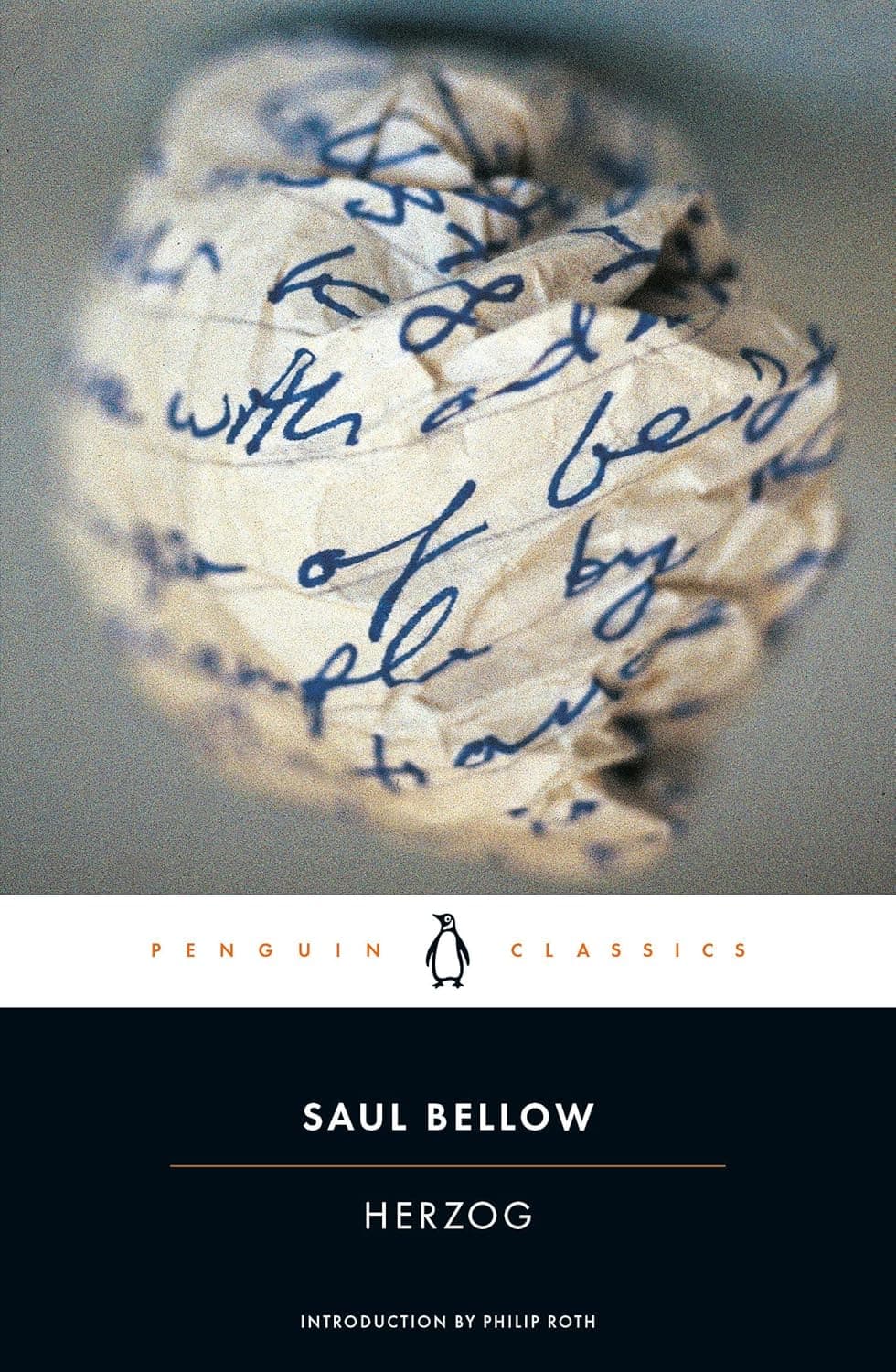
Herzog
1964 · 371 pages
Moses Herzog, a professor whose wife left him for his closest friend, comes apart and writes furious unsent letters to philosophers, ex-wives, and the dead. Bellow makes a breakdown enormous fun.
★ 7.8
 skopia
Moses Herzog, a professor whose wife left him for his closest friend, comes apart and writes furious unsent letters to philosophers, ex-wives, and the dead. Bellow makes a breakdown enormous fun.
Bloch's son asked what the use of history was. He answered from hiding: history is the science of men in time, and evidence speaks only when questioned. The Gestapo shot him in 1944.

Borges wrote criticism the way he wrote fiction, in short pieces with trapdoors, on subjects from Dante to King Kong. Every writer creates his own precursors, he argues, and literary history rearranges itself.
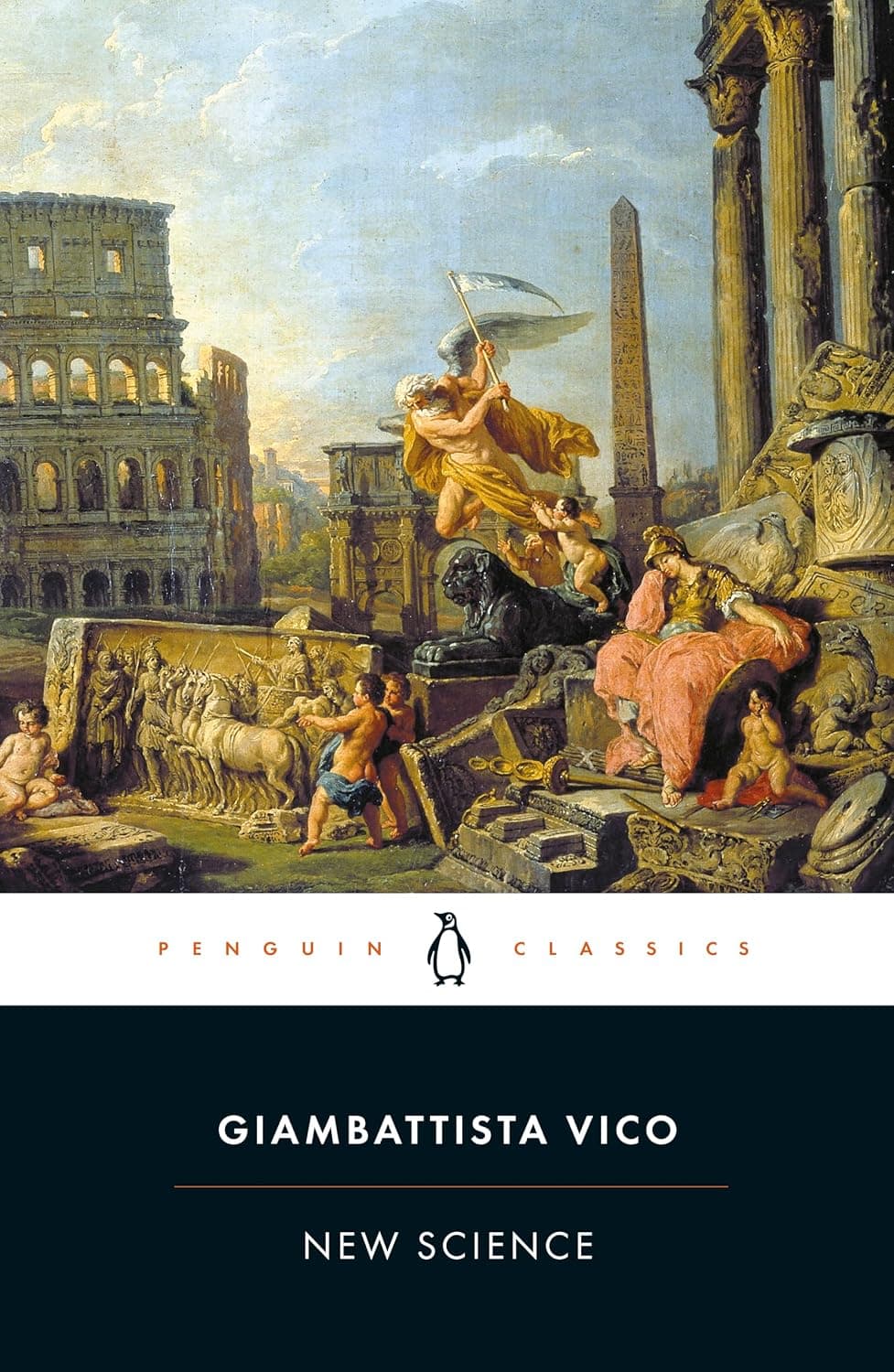
History can be known, Vico argues, because men made it. He reads myth and law as the record of every nation passing through ages of gods, heroes, and men, then collapsing into barbarism.
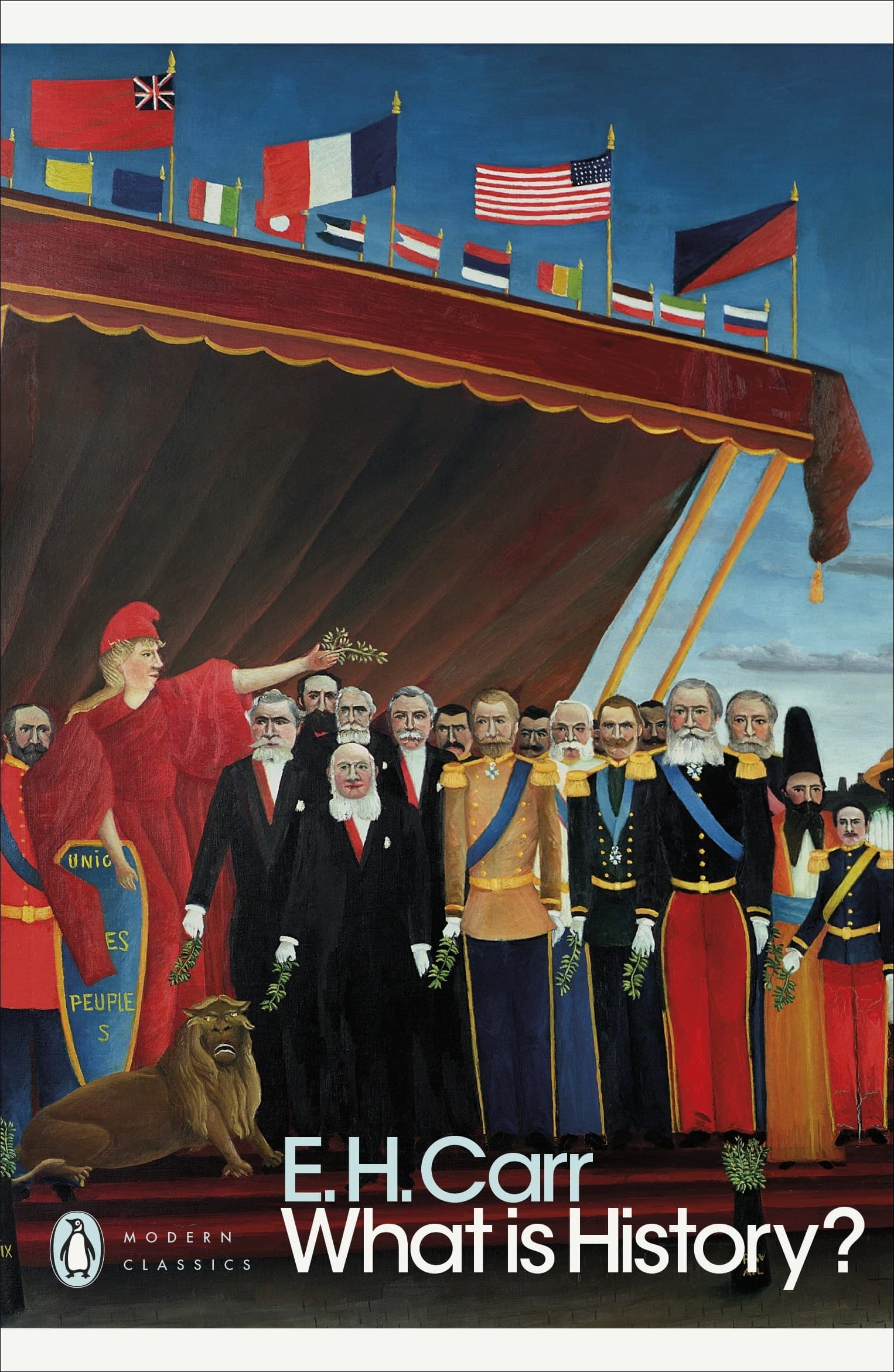
Facts do not speak for themselves, Carr insists. The historian decides which ones get to speak, so study the historian before the evidence. English-speaking historians are still arguing with him.