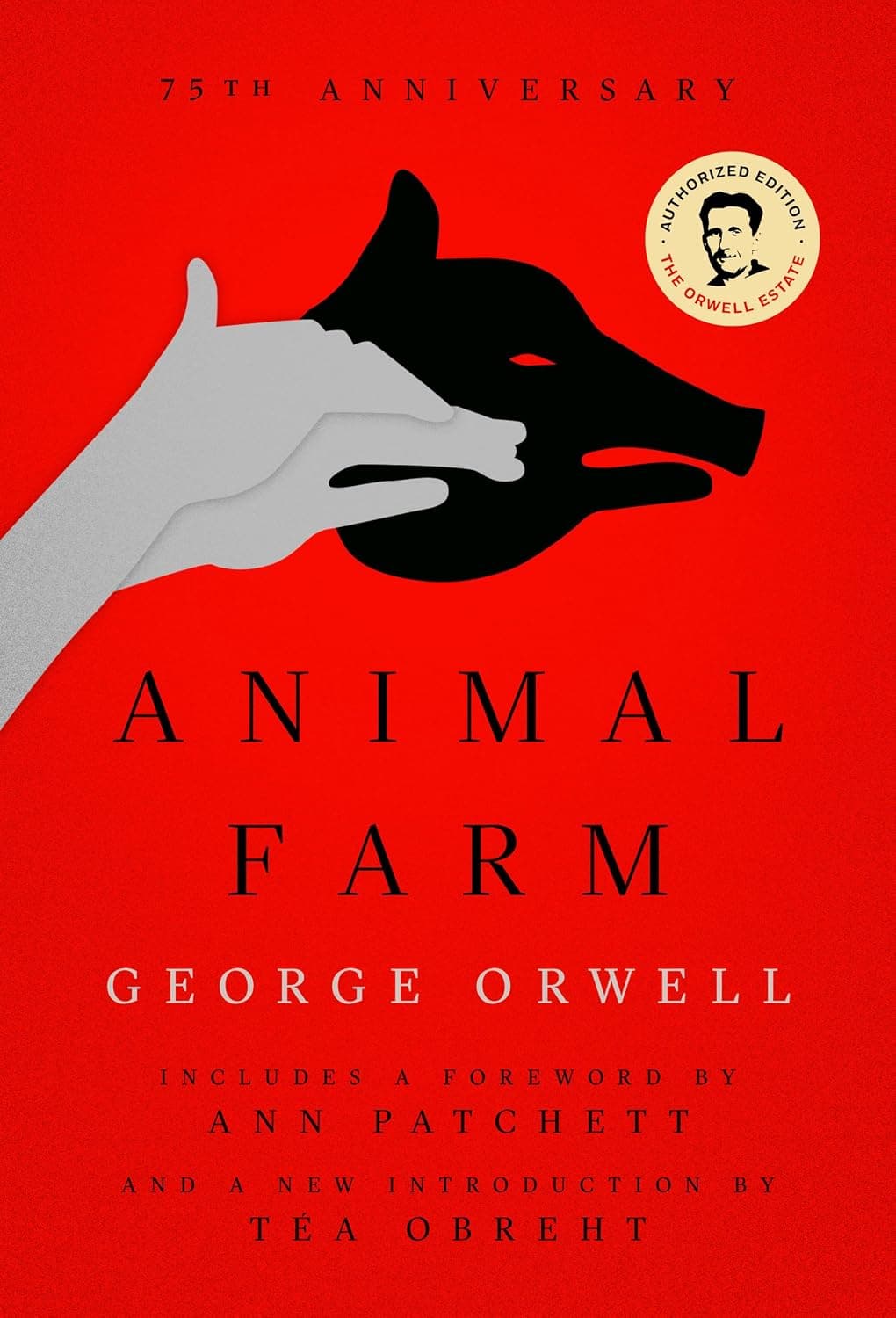
Animal Farm
1945 · 128 pages
The animals drive out the farmer and run the place themselves, until the rules painted on the barn wall start changing. Orwell reduced the Russian Revolution to a fable no adult forgets.
★ 8.9
 skopia
The animals drive out the farmer and run the place themselves, until the rules painted on the barn wall start changing. Orwell reduced the Russian Revolution to a fable no adult forgets.
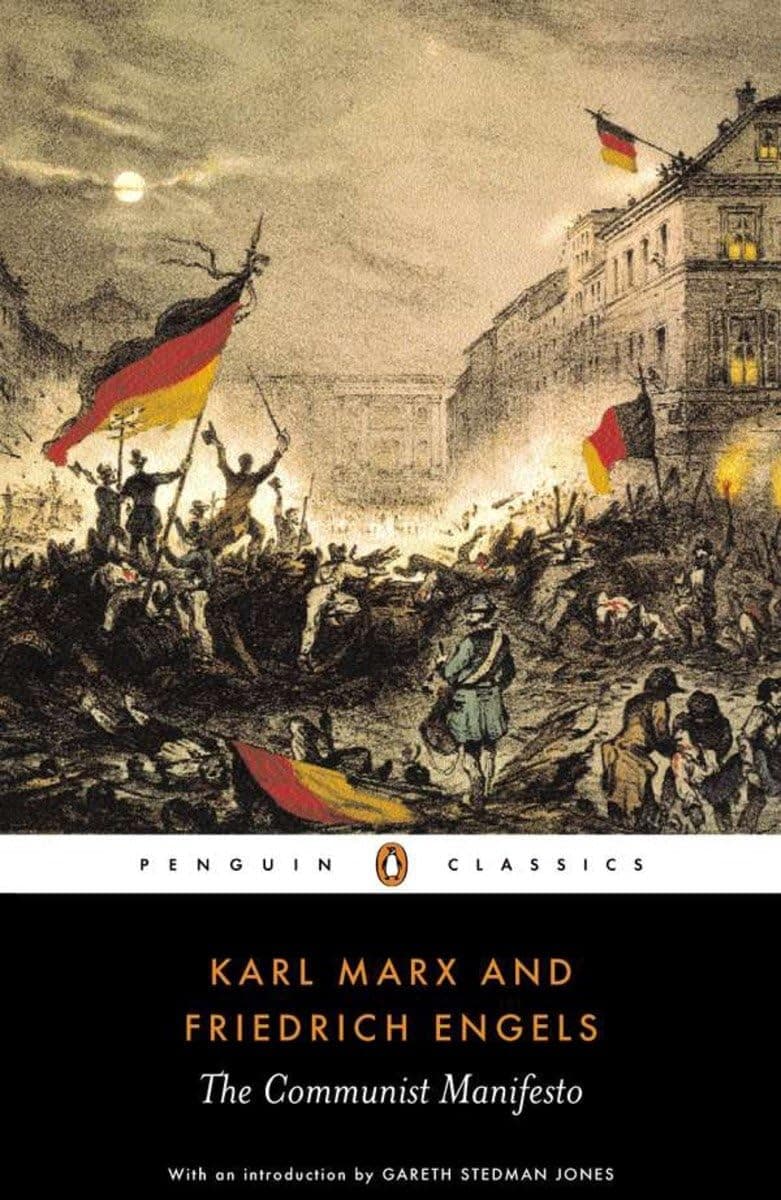
A spectre is haunting Europe, Marx and Engels announce, then read all recorded history as class struggle and hand the workers of the world a program. No pamphlet has moved more people.
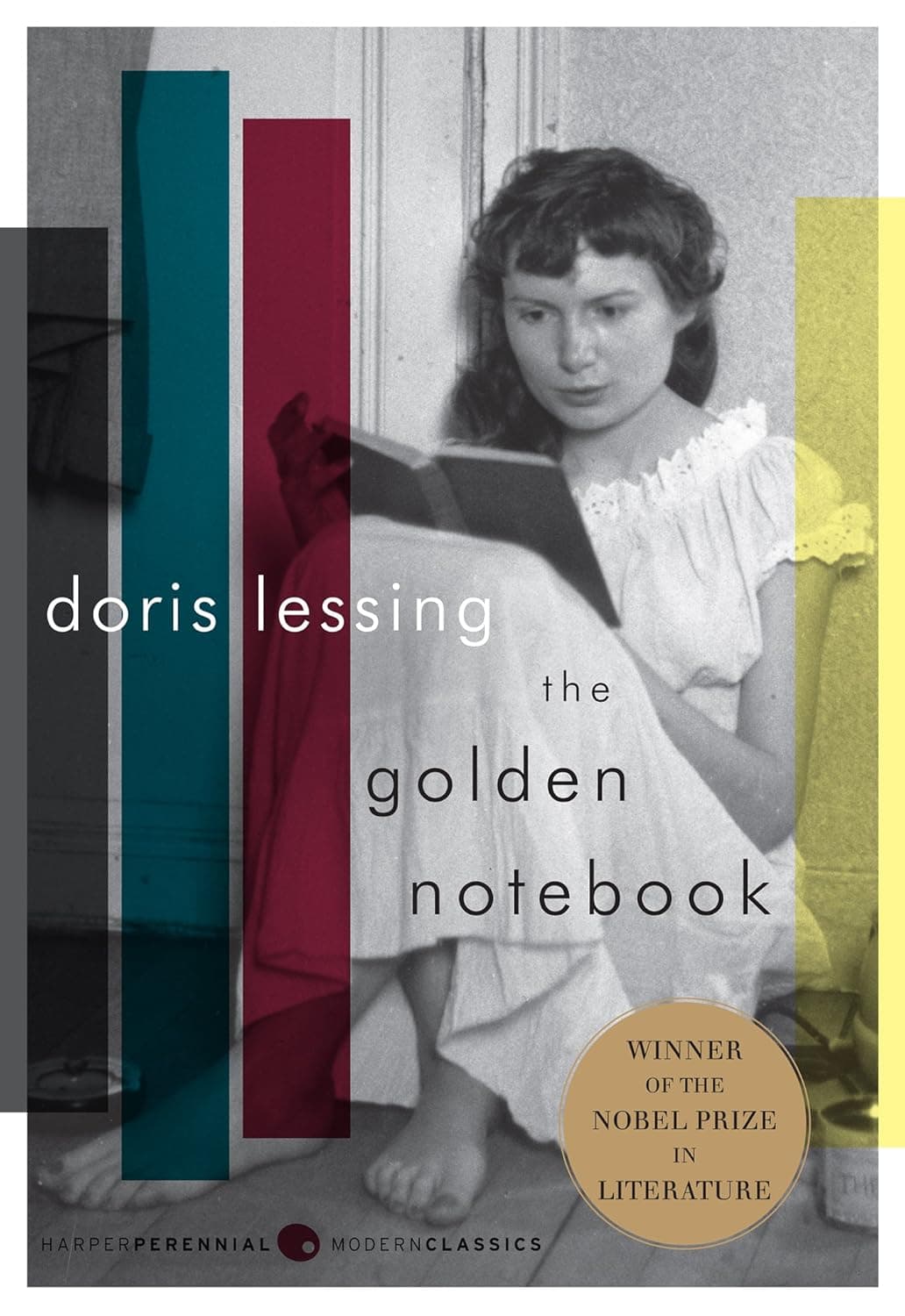
Anna Wulf keeps four notebooks: Africa, the Communist Party, fiction drawn from her love affair, and a private diary. Lessing made a woman's inner life the whole subject of a serious novel.
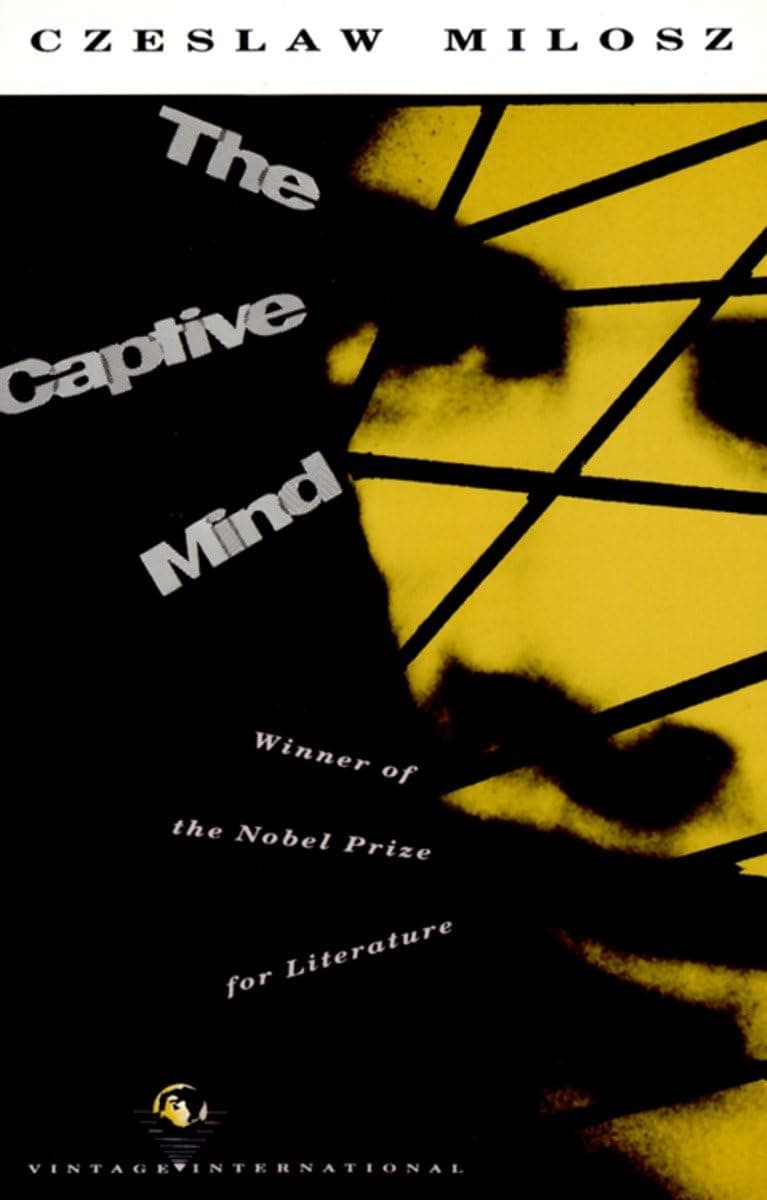
Milosz, a Polish poet who served the new regime and then defected, explains how intelligent people talked themselves into Stalinism. Ketman, he calls it: believing one thing and professing another.
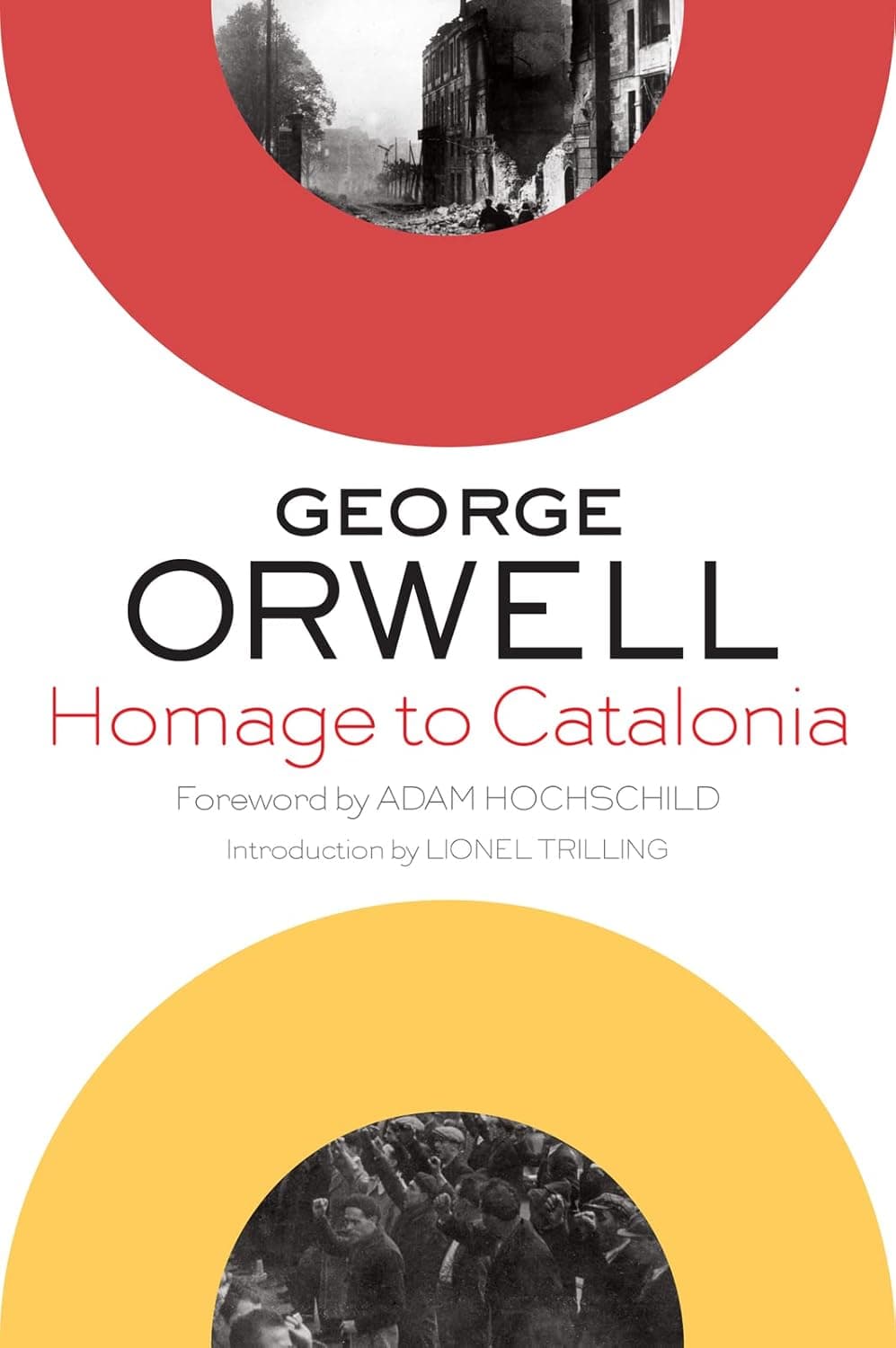
Orwell joined a militia on the Aragon front, took a sniper's bullet through the throat, then watched Communist allies brand his comrades fascists. The clearest book anyone wrote about being lied to.

Marcuse argues that rich societies control people by satisfying them. The needs advertising invents get met, dissent gets absorbed and sold back, and the capacity to imagine a different arrangement quietly withers away.
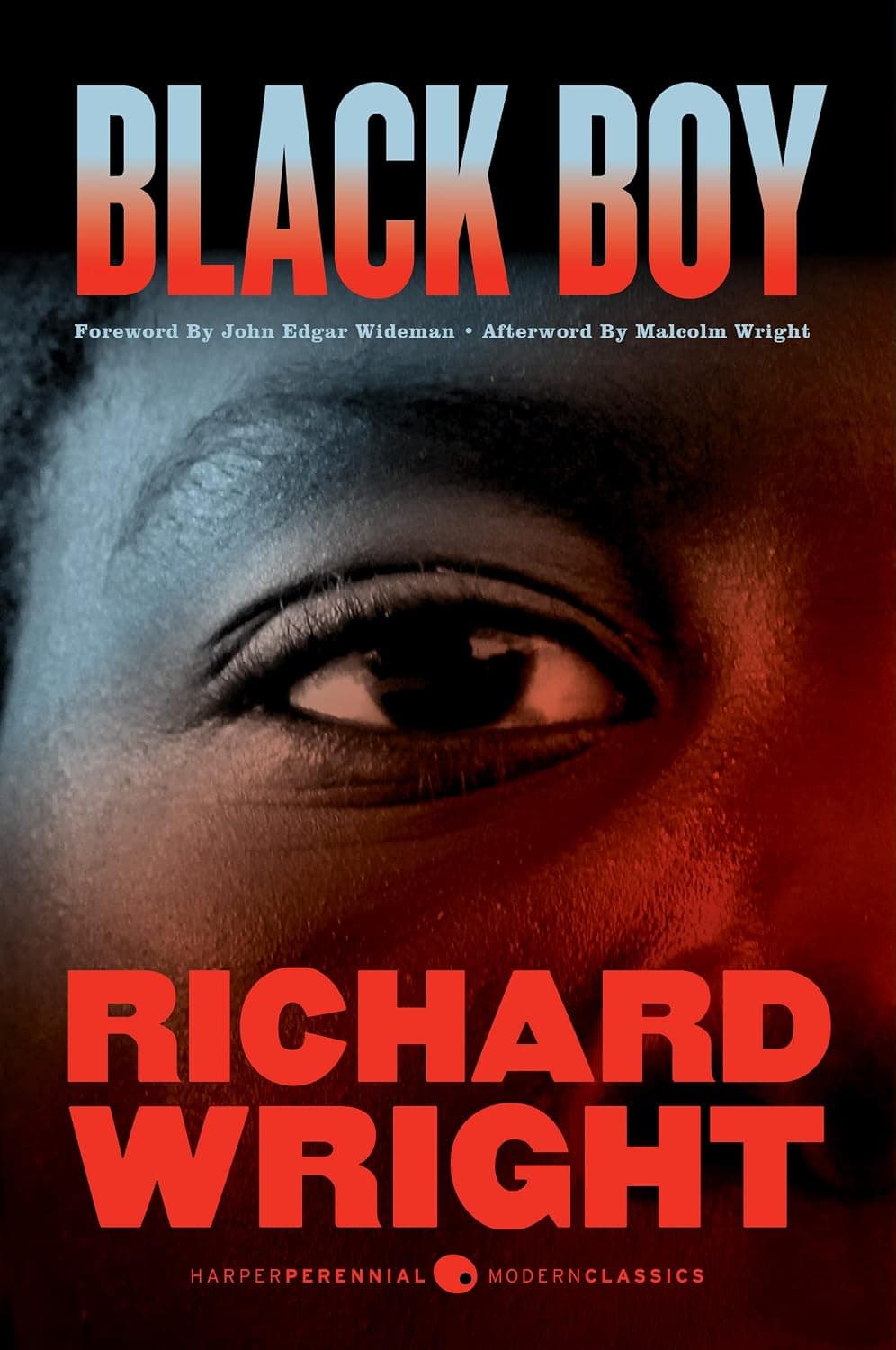
Hunger runs through Wright's Southern boyhood: for food, for books, which he gets by forging notes on a white man's library card. He sets down Jim Crow's cruelty without a word of self-pity.

Workers dig a foundation for the building that will house the whole proletariat, and the pit keeps widening. Platonov's Russian buckles under its own slogans, and the Soviets suppressed the book until 1987.
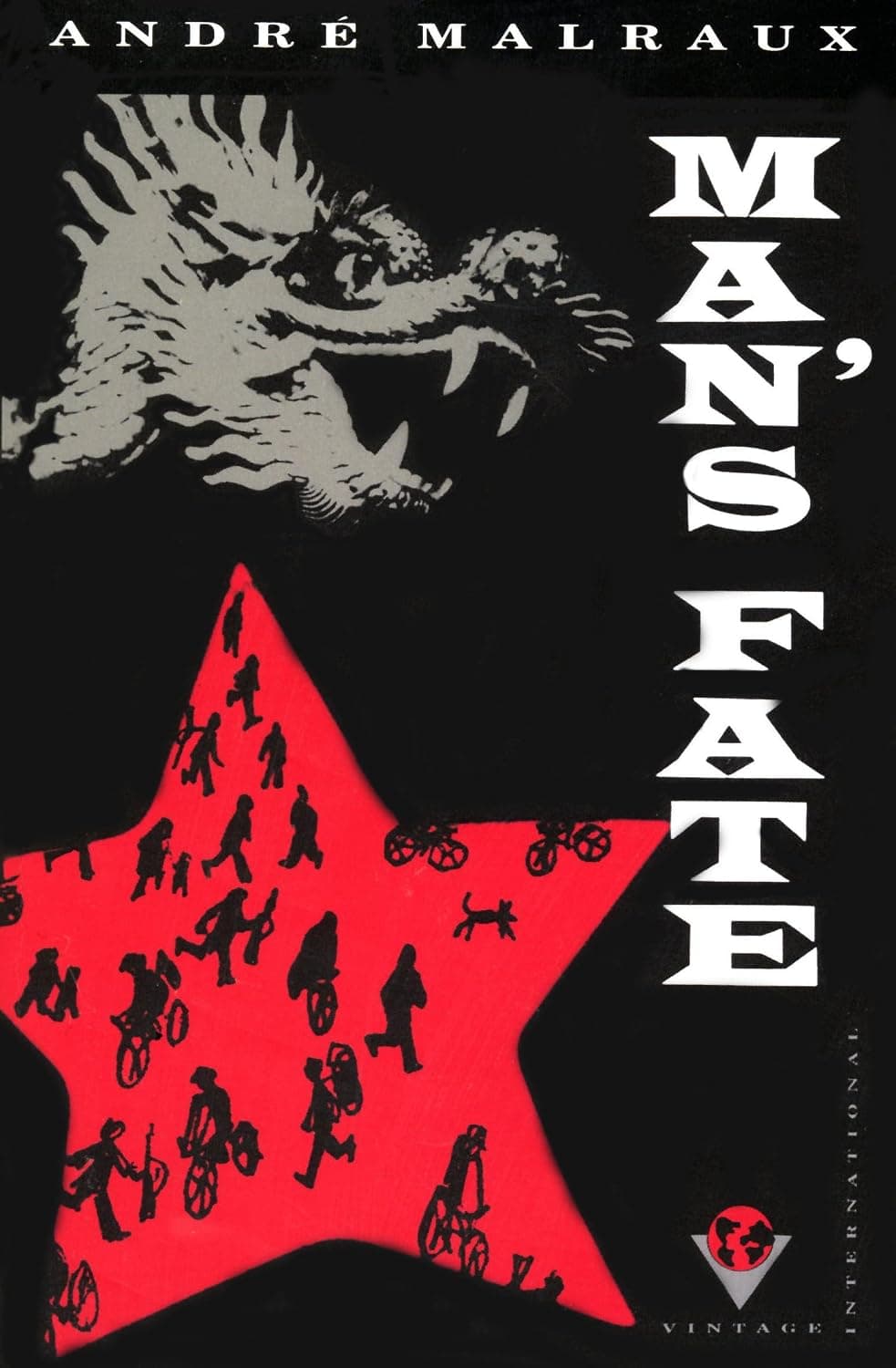
Shanghai, 1927: a young terrorist stands over a sleeping man with a knife, and Malraux makes the doomed communist uprising a test of what a man can give his life to.

The twentieth century runs from 1914 to 1991 in Hobsbawm's account, moving through catastrophe, a golden age of postwar boom, then landslide. No later history of the century has displaced it.

The state is one class crushing another, so workers must smash the machine, not inherit it. Lenin wrote it weeks before seizing Russia, and communist parties from Moscow to Beijing governed by it.

Figes runs the Russian Revolution from the 1891 famine to Lenin's death in 1924, following peasants, soldiers, and the writer Gorky. He shows the terror arriving with the Bolsheviks, not after them.

Kitchen by kitchen, Alexievich recorded Soviet citizens describing what the collapse did to them. They talk about lost savings and lost faith, and a bewildering grief for the country that jailed their parents.
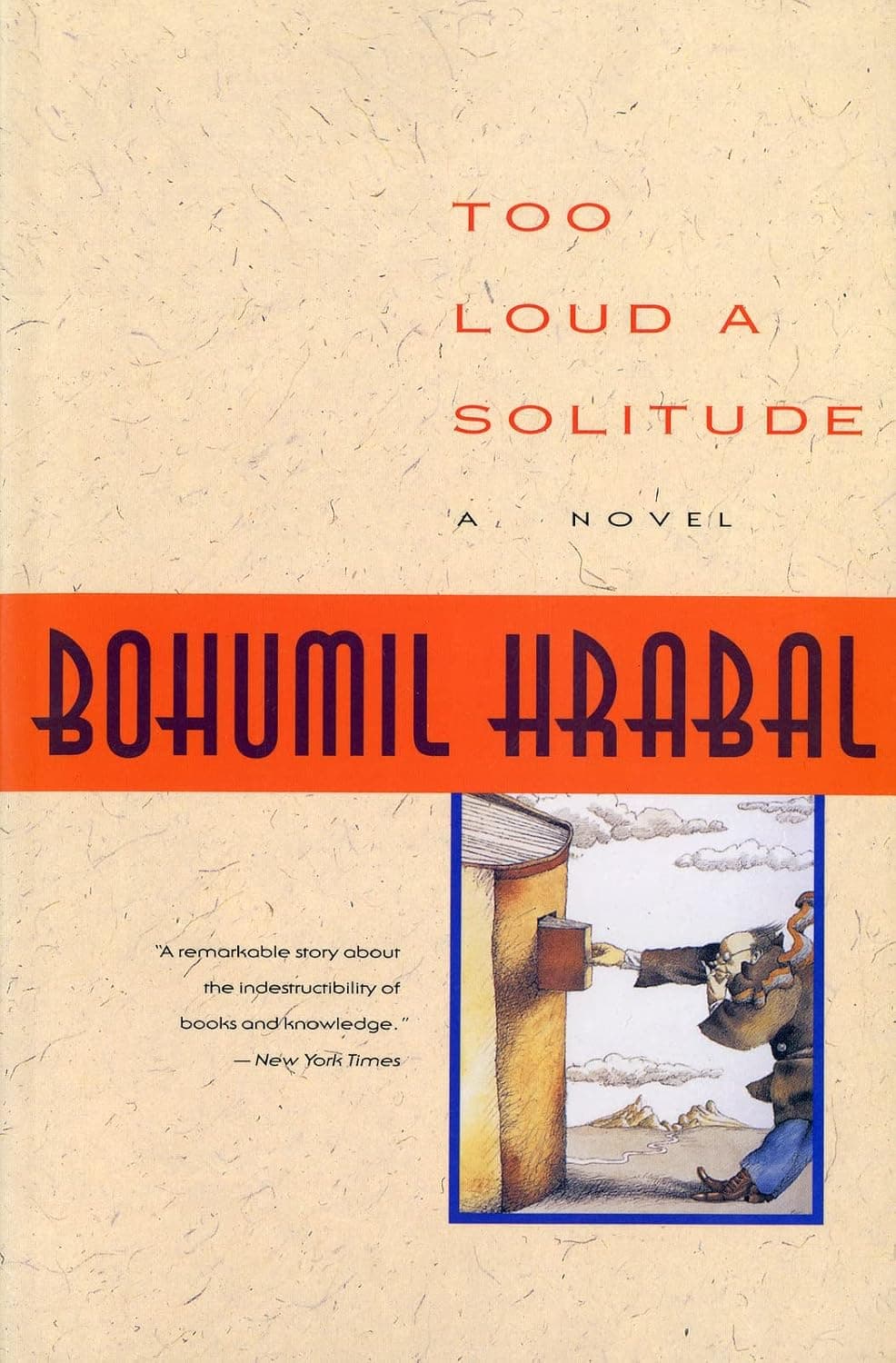
Thirty-five years in a Prague cellar, Haňťa crushes wastepaper and saves the banned books he is paid to destroy, wrapping each bale in an art print with a rescued volume inside.

The comic cycle that became Italian folklore sets a hot-tempered priest against the Communist mayor of a Po Valley village, with the crucifix above the altar talking Don Camillo down from revenge.
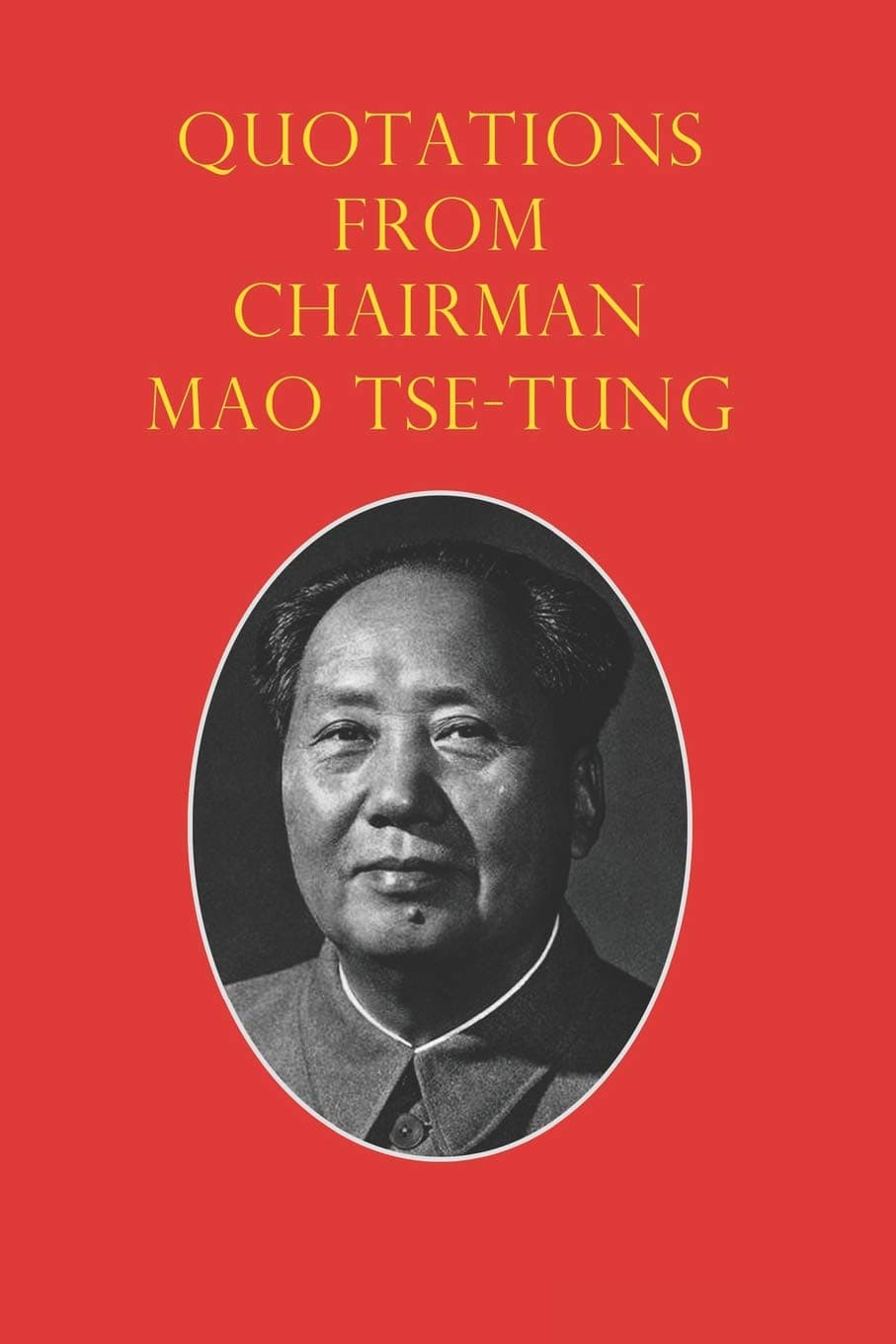
Printed by the billion and waved by Red Guards, Mao's pocket handbook compresses his politics into 427 quotations on struggle, self-criticism, and war. During the Cultural Revolution, not carrying one was dangerous.