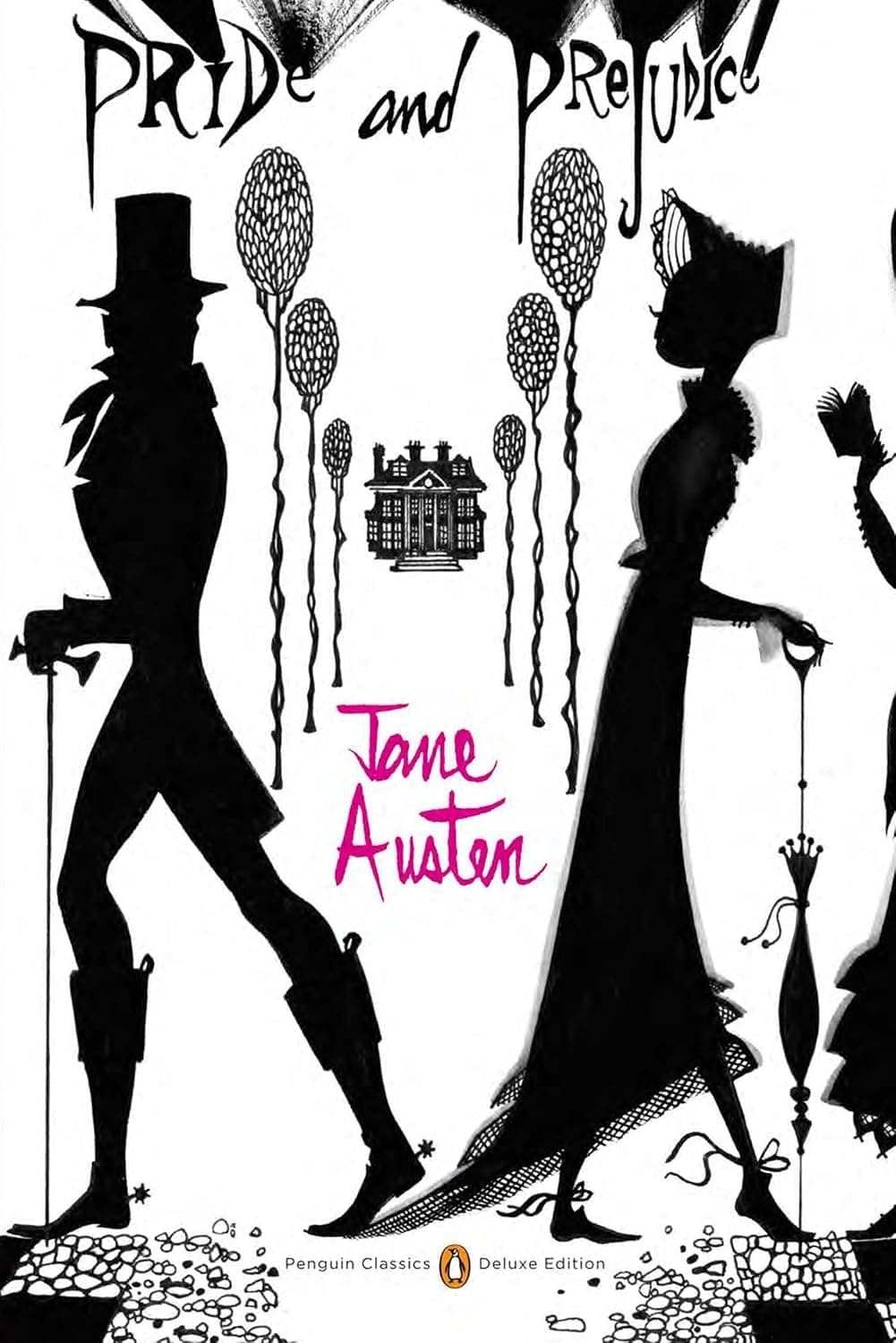
Pride and Prejudice
1813 · 352 pages
Elizabeth Bennet and Darcy dislike each other on sight and spend the novel being wrong. Austen wrote conversation better than anyone in English, and readers return to it their whole lives.
★ 9.5
 skopia
Elizabeth Bennet and Darcy dislike each other on sight and spend the novel being wrong. Austen wrote conversation better than anyone in English, and readers return to it their whole lives.
Iago tells the audience exactly how he will destroy his general, then does it with a handkerchief and patient lying. His reasons never explain it, and watching Othello believe him is agony.
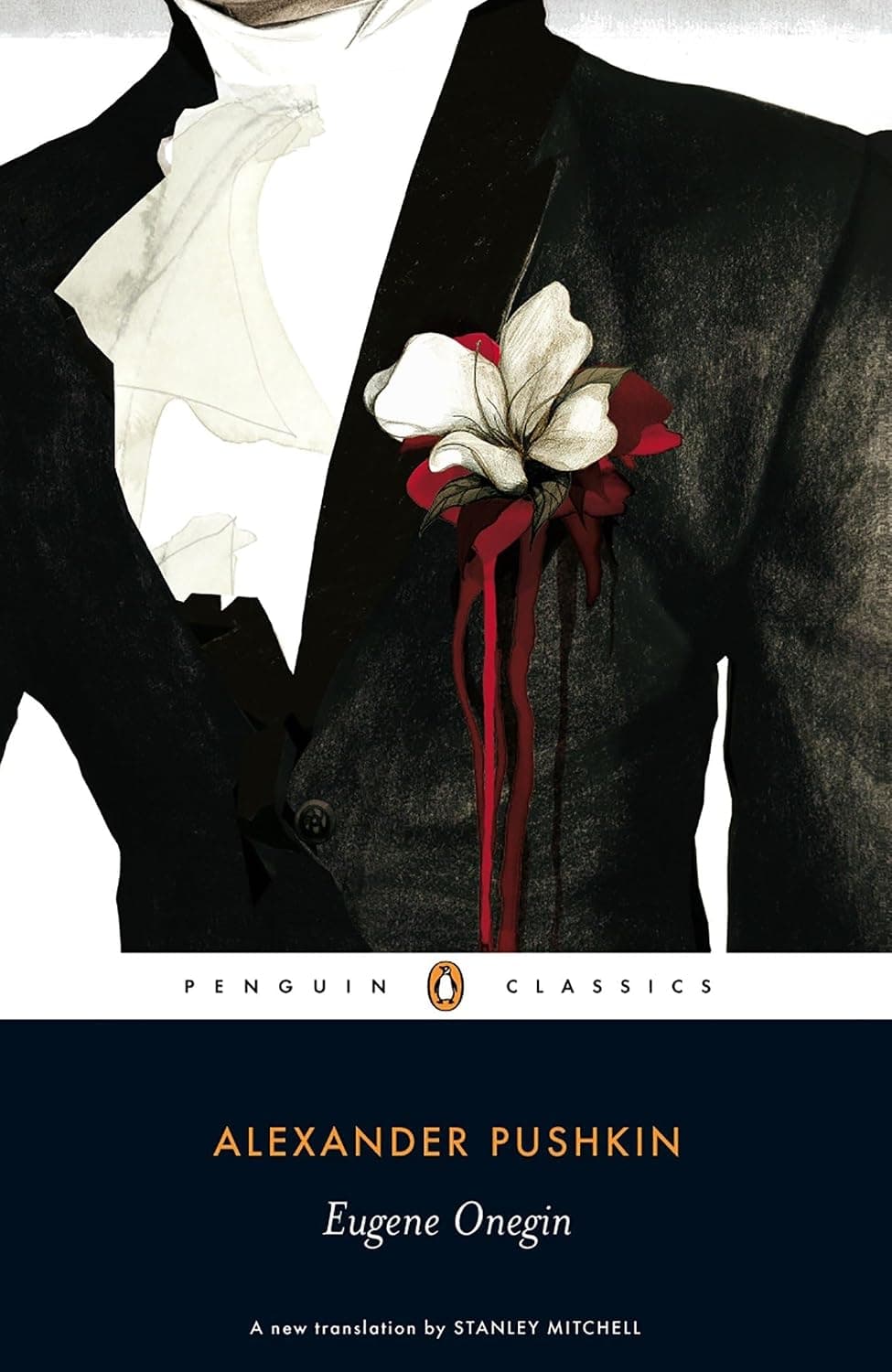
Onegin coolly refuses a country girl's love letter, then kills a friend in a pointless duel. Pushkin wrote it in verse so quick and alive that Russians still know stanzas by heart.
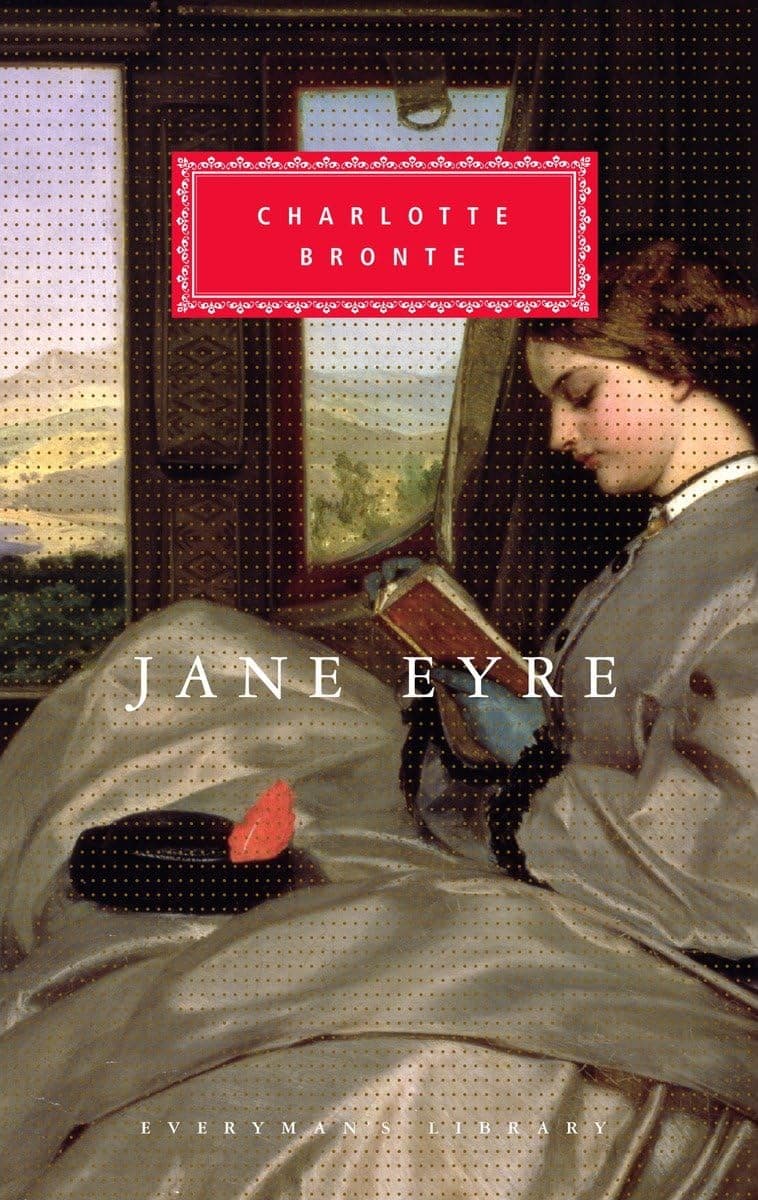
English fiction found its first fierce female voice in Jane, plain and poor and conceding nothing. She survives a brutal charity school, becomes a governess, and loves an employer with a secret.
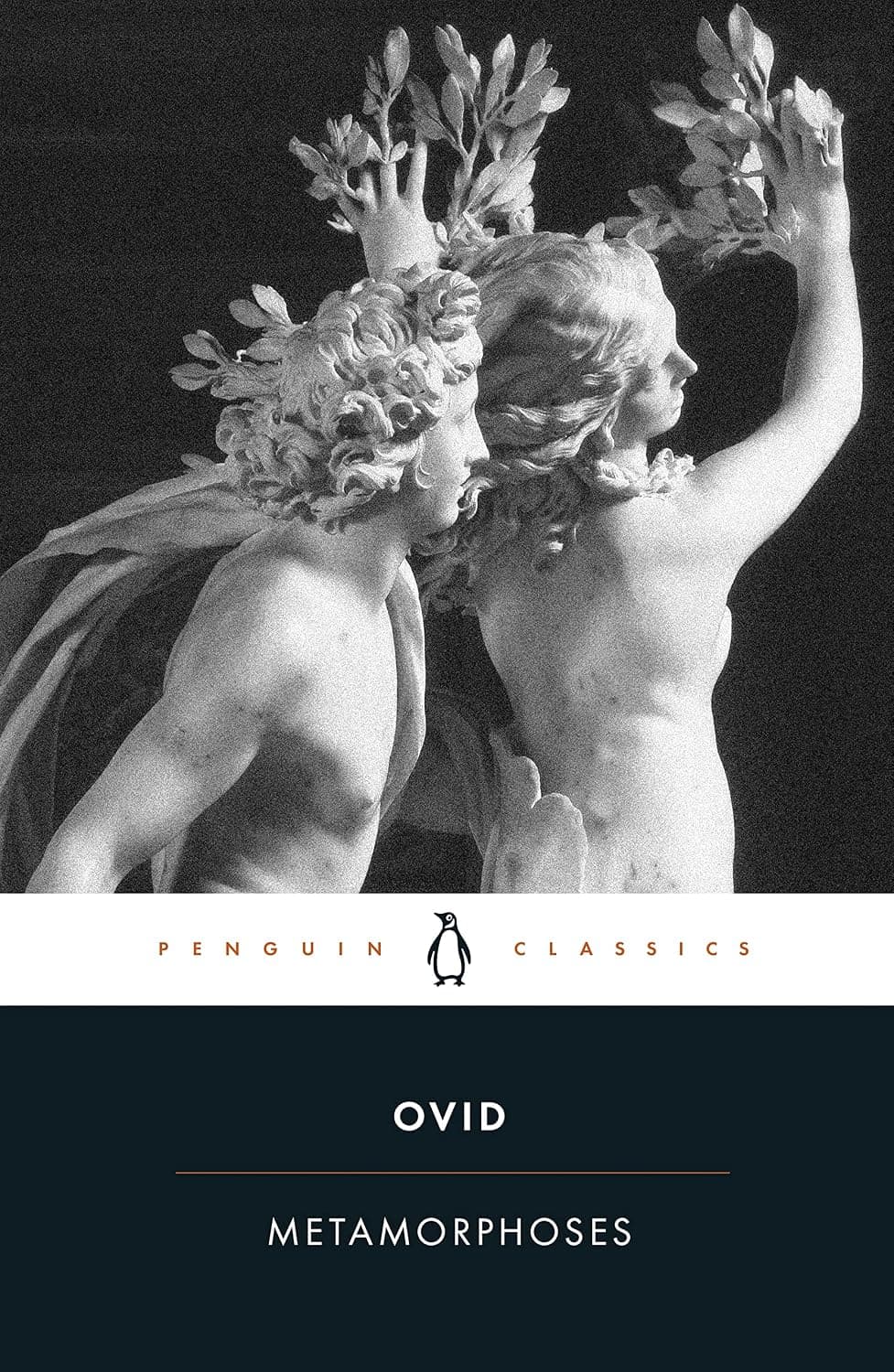
Ovid runs classical myth through a single idea, transformation, from the creation of the world to Julius Caesar. Girls become trees and hunters become deer, and painters have ransacked him for centuries.

Turned down as a young man, Florentino Ariza waits fifty-one years for the woman he loves to be widowed. García Márquez makes old age more erotic than youth.

At a party in Verona two teenagers from feuding families meet, marry the next day, and are gone inside a week. Everything they say to each other still sounds newly invented.
Emma Woodhouse is rich, clever, and sure she knows what everyone needs, so she arranges marriages and ruins them. Austen puts you inside her head until you miss what she misses.

Kundera puts a Prague surgeon who cannot stop having affairs, the woman who loves him, and the Soviet tanks of 1968 together, then asks whether a life lived once can weigh anything.
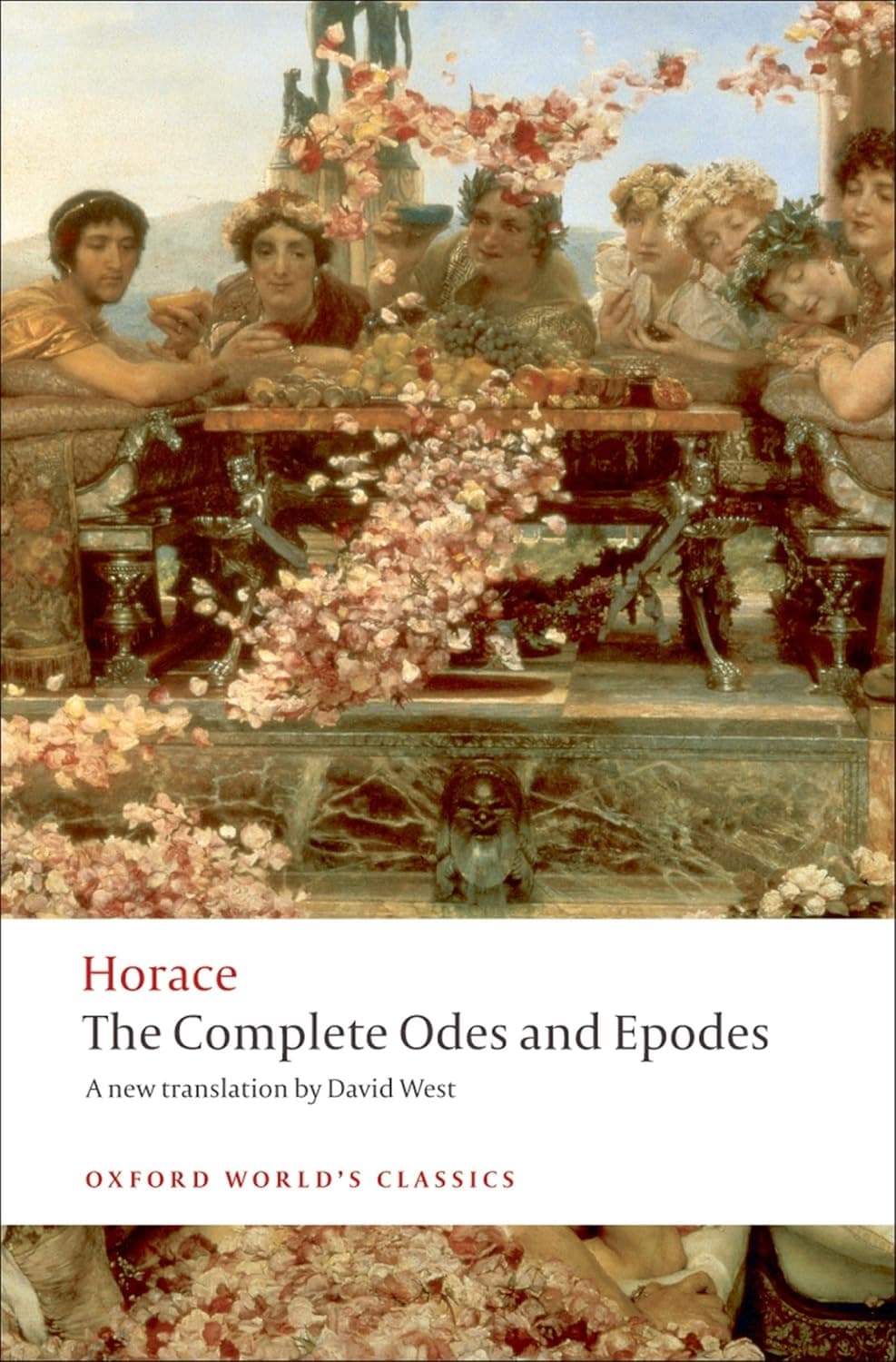
Horace compresses wine, friendship, and the certainty of death into stanzas of exact and unhurried form, the summit of Latin lyric. Carpe diem is his line, and in context it is not cheerful.
Latin love poetry begins with Catullus, counting kisses by the thousand for the aristocrat he calls Lesbia and then admitting he hates and loves her at once. The obscenity still stings.

Four Athenians run into the woods to escape a forced marriage, a fairy potion lands on the wrong eyelids, and a weaver acquires a donkey's head. Shakespeare makes desire look gloriously stupid.
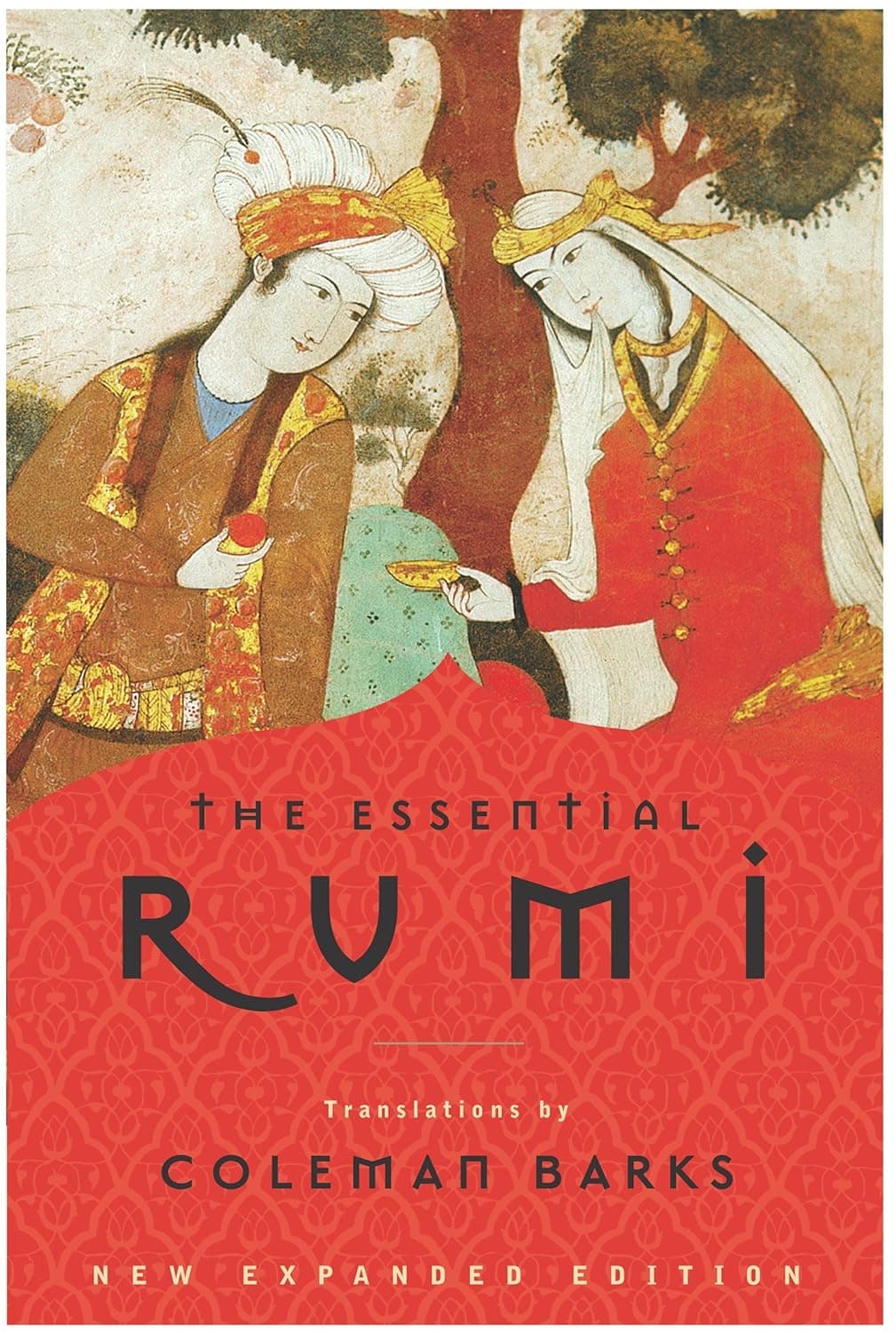
Grief for a wandering dervish named Shams turned Rumi into a poet of longing for God. His great Masnavi opens with a reed flute crying for the bed it was cut from.

Phaedra confesses she wants her stepson, a father is ordered to sacrifice his daughter for a favorable wind, and a hidden boy threatens a usurping queen. Racine packs this into polite rhymed couplets.
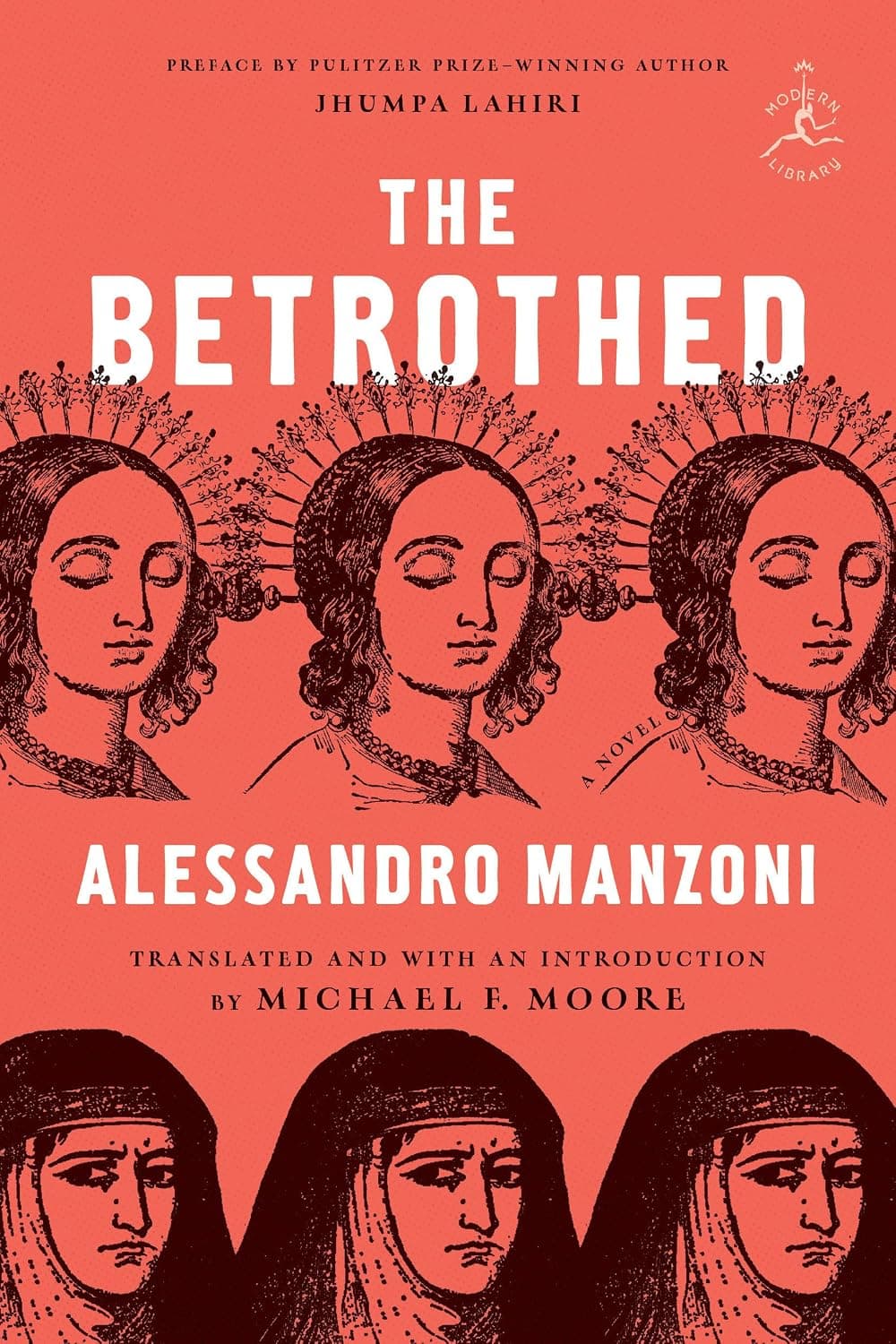
In seventeenth-century Lombardy two peasants want to marry, and a lord who wants the bride frightens their priest into refusing. Riot, famine, and plague come between them. Italian prose was remade on it.

Siddhartha leaves home to seek enlightenment, meets the Buddha and declines to follow him, then spends years chasing money and a courtesan. What finally teaches him is a river and its ferryman.
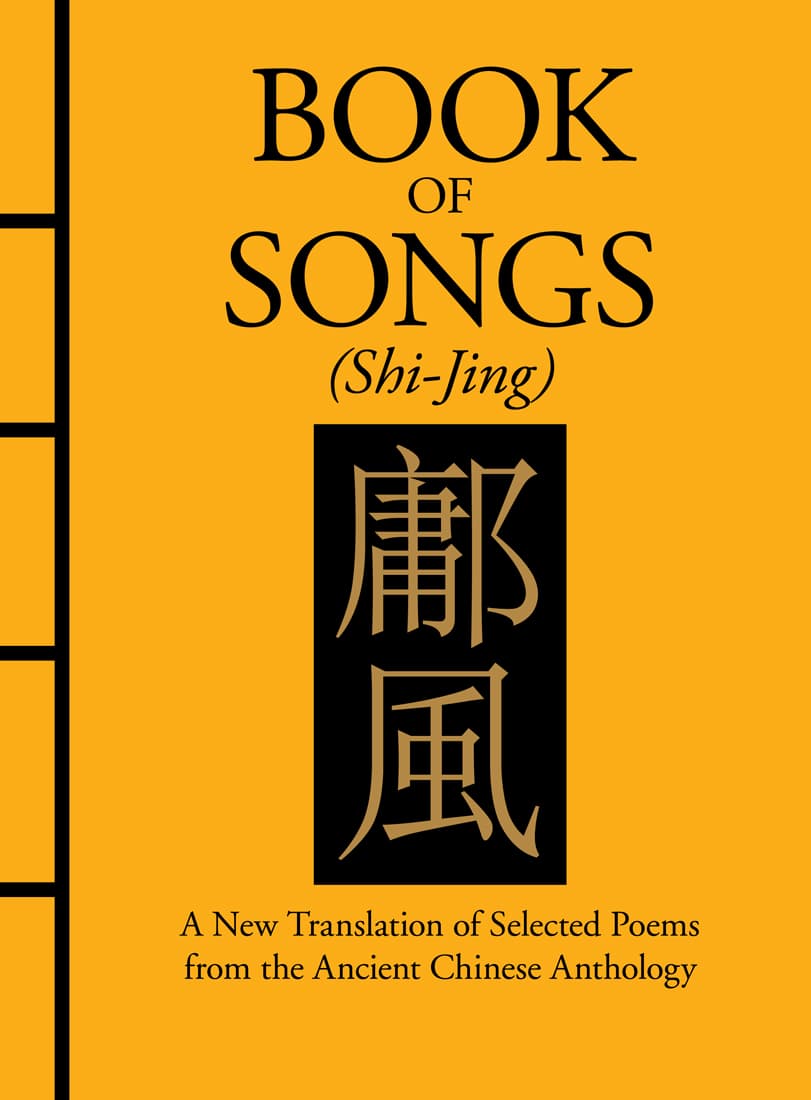
Three hundred and five songs from ancient China about courtship, harvest, soldiers on campaign, and bad government. Confucius taught from them, and every Chinese poet since has written with them in earshot.

In Venice a merchant borrows from Shylock, a Jewish moneylender he has spat on, pledging a pound of his flesh. Shylock asks whether a Jew does not bleed, and the comedy never recovers.

Banished from court, Rosalind hides in the Forest of Arden in men's clothes and coaches the man she loves in how to court her. She talks rings around everyone in Shakespeare.
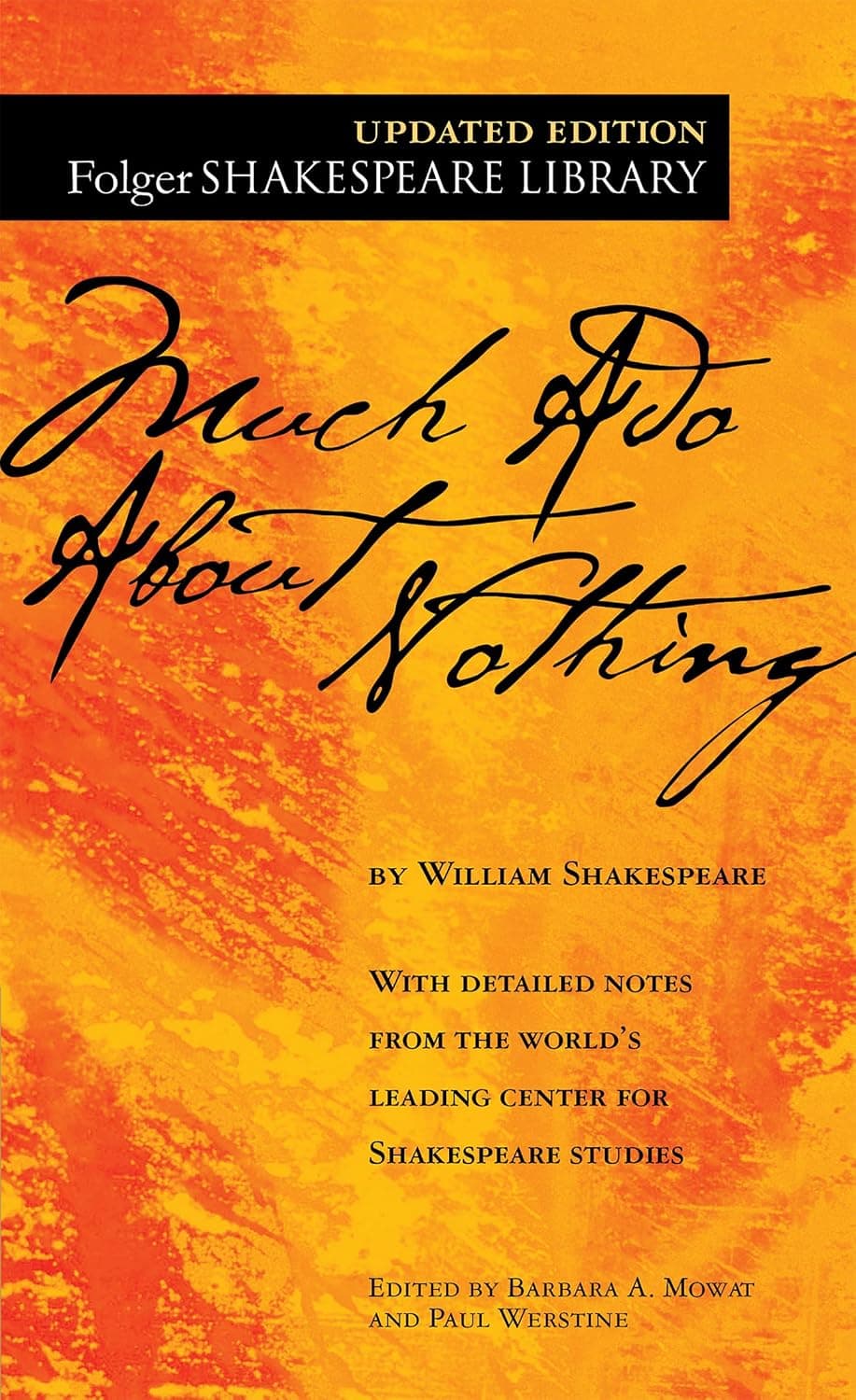
Beatrice and Benedick insult each other so expertly that their friends trick each into believing the other is secretly in love. Their war of words gave English comedy its model for courtship.
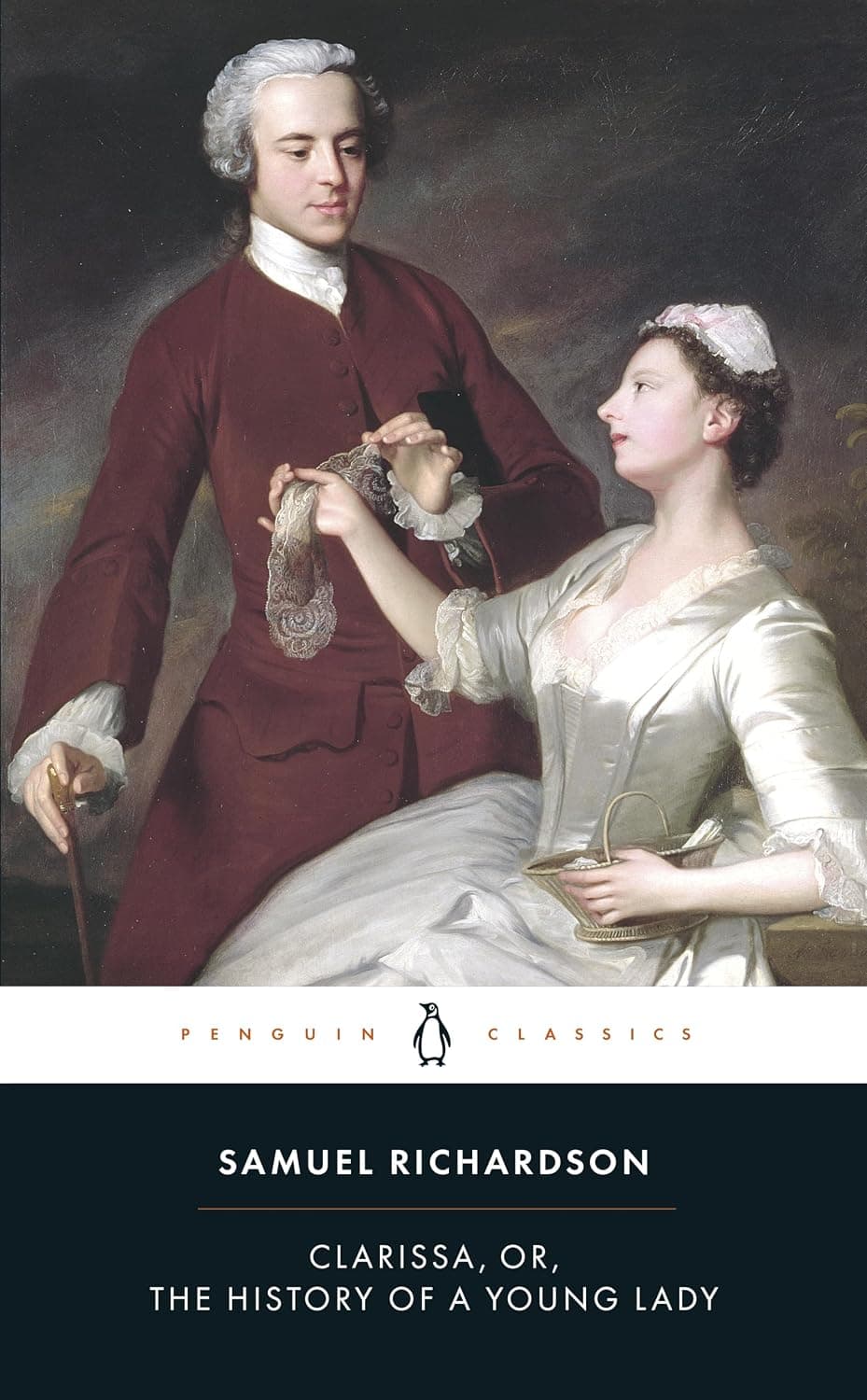
Clarissa refuses the suitor her family has chosen, and a charming predator named Lovelace offers to rescue her. Told entirely in letters, it puts you inside both minds while the dread builds.
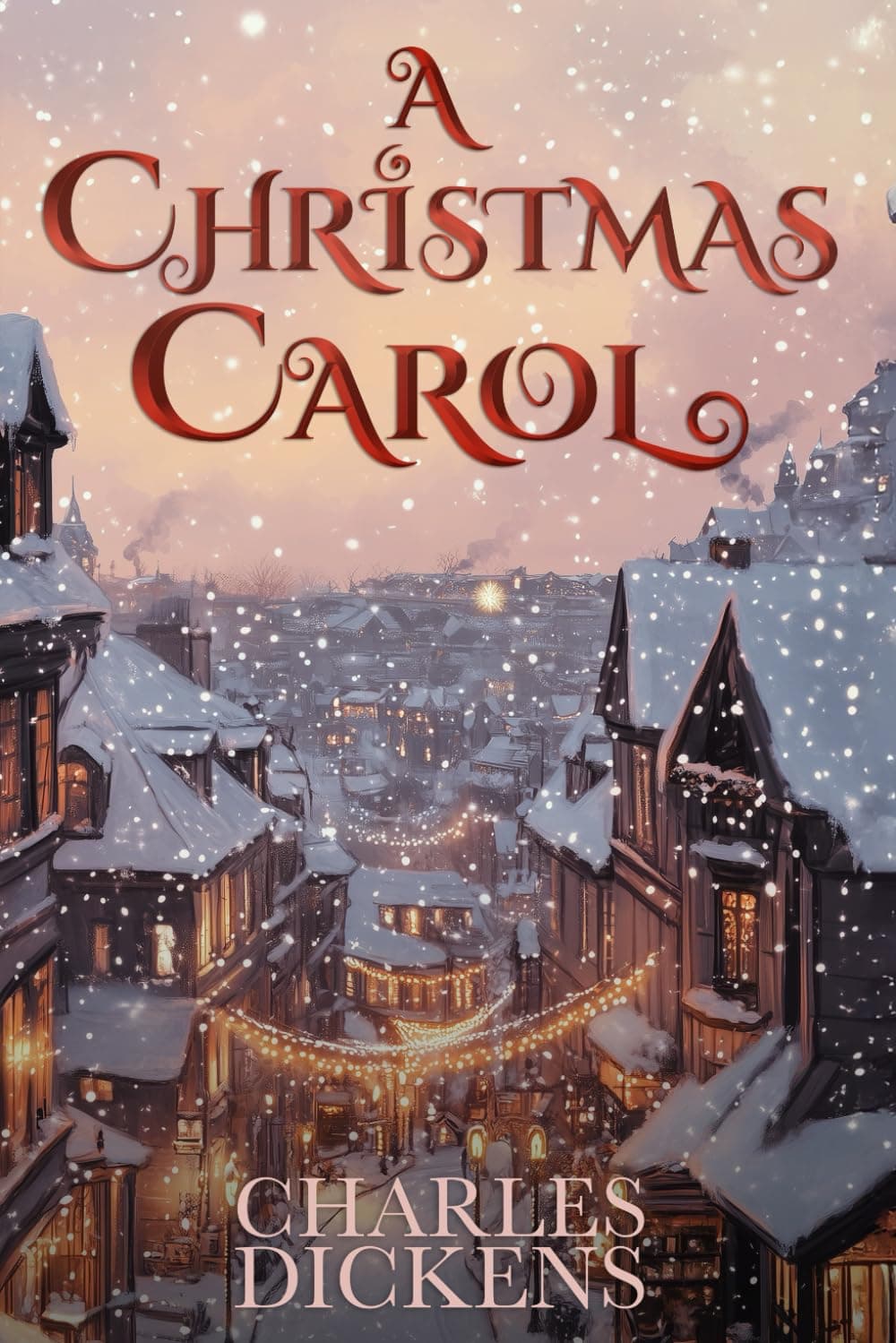
Scrooge hates Christmas until his dead business partner turns up wrapped in chains and three spirits walk him through his own life. The modern Christmas takes its shape from this book.

Seventeen years old, Fabrice del Dongo wanders onto the field at Waterloo and cannot tell whether he fought there. What follows is court intrigue, a prison tower, and love signaled through a window.

Lucy Honeychurch is kissed among violets on a hillside outside Florence, and Forster makes the rest a sunlit comedy about whether English respectability is worth the lie it demands of her.

"I am an American, Chicago born," Augie announces, and the novel loosened its collar. He takes every job and every mentor the Depression offers him and refuses to be claimed by any.

Two aging siblings send for an orphan boy to work their Prince Edward Island farm and receive a talkative red-haired girl. Anne Shirley imagines the world into something better and never stops talking.

A fugitive hiding on a deserted island finds the place full of elegant visitors who cannot see him, dancing to the same record week after week. Bioy Casares imagined virtual reality in 1940.

Bai Liusu, a divorcee her Shanghai family treats as a disgrace, follows a rich bachelor to Hong Kong. Chang writes their courtship as cold accounting until the Japanese bombardment reaches the city.

Sixteen years old and landless, John Grady Cole rides into Mexico in 1949 and finds work breaking horses on a great hacienda. McCarthy writes horses and hard country better than any American novelist.

Twin brother and sister in Kerala watch their divorced mother fall in love with Velutha, a carpenter of the untouchable caste. Roy hands you the catastrophe first and then makes you understand it.

Rama accepts fourteen years of exile to keep his father's promise, and the demon king of Lanka carries off his wife. Indian towns still act the story out in the streets each autumn.

Scarlett O'Hara claws her plantation back through the burning of Atlanta, wanting the wrong man. Mitchell's romance of a gallant South sold thirty million copies and fixed a pastoral memory of slavery.

Western love poetry starts with Sappho, and starts at full pitch: the tongue breaks, thin fire runs under the skin. The poet Anne Carson brackets every gap where the papyrus tore.
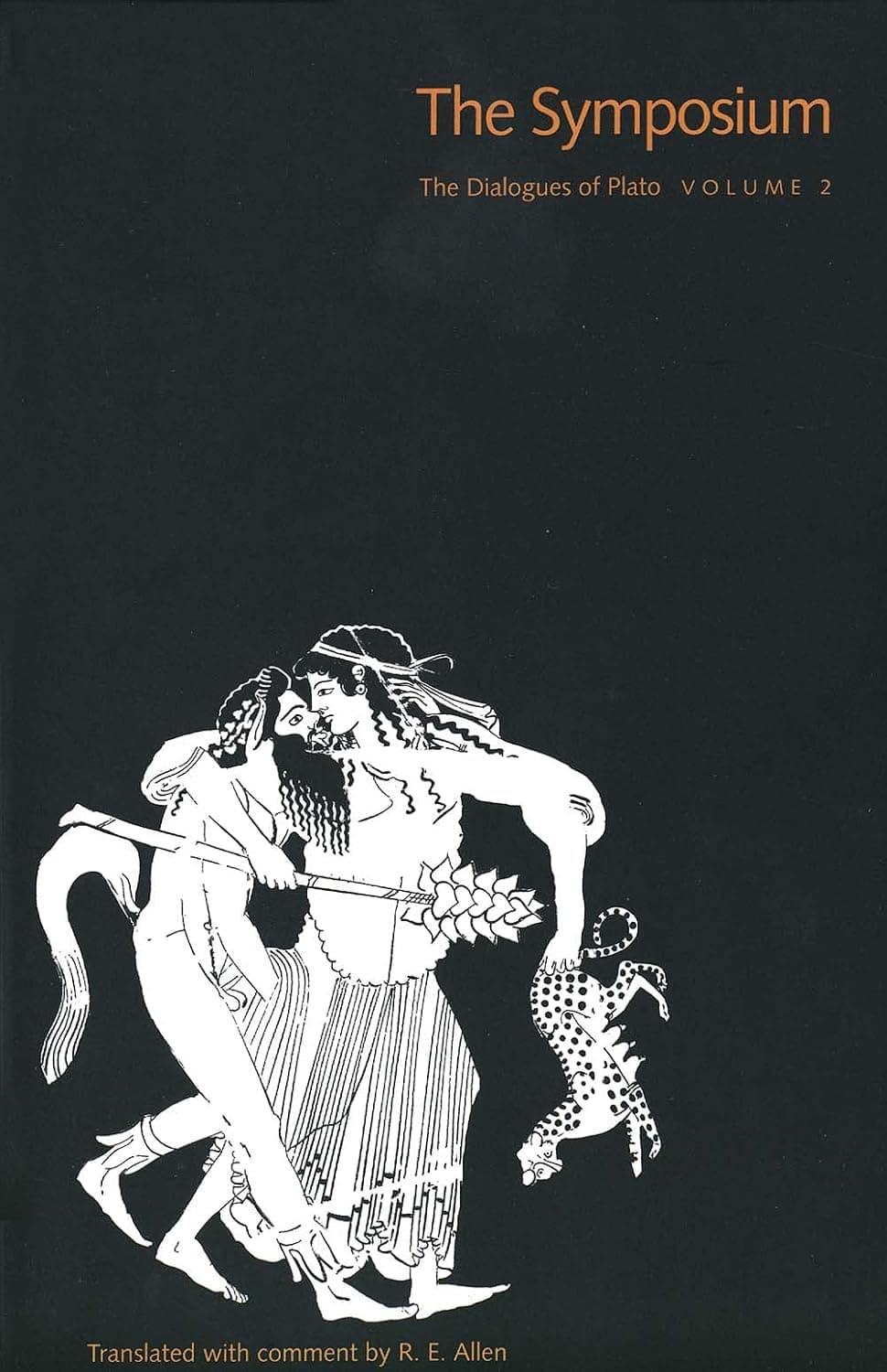
Athenians take turns praising love at a drinking party. The comic poet Aristophanes says we were once double creatures split in two, still hunting our other half, and romance repeats him still.

Medieval Paris rebuilt around the cathedral, where a deaf bell-ringer loves a dancer the archdeacon also wants. The novel made crumbling Notre-Dame a national cause and saved it from the wreckers.

Pechorin seduces, duels, and wrecks lives across the Caucasus, then records in his diary exactly why he does it. Russian fiction took its habit of merciless self-analysis from this bored young officer.

Helen Graham bolts her bedroom door against a drunk husband, takes her son, and lives by selling paintings. Victorian reviewers called it coarse and unfit to put in a girl's hands.

Numbered citizens live in glass apartments under a Table of Hours, and the engineer D-503 records his own unraveling. Banned in Russia until 1988, it gave Orwell his model for Nineteen Eighty-Four.

Félicité serves one Norman household for half a century, loses everyone she loves, and fastens her faith to a stuffed parrot. Flaubert grants her a dignity the world never did.

At a tea ceremony in postwar Japan, a young man is steered toward a bride and finds his dead father's mistresses waiting. Kawabata routes the affair entirely through inherited tea bowls.