Mrs. Dalloway
1925 · 197 pages
Clarissa Dalloway buys the flowers herself and gives a party, one June day in London, while a veteran wrecked by the war comes apart nearby. Woolf moves between strangers' minds without warning.
★ 9.0
 skopia
Clarissa Dalloway buys the flowers herself and gives a party, one June day in London, while a veteran wrecked by the war comes apart nearby. Woolf moves between strangers' minds without warning.

Pip, a blacksmith's boy, is handed a fortune by an unknown benefactor and turns snob. Miss Havisham waits in her rotted wedding dress, and Dickens makes the shame of low birth unbearable.
Dickens's supreme achievement, and his angriest. A lawsuit over a will has dragged through the courts so long that nobody alive understands it, and its fog settles over every life in England.
In London in 1944 the army notices that an American officer's sexual conquests keep predicting where German rockets fall. What follows is the filthiest, funniest chase ever run across a ruined continent.
Babies are decanted from bottles into castes, everyone takes a drug called soma, and nobody is unhappy. Huxley saw that a tyranny of pleasure would hold better than one of fear.
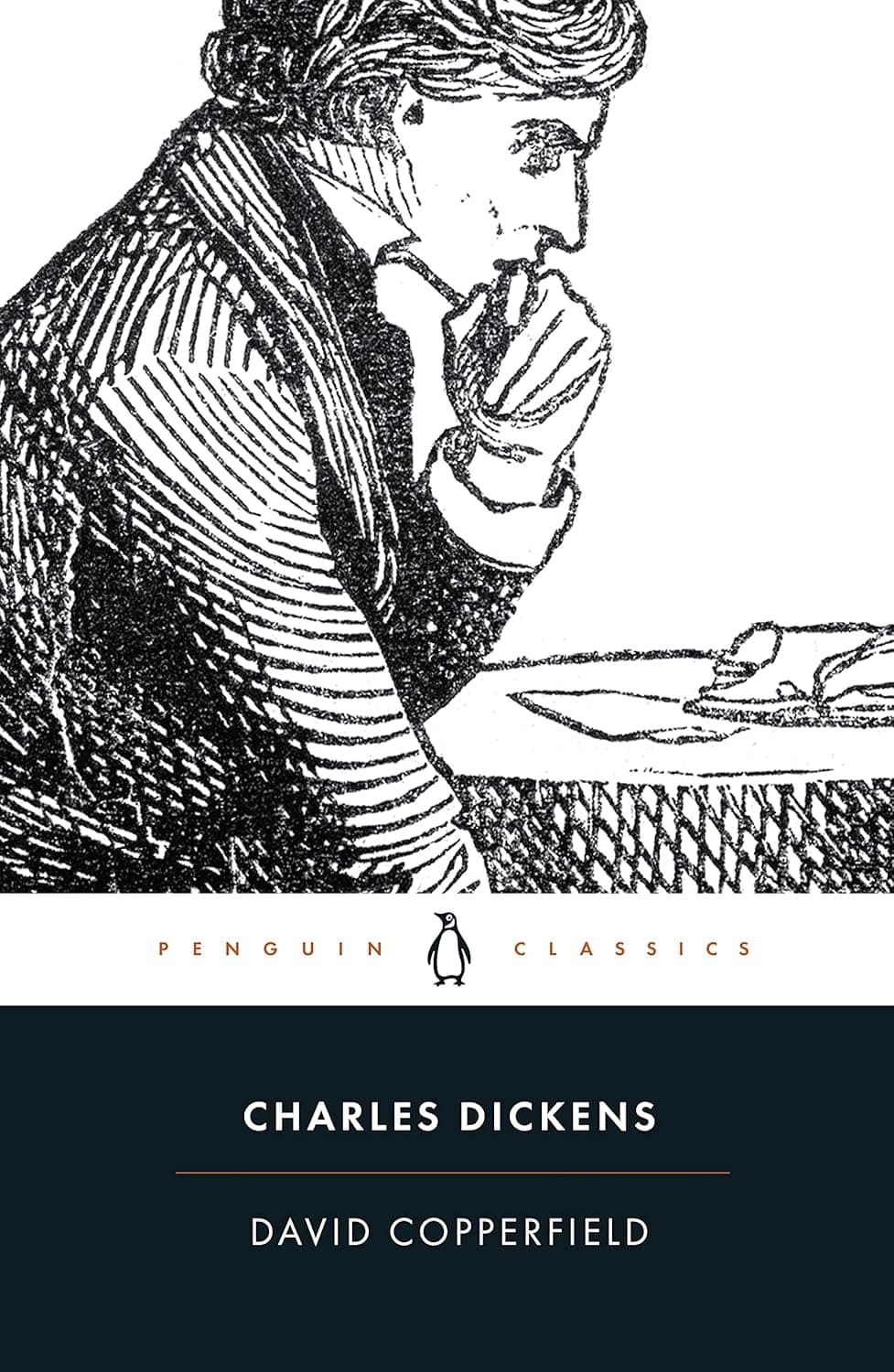
Put to work in a warehouse as a boy, David escapes to an aunt he has never met. Dickens gave him his own childhood, and loved this novel above all the others.

Wilde gives two idle men imaginary people, a wicked brother and an invalid friend, to escape their obligations, then sets them courting women who will marry no one but a man named Ernest.
Outnumbered in France, a young king talks his army into fighting at Agincourt, promising that whoever survives will remember the day forever. After the battle he reads out the names of the dead.

Falstaff is the greatest comic creation in English, a fat knight who lies about everything, and Prince Hal wastes his youth drinking with him while rebellion gathers against his father the king.
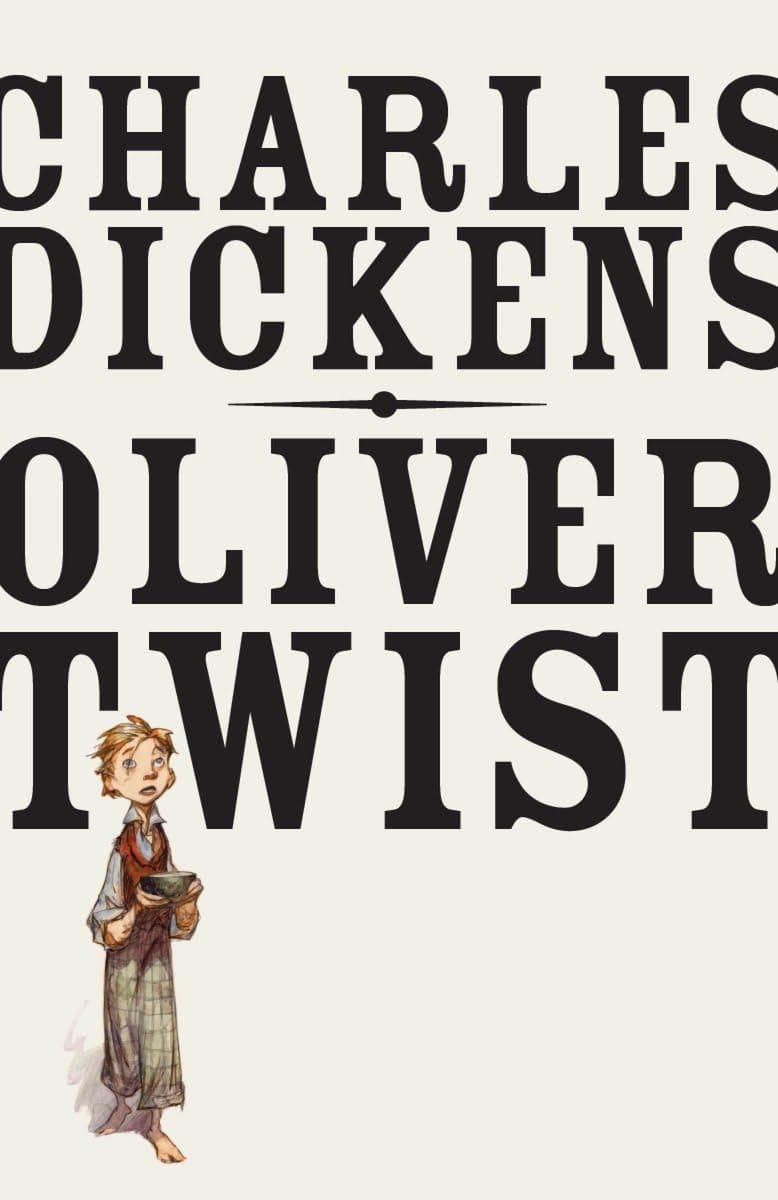
Born in a workhouse, Oliver asks for more, is sold off, and runs to London, where Fagin's gang of child pickpockets takes him in. Dickens made child poverty impossible to ignore.
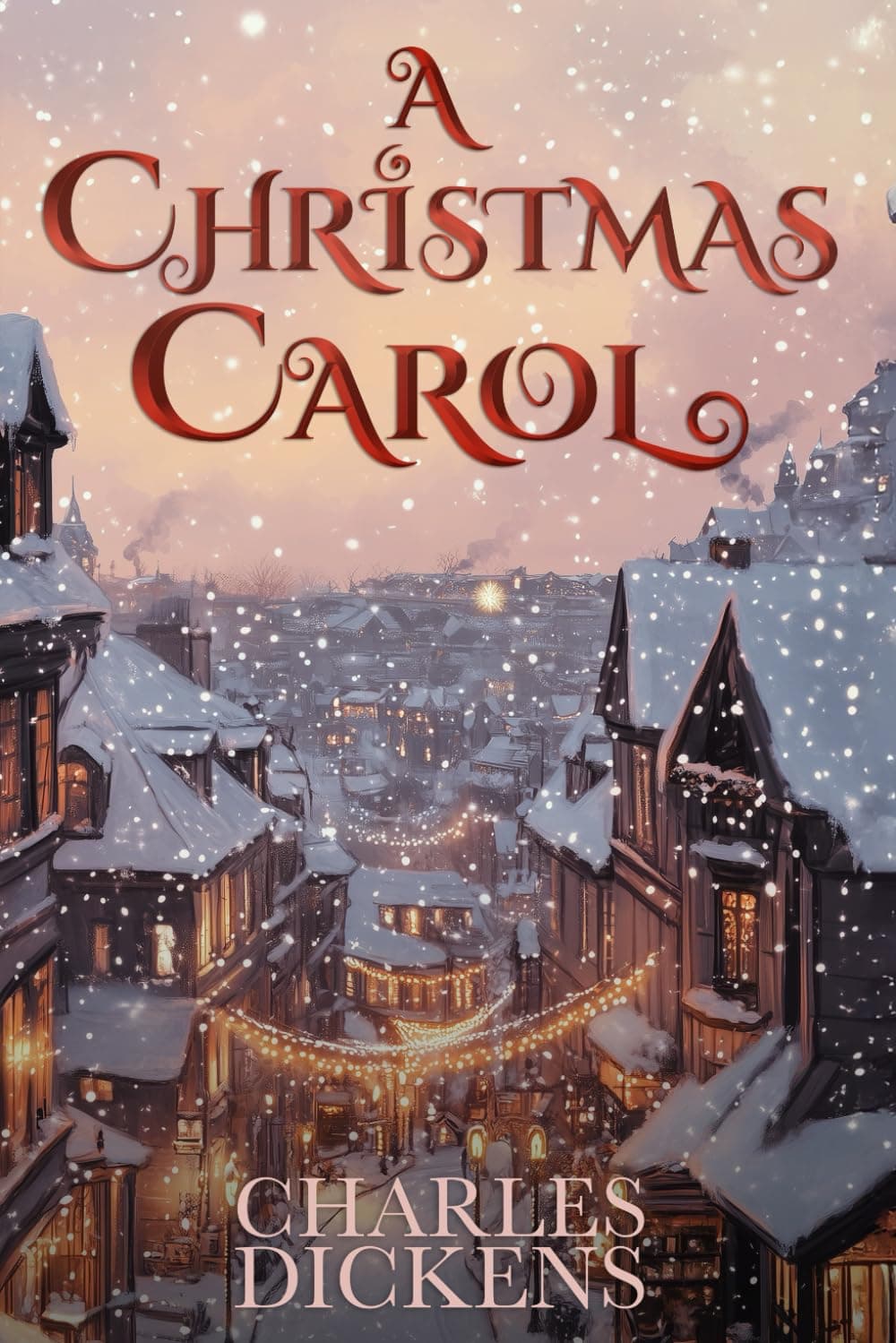
Scrooge hates Christmas until his dead business partner turns up wrapped in chains and three spirits walk him through his own life. The modern Christmas takes its shape from this book.

Told by a charming aristocrat that beauty is everything, Dorian Gray wishes his portrait would age in his place, and it does. Wilde's epigrams carry every page, and the horror arrives beneath them.

Nine years of Restoration London set down every night in shorthand. Pepys watched the Great Fire from a boat and he was as frank about his own adulteries as about the plague.

Falstaff ages and the king dies while Prince Hal waits for the crown. Shakespeare wrote no colder scene than the new king telling his old tavern friend that he does not know him.
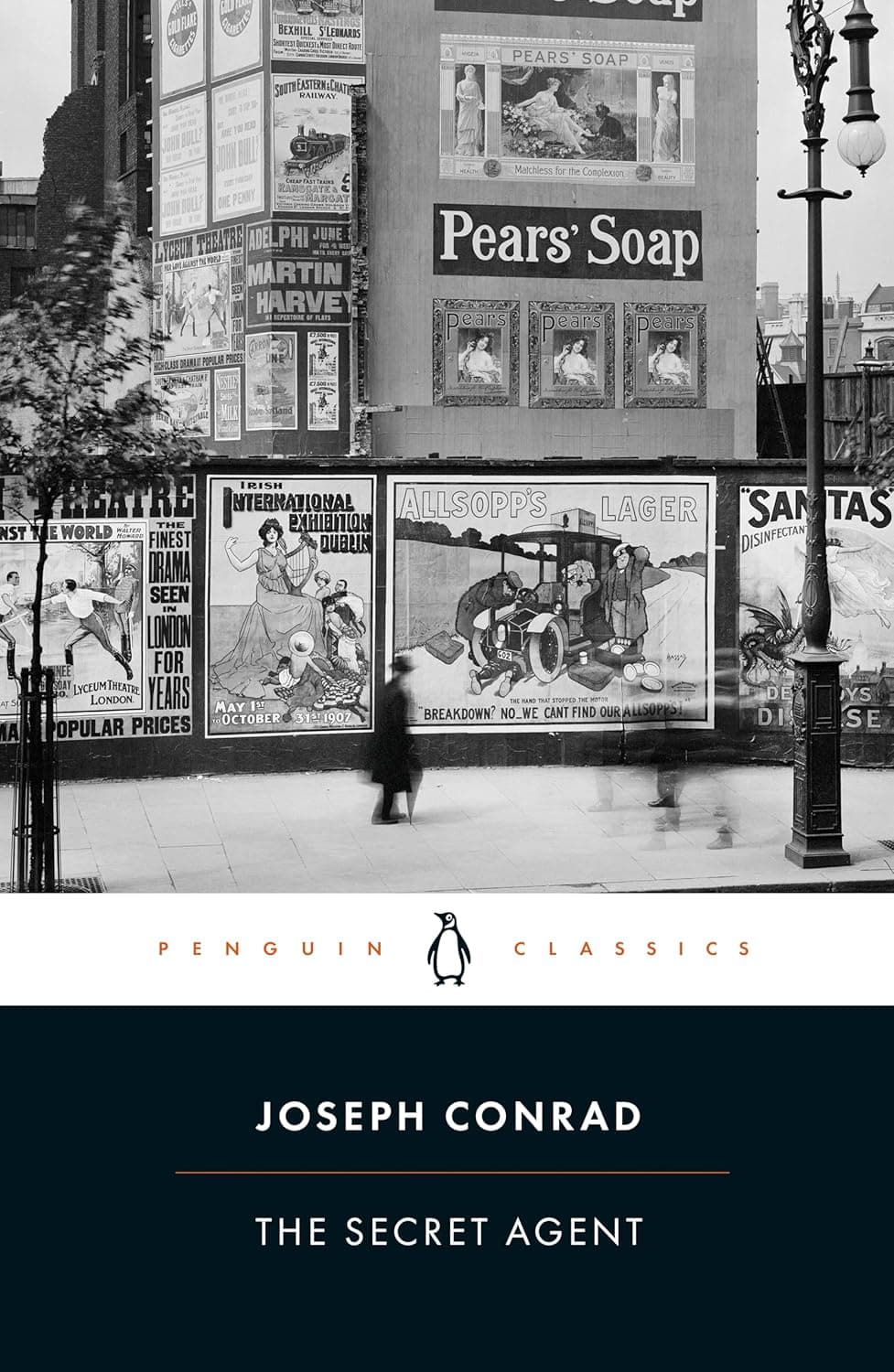
Conrad wrote the first great modern novel of terrorism. Verloc keeps a seedy London shop, informs on anarchists for a foreign embassy, and is ordered to bomb the Greenwich Observatory to frighten England.

Jealousy narrated from the inside by a man who hates the God he does not believe in. A wartime bomb falls on the lovers, and the woman makes a promise she keeps.

Alec Leamas takes one last assignment in East Germany, posing as a burnt-out defector, never told what his own service wants. Graham Greene called it the best spy story he had read.
Richard tells the audience in his first speech that he means to be a villain, then makes them accomplices. He courts a widow beside the corpse of the king he murdered.

Twelve cases at 221B Baker Street, from the king undone by Irene Adler to the whistle in the night at Stoke Moran. No human character in fiction has been played by more actors.

Powell's twelve novels follow one English generation from a boarding school in 1921 into the 1970s. These first three introduce the narrator Nick Jenkins and Widmerpool, the ridiculous boy whose rise never stops.
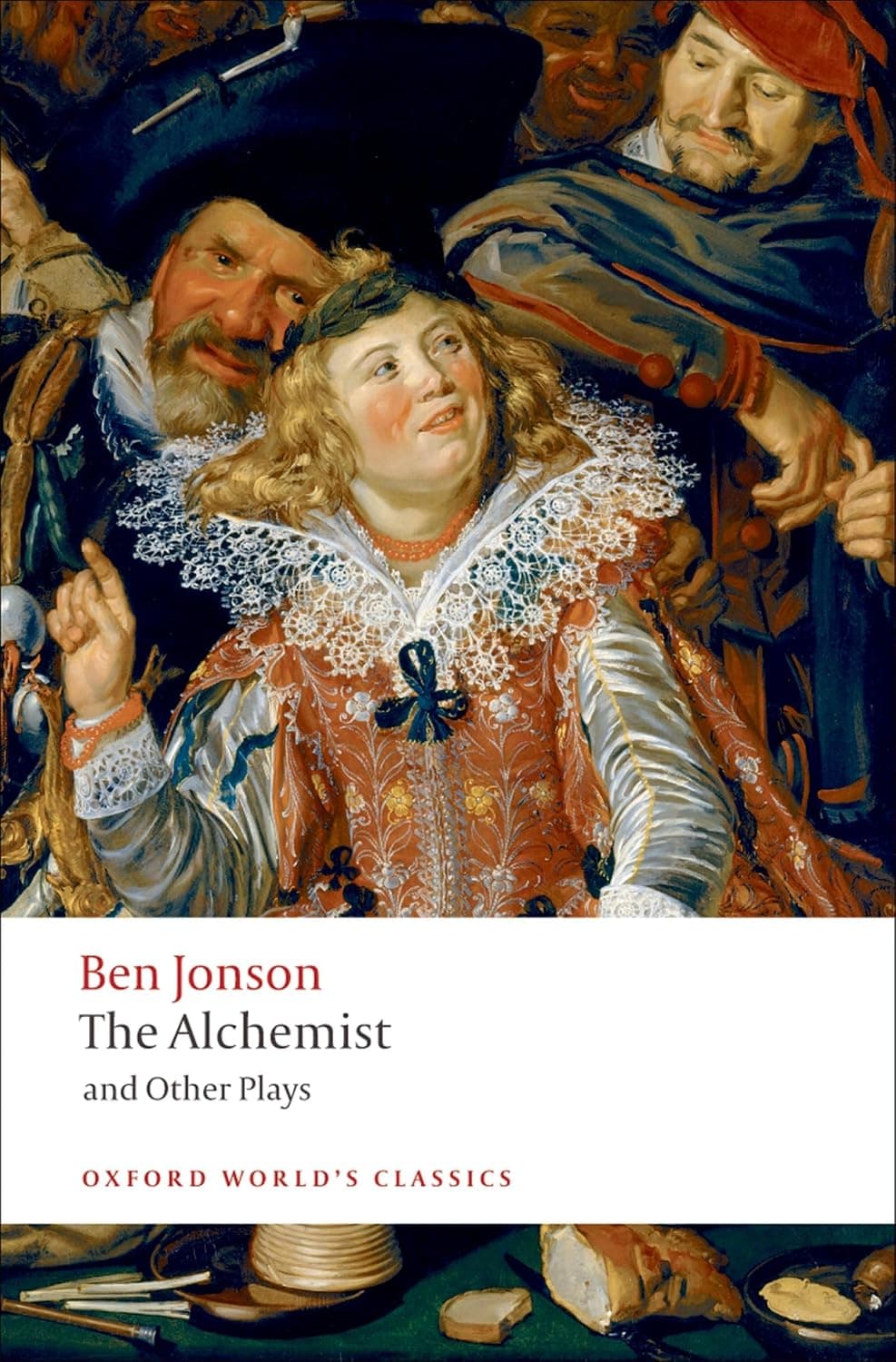
Plague empties London, a master flees, and his butler turns the house into a con shop, selling the philosopher's stone to every greedy fool who knocks. Jonson built the swindle like clockwork.
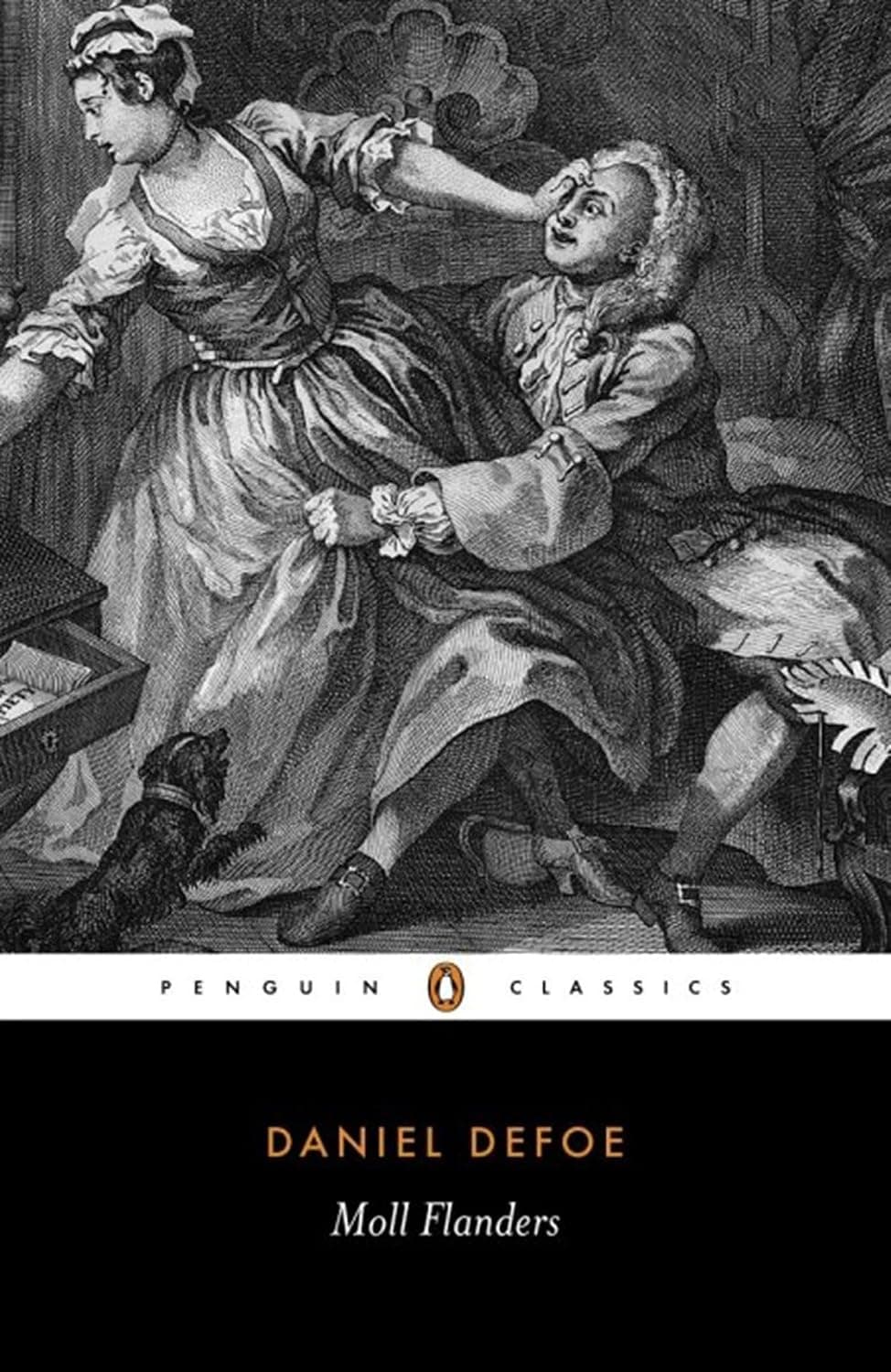
Born in Newgate prison, five times a wife, once to her own brother, Moll totals her thefts and marriages in pounds and shillings. English fiction had never let a woman talk this way.

Theobald Pontifex beats piety into his son with perfect Christian conviction, and Ernest spends the novel working free of him. Butler handed the revolt against Victorian respectability its sharpest and funniest weapon.
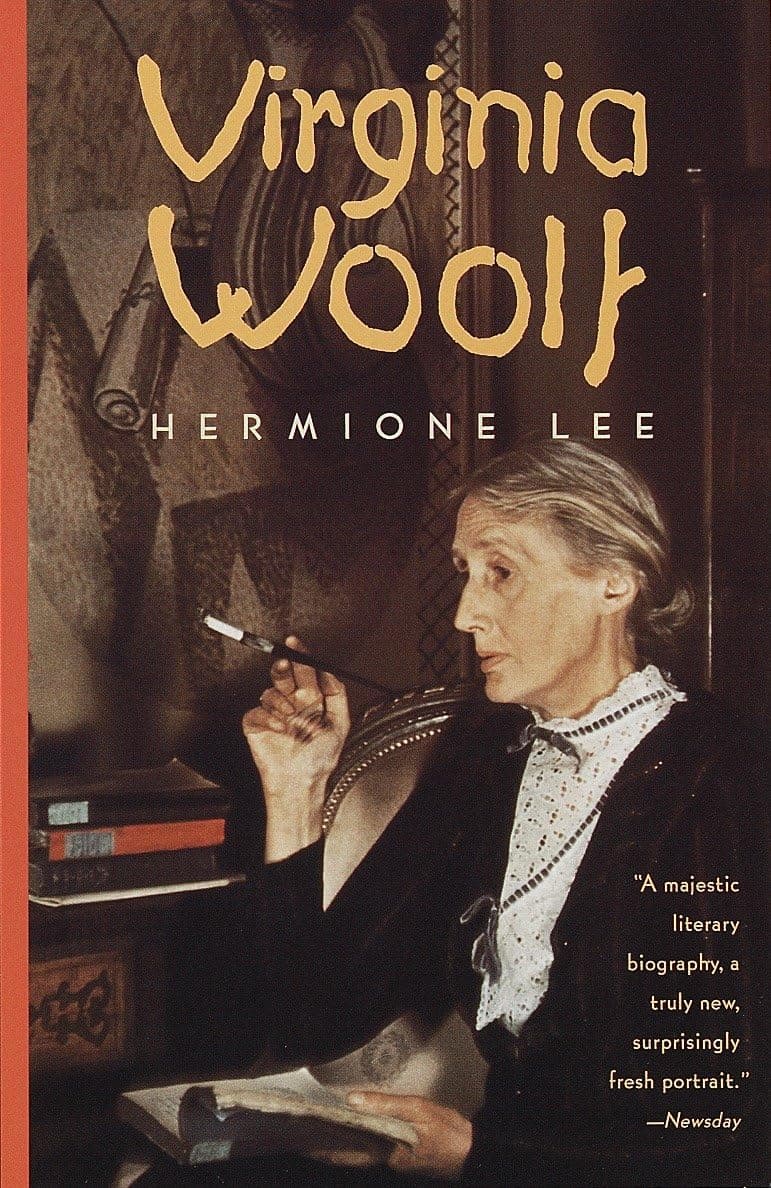
Lee refuses the fragile madwoman of legend and gives back a working writer: funny, ambitious, hard on her friends. She holds the breakdowns and the novels together and lets neither explain the other.

Archie Jones and Samad Iqbal met in a tank in 1945 and are still arguing in North London, while their children reject every inheritance on offer. Smith made multicultural Britain a comic epic.

Charles Pooter, a London clerk of vast unearned dignity, records every slight from tradesmen and every dinner-party triumph. He paints his bath red with enamel and mistakes the dissolving water for blood.

Bored in a hospital bed, a Scotland Yard inspector studies a portrait of Richard III and reopens the murder of the two princes, working entirely from chronicles and documents fetched to his bedside.

A war widow receives photographs of the husband she buried. The trail runs into a London fog where the killer Jack Havoc is loose, and Allingham makes the thriller an argument about evil.