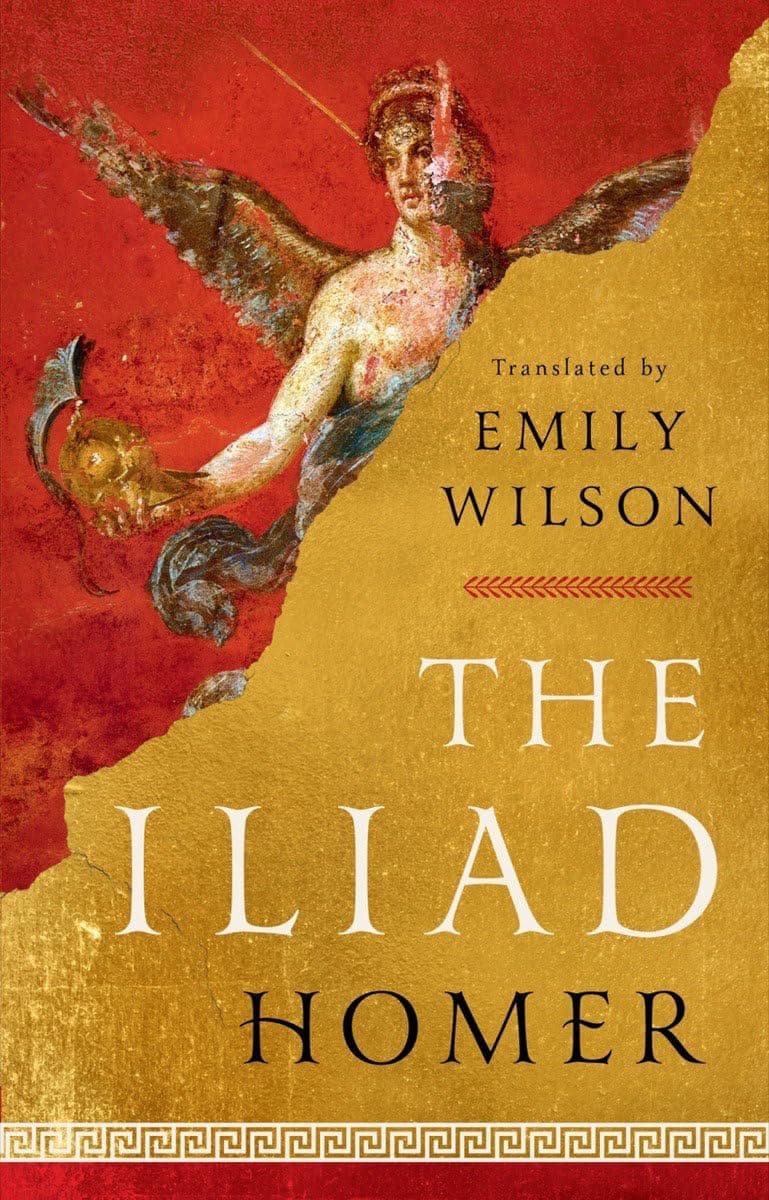
The Iliad
750 BC · 848 pages
Achilles withdraws from the fighting over a stolen prize and his friends die outside Troy for it. Nothing written about war since has matched Homer's fury, or the mercy of the final scene.
★ 9.9
 skopia
Achilles withdraws from the fighting over a stolen prize and his friends die outside Troy for it. Nothing written about war since has matched Homer's fury, or the mercy of the final scene.
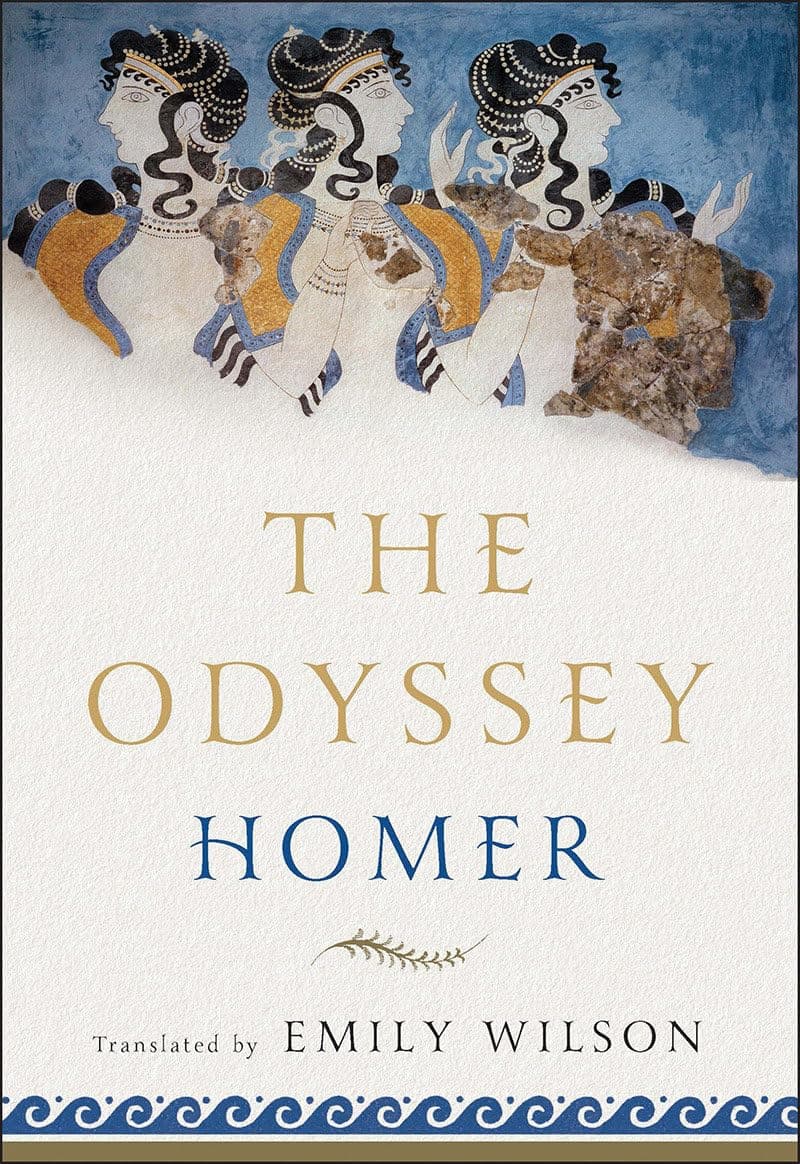
Ten years of storms, monsters, and a goddess who will not let him go stand between a soldier and his own front door. Every adventure story since descends from Odysseus.
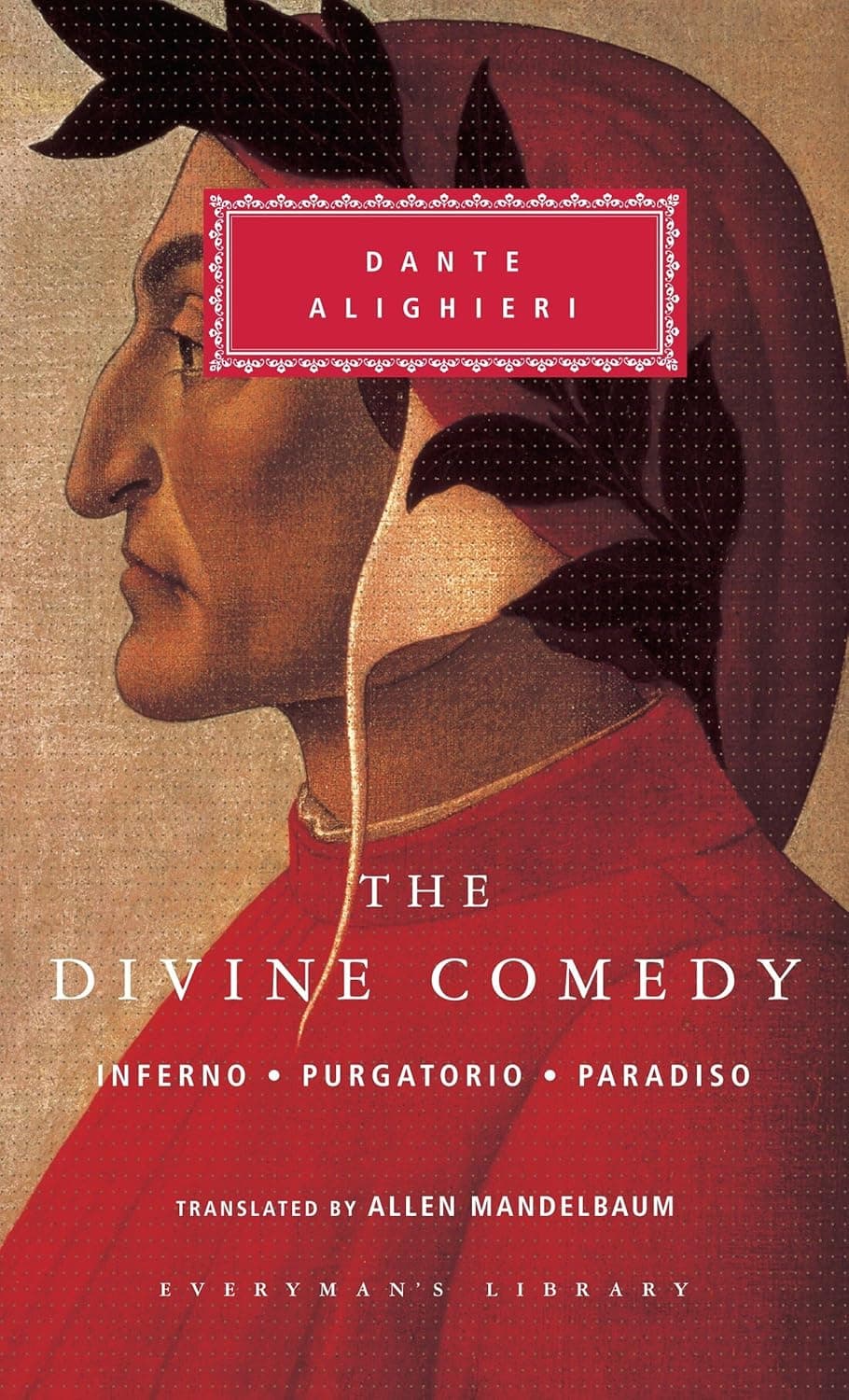
No poem has reached higher. Dante goes down through hell, up the mountain of purgatory, and into the light of God, settling scores with real Florentines and arriving where Beatrice waits.
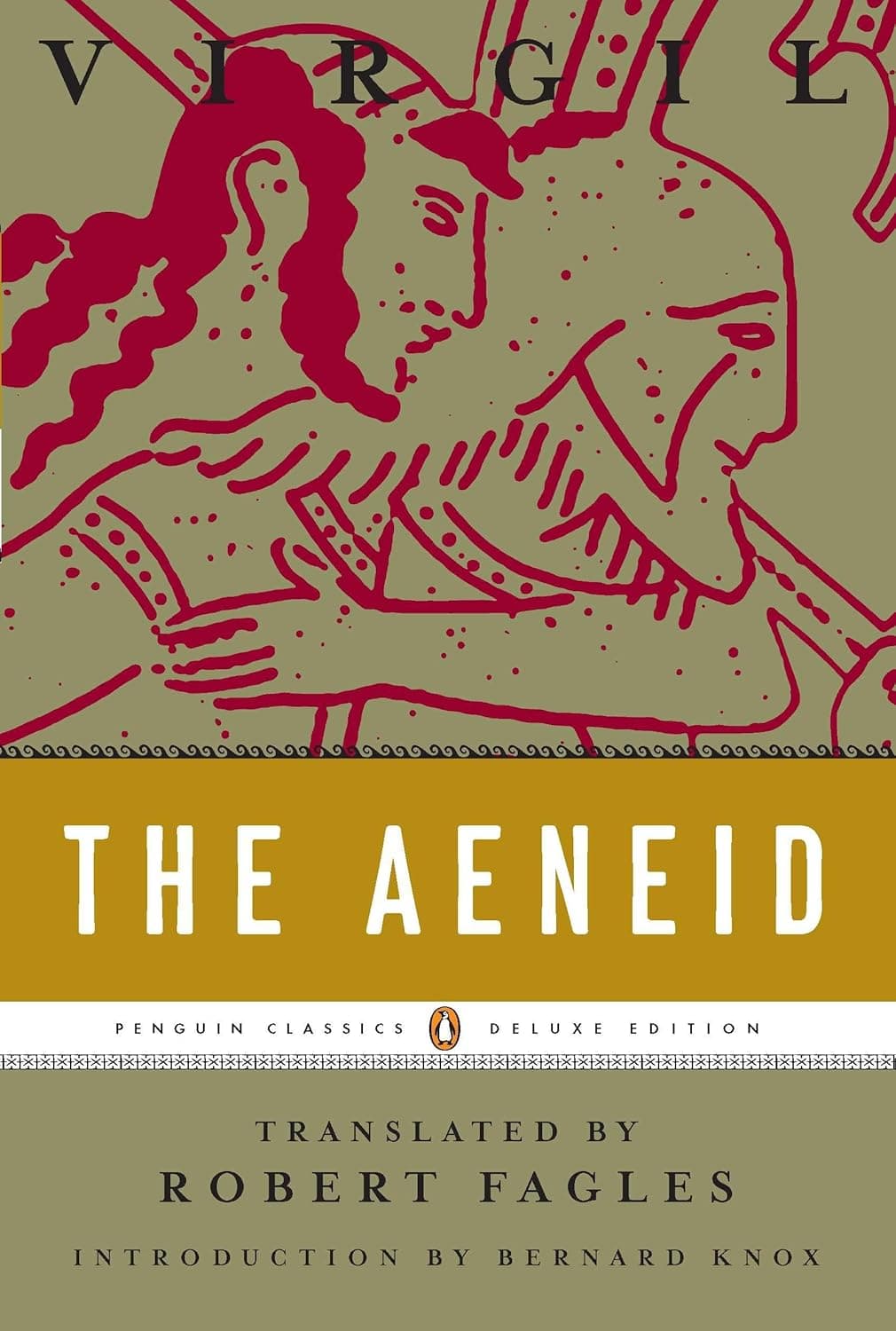
Aeneas carries his father out of burning Troy and is sent to found Rome, abandoning the queen who loves him. Duty wins, and Dido's grief is the greatest passage in Latin poetry.
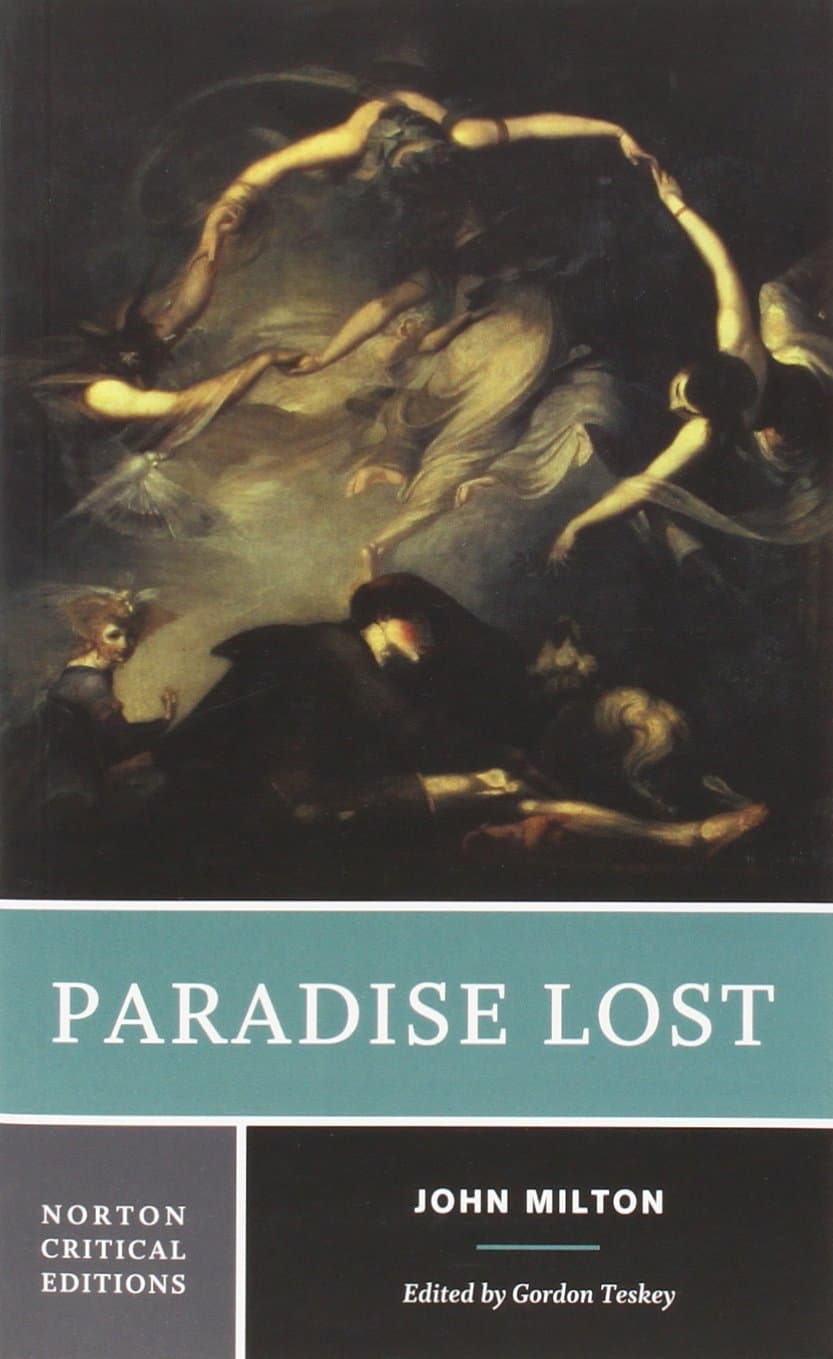
Satan rebels in heaven, loses, and comes for the first two people. Milton meant to justify God and produced a devil so magnificent he nearly walks off with the greatest poem in English.
April is the cruellest month, and from that line Eliot assembles a ruined Europe out of voices, tarot cards, and pub talk. The fragments lodge in the memory for good.
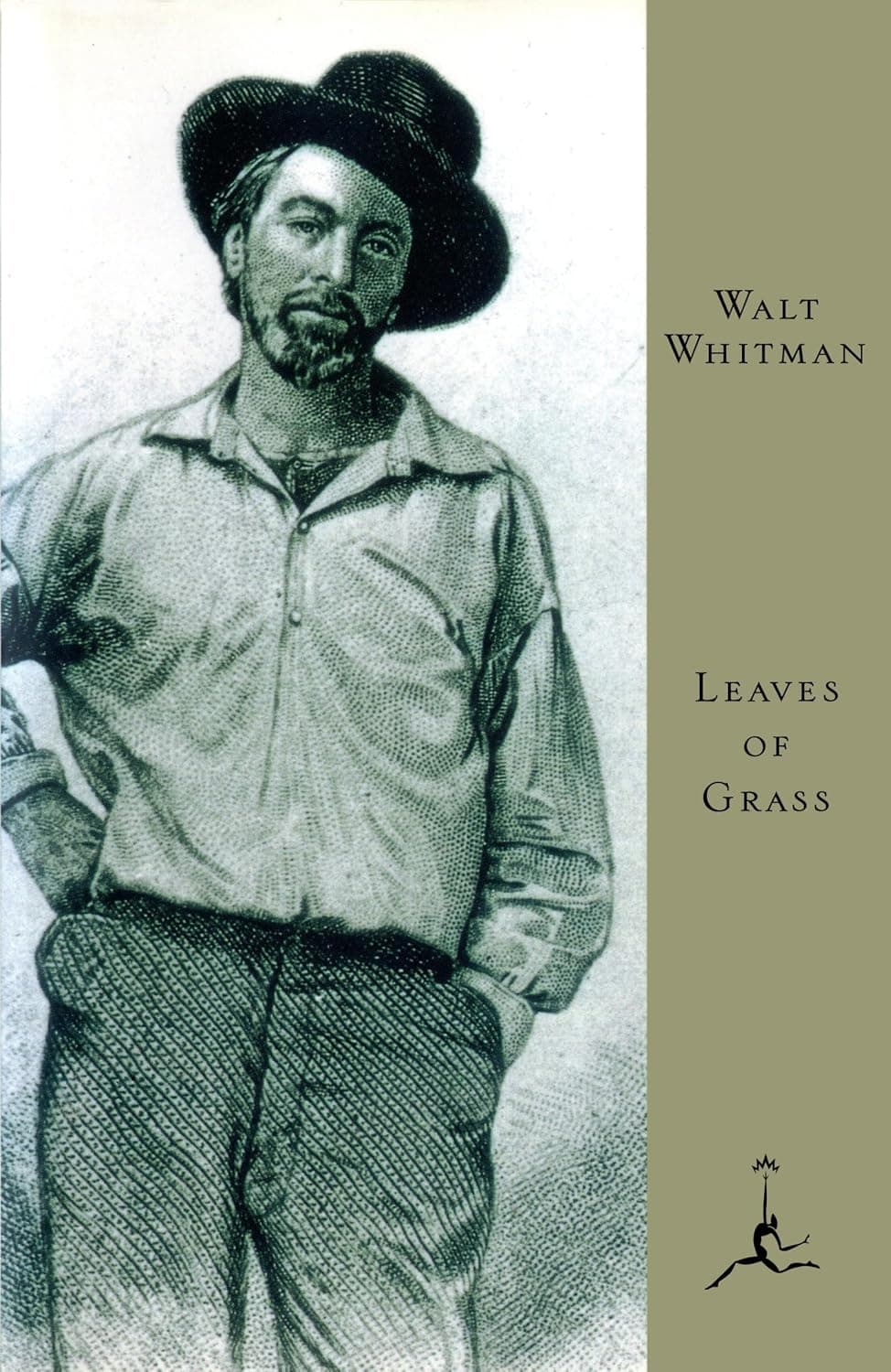
Whitman threw out rhyme and meter to write the body, the country, and himself at full voice. In "Song of Myself" he speaks straight at you, delighted that you finally showed up.
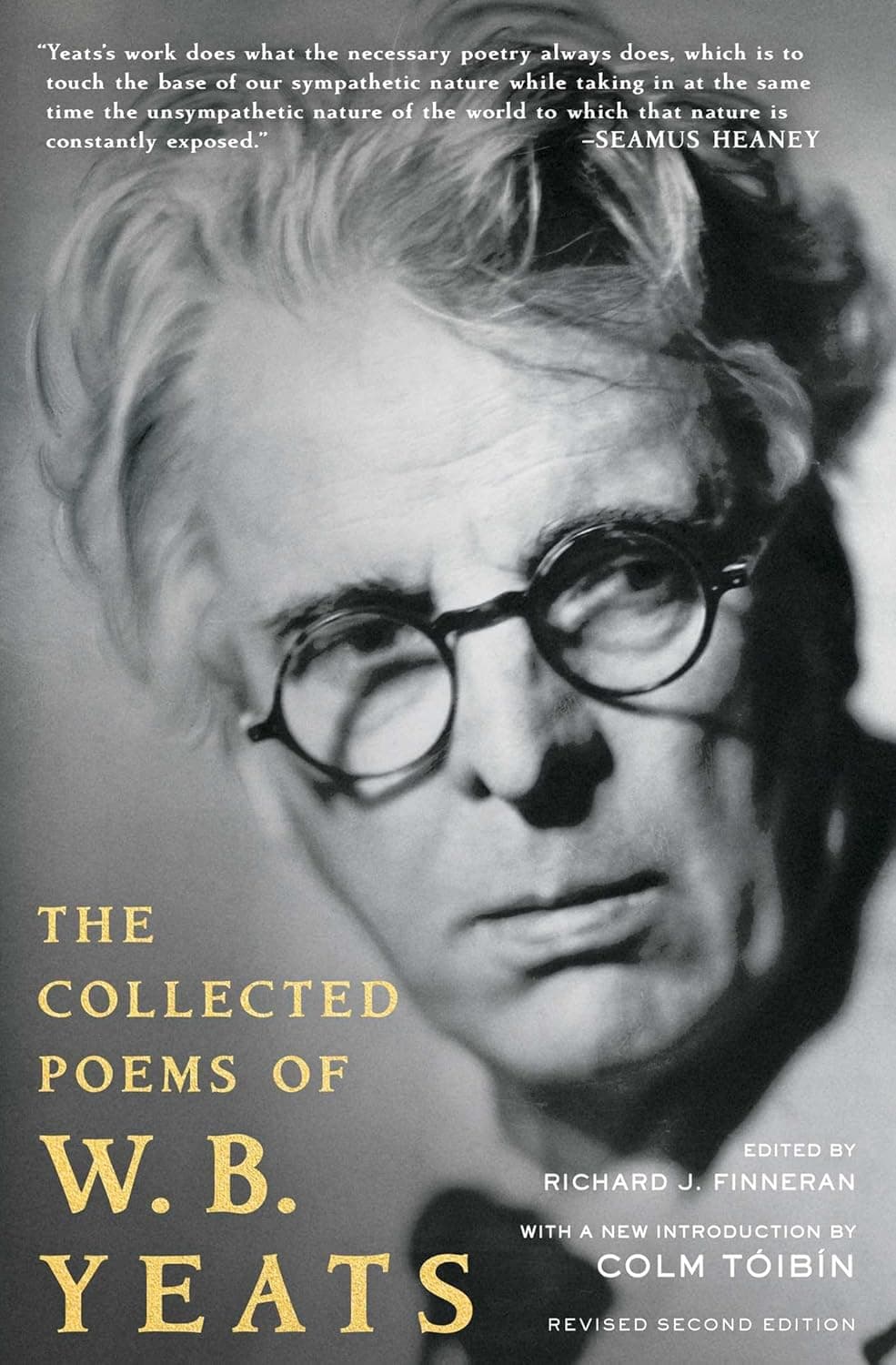
Irish myth and fairy tale at the start, then old age, politics, and desire handled with frightening force. Yeats wrote things fall apart, the centre cannot hold, and a terrible beauty is born.

Dickinson wrote nearly eighteen hundred poems in a Massachusetts bedroom, on death, God, and her own mind, and remade the English lyric. Begin with "Because I could not stop for Death."

Stevens sold insurance in Hartford and wrote sumptuous poems about what the imagination makes once God is gone. Read "The Emperor of Ice-Cream" aloud and the sound arrives before the sense.

Frost's New England of stone walls and deep snow arrives in plain talk held to strict meter, with something much colder underneath. Stopping by Woods on a Snowy Evening offers no comfort.
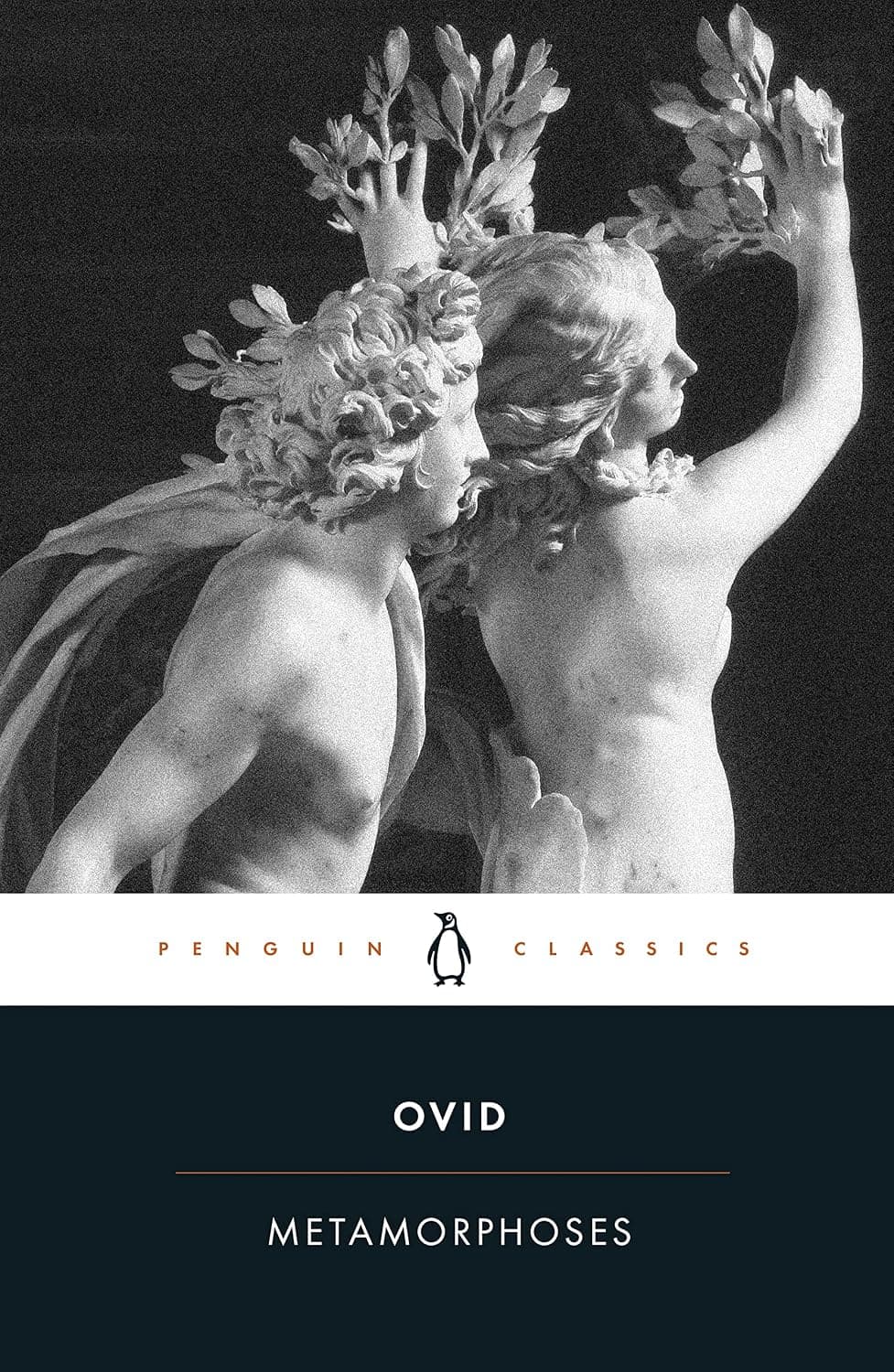
Ovid runs classical myth through a single idea, transformation, from the creation of the world to Julius Caesar. Girls become trees and hunters become deer, and painters have ransacked him for centuries.

Modern poetry starts here, in gorgeous verse about boredom, rot, and the crowds of Paris. Baudelaire opens by calling the reader his hypocrite brother, then makes ugliness beautiful.

Short poems in simple meter about lambs, chimney sweeps, and a tiger burning in the forests of the night. Blake sets an innocent version beside a bitter one and lets you decide.

Bishop looks at a fish, a filling station, a moose in the road, and never tells you what to feel. In "One Art" she calls losing things an art you can master.

Everything is atoms falling through empty space, Lucretius argues in Latin verse, your soul included, and it dies when your body does. He wrote the poem to cure his readers of fearing death.
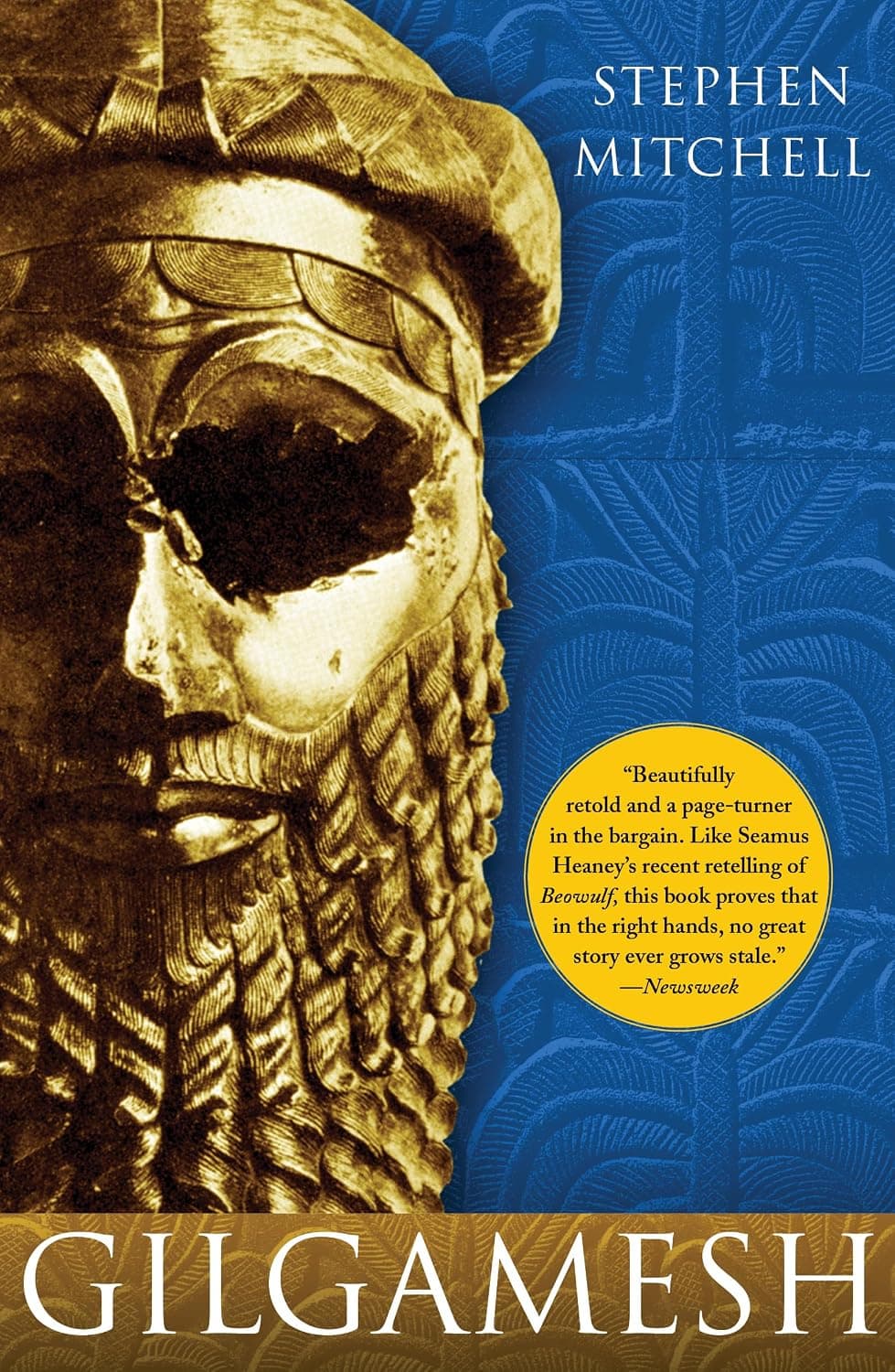
Literature begins here. Gilgamesh bullies his city until the gods send a wild man to match him. They become friends, one dies, and grief drives the survivor to the end of the world.
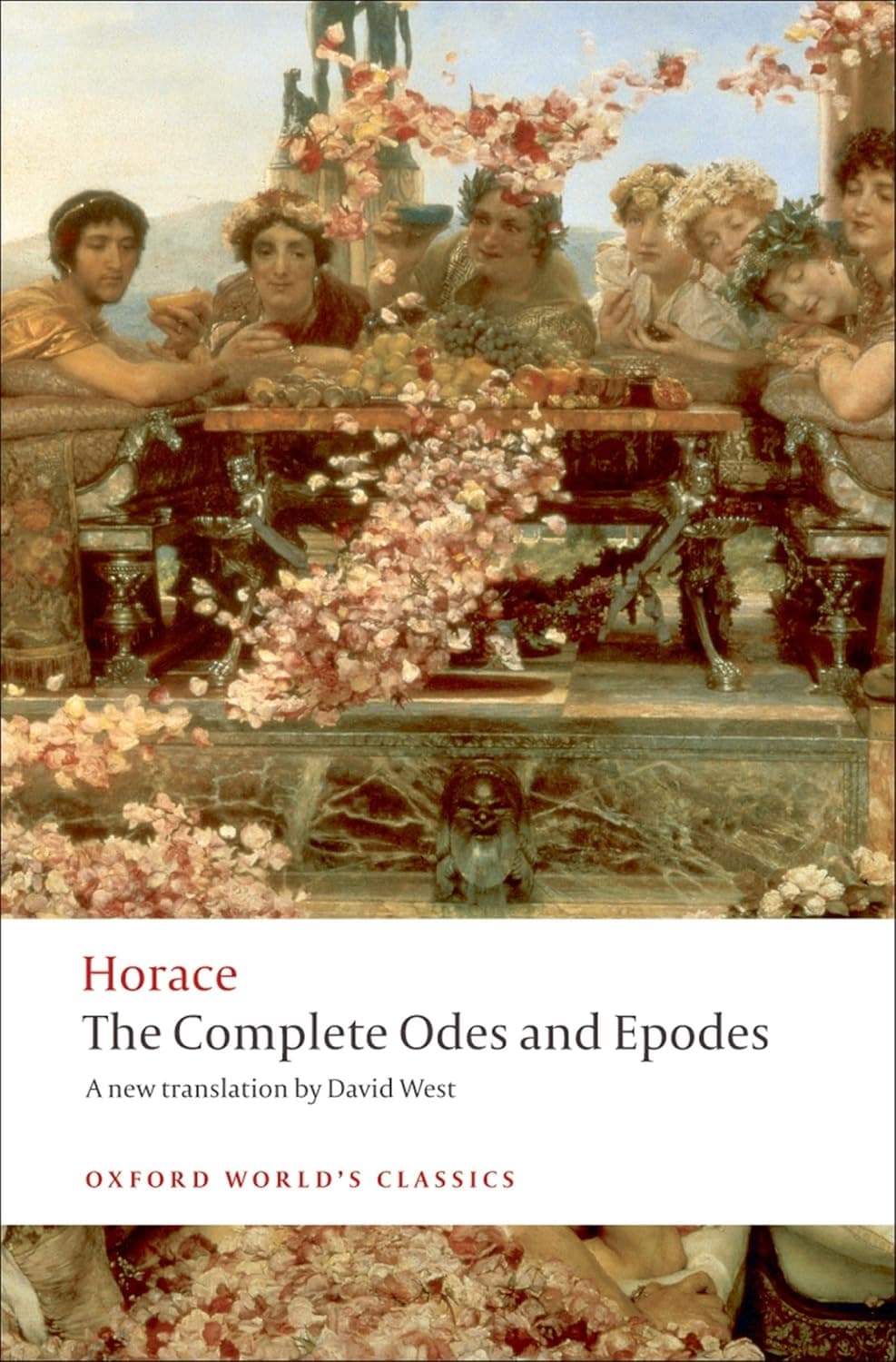
Horace compresses wine, friendship, and the certainty of death into stanzas of exact and unhurried form, the summit of Latin lyric. Carpe diem is his line, and in context it is not cheerful.
For twelve years a monster has emptied a Danish king's hall, until a young warrior sails over to wait for it in the dark. Fifty years on, the poem comes back for him.

At Arthur's Christmas court a huge green man offers his neck to anyone willing to take the same blow a year later. Gawain swings, and the real test waits in a bedroom.
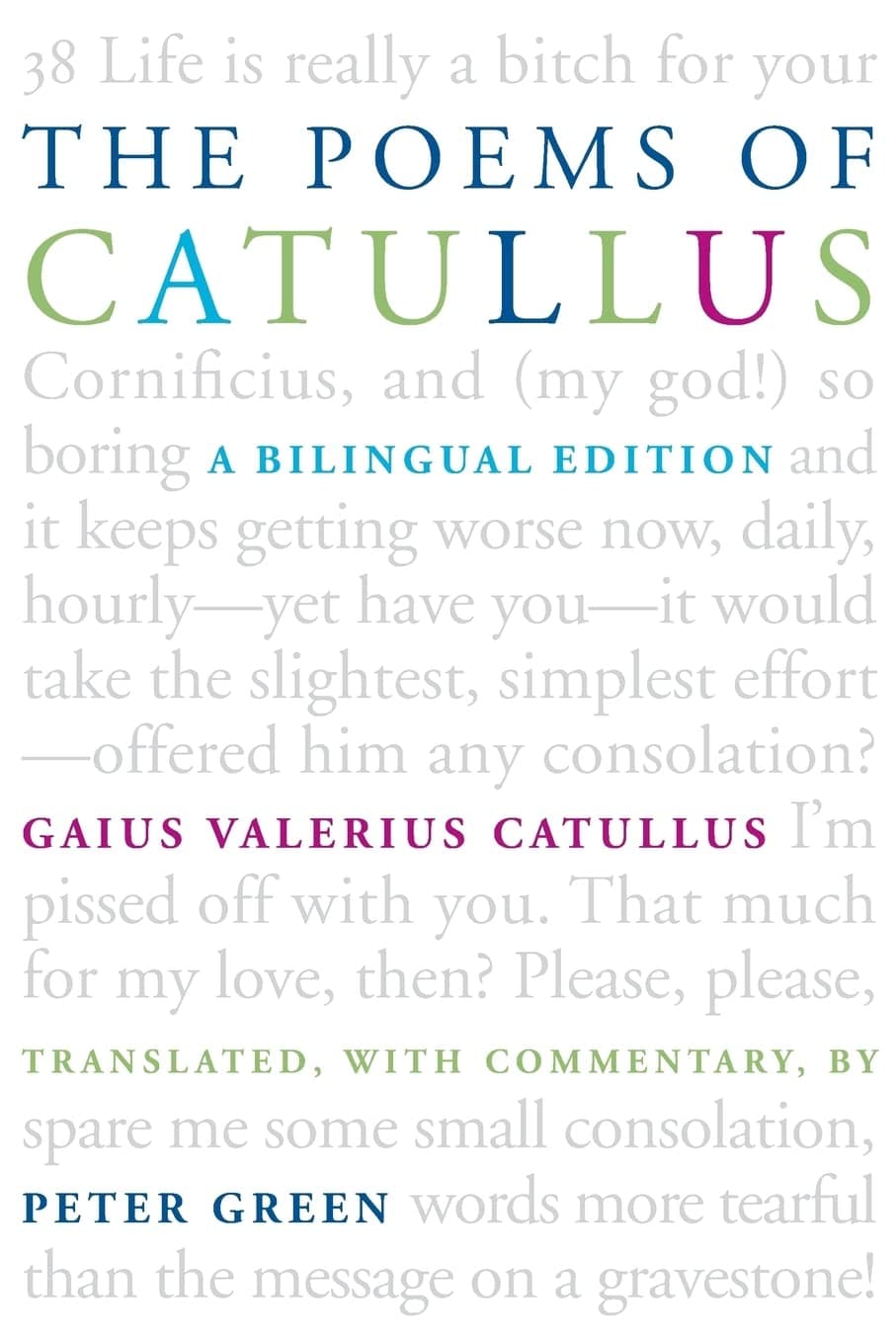
Latin love poetry begins with Catullus, counting kisses by the thousand for the aristocrat he calls Lesbia and then admitting he hates and loves her at once. The obscenity still stings.
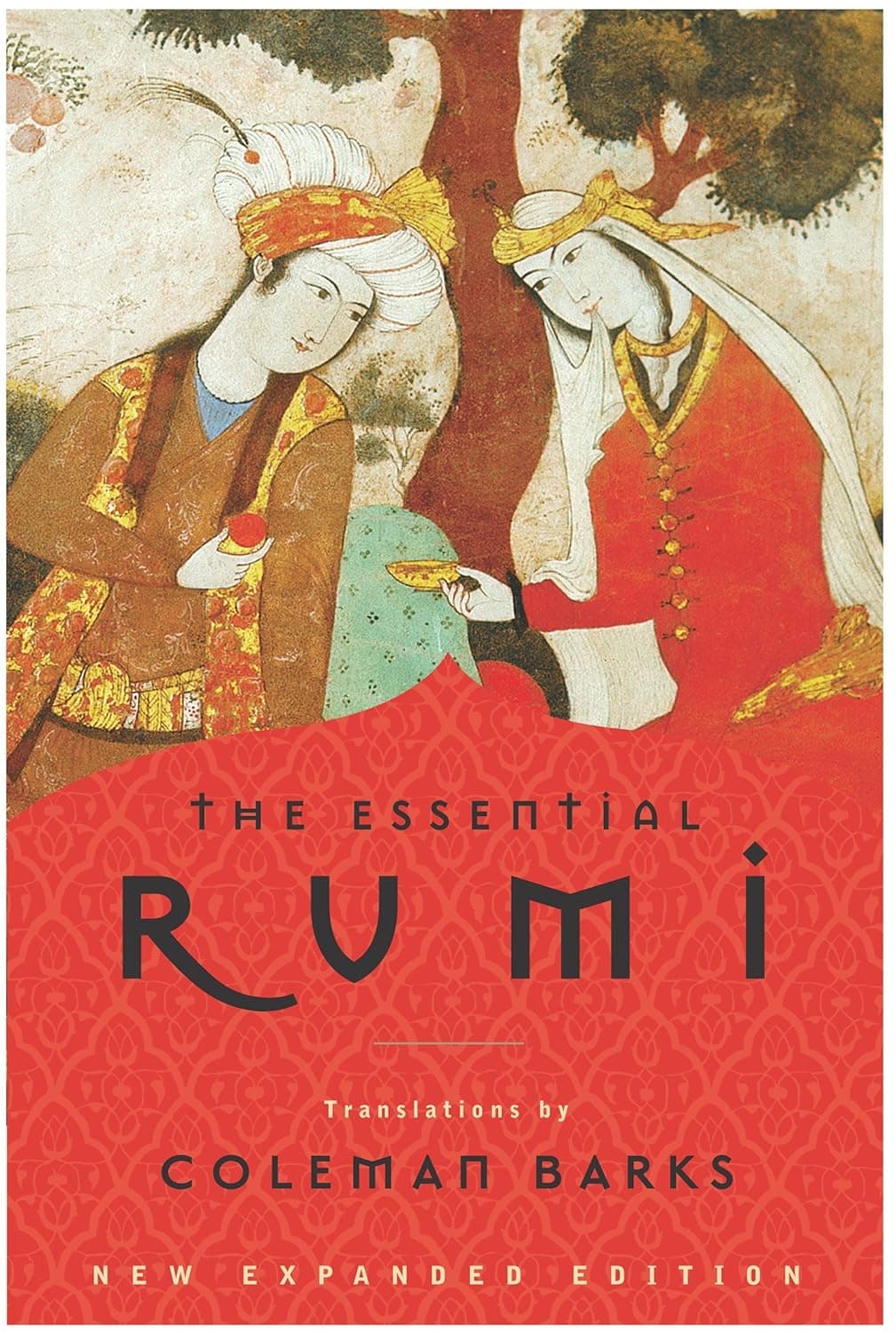
Grief for a wandering dervish named Shams turned Rumi into a poet of longing for God. His great Masnavi opens with a reed flute crying for the bed it was cut from.
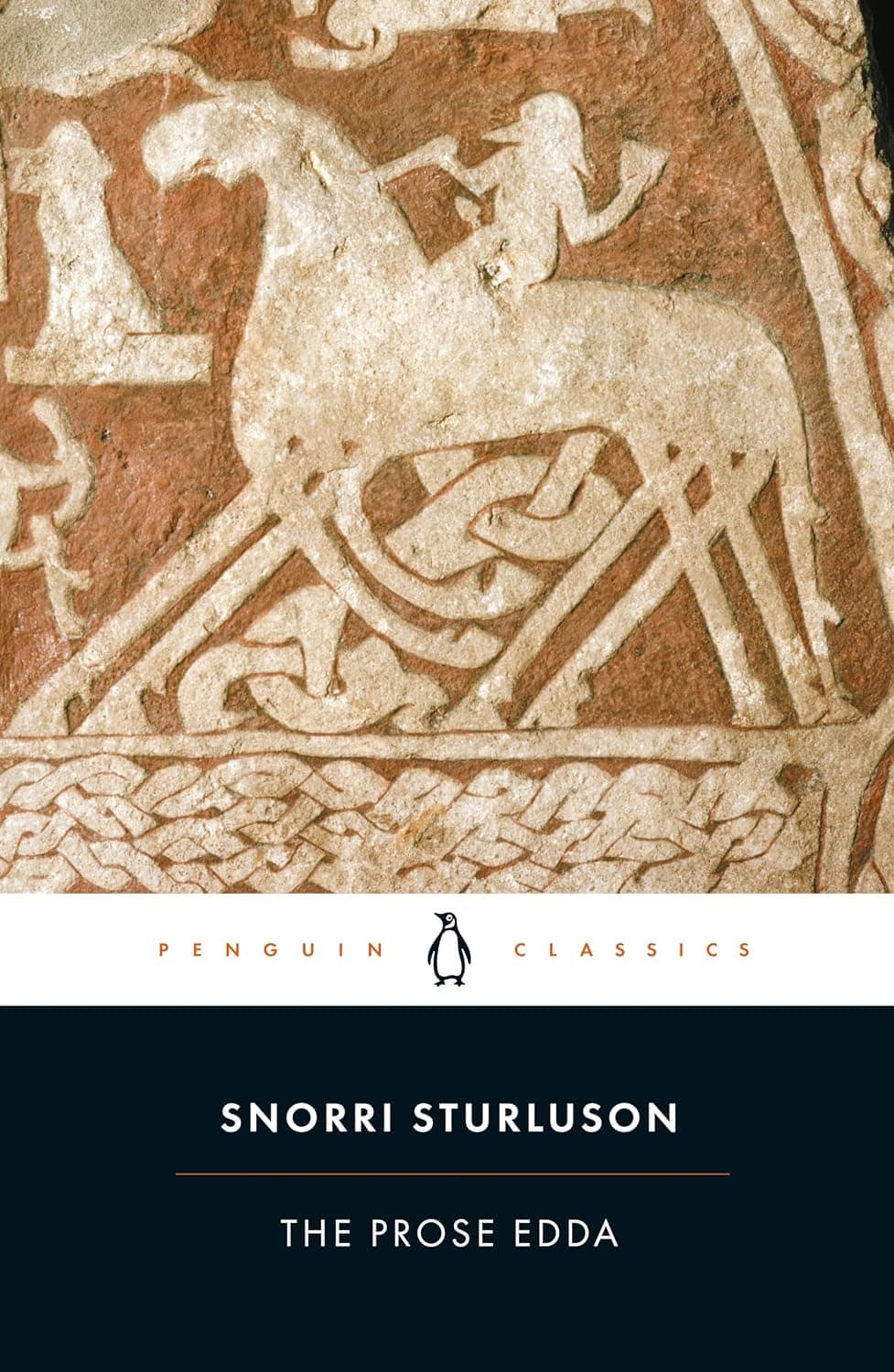
A Swedish king walks into a hall and asks three strangers how the world began and how it ends. Their answers are nearly all anyone now knows about Thor, Loki, and Ragnarok.
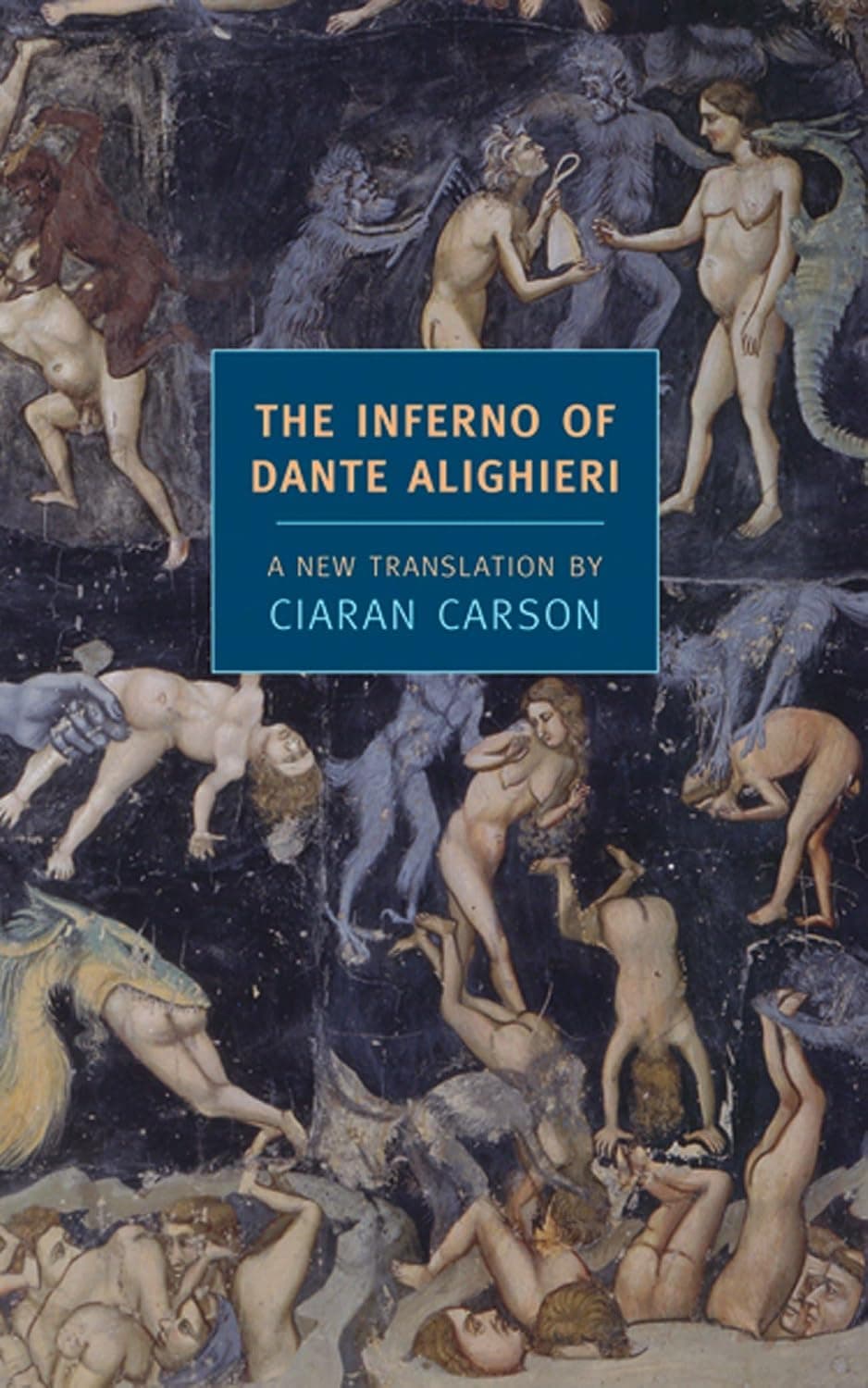
Lost in a dark wood, Dante follows the Roman poet Virgil down through nine circles, past lovers, popes, and traitors frozen in ice. Every punishment is built to answer its sin.

Chaos comes first, then gods who overthrow their fathers in turn until Zeus wins and holds. Hesiod then turns to his idle brother to explain when to plow and why work is holy.
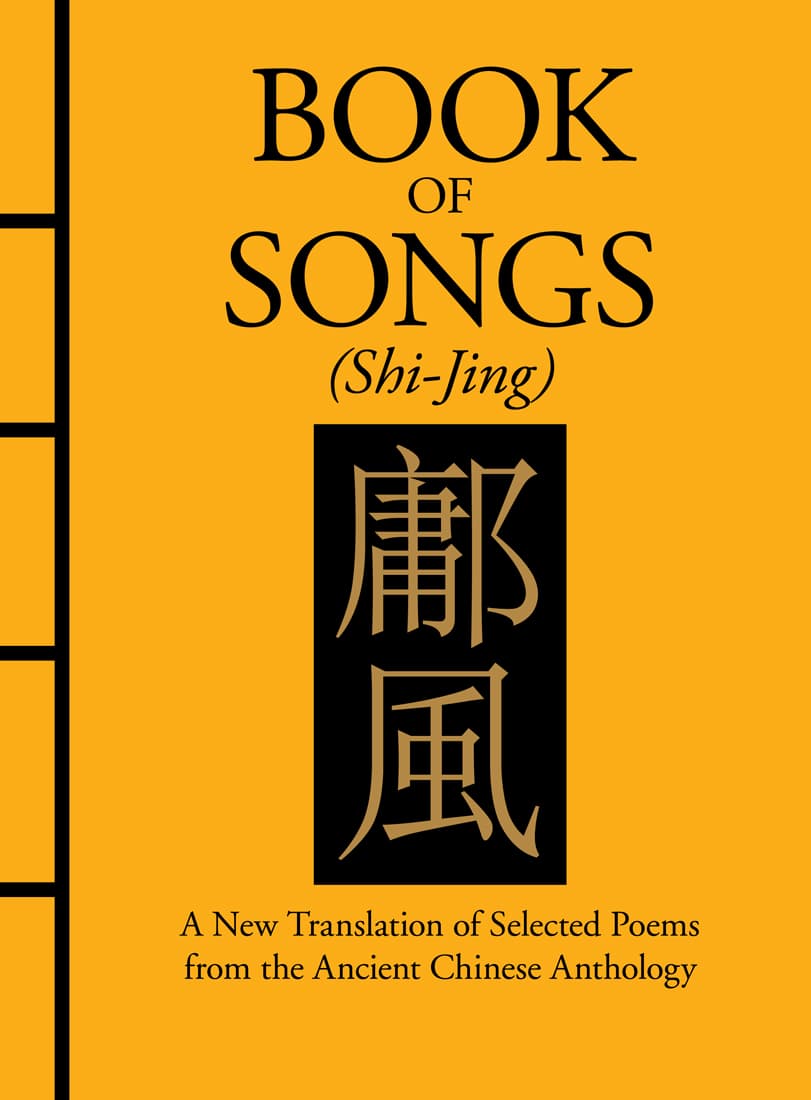
Three hundred and five songs from ancient China about courtship, harvest, soldiers on campaign, and bad government. Confucius taught from them, and every Chinese poet since has written with them in earshot.
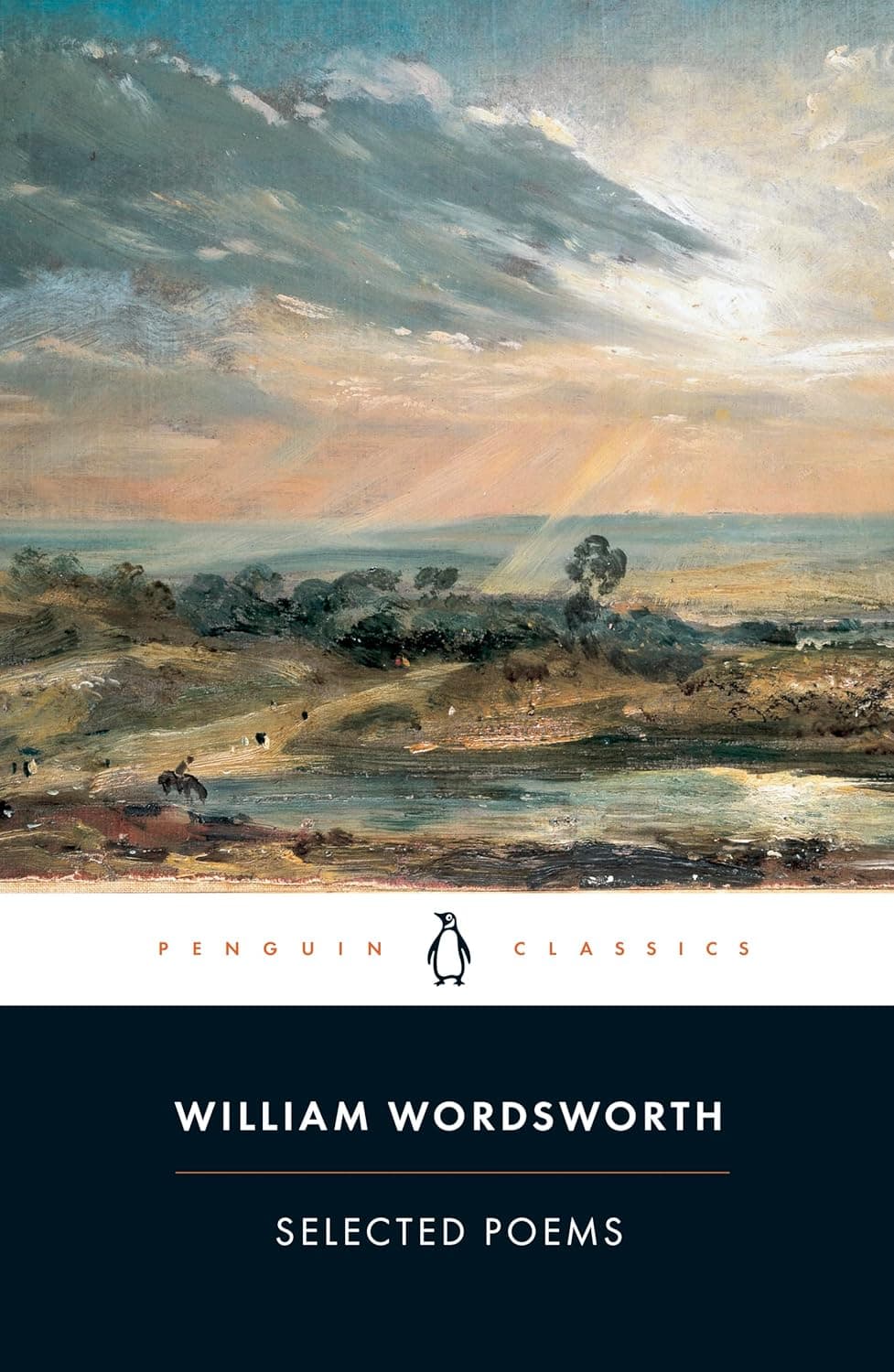
Daffodils, a solitary reaper singing in a field, and a valley revisited after five years: Wordsworth wrote these in ordinary speech and found that remembering keeps remaking the person who remembers.
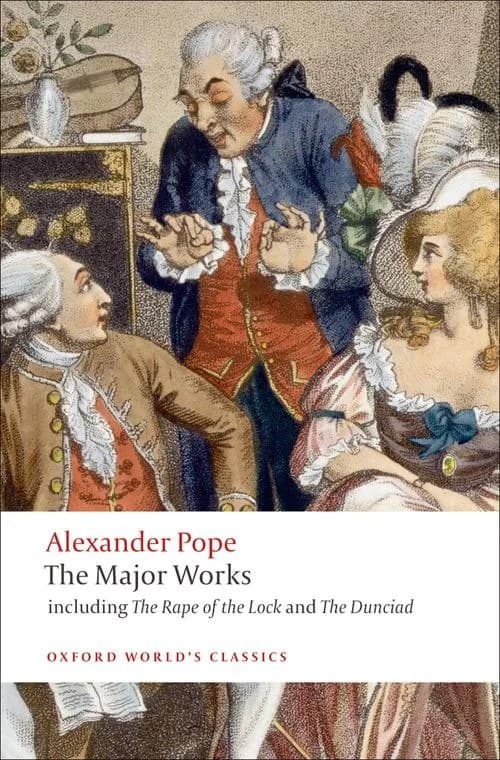
Pope wrote couplets that turned into proverbs, including "to err is human, to forgive divine." He built a mock epic around a stolen lock of hair and shredded his enemies in verse.
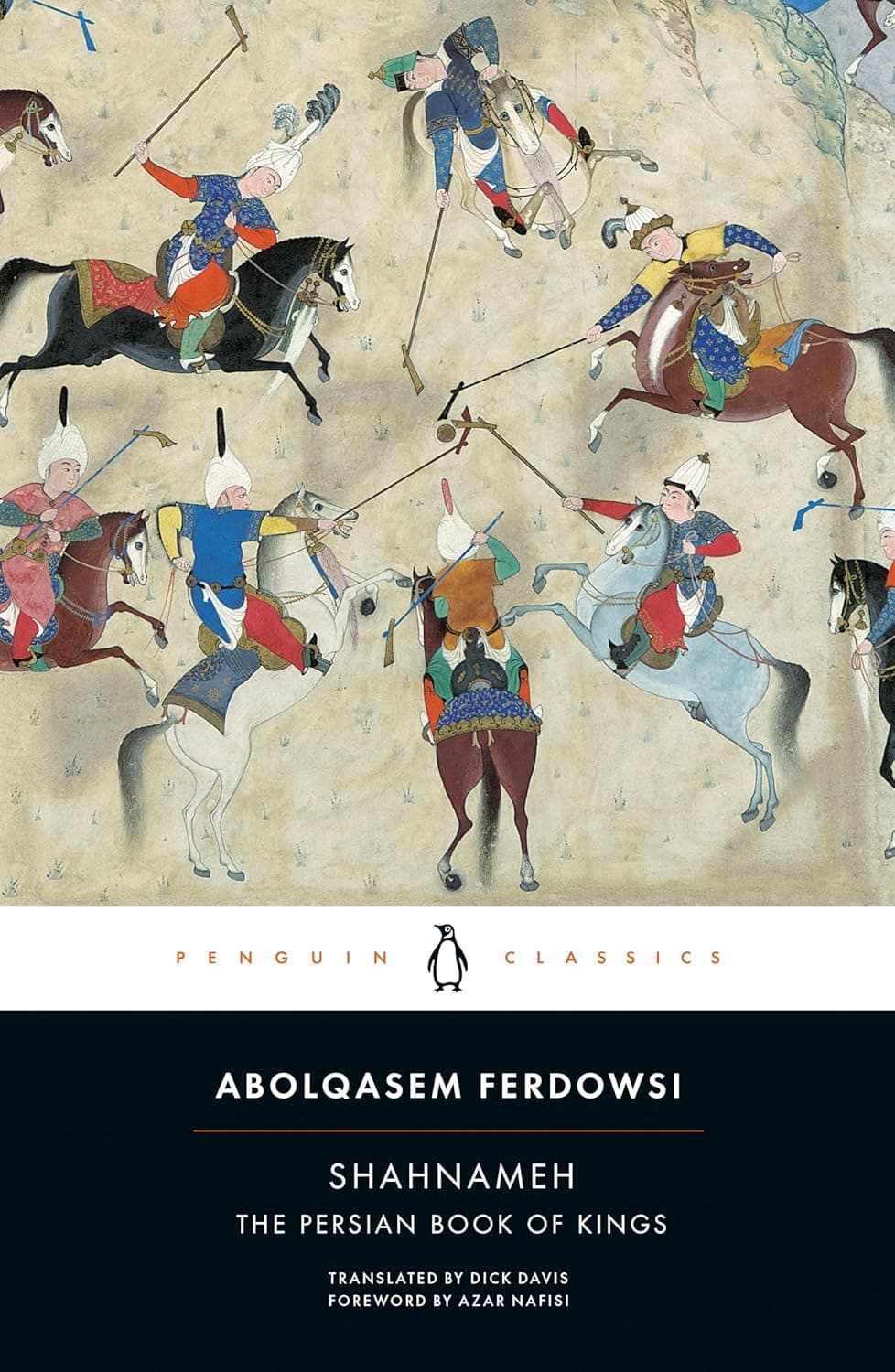
Fifty thousand couplets carry Iran from creation to the Arab conquest, past a tyrant with snakes growing from his shoulders and the hero Rostam meeting a young champion he does not recognize.
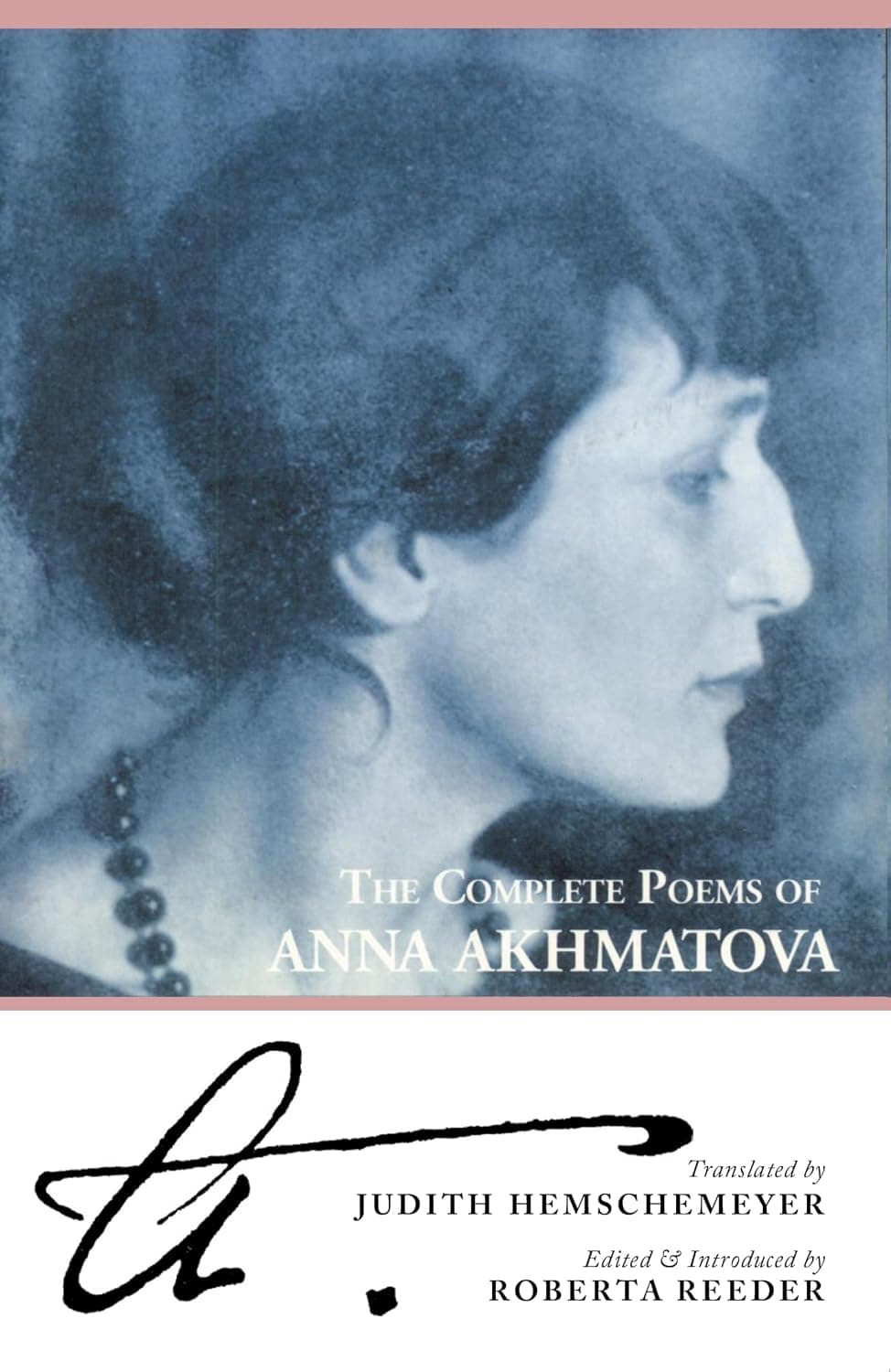
Waiting outside a Leningrad prison with a parcel for her son, Akhmatova was asked whether she could describe this. Requiem was the answer. Her love lyrics have the same merciless exactness.
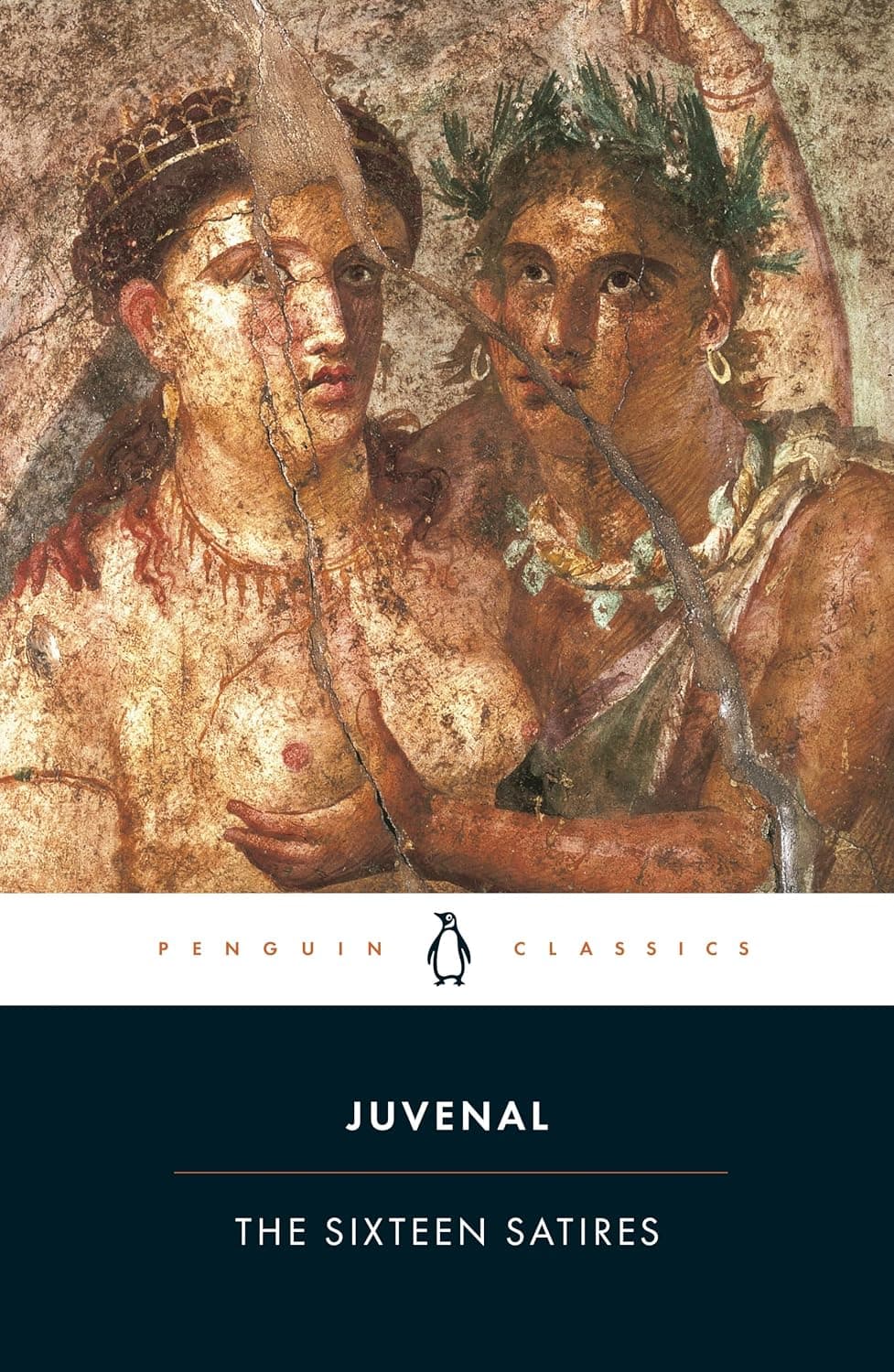
Bread and circuses came from here, and so did the line about guarding the guards. Juvenal turns sixteen poems of fury on imperial Rome, where an honest man cannot afford to live.

Shelley put atheism, revolution, and free love into lines nobody has matched for sheer music. In "Ozymandias" a tyrant's boast survives as two stone legs and a shattered face in empty sand.

Nine sections of prose delirium in which Rimbaud, eighteen years old, arraigns his ancestry, his damnation, and his own attempt to derange the senses into vision. Modernism starts in this voice.
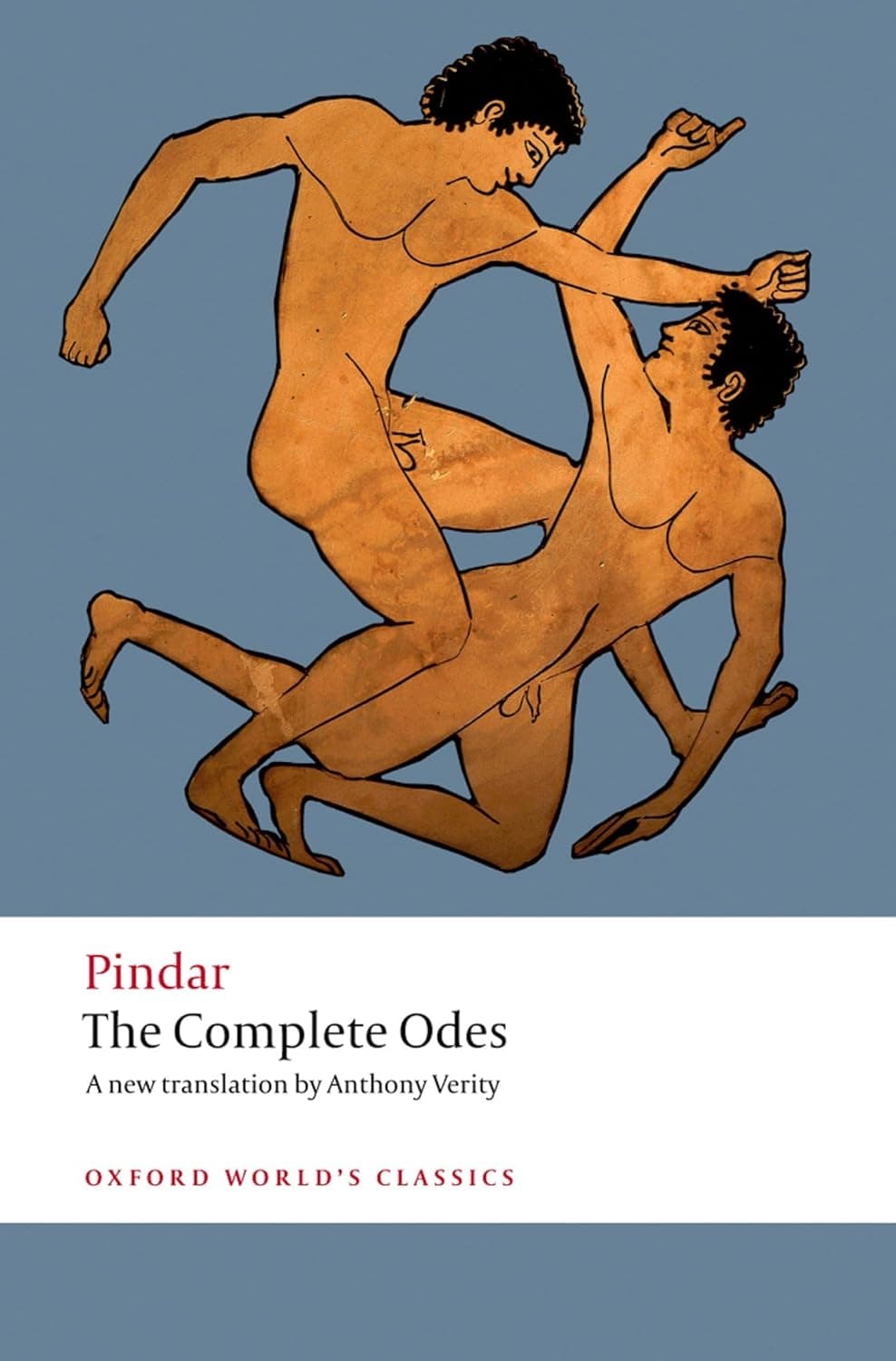
Water is best, the first ode opens, then praises a Sicilian king whose horse won at Olympia. Pindar makes athletic victory an occasion for myth and for warnings about mortal limits.

Lorca's poems rise from Andalusian folk song and dream logic, where the moon walks into a forge and knives are always waiting. His lament for a gored bullfighter tolls five in the afternoon.
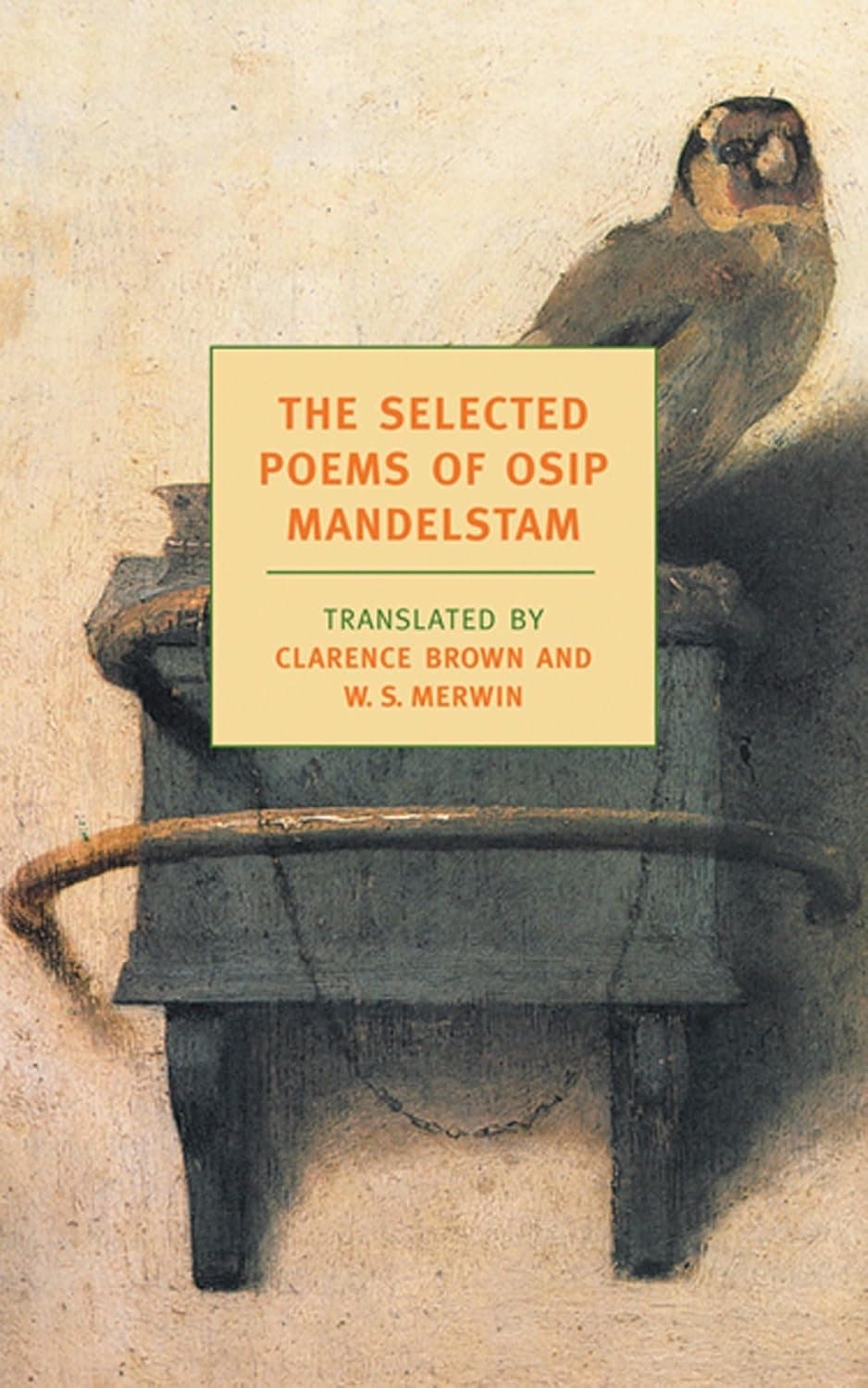
Dense, classical, and packed with Petersburg stone and Black Sea light, from a poet the state killed for sixteen lines about Stalin. His widow saved them by memorizing every one.

Tagore wrote the songs that became the national anthems of India and Bangladesh. His Bengali lyrics address God as a lover who is late, plainly and without a trace of religious machinery.

Stopped outside a wedding, a guest must hear an old sailor out: he shot an albatross for no reason, and the ship fell becalmed with water everywhere and none to drink.
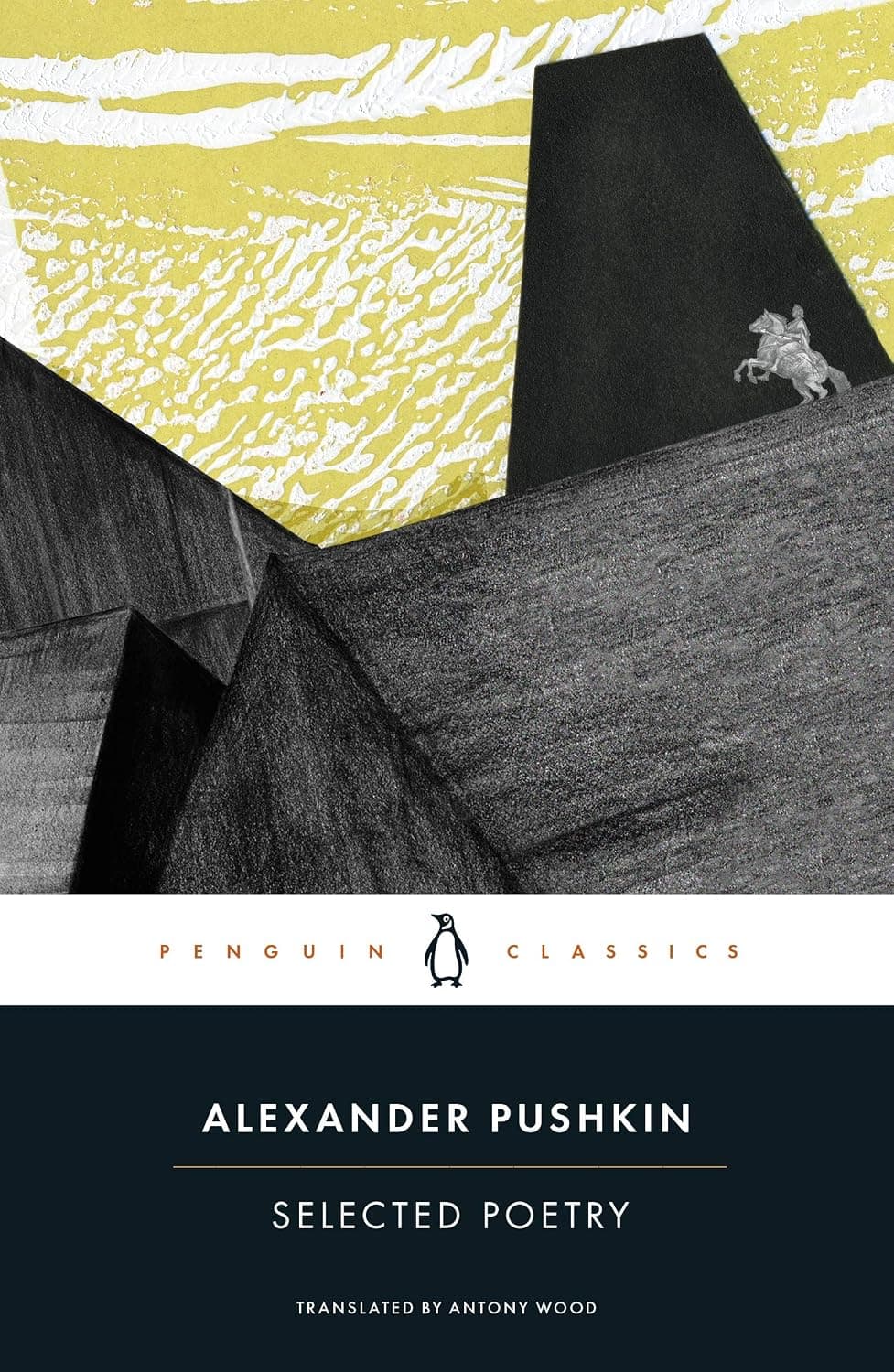
Pushkin's clerk in "The Bronze Horseman" loses everything to a flood, curses the tsar's statue, and is chased by it through Petersburg. Every Russian writer since has worked inside the language he made.

Western love poetry starts with Sappho, and starts at full pitch: the tongue breaks, thin fire runs under the skin. The poet Anne Carson brackets every gap where the papyrus tore.