
The Sun Also Rises
1926 · 256 pages
From the cafes of Paris to the bullring at Pamplona, expatriates drink and travel and love the wrong people. Hemingway leaves the wound unnamed, and what nobody says sits under every line.
★ 8.0
 skopia
From the cafes of Paris to the bullring at Pamplona, expatriates drink and travel and love the wrong people. Hemingway leaves the wound unnamed, and what nobody says sits under every line.
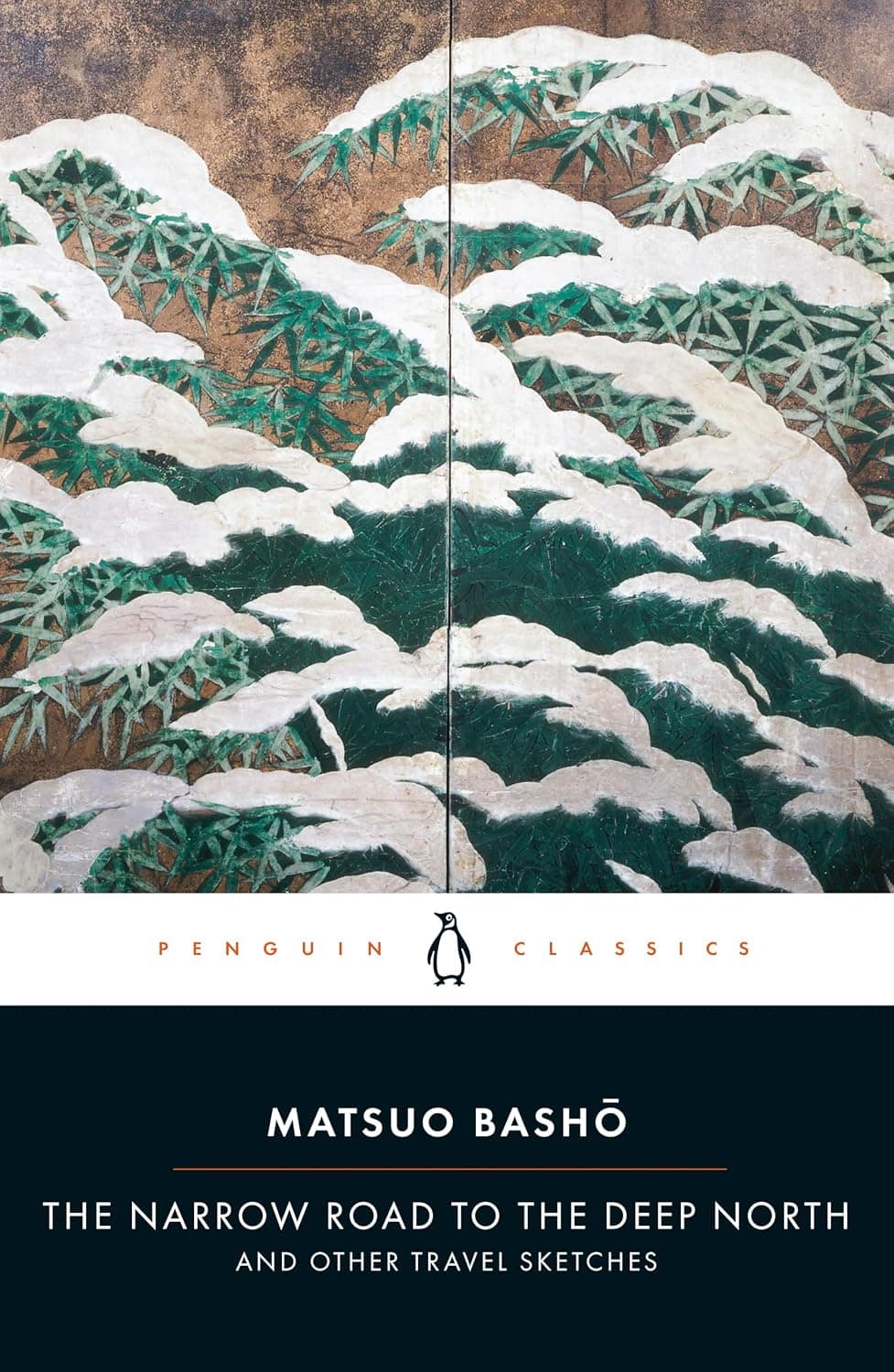
Basho sold his house and walked hundreds of miles into northern Japan, writing prose that stops for a haiku. At a battlefield he finds summer grass, all that remains of warriors' dreams.

Three men hauled sledges through five weeks of Antarctic winter darkness to fetch penguin eggs, in cold that cracked Cherry-Garrard's teeth. That was before Scott's polar party failed to come back.

At eighteen in 1933 Fermor set off on foot from Holland for Constantinople, sleeping in barns one night and in castles the next, and caught central Europe in its last clear light.

Seventeen-hour shifts in a Paris restaurant kitchen, then the tramps' road between London workhouses. Orwell went into poverty himself and came back able to describe what hunger does to a mind.

Five years at sea gave Darwin fossil giants in Patagonia, an earthquake lifting the Chilean coast, and Galapagos tortoises. He wrote it as travel narrative, and evolution grew out of these notes.

Byron crossed Persia and Afghanistan in the 1930s hunting domes and minarets, and the diary he kept is funny, rapturous, and cruel about everyone he meets. Paul Fussell called it travel writing's Ulysses.

Seventeen years at Kublai Khan's court, and Polo comes back describing paper money, black stones that burn, and cities richer than anything in Europe. Columbus annotated his copy and went looking for them.
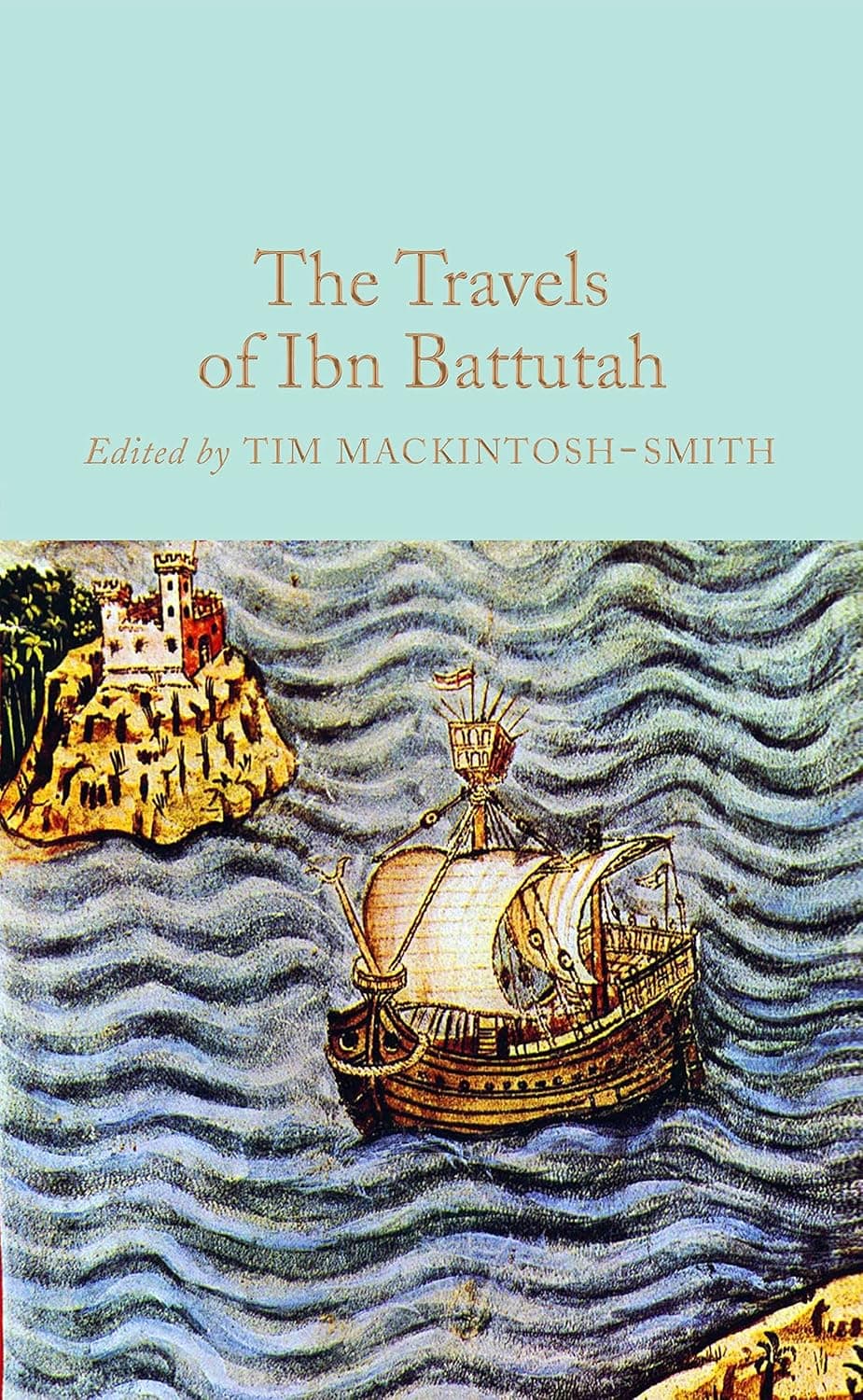
Ibn Battuta left Morocco at twenty-one for the hajj and stayed away twenty-nine years, judging cases in Delhi and crossing the Sahara to Mali. He dictated all 75,000 miles from memory.
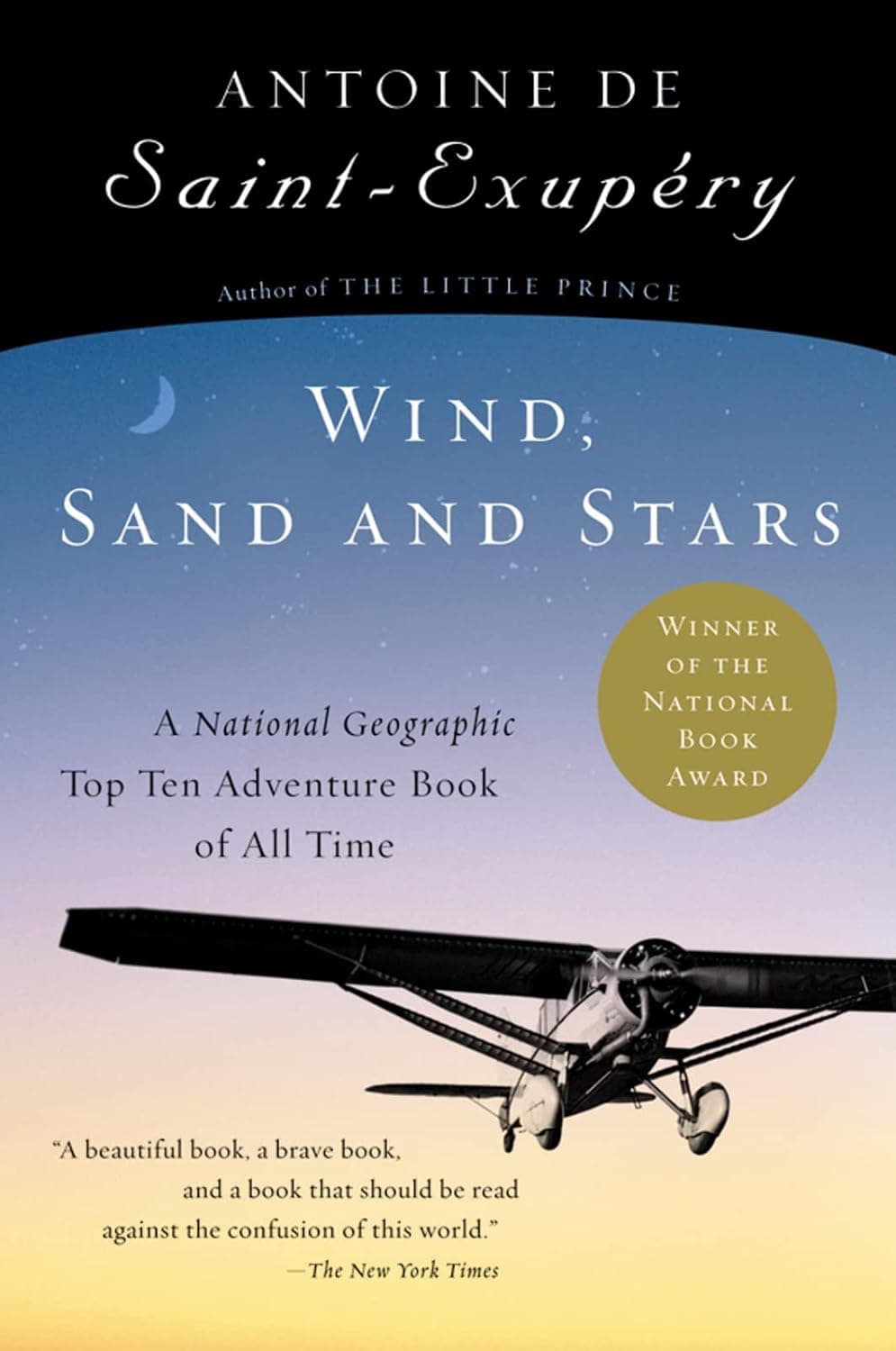
Flying mail over the Sahara and Patagonia, Saint-Exupery writes about what the work did to the men who flew it. The pilot Guillaumet crashed in the Andes and walked out through the snow.
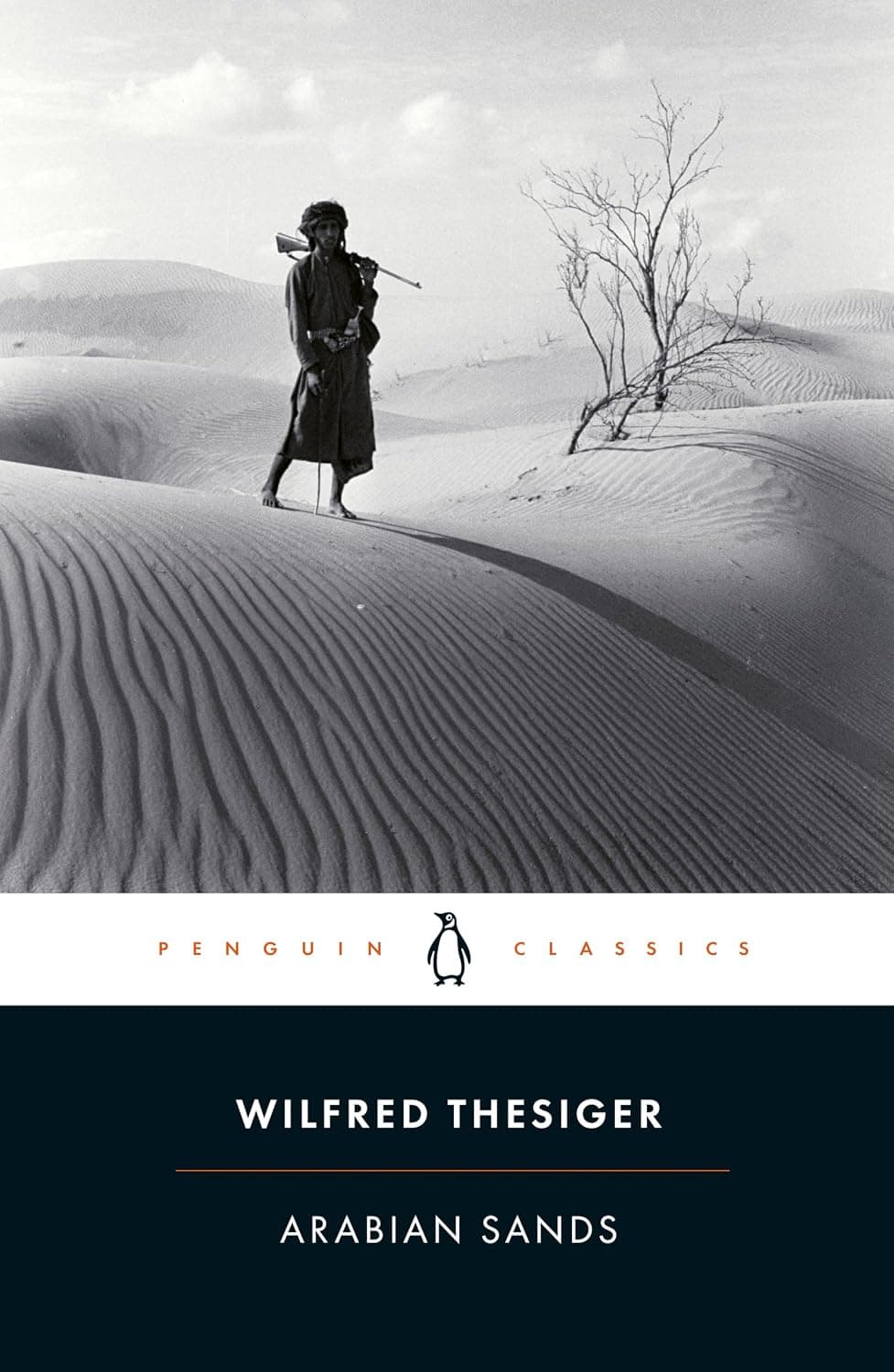
Thesiger crossed Arabia's Empty Quarter twice with Bedu companions, on a pint of water a day. He loved that life, knew oil money would end it, and wrote this as its elegy.

Banished by Mussolini to a village in the Italian south, a Turin doctor found peasants convinced Christ had stopped short of them. The book made postwar Italy confront a region it had abandoned.

Three Alaskas: a river trip above the Arctic Circle, the hunt for a new capital site, and the trappers of Eagle on the Yukon. Reporters have been studying McPhee's patience ever since.

Rebecca West traveled through Yugoslavia in 1937 and wrote eleven hundred pages. A lamb bled on a Macedonian rock and a Serbian poem of chosen defeat become her account of Europe's death wish.

Chatwin traveled Patagonia chasing a scrap of giant sloth skin from his grandmother's cabinet, and collected Welsh settlers, anarchists and Butch Cassidy. He remade travel writing into something as strange as fiction.

Months after his wife's death, Matthiessen walks deep into the Nepalese Himalaya with a biologist counting blue sheep, studying Zen as he goes and watching for a snow leopard he never sees.

Raised barefoot in Kenya, Markham hunted with Nandi boys, trained racehorses, and scouted elephants from the air before flying the Atlantic alone. Hemingway said she made him ashamed as a writer.
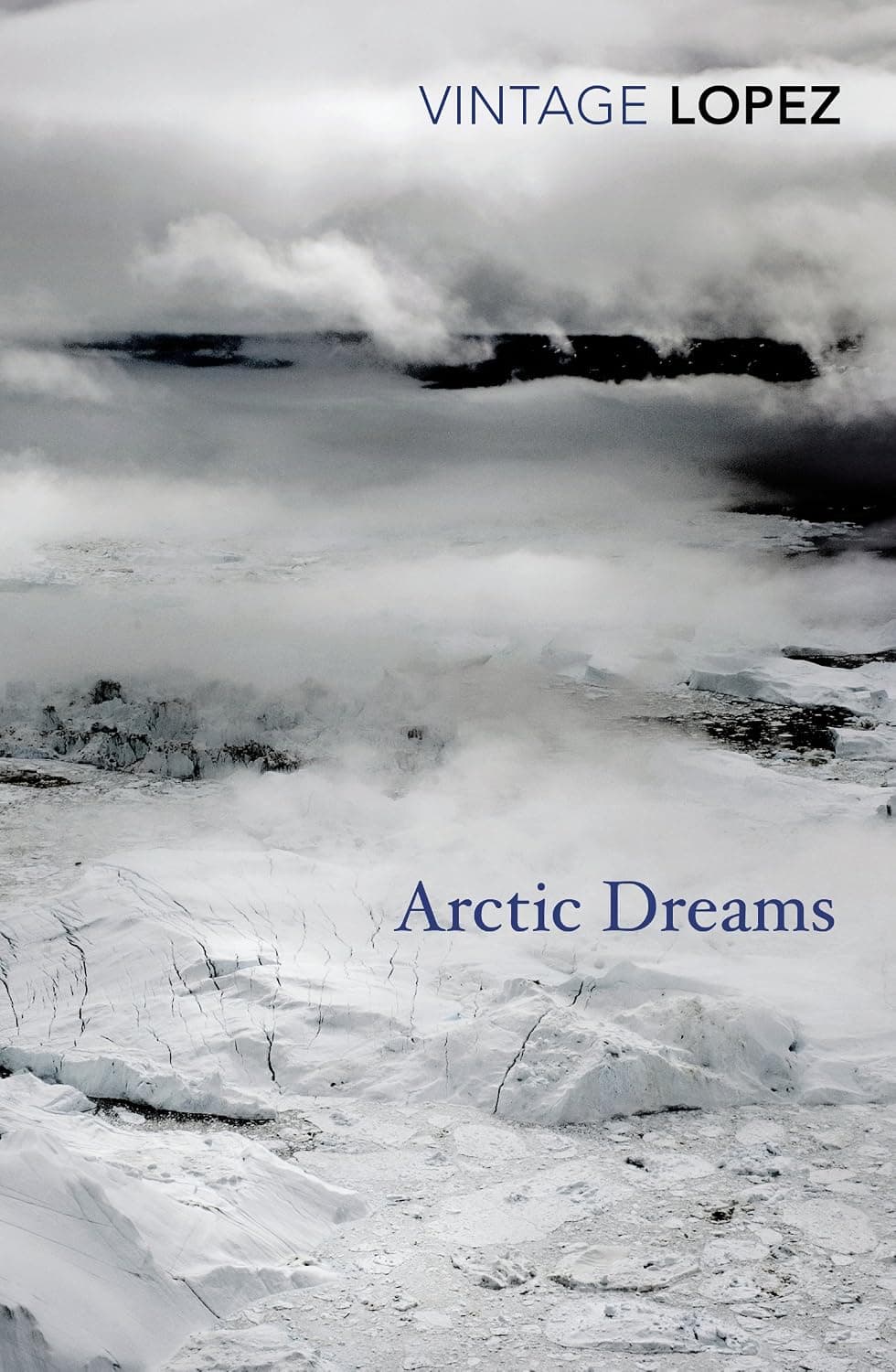
Five years in the high Arctic, among narwhals and muskoxen and light that behaves like nothing further south. Lopez asks what Westerners have wanted from that country, and what the wanting cost.

Gray gave up an editor's job for stone quarries in Tuscany, Catalonia, Naxos, and Apulia, cooking wild greens, snails, and game over wood fires and setting down a Mediterranean already disappearing.

His marriage over and his job gone, Least Heat-Moon drove thirteen thousand miles of two-lane road in a van named Ghost Dancing and let Nameless, Tennessee and Dime Box, Texas do the talking.

On Corfu in the 1930s a boy hunts scorpions and owls while his mother and three grown siblings supply the chaos. Durrell describes every creature exactly and every relative without mercy.
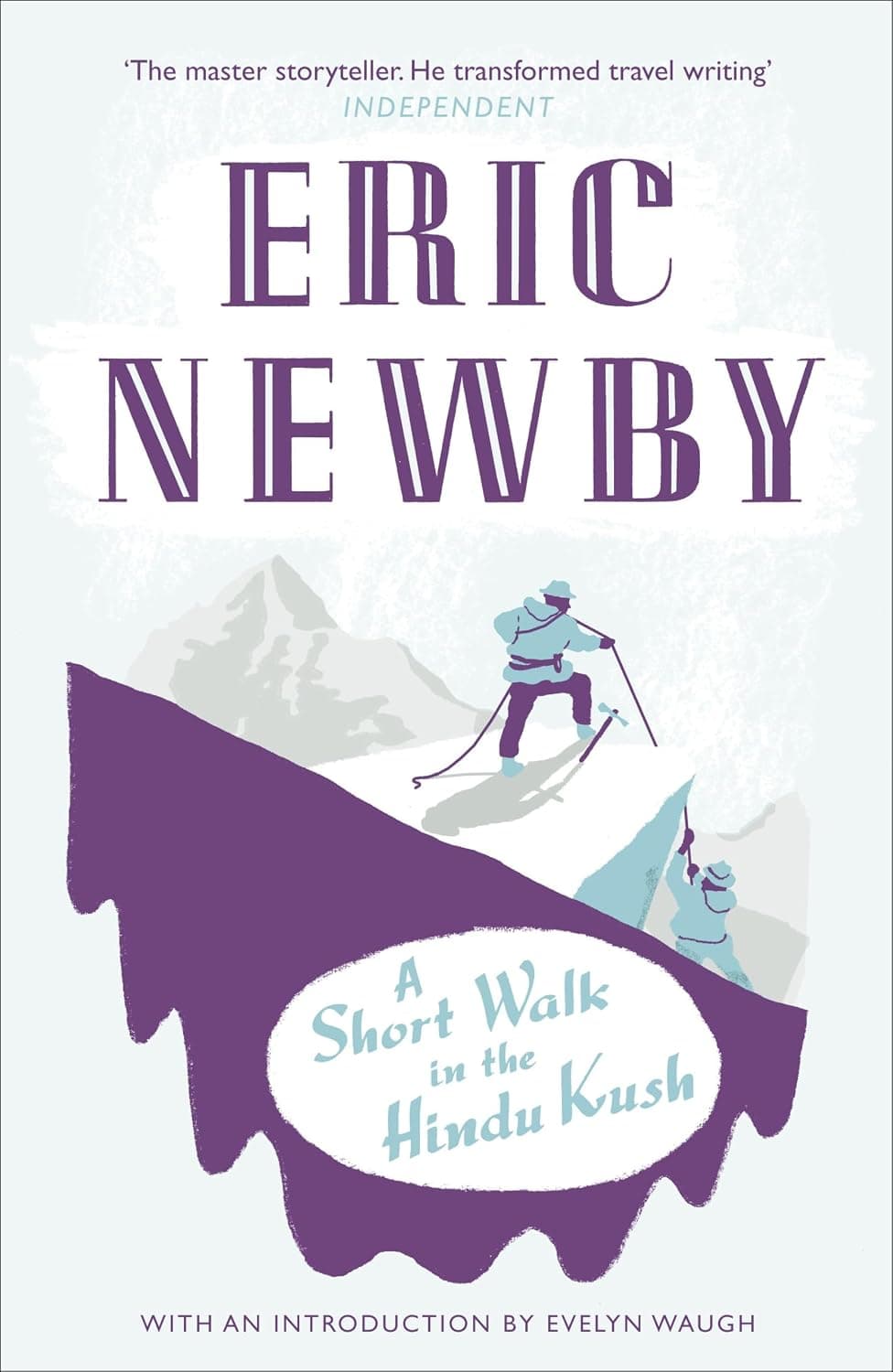
Quitting the London fashion trade with almost no climbing behind him, Newby set out for an unclimbed Afghan peak. The funniest travel book in English comes out of that mismatch.

Murphy left Dunkirk in the frozen January of 1963 on a bicycle named Roz and rode to Delhi, fighting off wolves in Yugoslavia and thieves in Iran, and setting it down without drama.

Three Victorians and a fox terrier row up the Thames, and Jerome turns the holiday into English comedy: a tin of pineapple nobody can open, a Hampton Court maze that traps everyone.
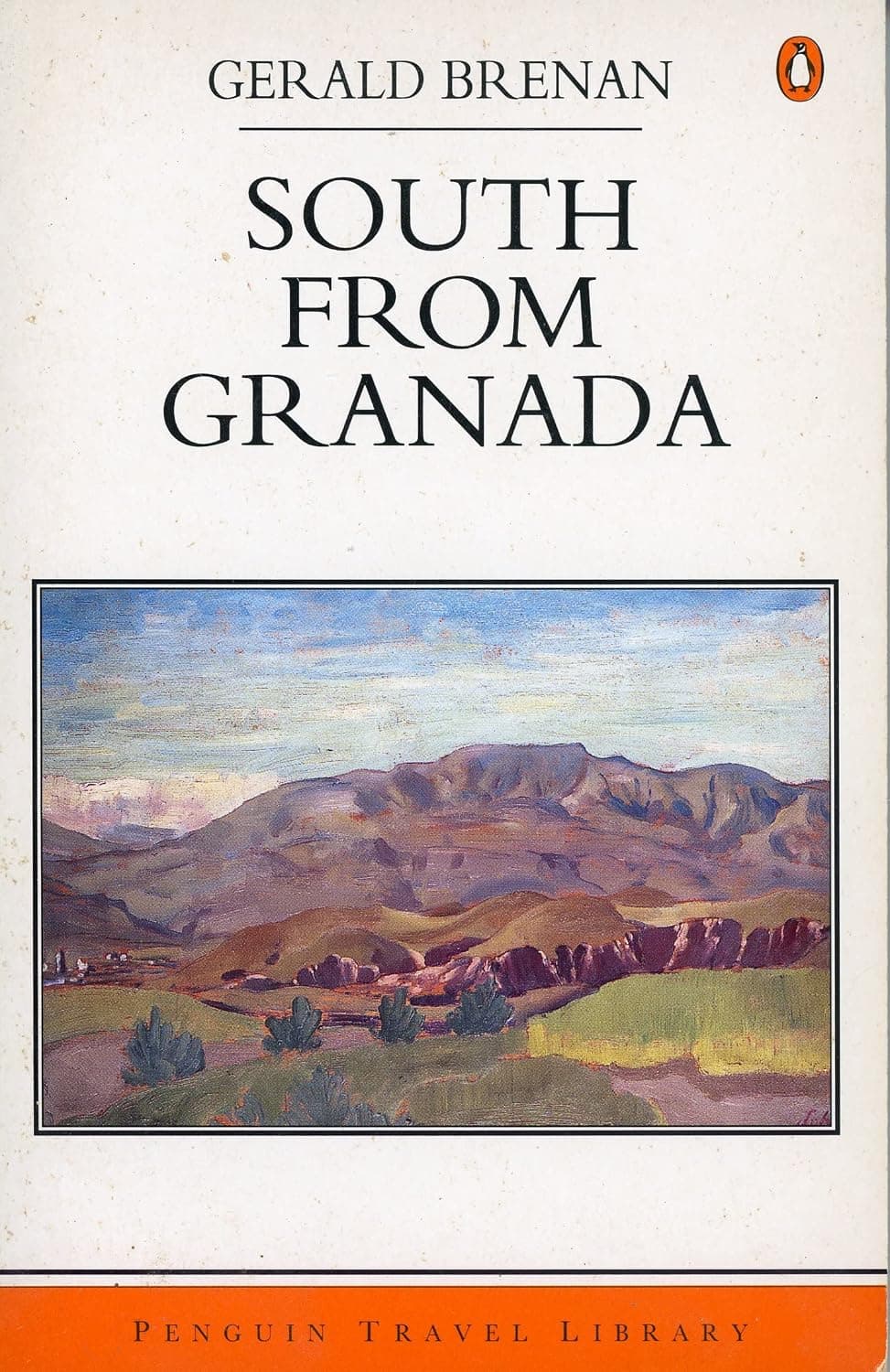
In 1920 an Englishman settled in the mountains south of Granada, in a village called Yegen. Brenan sets down its customs, its poverty and its gossip, an Andalusia the Civil War would erase.

Buying a house in the hill village of Bellapais, Durrell watched Cyprus slide from Mediterranean idyll into insurgency, and ended up speaking for the British government as his Greek friends turned against him.