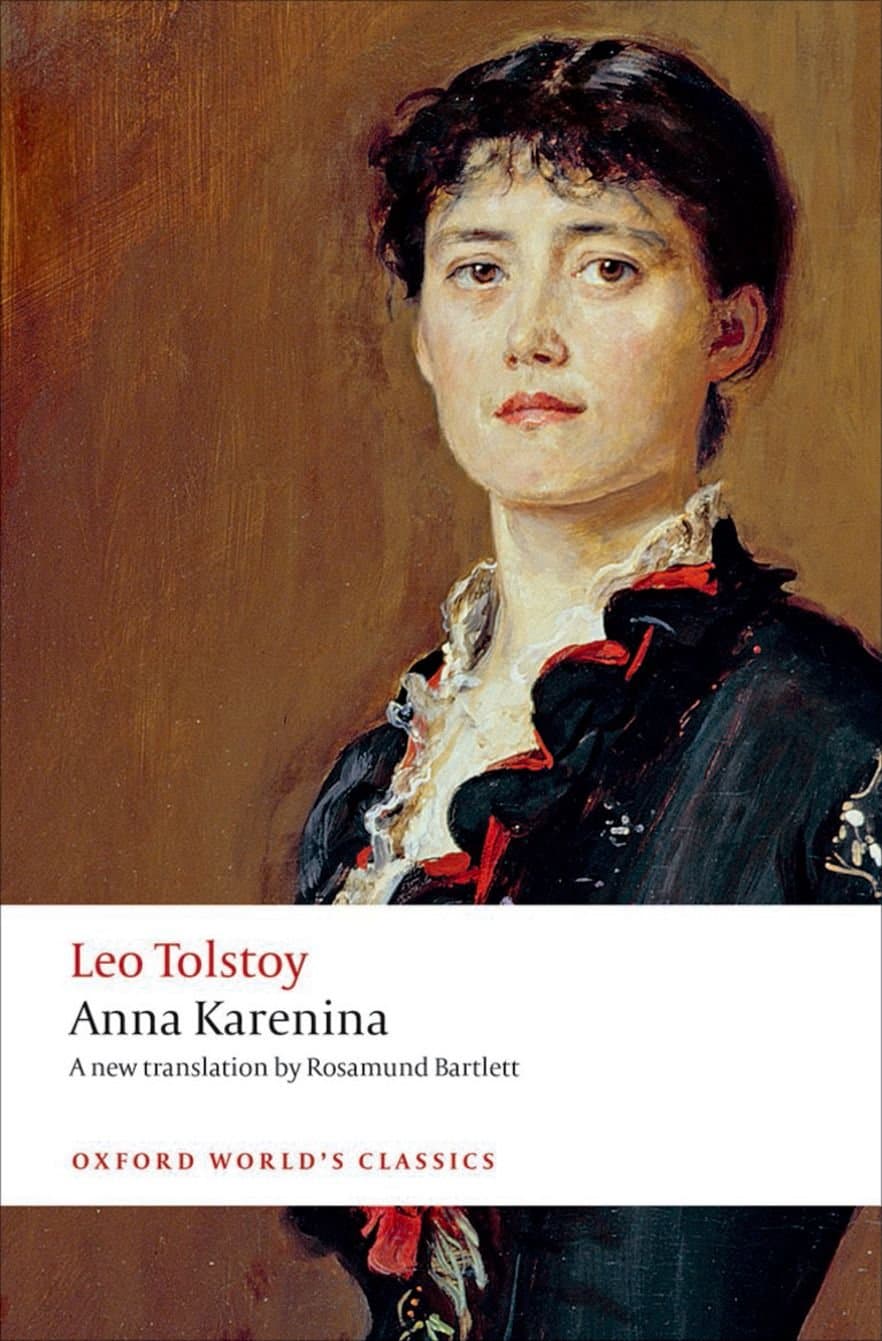
Anna Karenina
1877 · 896 pages
Anna leaves her husband for a young officer while, in the other half of the book, Levin farms and marries and worries about God. Tolstoy gives both lives the same total sympathy.
★ 9.6
 skopia
Anna leaves her husband for a young officer while, in the other half of the book, Levin farms and marries and worries about God. Tolstoy gives both lives the same total sympathy.
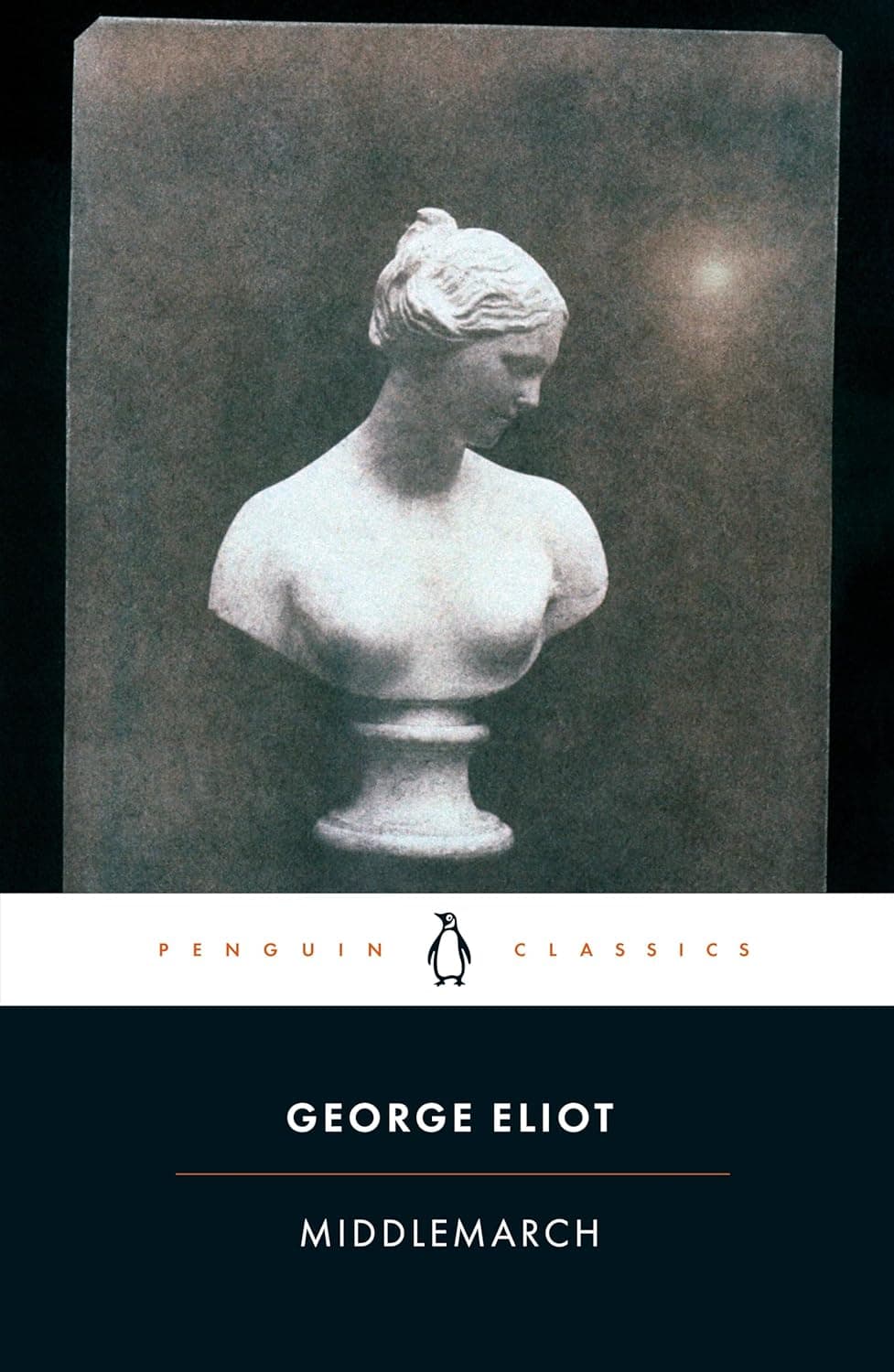
Dorothea Brooke marries a dry scholar for the wrong reasons and a gifted doctor lets small compromises close around him. Eliot knows more about how people actually fail than any English novelist.
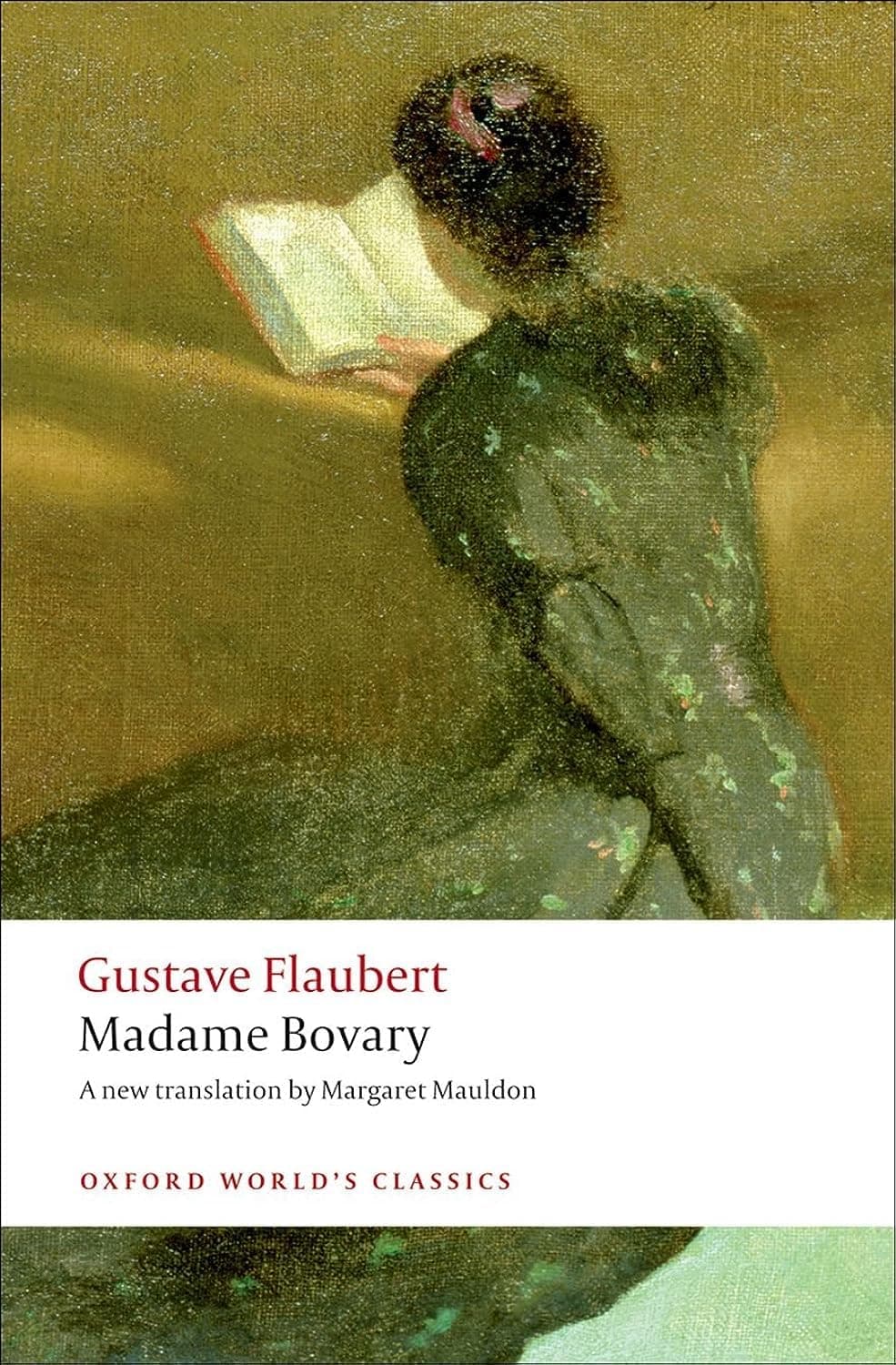
Emma Bovary reads romances, takes lovers, and runs up debts trying to feel something in a provincial town. Flaubert weighed every sentence, and modern fiction's idea of style begins with him.
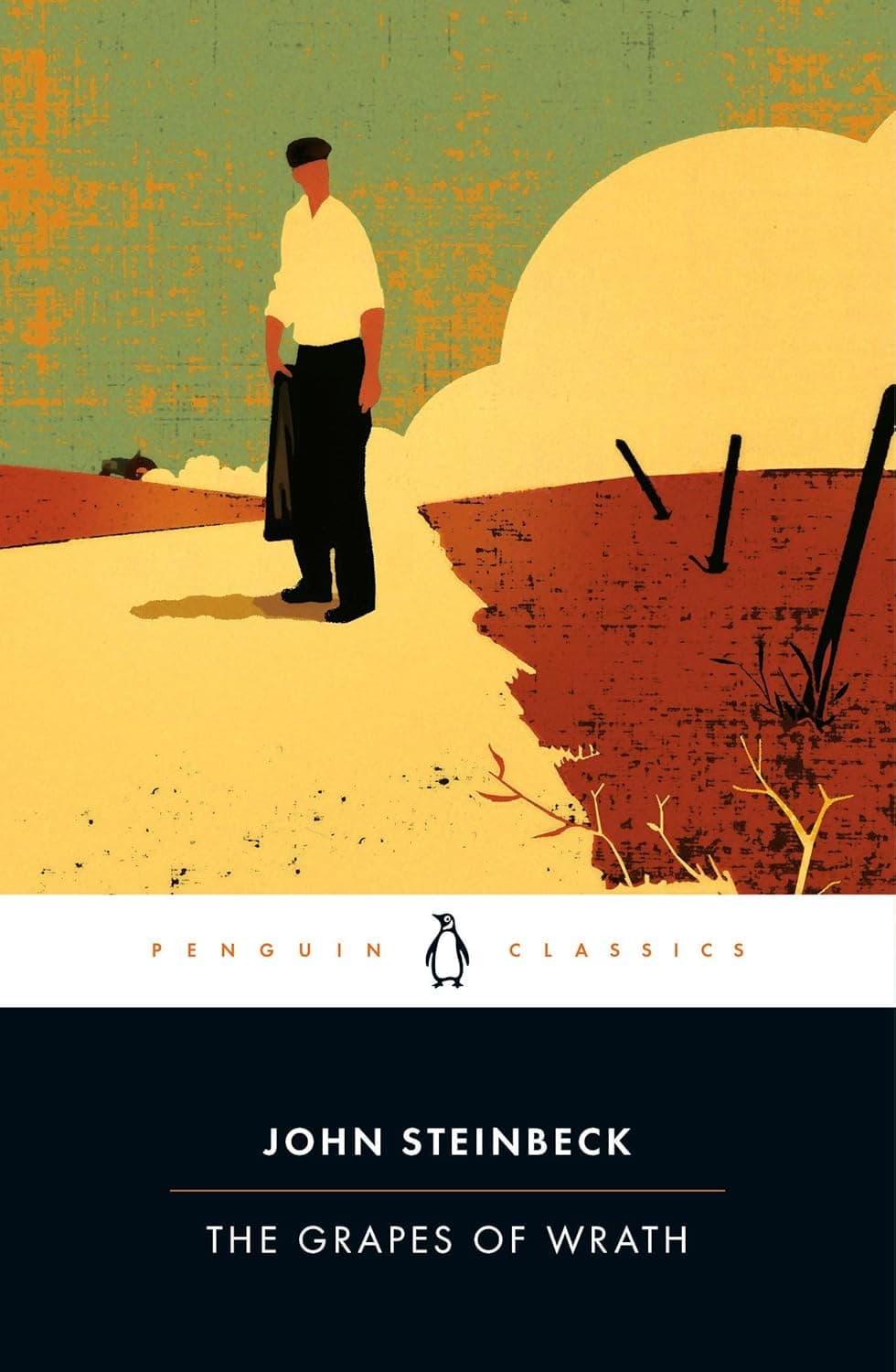
The Joads lose their Oklahoma farm and drive west to California, where the promised work is a lie. Steinbeck's fury at what was done to them still comes off the page.
During the siege of Stalingrad, a Soviet physicist receives his mother's last letter from a Nazi ghetto. Grossman wrote the war at Tolstoy's scale and said plainly that both tyrannies were one thing.

Nora Helmer forged a signature to save her husband's life and has been paying the debt in secret ever since. The play ends on a closing door that modern theater still hears.

Munro set her stories in Ontario towns where a woman's life can turn on something said at a kitchen table. She fits more into forty pages than most novelists get into a novel.

Jim Burden arrives orphaned in Nebraska and finds Antonia Shimerda, an immigrant girl whose family is barely surviving the winter. Cather writes the prairie so well the book reads like your own childhood.

In a shabby Paris boarding house, an old man sells off everything for two daughters ashamed to be seen with him. Balzac counts every franc and shows what money does to love.
Passed over by her rich relations, a poor spinster sets out to ruin them, helped by a wife who bankrupts men for a living. Balzac makes envy a protagonist and never looks away.
Shalamov spent seventeen years in the Kolyma camps. His stories are short, about frostbite and stolen bread and men too weak to lift a shovel, and he insists that suffering teaches nothing.

Frédéric Moreau spends his youth in Paris loving a married woman he will never have and drifting through the 1848 revolution. Flaubert made wasted life a permanent subject for the novel.

Eighteen years of hired labor buy Bjartur a stretch of Icelandic moorland, and he defends his independence against weather, debt, and his own family. Laxness makes stubbornness heroic and ruinous at once.
Riding with Bolshevik Cossacks through Poland in 1920, a Jewish intellectual watches them sack towns and kill prisoners. Babel writes the atrocity in sentences so beautiful that the effect is obscene.

Mack and his friends, unemployed and unhurried, decide to repay Doc the marine biologist with a party. Steinbeck writes a Monterey street of bums and grocers and whores as a functioning society.

At what moment did Peru screw itself up? A newspaperman and his father's chauffeur drink through an afternoon in a Lima bar called the Cathedral, and their talk rebuilds a country under dictatorship.
Frank and April Wheeler tell themselves they are too fine for Connecticut and plan an escape to Paris. Yates tracks every evasion and self-flattering lie until the marriage has nothing underneath it.

Lutie Johnson believes what Benjamin Franklin promised about work and thrift, and rents an apartment on 116th Street to raise her son. The men who watch her climb the stairs have other plans.
Married at seventeen to a baron of thirty-eight who once courted her mother, Effi is stranded in a bleak Baltic town. Fontane lets a code nobody believes in destroy her anyway.

Turgenev sends a hunter across the provinces with a gun and a dog, and the serfs he meets emerge as individuals. The book did for serfdom what Uncle Tom's Cabin did for slavery.
On a night train, a man tells strangers how he came to kill his wife, then turns the confession into an assault on marriage and desire itself. Russia's censors suppressed it.

Three Palestinian men pay a driver to smuggle them from Iraq into Kuwait inside a water tanker. Kanafani turned those hours in the metal into the defining image of Palestinian exile.
Arturo Bandini starves in a Bunker Hill hotel in Depression Los Angeles, wanting to be a great writer and loving a Mexican waitress he cannot stop insulting. Bukowski called Fante his god.
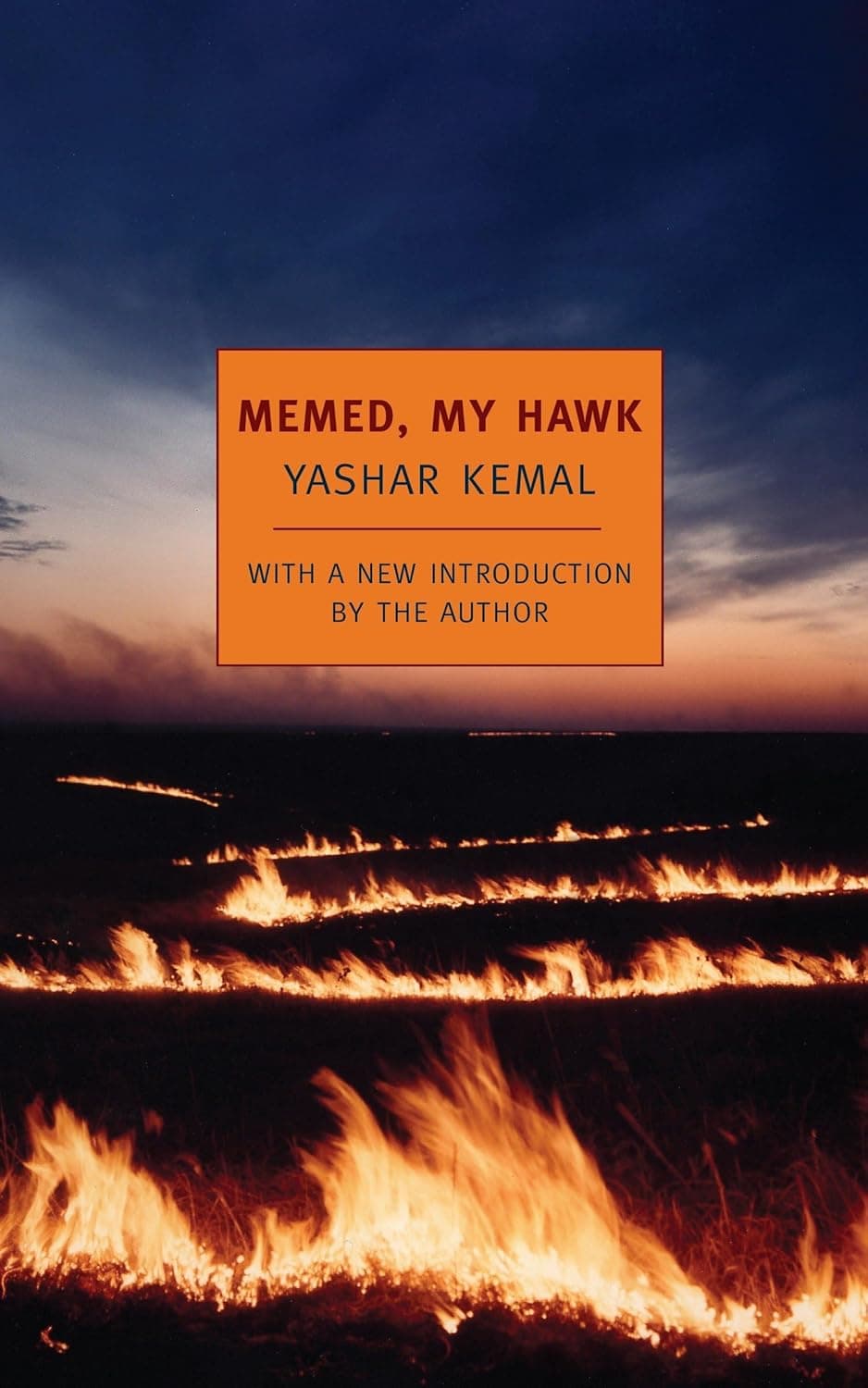
Five villages belong to Abdi Agha. The boy Memed runs, is dragged back, kills, and takes to the mountains, where Kemal turns a peasant's revolt into an epic of Turkey's Çukurova plain.

In a decaying Old Delhi house, two sisters reopen everything the family did to each other in 1947, the year of Partition. Desai makes still summer afternoons unbearable.
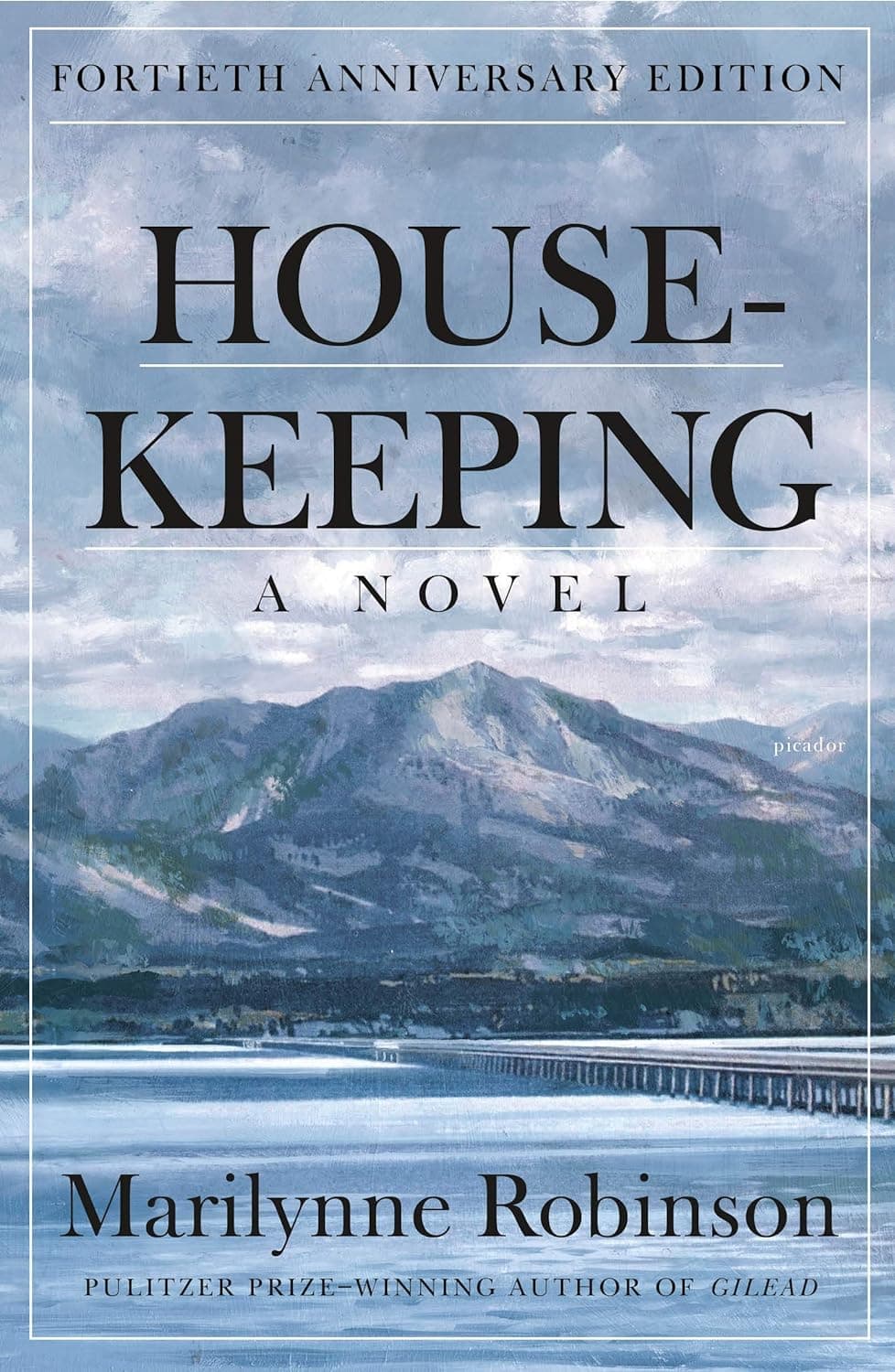
Two sisters in an Idaho lake town are raised by a drifter aunt who leaves the doors open and lets leaves blow through the house. Robinson makes transience a form of faith.

The philanthropists of the title are house painters who give their labor away and defend the system that ruins them. Owen, the socialist, cuts up bread to demonstrate the money trick.

Paley wrote as people talk, in the Bronx Yiddish and Greenwich Village argument of women raising children alone, and got more life into three slim collections than most novelists manage in a career.
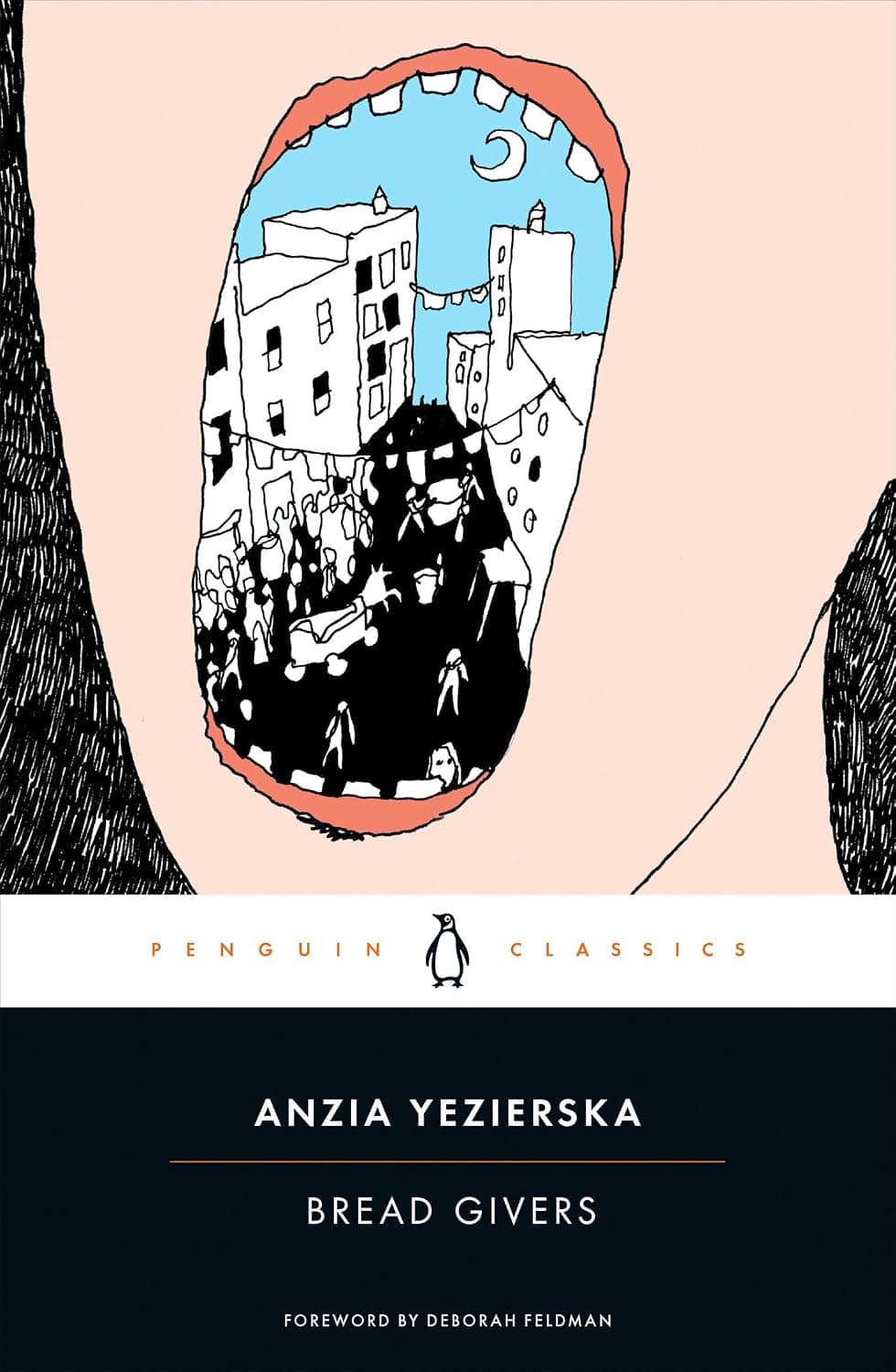
Sara Smolinsky's father studies Torah in a Lower East Side tenement while her mother takes in boarders and he marries her sisters to men they dread. She leaves at seventeen for night school.