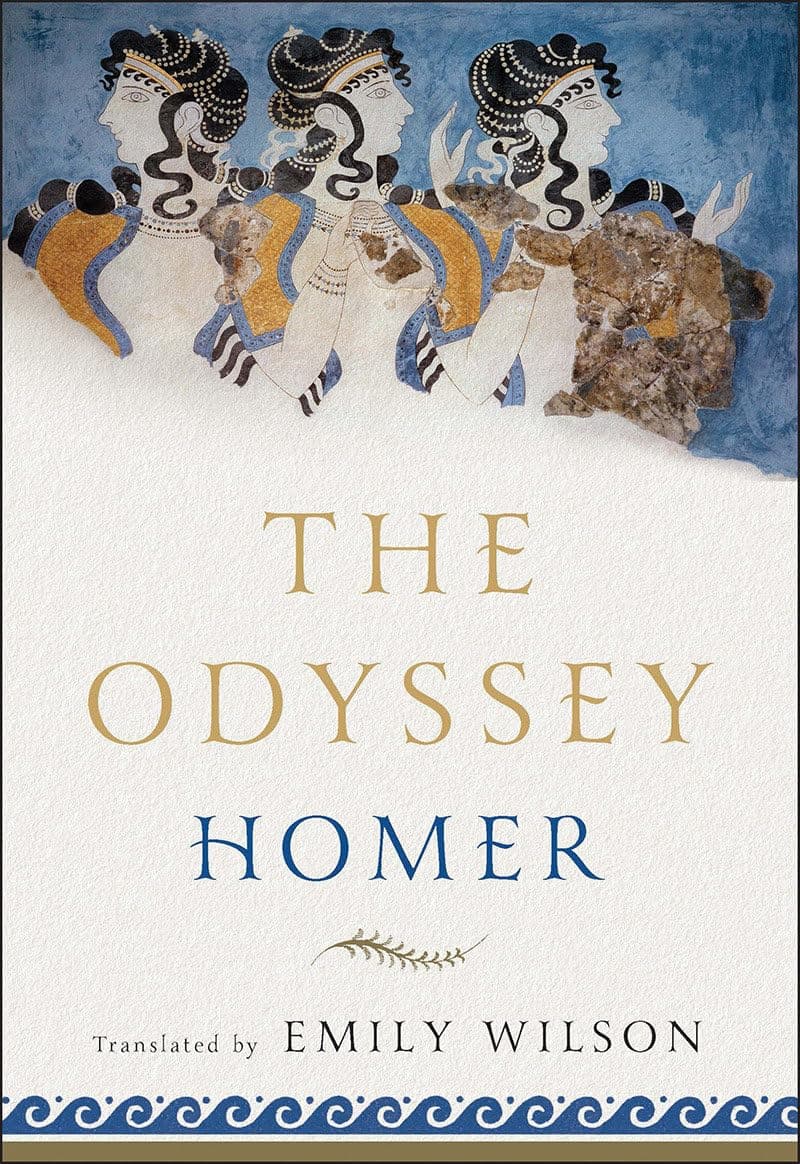
The Odyssey
700 BC · 592 pages
Ten years of storms, monsters, and a goddess who will not let him go stand between a soldier and his own front door. Every adventure story since descends from Odysseus.
★ 9.9
 skopia
Ten years of storms, monsters, and a goddess who will not let him go stand between a soldier and his own front door. Every adventure story since descends from Odysseus.

An old man reads himself mad on chivalry, names himself a knight, and rides out with a farmer for a squire. Four hundred years on the book is still hilarious and still heartbreaking.
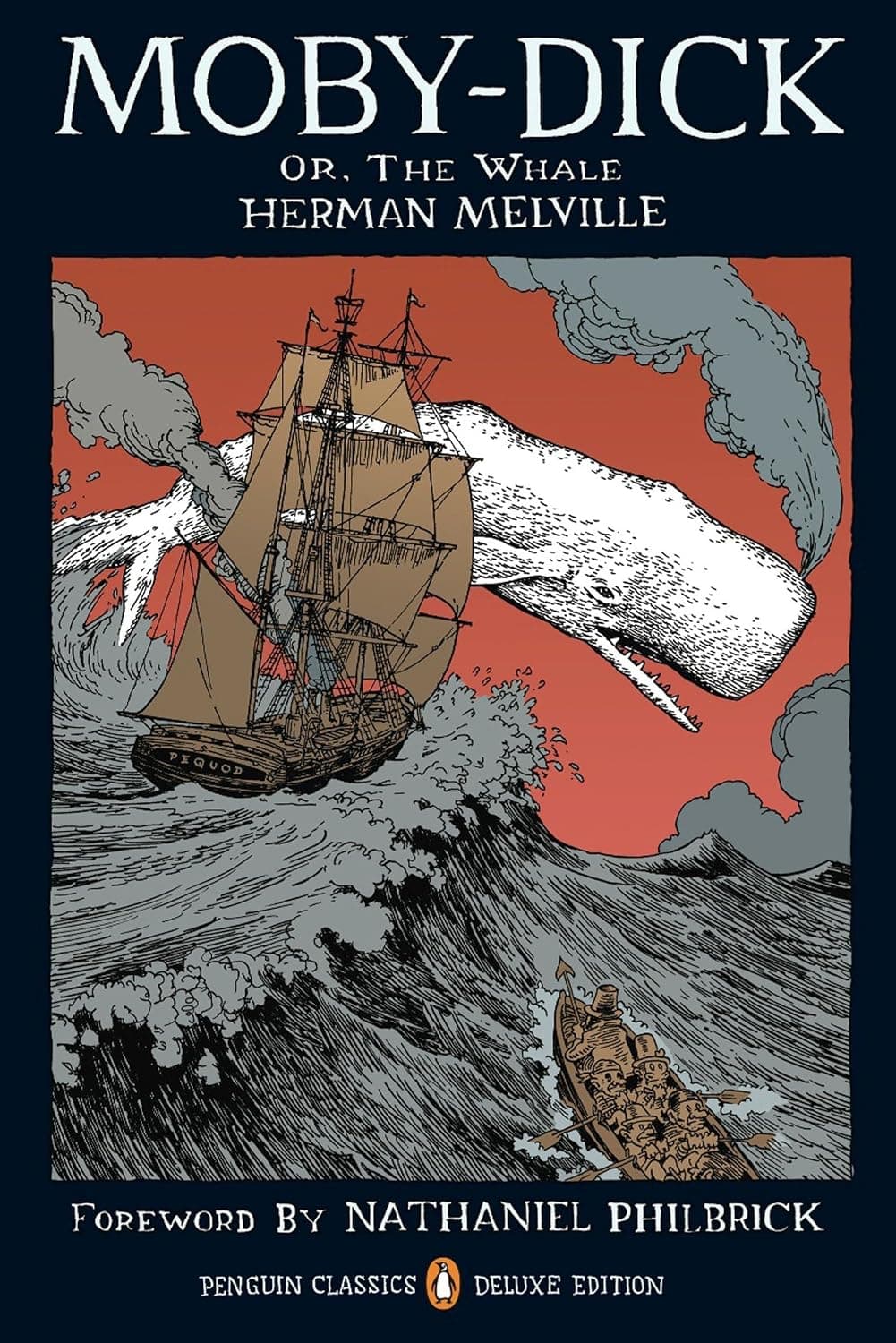
American fiction has attempted nothing bigger. Ahab drags a whaling crew across the world after the whale that took his leg, and Melville keeps stopping the hunt to explain whales.

Aeneas carries his father out of burning Troy and is sent to found Rome, abandoning the queen who loves him. Duty wins, and Dido's grief is the greatest passage in Latin poetry.

Huck runs off down the Mississippi with Jim, who is escaping slavery, and the moment he decides he would rather go to hell than turn him in is the hinge of American fiction.

Frodo the hobbit inherits a ring that could rule the world and carries it across a continent to destroy it. Tolkien invented its languages first, and modern fantasy still works inside his world.
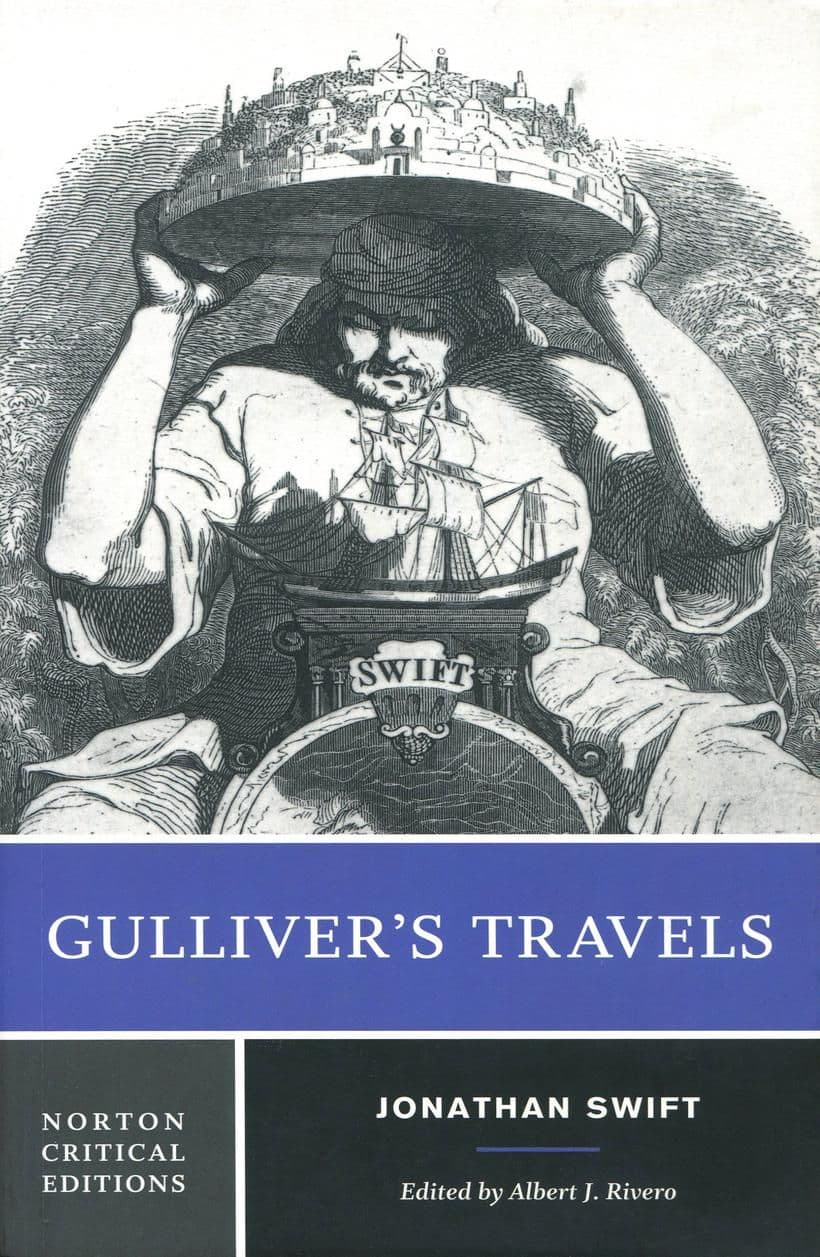
Swift's ship's surgeon washes up among people six inches tall, then among giants, then among rational horses who find humans repulsive. Each voyage is funnier than the last and angrier about us.

English schoolboys are marooned on an island without adults, hold a vote, and are soon hunting each other. Golding tells it so plainly that you believe every step of the descent.

At Arthur's Christmas court a huge green man offers his neck to anyone willing to take the same blow a year later. Gawain swings, and the real test waits in a bedroom.
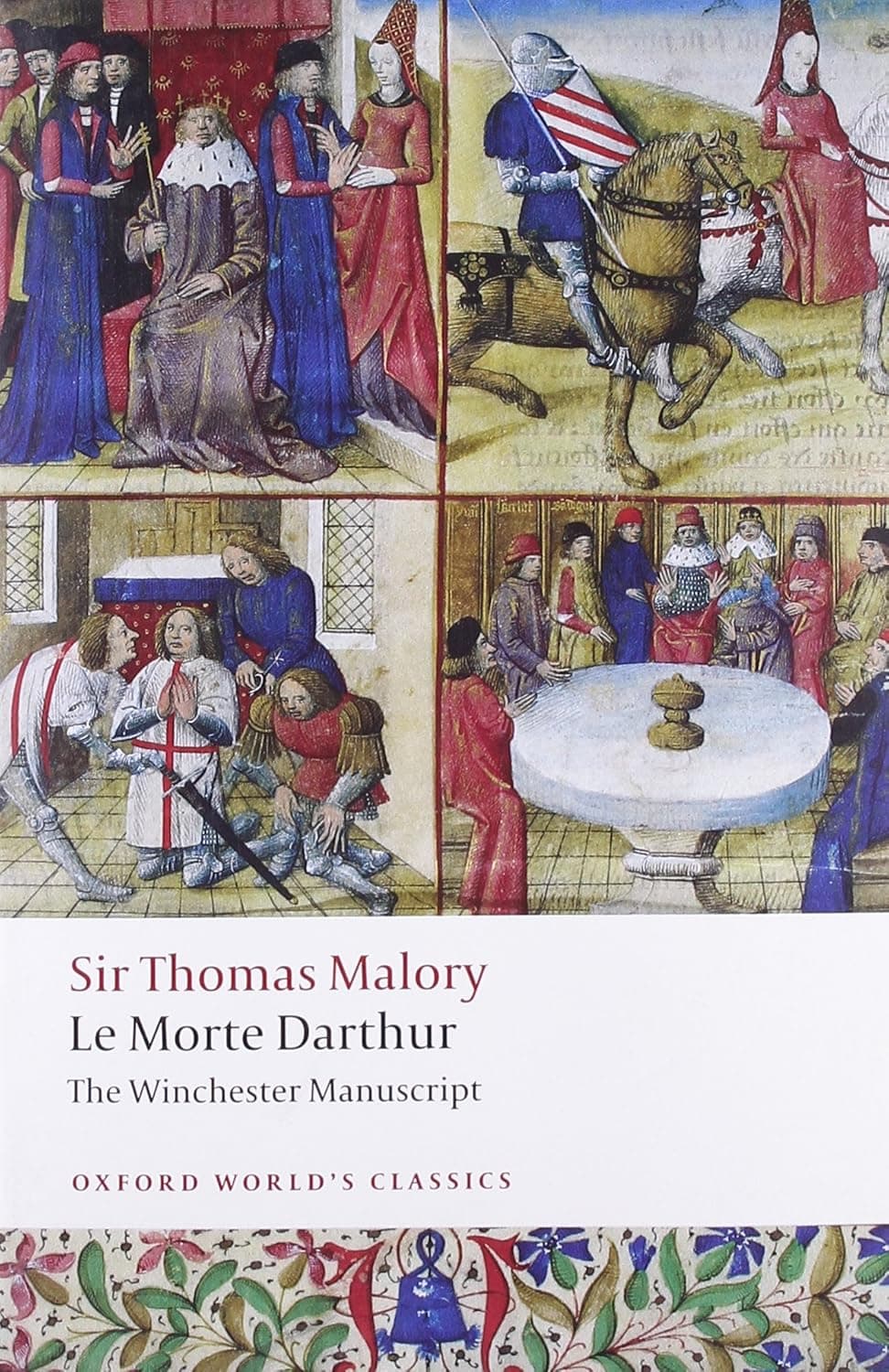
Arthur pulls the sword from the stone and the finest knights come to his table, until his wife's love for Lancelot brings it down. Every Camelot since comes from Malory.

Fifty years on, writing in Guatemala, one of Cortés's foot soldiers set down the conquest of Mexico as the ranks saw it. He never got over his first sight of Tenochtitlan.

Lawrence rode with the Arab tribes revolting against the Ottoman Empire, dynamited their trains, and took Aqaba from the desert side. He tells it as epic and never stops accusing himself.

Three men hauled sledges through five weeks of Antarctic winter darkness to fetch penguin eggs, in cold that cracked Cherry-Garrard's teeth. That was before Scott's polar party failed to come back.

Ten thousand Greek mercenaries, stranded in Persia with their prince dead and their generals murdered, elect Xenophon and march north through snow until the men in front shout that they see the sea.
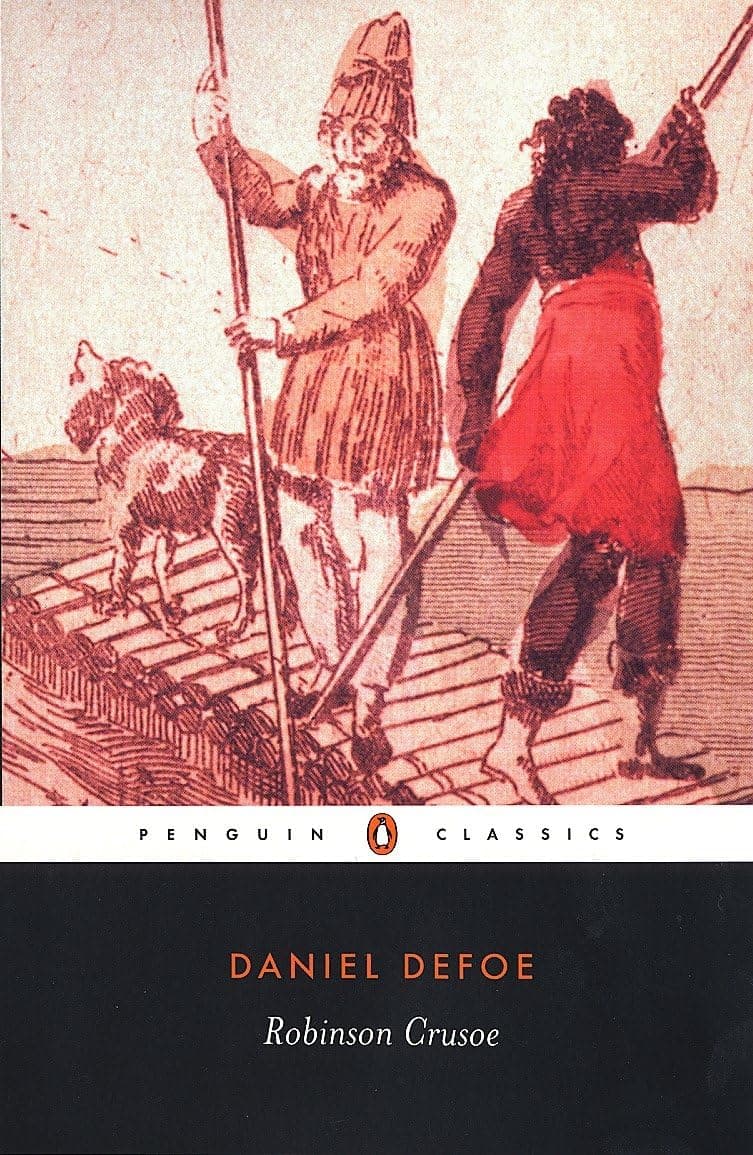
Twenty-eight years on an island near the Orinoco, counting days on a post and keeping his own moral ledgers, until a footprint appears in the sand. The English novel grew from this.
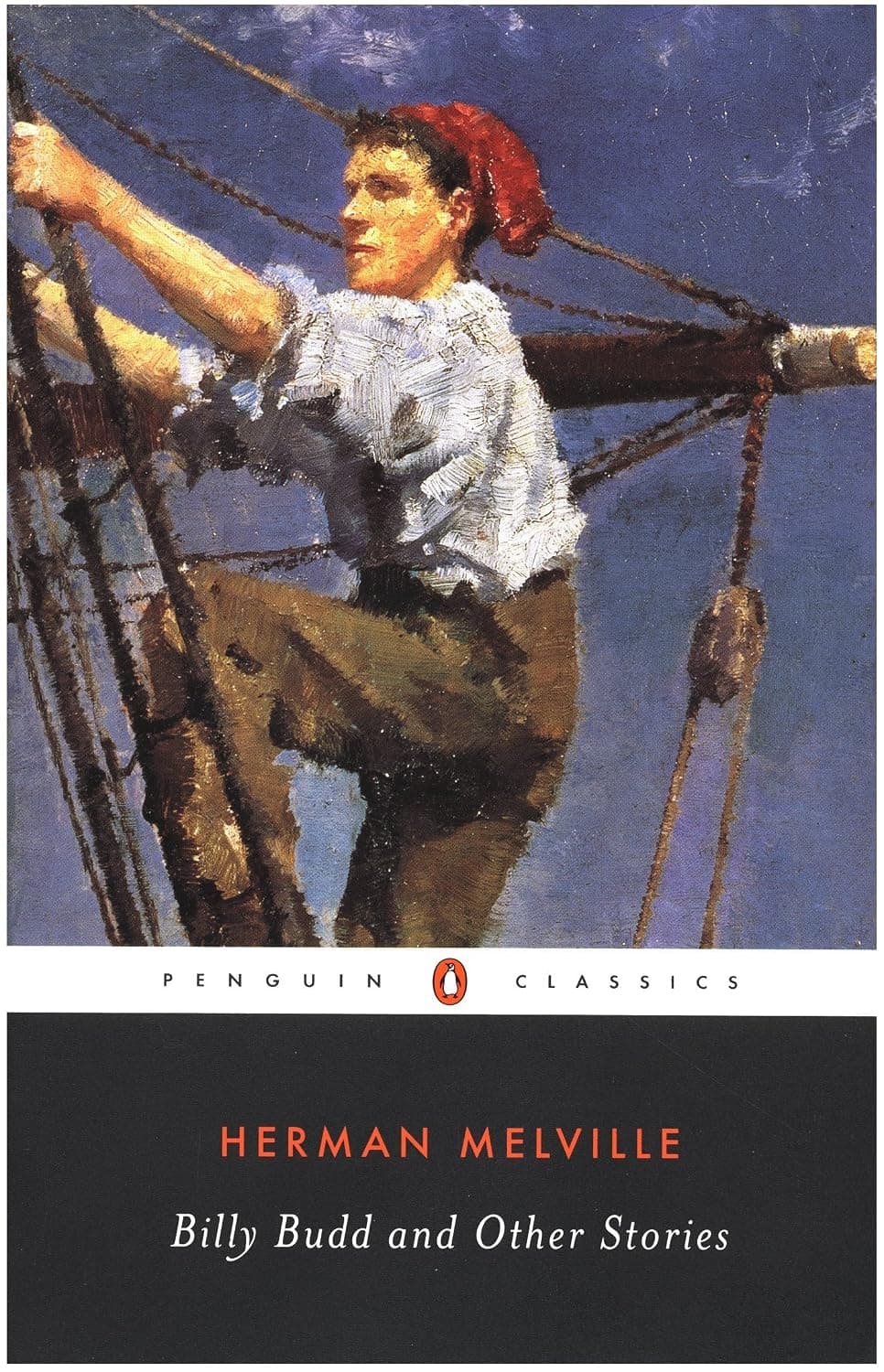
Struck dumb by a false charge of mutiny, a beautiful young sailor answers with his fist and kills his accuser. Melville leaves his captain to choose between the law and the plain truth.

Edmond Dantes, a sailor about to marry, is denounced by rivals and buried in an island prison for fourteen years. He returns rich and unrecognizable, and revenge fiction still runs on his design.

Born wild in the Canadian North, a wolf-dog passes from a Native camp to a dogfighting pit to a man who tames him. The Call of the Wild runs the other way.
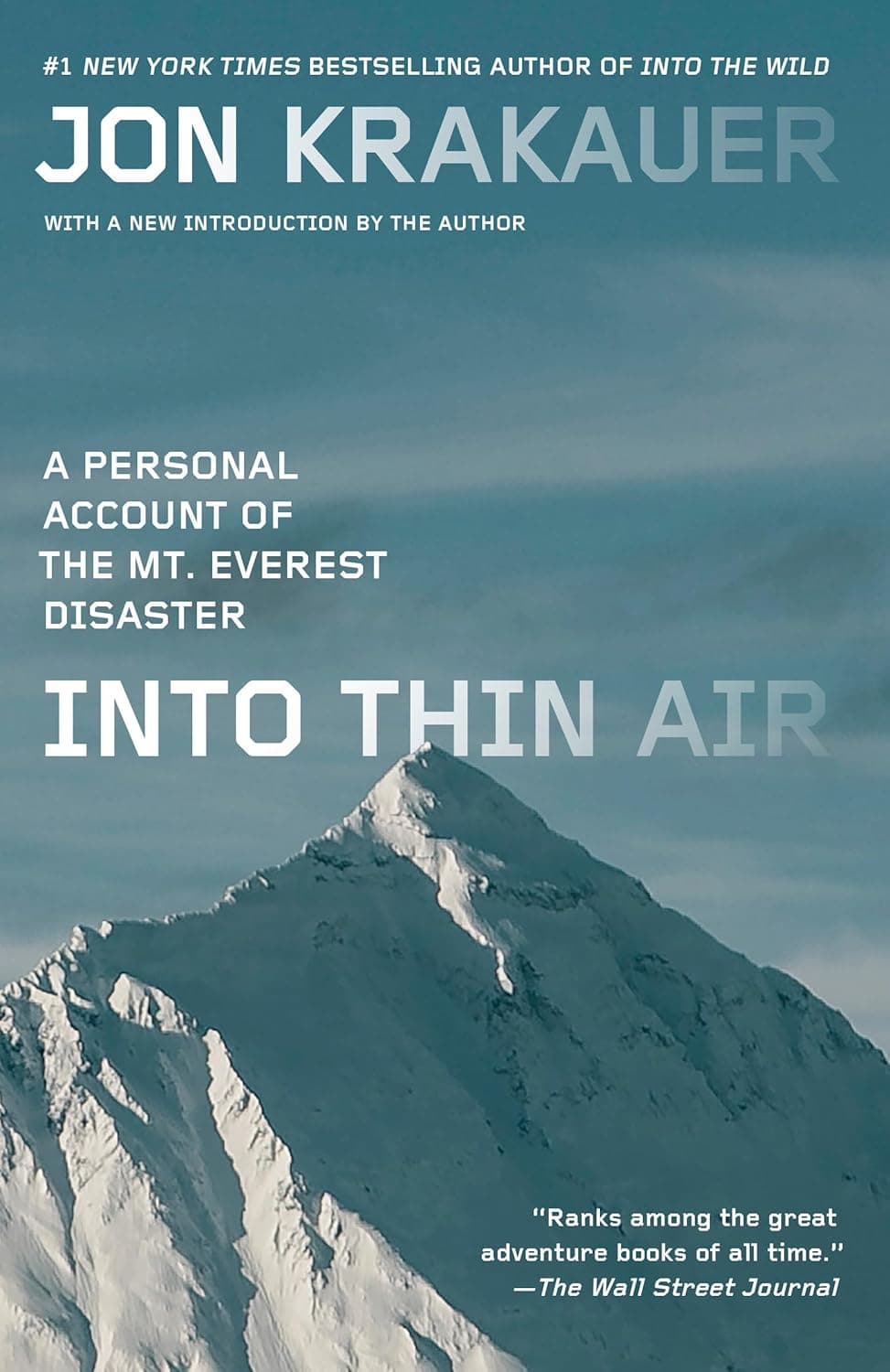
Krakauer climbed Everest on assignment for Outside magazine, summited on May 10, 1996, and came down through the storm that killed eight climbers. He is hardest on his own conduct.

Tom cons the neighborhood boys into whitewashing his aunt's fence, then witnesses a graveyard murder and attends his own funeral. Twain gave America the childhood it has claimed to remember ever since.

Arriving in Paris from Gascony, d'Artagnan duels Athos, Porthos, and Aramis into friendship, then serves the queen against Cardinal Richelieu. No adventure novel has ever moved faster or been better company.
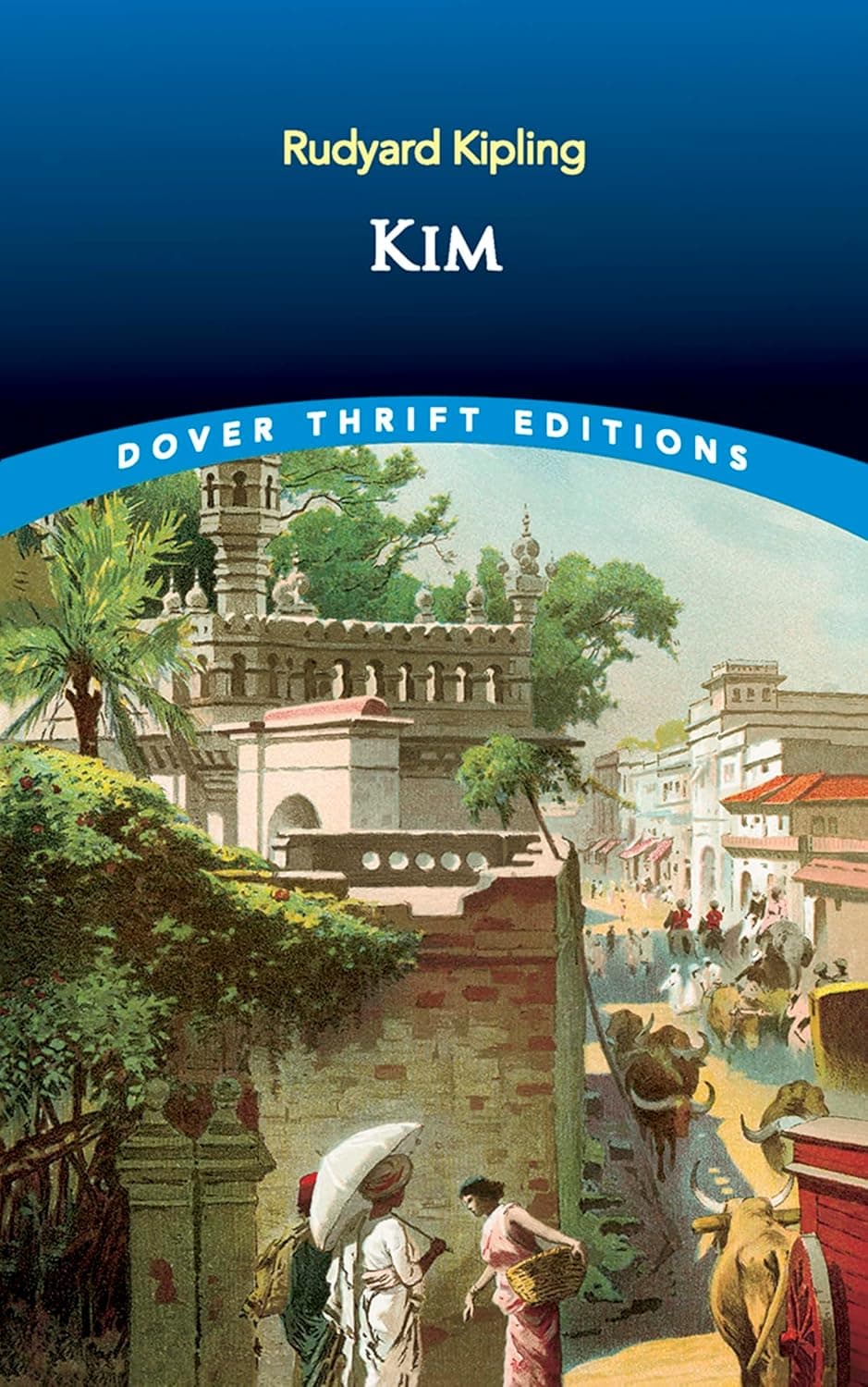
Kim, a white orphan of the Lahore streets, serves two masters: a Tibetan lama searching for a sacred river, and the British officers who train him for the spy war against Russia.
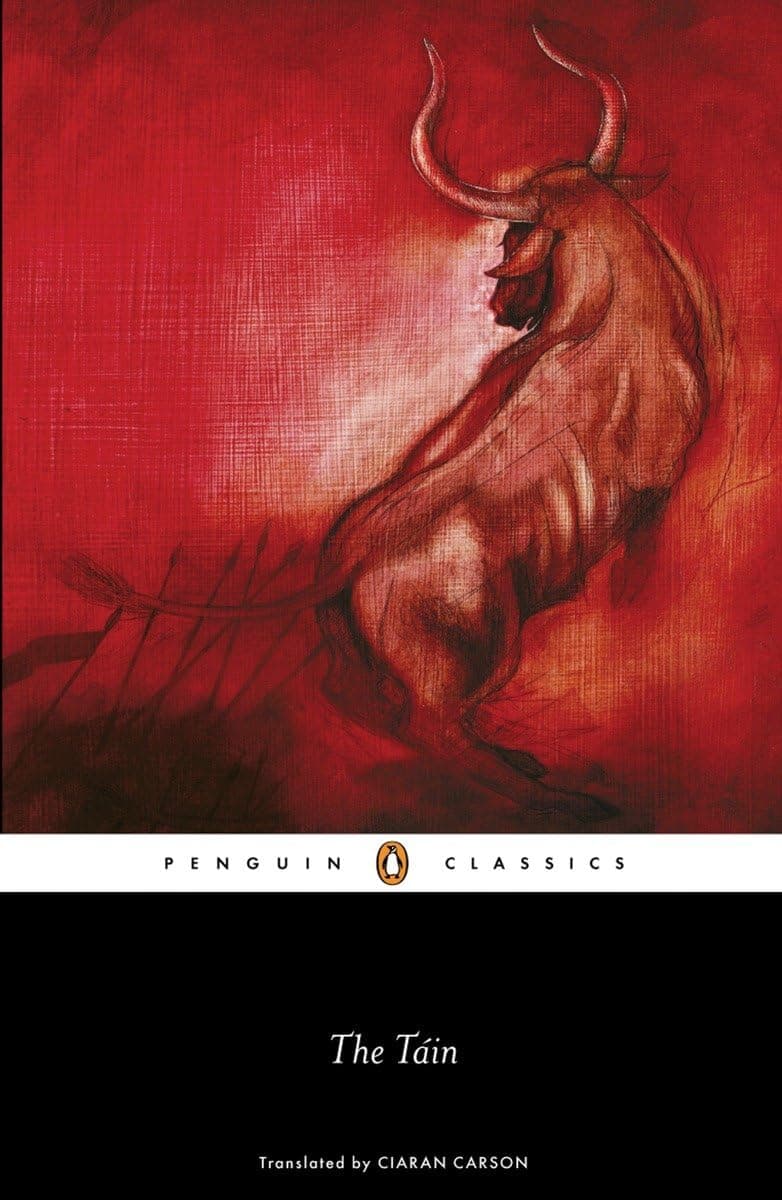
Seventeen years old, Cu Chulainn holds the fords against the army Medb of Connacht raised to steal a bull, with Ulster's warriors paralyzed by birth pangs. Yeats built a national mythology on him.
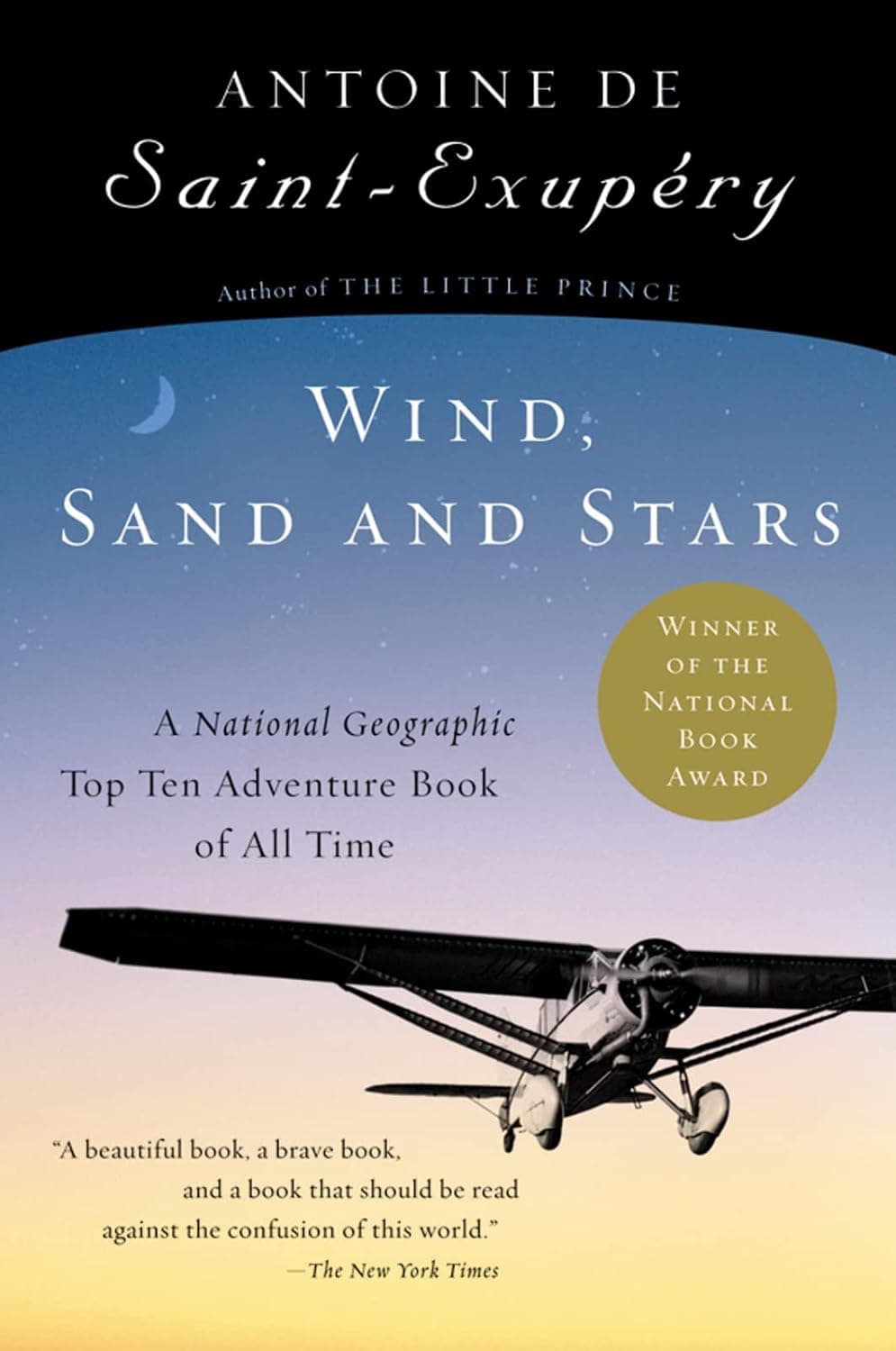
Flying mail over the Sahara and Patagonia, Saint-Exupery writes about what the work did to the men who flew it. The pilot Guillaumet crashed in the Andes and walked out through the snow.

Hiding in an apple barrel, a boy overhears the ship's cook planning mutiny. Stevenson invented the pirate everyone pictures: Long John Silver's parrot and missing leg, the treasure map marked with crosses.

The monster ramming ships proves to be an electric submarine whose captain has renounced every nation above. Submarine builders read it as boys, and the first nuclear boat took the Nautilus name.
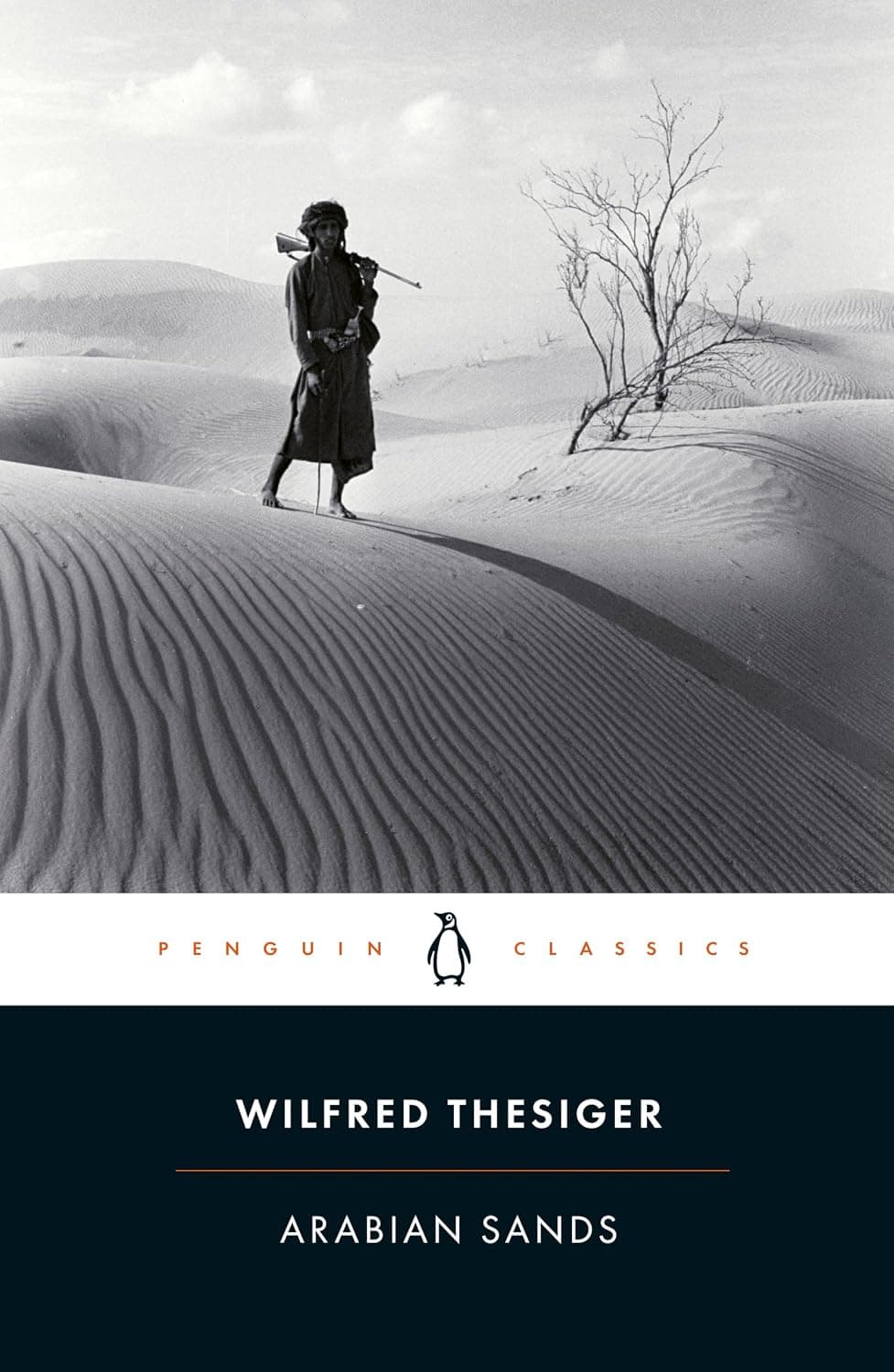
Thesiger crossed Arabia's Empty Quarter twice with Bedu companions, on a pint of water a day. He loved that life, knew oil money would end it, and wrote this as its elegy.
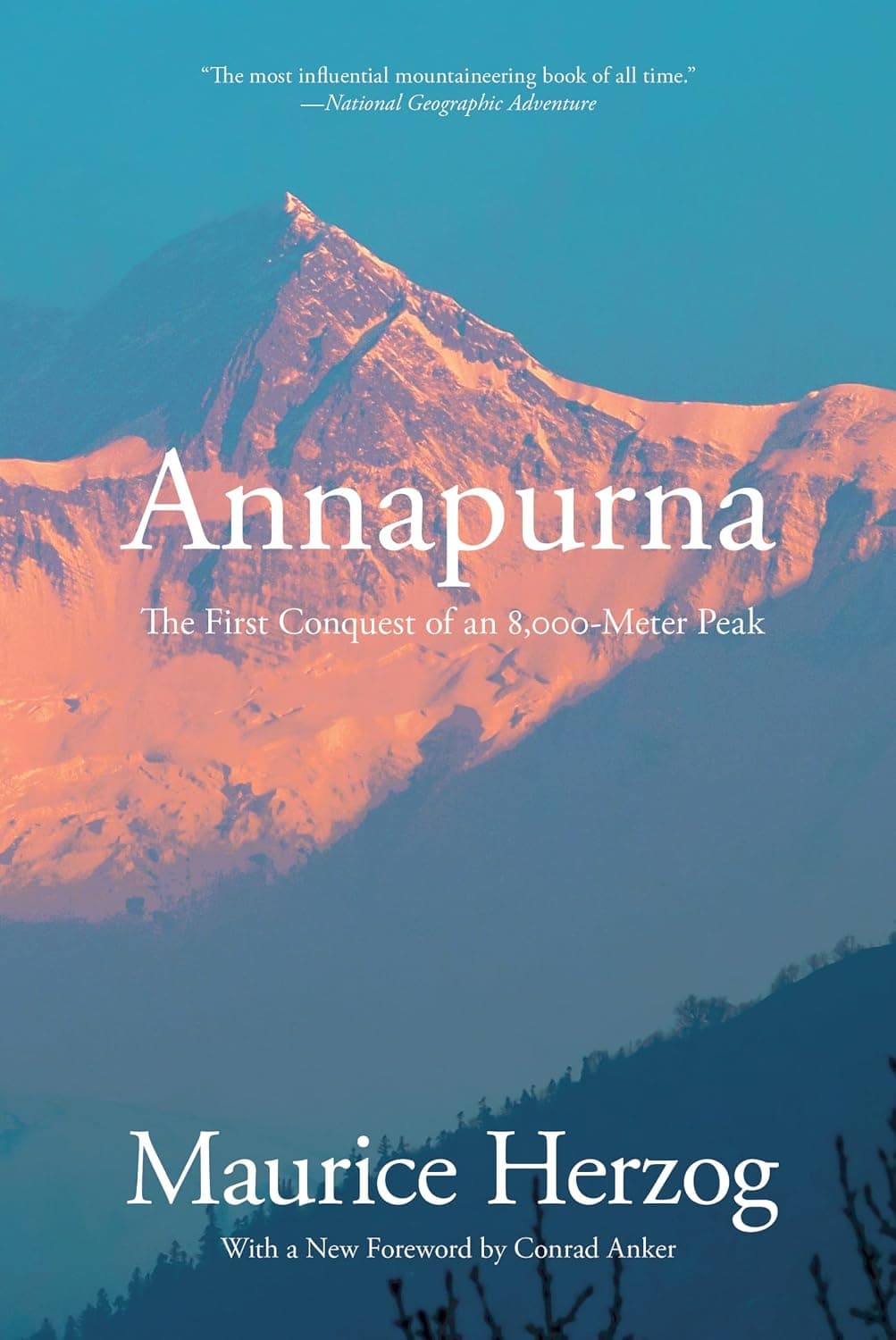
Herzog and Lachenal reached Annapurna's summit in June 1950, the first men atop an eight-thousand-meter peak. Frostbite cost Herzog every finger and toe during the descent. No mountaineering book has sold like it.
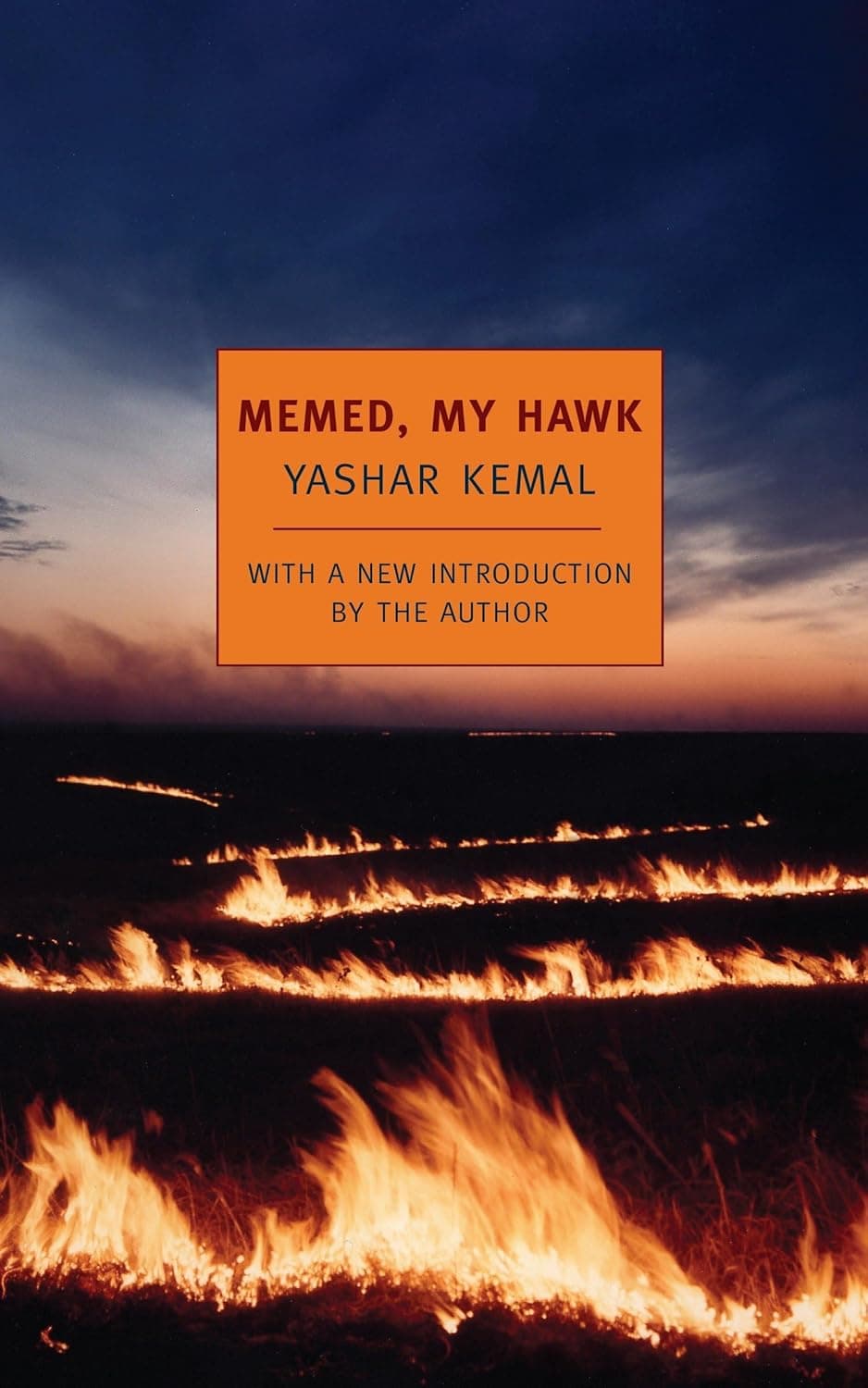
Five villages belong to Abdi Agha. The boy Memed runs, is dragged back, kills, and takes to the mountains, where Kemal turns a peasant's revolt into an epic of Turkey's Çukurova plain.
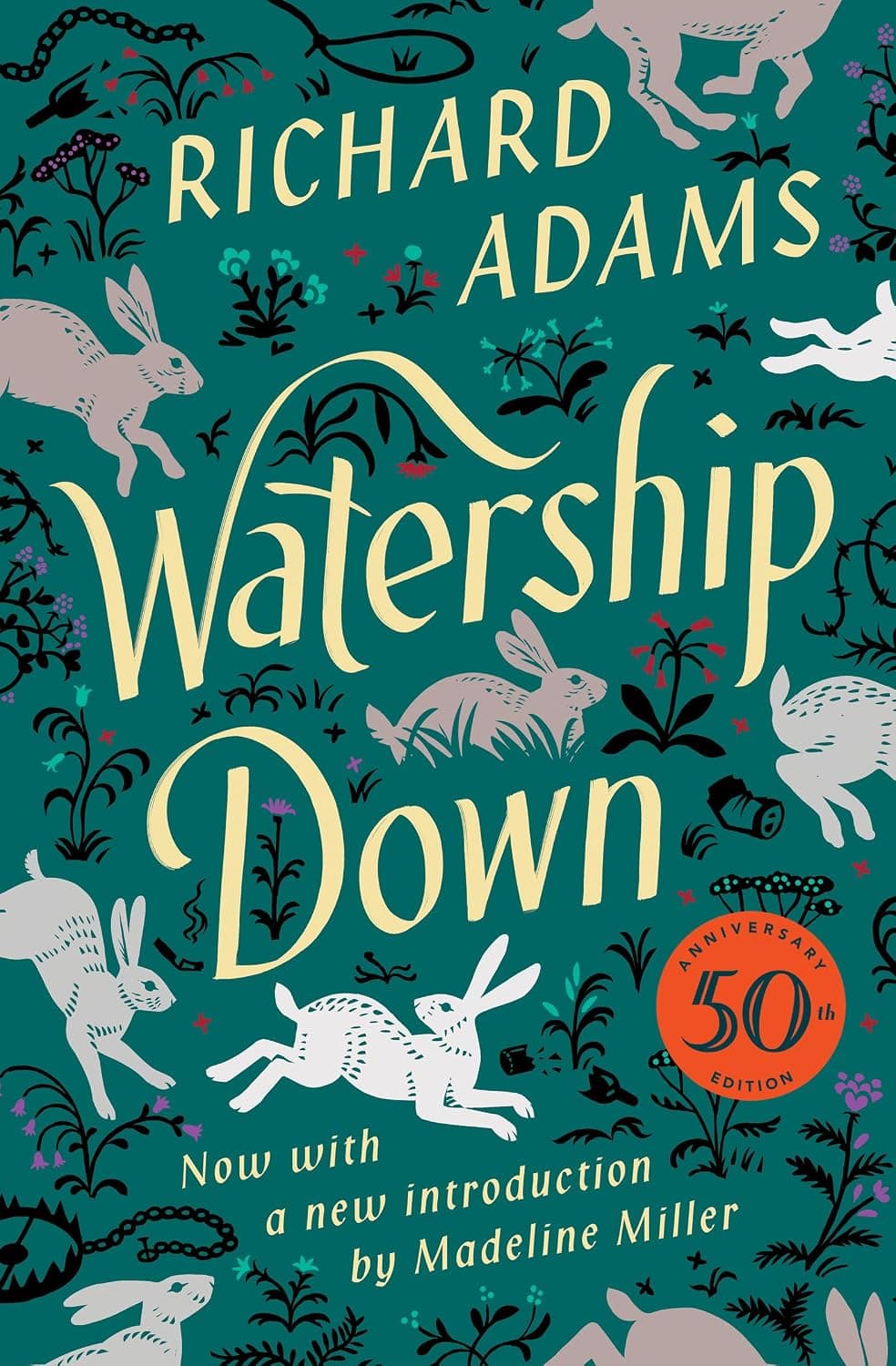
Fiver the rabbit senses blood covering the field, and others follow him out before the bulldozers come. Adams gives them their own language and mythology, then sets them against a rabbit police state.

Chuck Yeager broke the sound barrier with two cracked ribs hidden from the flight surgeon. Wolfe named the code such men flew by, and America still tells the space race in his words.
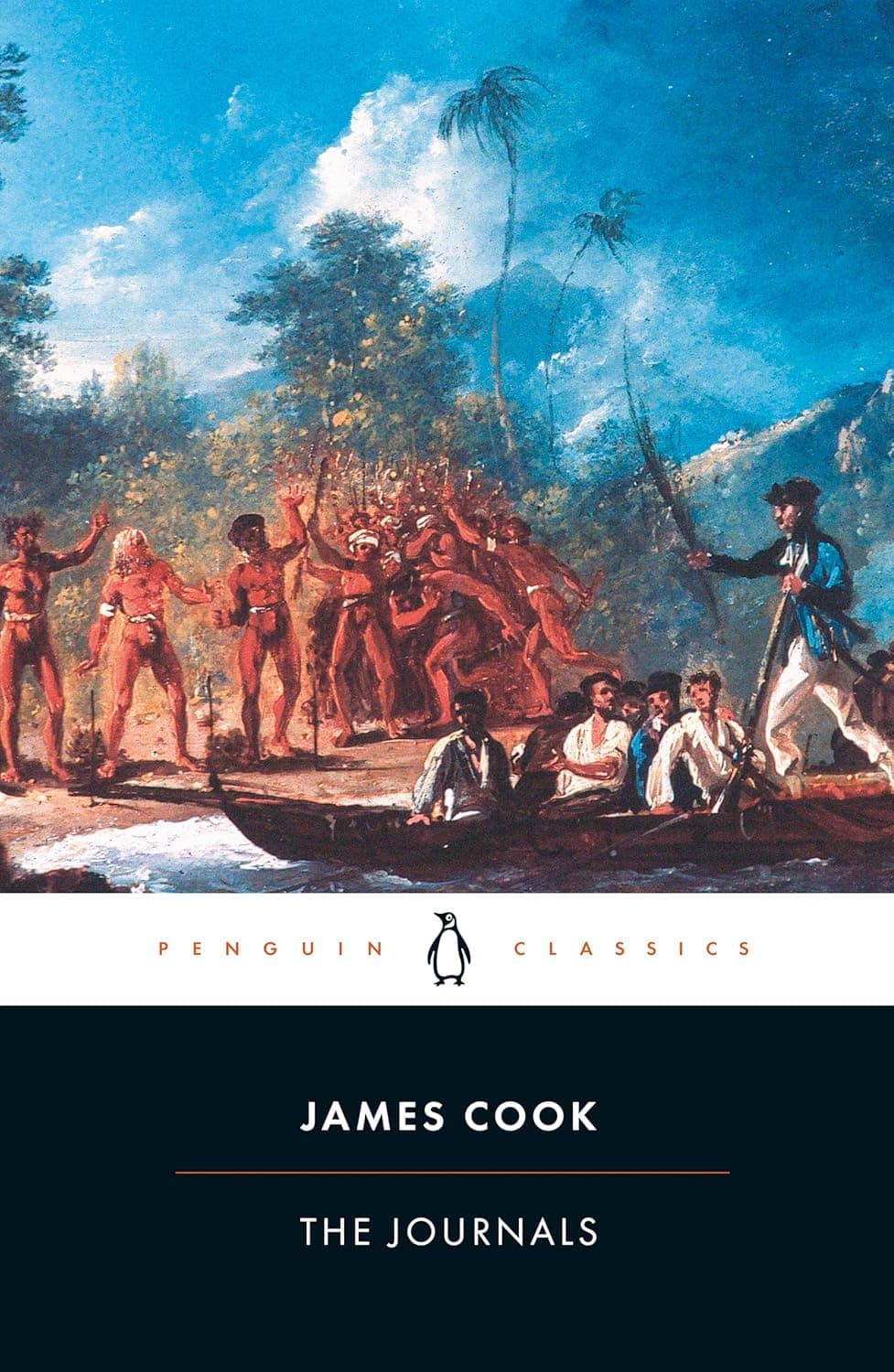
Cook charts New Zealand and eastern Australia in his own hand, and sails until no southern continent is left to find. The log calls the Aborigines happier than Europeans, then claims their coast.

Slocum rebuilt an oyster sloop, left Boston in 1895, came back three years later the first person to circle the earth alone. He recounts it in the practical voice of a working sailor.
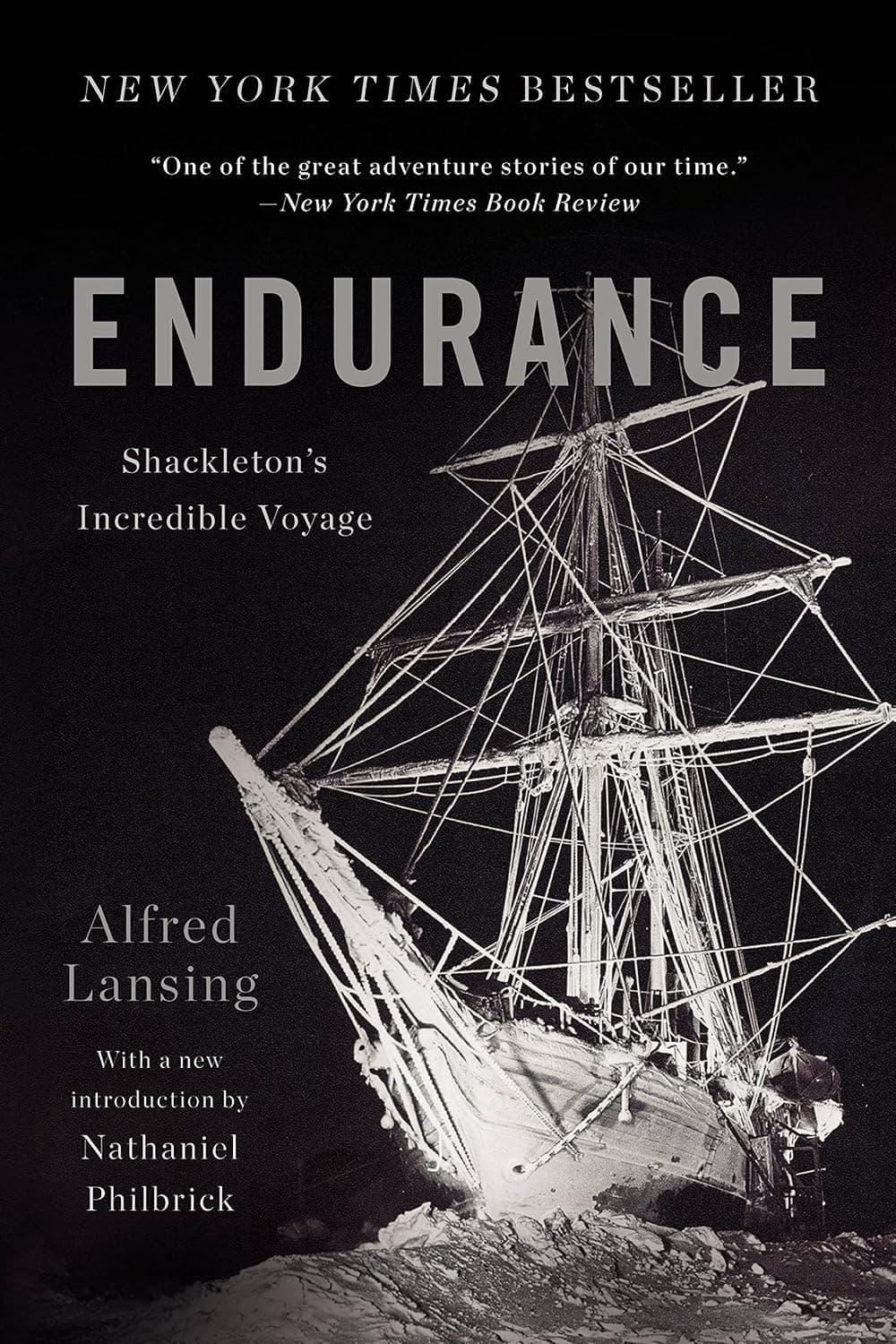
Antarctic pack ice crushes their ship in 1915, leaving twenty-eight men on a drifting floe. Shackleton sails an open boat eight hundred miles for help. Lansing reconstructed it all from the crew's diaries.

Raised barefoot in Kenya, Markham hunted with Nandi boys, trained racehorses, and scouted elephants from the air before flying the Atlantic alone. Hemingway said she made him ashamed as a writer.

The scout Hawkeye and the last two Mohicans guide two sisters through the French and Indian War. Cooper made the frontiersman a national hero, and the Western has lived off him since.

Phileas Fogg wagers half his fortune that steamships and railways have shrunk the world to eighty days, and leaves that evening. Seventeen years later the reporter Nellie Bly ran the route in seventy-two.

Allan Quatermain, an aging elephant hunter, follows an old map into unmapped Africa and finds a lost kingdom ruled by a tyrant. Hidden-city adventure from Tarzan to Indiana Jones runs on Haggard's machinery.
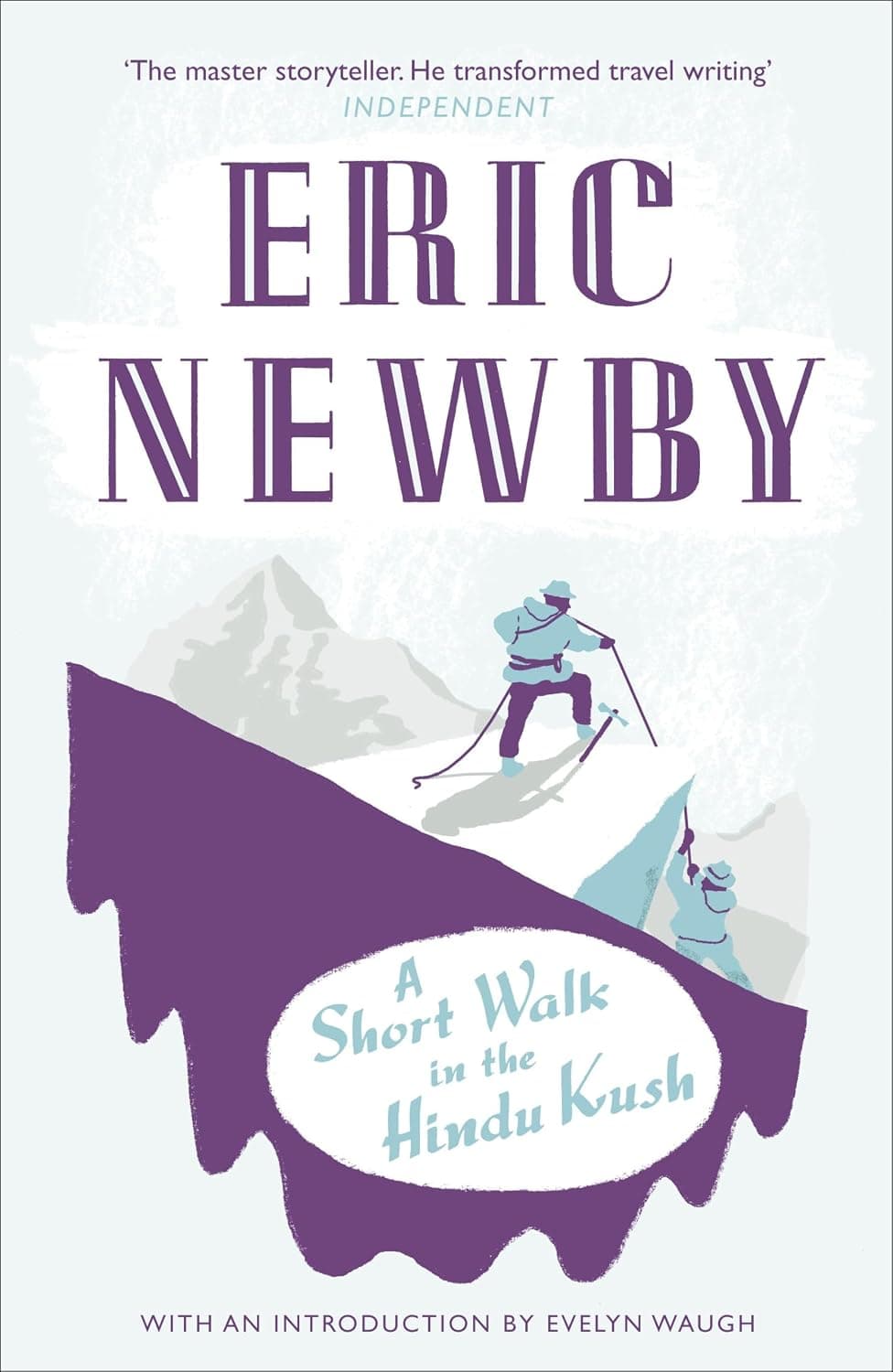
Quitting the London fashion trade with almost no climbing behind him, Newby set out for an unclimbed Afghan peak. The funniest travel book in English comes out of that mismatch.

Five ships left Seville in 1519 and one came home three years later with eighteen men aboard. Zweig tells the circumnavigation as the story of an obstinate will set against an unmapped ocean.