
Collected Fictions
1951 · 576 pages
Borges invented a library holding every possible book and a man cursed with perfect memory. The stories run ten pages and leave the world looking like something someone made up.
★ 9.1
 skopia
Borges invented a library holding every possible book and a man cursed with perfect memory. The stories run ten pages and leave the world looking like something someone made up.
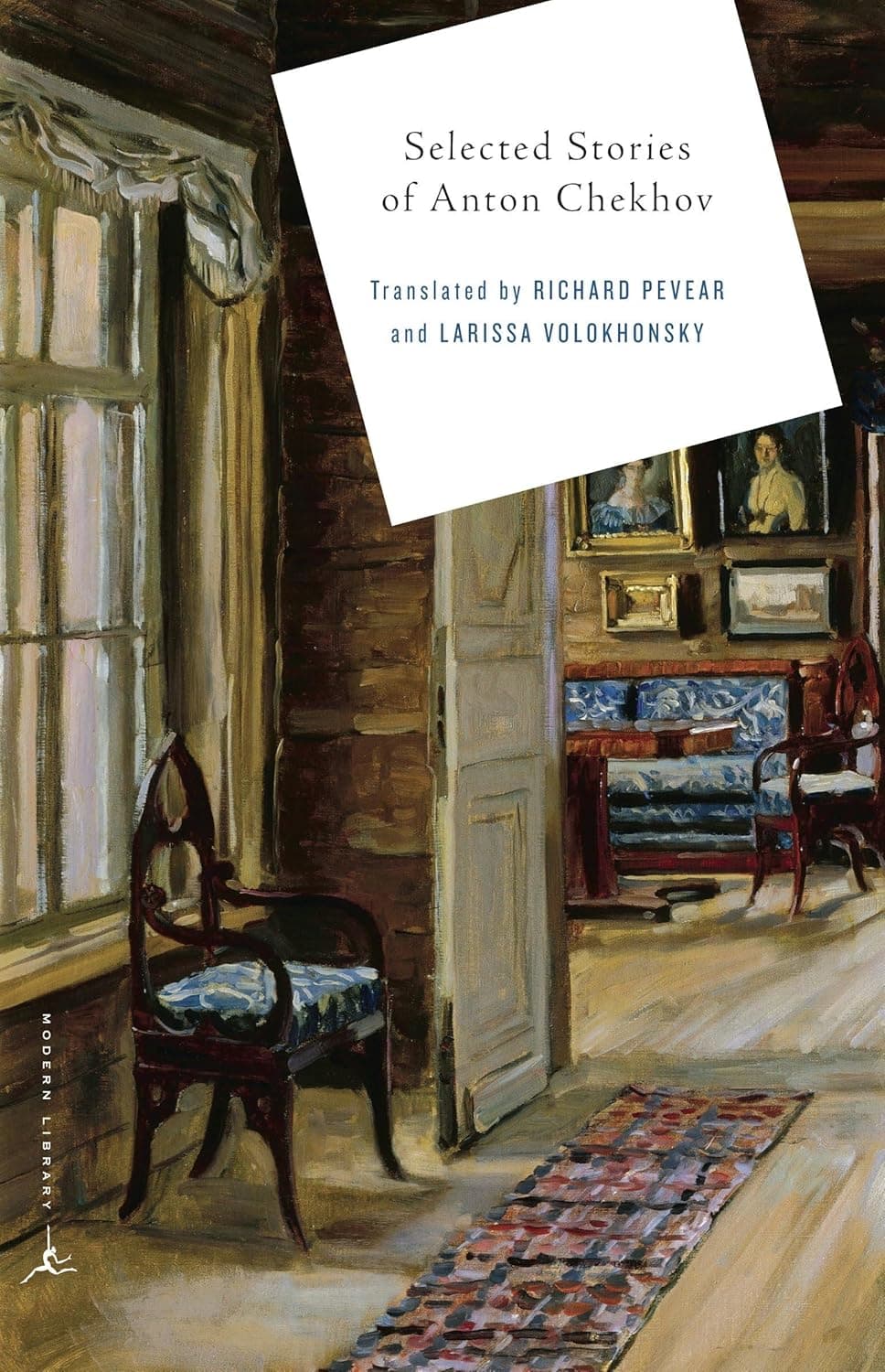
At Yalta a married man meets a woman walking a small dog and cannot shake her. Chekhov judges no one and resolves nothing, and the stories come out quietly devastating.

Chaucer's thirty pilgrims ride to Canterbury swapping stories, the knight a courtly romance and the miller a filthy joke, and he wrote them in English when serious poetry meant Latin or French.
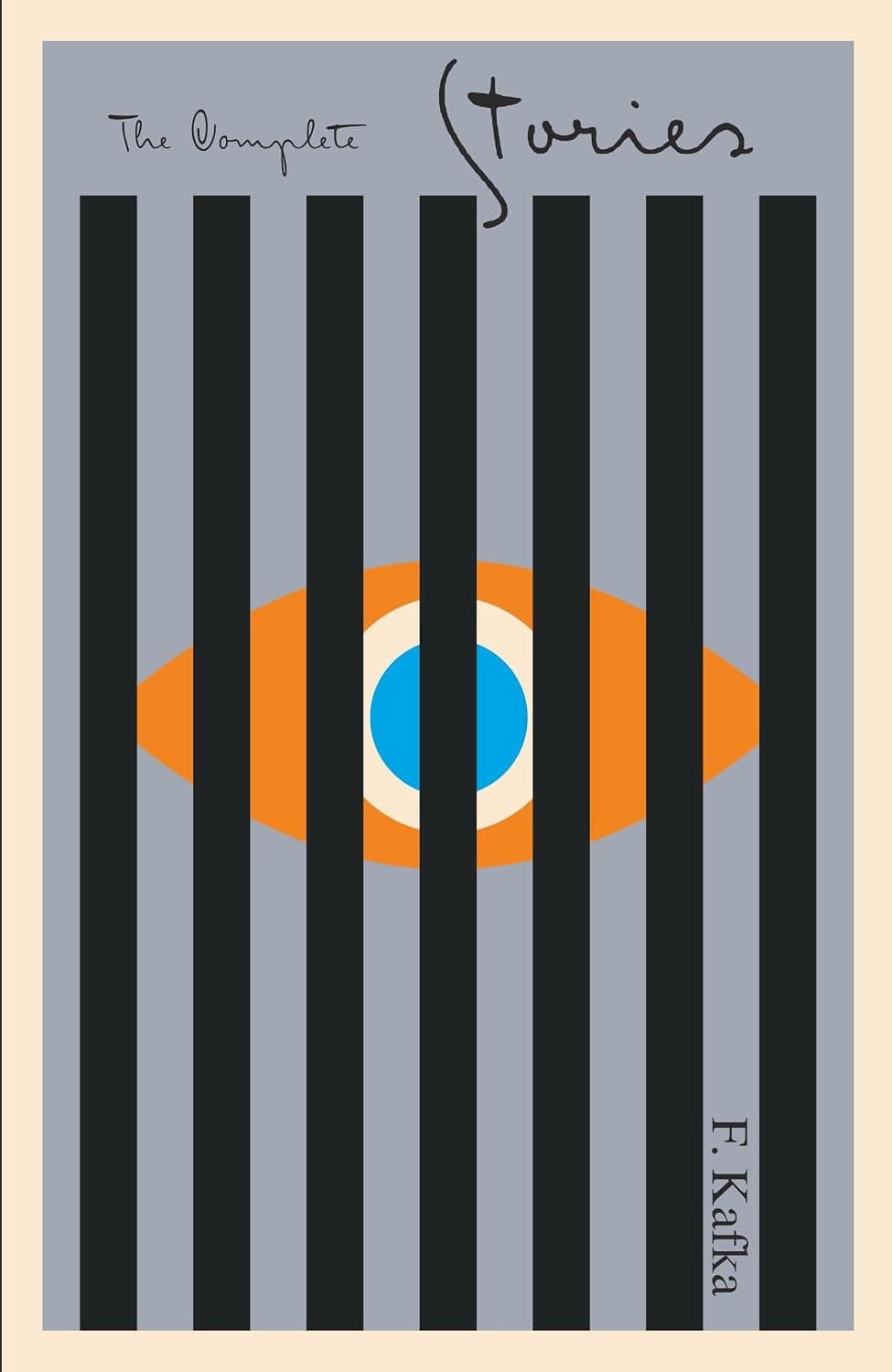
An officer demonstrates his execution machine with love, and a hunger artist starves himself before crowds that have stopped watching. Kafka's imagination runs at full strength in the short forms.

On a Georgia back road a grandmother who talked her family into a detour meets an escaped killer. O'Connor's stories stay funny until the violence arrives, which is how grace arrives too.
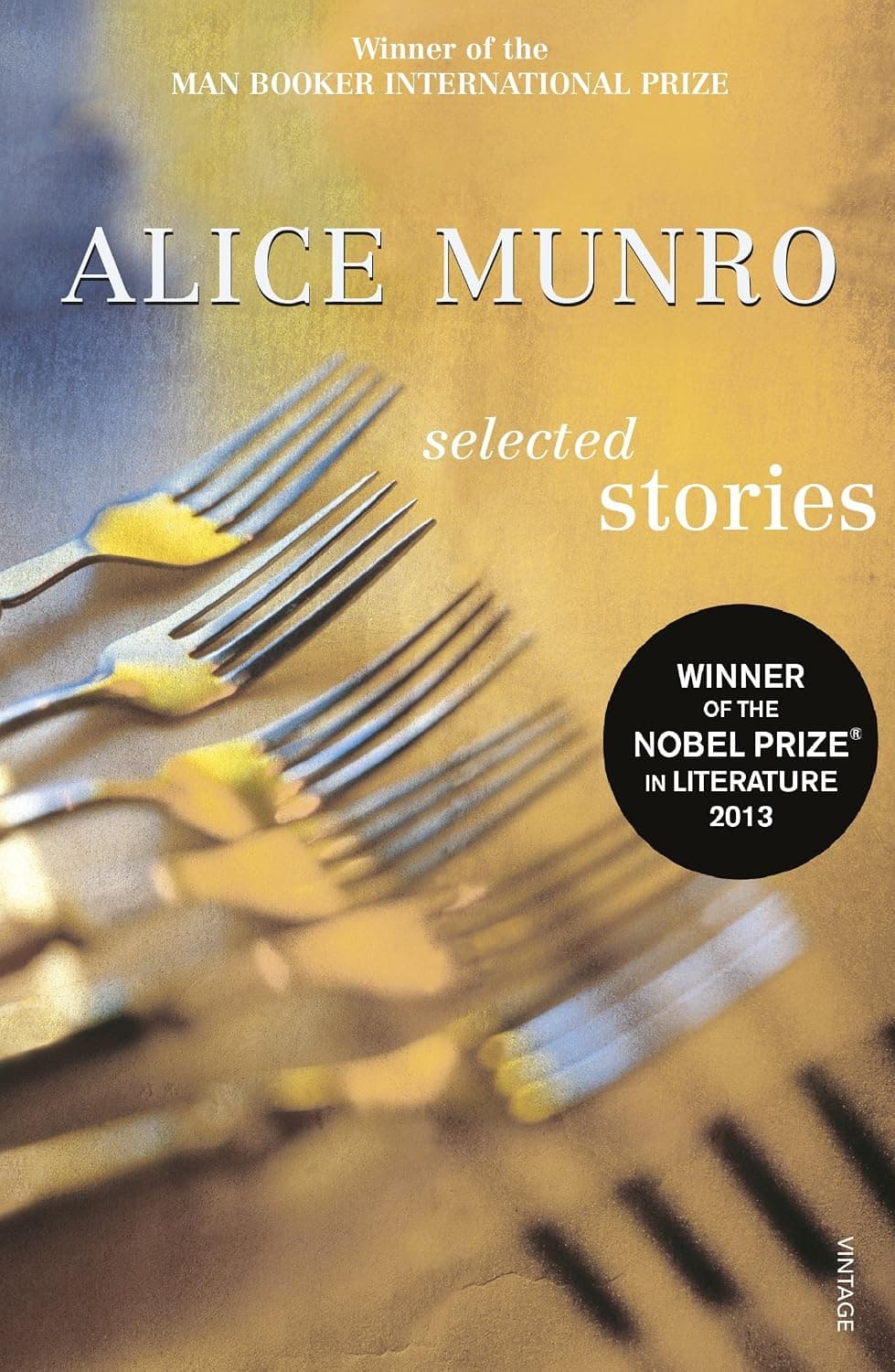
Munro set her stories in Ontario towns where a woman's life can turn on something said at a kitchen table. She fits more into forty pages than most novelists get into a novel.
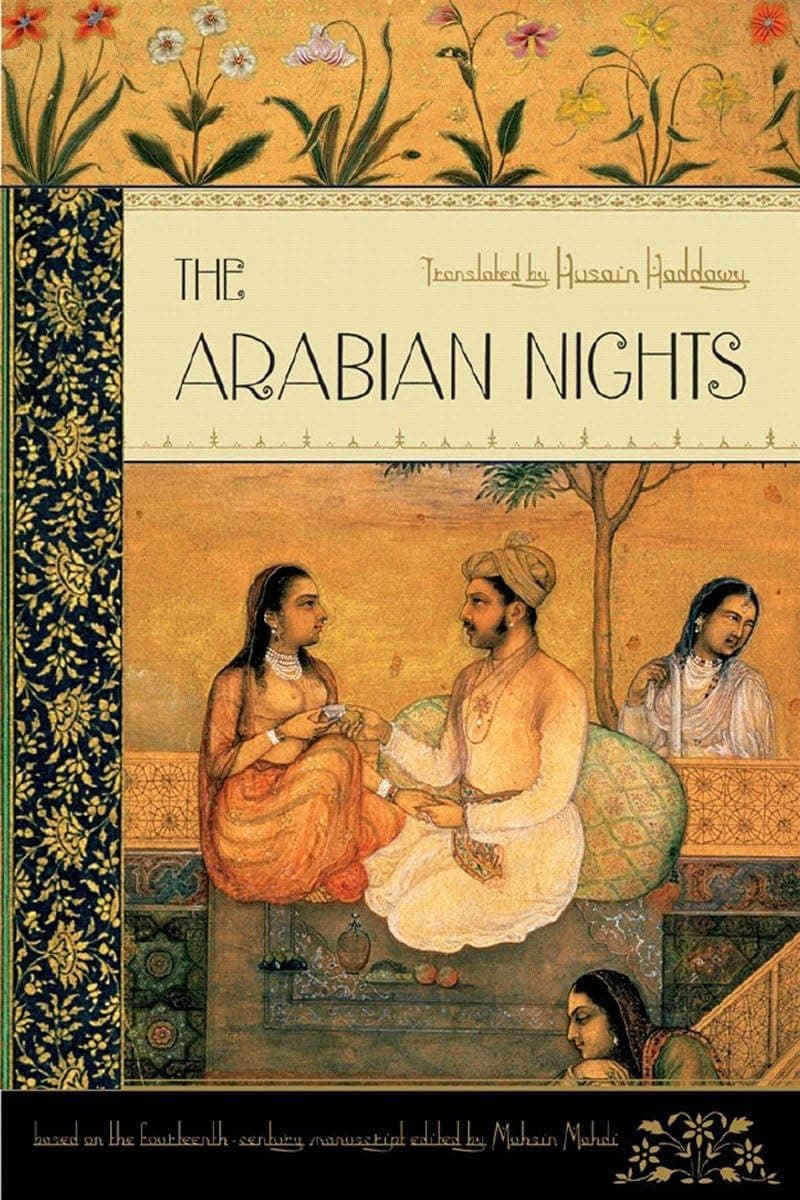
Scheherazade marries a king who executes each new wife at dawn and stays alive by telling stories that break off before the end. Sinbad, Aladdin, and Ali Baba reached the world through her.
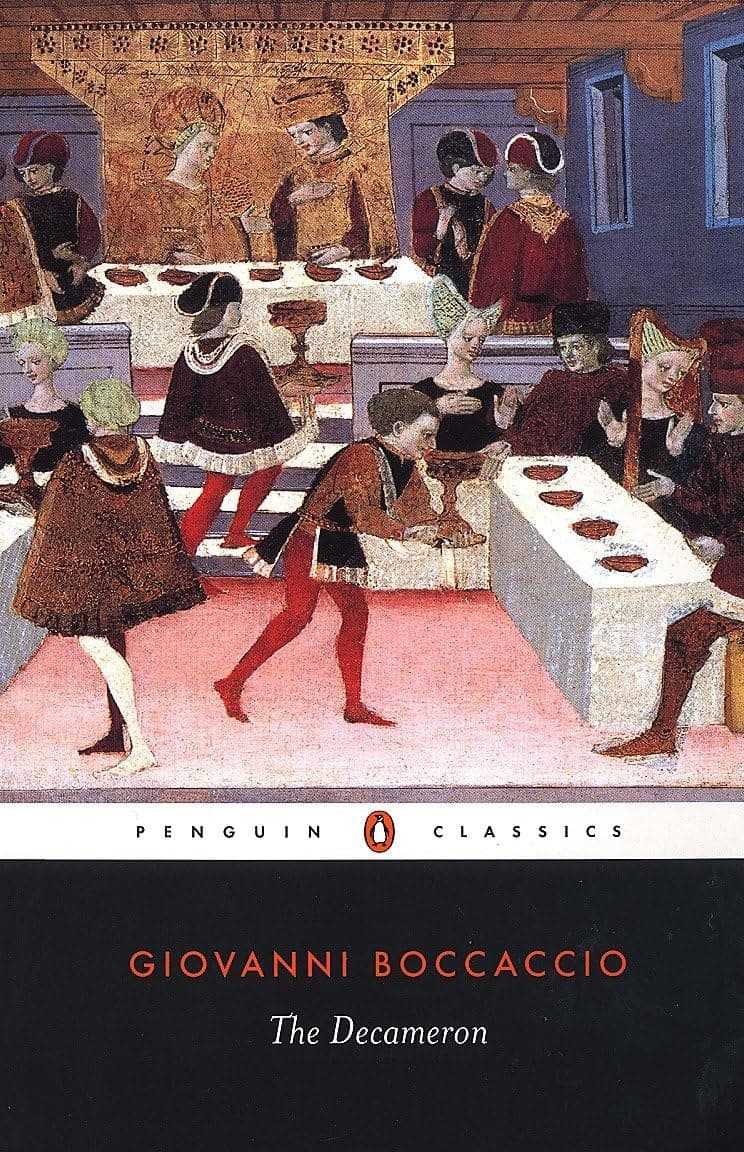
Ten young Florentines flee the plague to a country house and spend ten days telling a hundred stories of seduced wives, crooked friars, and lucky fools. The jokes still land six centuries later.

Poe invented the detective story and perfected the tale of terror. His narrators wall people up alive, hear a heart beating under the floorboards, and watch a house split apart.
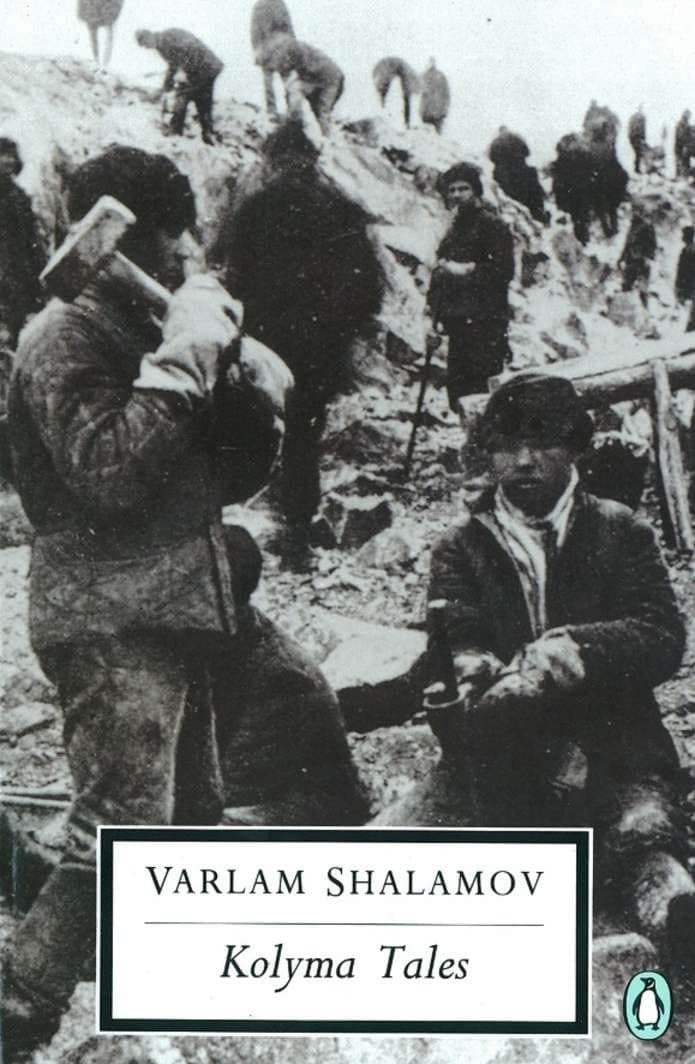
Shalamov spent seventeen years in the Kolyma camps. His stories are short, about frostbite and stolen bread and men too weak to lift a shovel, and he insists that suffering teaches nothing.

Modern Chinese literature begins here. Ah Q, a village laborer, turns every beating into a spiritual victory, and a madman reads the Confucian classics until the words eat people surface between the lines.

The morning of a wealthy family's garden party, a carter dies in the cottages below and a young daughter carries the leftovers down to his house. Mansfield catches life where it cracks.
A civil servant wakes to find his nose gone and walking Petersburg in a senior official's uniform. Elsewhere a clerk saves for an overcoat, and Gogol's comedy tips steadily into nightmare.
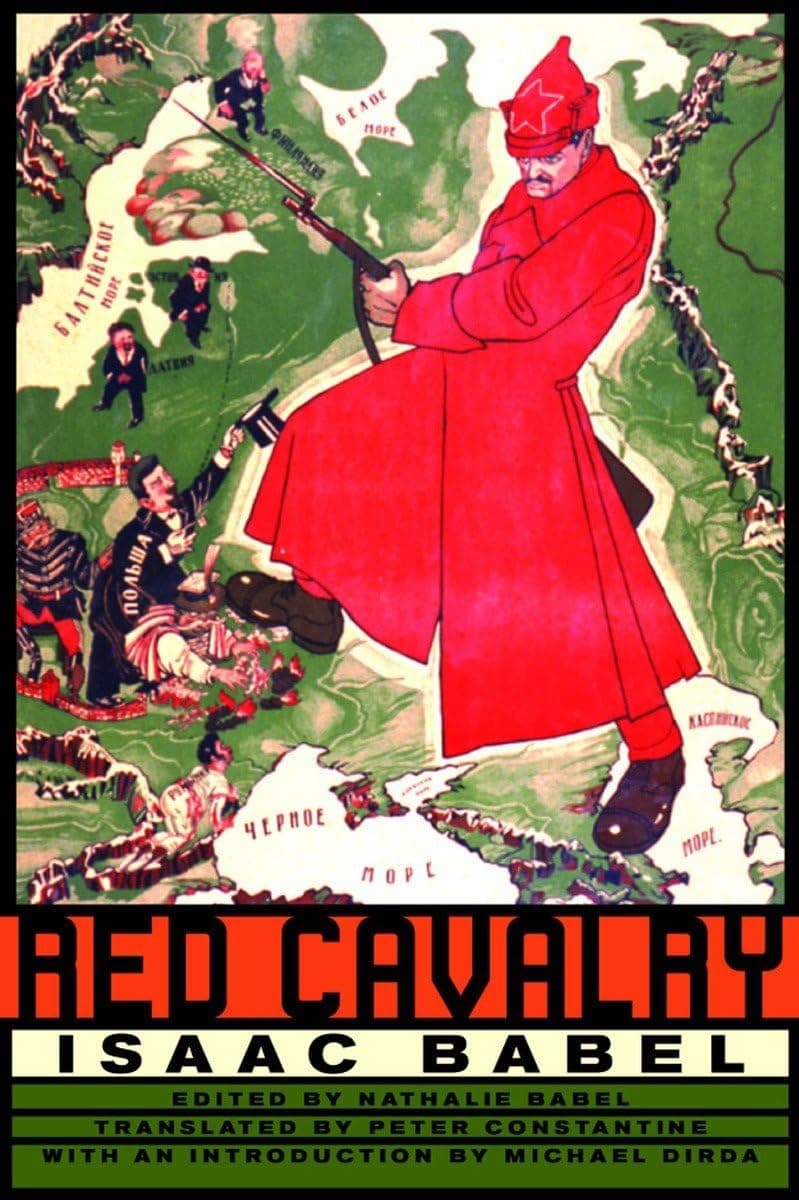
Riding with Bolshevik Cossacks through Poland in 1920, a Jewish intellectual watches them sack towns and kill prisoners. Babel writes the atrocity in sentences so beautiful that the effect is obscene.

Chiang treats theology, linguistics and free will with the rigor of proofs. A linguist learns an alien script written all at once, and it changes how she experiences her whole life.

Twelve cases at 221B Baker Street, from the king undone by Irene Adler to the whistle in the night at Stoke Moran. No human character in fiction has been played by more actors.
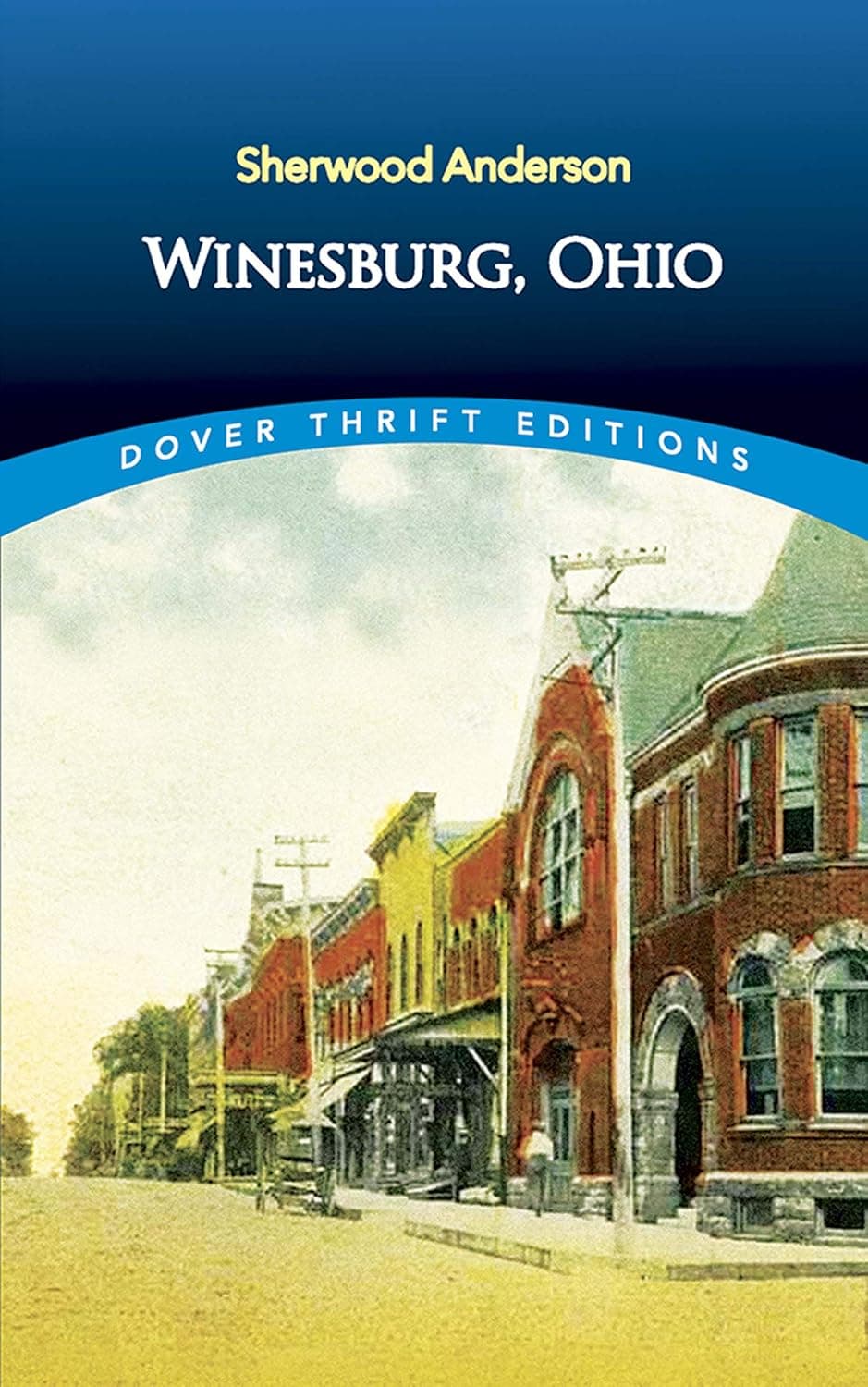
Twenty-two linked stories about people in an Ohio town who cannot say what they feel, except to the young reporter George Willard. Faulkner called Anderson the father of his generation of American writers.

Turgenev sends a hunter across the provinces with a gun and a dog, and the serfs he meets emerge as individuals. The book did for serfdom what Uncle Tom's Cabin did for slavery.
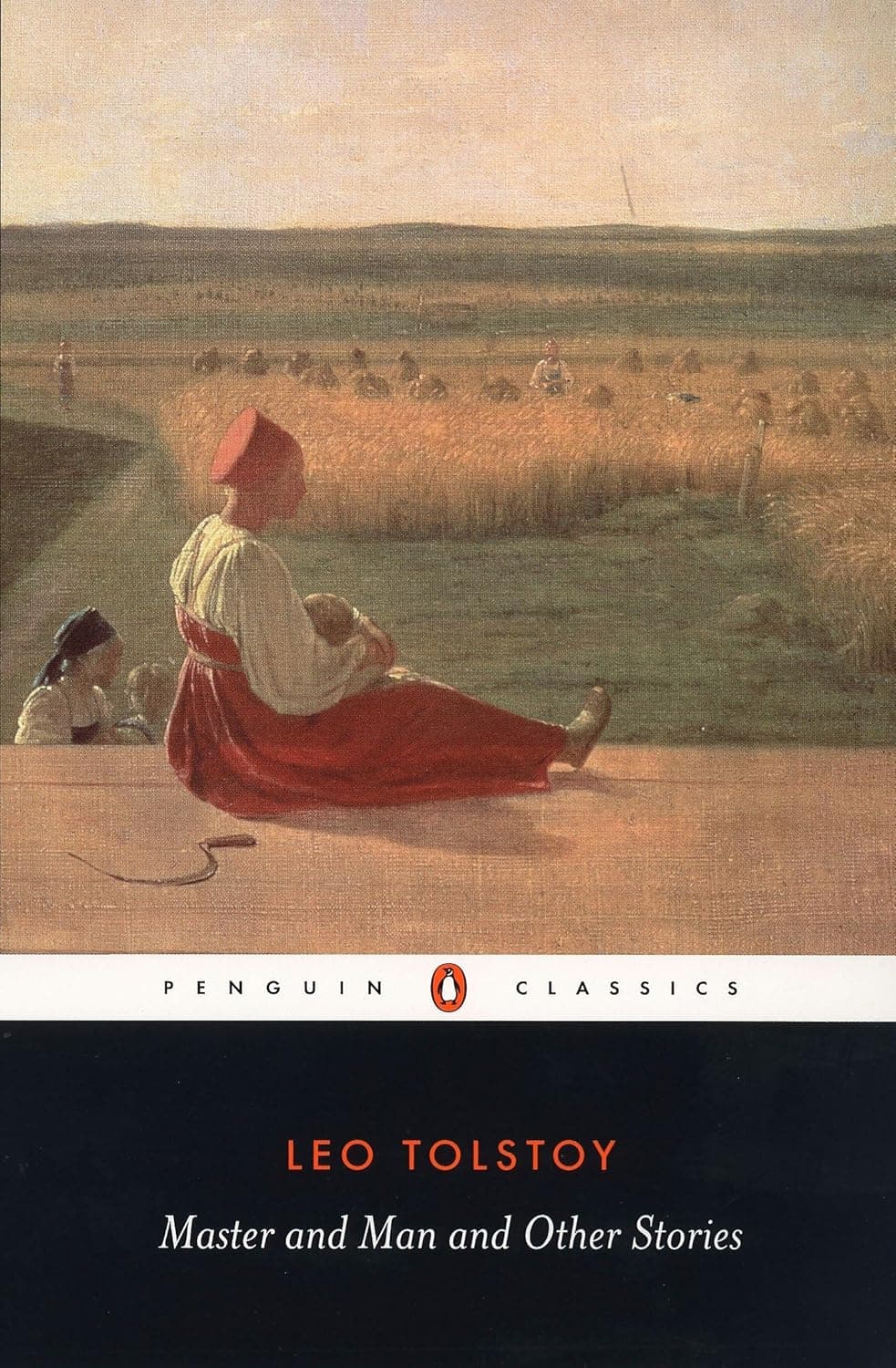
A merchant drives into a blizzard to close a cheap land deal, dragging the servant he underpays. The stories around it, of angels and pilgrims and soldiers, ask what a life is for.

Shot by a Gestapo officer in 1942, Schulz left stories that turn a Galician backwater into a world where his father breeds birds in the attic and the calendar grows a thirteenth month.