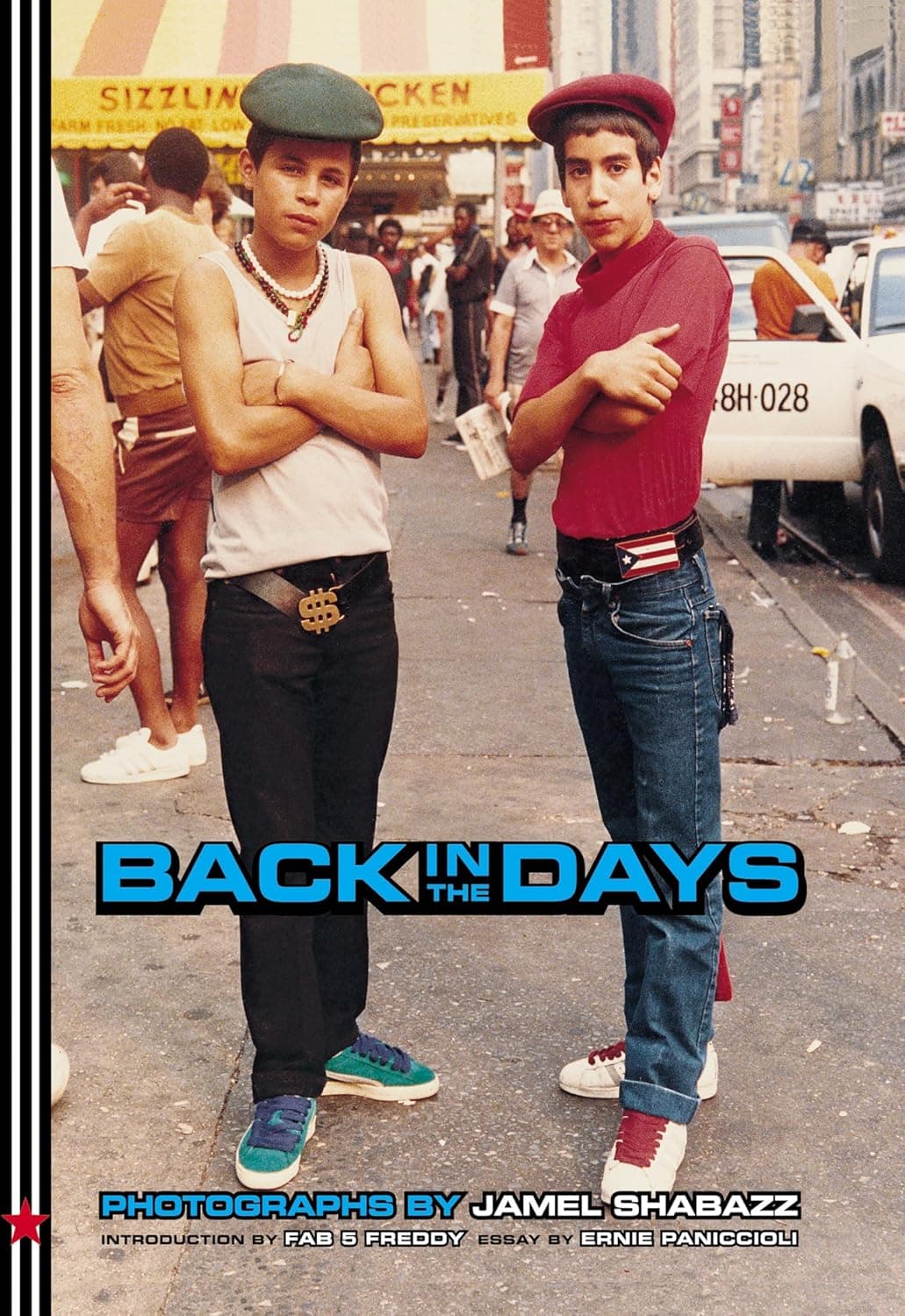
Back in the Days
2001 · 128 pages
Between 1980 and 1989, Shabazz stopped young New Yorkers on the street and photographed them in shell-toe Adidas, sheepskin coats, and gold ropes. Everything hip hop later sold the world is already here.
★ 4.3
 skopia
Between 1980 and 1989, Shabazz stopped young New Yorkers on the street and photographed them in shell-toe Adidas, sheepskin coats, and gold ropes. Everything hip hop later sold the world is already here.

A Los Angeles magazine asked architects how postwar America should live, and Eames, Koenig, and Neutra answered in steel and glass on hillsides. Julius Shulman's photographs sold California modernism to the world.
Twelve New Yorker reports on how companies behave: Ford burning millions on the Edsel, a grocer trying to corner his own stock. Bill Gates calls it the best business book he has read.

Every American house is a set of clues: roof pitch, window shape, porch depth. McAlester supplies the vocabulary, from Georgian mansions to postwar ranches, and you walk out able to name your street.
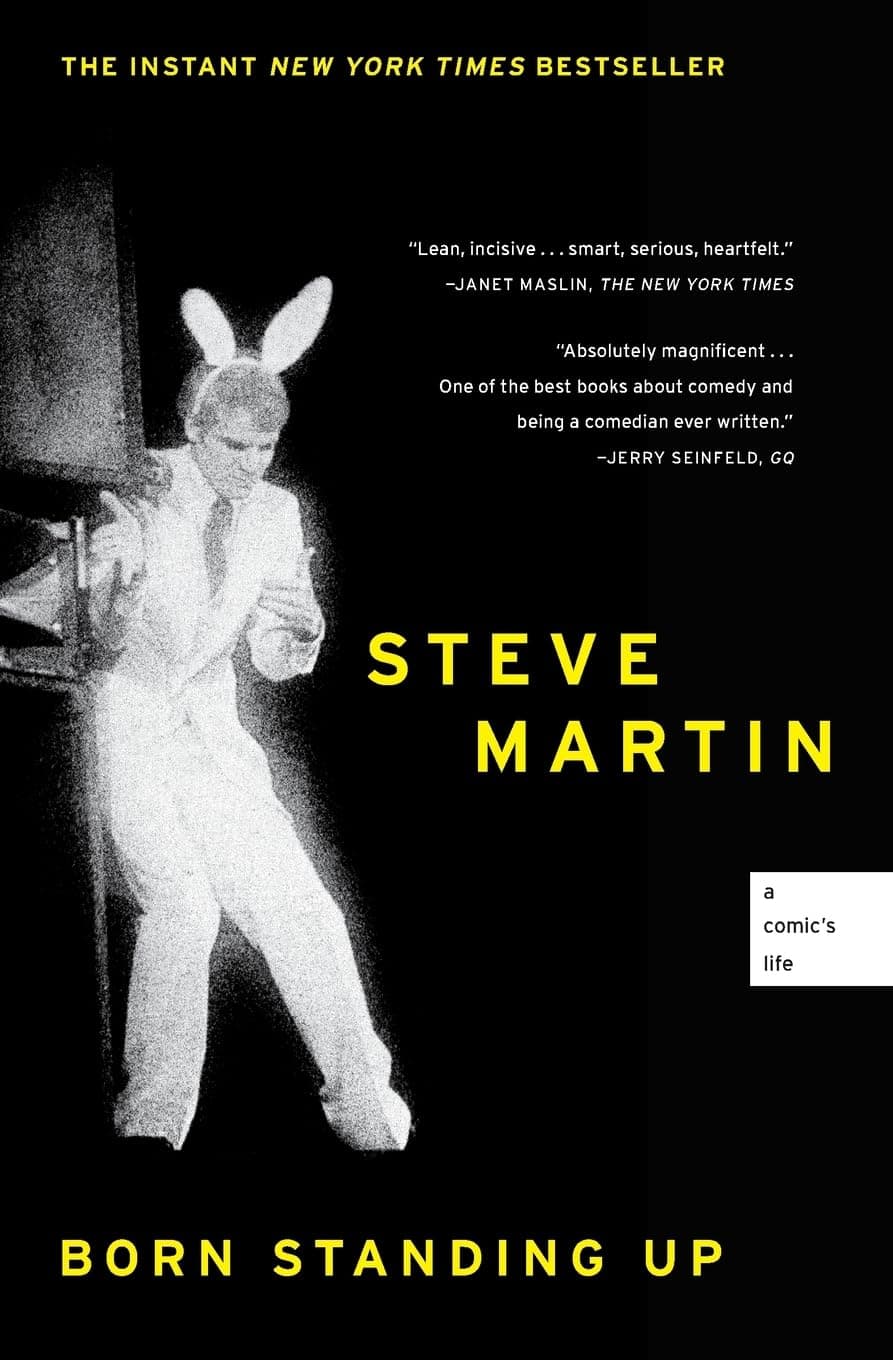
Working the Disneyland magic shop as a teenager, Martin set out to build comedy without punchlines, so laughter had nowhere to land. He filled arenas with it, then quit for good.
A husband hires Lew Archer to find the bride who fled their honeymoon, and the trail runs back decades into two families' history. In Macdonald's California, crimes are inherited rather than committed.

Feinstein spent the 1985-86 season inside coach Bob Knight's Indiana basketball program and printed all of it, the profanity and the fury and the players absorbing both. Sports reporters still envy that access.
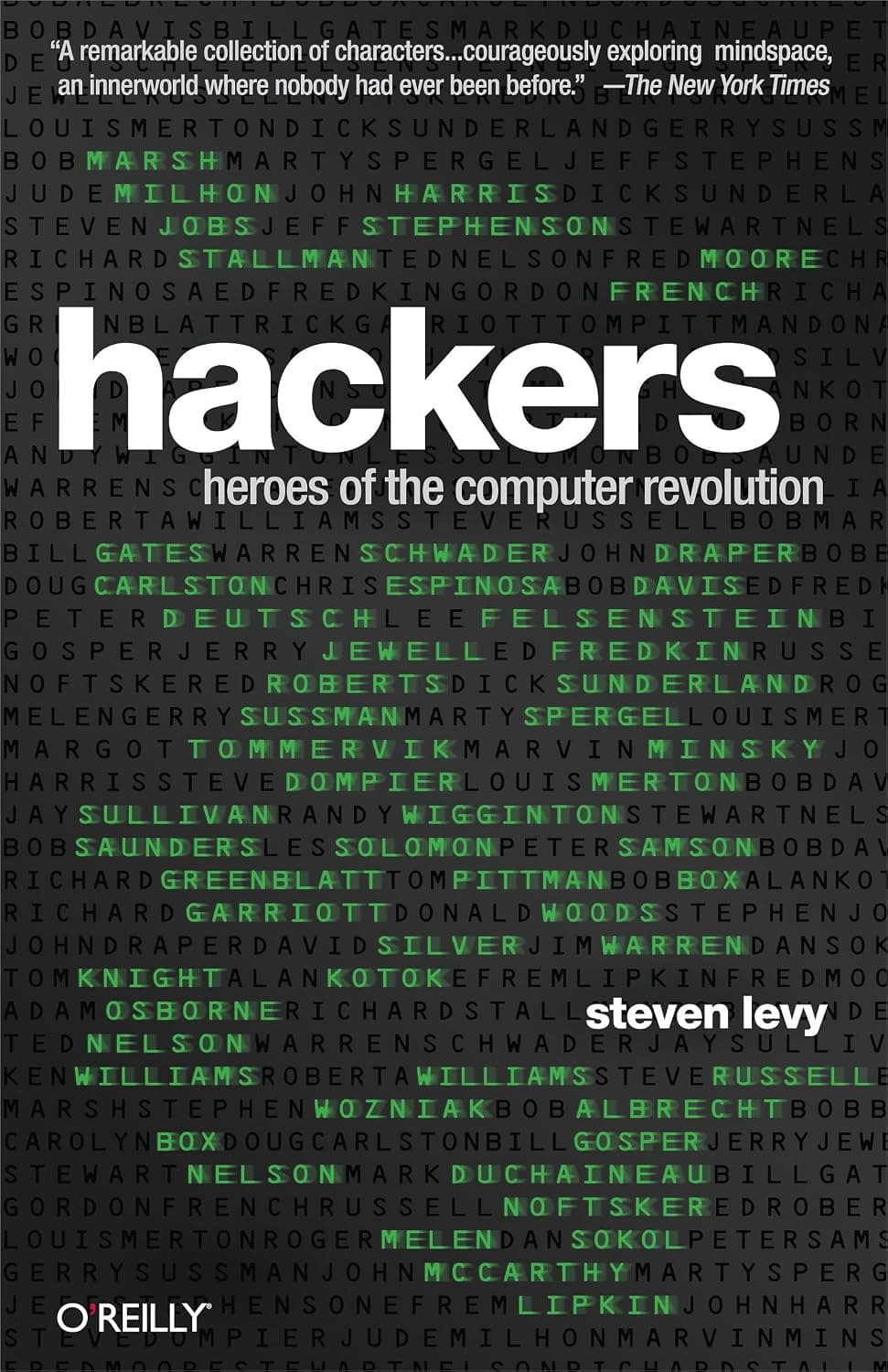
Levy found the hacker ethic among MIT students who monopolized the university's computers all night: all information should be free, mistrust authority, judge a person by the code. Silicon Valley still recites it.

Sister Mary Bradley, a grandmother Hughes invented, tells death to wait because her feet are caught in the sweet flypaper of life, then walks you through DeCarava's photographs of her Harlem block.
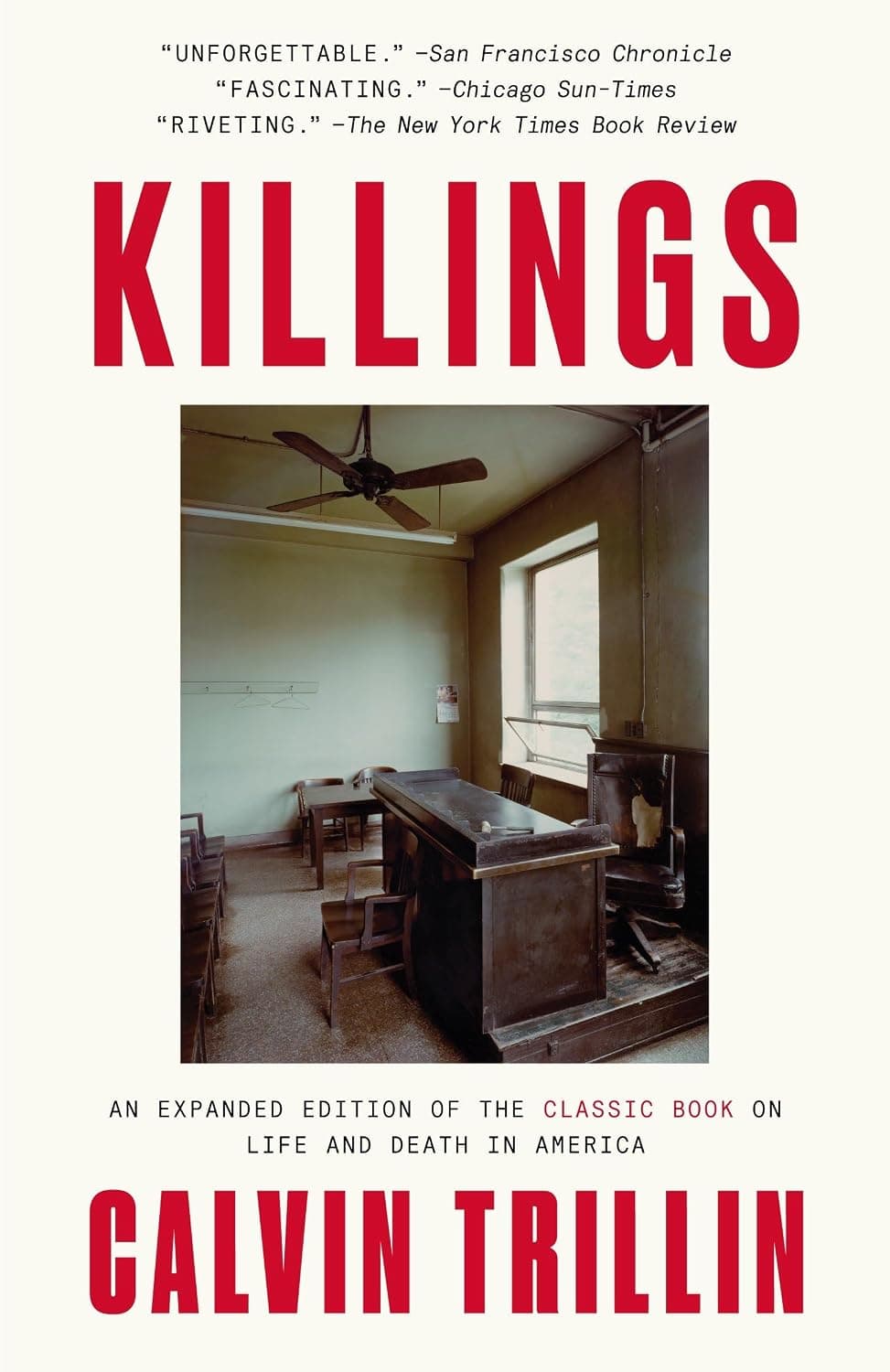
One killing per chapter, in towns no reporter usually visits, including a Kentucky landowner who shot a documentary filmmaker for trespassing. Trillin cares how these Americans lived, not how they died.

Freetown, Virginia was founded by freed slaves, including Edna Lewis's grandfather, and her cookbook is that community's year: what the farm gave in each season and the meal it made.
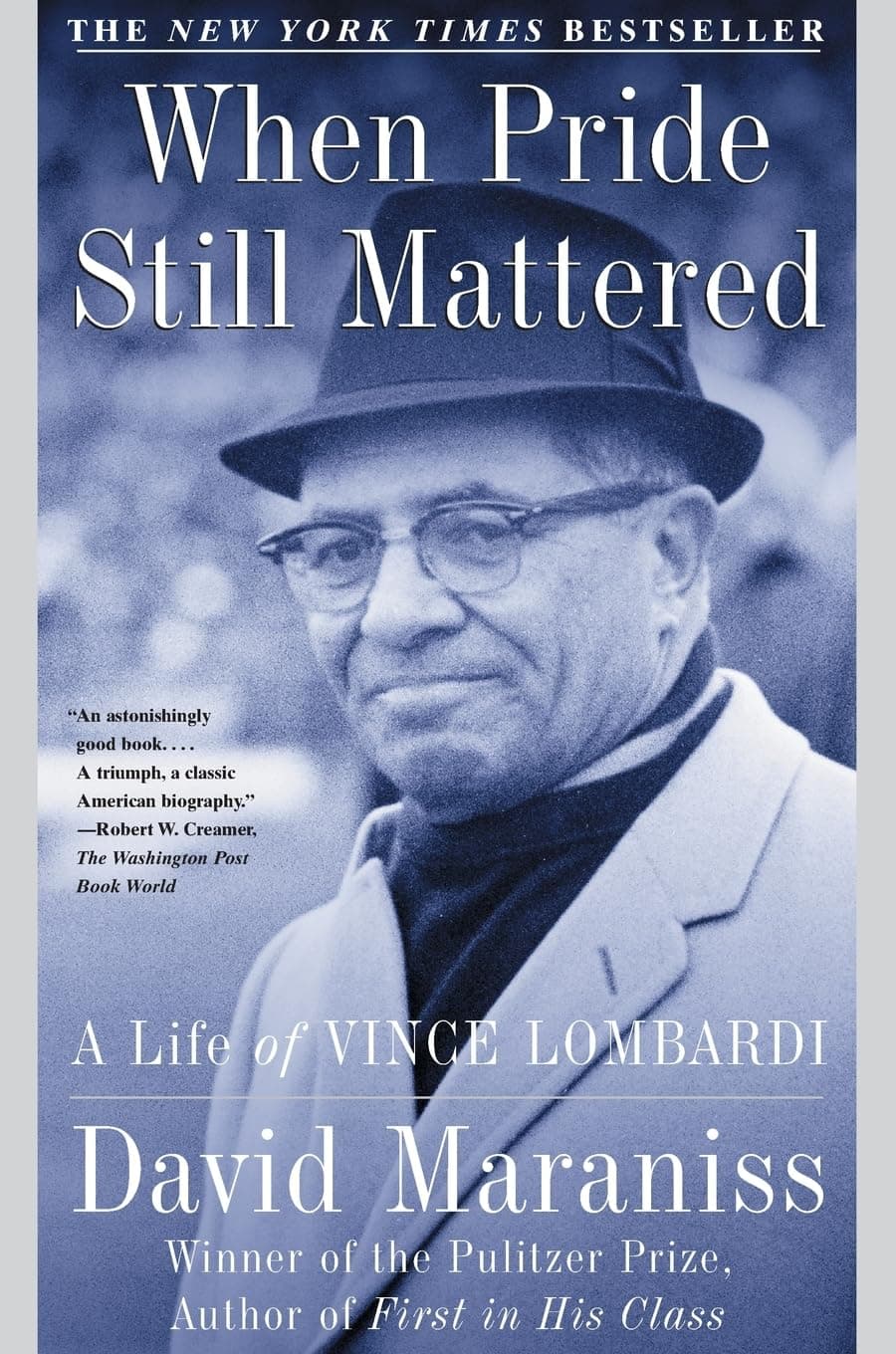
The finest life written of an American coach. Maraniss takes Lombardi from a Brooklyn butcher's son studying for the priesthood to the Packers dynasty, and shows what the discipline cost his family.

Bourdain cooked for two decades, then told everything: the drugs, the immigrant crews who hold restaurants up, why you never order fish on Monday. He made the line cook a figure Americans envied.

No history of hip hop is better. Chang begins with landlords burning the Bronx, arrives at Kool Herc's turntables, and reads Public Enemy and the Los Angeles riots as one generation's politics.

Lorelei Lee, a blonde from Arkansas, keeps a diary about the men who buy her diamonds and gives away far more than she knows. Edith Wharton called it the great American novel.
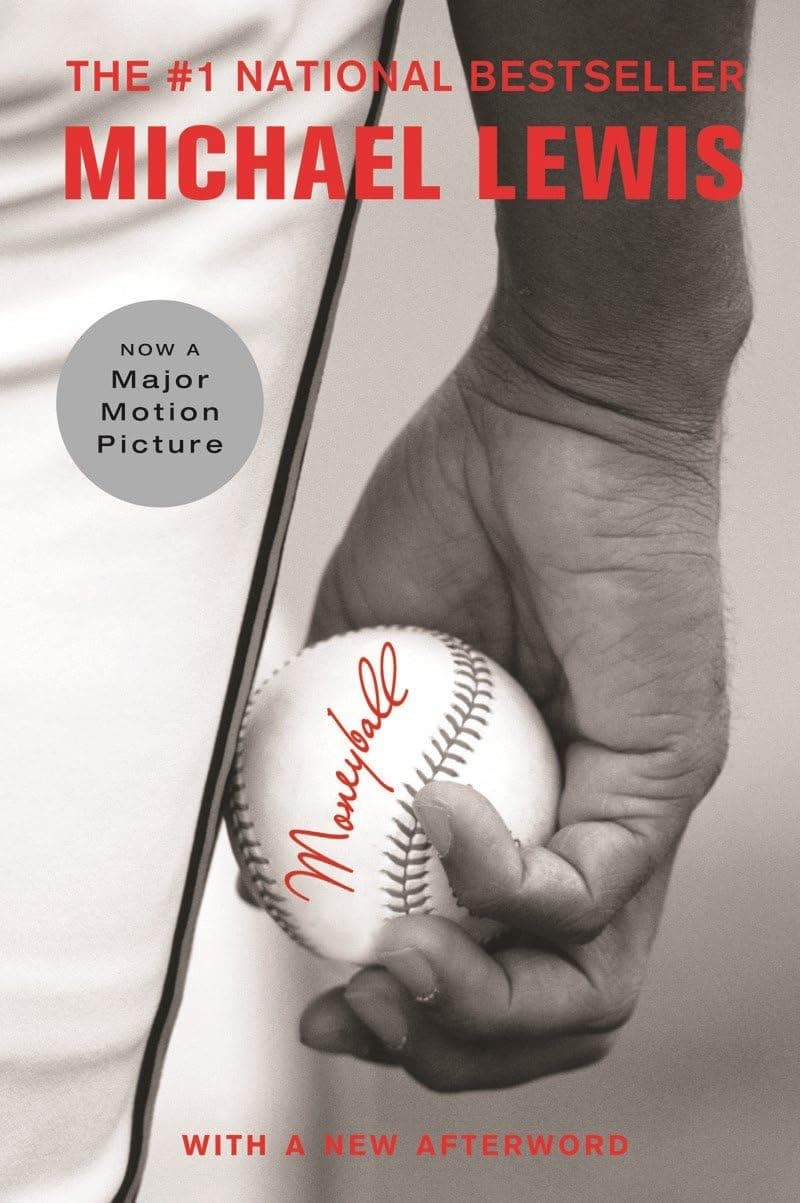
Oakland spent a third of what the Yankees spent and won as many games, buying the hitters scouts despised. Every team in baseball now runs on the arithmetic Lewis watched Billy Beane use.
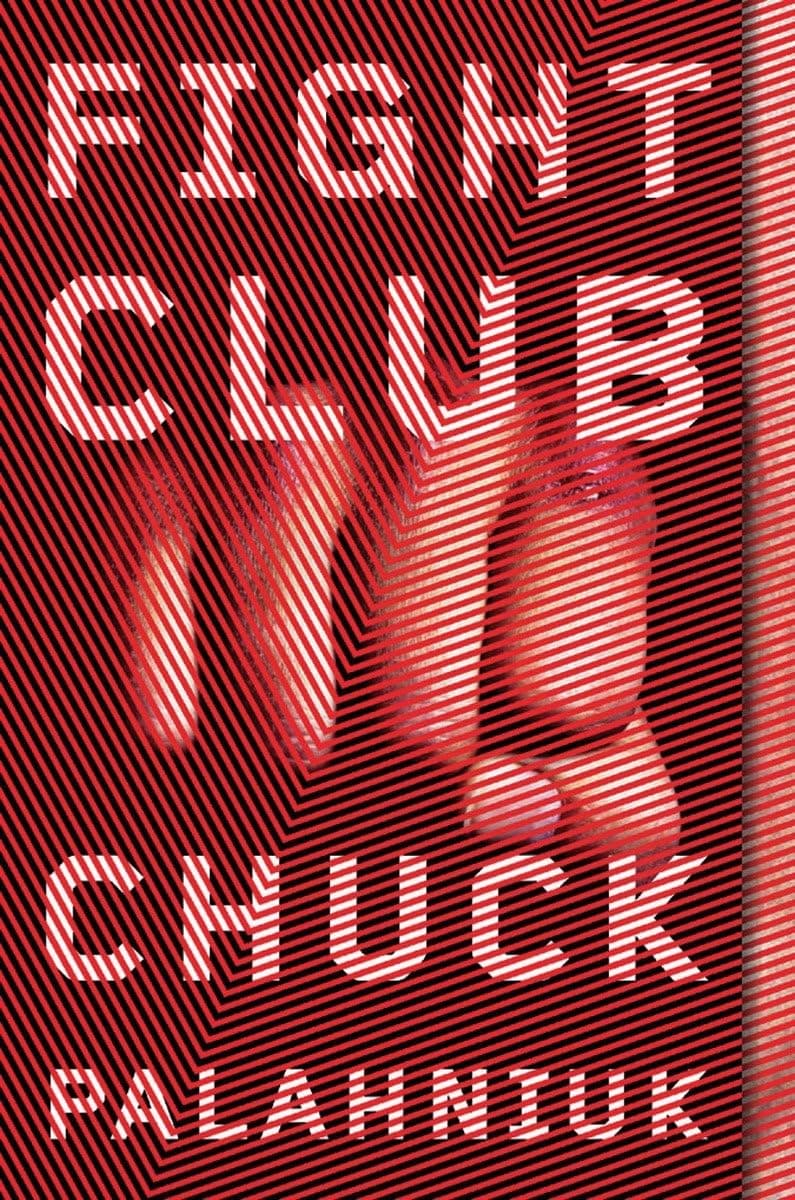
Men beat each other in basements because nothing else in their lives is real. Palahniuk's narrator fakes illness for the support groups, meets the soap salesman Tyler Durden, and builds an army.

Soldiers killed Sepha Stephanos's father in Ethiopia, and seventeen years on he keeps a failing store in a Washington neighborhood gentrifying around him. With two African friends he plays at naming dictators.

Berlin cleaned houses, worked emergency rooms, raised four sons, and drank. Forty-three stories out of that life, Alaska to Mexico City, written so plainly and fast you miss how much is inside them.
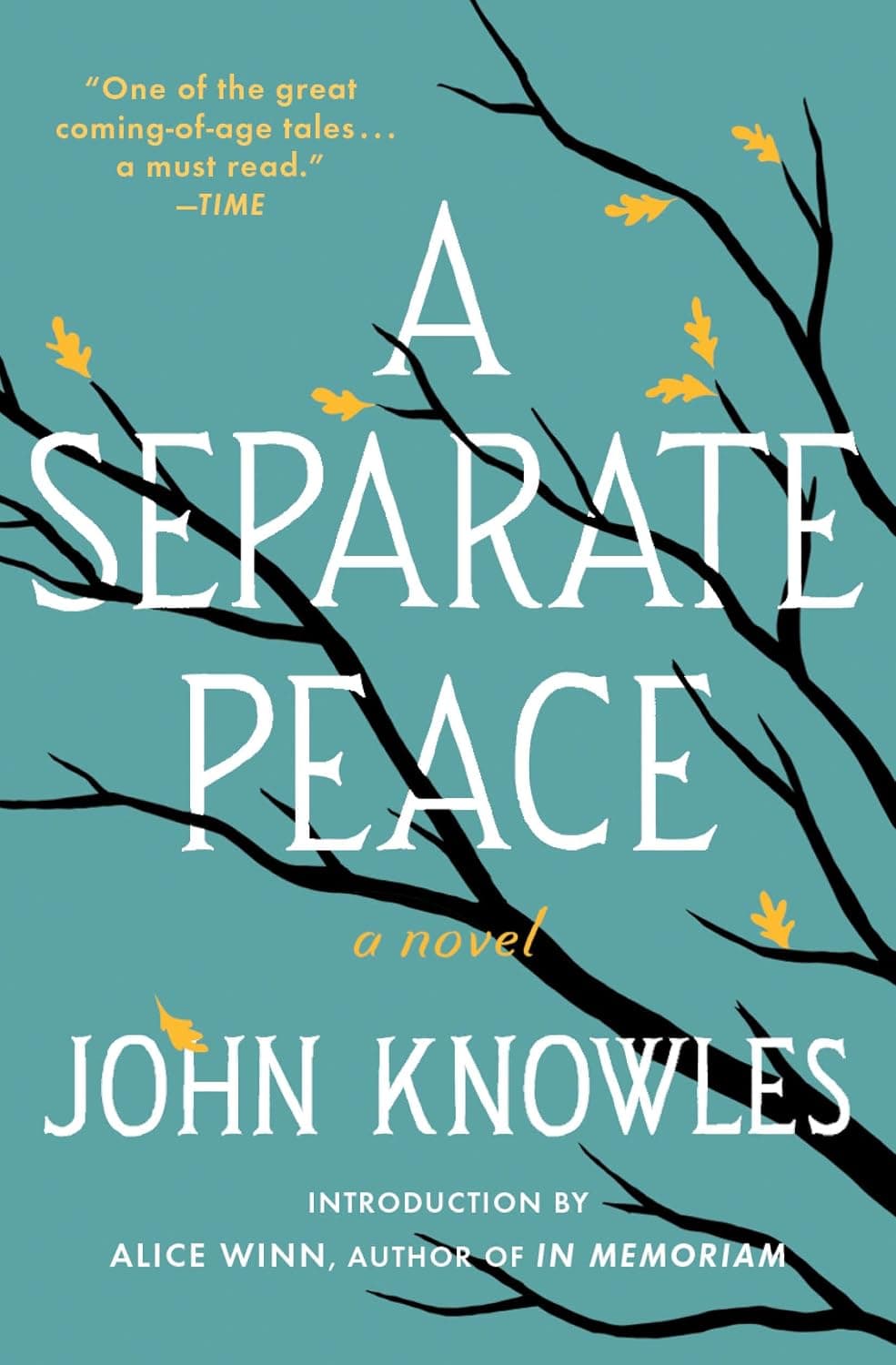
In the summer of 1942, at a New Hampshire boarding school, Gene envies his fearless friend Finny enough to jounce the branch they are standing on. Knowles found the war inside a friendship.