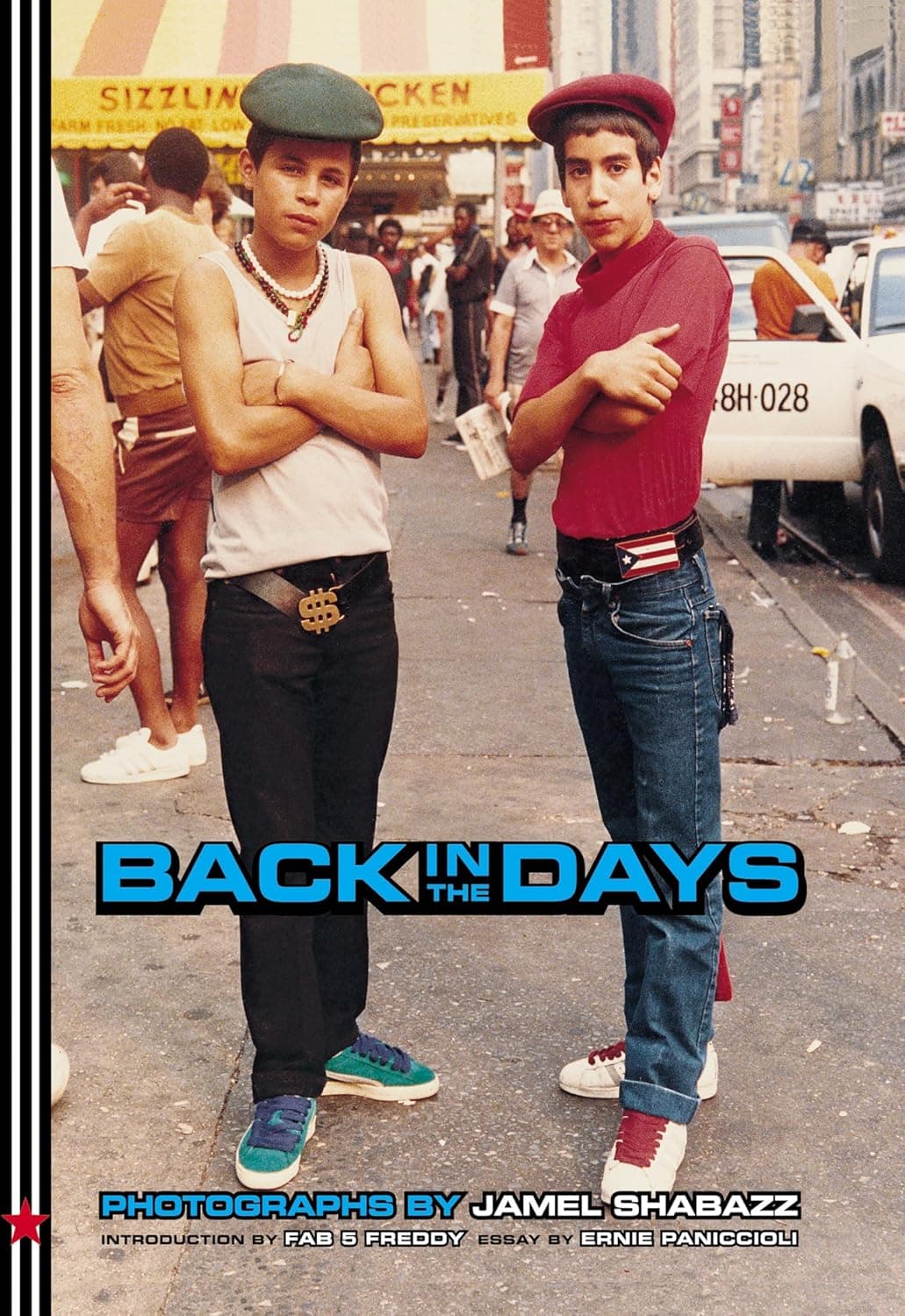
Back in the Days
2001 · 128 pages
Between 1980 and 1989, Shabazz stopped young New Yorkers on the street and photographed them in shell-toe Adidas, sheepskin coats, and gold ropes. Everything hip hop later sold the world is already here.
★ 4.3
 skopia
Between 1980 and 1989, Shabazz stopped young New Yorkers on the street and photographed them in shell-toe Adidas, sheepskin coats, and gold ropes. Everything hip hop later sold the world is already here.

Sister Mary Bradley, a grandmother Hughes invented, tells death to wait because her feet are caught in the sweet flypaper of life, then walks you through DeCarava's photographs of her Harlem block.

Bourdain cooked for two decades, then told everything: the drugs, the immigrant crews who hold restaurants up, why you never order fish on Monday. He made the line cook a figure Americans envied.

No history of hip hop is better. Chang begins with landlords burning the Bronx, arrives at Kool Herc's turntables, and reads Public Enemy and the Los Angeles riots as one generation's politics.

Lorelei Lee, a blonde from Arkansas, keeps a diary about the men who buy her diamonds and gives away far more than she knows. Edith Wharton called it the great American novel.

Henry Hill spent twenty-five years as a Lucchese associate, from stolen cigarettes to the Lufthansa robbery, and Pileggi lets him tell it himself. Scorsese lifted whole scenes of Goodfellas straight from it.

Jackson, a pious Harlem hearse driver, loses his savings to a con man promising to turn tens into hundreds. Himes wrote the funniest and most violent Harlem in American crime fiction.
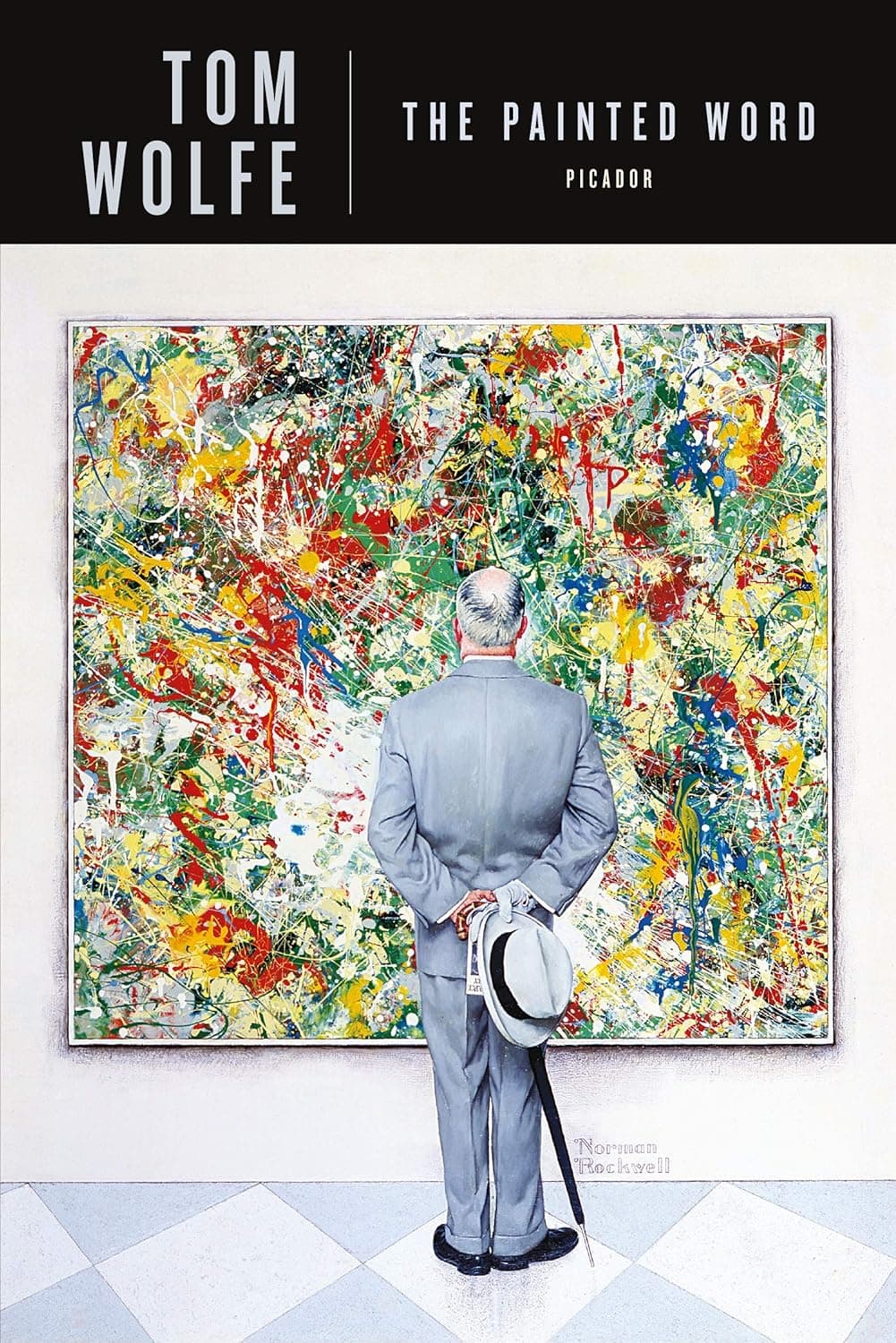
Modern painting had become an illustration of theory, Wolfe argued, invisible without the words. He named the three critics who ruled taste in New York, and the art world came after him howling.

Anthony Patch and his wife Gloria decide to wait for his grandfather's millions rather than work. Fitzgerald follows the waiting year by year, as the parties thin out and the drinking never does.

Dark-skinned and Puerto Rican in 1940s Spanish Harlem, Thomas was Black to white America and not Black to his own family. Gangs, heroin, and seven years in prison follow, told in barrio speech.
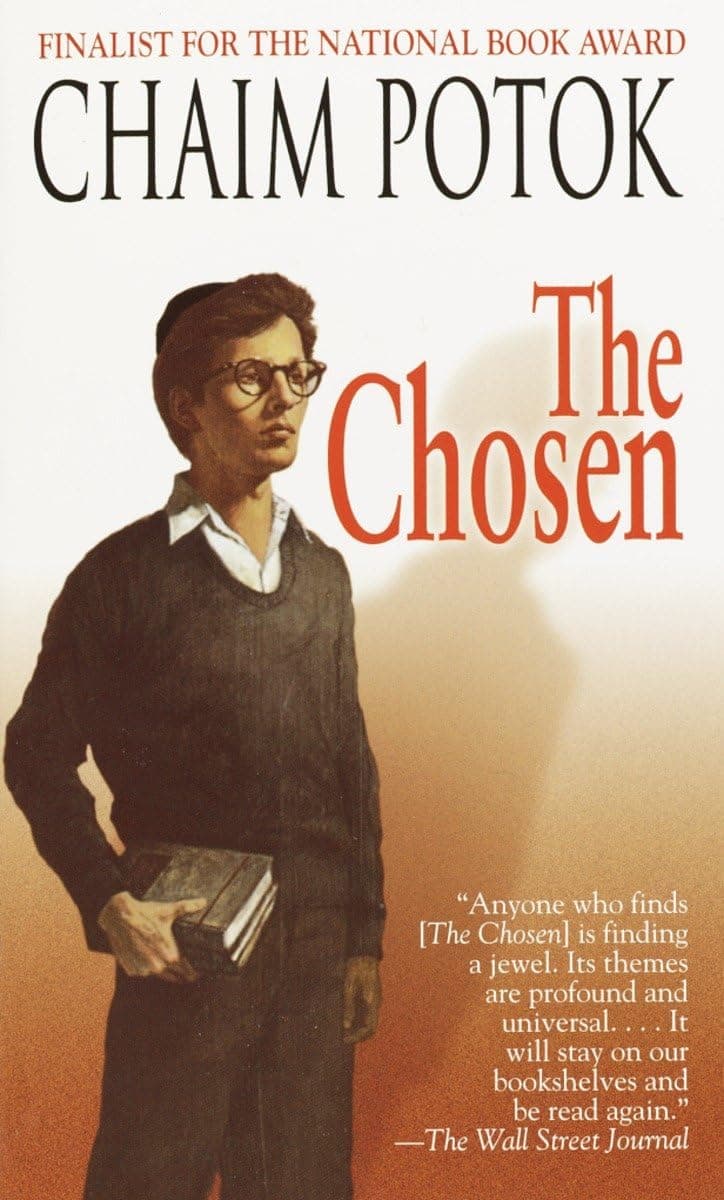
Two Brooklyn boys meet when one's line drive shatters the other's glasses at a yeshiva ball game. Danny, raised in silence to inherit a Hasidic dynasty, is secretly reading Freud in German.
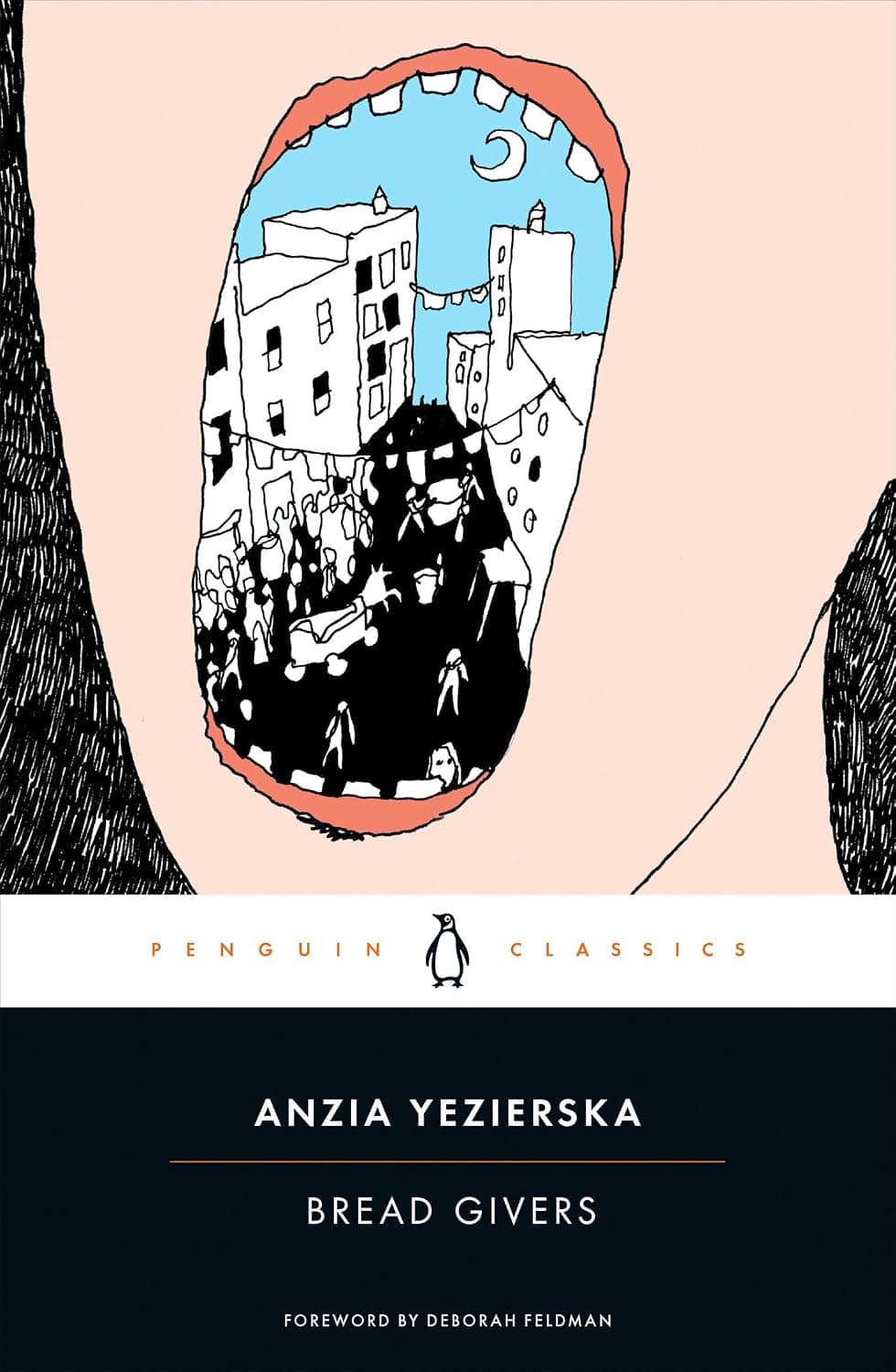
Sara Smolinsky's father studies Torah in a Lower East Side tenement while her mother takes in boarders and he marries her sisters to men they dread. She leaves at seventeen for night school.
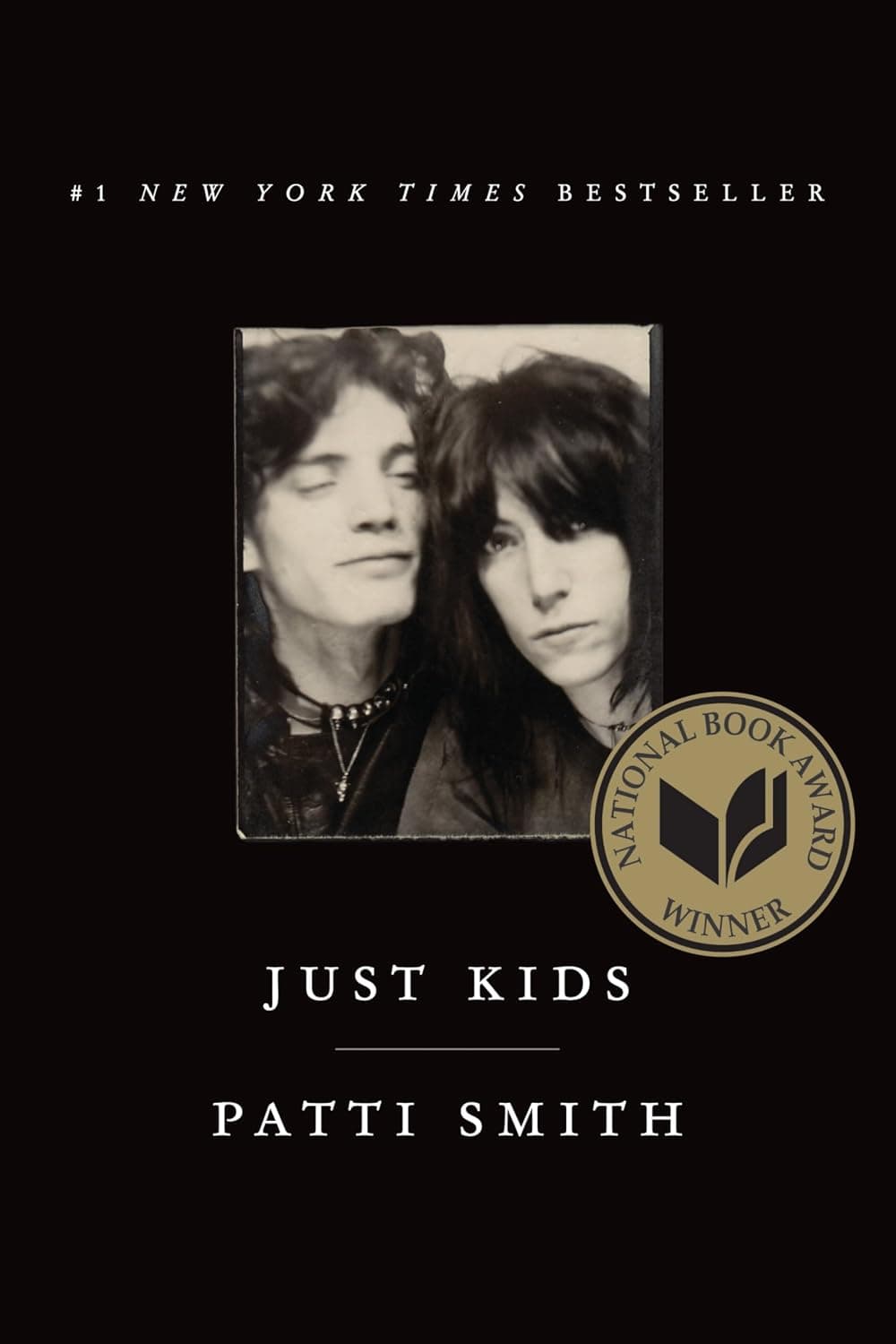
Patti Smith and the photographer Robert Mapplethorpe met in 1967 New York, broke and twenty, and held each other to the promise of becoming artists. She wrote it at his dying request.

Four generations of one bank, from Victorian London to the crash of 1987. Chernow's Pierpont Morgan locks New York's bankers in his library until they agree to end the Panic of 1907.

Sherman McCoy, a Park Avenue bond trader who calls himself a Master of the Universe, takes a wrong turn into the Bronx. A boy is struck, and Wolfe feeds him to New York.

Riis went into New York's tenements at night with a camera and flash powder, and brought back the room where twelve people slept. Roosevelt sought him out, and the worst blocks came down.
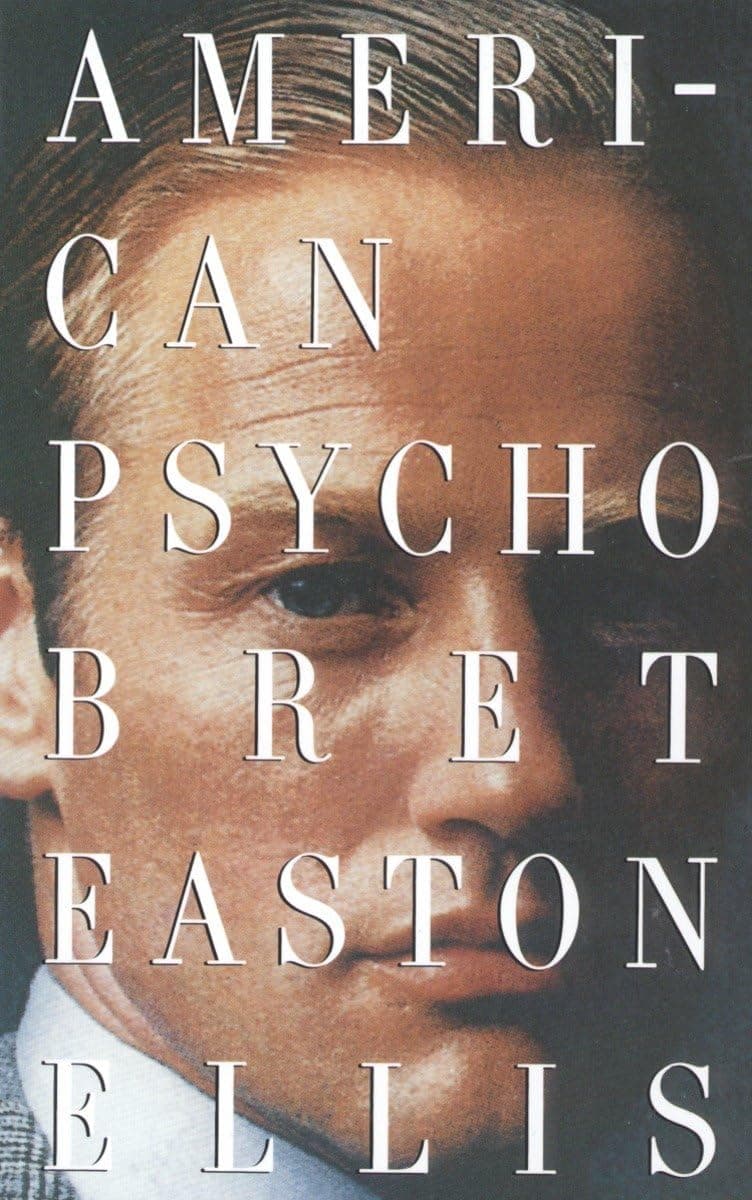
Patrick Bateman works mergers and acquisitions, agonizes over the typeface on a colleague's business card, and narrates atrocities in the voice he uses for Huey Lewis albums. Reagan's Wall Street becomes horror comedy.

In August 1974 a man steps onto a wire between the Twin Towers. Below him McCann gathers the whole city: an Irish monk living among Bronx prostitutes, Park Avenue mothers grieving Vietnam.

Smuggled out of occupied Prague in a coffin with the Golem, Joe Kavalier lands in Brooklyn and invents a superhero with his cousin. Chabon makes comics their one weapon against Hitler.

The scout Hawkeye and the last two Mohicans guide two sisters through the French and Indian War. Cooper made the frontiersman a national hero, and the Western has lived off him since.