Japanese Woodblock Prints
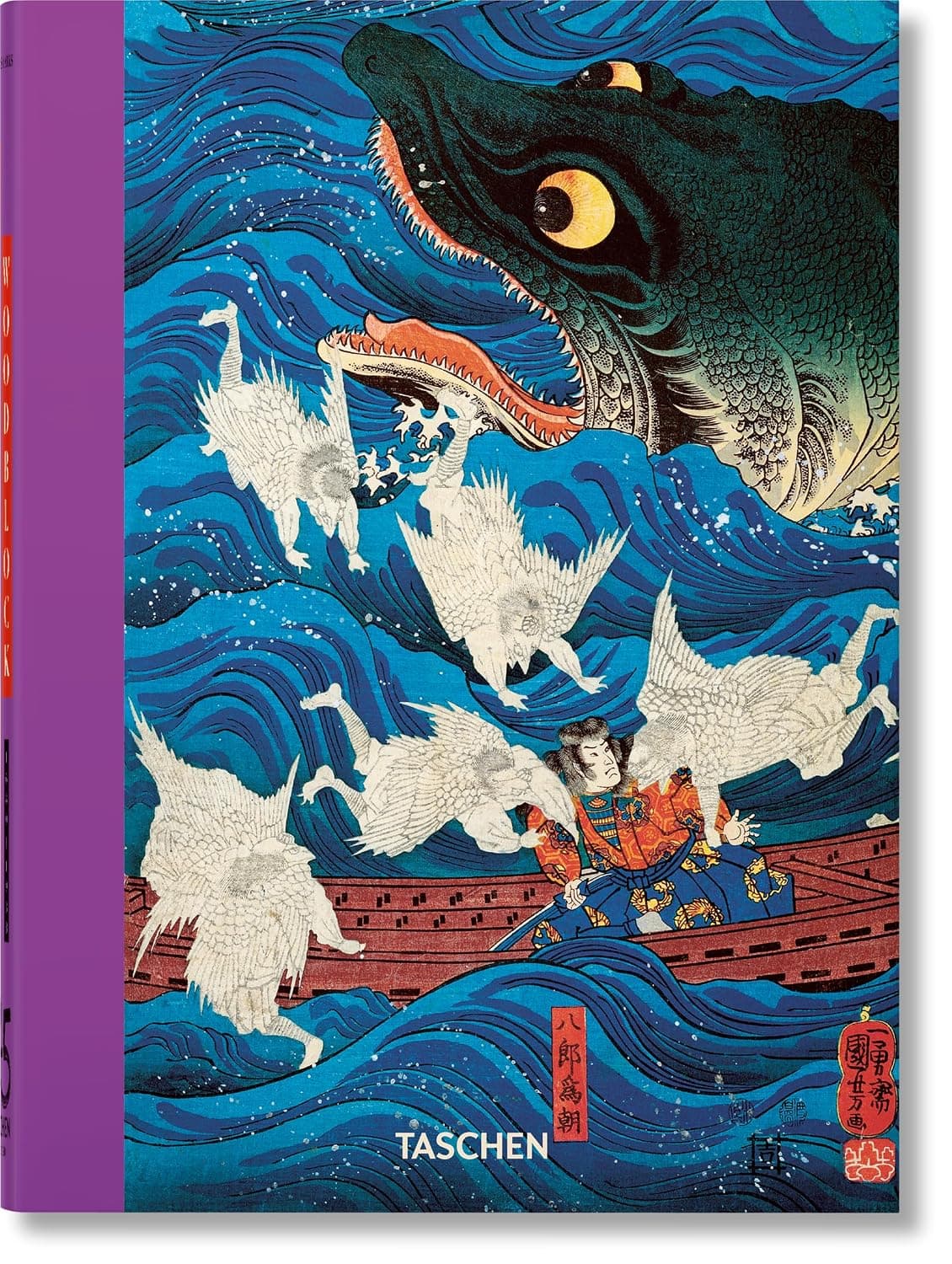
Two hundred prints run chronologically from 1680 to 1938, black-and-white sheets giving way to the full-color glut of Utamaro's beauties, Hiroshige's roads, and Hokusai's wave. Marks names the publisher behind every design.

Two hundred prints run chronologically from 1680 to 1938, black-and-white sheets giving way to the full-color glut of Utamaro's beauties, Hiroshige's roads, and Hokusai's wave. Marks names the publisher behind every design.

Two bodies lie on a Kyushu beach, arranged as lovers who died together, and the case turns on four minutes at Tokyo Station. Matsumoto pointed Japanese crime fiction straight at government corruption.

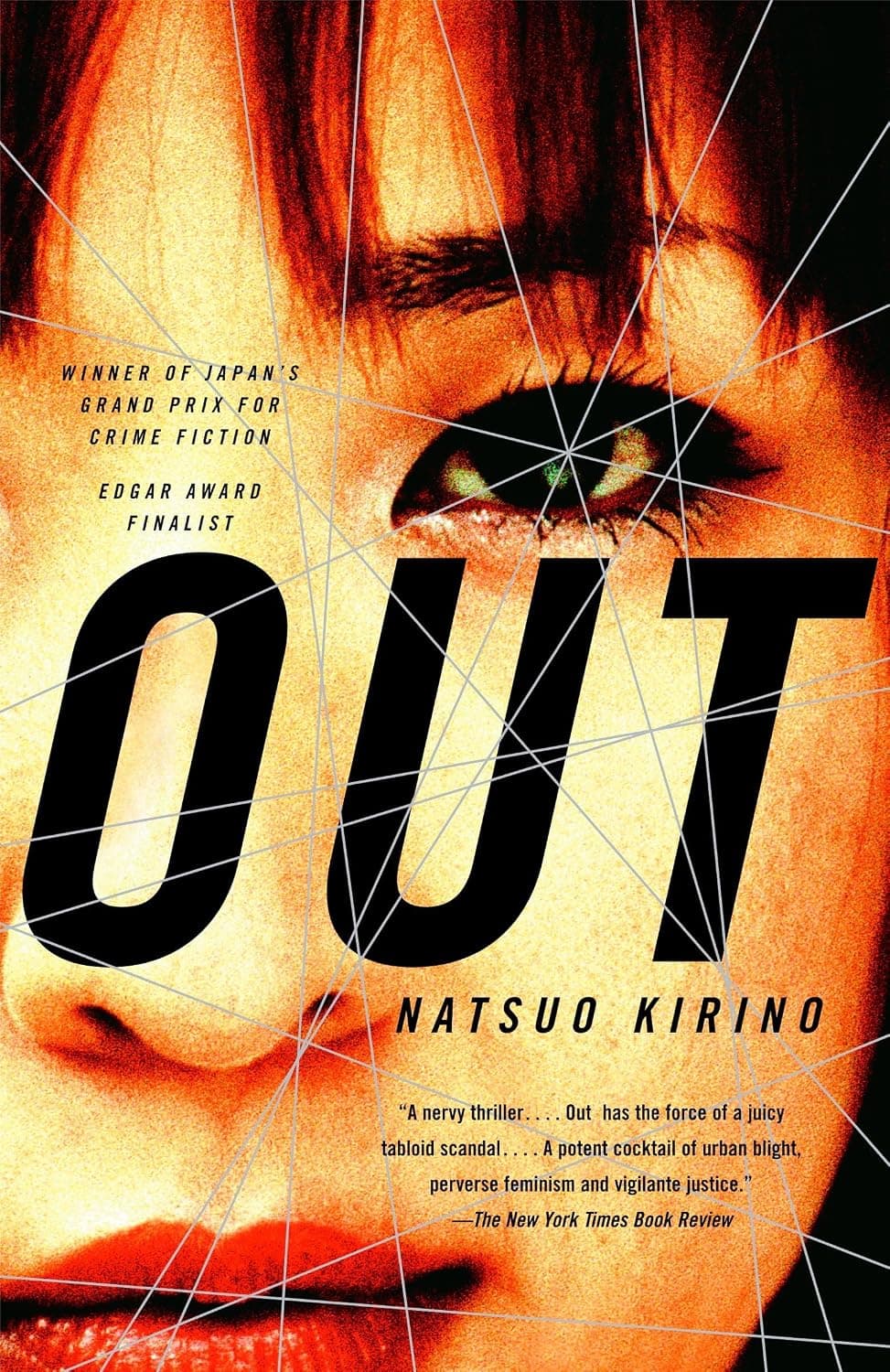
Four women pack boxed lunches on a Tokyo night shift. One strangles her husband, the others take the body apart, and the invisibility that shrank their lives turns out to protect them.

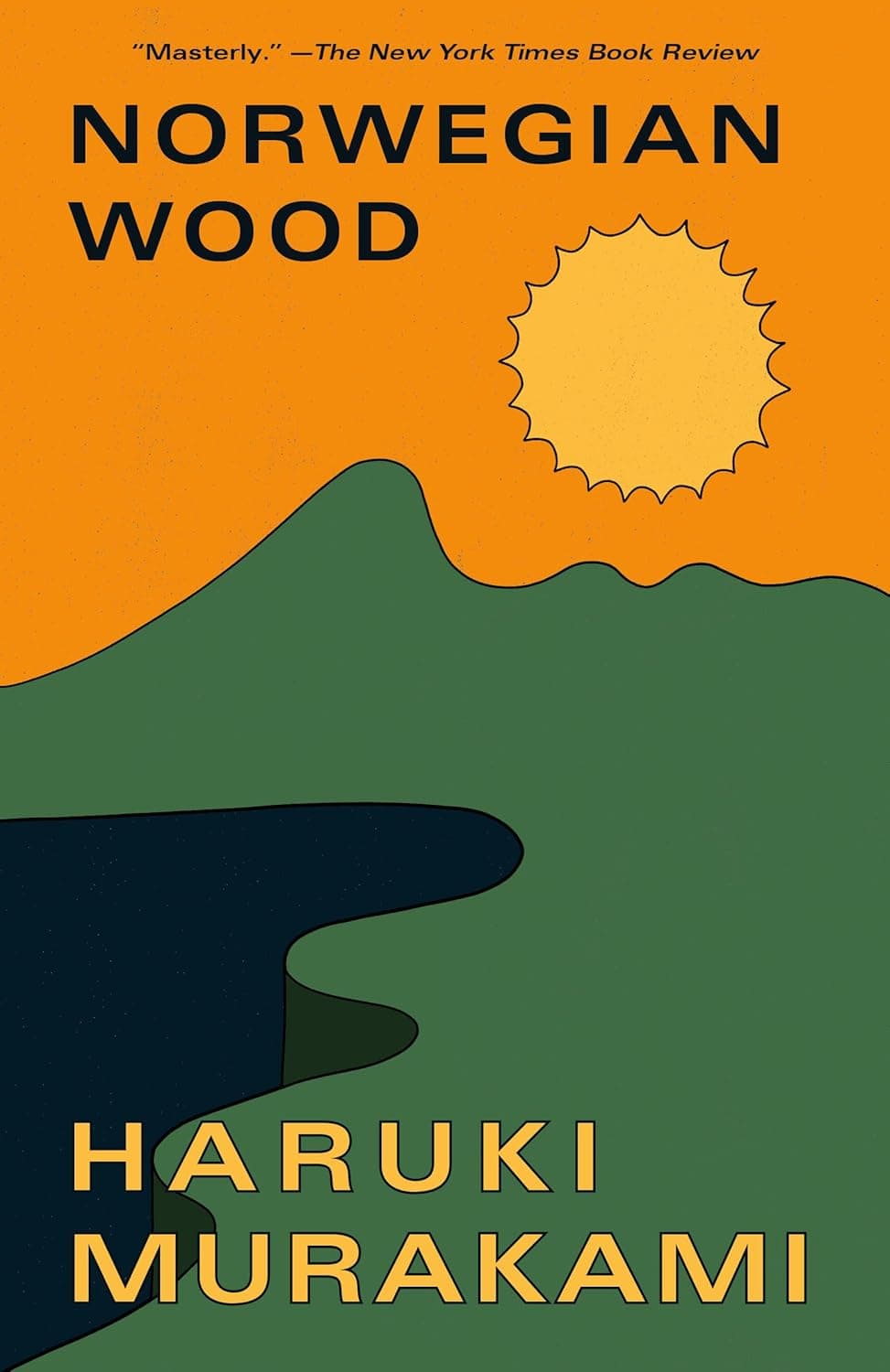
Hearing the Beatles song years later, a man returns to 1969 Tokyo, where his best friend's suicide left him loving two women at once. Murakami dropped the fantastic entirely, and Japan devoured it.

Beauty in things imperfect, impermanent, and incomplete. Koren traces the aesthetic from the Japanese tea room to the cracked bowl, and gives Western design a language for everything corporate polish cannot reach.

Shinji fishes off a Japanese island and loves Hatsue, the pearl diver whose father owns the boats. Mishima set the Greek romance Daphnis and Chloe in postwar Japan and left the darkness out.

Chieko, a foundling raised by a Kyoto kimono merchant, meets the twin sister who logs cedar in the mountains. Kawabata carries them through a year of festivals in a city losing its crafts.

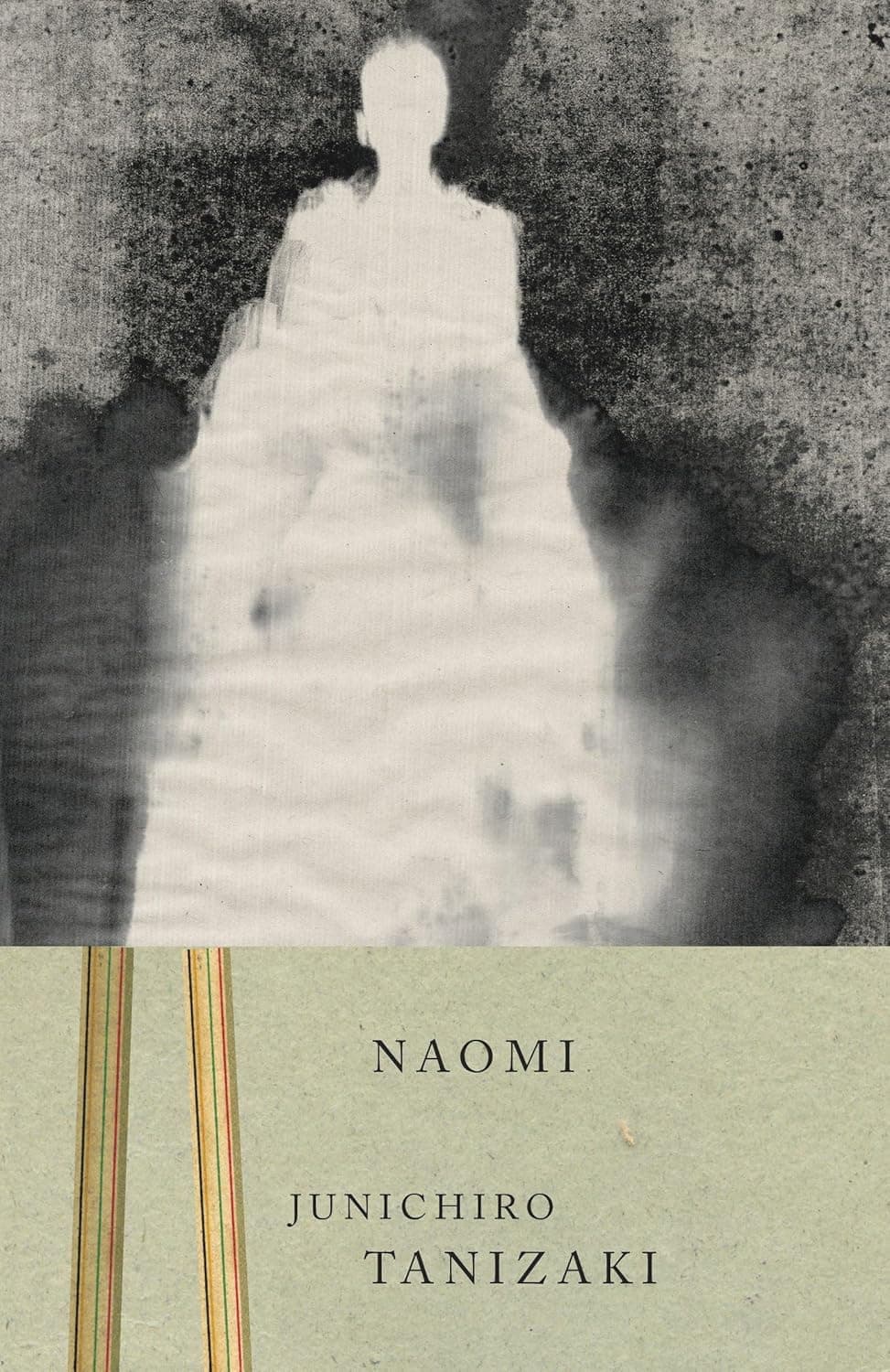
Joji, a Tokyo engineer, takes home a fifteen-year-old cafe waitress to raise into a Western-style wife, and she ruins him instead. Naomi became the emblem of Japan's modern girl and scandalized older readers.

Two stories alternate: a man who encrypts data inside his mind, and a newcomer to a walled town reading dreams from unicorn skulls. Murakami has been returning to that architecture for forty years.

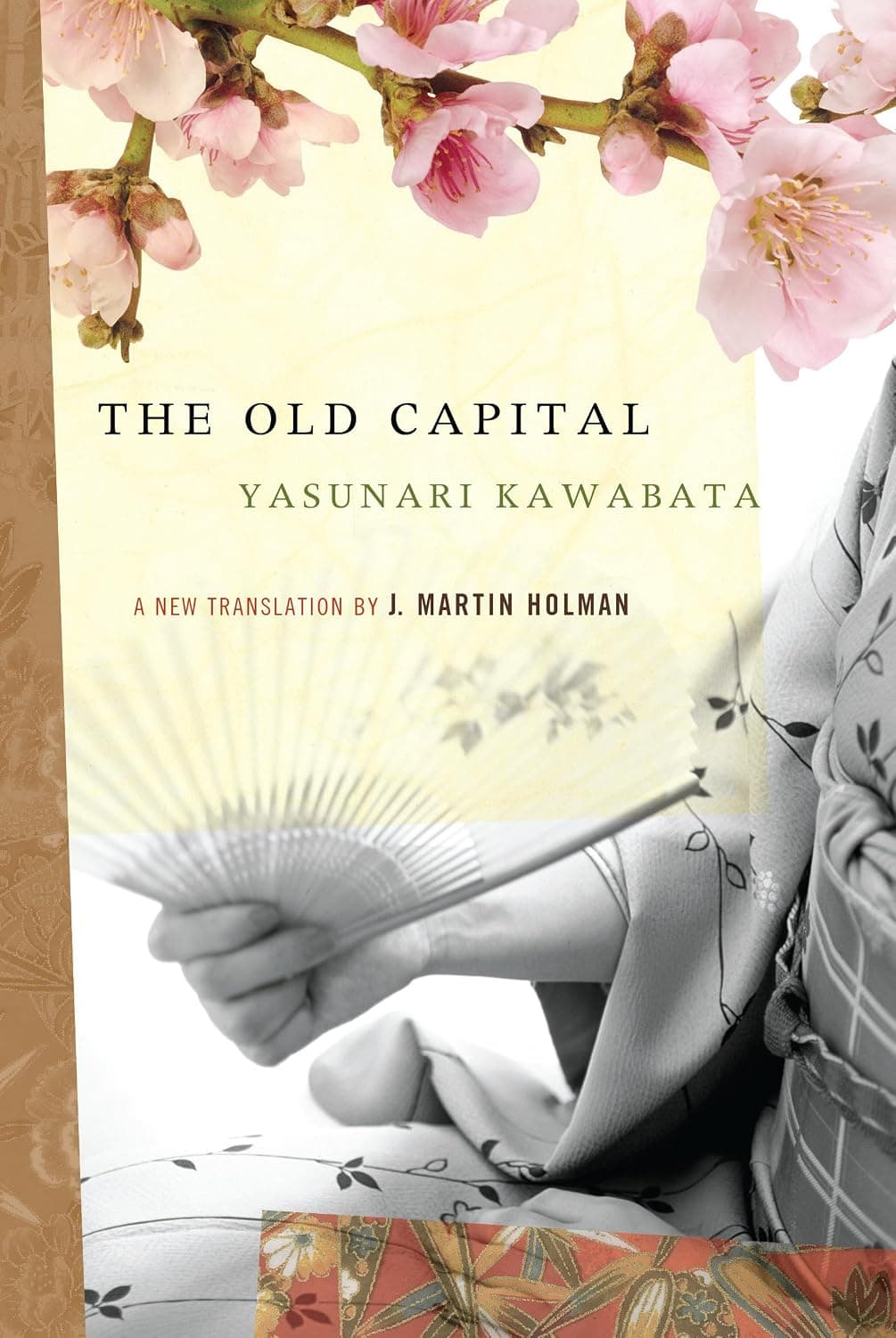
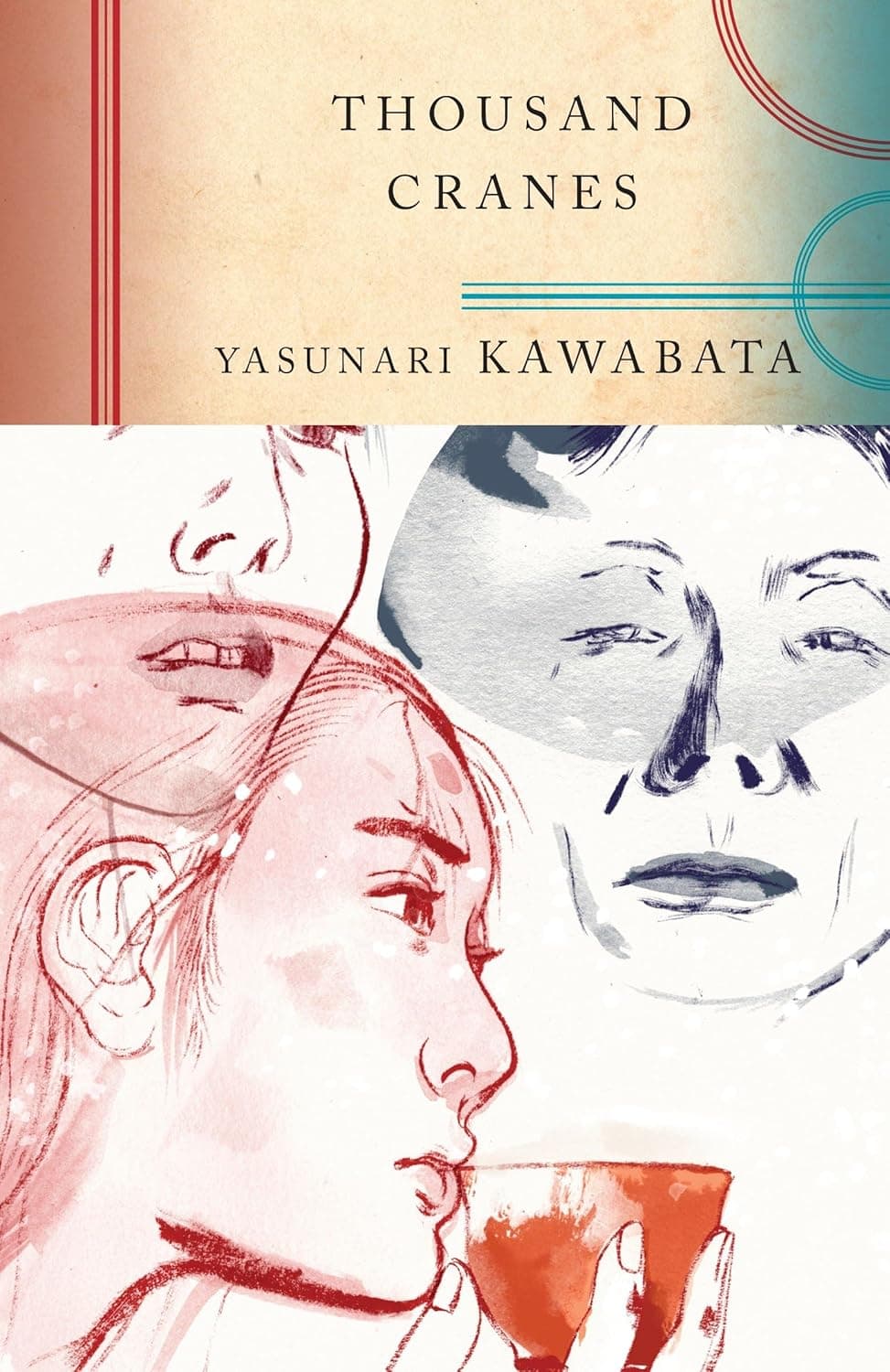
At a tea ceremony in postwar Japan, a young man is steered toward a bride and finds his dead father's mistresses waiting. Kawabata routes the affair entirely through inherited tea bowls.

A maid hid 264 Japanese carvings in her mattress while the Nazis stripped the Vienna palace of the Ephrussi bankers. De Waal, their descendant, follows the objects through his family's rise and ruin.

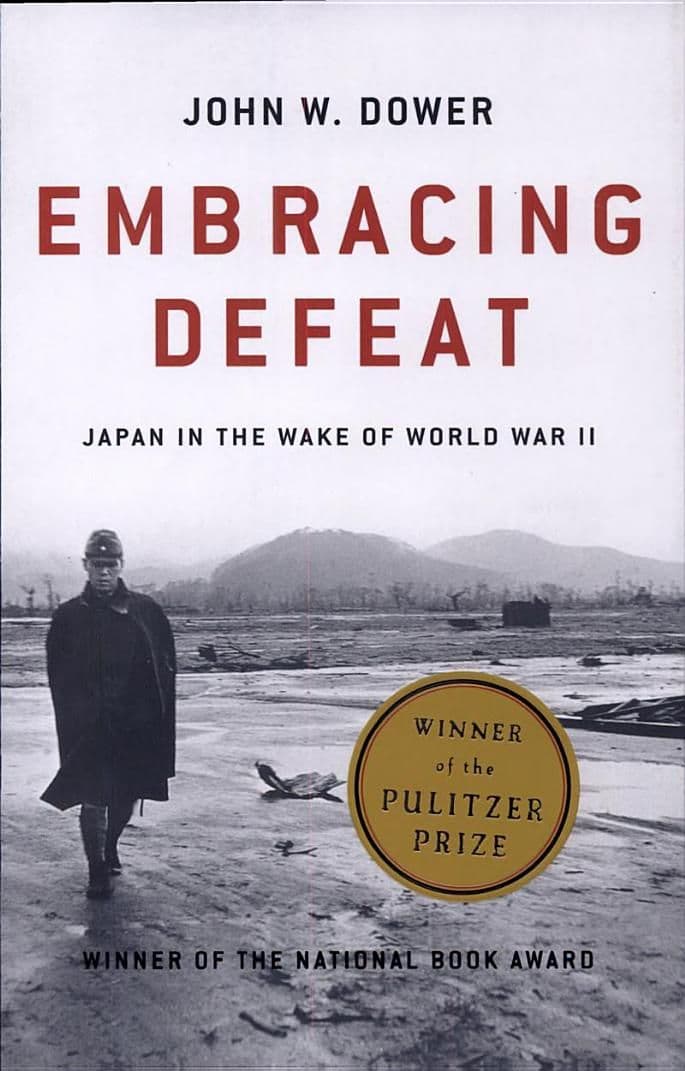
Defeated Japan is starving and occupied. Dower tells the years after 1945 from street level, through black markets, pulp magazines, and letters to MacArthur. The Japanese emerge remaking themselves rather than remade.

Writing from a hut ten feet square, a Kyoto recluse recalls the fire, whirlwind, famine, and earthquake that destroyed the capital, and concludes that nothing built by people is meant to stay.

Modern Japanese literature turns on this book. A student attaches himself to a withdrawn man he calls Sensei, and the letter that finally explains him confesses a betrayal that has never healed.

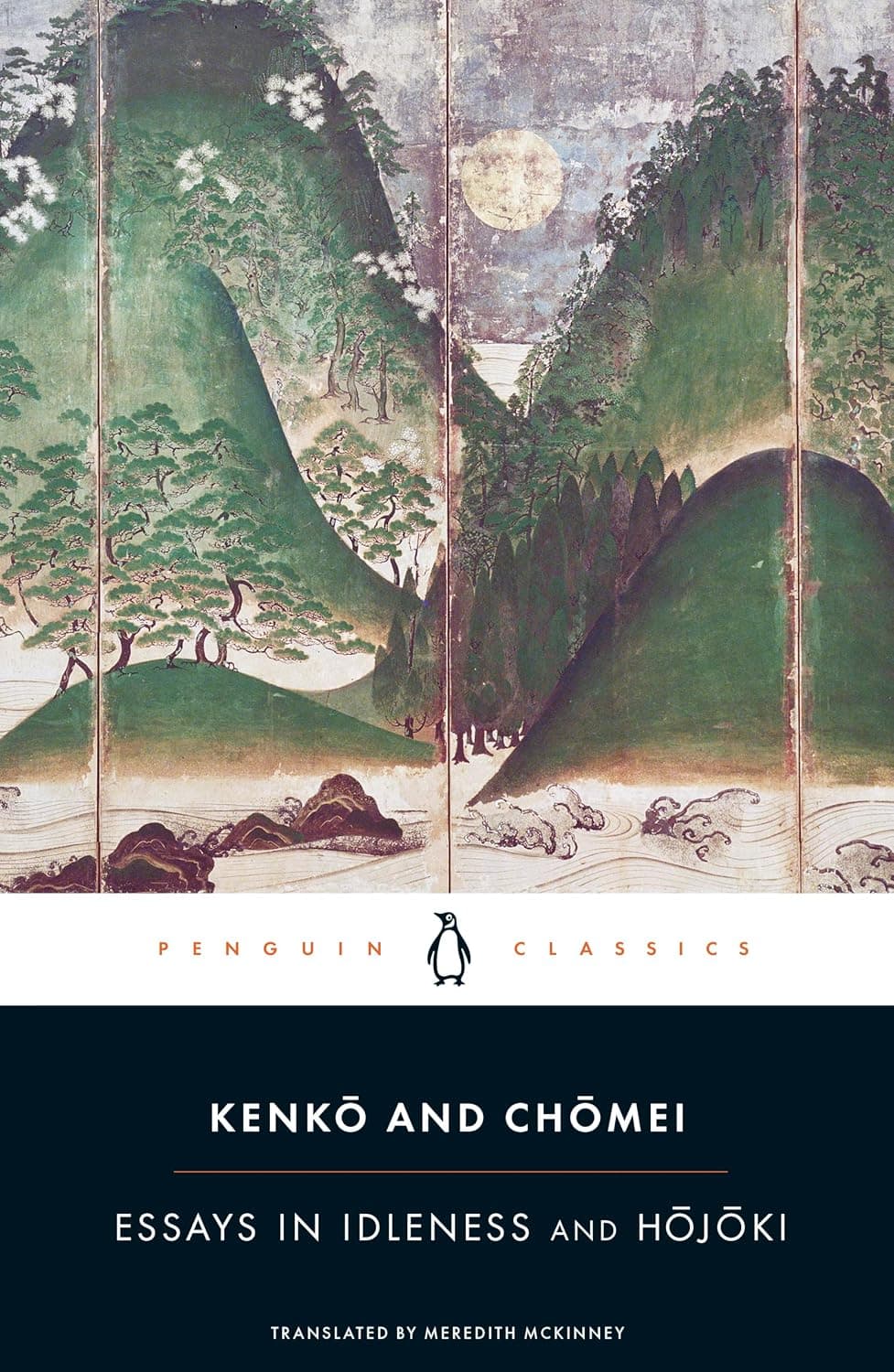
Writing in fourteenth-century Japan, the monk Kenko set down fragments on manners, boredom, and death, asking why we look at cherry blossoms only in full bloom. Impermanence makes attention urgent.

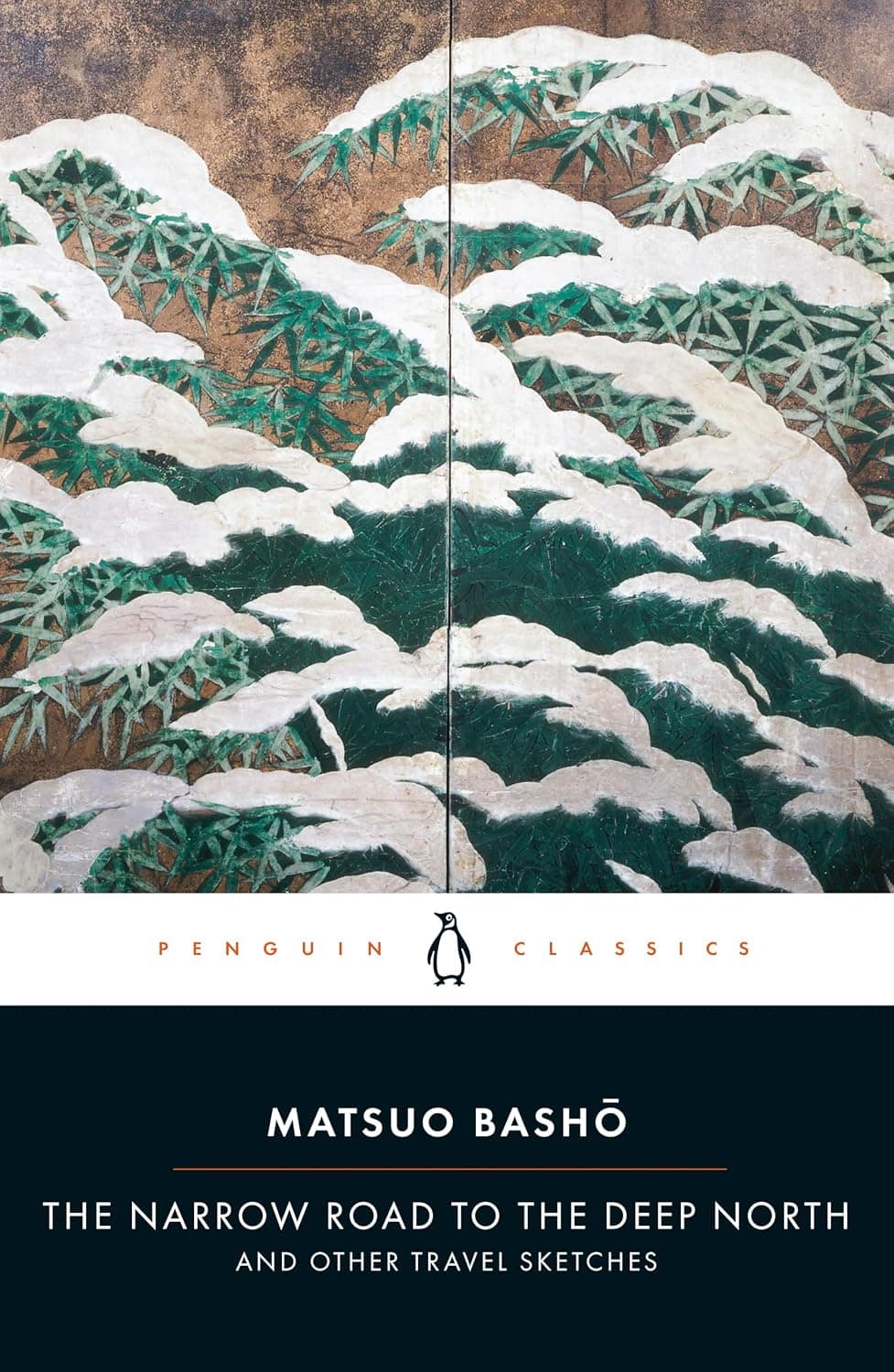
Basho sold his house and walked hundreds of miles into northern Japan, writing prose that stops for a haiku. At a battlefield he finds summer grass, all that remains of warriors' dreams.

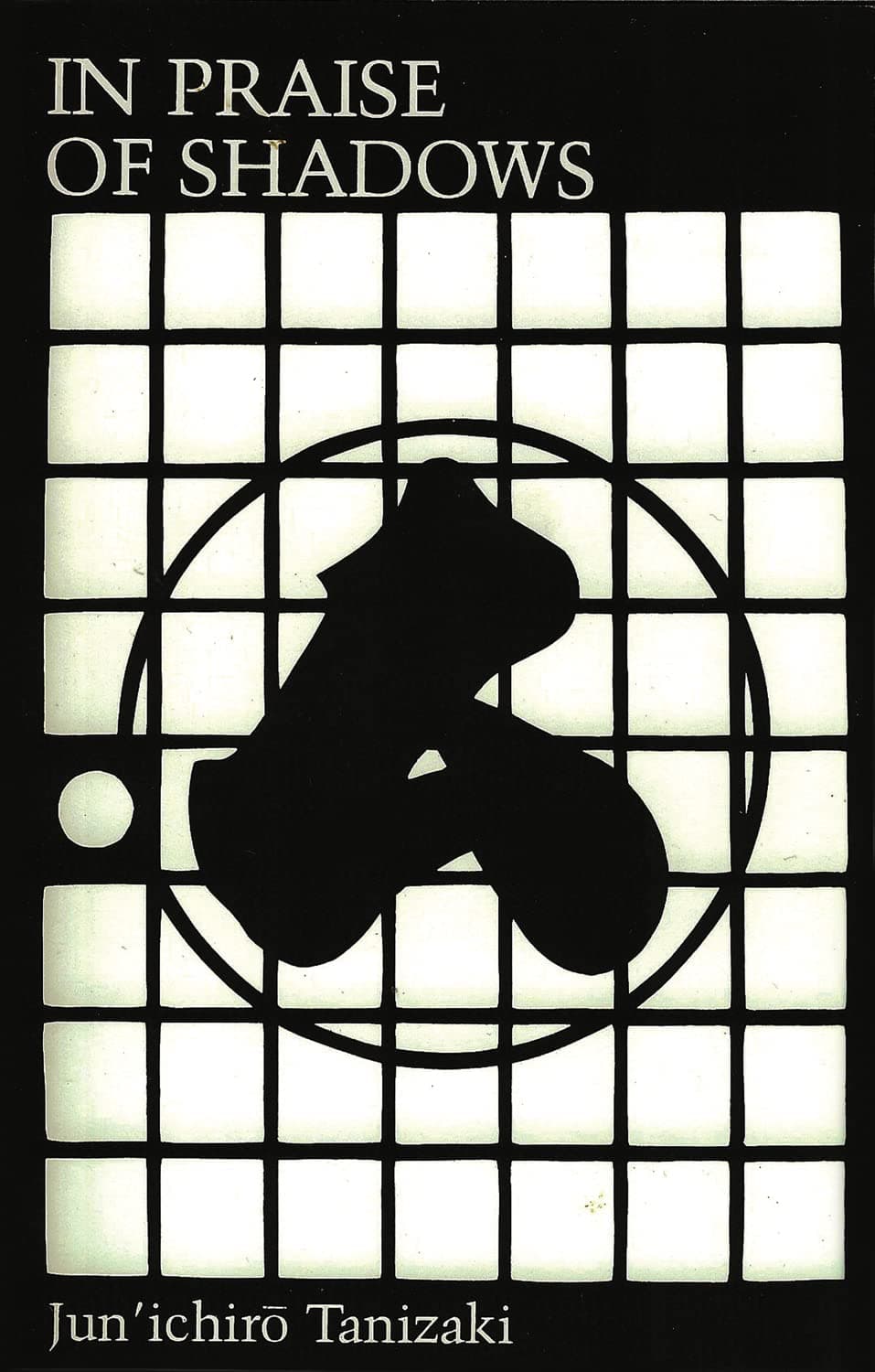
Tanizaki, a Japanese novelist, argues in earnest that the beauty of his country was made for dim rooms and wrecked by electric light. Lacquer, gold leaf, and old toilets all make his case.

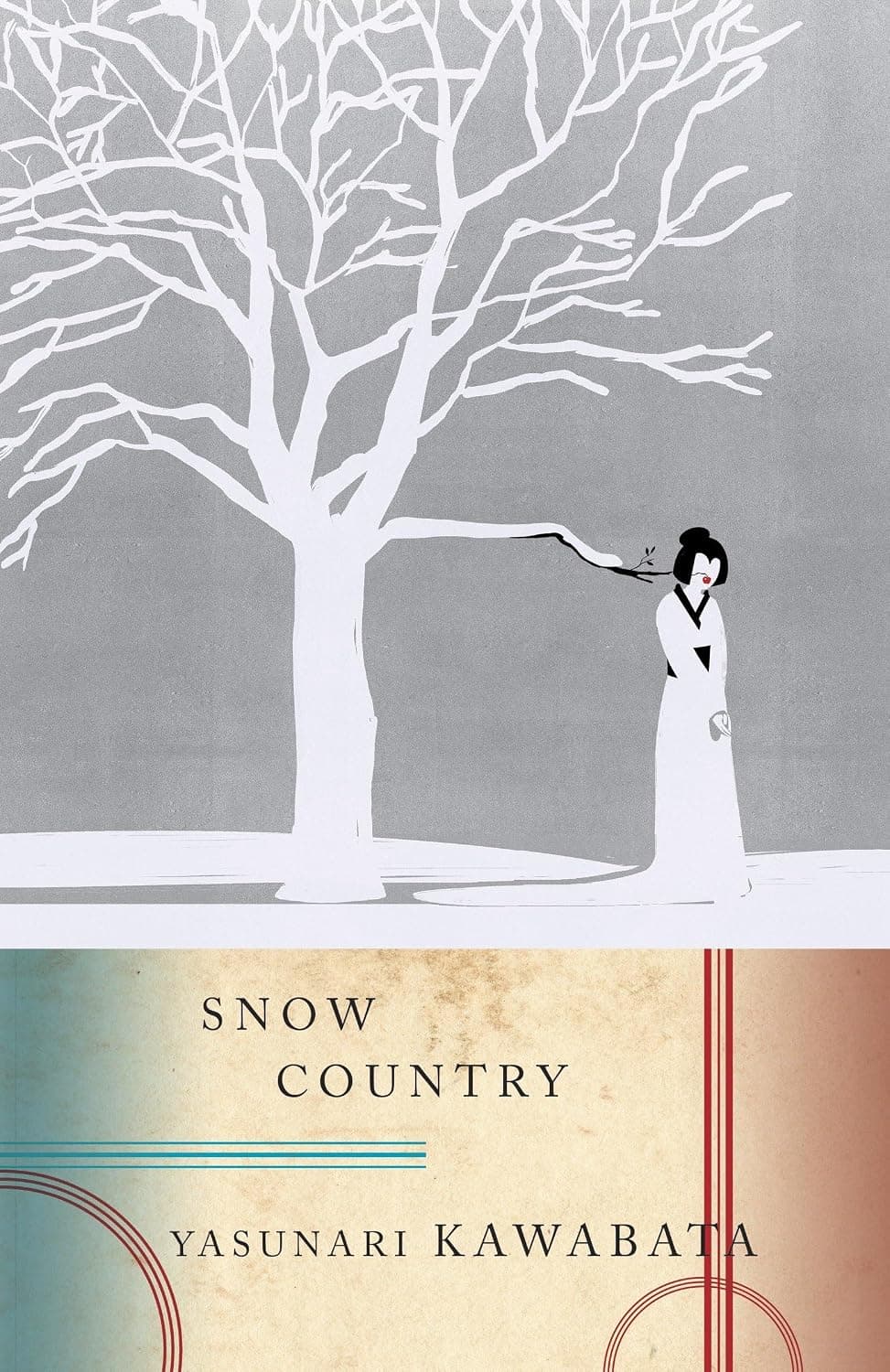
At a hot spring in Japan's snow country, a wealthy Tokyo idler keeps visiting a geisha who loves him past anything he can give. Kawabata states almost nothing and it lands anyway.

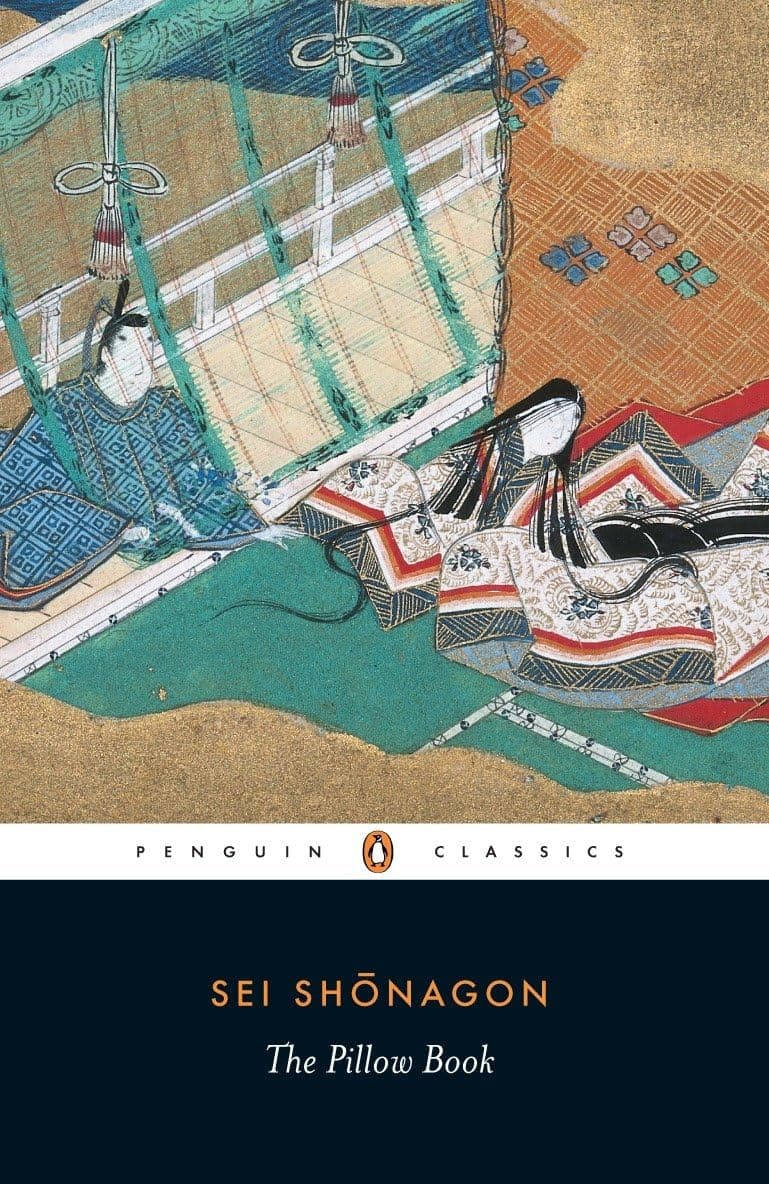
A thousand years ago in the Japanese court, a lady-in-waiting kept lists of things that make the heart beat faster and things she found hateful. Her snobbery is part of the pleasure.

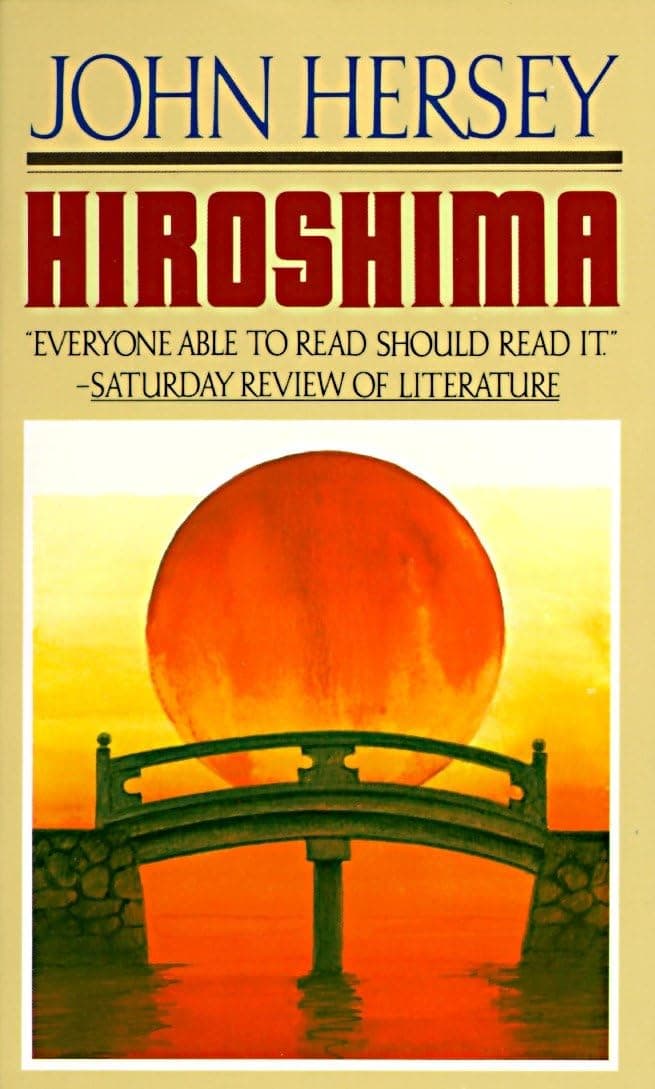
Six people survived the bomb at Hiroshima and Hersey follows them through the year after: a clerk, a widow, two doctors, and two clergymen. He writes flatly and it is unbearable.