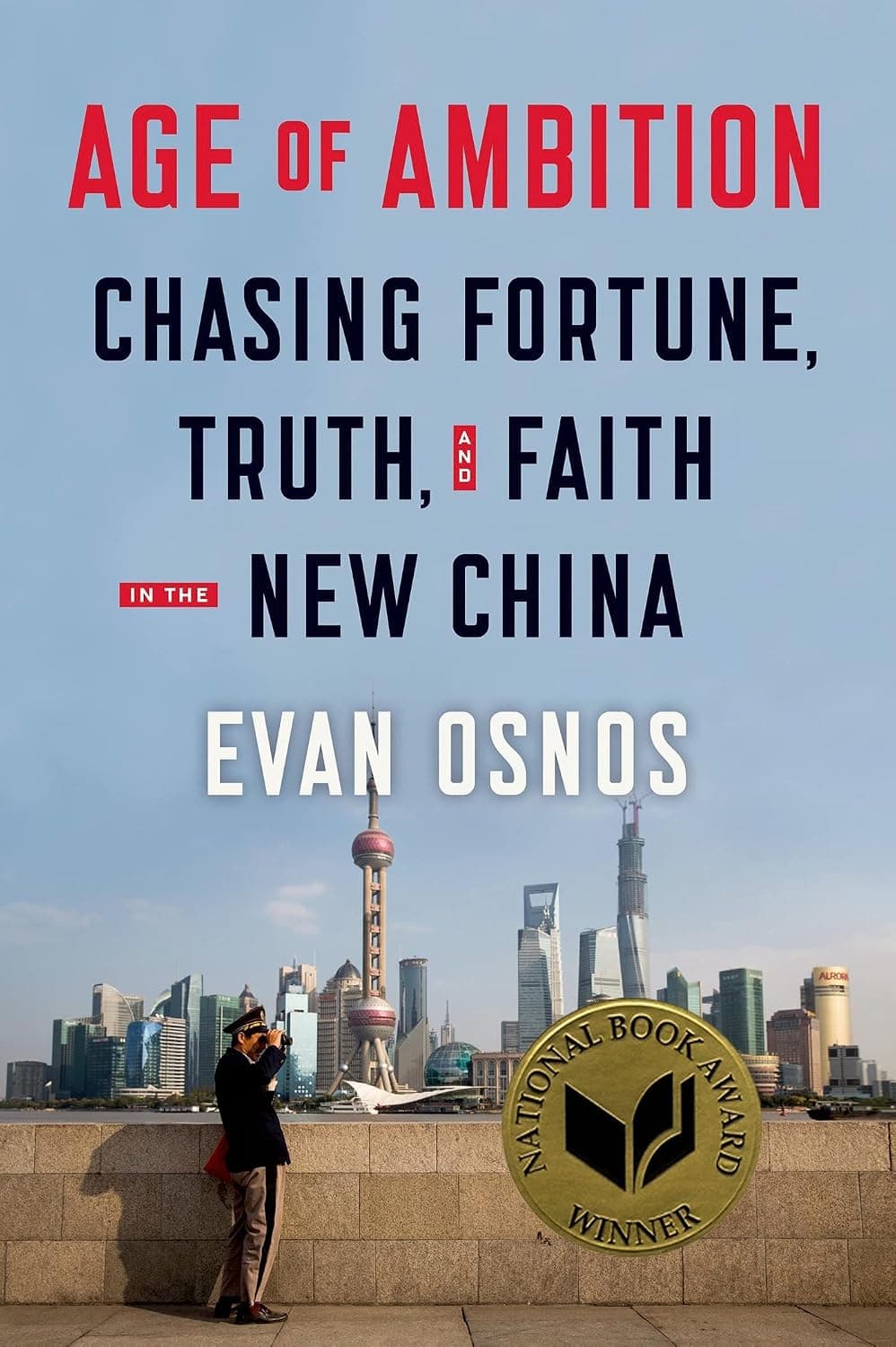
Age of Ambition
2014 · 403 pages
Osnos spent eight years watching China chase fortune faster than its politics allowed, and tells it through a soldier who swam the strait to defect and a blind lawyer who escaped house arrest.
★ 4.8
 skopia
Osnos spent eight years watching China chase fortune faster than its politics allowed, and tells it through a soldier who swam the strait to defect and a blind lawyer who escaped house arrest.
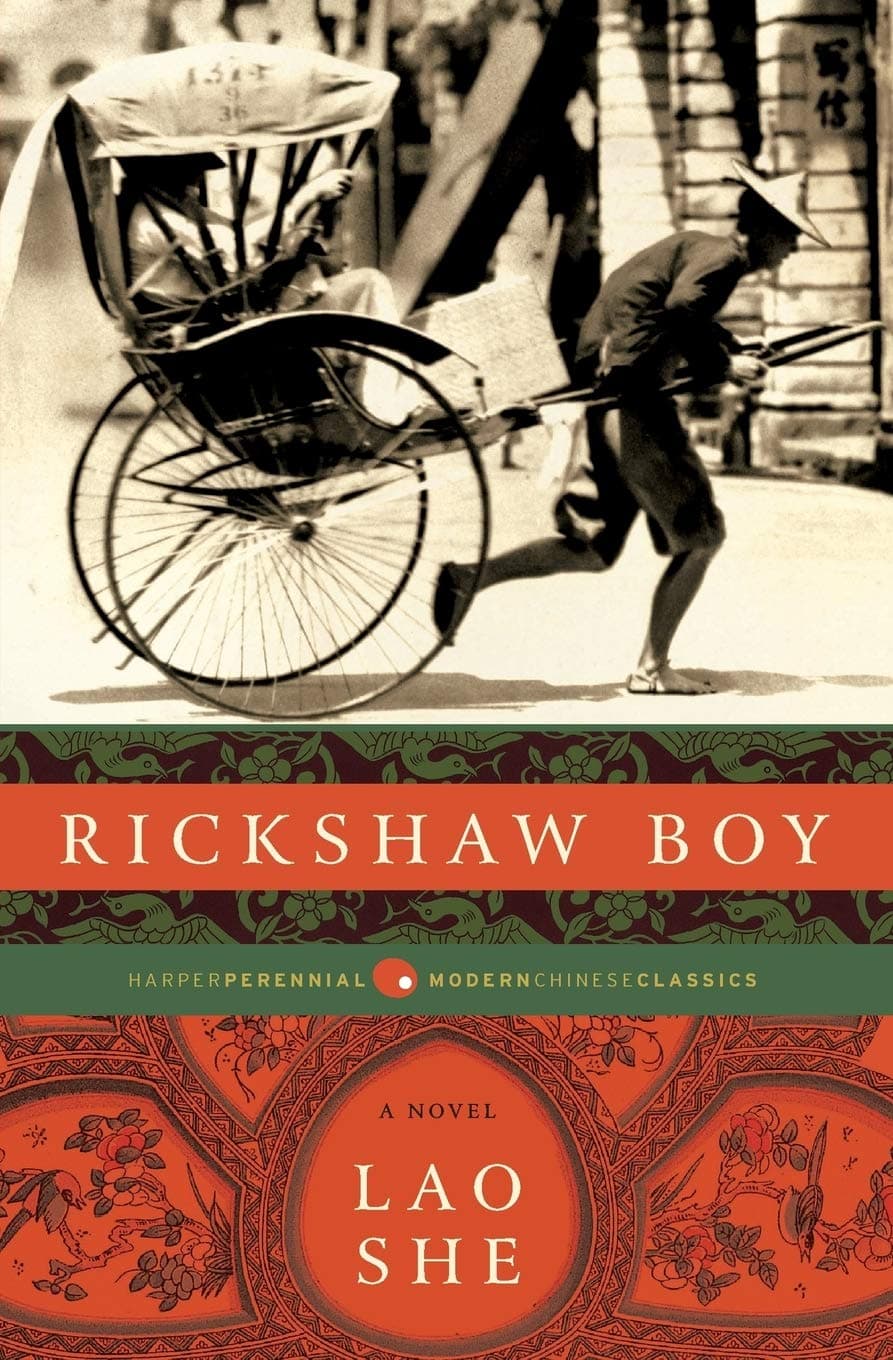
Xiangzi pulls a rented rickshaw through 1920s Beijing and wants a cart of his own. Soldiers seize the first he buys, a policeman takes his savings, and Lao She grinds him to nothing.
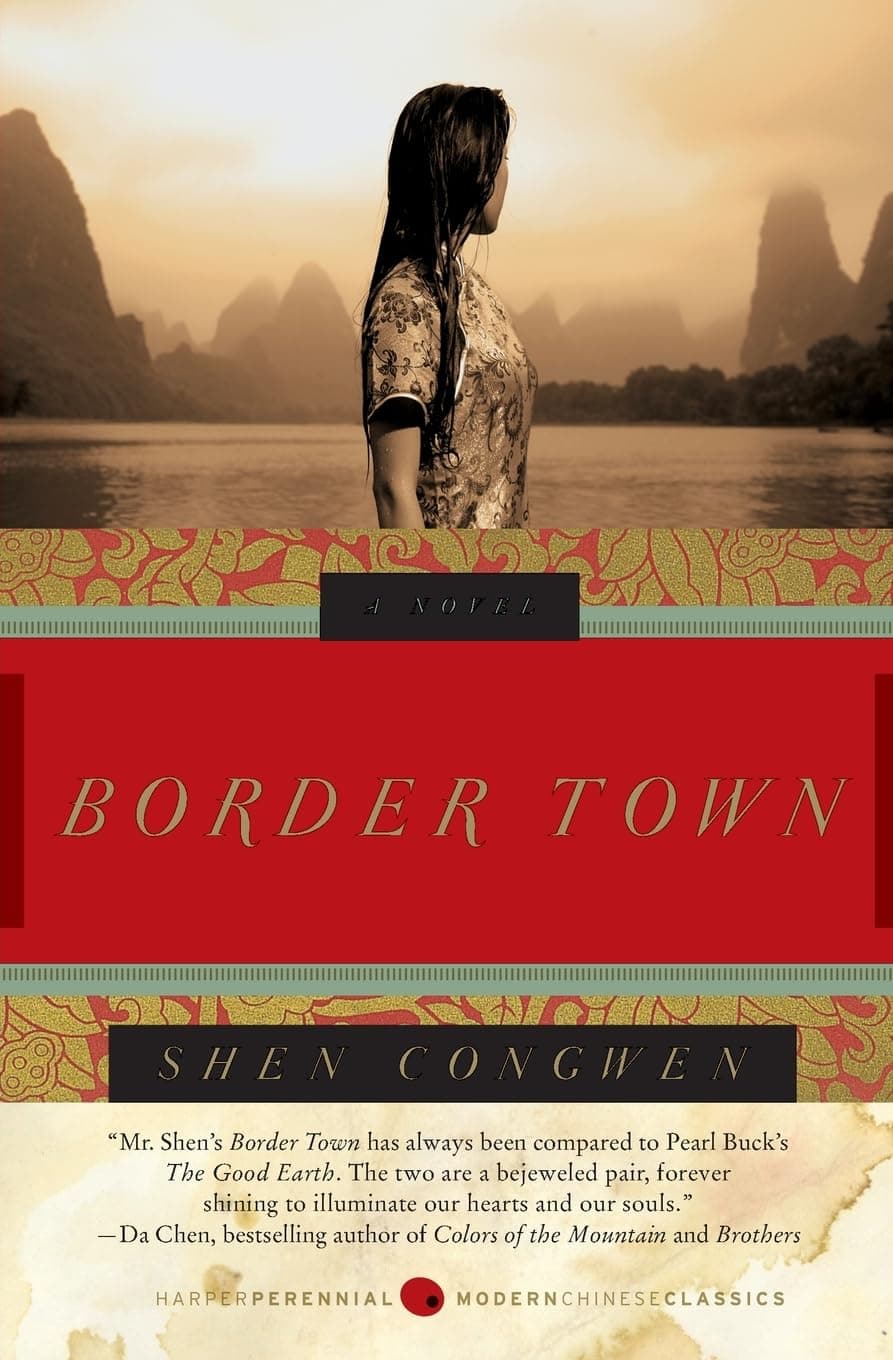
Shen Congwen's river country: an old ferryman and his granddaughter work a crossing in west Hunan while two brothers from the richest family court her, one singing across the water at night.

Korea's supreme classical novel banishes a young monk, undone by eight fairies on a bridge, into a life of examinations, armies and love, granted in full so it can be seen through.
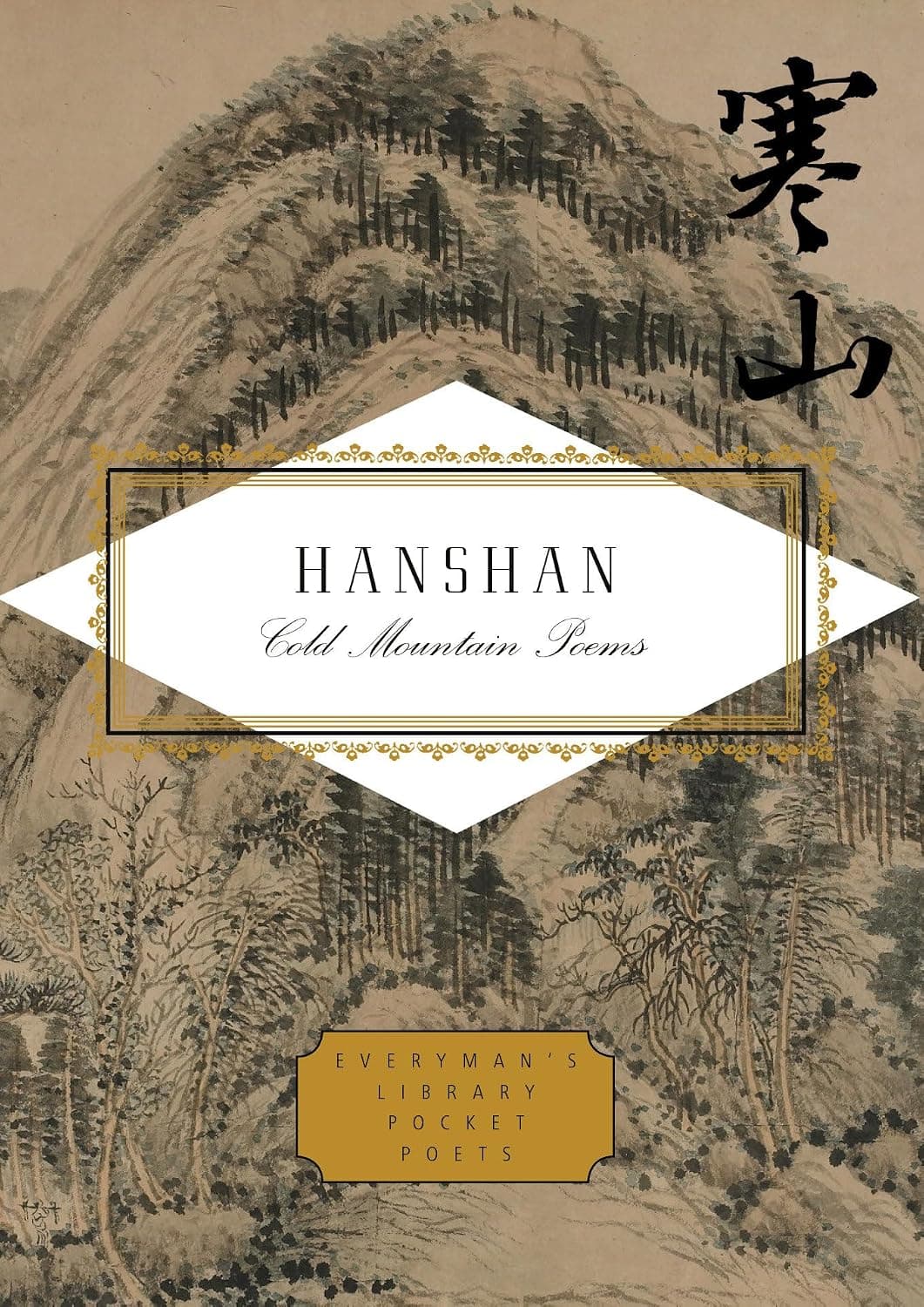
A recluse calling himself Cold Mountain scratched more than three hundred poems onto rocks in Tang China, plain about hunger, cold, and the folly of ambition. Kerouac dedicated The Dharma Bums to him.
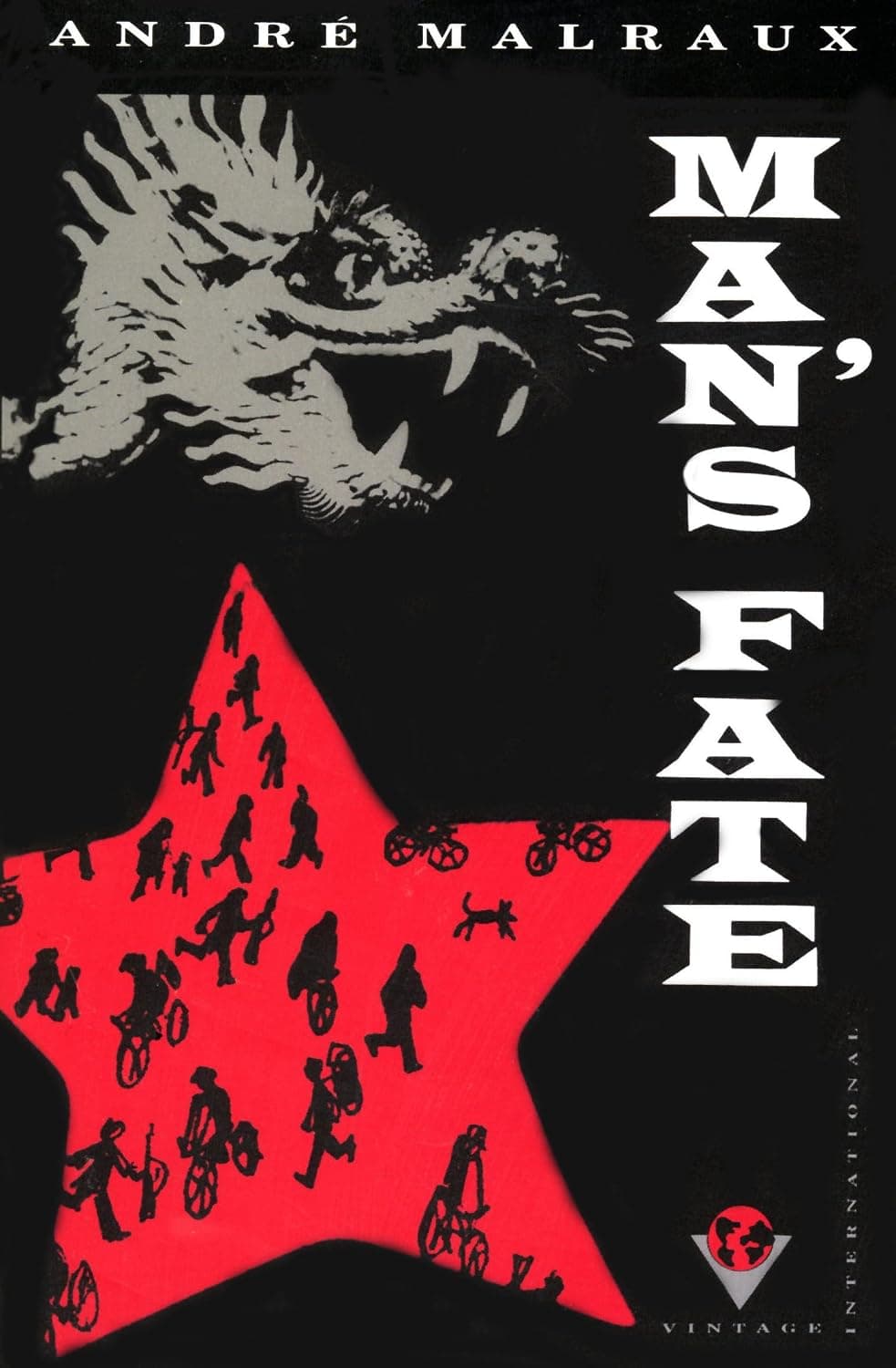
Shanghai, 1927: a young terrorist stands over a sleeping man with a knife, and Malraux makes the doomed communist uprising a test of what a man can give his life to.
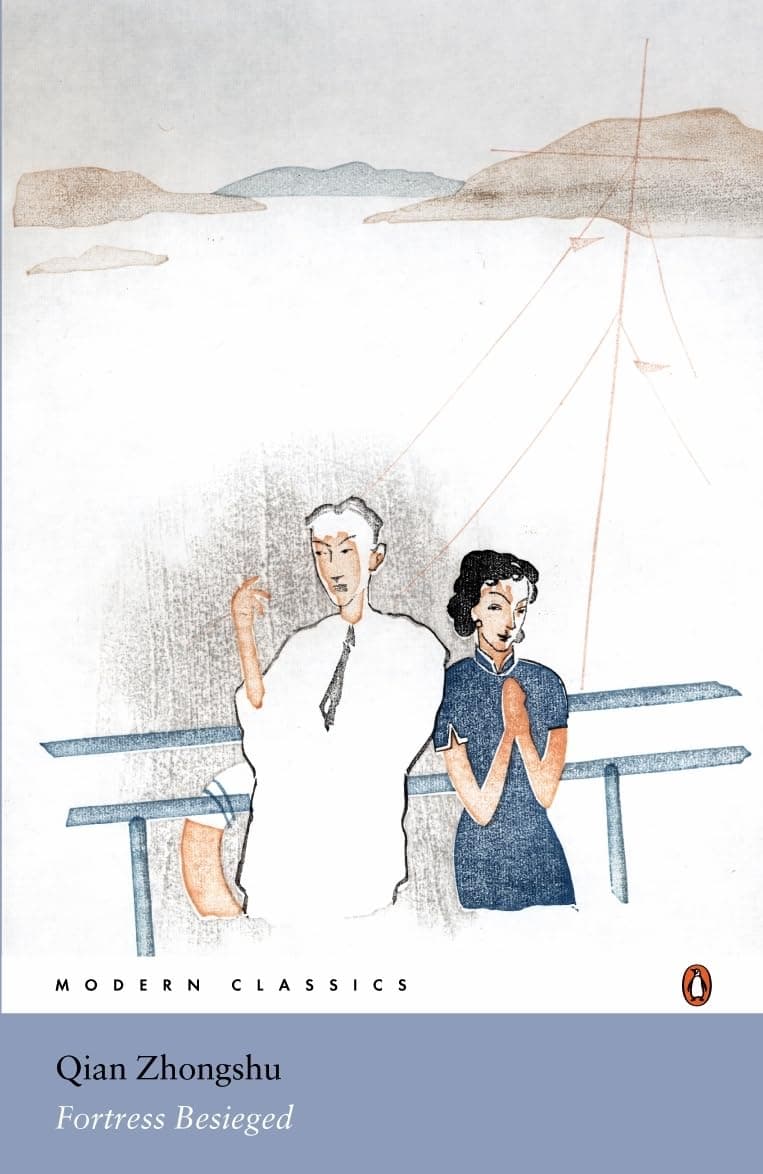
Fang Hongjian returns to wartime China with a mail-order diploma and no plan. Qian gave Chinese its image of the besieged life: those outside the fortress want in, those inside want out.

Bandits waylay a bride bound for a leprous distiller, and the son conceived in the sorghum grows up under Japanese occupation. Mo Yan makes rural Shandong's violence gorgeous and unbearable at once.

Bai Liusu, a divorcee her Shanghai family treats as a disgrace, follows a rich bachelor to Hong Kong. Chang writes their courtship as cold accounting until the Japanese bombardment reaches the city.

Modern Chinese literature begins here. Ah Q, a village laborer, turns every beating into a spiritual victory, and a madman reads the Confucian classics until the words eat people surface between the lines.
Three hundred and five songs from ancient China about courtship, harvest, soldiers on campaign, and bad government. Confucius taught from them, and every Chinese poet since has written with them in earshot.
Seeing a child about to fall into a well, anyone feels alarm before thinking. Human nature is therefore good, Mencius argues, and a ruler who starves his people forfeits the throne.
Win without fighting, Sun Tzu writes, and he means it literally. Twenty-five centuries ago this Chinese general reduced war to deception, terrain, and knowing the enemy as thoroughly as you know yourself.
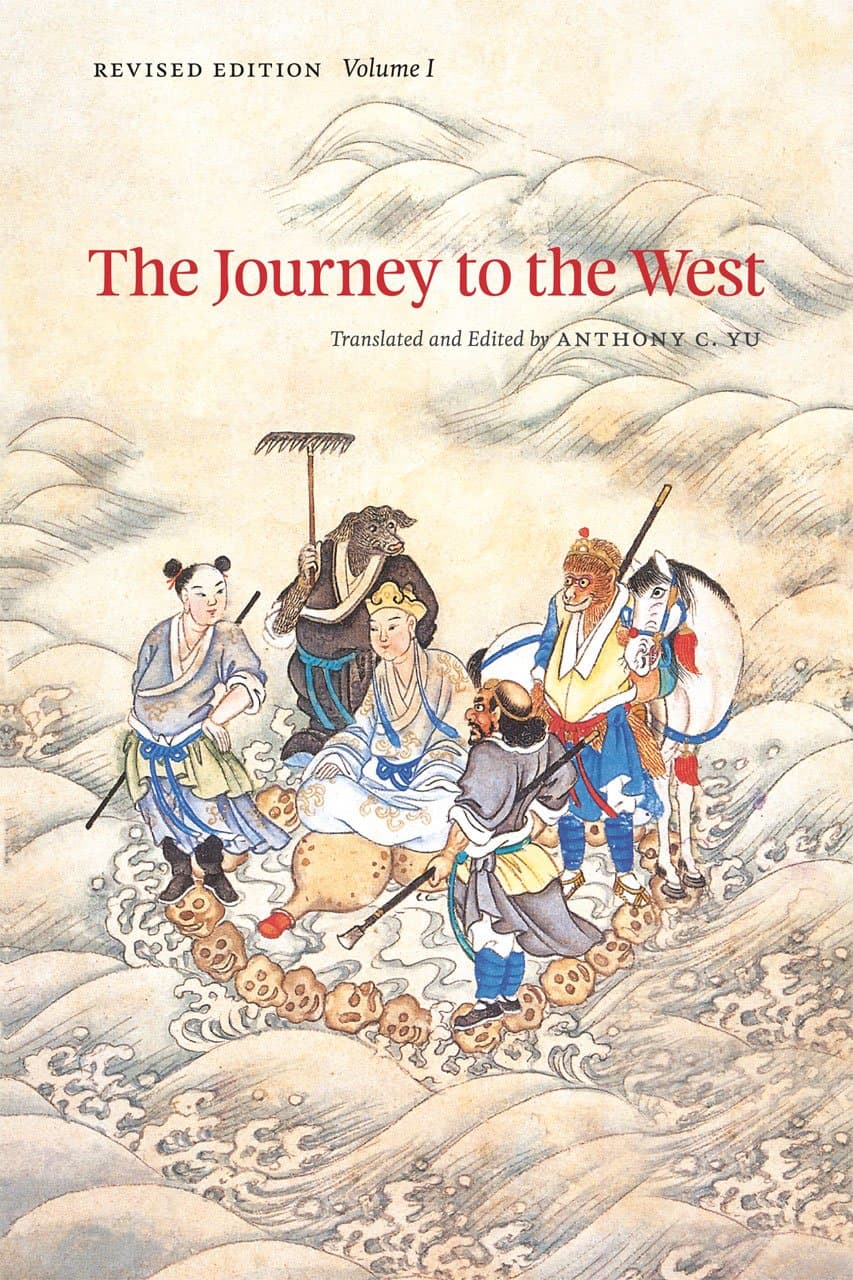
A monkey born from stone storms heaven, is pinned under a mountain for five hundred years, then escorts a monk to India for Buddhist scriptures. Eighty-one disasters later it is still funny.
Zhuang Zhou dreams he is a butterfly and wakes unsure which one is dreaming. The jokes, tall tales, and arguments with logicians that follow work to loosen your grip on your own categories.

Castrated rather than executed for defending a general, Sima Qian lived to finish his history: twenty-five centuries of China told through emperors, assassins, and merchants. The portraits are alive on the page.

Bao-yu, born with a jade in his mouth, would rather write poems with his cousins than study for the exams, while his great eighteenth-century Chinese family slides toward ruin. Their world is ending.