Japanese Woodblock Prints
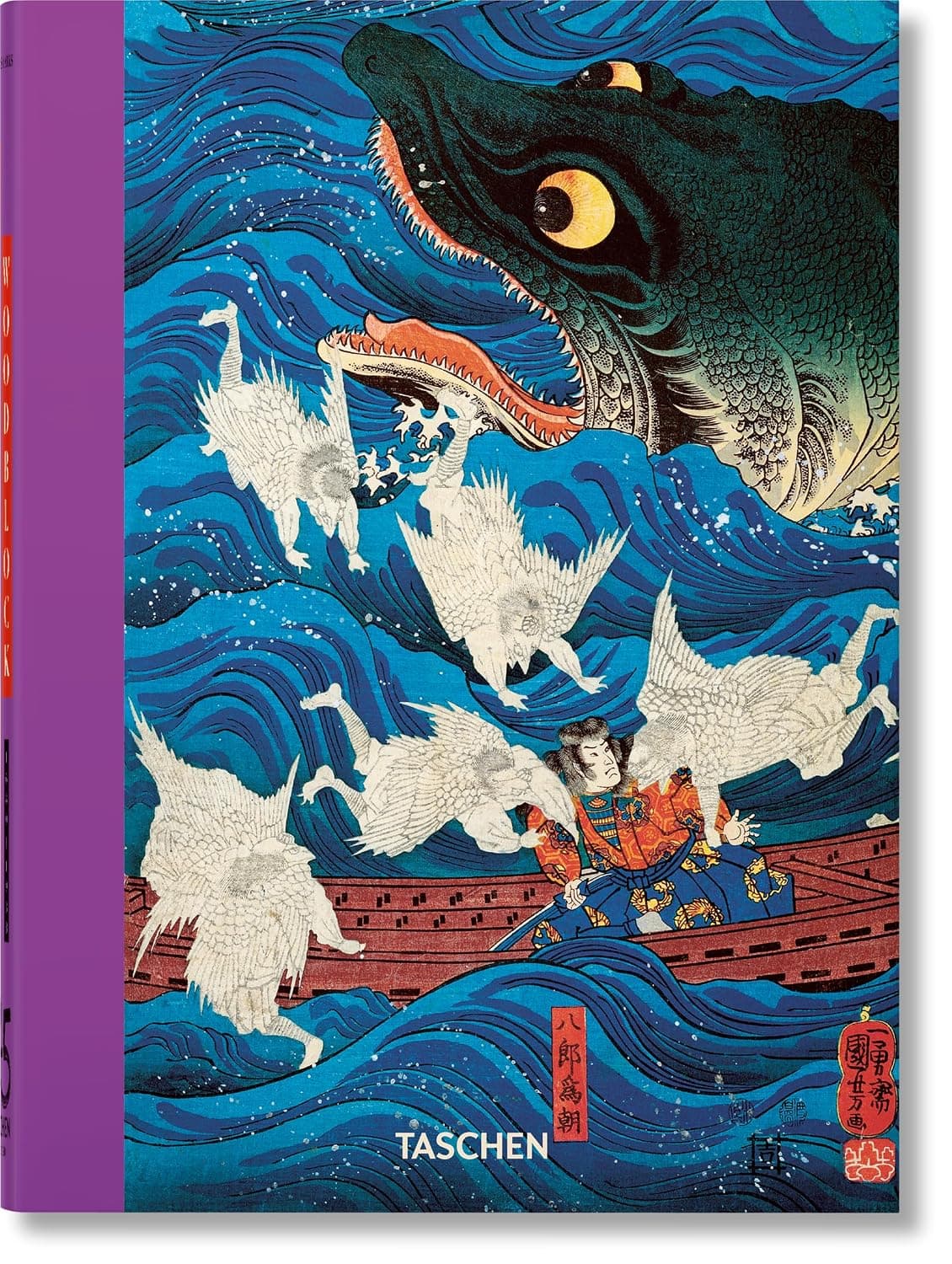
Two hundred prints run chronologically from 1680 to 1938, black-and-white sheets giving way to the full-color glut of Utamaro's beauties, Hiroshige's roads, and Hokusai's wave. Marks names the publisher behind every design.

Two hundred prints run chronologically from 1680 to 1938, black-and-white sheets giving way to the full-color glut of Utamaro's beauties, Hiroshige's roads, and Hokusai's wave. Marks names the publisher behind every design.

Two bodies lie on a Kyushu beach, arranged as lovers who died together, and the case turns on four minutes at Tokyo Station. Matsumoto pointed Japanese crime fiction straight at government corruption.

Serious photography meant black and white when Singh shot India in color, insisting a country this saturated demanded it. He packs pilgrims, monsoon light, and painted walls into frames borrowed from Indian painting.

Osnos spent eight years watching China chase fortune faster than its politics allowed, and tells it through a soldier who swam the strait to defect and a blind lawyer who escaped house arrest.

Buying a house in the hill village of Bellapais, Durrell watched Cyprus slide from Mediterranean idyll into insurgency, and ended up speaking for the British government as his Greek friends turned against him.

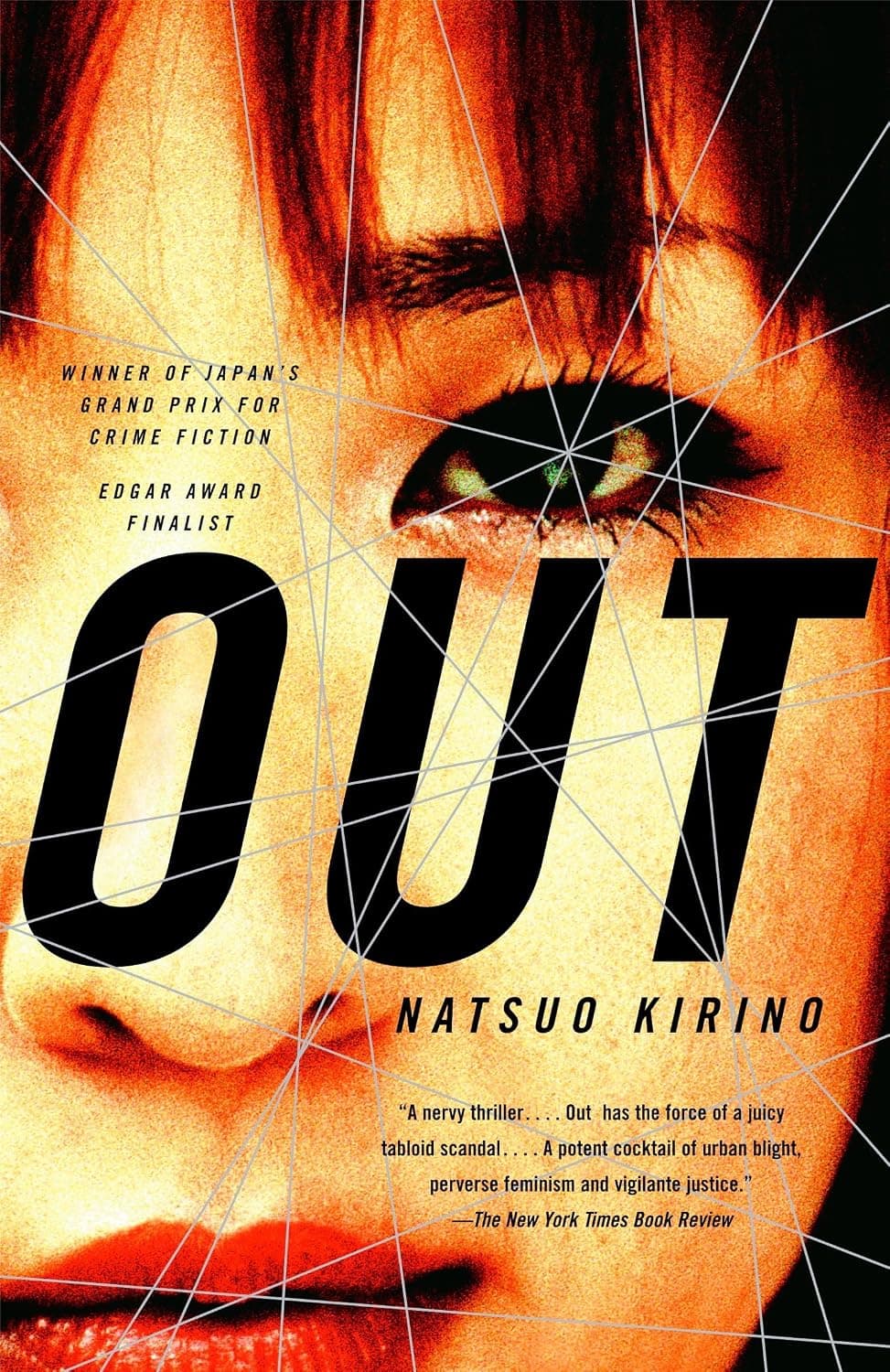
Four women pack boxed lunches on a Tokyo night shift. One strangles her husband, the others take the body apart, and the invisibility that shrank their lives turns out to protect them.

Quitting the London fashion trade with almost no climbing behind him, Newby set out for an unclimbed Afghan peak. The funniest travel book in English comes out of that mismatch.

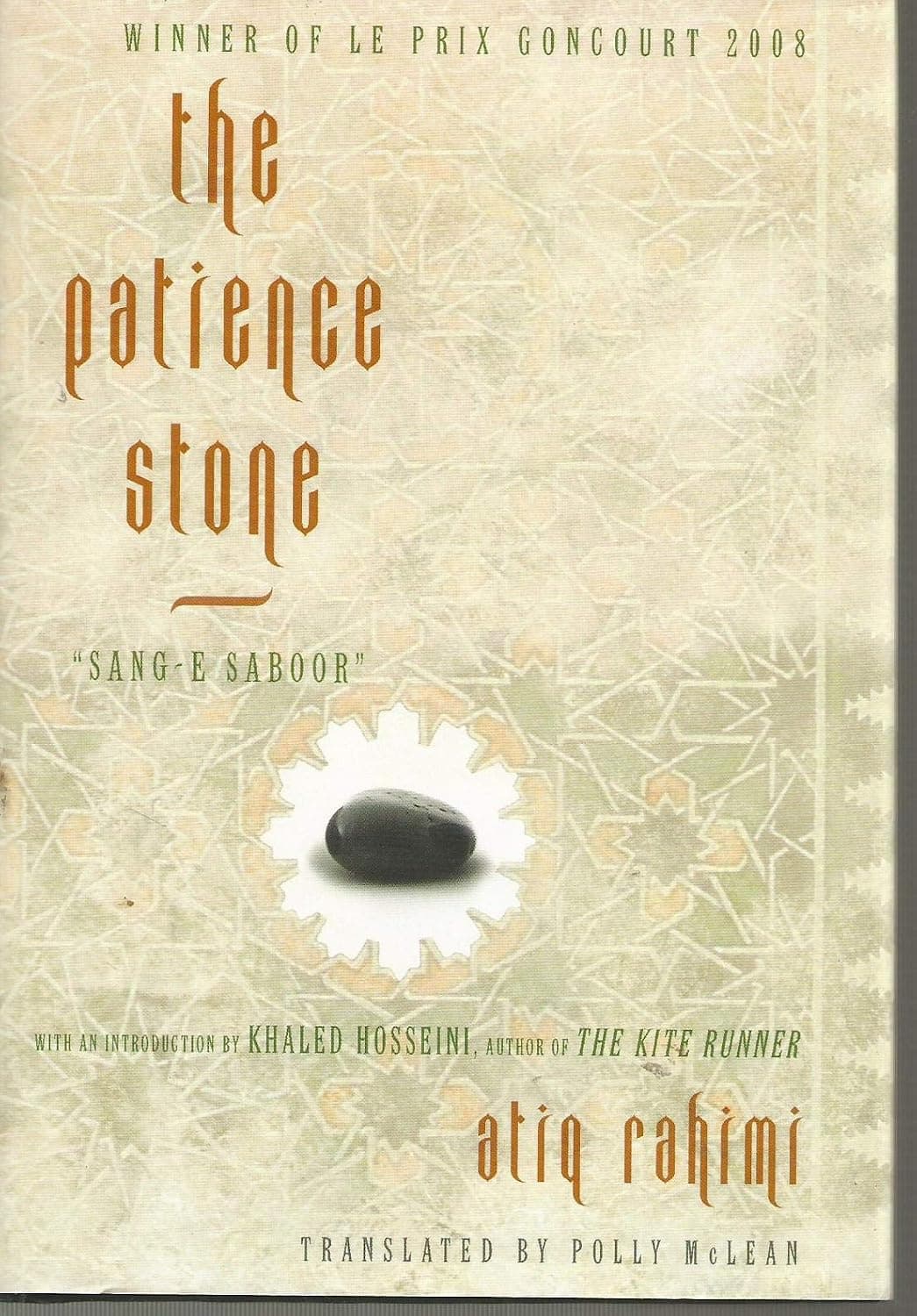
A woman tends her comatose husband, a bullet in his neck, and tells him everything Afghanistan never let her say. In Persian legend the patience stone absorbs every confession until it shatters.

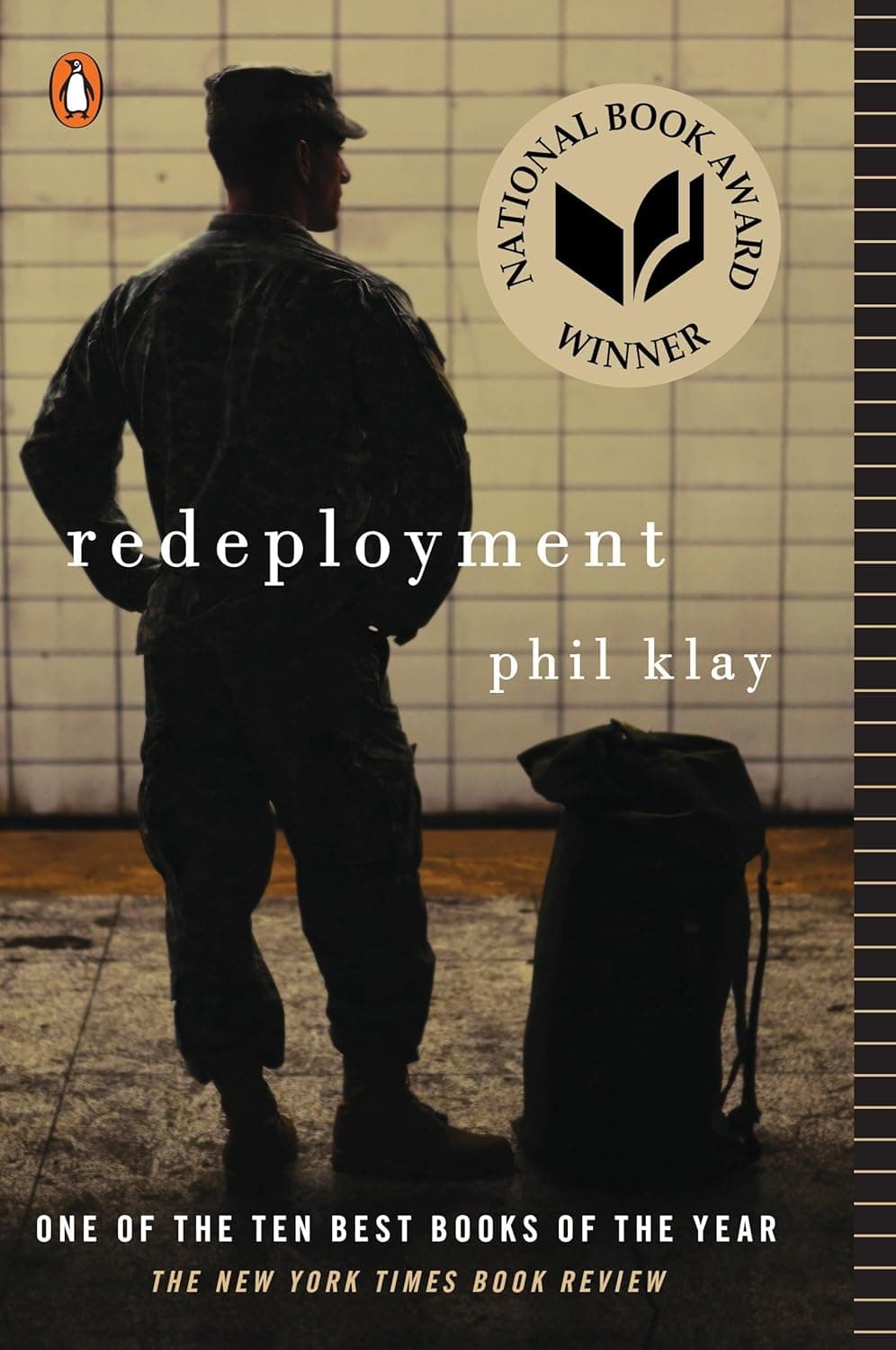
Twelve narrators tell their own Iraq, from a Marine who shot dogs in the street to a diplomat ordered to teach Iraqi children baseball. Klay is sharpest on coming home.

Persian fiction's darkest book: an opium-addicted painter of pen cases draws the same scene, an old man and a girl in black offering a lily, then finds it living behind his wall.

Hearing the Beatles song years later, a man returns to 1969 Tokyo, where his best friend's suicide left him loving two women at once. Murakami dropped the fantastic entirely, and Japan devoured it.

Beauty in things imperfect, impermanent, and incomplete. Koren traces the aesthetic from the Japanese tea room to the cracked bowl, and gives Western design a language for everything corporate polish cannot reach.

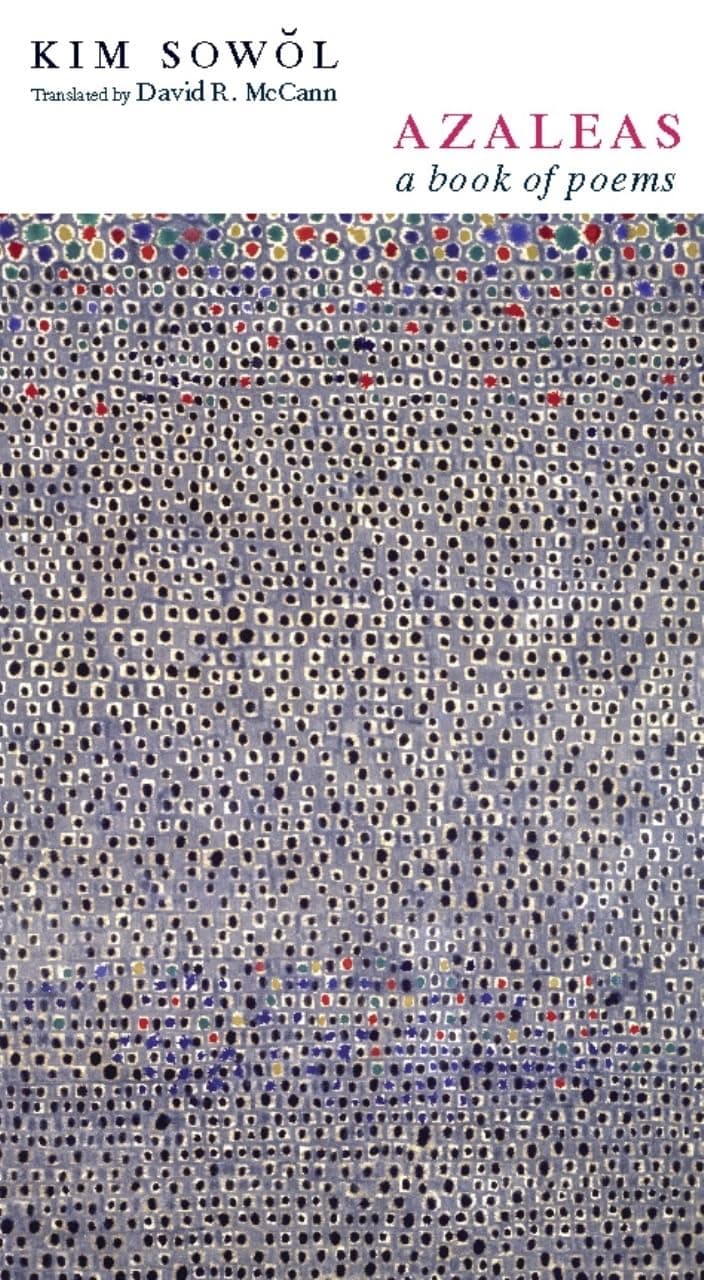
A woman watches her lover go and promises to scatter azaleas in his path rather than weep. Kim Sowol put Korean folk-song rhythm into modern verse, and the whole country memorized him.

Months after his wife's death, Matthiessen walks deep into the Nepalese Himalaya with a biologist counting blue sheep, studying Zen as he goes and watching for a snow leopard he never sees.

Caputo landed at Da Nang in 1965 with the first American ground troops, eager for it. His tour ended with murder charges over two Vietnamese civilians his men shot, and he excuses nothing.

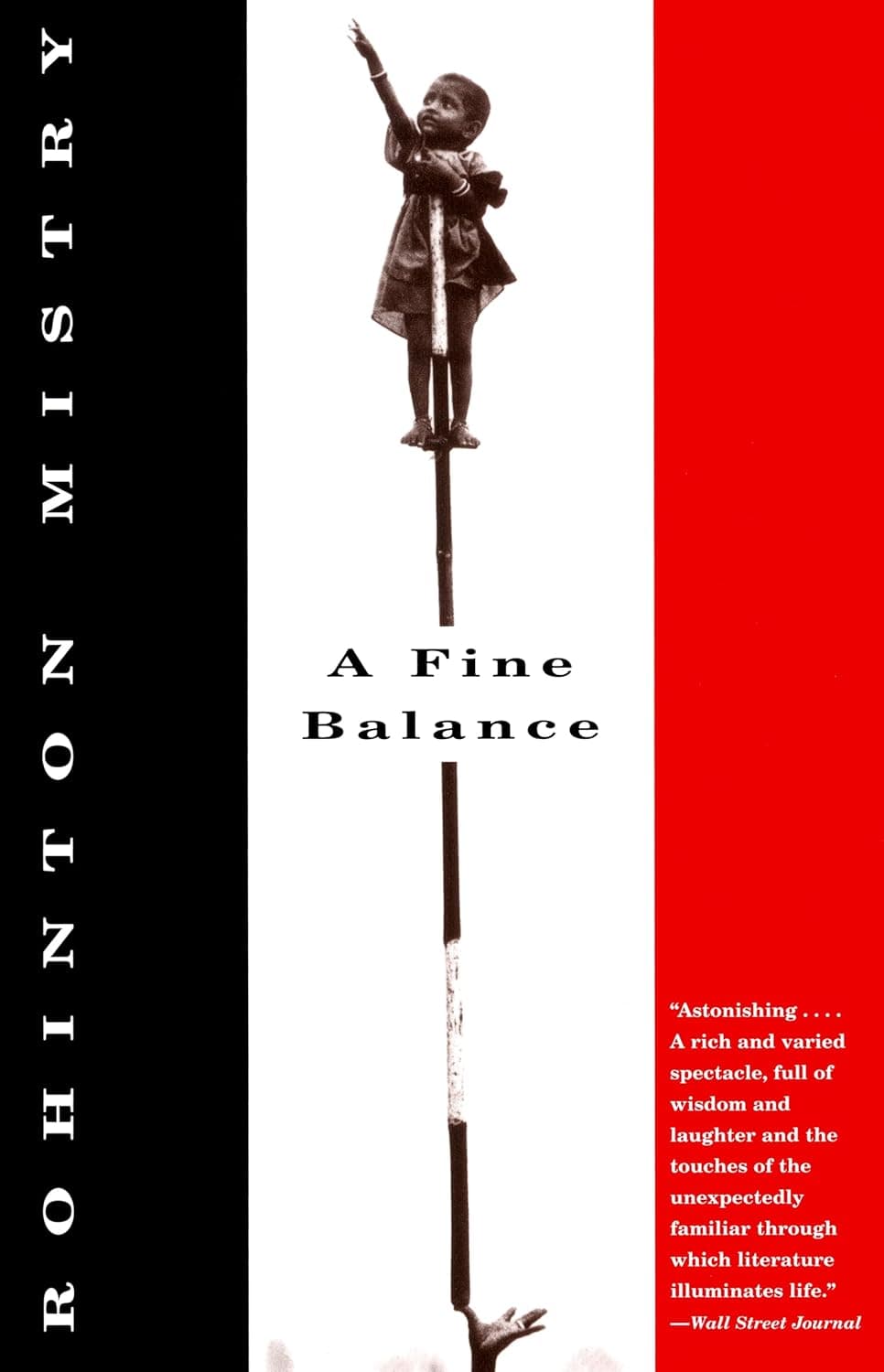
A widow takes in two tailors fleeing caste violence and a student, and under Indira Gandhi's Emergency the four become a family. Mistry lets you love them before the sterilization camps arrive.

Kien spends the peace gathering the dead from the jungle that swallowed his battalion, and the war returns out of sequence. Bao Ninh enlisted at seventeen among five hundred, and ten came home.

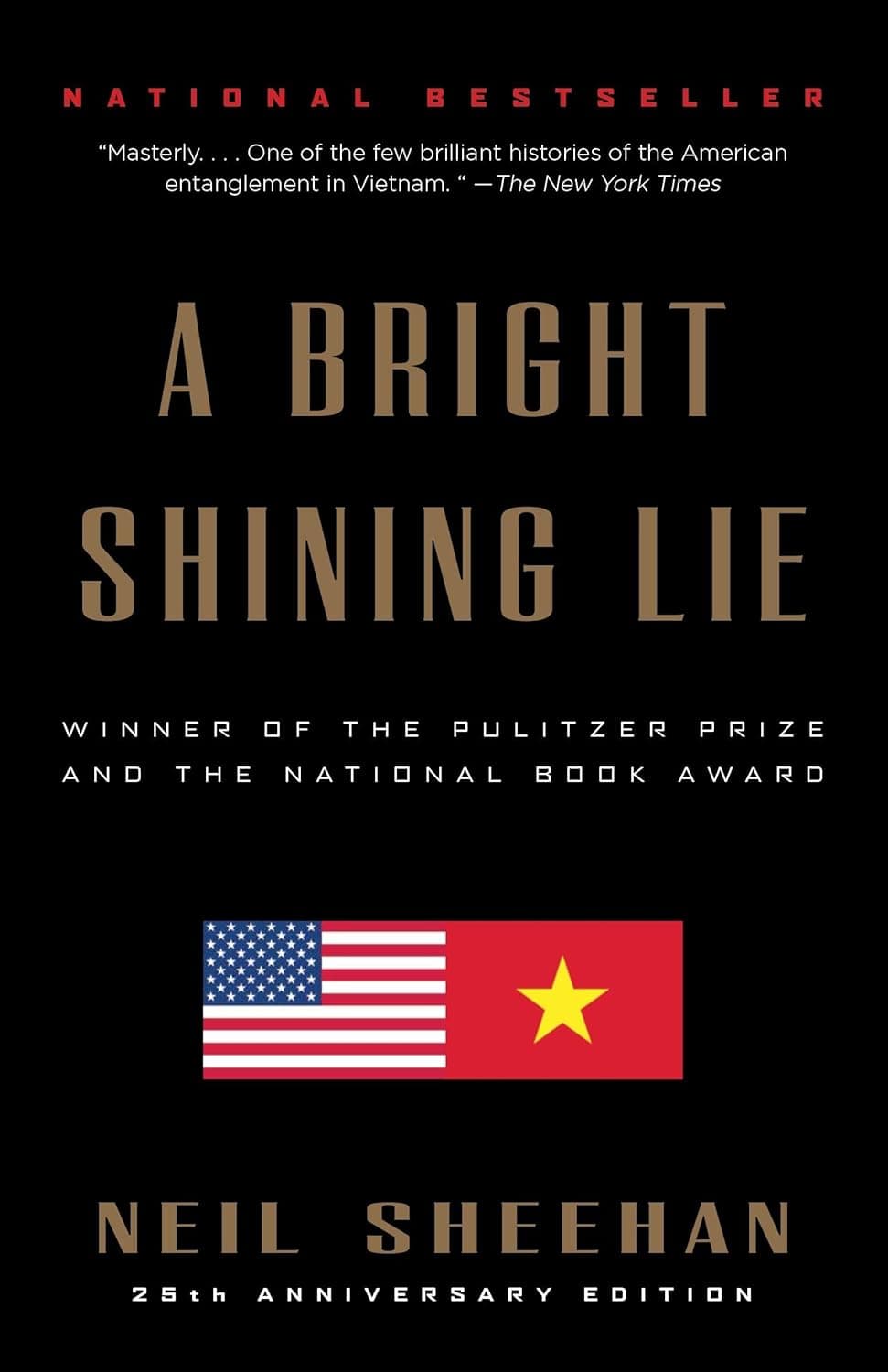
Army adviser John Paul Vann fed reporters the truth about Vietnam while the generals lied, then spent ten years insisting the war could be won. Sheehan reports his private ruin alongside the courage.

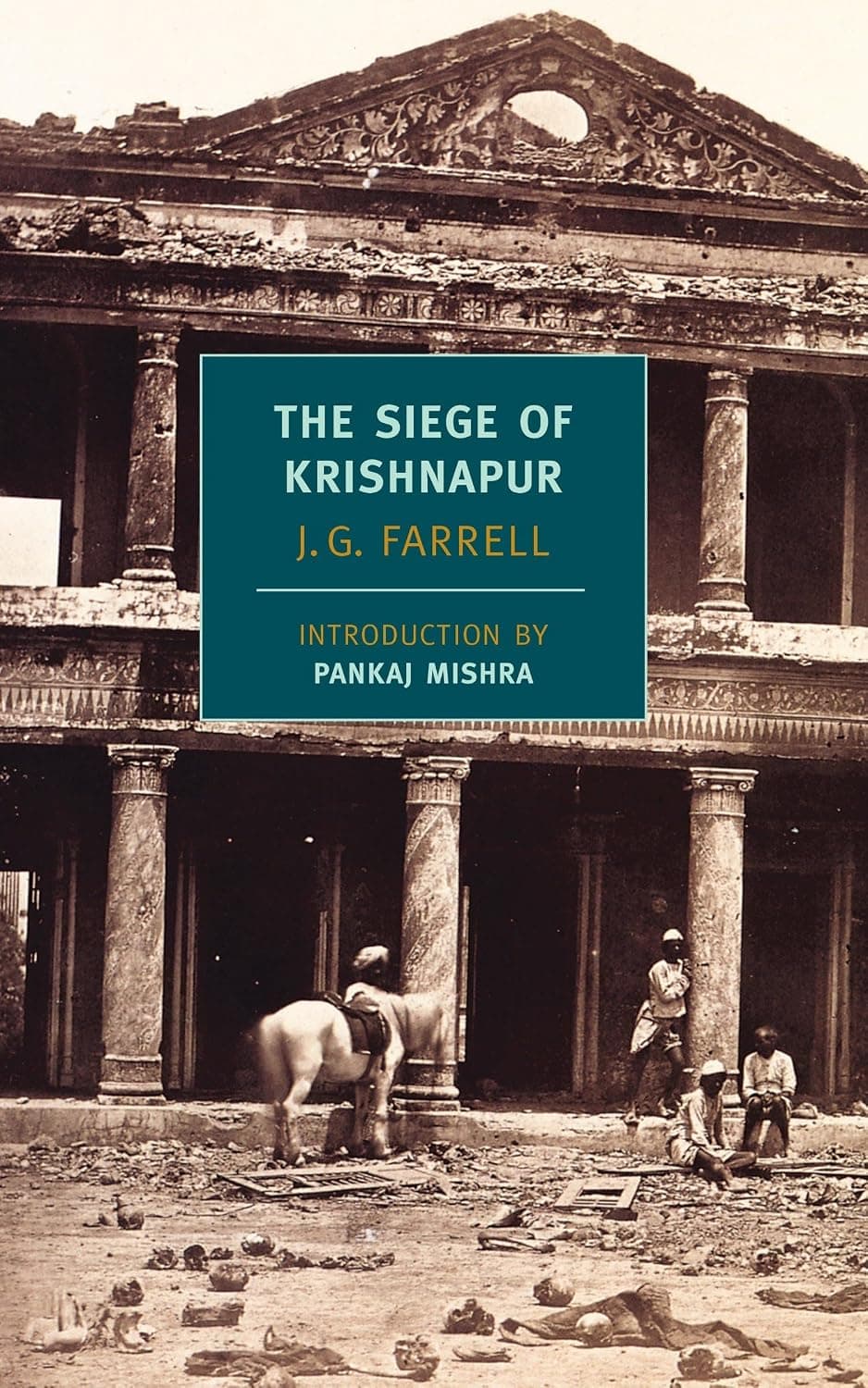
Besieged by rebels in 1857 India, British colonials run out of shot and fire the head of a Shakespeare bust from a cannon. Farrell lets their faith in progress starve alongside them.

Americans in Vietnam were fighting a country they never tried to understand, FitzGerald argues, explaining Confucian village order and the mandate of heaven to readers whose sons were still being sent there.