
Cash
The Autobiography
1997 · 320 pages
Cash tells it in his own voice: picking cotton in Dyess, Arkansas, the brother a saw killed at fifteen, the amphetamine decades, and the night he crawled into Nickajack Cave to die.
★ 4.6
 skopia
Cash tells it in his own voice: picking cotton in Dyess, Arkansas, the brother a saw killed at fifteen, the amphetamine decades, and the night he crawled into Nickajack Cave to die.
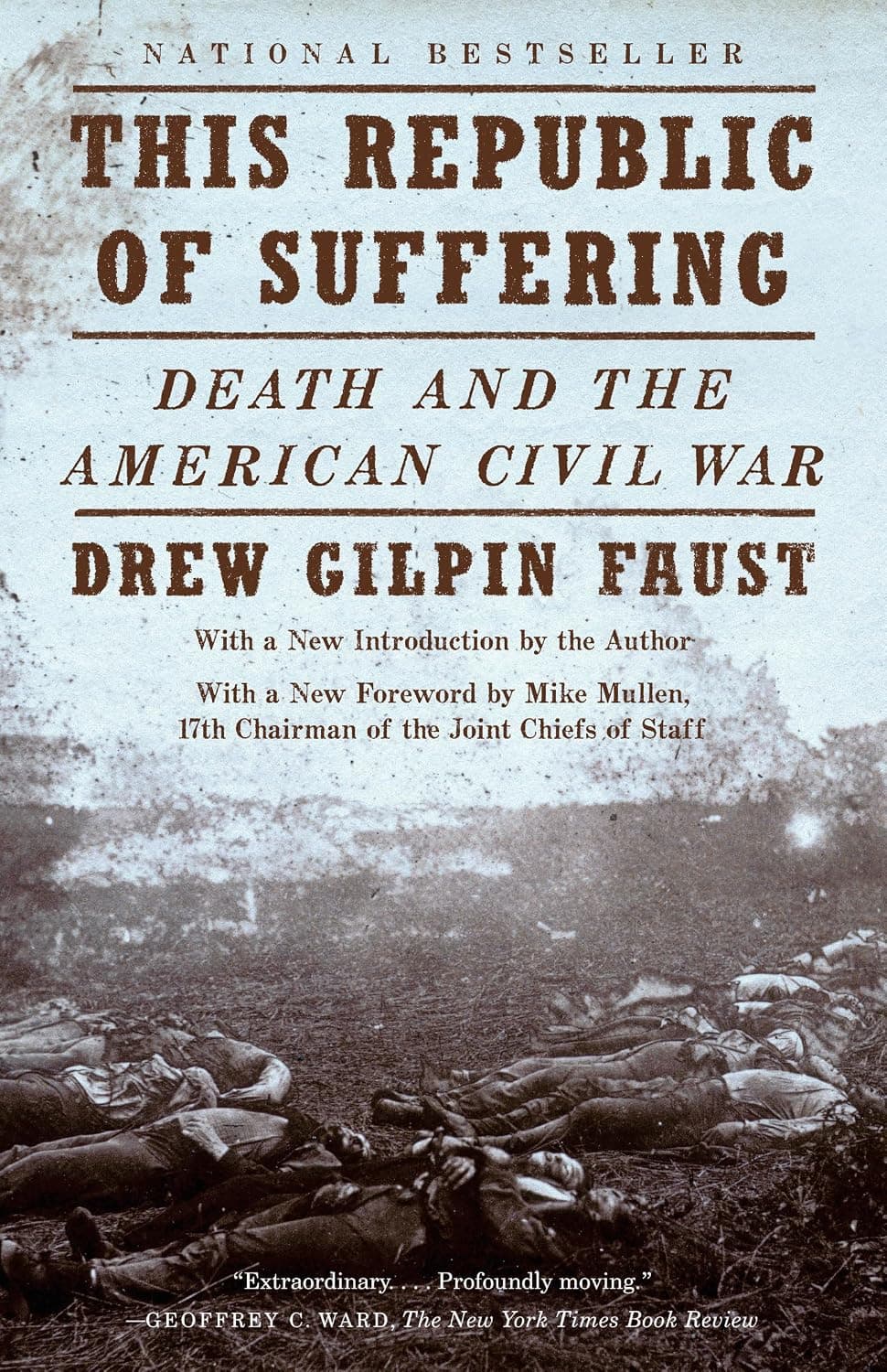
Faust shows a country improvising the machinery of mass death: embalming, identifying bodies, burying the unknown at federal expense. Six hundred twenty thousand men died between 1861 and 1865, most among strangers.

Stampp argued in 1956 that Southern slavery was a profitable labor system sustained by violence, not the benign paternalism white historians taught. The plantation legend never recovered its standing in American history departments.

Life on the plantation seen from the slave quarters outward: Genovese shows how the enslaved turned the master's claim of paternal care into leverage and made Christianity mean what the master never intended.
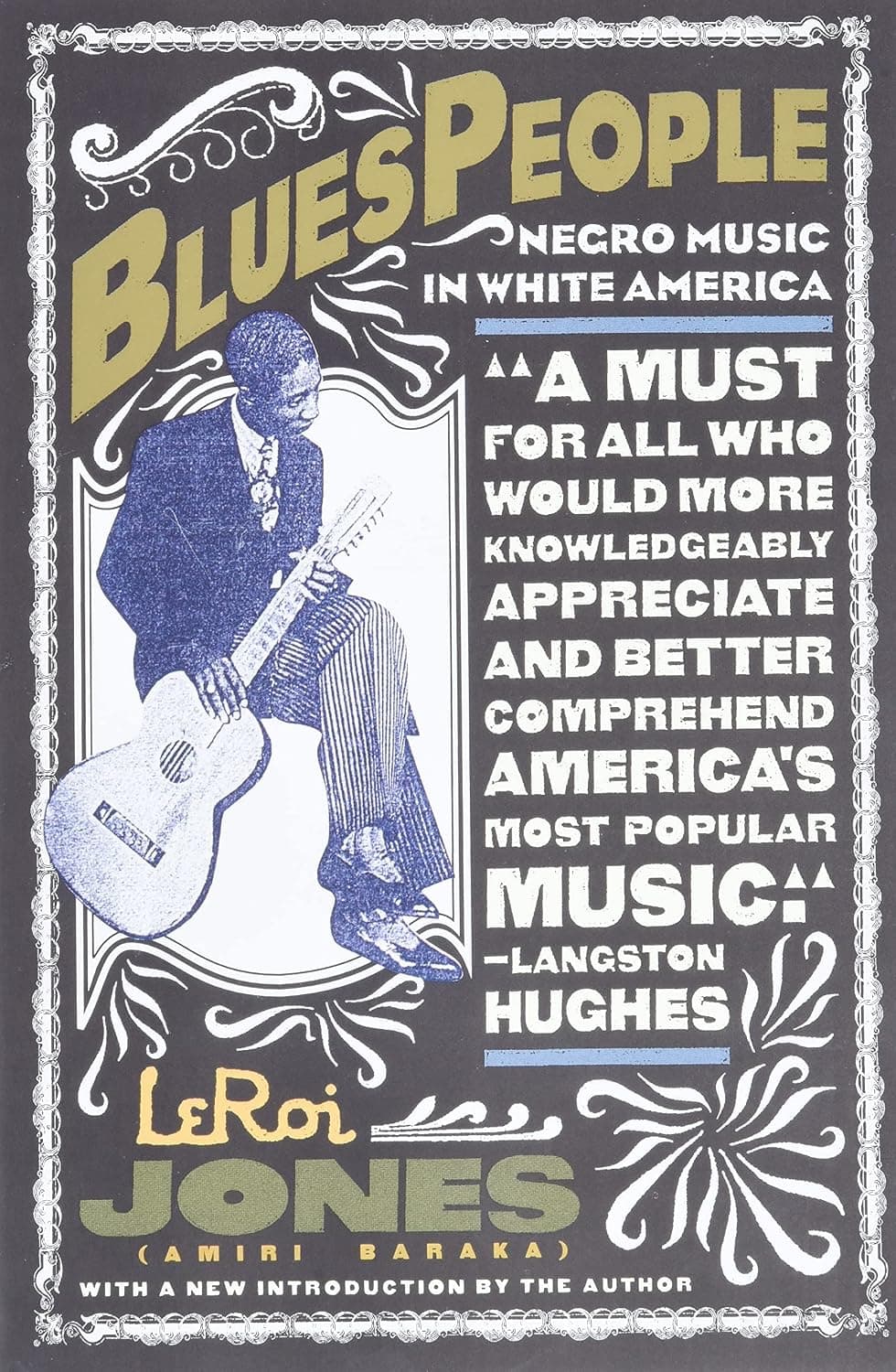
Baraka wrote the first full-length history of blues and jazz by a Black American, hearing in the move from work song to blues to bebop the record of what happened to a people.

Born enslaved in Virginia, Washington built Tuskegee from nothing and wrote it up as a parable of self-help. His bargain with white America, separate as the fingers, split Black politics.

Grant crossed the Rapidan in May 1864 and the killing never paused. Catton follows the Union's Army of the Potomac through the Wilderness and Cold Harbor to Appomattox, writing from inside the ranks.

Americans tell themselves a story of innocence, abundance, and invincibility. The South knew defeat, poverty, and the guilt of slavery, and Woodward offers that history as the corrective a superpower needs.

Eliza crosses the frozen Ohio on breaking ice with her child. Stowe sold three hundred thousand copies within twelve months and made slavery intolerable to Northerners who had lived comfortably beside it.

Willie Stark rises from county treasurer to governor believing good can be made only out of bad. Warren wrote the American novel of power, narrated by the aide he sends to dig dirt.

Branch follows Martin Luther King from the Montgomery bus boycott to Birmingham, moving between black church basements, the Kennedy White House, and the FBI, and ten years become full American history.

Sent to Alabama in 1936 to report on cotton tenancy, Agee returned with an act of devotion: three sharecropping families recorded down to the nails in their shoes, alongside Walker Evans's photographs.

Enslaved people freed themselves, Du Bois argues, walking off plantations in a general strike that broke the Confederacy. He then shows what Black voters built during Reconstruction and who tore it down.

Dying of throat cancer and ruined by a swindler, Grant set down the Mexican War and the Civil War in short exact sentences that never boast. He finished days before his death.
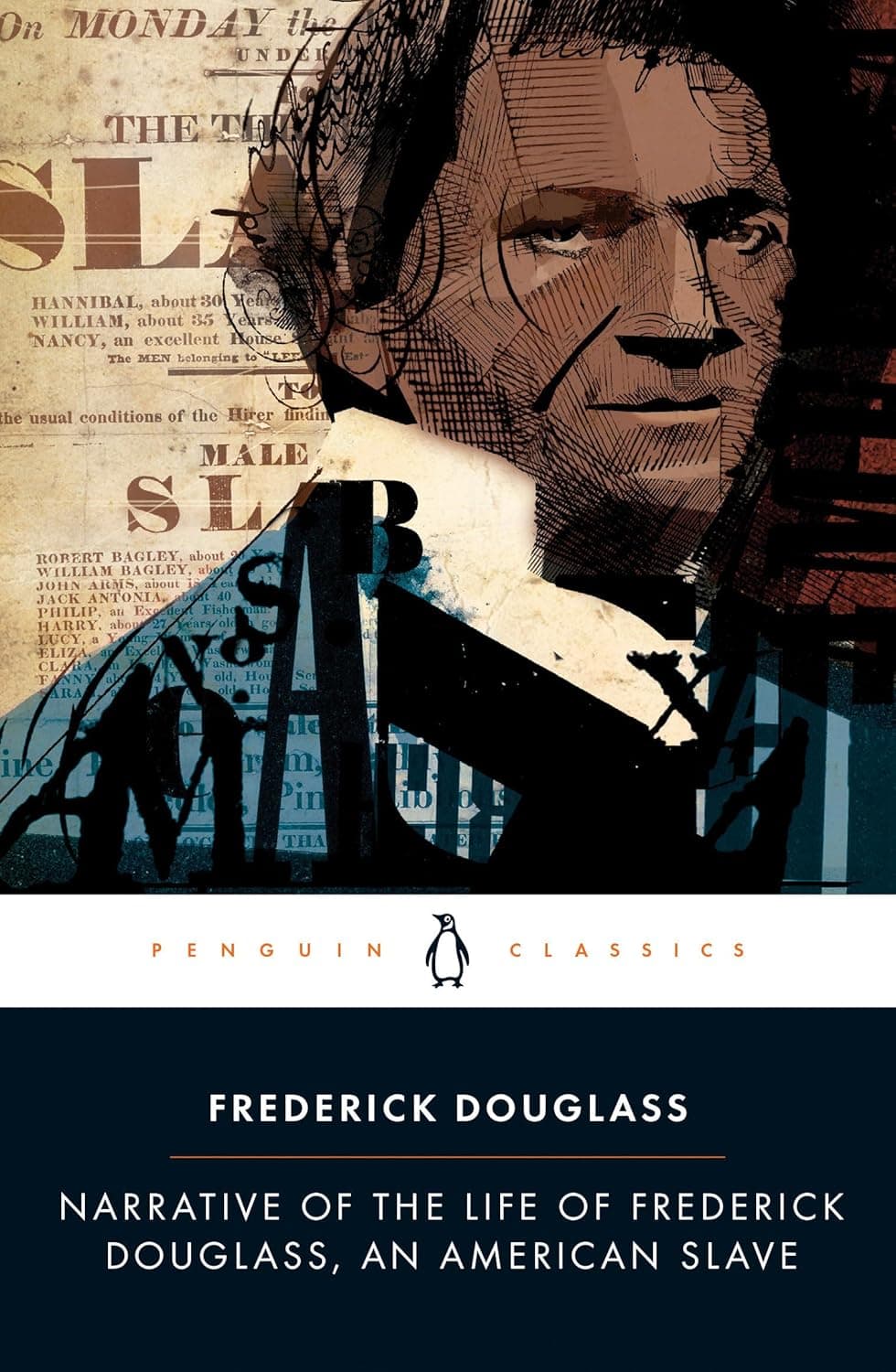
Born into slavery, Douglass taught himself to read in secret, fought the slave-breaker he was hired out to, and escaped. Naming his owners in print at twenty-seven forced him out of the country.

On a Georgia back road a grandmother who talked her family into a detour meets an escaped killer. O'Connor's stories stay funny until the violence arrives, which is how grace arrives too.
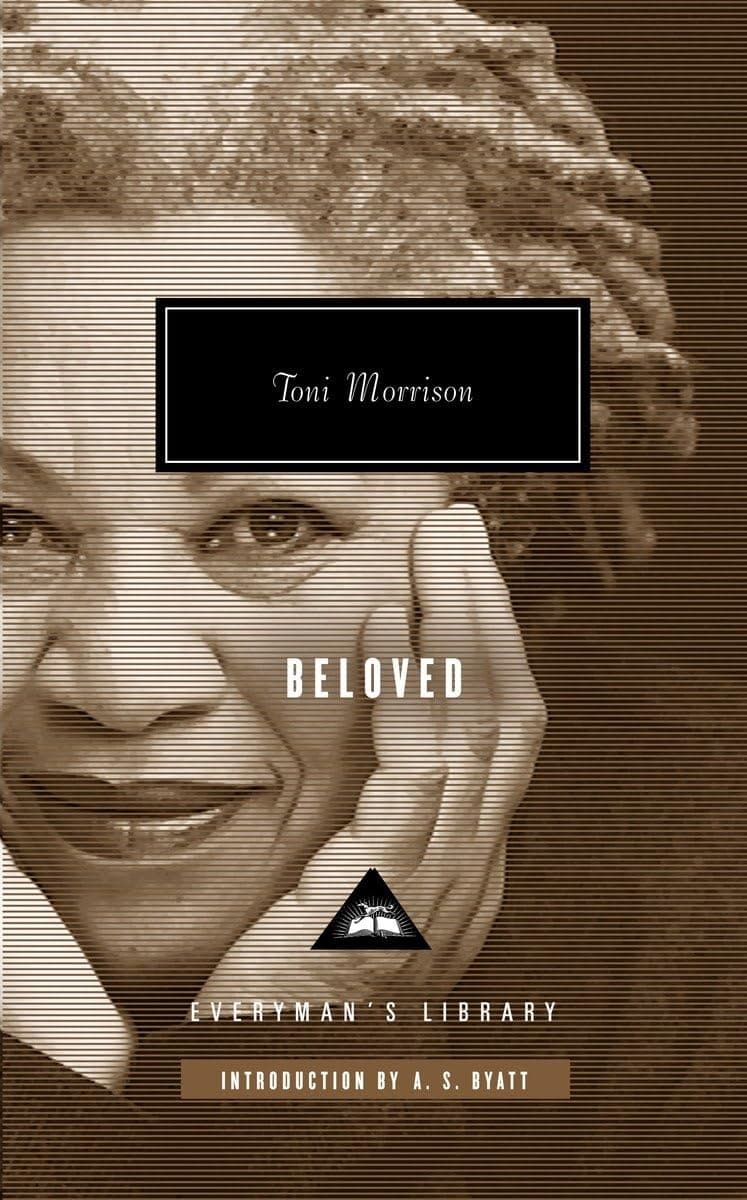
Sethe escaped slavery years ago and cannot escape the daughter she lost, who comes back to the house as a young woman. Morrison writes American history's worst chapter with unbearable tenderness.