
Tokyo Express
1958 · 160 pages
Two bodies lie on a Kyushu beach, arranged as lovers who died together, and the case turns on four minutes at Tokyo Station. Matsumoto pointed Japanese crime fiction straight at government corruption.
★ 4.5
 skopia
Two bodies lie on a Kyushu beach, arranged as lovers who died together, and the case turns on four minutes at Tokyo Station. Matsumoto pointed Japanese crime fiction straight at government corruption.
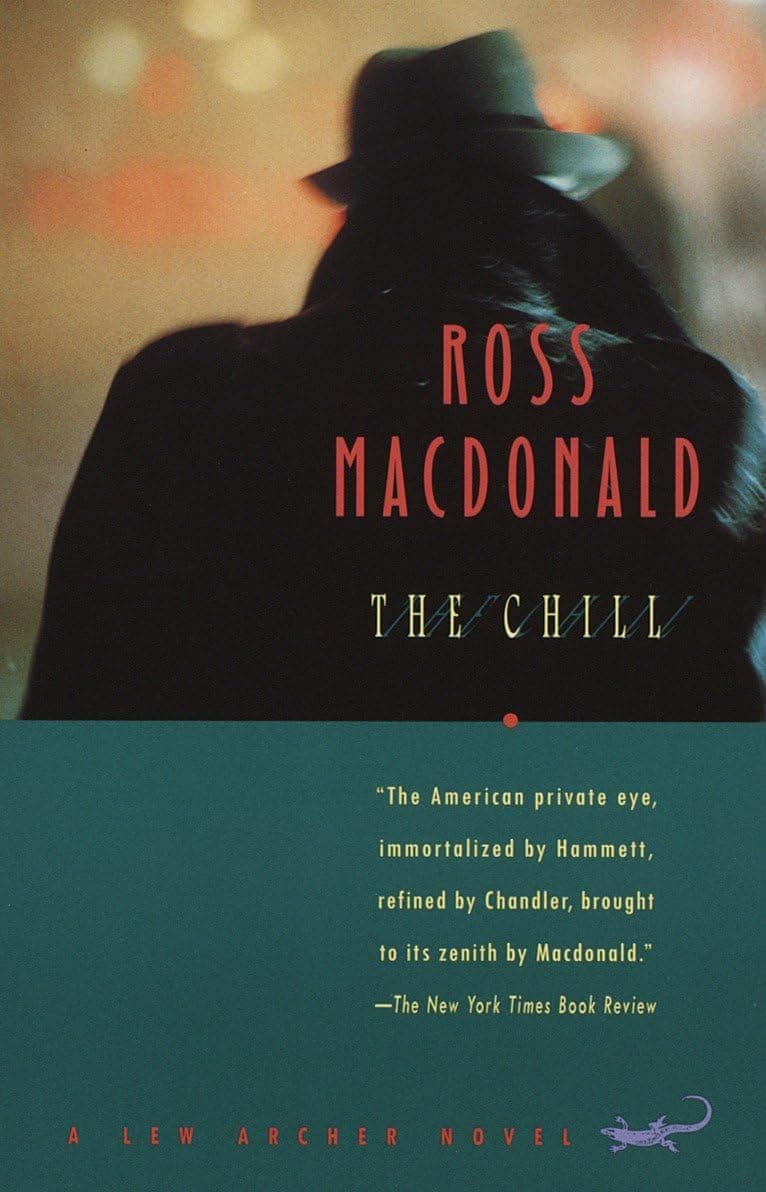
A husband hires Lew Archer to find the bride who fled their honeymoon, and the trail runs back decades into two families' history. In Macdonald's California, crimes are inherited rather than committed.
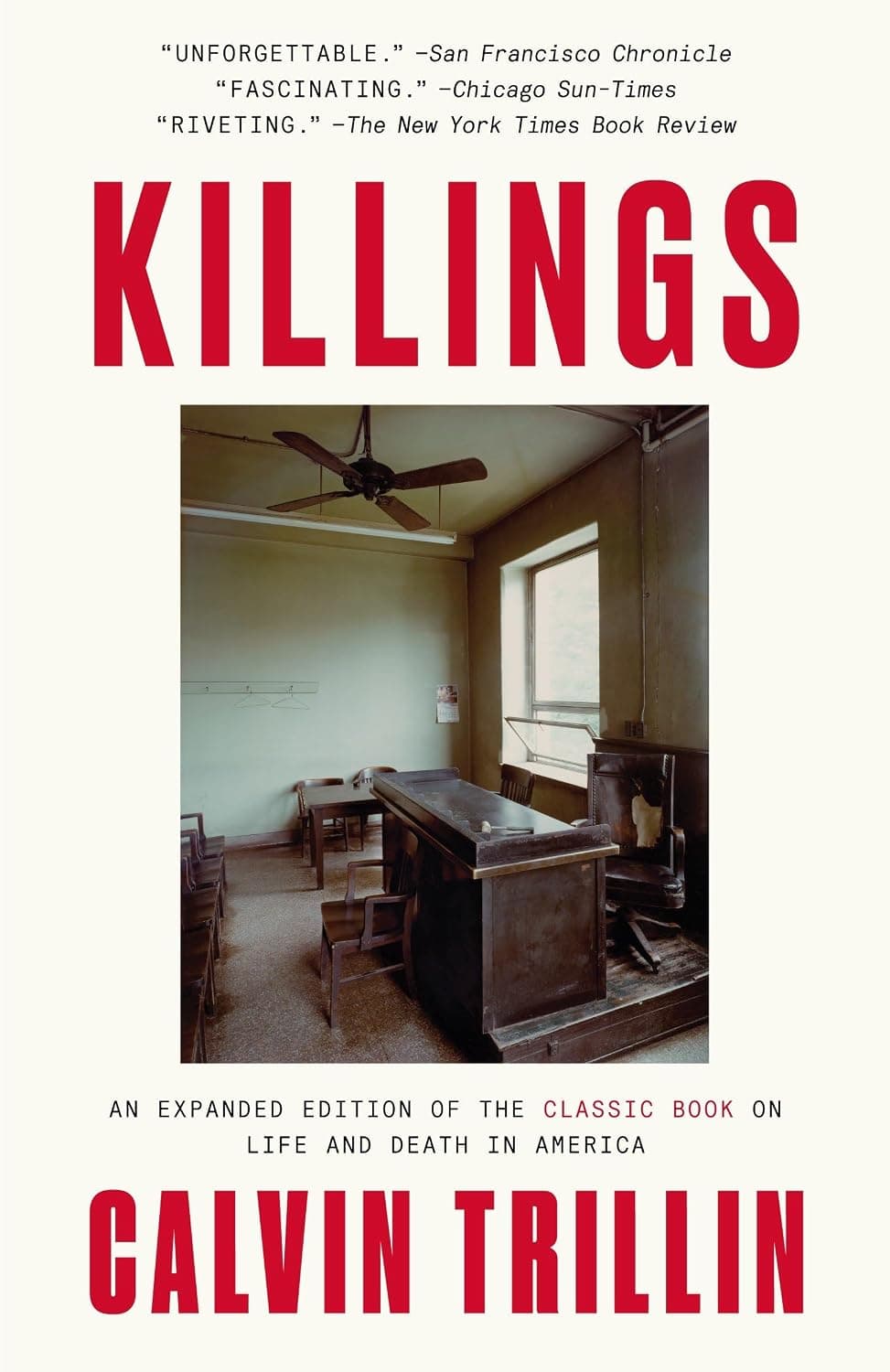
One killing per chapter, in towns no reporter usually visits, including a Kentucky landowner who shot a documentary filmmaker for trespassing. Trillin cares how these Americans lived, not how they died.

Aimee Joubert kills for hire. She arrives in a smug French seaside town, learns everyone's secrets over dinner, and sets the notables to destroying each other. Manchette writes crime as class war.
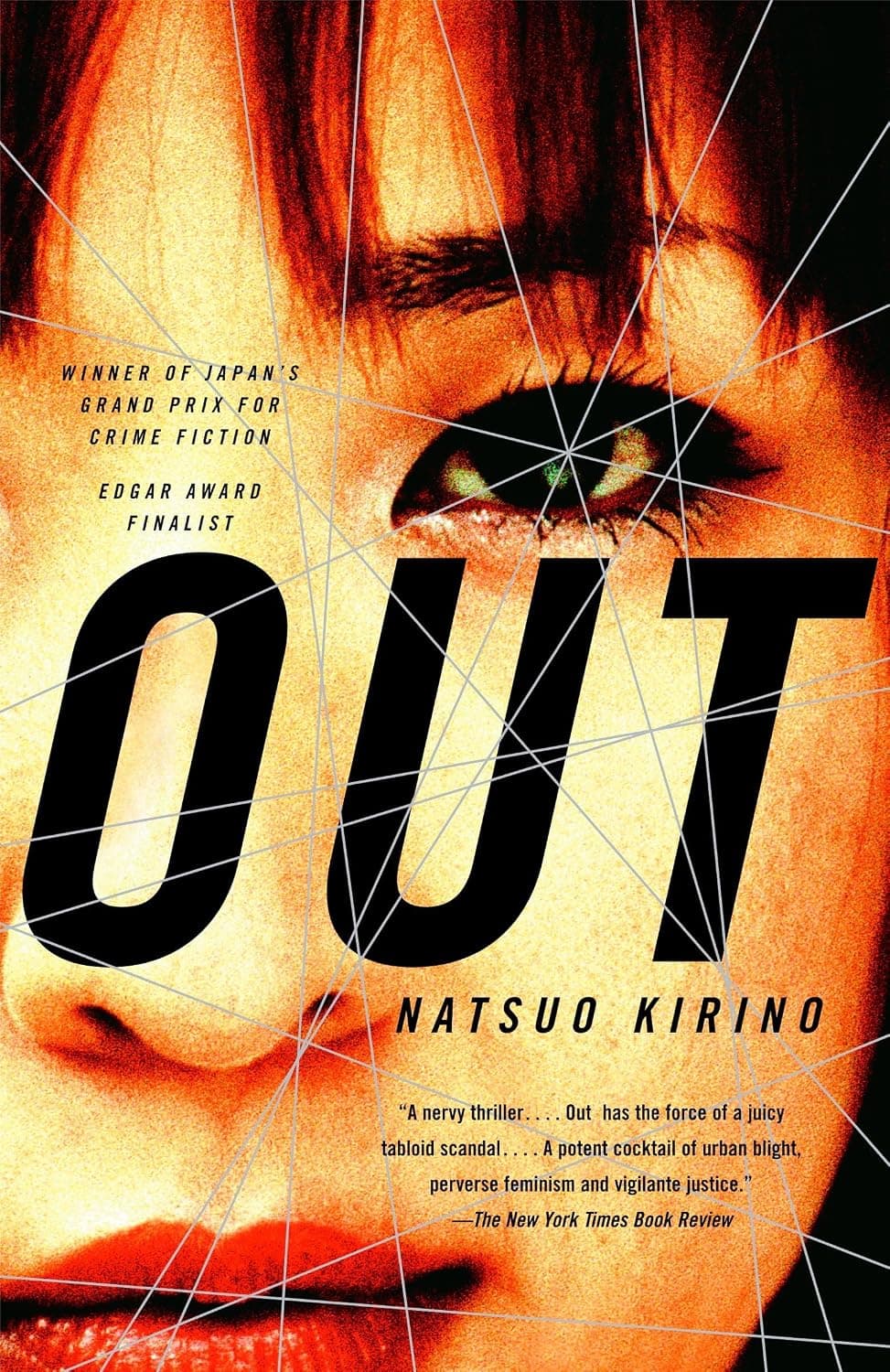
Four women pack boxed lunches on a Tokyo night shift. One strangles her husband, the others take the body apart, and the invisibility that shrank their lives turns out to protect them.

On a rainy Stockholm night a gunman empties a submachine gun into a bus, killing a detective from Martin Beck's own squad. Sjöwall and Wahlöö make Swedish social democracy the real suspect.
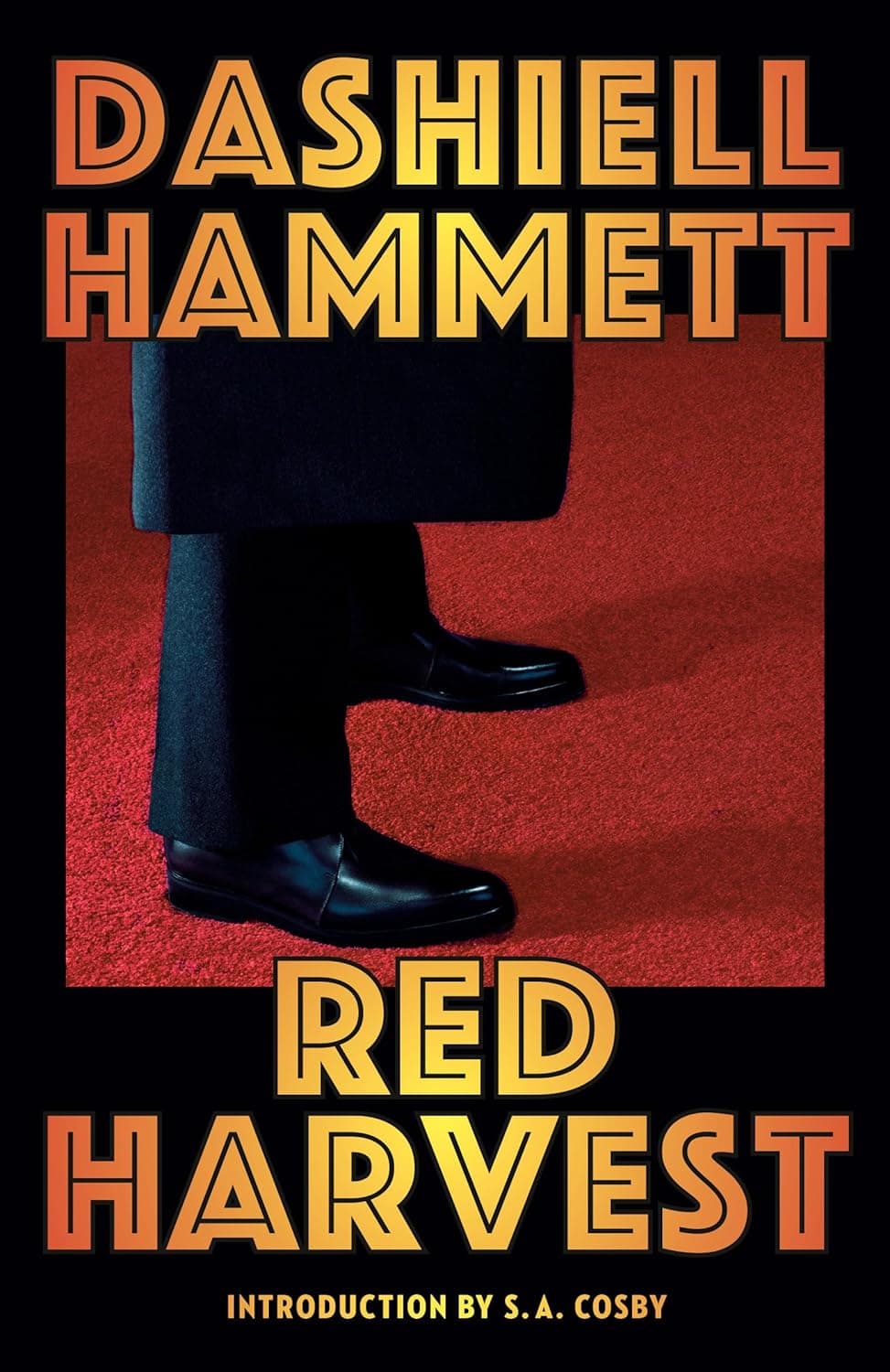
Hired to clean up a Montana mining town, a nameless detective turns its gangs on each other until the streets fill with bodies. Hammett was a Pinkerton, and the coldness is not invented.
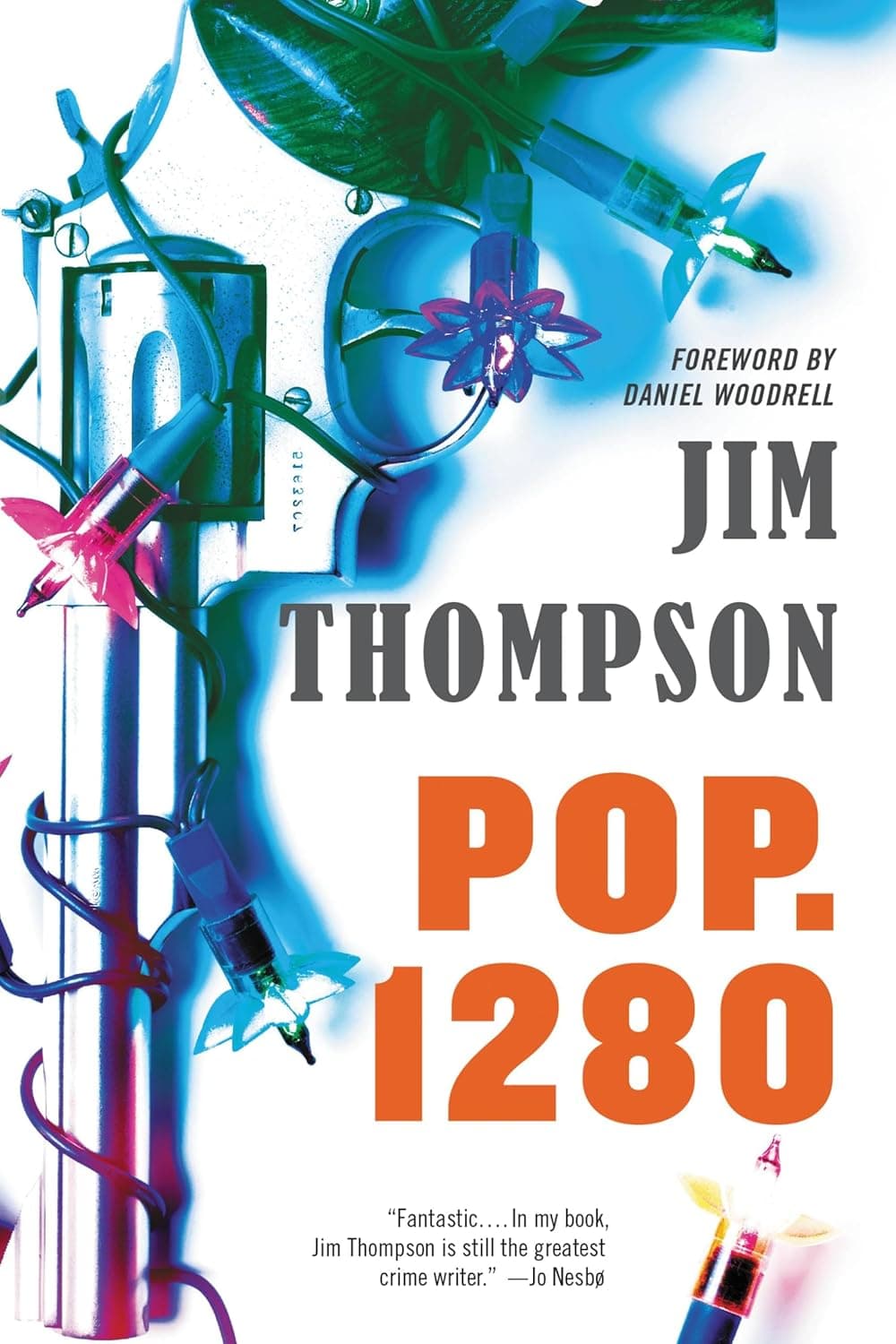
Nick Corey, sheriff of a dirt-poor Southern county, plays the harmless fool while killing people, and his cheerful drawl carries you far before you see what you are laughing at.

Los Angeles, 1948. Easy Rawlins, a Black veteran fired from the aircraft plant, takes a white man's hundred dollars to find a missing woman, and Mosley rebuilds postwar Watts around the search.
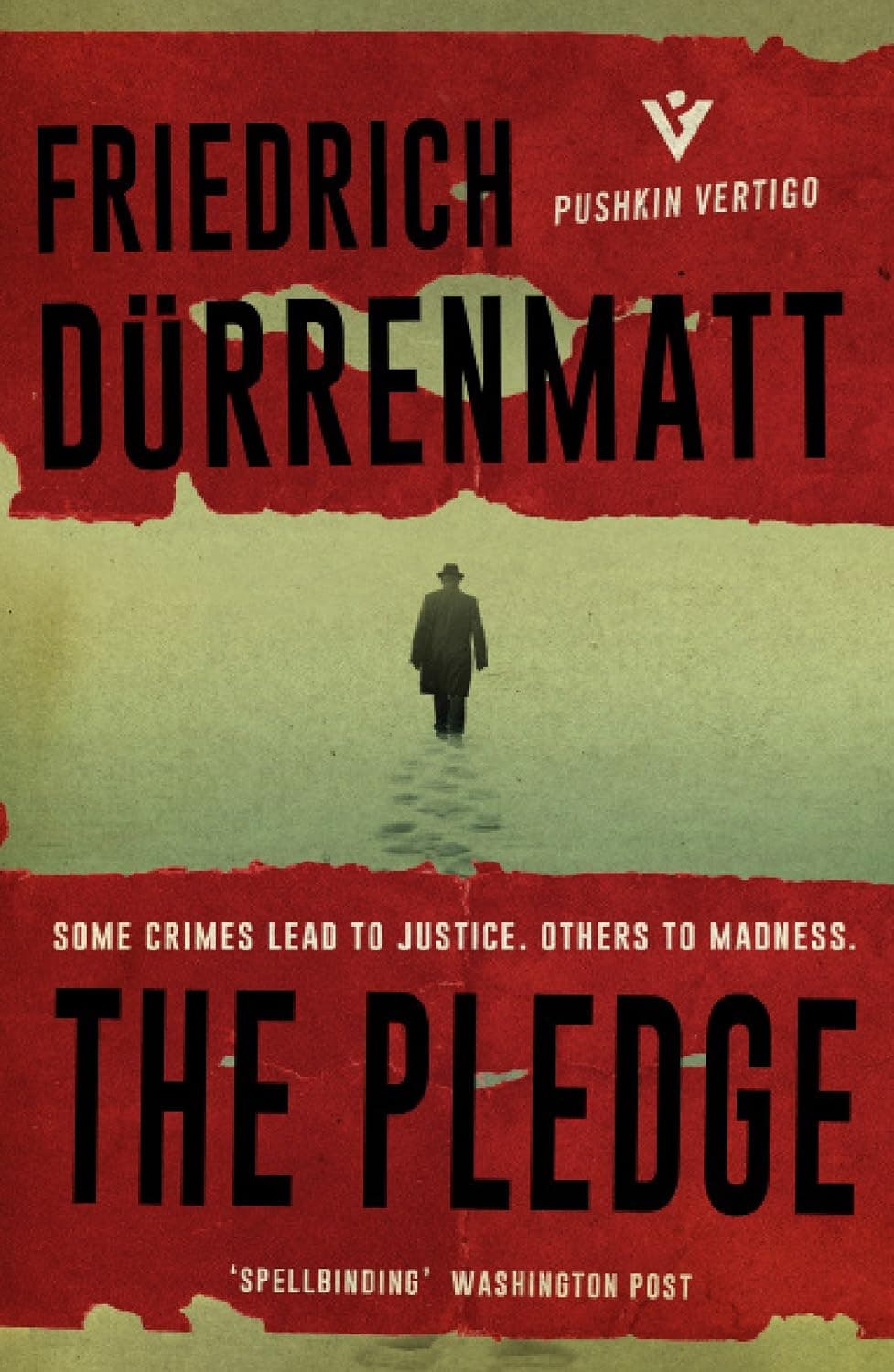
An inspector swears to a murdered girl's mother he will find her killer, then quits, buys a filling station, and waits with a child as bait. Durrenmatt wrote it against the detective genre.
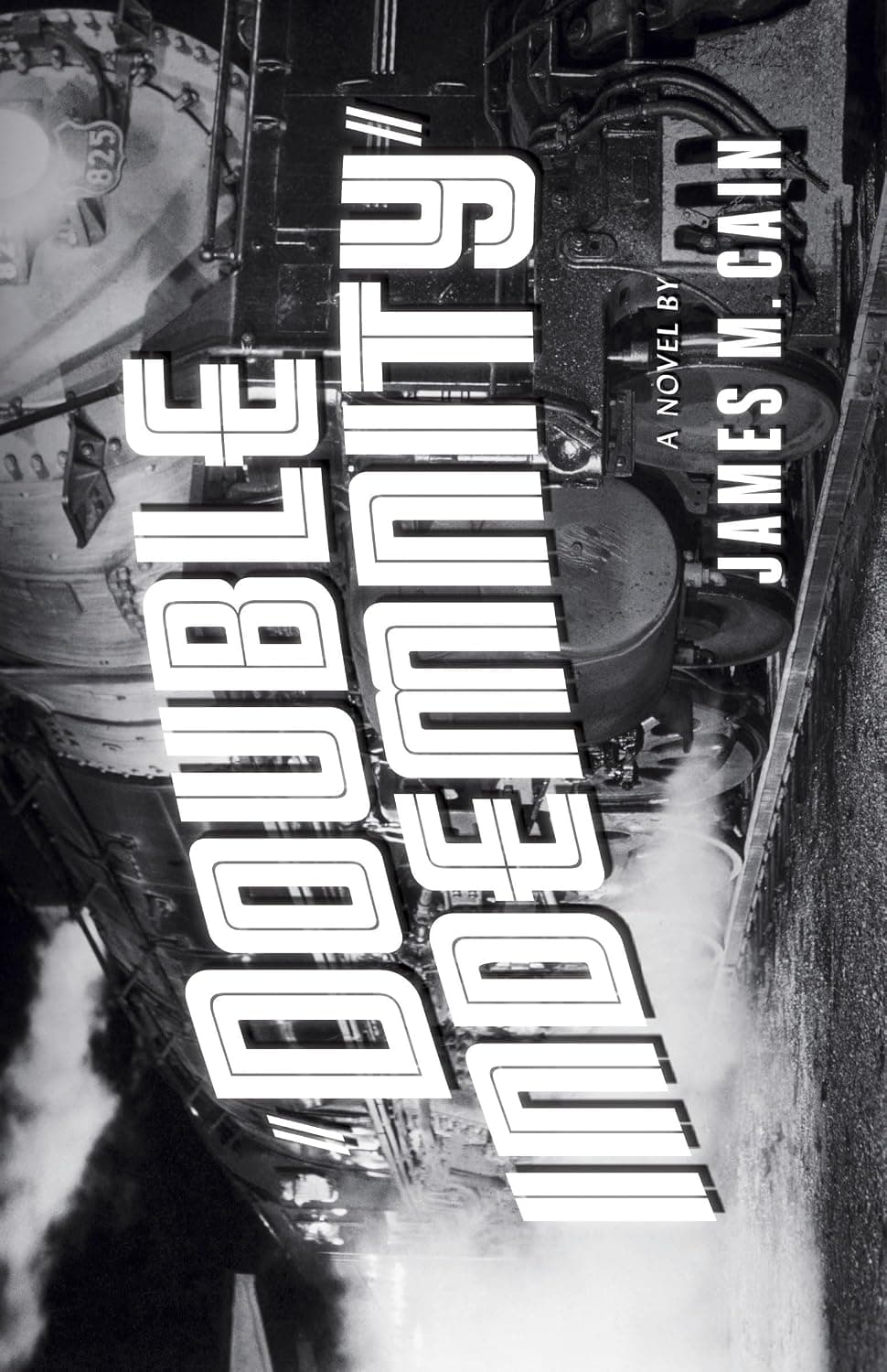
Walter Huff sells insurance, and the wife who wants a policy on her husband starts him on the clause that pays double. Cain tells it as a confession and never slows down.

Snow halts the Orient Express, and an American passenger is found dead in his compartment, stabbed twelve times. Poirot has no police and no laboratory, only what the other travelers tell him.

The best-selling mystery ever written: eight guests and two servants on an island off Devon, accused by a gramophone of murders the law could not touch, then killed to a nursery rhyme.

Every journalist knows what he does is morally indefensible, Malcolm opens, then proves it through a convicted murderer suing the writer who befriended him and delivered him to readers as a sociopath.

Thrown off a hay truck, a drifter takes work at a California diner and wants the owner's wife enough to help her kill her husband. Cain does it in a hundred scalding pages.

Patrick Bateman works mergers and acquisitions, agonizes over the typeface on a colleague's business card, and narrates atrocities in the voice he uses for Huey Lewis albums. Reagan's Wall Street becomes horror comedy.

Alex is fifteen and narrates his nights of assault in Nadsat, a slang welded from Russian and Cockney. The state conditions the violence out of him, and Burgess asks whether forced goodness counts.

Sent to Italy to fetch a shipping magnate's son, Tom Ripley falls for the life instead, murders his friend, and wears his name. Highsmith makes you want him to get away with it.
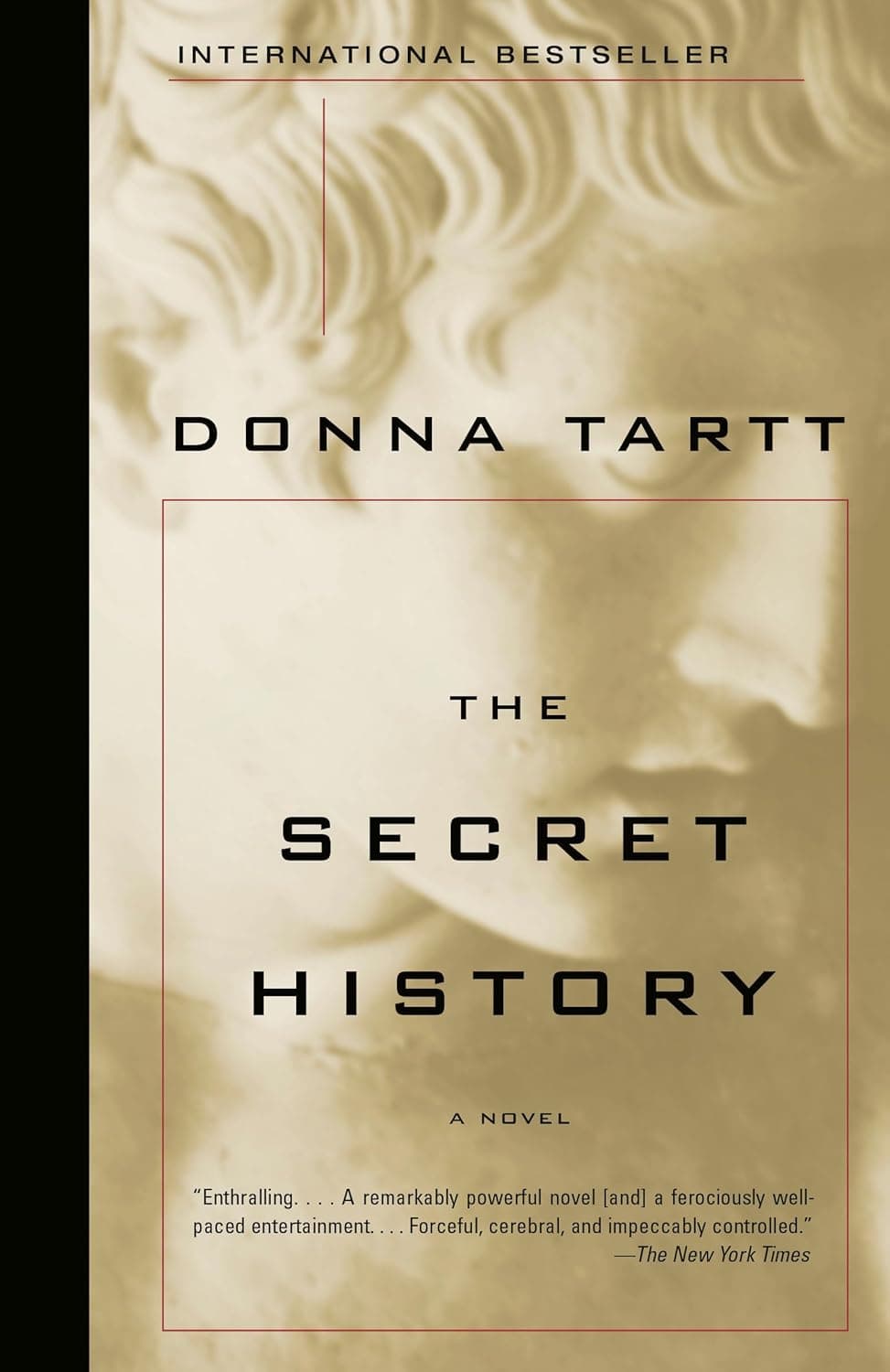
At a Vermont college a transfer student joins five classics majors and their charismatic tutor, then learns their rite to Dionysus left a farmer dead. Dark academia has been rewriting it since.

On Dartmoor a legend says a demon hound hunts the Baskervilles, and Sir Charles lies dead with paw prints beside him. Doyle sends Watson onto the moor without Holmes.

A small-time builder is shot running for a bus in a Sicilian square, and every passenger saw nothing. Sciascia named the Mafia as an organization while Italy still insisted it did not exist.

Clyde Griffiths, raised by street preachers and starving for money, gets a factory girl pregnant as a rich one turns toward him. Dreiser drew the lake that follows from a 1906 murder case.

Chandler said Hammett took murder out of the Venetian vase and dropped it into the alley. His detective Sam Spade loses a partner, trusts nobody, and chases a black statuette worth killing for.

Two brothers spend a morning announcing they will kill Santiago Nasar over their sister's wedding night, and nobody stops them. García Márquez reconstructs it from the witnesses who let it happen.
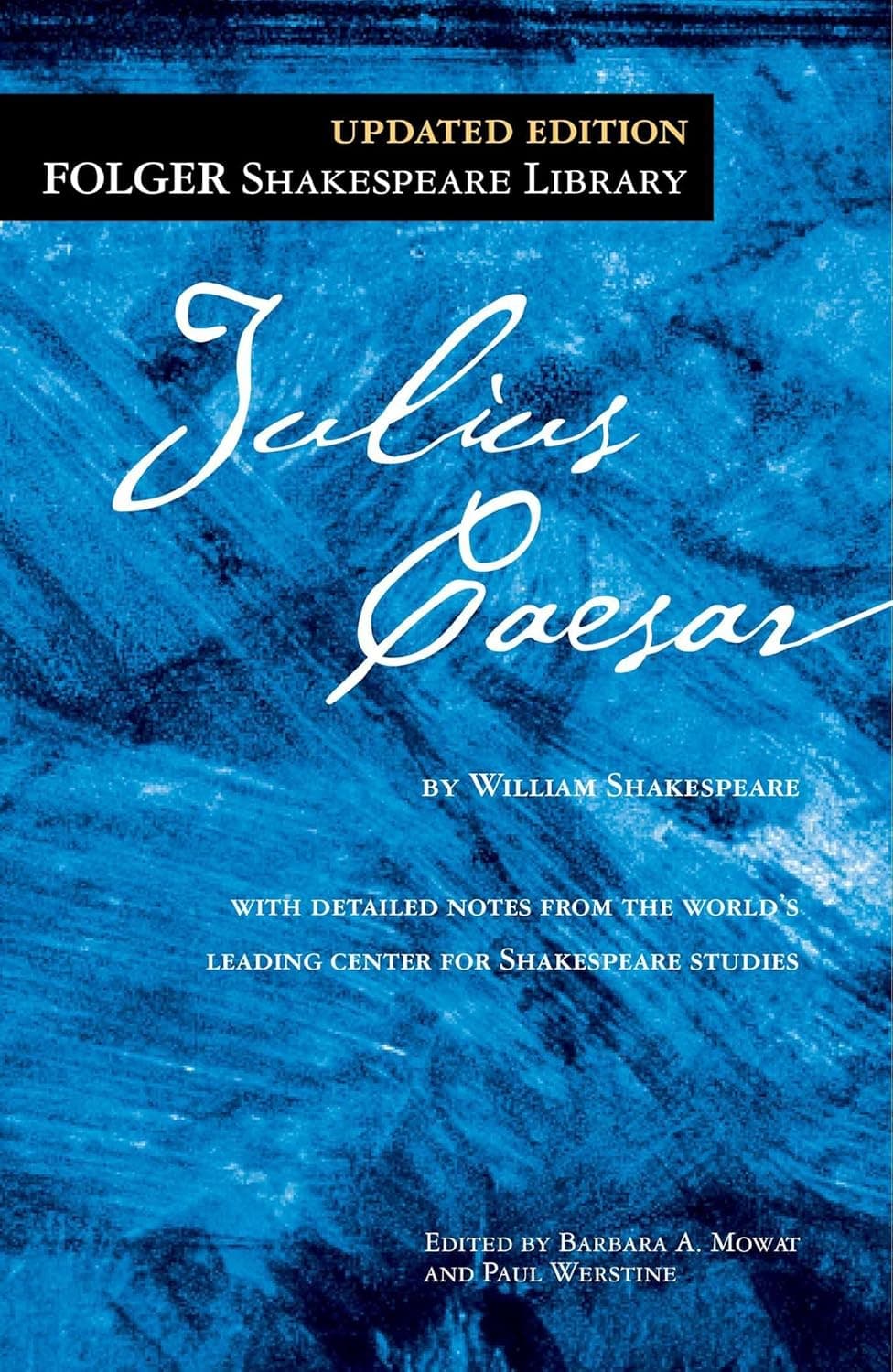
Brutus is persuaded that killing his friend will save the republic. Antony stands over the body, says he comes to bury Caesar and not to praise him, and turns Rome around.
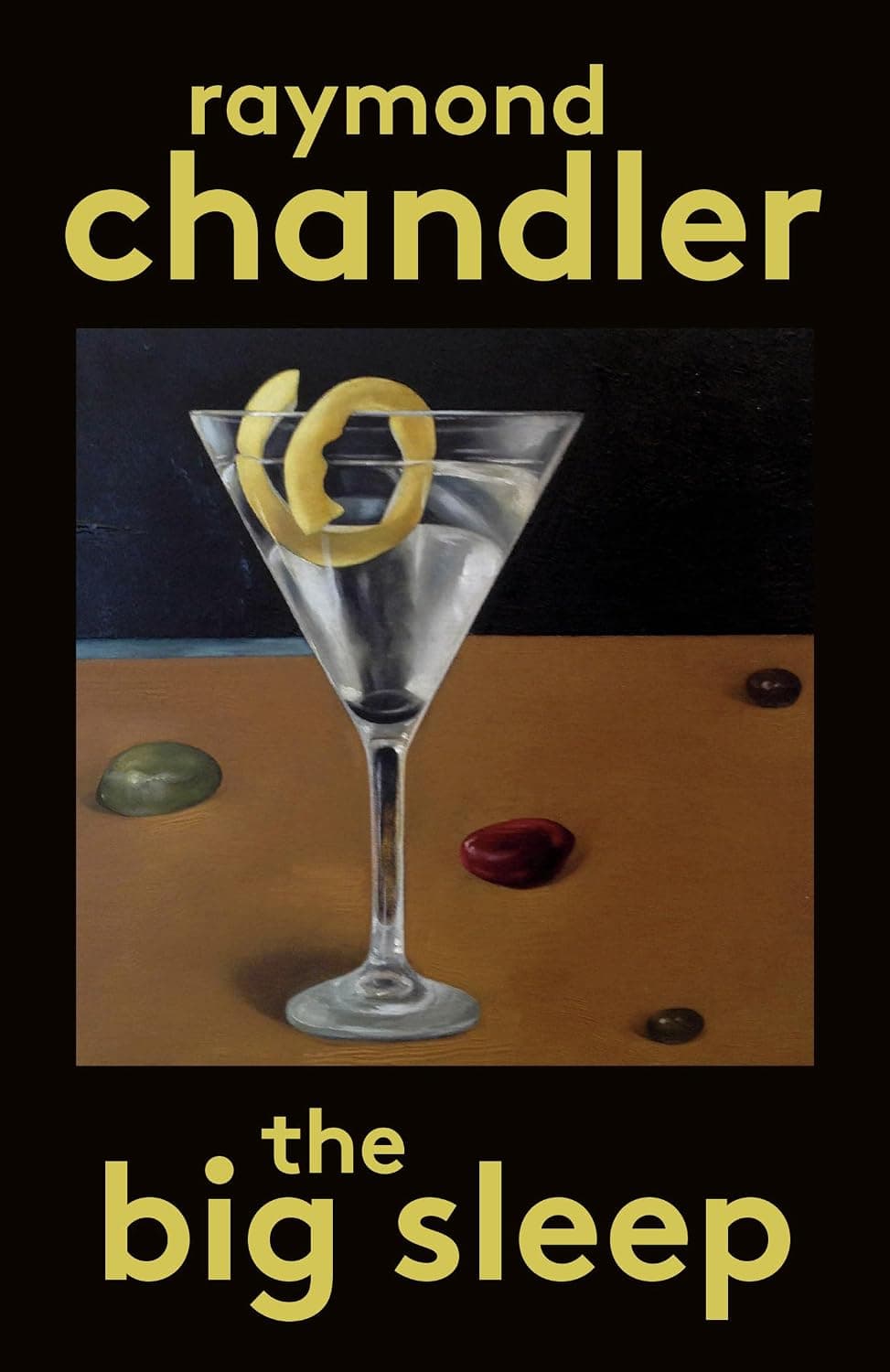
A dying general among his orchids hires Philip Marlowe to settle a blackmail debt, and the job opens into pornography, missing husbands, and Los Angeles money. Chandler's sentences became an American standard.
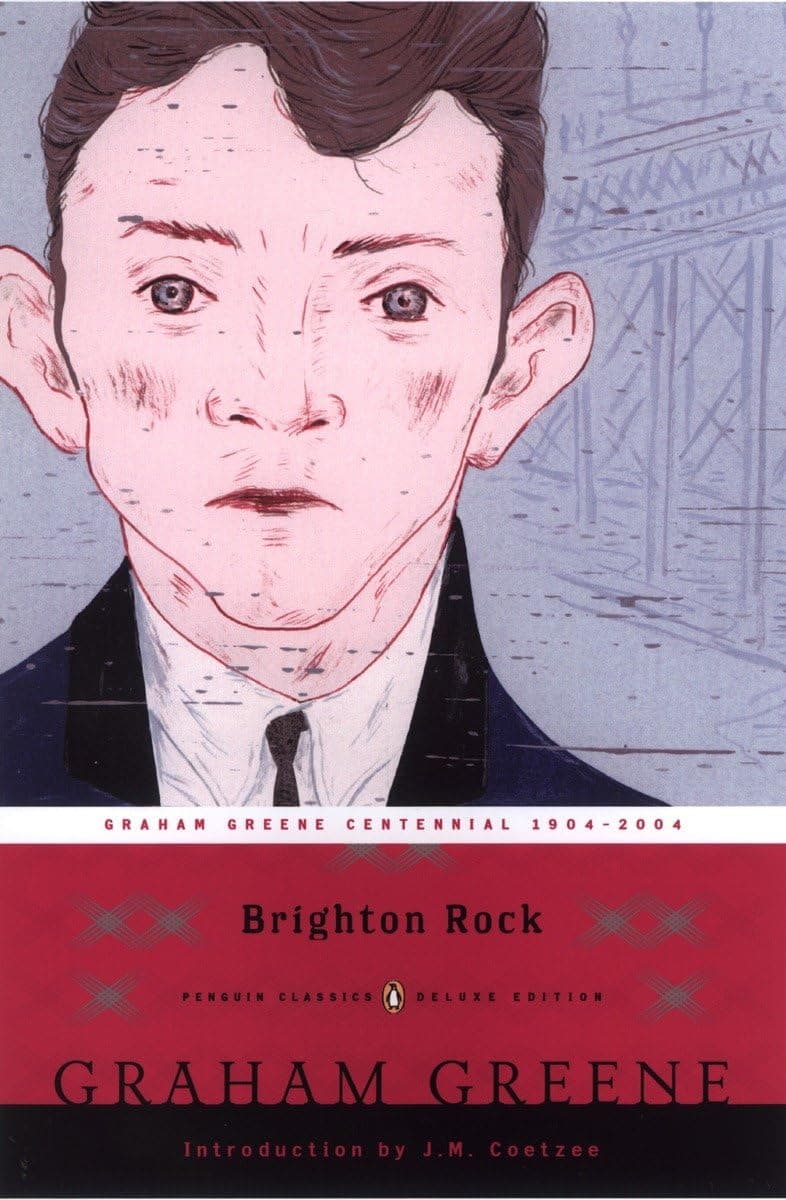
Pinkie Brown runs a Brighton razor gang at seventeen, kills without flinching, and believes in hell the way other people believe in weather. Greene makes damnation the engine of a seaside thriller.
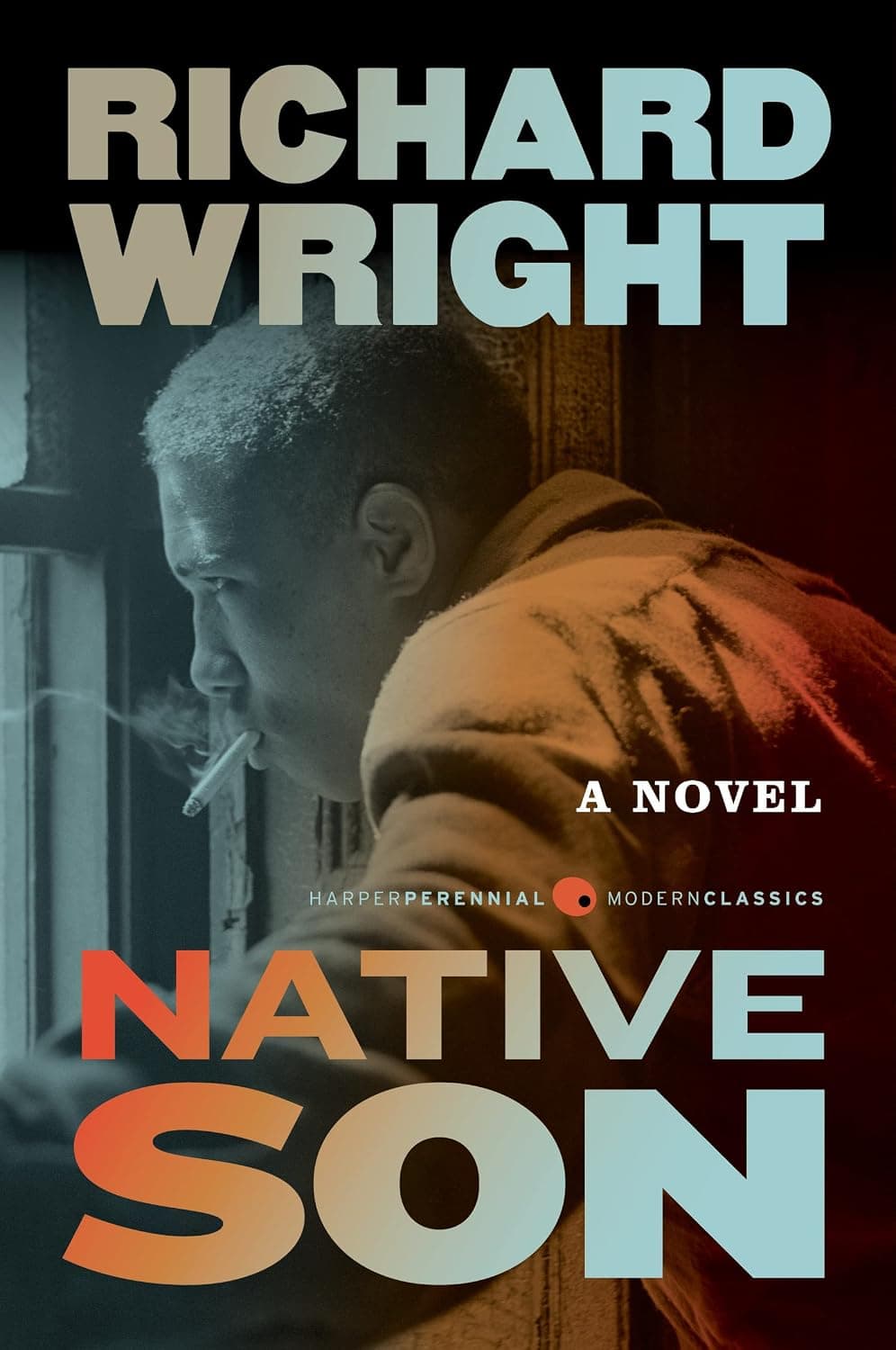
Bigger Thomas drives for a rich white family in 1930s Chicago and kills their daughter in a panic his first night. Wright keeps you inside his head and will not soften him.
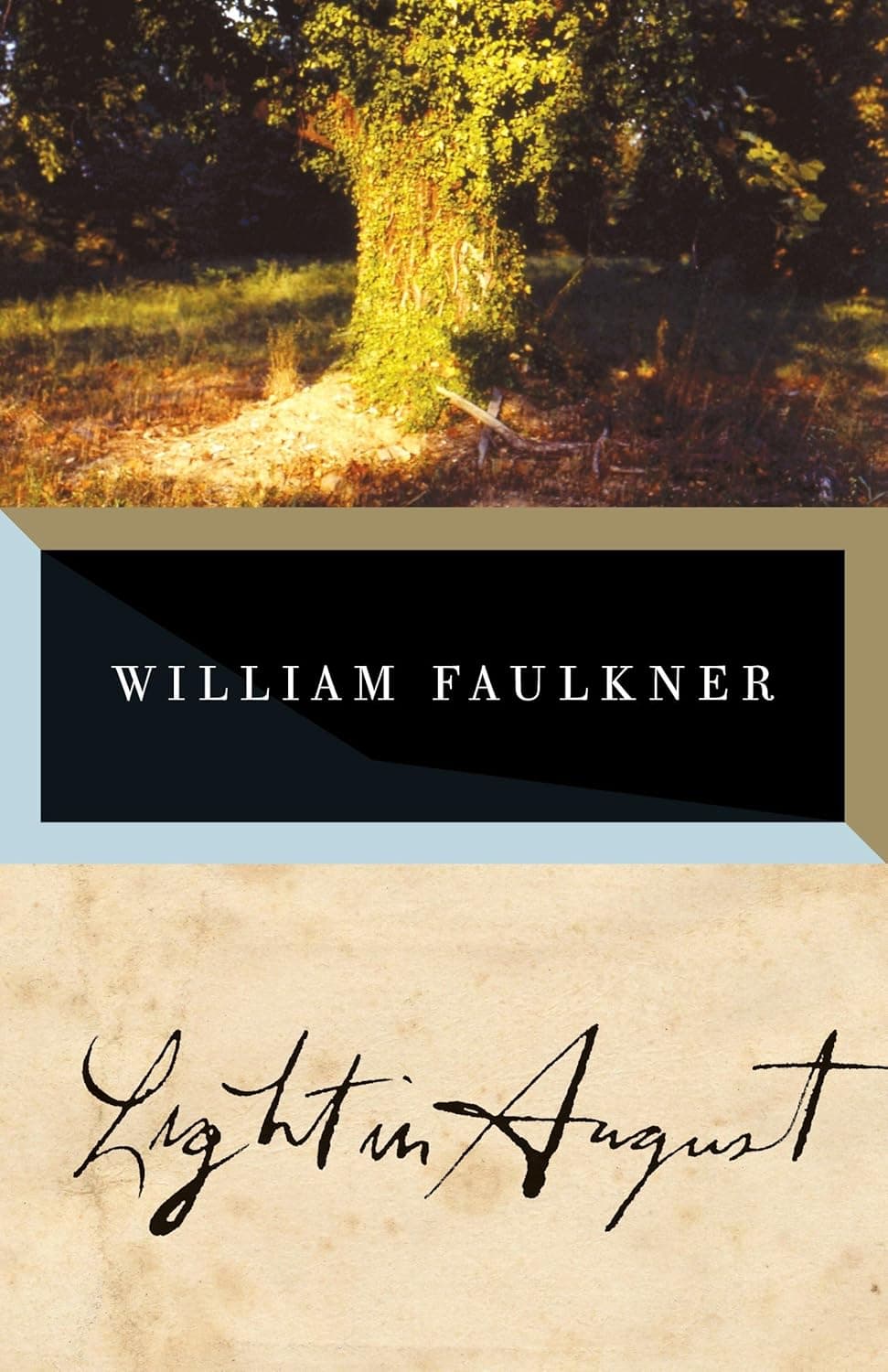
Pregnant and walking from Alabama, Lena Grove looks for the man who left her. Nearby a man who cannot say whether he is black or white is running out of room.

Monks are dying at an Italian abbey in 1327, the library is a labyrinth no one may enter, and a Franciscan detective and his novice go in. Eco made medieval theology a thriller.
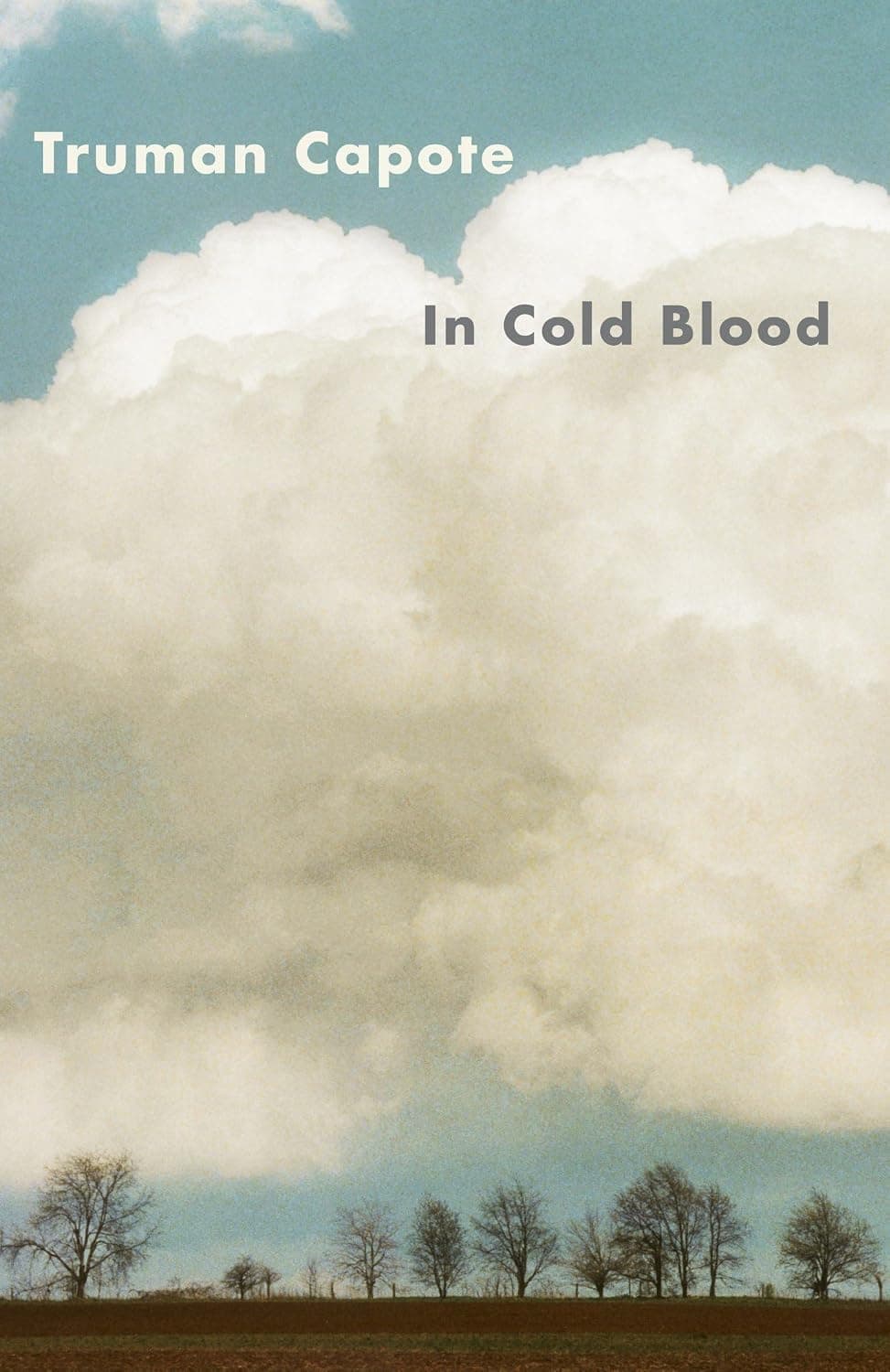
In 1959 two ex-convicts murdered a Kansas farm family of four they had never met. Capote spent years with the killers and turned reporting into a novel, patient and entirely without comfort.

At a party in Verona two teenagers from feuding families meet, marry the next day, and are gone inside a week. Everything they say to each other still sounds newly invented.

Meursault buries his mother without crying, takes a lover, and shoots a man on a hot Algiers beach. At his trial the tears he never shed matter more than the killing.
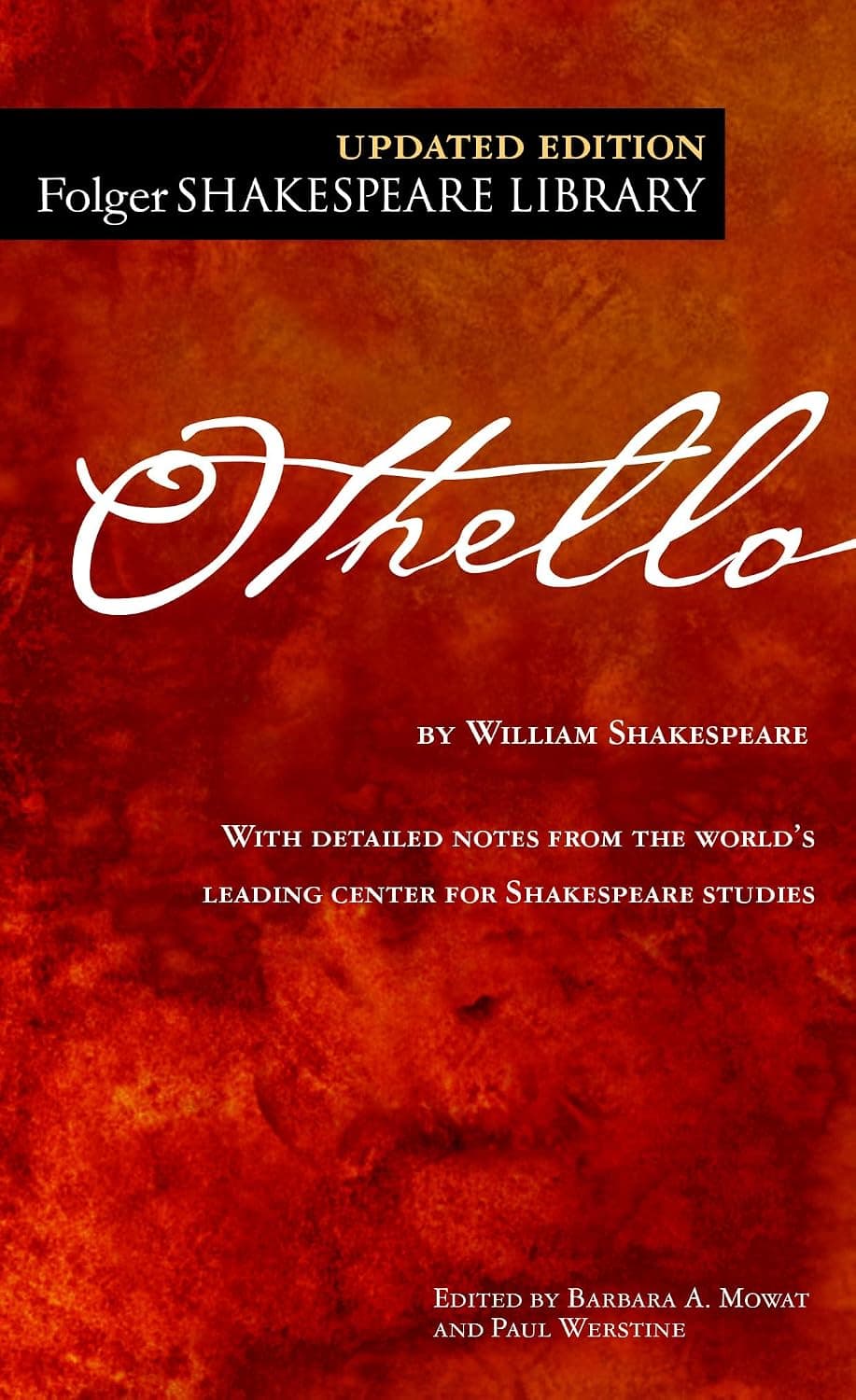
Iago tells the audience exactly how he will destroy his general, then does it with a handkerchief and patient lying. His reasons never explain it, and watching Othello believe him is agony.

Witches promise a soldier the crown, and he and his wife murder their way to it. Shakespeare's shortest tragedy moves like a nightmare, and the guilt arrives before the blood dries.

Raskolnikov murders a pawnbroker to prove he stands above ordinary morality, then comes apart as a magistrate circles him. It reads like a thriller and works like a confession.
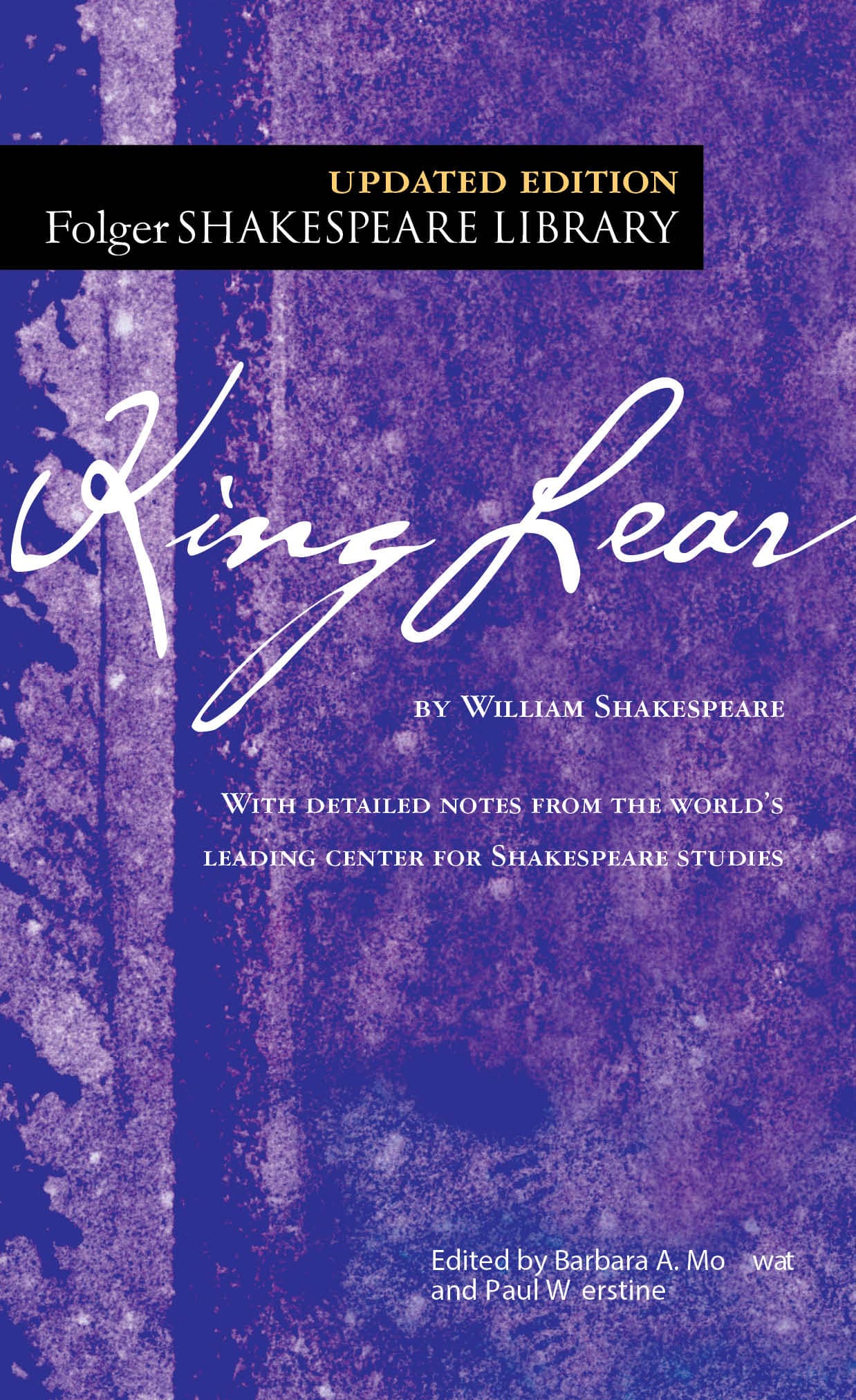
An old king divides his kingdom by asking his daughters how much they love him, and the truthful one says least. Shakespeare wrote nothing bleaker, and the last scene is unbearable.

Hamlet's father appears as a ghost and demands revenge, and the prince spends the play failing to take it. Four centuries of readers have found their own divided minds in his hesitation.