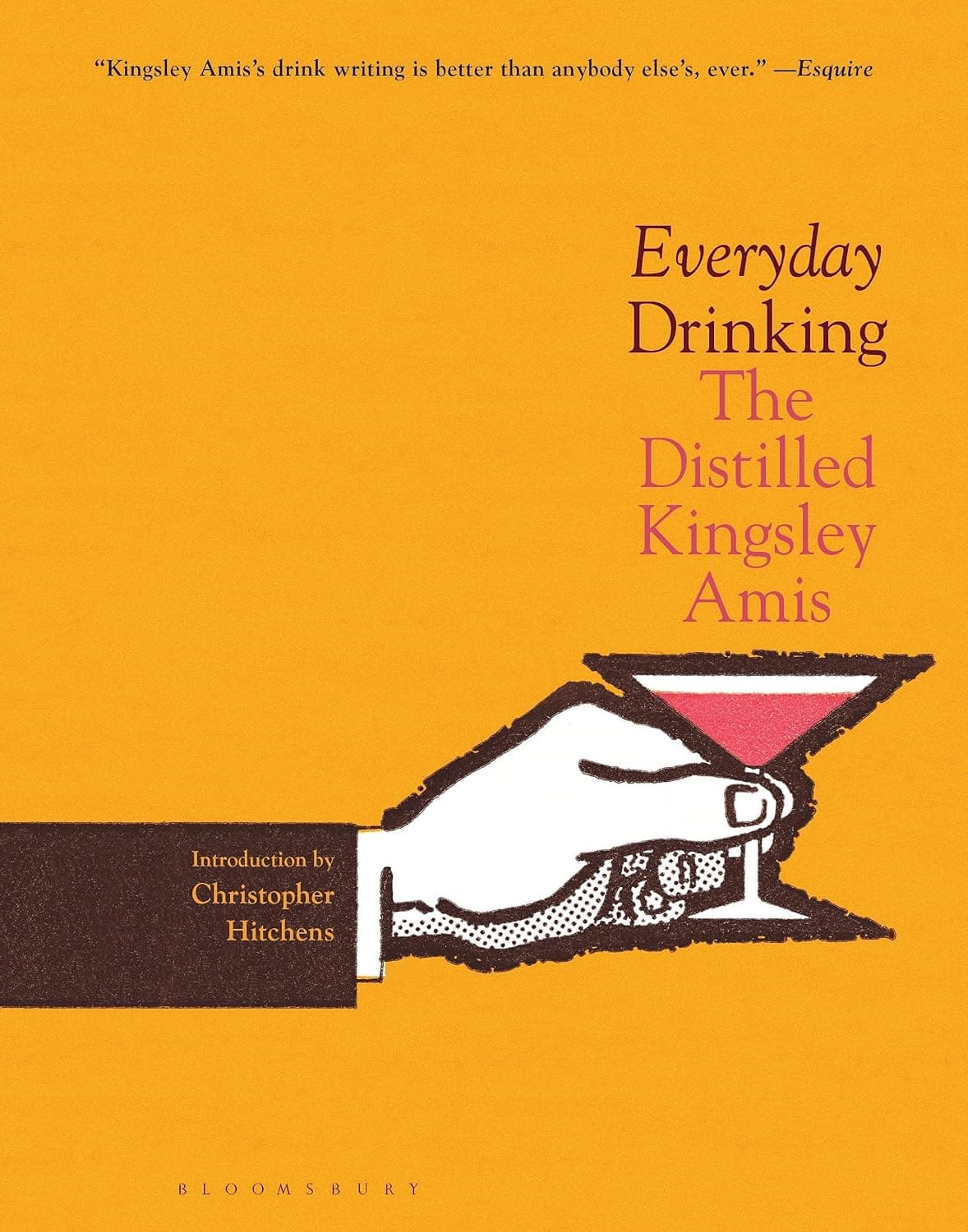
Everyday Drinking
Nobody has written funnier prose about drink. Kingsley Amis separates the physical hangover from the metaphysical one, calculates what a party will actually consume, and hands down recipes he plainly tested.

Nobody has written funnier prose about drink. Kingsley Amis separates the physical hangover from the metaphysical one, calculates what a party will actually consume, and hands down recipes he plainly tested.

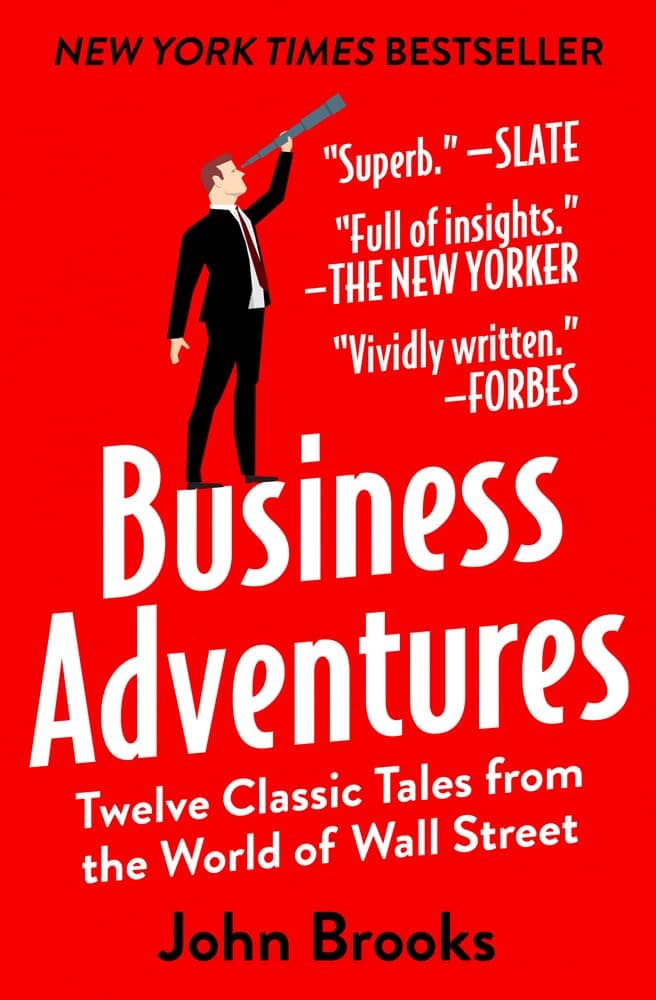
Twelve New Yorker reports on how companies behave: Ford burning millions on the Edsel, a grocer trying to corner his own stock. Bill Gates calls it the best business book he has read.

Beauty and utility generate each other, Paul Rand argues, and the designer's job is fusing idea with image. He pulled European modernism into American advertising and made the trade take design seriously.

Speech therapy for a lisp, a methamphetamine phase of conceptual art, then a Paris classroom where a French teacher reduces grown adults to stammering. Sedaris finds humiliation funny and never spares himself.

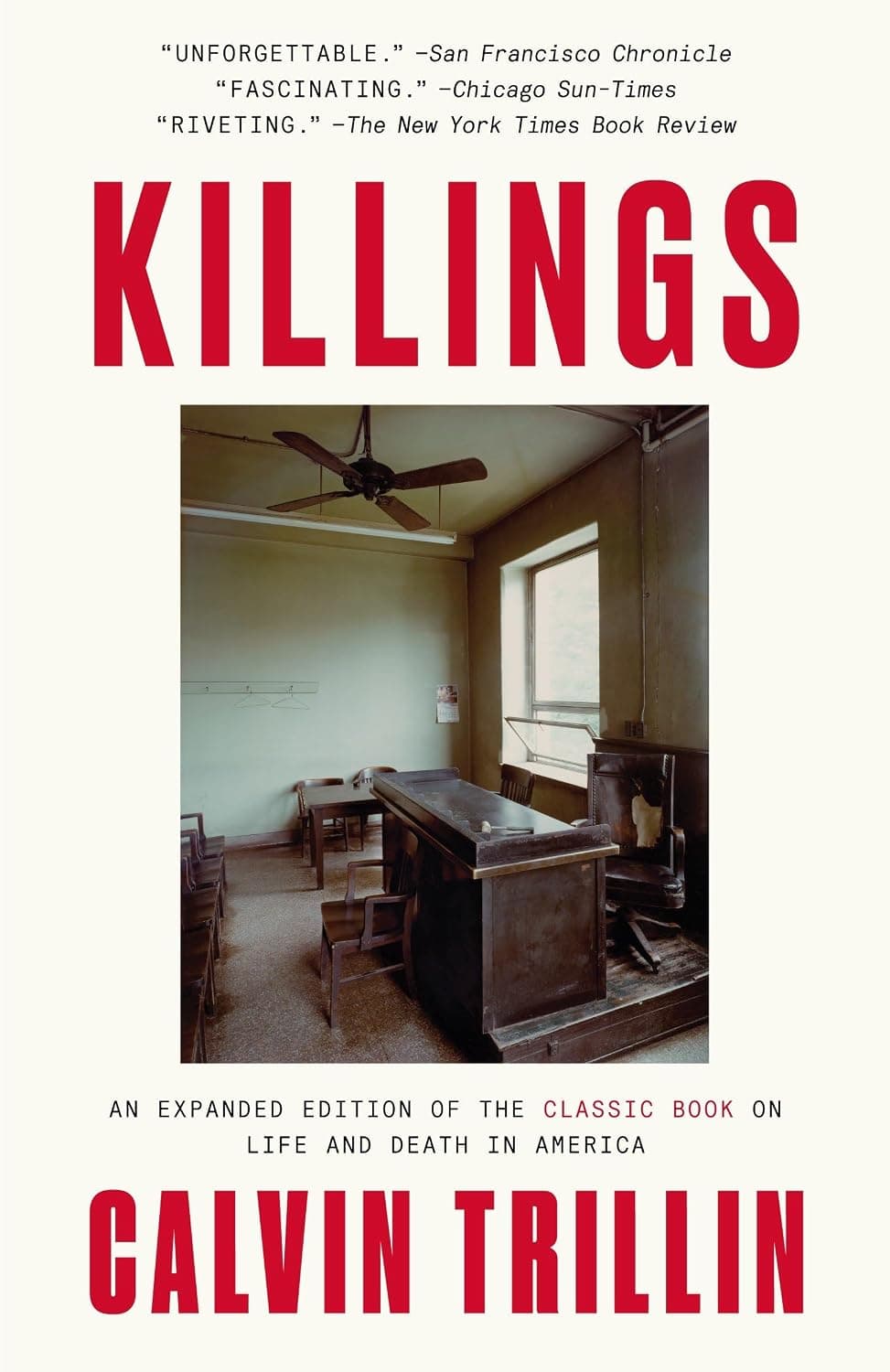
One killing per chapter, in towns no reporter usually visits, including a Kentucky landowner who shot a documentary filmmaker for trespassing. Trillin cares how these Americans lived, not how they died.

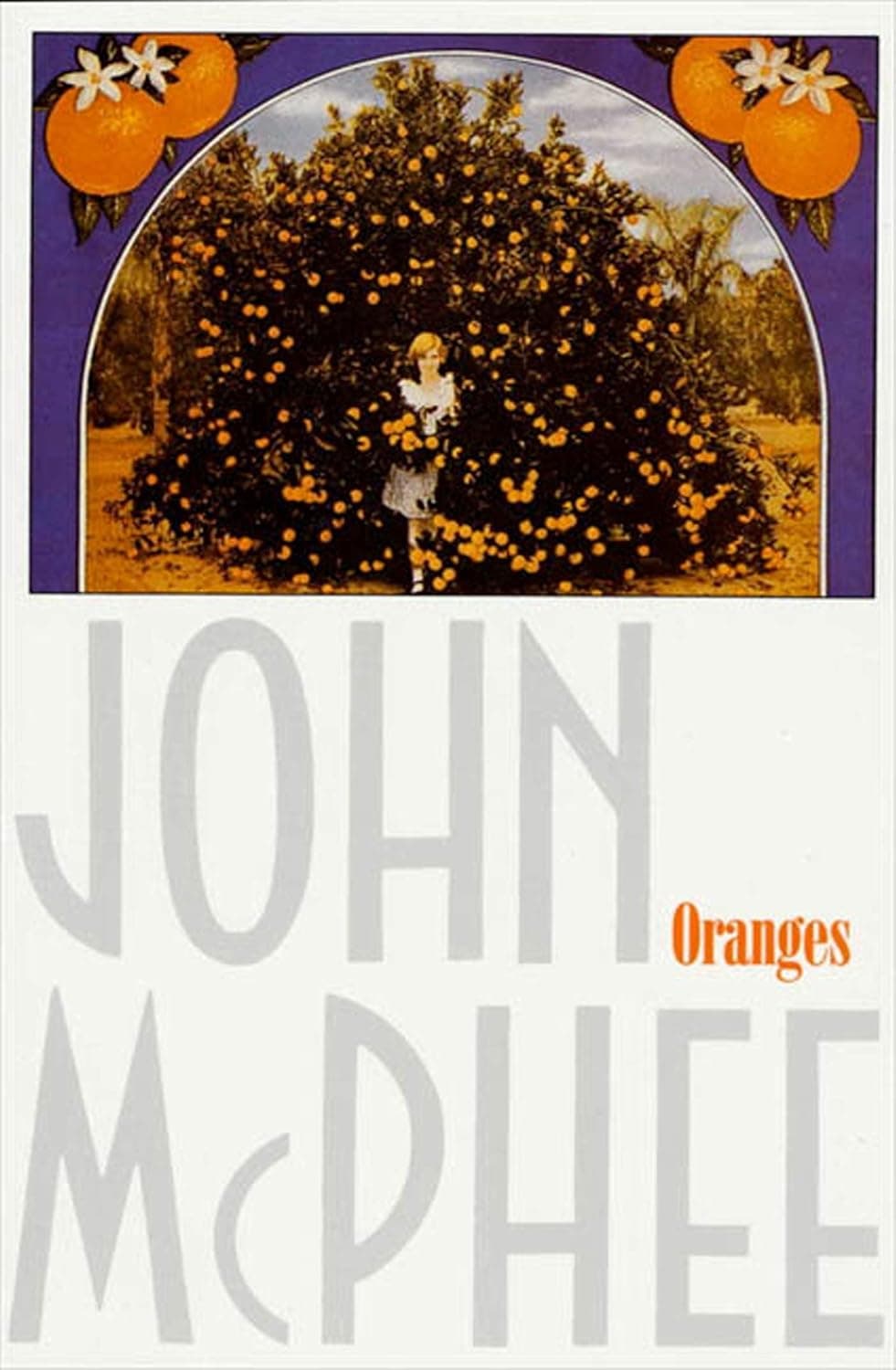
Curious why the juice from a Penn Station machine changed color through the winter, McPhee went to Florida. He came back with citrus botany, grove barons, and the entire industry of frozen concentrate.

At an Aspen party a man lectures Solnit about an important new book on the photographer Muybridge. She wrote it. Her essays track how silencing women shades into violence against them.

For three days in October 1974, Perec sat in cafes on the Place Saint-Sulpice and wrote down every bus, pigeon, and passerby. Look long enough, he shows, and nothing is background.

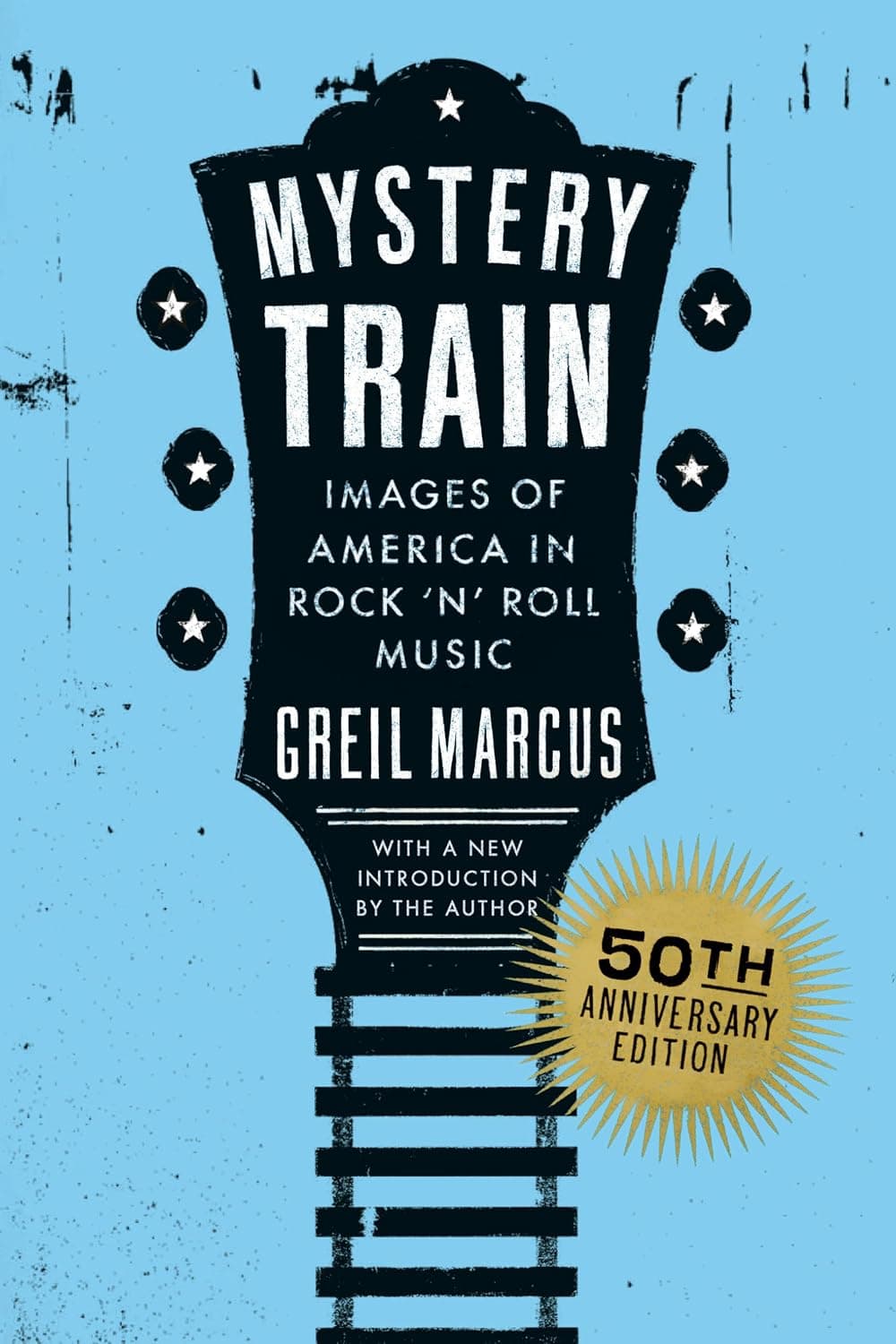
Still the sharpest book written about rock and roll. Marcus treats Elvis, Robert Johnson, and Sly Stone as American artists on the scale of Melville, reading their records for what America is.

At a 1979 feminist conference that had sidelined Black and lesbian women, Lorde said the master's tools will never dismantle the master's house. These essays turn anger and difference into working instruments.

Every journalist knows what he does is morally indefensible, Malcolm opens, then proves it through a convicted murderer suing the writer who befriended him and delivered him to readers as a sociopath.

Beauty in things imperfect, impermanent, and incomplete. Koren traces the aesthetic from the Japanese tea room to the cracked bowl, and gives Western design a language for everything corporate polish cannot reach.

The camera is a sketchbook, Cartier-Bresson insists, an instrument of intuition and not of art. These short essays hand you the working method that made modern photojournalism look the way it does.

Genius does not explain art, Bourdieu argues. Value is manufactured by the whole apparatus around the work: critics, dealers, publishers, rival artists. In this economy refusing money is precisely what buys prestige.

Five years in the high Arctic, among narwhals and muskoxen and light that behaves like nothing further south. Lopez asks what Westerners have wanted from that country, and what the wanting cost.

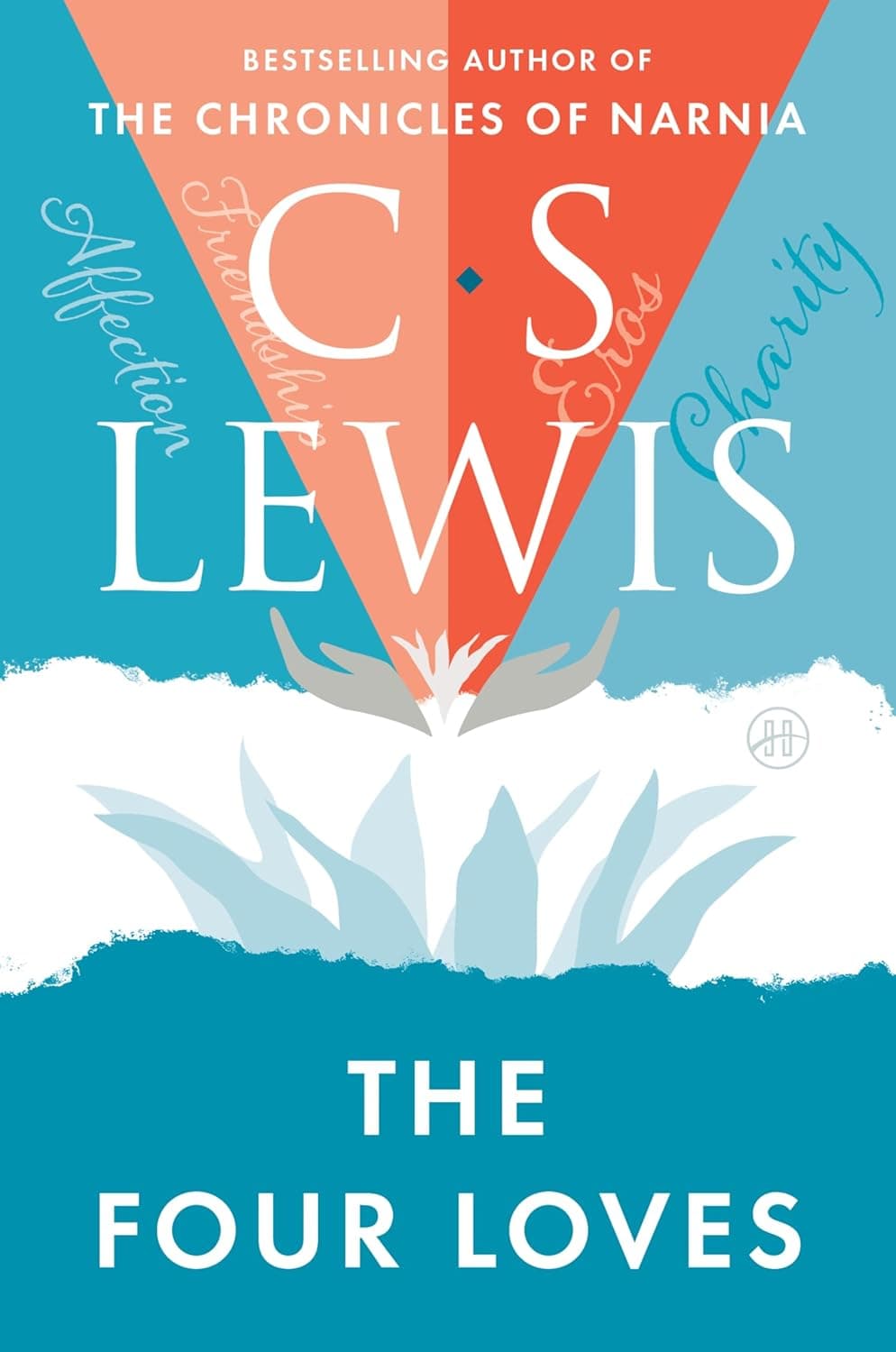
To love at all is to be vulnerable, Lewis writes, then sorts the risk into affection, friendship, eros and charity. Each natural love turns demonic the moment it is made into a god.

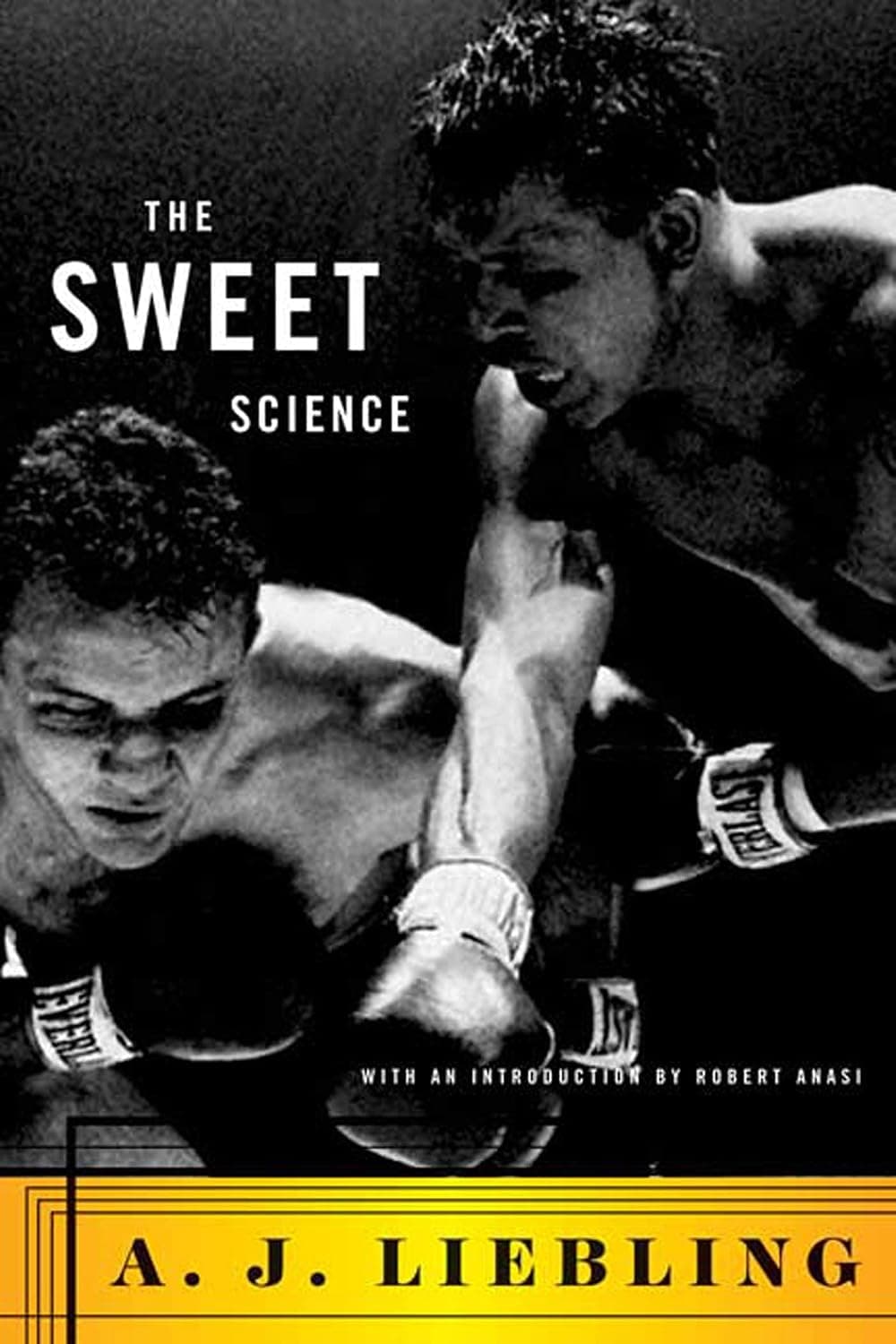
Liebling covered Rocky Marciano knocking out an aging Joe Louis, writing the trainers and cornermen with as much relish as the champions. He set the standard American boxing writing still works from.

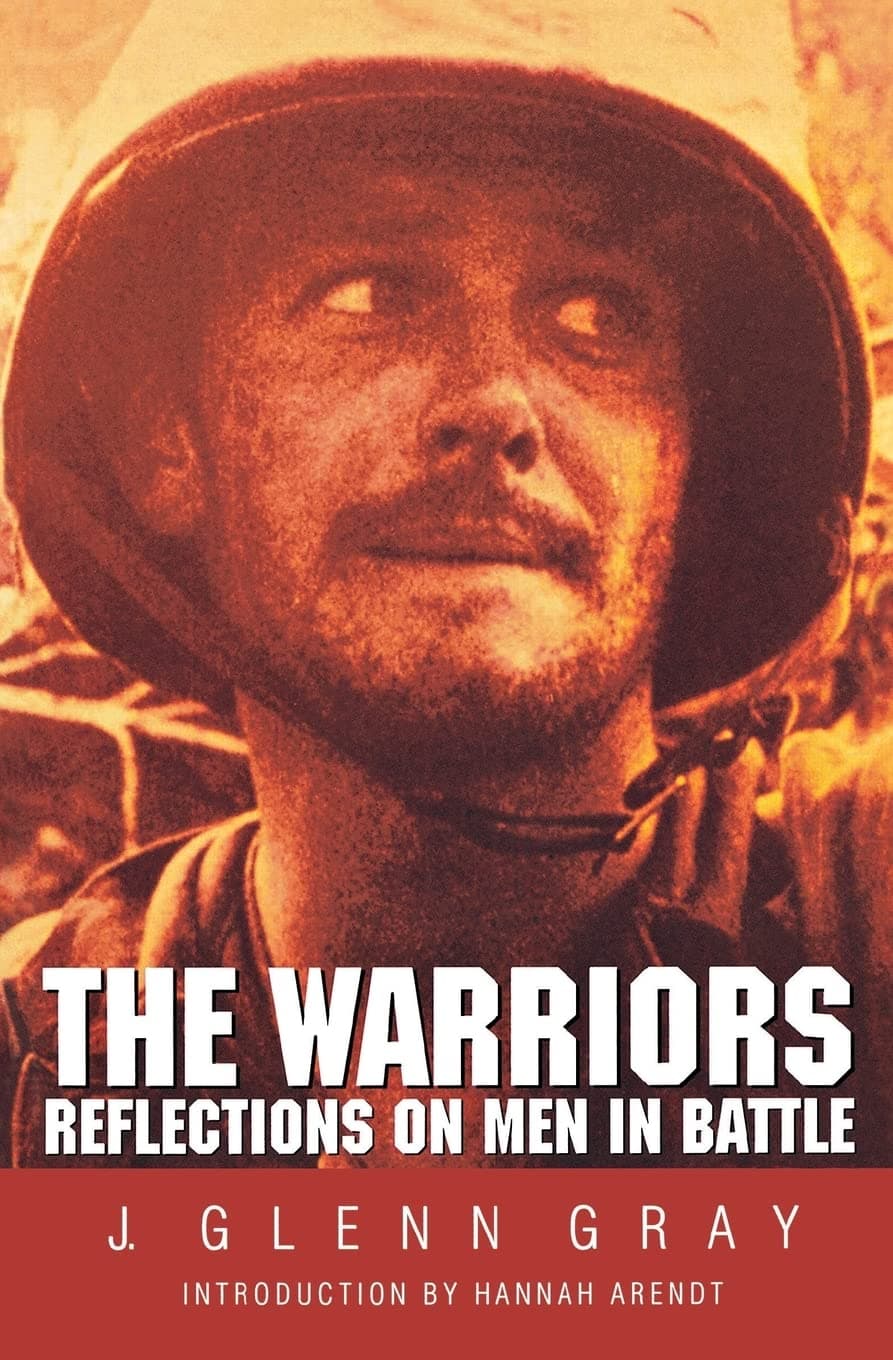
What holds men to war, Gray decided, is the spectacle, the comradeship, and a delight in destruction nobody admits to. The day his Columbia doctorate arrived, so did his draft notice.

How do you go about finding a thing whose nature is unknown to you? Solnit carries that question from Plato into deserts, ruins, and the blue of distance, making lostness a discipline.

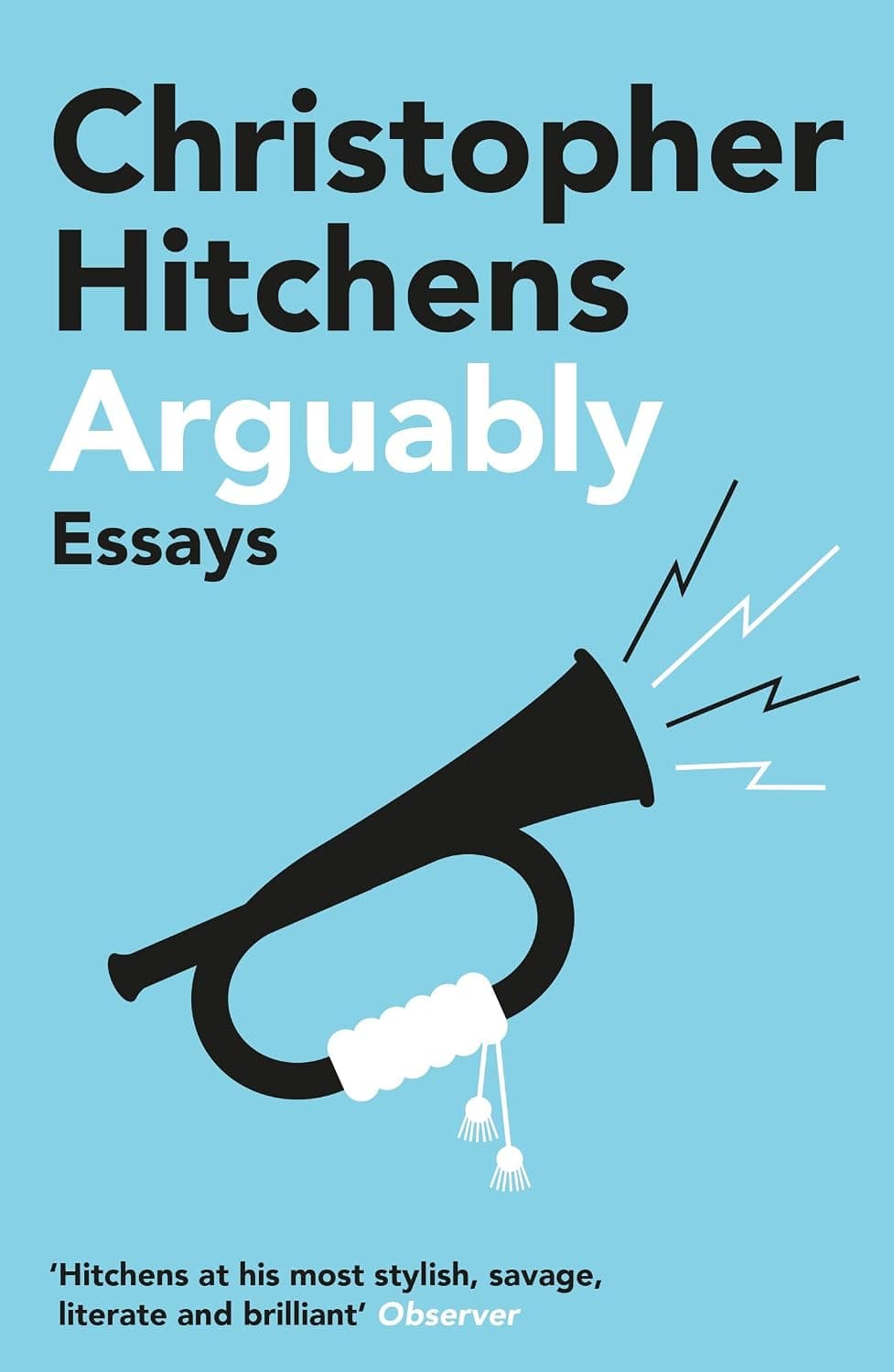
No English-language essayist of his generation wrote with more range or less caution. These 107 pieces run from Orwell and Jefferson to Iraq and Afghanistan, and Hitchens had himself waterboarded before writing one.