
The Bonfire of the Vanities
1987 · 720 pages
Sherman McCoy, a Park Avenue bond trader who calls himself a Master of the Universe, takes a wrong turn into the Bronx. A boy is struck, and Wolfe feeds him to New York.
★ 5.3
 skopia
Sherman McCoy, a Park Avenue bond trader who calls himself a Master of the Universe, takes a wrong turn into the Bronx. A boy is struck, and Wolfe feeds him to New York.
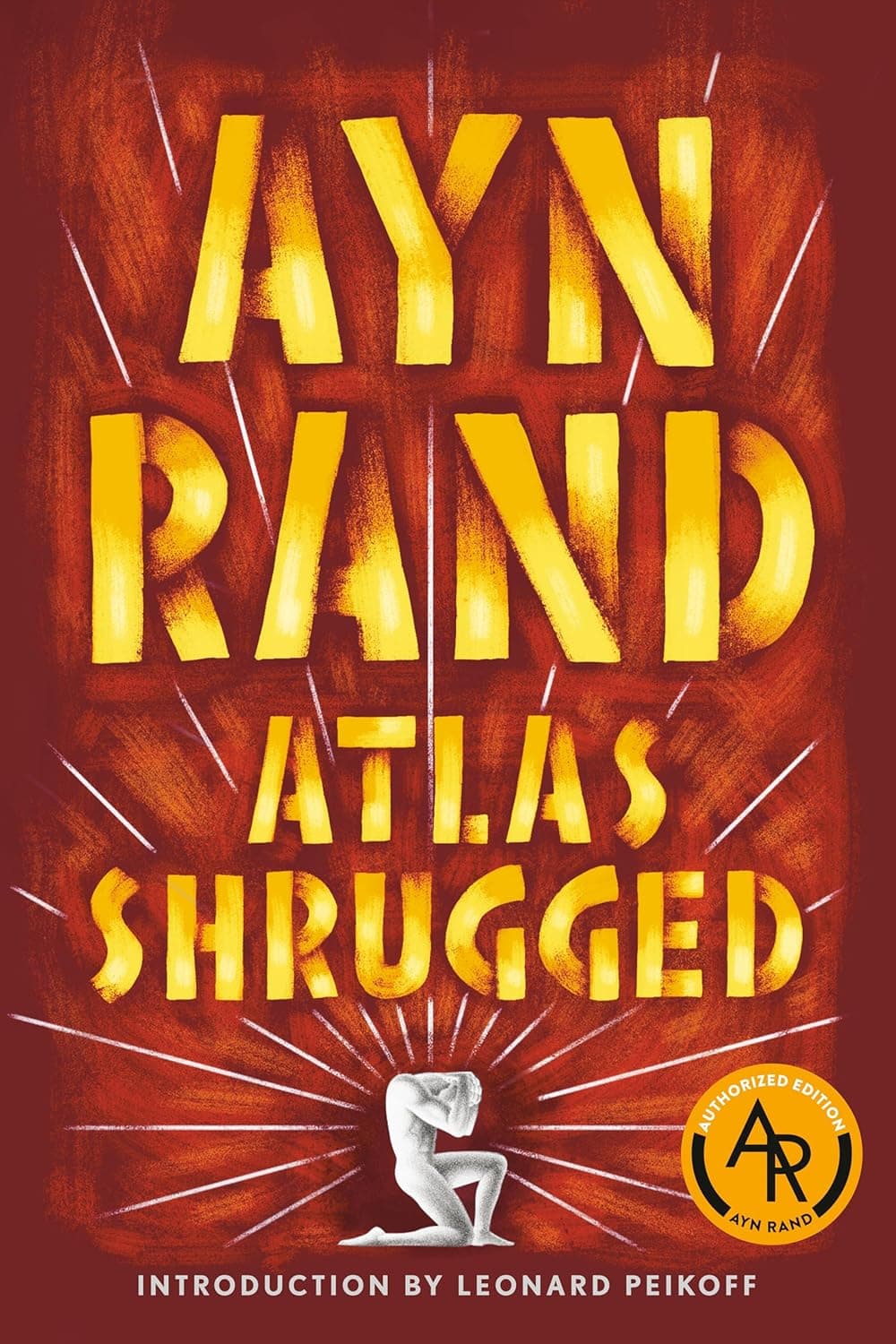
The people who keep the world running go on strike. Dagny Taggart holds her railroad together as the competent vanish, and Rand's case that selfishness is a virtue still powers American libertarianism.
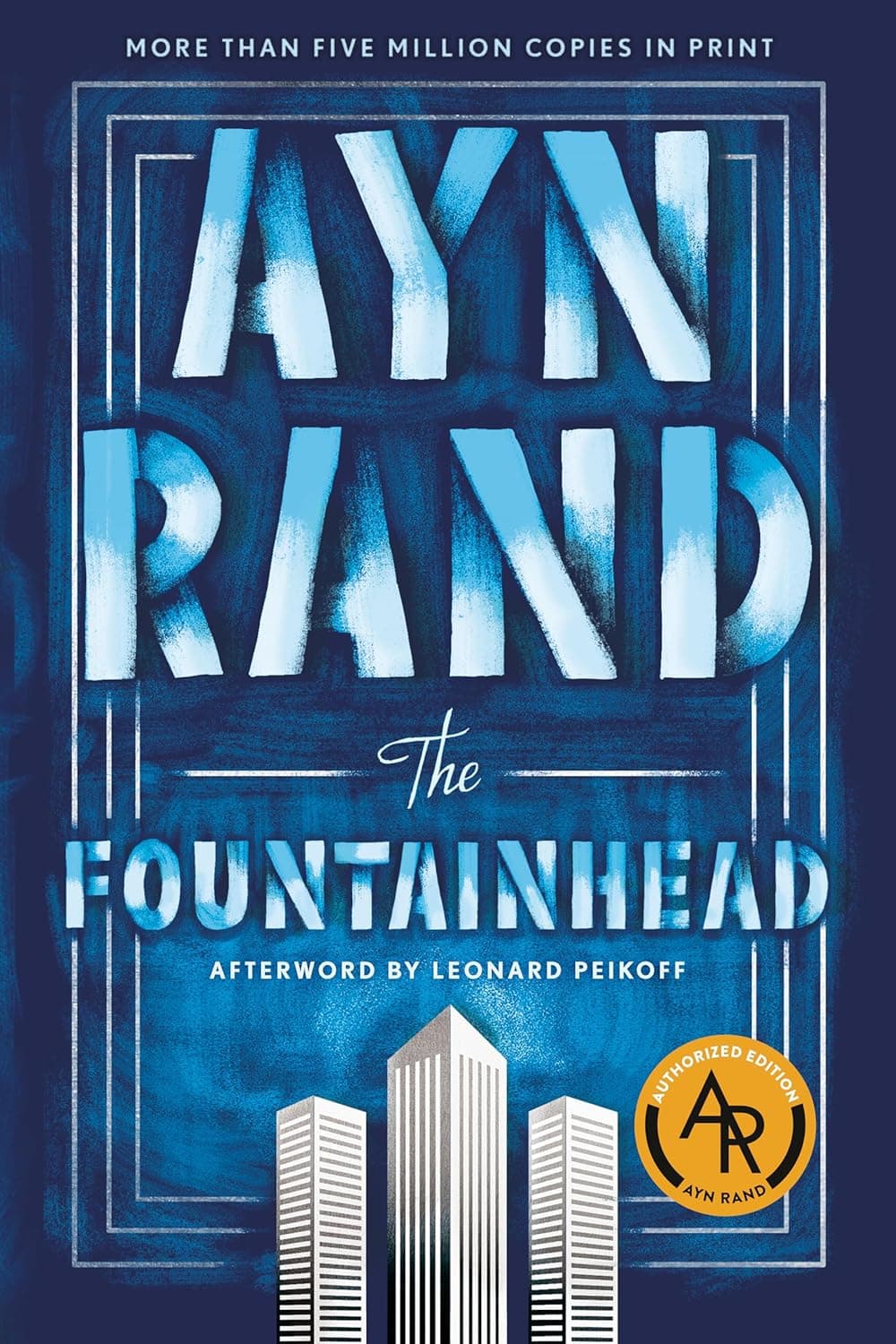
Howard Roark would rather break rock in a quarry than compromise a design, and when his housing project is altered he dynamites it. American individualism has had no more seductive hero.

The philanthropists of the title are house painters who give their labor away and defend the system that ruins them. Owen, the socialist, cuts up bread to demonstrate the money trick.

Three Palestinian men pay a driver to smuggle them from Iraq into Kuwait inside a water tanker. Kanafani turned those hours in the metal into the defining image of Palestinian exile.

A small-time builder is shot running for a bus in a Sicilian square, and every passenger saw nothing. Sciascia named the Mafia as an organization while Italy still insisted it did not exist.

Workers dig a foundation for the building that will house the whole proletariat, and the pit keeps widening. Platonov's Russian buckles under its own slogans, and the Soviets suppressed the book until 1987.

Eliza crosses the frozen Ohio on breaking ice with her child. Stowe sold three hundred thousand copies within twelve months and made slavery intolerable to Northerners who had lived comfortably beside it.
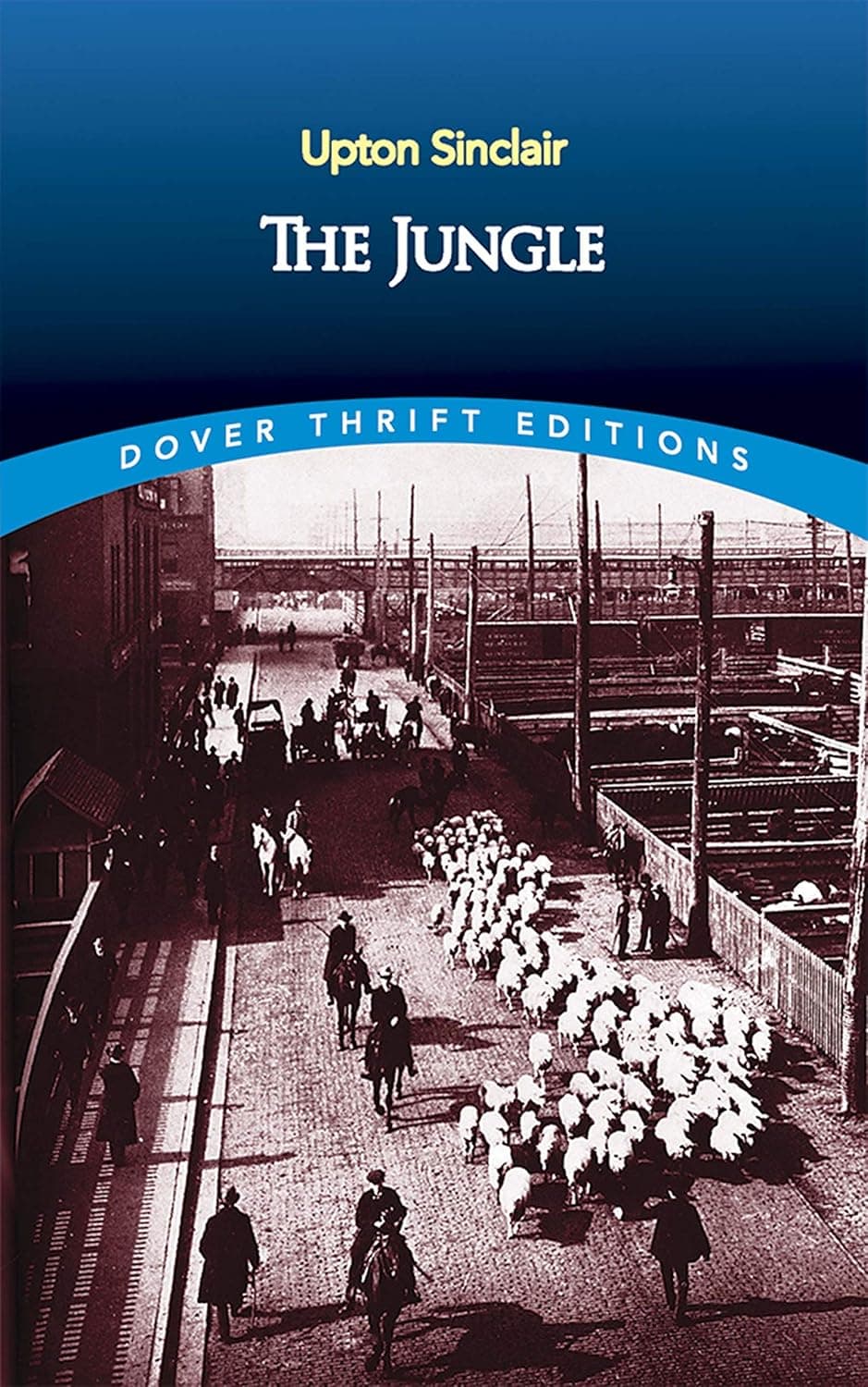
Jurgis Rudkus comes from Lithuania to work Chicago's killing floors, and the packing plants destroy his family while diseased meat ships out. Roosevelt read it and Congress passed federal food inspection within months.
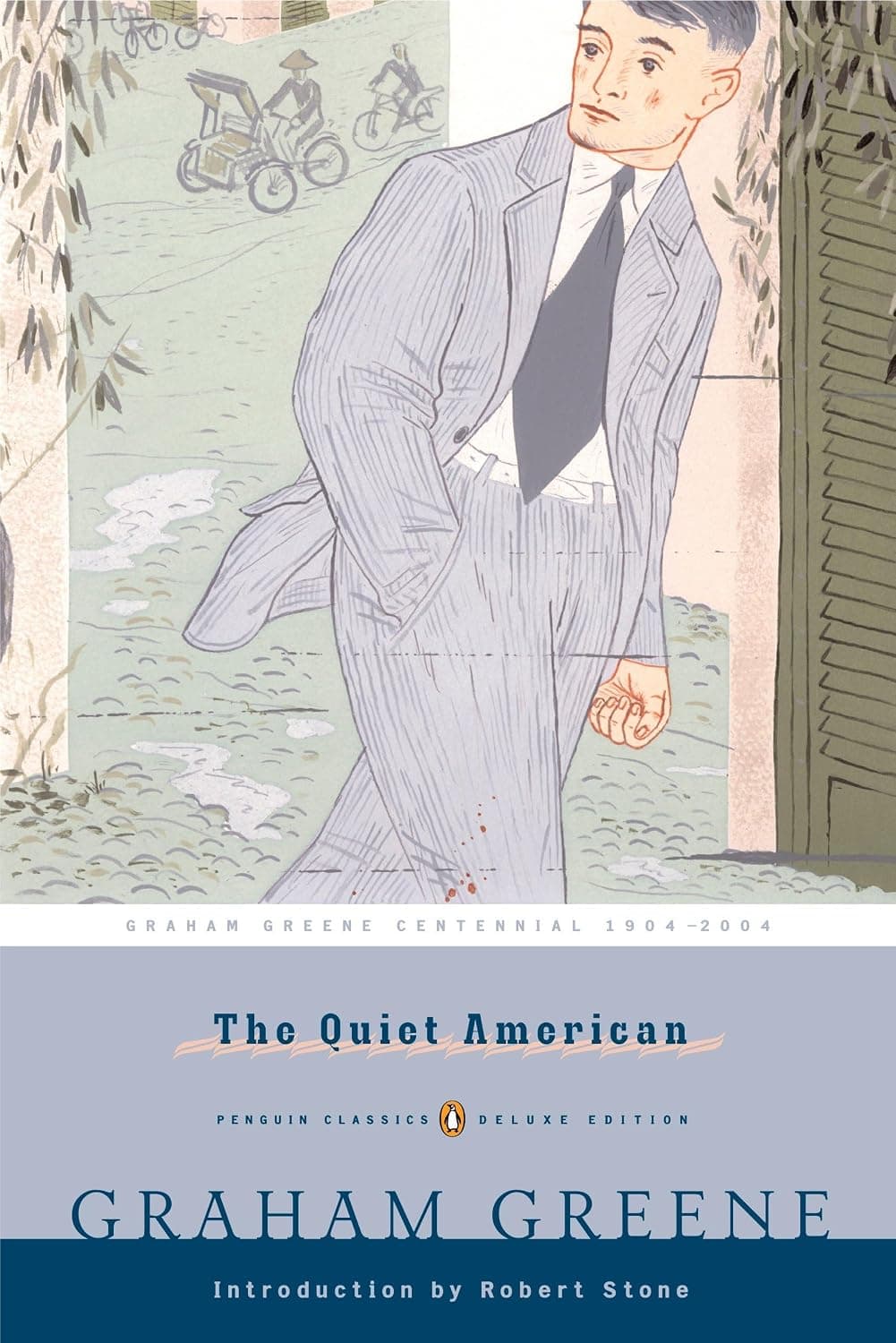
Greene put a British correspondent and an idealistic young American in Saigon, fighting over the same woman and over a theory. He saw the American war in Vietnam a decade before it started.

Willie Stark rises from county treasurer to governor believing good can be made only out of bad. Warren wrote the American novel of power, narrated by the aide he sends to dig dirt.

In an unnamed Latin American capital, a beggar's killing of a colonel gives a dictator the pretext to destroy his enemies. Asturias renders the terror as fever dream, in prose that hallucinates.

At what moment did Peru screw itself up? A newspaperman and his father's chauffeur drink through an afternoon in a Lima bar called the Cathedral, and their talk rebuilds a country under dictatorship.
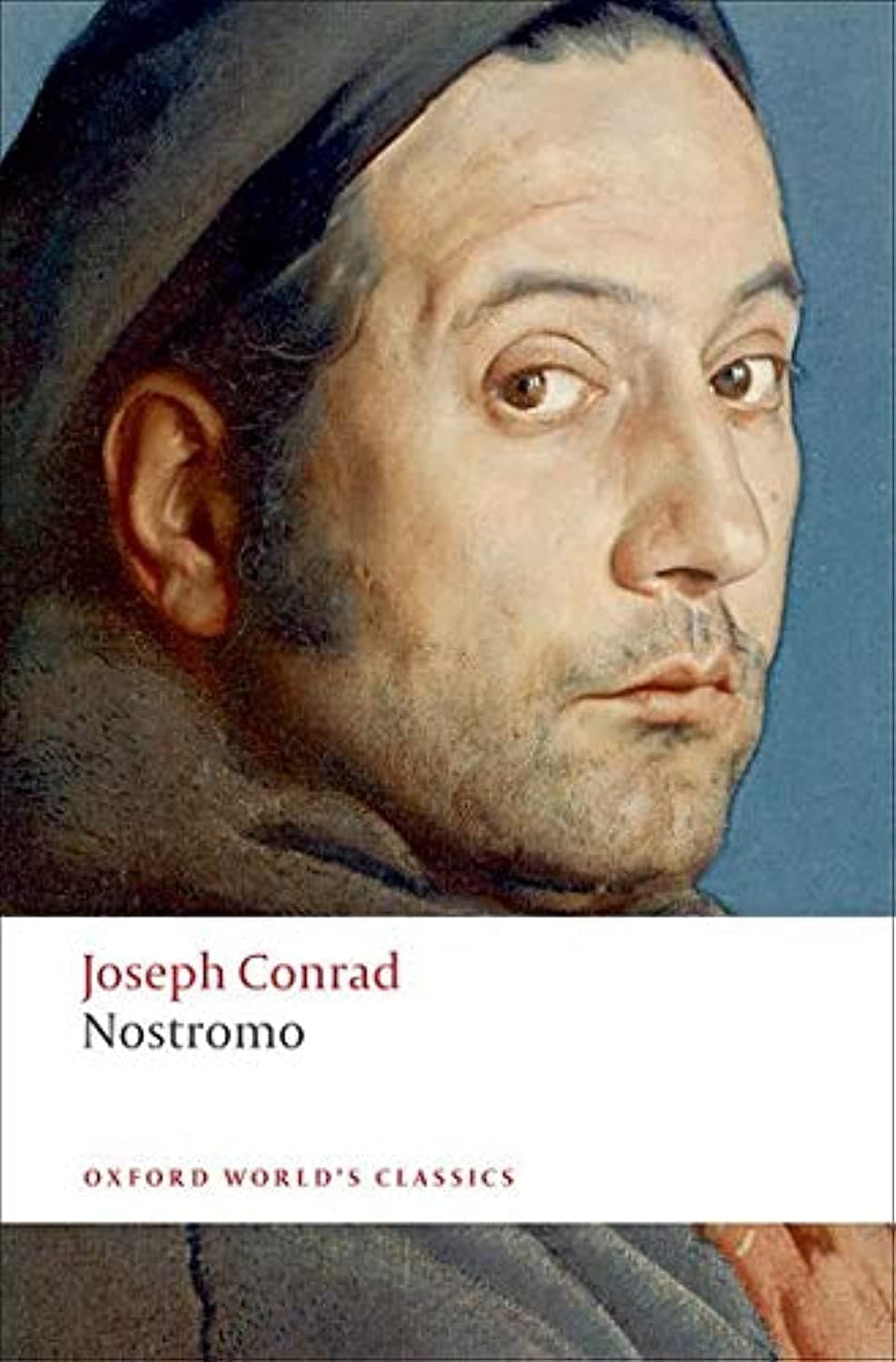
In a South American republic of Conrad's invention, silver from a mine props up a dictator, breaks a marriage, and corrupts the man called incorruptible. Conrad's anatomy of capital has not aged.
Pyotr Verkhovensky assembles a revolutionary cell of five in a provincial Russian town and binds them together by having them murder one of their own. Dostoevsky saw the whole twentieth century coming.

Kundera puts a Prague surgeon who cannot stop having affairs, the woman who loves him, and the Soviet tanks of 1968 together, then asks whether a life lived once can weigh anything.

Reveille to lights out in a Soviet labor camp, where the prisoner Shukhov scrounges an extra crust and lays bricks well in the cold. He counts it almost a happy day.
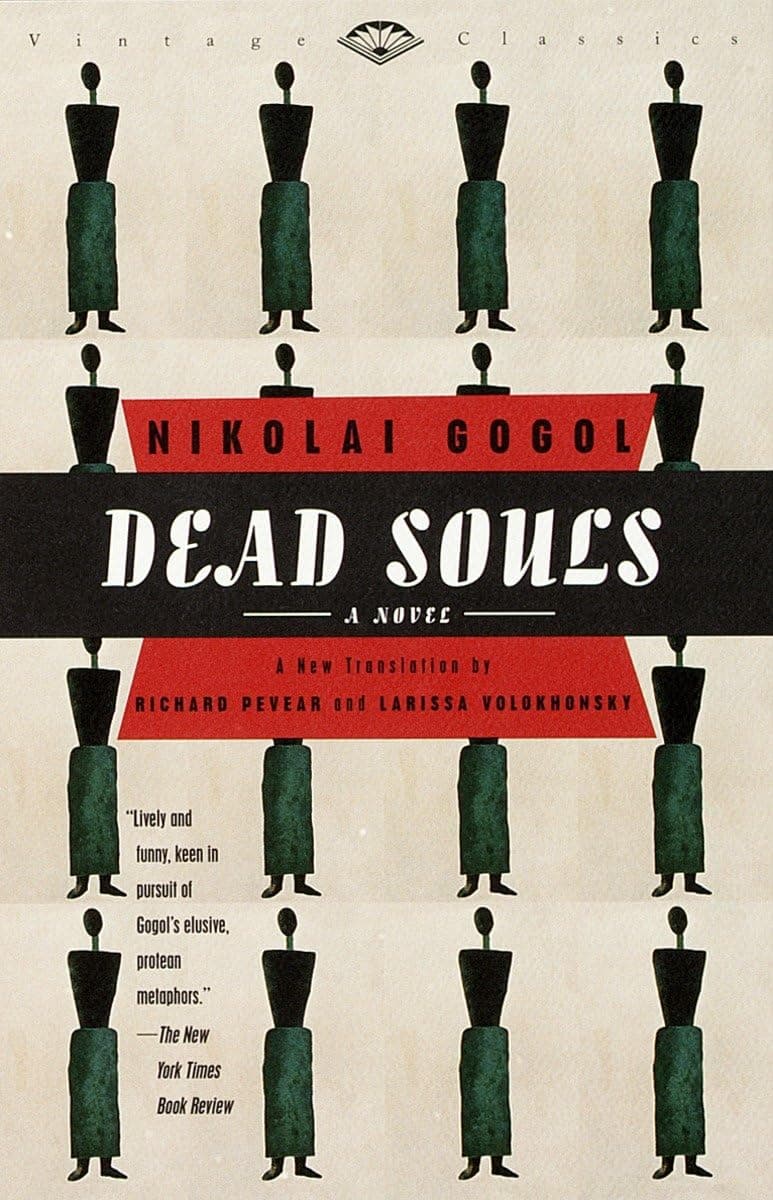
Traveling the Russian provinces, a charming stranger buys serfs who have died but still count on the tax rolls. Gogol's landowners are grotesque and hilarious, and then the laughter turns on you.
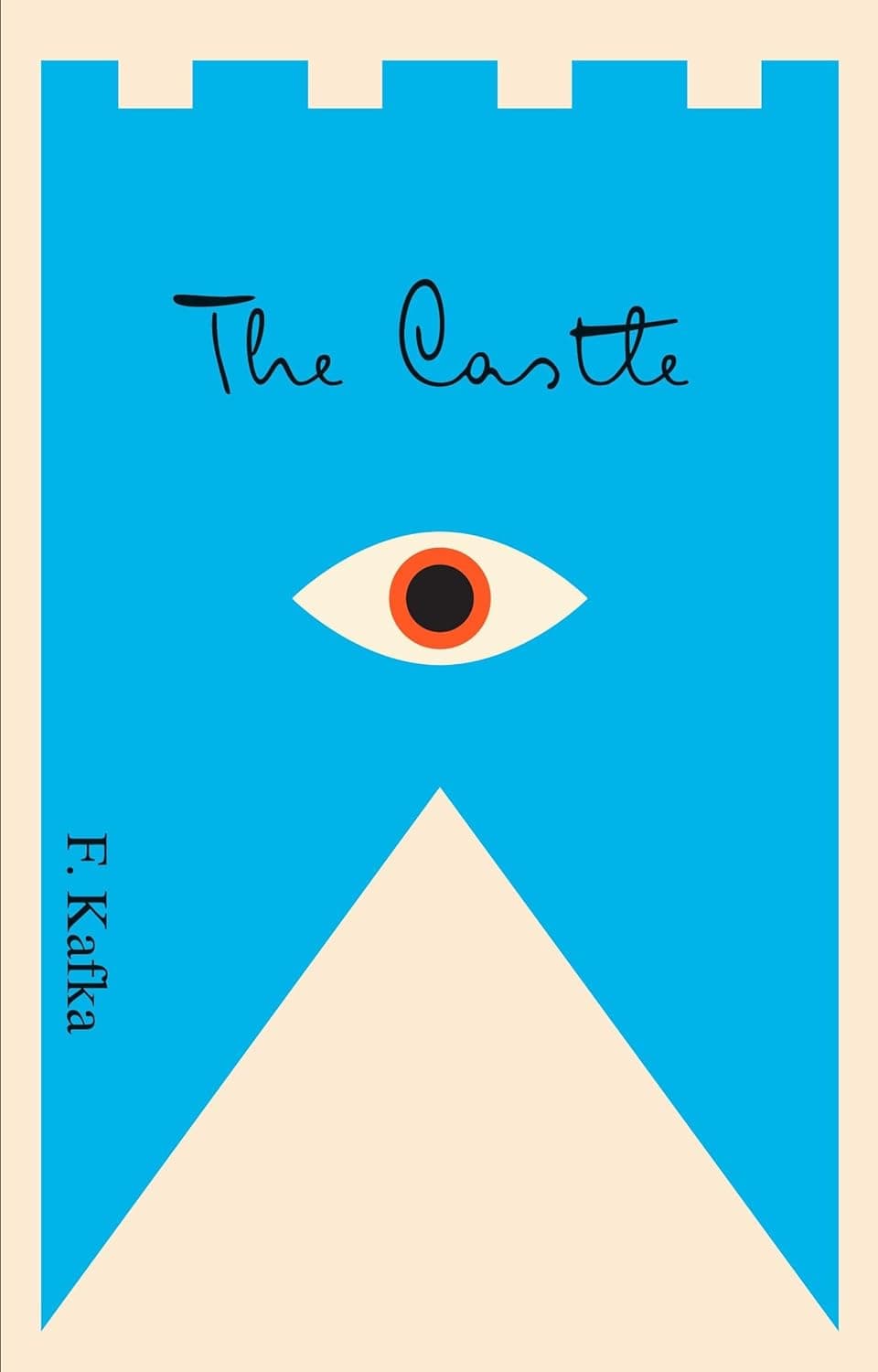
K. arrives in a village claiming the castle above it hired him as land surveyor, and never reaches anyone who can confirm it. Waiting becomes the whole of his life there.
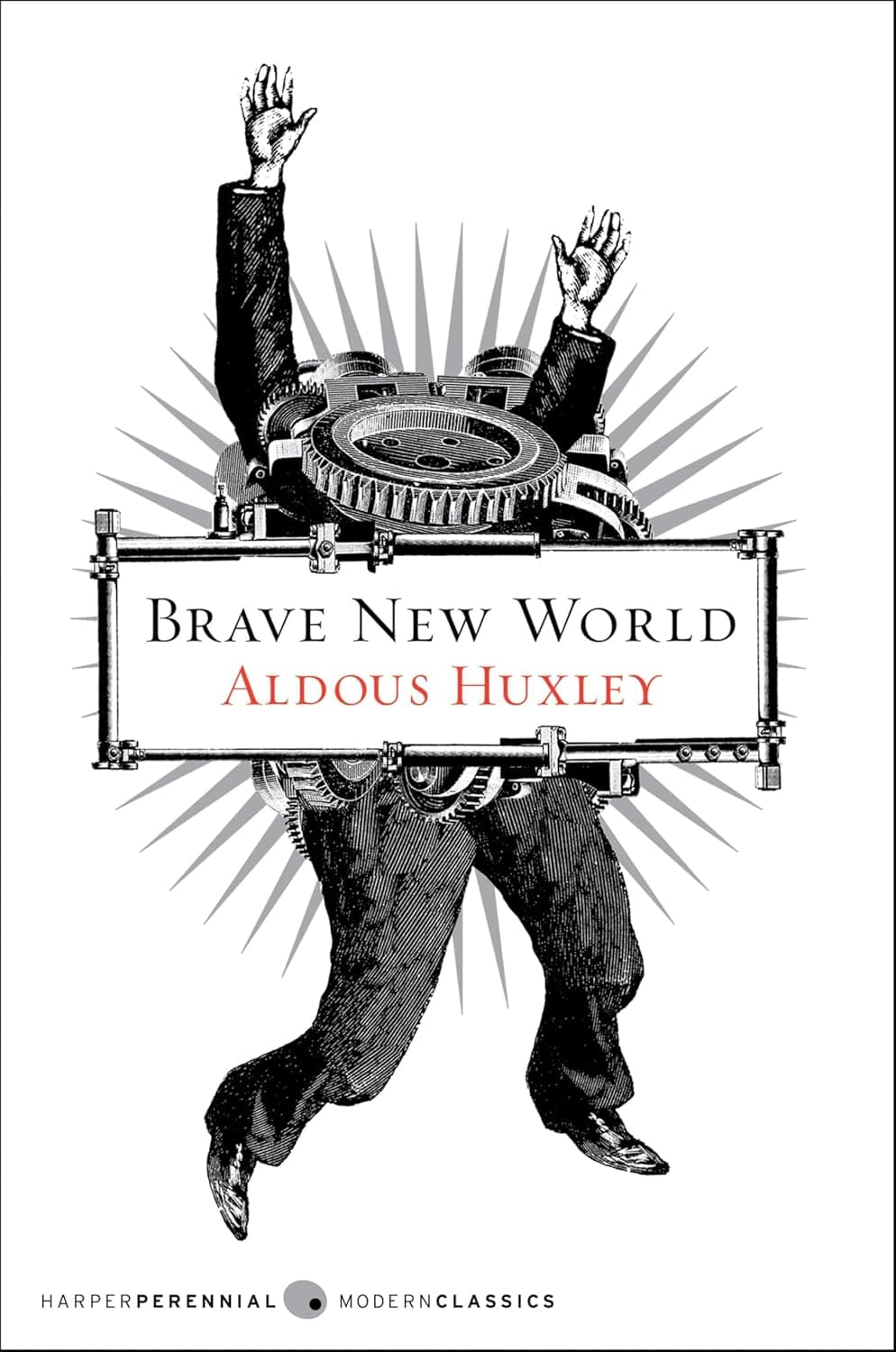
Babies are decanted from bottles into castes, everyone takes a drug called soma, and nobody is unhappy. Huxley saw that a tyranny of pleasure would hold better than one of fear.
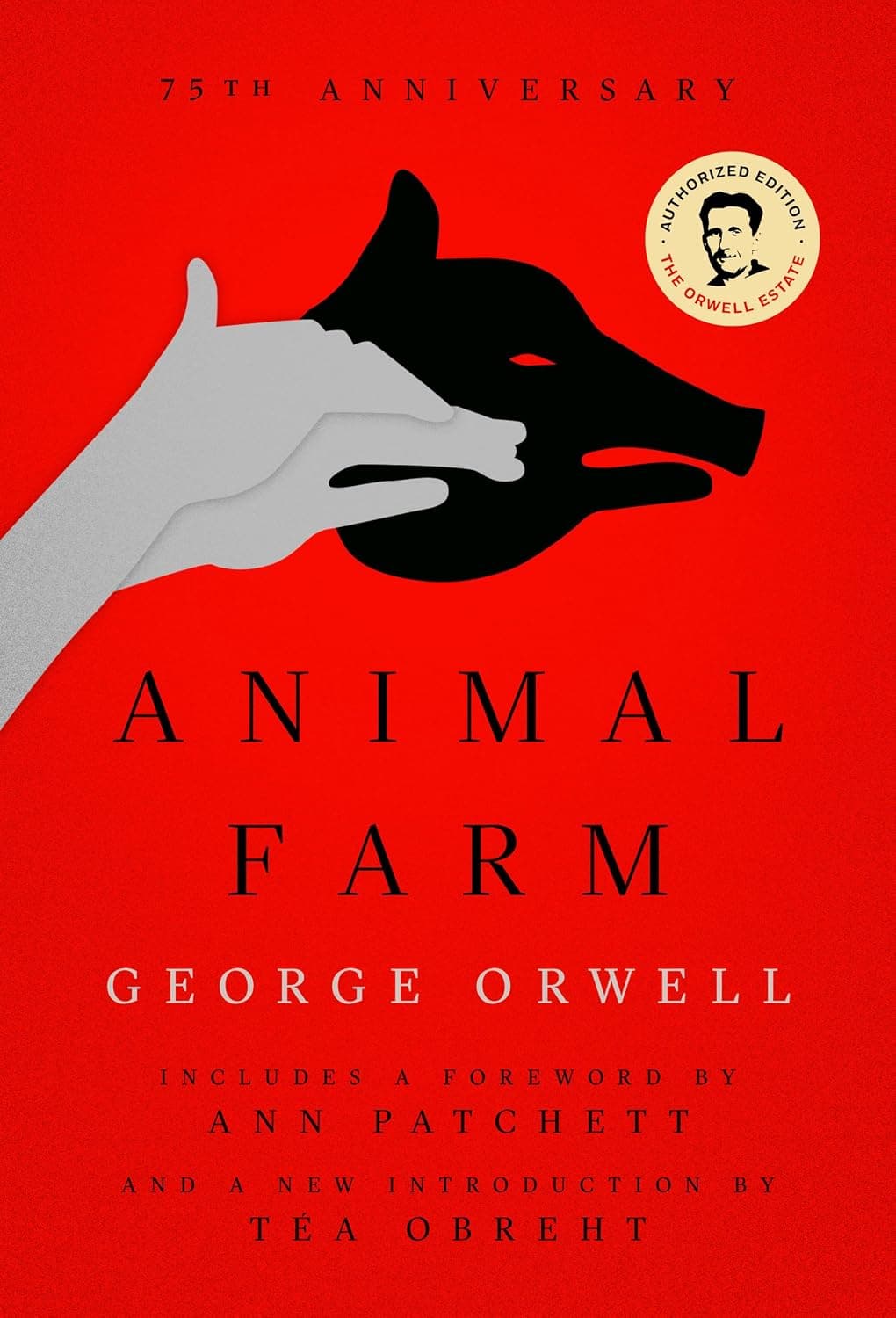
The animals drive out the farmer and run the place themselves, until the rules painted on the barn wall start changing. Orwell reduced the Russian Revolution to a fable no adult forgets.
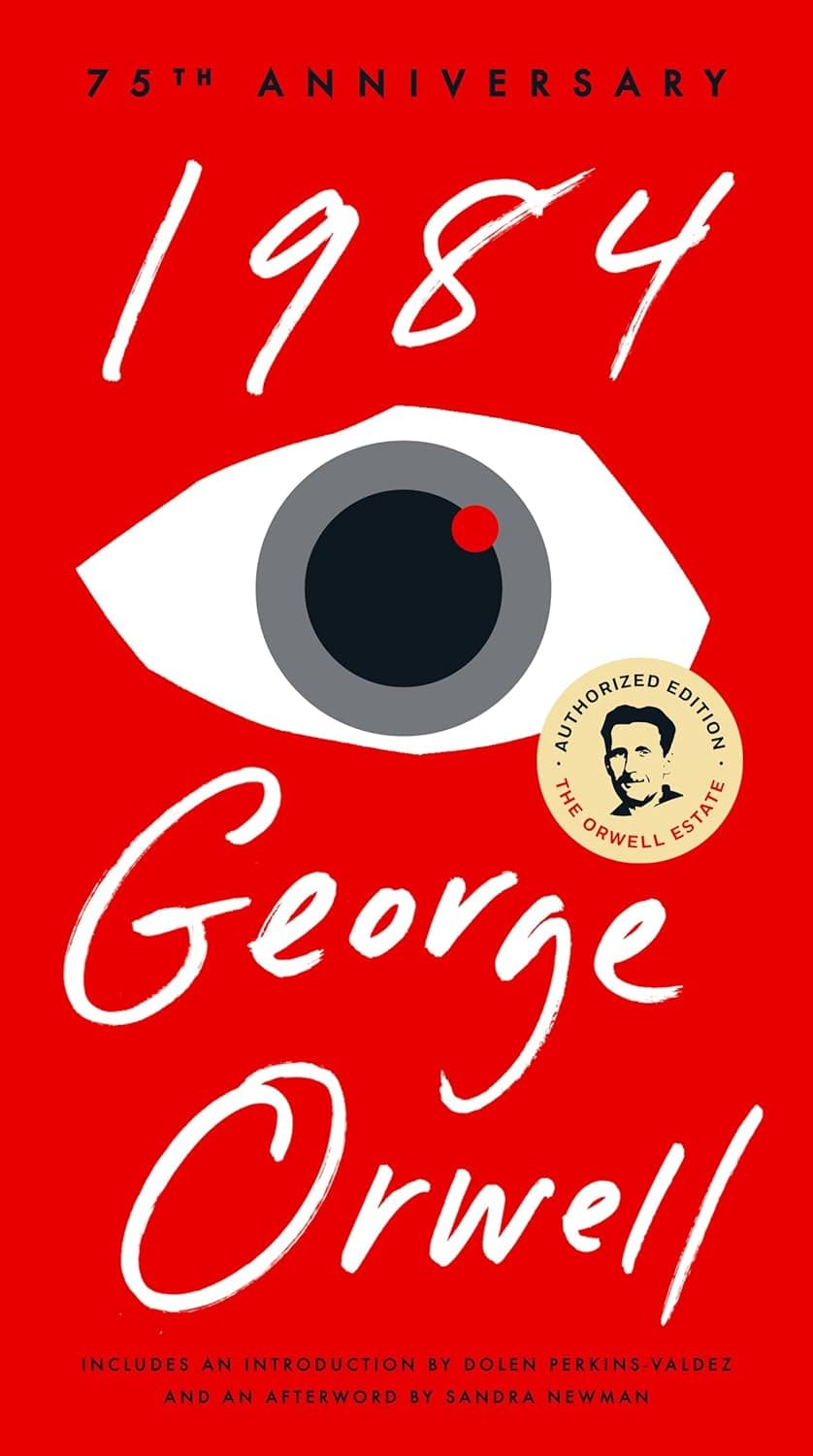
Winston Smith rewrites old newspapers so history agrees with the Party, then risks a diary and a love affair. Orwell built the machinery so exactly that reading it feels like being watched.