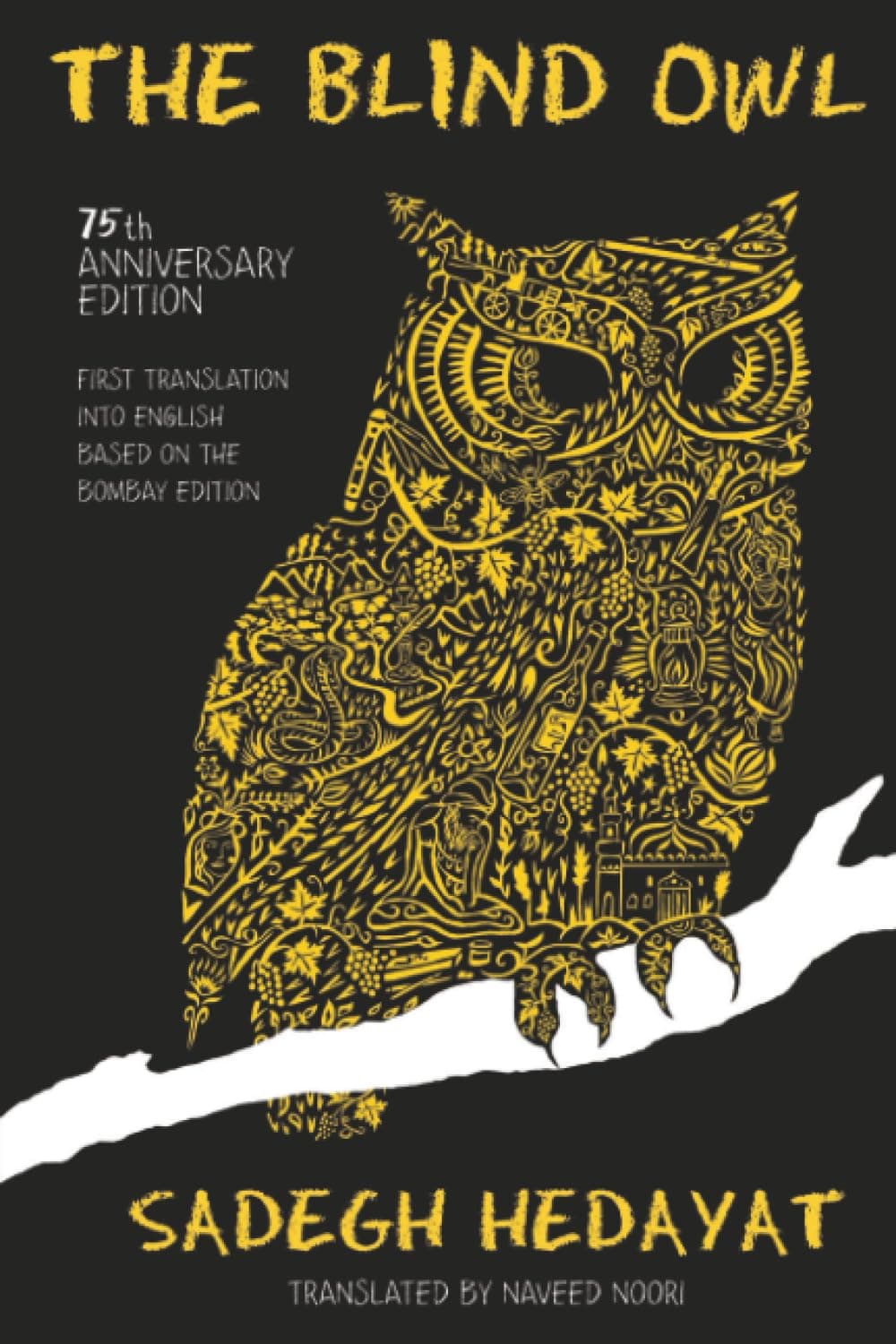
The Blind Owl
1937 · 108 pages
Persian fiction's darkest book: an opium-addicted painter of pen cases draws the same scene, an old man and a girl in black offering a lily, then finds it living behind his wall.
★ 5.3
 skopia
Persian fiction's darkest book: an opium-addicted painter of pen cases draws the same scene, an old man and a girl in black offering a lily, then finds it living behind his wall.
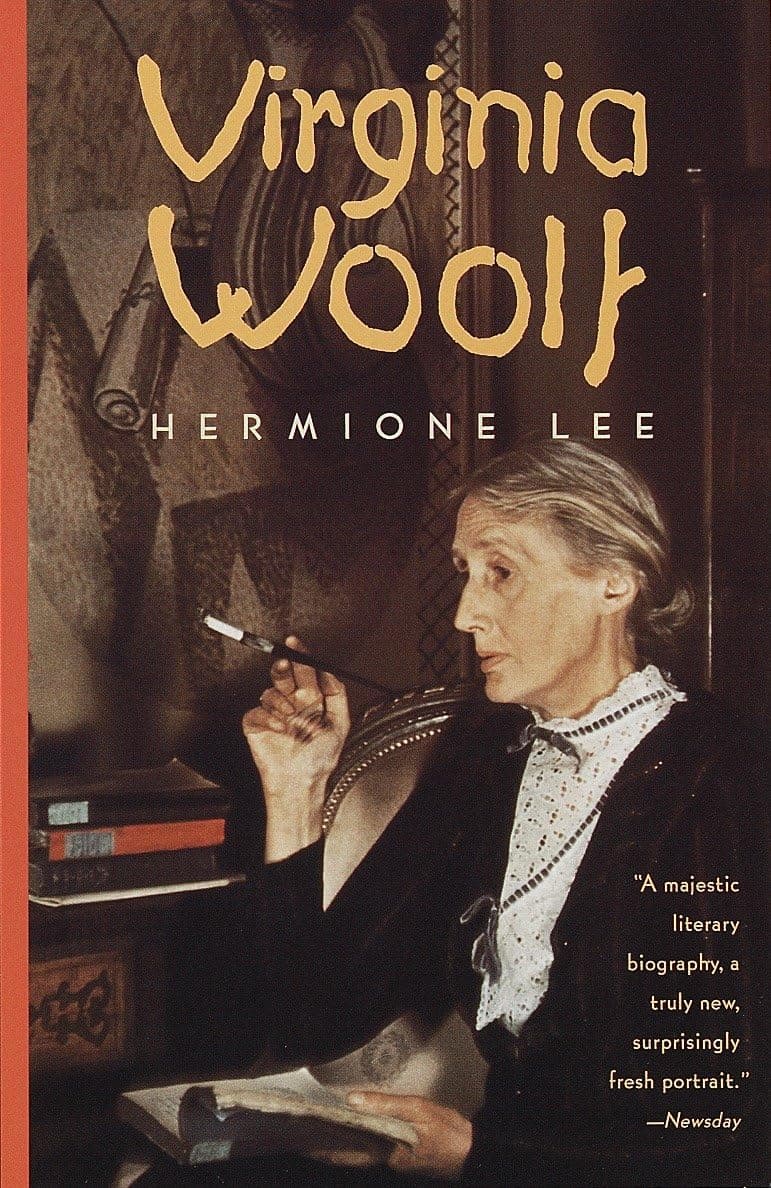
Lee refuses the fragile madwoman of legend and gives back a working writer: funny, ambitious, hard on her friends. She holds the breakdowns and the novels together and lets neither explain the other.
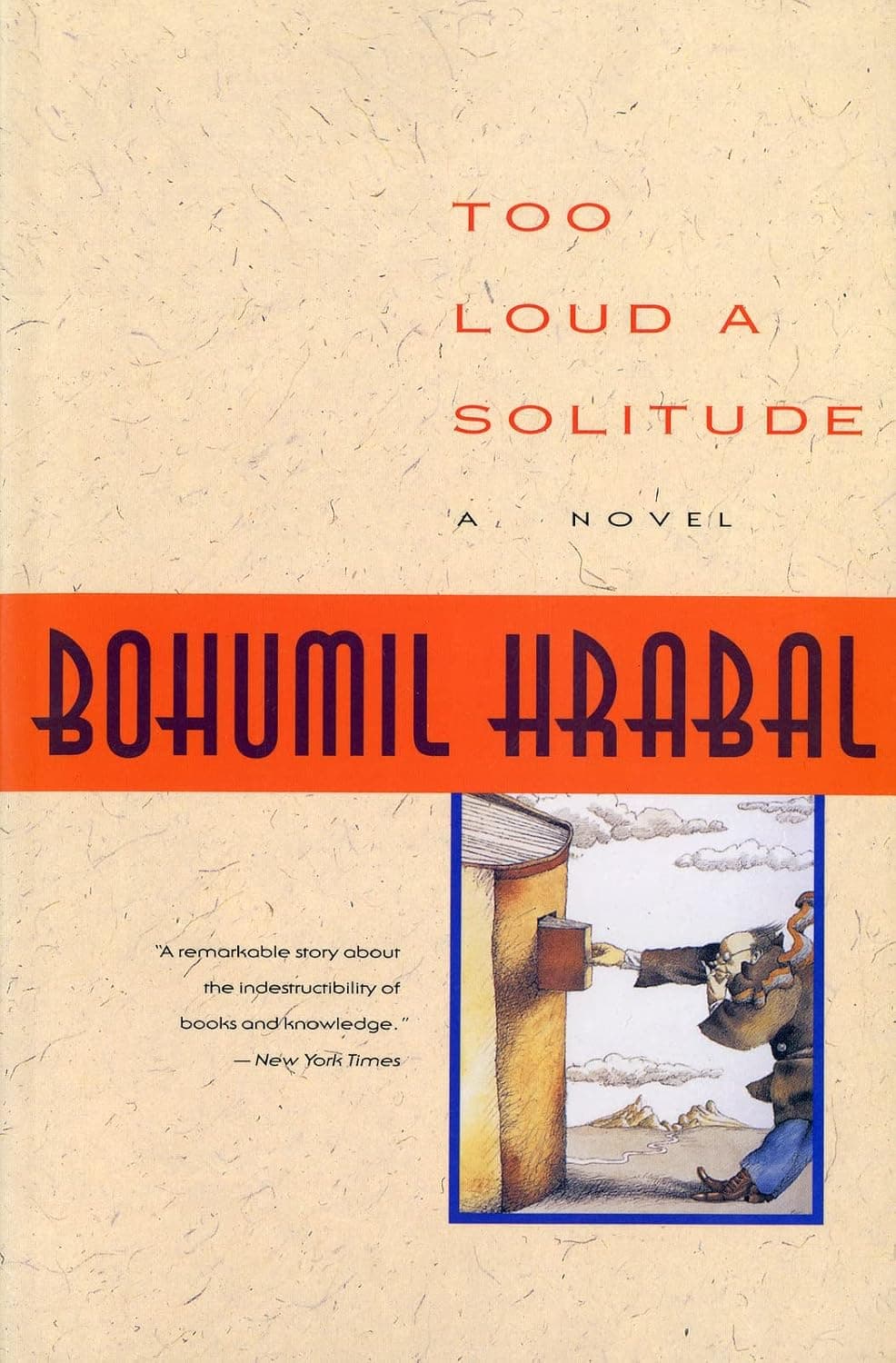
Thirty-five years in a Prague cellar, Haňťa crushes wastepaper and saves the banned books he is paid to destroy, wrapping each bale in an art print with a rescued volume inside.

No more passionate voice ever sounded in twentieth-century Russian poetry, the poet Brodsky said of Tsvetaeva. She came back from exile to Stalin's Russia, where the secret police took her husband and daughter.
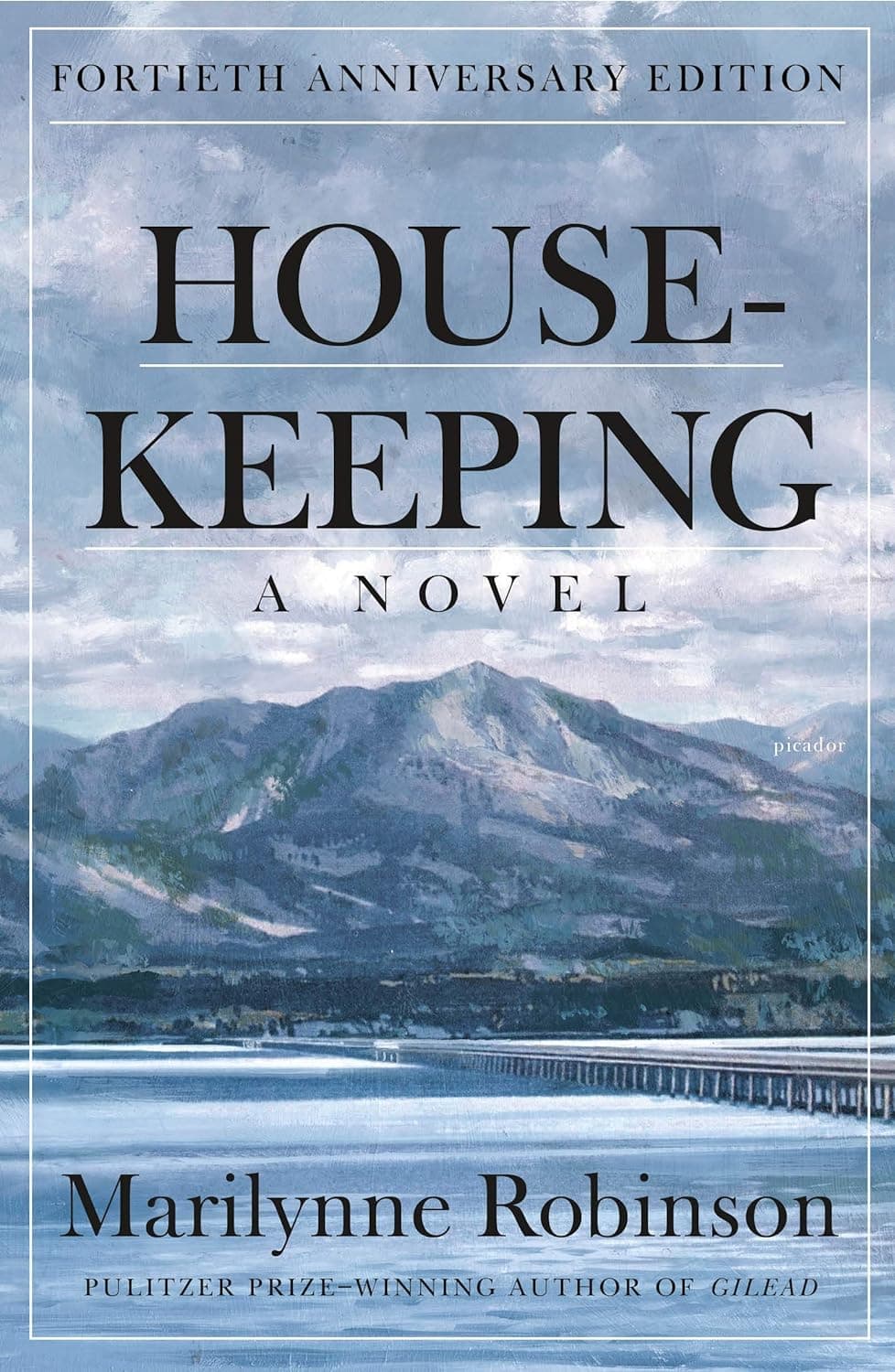
Two sisters in an Idaho lake town are raised by a drifter aunt who leaves the doors open and lets leaves blow through the house. Robinson makes transience a form of faith.
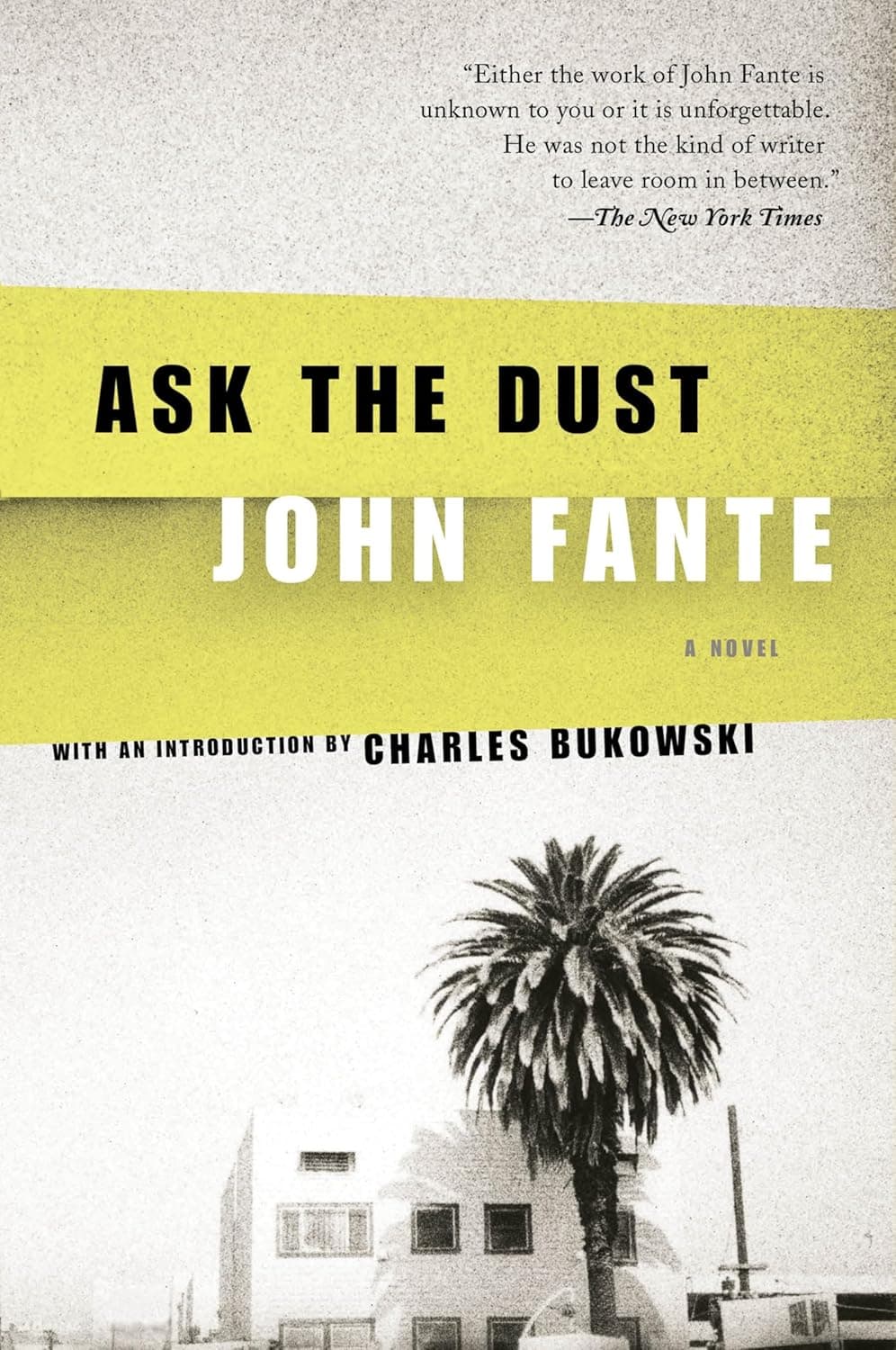
Arturo Bandini starves in a Bunker Hill hotel in Depression Los Angeles, wanting to be a great writer and loving a Mexican waitress he cannot stop insulting. Bukowski called Fante his god.

A woman returns from her honeymoon, goes to the bathroom, and shoots herself while the family eats lunch. Marías gives the story to her nephew, an interpreter afraid to know.

Mustafa Sa'eed sailed north to London and left ruined Englishwomen behind him, an African answer to Conrad's Heart of Darkness. Arab writers voted it the century's most important novel in Arabic.

Shot by a Gestapo officer in 1942, Schulz left stories that turn a Galician backwater into a world where his father breeds birds in the attic and the calendar grows a thirteenth month.
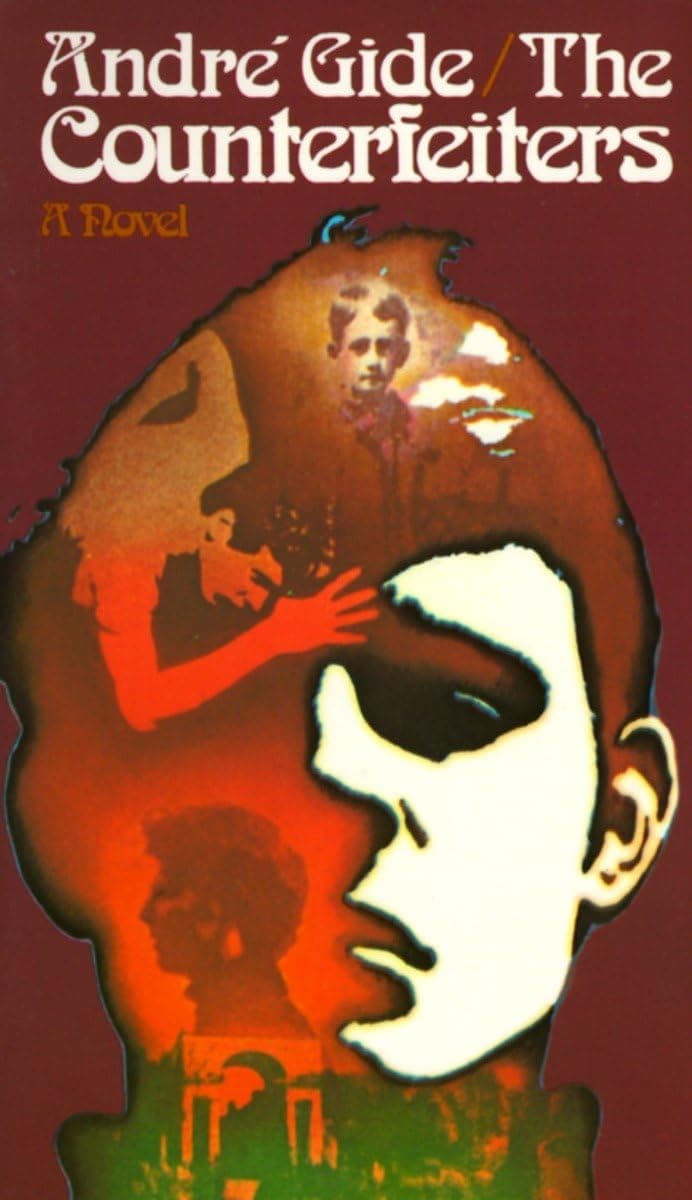
Every life in Gide's novel is a forgery: boys passing false coins, adults faking passions they do not feel, and a novelist inside the book writing a novel called The Counterfeiters.

Workers dig a foundation for the building that will house the whole proletariat, and the pit keeps widening. Platonov's Russian buckles under its own slogans, and the Soviets suppressed the book until 1987.
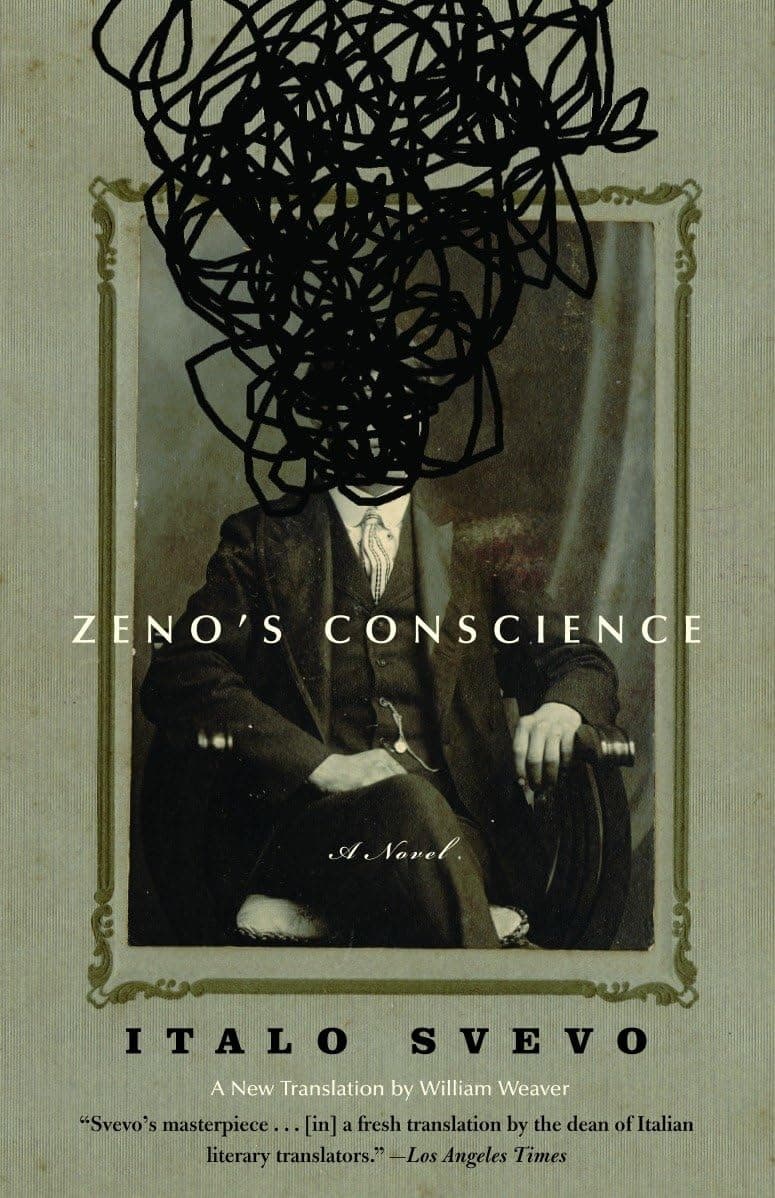
Zeno quits smoking constantly and never quits. Told by his analyst to write his life, he sets down a marriage begun by proposing to three sisters in one evening, and lies gorgeously throughout.

Lorca's poems rise from Andalusian folk song and dream logic, where the moon walks into a forge and knives are always waiting. His lament for a gored bullfighter tolls five in the afternoon.
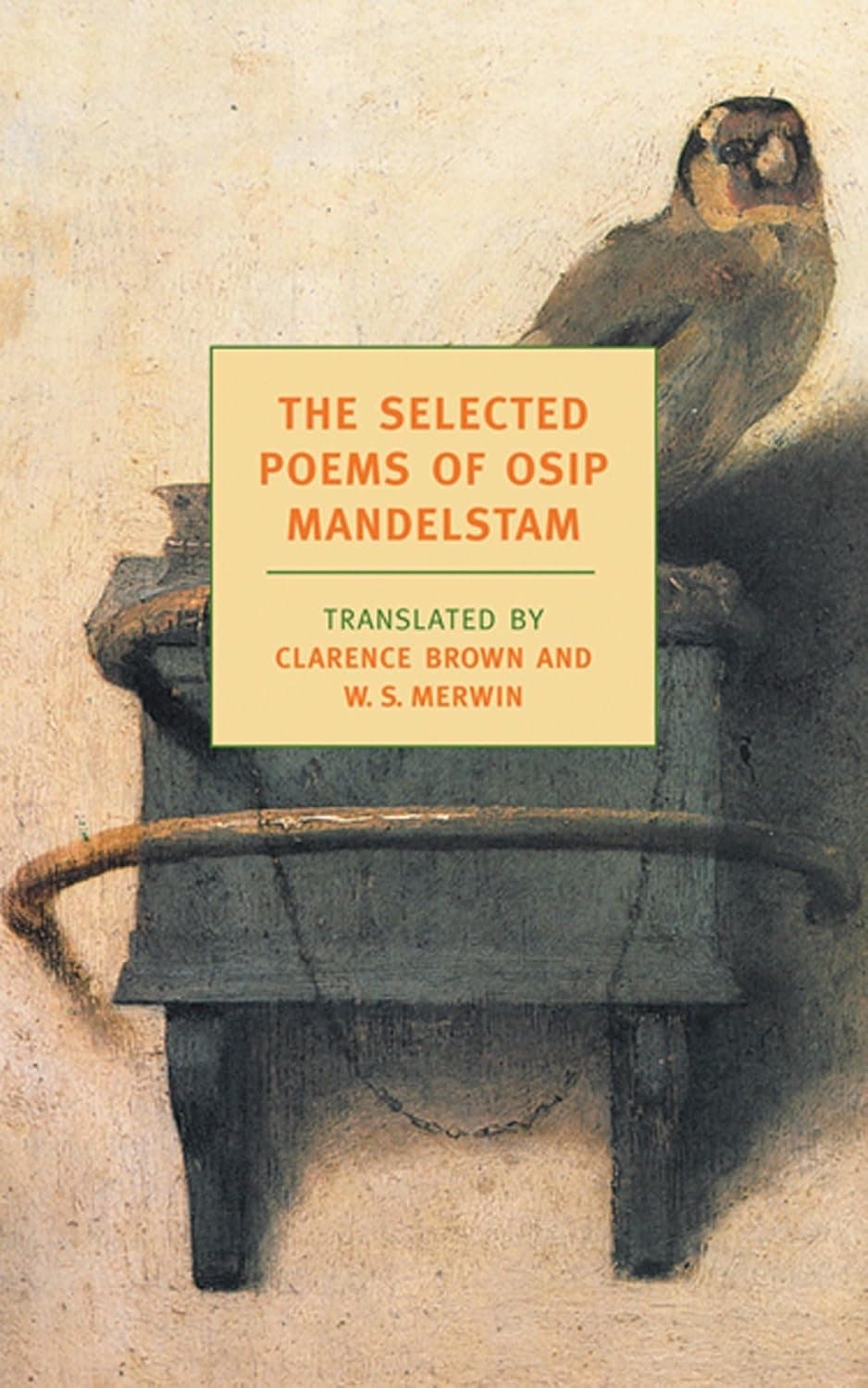
Dense, classical, and packed with Petersburg stone and Black Sea light, from a poet the state killed for sixteen lines about Stalin. His widow saved them by memorizing every one.
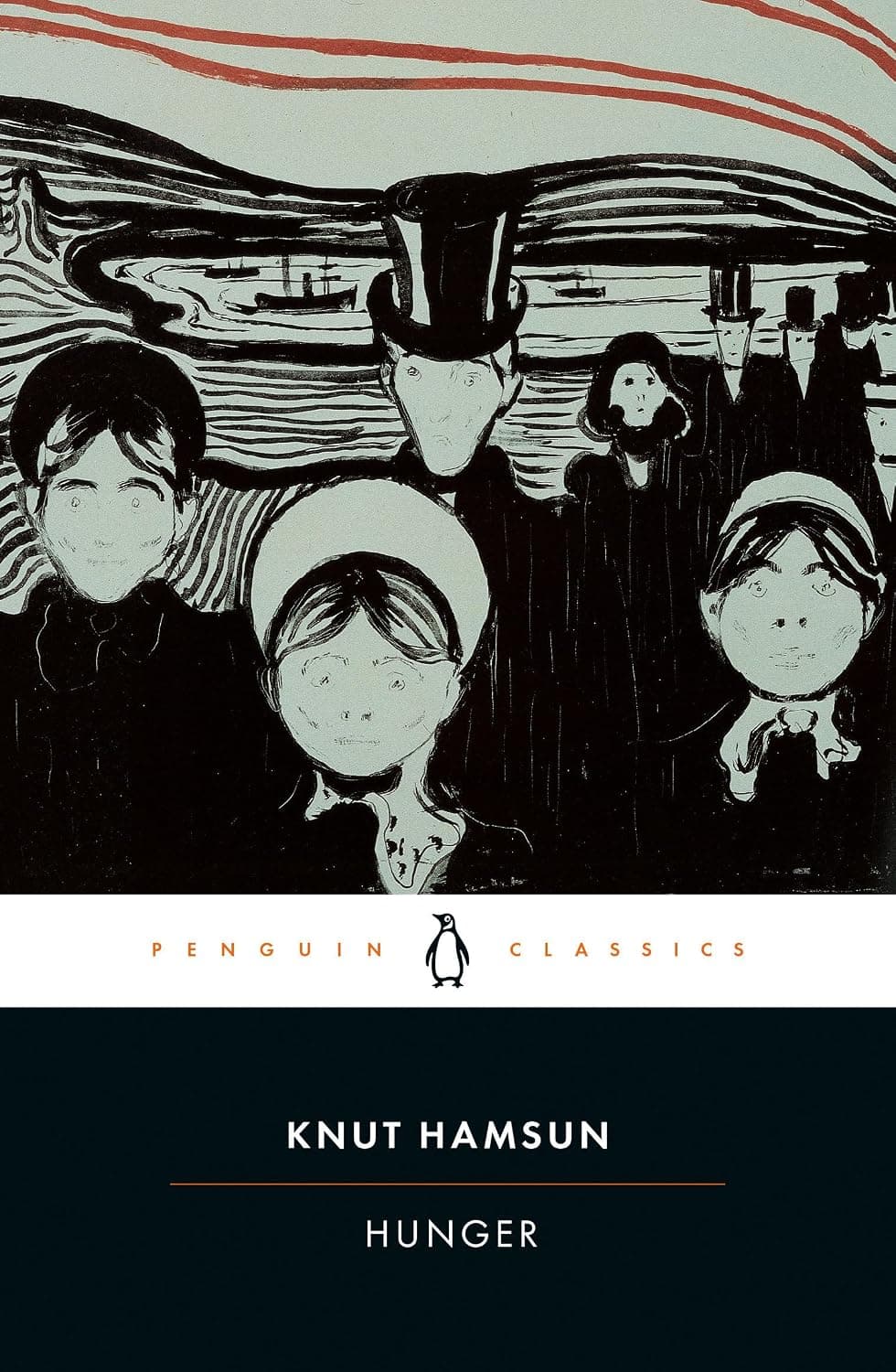
Starving in Kristiania, the city that became Oslo, a young writer gives away money he lacks and refuses food when offered. Hamsun tracks a mind sliding toward derangement, and modern fiction followed.
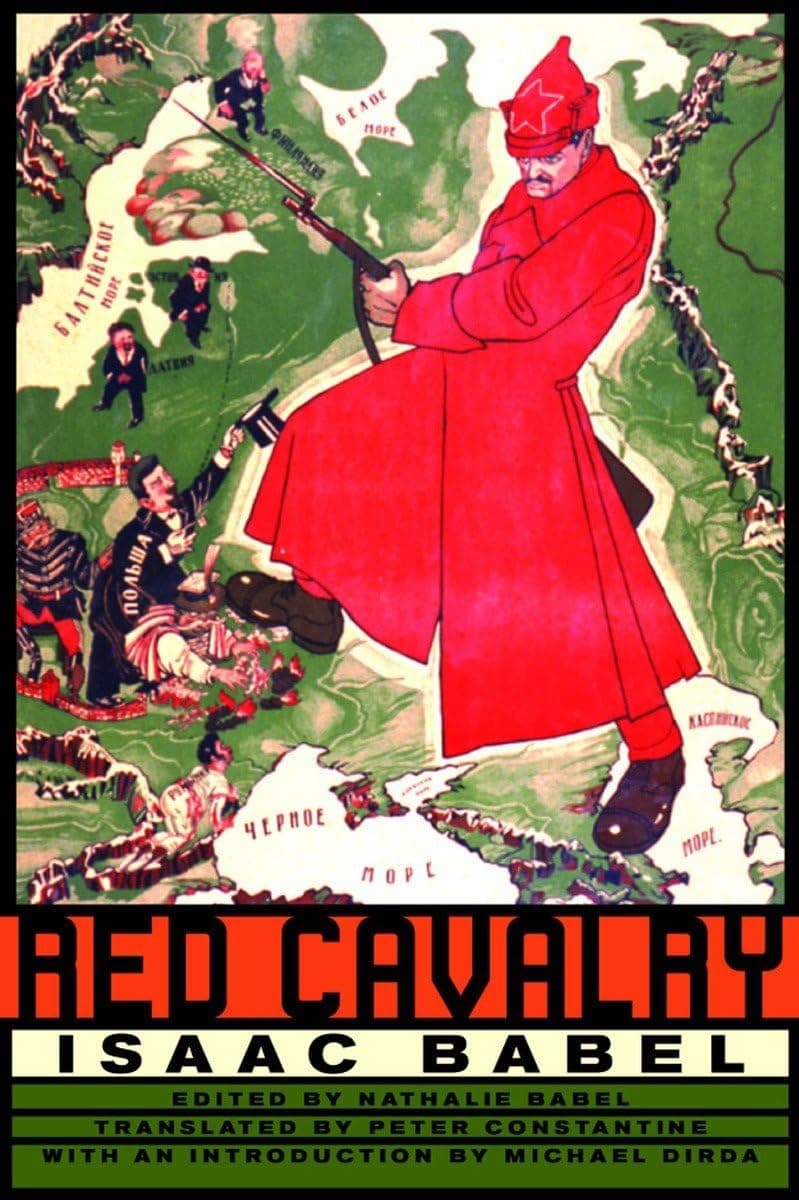
Riding with Bolshevik Cossacks through Poland in 1920, a Jewish intellectual watches them sack towns and kill prisoners. Babel writes the atrocity in sentences so beautiful that the effect is obscene.
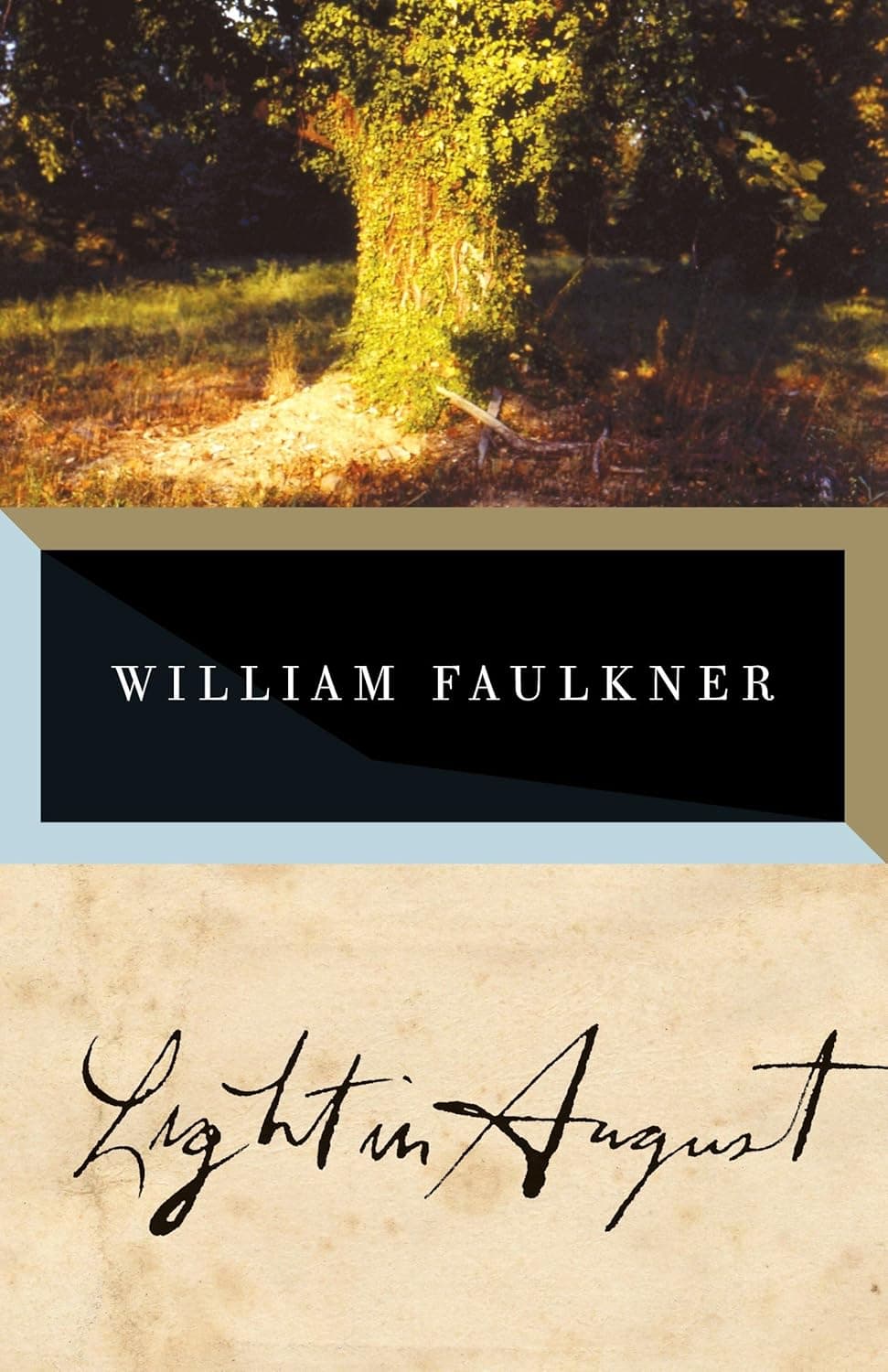
Pregnant and walking from Alabama, Lena Grove looks for the man who left her. Nearby a man who cannot say whether he is black or white is running out of room.
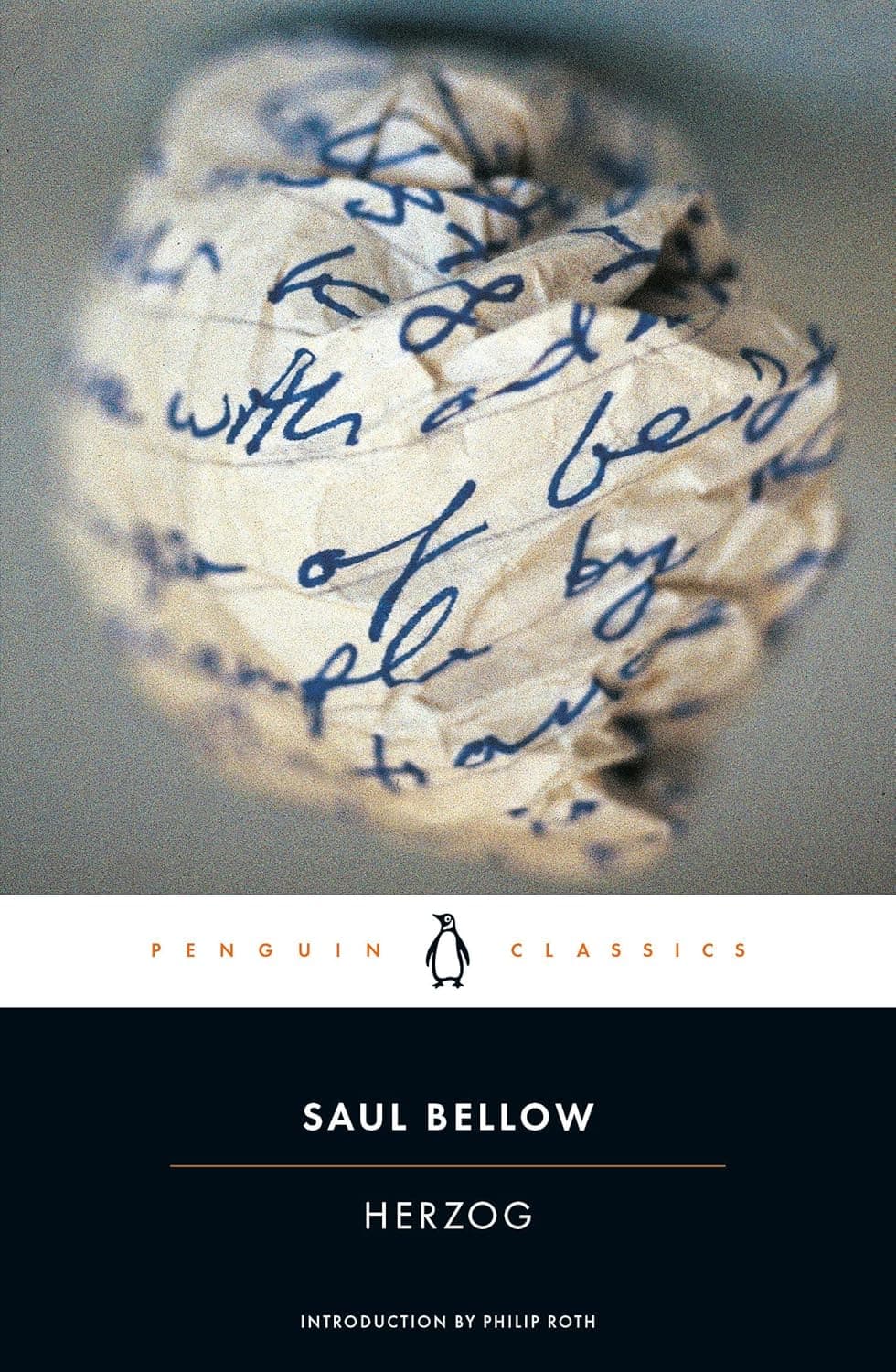
Moses Herzog, a professor whose wife left him for his closest friend, comes apart and writes furious unsent letters to philosophers, ex-wives, and the dead. Bellow makes a breakdown enormous fun.
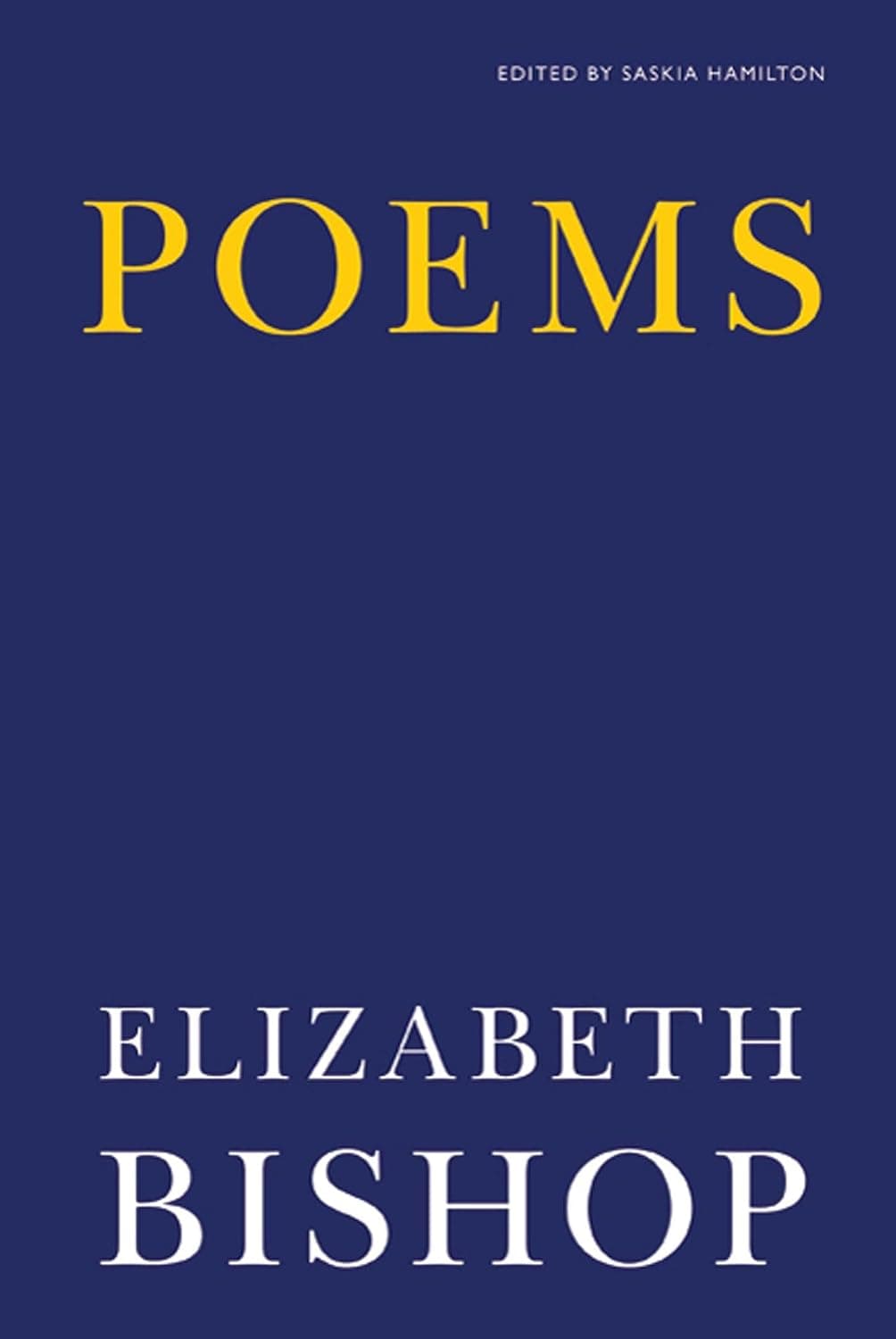
Bishop looks at a fish, a filling station, a moose in the road, and never tells you what to feel. In "One Art" she calls losing things an art you can master.

From the cafes of Paris to the bullring at Pamplona, expatriates drink and travel and love the wrong people. Hemingway leaves the wound unnamed, and what nobody says sits under every line.