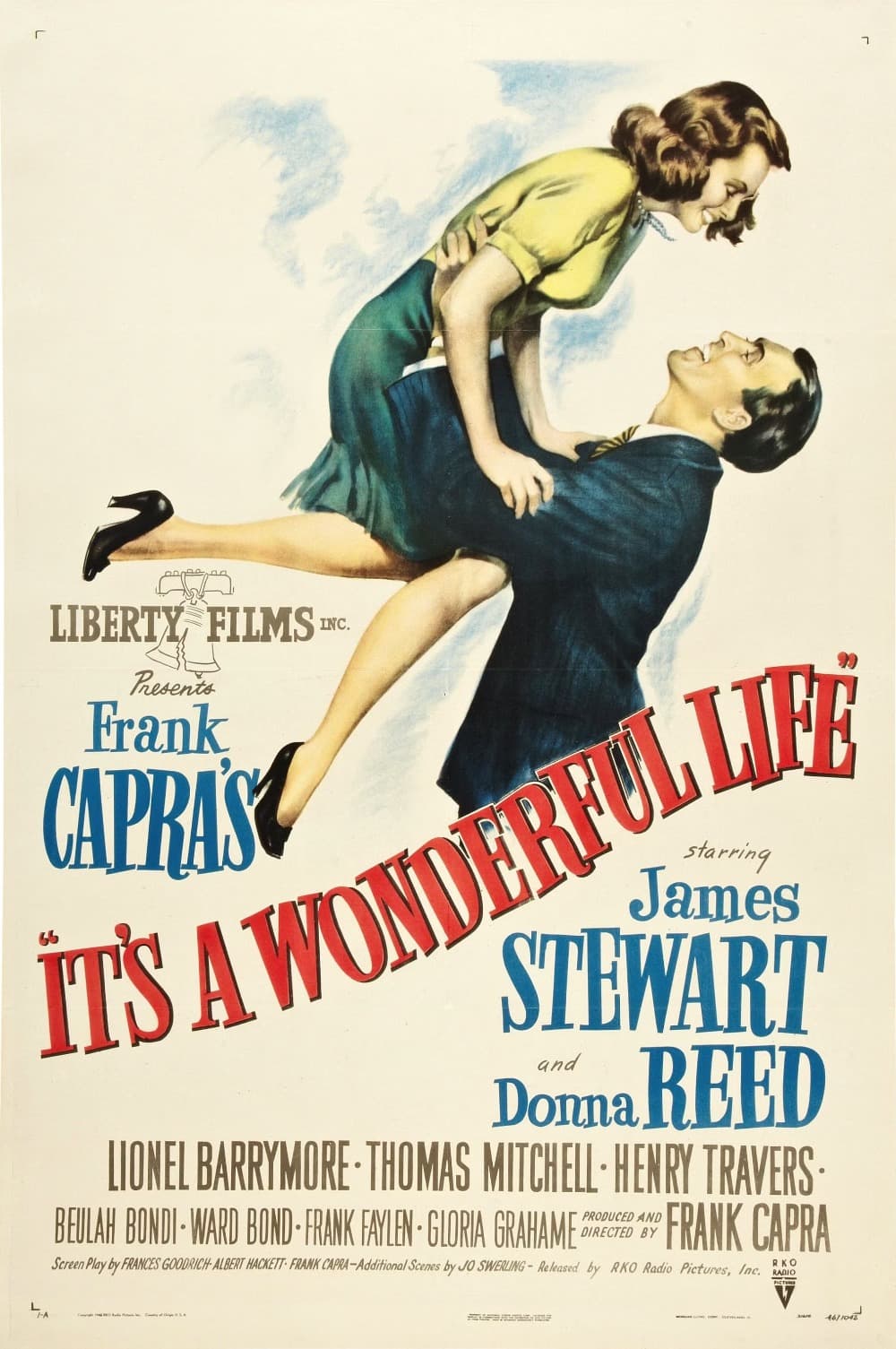
It's a Wonderful Life
Directed by Frank Capra
1946
A commercial failure that decades of Christmas television turned into a national ritual: it is far darker than its reputation, and the ending earns every tear it gets.
★ 9.0
 skopia
A commercial failure that decades of Christmas television turned into a national ritual: it is far darker than its reputation, and the ending earns every tear it gets.
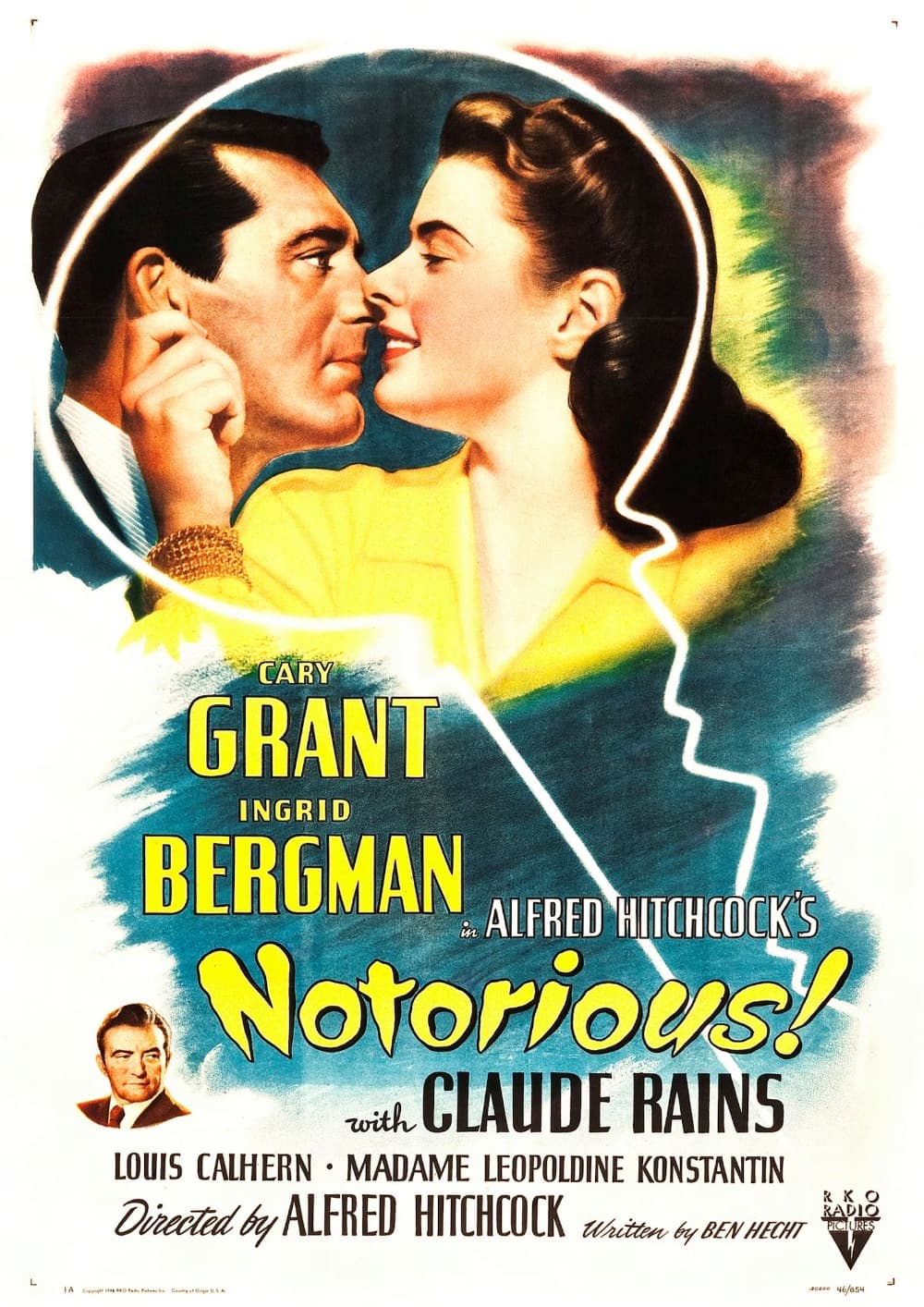
Hitchcock's most grown-up film, and the one where the suspense is entirely about feeling: a woman is sent to seduce a Nazi by the man who loves her.

Six people survived the bomb at Hiroshima and Hersey follows them through the year after: a clerk, a widow, two doctors, and two clergymen. He writes flatly and it is unbearable.
Written at a Kelly's Stables piano in 1942 under the title Interlude, with a bass line that refuses to walk.
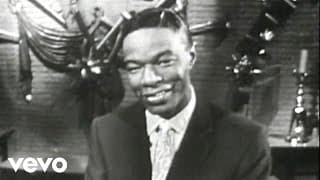
Tormé and Wells wrote it in a July heat wave, thinking cool, and Cole overruled Capitol about the strings.
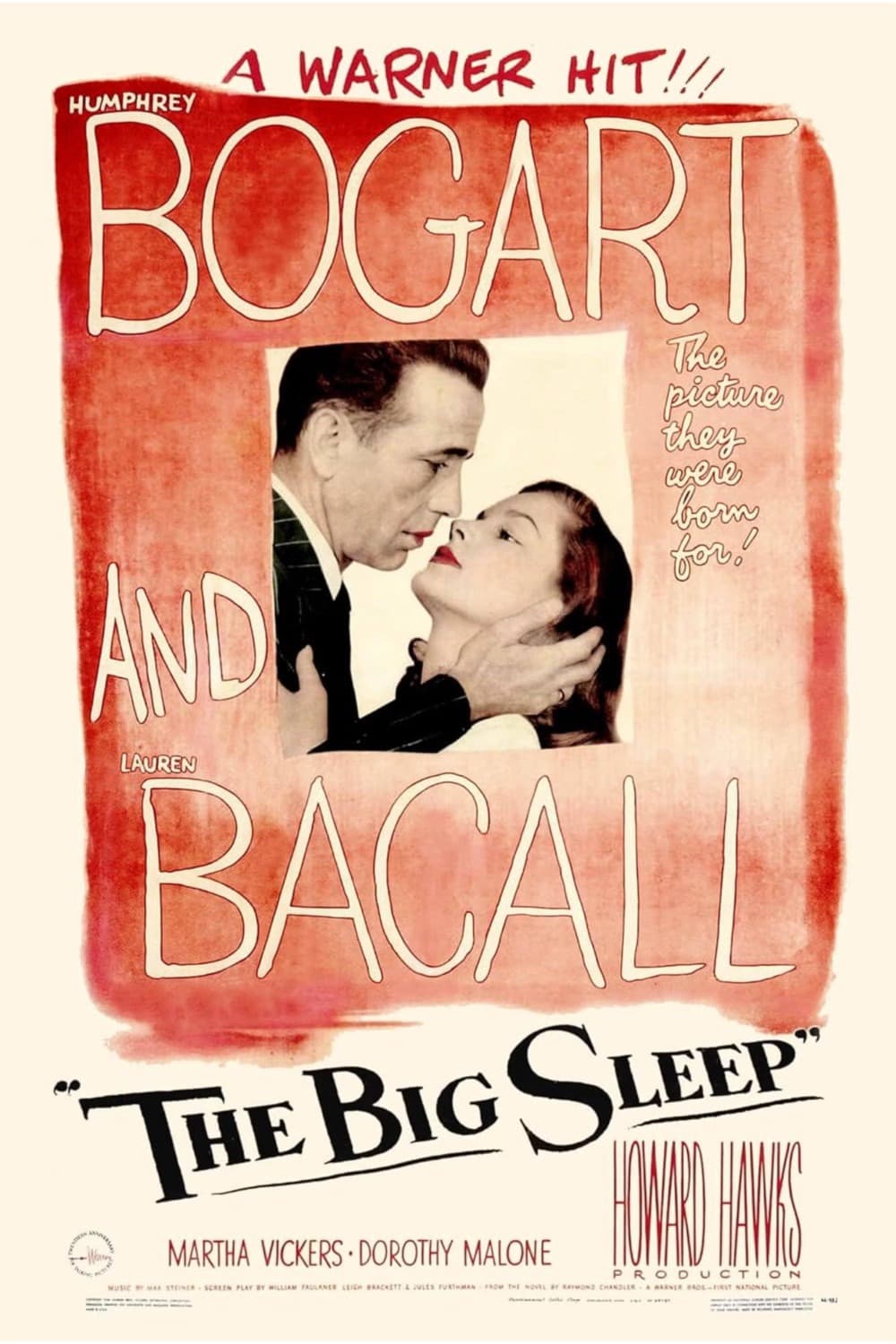
Nobody has ever been able to follow the plot, including the men who wrote it: what you watch it for is Bogart and Bacall talking, which is more than enough.

Wyler cast a veteran who had lost both hands to play a veteran who had lost both hands, and audiences in 1946 recognized their own living rooms.

Heaven is monochrome and earth is in Technicolor, which is the whole joke: a pilot bails out without a parachute and then has to argue for his life.

Frankl, a Viennese psychiatrist, lost his wife and parents to the camps and survived Auschwitz himself. He watched who endured and who gave up, and named the last freedom: choosing your own response.

In an unnamed Latin American capital, a beggar's killing of a colonel gives a dictator the pretext to destroy his enemies. Asturias renders the terror as fever dream, in prose that hallucinates.

Cocteau made a fairy tale that looks the way one feels: human arms hold the candelabra along the corridor, and the Beast's castle behaves like a dream that has not decided to end.

Willie Stark rises from county treasurer to governor believing good can be made only out of bad. Warren wrote the American novel of power, narrated by the aide he sends to dig dirt.

Lutie Johnson believes what Benjamin Franklin promised about work and thrift, and rents an apartment on 116th Street to raise her son. The men who watch her climb the stairs have other plans.

A bookish young Greek reopens a lignite mine on Crete and hires Alexis Zorba, an aging laborer who dances, plays the santuri, and treats his employer's reading as a substitute for living.