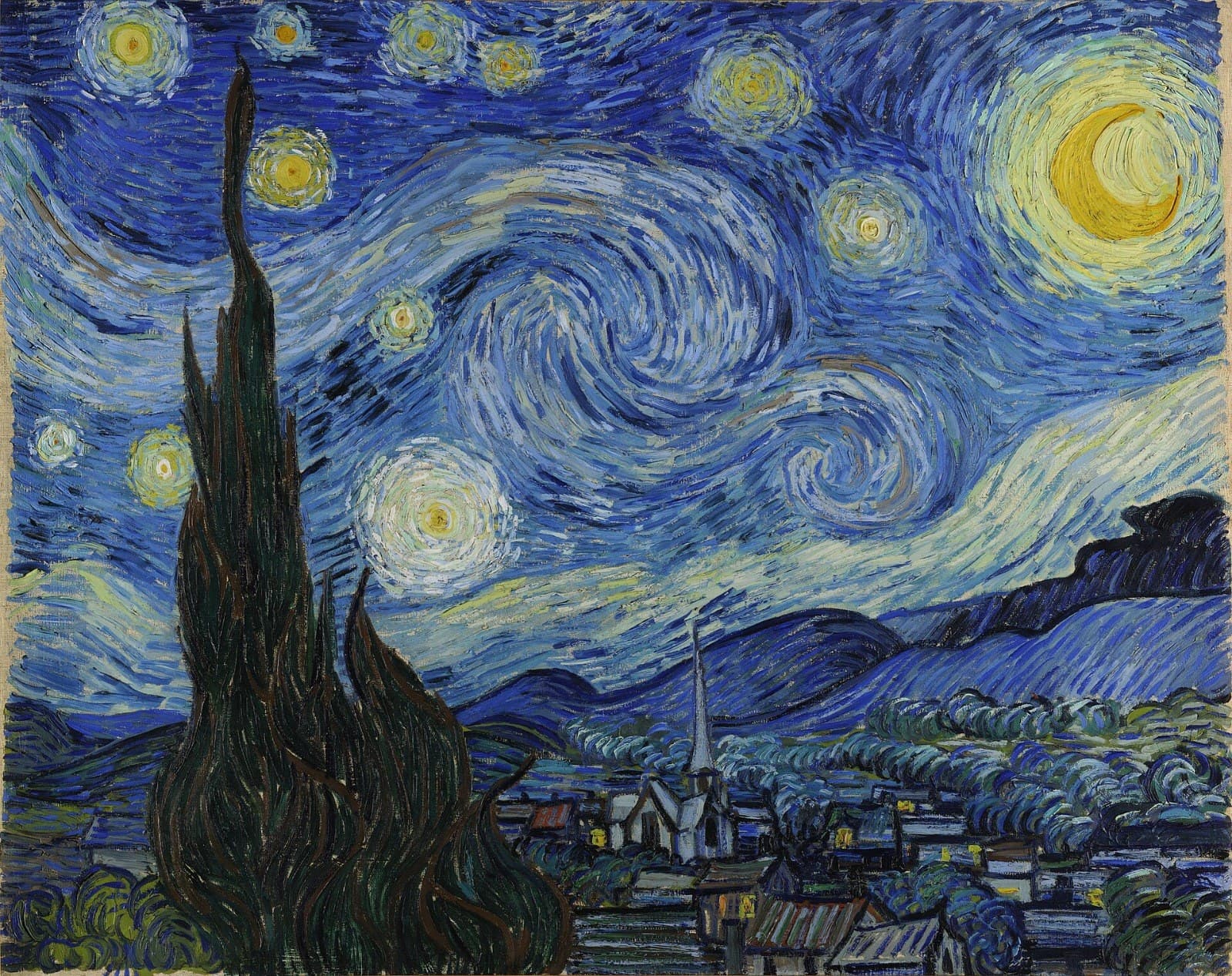
Starry Night
1889 · Museum of Modern Art, New York City
Van Gogh painted the churning sky and its eleven stars from a window of the asylum at Saint-Rémy, partly from memory.
★ 9.6
 skopia
Van Gogh painted the churning sky and its eleven stars from a window of the asylum at Saint-Rémy, partly from memory.

The background ripples around his head like a current in the same blue-green as his suit, and his beard burns red against it.
East is East and West is West, and never the twain shall meet.

Van Gogh loved the cypress and compared it to an Egyptian obelisk, then set one flaming up the right side of a Provençal field.
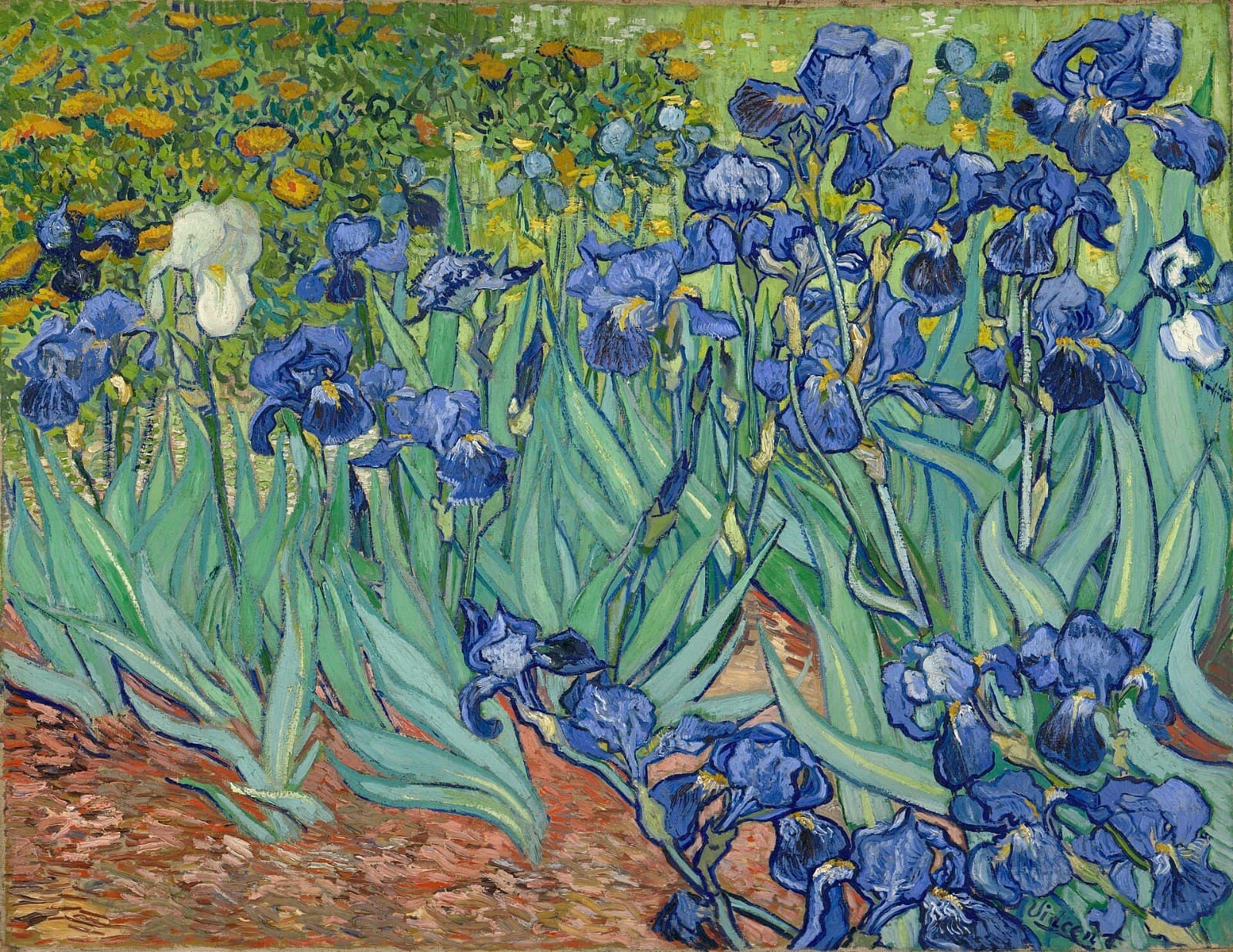
One white iris stands alone among a whole bed of blue-violet ones, the blades twisting and crowding right up to the edge of the canvas.
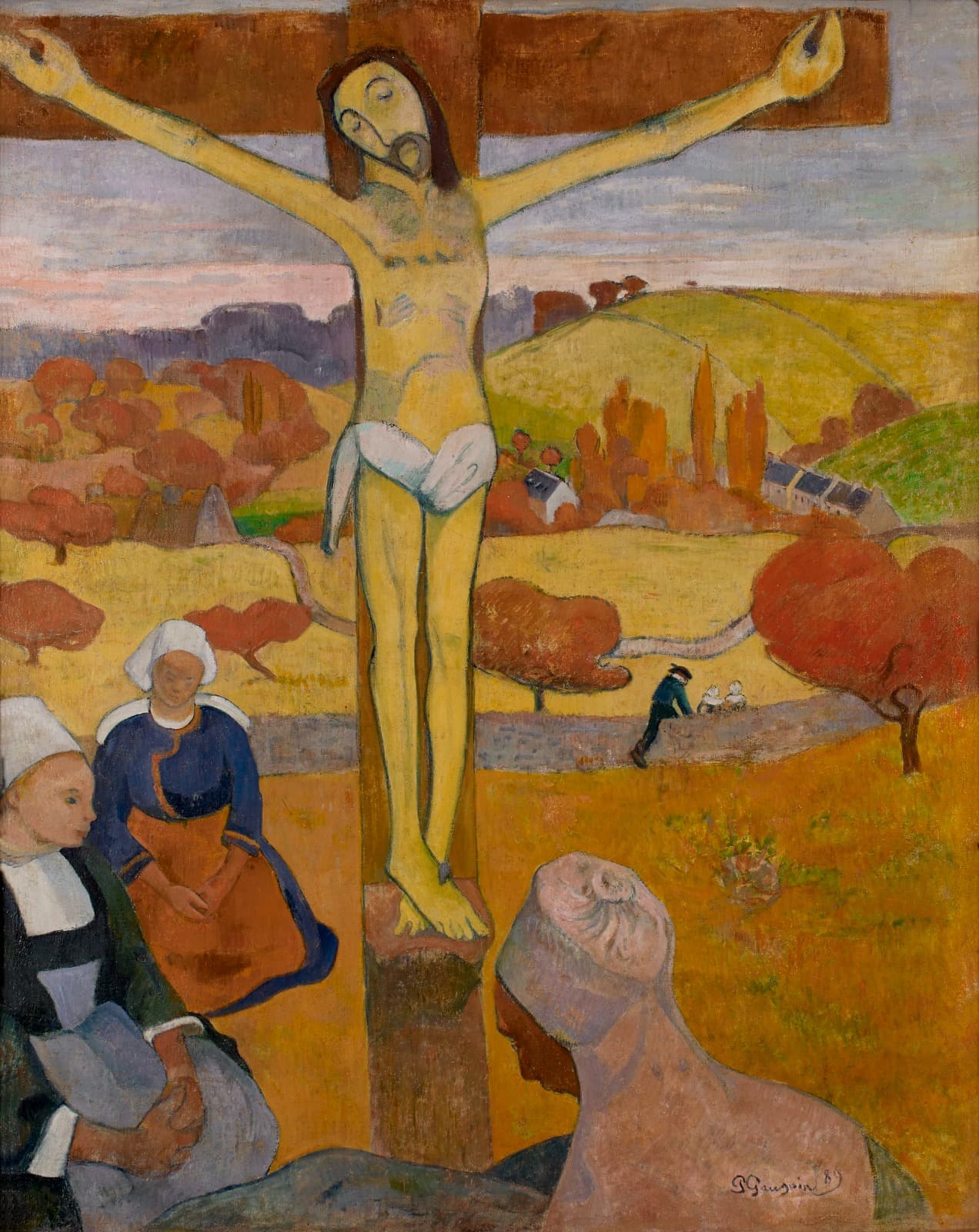
Three Breton women in white caps kneel at a wooden cross in an autumn field, everything flattened into blocks of color like stained glass.
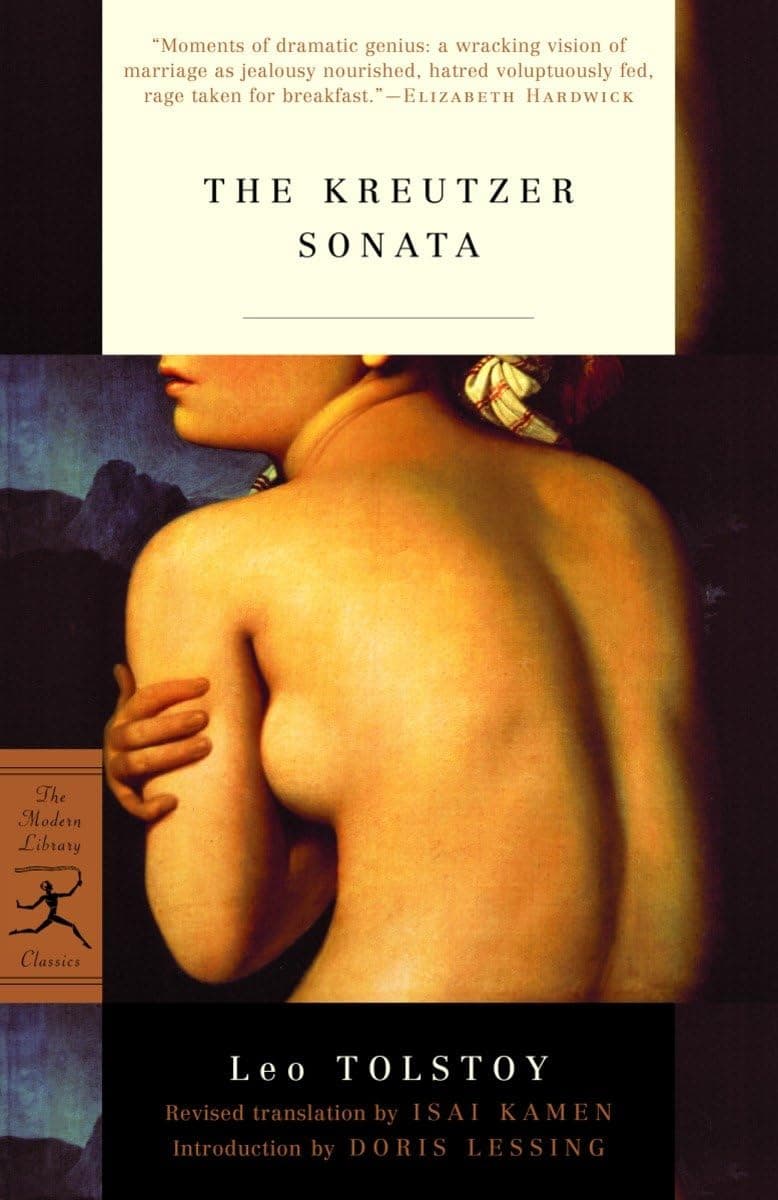
On a night train, a man tells strangers how he came to kill his wife, then turns the confession into an assault on marriage and desire itself. Russia's censors suppressed it.

The hills buckle and heave in the same thick strokes he gave his skies, so that the rock ends up moving too.

Knocked cold in a Hartford arms factory, Hank Morgan wakes in Camelot and sets about industrializing it. The comedy runs a long way before Twain turns it into mechanized slaughter.

Three Victorians and a fox terrier row up the Thames, and Jerome turns the holiday into English comedy: a tin of pineapple nobody can open, a Hampton Court maze that traps everyone.
My kind of loyalty was loyalty to one's country, not to its institutions or its office-holders.