Where the Streets Have No Name
1987 · From The Joshua Tree
Eno reckoned half the album's sessions went into it and nearly wiped the tape; the Edge's delay does the rest.
★ 8.4
 skopia
Eno reckoned half the album's sessions went into it and nearly wiped the tape; the Edge's delay does the rest.
The Edge was sent a prototype Infinite Guitar by Michael Brook, and U2 had their first American number one.

Mullen's marching snare was cut at the foot of a Windmill Lane stairwell, and Bono insisted it was no rebel song.
A jam demoed under the title The Weather Girls became a gospel hymn about doubt, and U2's second American number one.
The Edge's chords came out of a soundcheck in Japan; Bono fixed the third verse's timeline on record only in 2023.
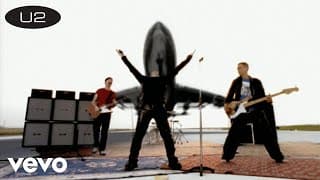
Eno programmed the drum machine, Lanois played the Telecaster, and the Edge won the argument for his old delay-drenched sound.

A bass line Clayton stumbled on while decoding Visage's Fade to Grey, then Bono aimed the words at Poland's Solidarity.

Grown from a Dublin jam called Sick Puppy, and Edge's Korg funk-wah setting turned Clayton's bassline into U2's funkiest record.