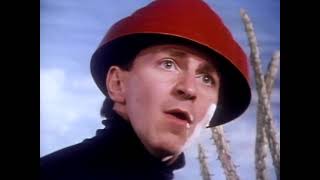
Once in a LifetimeTalking Heads
Once in a Lifetime
1980 · From Remain in Light
Byrne borrowed a preacher's cadence, Eno hummed the chorus melody, and the band looped its own jams like samplers.
★ 9.0
 skopia
Byrne borrowed a preacher's cadence, Eno hummed the chorus melody, and the band looped its own jams like samplers.
Marr faked the strings on an Emulator, credited them to the Hated Salford Ensemble, and Britain waited six years.
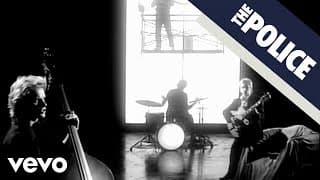
Sting woke at Fleming's Goldeneye with the melody; Summers cut that arpeggio in one take and made surveillance sound tender.
Recorded on a secondhand eight-track in a Chalk Farm attic, and an American number one by September.
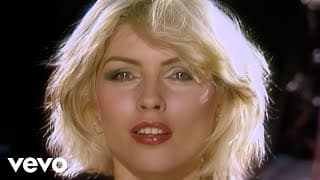
A demo kicked around since the mid-seventies, rebuilt on a Roland drum machine that appalled their punk friends.
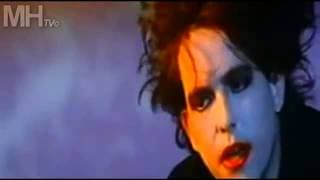
Smith traced it to a day at Beachy Head with Mary Poole; Williams sped the tempo, adding the opening fill.
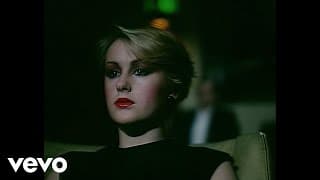
Oakey thought it the weakest thing on Dare; it became Britain's best-selling single of 1981 and Christmas number one.
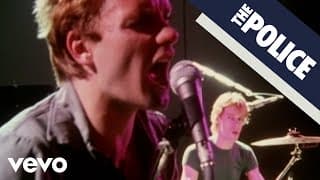
Copeland turned Sting's bossa nova into a tango, and the piano clang at the top was an accident they kept.
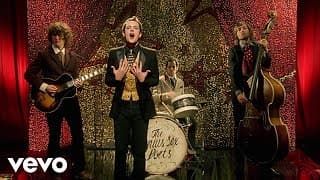
Flowers wrote it after a bad night at a Vegas bar; Britain has kept it charting past 500 weeks.
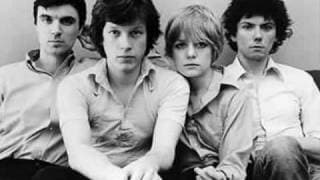
A ballad first, written at art school, until Weymouth's French bridge and bassline turned it feral.
Gonzalez built that shrieking hook from his own distorted voice, then let James King's saxophone close the record.
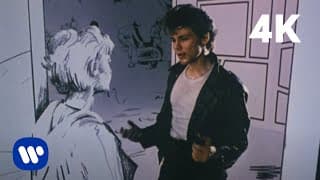
Two releases flopped before the third one broke, Furuholmen's Juno-60 riff intact and a video rotoscoped over sixteen weeks.
It missed the UK top forty, all Fairlight sequencing except Hook's bass, and now every indie disco needs it.
A Northern soul flop from 1964 rebuilt on synthesizers at Advision, Marc Almond's first vocal take kept intact.
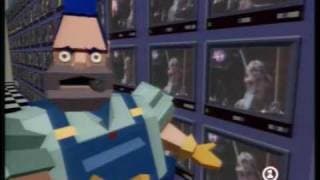
Knopfler borrowed a pen in a New York appliance store to copy down a delivery man's complaints about MTV.
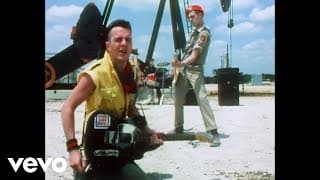
Topper Headon cut the drums, piano and bass himself, and Strummer finished the lyrics in the studio bathroom.
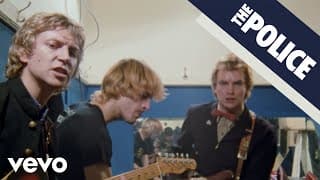
Summers' arpeggiated riff, Sting's castaway pleading over it, and the first of the Police's five UK number ones.
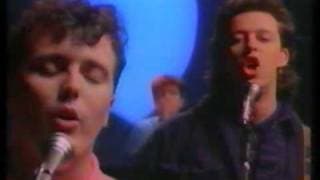
Orzabal found the shuffle alien to the band, Hughes talked him into it anyway, and America made it a number one.
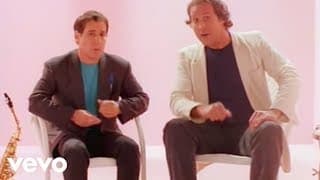
Kumalo cut one descending bass measure, Halee reversed the tape for the break, and Chevy Chase mimed it on MTV.
Frantz came home from a Parliament-Funkadelic show chanting it, and Byrne built the band's only American top ten.
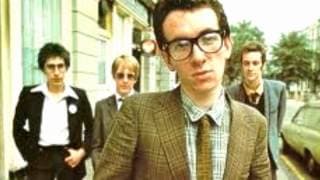
Costello glimpsed a supermarket checkout girl, Clover backed him before the Attractions existed, and one line titled his debut.
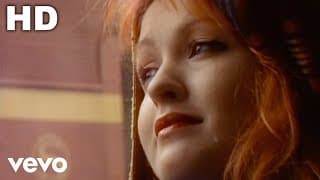
Lauper lifted the title from a TV Guide film listing, and Rob Hyman's harmony makes the chorus ache.
By Numan's account a road-rage scare in London started it; a bass riff, a Polymoog, and a UK number one.
Bryan Ferry and Billy Idol passed; Simple Minds cut it reluctantly, then kept the placeholder chant that closes it.
Moroder cut the backing track in Los Angeles, Harry wrote the words in hours, and it ruled 1980.
Orzabal wrote it on a small synth as an album track; Stanley heard a worldwide smash and was right.
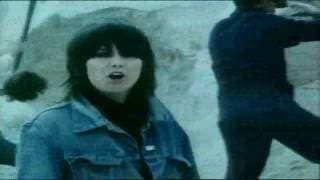
Hynde cut it weeks after Honeyman-Scott's death, with Rockpile's Bremner on guitar and a Sam Cooke chant behind her.
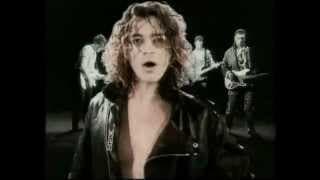
A cassette demo made while a taxi idled outside, finished in Hong Kong, and INXS's only American number one.
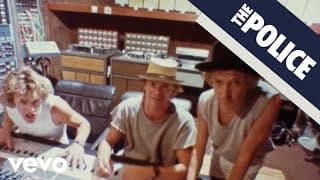
Four years in Sting's drawer before The Police cut it, and Jean Roussel's piano overdubs are why it soars.
A baritone Mosrite missing its two middle strings, and a party record that talked Lennon out of retirement.
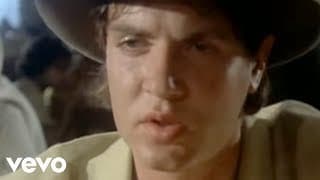
Rhodes had the backing track in mind before reaching the studio; the Sri Lanka video carried it to number three.
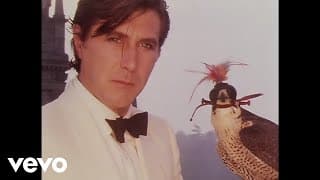
A swan song by Ferry's own account, with a wordless vocal from Yanick Etienne, found in the next studio.
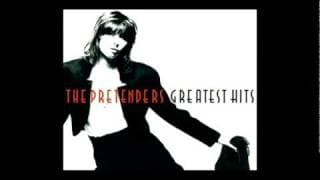
Honeyman-Scott's guitar lick came first, and Hynde told her producer he could release the thing over her dead body.
Sixteen national number ones, then a second life at 12:01 a.m. on 1 August 1981 as MTV's first video.
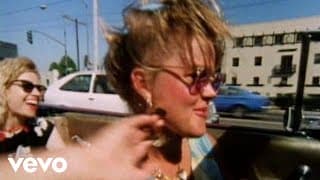
Written by post after Wiedlin and Hall's 1980 tour romance, and it still sounds like a secret being kept.
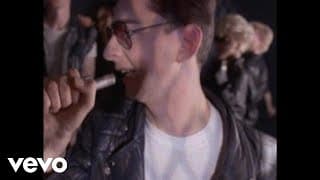
Daniel Miller sequenced it on a Roland MC-4, Vince Clarke's last single for the band and still a terrace chant.
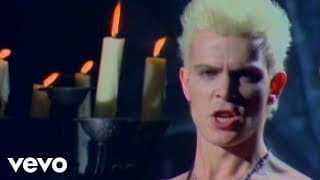
Steve Stevens' guitar cutting through Keith Forsey's production, and Idol sneering his way through somebody else's wedding.
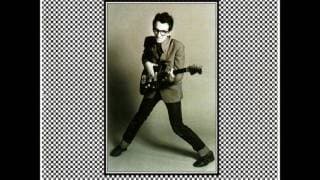
Costello wrote it after a night with the first Clash album; Nieve's piano stalks it like Bernard Herrmann.
Smith's six-string bass, acoustic guitars strummed to a blur, and the Cure's sunniest song about feeling old.