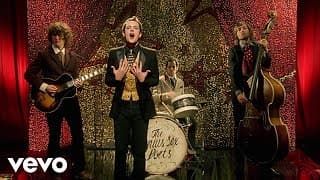
Mr. Brightside
2004 · From Hot Fuss
Flowers wrote it after a bad night at a Vegas bar; Britain has kept it charting past 500 weeks.
★ 7.6
 skopia
Flowers wrote it after a bad night at a Vegas bar; Britain has kept it charting past 500 weeks.
A stomping riff, a desert studio in Joshua Tree, and the band's first single to reach the Billboard Hot 100.
Two songs welded together, the tempo dropping a minute in, and a sniper film lending Kapranos his double-edged title.
A wordless chorus half of indie rock then copied, and Bowie sang it onstage with the band in 2005.
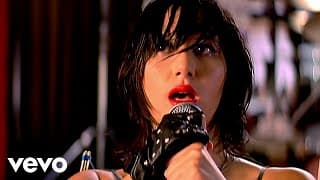
Zinner's looped riff, twenty minutes of writing from Karen O, and a video where the tears are real.
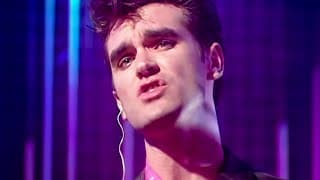
Marr's melody came from a New York hotel room, the title from Sandie Shaw, and misery never sounded so cheerful.
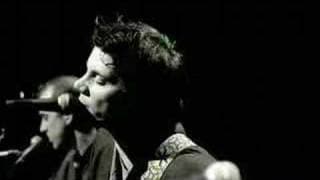
Reprise rejected the album, Wilco streamed it free, and a sister Warner label put out these swooning strings instead.
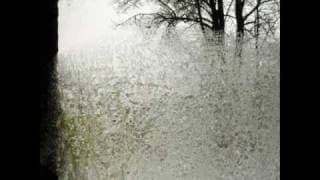
Vernon cut it alone in his father's Wisconsin hunting cabin over a winter, and the falsetto still sounds snowbound.
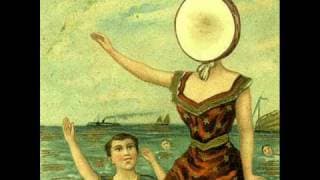
Julian Koster's singing saw over double-tracked acoustics, cut in Denver with Robert Schneider, and a chorus that faces death smiling.
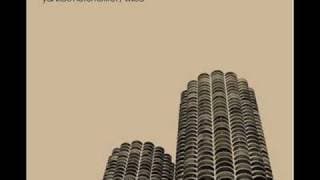
O'Rourke mixed this one song as an audition, won the whole album, and Wilco made it the opening track.
An arpeggio out of Chicago house, a sample from the Cassini Saturn probe, Lennox wanting only a home.
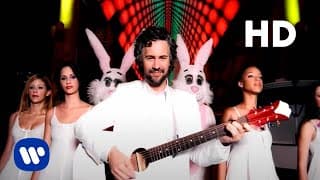
Coyne wrote it during Drozd's recovery, a plain statement about mortality that Oklahoma voted its official state rock song.
Sub Pop pressed it as a one-off single in 2001; three years later Garden State made it a generational password.
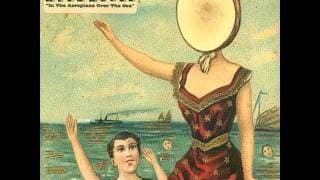
Every instrument distorted at Schneider's Denver studio, and Mangum turns an elegy for Anne Frank into pure forward momentum.
Malkmus turned a fake band advert into a hook, and Pavement's snipe at image became their biggest hit.
Nigel Godrich's sessions got scrapped, Gordon Raphael came back, and the descending twin-guitar riff turned everything into a sprint.
Goldwasser wrote the music at nineteen in a dorm room, an exercise in stereotypical pop that outgrew itself.
Tamborello sent instrumental DATs to Gibbard, who added vocals and shipped them back; his first happy love song.
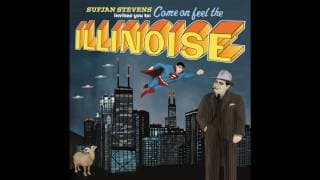
Sleigh bells, trumpets and a choir stacked into one crescendo, and Stevens cut five different versions of it.
Horns and clarinets swell over guitar in a converted Wisconsin veterinary clinic; Grammy voters nominated it for record and song.
The praying mantis in their house inspired the music, by the band's account; the words satirize rock-star excess.
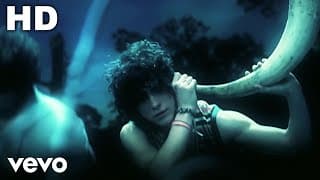
A 6/4 groove where pop usually sits in 4/4, and Fridmann's production turns silvery synths into a slow strut.
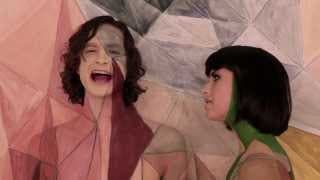
Recorded at his parents' house on the Mornington Peninsula around a Luiz Bonfá sample, eight weeks at number one.
A lullaby melody hiding a song about alcohol, and one of three Either/Or tracks in Good Will Hunting.
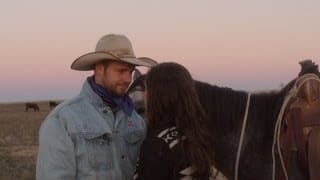
One Letterman performance in March 2014, Herring's angular dancing, and Pitchfork, NME and Spin named it the year's best.
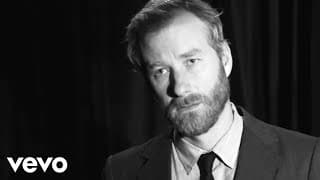
Cut in Aaron Dessner's Brooklyn garage, a horn part stripped out late, leaving that rolling drum pattern and Berninger's baritone.
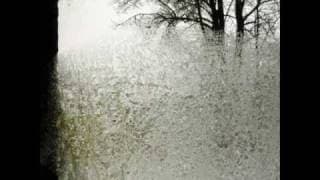
Three months alone in his father's Wisconsin hunting cabin, and falsetto stacked until one voice becomes a choir.
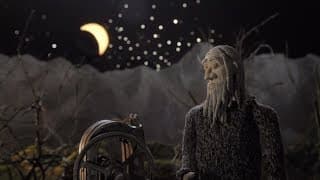
A round about snow that the band never once played together, its voices stacked from first takes in production.
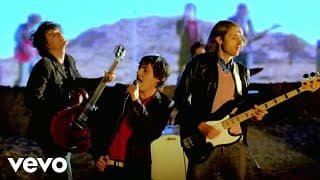
Flowers called it the story of trying to meet someone in a club; Keuning's hook does the flirting.
One microphone, mono, caught during a studio break when the headphones failed, and Gibbard's breath before the first chord.
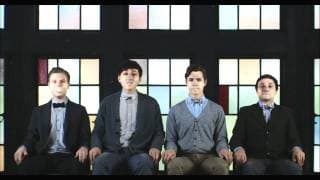
Chris Bear started the piano line on a Cape Cod weekend; Victoria Legrand's stacked harmonies make the rest glow.
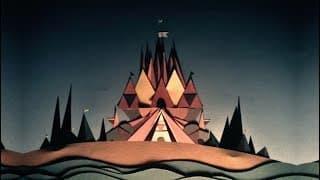
Pecknold rebuilt a piano soul demo with Phil Ek at Bear Creek, and the harmonies own the second half.
A fantasy of Belle Epoque Paris, handed out free online, that then spent thirty-one weeks climbing to alternative number one.
Rostam's harpsichord reharmonizes a melody that traveled from Bread through Grover Washington Jr. to Souls of Mischief, then here.
Bedroom pop in the literal sense, a Gary Low disco record slowed to a crawl, and chillwave had its template.
Coyne named his karate warrior after Boredoms drummer Yoshimi P-We, then cast the heroine's disease as pink robots.
Banjo hammering under a chorus that needed a radio edit, produced by Markus Dravs and voted Australia's song of 2009.
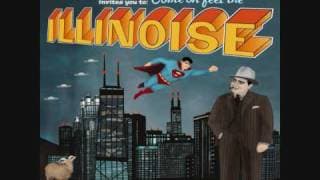
Four guitar chords never change while Stevens sings a Bible study, a friend's death, and a question for God.
Daniel wrote it late for Gimme Fiction, cut it first, and sang in a Prince falsetto over Eno's hi-hat.
Koenig found the punctuation via a Columbia Facebook group, then wrote a song about not caring at all.