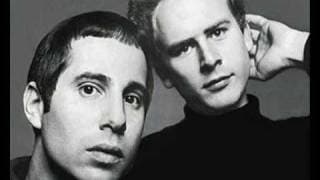
Bridge Over Troubled Water
1970
Garfunkel's voice climbing a gospel staircase, the last verse arriving like the cavalry.
★ 9.5
 skopia
Garfunkel's voice climbing a gospel staircase, the last verse arriving like the cavalry.
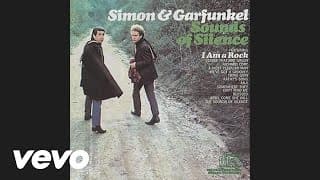
A folk flop until a producer secretly overdubbed electric guitars, and the duo heard their number one on the radio.
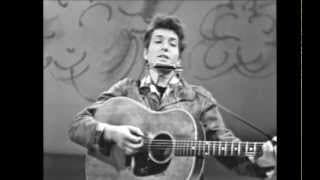
Nine questions, no answers, and the song the civil rights movement adopted whole and never gave back.
A single voice and acoustic guitar close Uprising, with a line lifted from Marcus Garvey and Marley already ill.
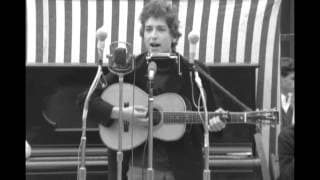
Bruce Langhorne's giant Turkish frame drum gave Dylan the image, and the Byrds' cover turned it into folk rock.
Buckley learned it from John Cale's version and cut over twenty takes at Bearsville; the edit sounds like one breath.
Dylan set out to write an anthem on purpose, borrowing the cadence of Irish and Scottish ballads, and got one.
Simon had it as Mrs. Roosevelt with nonsense syllables for a verse, and it won Record of the Year.
Stevie Wonder's gear failed at the Mandela tribute, Chapman went on with a guitar, and the record went top ten.
Over a hundred hours of work, and that cannon-shot snare is Hal Blaine playing beside a Columbia elevator shaft.
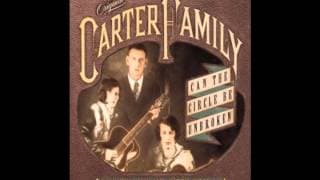
A 1907 hymn rewritten into a mother's funeral, with A.P. Carter tightening the grief and Maybelle's guitar holding it.

Mitchell was reading Henderson the Rain King on a plane, looked out at the clouds, and started writing immediately.
Cohen thought Simon's orchestration overblown, but the four-track master wouldn't let him strip it; Judy Collins recorded it first.
Danoff and Nivert finished it with Denver one December night, and they premiered it hours later at the Cellar Door.
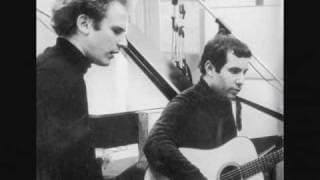
No rhyme scheme anywhere, just Simon reworking a 1964 road trip with Kathy Chitty until the emptiness lands mid-verse.
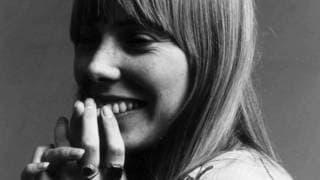
Mitchell threw back a Hawaii hotel curtain, saw mountains above a parking lot, and wrote pop's sunniest protest song.
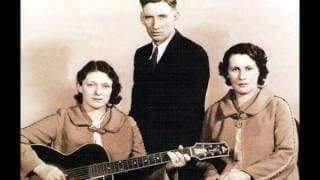
Maybelle Carter played melody and rhythm at once, and every country guitarist since has learned this 1860 parlor tune.
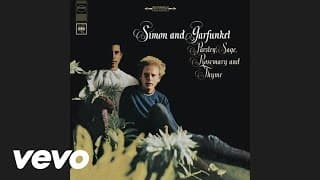
Simon learned it from Martin Carthy in London; Garfunkel wound an anti-war lyric through the ballad as counterpoint.
Vernon cut it alone in his father's Wisconsin hunting cabin over a winter, and the falsetto still sounds snowbound.
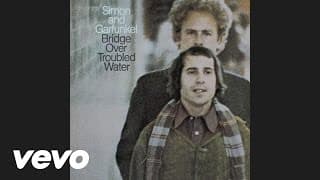
Friends banged on a piano bench at a party; Simon and Halee looped the thumping into a rhythm track.
Voice, guitar, and a single overdubbed piano line, taped after eleven at night with only an engineer present.
Horns and clarinets swell over guitar in a converted Wisconsin veterinary clinic; Grammy voters nominated it for record and song.
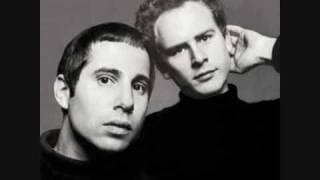
Simon wrote it on an English railway platform missing Kathy Chitty; a plaque at Widnes station now claims the spot.
Three months alone in his father's Wisconsin hunting cabin, and falsetto stacked until one voice becomes a choir.
A round about snow that the band never once played together, its voices stacked from first takes in production.
Pecknold rebuilt a piano soul demo with Phil Ek at Bear Creek, and the harmonies own the second half.
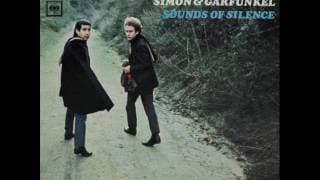
Simon first cut it alone for a UK-only album, then Hal Blaine and Carol Kaye turned withdrawal electric.

Pecknold called it an anti-protest song, a plain opinion with no poetry, and gave it away free in January 2011.
Boyd handed Cale the demo and he improvised celeste, piano and organ around Drake's most openly loving song.
One classical guitar, no drums, and the Knife's synth-pop single reduced to a whisper that reached UK number nine.
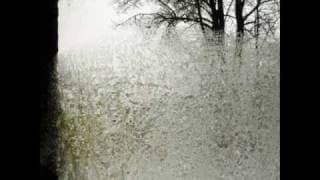
In his father's Wisconsin hunting cabin, Vernon shaped the melody wordlessly, then wrote his gambling losses into it.
Recorded in 1936 with someone else singing lead, then cut again by Acuff in 1947, a train that never existed.
Beam slowed Gibbard's synth-pop into hushed acoustic guitar for a Sub Pop B-side, then Garden State put it everywhere.
Homesick for his brother Sean, Pecknold buried the vocals in reverb and block harmony that swells like Sacred Harp singing.

One week of writing after a nine-year relationship ended, and Godrich kept the arrangement to acoustic guitar and brushes.
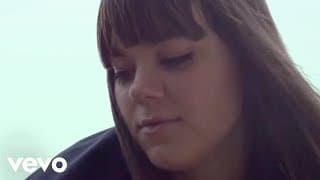
Mike Mogis produced it; the Söderberg sisters name Gram and Emmylou, June and Johnny, and sing harmony like devotion.

A 1964 Everly Brothers single, rebuilt by T Bone Burnett into swampy menace, won a Grammy.
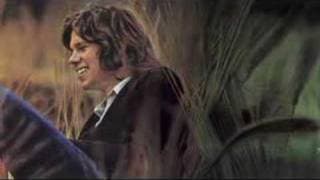
John Cale's viola and harpsichord circle Drake's plea for a second chance, and Wes Anderson later borrowed it.
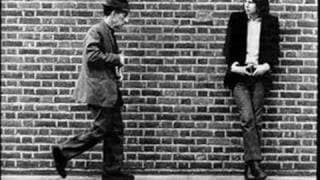
Voice, guitar and strings went down together at Sound Techniques, Robert Kirby scoring the sound of coming up short.
Lead Belly died months before Gordon Jenkins's orchestra carried his waltz to thirteen weeks atop the American charts.