God Only KnowsThe Beach Boys
God Only Knows
1966 · From Pet Sounds
It opens by admitting doubt and spends the next two minutes refuting it; McCartney still calls it the greatest.
★ 9.7
 skopia
It opens by admitting doubt and spends the next two minutes refuting it; McCartney still calls it the greatest.
McCartney dreamt the melody, called it "Scrambled Eggs" for weeks, then let a string quartet make it immortal.
Lennon's first draft listed bus stops in Liverpool; Martin's piano solo, taped at half speed, sounds baroque.
No Beatle plays an instrument on it; George Martin's string octet does everything, sawing away at two solitary lives.
Two accordions, a key change eight beats in, and 21 takes at Gold Star before Wilson sang about growing up.
McCartney heard a piccolo trumpet on a Bach broadcast, called David Mason in, and pop had never sounded brighter.
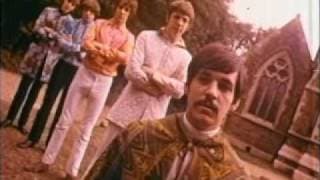
Fisher's Hammond nods at Bach for a bar before veering off, and Reid took the title from a party remark.
Beamed live to 400 million on the first global satellite link, opening on La Marseillaise, its coda quoting Bach.
A wordless chorus half of indie rock then copied, and Bowie sang it onstage with the band in 2005.
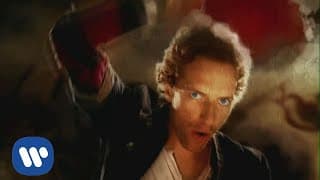
Eno producing, Davide Rossi's looping strings, a deposed king narrating, and Coldplay's first number one in Britain and America.
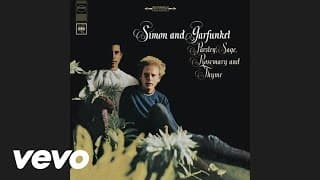
Simon learned it from Martin Carthy in London; Garfunkel wound an anti-war lyric through the ballad as counterpoint.
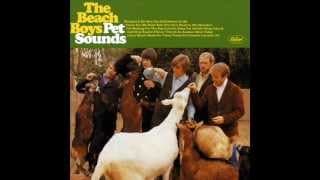
Twelve players at Western, an empty water jug for percussion, and Murry Wilson speeding the tape a semitone.
Brian Jones on recorder, Wyman fingering a double bass while Richards bowed it, and the Stones' most delicate number one.
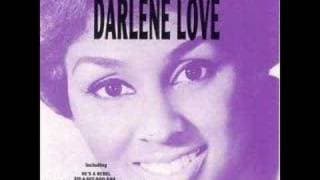
Cut at Gold Star in 1963, a commercial flop, then Love sang it for Letterman nearly every December until 2014.
Sixteen-year-old Michael Brown's hands shook when Renee walked into the control room, so he cut the harpsichord part later, alone.
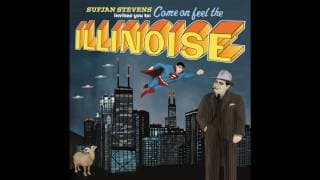
Sleigh bells, trumpets and a choir stacked into one crescendo, and Stevens cut five different versions of it.
Horns and clarinets swell over guitar in a converted Wisconsin veterinary clinic; Grammy voters nominated it for record and song.
MacLean wrote it about waiting for a girlfriend, David Angel scored the horns, and Lee added himself in the mix.
Pecknold rebuilt a piano soul demo with Phil Ek at Bear Creek, and the harmonies own the second half.
Six-times platinum for a soundtrack ballad: Rick Nowels producing, Craig Armstrong's strings, Del Rey singing Daisy Buchanan's doubt.
Take four, June 1967 at EMI, with a trumpet added later onto the mono mix and nowhere else.
That hook is an oboe, not an ocarina, and Cher disliked the song Bono wrote for them in their basement.
A rolling piano, Butler's boyhood in The Woodlands outside Houston, and an album he called a letter from the suburbs.
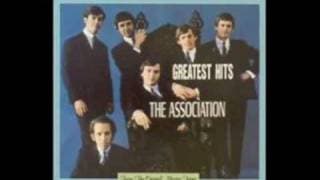
Written by the Addrisi brothers, cut by the Wrecking Crew, and named by BMI the twentieth century's second most-played song.
Strings, harpsichord, a second take cut live, and Ronstadt the only Stone Poney anywhere on the record.
John Cale's viola and harpsichord circle Drake's plea for a second chance, and Wes Anderson later borrowed it.
Spiccato strings, a skipping piano, and a breakup lyric; Malkovich and Hugh Laurie costar in the period video.

Chatto's cello and a chiptune blip riding house four-four, with Jess Glynne's first number one on top.