
Star Wars Episode IV: A New Hope
Directed by George Lucas
1977
Modern Hollywood begins here: Lucas told the oldest story there is inside a universe that looked used and lived in, and the blockbuster has run the business ever since.
★ 9.5
 skopia
Modern Hollywood begins here: Lucas told the oldest story there is inside a universe that looked used and lived in, and the blockbuster has run the business ever since.

Everyone learned how to make a sequel from this: the pressure builds for two hours, the tone stays darker than anyone expected, and one line near the close rearranged a generation's childhood.
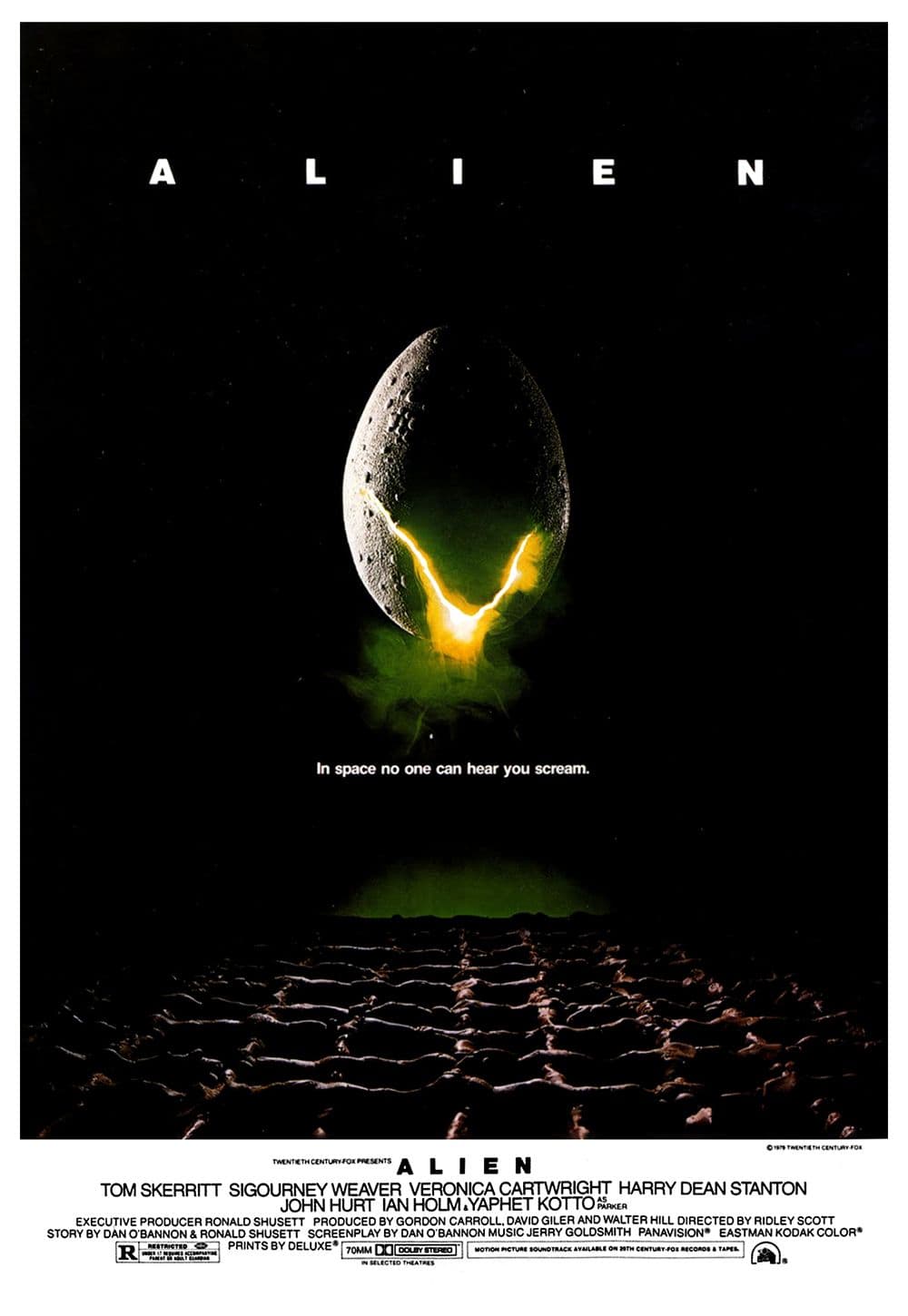
Giger's creature is still the most frightening thing anyone has designed for a screen: Scott fused haunted house and space opera, and put a woman at the center of both.
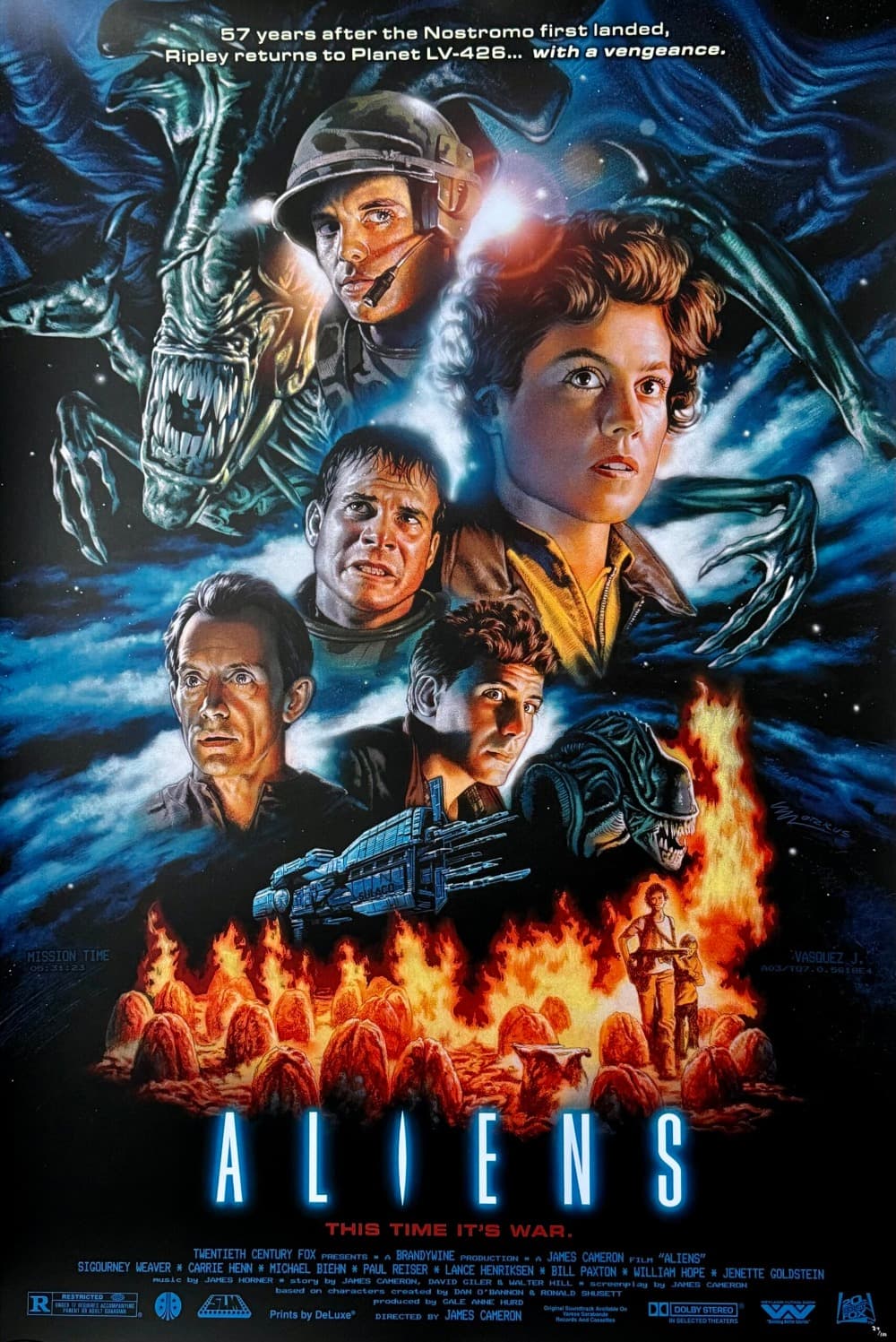
Almost no sequel changes genre and survives it: Cameron turned Scott's haunted house into a war picture, and an action performance drew a rare Academy Award nomination.
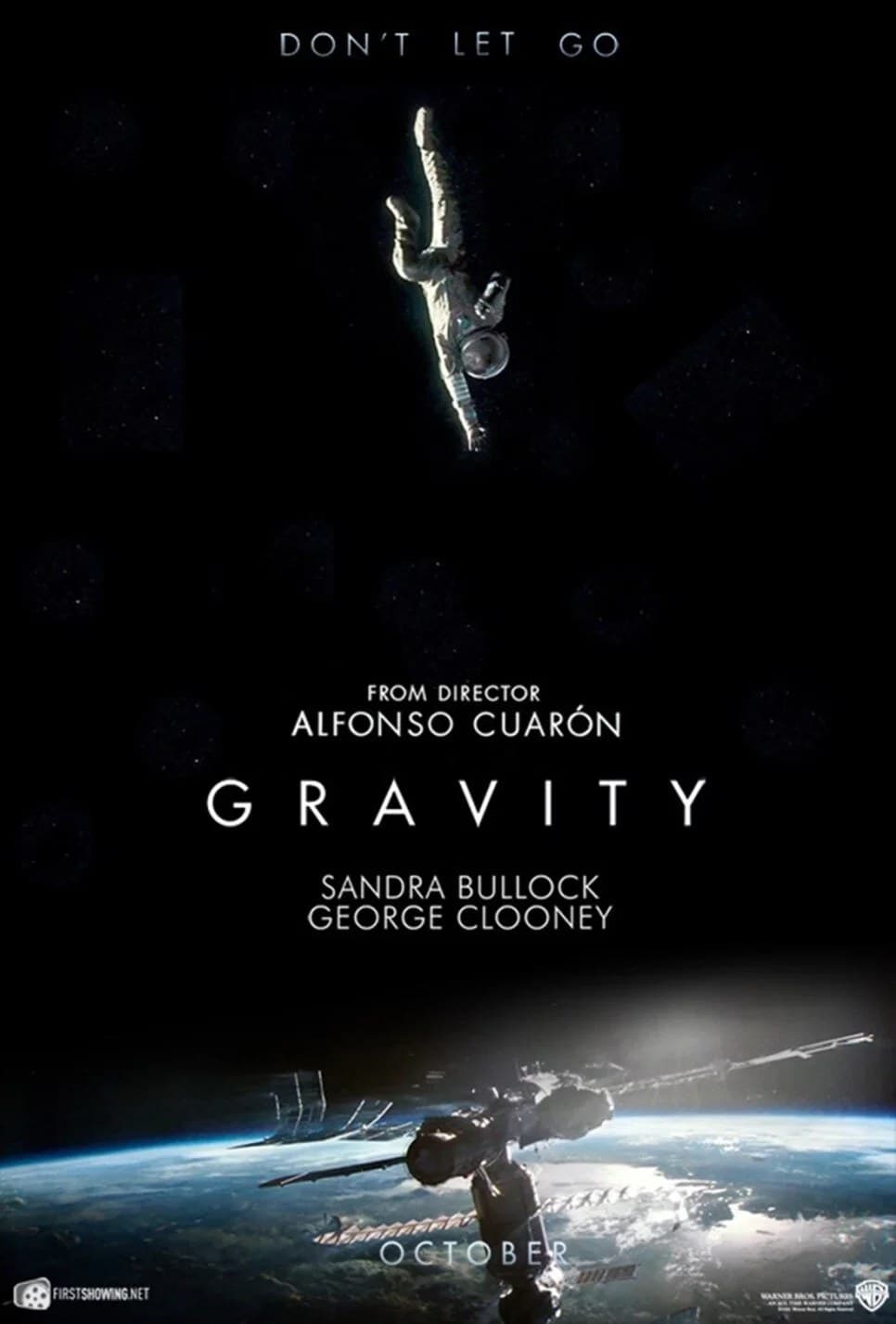
Nothing else has made space feel this physically dangerous: Cuaron opens on a shot running almost thirteen minutes, and ninety minutes later you notice you stopped breathing.

The trilogy sticks its landing: the speeder chase through Endor still moves better than most digital work made since, and the whole climax runs on puppets, models and matte paintings.
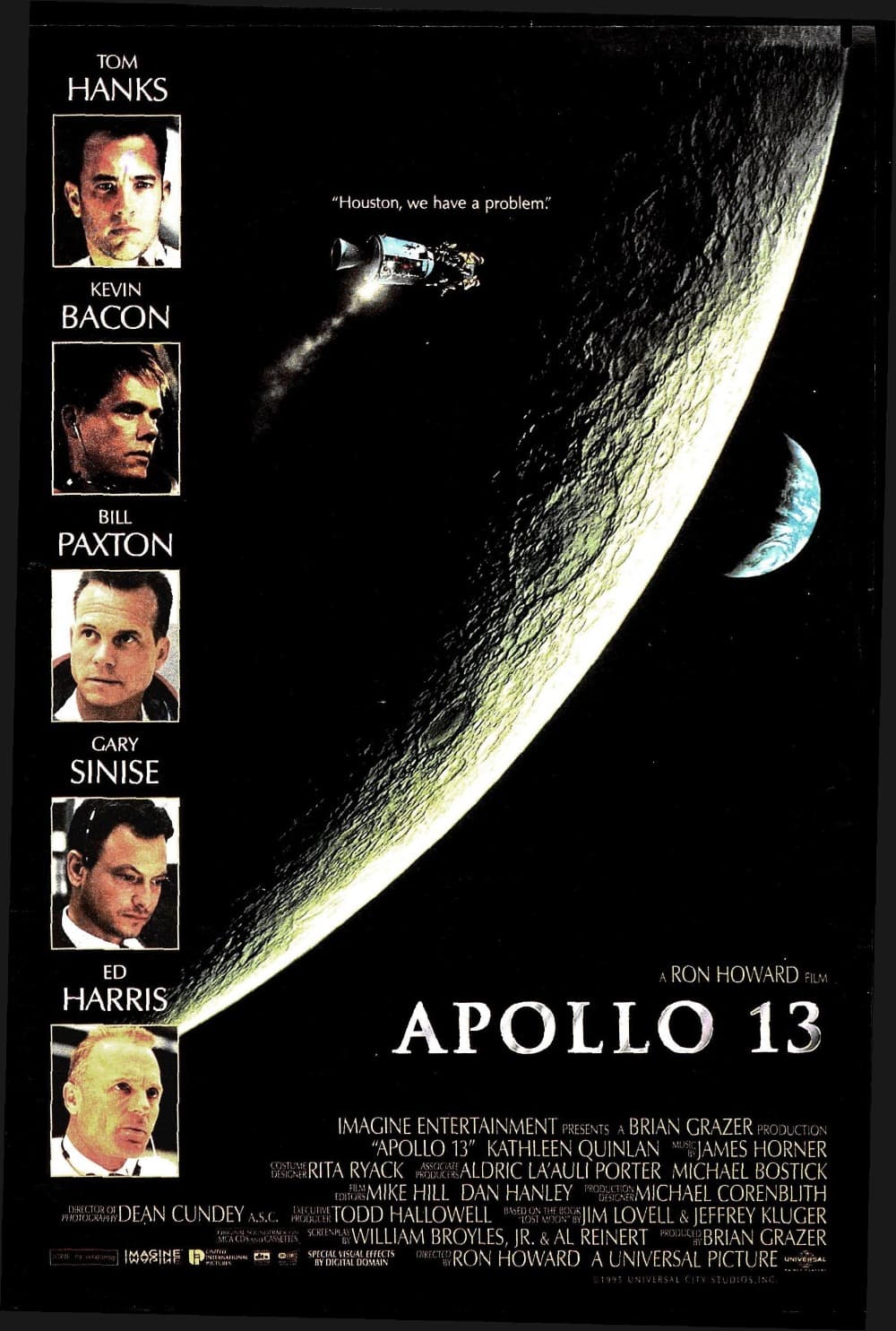
Ron Howard shot the weightless scenes in an aircraft flying parabolas, twenty-three seconds at a time: no effects, real floating, and engineers improvising with only what the crew already had aboard.
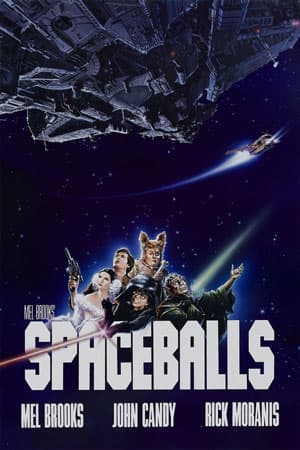
George Lucas allowed it on condition that no merchandise be sold, so Mel Brooks put a merchandising joke in the film: Star Wars parodied by someone who clearly loves it.