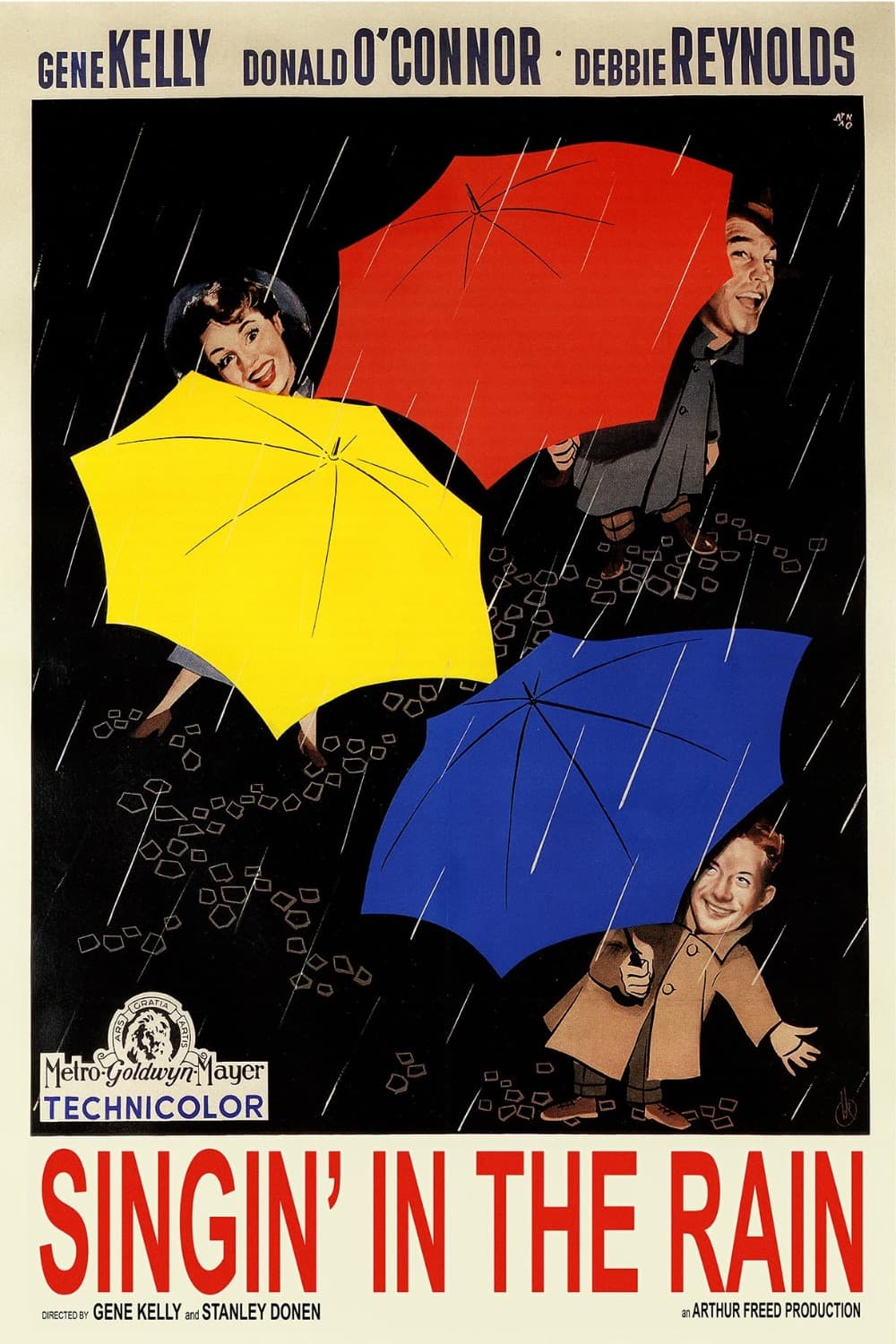
Singin' in the Rain
Directed by Gene Kelly and Stanley Donen
1952
Nothing else on film is this happy, and the subject is an industry in a panic: Hollywood's terror at the arrival of sound became two hours of pure delight.
★ 9.7
 skopia
Nothing else on film is this happy, and the subject is an industry in a panic: Hollywood's terror at the arrival of sound became two hours of pure delight.
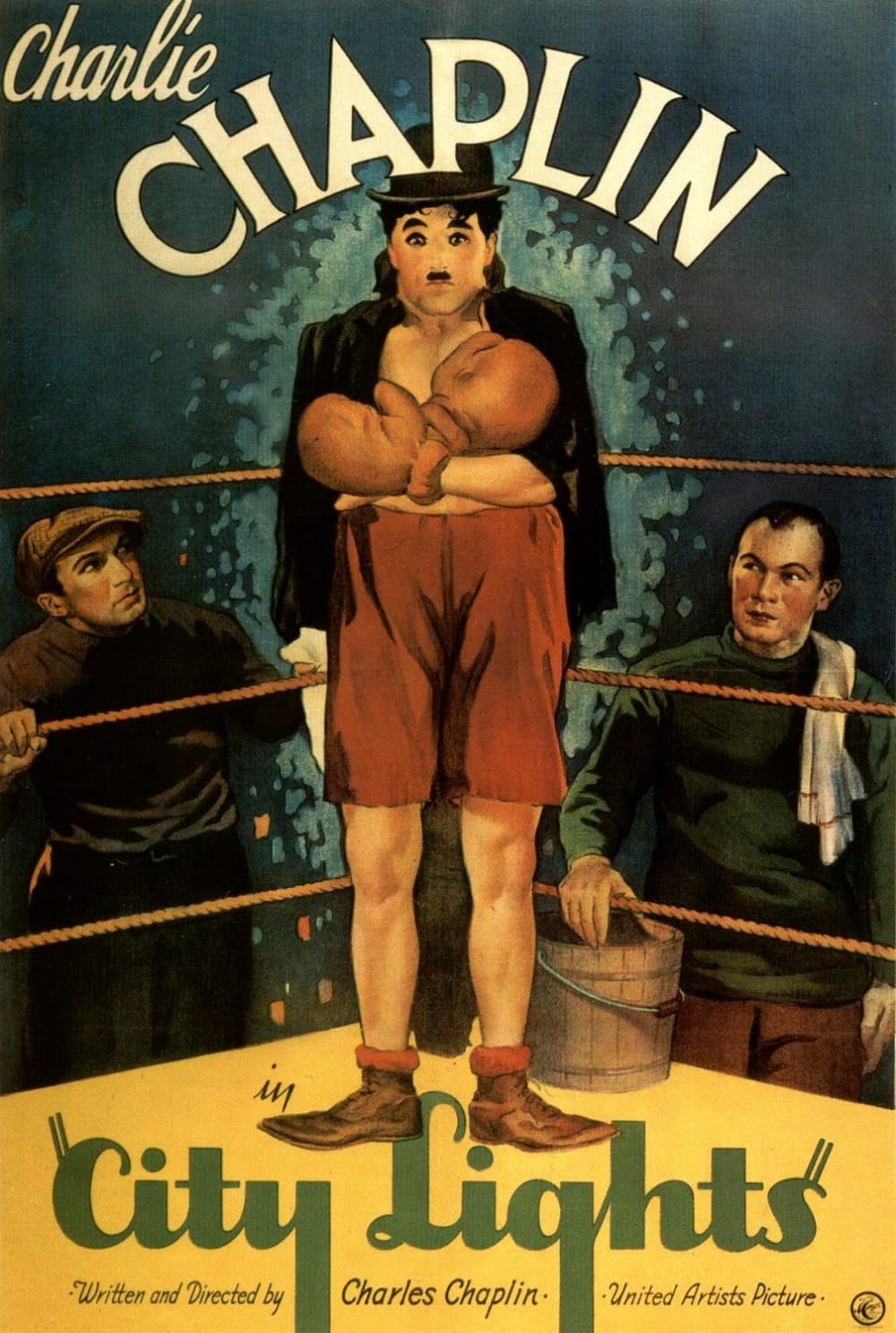
Chaplin's own favorite of his films, and the one people cry at: he refused to make it a talkie, then built ninety minutes toward a final thirty seconds.

No romance this century has come close: Kaufman's premise, that you could pay to have someone erased, turns out to be the most honest thing anyone has said about breakups.
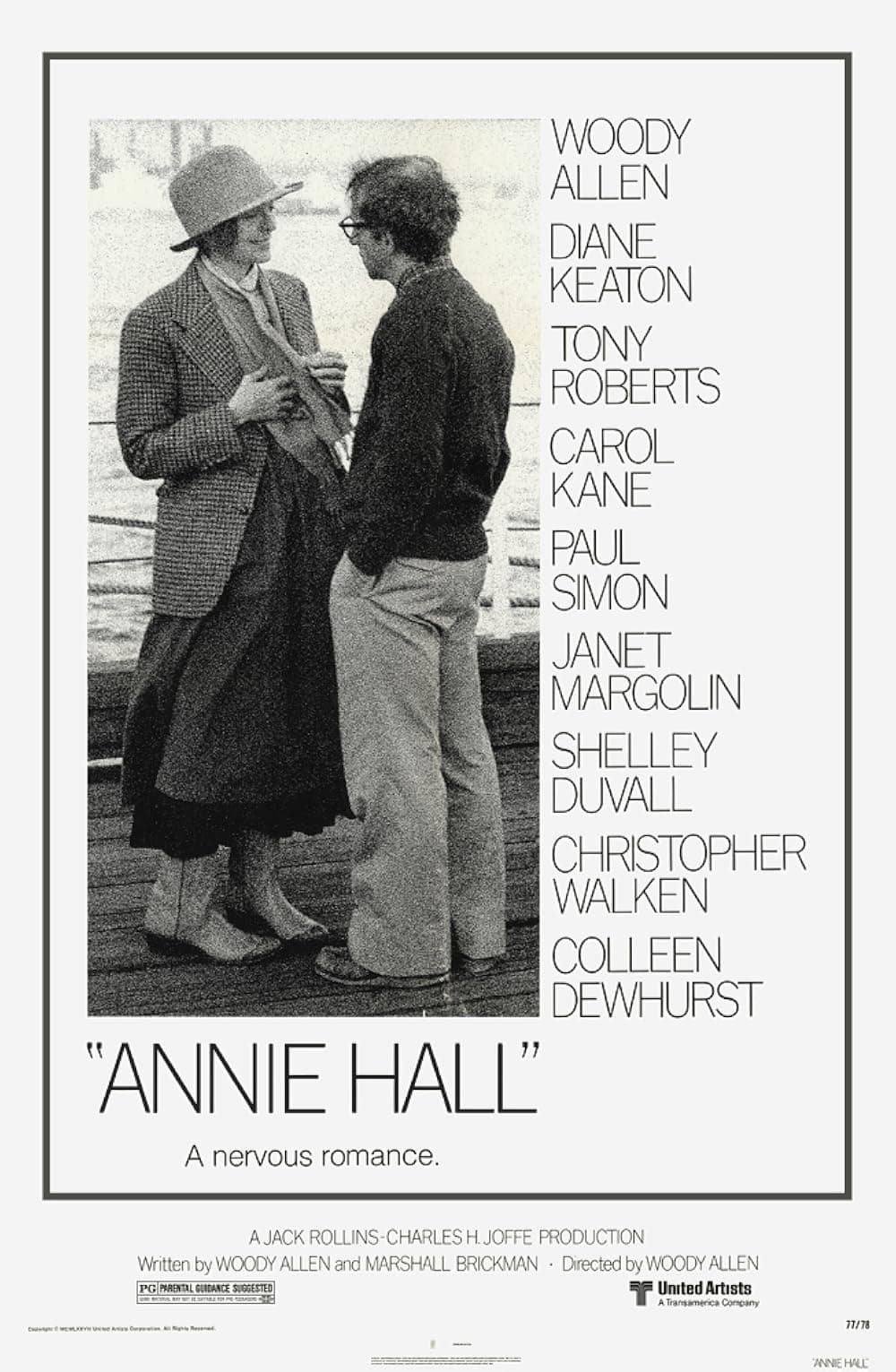
The romantic comedy has never recovered from it: Allen talks to the camera, walks into his own memories, drops subtitles over small talk, and breaks every rule the form had.
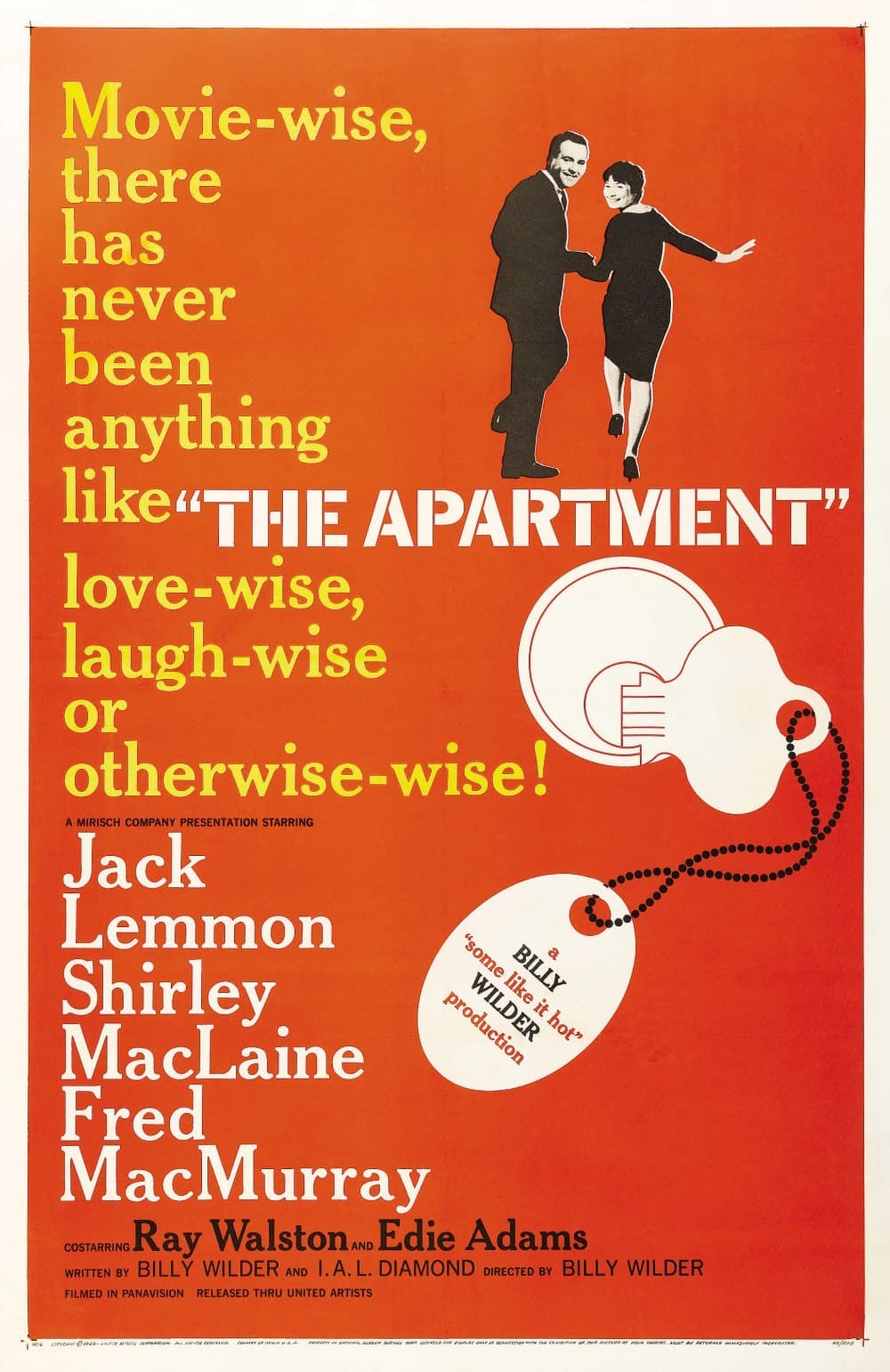
A comedy that breaks your heart and stays funny while doing it: Wilder took the sourest possible subject, a man lending his bed to his bosses, and made it warm.
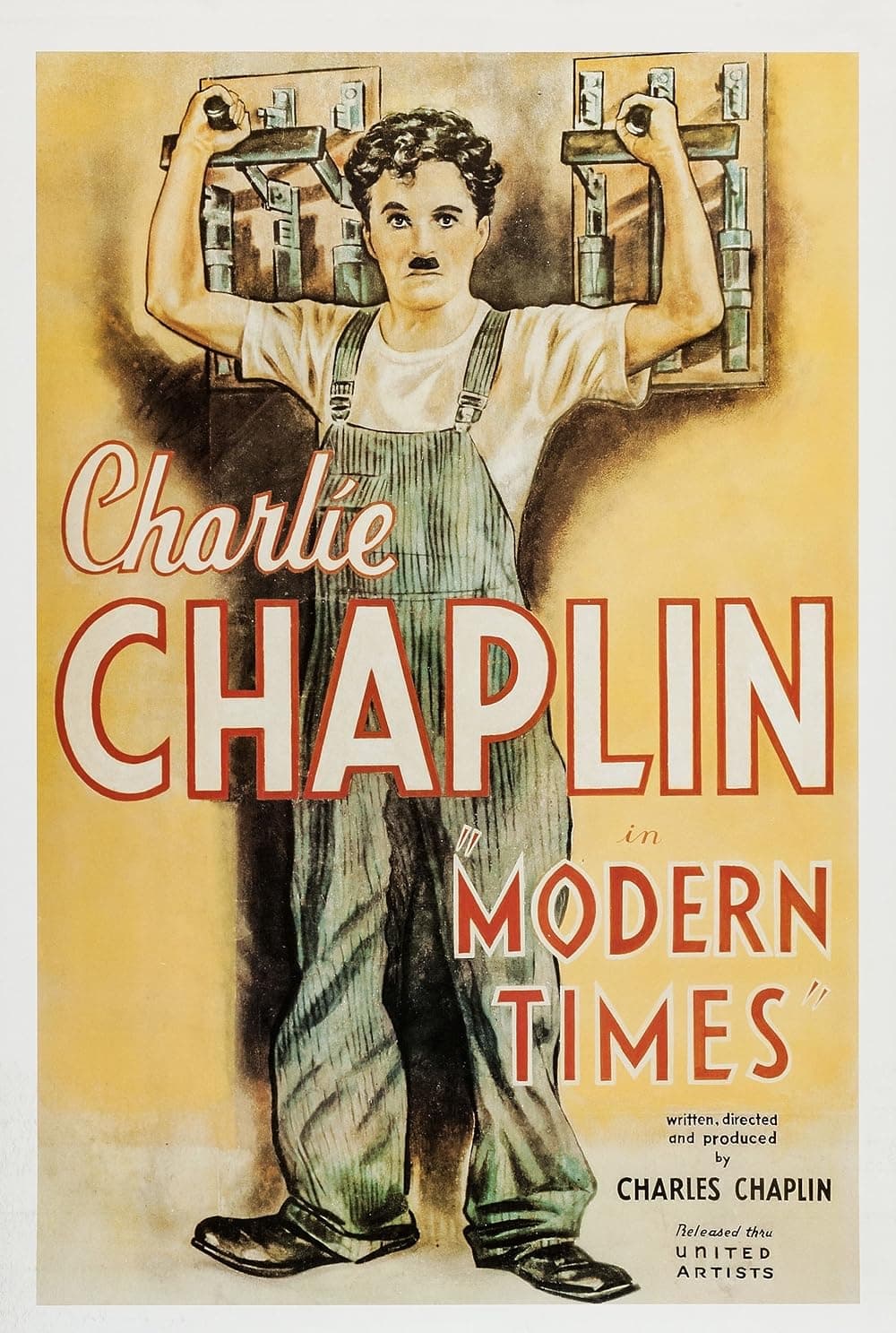
Chaplin's farewell to silence, made nine years into the sound era out of pure stubbornness: the factory gears swallow him, and he answers the talkies entirely on his own terms.
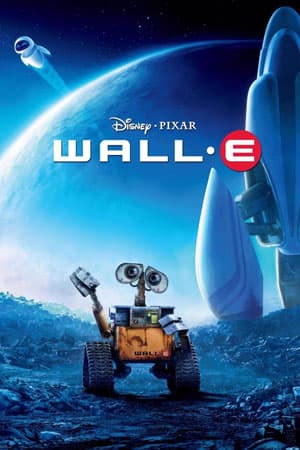
Pixar's bravest film: the first forty minutes have almost no dialogue at all, and a robot with two expressions carries more feeling than most live actors manage.
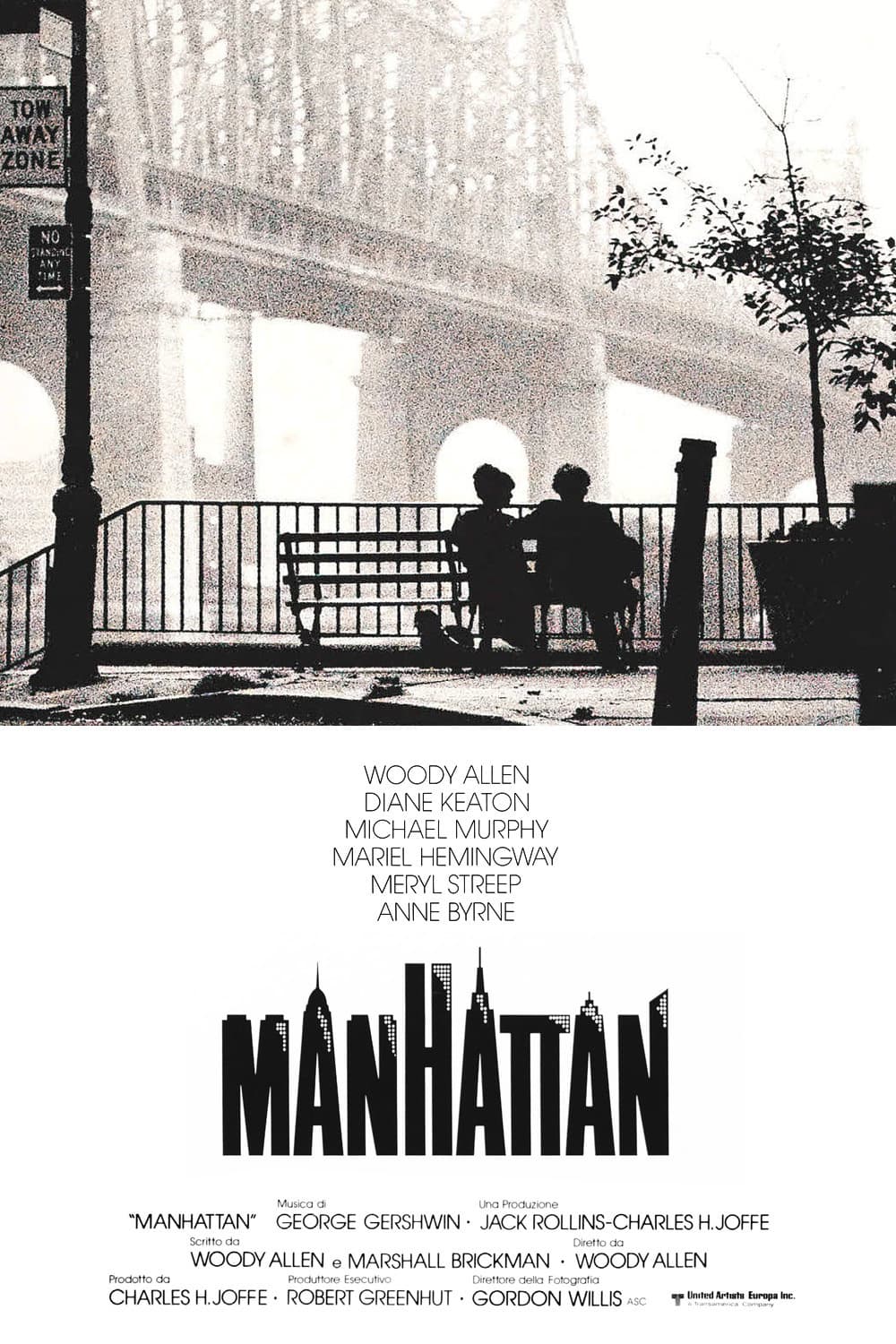
It opens with the best love letter any city has received: Gershwin over black and white Manhattan, and then two hours of people ruining their lives beautifully.
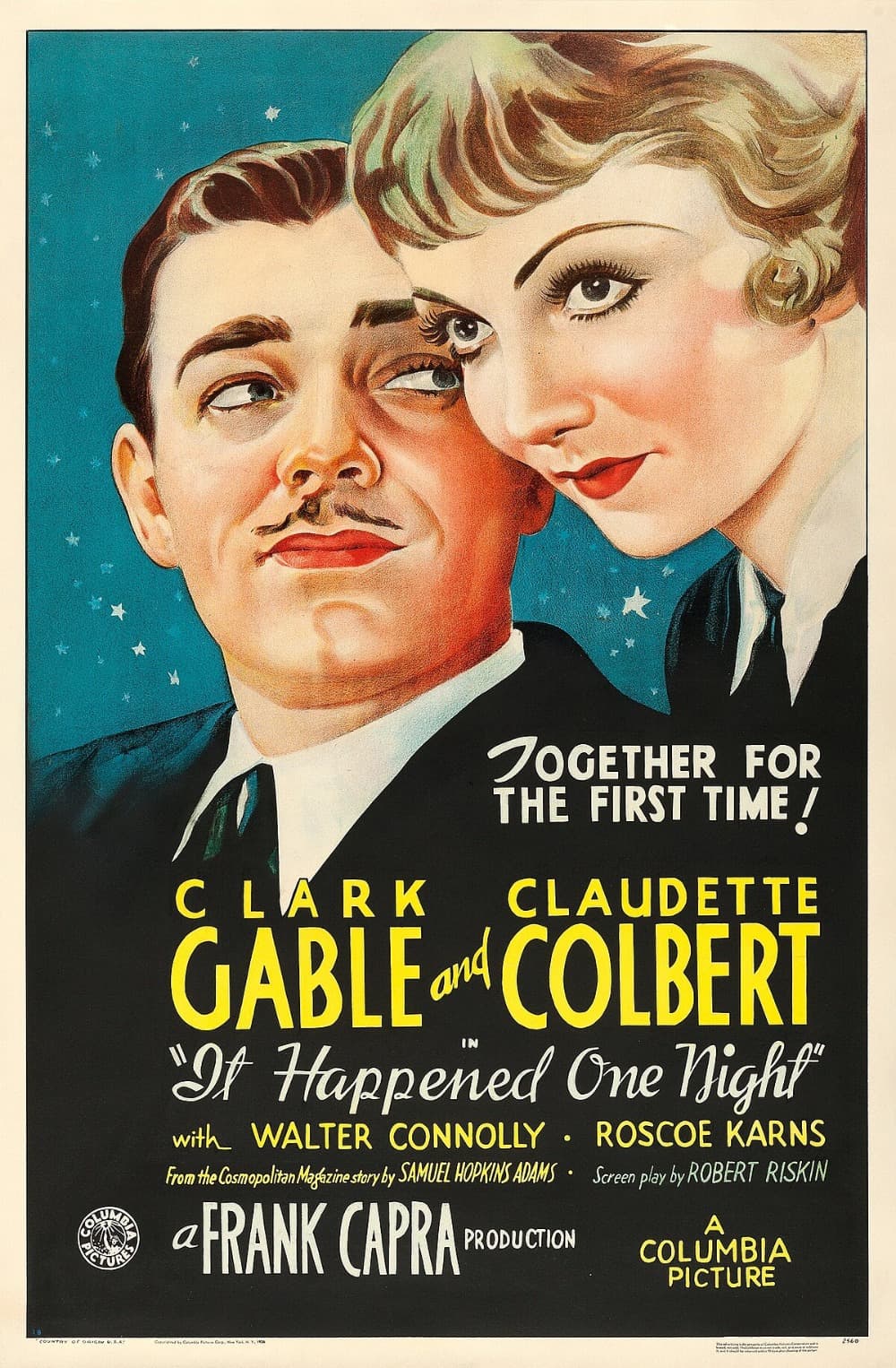
It helped launch the screwball comedy and left fingerprints on every romance that followed: a runaway heiress, a broke reporter, a night bus, and a blanket hung between two beds.
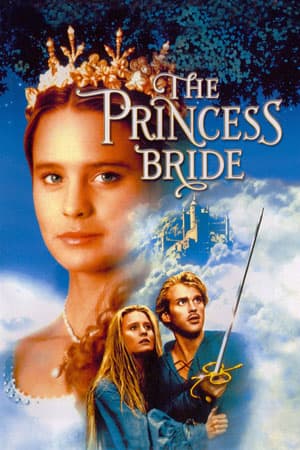
It barely registered in cinemas and built its whole following on video: pirates, giants, a six-fingered man, and a grandfather reading to a boy who does not want the story.
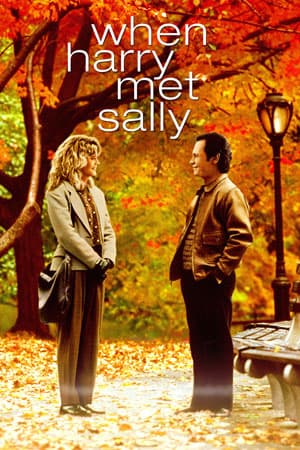
Every romantic comedy since has been trying to write this conversation: two people argue for twelve years about whether men and women can be friends, and Ephron's dialogue wins.
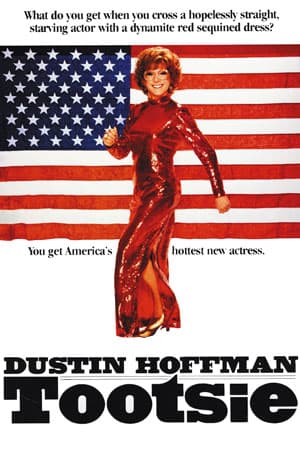
Hoffman said the part permanently changed how he saw women, and what he learned is worked out here as farce: an unemployable actor becomes a soap opera star.
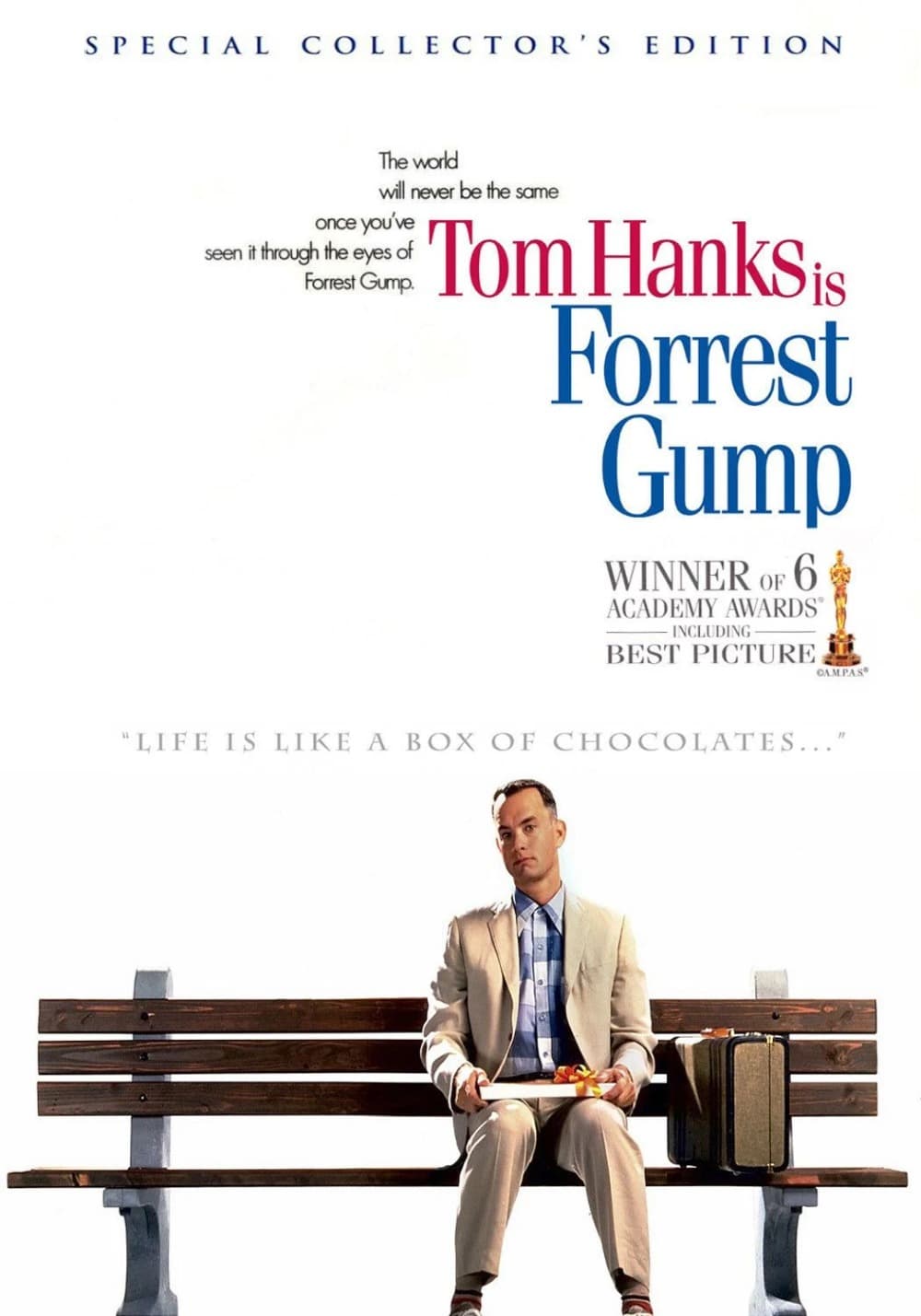
People still argue about whether it is sentimental or sly, and both readings hold: a simple man walks through forty years of American history without ever noticing.
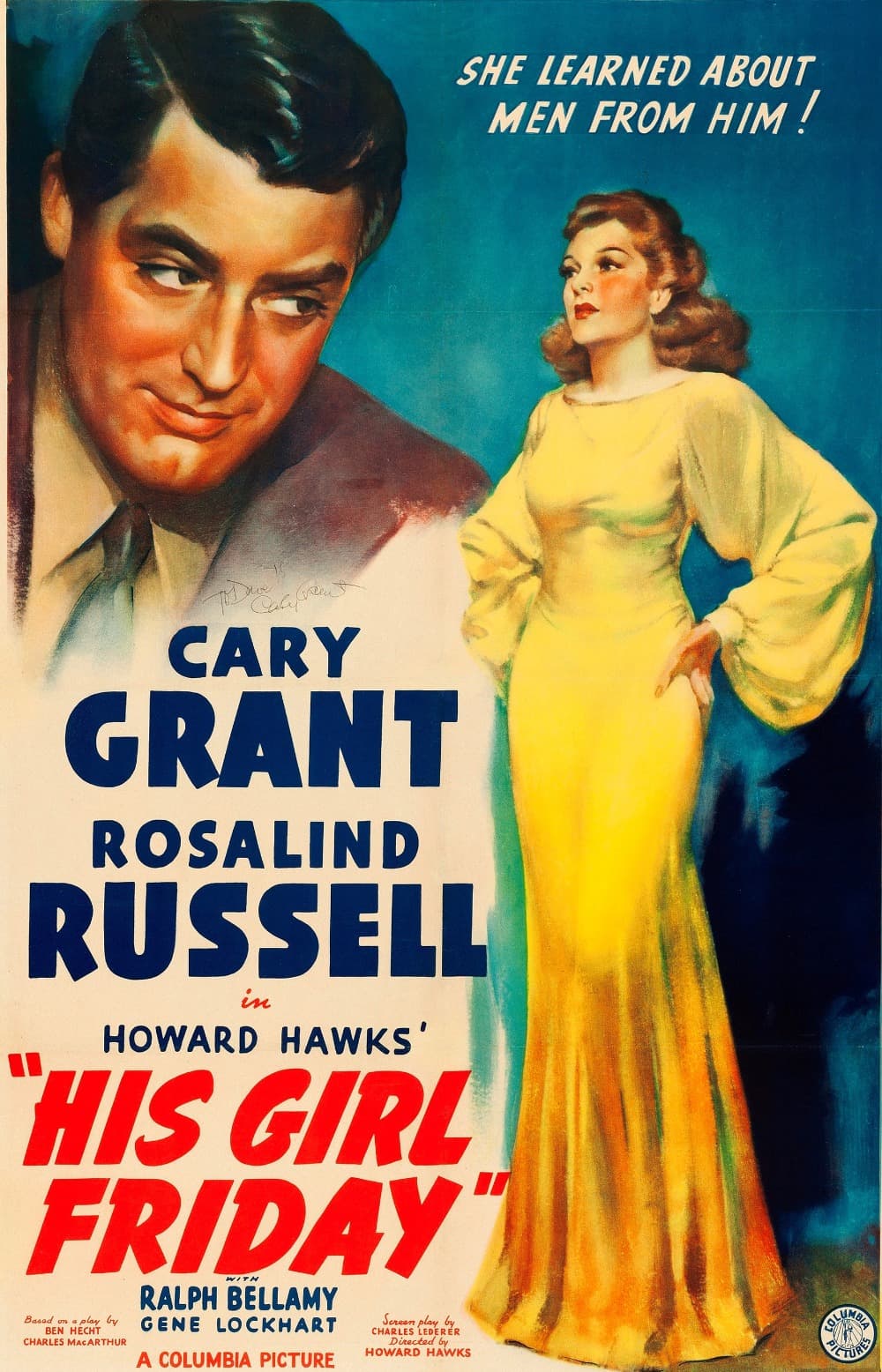
Hawks made the reporter a woman and the ex-husband her editor, then had them talk over each other so fast the film runs at over two hundred words a minute.
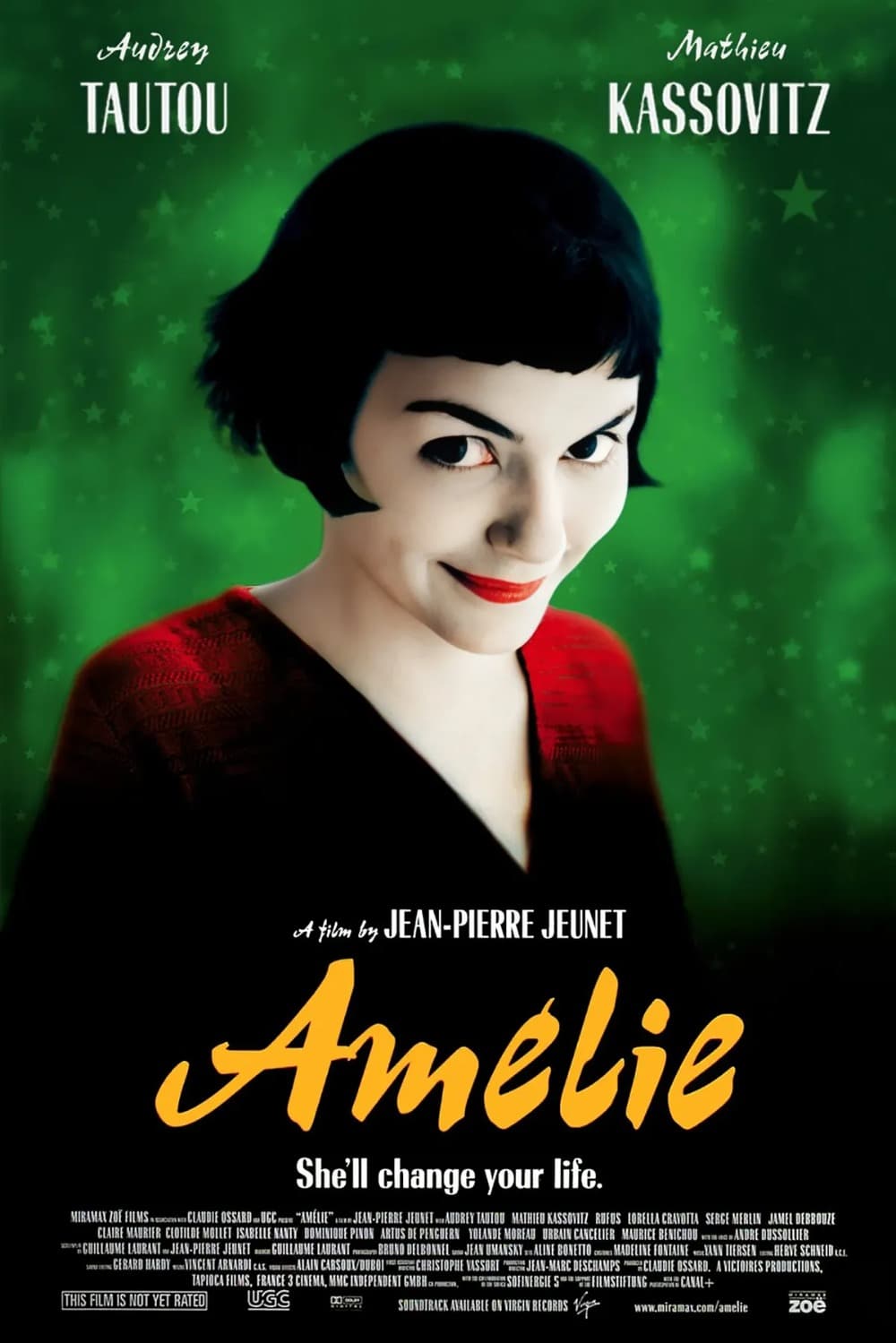
The most exported French film of its generation: Jeunet saturated Paris into green and gold and sent a shy waitress out to quietly rearrange other people's lives.
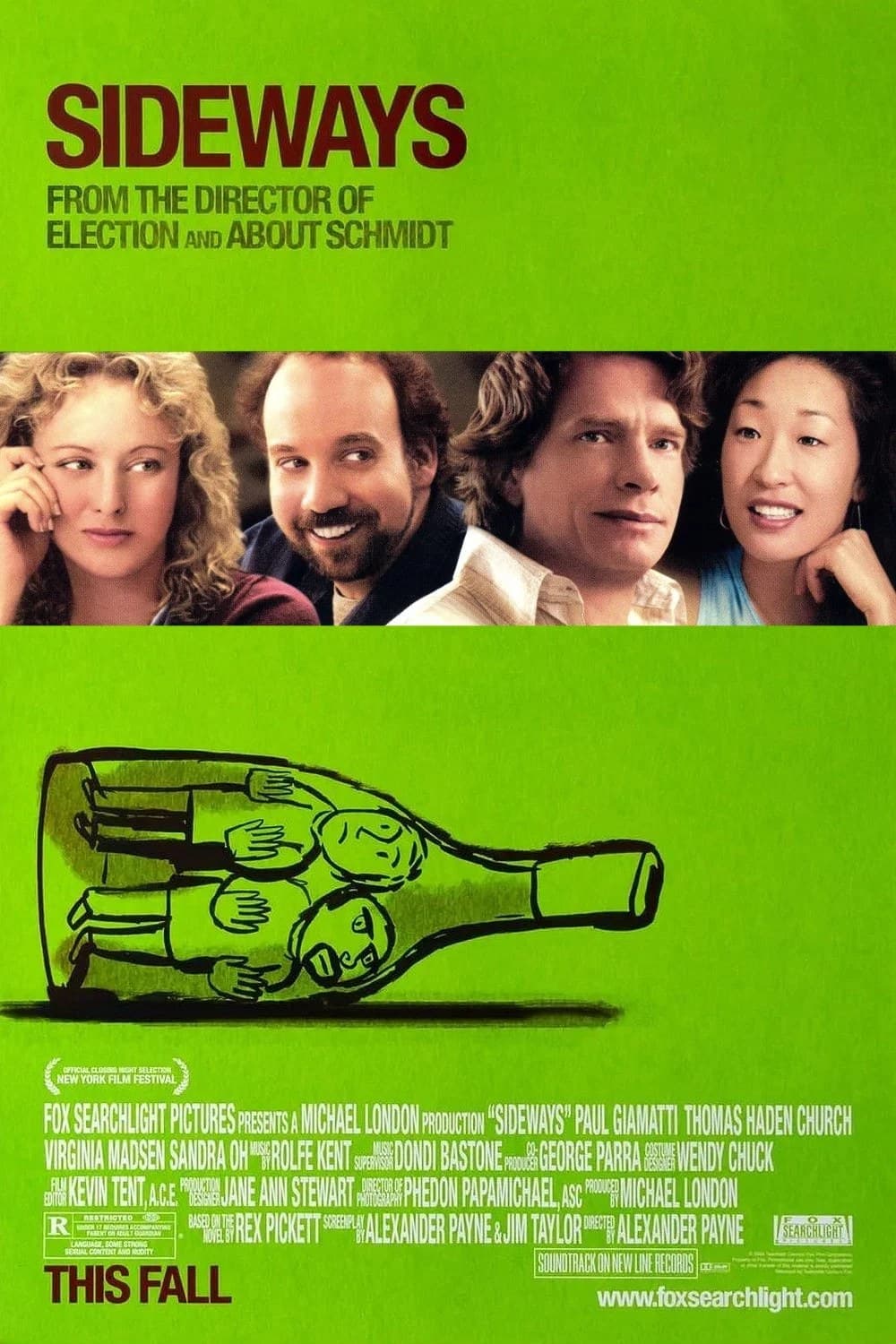
It measurably dented cheap merlot sales and sent pinot noir soaring: two middle-aged men drive through wine country, one about to be married and one unable to move on.
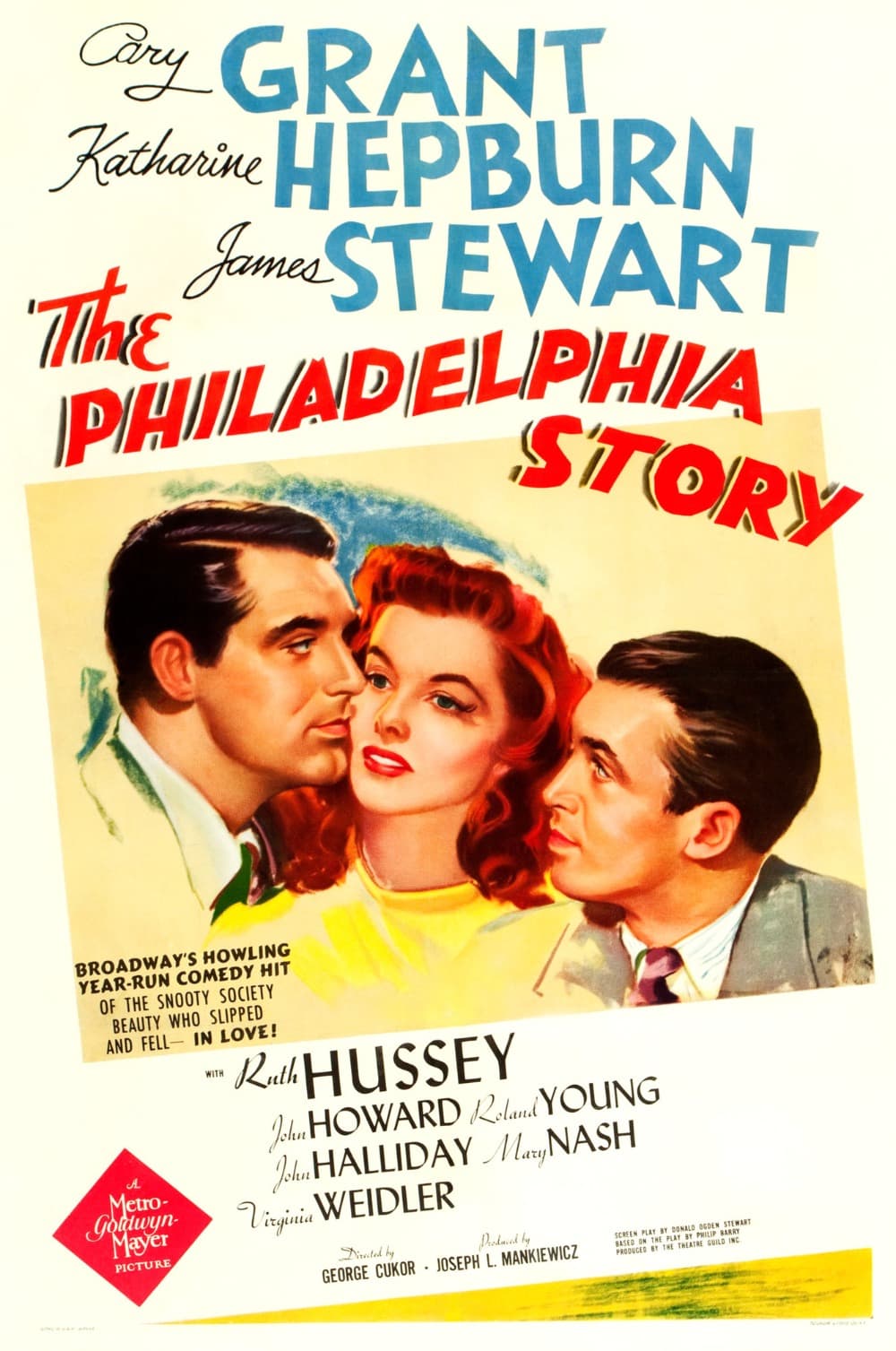
Katharine Hepburn was labeled box-office poison and controlled the rights to her comeback vehicle: she picked the director and approved the cast, then let Cary Grant and James Stewart crash her wedding.
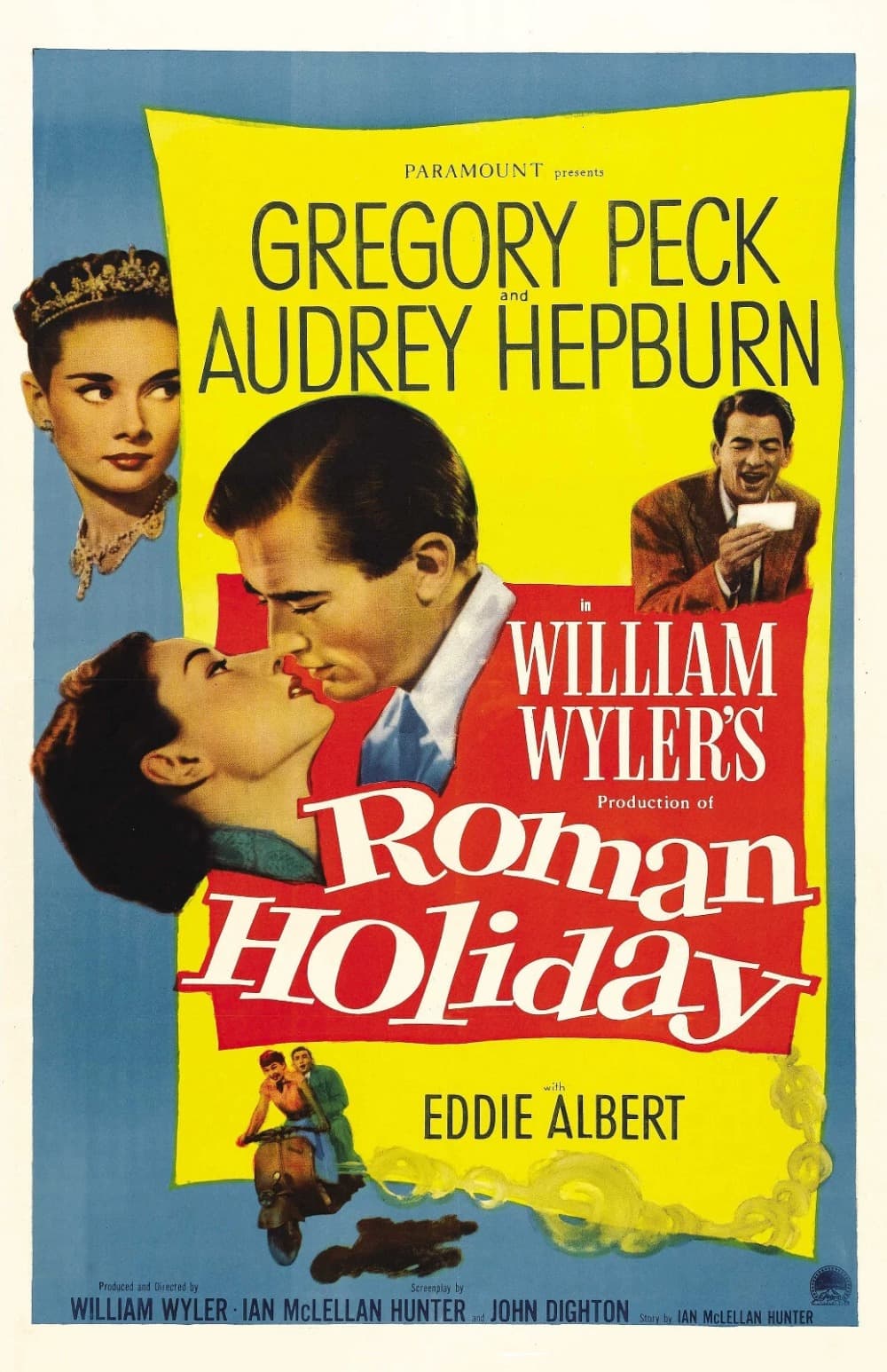
Audrey Hepburn became a star overnight and Dalton Trumbo wrote the script while blacklisted: a princess slips her handlers for one unscheduled day in Rome, with a reporter who knows who she is.
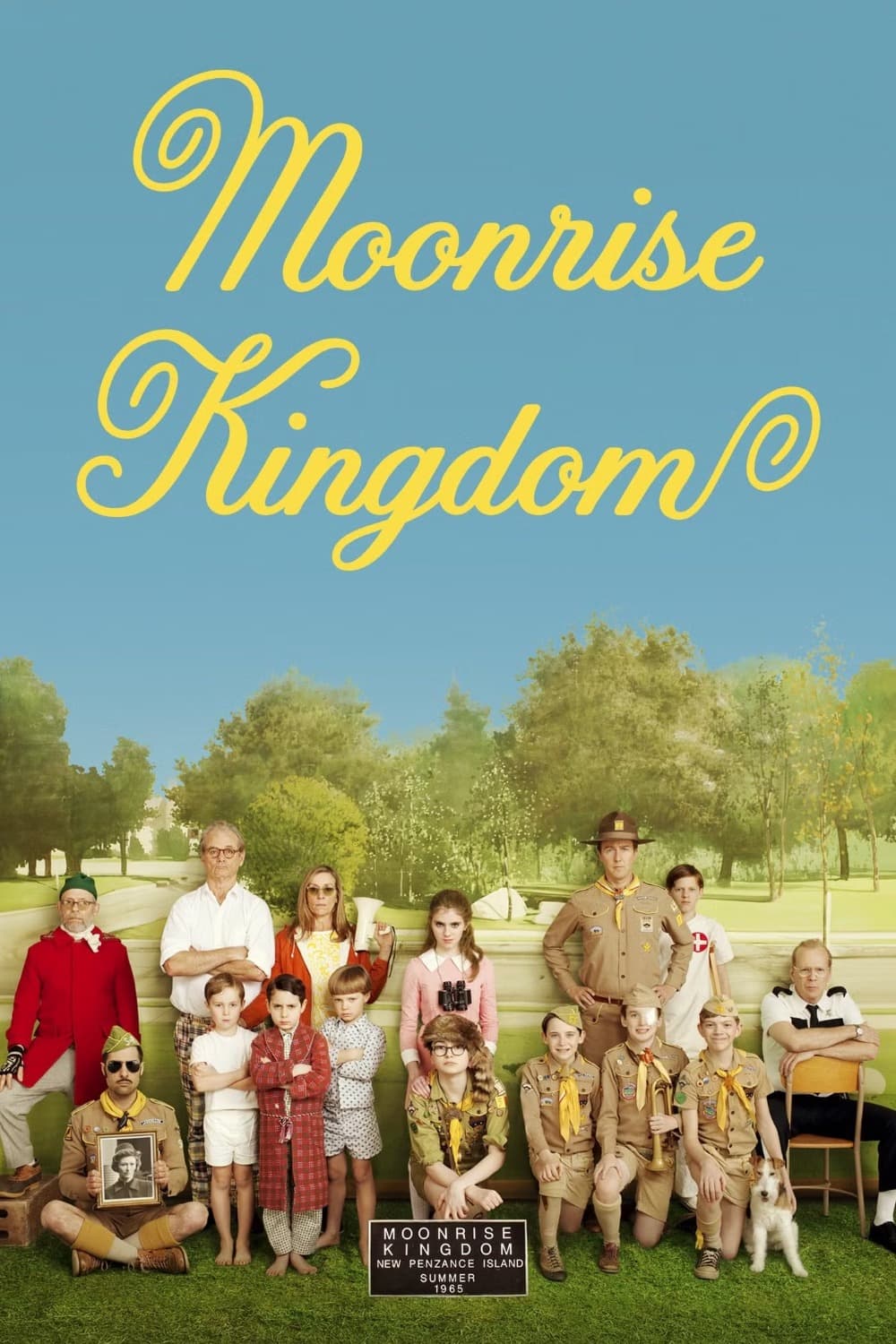
Twelve-year-olds run away together across a New England island in 1965: Wes Anderson's warmest film, and the adults chasing them are lonelier than the children they are trying to catch.
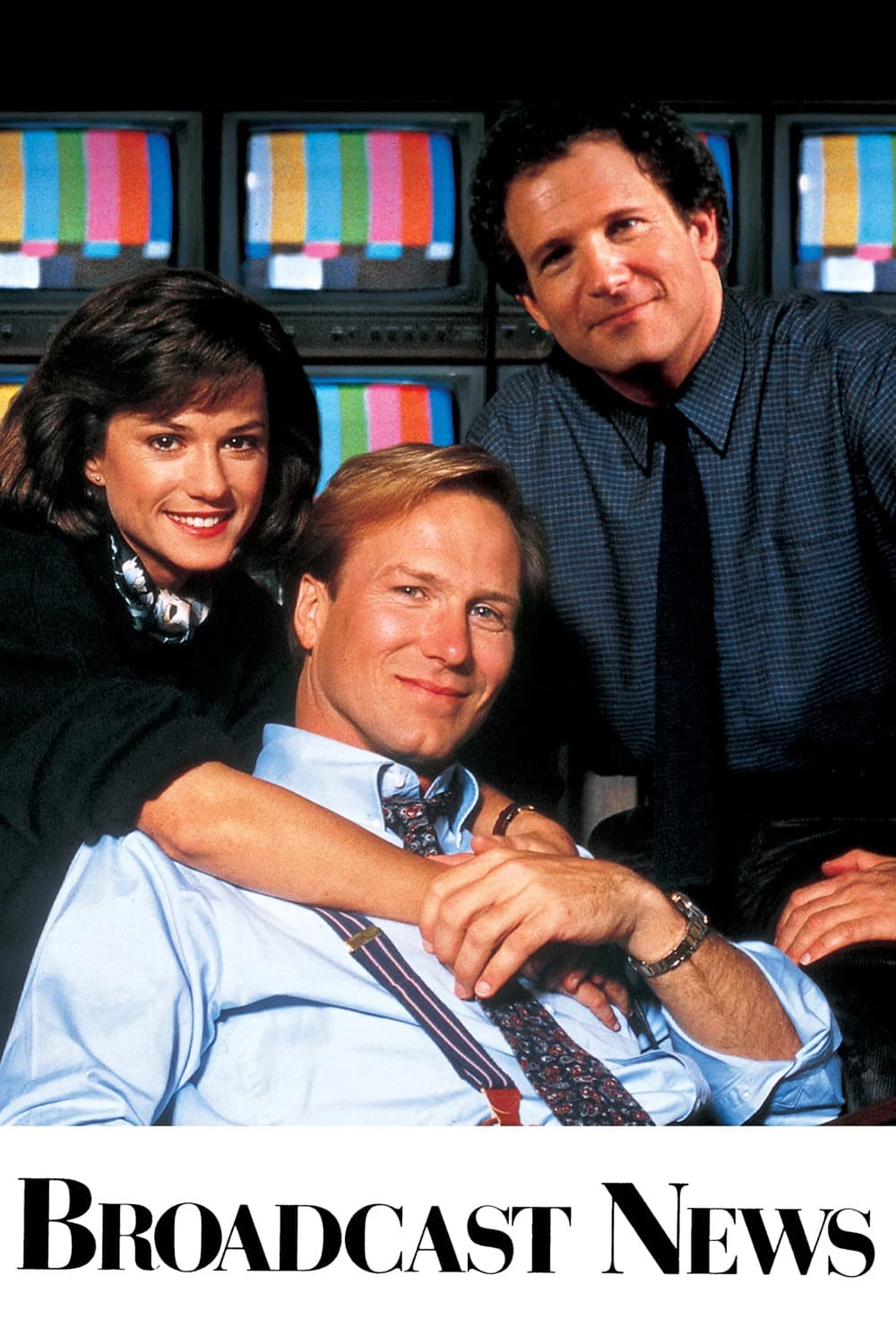
James L. Brooks got the newsroom exactly right and predicted what television news would become: three colleagues tangled up in each other, and the one who is best on camera knows the least.
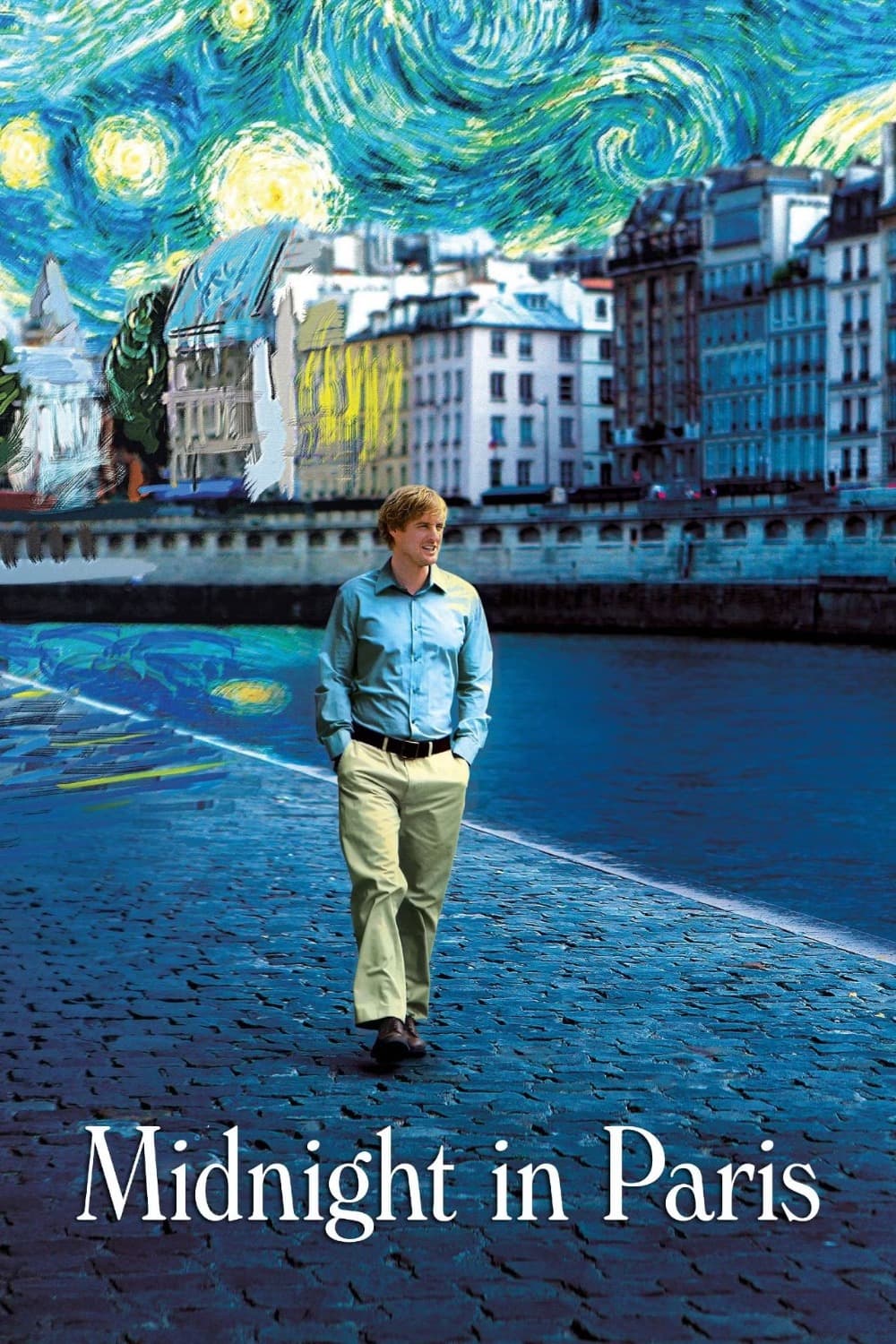
Woody Allen's biggest hit at the box office is also his gentlest: a screenwriter stuck on a novel steps into a car at midnight in Paris and is driven straight into the 1920s.
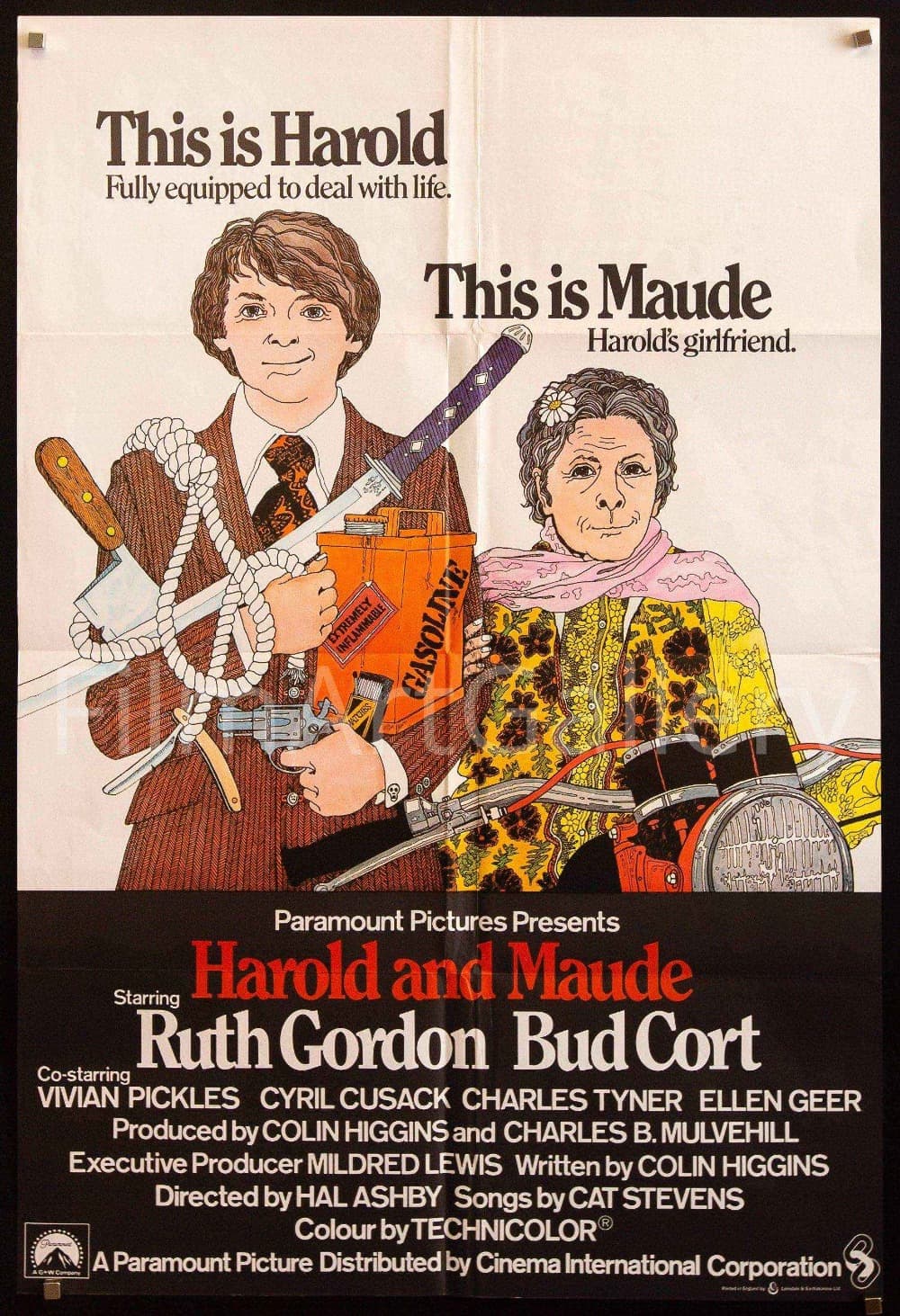
It failed on release and then ran 115 straight weeks at a single Minnesota theater: a death-obsessed teenager falls for a seventy-nine-year-old, and Cat Stevens scores the whole thing.
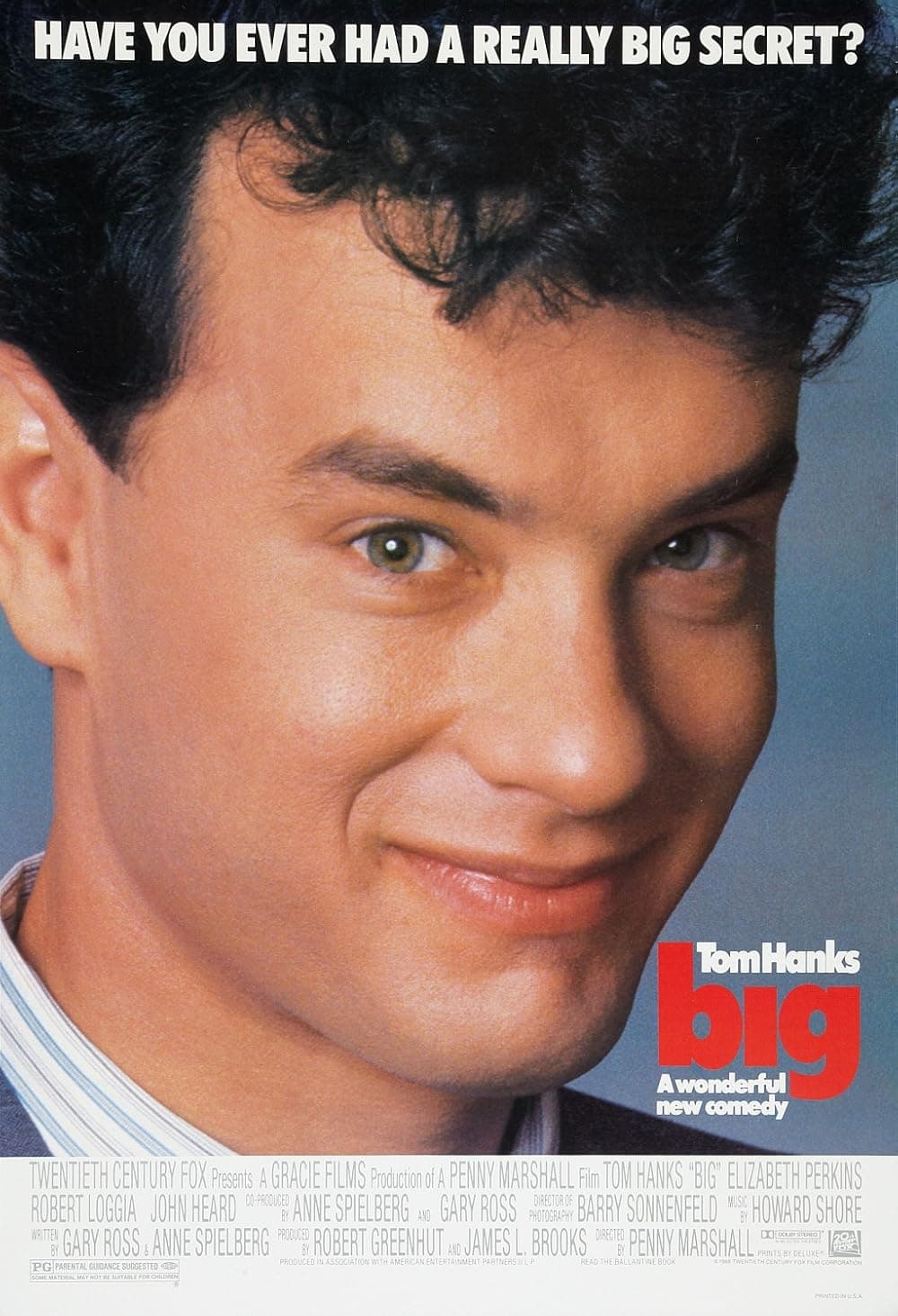
Penny Marshall became the first woman to direct a film that made a hundred million dollars: Tom Hanks plays a thirteen-year-old in an adult body and never once winks at the audience.
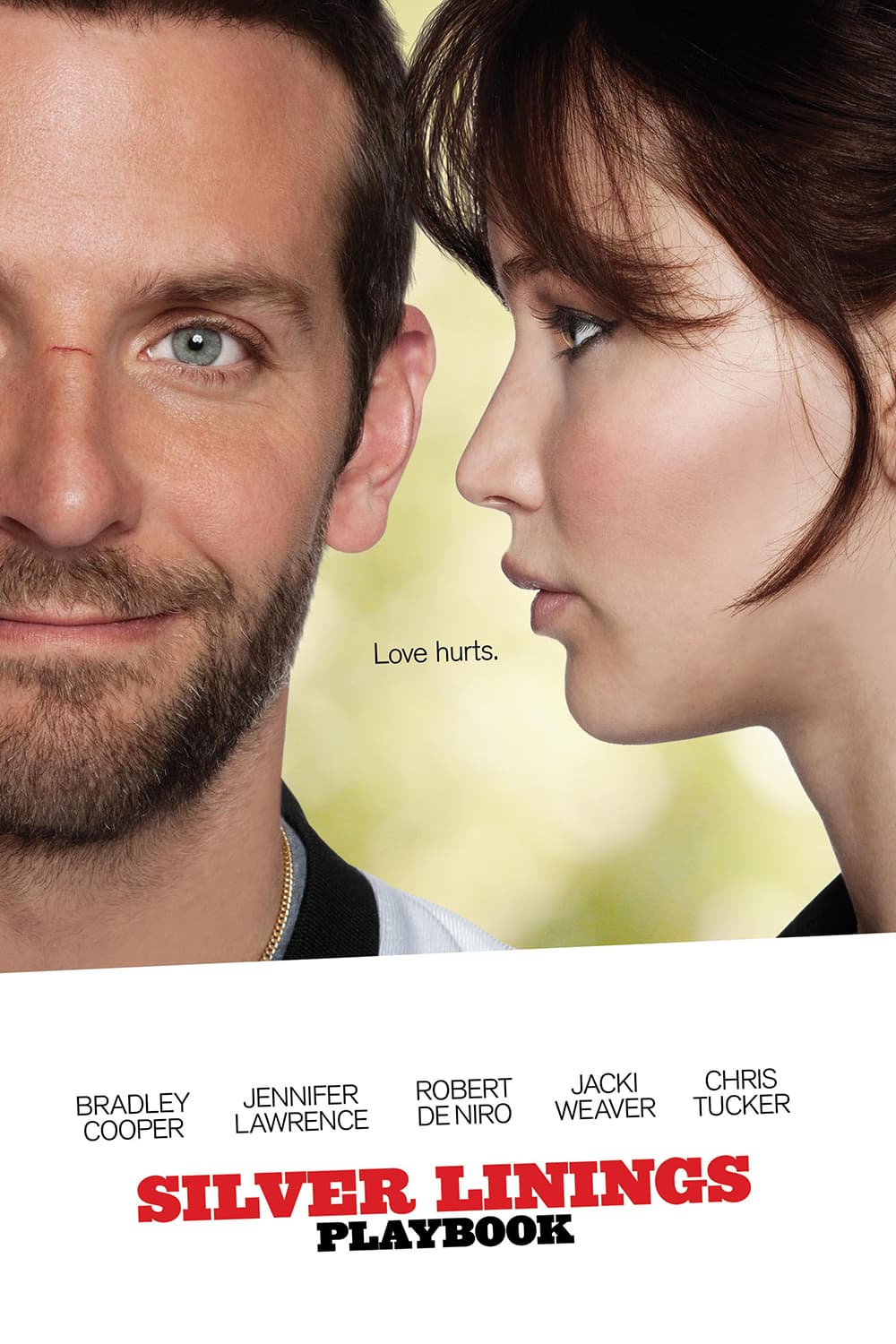
A widow and a man just out of a state hospital strike a deal: David O. Russell keeps the camera close enough to be uncomfortable, and Jennifer Lawrence shot it at twenty-one.
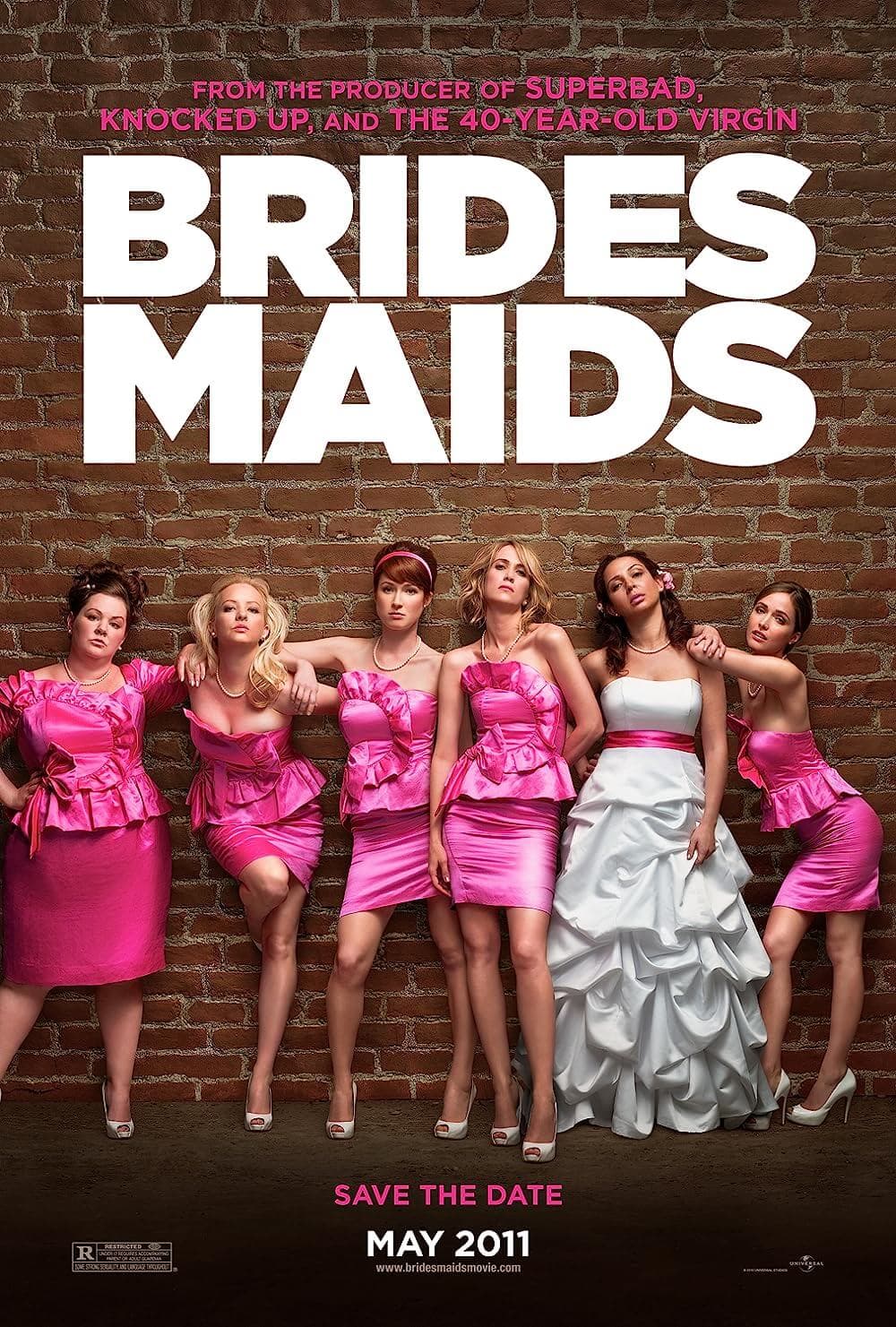
Studios genuinely believed women would not carry a raunchy comedy, and this ended the argument in one weekend: Kristen Wiig and Annie Mumolo wrote it, and the real romance is between friends.
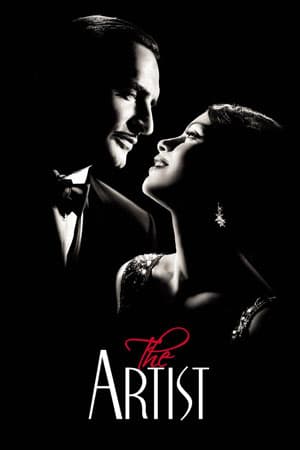
The first silent film to take Best Picture since 1929, made by a French director nobody in Hollywood knew: a star of the silents watches sound arrive and refuses to adapt.
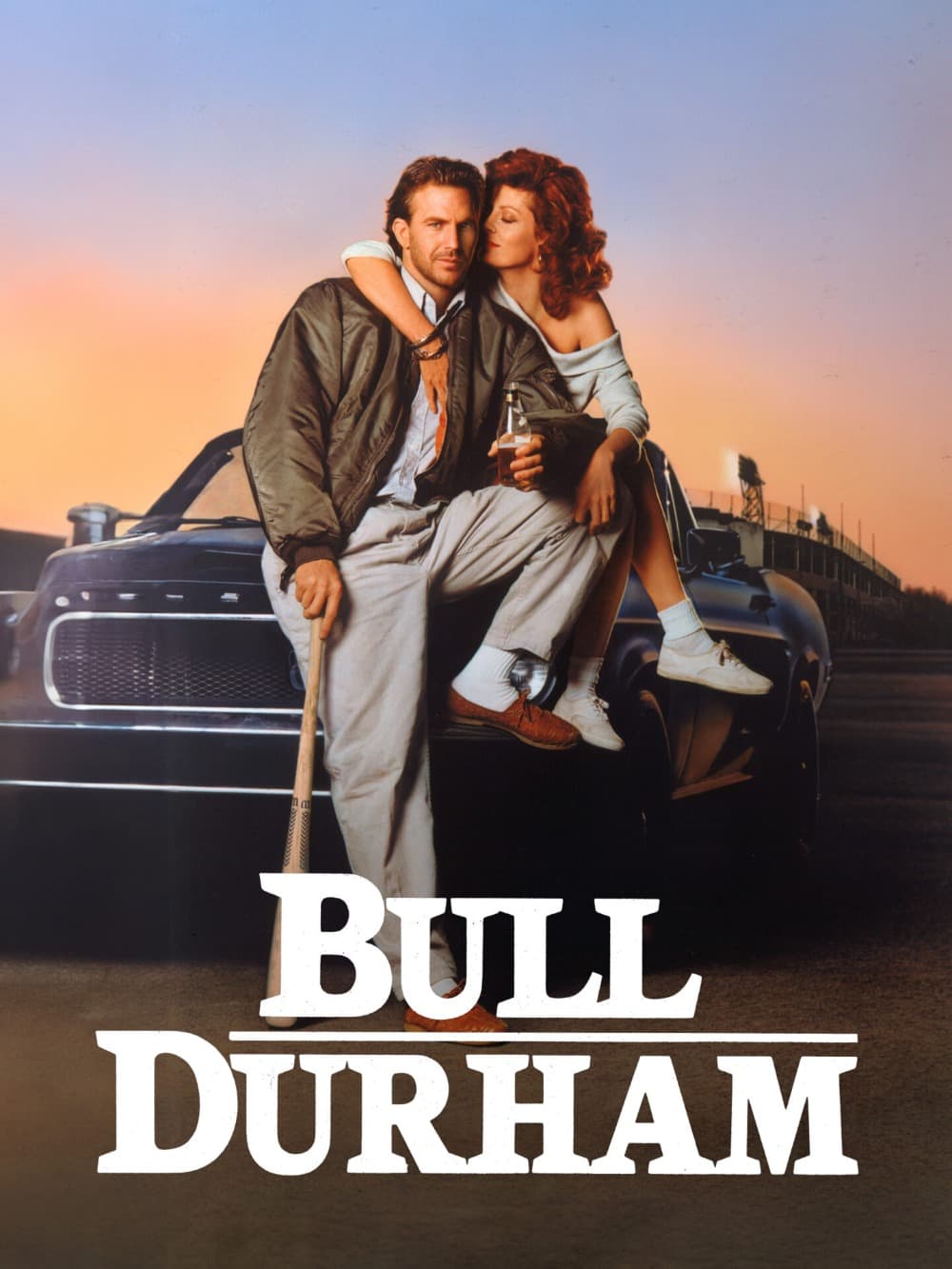
Ron Shelton played five years of minor league baseball and wrote what he actually saw: the mound conference about wedding presents is the funniest scene in any sports film.
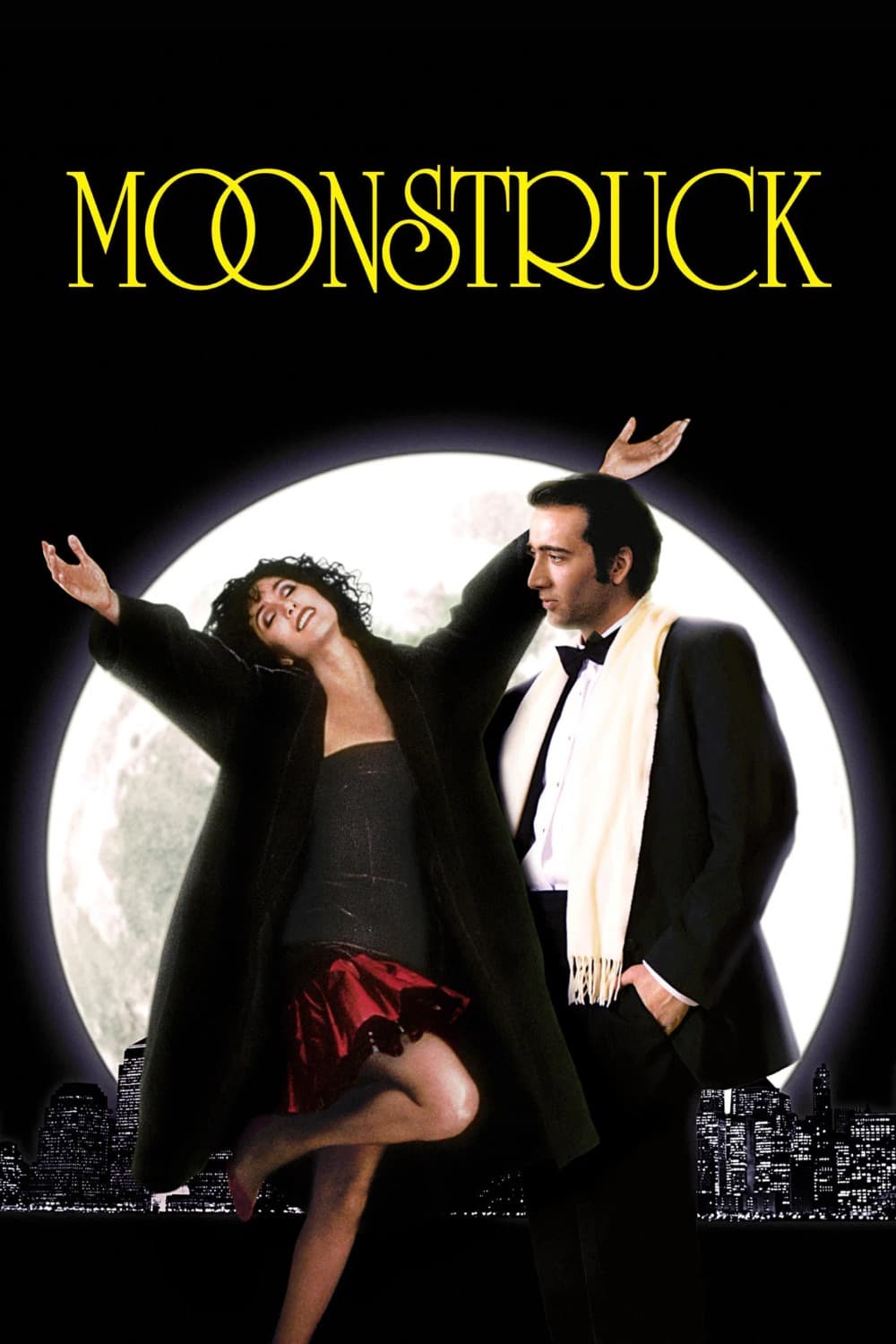
Cher and Olympia Dukakis both took Oscars from it, and the screenplay took a third: John Patrick Shanley wrote a Brooklyn Italian family who argue at operatic volume and mean every word.
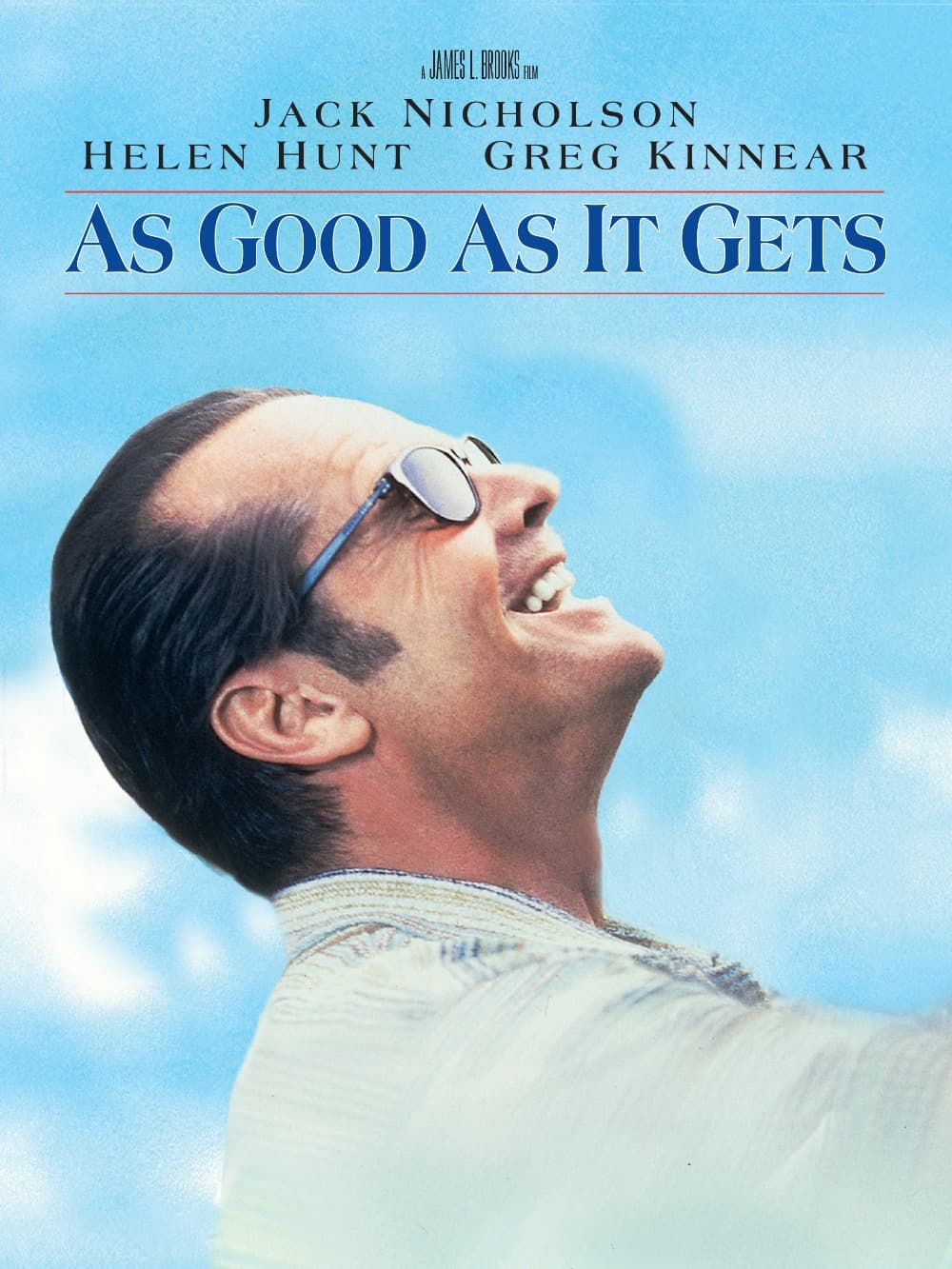
Jack Nicholson and Helen Hunt both won Academy Awards for a romantic comedy, which almost never happens: he plays a novelist nobody can stand, and the film does not soften him much.
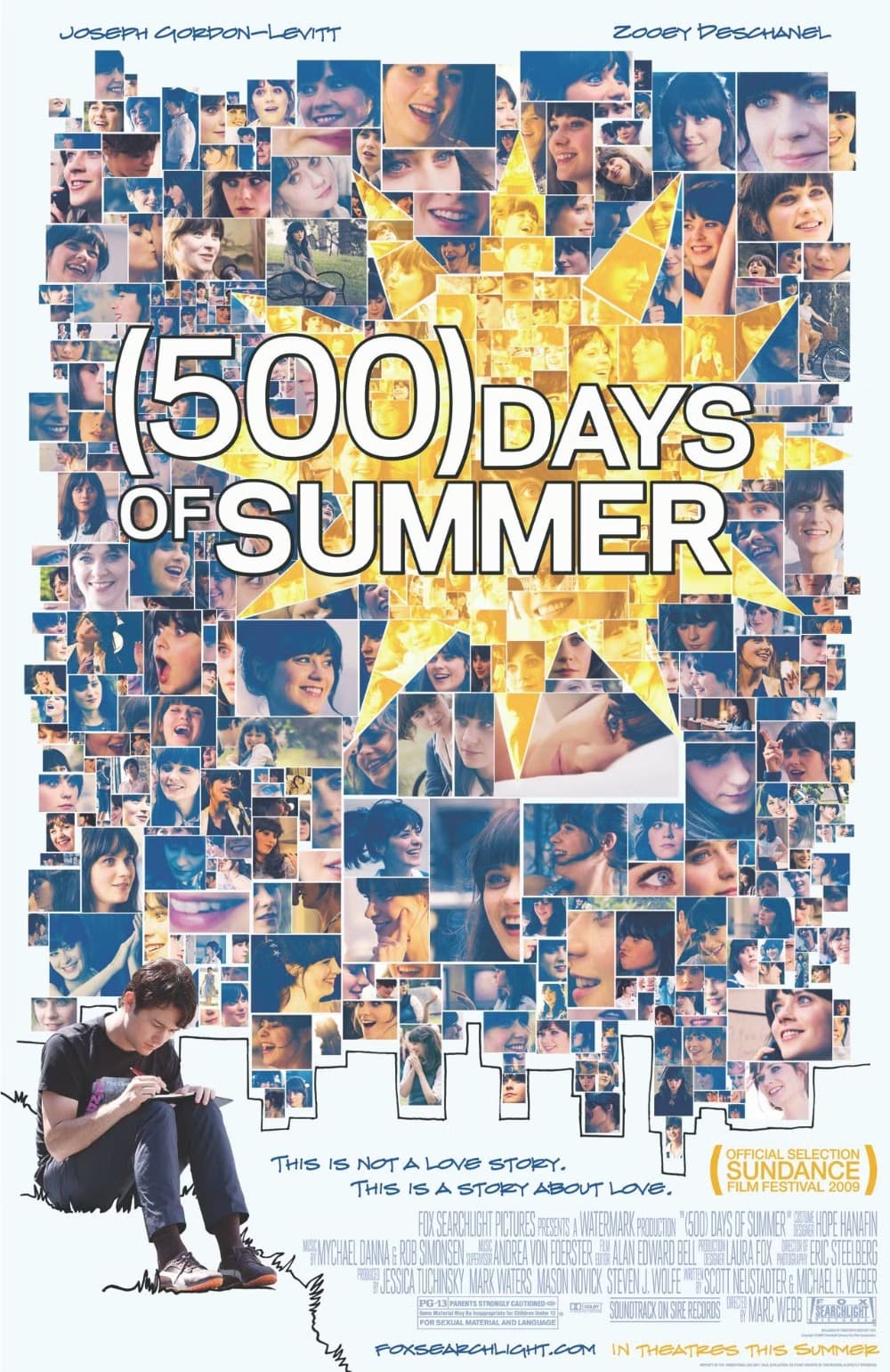
The split screen between what he expects and what happens is the best scene of its decade: a romantic comedy scrambled out of sequence that keeps insisting it is not a love story.
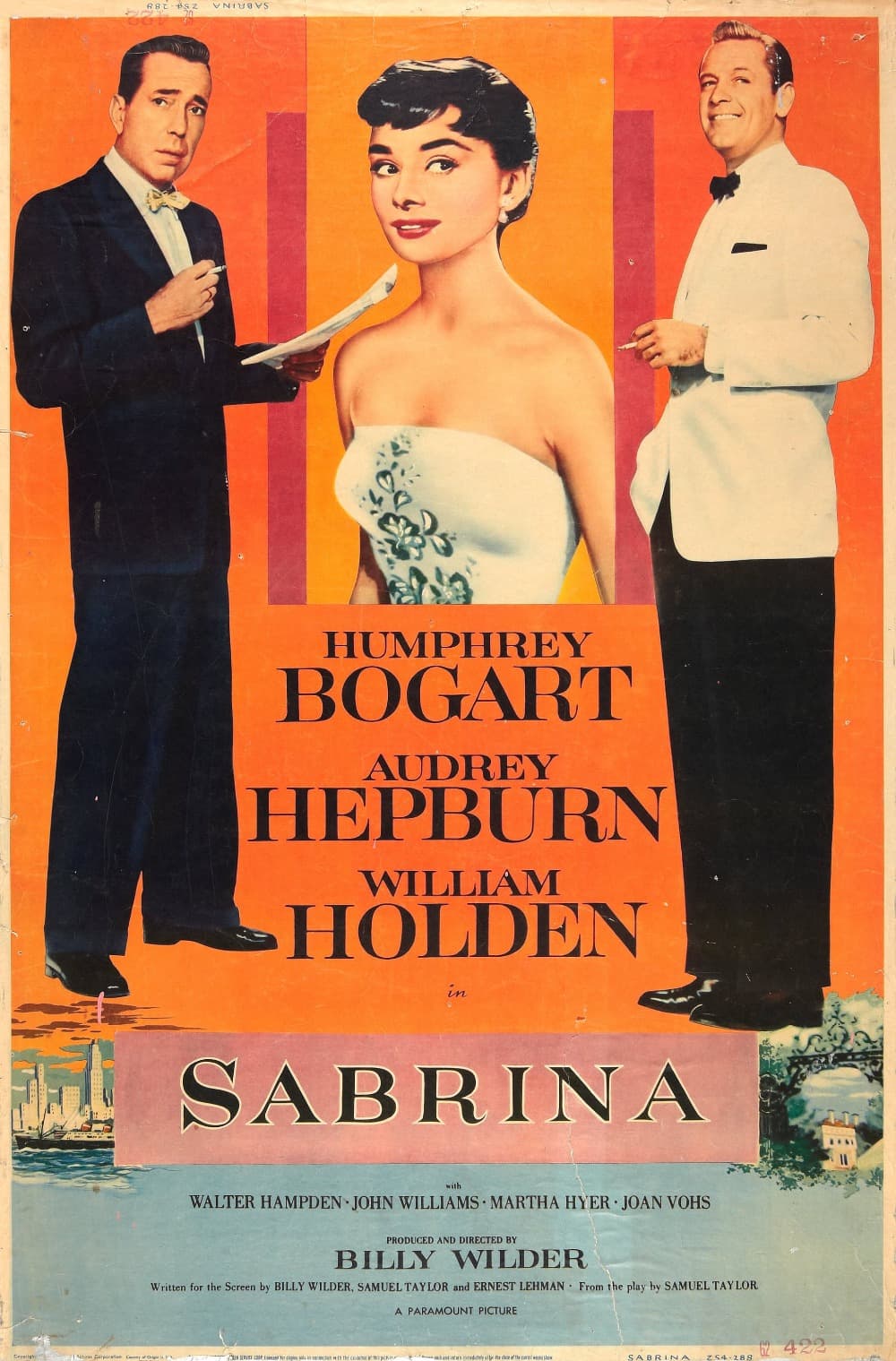
Humphrey Bogart hated making it and it barely shows: Billy Wilder puts Audrey Hepburn between two brothers on a Long Island estate and lets Paris do the transformation offscreen.
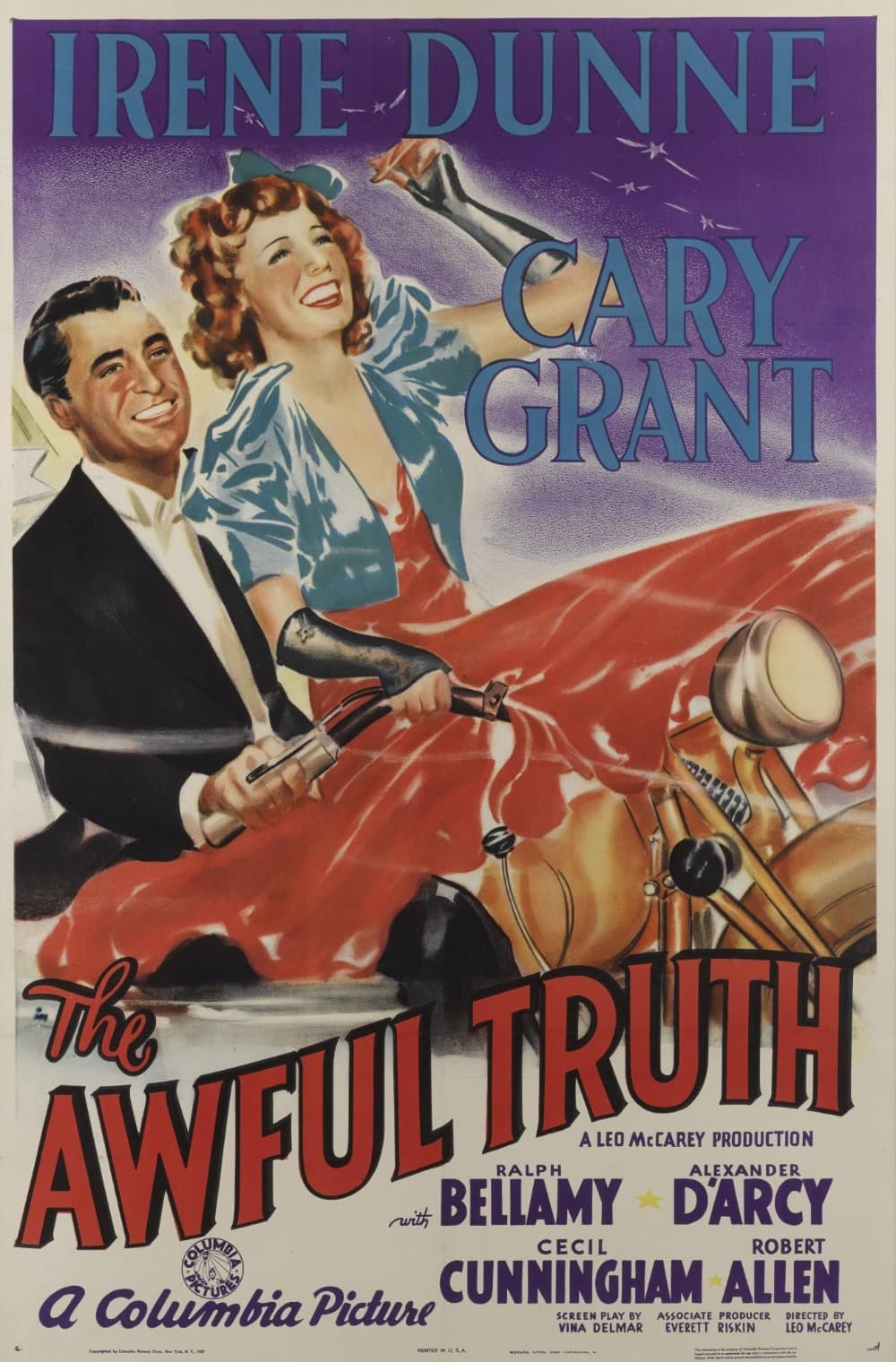
Cary Grant became Cary Grant in this film: Leo McCarey threw out the script daily and improvised on set, and a divorcing couple sabotage each other's new engagements out of pure spite.
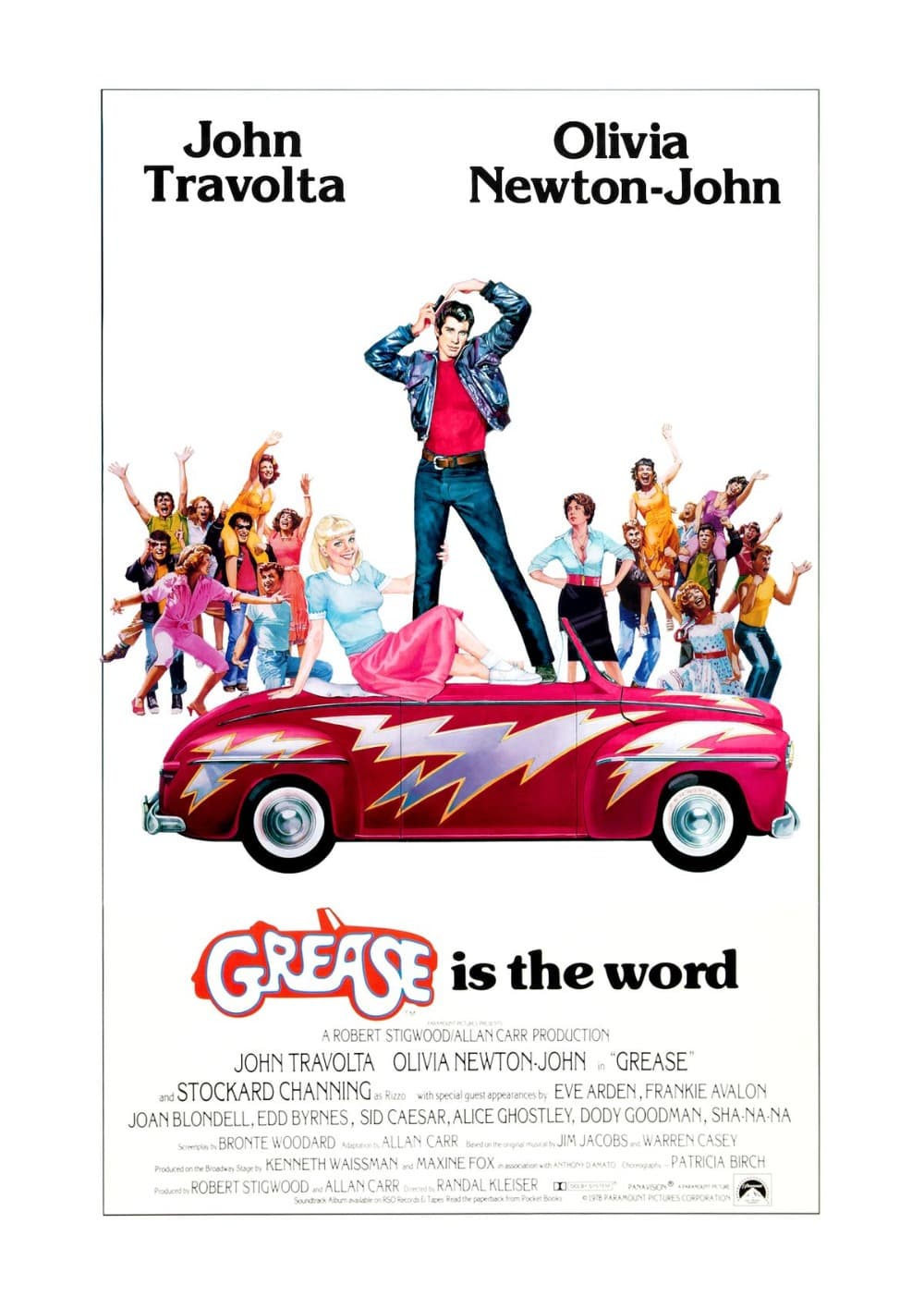
It was the highest-grossing musical ever made for more than twenty years: John Travolta and Olivia Newton-John are both obviously too old for high school, and it has never mattered.
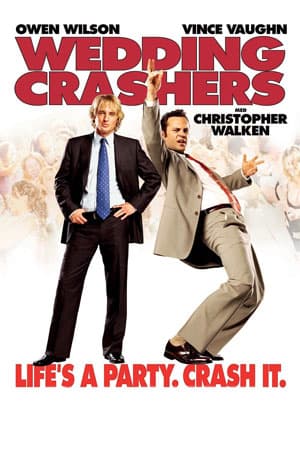
Owen Wilson and Vince Vaughn talk across each other at speed and the rhythm carries the film: two divorce lawyers crash strangers' weddings as a hobby, with rules they have written down.
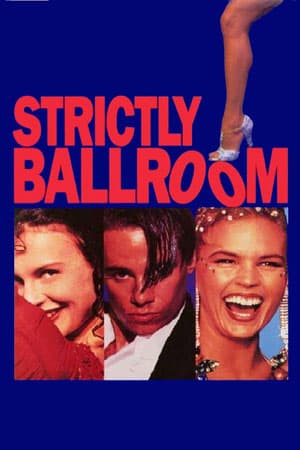
Baz Luhrmann's debut already has the whole style in place: competitive ballroom dancing filmed like grand opera, where a dancer using his own steps counts as a moral crisis.
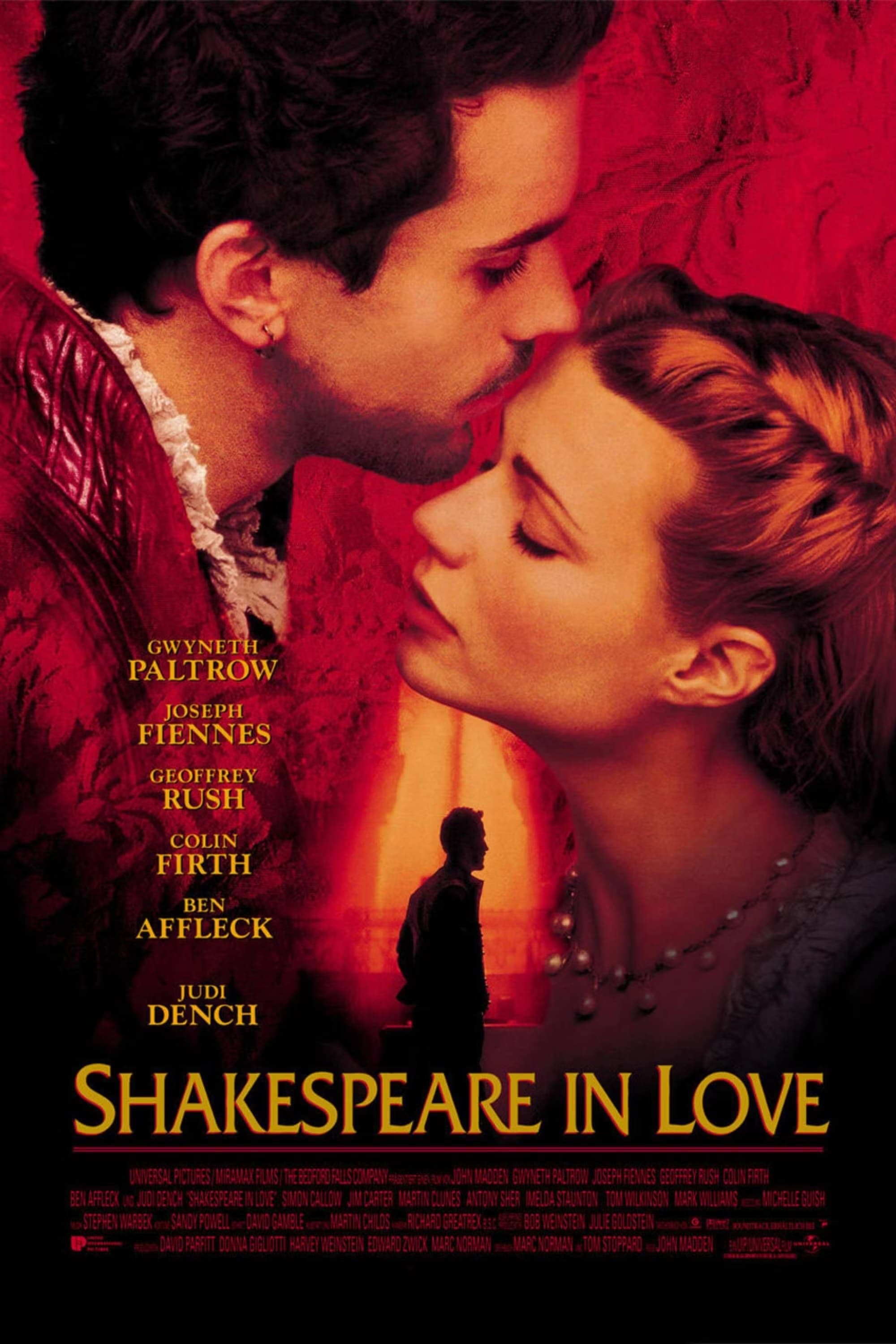
Tom Stoppard rewrote the script and you can hear him in every scene: a blocked Shakespeare finds his Juliet, and nothing else is this funny about how theater actually gets made.
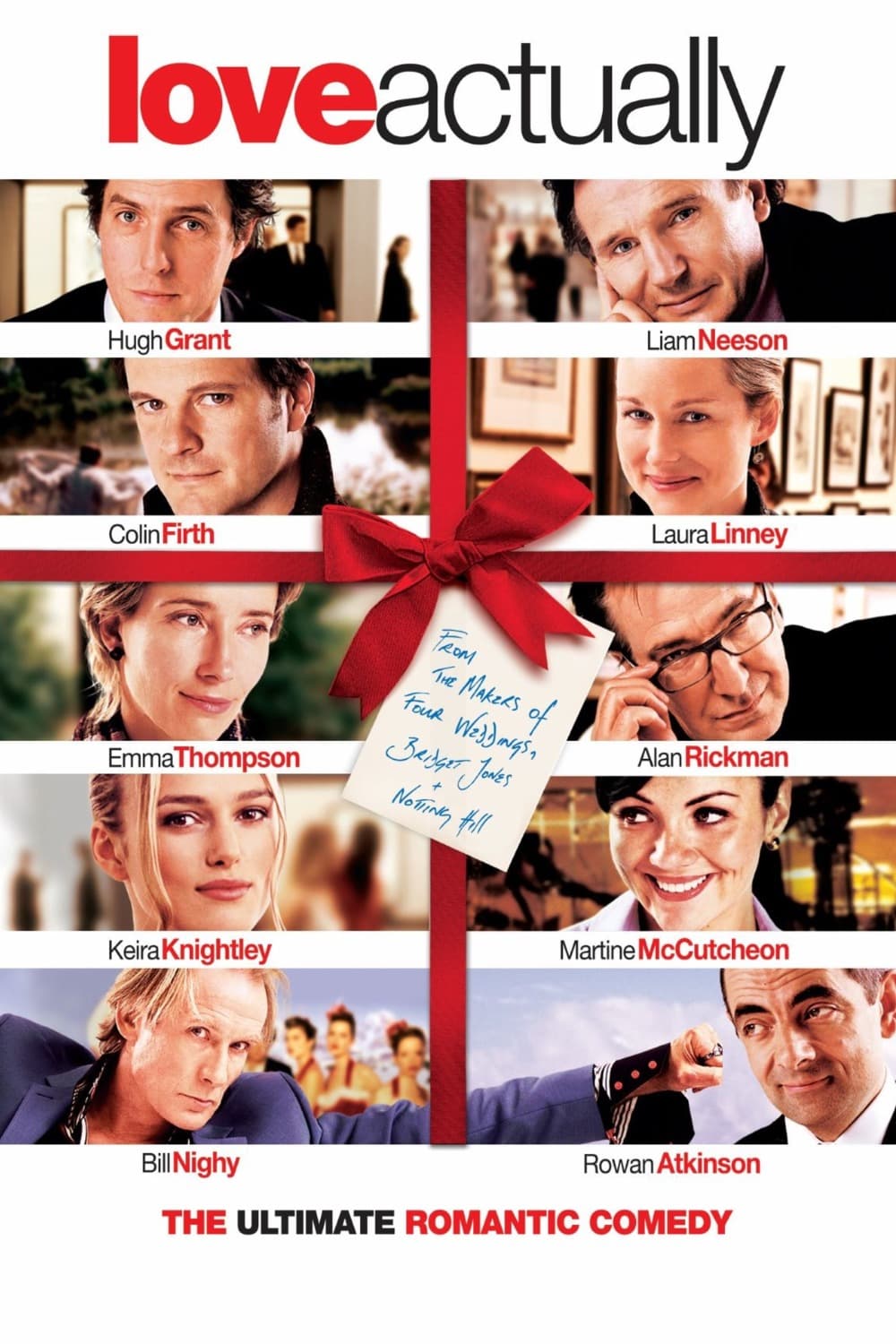
Nine storylines, two hours, and half the country reruns it every December while the other half writes essays about why it is bad: Richard Curtis knew exactly what he was doing.
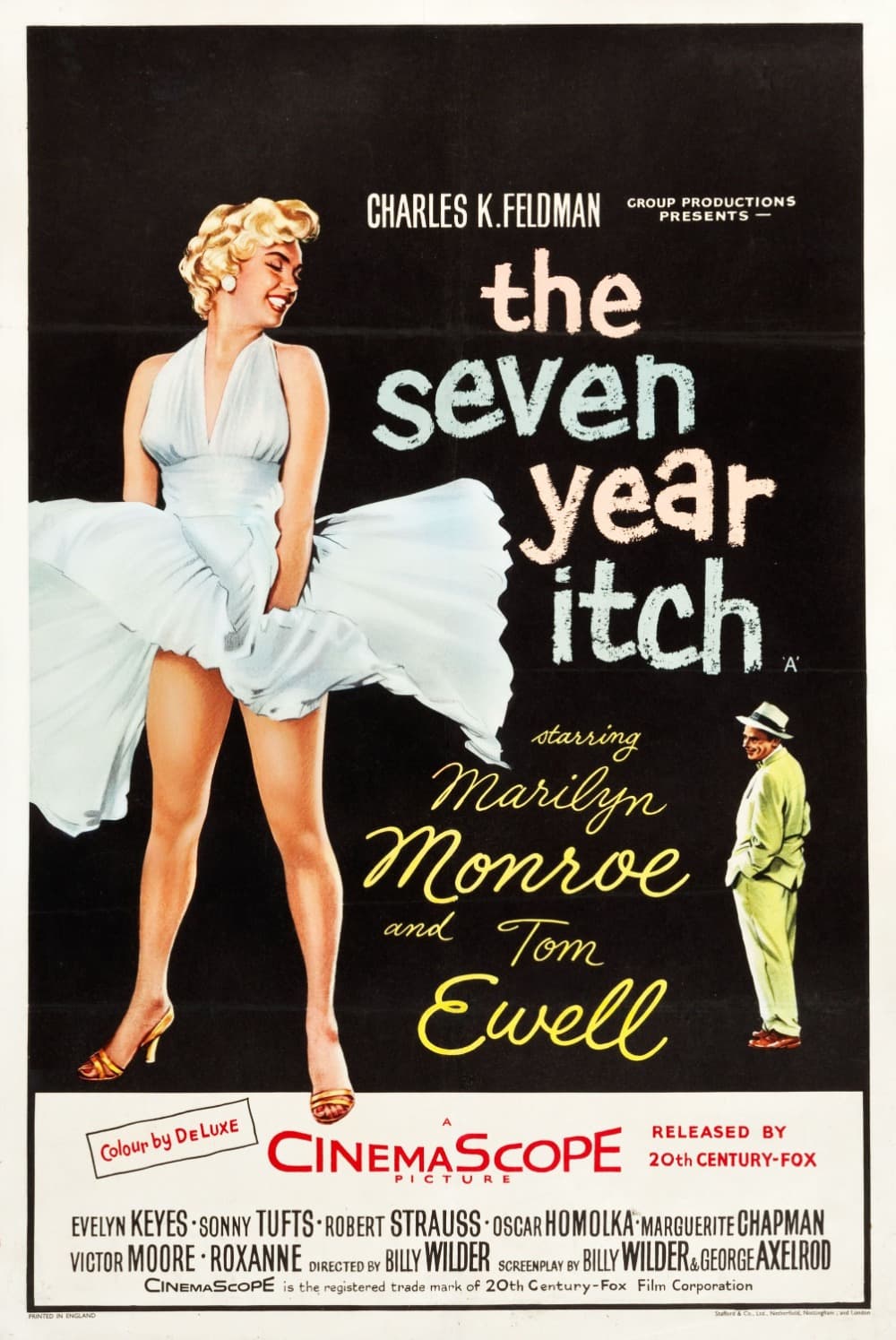
The subway grate photograph is more famous than the film: Billy Wilder strands a Manhattan husband alone for the summer, Marilyn Monroe moves in upstairs, and the fantasies start immediately.
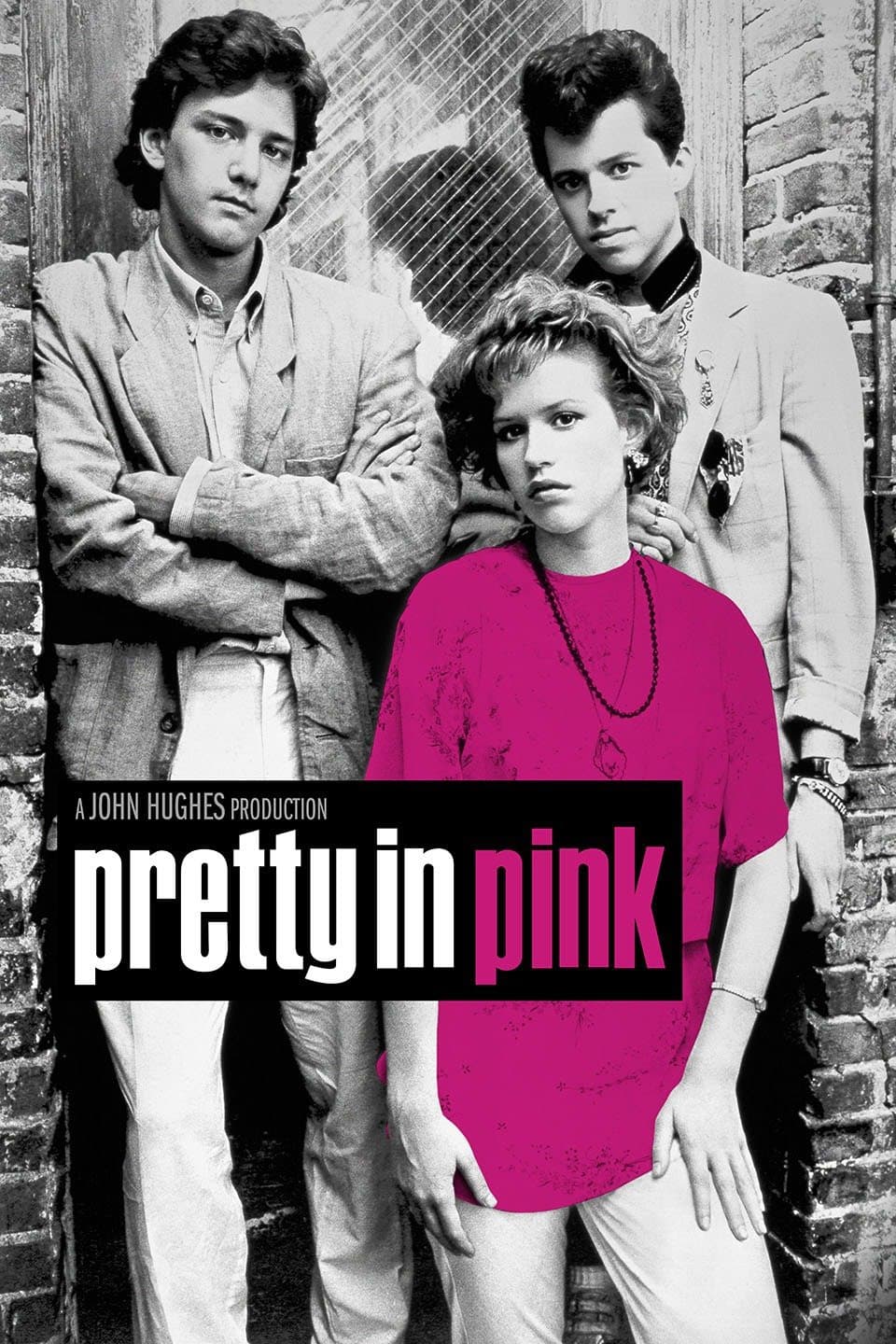
Molly Ringwald's prom dress is stitched together from two others, an image the whole film runs on: Howard Deutch directs a John Hughes script about who gets to sit where.
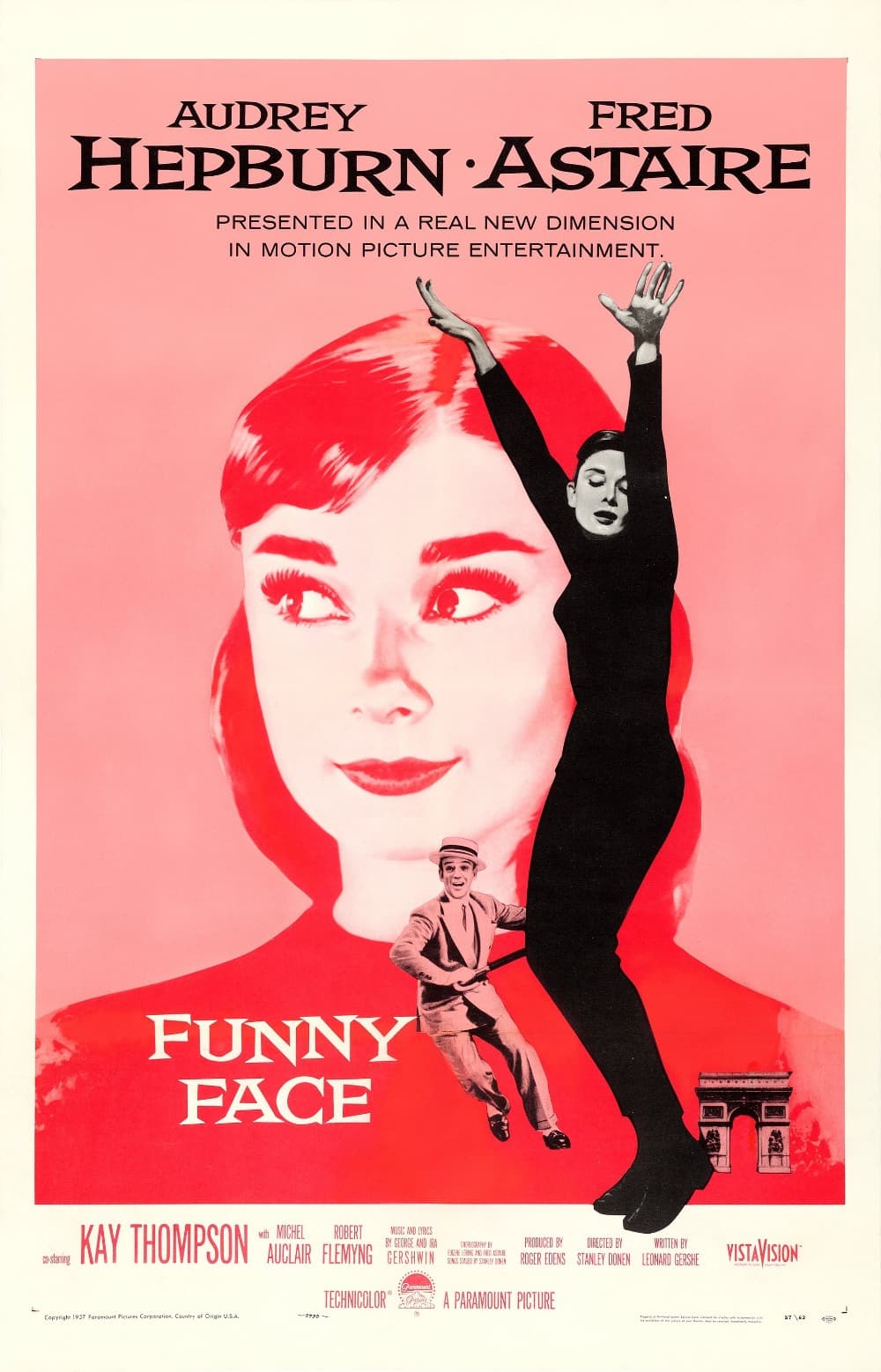
Richard Avedon served as visual consultant and shot the photographs himself: Audrey Hepburn is a bookshop clerk turned Paris model, and the darkroom sequence is the most beautiful red ever filmed.