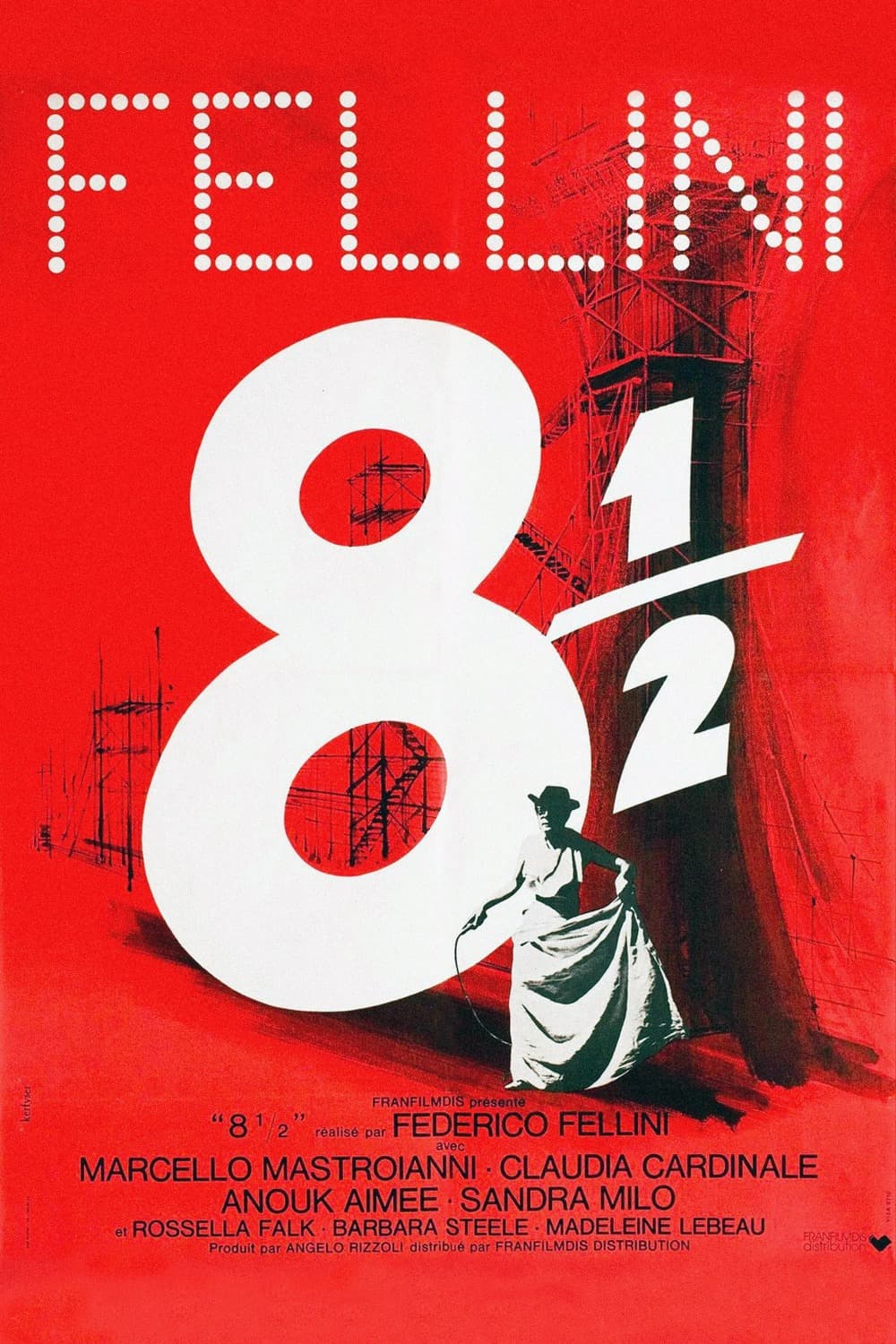
8.5
Directed by Federico Fellini
1963 · Italy
Fellini could not think of a film to make, so he made one about that: the result is a circus of memory and fantasy that every artist since has borrowed from.
★ 9.2
 skopia
Fellini could not think of a film to make, so he made one about that: the result is a circus of memory and fantasy that every artist since has borrowed from.

No romance this century has come close: Kaufman's premise, that you could pay to have someone erased, turns out to be the most honest thing anyone has said about breakups.
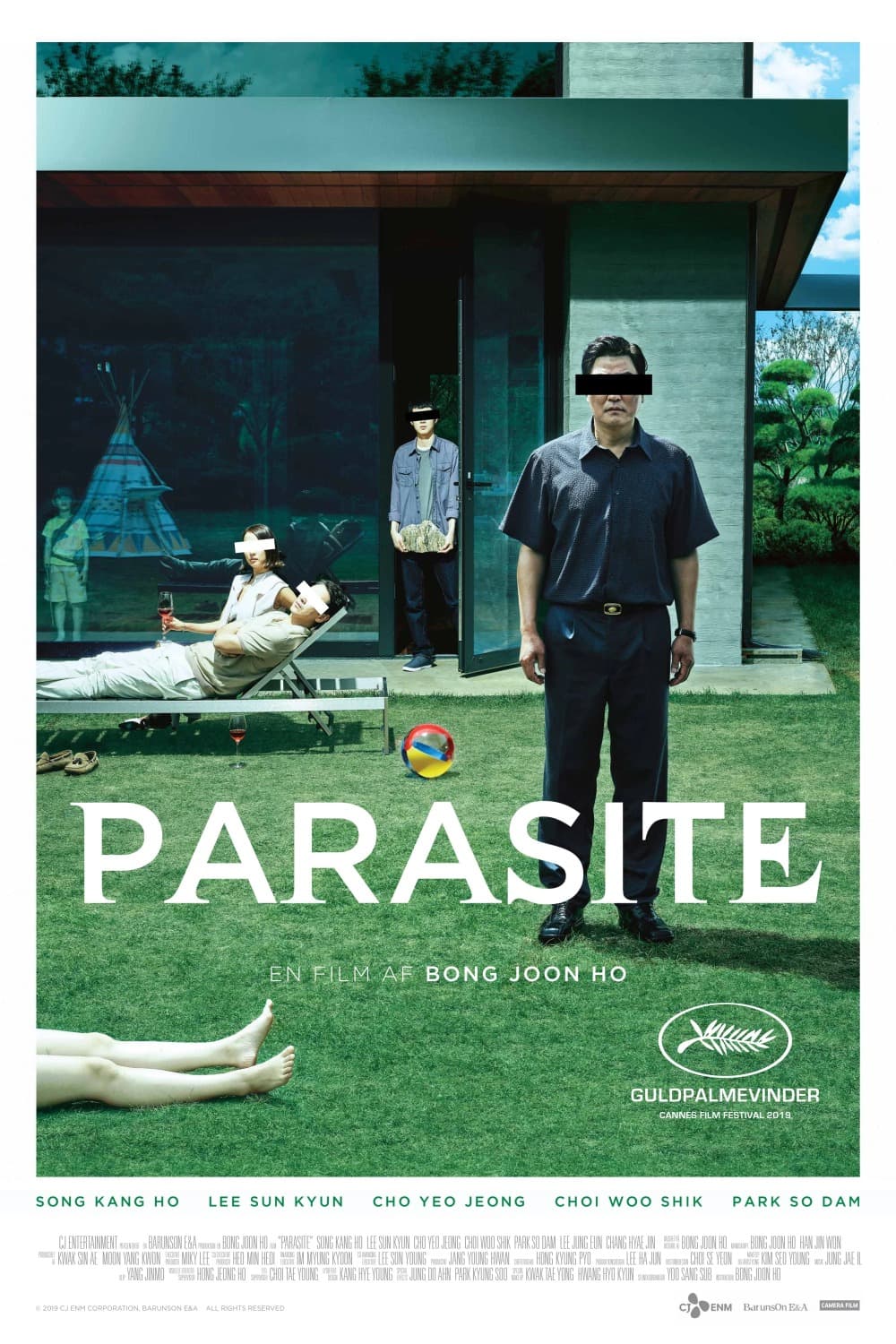
The first film not in English to win Best Picture: Bong turned class rage into something so entertaining that the whole world watched it and then argued about what it meant.
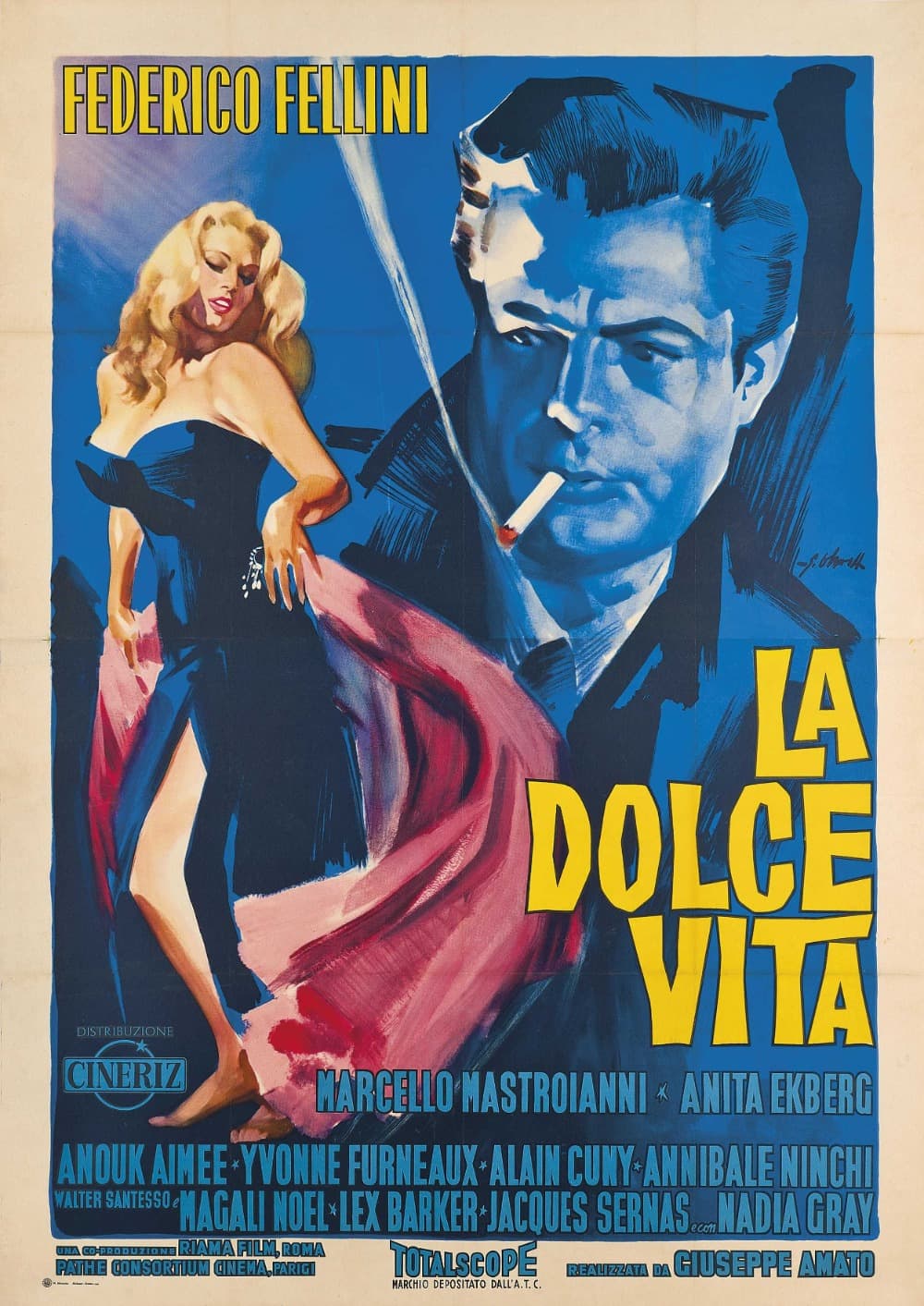
It put the word paparazzi into every language on earth: Fellini drifts through seven Roman nights of parties and beautiful exhaustion, and the fountain at dawn became permanent.
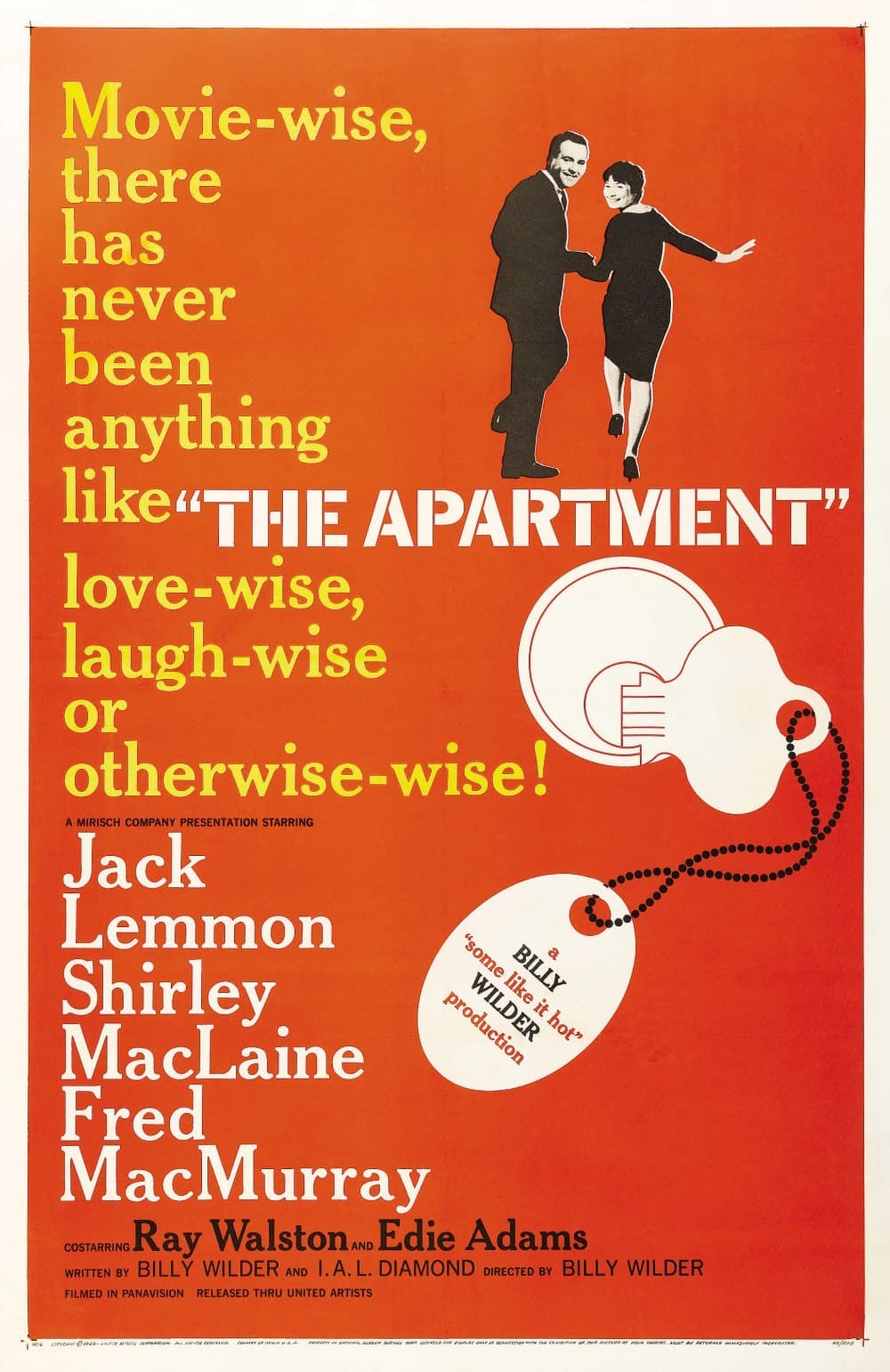
A comedy that breaks your heart and stays funny while doing it: Wilder took the sourest possible subject, a man lending his bed to his bosses, and made it warm.
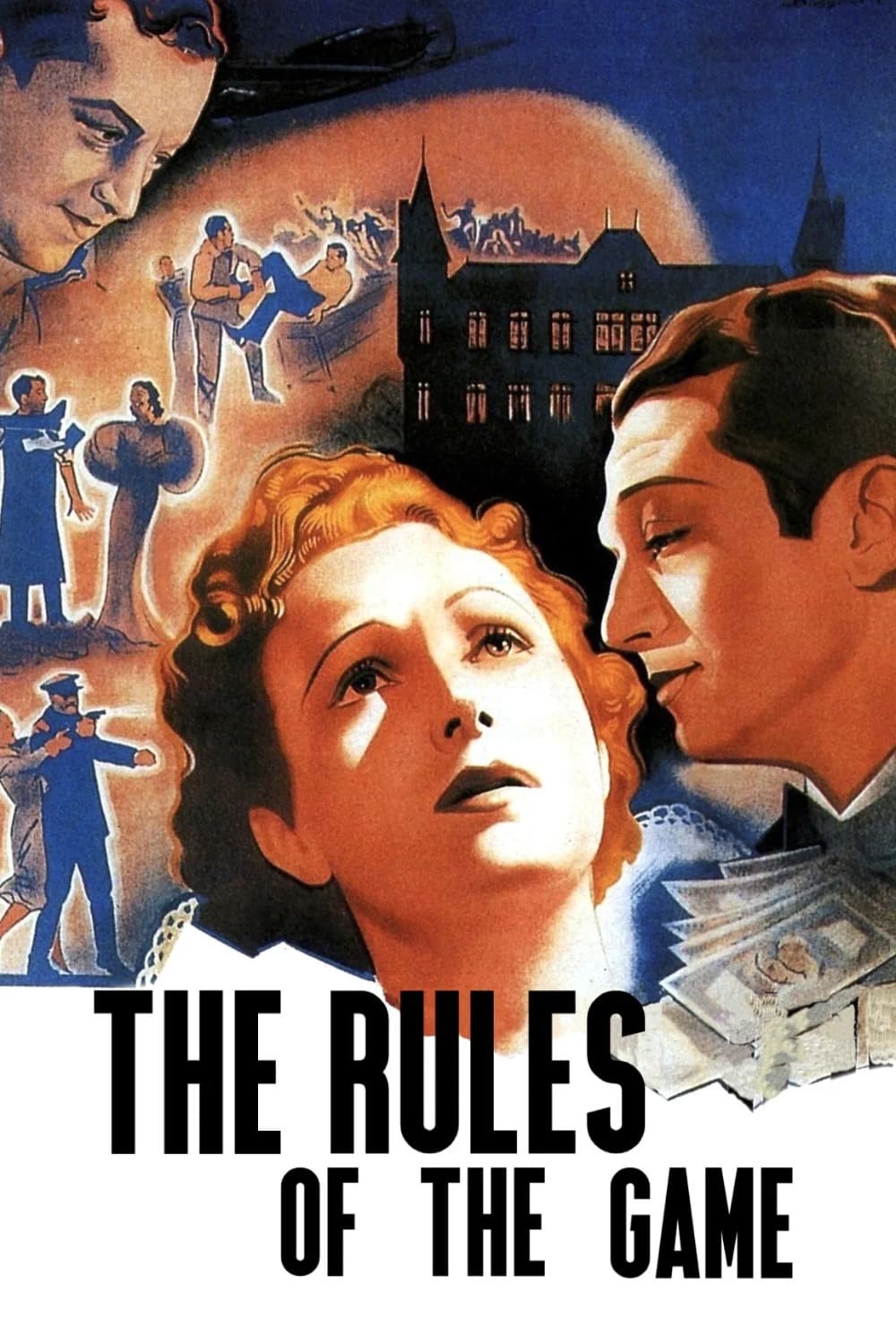
Banned in 1939, booed at its premiere, then in the top ten of every Sight and Sound poll for sixty years: Renoir turned a hunting party into a diagnosis of a doomed society.
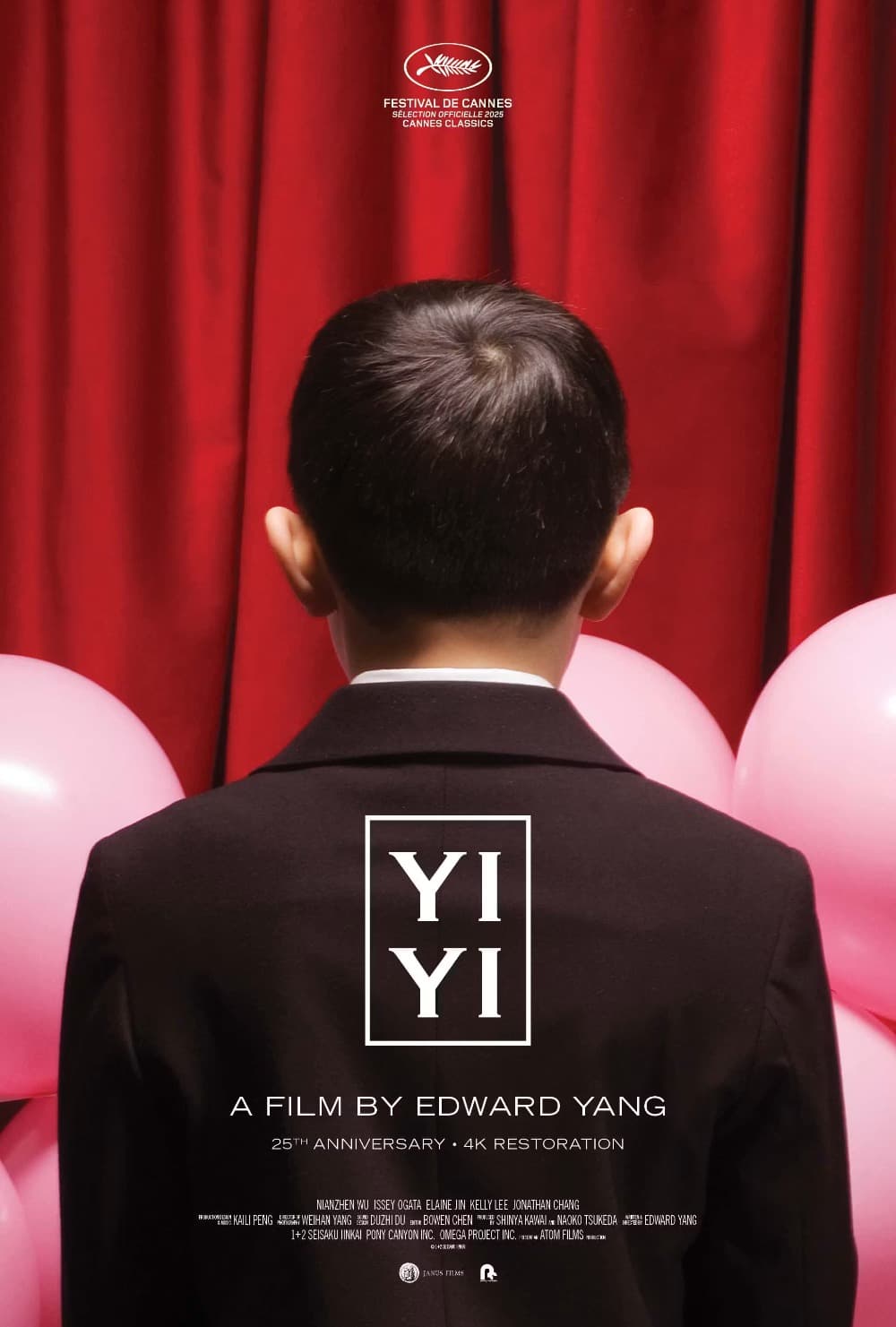
Nothing else captures an ordinary family like this: Yang holds three generations of a Taipei household in one frame, and the small boy photographing people's backs explains the whole method.
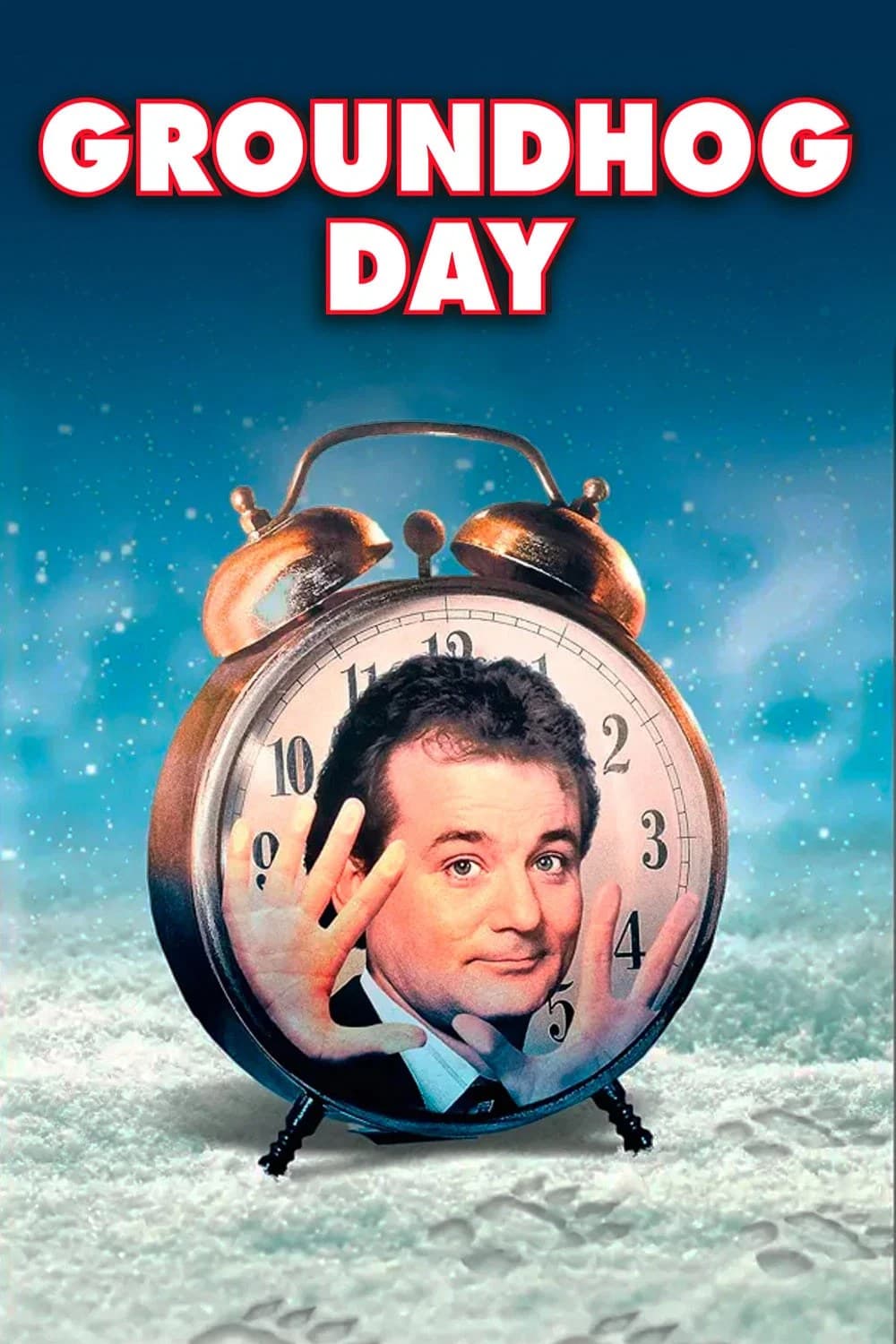
The title became a phrase people use without knowing the film: a comedy about repeating one day turned into the most quietly serious argument about how to live.
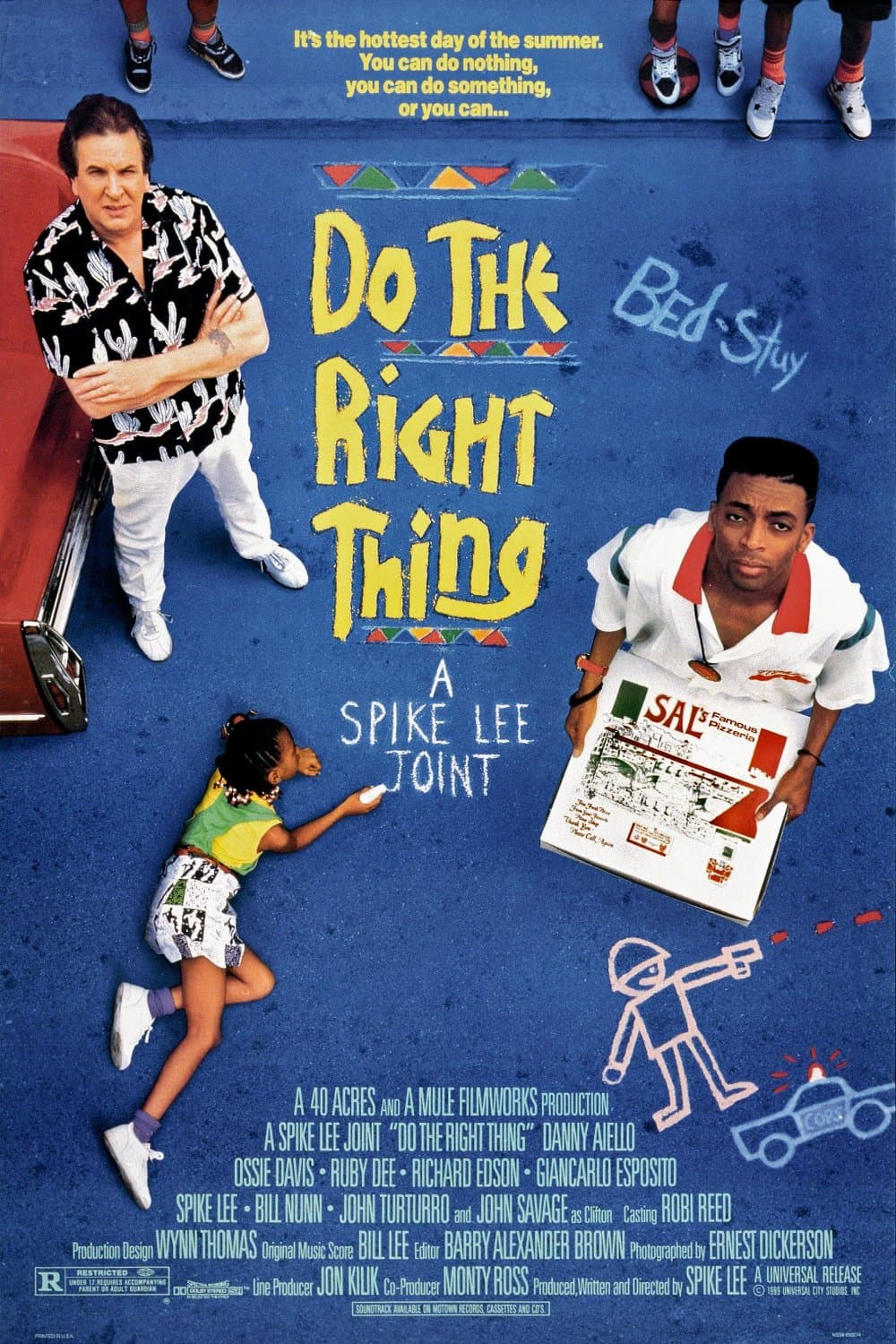
No American film has been braver about refusing to resolve: one Brooklyn block on the hottest day of the year, and Lee will not tell you who was right.
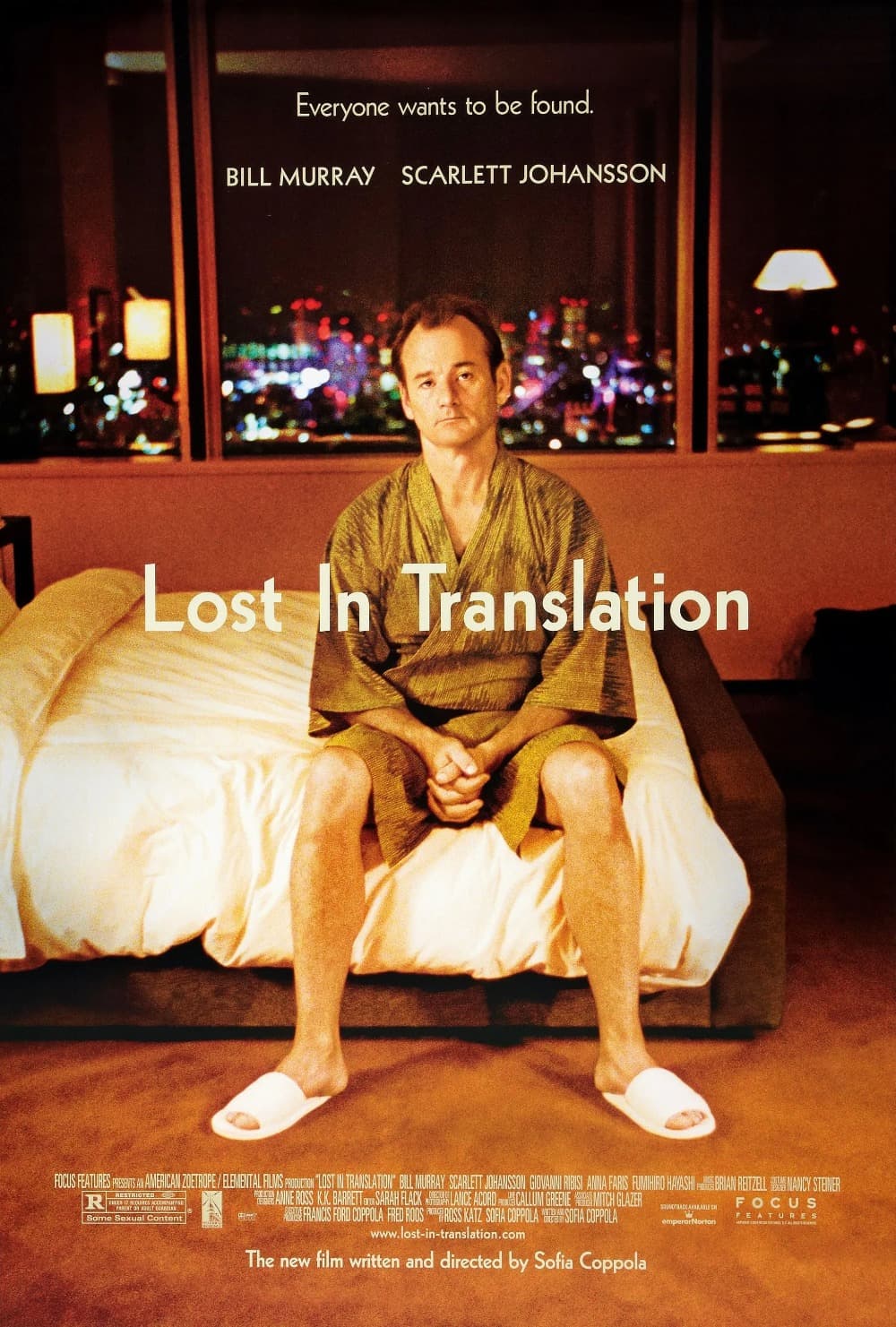
Almost nothing happens and it stays with people for years: jet lag, neon, a Tokyo hotel bar, and two people awake at the wrong hours keeping each other company.
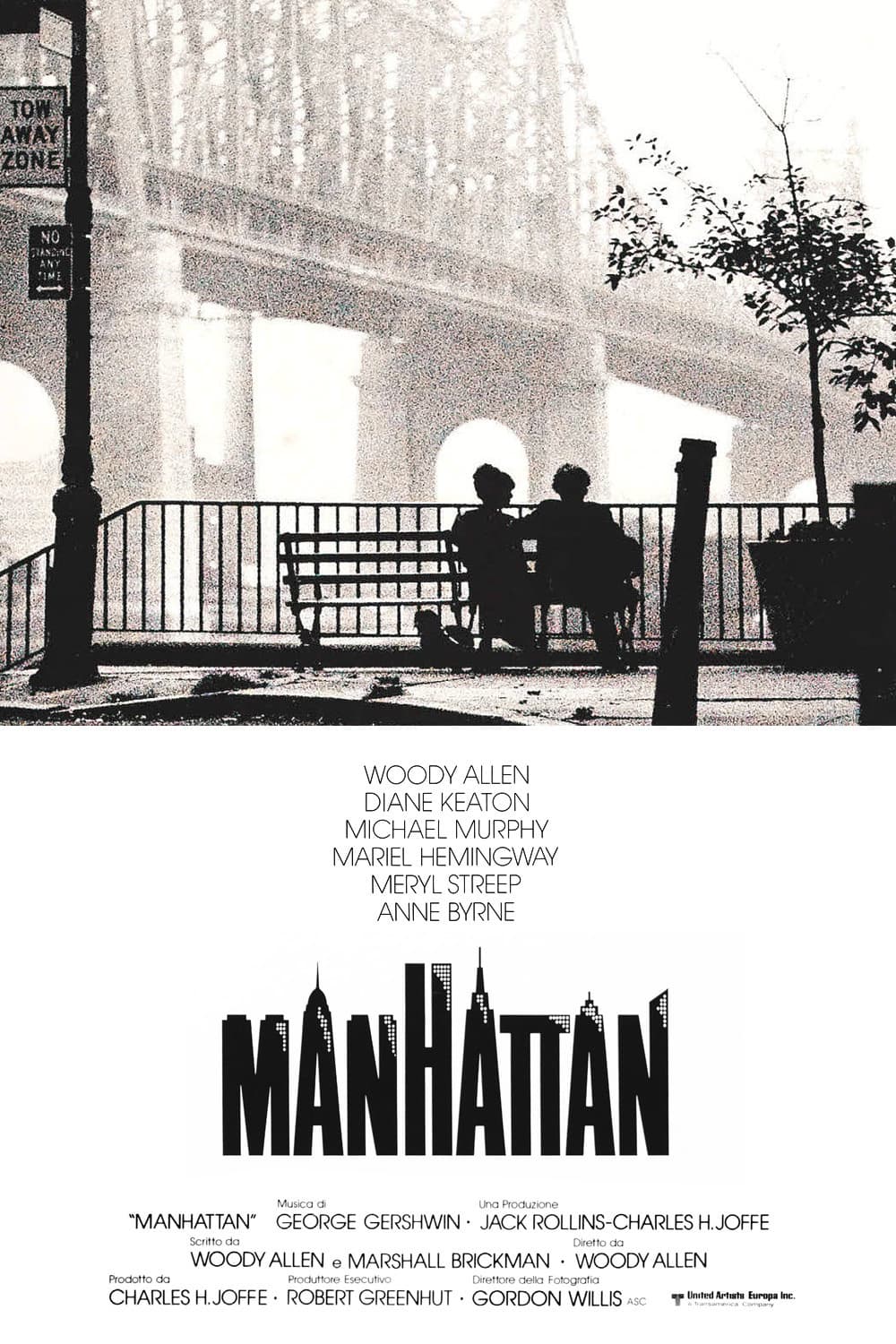
It opens with the best love letter any city has received: Gershwin over black and white Manhattan, and then two hours of people ruining their lives beautifully.
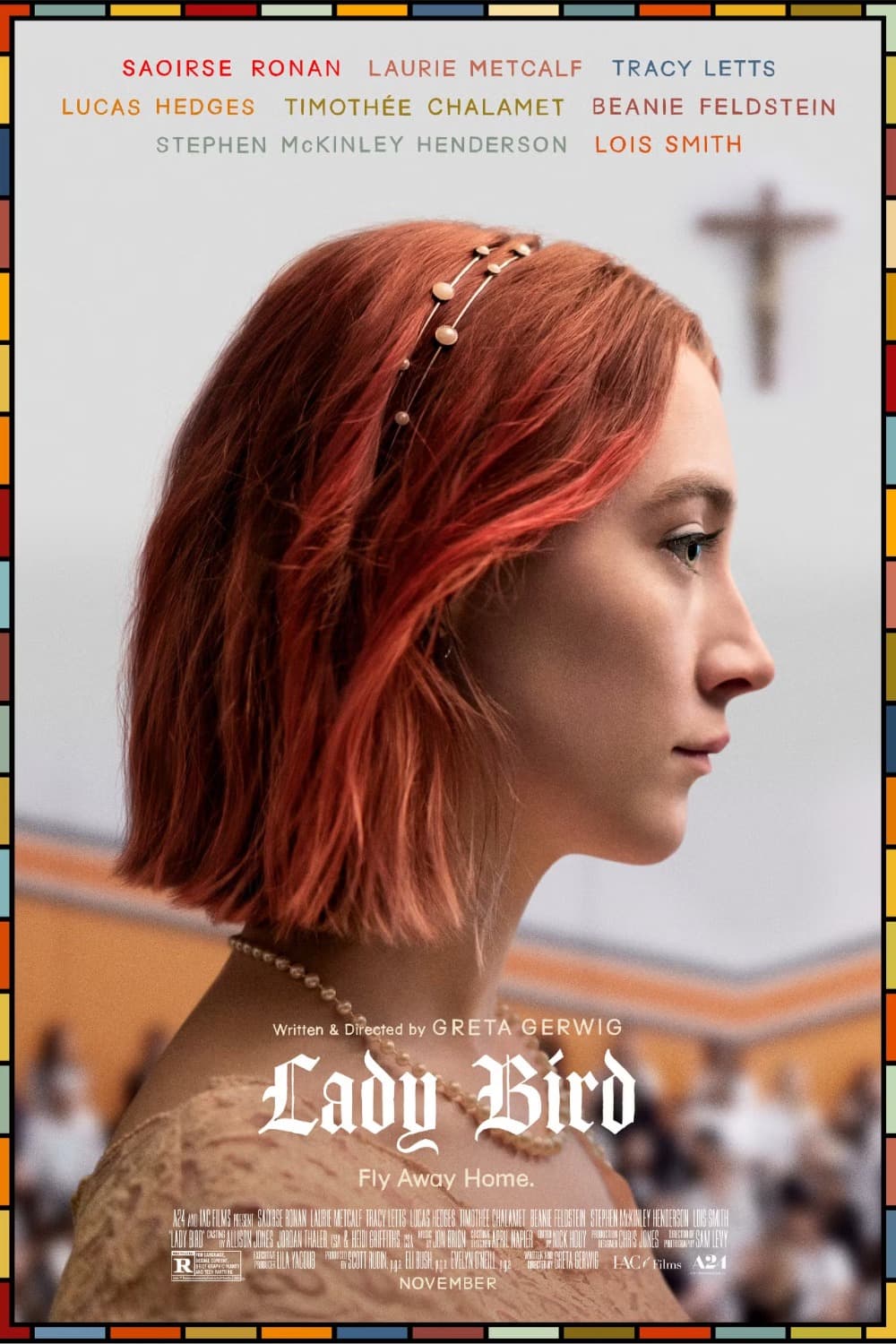
Gerwig's first solo film became the best reviewed of its year: a Sacramento teenager and her mother fight about everything, and the film refuses to take a side.
Psychiatrists named a delusion after it: a man begins to suspect his whole town is a set and everyone in his life is paid, and 1998 had no idea.
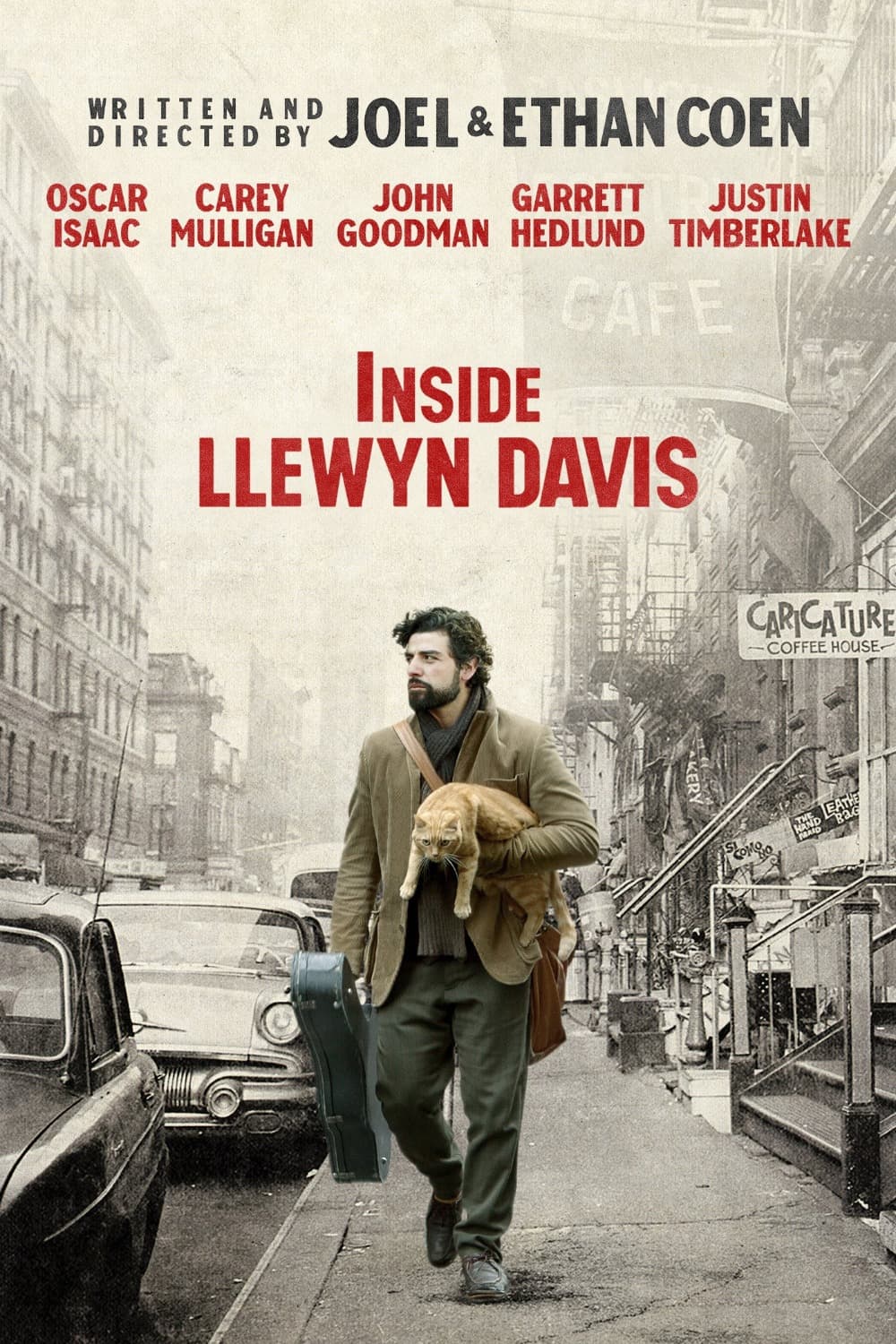
The Coens made the saddest film about failure that anyone has managed to make funny: a folk singer plays beautifully, sleeps on couches, and gets absolutely nowhere at all.
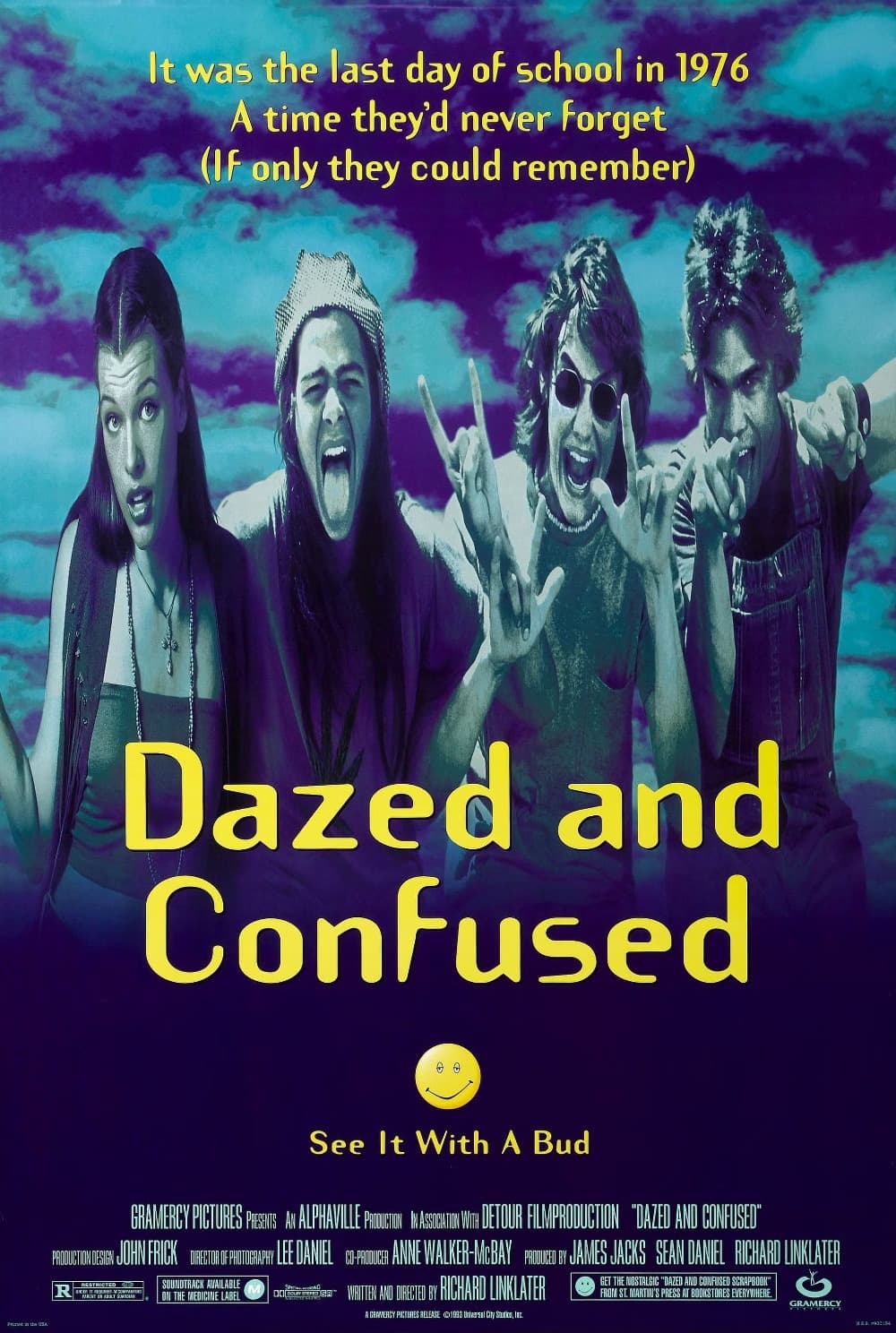
Nothing happens and that is the entire point: Linklater catches the last day of school in 1976 so exactly that people who were not there remember it anyway.
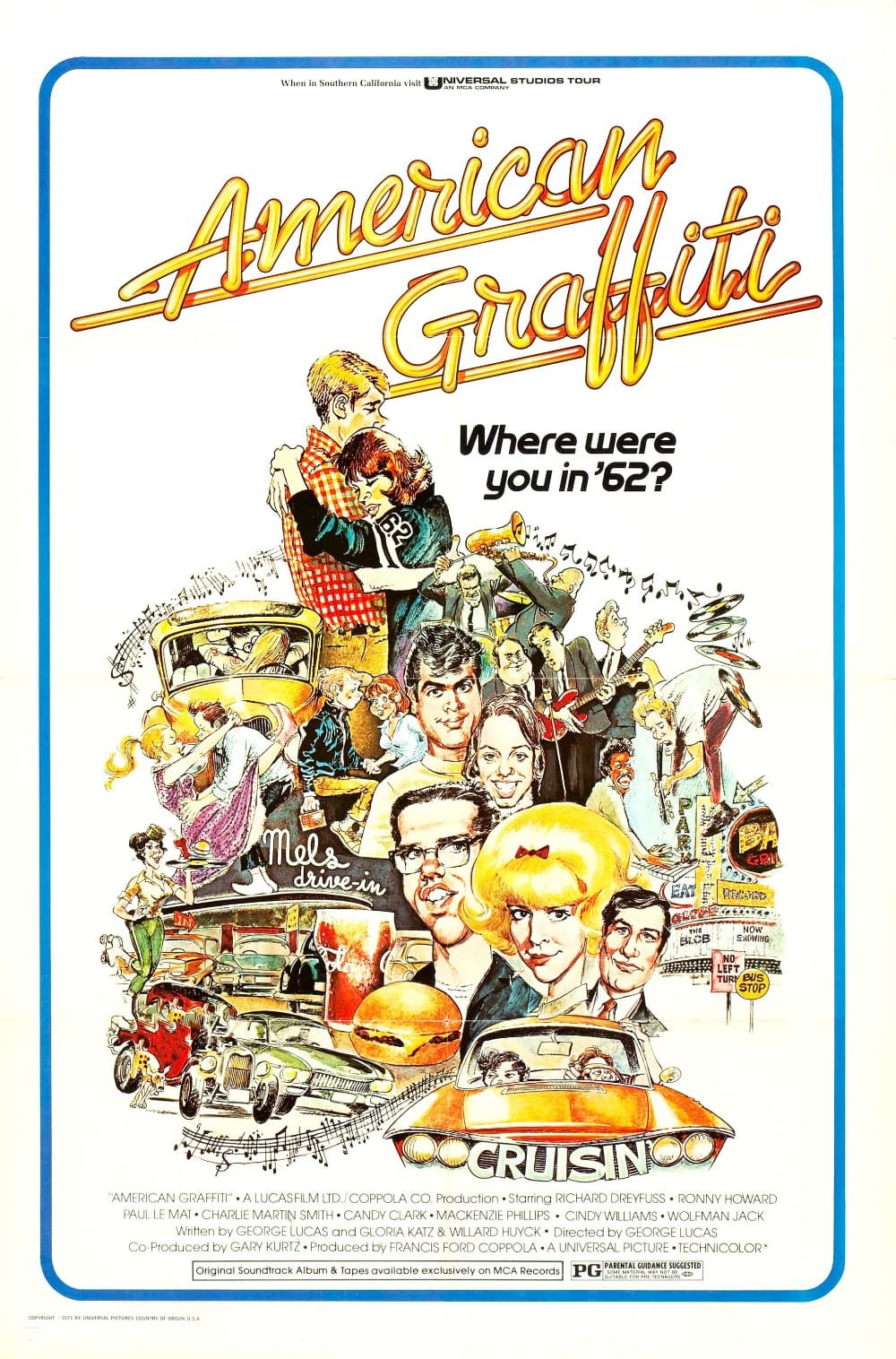
One night of cruising in 1962, with the radio playing wall to wall from start to finish: Lucas caught an America that was about to stop existing.
It made a heroin film feel like a night out without ever pretending the squalor was not there: Boyle cut the whole thing to a soundtrack that never sits still.
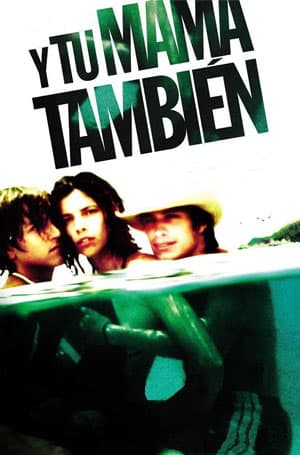
A road trip with a narrator who keeps interrupting to tell you things the characters will never know: Cuaron slips a portrait of Mexico under a teenage sex comedy.
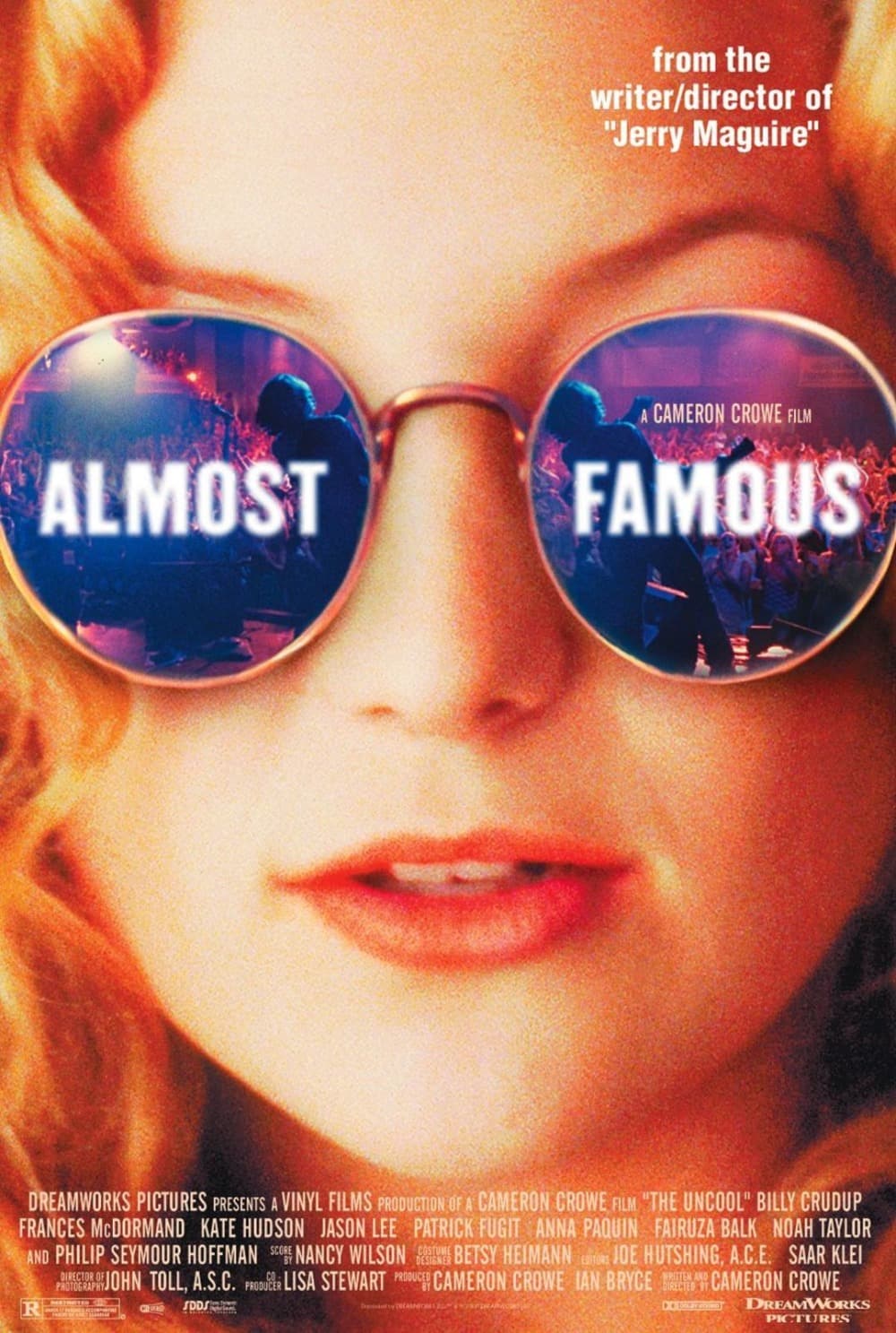
Cameron Crowe was writing for Rolling Stone at fifteen and on the road with the Allman Brothers at sixteen: the film gets every detail right, including the boredom.
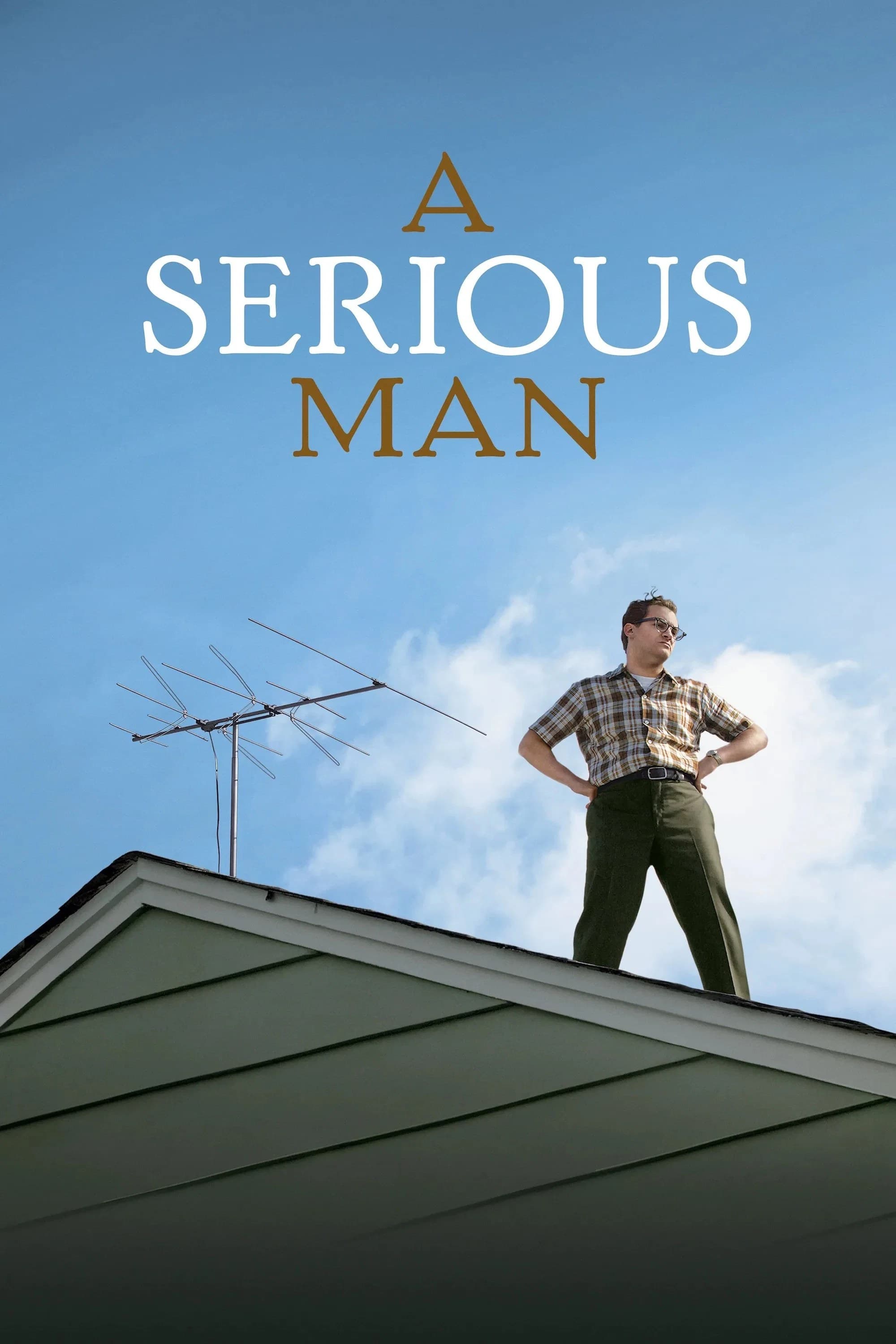
The Coens' most personal film and their least forgiving: a Minnesota physics professor's life comes apart for no reason at all, and nobody in it will explain anything.
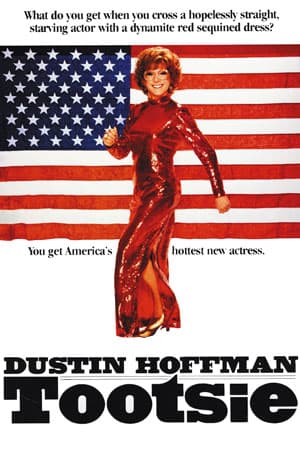
Hoffman said the part permanently changed how he saw women, and what he learned is worked out here as farce: an unemployable actor becomes a soap opera star.
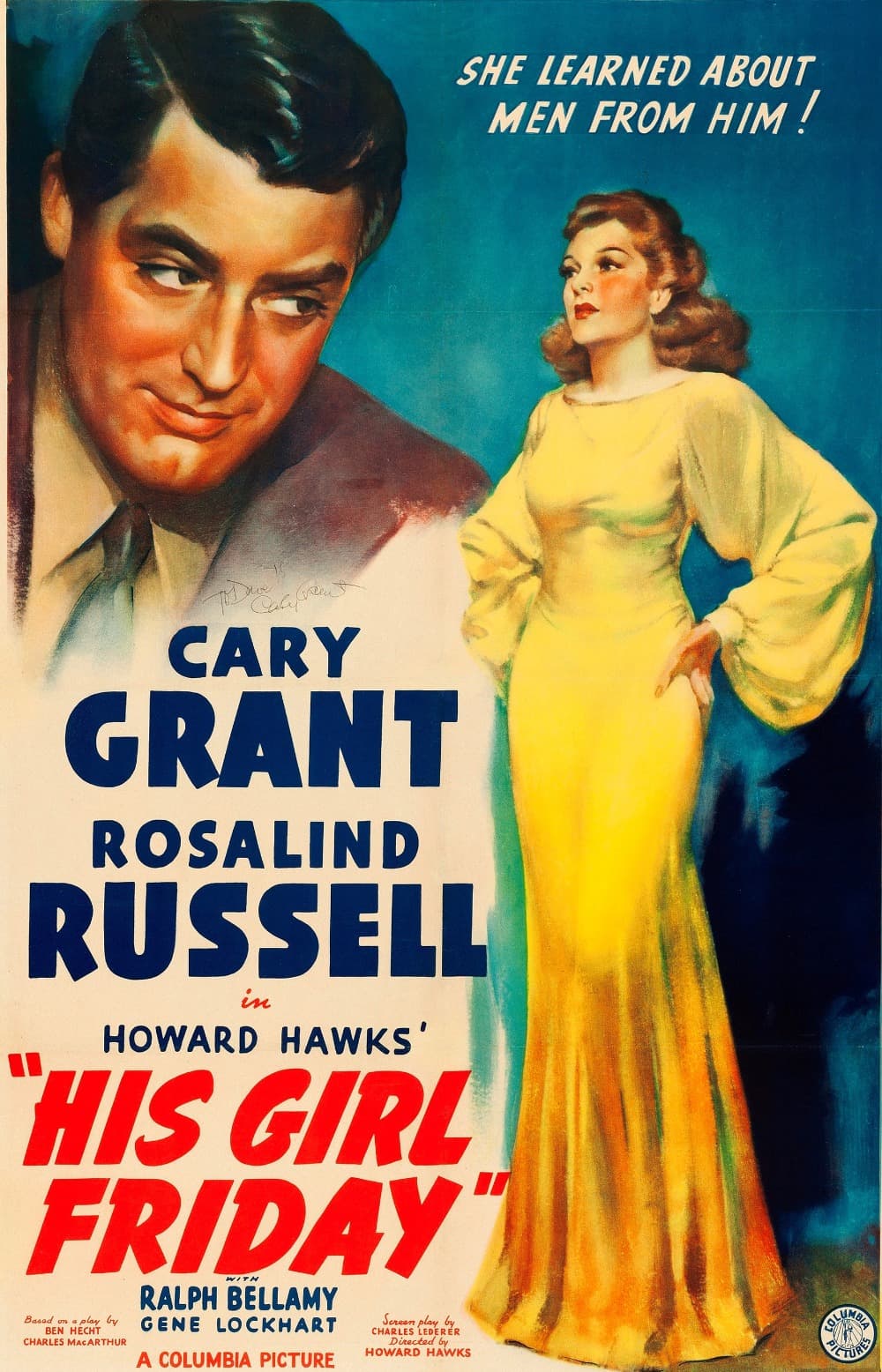
Hawks made the reporter a woman and the ex-husband her editor, then had them talk over each other so fast the film runs at over two hundred words a minute.
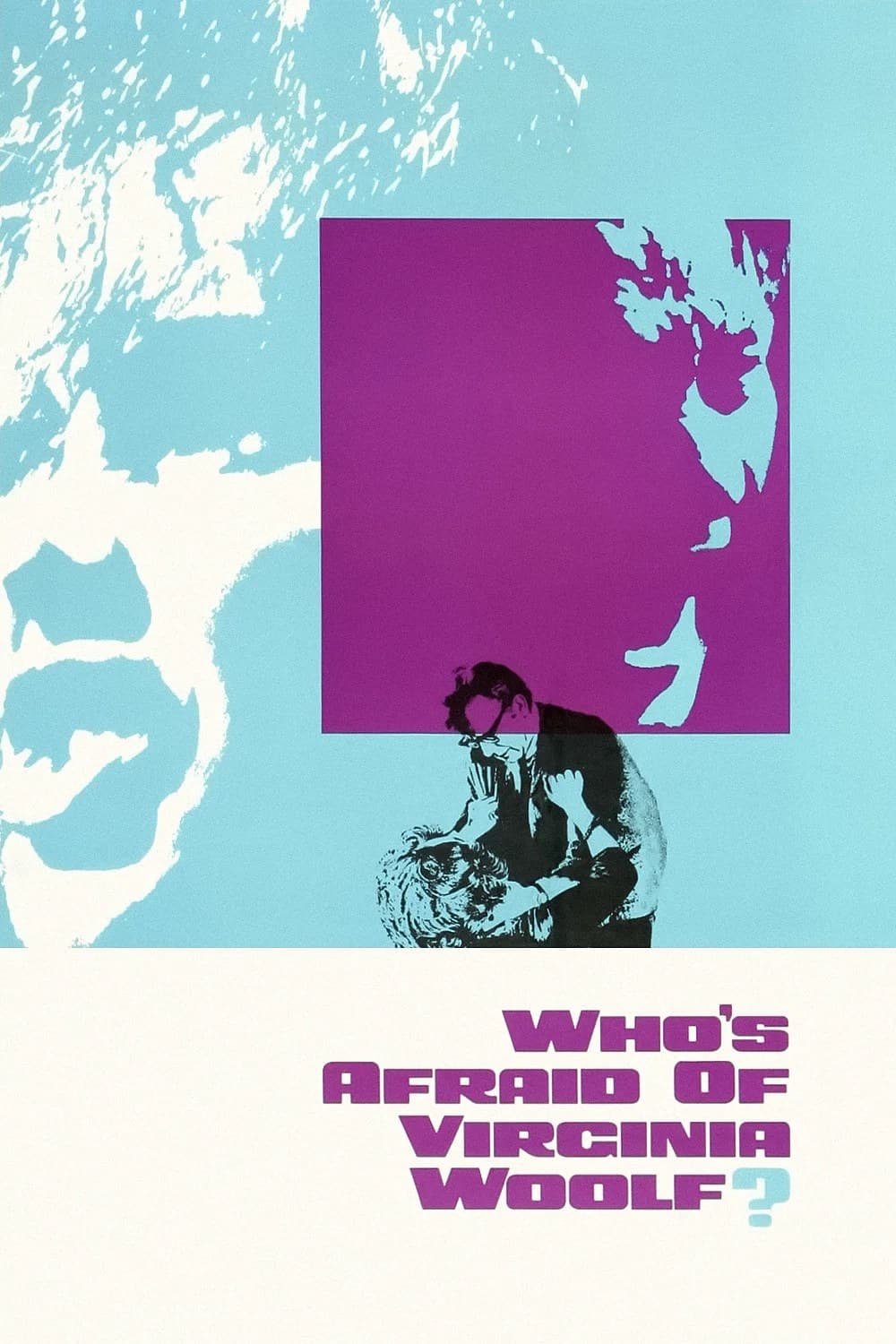
Burton and Taylor were married and it shows in every line: a history professor and his wife drink through one night and take each other apart in front of guests.
Nothing else captures being twelve years old this exactly: four boys walk along a railway line for two days, and the narration knows precisely how much it mattered.
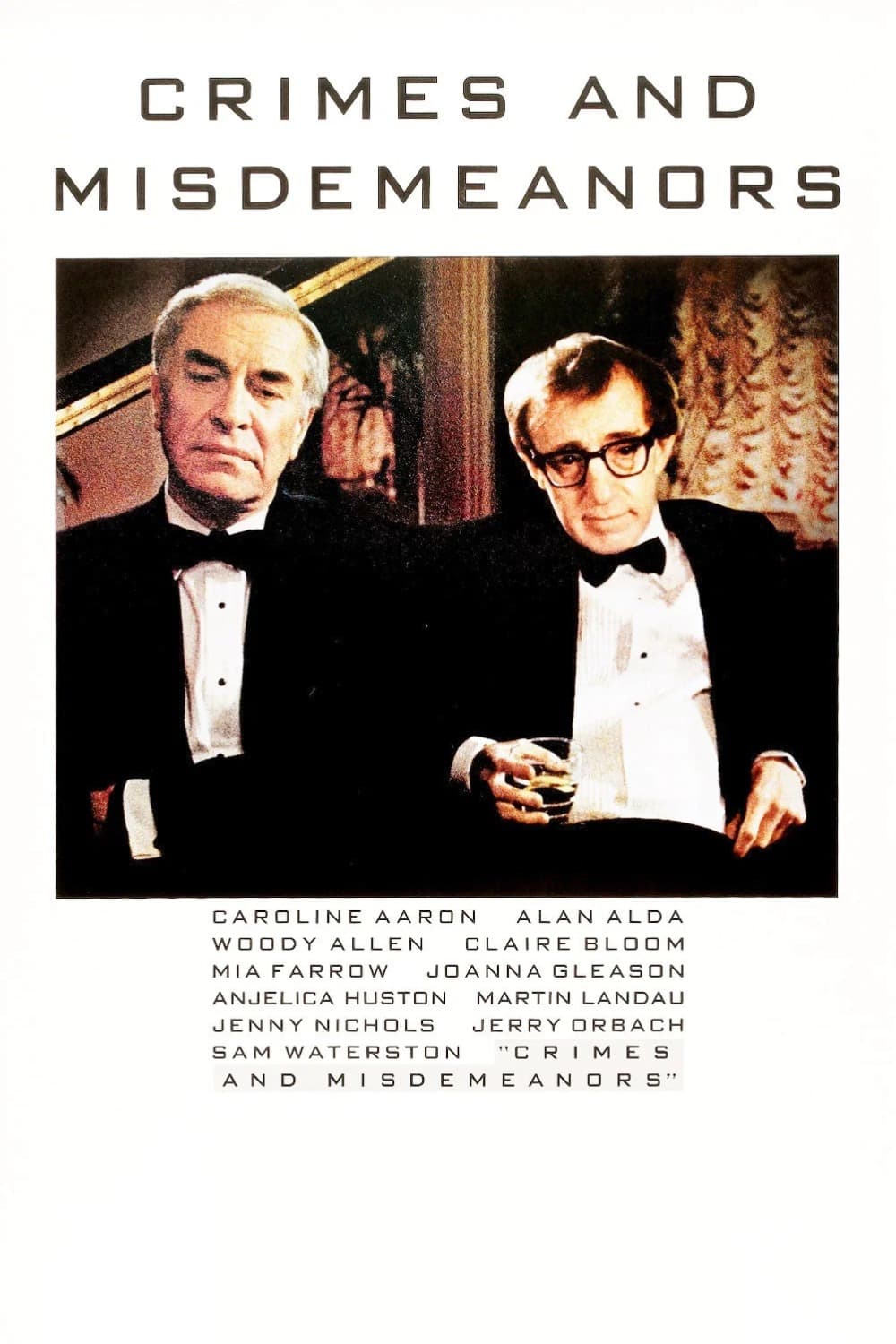
Allen's most serious film, and his only one that asks whether anyone is watching at all: a respected doctor is cornered by a woman he cannot pay off.
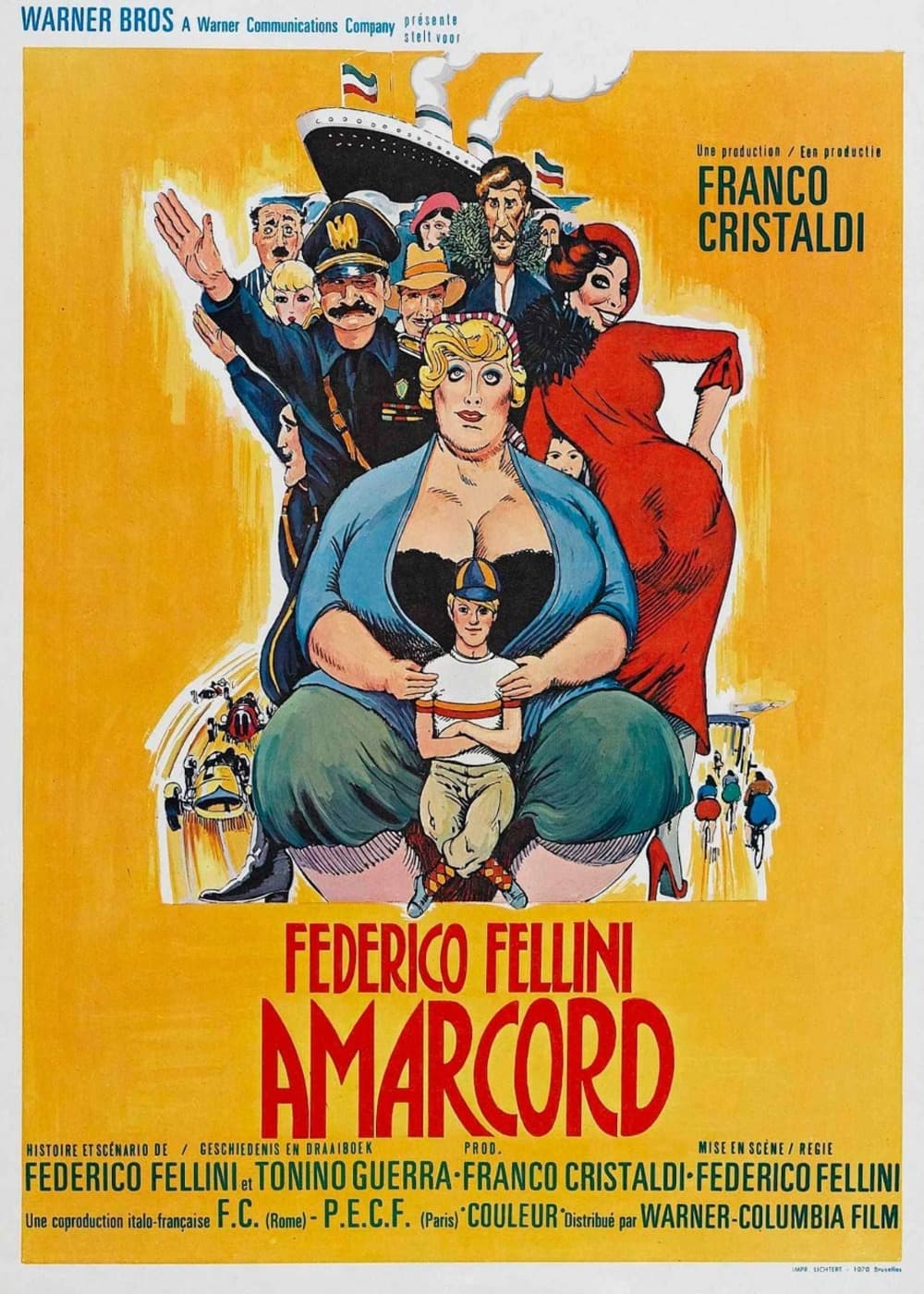
Fellini remembering his own seaside town under Mussolini and admitting he is embroidering it: no plot at all, just a year of weather, sex, food and fascism.
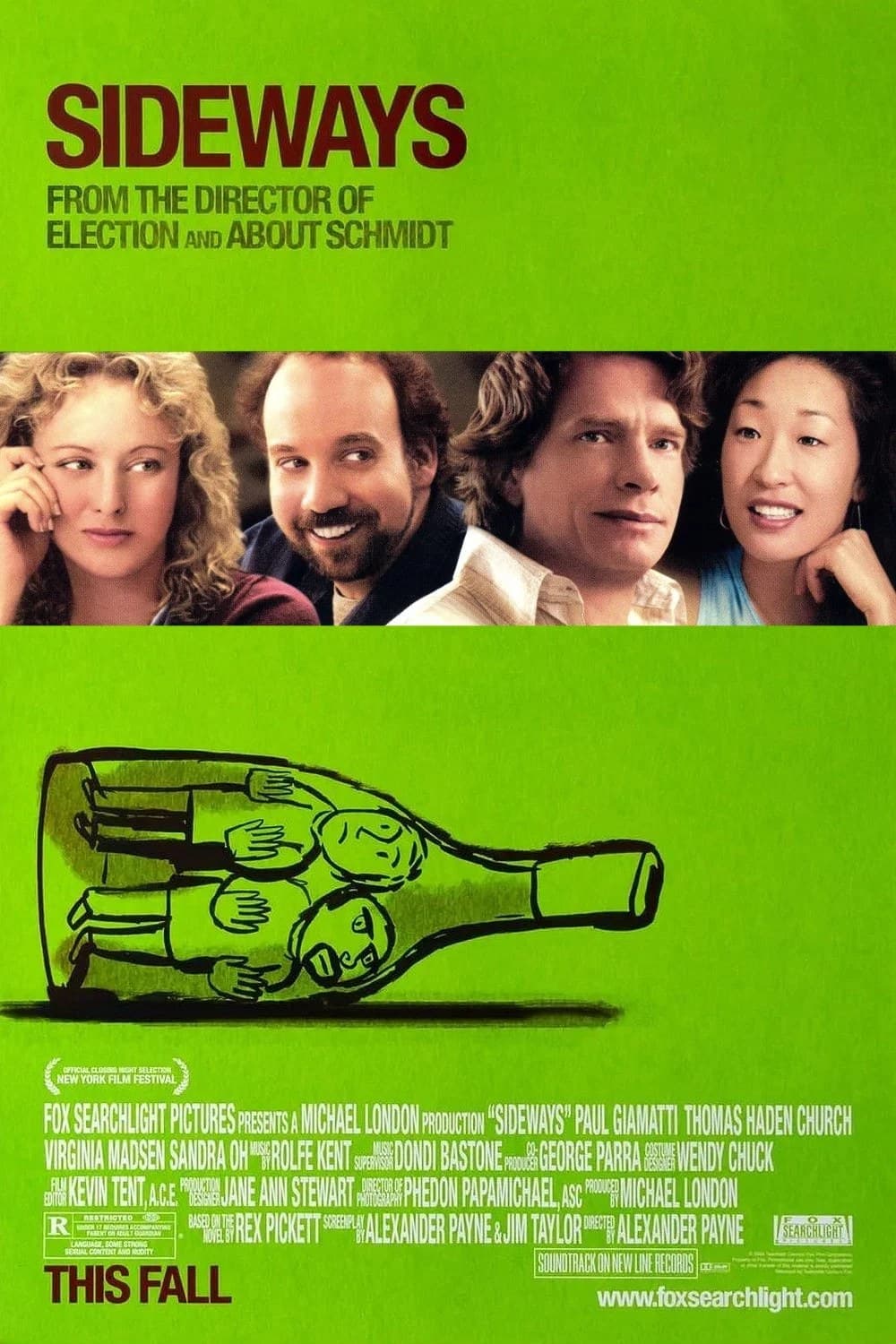
It measurably dented cheap merlot sales and sent pinot noir soaring: two middle-aged men drive through wine country, one about to be married and one unable to move on.
Callie Khouri's script did something no American road movie had done: put two women in the car and let the country outside it turn hostile, while the friendship becomes the only reliable thing.
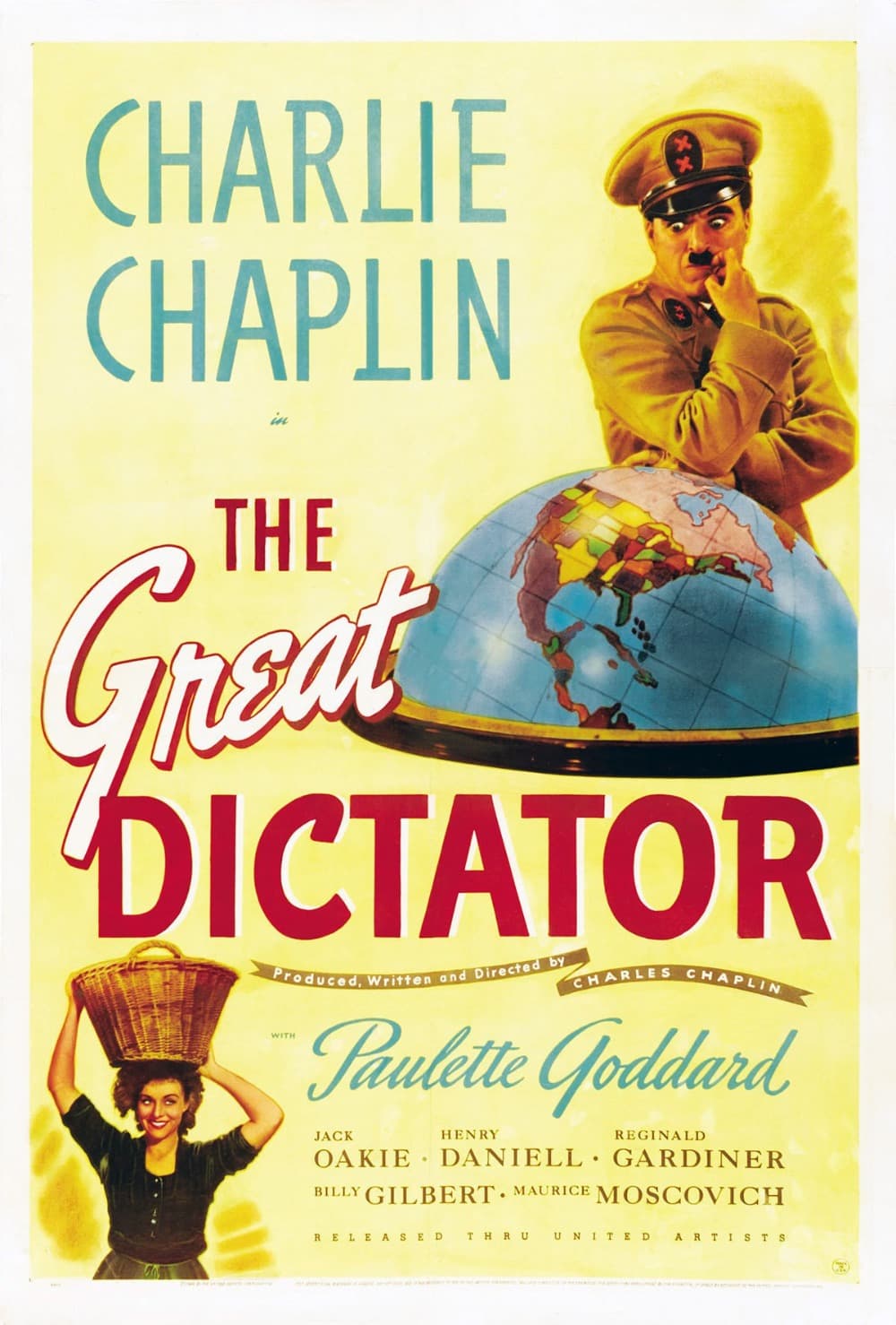
Chaplin attacked Hitler while America was still neutral, in his first talking picture: the two men were born four days apart, and the globe dance is the cruelest joke he ever staged.
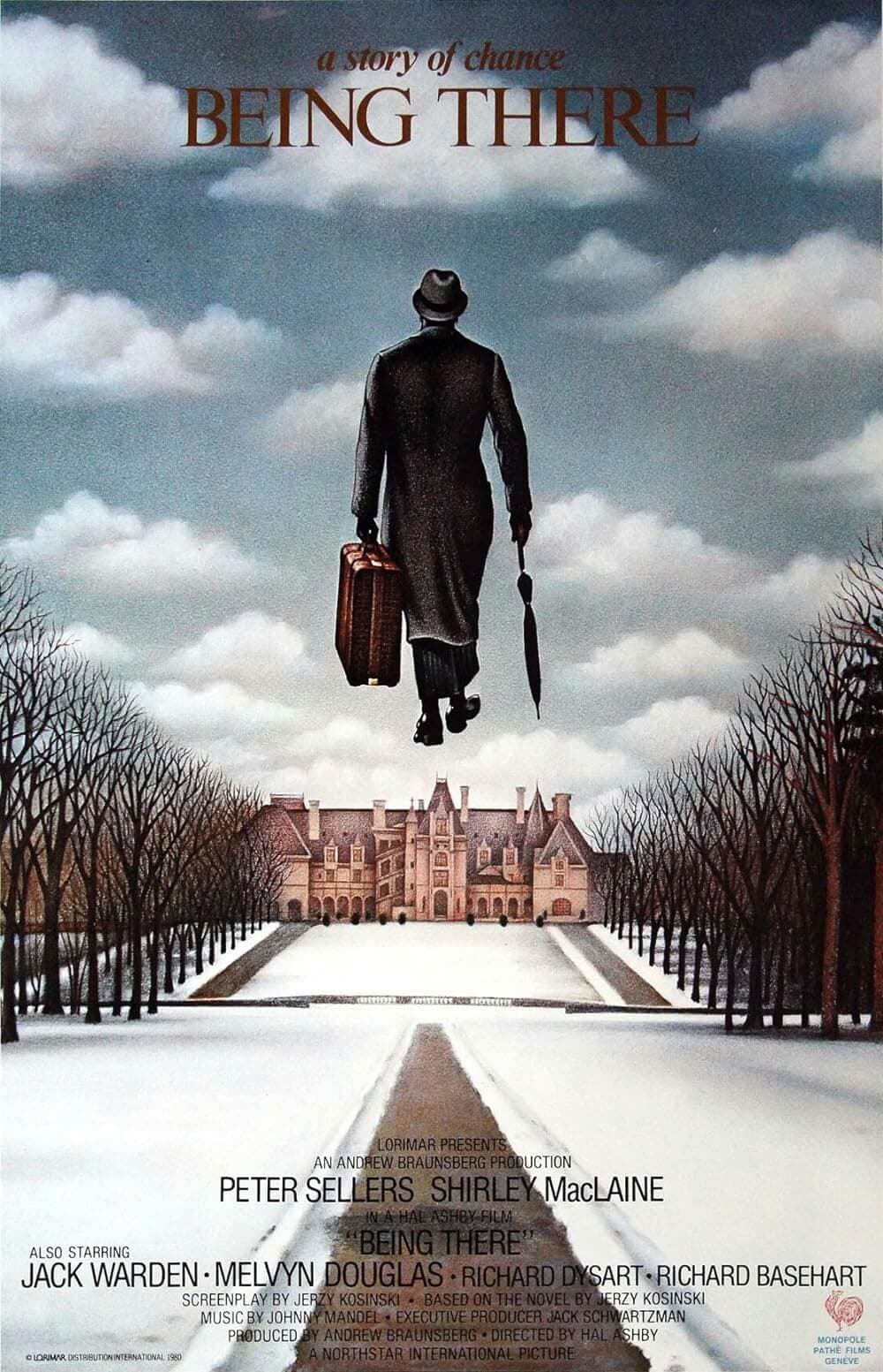
Peter Sellers chased this part for years and considered it the best work he ever did: a gardener who has only ever watched television is mistaken for a sage.
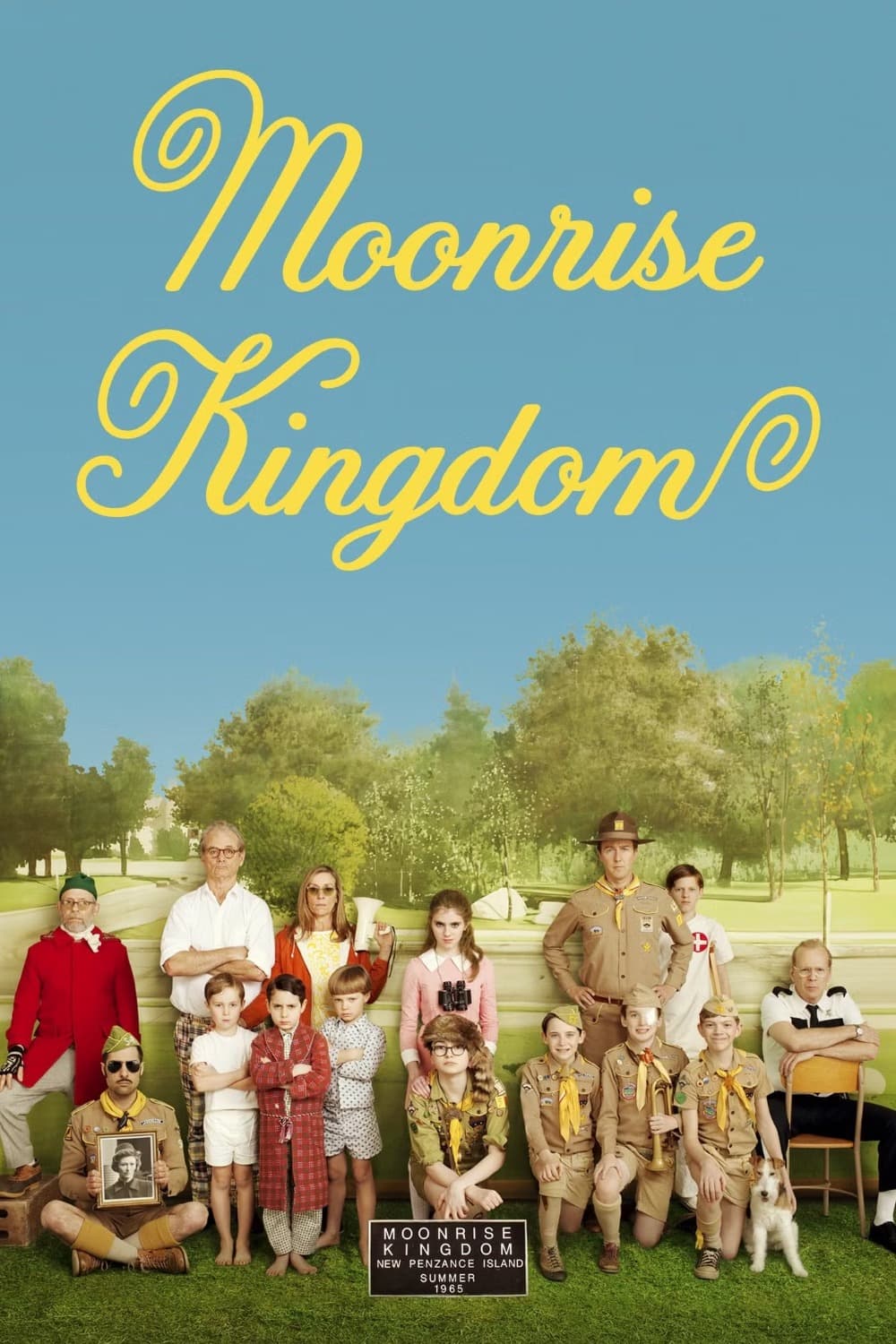
Twelve-year-olds run away together across a New England island in 1965: Wes Anderson's warmest film, and the adults chasing them are lonelier than the children they are trying to catch.
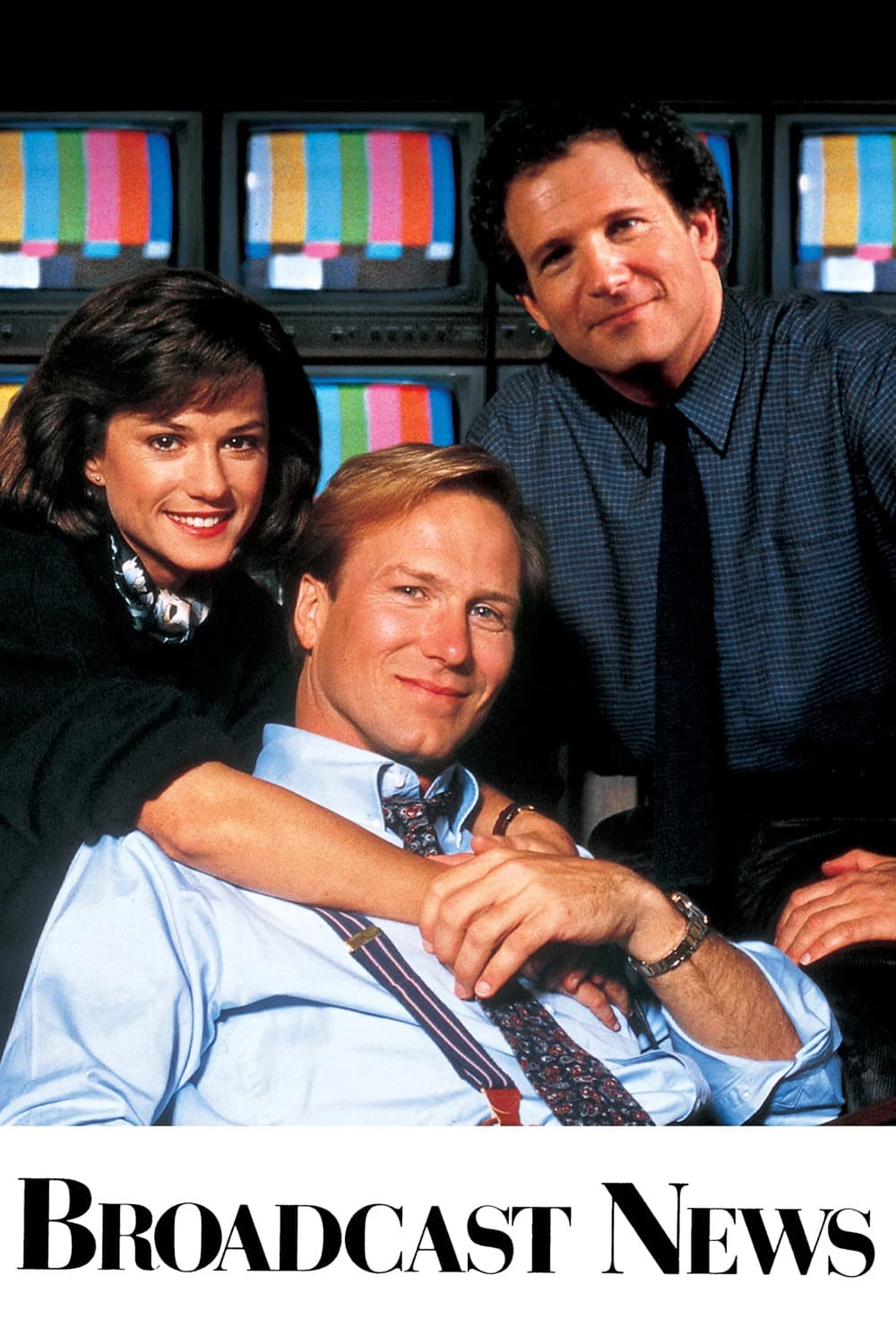
James L. Brooks got the newsroom exactly right and predicted what television news would become: three colleagues tangled up in each other, and the one who is best on camera knows the least.
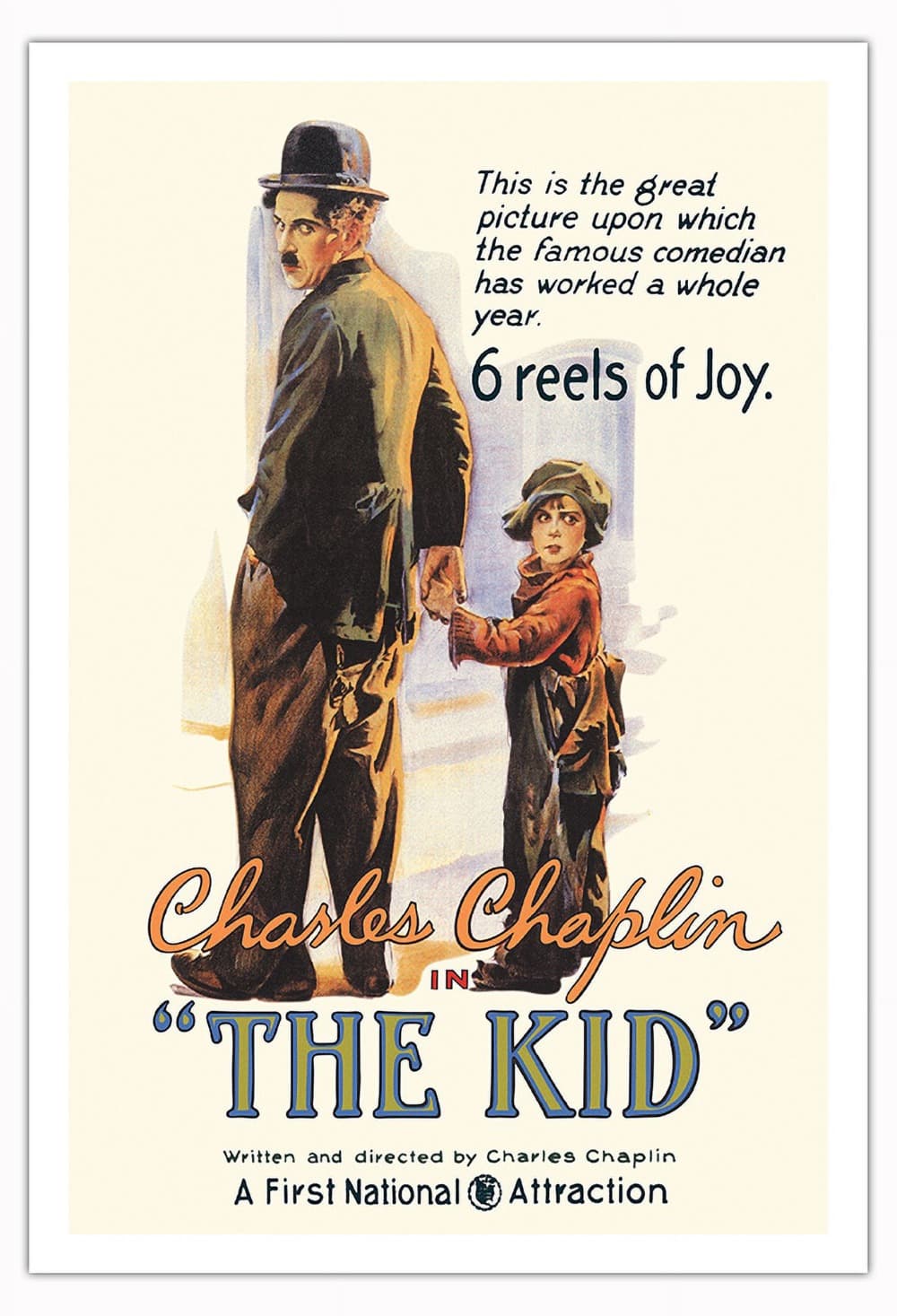
Comedy and heartbreak arrive in the same shot, which almost nobody has managed since: Chaplin's first feature has a tramp raising an abandoned boy, and Jackie Coogan was five years old.
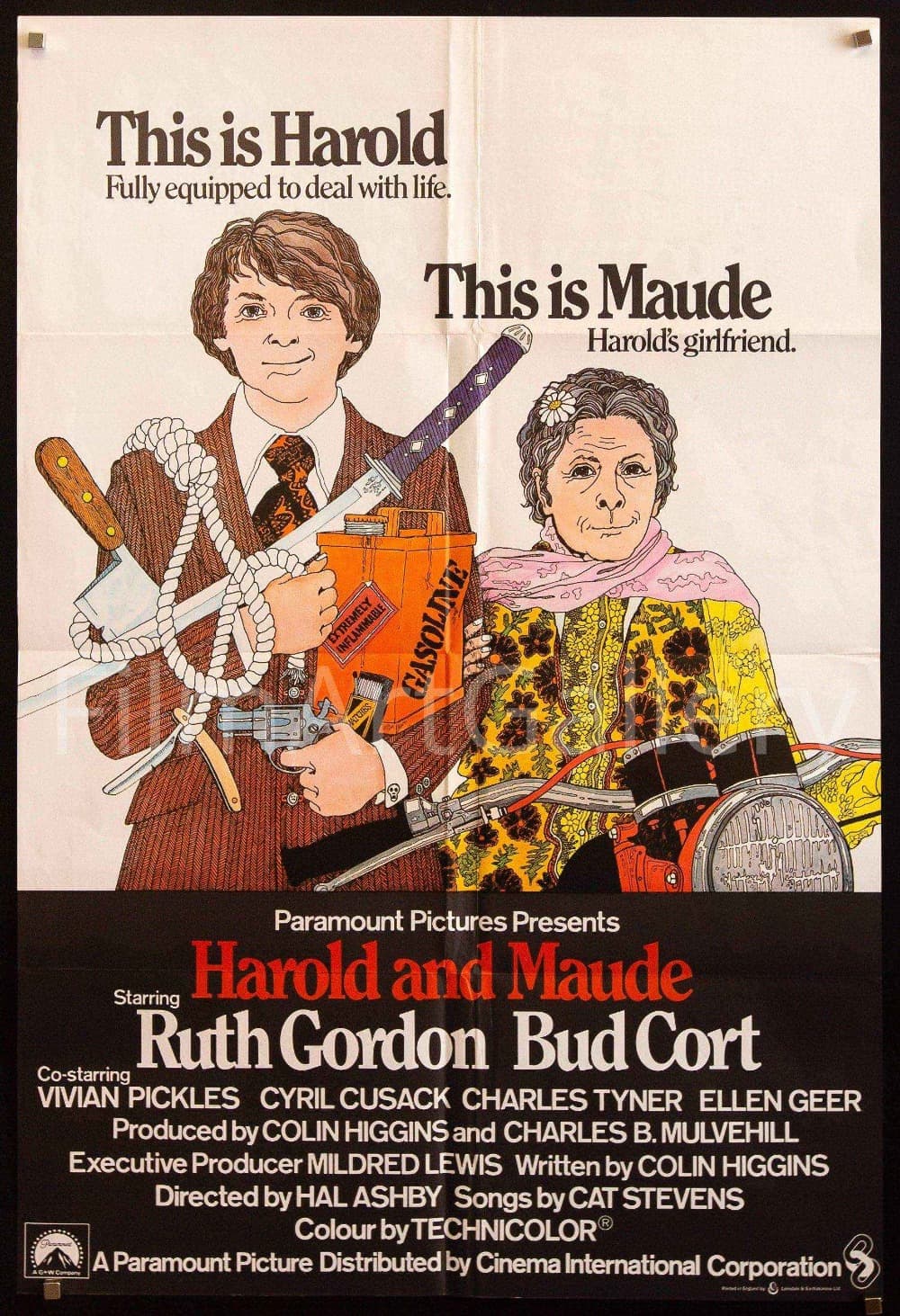
It failed on release and then ran 115 straight weeks at a single Minnesota theater: a death-obsessed teenager falls for a seventy-nine-year-old, and Cat Stevens scores the whole thing.
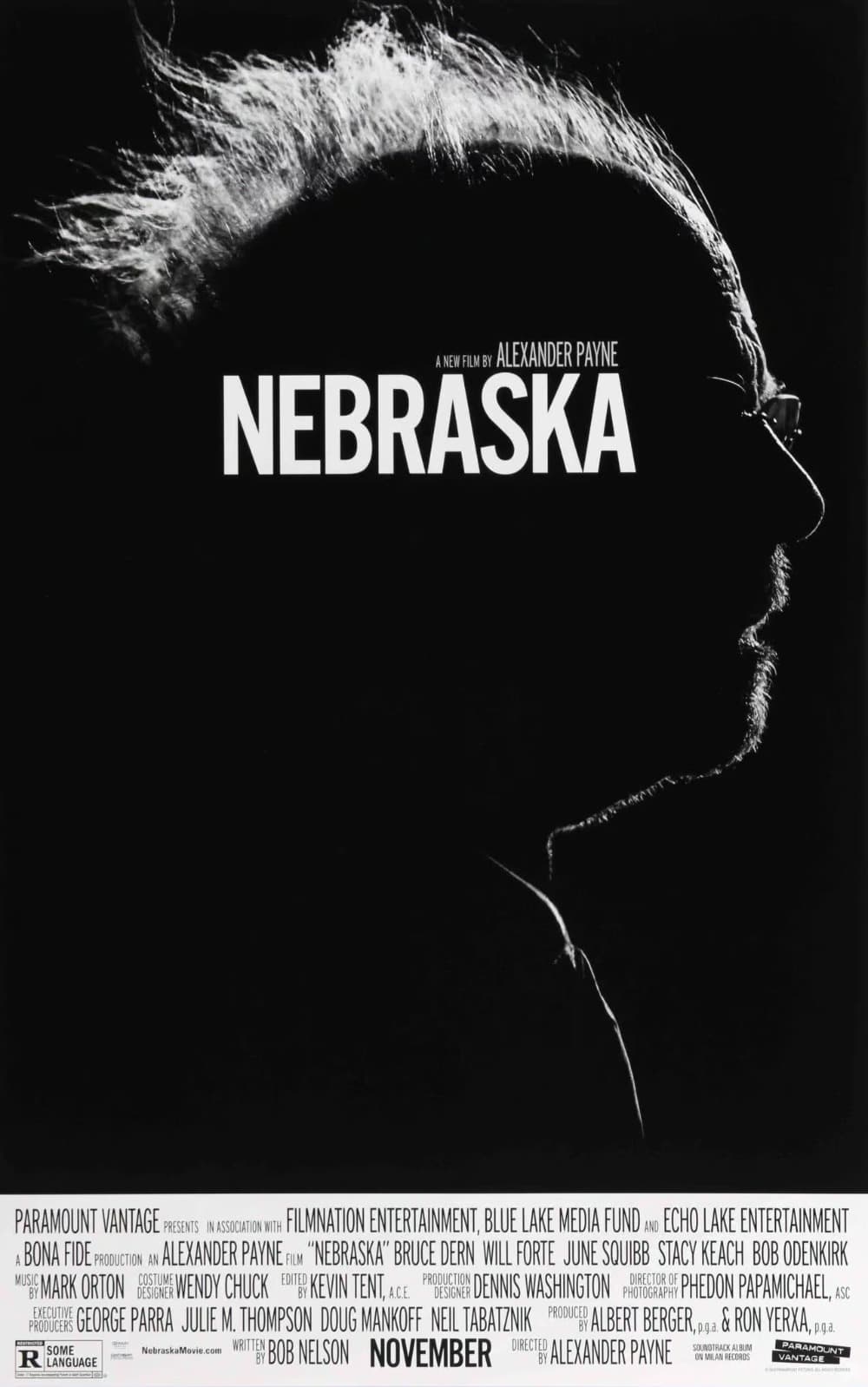
Payne wanted monochrome and the studio fought him over it: an old man believes a sweepstakes letter and sets off walking toward Nebraska, and his son drives him rather than argue.
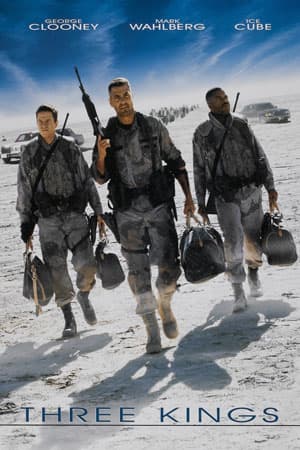
Russell shot it on bleached film stock so the desert looks radioactive: four American soldiers go looking for Kuwaiti gold in the days after the Gulf War stops, carrying a stolen map.
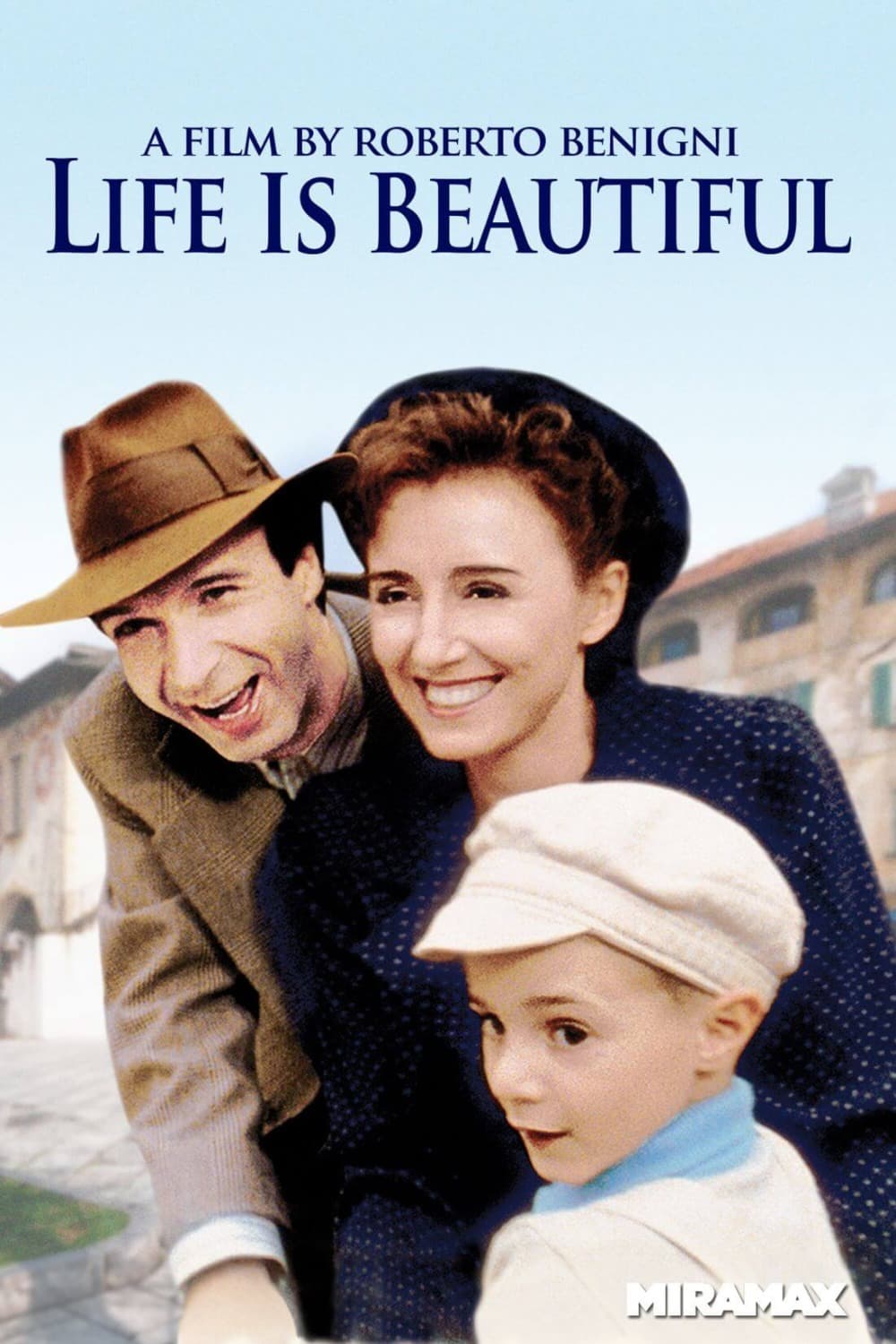
Benigni argued that a comedian could make a film about the camps, and half the critics said he was wrong: a father convinces his small son the whole thing is an elaborate game.
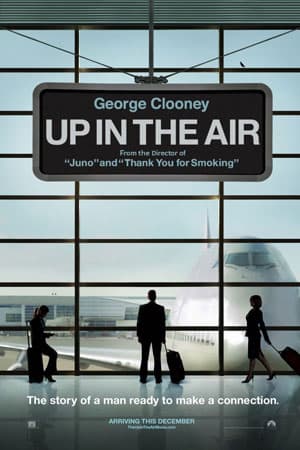
Reitman cast people who had actually just been laid off and filmed them reacting for real: a man who fires strangers for a living has arranged his whole existence around not landing.
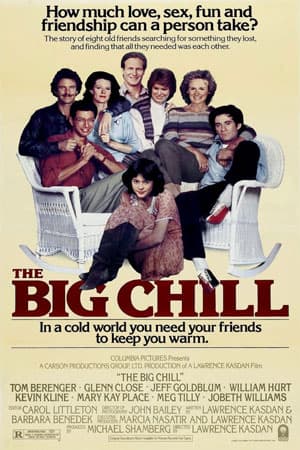
The soundtrack went platinum six times over and defined how a generation wanted to remember itself: old college friends reassemble for a funeral and spend the weekend auditing what they became.
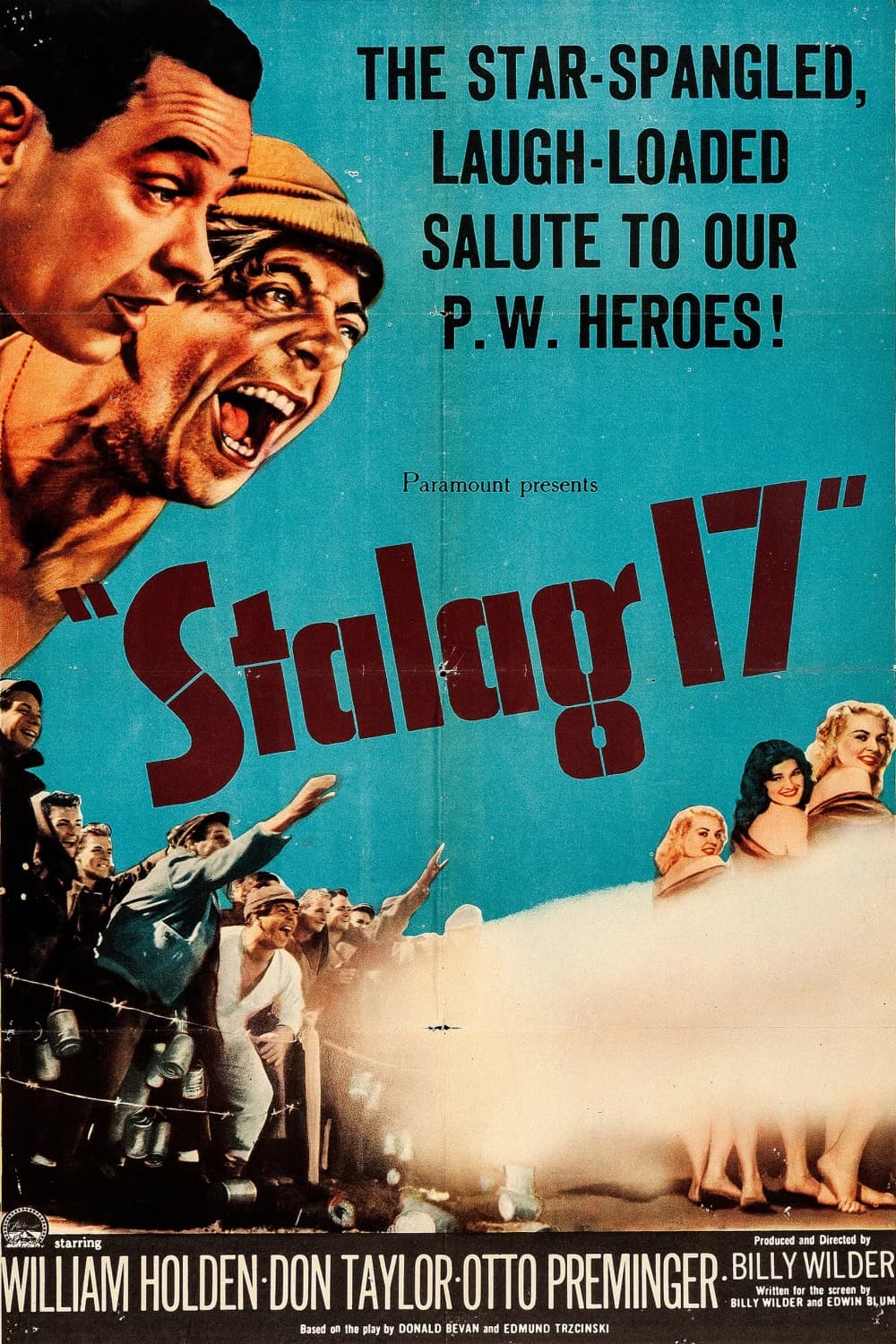
Wilder made a POW comedy in 1953 and refused to soften the Americans in it: a barracks works out that somebody inside is trading information to the Germans, and starts looking around.
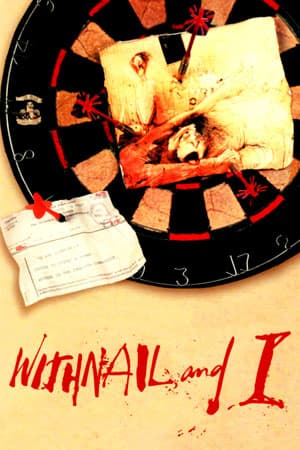
Richard E. Grant does not drink and had to be taught to be convincing: two unemployed actors leave London for a cottage in 1969 with no money, no food and no plan whatsoever.
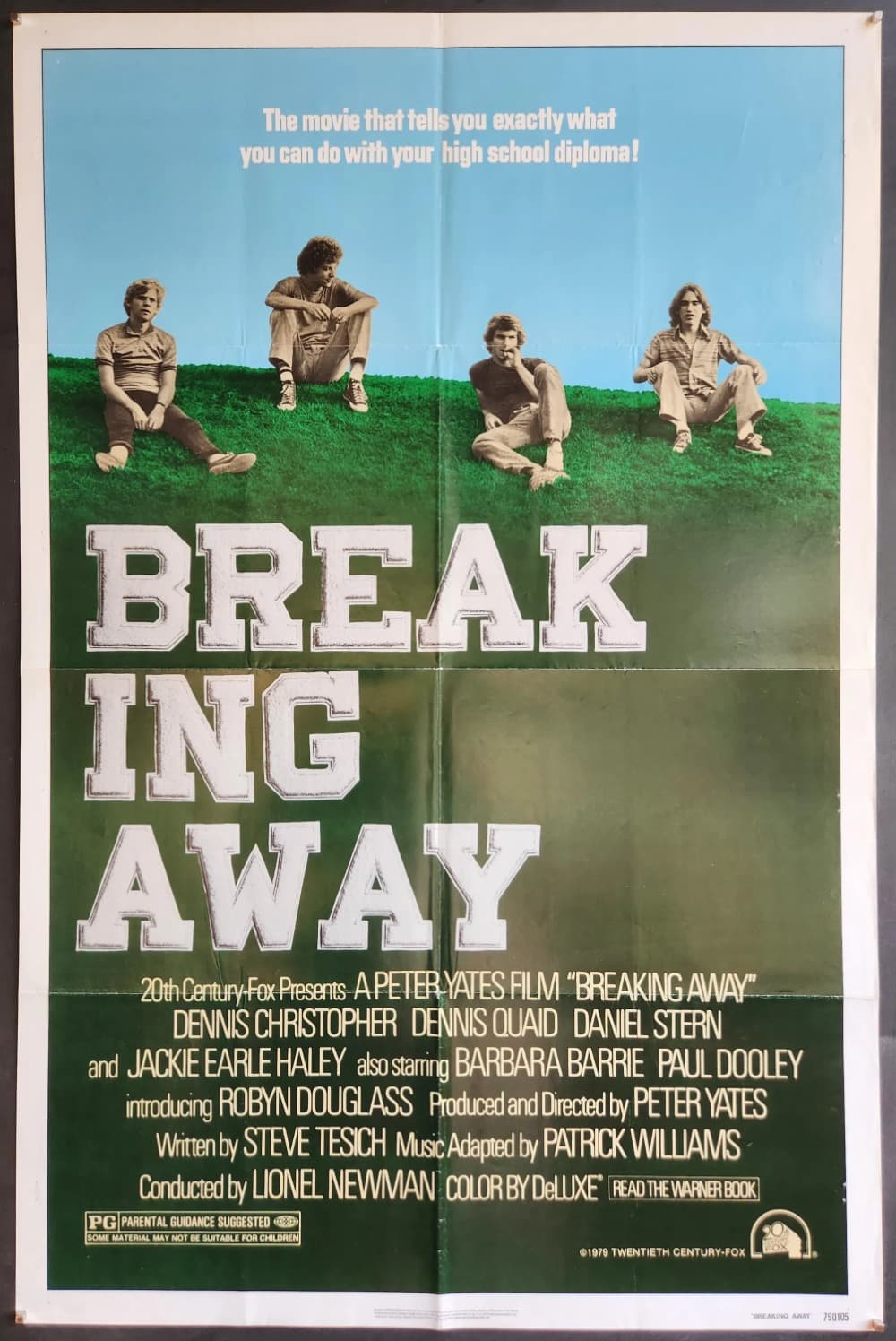
No sports film is sweeter, and the sport barely matters: an Indiana teenager pretends to be Italian because he loves bicycle racing, and the town's class divide does the rest.
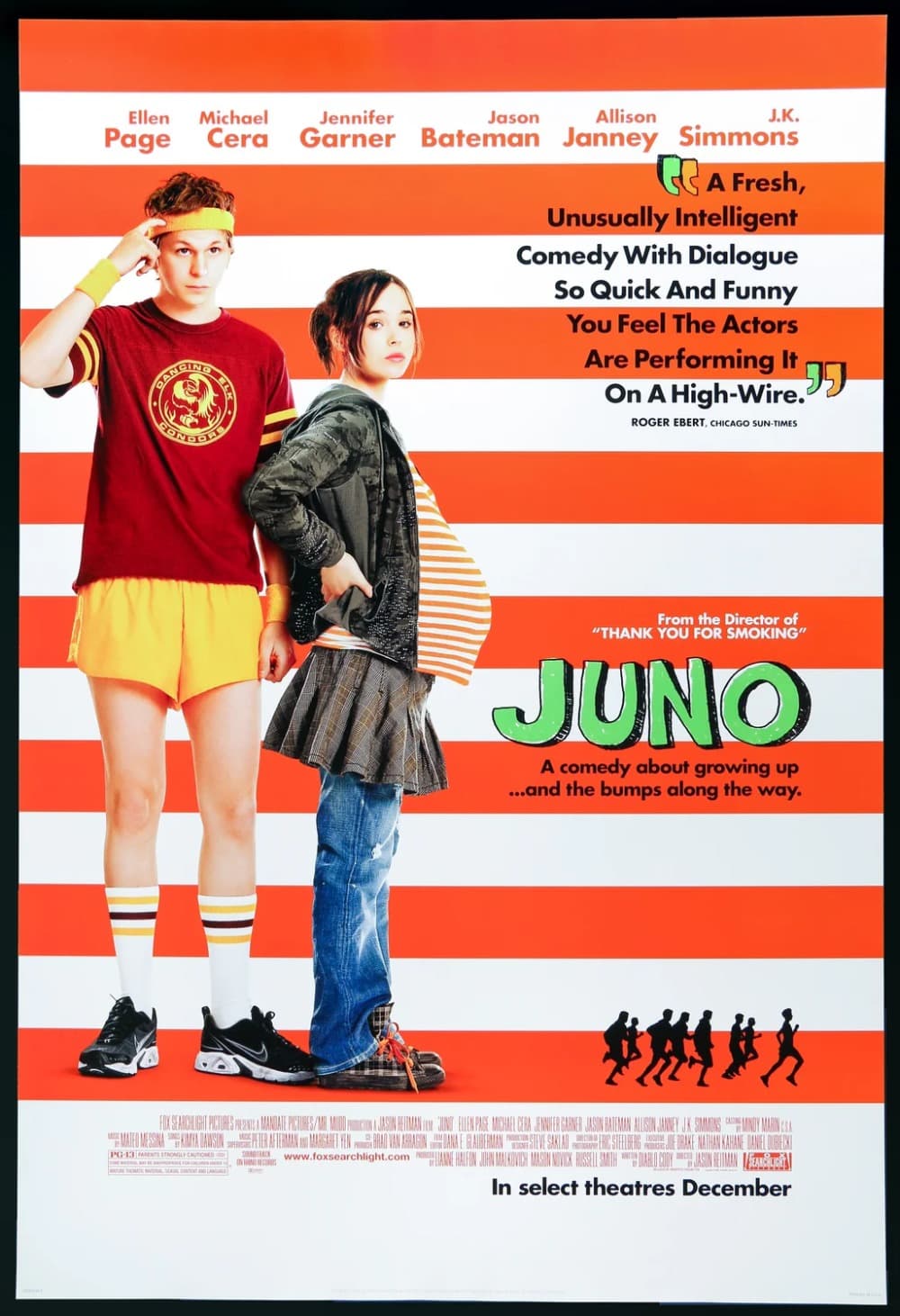
Diablo Cody won an Oscar for dialogue that no teenager has ever spoken, and it works anyway: a sixteen-year-old handles a pregnancy with more composure than every adult around her.
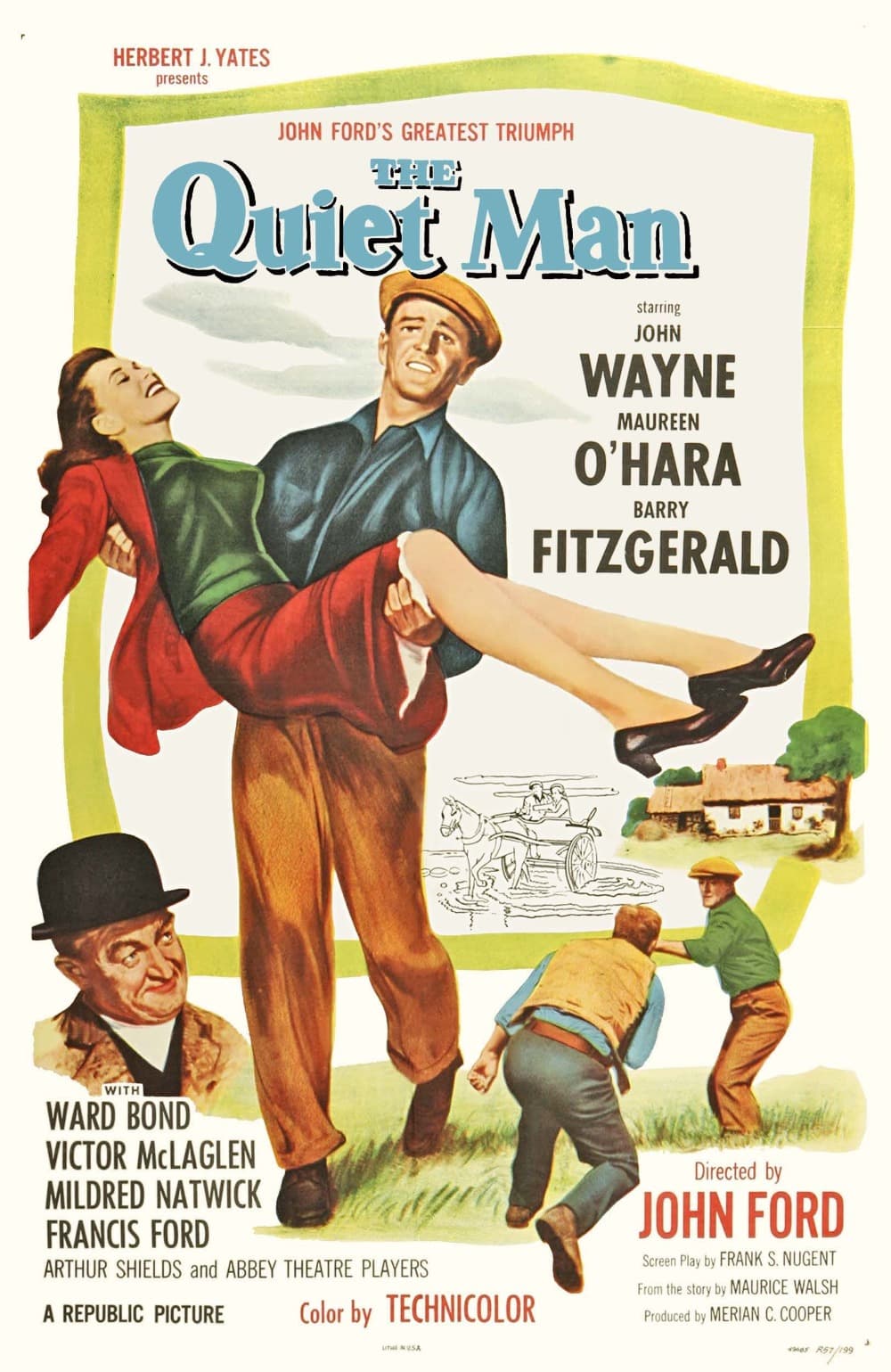
Ford spent twenty years trying to make it and shot Ireland in Technicolor so green it looks invented: an American boxer goes home to Mayo and runs straight into everyone else's customs.
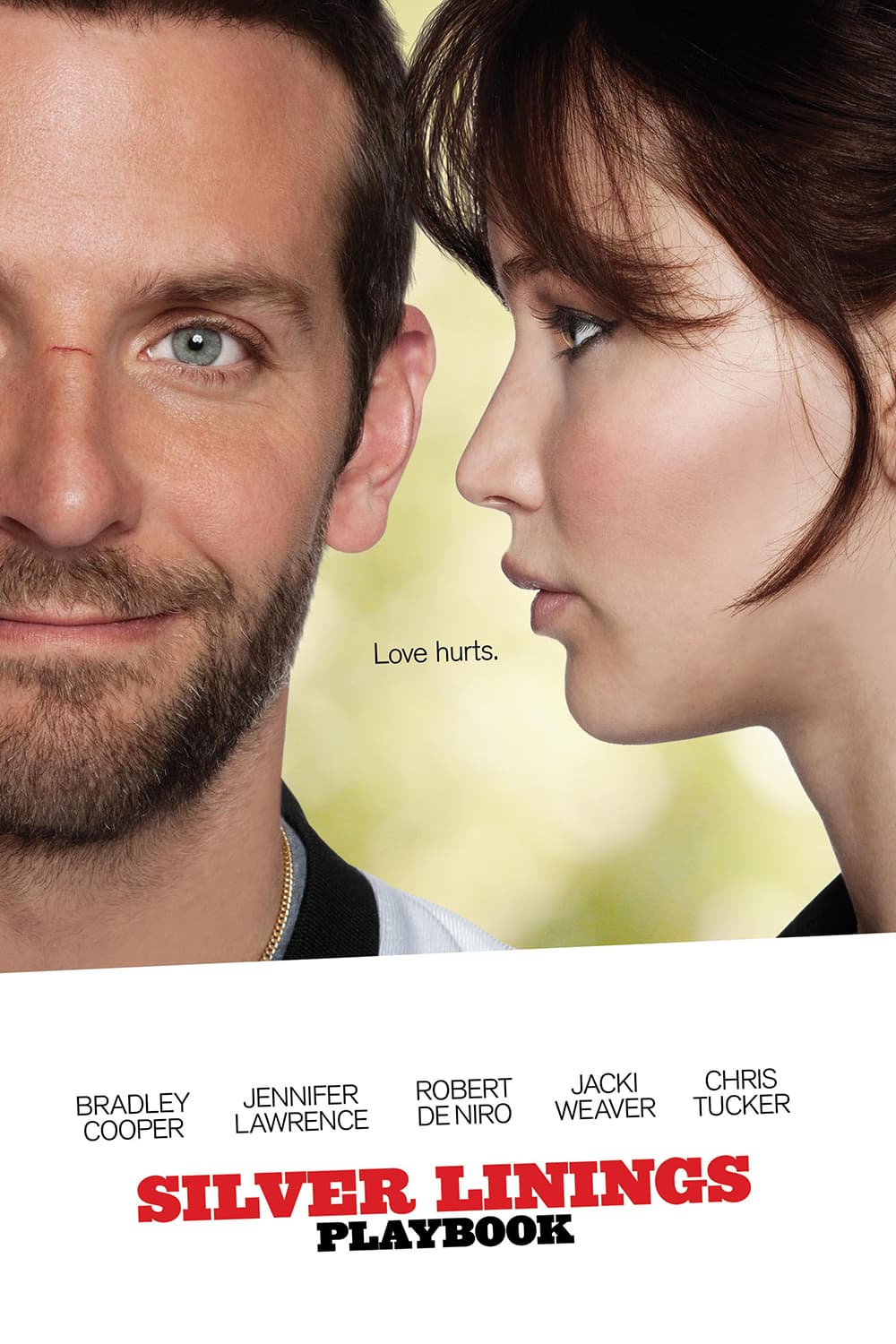
A widow and a man just out of a state hospital strike a deal: David O. Russell keeps the camera close enough to be uncomfortable, and Jennifer Lawrence shot it at twenty-one.
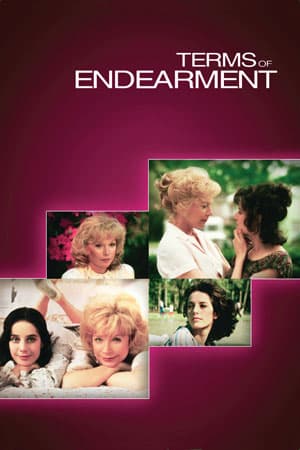
A mother and daughter argue on the telephone across three decades, and James L. Brooks makes it enormous: nobody else has moved this fluently between a joke and a gut punch.
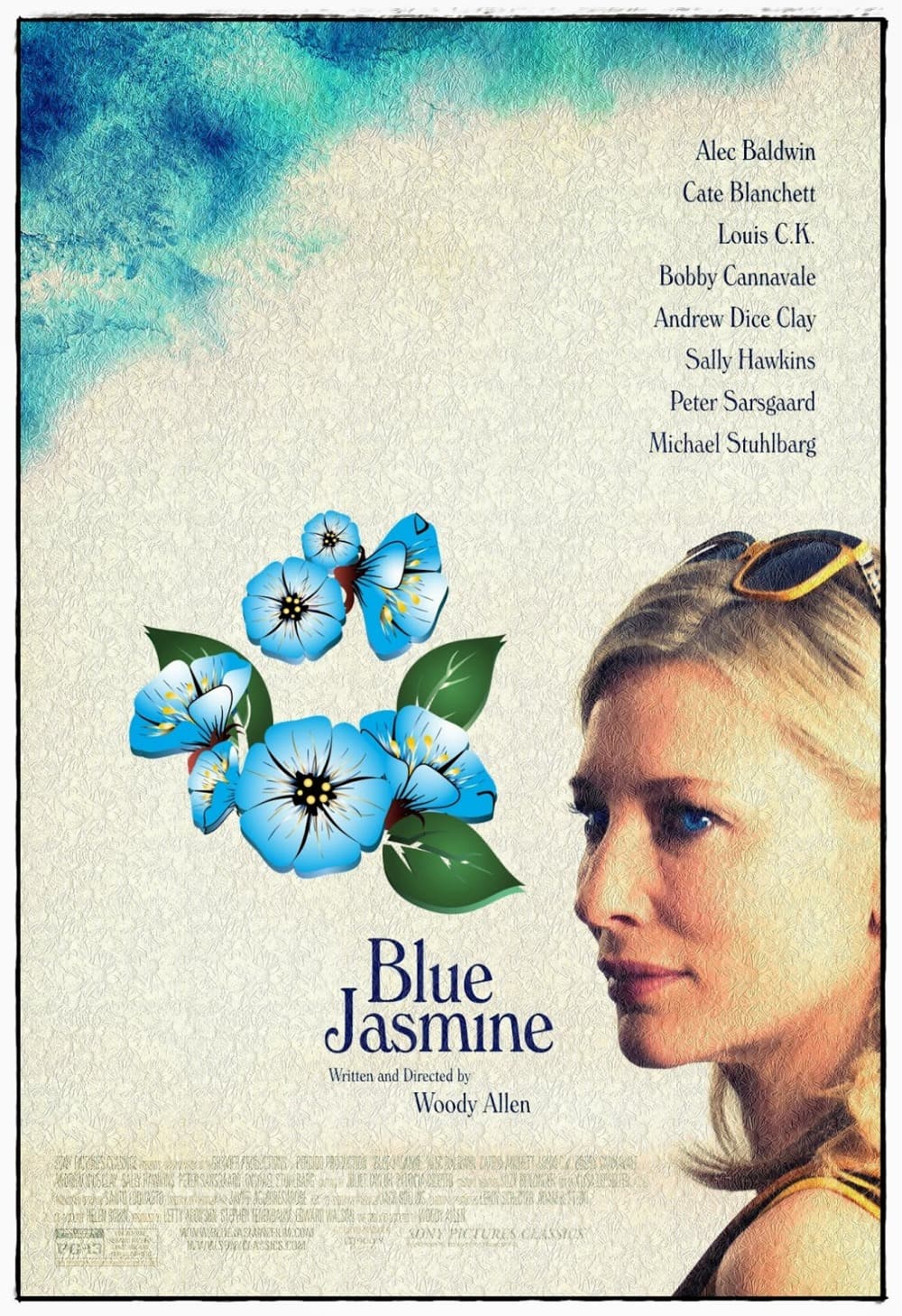
Cate Blanchett plays a Manhattan wife whose husband's fraud has taken everything, arriving in San Francisco with nothing but luggage and manner: Allen's harshest film, and she is unsparing in it.
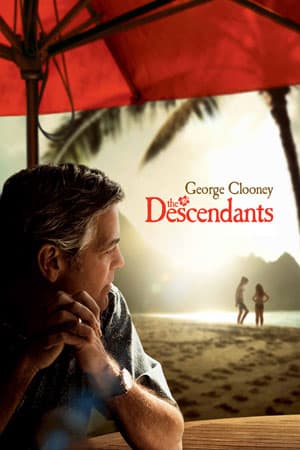
Hawaii has never looked less consoling: George Clooney plays a landowner left in charge of two daughters and a vast family trust while his wife lies unconscious after a boating accident.
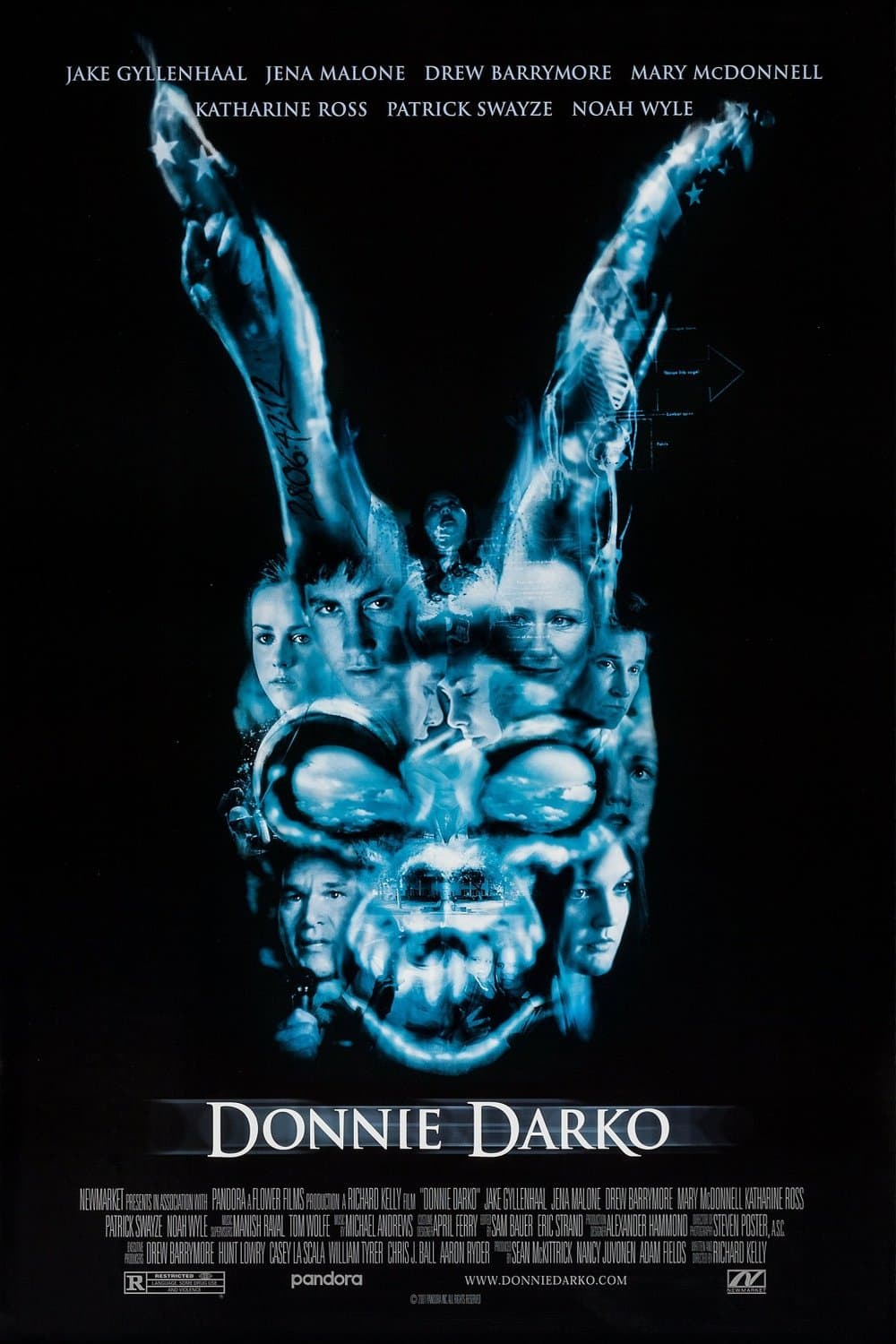
It failed in theaters weeks after September 11 and became a cult object on DVD: Richard Kelly was twenty-six, and nobody has ever fully agreed on what happens in it.
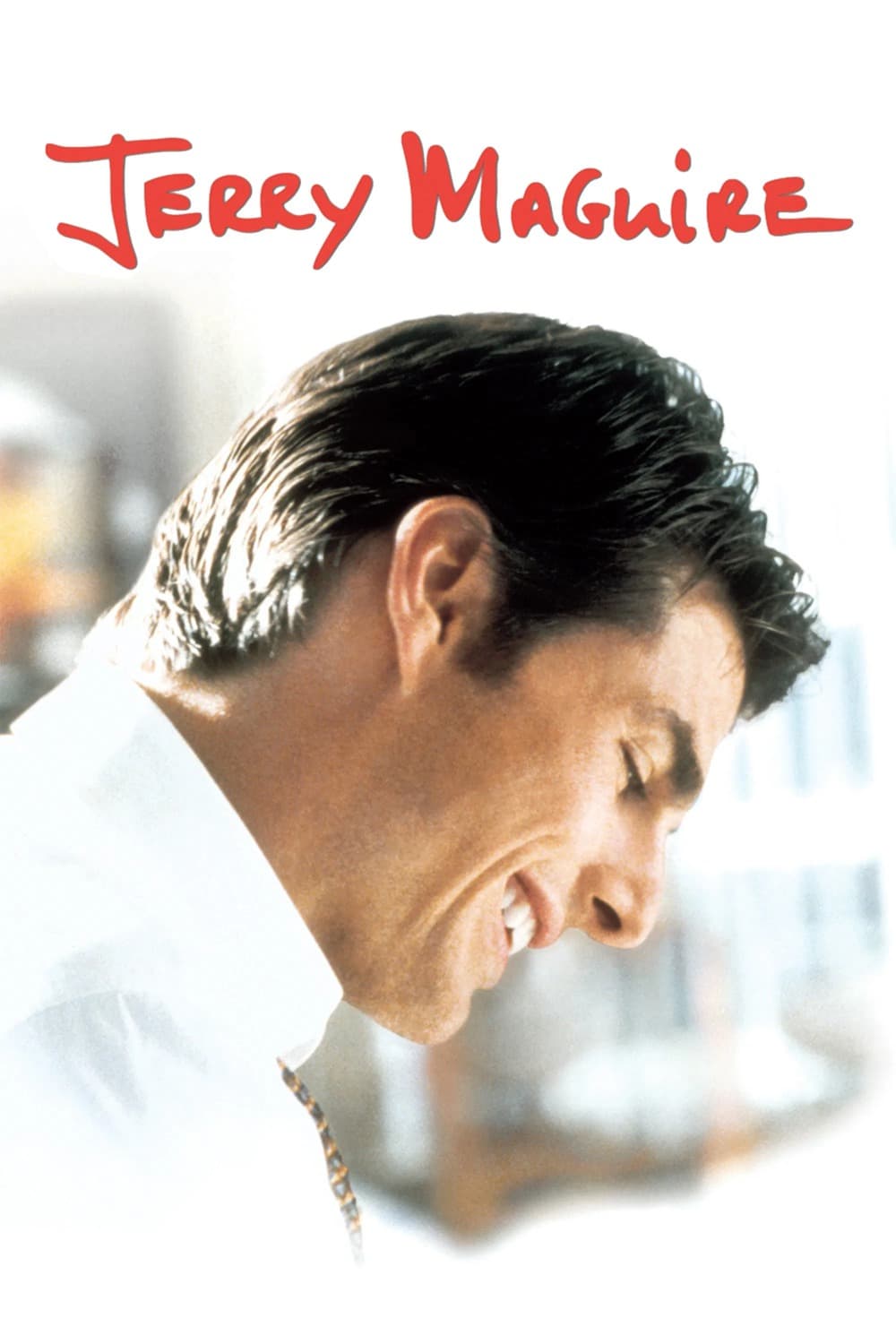
Cameron Crowe wrote a sports movie that is really about whether you can do a job decently: three catchphrases entered the language, and Tom Cruise has never been more likable.
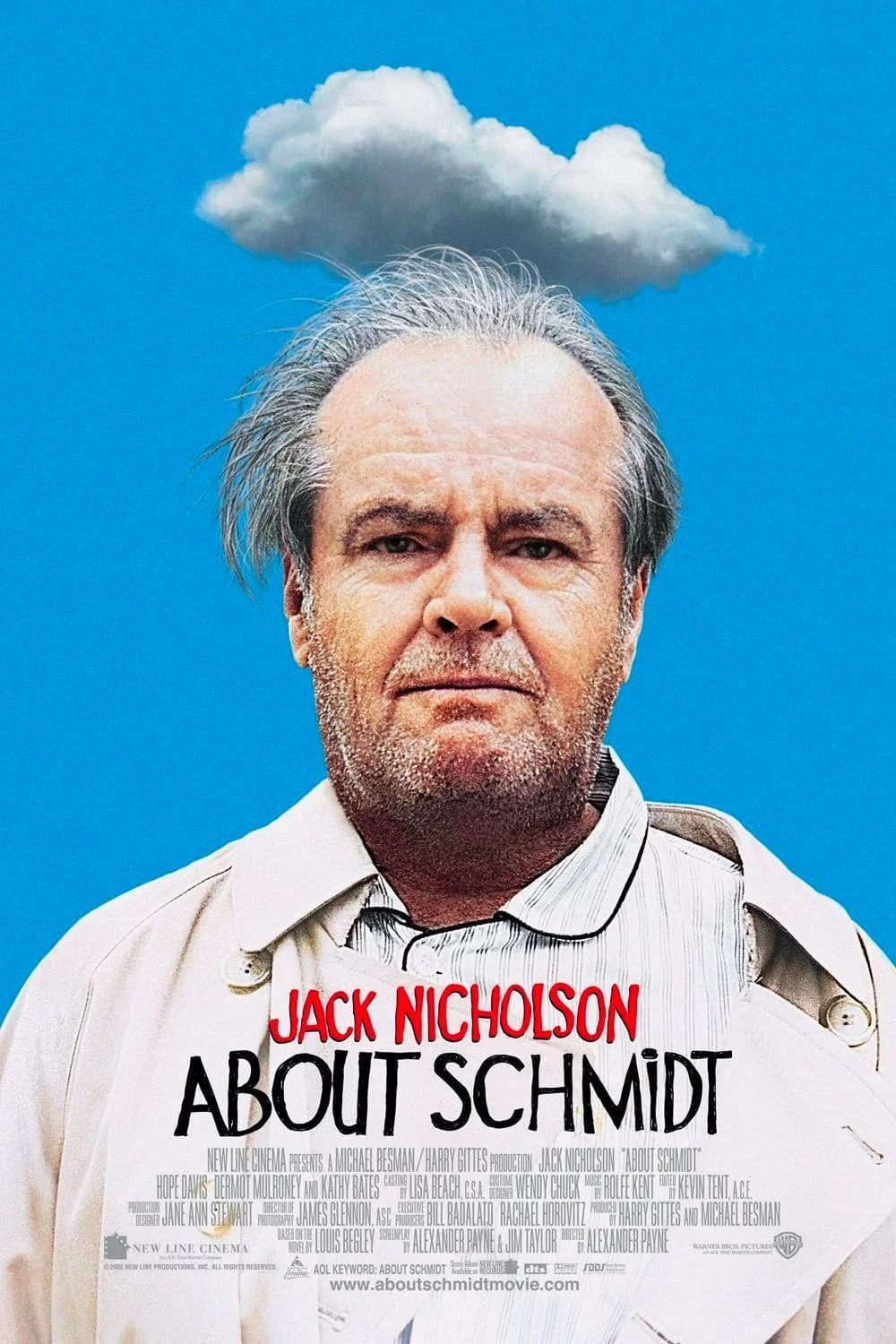
Payne stripped Jack Nicholson of every trick he has: a retired insurance actuary drives a motorhome across Nebraska writing letters to a six-year-old in Tanzania he has never met.
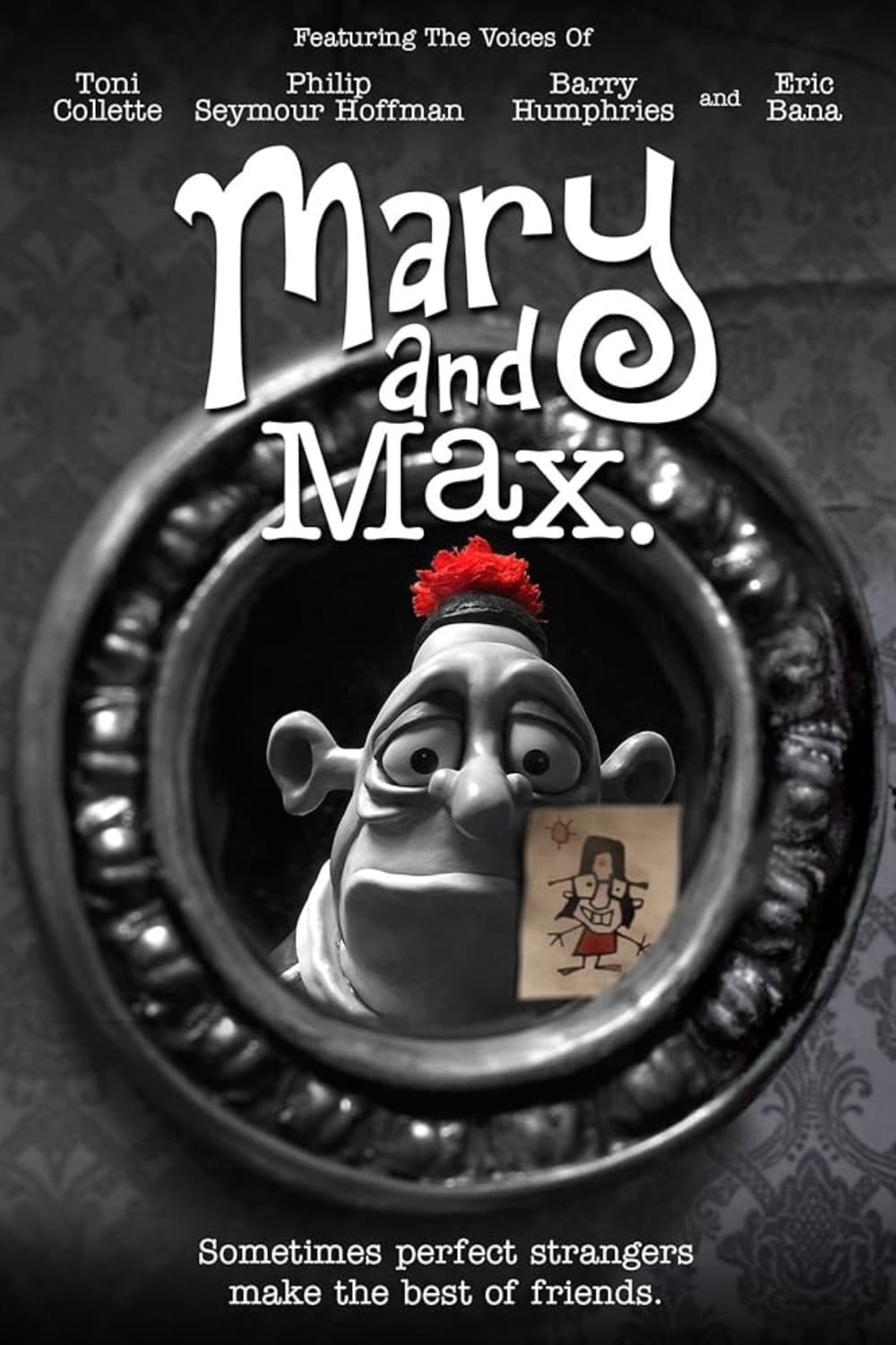
Adam Elliot spent five years making it, fifty-seven weeks of that shooting clay frame by frame: an eight-year-old in Melbourne writes to a middle-aged New Yorker, and they correspond for twenty years.
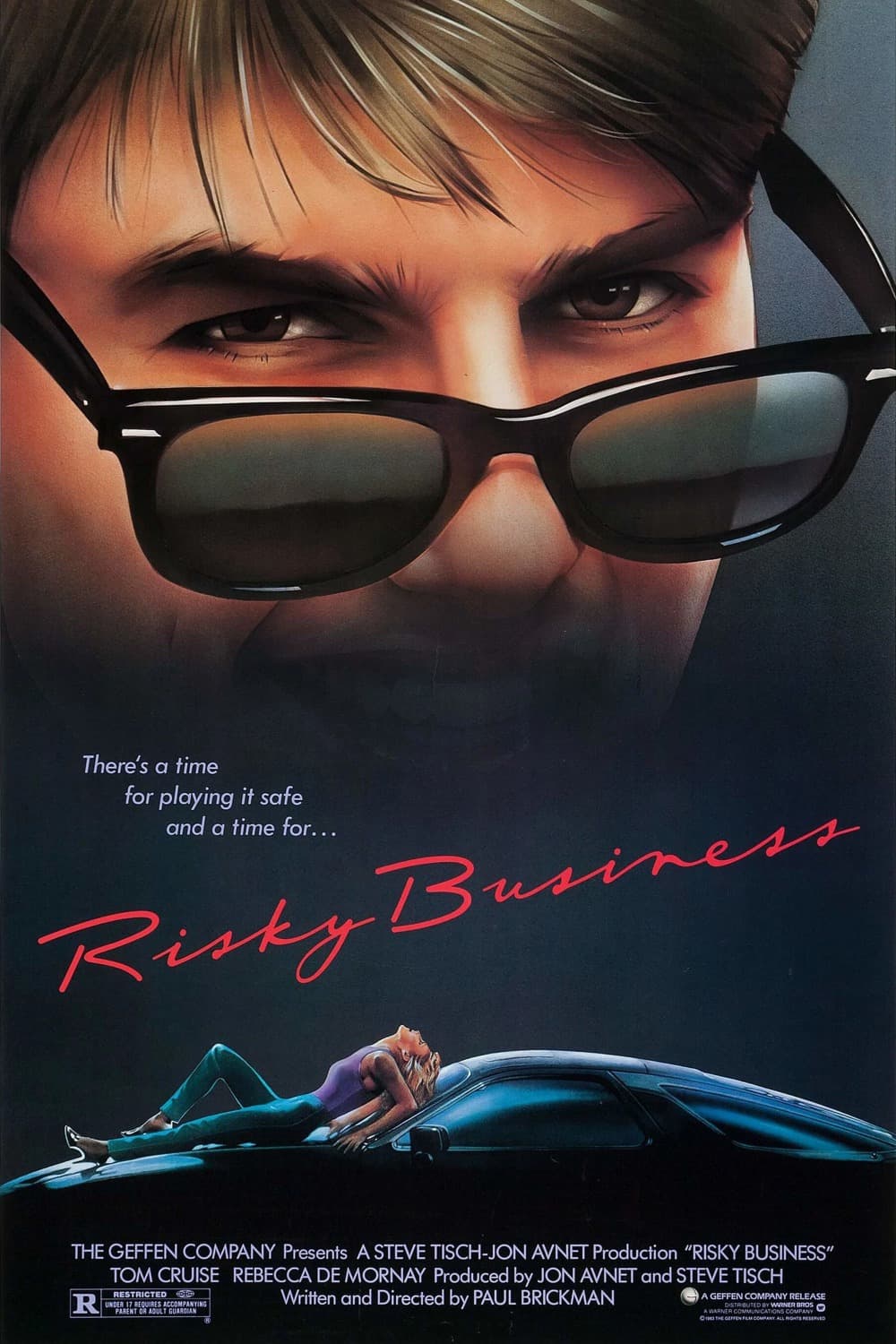
Tom Cruise became a movie star in one scene in his underwear: Tangerine Dream scores a suburban comedy that is much colder and stranger than its reputation suggests.
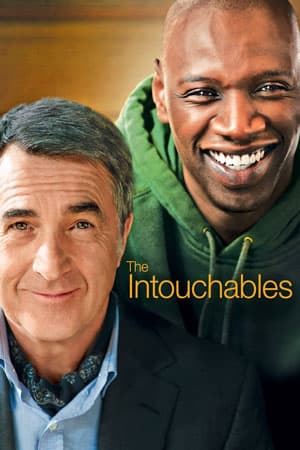
A French box office phenomenon built on two performances: a quadriplegic aristocrat hires a man from the projects precisely because he refuses to be careful around him, and Omar Sy took the Cesar.
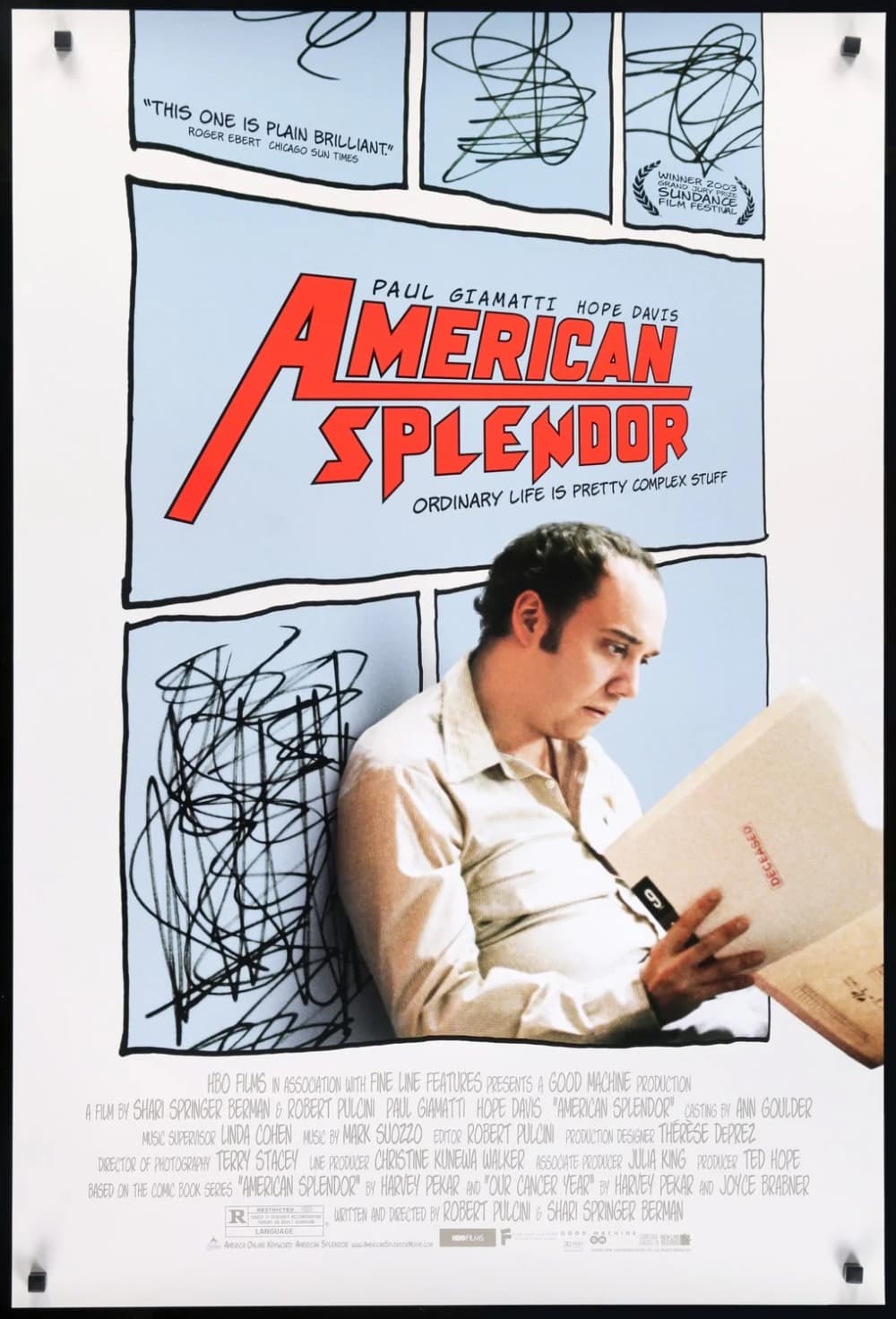
The real Harvey Pekar appears in the film alongside the actor playing him, and they discuss it: a file clerk in Cleveland turned his ordinary life into comics, and stayed a file clerk.

Stephen Chbosky wrote the novel, wrote the screenplay and directed it himself, which almost never works: a freshman is taken up by two seniors, and the tunnel scene earned its reputation.
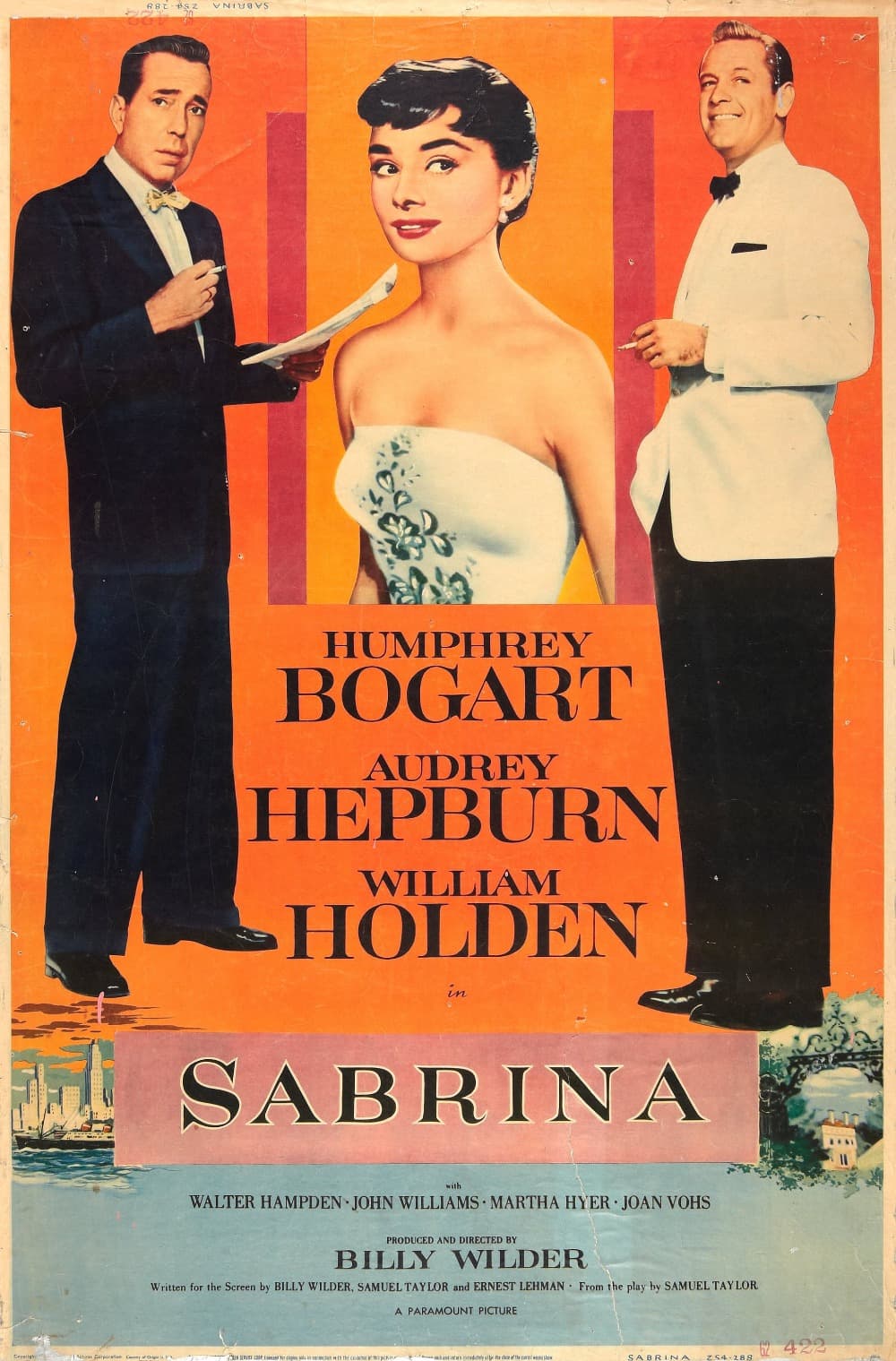
Humphrey Bogart hated making it and it barely shows: Billy Wilder puts Audrey Hepburn between two brothers on a Long Island estate and lets Paris do the transformation offscreen.
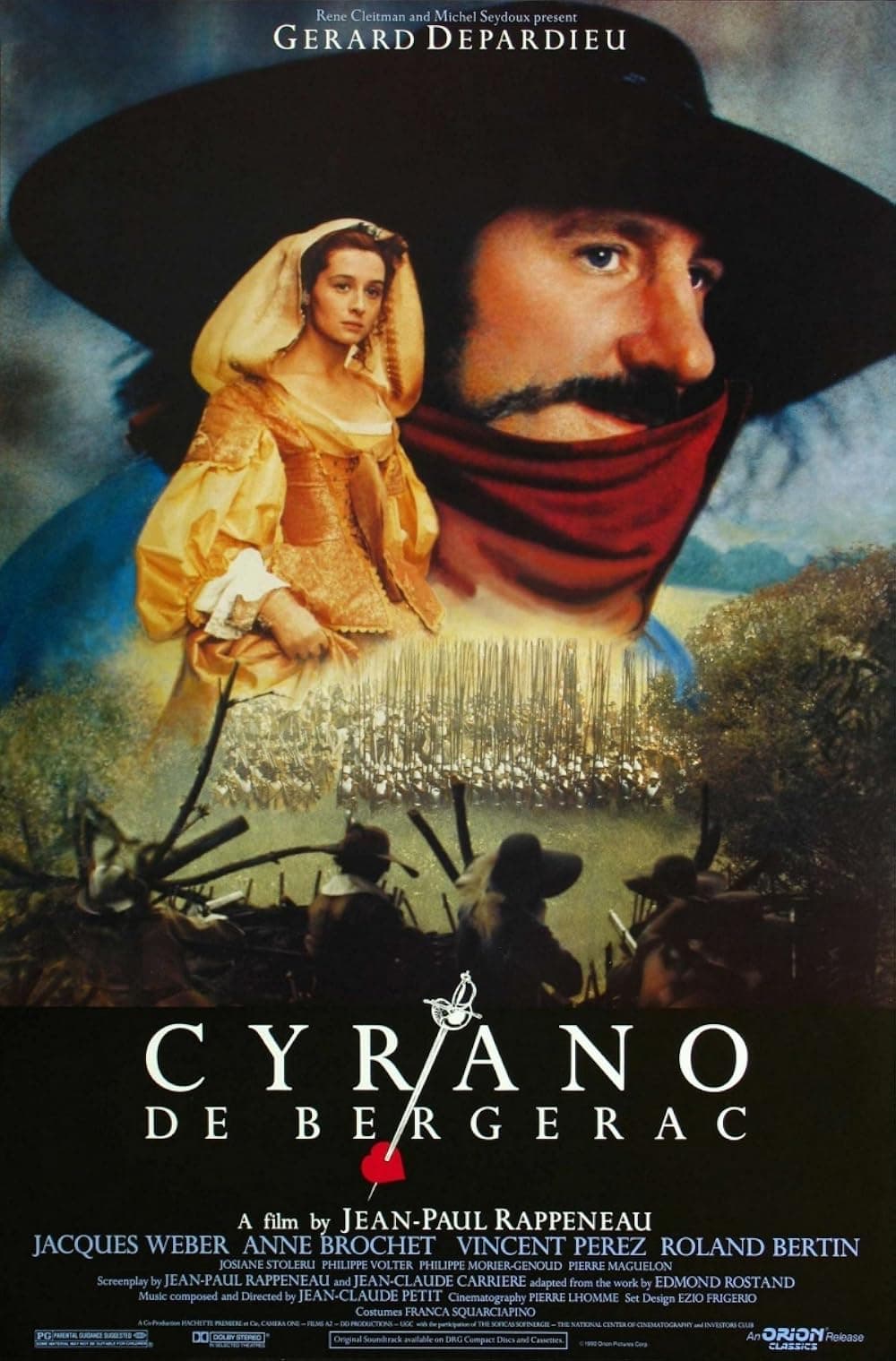
Anthony Burgess translated the subtitles into rhyming couplets so English audiences would get the verse: Gerard Depardieu plays the nose and the poetry equally, and the swordfight is a poem too.
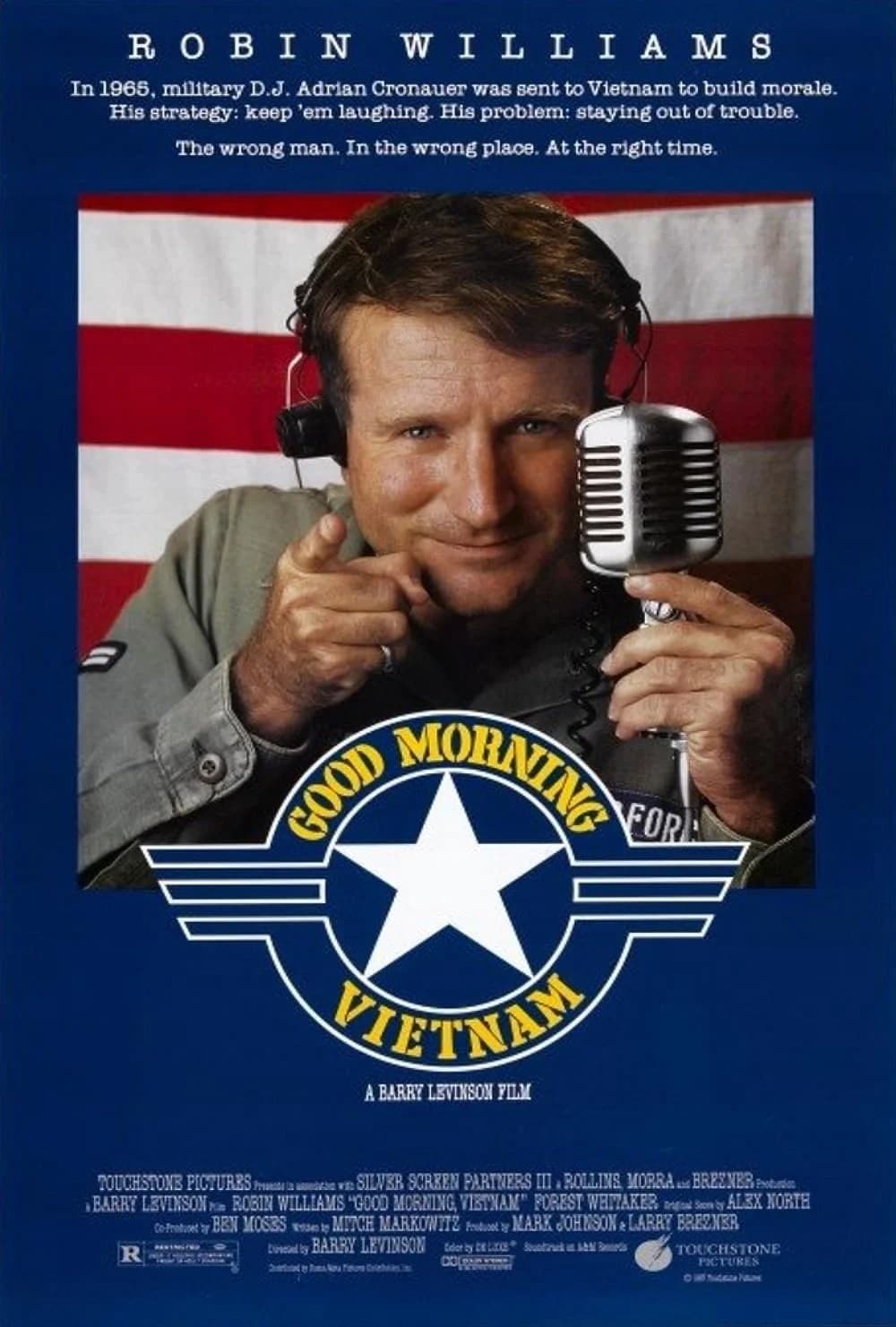
Robin Williams was handed a microphone and the cameras simply ran: an armed forces disc jockey lands in Saigon in 1965, and everyone above him wants the broadcast back the way it was.
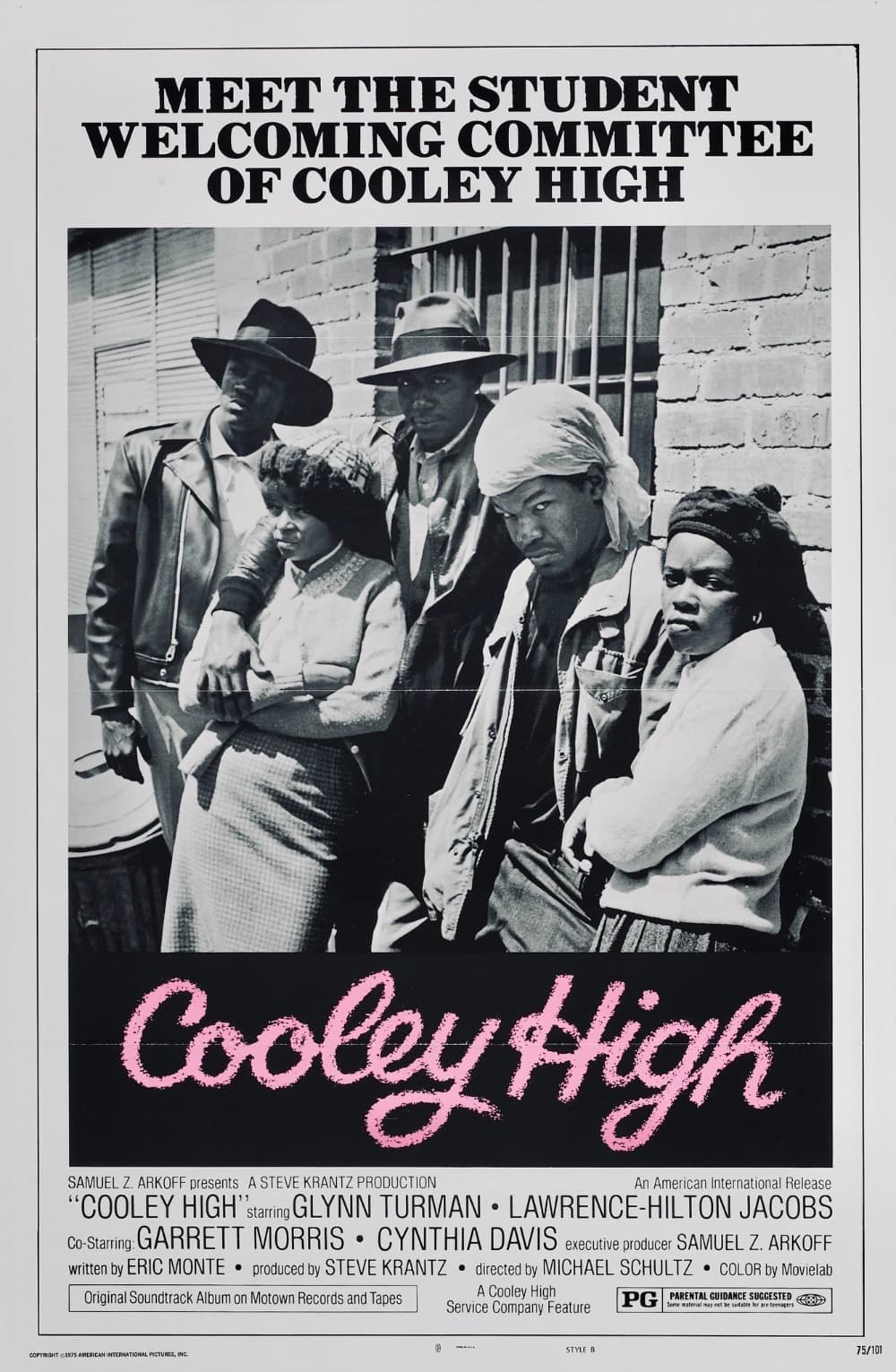
The Black American Graffiti, and better: Chicago teenagers in 1964 with a wall-to-wall Motown soundtrack, and Michael Schultz films a few days of hanging around as if nothing mattered more.
Made in Sheffield for just over two million pounds and it outgrossed everything in Britain that year: six unemployed steelworkers decide to strip for money, and the comedy comes out of genuine desperation.
Nobody has ever written trash talk this well: Wesley Snipes and Woody Harrelson hustle Los Angeles playground courts, and the insults are more athletic than the basketball.
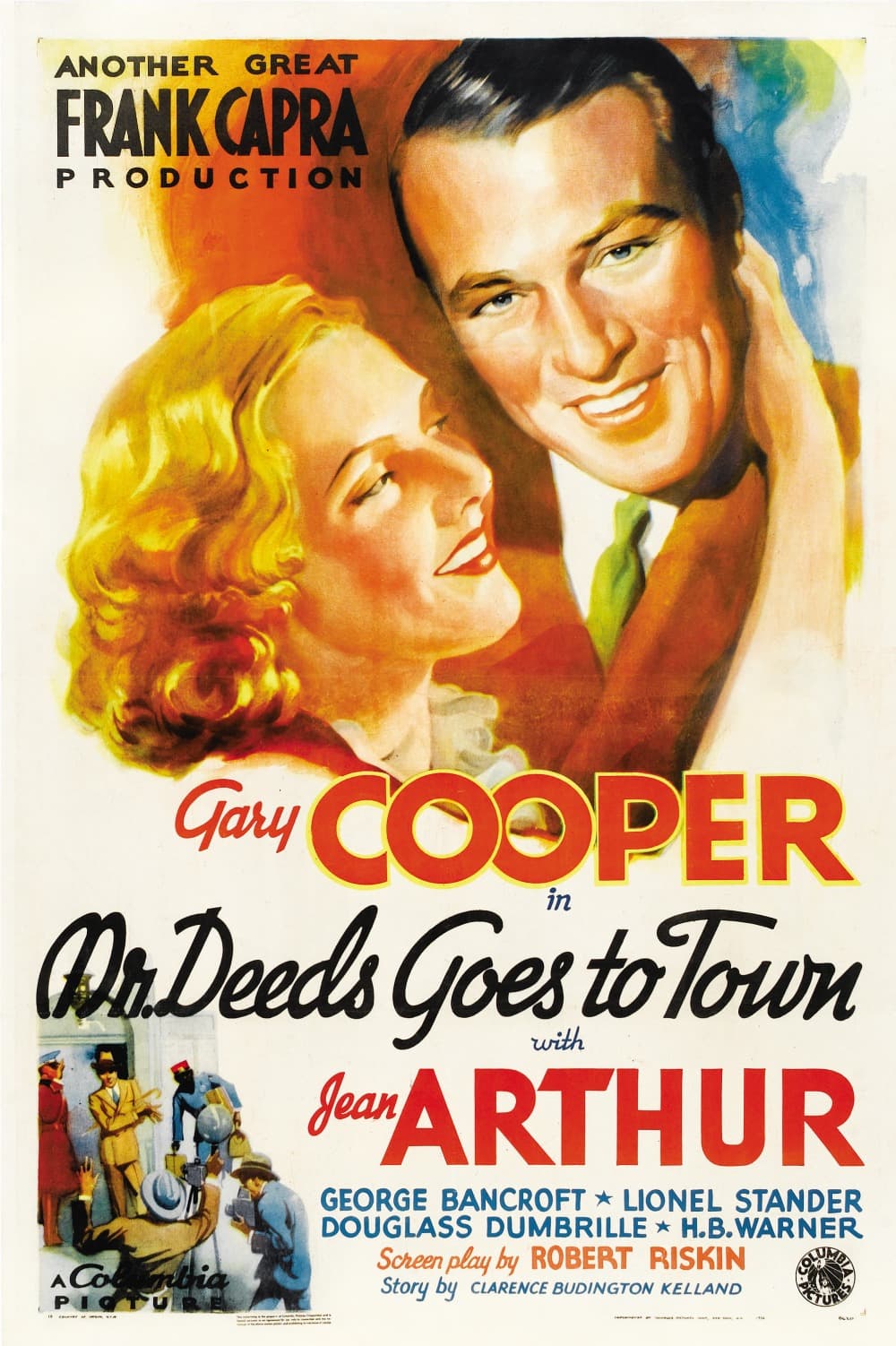
Frank Capra and Gary Cooper at the height of the New Deal: a tuba-playing greeting card poet inherits twenty million dollars and finds out what New York wants from him.
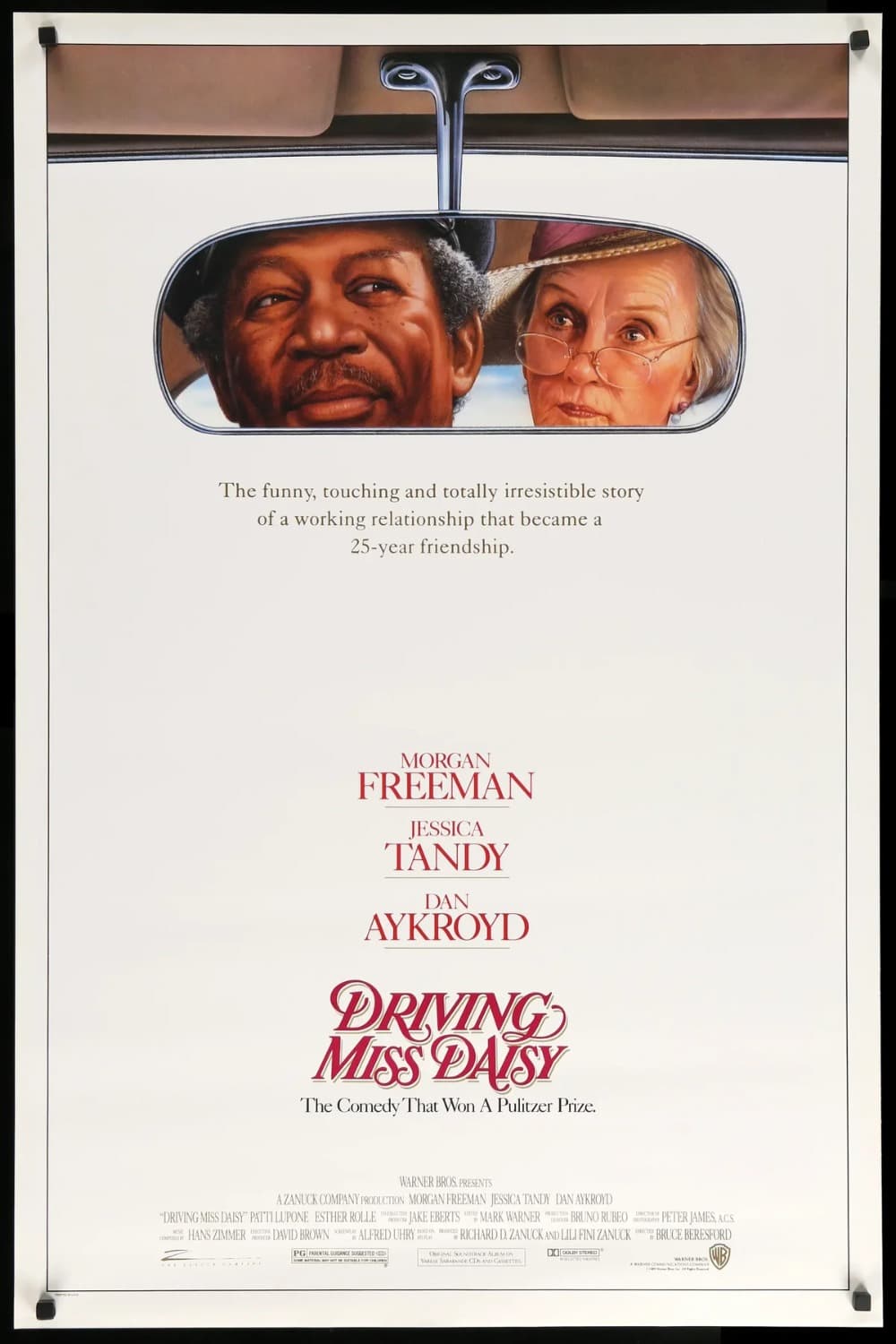
Jessica Tandy was eighty when she won Best Actress, the oldest ever: twenty-five years of an Atlanta employer and her chauffeur, played so lightly that people underrate what the film is doing.