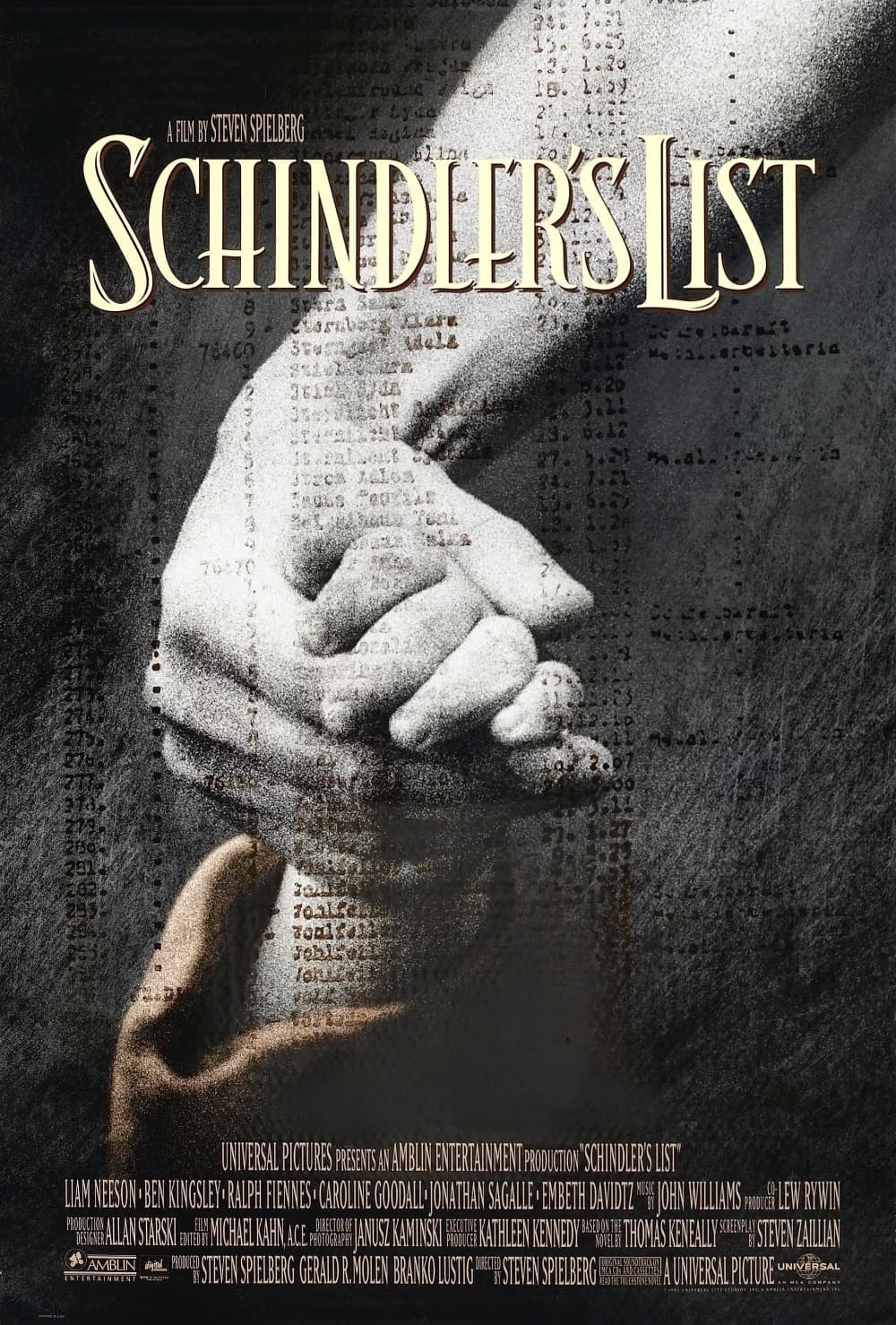
Schindler's List
Directed by Steven Spielberg
1993
More people have understood the Holocaust through this film than through any other: Spielberg took no fee, shot it in black and white, and gave the last word to the survivors.
★ 9.7
 skopia
More people have understood the Holocaust through this film than through any other: Spielberg took no fee, shot it in black and white, and gave the last word to the survivors.
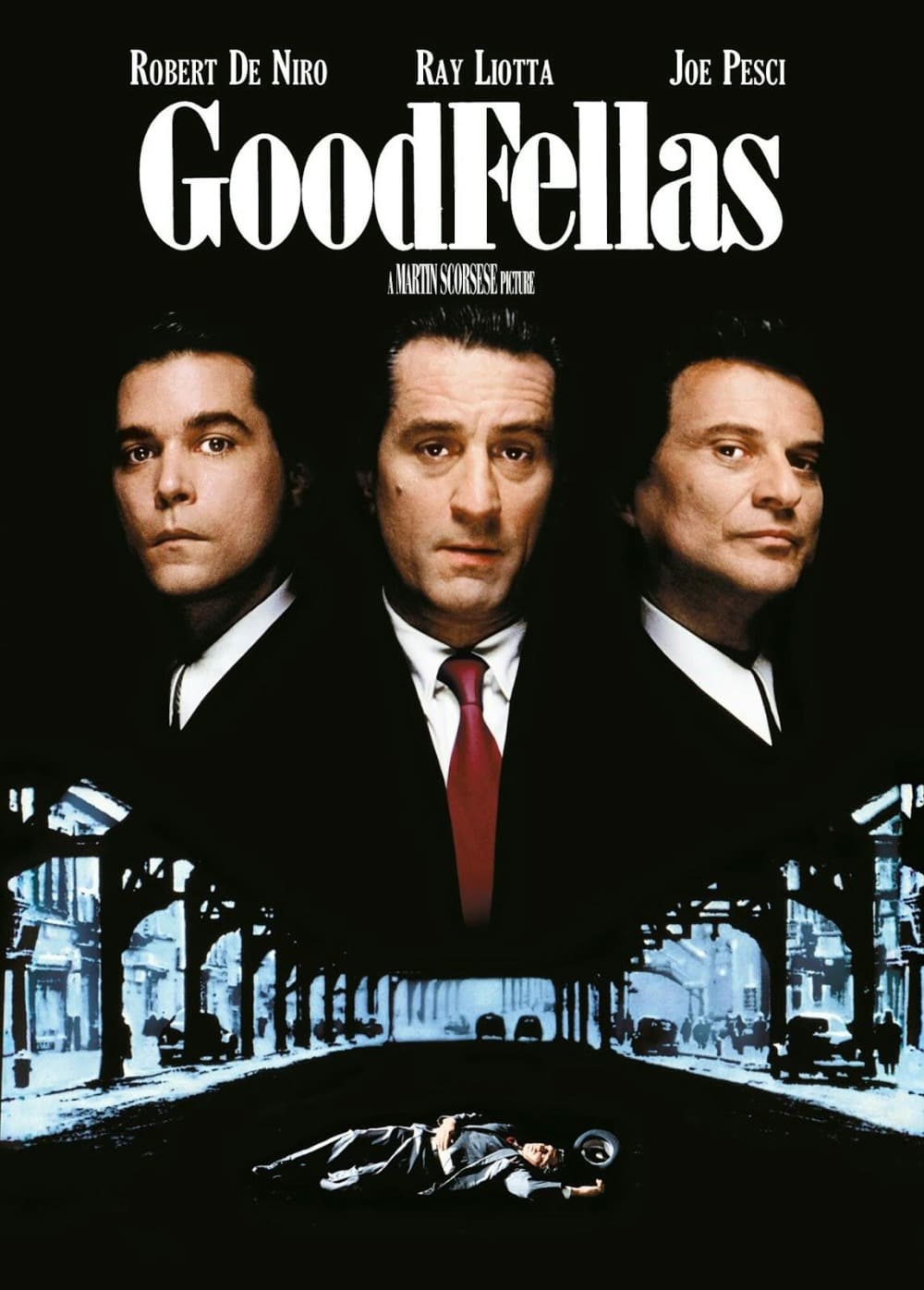
Every gangster film of the last thirty years is arguing with this one: Scorsese made the life so intoxicating for an hour that the comedown lands like a physical event.
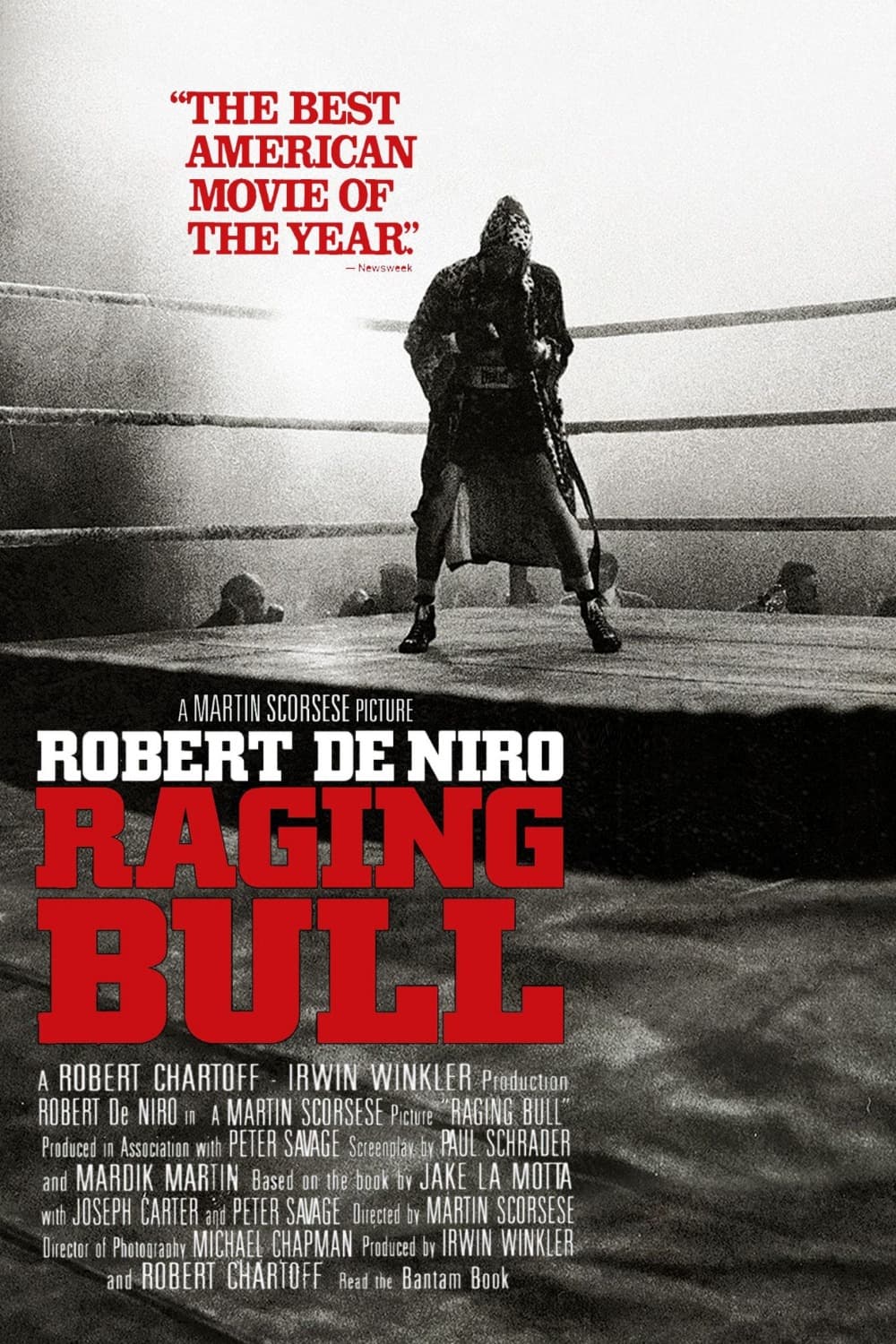
Scorsese shot boxing as penance rather than sport, and audiences come out feeling bruised: De Niro's jealousy destroys everyone near him, in the blackest black and white imaginable.
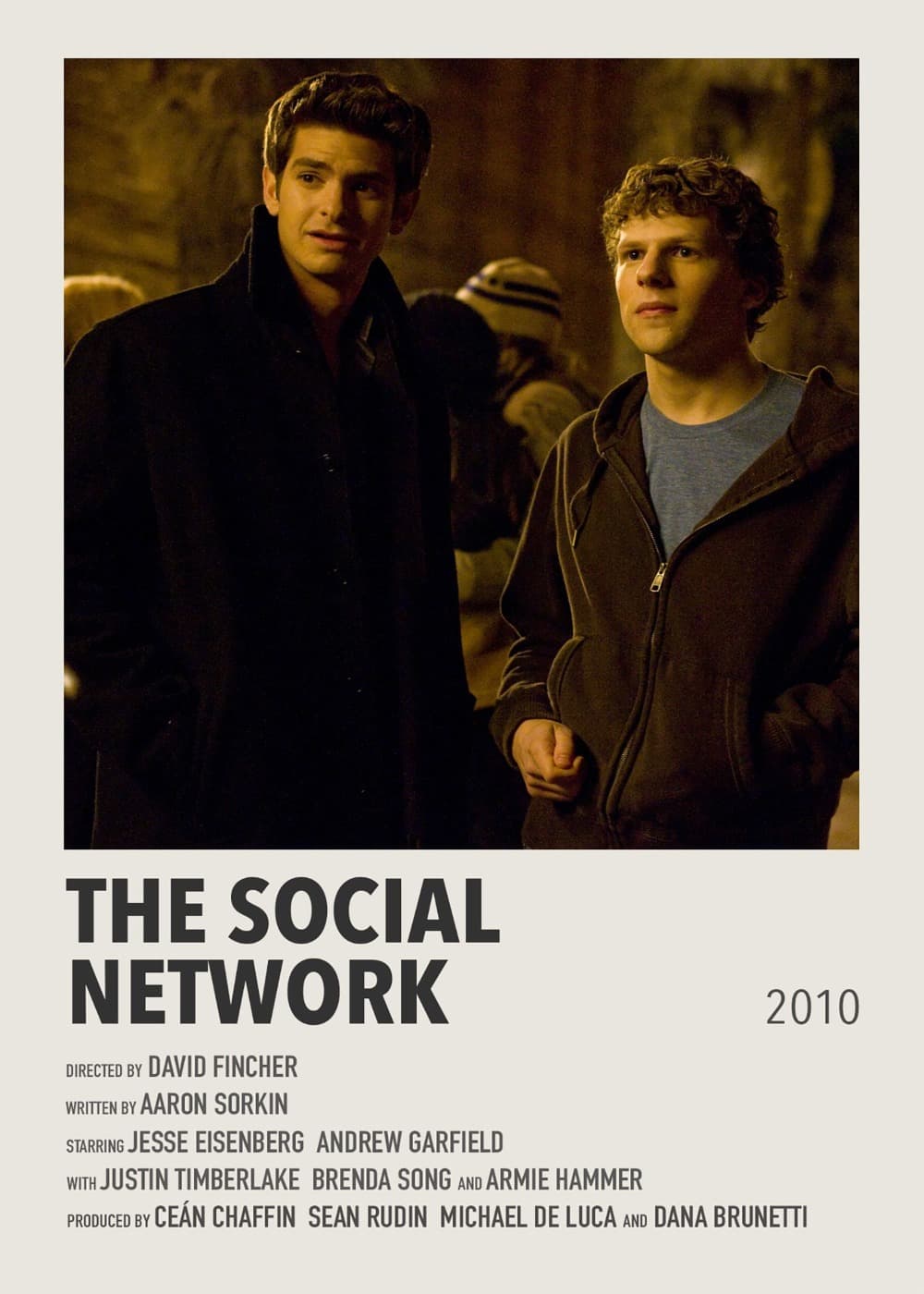
The film that got the internet age right before anyone else did: Sorkin's dialogue moves faster than you can follow, and the loneliness underneath it has only aged better.
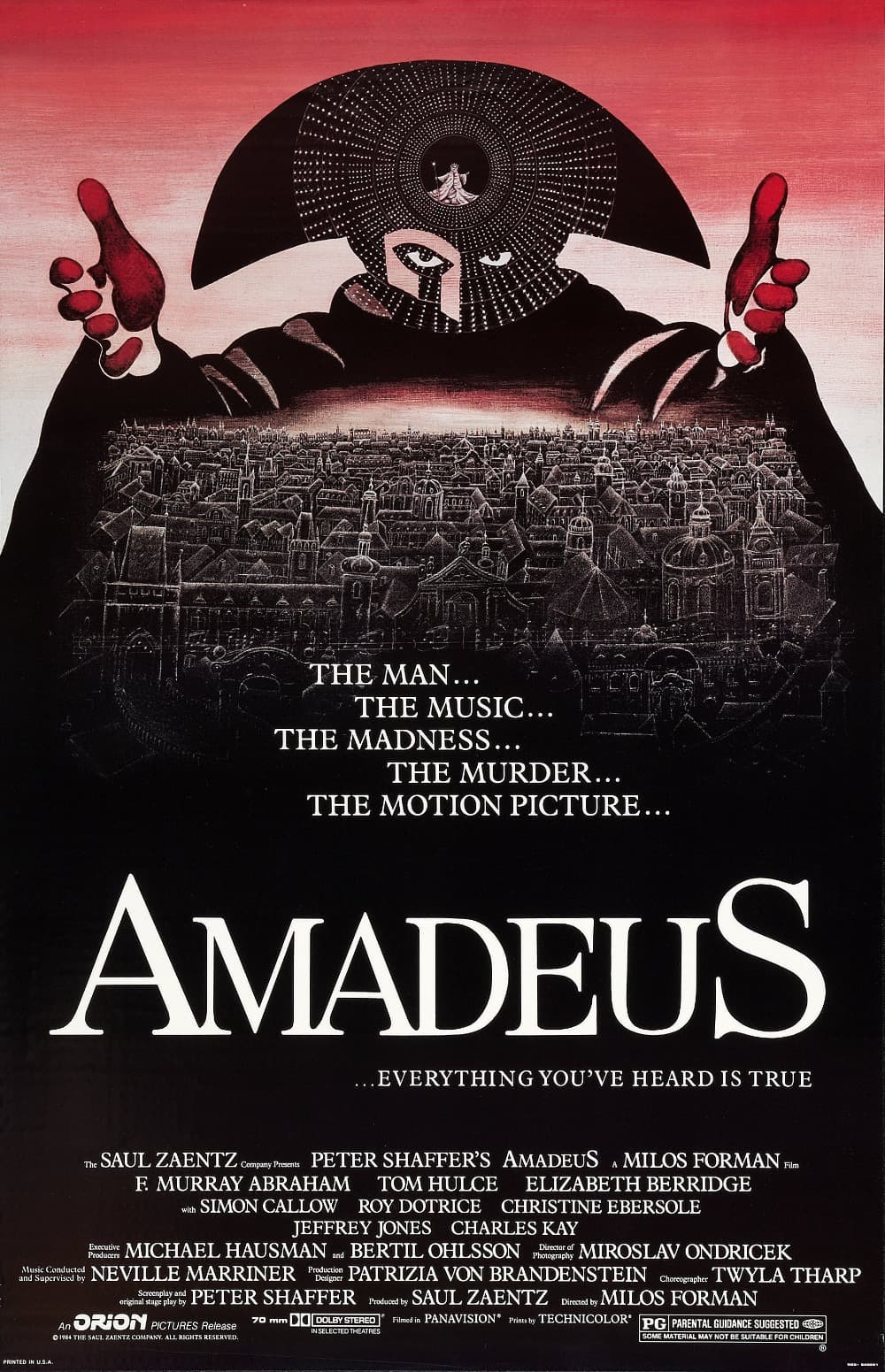
It sent a whole generation out to buy Mozart records: Salieri narrates his own jealousy from an asylum, and the music keeps making his case better than he can.
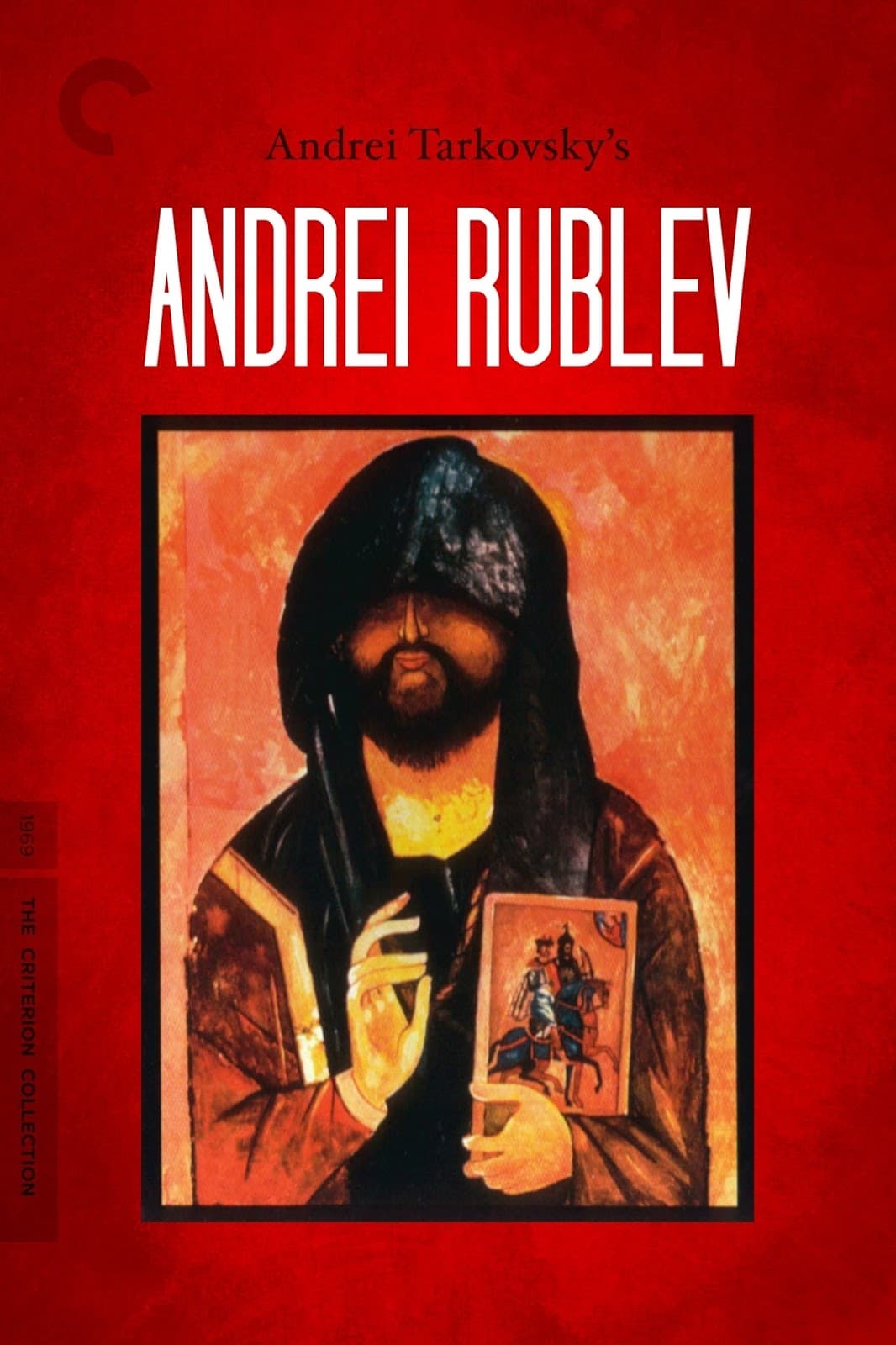
The Soviets shelved it for years and cut it repeatedly: Tarkovsky follows an icon painter through a brutal Russia, and the bell casting sequence justifies the whole three hours.
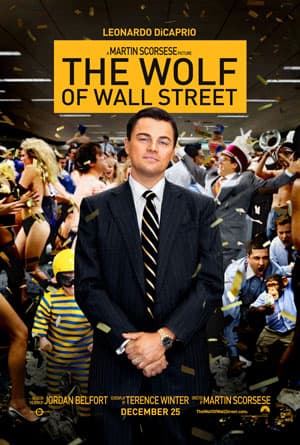
Three hours of pure excess that never once slow down: Scorsese was seventy-one years old, and it moves faster than films made by directors a third his age.
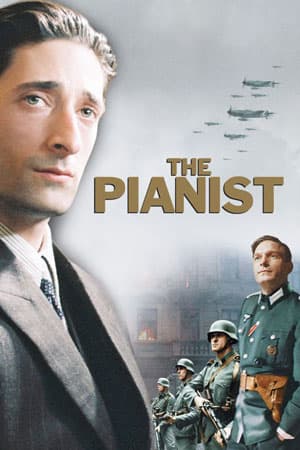
Polanski escaped the Krakow ghetto as a child and waited sixty years to film any of it: a pianist left alone in the ruins of Warsaw, and no heroism anywhere.

Schnabel put the camera inside a paralyzed man's one working eye and left it there: the memoir it comes from was dictated letter by letter, by blinking, and the film feels weightless anyway.
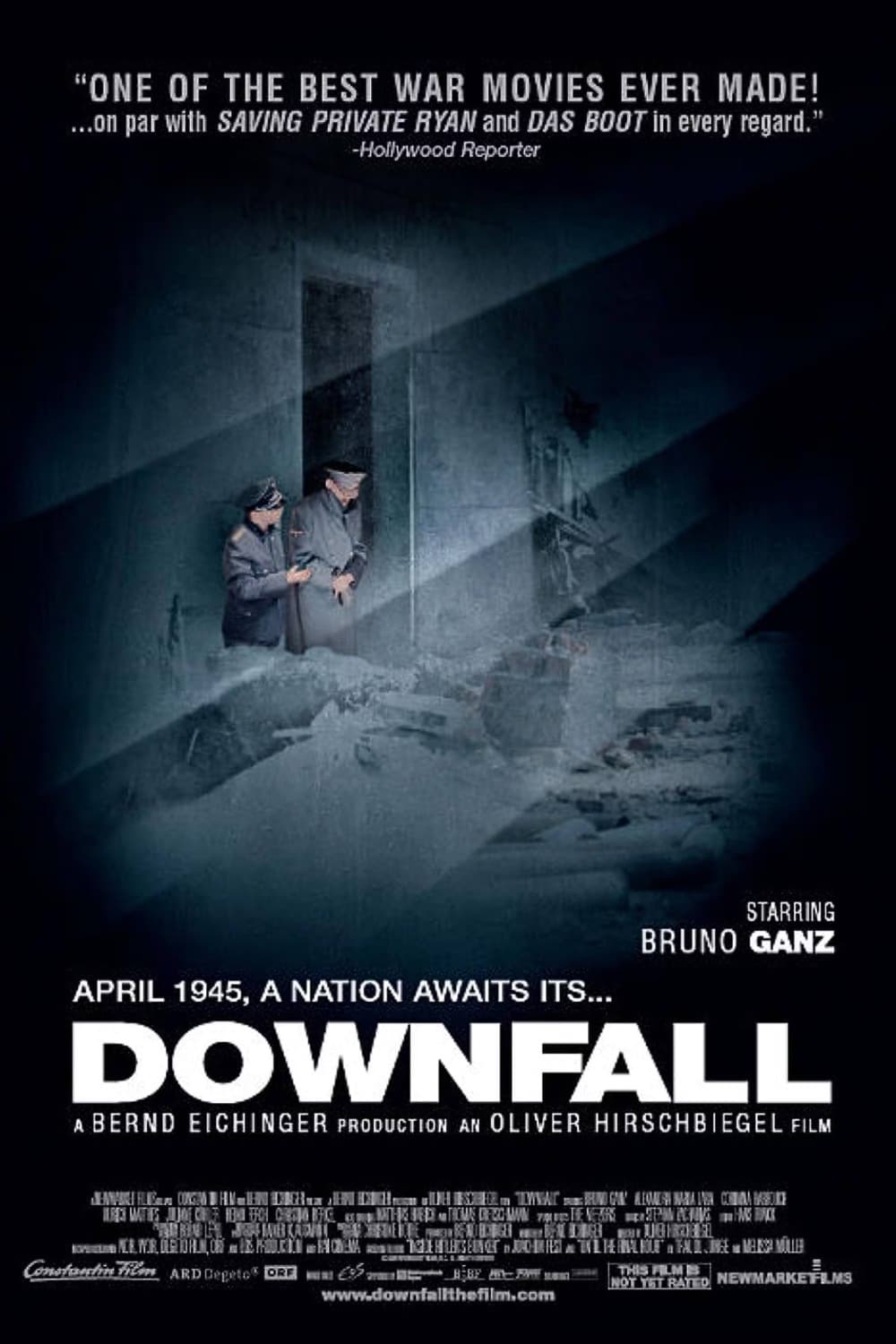
Bruno Ganz plays Hitler as a man rather than a symbol, and Germany argued about the film for a year: the last twelve days in the bunker, filmed without comment or consolation.
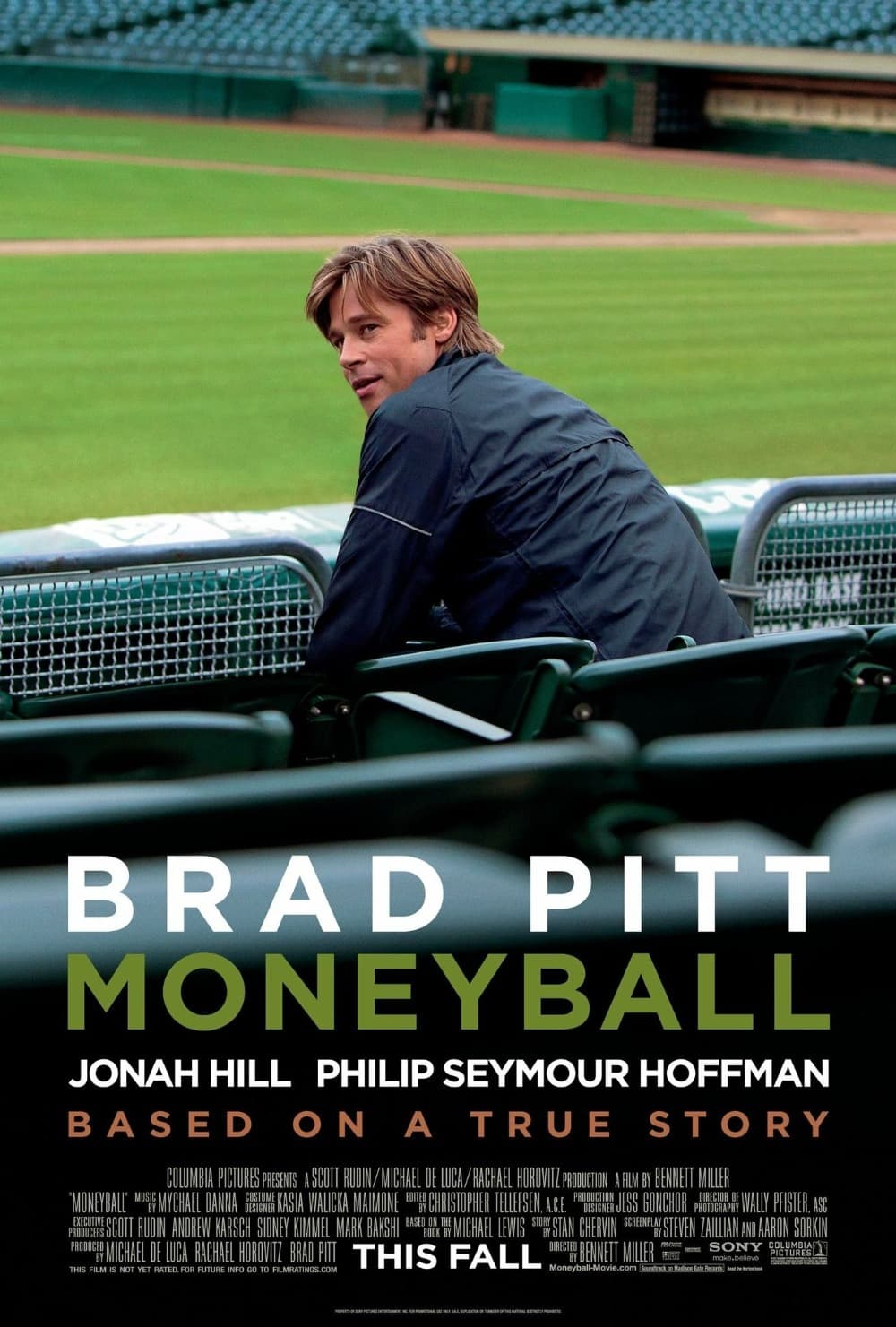
A film about a spreadsheet that plays like a thriller: Sorkin and Zaillian turn Billy Beane's 2002 Oakland roster into an argument between a broke general manager and every scout in his building.
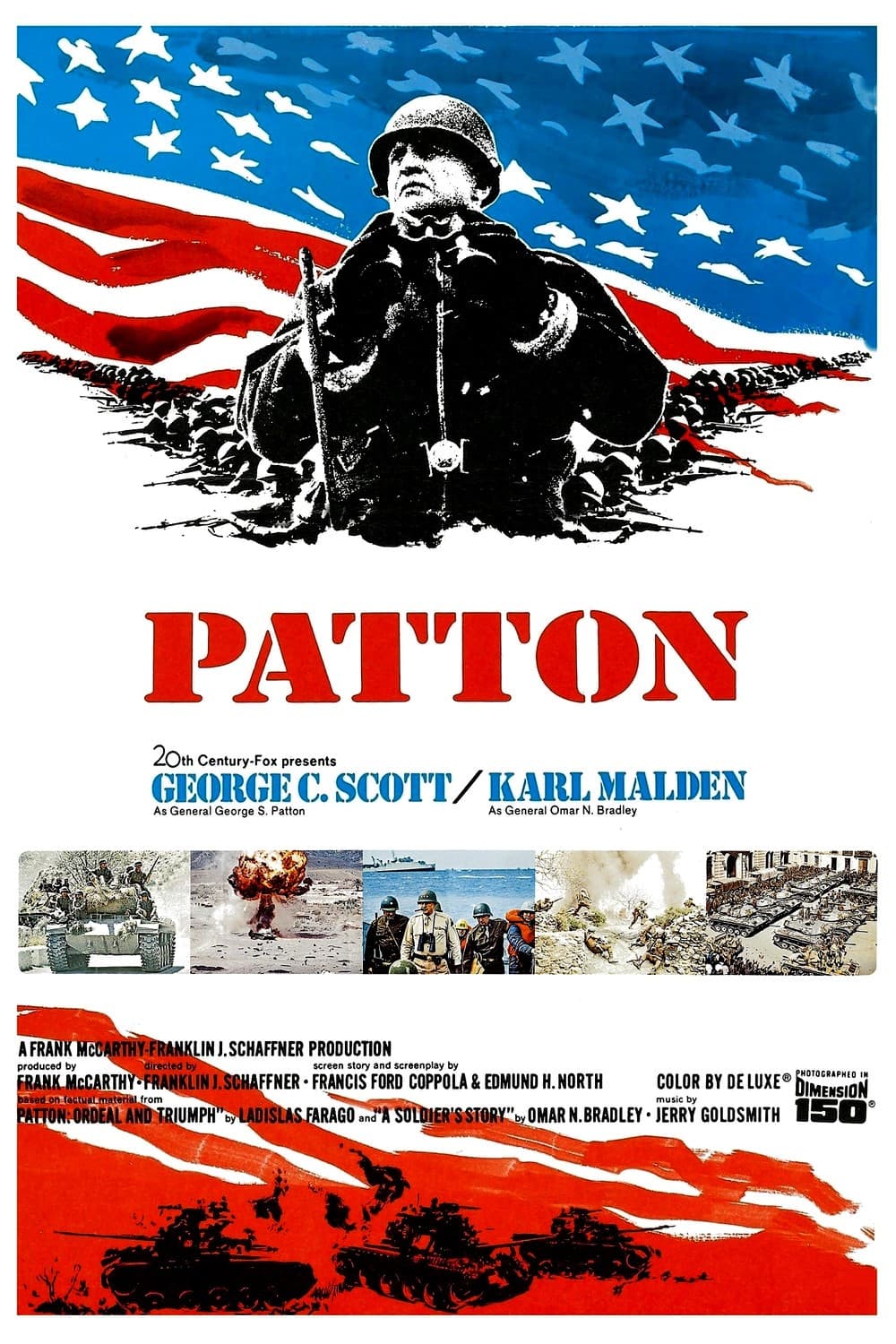
Coppola co-wrote it before The Godfather and George C. Scott refused the Oscar: a monologue in front of an enormous flag opens the most ambivalent film Hollywood ever made about a general.
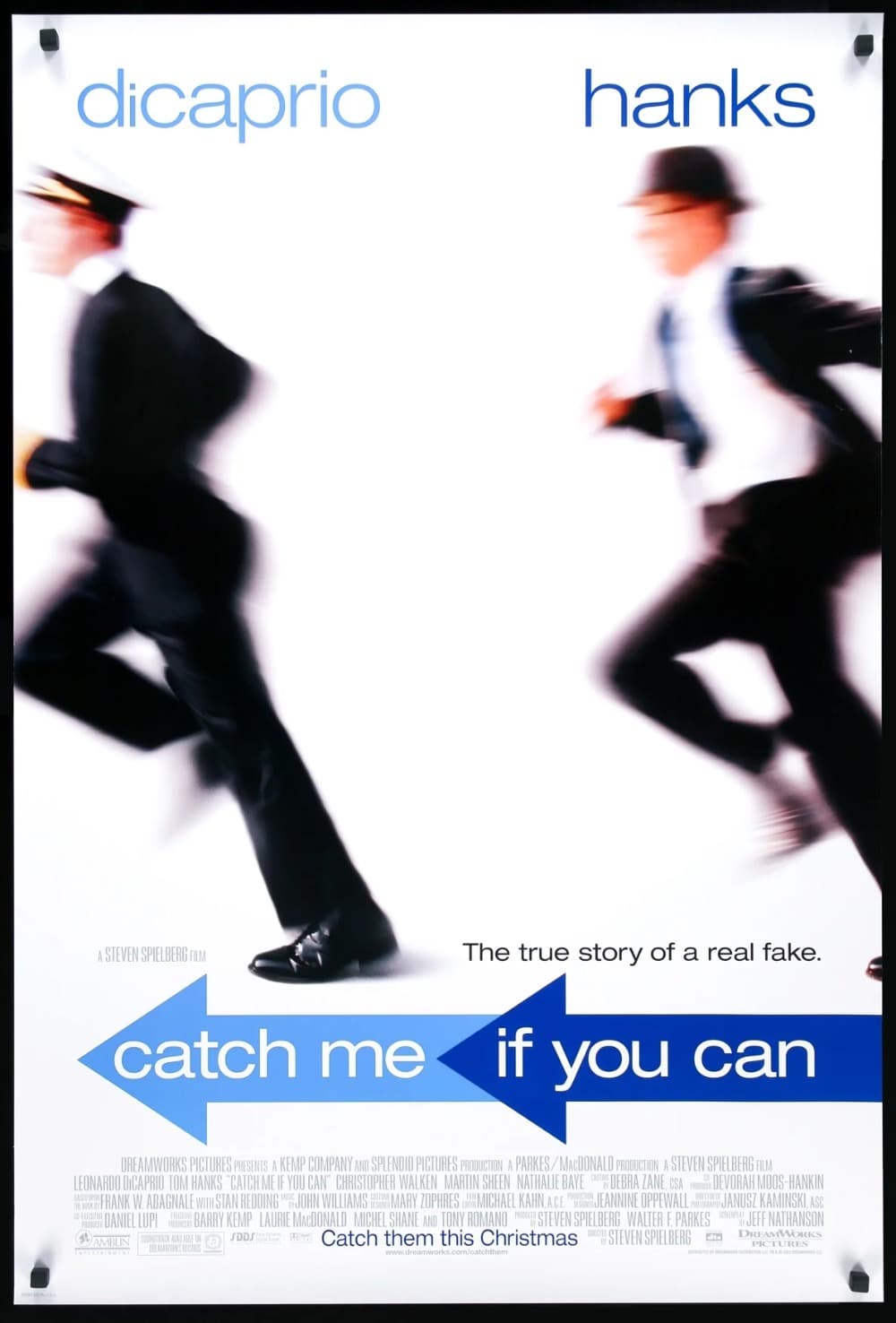
Spielberg's lightest film runs on charm and a great John Williams theme: a teenager talks his way into a pilot's uniform and a doctor's coat, with an FBI agent always one hotel behind.
The Chinese government let Bertolucci shoot inside the Forbidden City, the first Western production ever allowed in: a child emperor is crowned before thousands and then history keeps rearranging him.
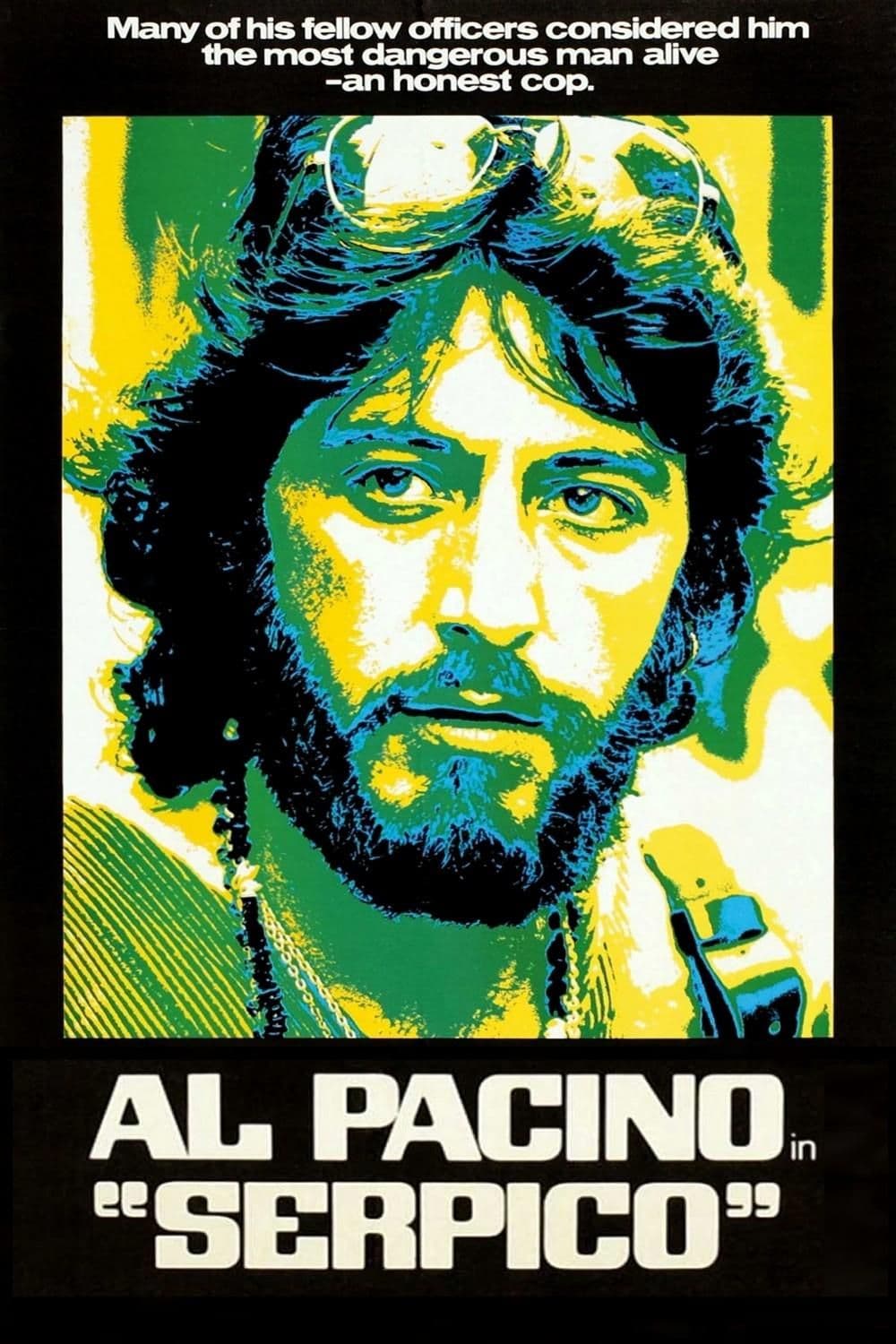
Frank Serpico was a real New York cop who would not take an envelope: Lumet films departmental corruption as an ordinary daily fact, and Pacino plays stubbornness as an entire personality.
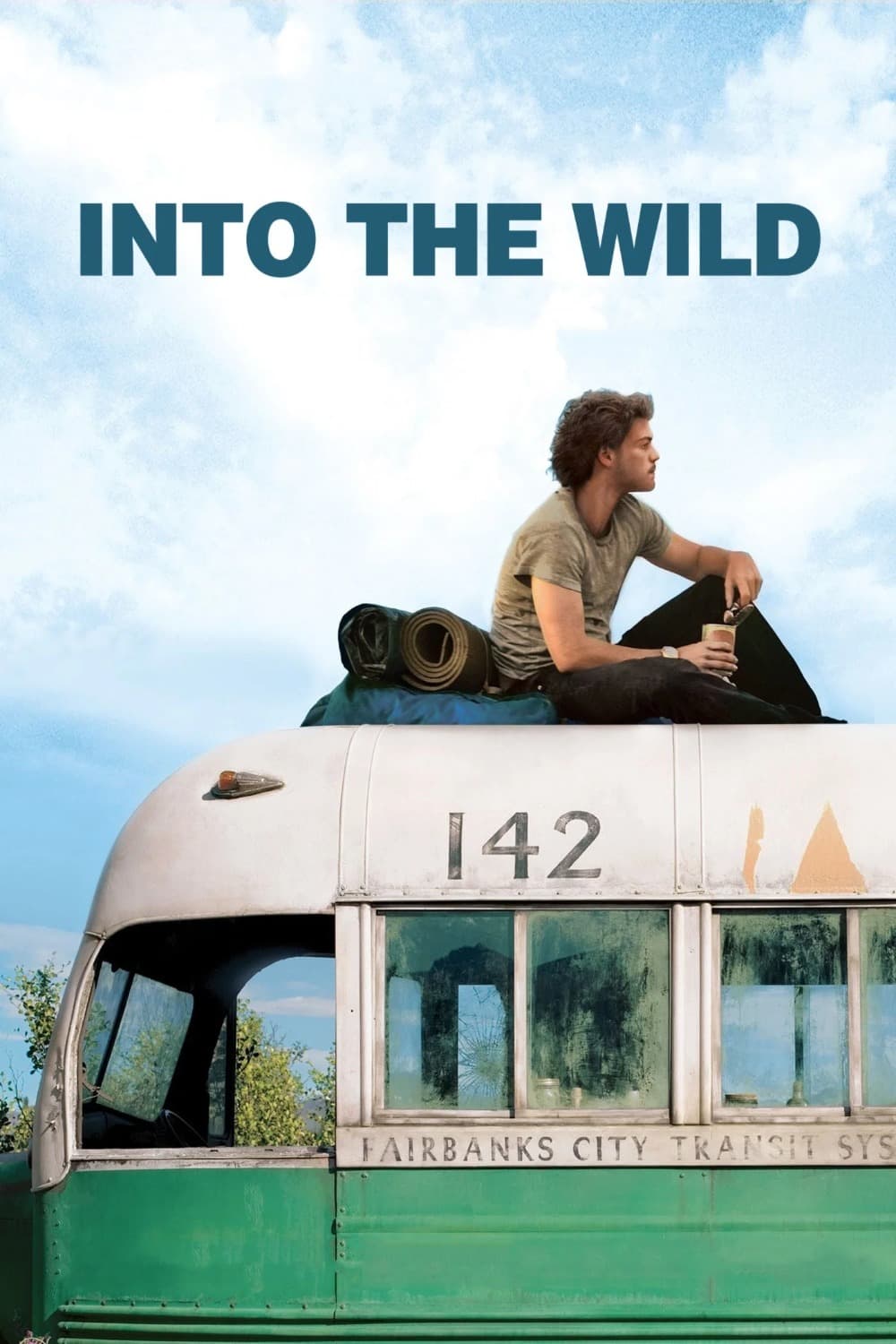
Sean Penn spent ten years persuading the family to let him film this: a graduate burns his savings and walks into the Alaskan interior, and the film neither mocks him nor canonizes him.

Daniel Day-Lewis plays a man convicted of a bombing he had nothing to do with: the Guildford Four case, filmed while the wound in Britain was still fresh.
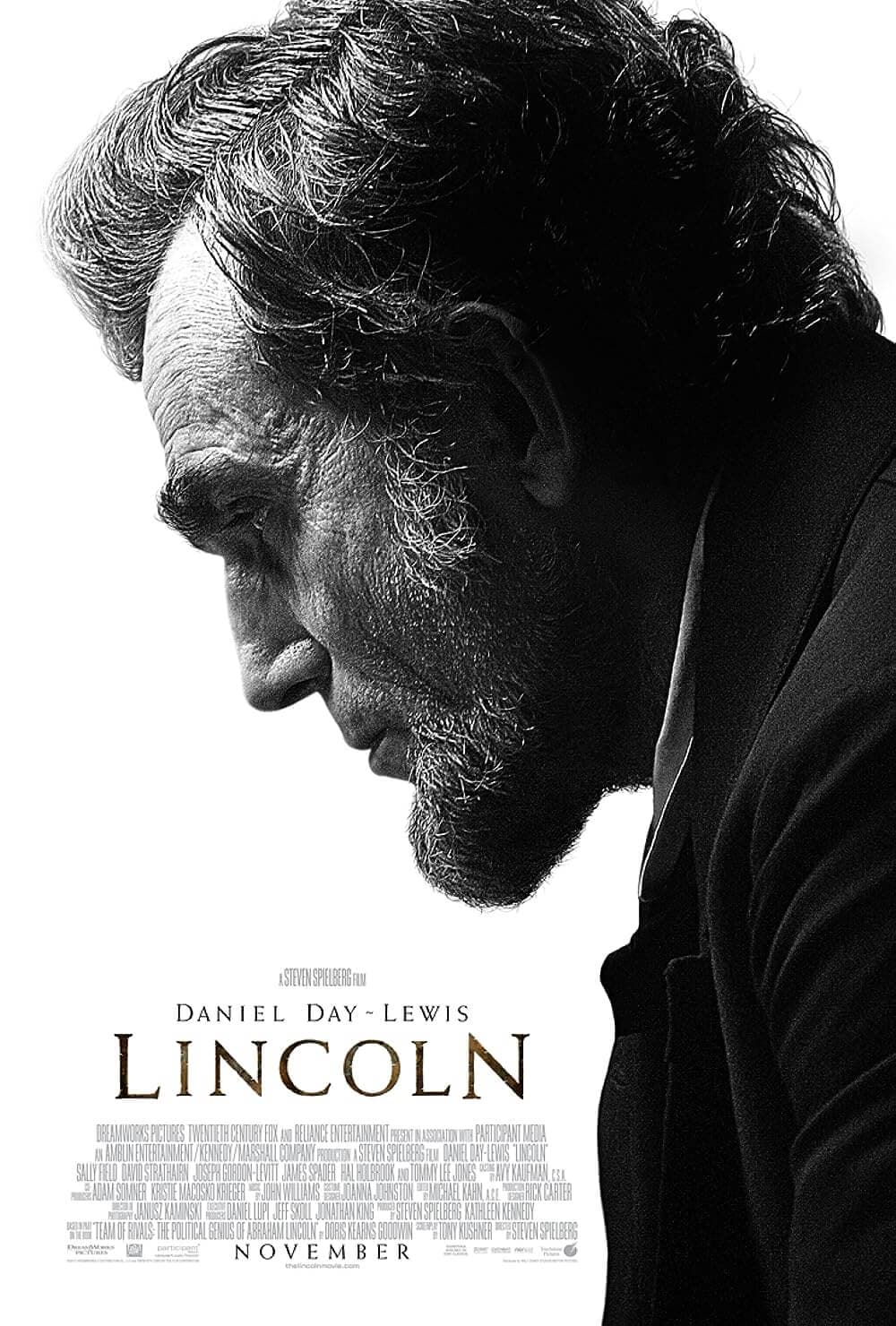
Day-Lewis found a high, reedy voice for Lincoln because the historical accounts describe one: Spielberg and Tony Kushner build a whole film out of counting votes for the Thirteenth Amendment.
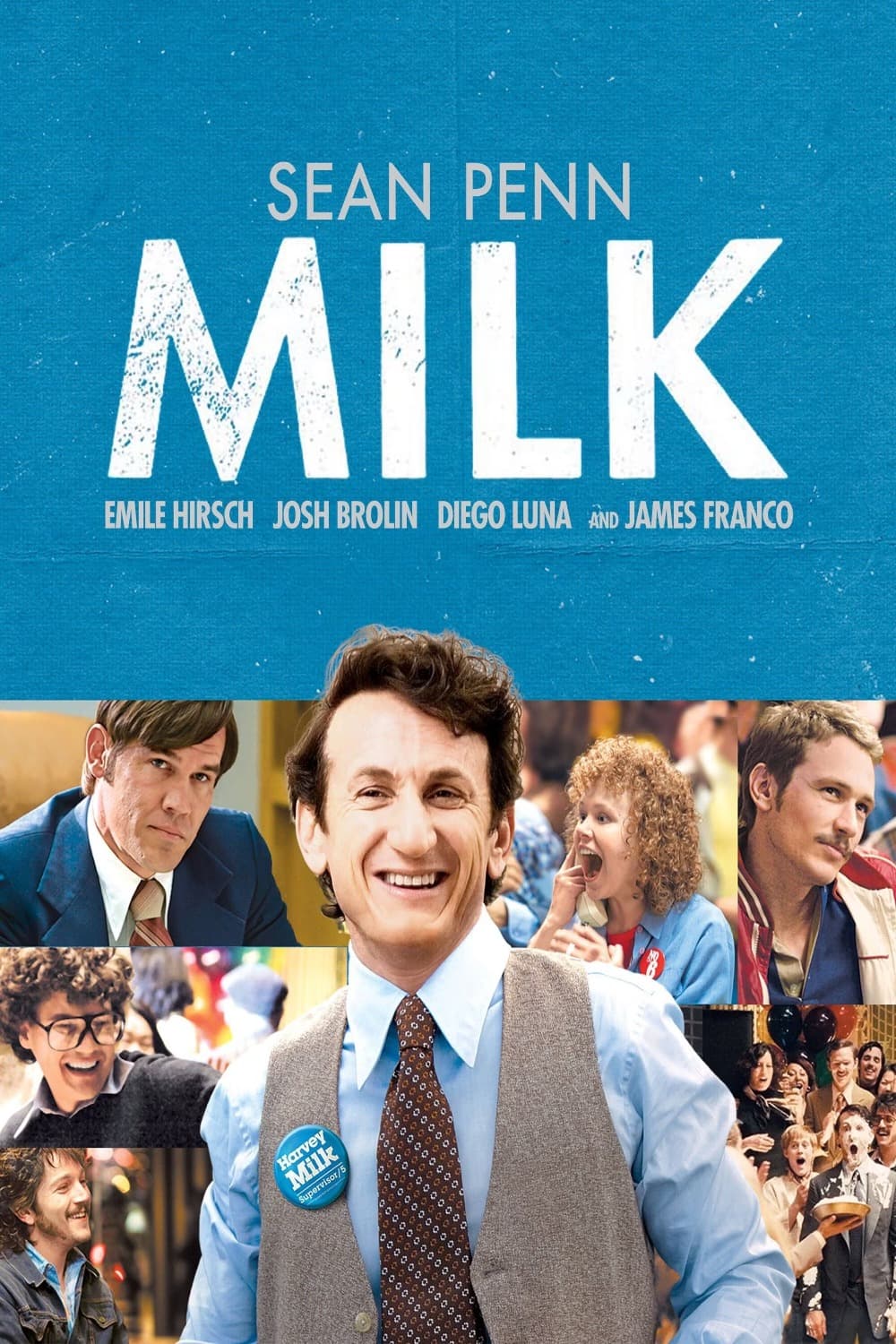
Van Sant shot in the actual Castro Street storefront where Harvey Milk ran his campaigns: Sean Penn plays the first openly gay man elected to major office in California, and plays him delighted.