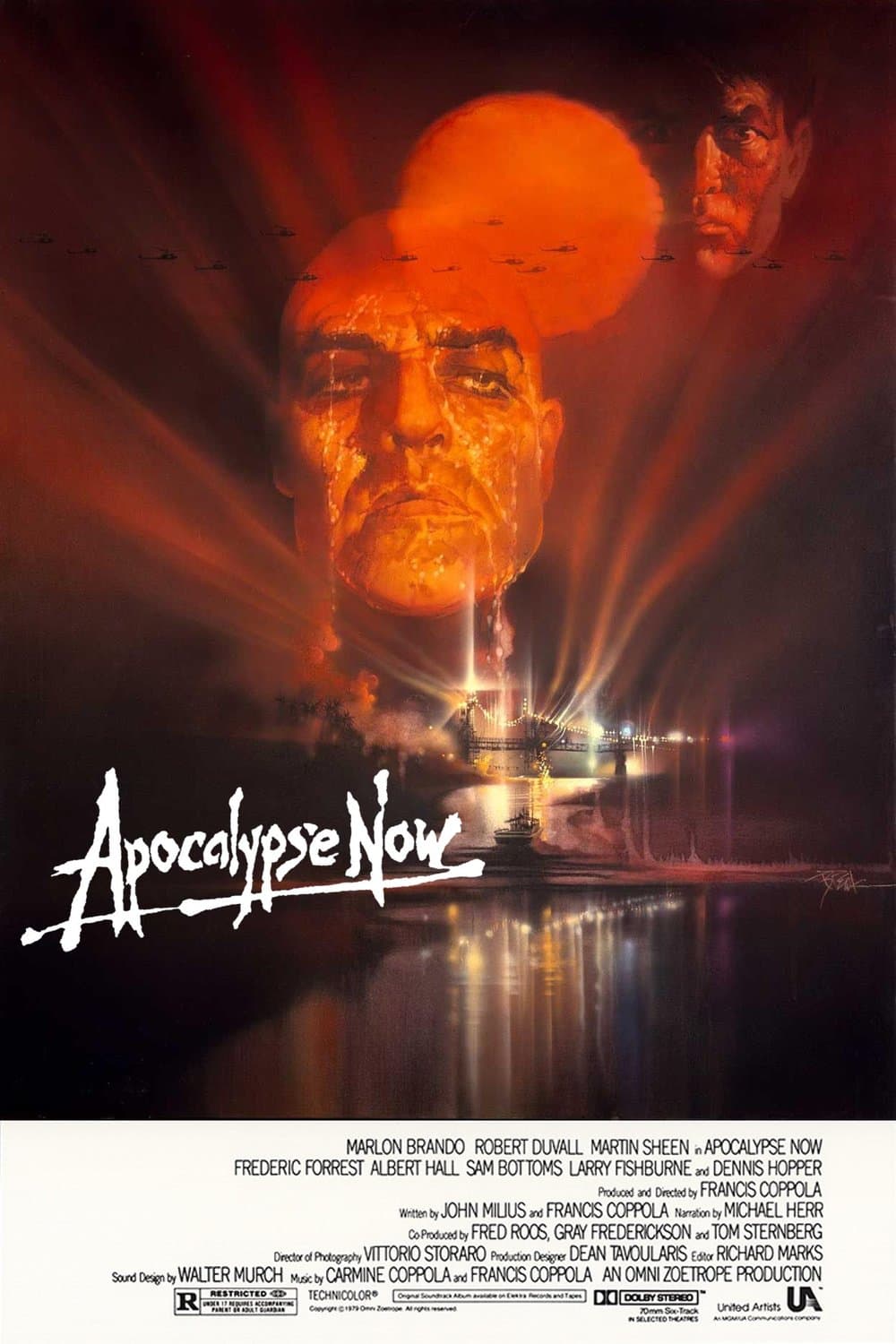
Apocalypse Now
Directed by Francis Ford Coppola
1979
No production has ever gone further off the rails or shown it more clearly: Coppola's Vietnam abandons the war film for pure hallucination, and the helicopters over the trees are permanent.
★ 9.7
 skopia
No production has ever gone further off the rails or shown it more clearly: Coppola's Vietnam abandons the war film for pure hallucination, and the helicopters over the trees are permanent.
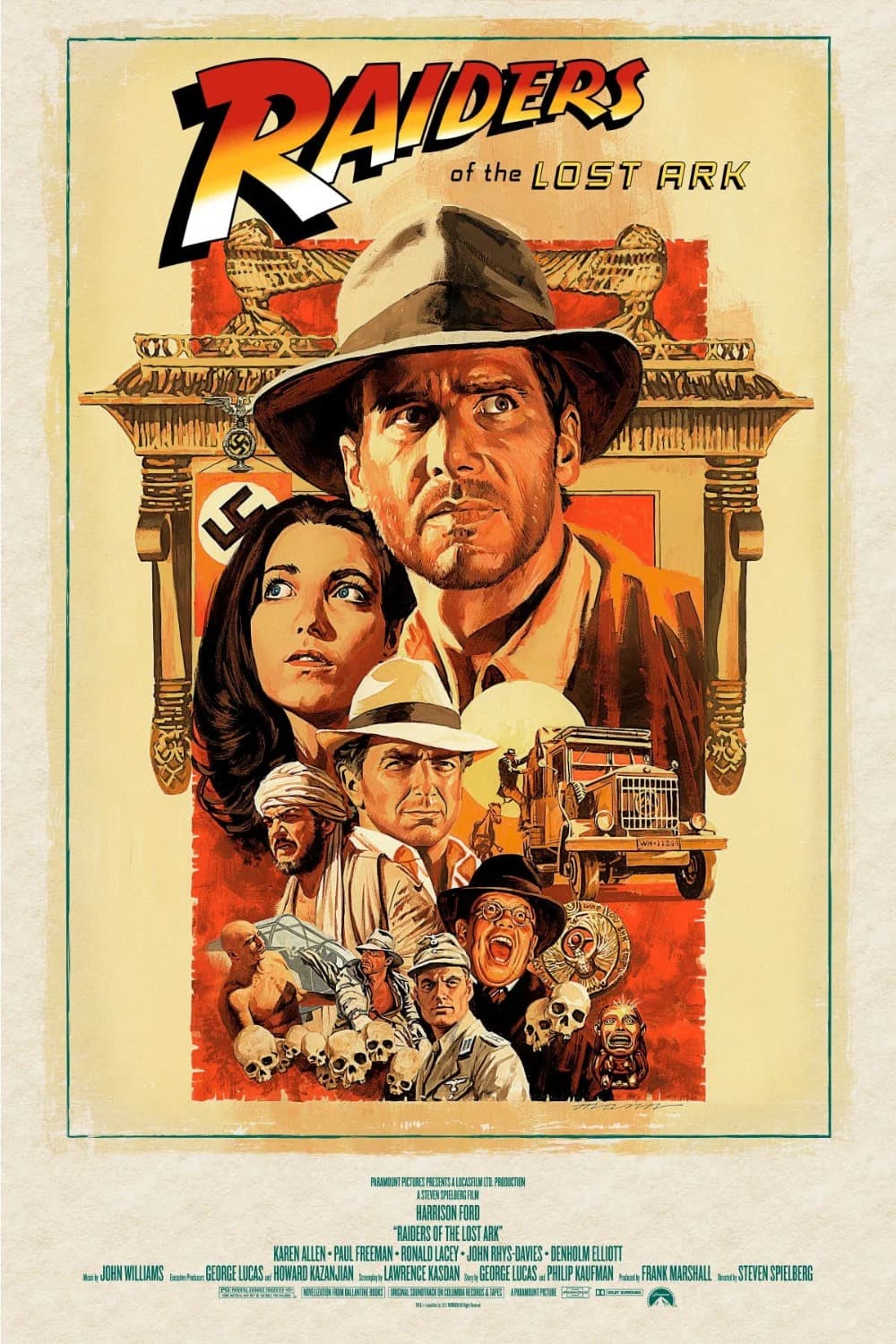
Every adventure film since is measured against it: Spielberg and Lucas built a machine of chases and near misses so efficient that forty years of imitation have not worn it out.

Modern Hollywood begins here: Lucas told the oldest story there is inside a universe that looked used and lived in, and the blockbuster has run the business ever since.

Everyone learned how to make a sequel from this: the pressure builds for two hours, the tone stays darker than anyone expected, and one line near the close rearranged a generation's childhood.
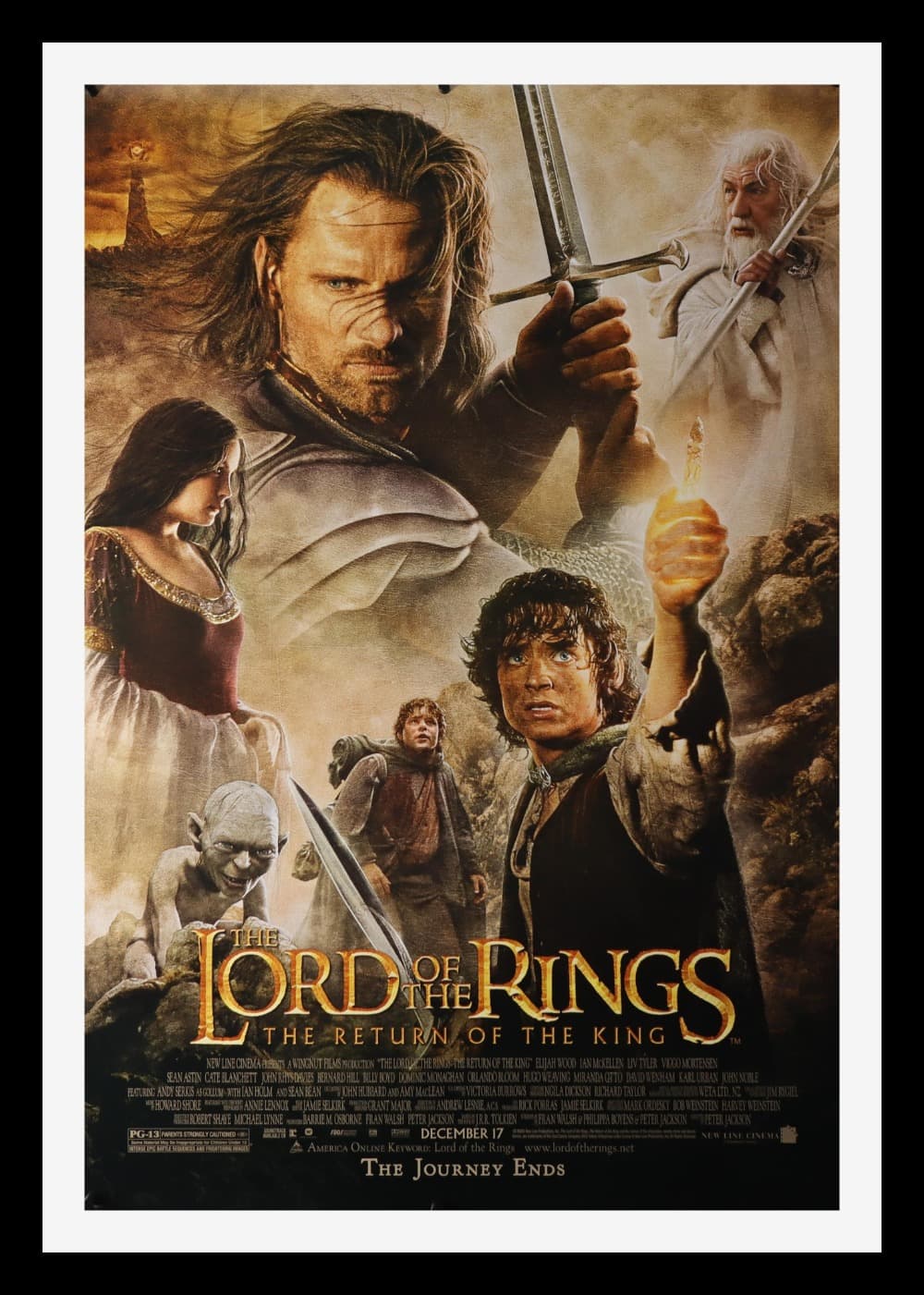
Eleven nominations and eleven wins, a clean sweep no film has bettered: Jackson closed a decade-long gamble with battles at an unattempted scale and an ending that earns its farewells.
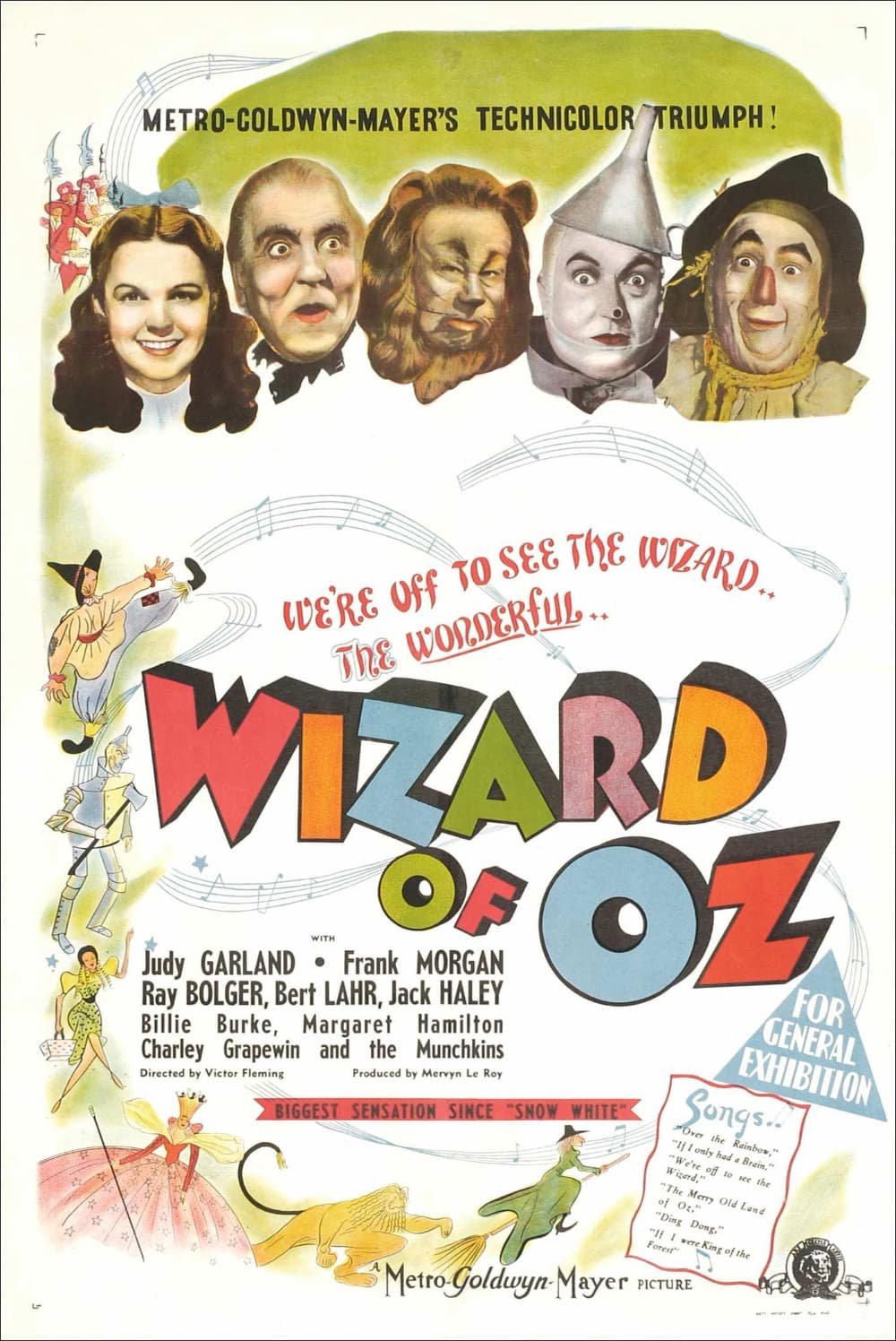
Decades of television broadcasts made it what the Library of Congress calls the most-seen film in history: the switch from sepia Kansas into Technicolor Oz still lands like a door opening.

Everyone said the book could not be filmed: Jackson shot three films at once in New Zealand and delivered a Middle-earth so furnished you stop noticing it was invented.

Gollum changed what a digital character could be: Andy Serkis acted him fully and the industry rebuilt itself around motion capture, all inside a four-month night siege in the rain.
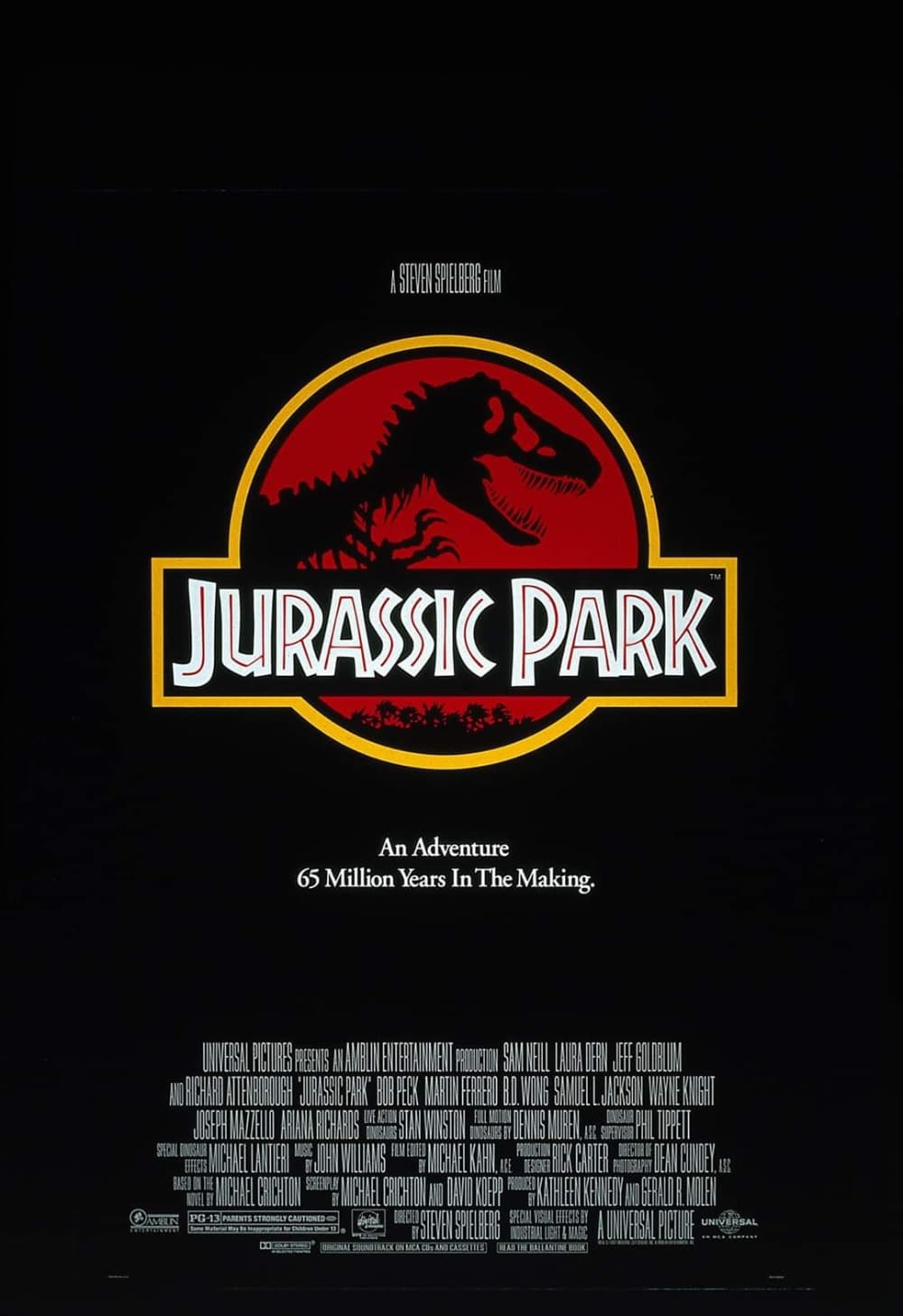
The moment the first dinosaur appears is the moment audiences stopped trusting their own eyes: Spielberg mixed puppets and computers so well that the seams still do not show.

Huston won two Oscars for it and directed his own father to a third: three men look for gold in Mexico and the heat does the rest.
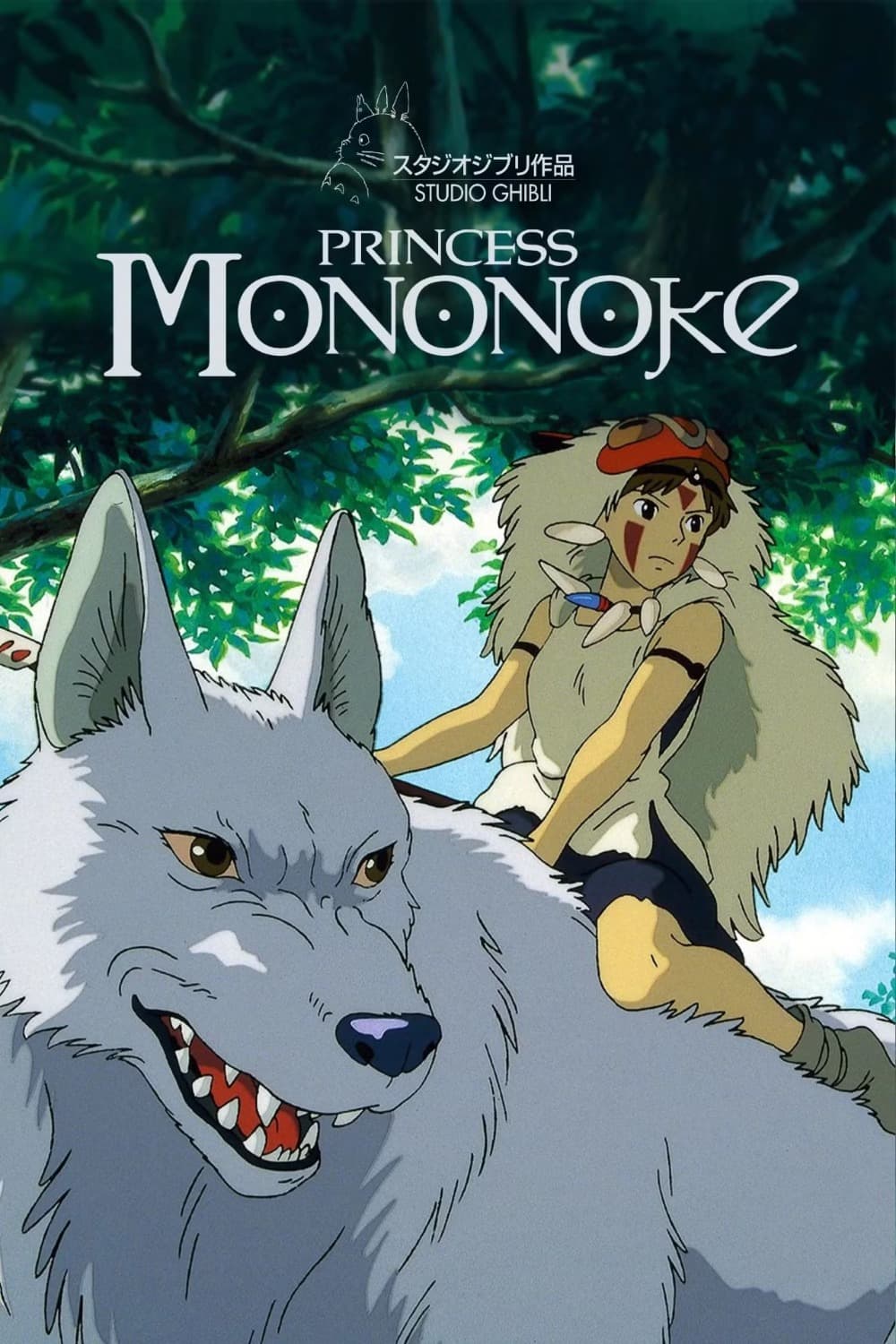
It held the Japanese box office record until Titanic arrived: Miyazaki staged a war between an iron town and the forest gods and refused to name a villain.

Spielberg made the rare first-contact film that treats the aliens as something to hope for: an ordinary man starts building a mountain in his living room and cannot say why.
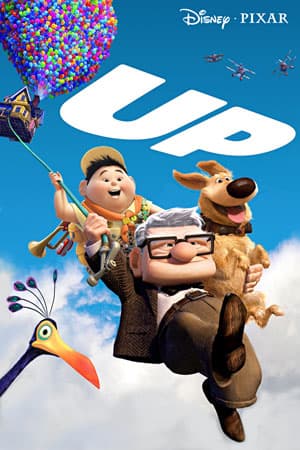
The four-minute marriage montage is the most devastating thing Pixar has ever done, and it is wordless: after that, an old man flies his house away on balloons.
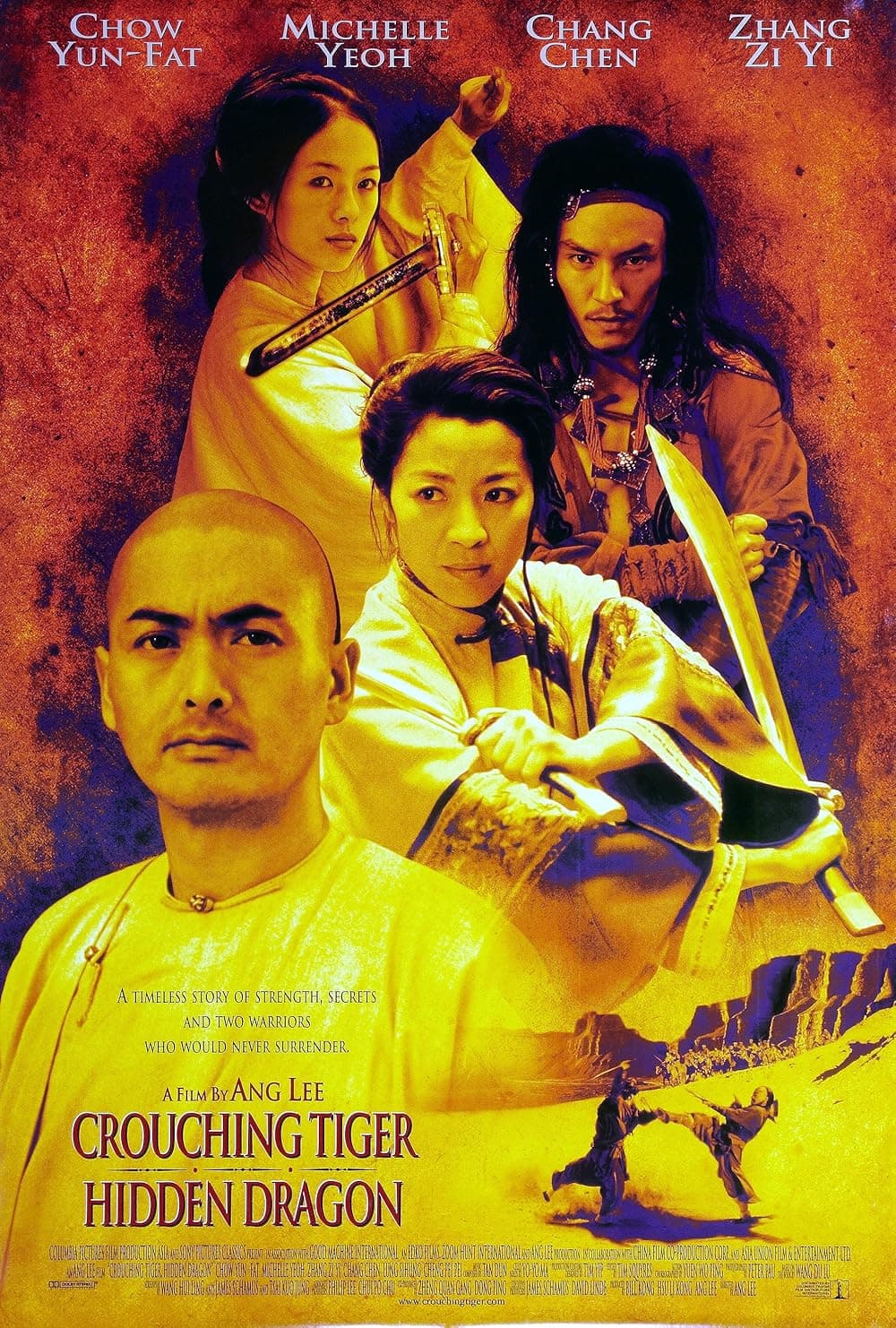
It won four Academy Awards and remains the highest grossing foreign language film ever released in America: wire work so graceful that gravity stops being a consideration.
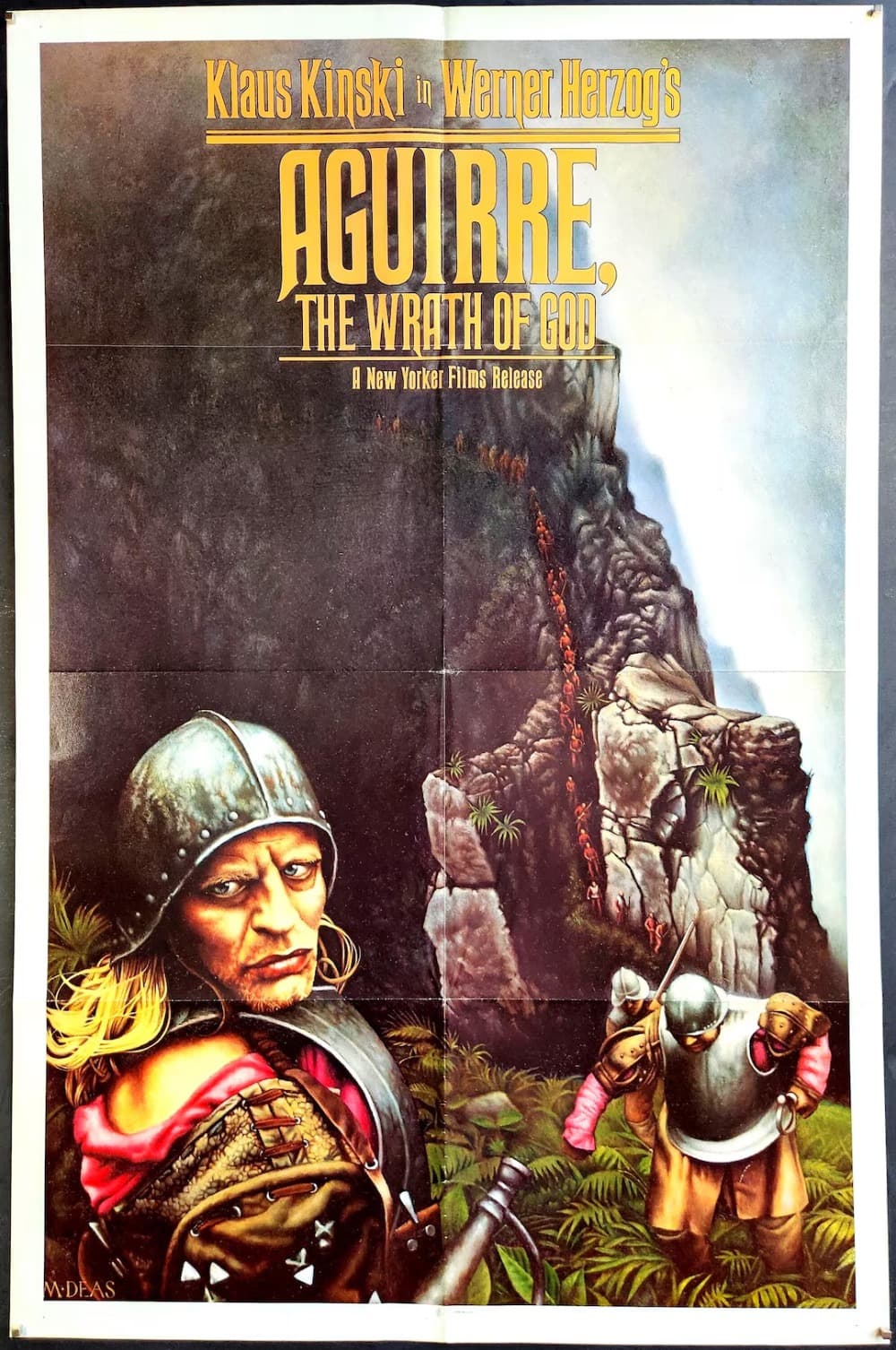
Herzog shot it for almost nothing on a real Amazon river with a lead actor he fought with constantly: Kinski's stare and a shrinking raft do everything.
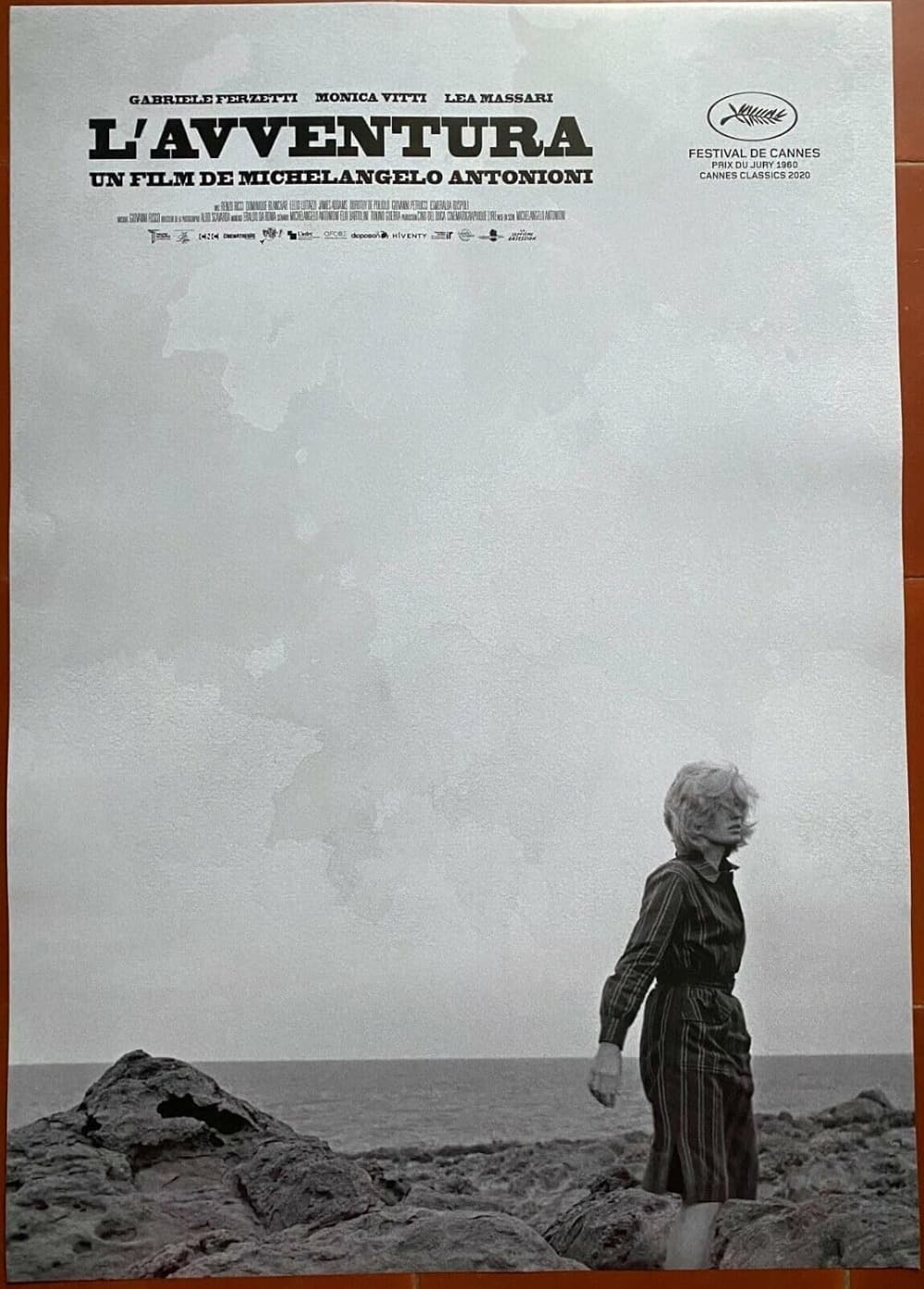
It was booed off the screen at Cannes and won a prize at the same festival: Antonioni made drift and boredom into subjects, and cinema has been arguing since.
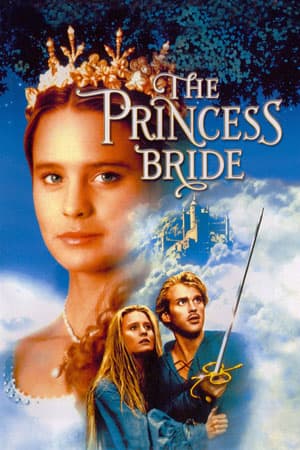
It barely registered in cinemas and built its whole following on video: pirates, giants, a six-fingered man, and a grandfather reading to a boy who does not want the story.
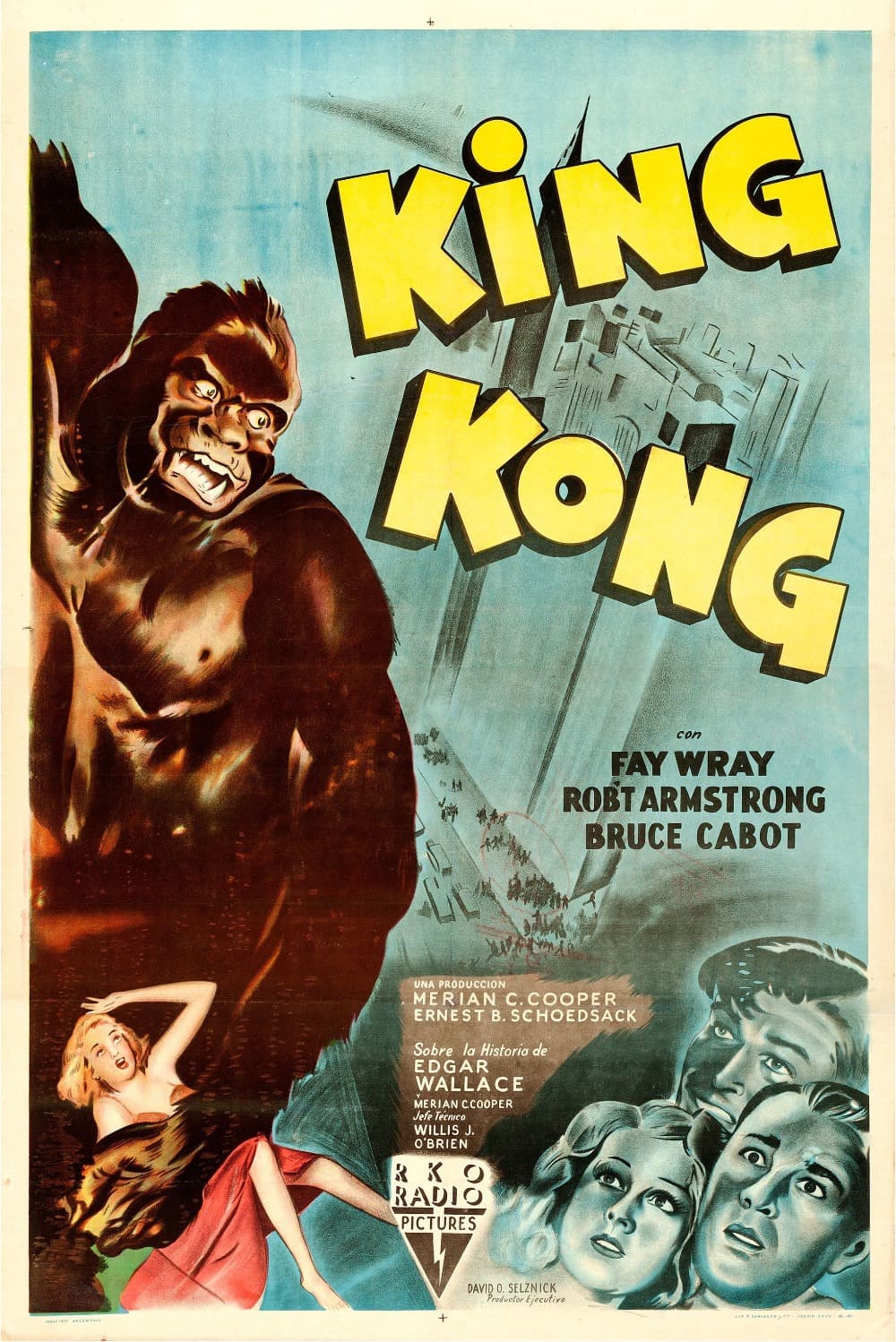
Willis O'Brien animated it a frame at a time and audiences in 1933 had never seen anything like it: the ape on that building is known to people who never watched it.
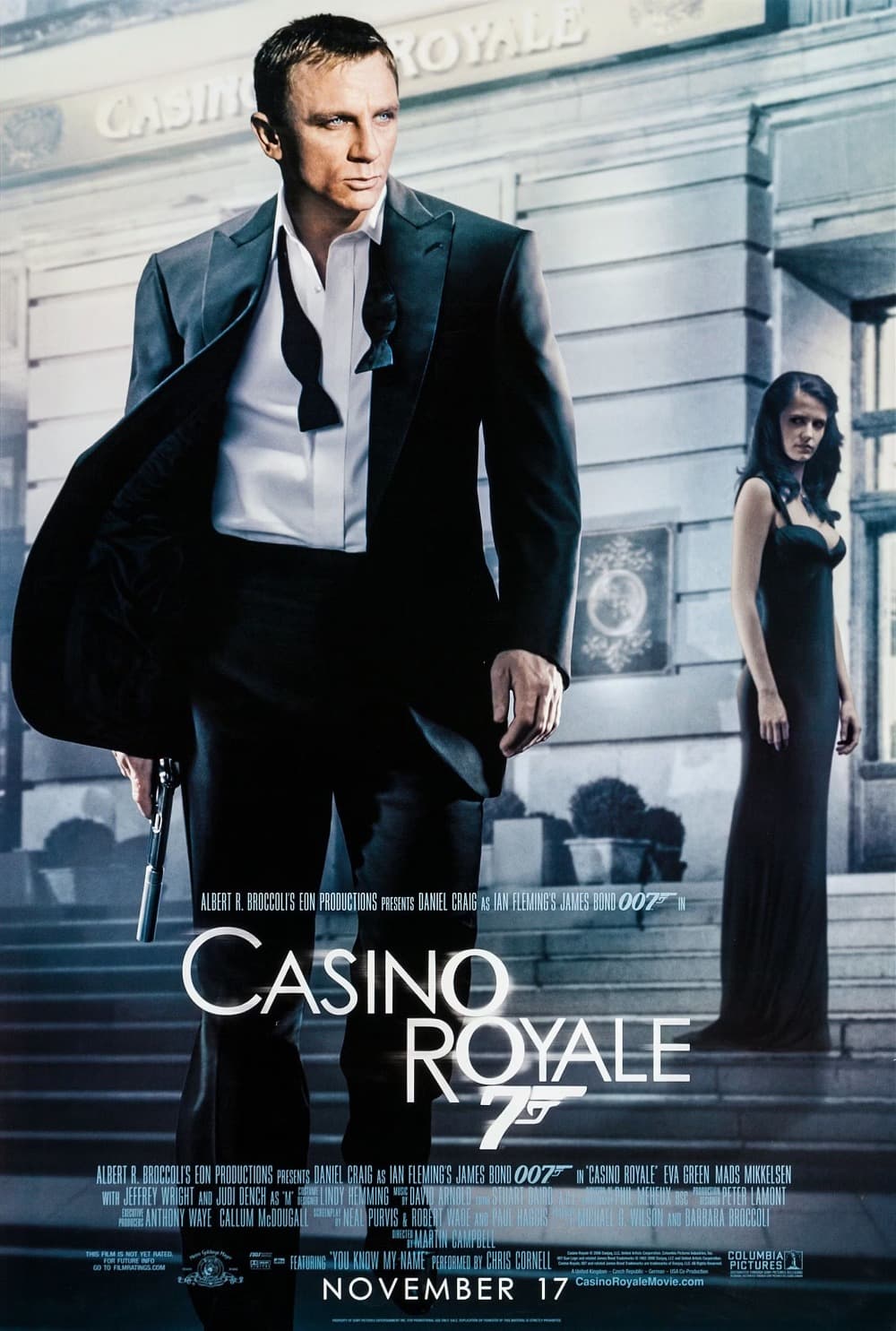
It stripped Bond back to a man who bleeds: the parkour chase in the opening twenty minutes told audiences immediately that the gadgets and the winking were gone.

Casting Sean Connery as the father was the best idea the series ever had: the bickering carries a treasure hunt that would otherwise just be a rerun.
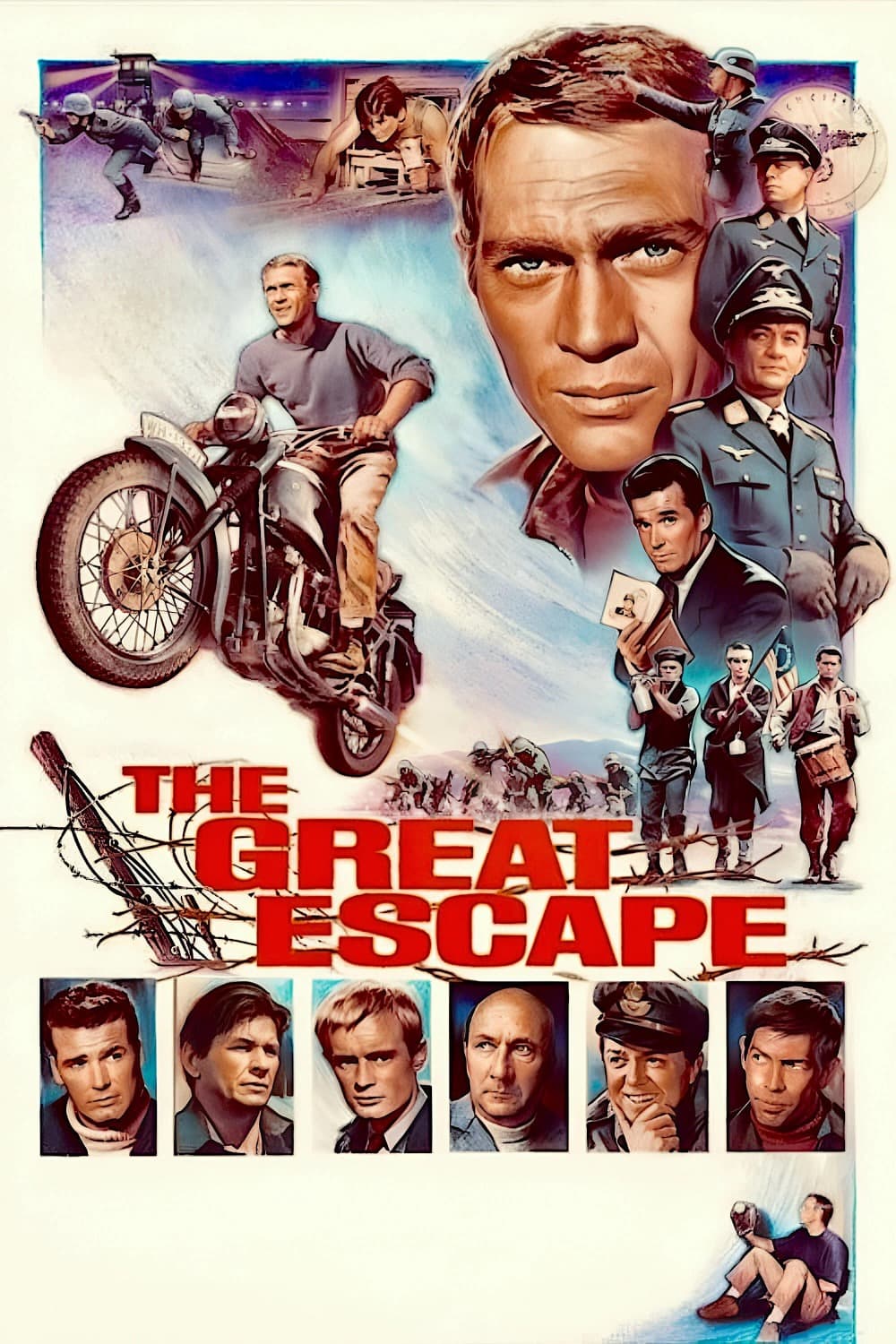
Captivity has never looked like this much fun: Sturges rebuilt a real 1944 breakout from a German camp into tunnel engineering, forged papers and men who refuse to sit still.
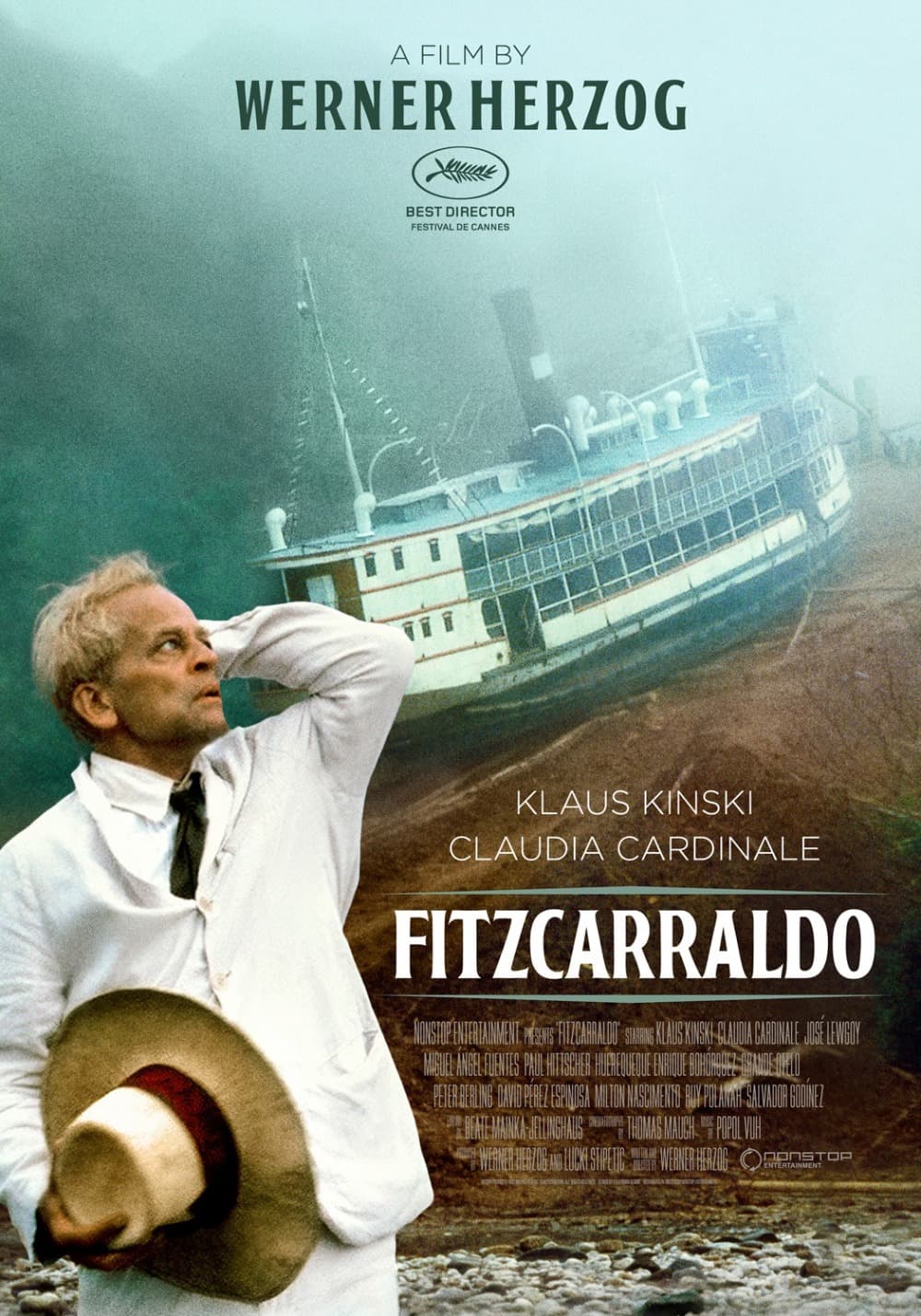
Herzog dragged a 320-ton steamship over a mountain with no models and no effects: his hero wants an opera house in the Amazon, and the production came to resemble the obsession it filmed.
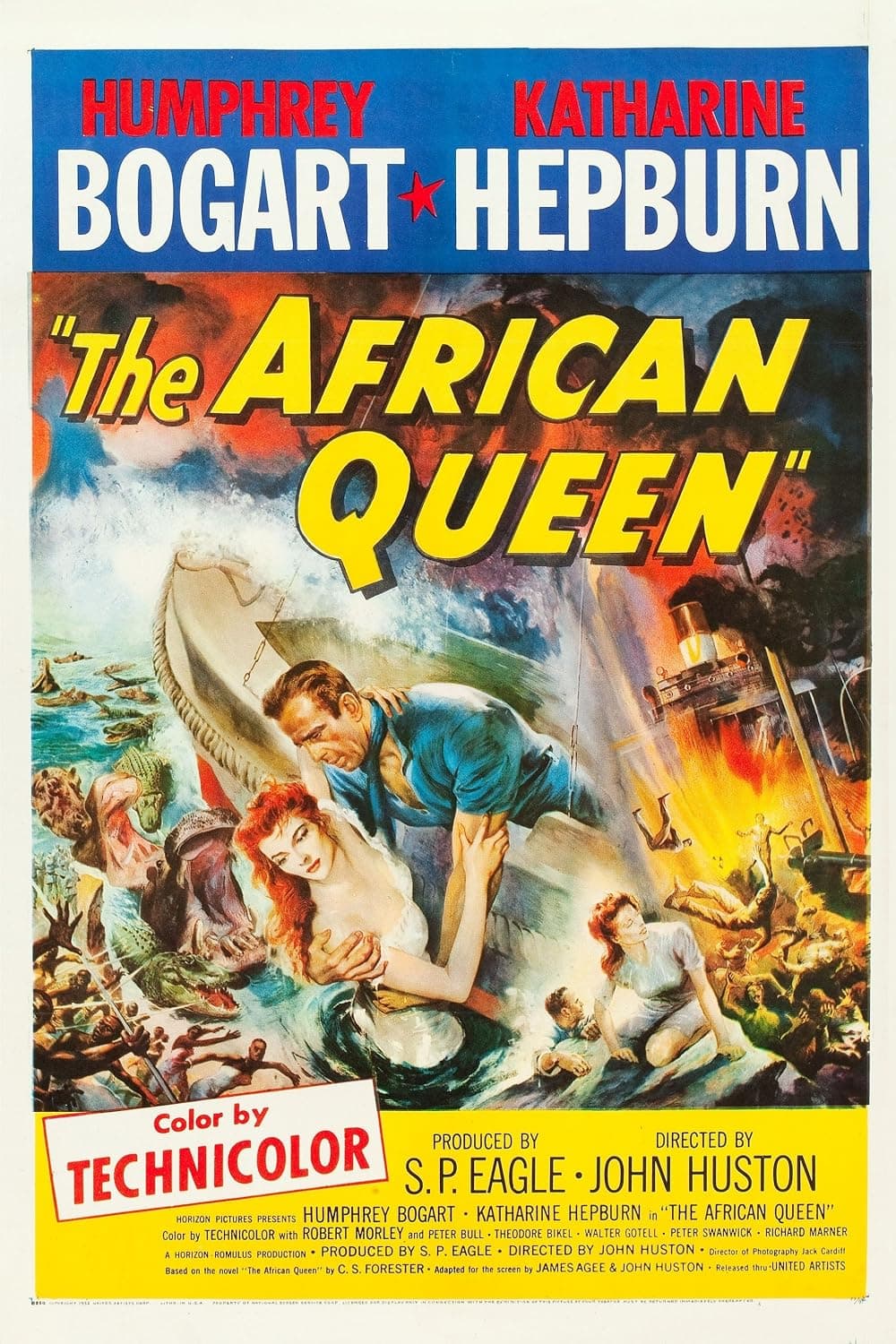
Huston took the production into the Congo and almost everyone fell ill: what came back is Bogart and Hepburn on a battered steam launch, insulting each other into something like love.
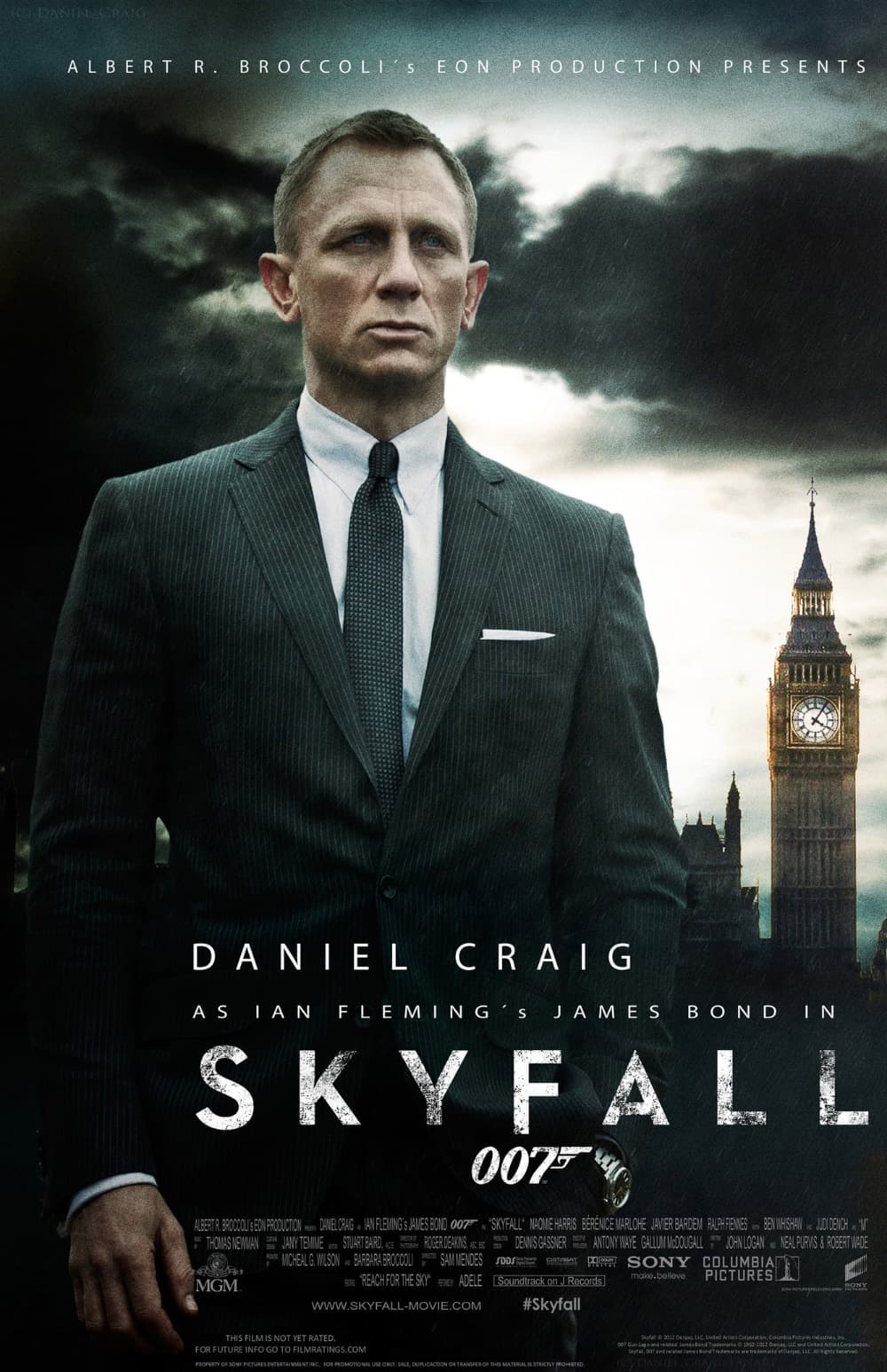
Roger Deakins photographed a James Bond film and the series has never looked the same: the Shanghai fight plays out in silhouette against neon, and the plot finally asks what Bond is for.

The trilogy sticks its landing: the speeder chase through Endor still moves better than most digital work made since, and the whole climax runs on puppets, models and matte paintings.
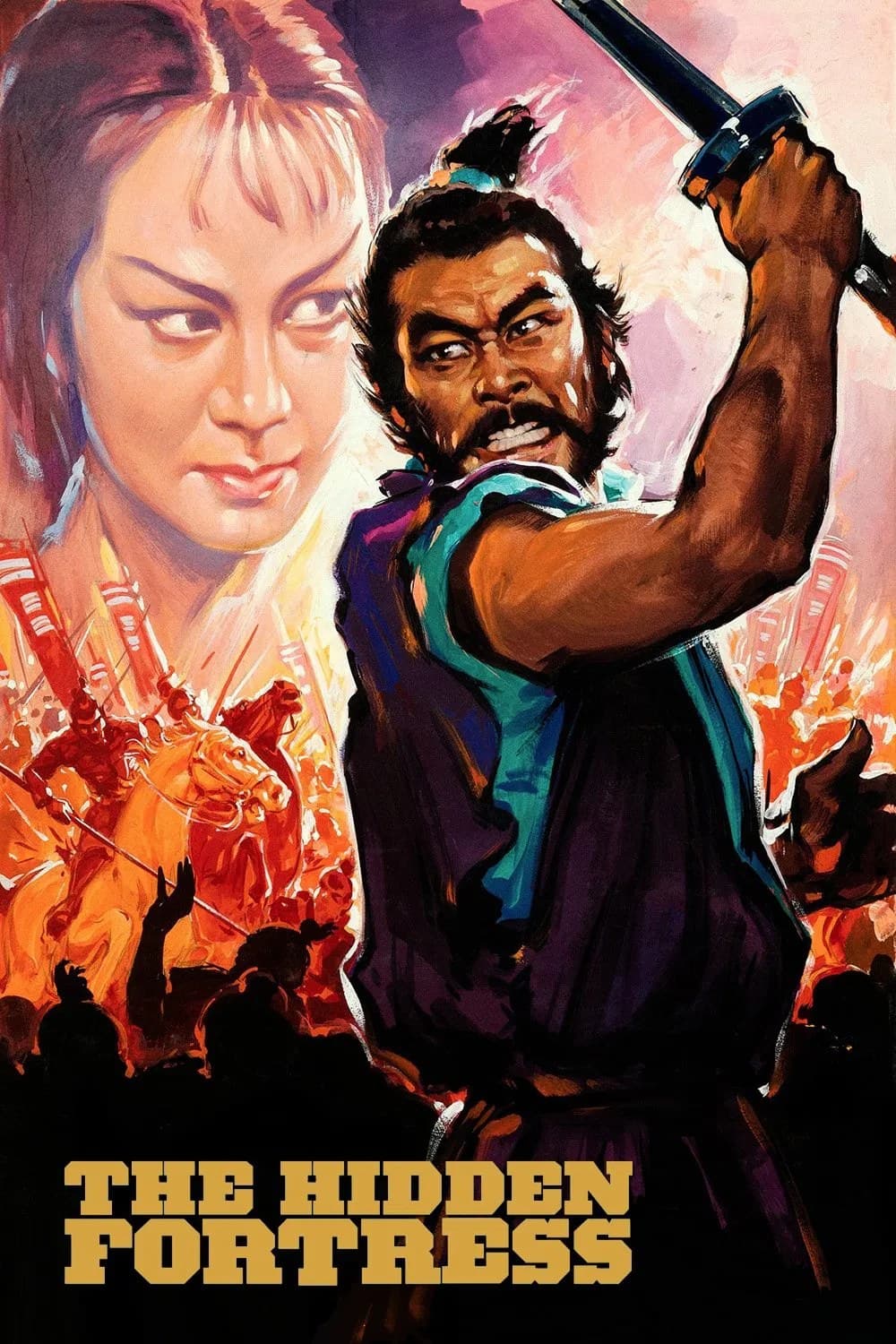
Lucas took the two bickering peasants and turned them into R2-D2 and C-3PO: Kurosawa's first widescreen film tells an escape story from the point of view of its most useless characters.
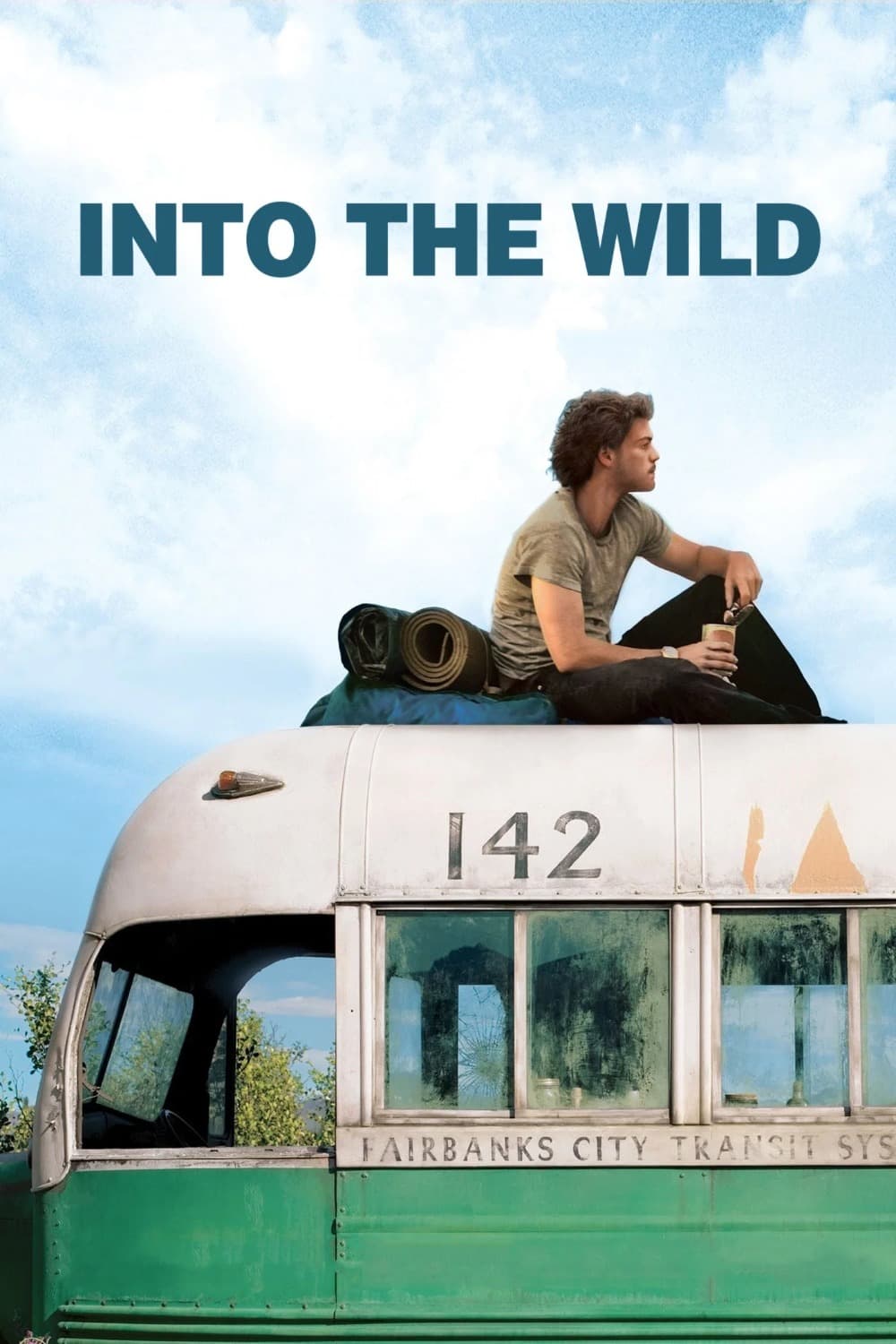
Sean Penn spent ten years persuading the family to let him film this: a graduate burns his savings and walks into the Alaskan interior, and the film neither mocks him nor canonizes him.
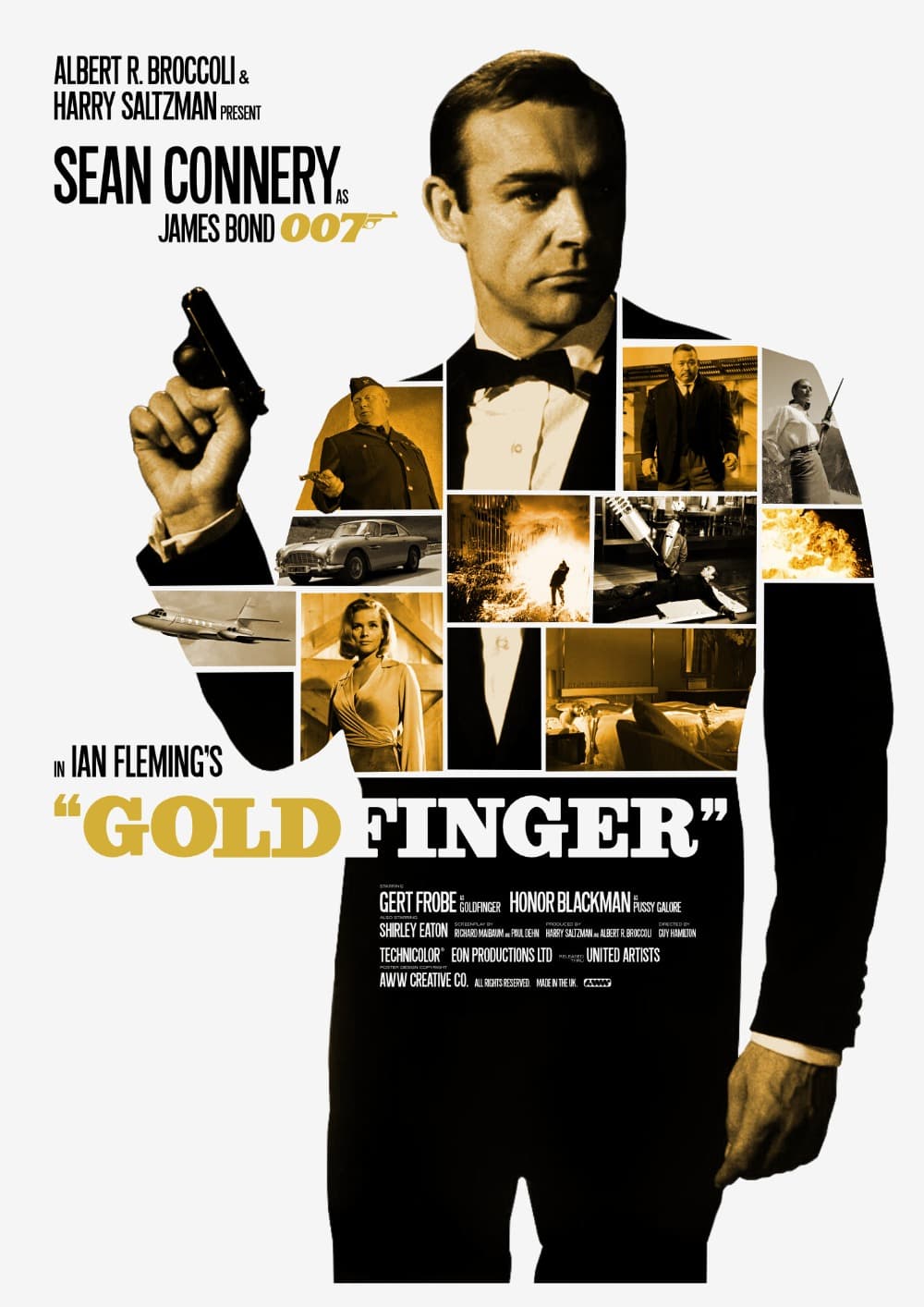
Everything the Bond series still does was fixed here: the Aston Martin, the title song belted over the opening credits, the death trap the villain explains, and a henchman with a signature weapon.

Huston tried to make this for twenty years and finally got Connery and Caine: two British soldiers walk into Kafiristan intending to be crowned as gods, and the joke gets serious slowly.
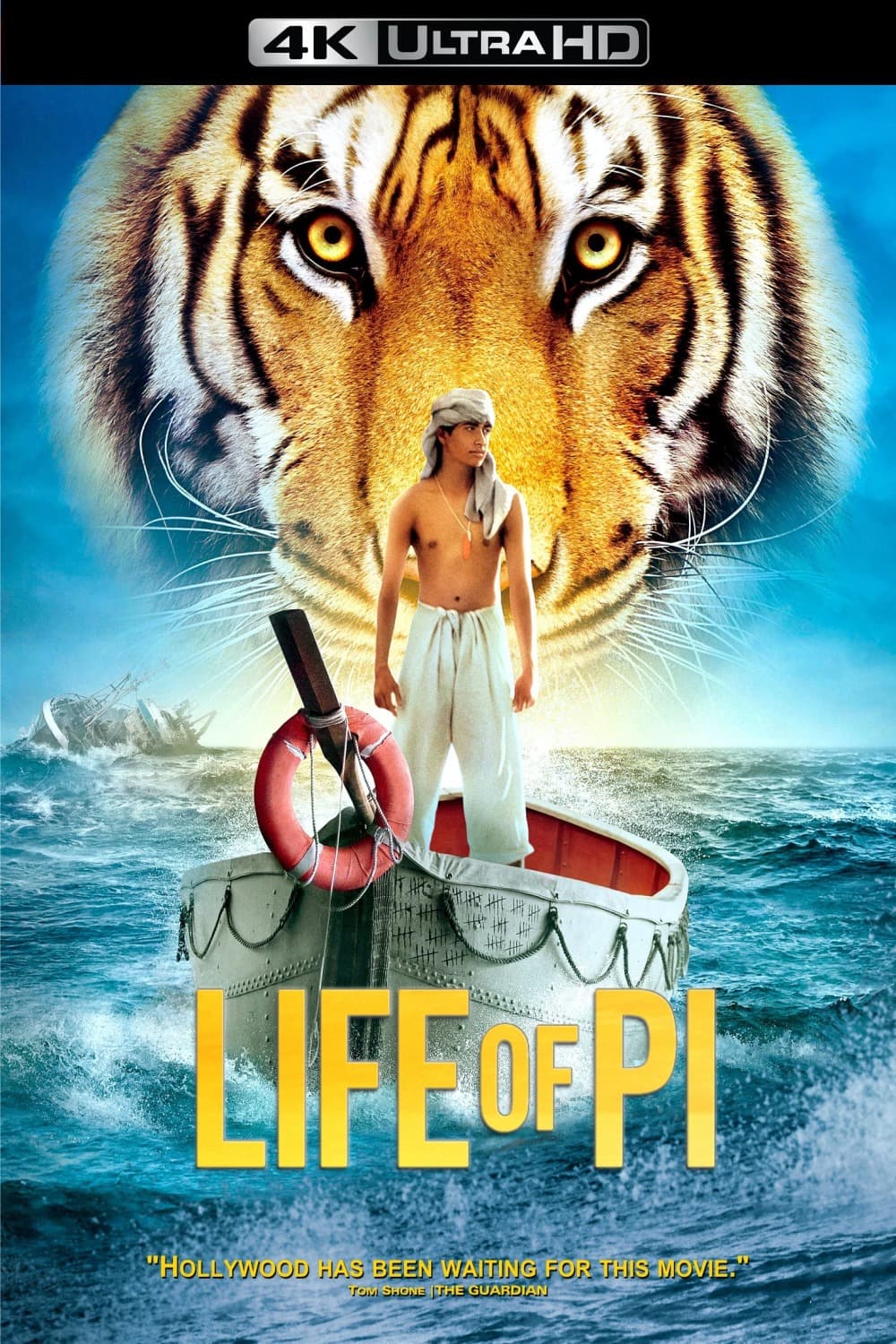
The tiger is almost entirely digital and you will not be able to tell: Ang Lee made the most beautiful 3D film there is, about a boy sharing a lifeboat with a predator.
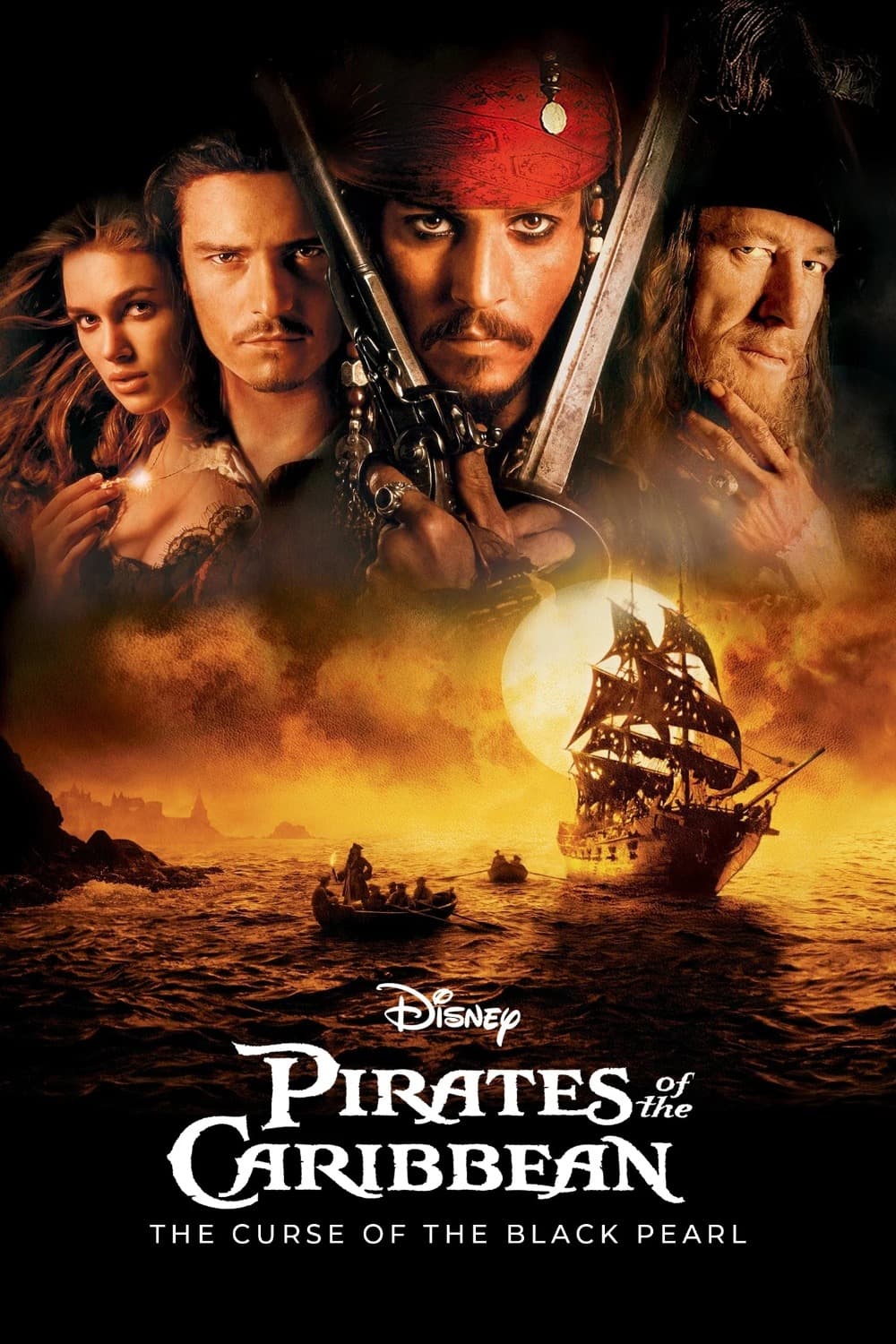
Disney executives thought Johnny Depp was ruining their film and considered replacing him: he built a pirate out of Keith Richards, and a theme park ride became a billion-dollar franchise.
J. J. Abrams solved the reboot problem by making the new timeline canon rather than a replacement: the crew meets young, the casting is uncanny, and Star Trek became a summer action film.
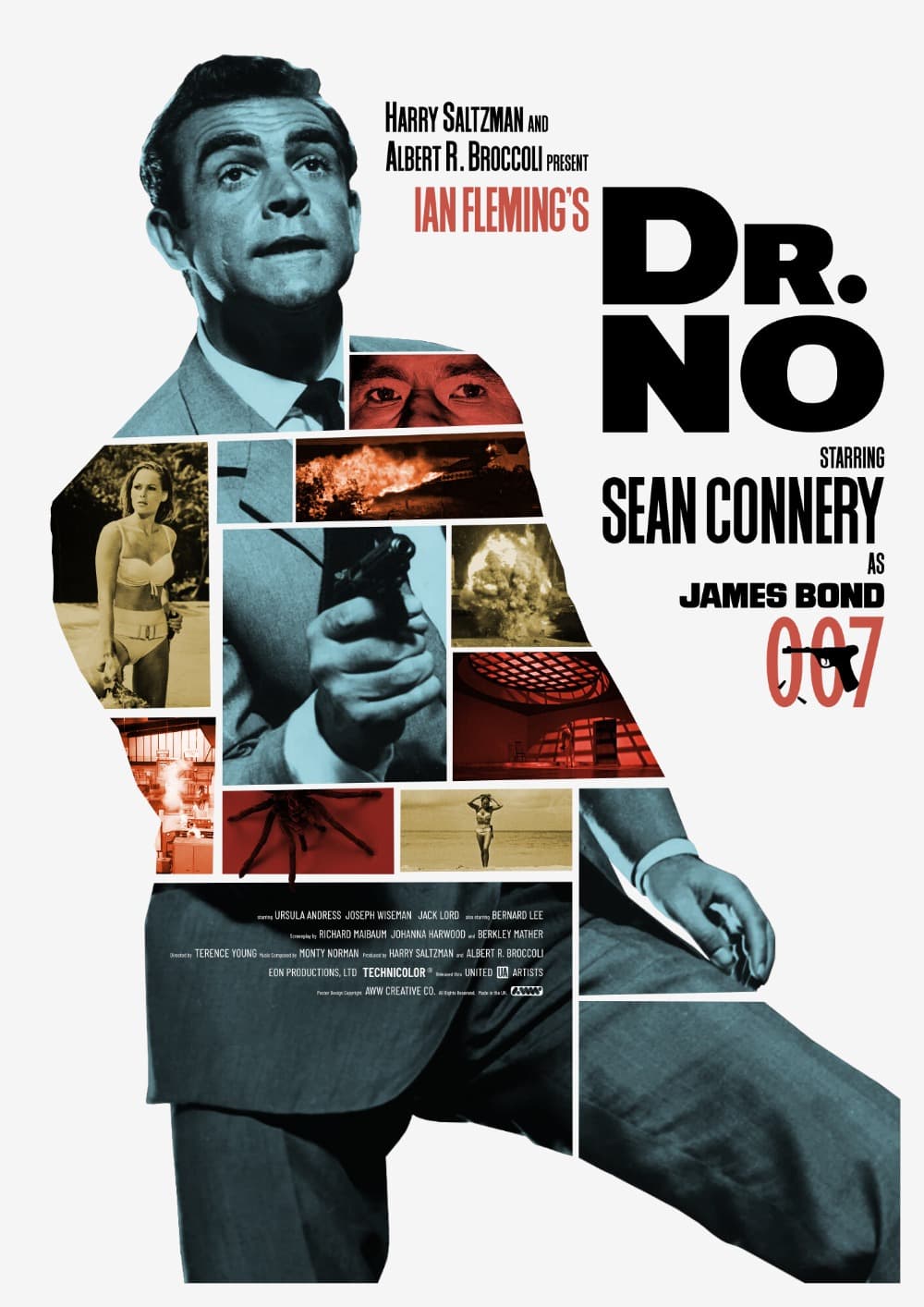
The Bond series begins here on a million dollars: Sean Connery walks into a casino and says the name, Ursula Andress comes out of the Caribbean, and nobody had met anyone like him.
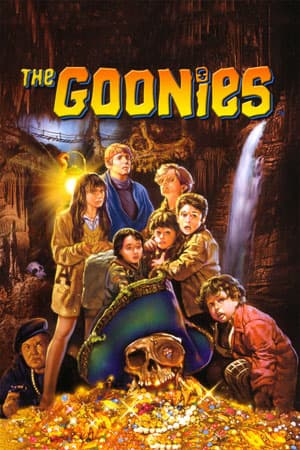
Spielberg wrote the story and Richard Donner let the children shout constantly across each other's lines: a treasure map, a condemned neighborhood, and a set built so they discovered it in order.
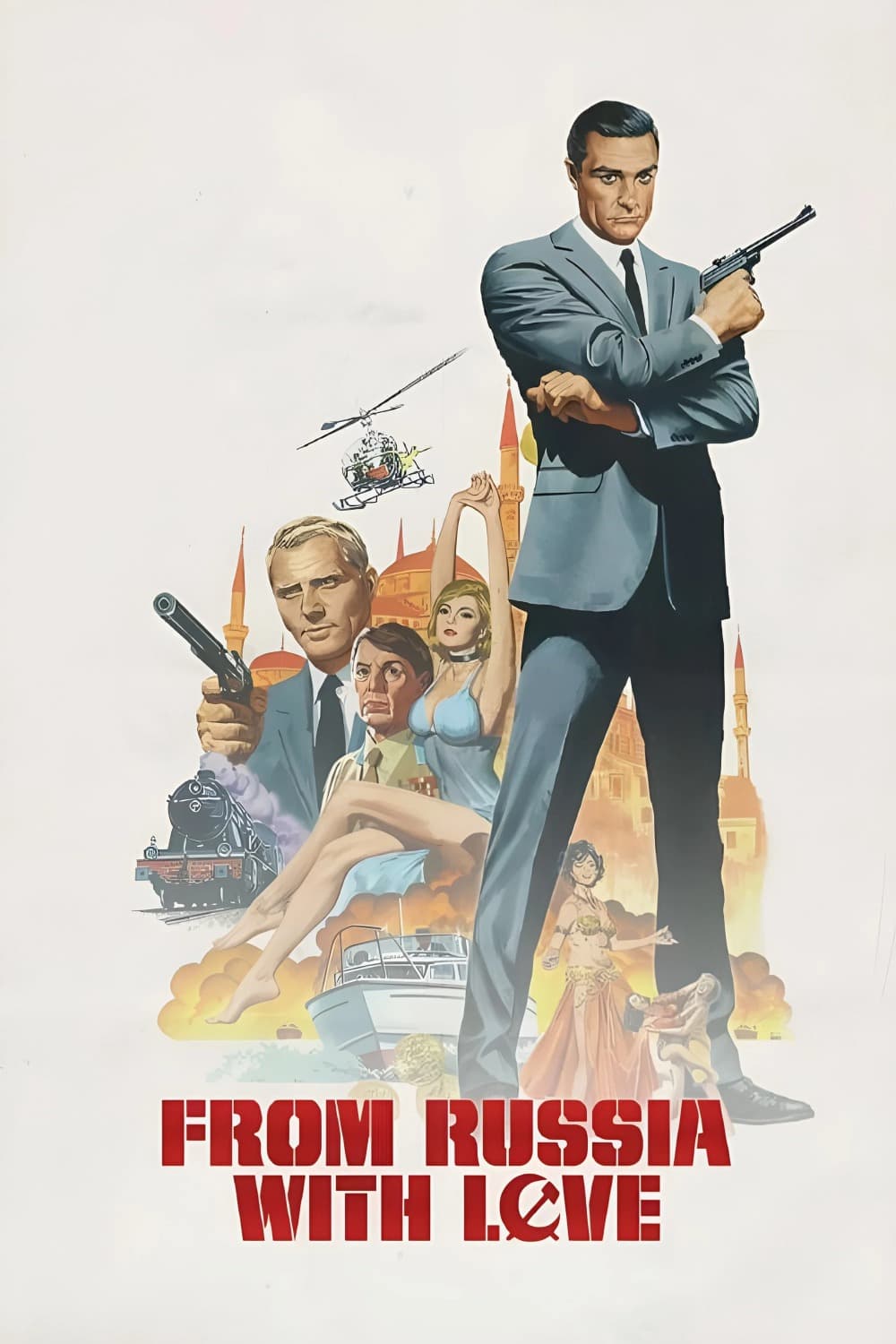
The Bond film that leans on people rather than hardware: Terence Young works a courier scheme through Istanbul and the Orient Express, and stages a train compartment fight in near silence.
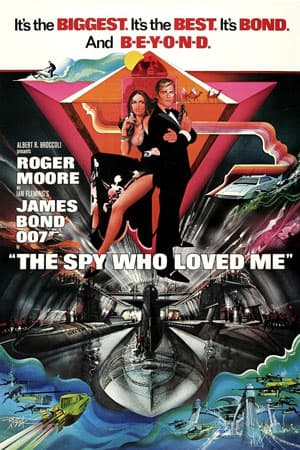
The ski jump off the cliff opening a parachute painted like a Union Jack is the single best Bond stunt: Roger Moore's finest hour, with Jaws and an underwater Lotus.
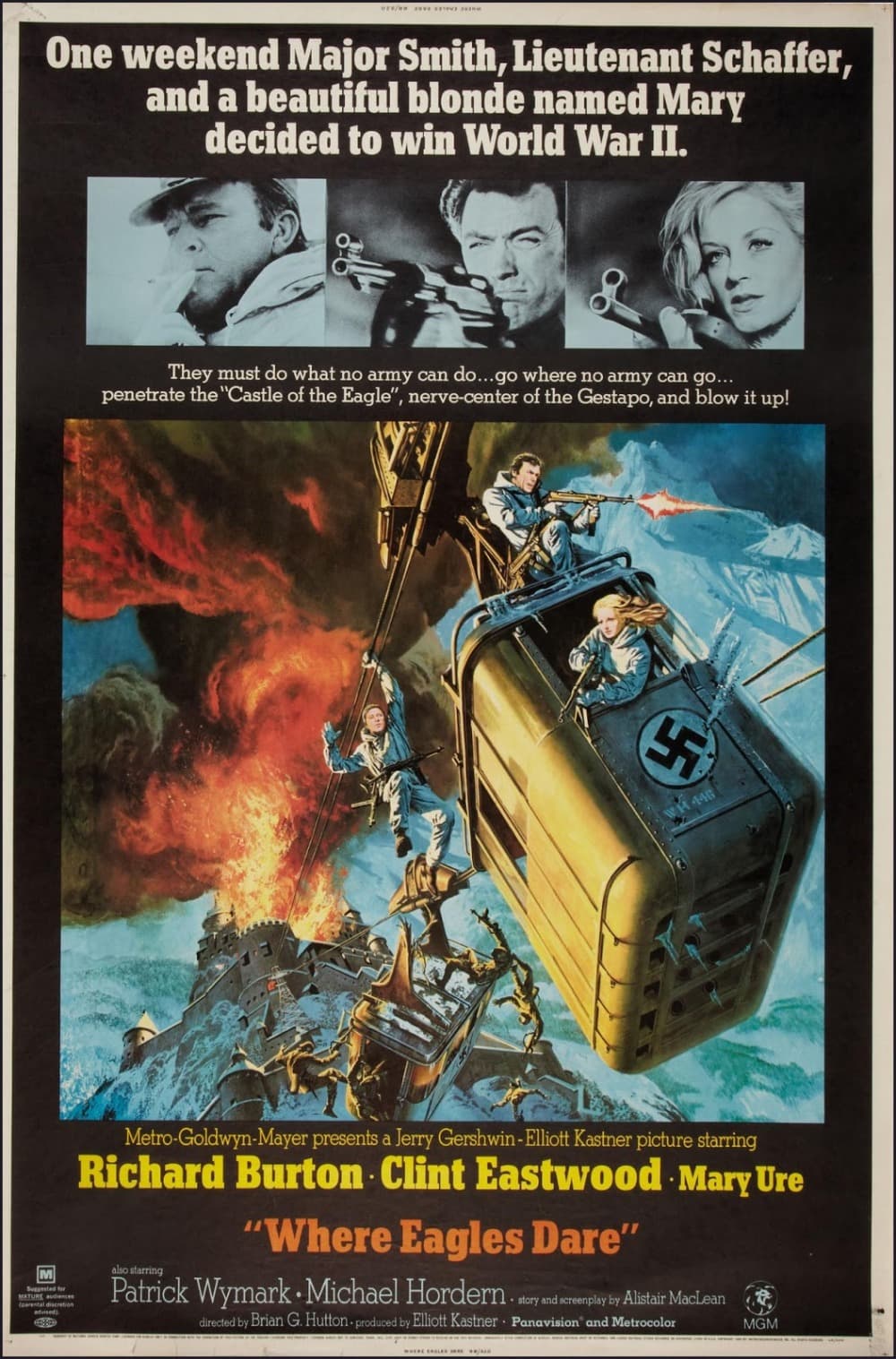
Alistair MacLean wrote it as a screenplay first and a novel second: Richard Burton and Clint Eastwood go into an Alpine castle after a captured general, and the cable car fight is superb.
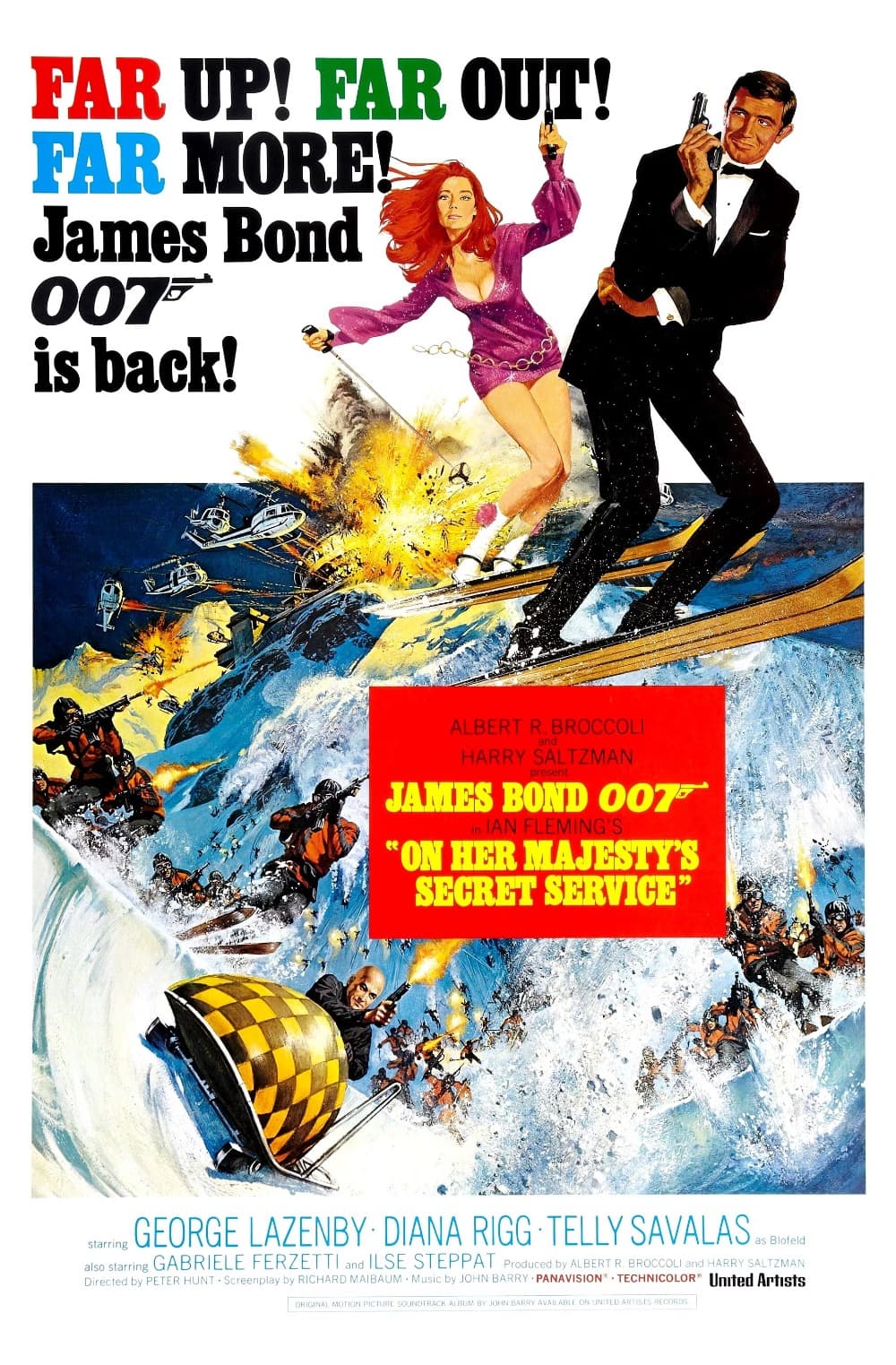
George Lazenby played Bond once and quit, and it took decades for anyone to admit how good this is: the ski chases are the best in the series, and Diana Rigg is extraordinary.
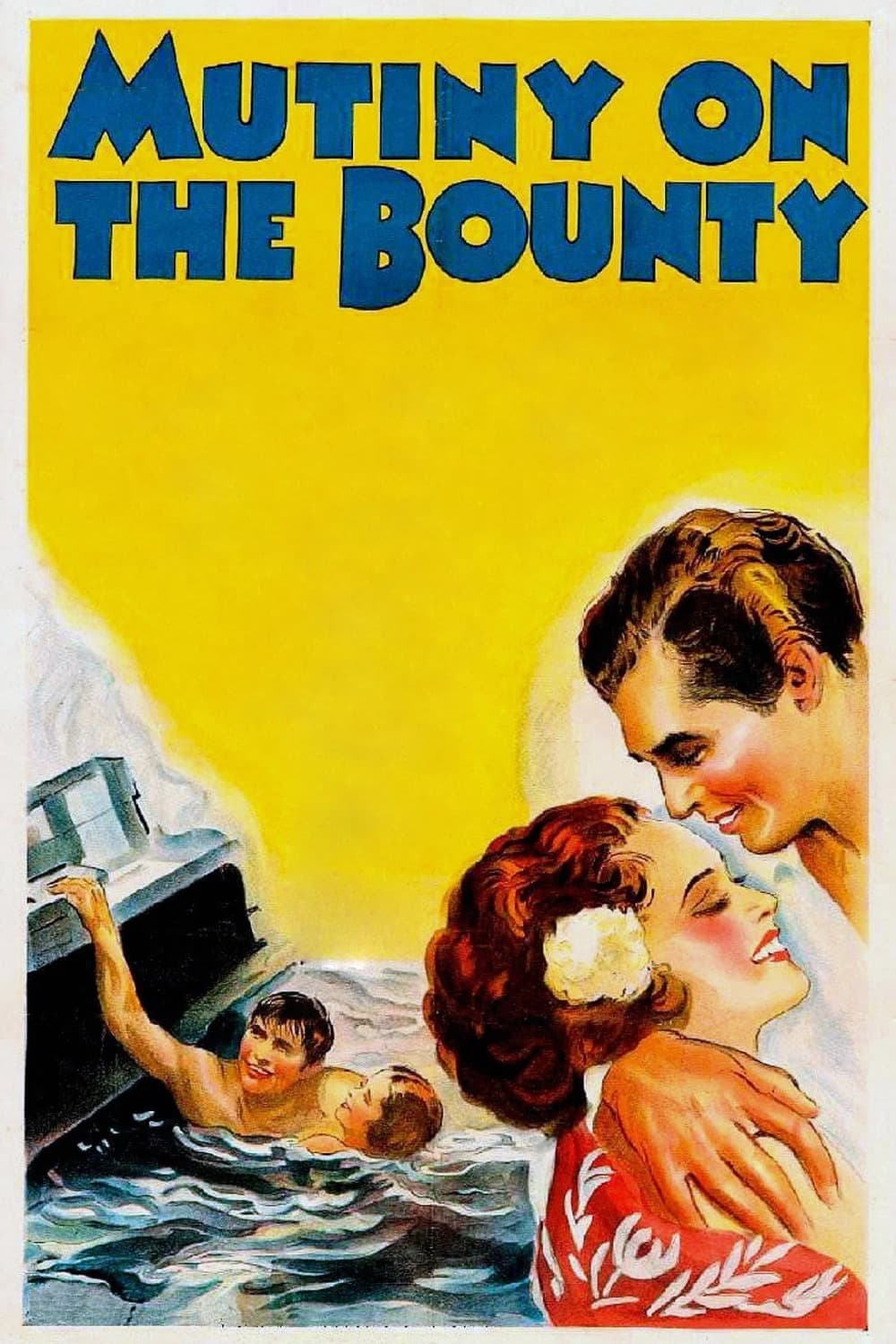
Three of its actors were nominated for Best Actor in the same year, and the supporting categories were created the next: Charles Laughton's Captain Bligh remains the definition of a tyrant.