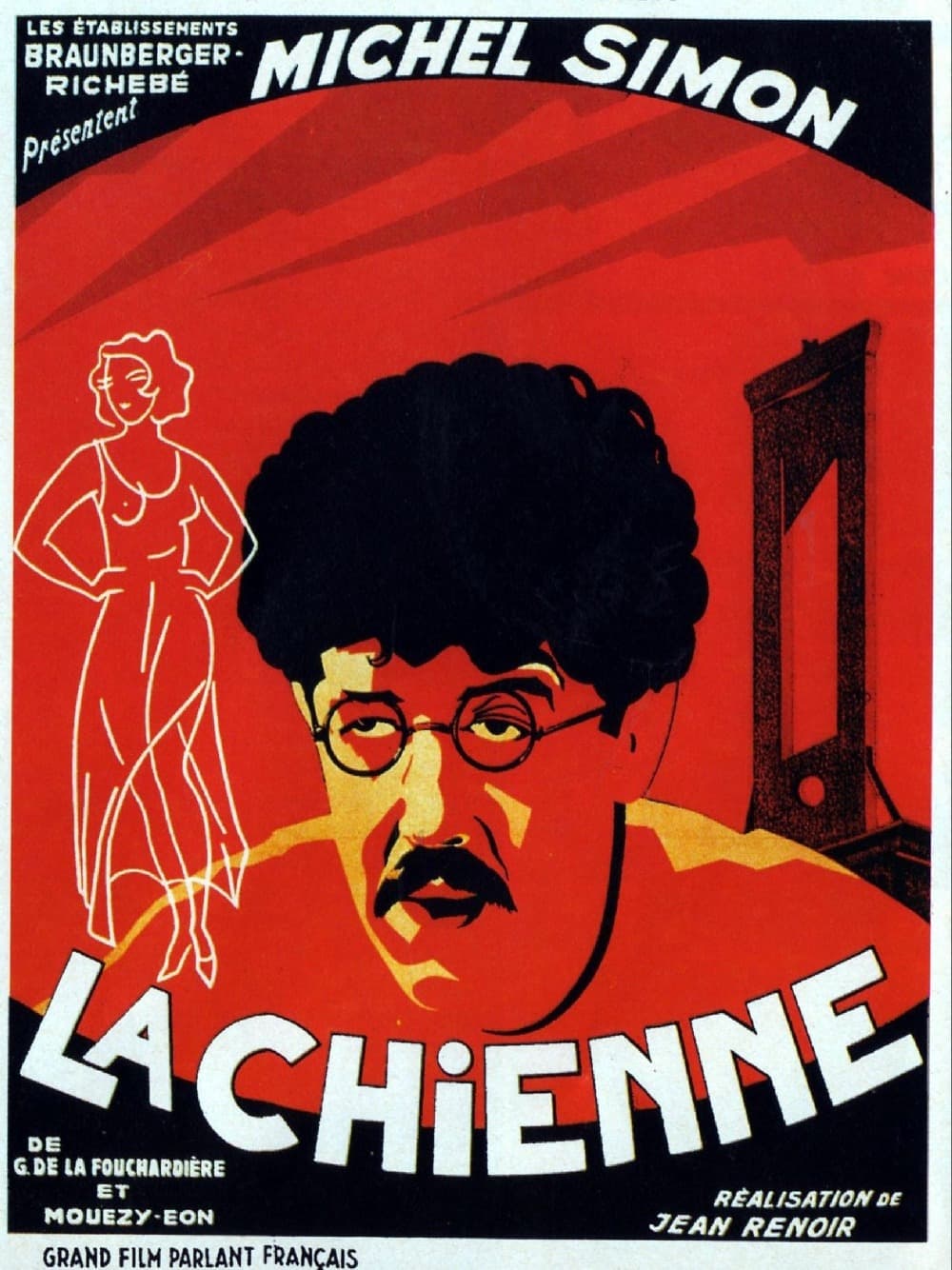
La Chienne
Directed by Jean Renoir
1931 · France
Jean Renoir was recording live street sound in 1931 when almost nobody could: a meek bank cashier who paints on Sundays falls for a woman he meets one night in Montmartre.
★ 2.0
 skopia
Jean Renoir was recording live street sound in 1931 when almost nobody could: a meek bank cashier who paints on Sundays falls for a woman he meets one night in Montmartre.
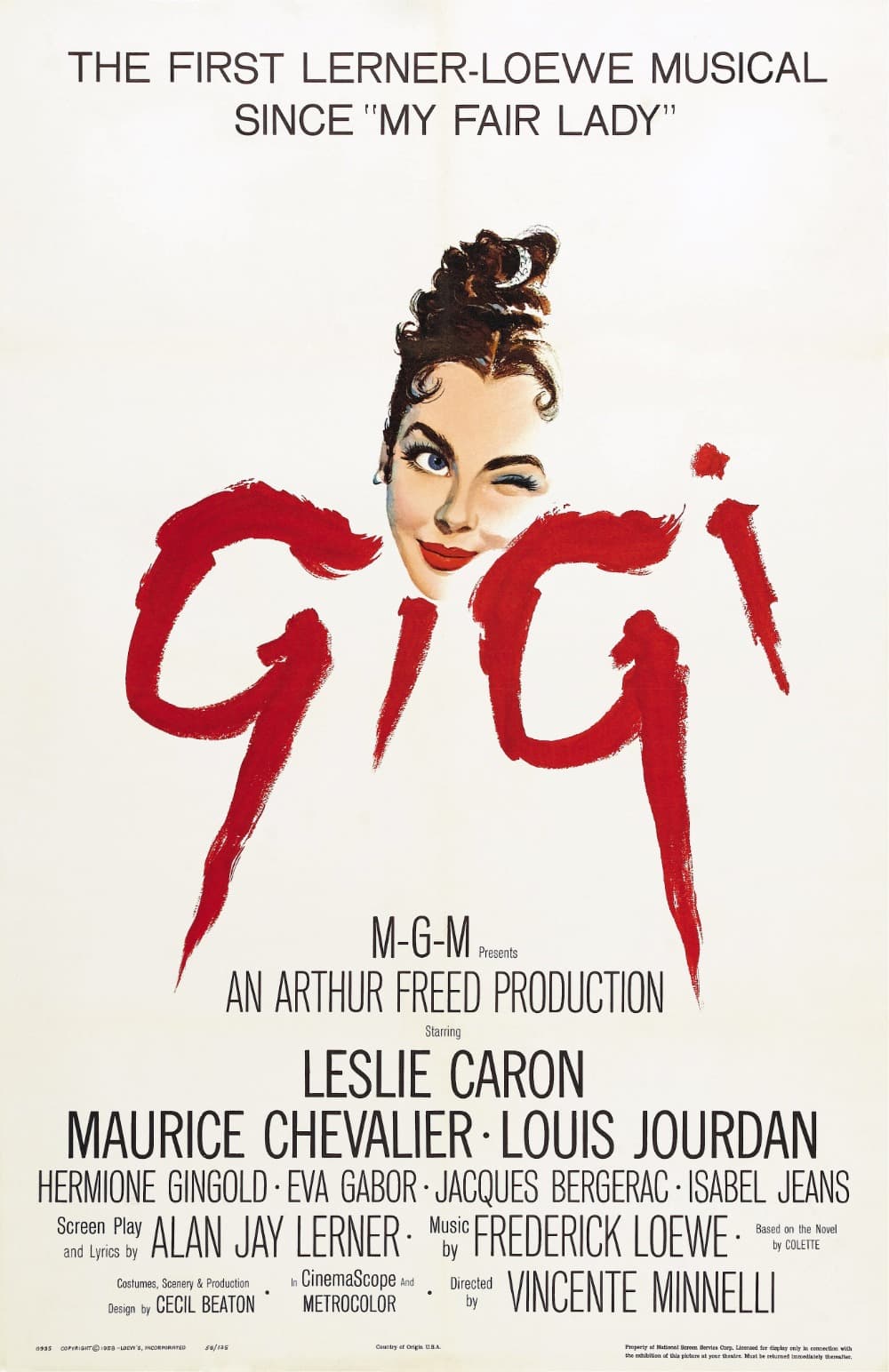
It won all nine awards it was nominated for, the biggest clean sweep the Oscars had seen: Lerner and Loewe wrote it straight for the screen, and Paris in 1900 looks fabulously expensive.
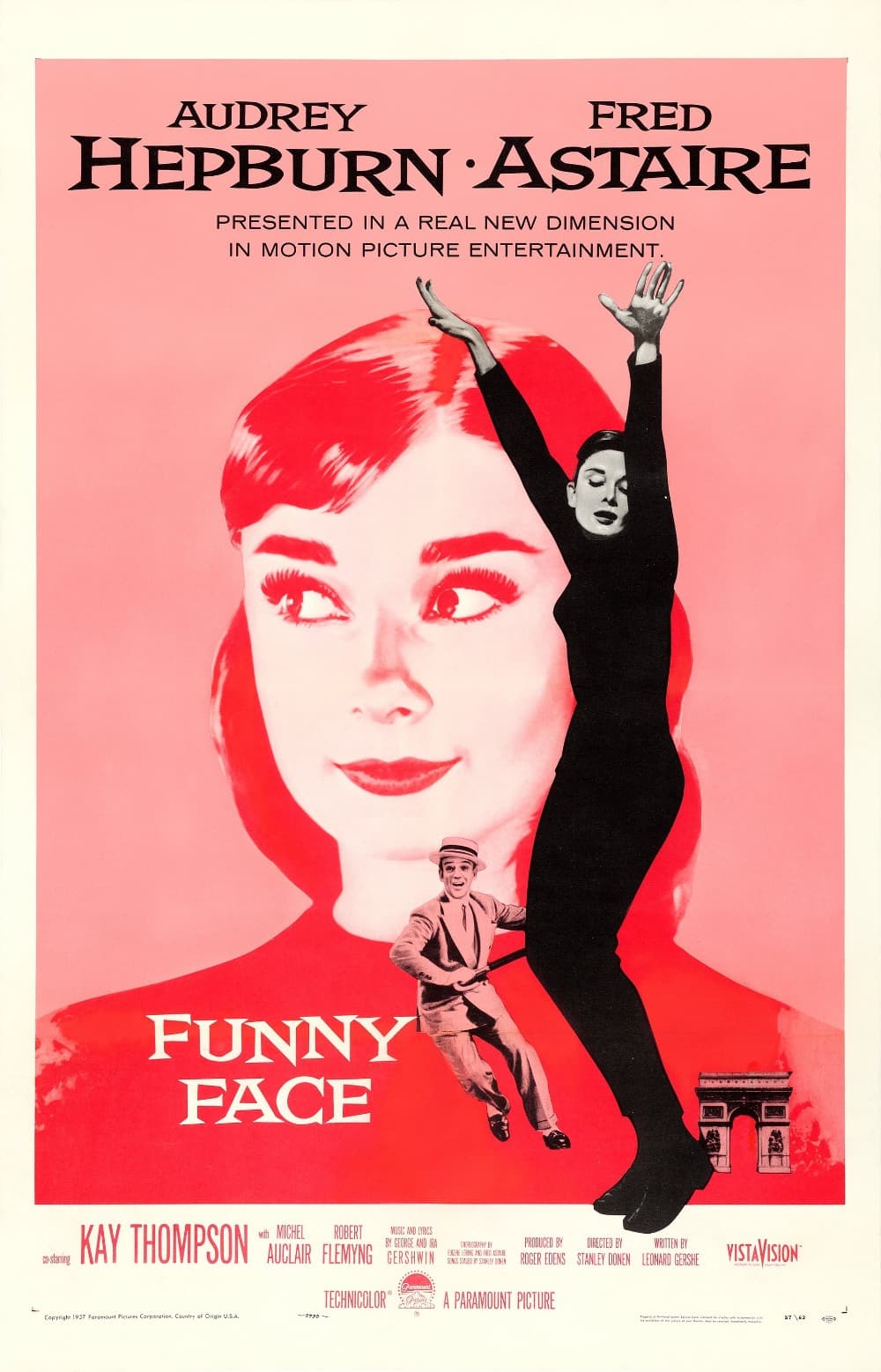
Richard Avedon served as visual consultant and shot the photographs himself: Audrey Hepburn is a bookshop clerk turned Paris model, and the darkroom sequence is the most beautiful red ever filmed.
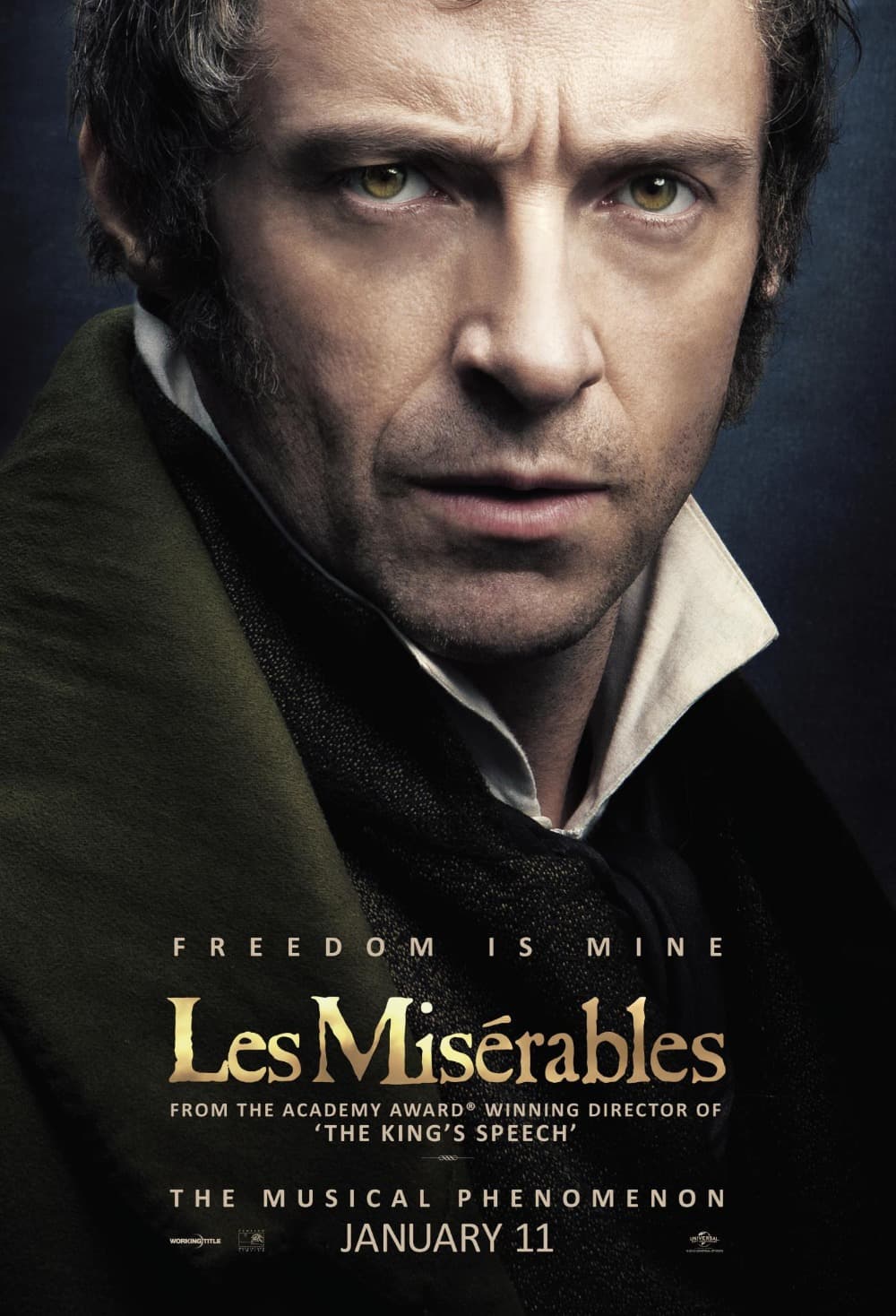
Every note was sung live on set instead of lip-synced to a recording, which nobody had attempted at this scale: the camera sits inches from faces the entire time.
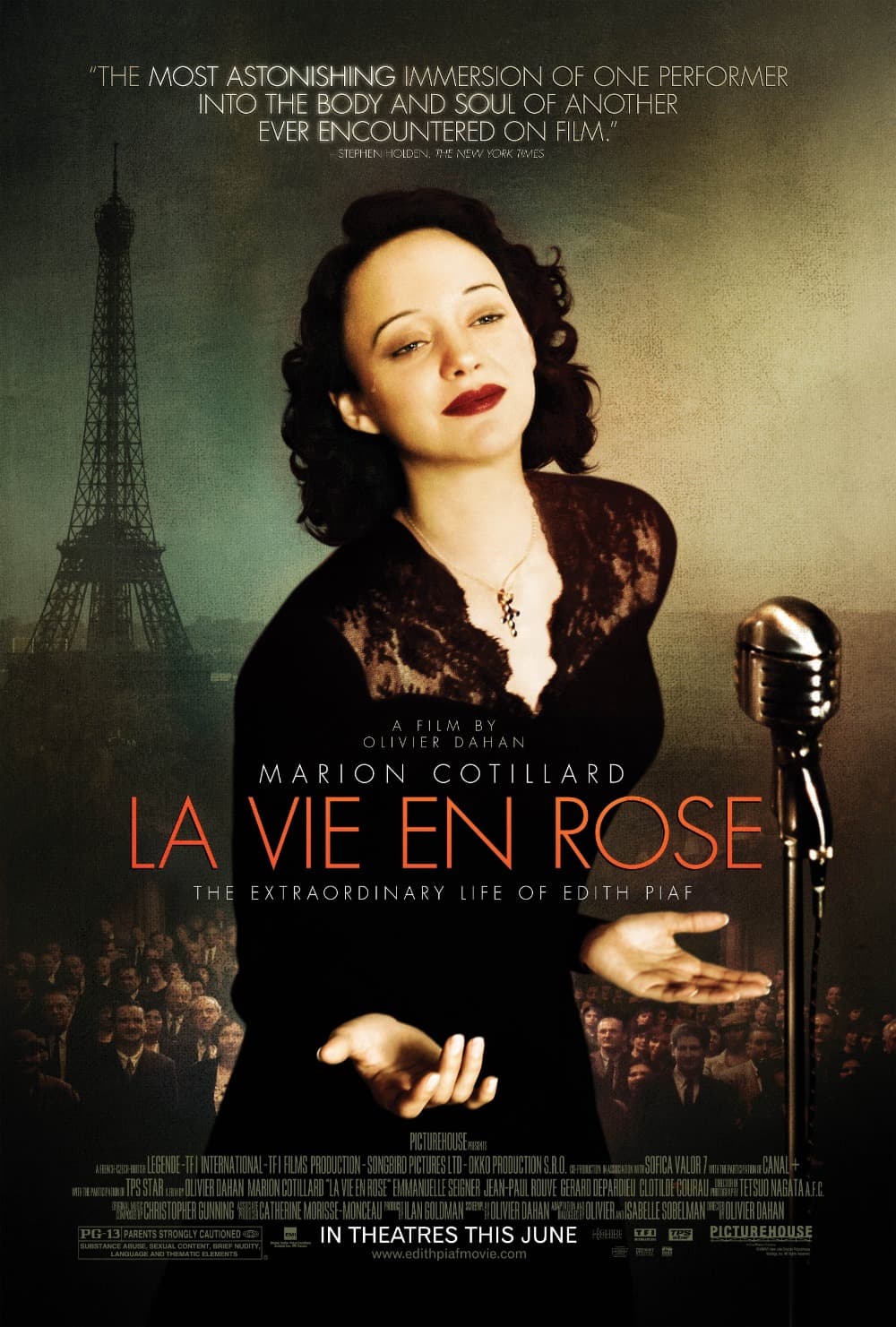
Marion Cotillard ages from a young street singer to the end of Piaf's life and is unrecognizable throughout: the first Best Actress win for a performance given entirely in French.
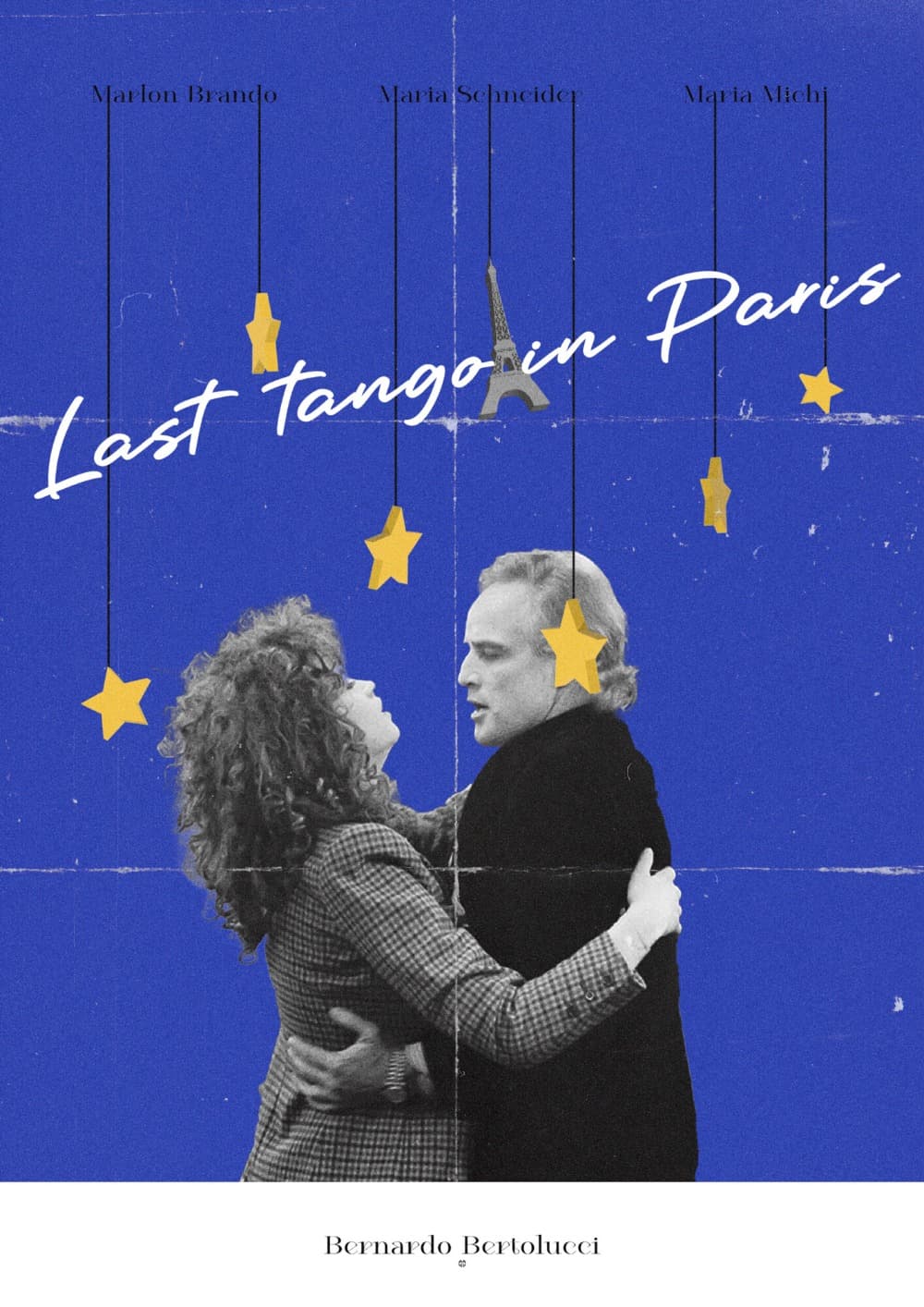
Pauline Kael called the premiere a landmark comparable to the Rite of Spring, and the reputation has since collapsed: Maria Schneider was nineteen and was not told the scene had been changed.
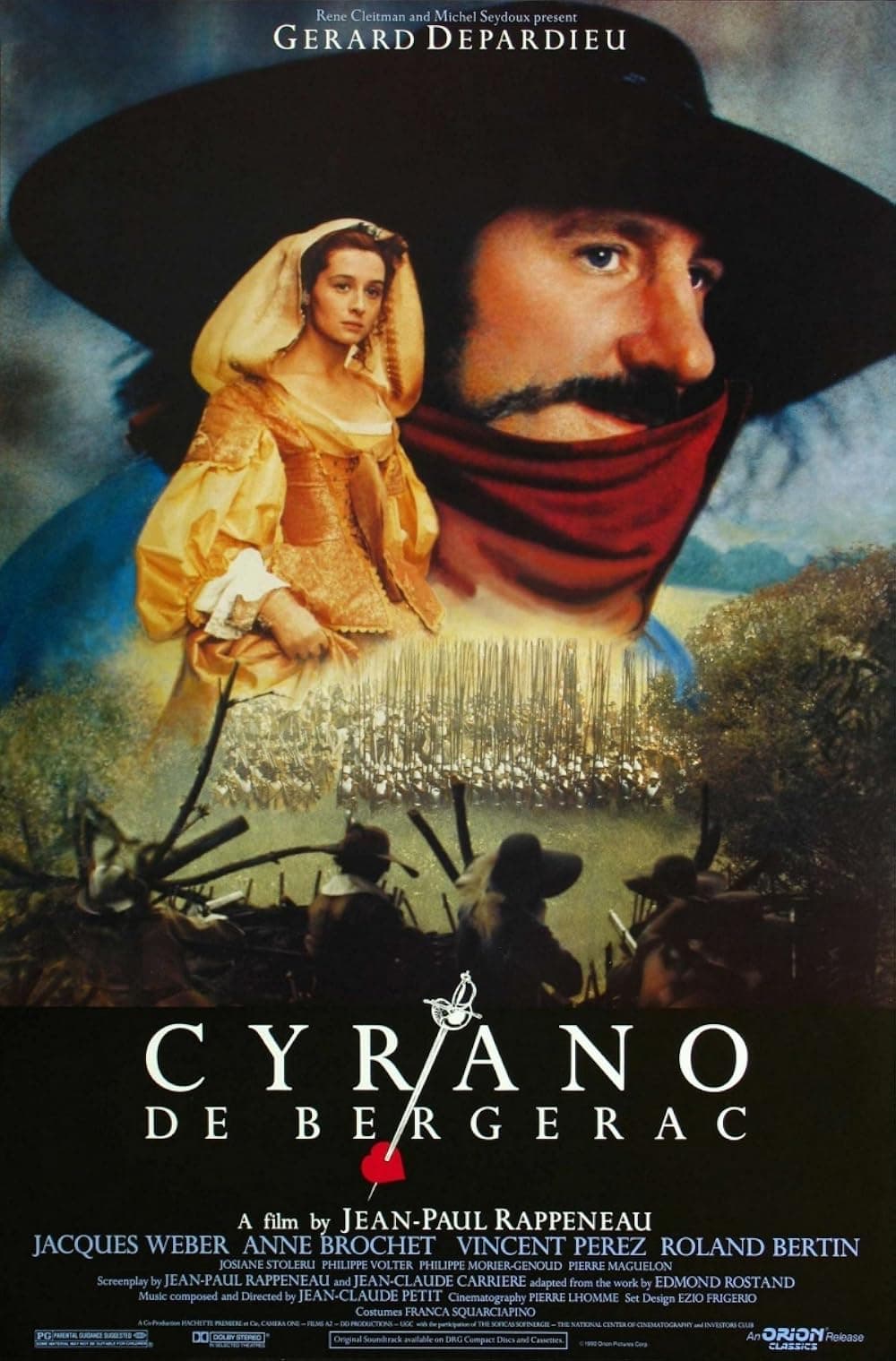
Anthony Burgess translated the subtitles into rhyming couplets so English audiences would get the verse: Gerard Depardieu plays the nose and the poetry equally, and the swordfight is a poem too.
A French box office phenomenon built on two performances: a quadriplegic aristocrat hires a man from the projects precisely because he refuses to be careful around him, and Omar Sy took the Cesar.
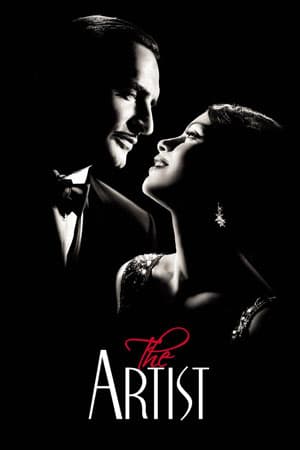
The first silent film to take Best Picture since 1929, made by a French director nobody in Hollywood knew: a star of the silents watches sound arrive and refuses to adapt.
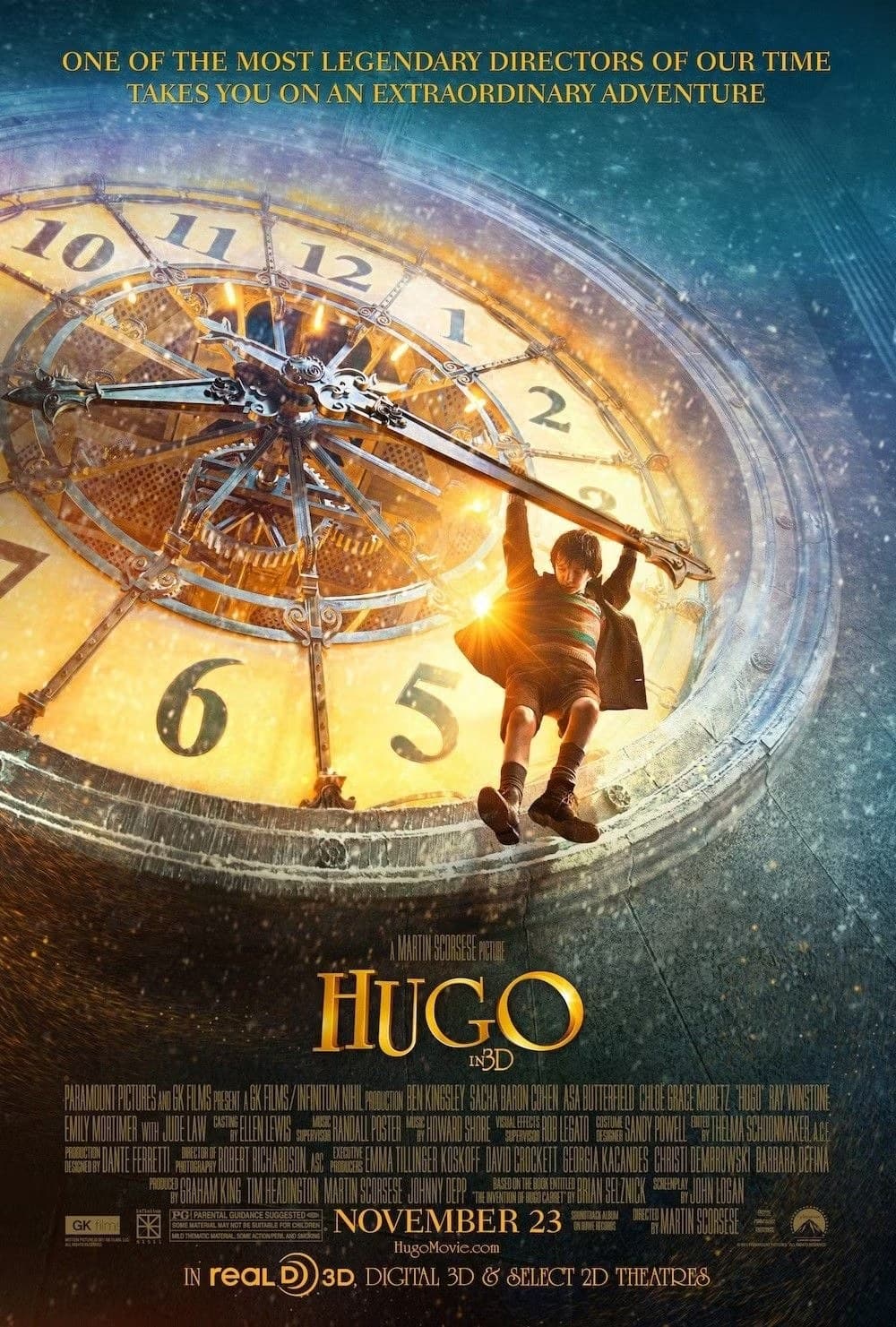
Scorsese made a children's film in 3D to argue for film preservation: an orphan living inside a Paris railway station keeps a broken automaton his father left him, and the station watches him.
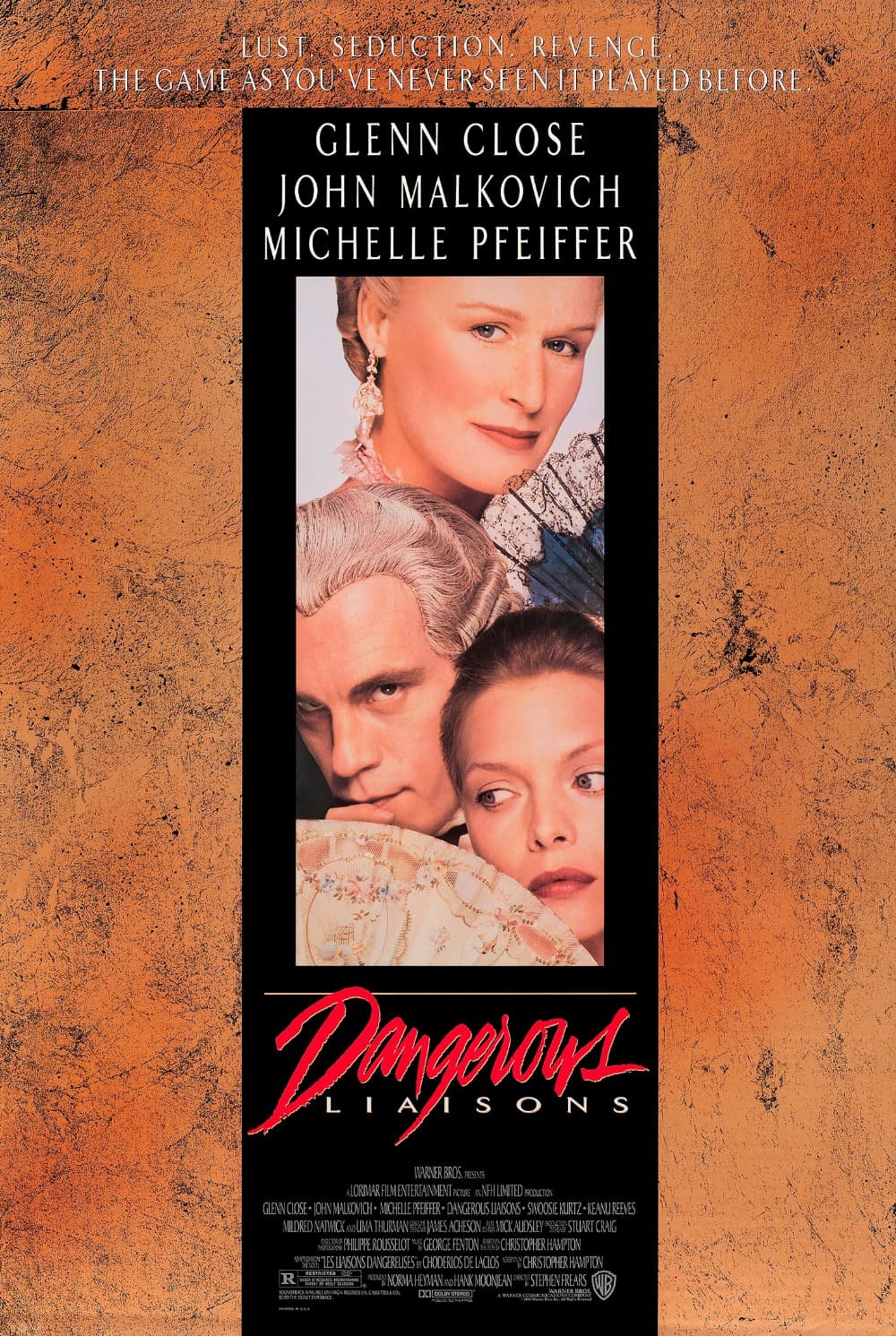
Glenn Close and John Malkovich play two aristocrats who ruin people for entertainment: Frears films eighteenth-century seduction as a campaign with objectives, and the wit stays lethal to the end.
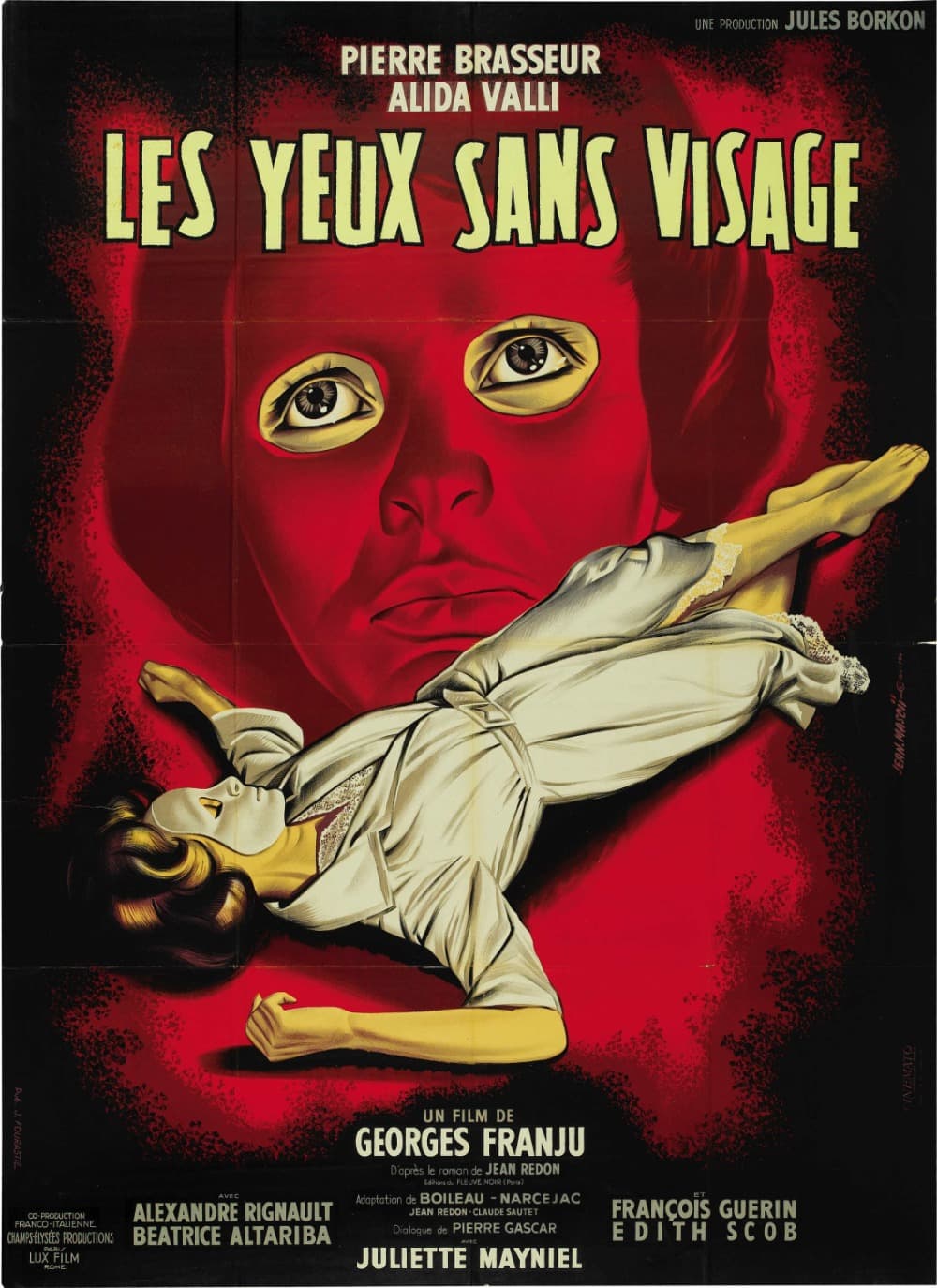
Viewers fainted at its first festival screenings and horror has been quietly borrowing from it ever since: a surgeon keeps trying to give his daughter a face, and her mask is unforgettable.
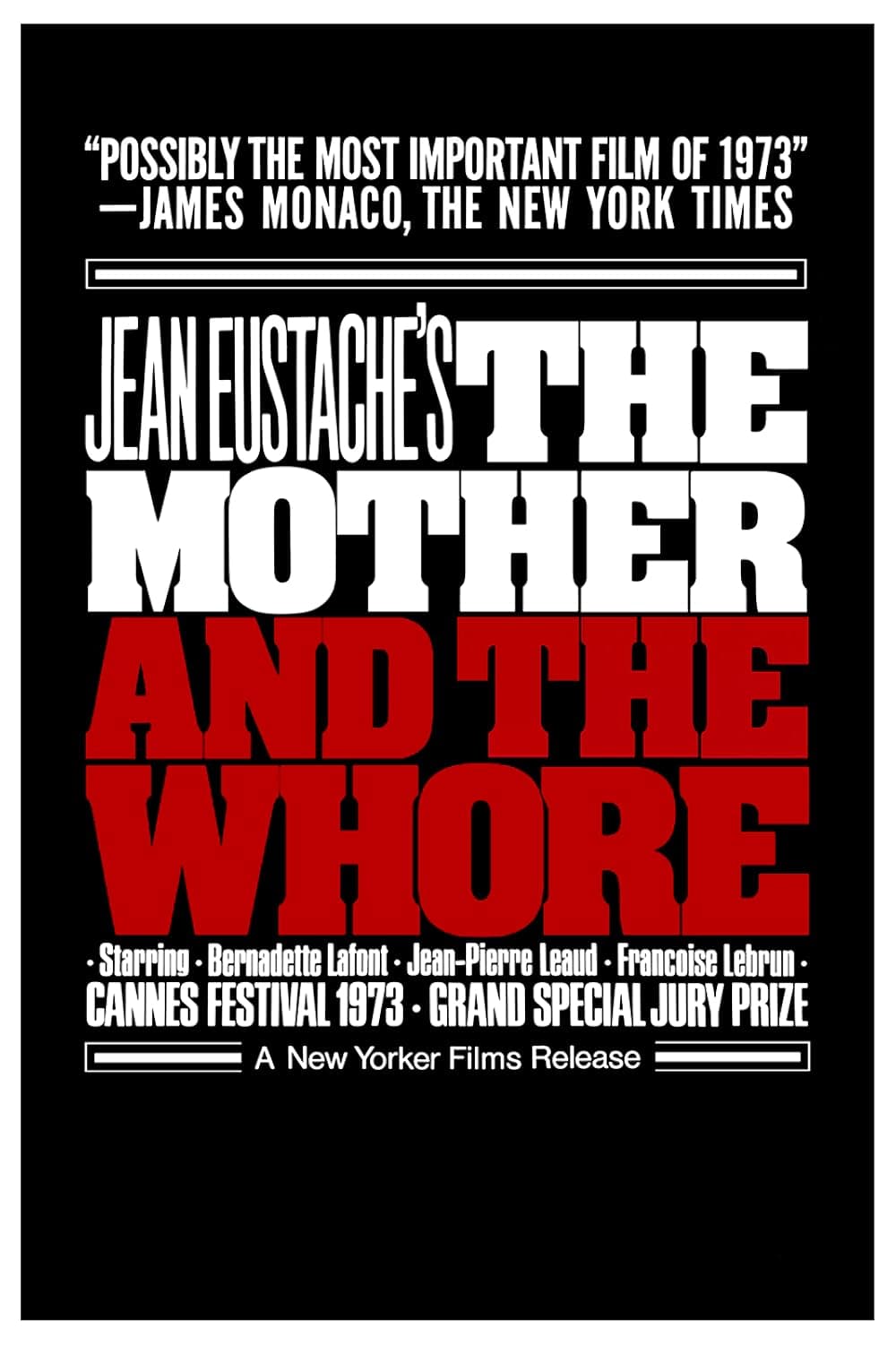
Nearly four hours of three people talking in Paris apartments, and nothing else defines what happened after 1968 so exactly: Eustache made it once and never made anything like it again.
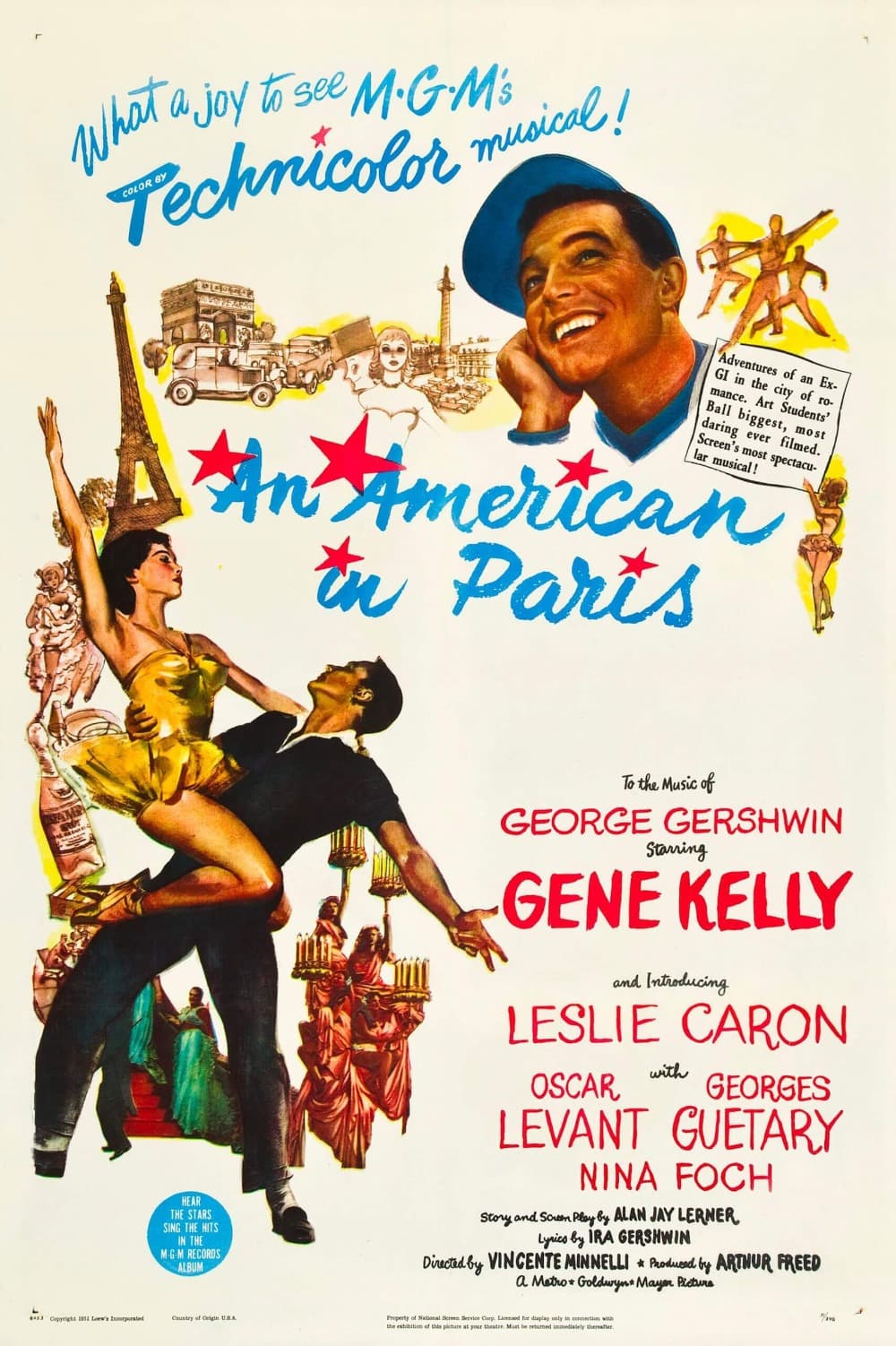
It ends with a seventeen-minute ballet and no dialogue, staged against sets copied from French painters: Gene Kelly and Vincente Minnelli bet a whole musical on one uninterrupted dance.
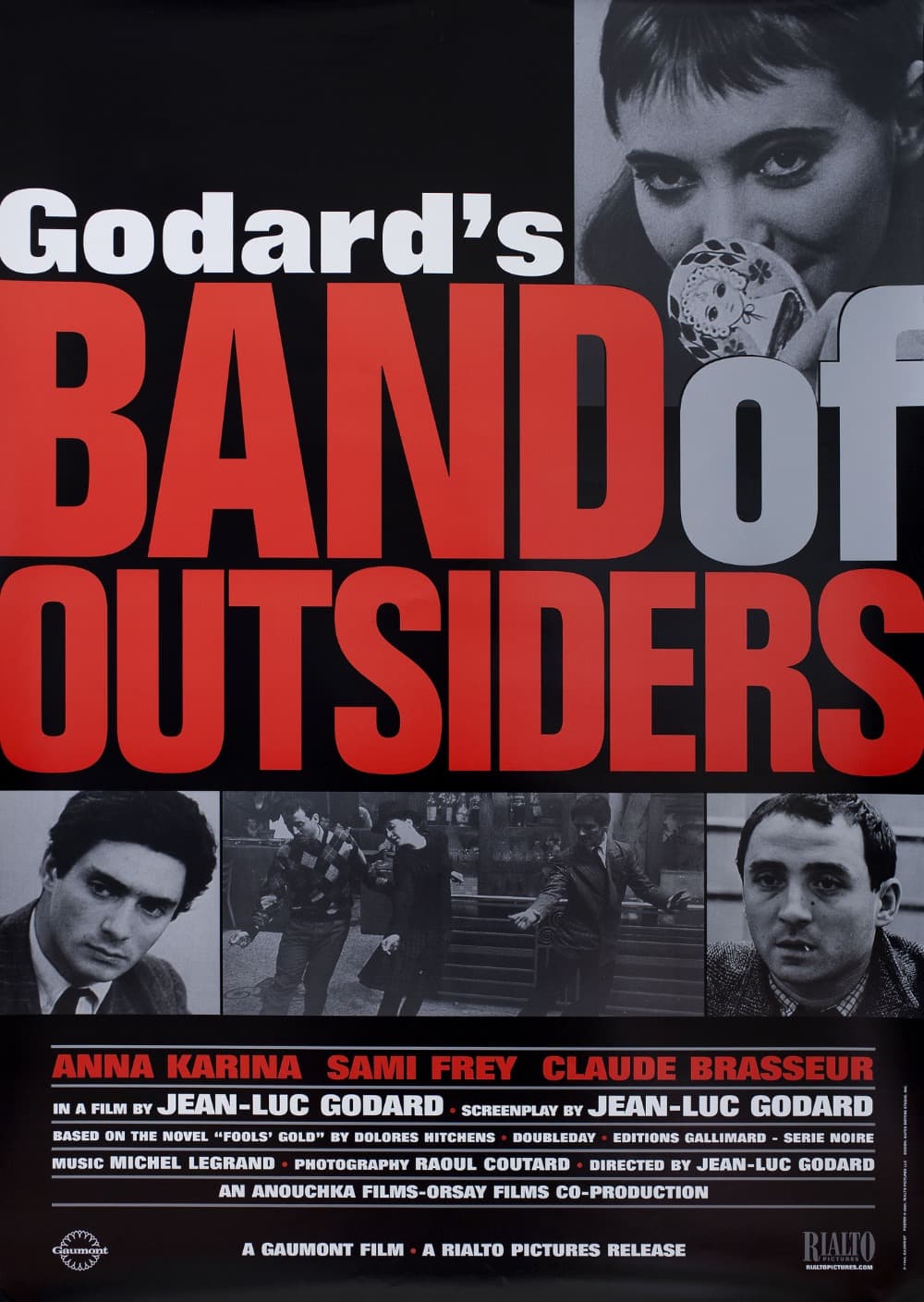
Tarantino named his production company after this film: three young Parisians run through the Louvre in nine minutes and dance the Madison in a cafe, and Godard makes crime look like play.
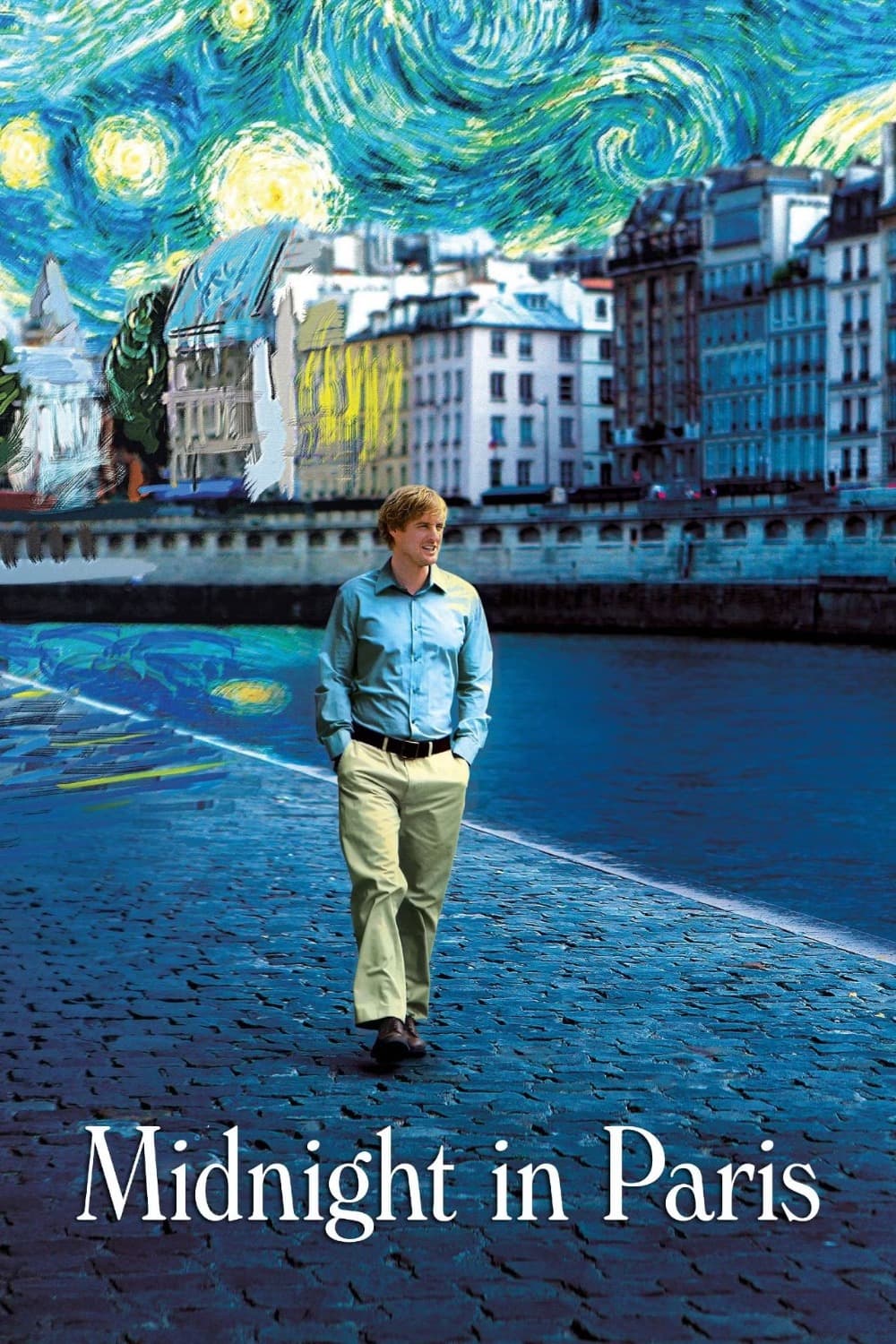
Woody Allen's biggest hit at the box office is also his gentlest: a screenwriter stuck on a novel steps into a car at midnight in Paris and is driven straight into the 1920s.
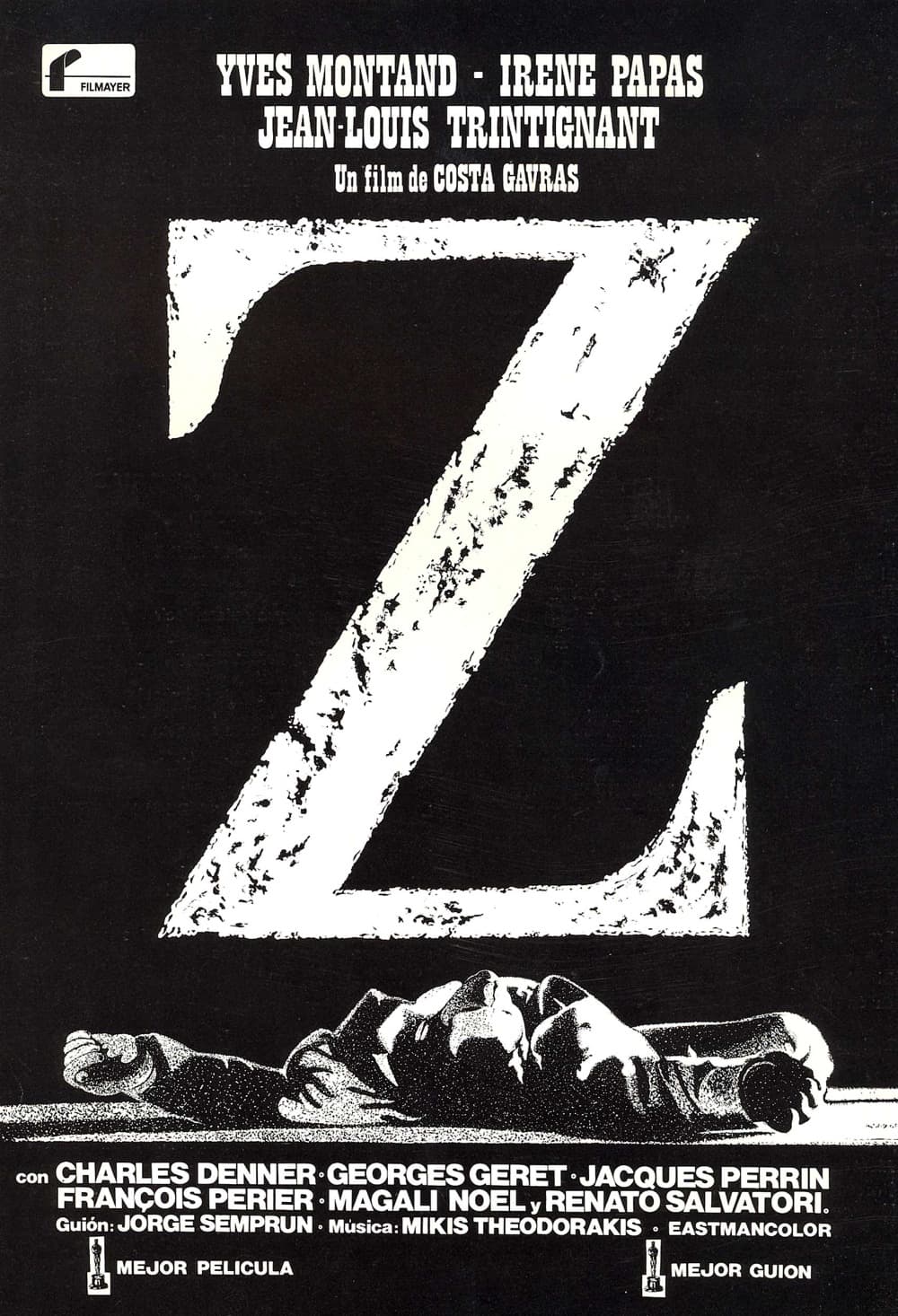
Banned by the Greek junta it was made to indict: Costa-Gavras films a political assassination and its cover-up as a procedural thriller, and the pace never lets the outrage go abstract.
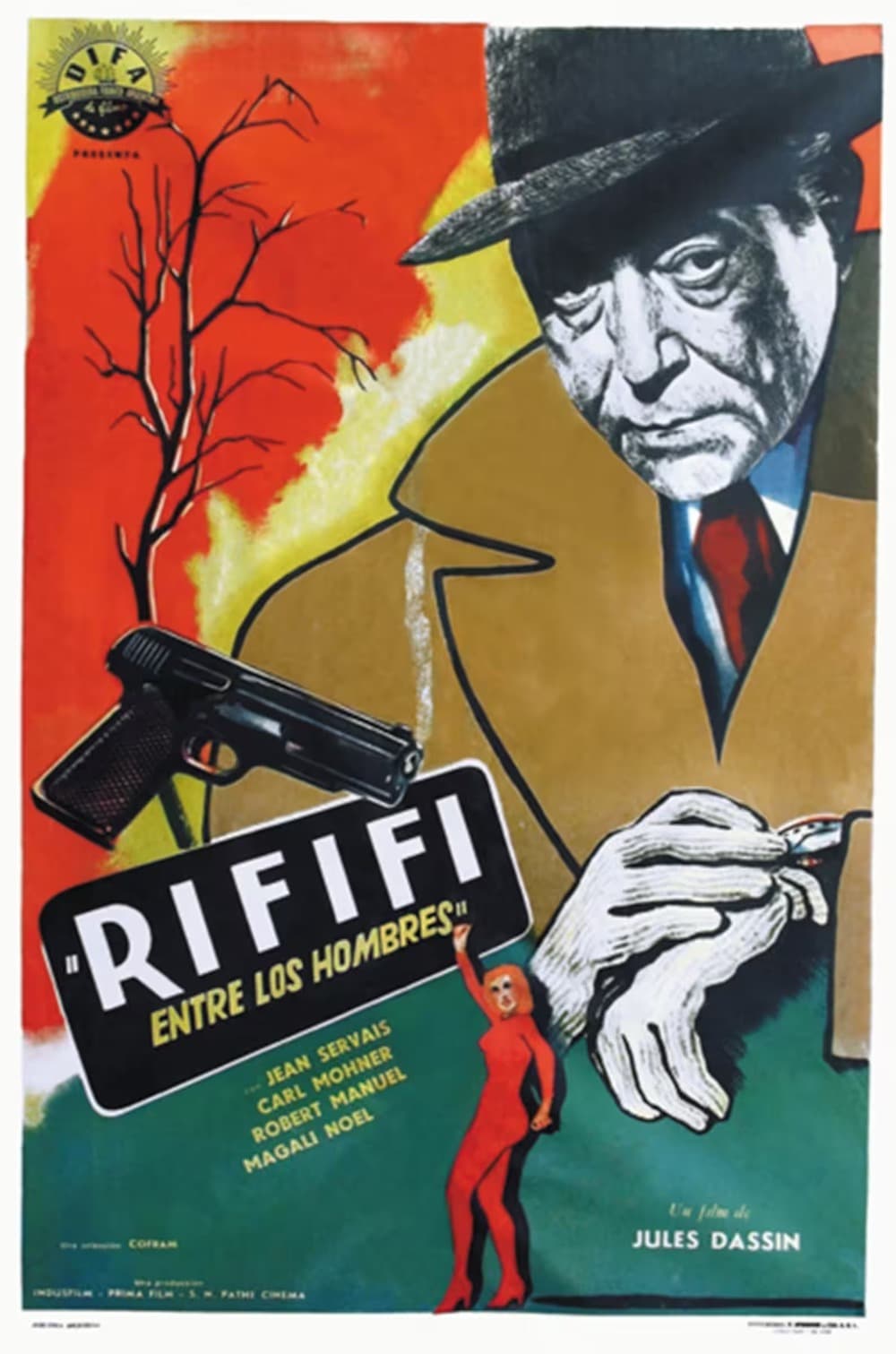
Dassin was blacklisted out of Hollywood and made this in France for almost nothing: the half-hour robbery at its center plays in near-total silence, and the genre has been imitating it since.
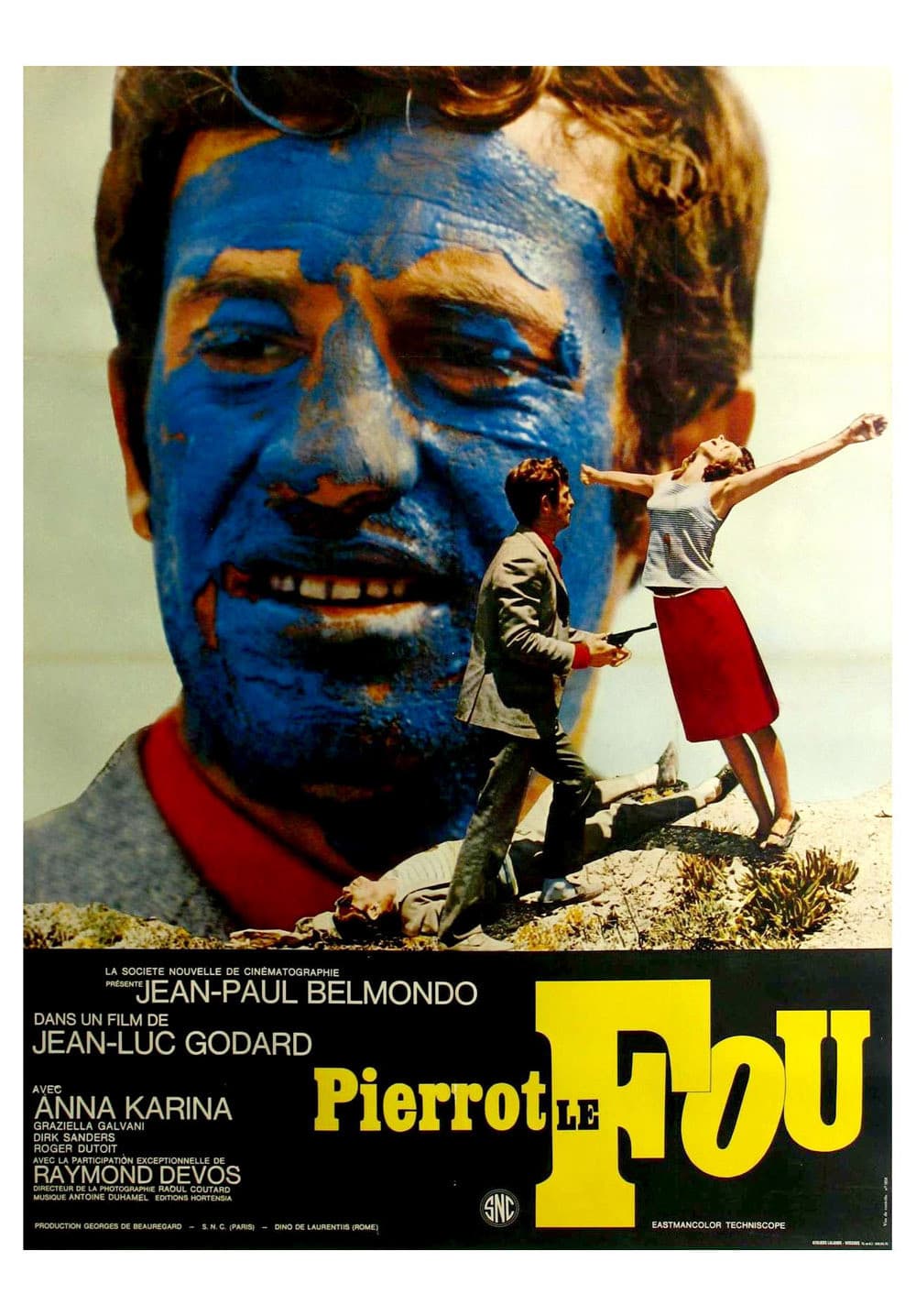
Godard at his most beautiful and least patient: Belmondo walks out of a party and drives south with Anna Karina, and the film keeps dissolving into color, quotation and pure play.

Schnabel put the camera inside a paralyzed man's one working eye and left it there: the memoir it comes from was dictated letter by letter, by blinking, and the film feels weightless anyway.