The Movies canon

Sourced and screened.

Every film chosen by hand and annotated for why it matters.
Browse all 731 films or filter by genre, director, place, and year.

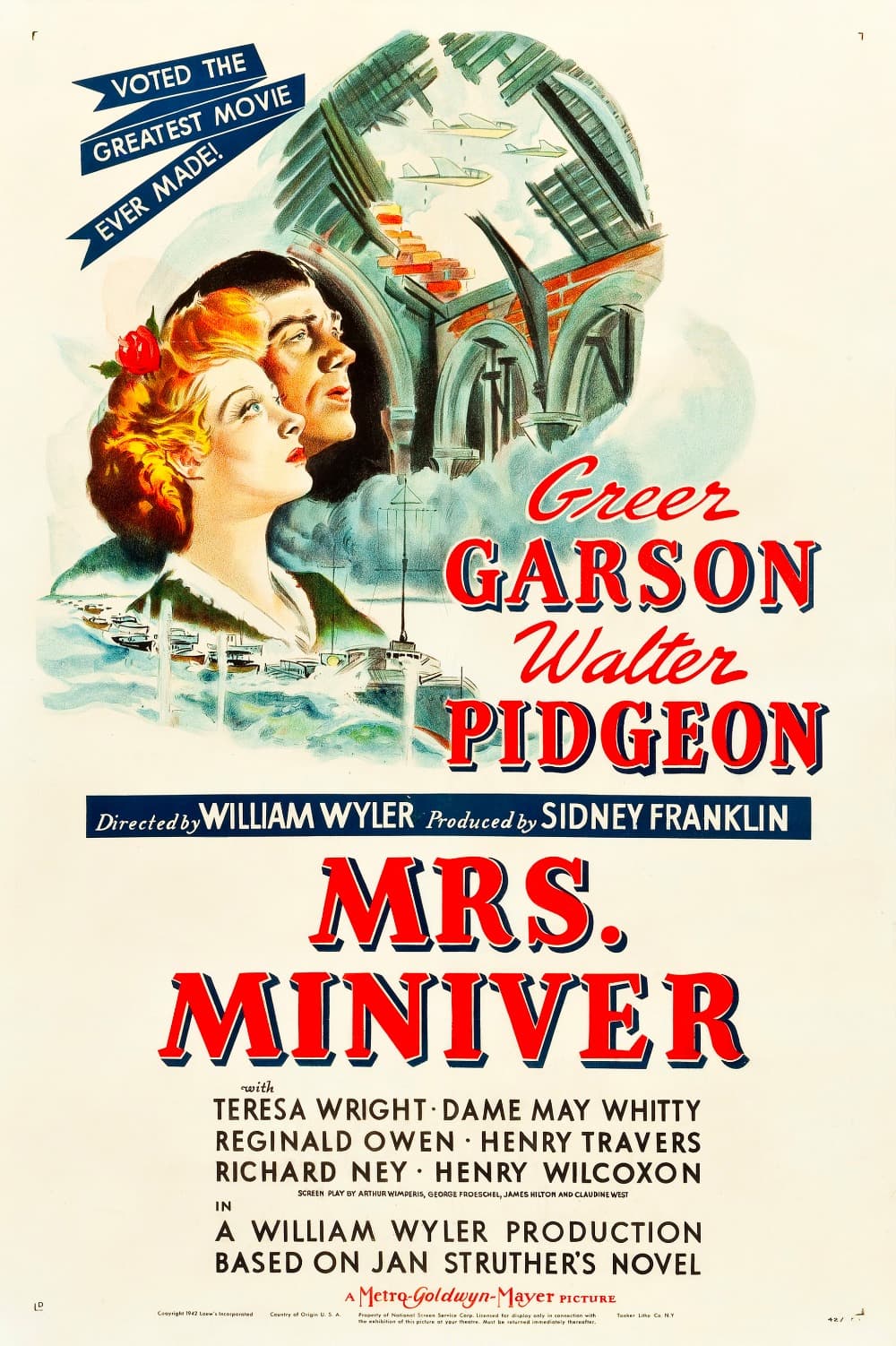
Mrs. Miniver

Directed by William Wyler
1942 · United Kingdom

Roosevelt had the vicar's closing speech printed on leaflets and dropped over occupied Europe: an English family absorbs the first year of the war, and America was watching very closely.

★ 1.4
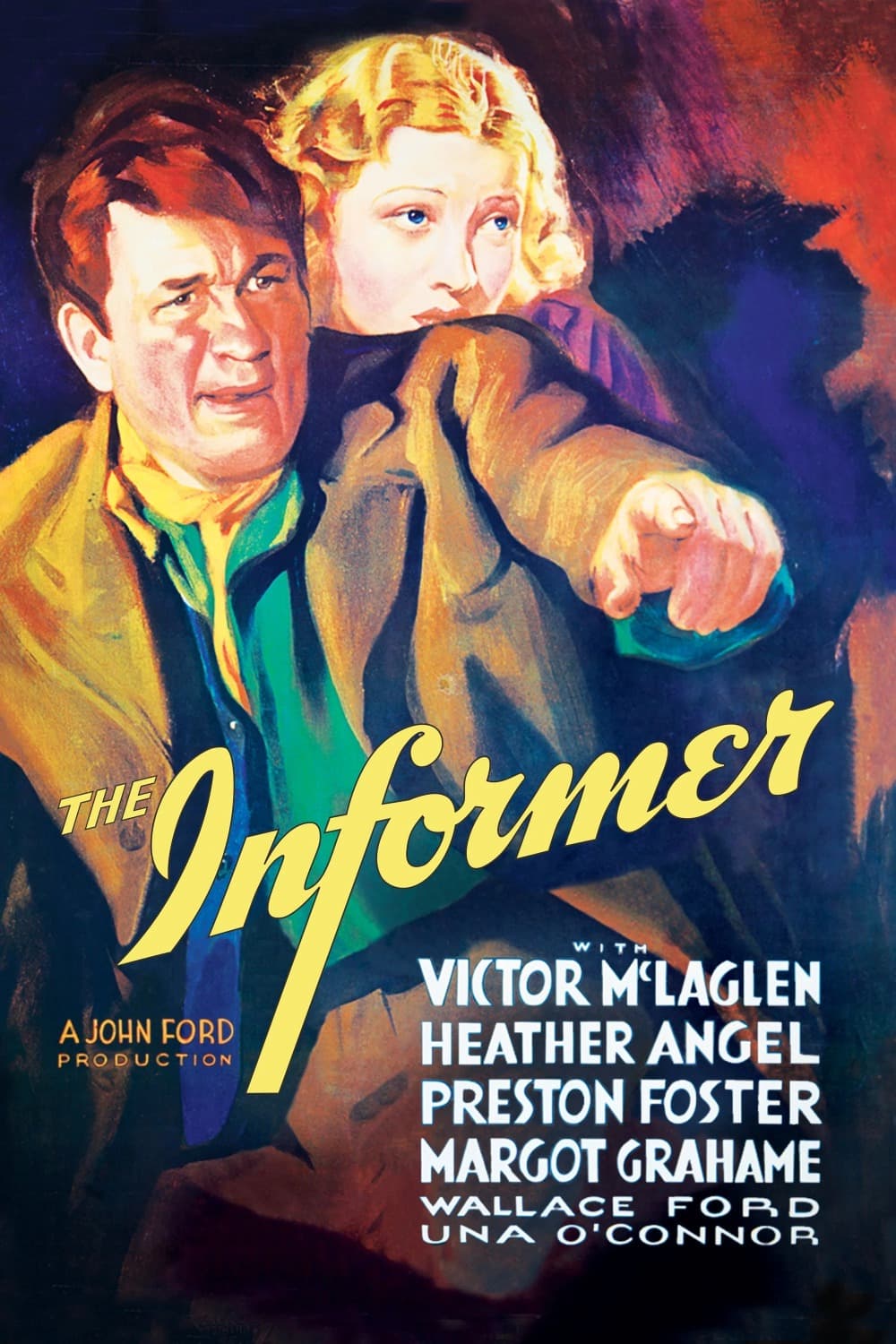
The Informer

Directed by John Ford
1935

Dublin in 1922, shot entirely on a fogged soundstage: John Ford won his first directing Oscar for it, and a slow-witted man sells out a friend for twenty pounds.

★ 1.5

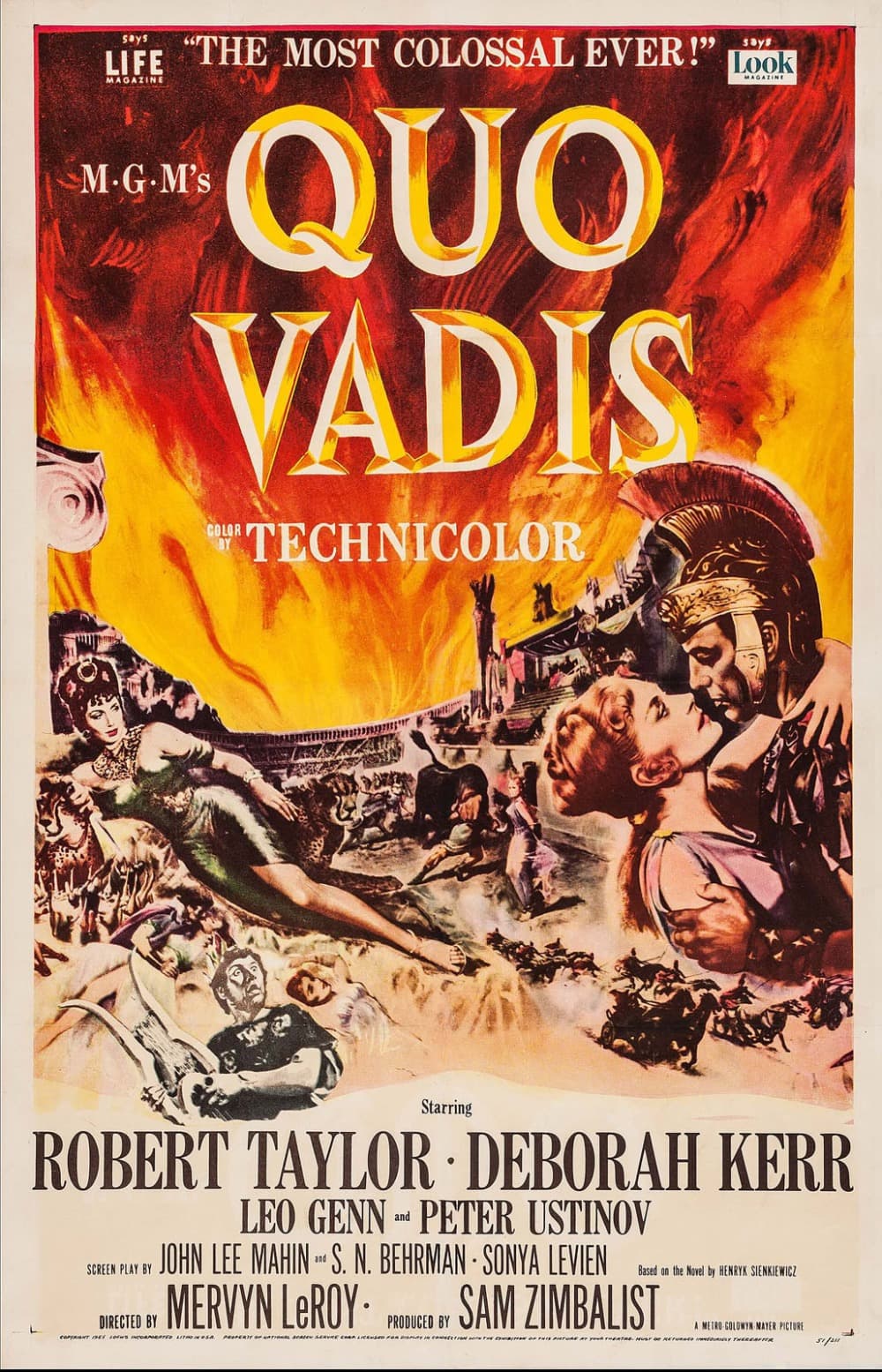
Quo Vadis

Directed by Mervyn LeRoy
1951

Peter Ustinov plays Nero as a needy child with an empire, and steals the entire picture: MGM built ancient Rome at Cinecitta and the film rescued the studio's finances.

★ 1.7

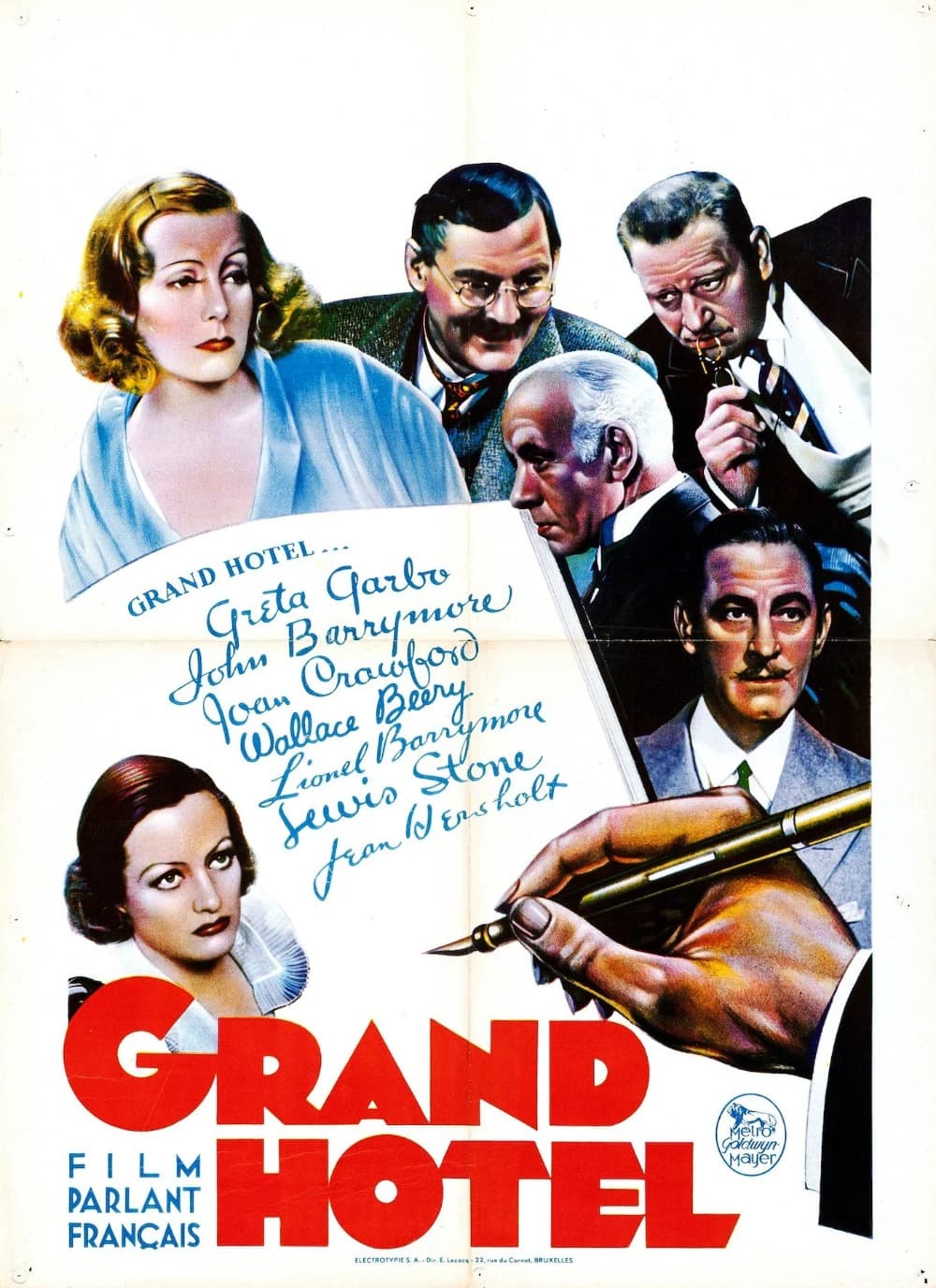
Grand Hotel

Directed by Edmund Goulding
1932

It took Best Picture without a single other nomination, which nothing else has managed: Greta Garbo says the line about wanting to be alone, and the one-building ensemble format begins here.

★ 1.8

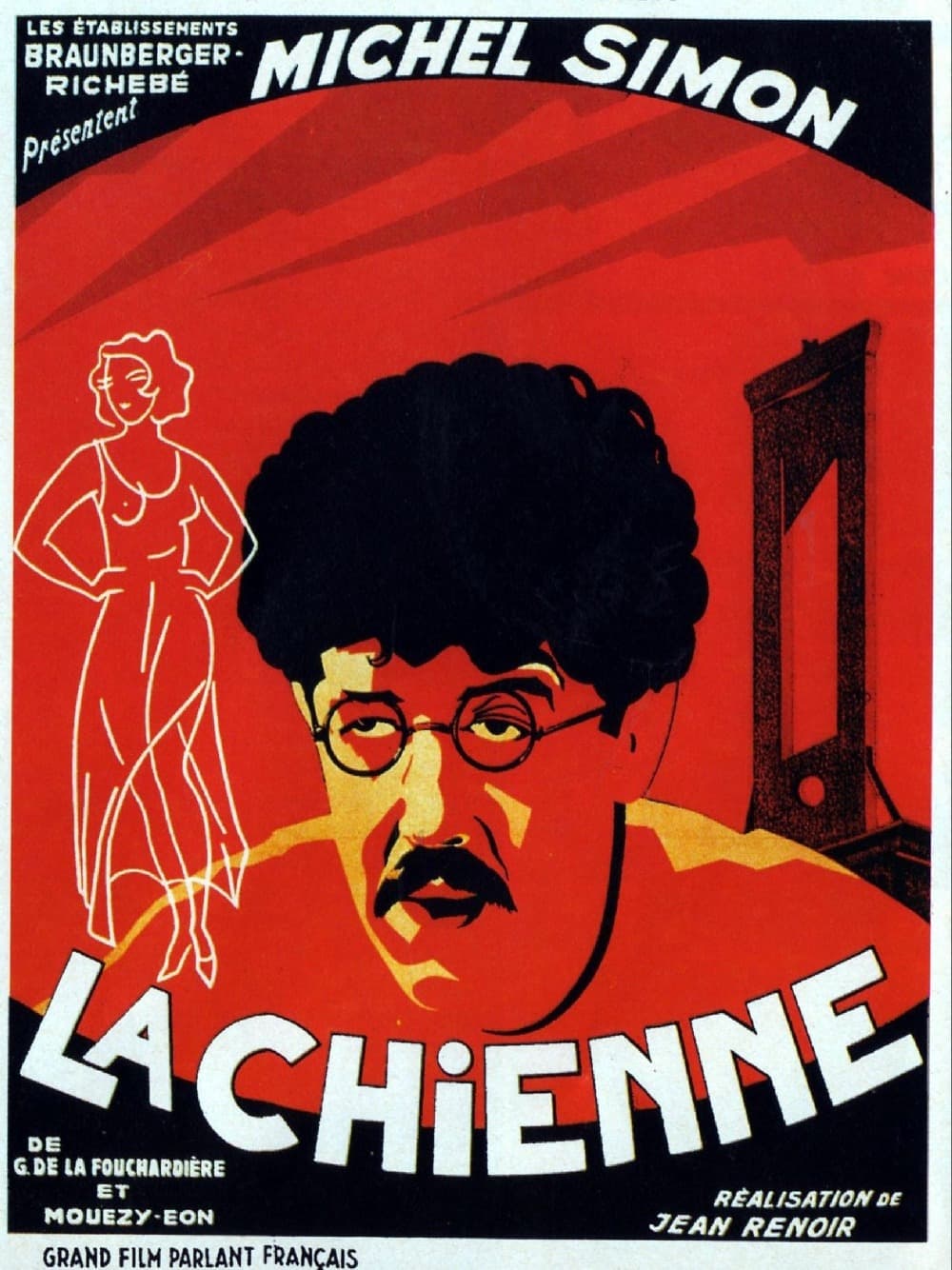
La Chienne

Directed by Jean Renoir
1931 · France

Jean Renoir was recording live street sound in 1931 when almost nobody could: a meek bank cashier who paints on Sundays falls for a woman he meets one night in Montmartre.

★ 2.0

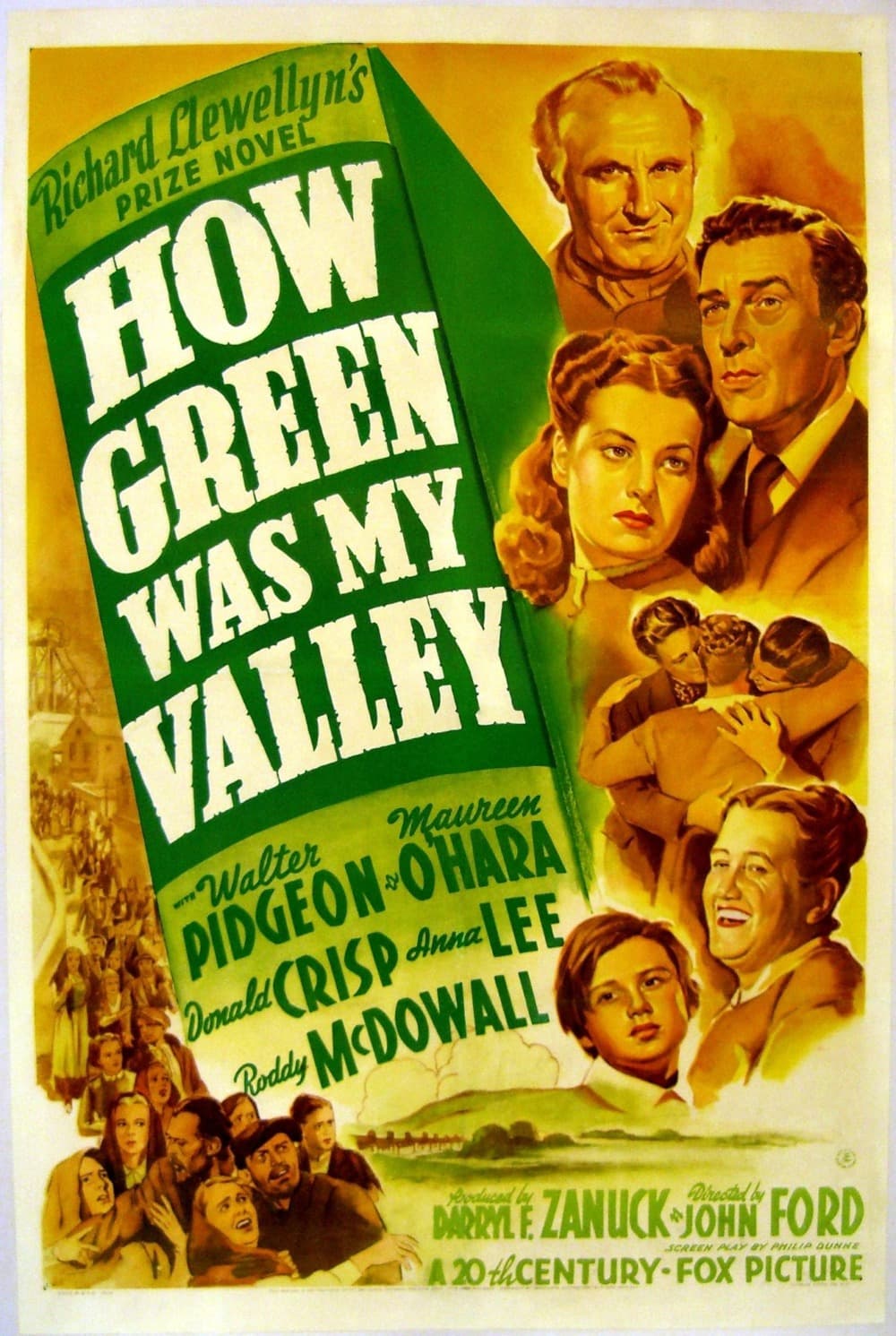
How Green Was My Valley

Directed by John Ford
1941

John Ford built an entire Welsh mining village in the California hills and shot it like memory: a colliery family in a valley the pit is slowly ruining, narrated by the youngest son.

★ 2.1

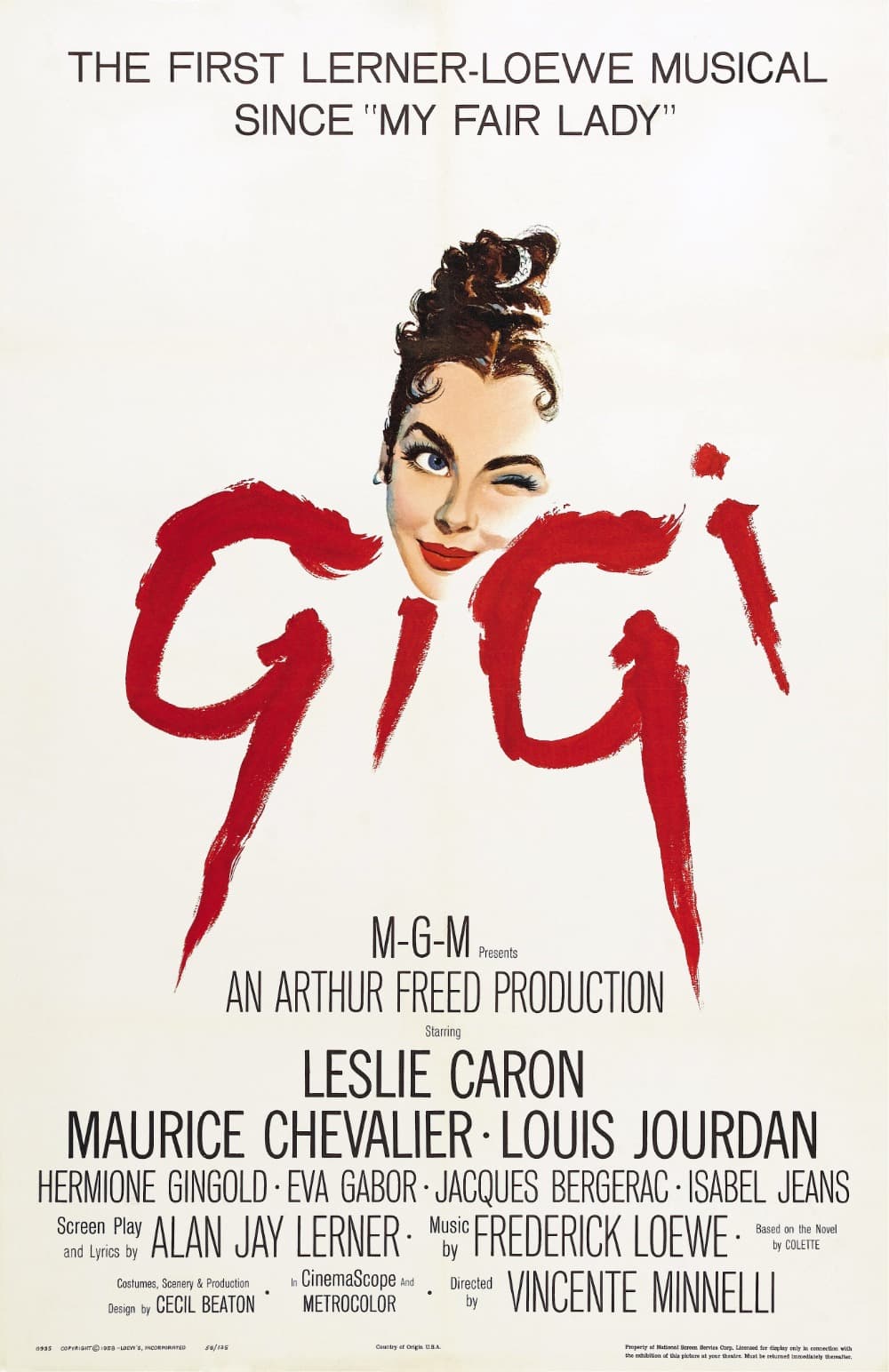
Gigi

Directed by Vincente Minnelli
1958

It won all nine awards it was nominated for, the biggest clean sweep the Oscars had seen: Lerner and Loewe wrote it straight for the screen, and Paris in 1900 looks fabulously expensive.

★ 2.2

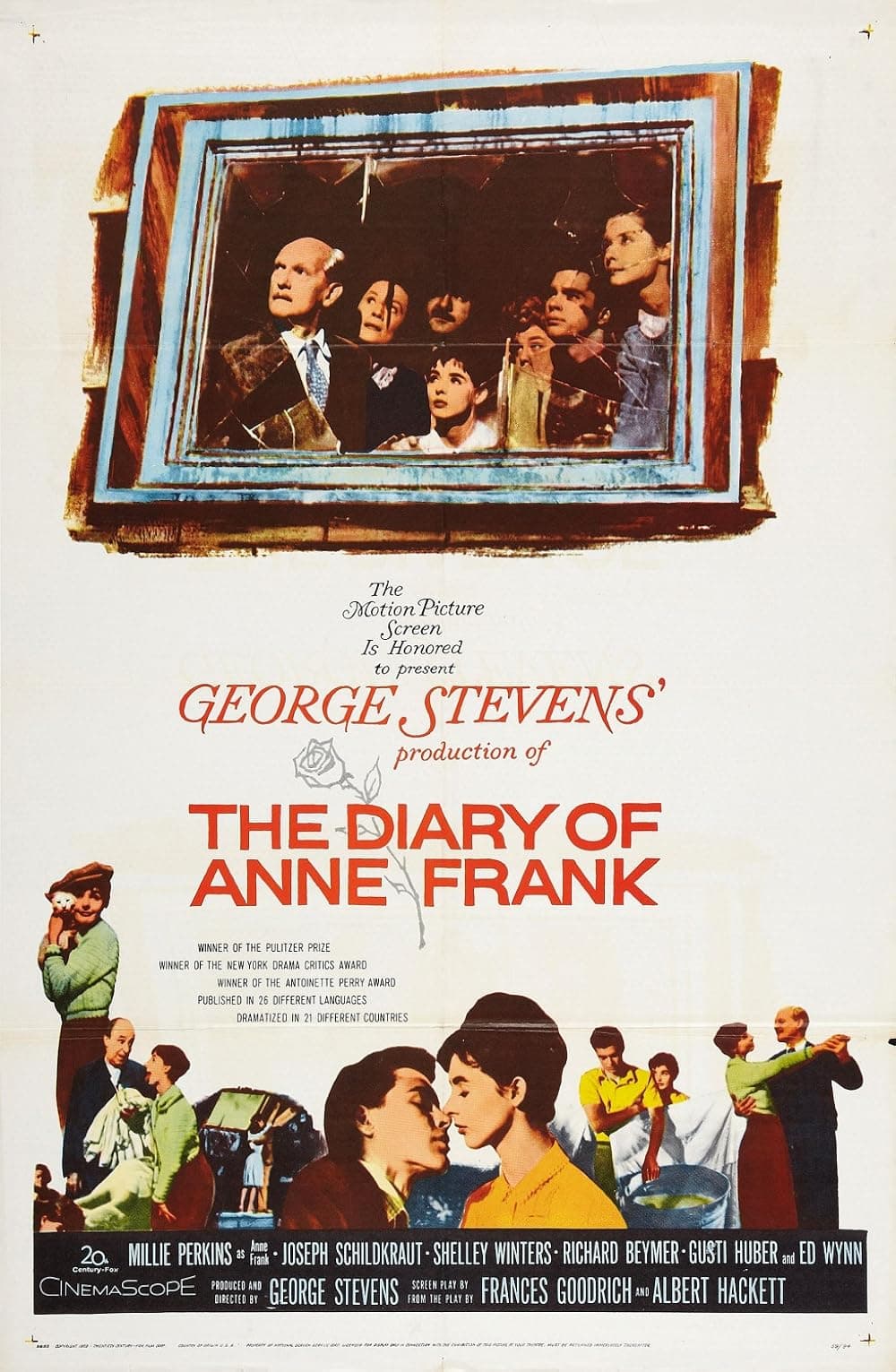
The Diary of Anne Frank

Directed by George Stevens
1959

George Stevens built the annex to the actual dimensions so the cast would feel it: two years in a few rooms above a warehouse, and nothing outside them is ever shown.

★ 2.3

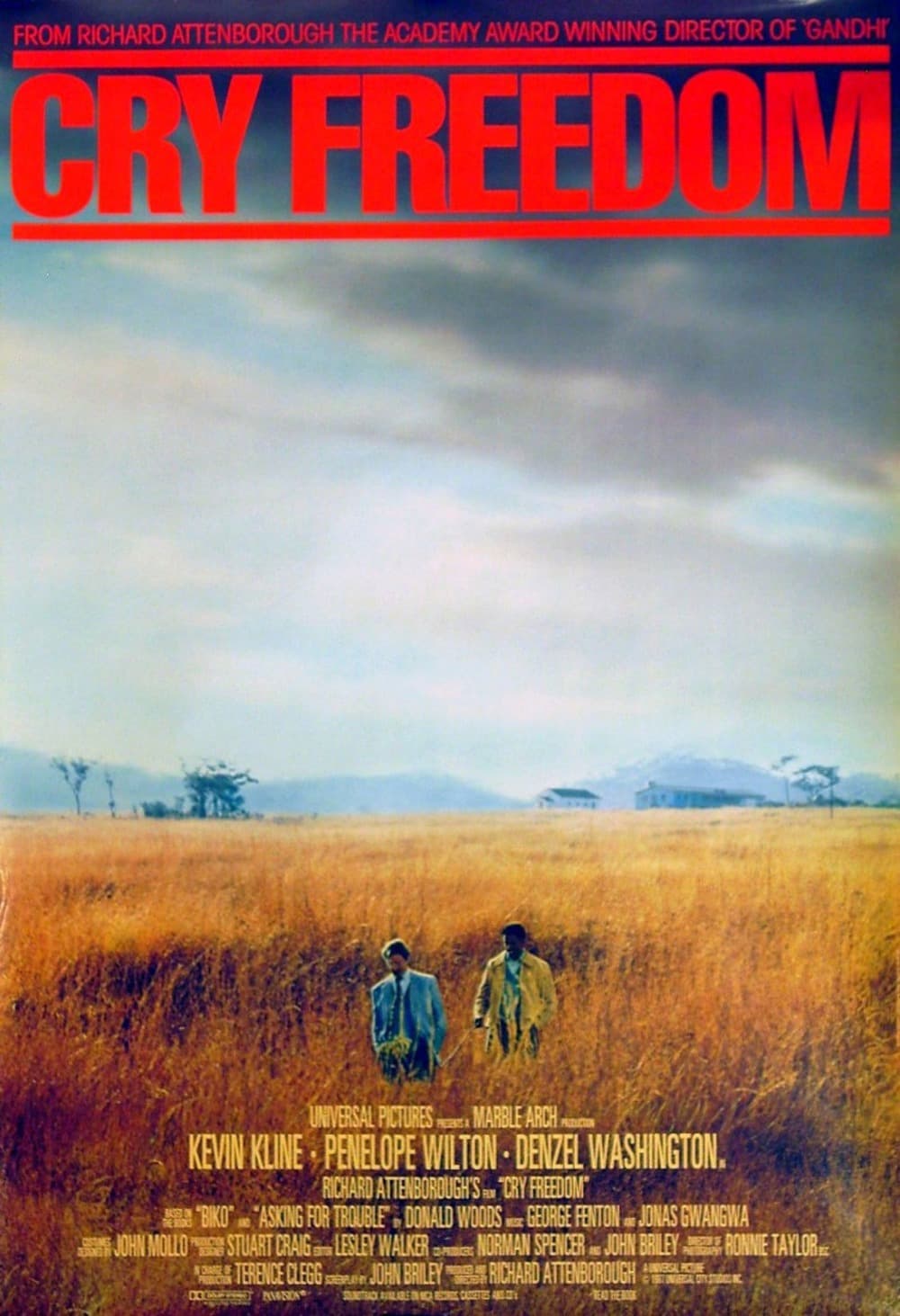
Cry Freedom

1987 · United Kingdom

Richard Attenborough got Steve Biko into cinemas while apartheid was still standing: Denzel Washington's first Oscar nomination, and a white newspaper editor learning what Black South Africans already knew.

★ 2.3

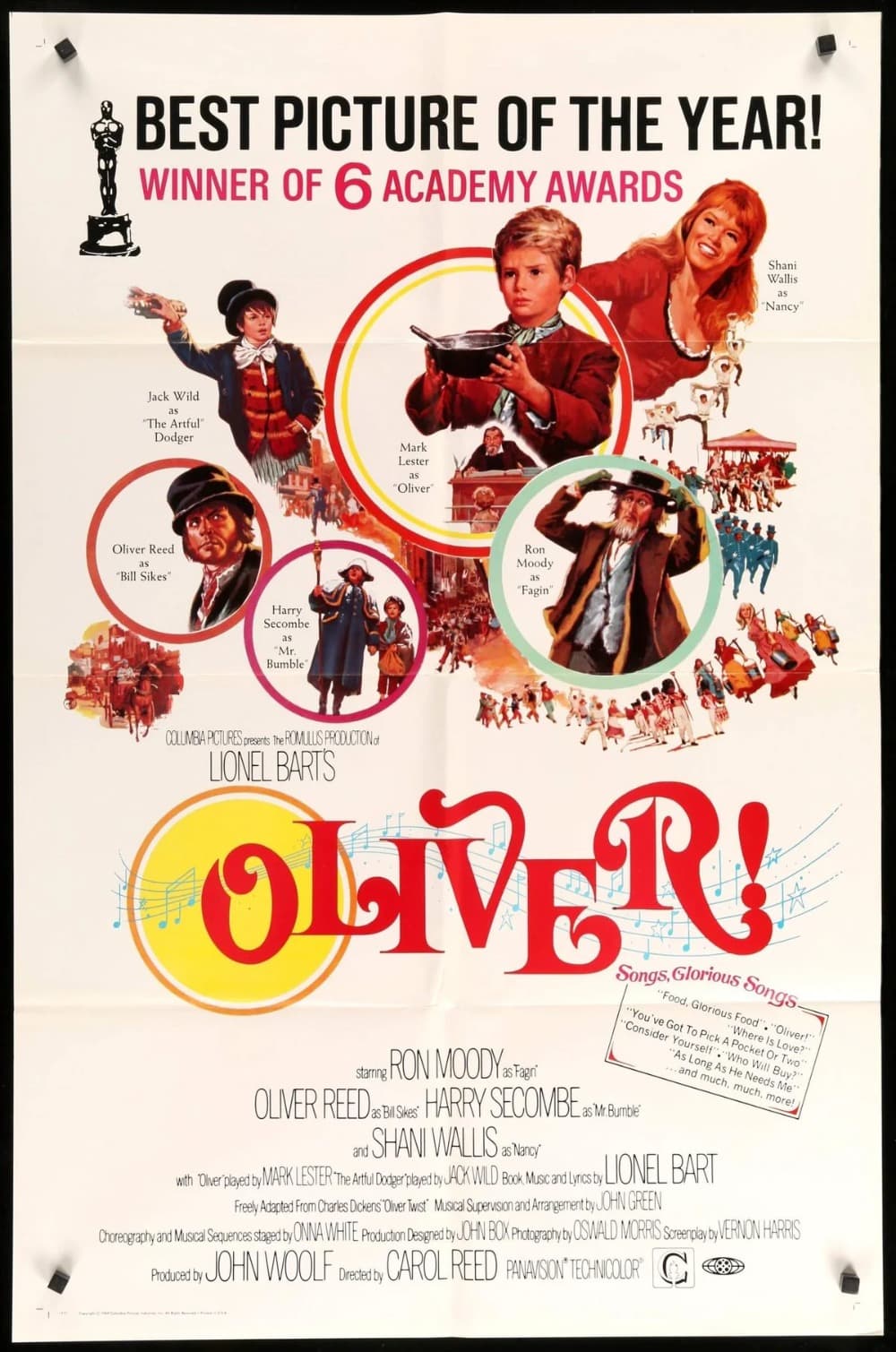
Oliver!

Directed by Carol Reed
1968

The last musical to hold Best Picture for thirty-four years, and the last G-rated winner: Carol Reed turns Dickens into an enormous street spectacle and the songs never let up.

★ 2.7

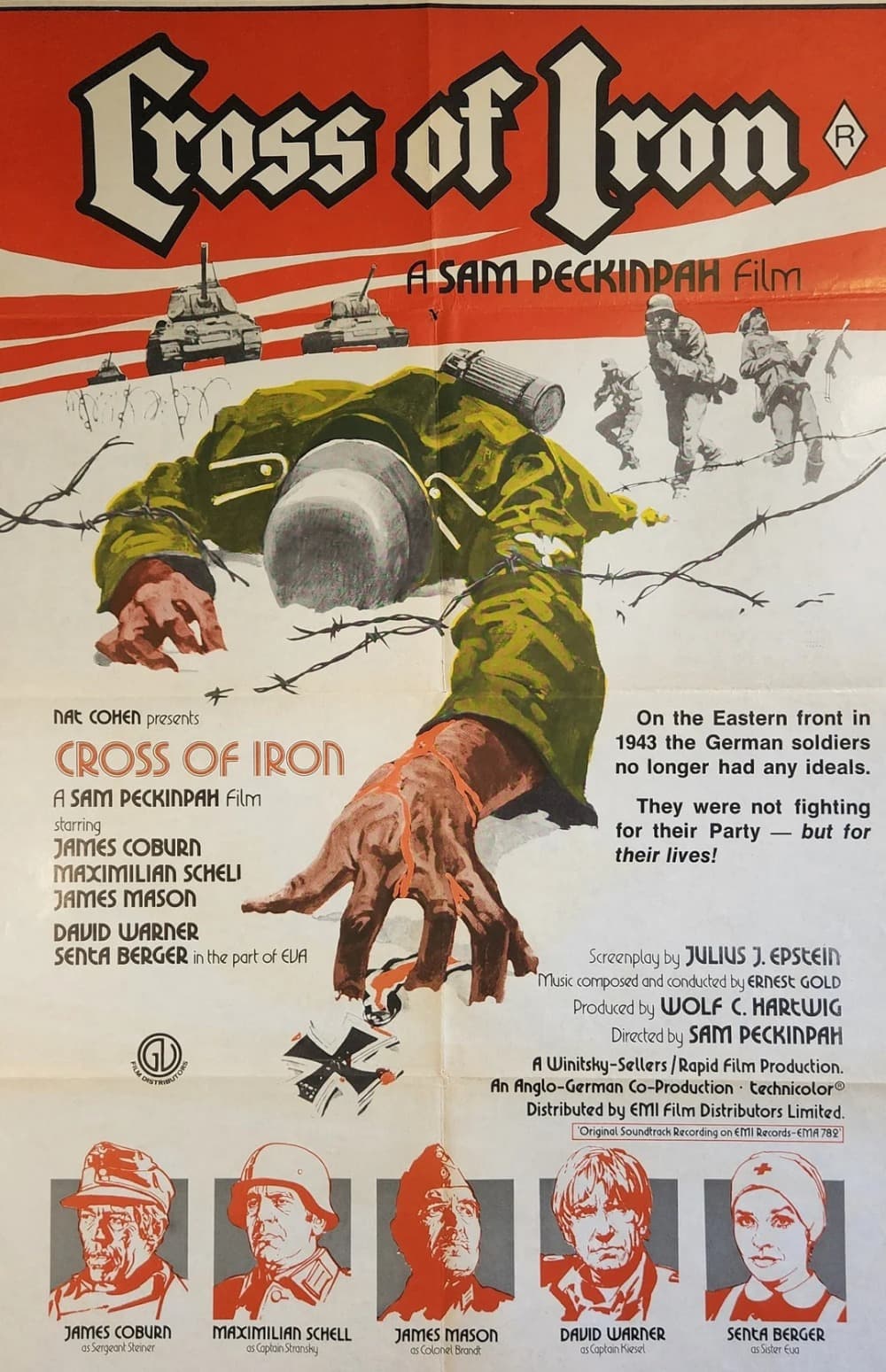
Cross of Iron

Directed by Sam Peckinpah
1977

Sam Peckinpah's only war film, told entirely from the German side of the Eastern Front: Orson Welles called it the finest anti-war film since All Quiet on the Western Front.

★ 2.7

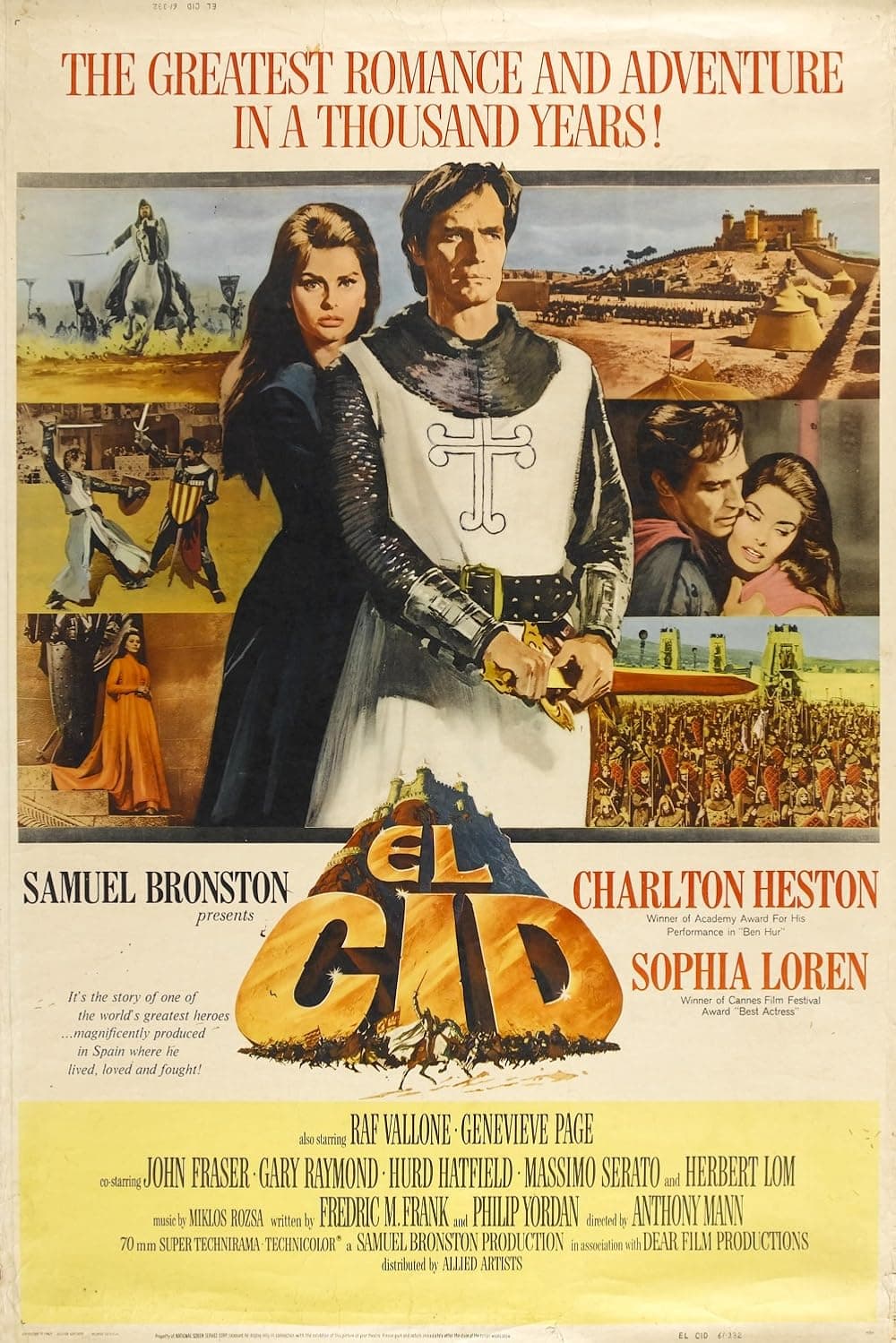
El Cid

Directed by Anthony Mann
1961

Charlton Heston and Sophia Loren in the last great historical epic before the genre collapsed: real castles in Spain, thousands of extras on horseback, and Miklos Rozsa's score doing the heavy lifting.

★ 2.8

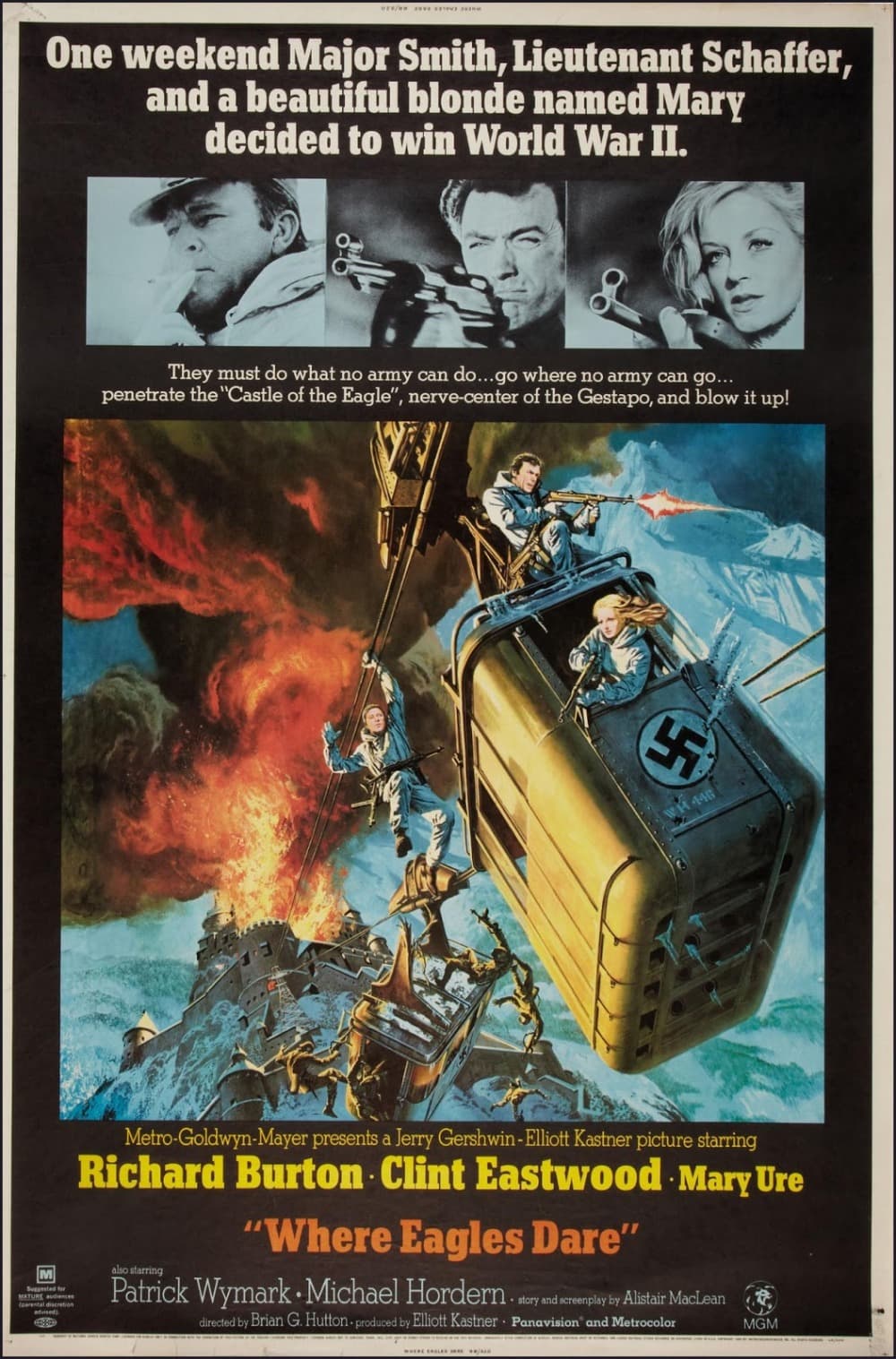
Where Eagles Dare

Directed by Brian G. Hutton
1968 · United Kingdom

Alistair MacLean wrote it as a screenplay first and a novel second: Richard Burton and Clint Eastwood go into an Alpine castle after a captured general, and the cable car fight is superb.

★ 2.8

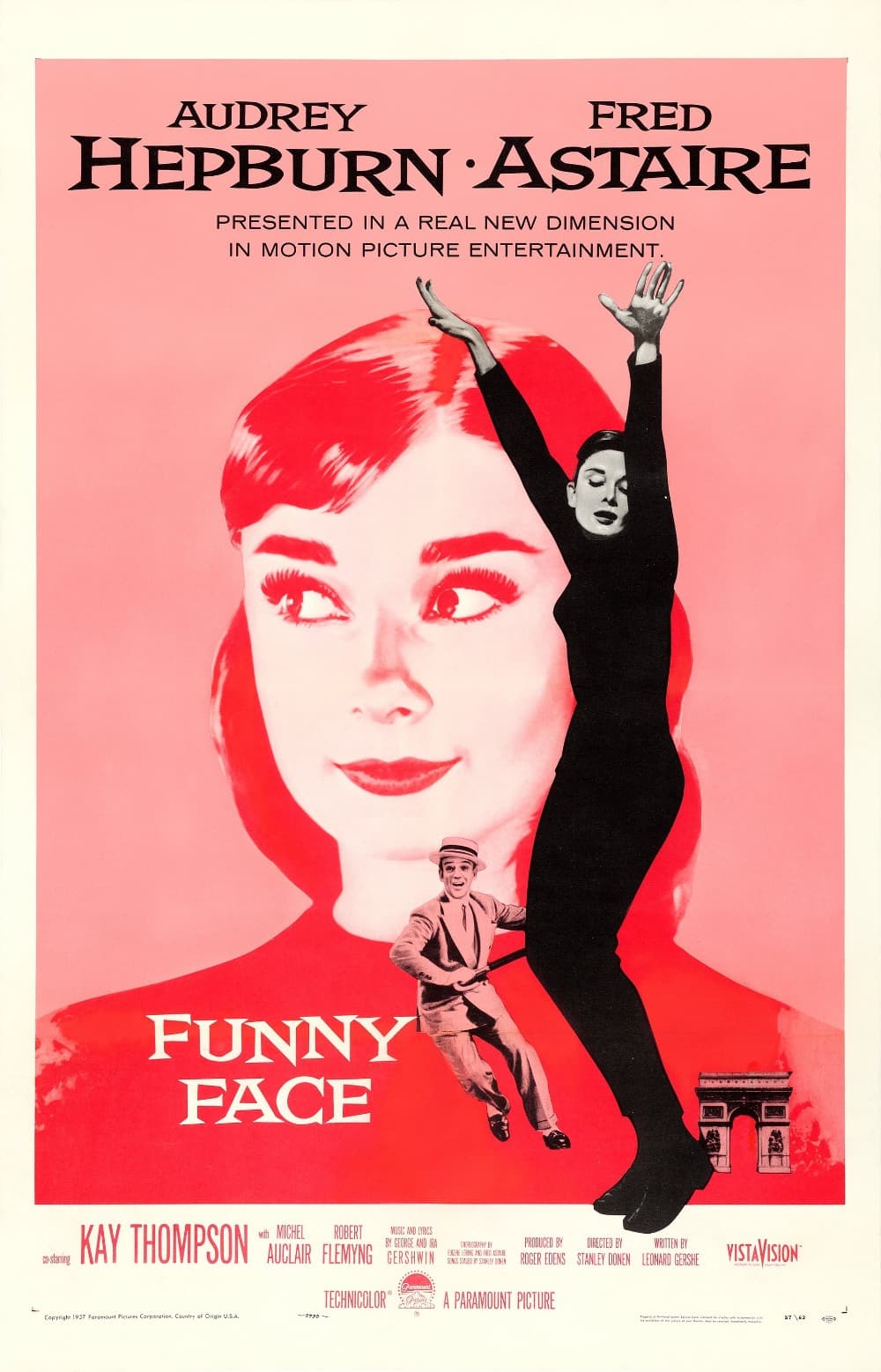
Funny Face

Directed by Stanley Donen
1957

Richard Avedon served as visual consultant and shot the photographs himself: Audrey Hepburn is a bookshop clerk turned Paris model, and the darkroom sequence is the most beautiful red ever filmed.

★ 3.0

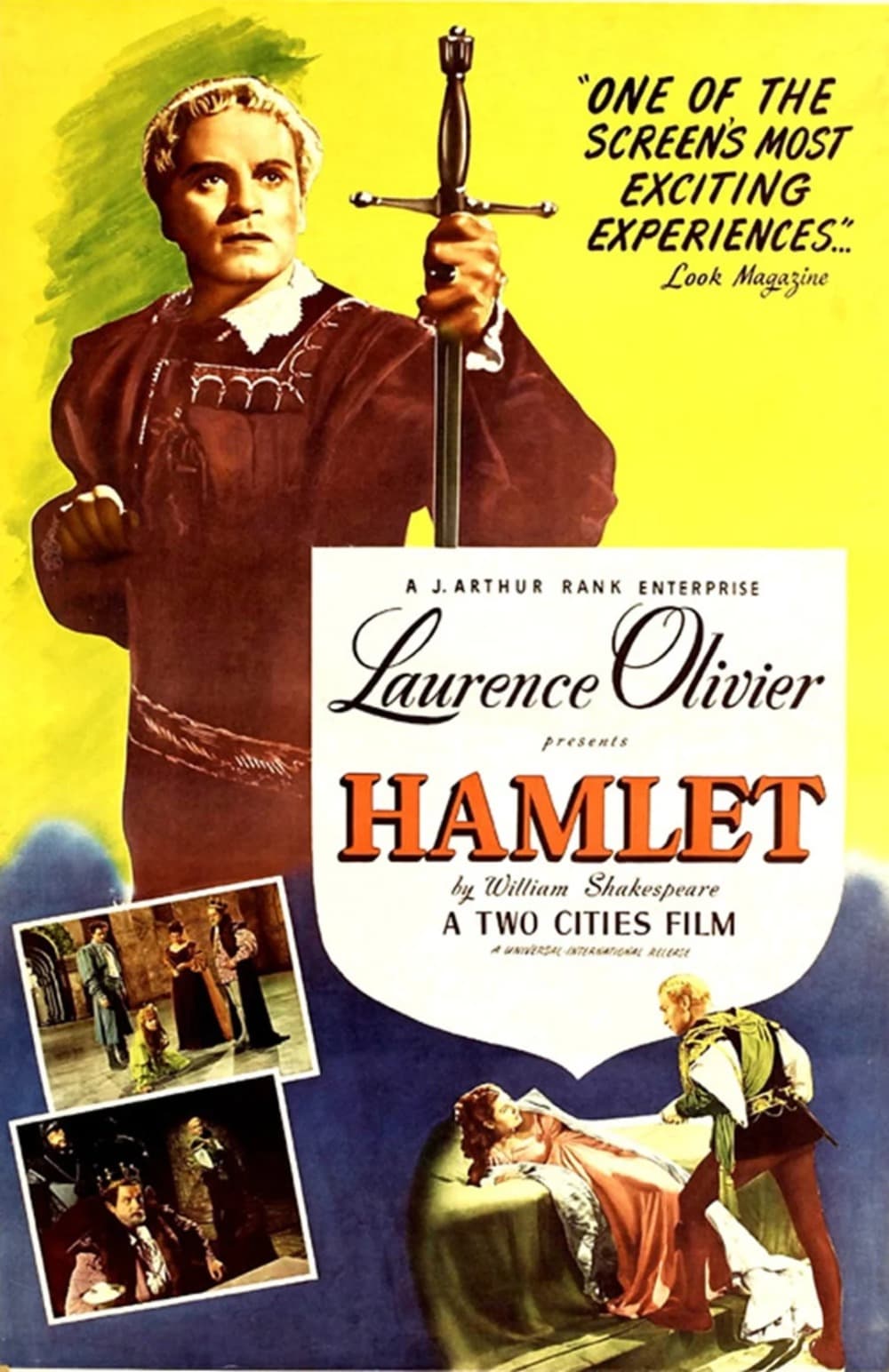
Hamlet

Directed by Laurence Olivier
1948 · United Kingdom

The first film made outside America to be named Best Picture: Laurence Olivier cut half the play, shot it in high-contrast monochrome, and moves the camera through Elsinore like a ghost.

★ 3.0

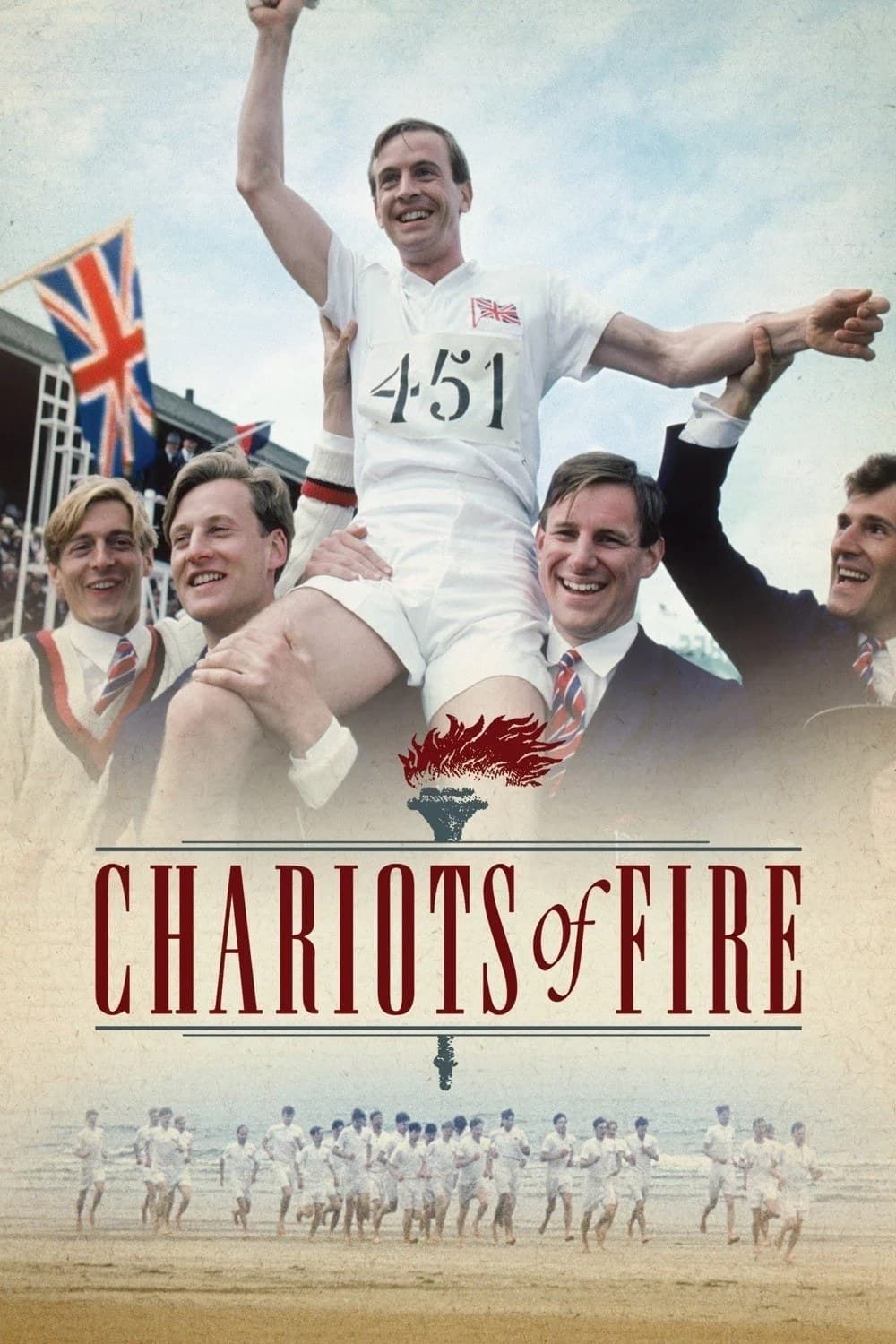
Chariots of Fire

Directed by Hugh Hudson
1981 · United Kingdom

The Vangelis theme is so famous that people forget the film underneath is about religion: two runners at the 1924 Olympics, one running for God and one against English antisemitism.

★ 3.3

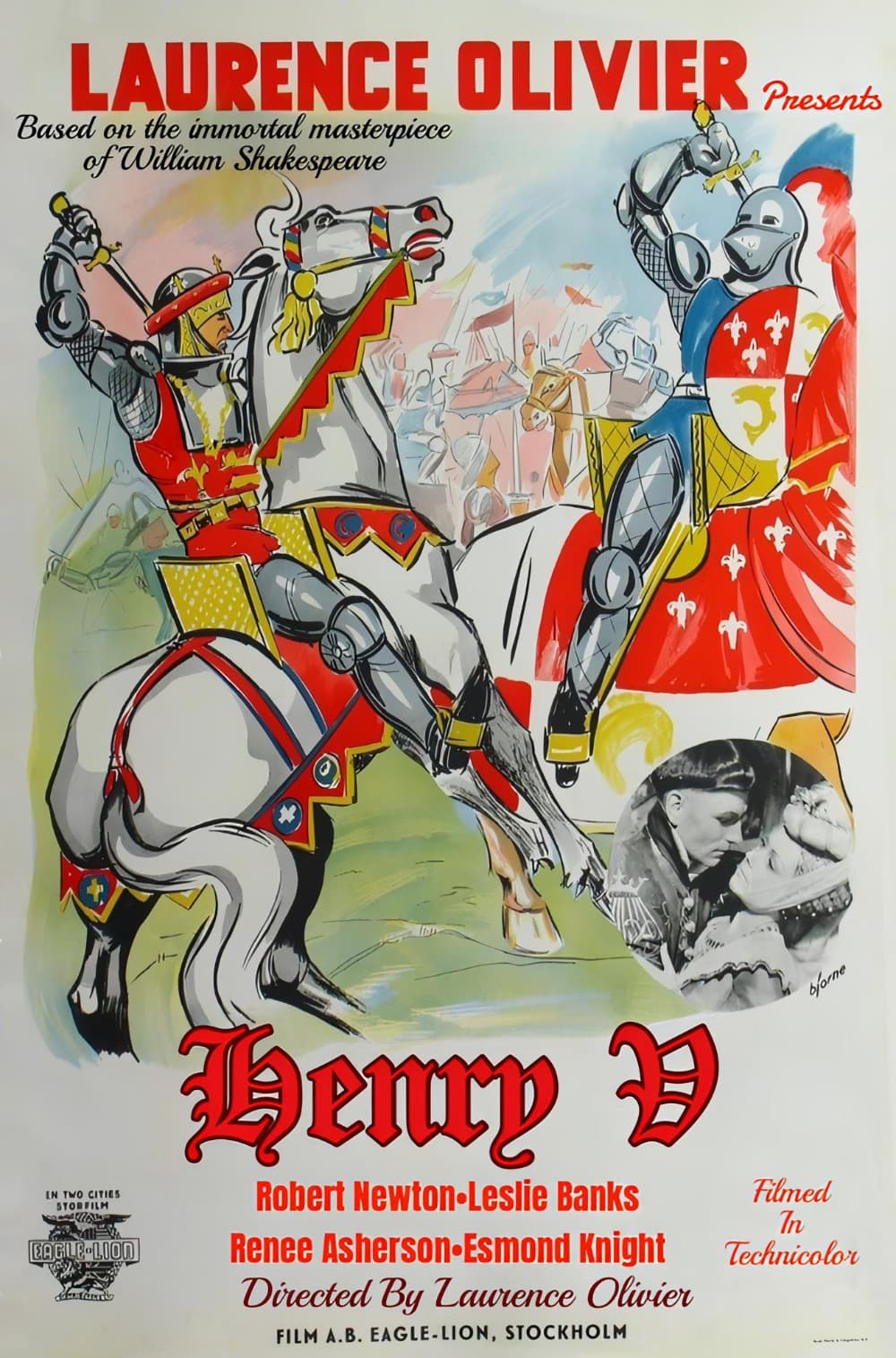
Henry V (1944)

Directed by Laurence Olivier
1944 · United Kingdom

Made during the war and dedicated to the commandos and airborne troops of Britain: Laurence Olivier opens inside the Globe and then simply walks the film out into the real world.

★ 3.4

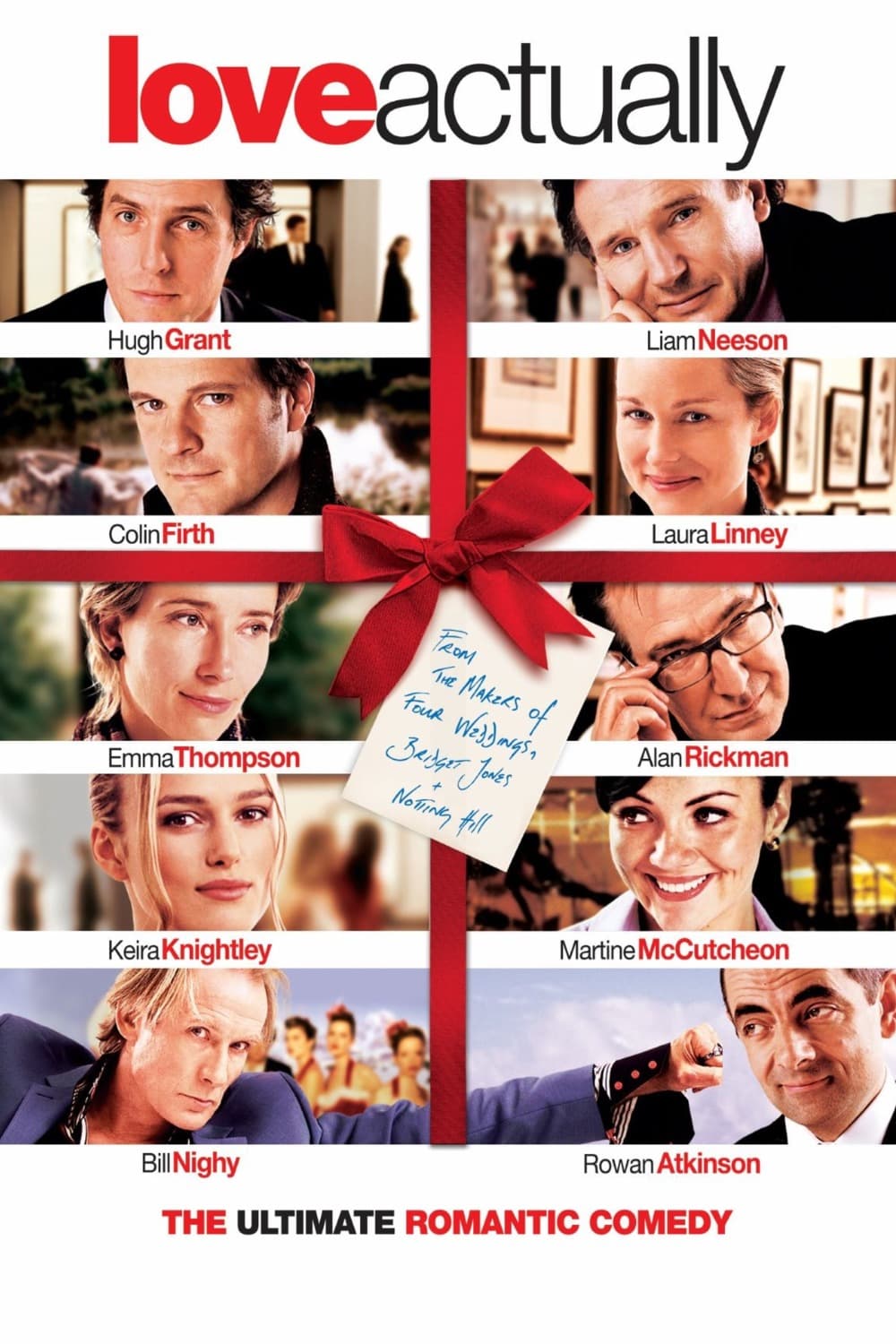
Love Actually

Directed by Richard Curtis
2003 · United Kingdom

Nine storylines, two hours, and half the country reruns it every December while the other half writes essays about why it is bad: Richard Curtis knew exactly what he was doing.

★ 3.5