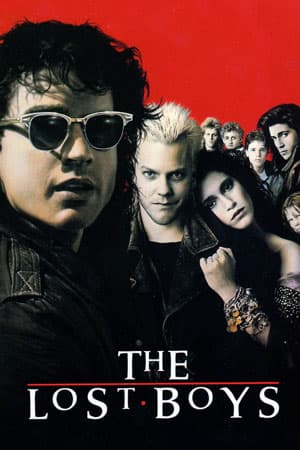
The Lost Boys
Directed by Joel Schumacher
1987
Vampires got young, good-looking and sold on a soundtrack here: Joel Schumacher put them on a California boardwalk in 1987, and the horror genre never went back to castles.
★ 3.1
 skopia
Vampires got young, good-looking and sold on a soundtrack here: Joel Schumacher put them on a California boardwalk in 1987, and the horror genre never went back to castles.
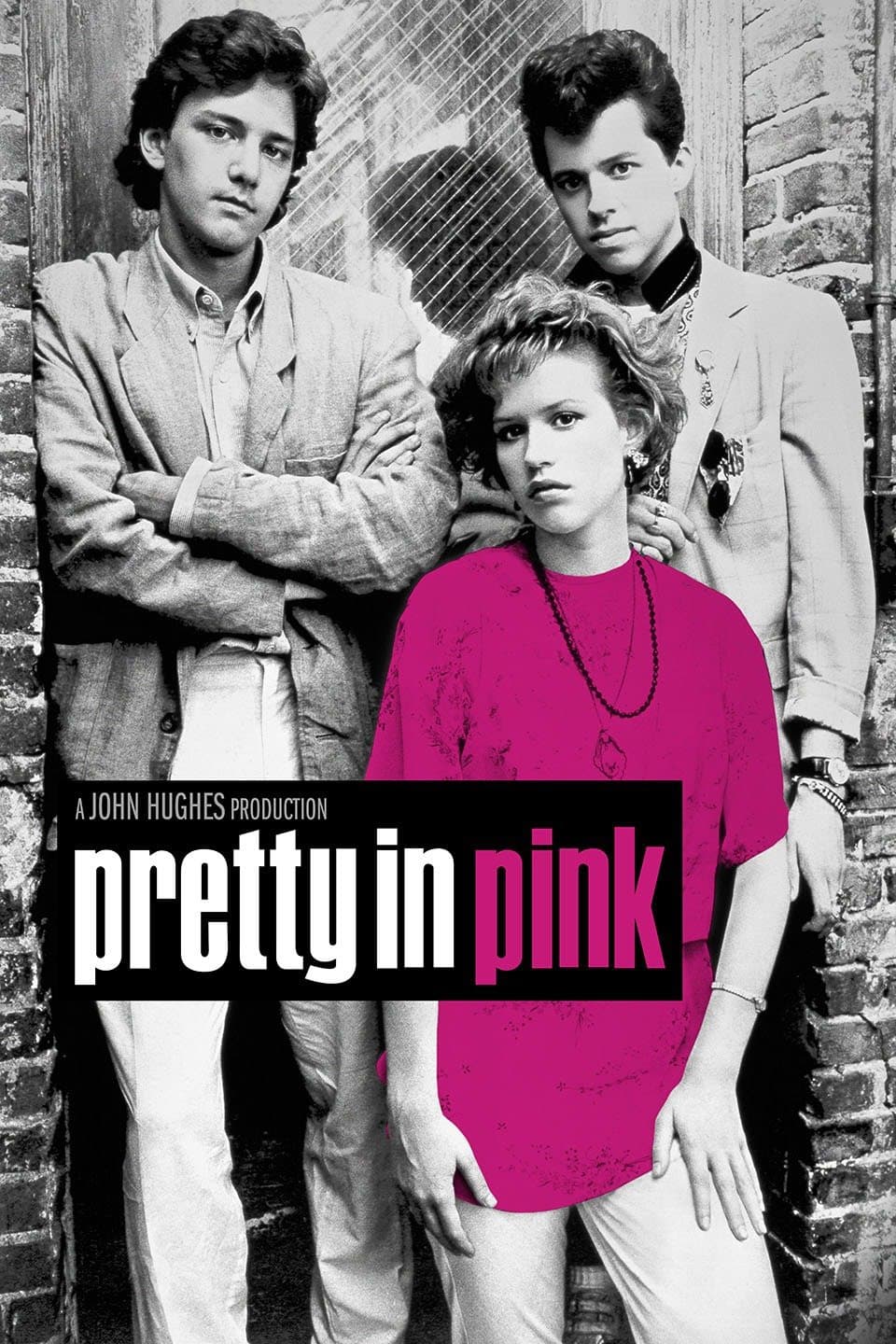
Molly Ringwald's prom dress is stitched together from two others, an image the whole film runs on: Howard Deutch directs a John Hughes script about who gets to sit where.
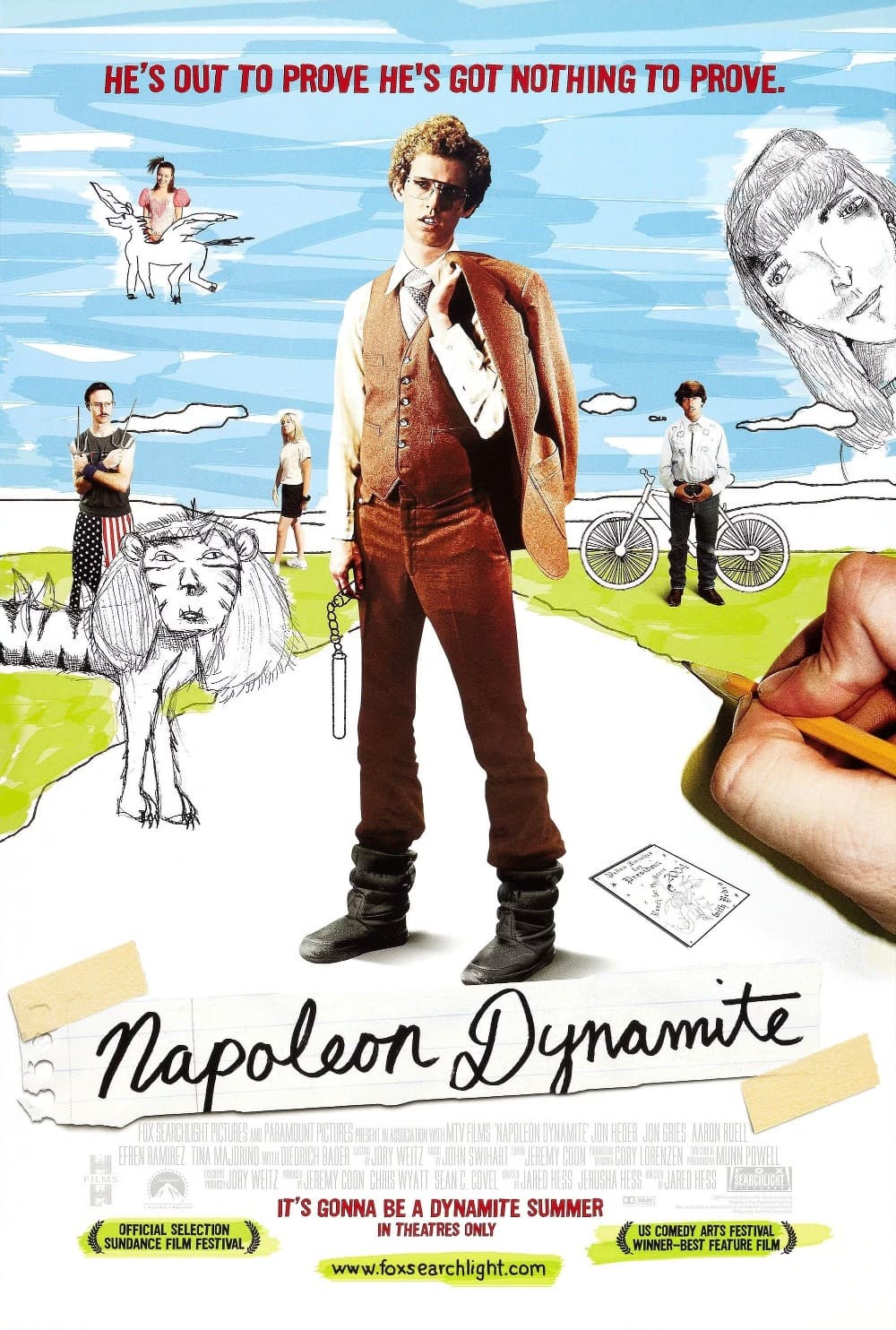
It cost under half a million and grossed a hundred times that: an Idaho teenager, his brother's internet girlfriend, and a deadpan rhythm nobody has successfully copied.
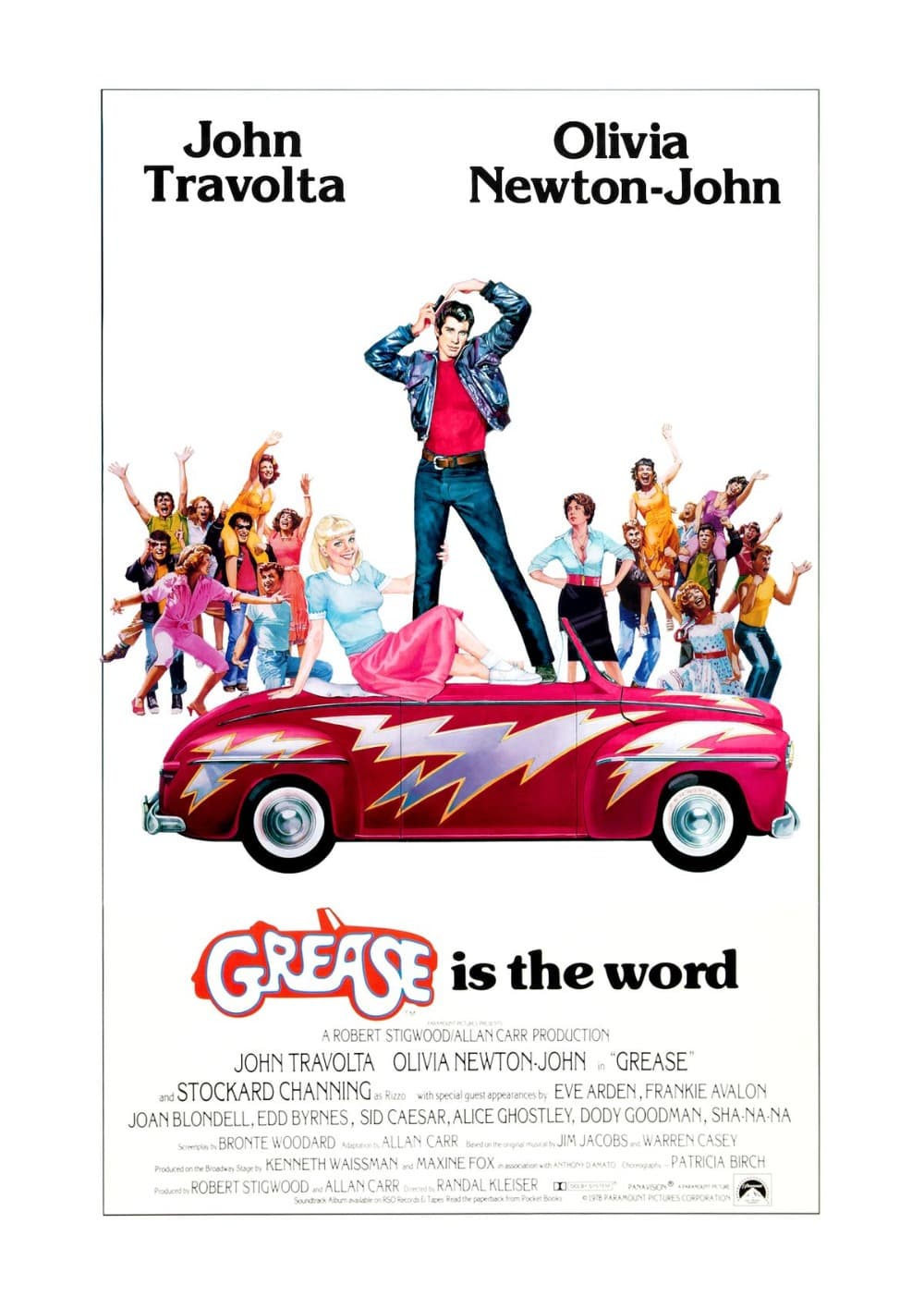
It was the highest-grossing musical ever made for more than twenty years: John Travolta and Olivia Newton-John are both obviously too old for high school, and it has never mattered.
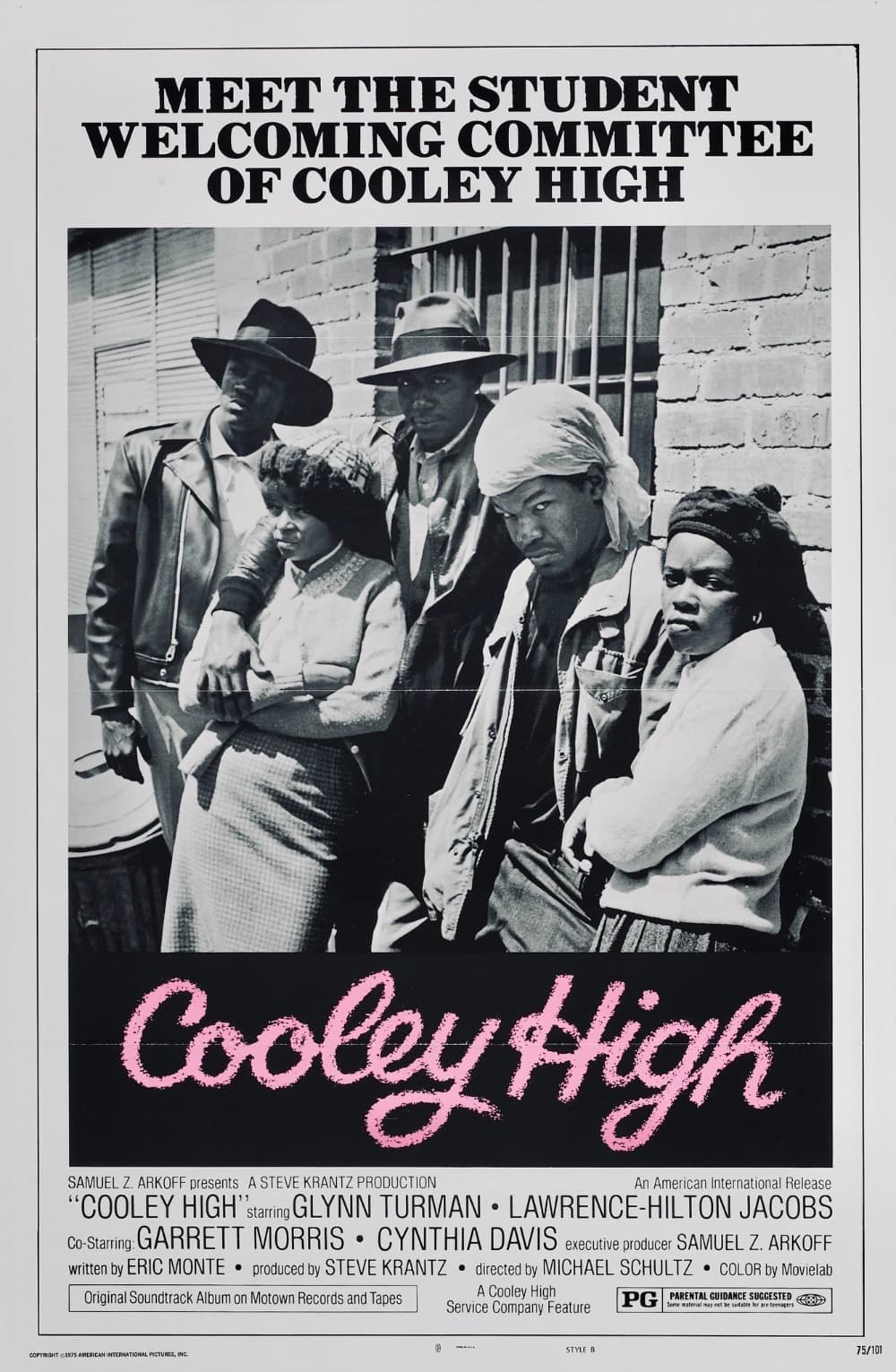
The Black American Graffiti, and better: Chicago teenagers in 1964 with a wall-to-wall Motown soundtrack, and Michael Schultz films a few days of hanging around as if nothing mattered more.
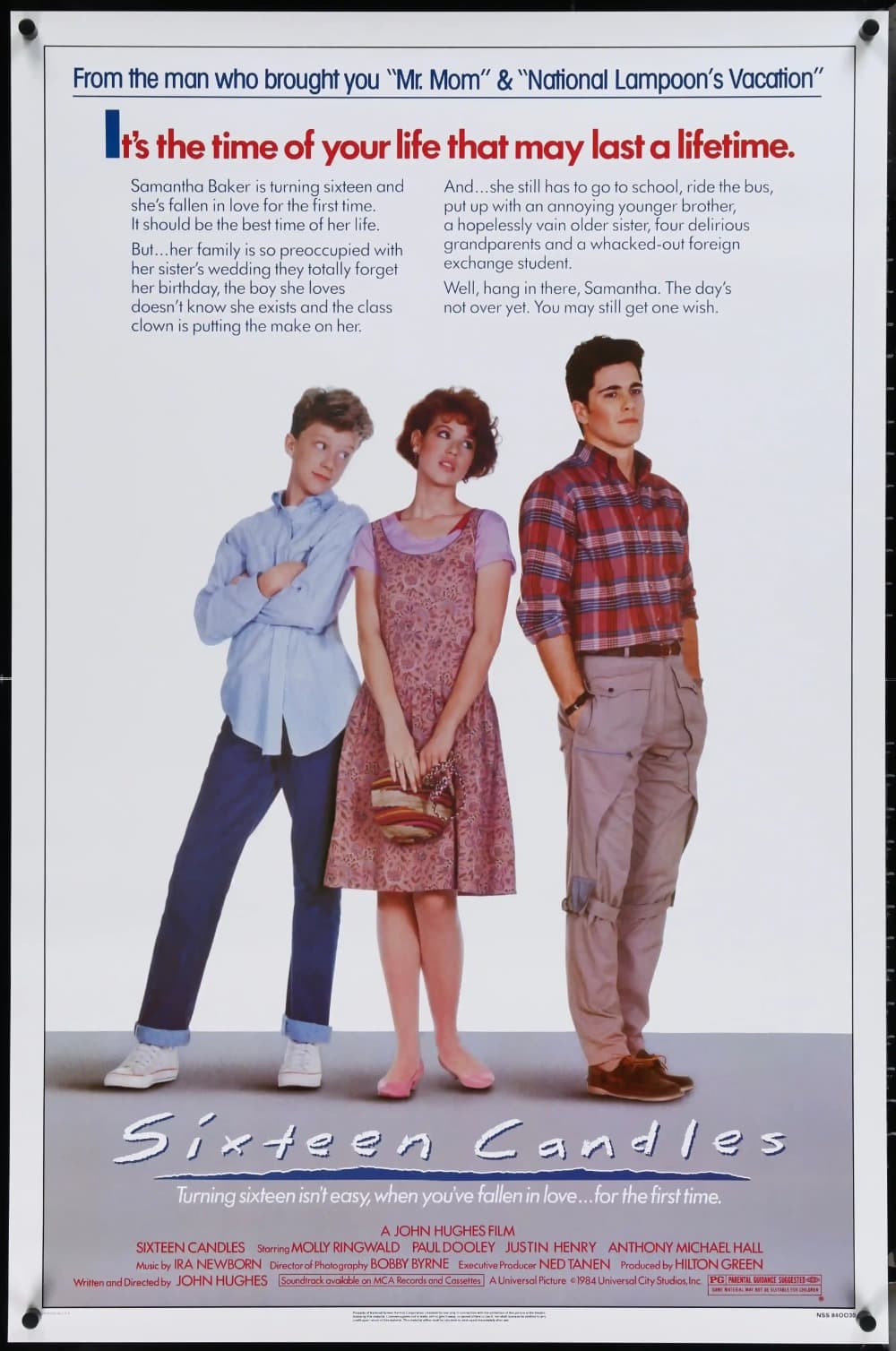
John Hughes cast Molly Ringwald off a headshot and wrote the script over one weekend: the first film that treated a teenage girl's ordinary bad day as worth ninety minutes of attention.
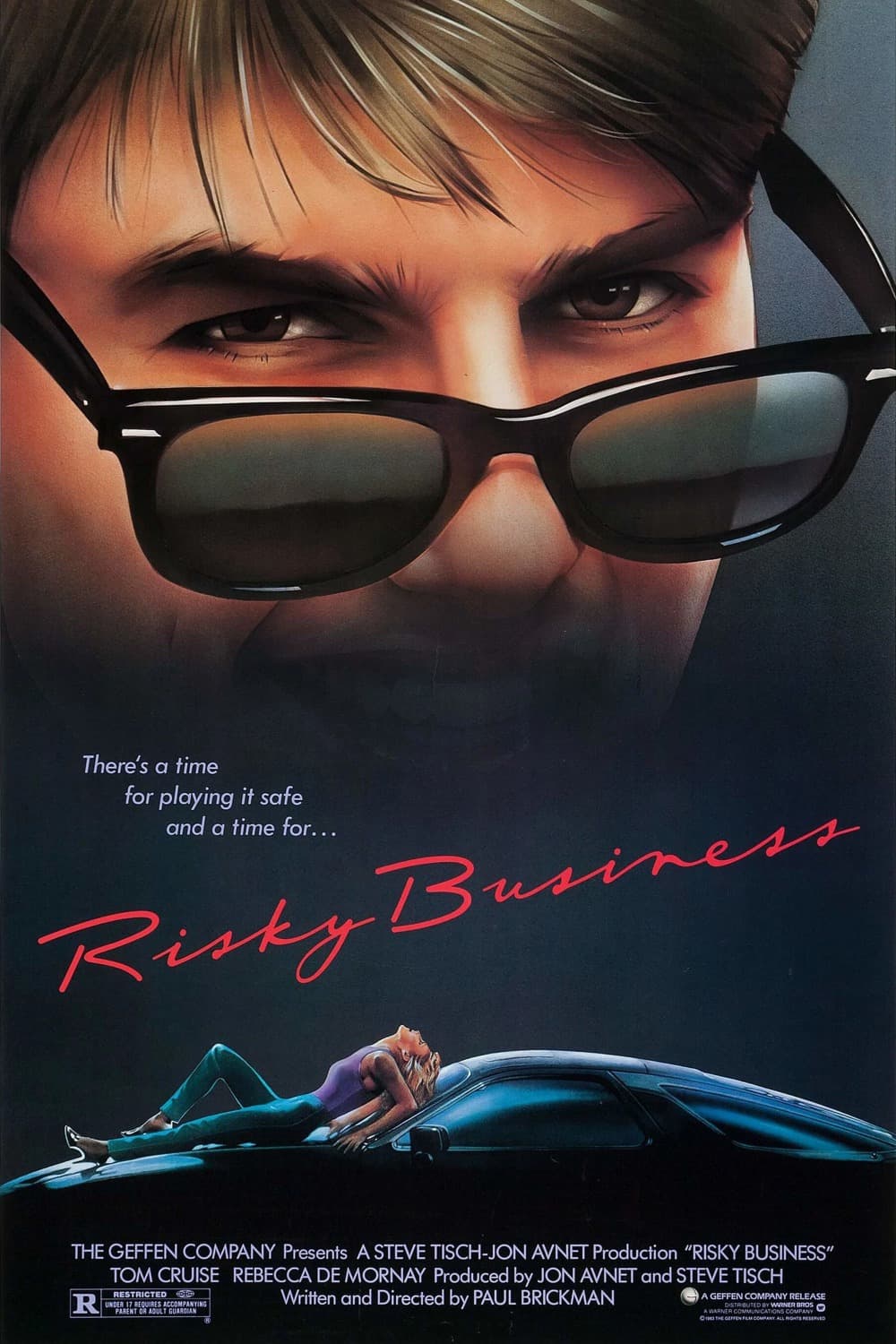
Tom Cruise became a movie star in one scene in his underwear: Tangerine Dream scores a suburban comedy that is much colder and stranger than its reputation suggests.
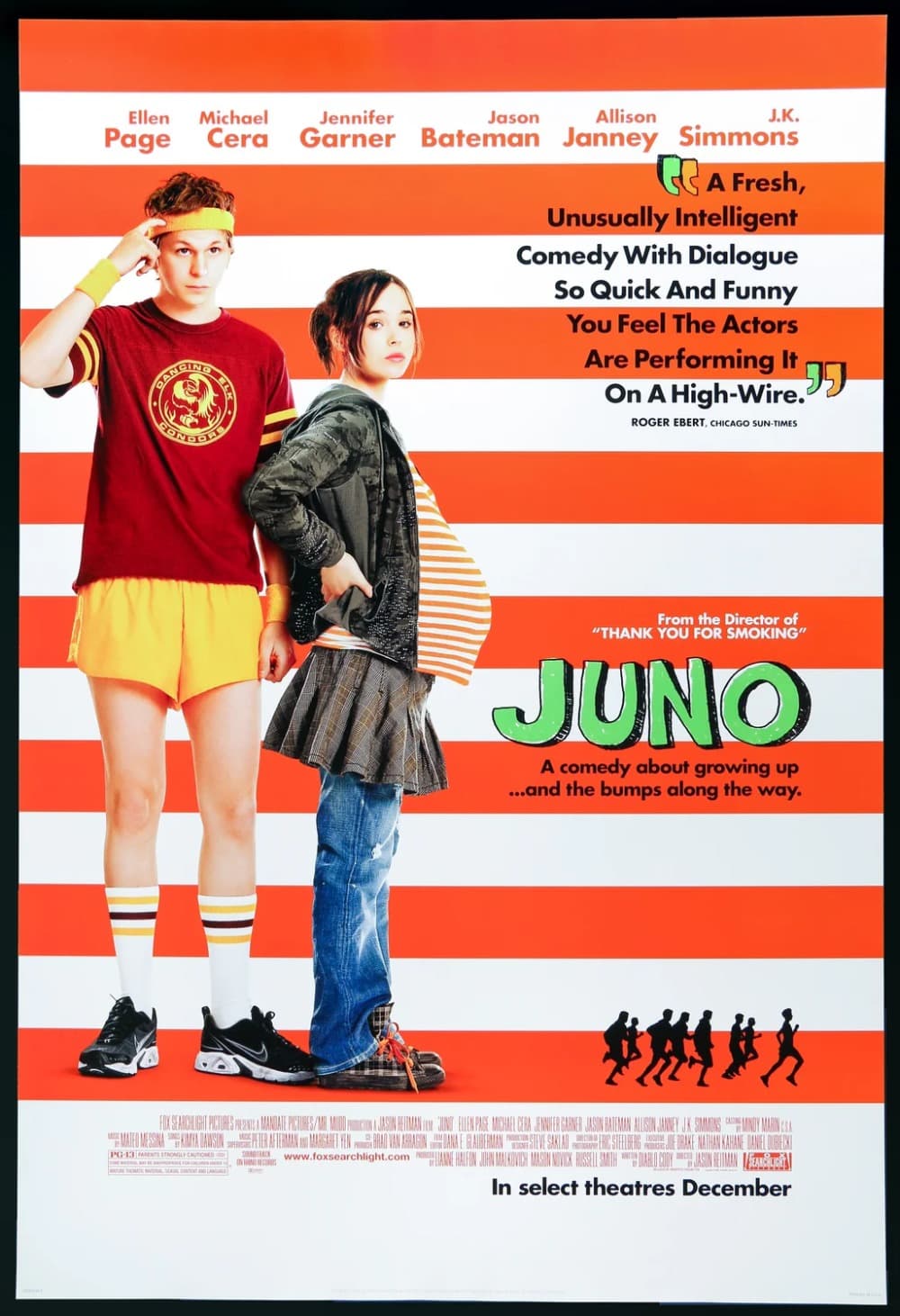
Diablo Cody won an Oscar for dialogue that no teenager has ever spoken, and it works anyway: a sixteen-year-old handles a pregnancy with more composure than every adult around her.
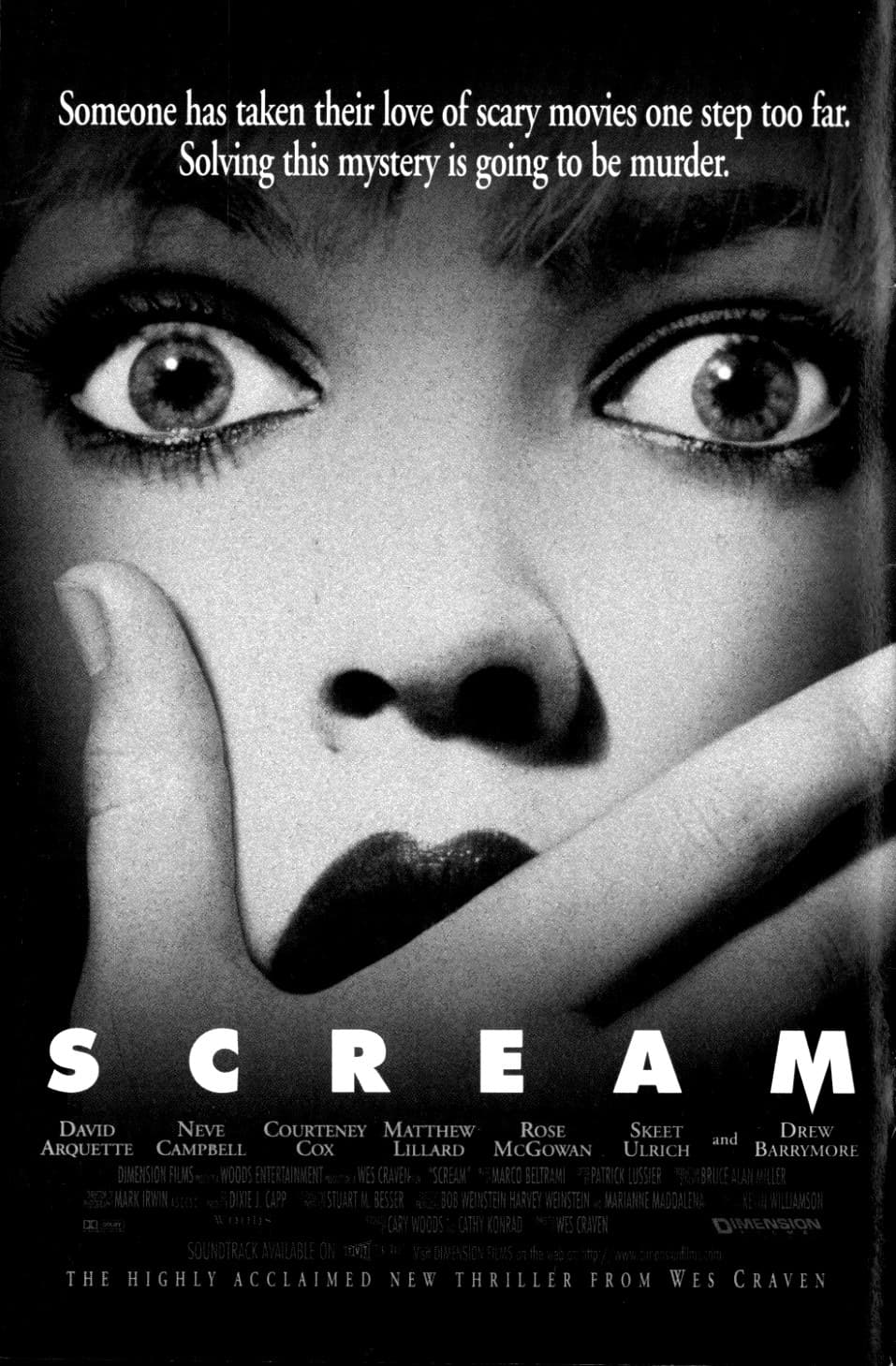
Wes Craven revived a dead genre by having the characters name its rules out loud: the opening twelve minutes tell you this film knows every slasher convention and intends to use them anyway.
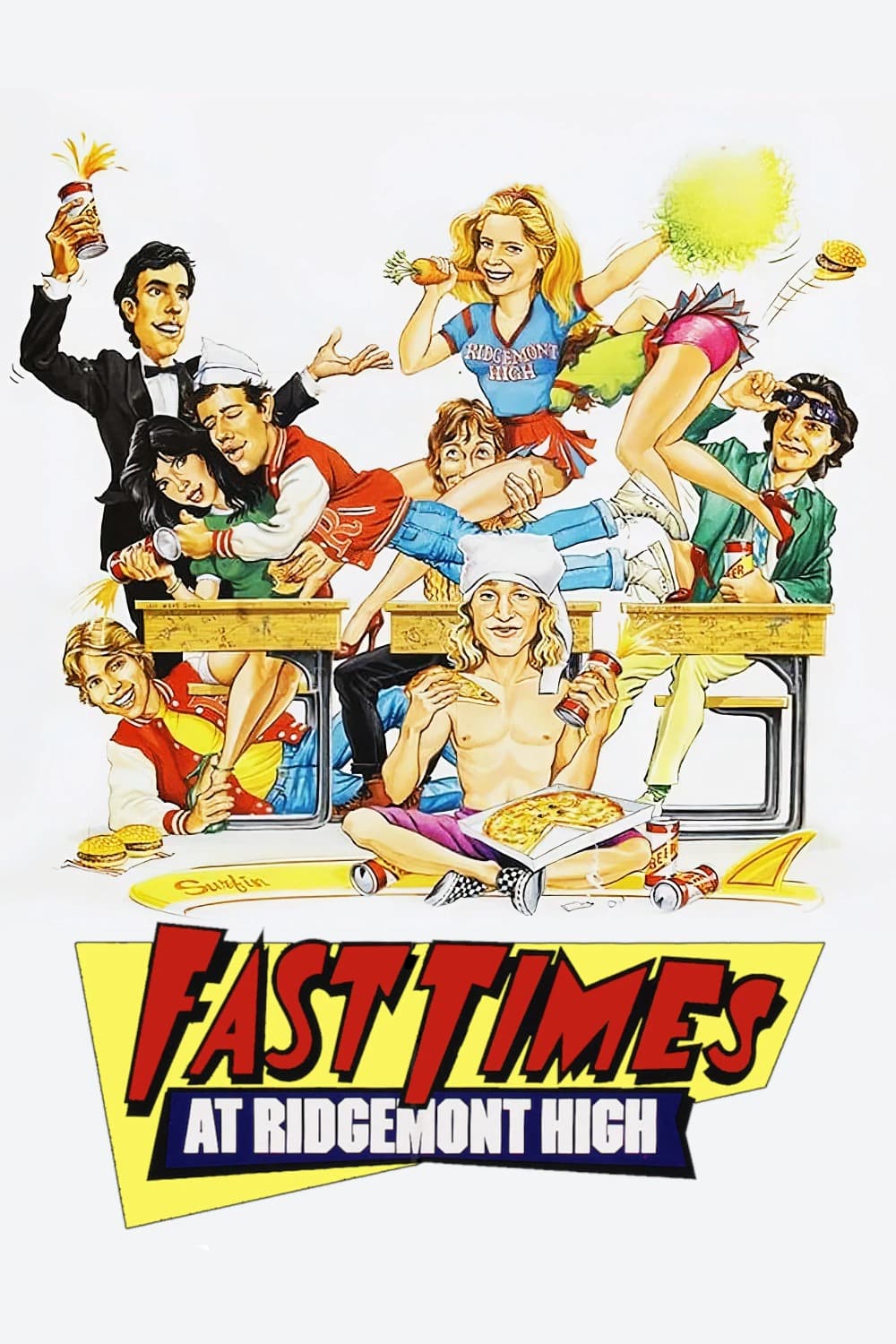
Cameron Crowe enrolled in a California high school undercover for a year and wrote down what he heard: the result launched half a decade of careers and still sounds like actual teenagers.
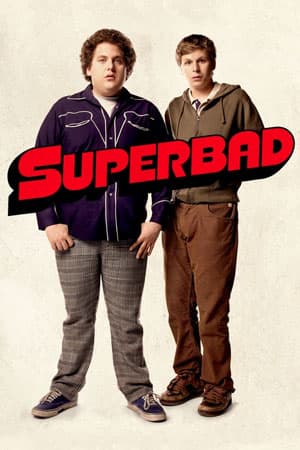
Seth Rogen and Evan Goldberg began writing it at thirteen and it shows: one night, a catastrophic fake ID, and a friendship neither boy can say anything about directly.
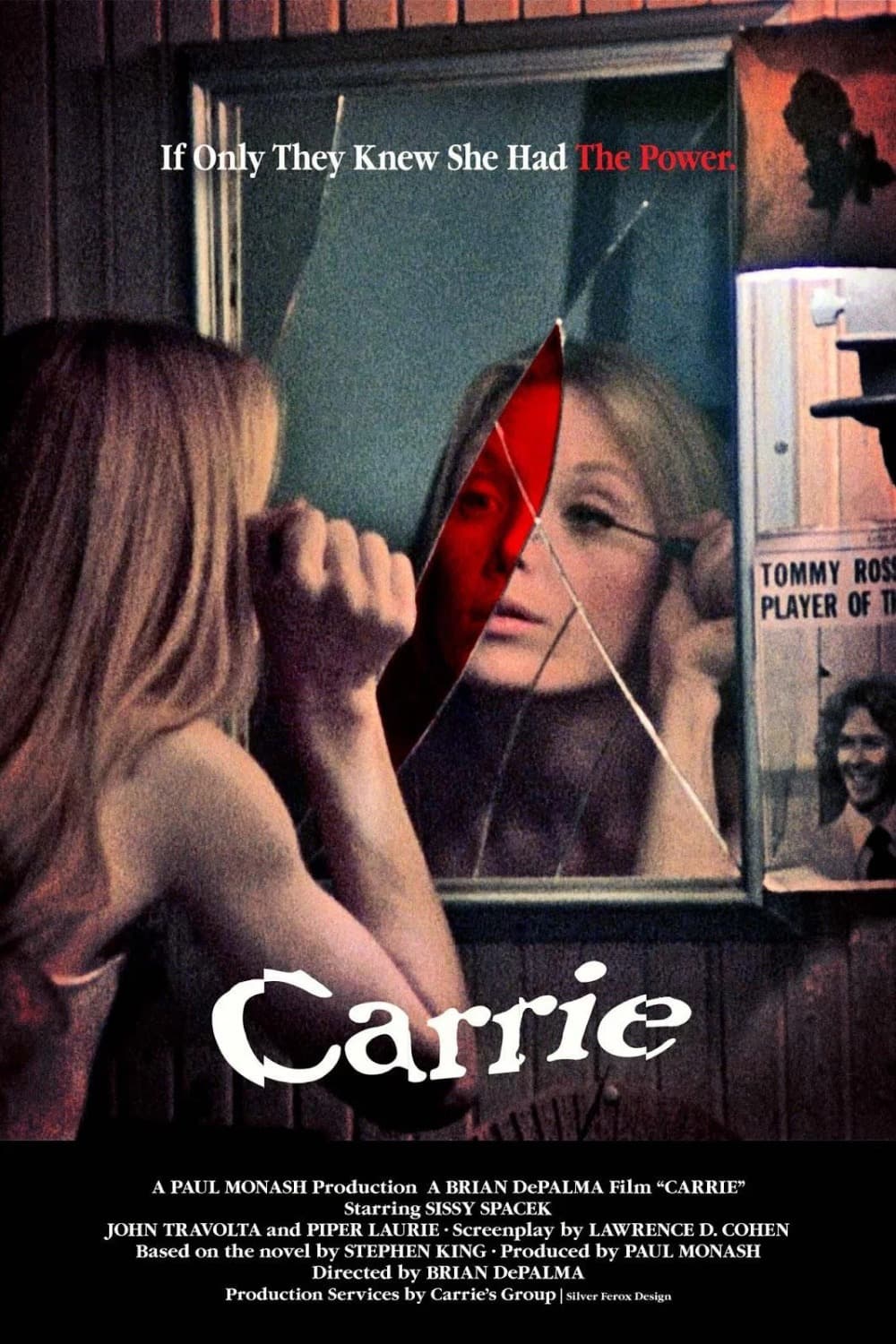
Stephen King's first novel became this, and no adaptation since has been meaner: De Palma films high-school cruelty in slow motion and split screen, and the prom is a fifteen-minute held breath.
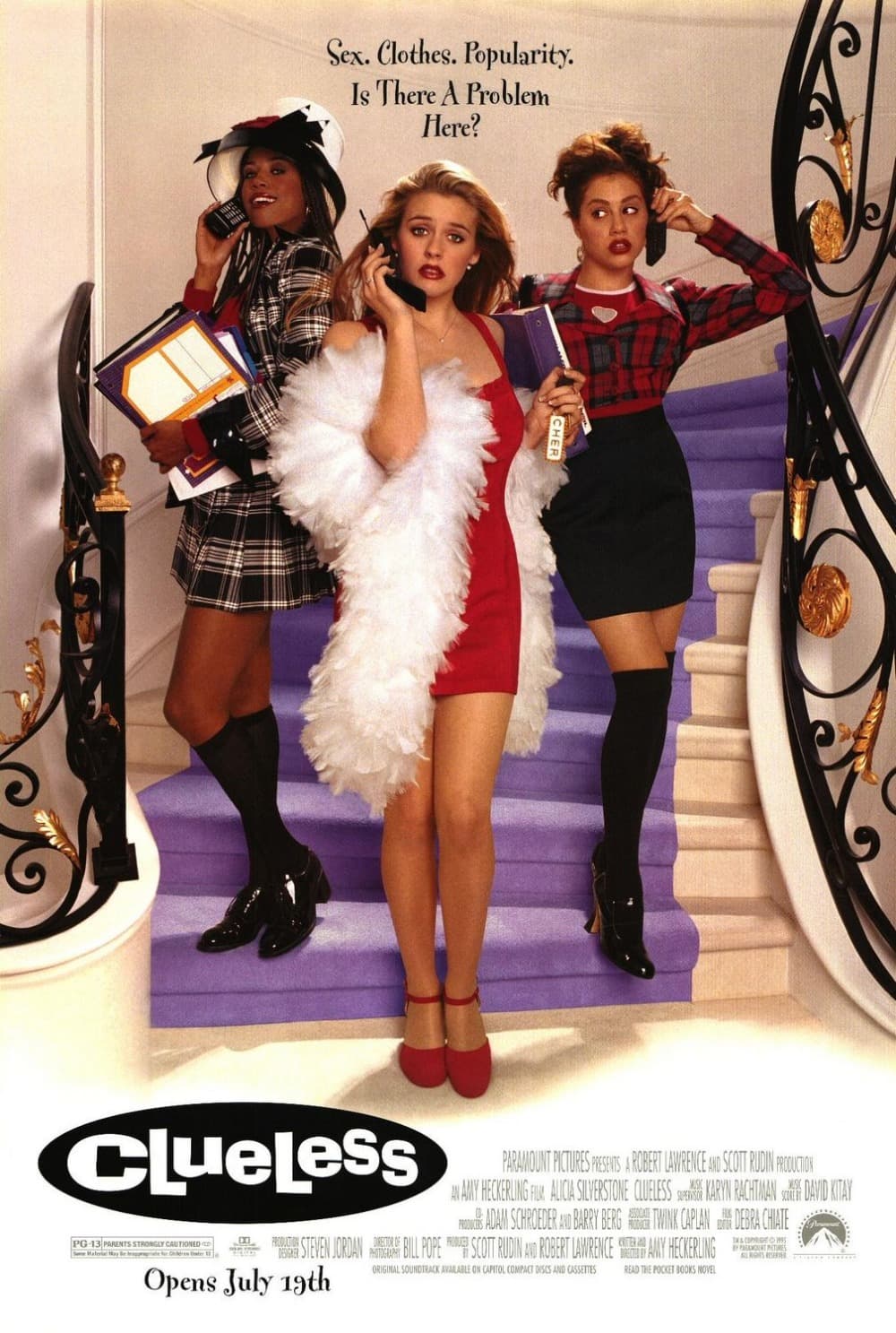
Amy Heckerling relocated Jane Austen's Emma to Beverly Hills without losing a thing: she collected the vocabulary from real teenagers, the film sent it back amplified, and the heroine is never the joke.
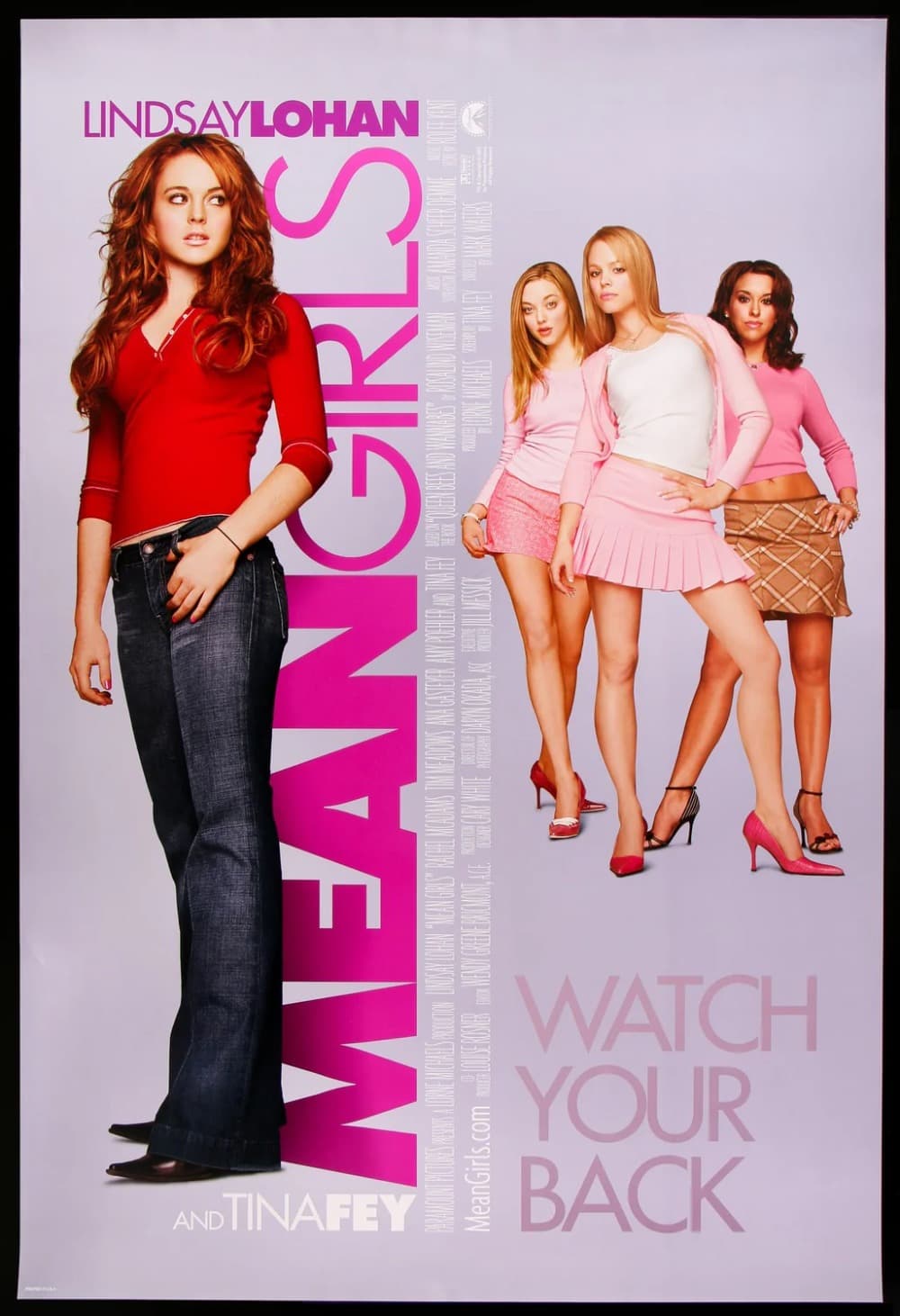
Tina Fey adapted a parenting book about teenage girls into the most quoted comedy of its decade: the anthropology is accurate, and the cruelty is presented as a system rather than a person.
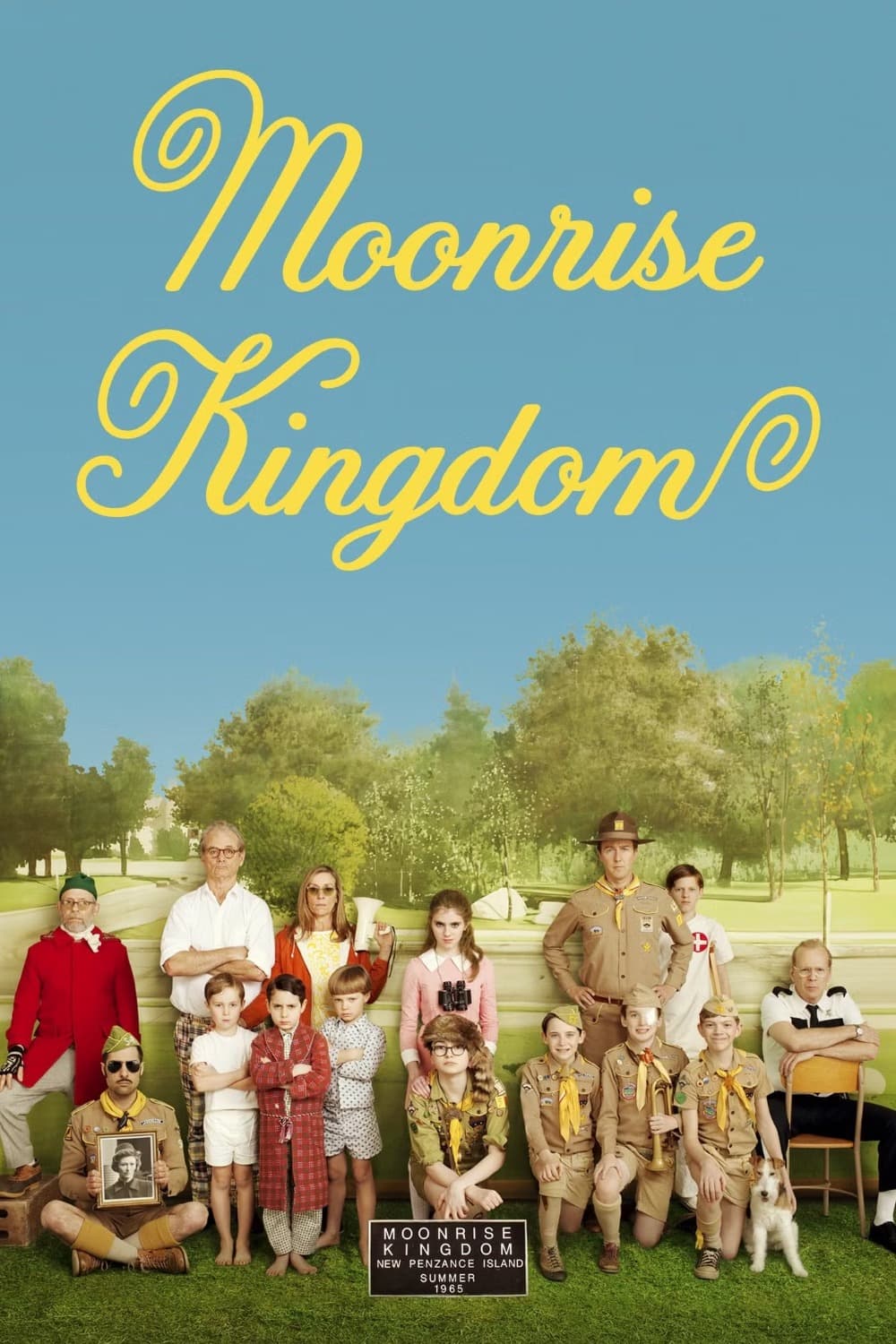
Twelve-year-olds run away together across a New England island in 1965: Wes Anderson's warmest film, and the adults chasing them are lonelier than the children they are trying to catch.
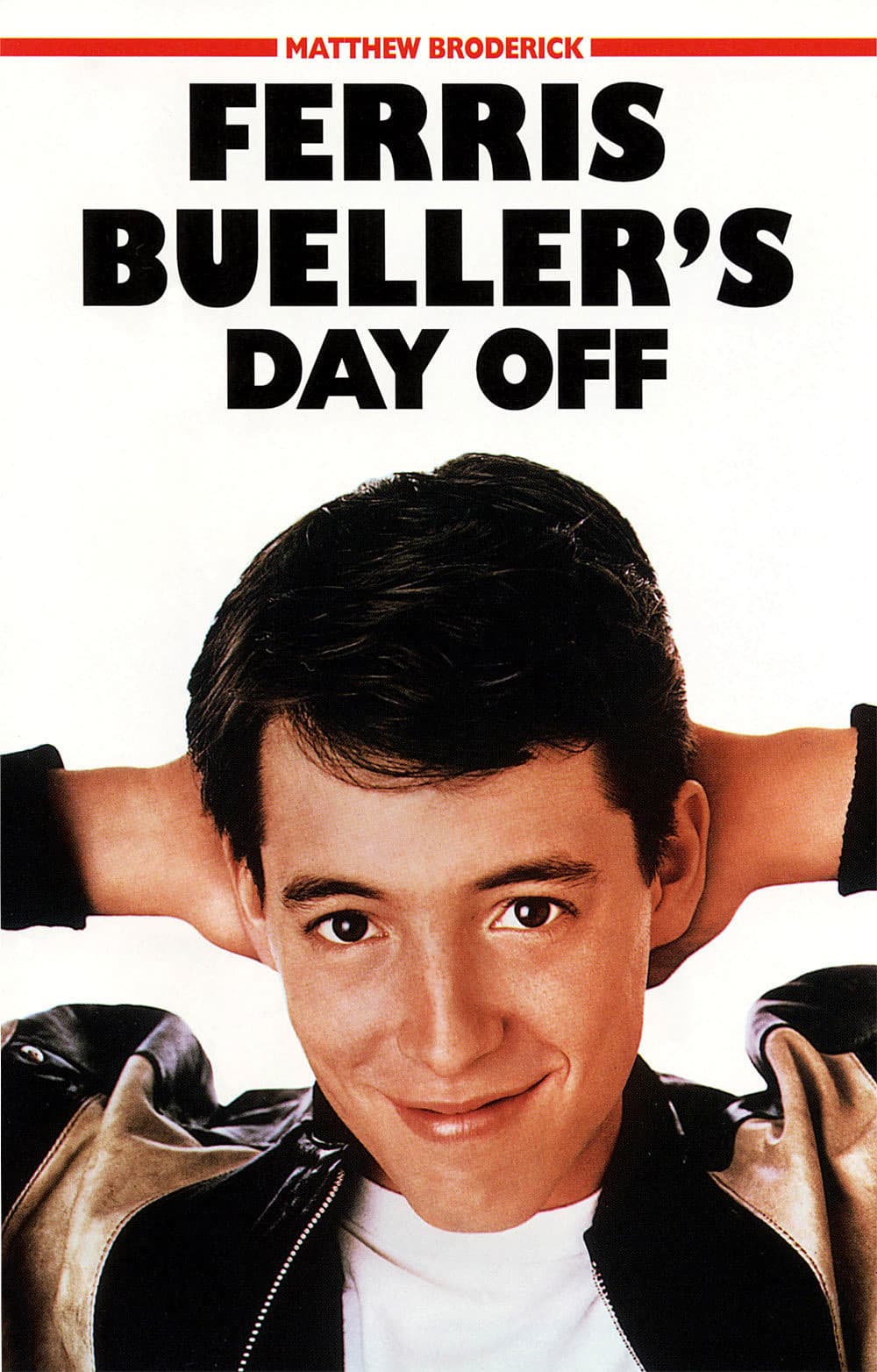
Truancy has never looked this appealing: Ferris talks straight to the audience, takes a Ferrari and a parade, and the whole film is completely on his side.
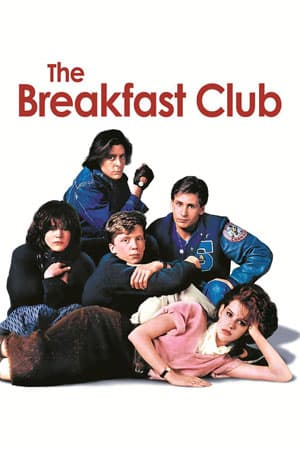
Five teenagers in one room for a Saturday detention, and every teen film since has been rearranging the same five: Hughes let them talk instead of doing anything.
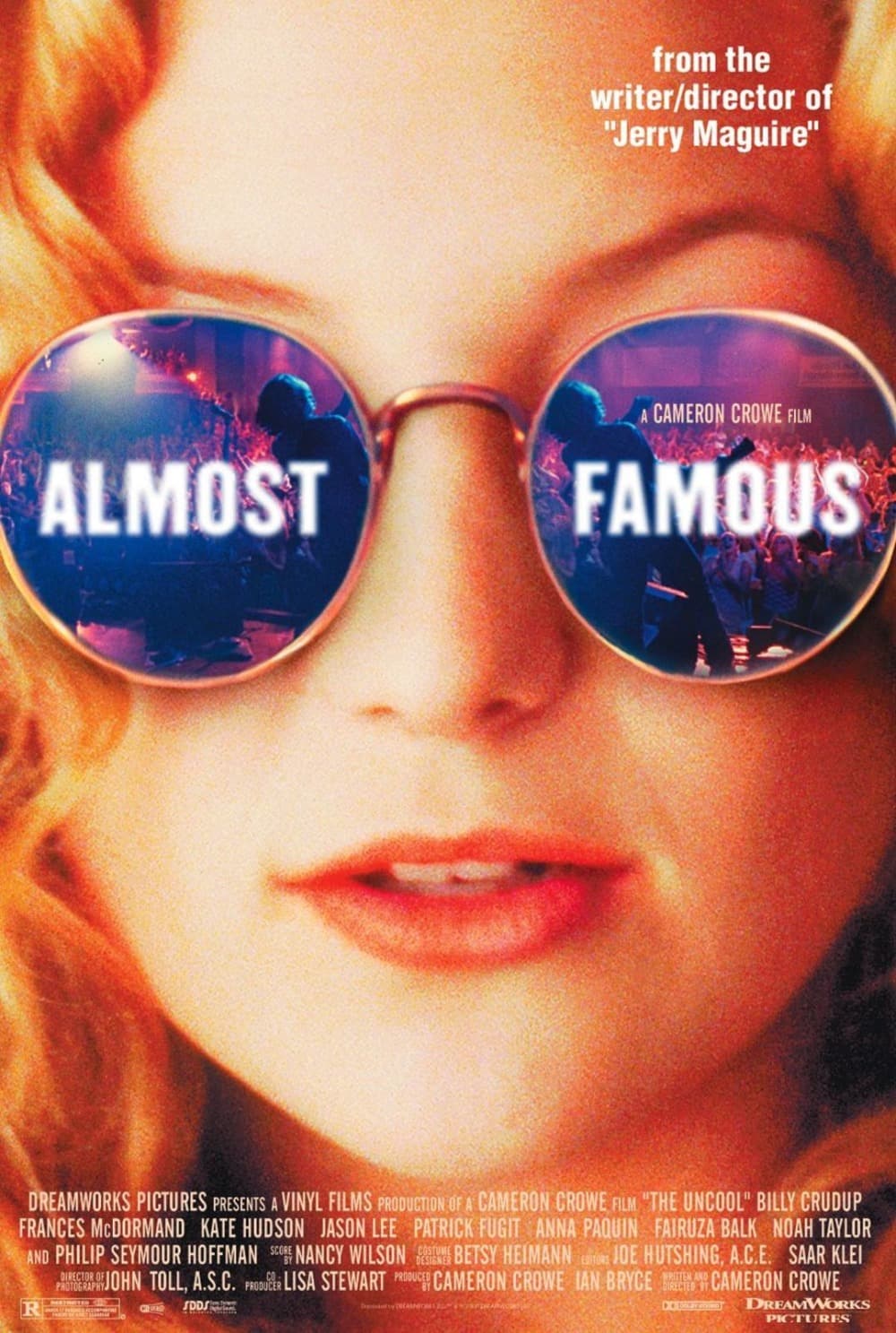
Cameron Crowe was writing for Rolling Stone at fifteen and on the road with the Allman Brothers at sixteen: the film gets every detail right, including the boredom.
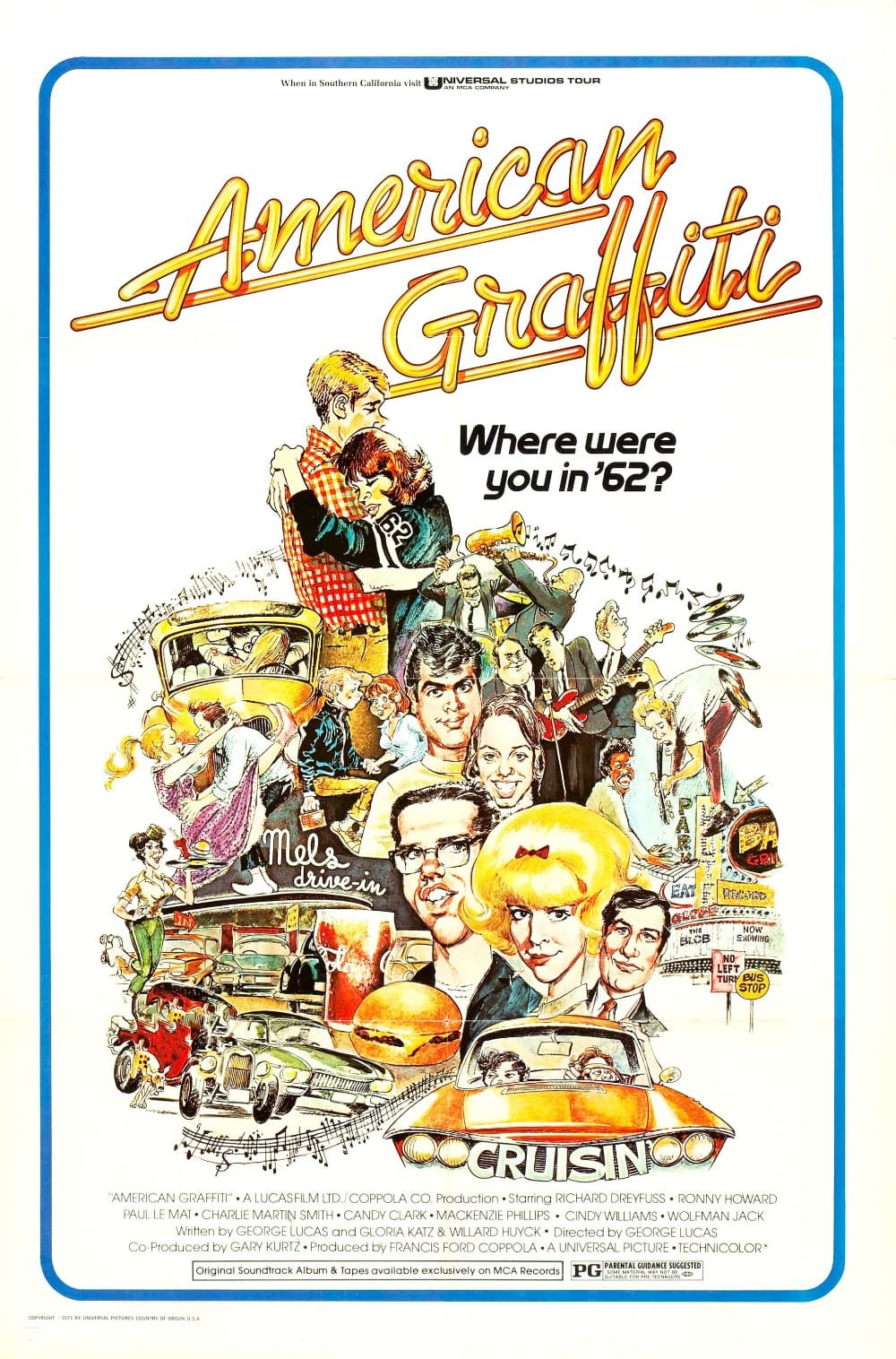
One night of cruising in 1962, with the radio playing wall to wall from start to finish: Lucas caught an America that was about to stop existing.
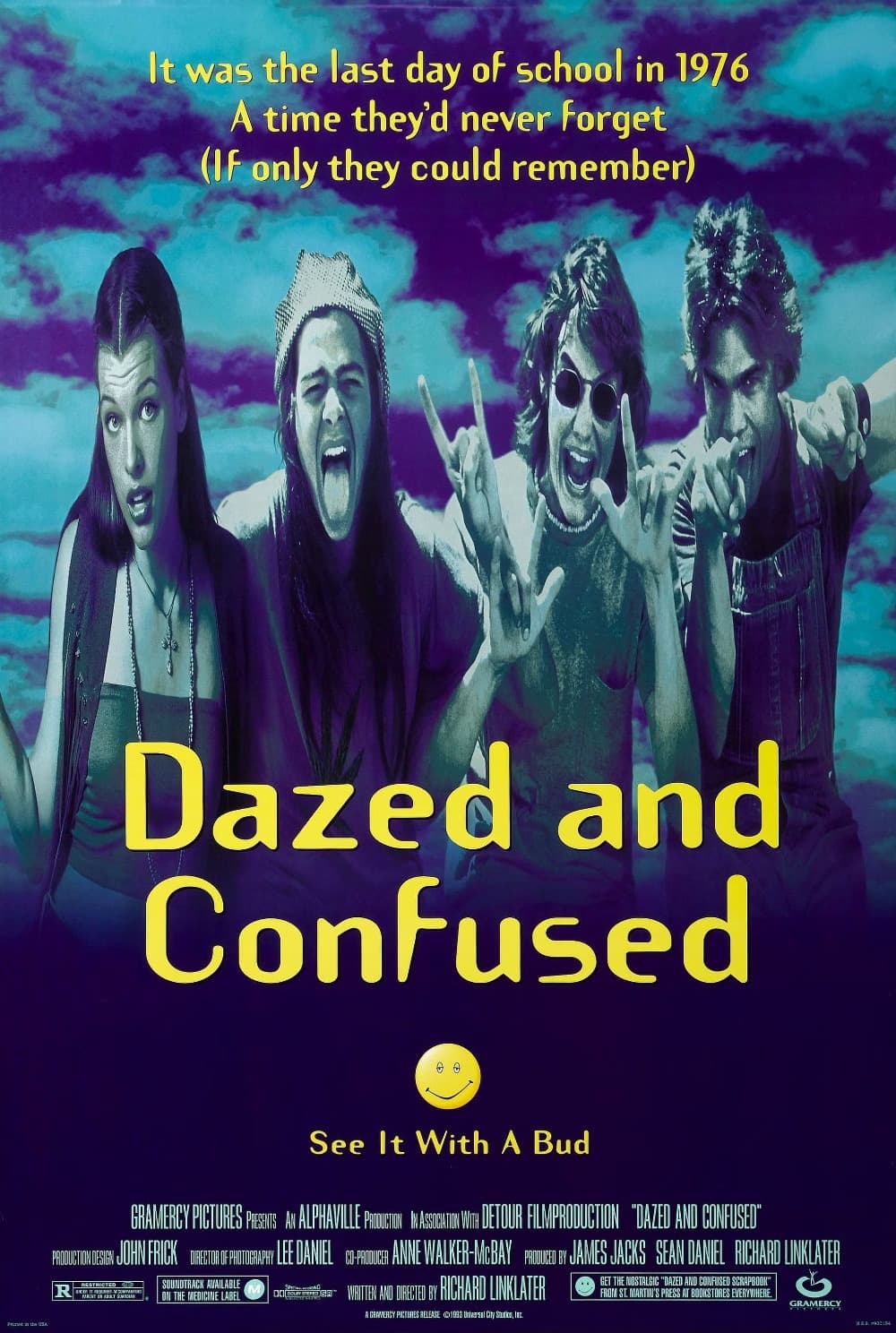
Nothing happens and that is the entire point: Linklater catches the last day of school in 1976 so exactly that people who were not there remember it anyway.