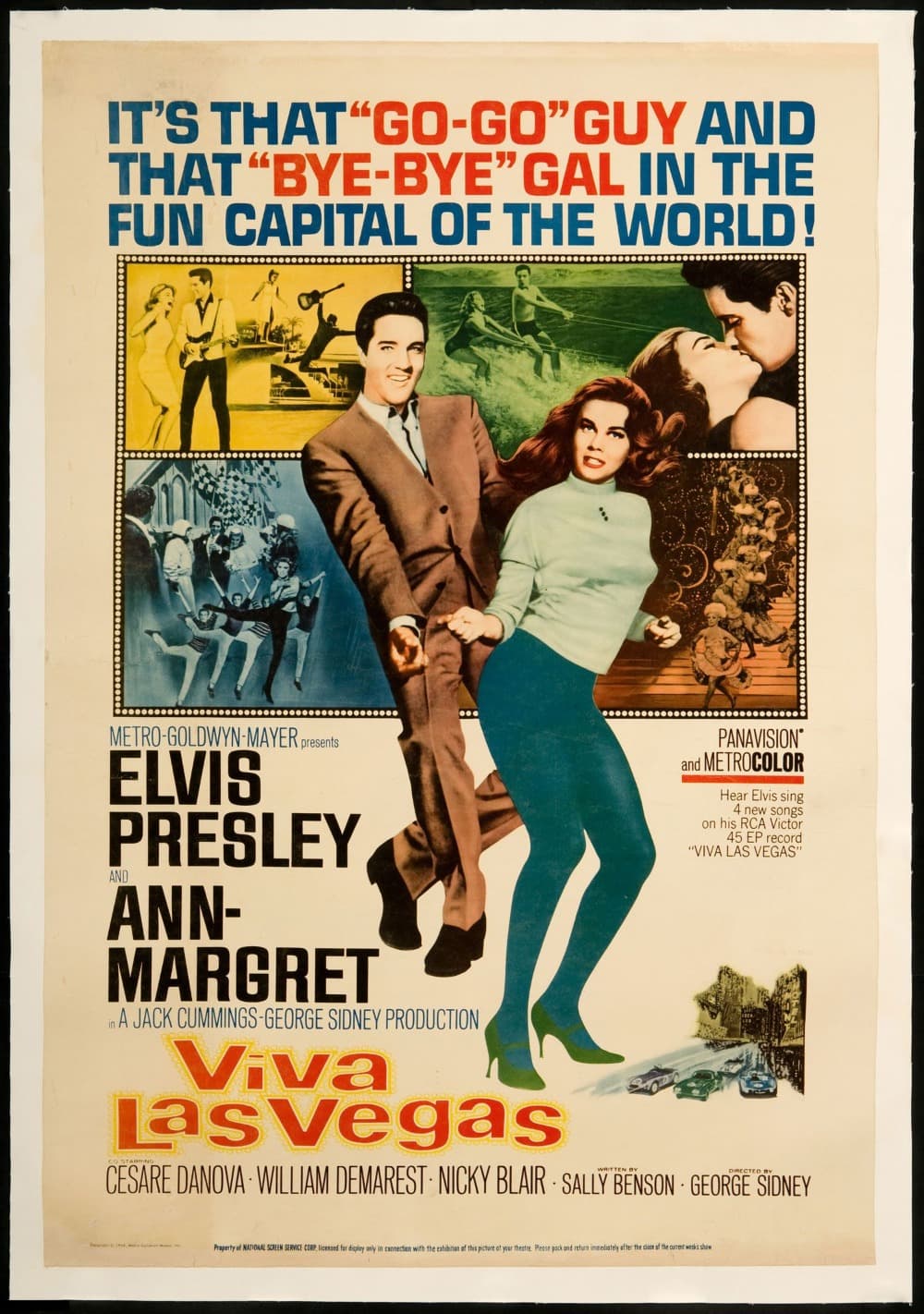
Viva Las Vegas
Directed by George Sidney
1964
Elvis Presley made thirty-one films and only this one holds up: Ann-Margret matches him move for move, the studio got nervous about it, and the title song outlived everything.
★ 1.2
 skopia
Elvis Presley made thirty-one films and only this one holds up: Ann-Margret matches him move for move, the studio got nervous about it, and the title song outlived everything.
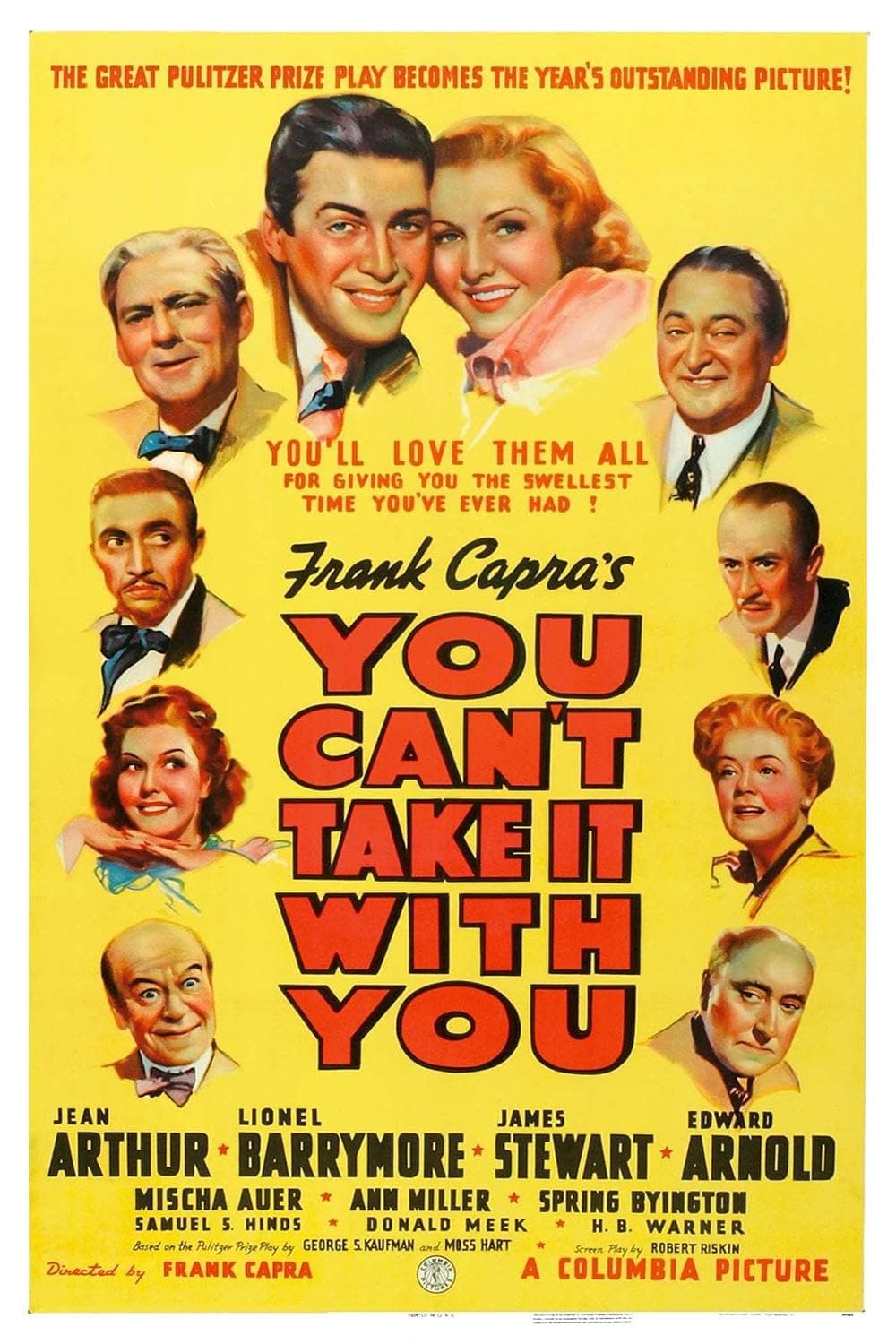
A household where everyone does exactly as they like collides with a banking family: Frank Capra won his third directing Oscar in five years, and the argument is still the one America has.
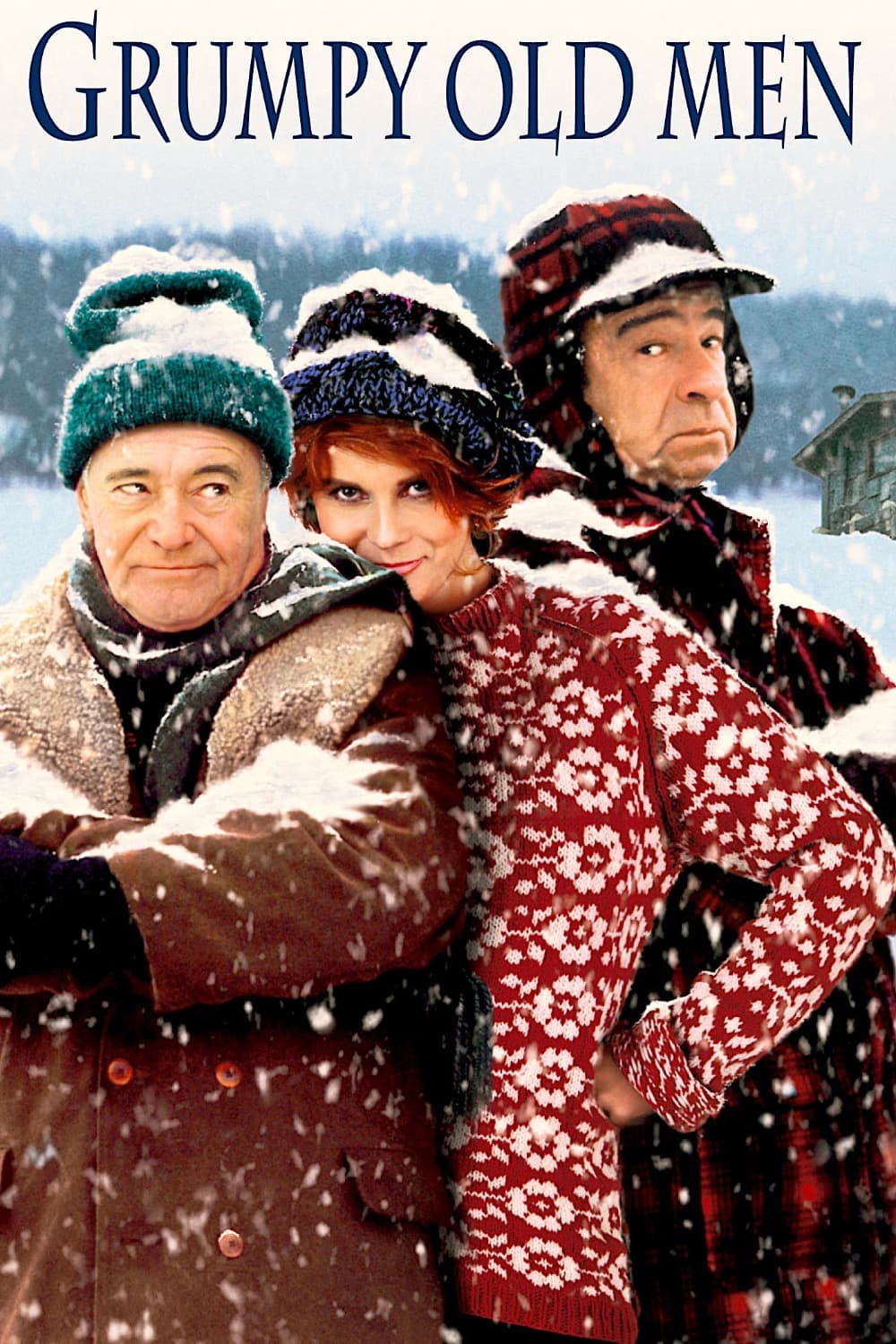
Walter Matthau and Jack Lemmon had been perfecting this act for twenty-five years and it still lands: two Minnesota neighbors have hated each other since one married the other's girl.
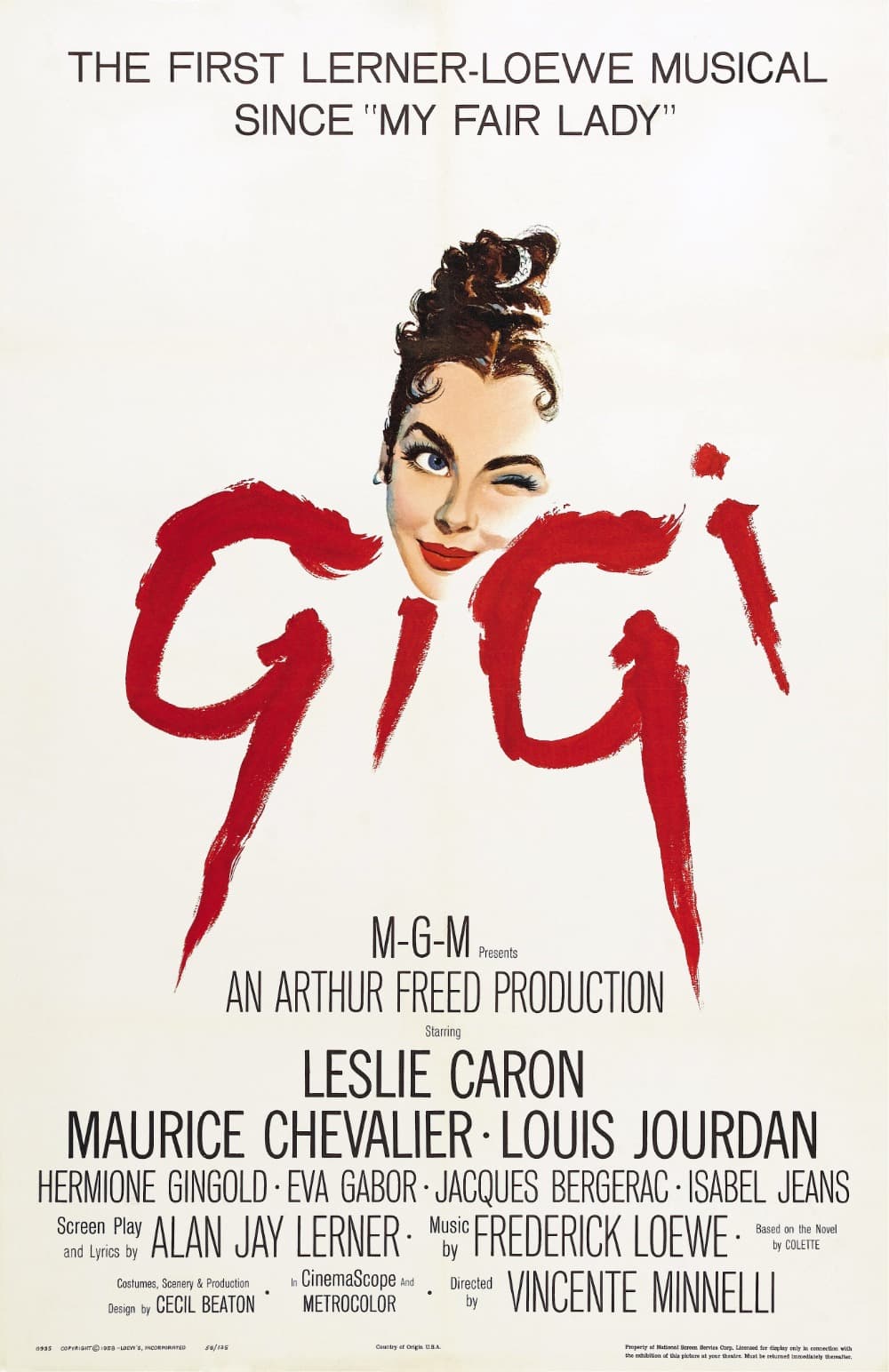
It won all nine awards it was nominated for, the biggest clean sweep the Oscars had seen: Lerner and Loewe wrote it straight for the screen, and Paris in 1900 looks fabulously expensive.
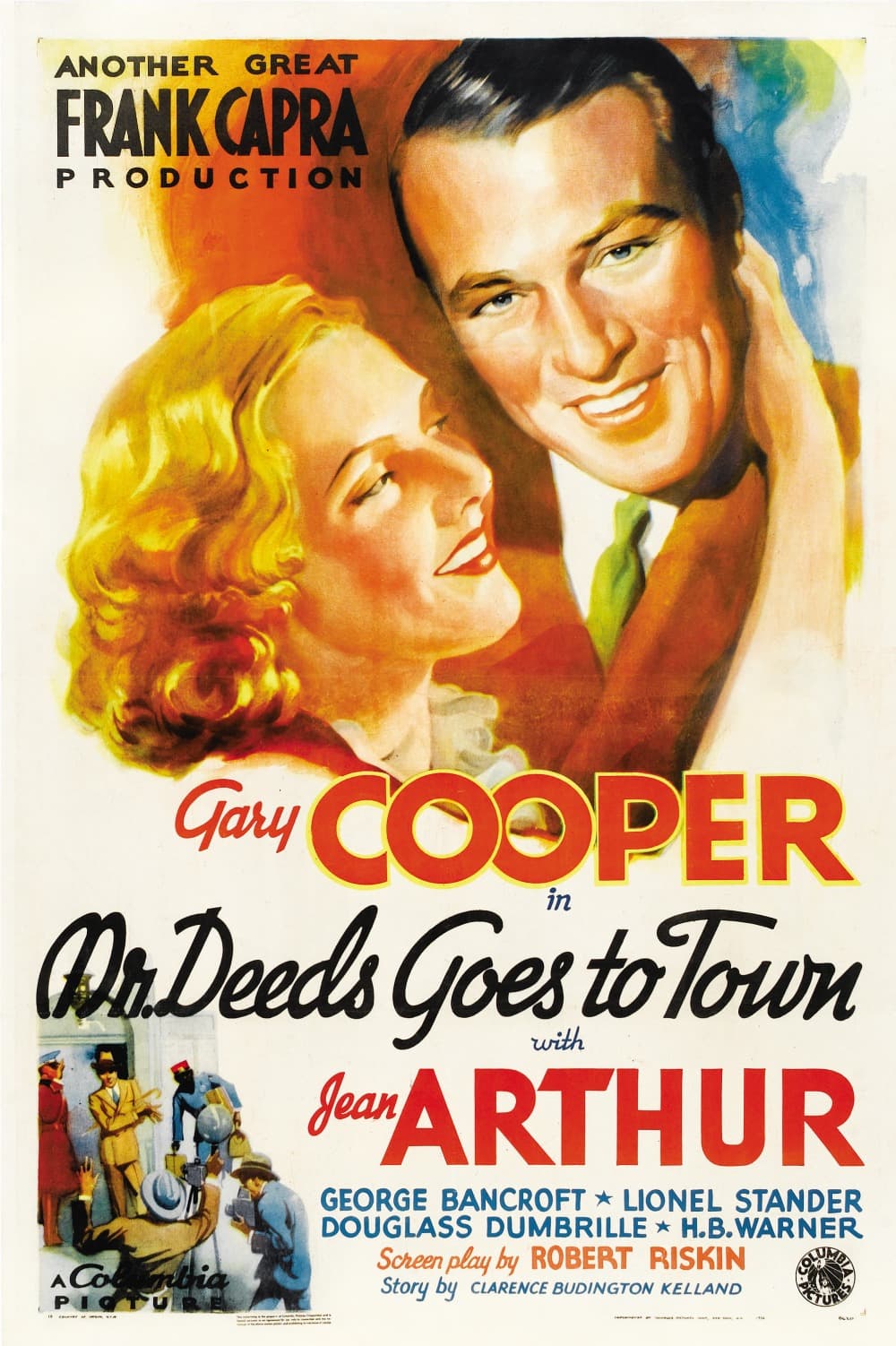
Frank Capra and Gary Cooper at the height of the New Deal: a tuba-playing greeting card poet inherits twenty million dollars and finds out what New York wants from him.
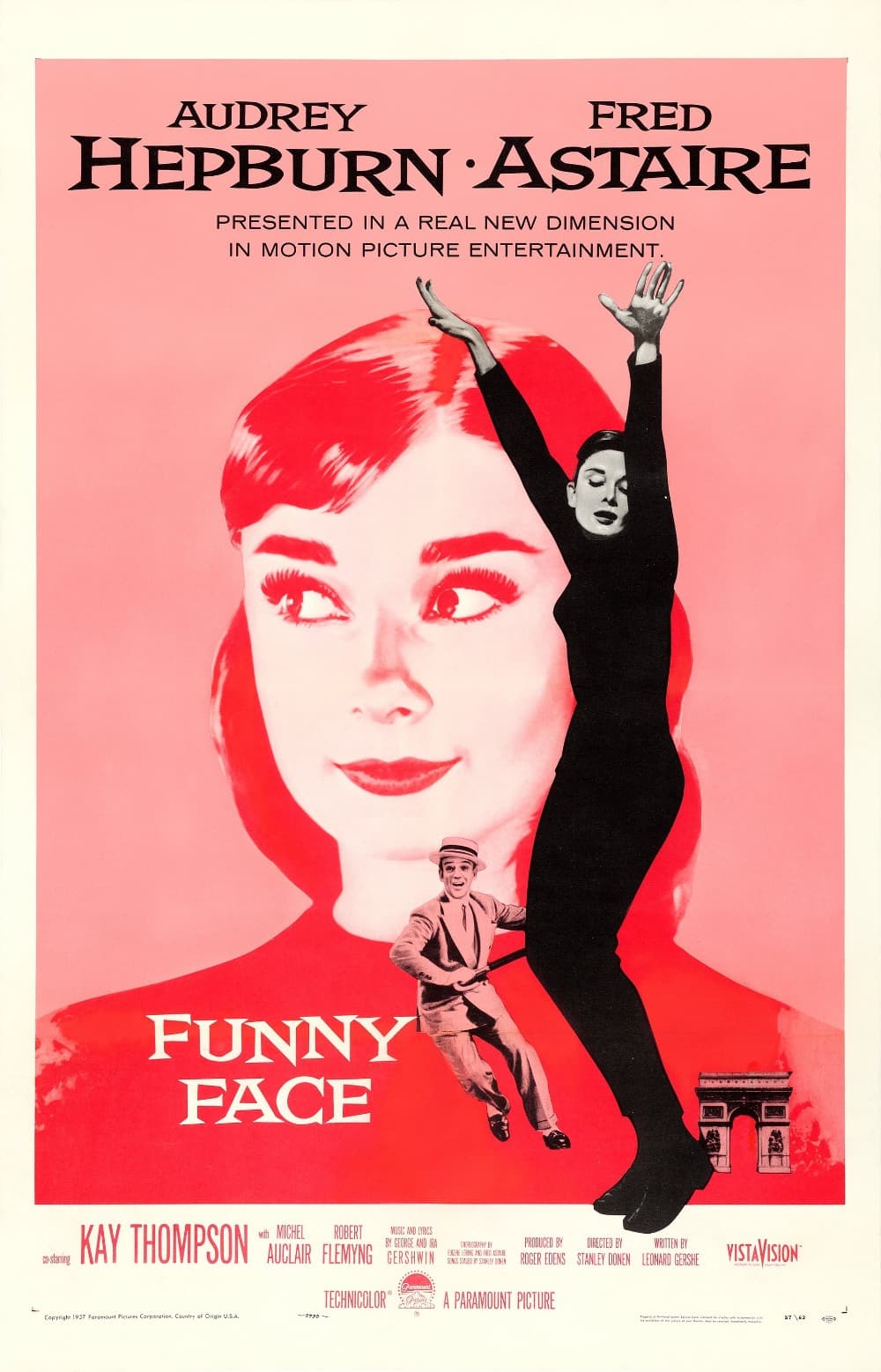
Richard Avedon served as visual consultant and shot the photographs himself: Audrey Hepburn is a bookshop clerk turned Paris model, and the darkroom sequence is the most beautiful red ever filmed.
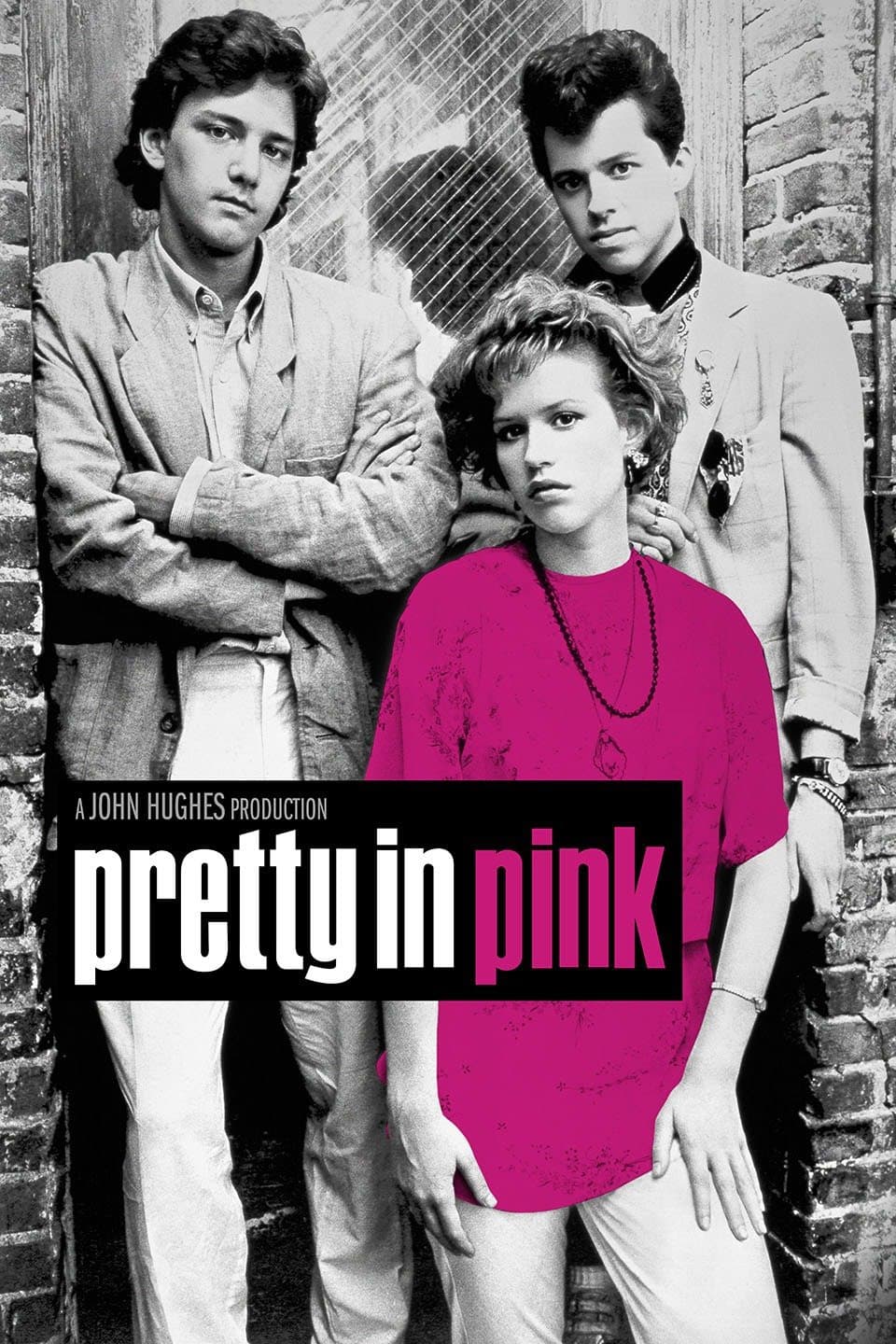
Molly Ringwald's prom dress is stitched together from two others, an image the whole film runs on: Howard Deutch directs a John Hughes script about who gets to sit where.
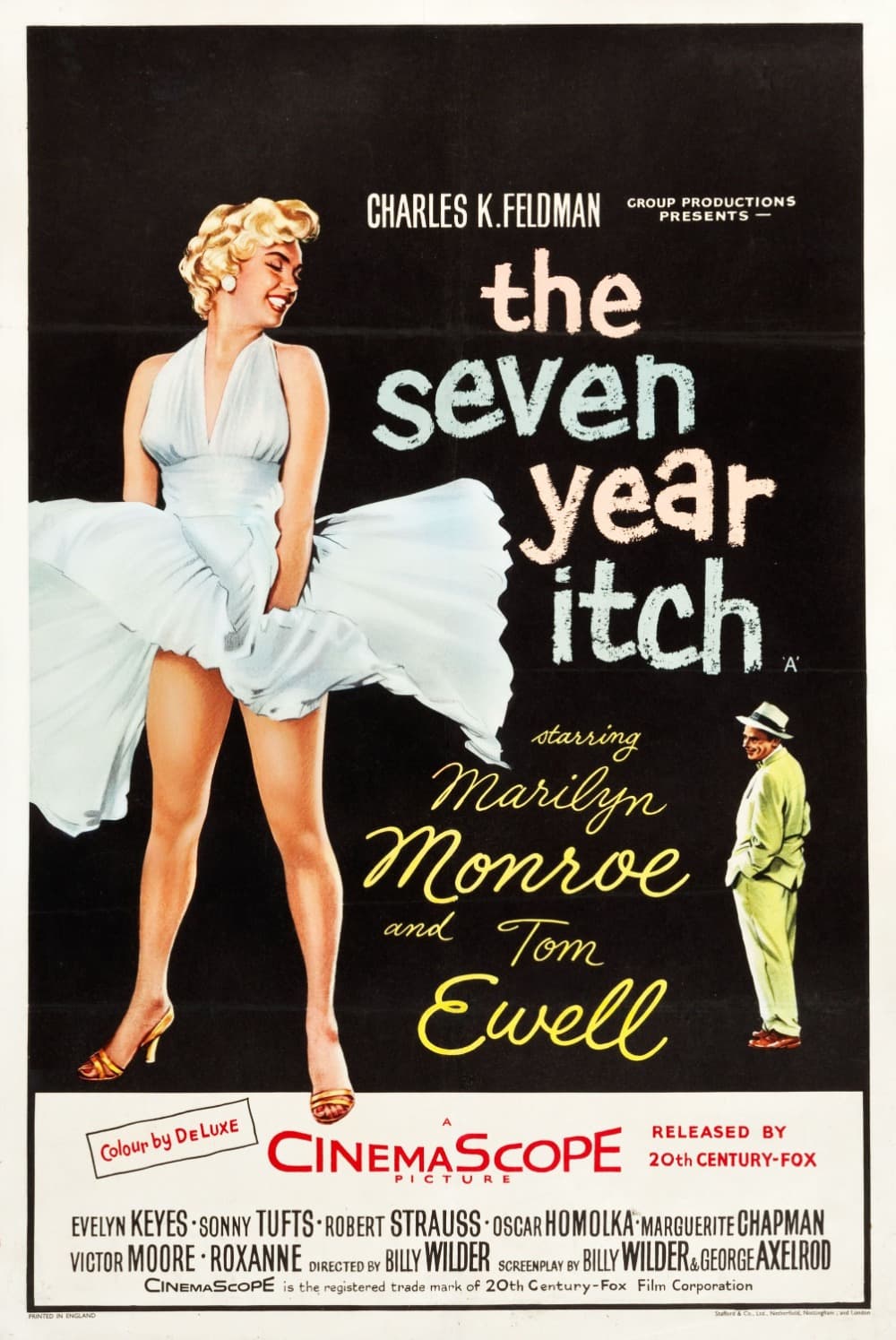
The subway grate photograph is more famous than the film: Billy Wilder strands a Manhattan husband alone for the summer, Marilyn Monroe moves in upstairs, and the fantasies start immediately.
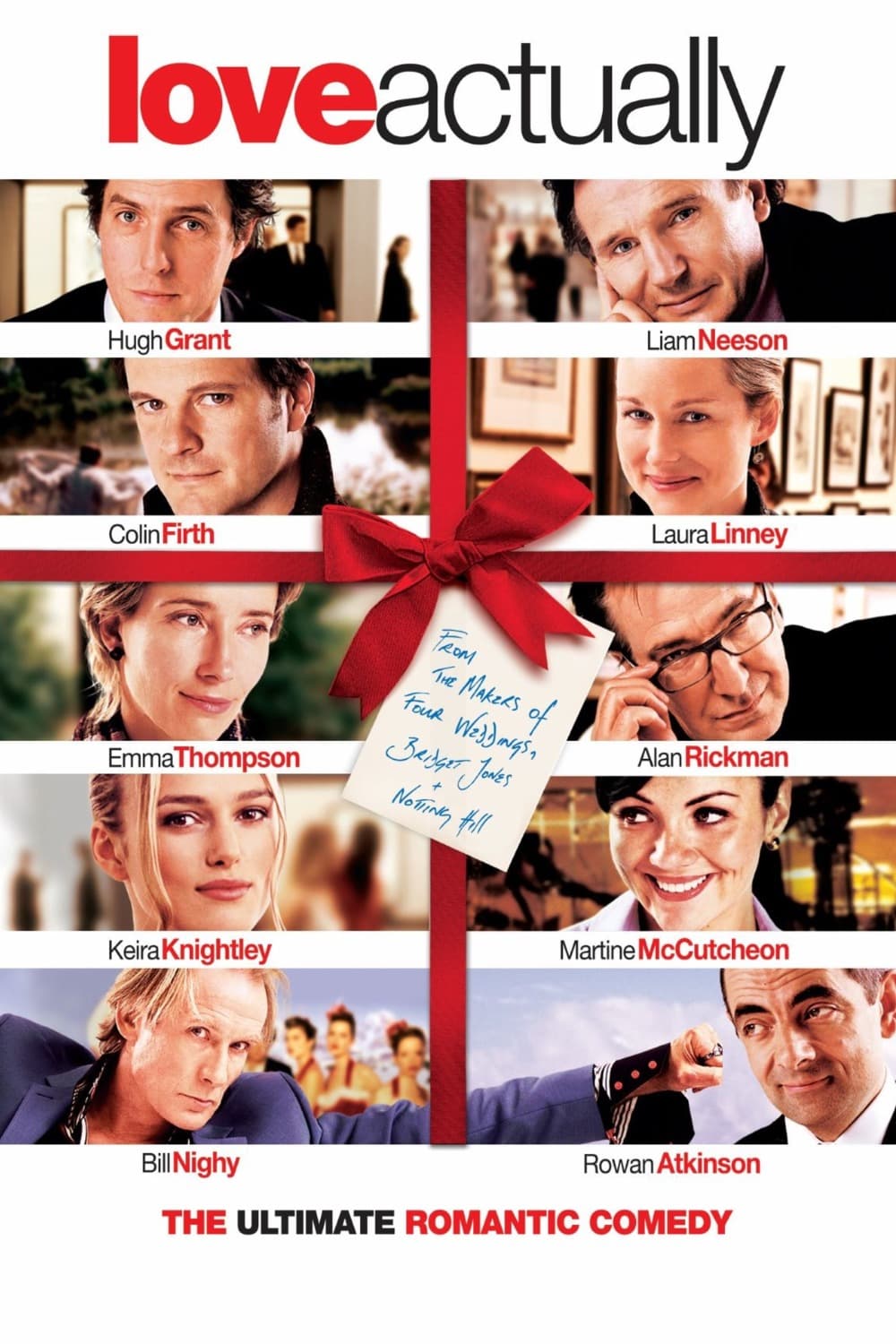
Nine storylines, two hours, and half the country reruns it every December while the other half writes essays about why it is bad: Richard Curtis knew exactly what he was doing.
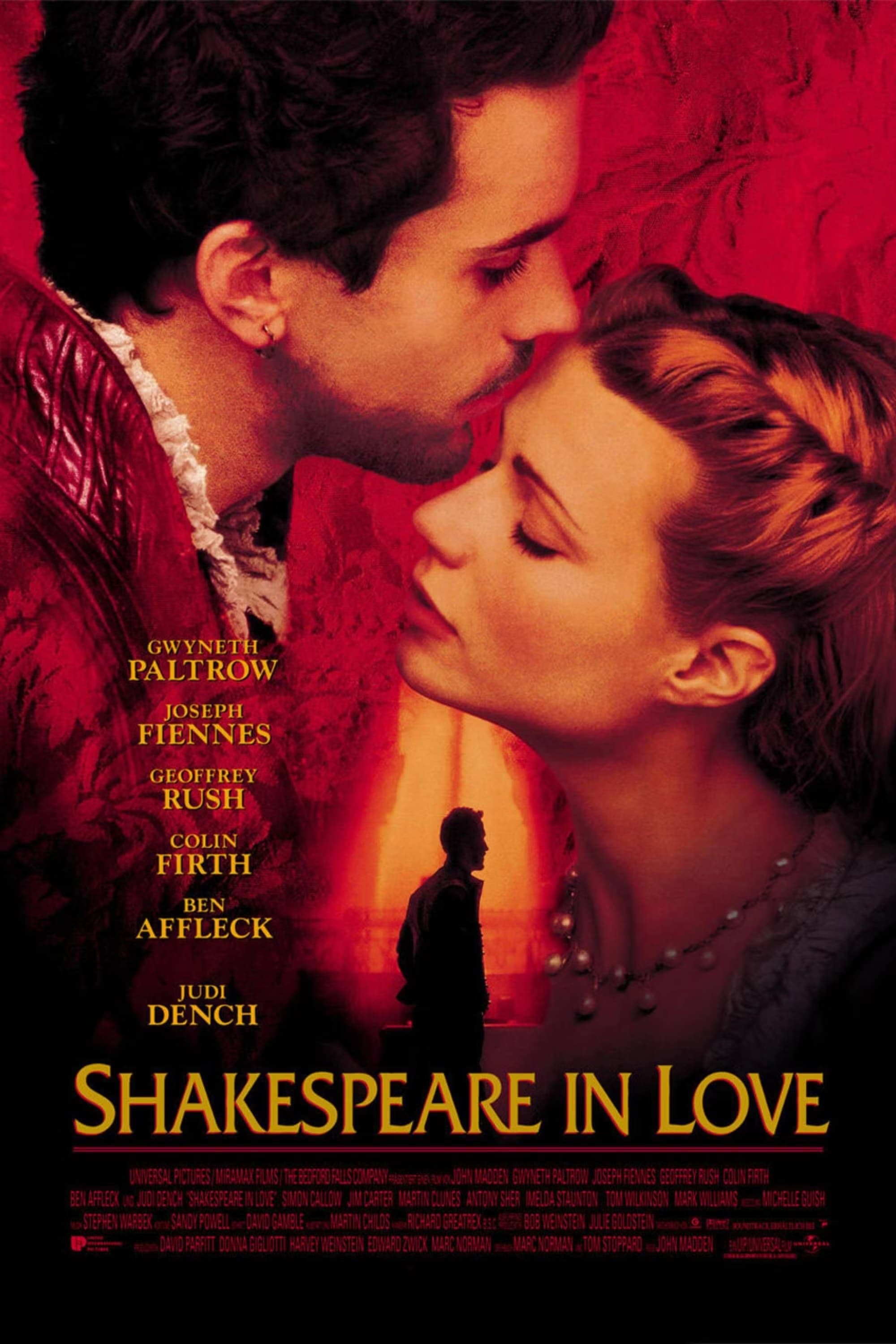
Tom Stoppard rewrote the script and you can hear him in every scene: a blocked Shakespeare finds his Juliet, and nothing else is this funny about how theater actually gets made.
Baz Luhrmann's debut already has the whole style in place: competitive ballroom dancing filmed like grand opera, where a dancer using his own steps counts as a moral crisis.
Owen Wilson and Vince Vaughn talk across each other at speed and the rhythm carries the film: two divorce lawyers crash strangers' weddings as a hobby, with rules they have written down.
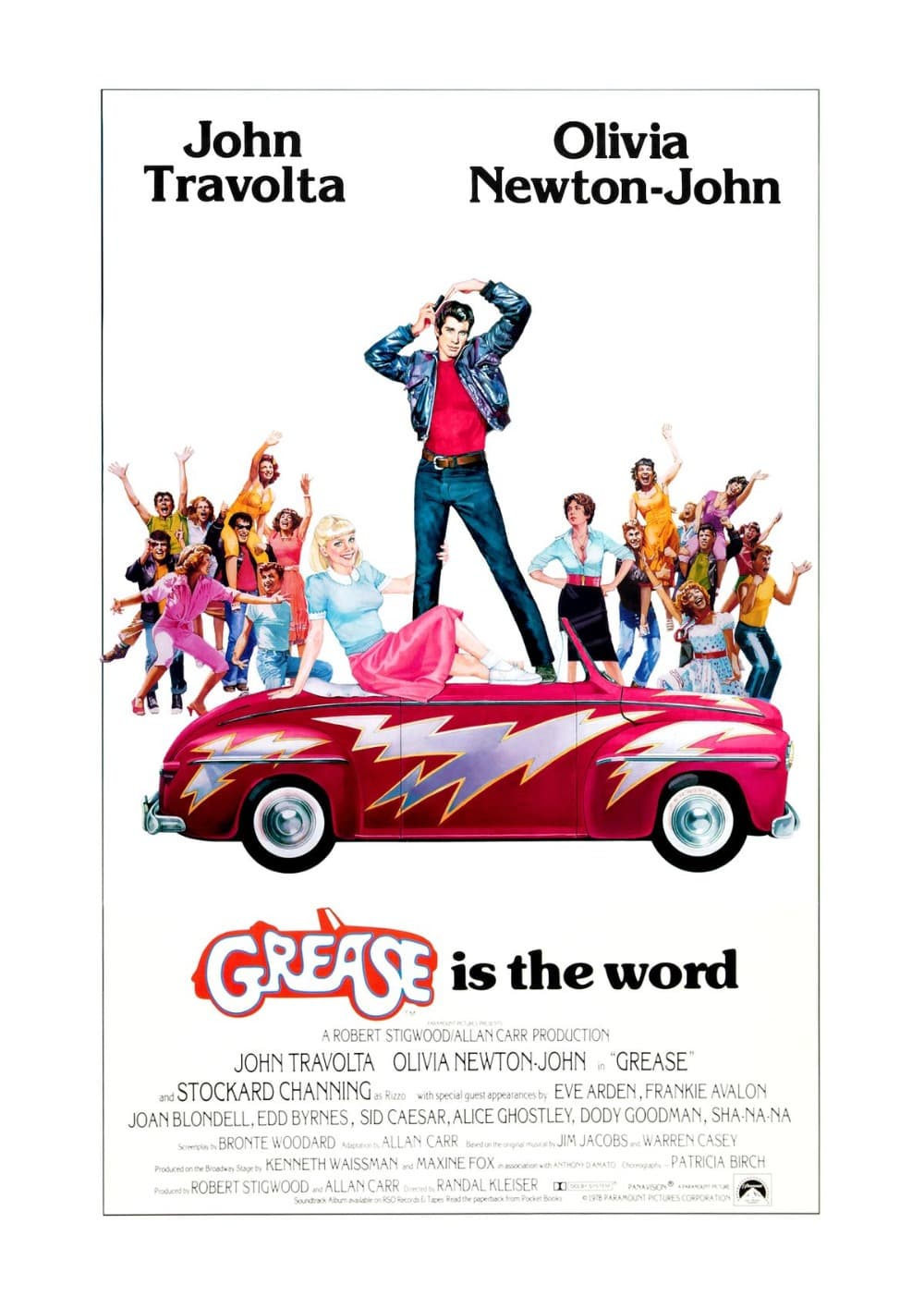
It was the highest-grossing musical ever made for more than twenty years: John Travolta and Olivia Newton-John are both obviously too old for high school, and it has never mattered.
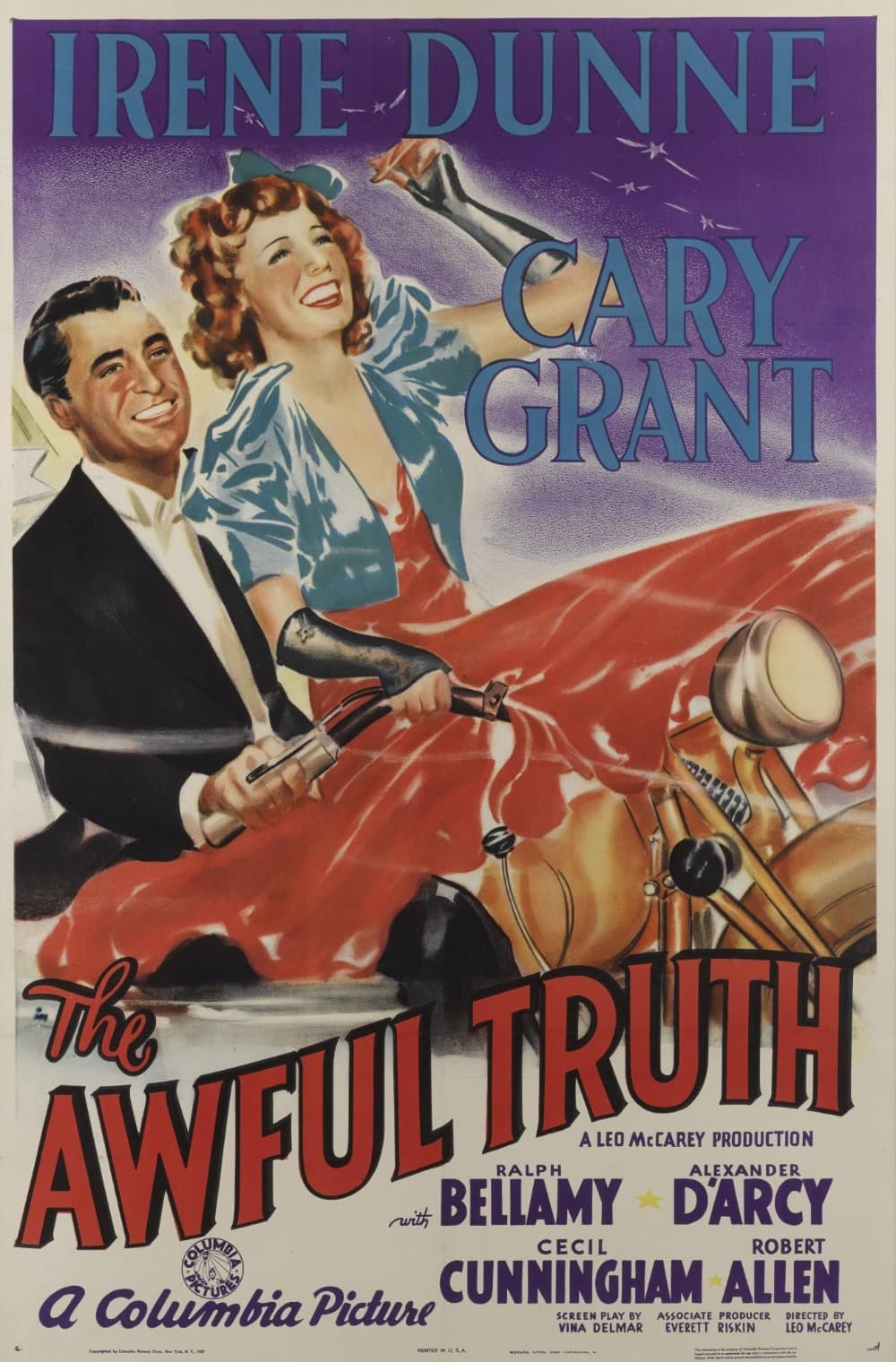
Cary Grant became Cary Grant in this film: Leo McCarey threw out the script daily and improvised on set, and a divorcing couple sabotage each other's new engagements out of pure spite.
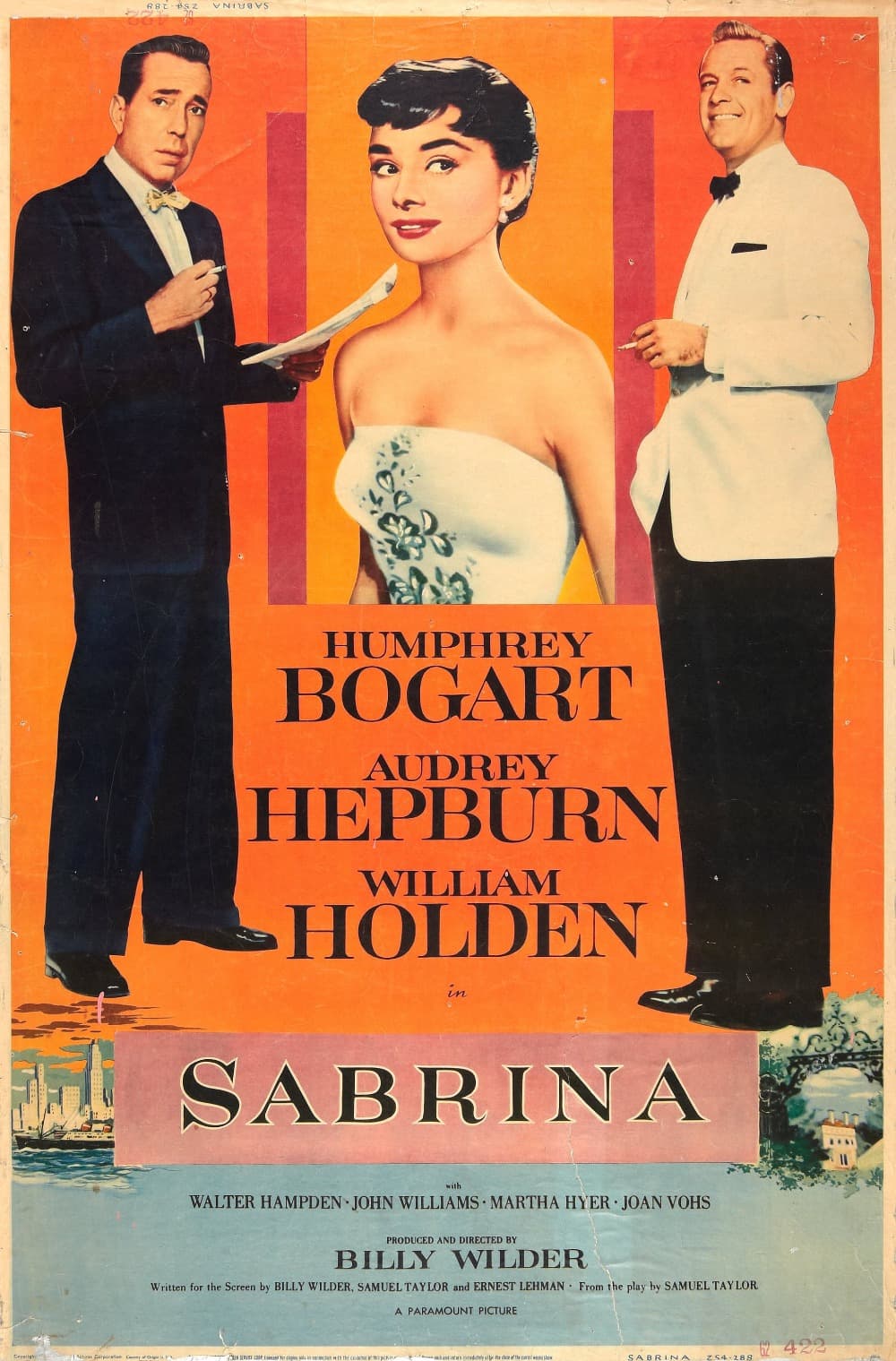
Humphrey Bogart hated making it and it barely shows: Billy Wilder puts Audrey Hepburn between two brothers on a Long Island estate and lets Paris do the transformation offscreen.
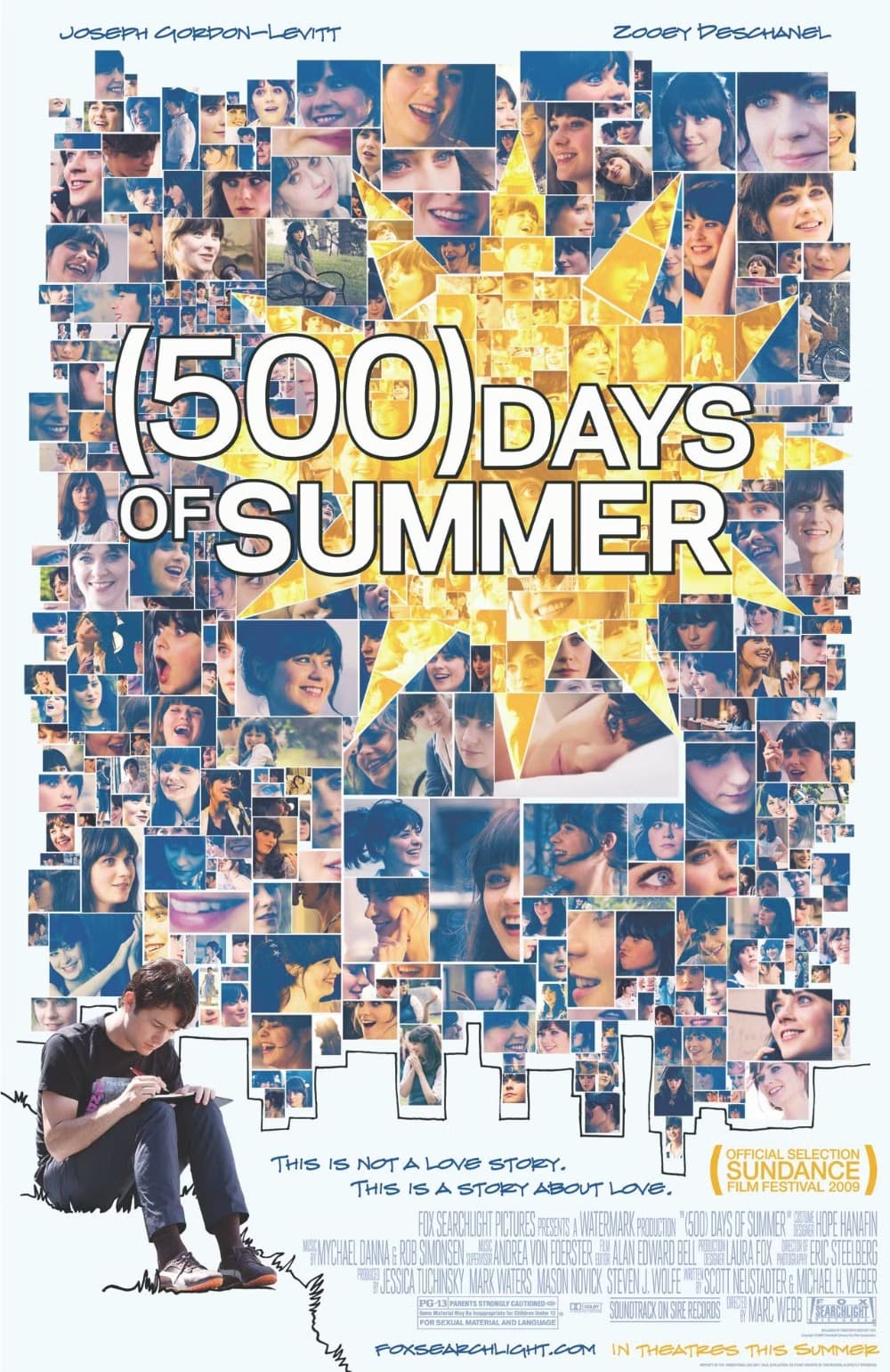
The split screen between what he expects and what happens is the best scene of its decade: a romantic comedy scrambled out of sequence that keeps insisting it is not a love story.
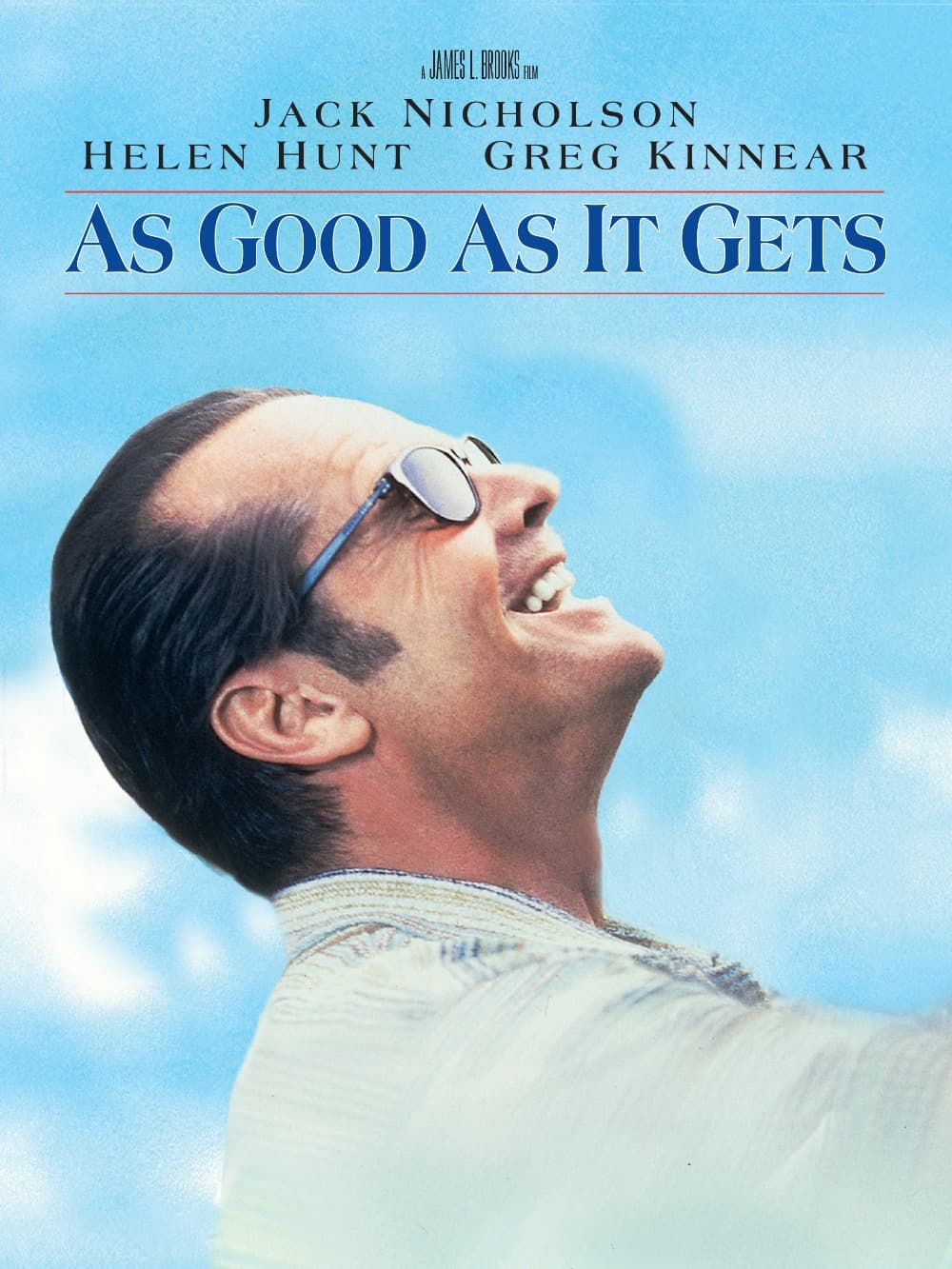
Jack Nicholson and Helen Hunt both won Academy Awards for a romantic comedy, which almost never happens: he plays a novelist nobody can stand, and the film does not soften him much.
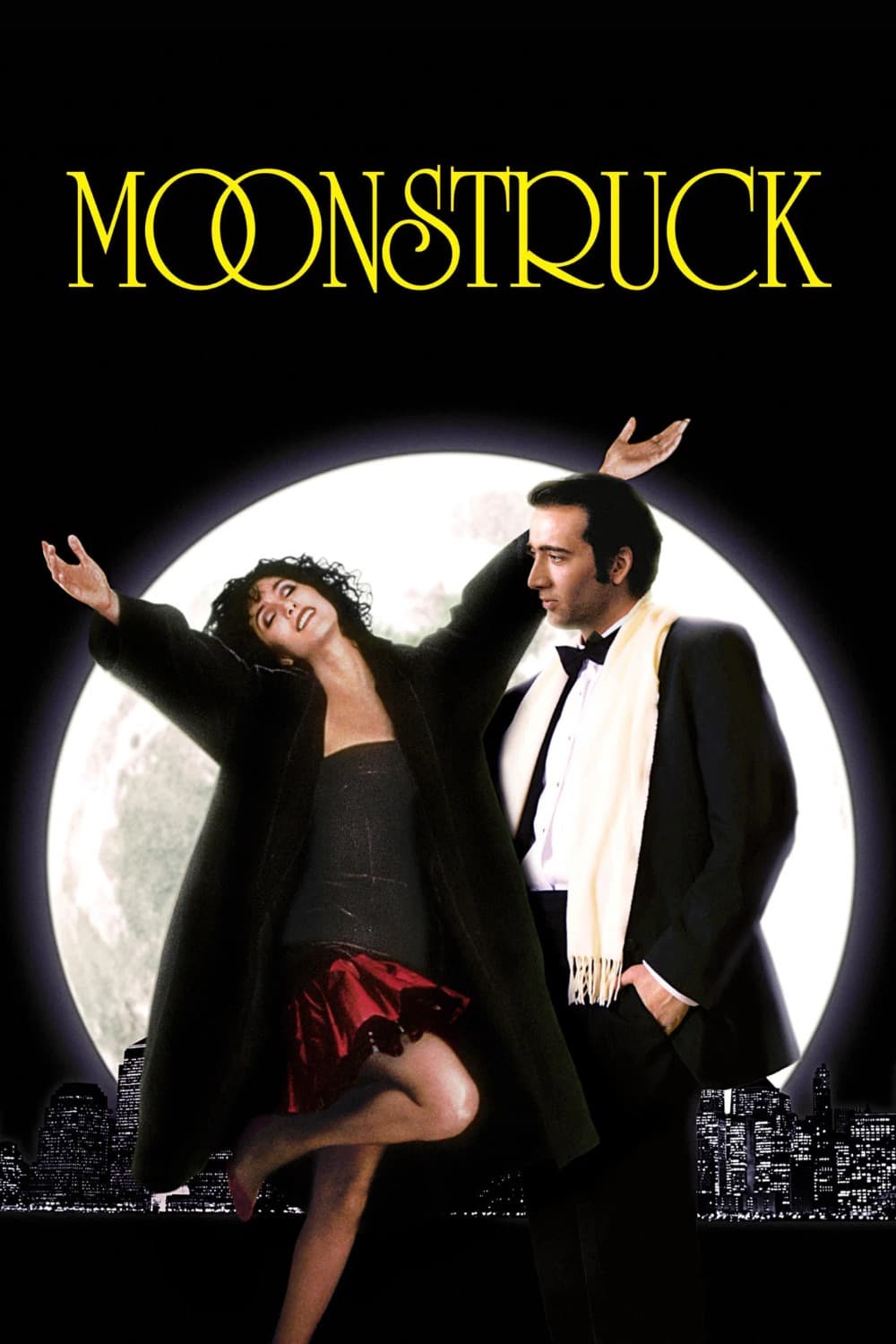
Cher and Olympia Dukakis both took Oscars from it, and the screenplay took a third: John Patrick Shanley wrote a Brooklyn Italian family who argue at operatic volume and mean every word.
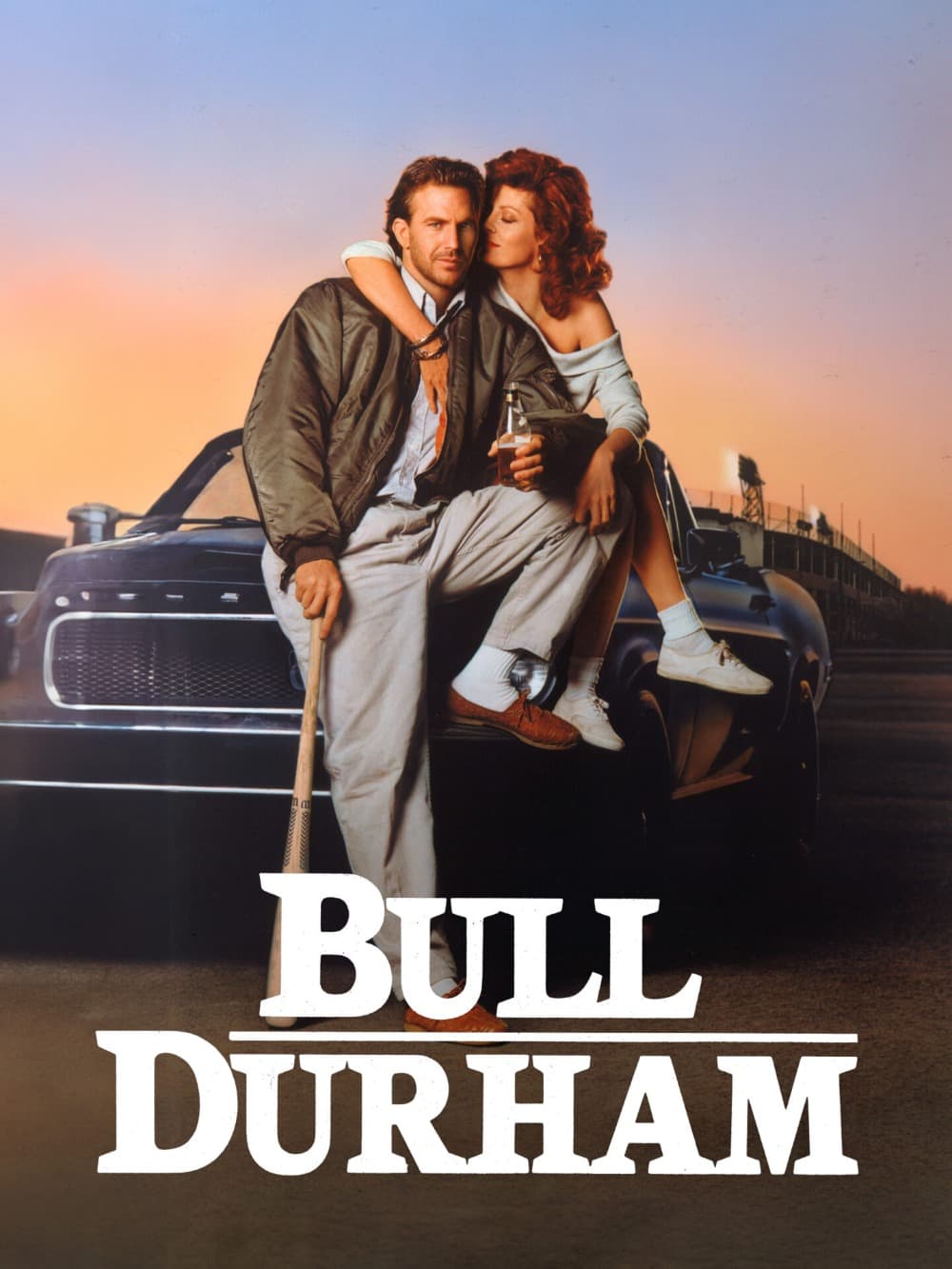
Ron Shelton played five years of minor league baseball and wrote what he actually saw: the mound conference about wedding presents is the funniest scene in any sports film.
The first silent film to take Best Picture since 1929, made by a French director nobody in Hollywood knew: a star of the silents watches sound arrive and refuses to adapt.