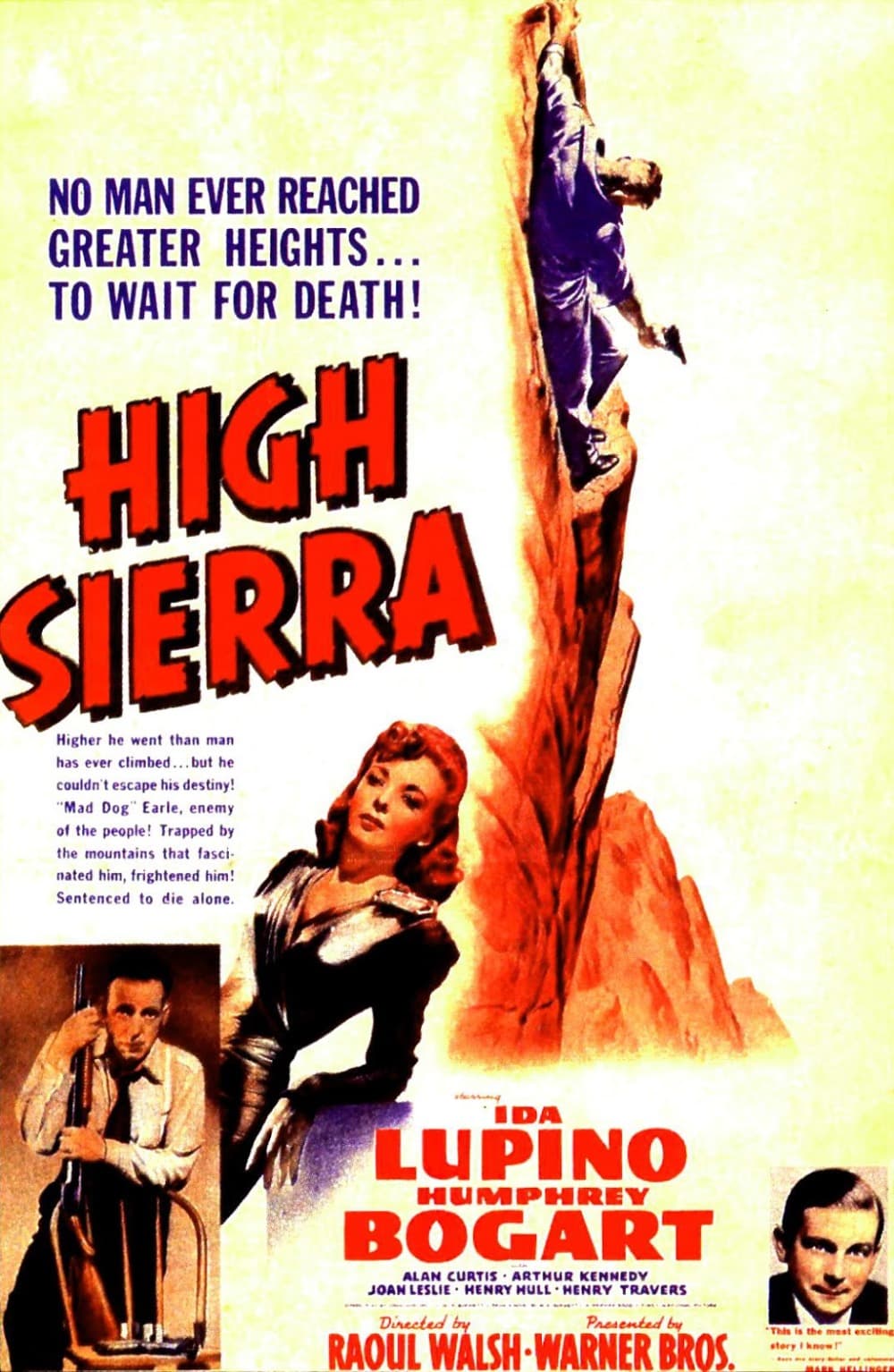
High Sierra
Directed by Raoul Walsh
1941
Ida Lupino had top billing and Bogart got the part after George Raft turned it down: John Huston co-wrote it, and an aging gunman takes one last job in the Sierra Nevada.
★ 2.4
 skopia
Ida Lupino had top billing and Bogart got the part after George Raft turned it down: John Huston co-wrote it, and an aging gunman takes one last job in the Sierra Nevada.
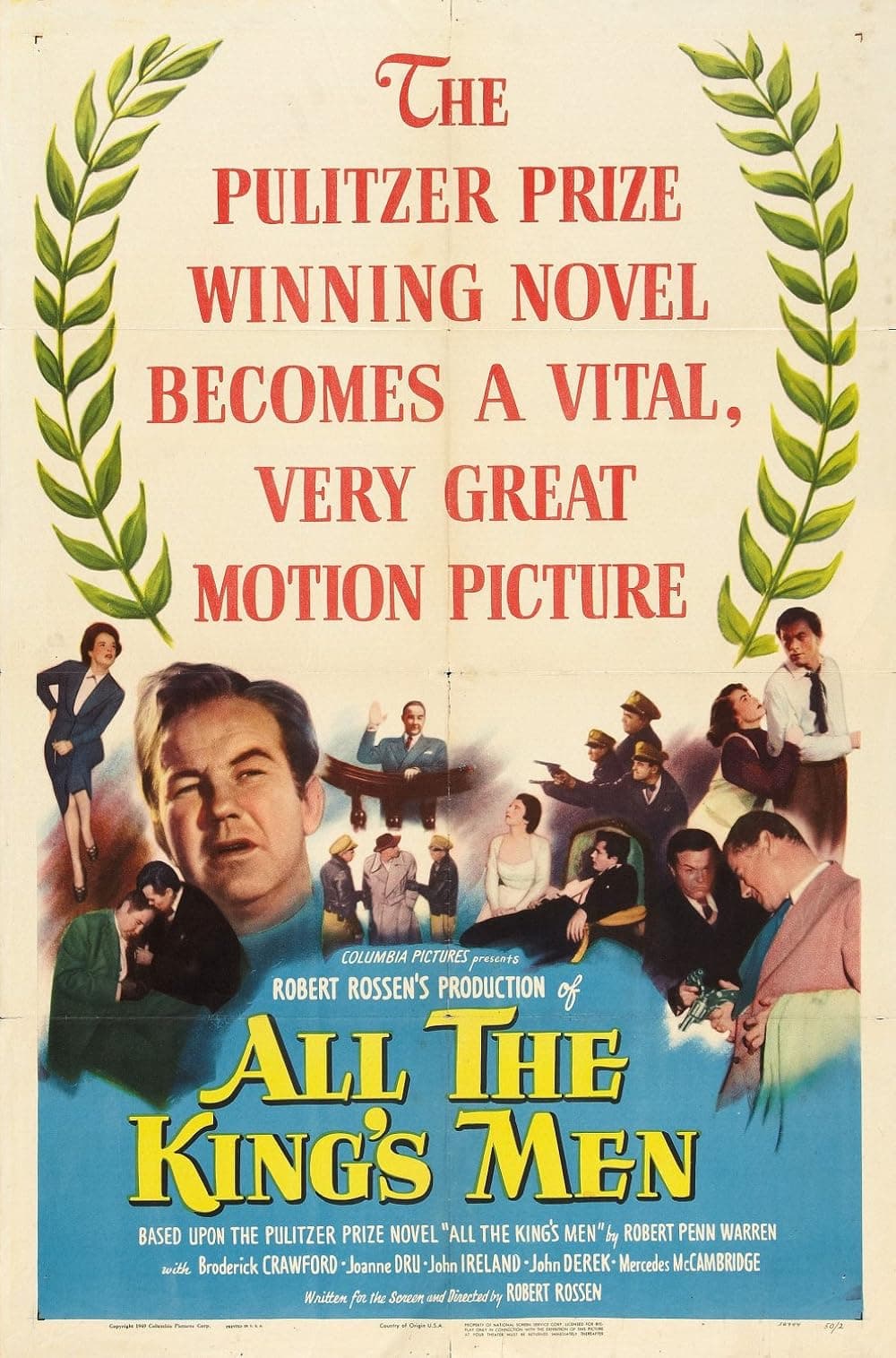
Robert Penn Warren's novel about Huey Long, filmed with real Californians pulled off the street as extras: a country lawyer discovers what he can do with a crowd.
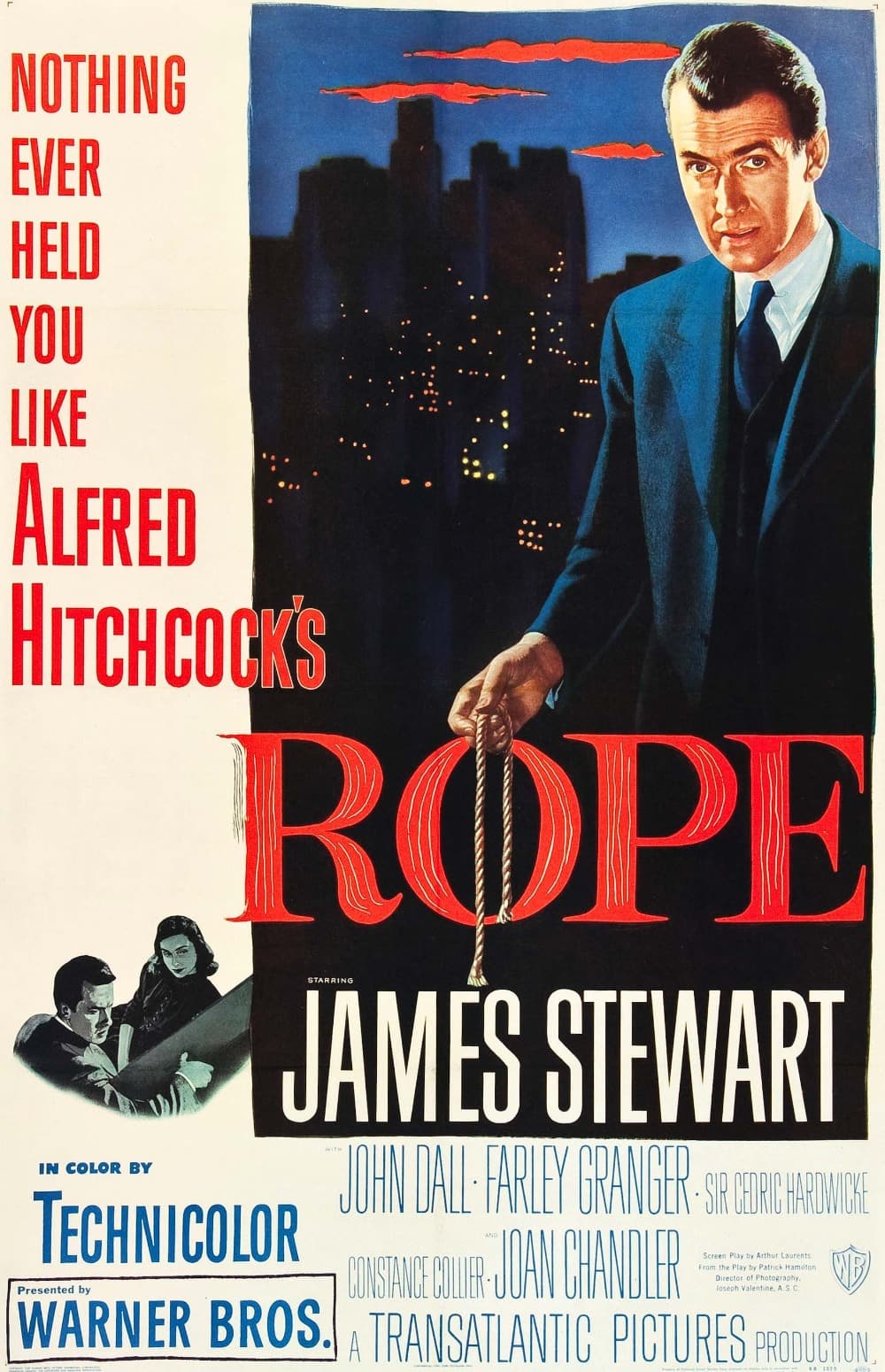
Alfred Hitchcock disguised half the cuts so the film plays like one unbroken take: two students host a dinner party in the apartment where they have done something, and the camera never leaves.
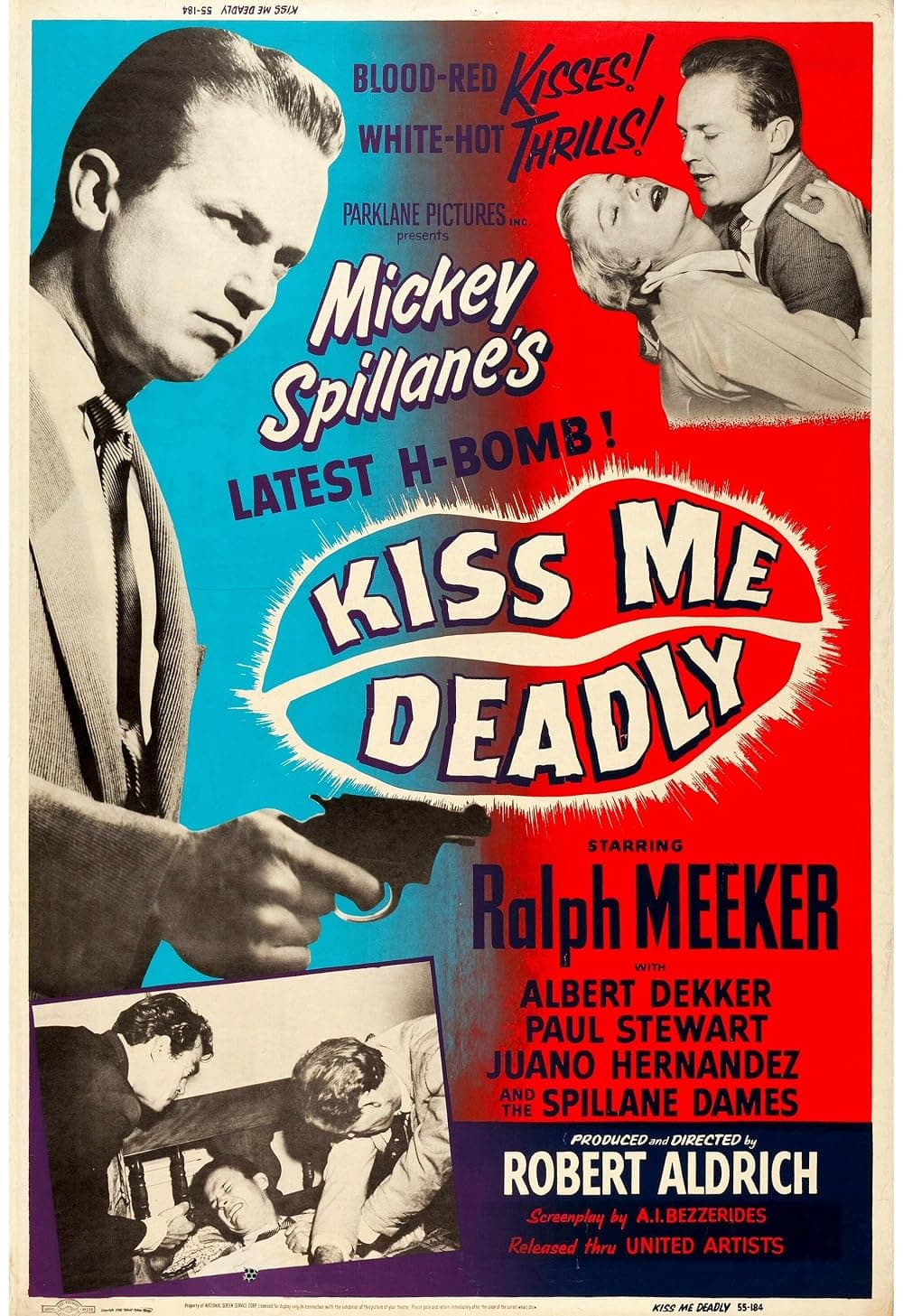
Film noir's meanest specimen: Robert Aldrich turned Mickey Spillane's detective into a thug worse than the criminals he chases, and gave the genre an ending nobody in 1955 was ready for.
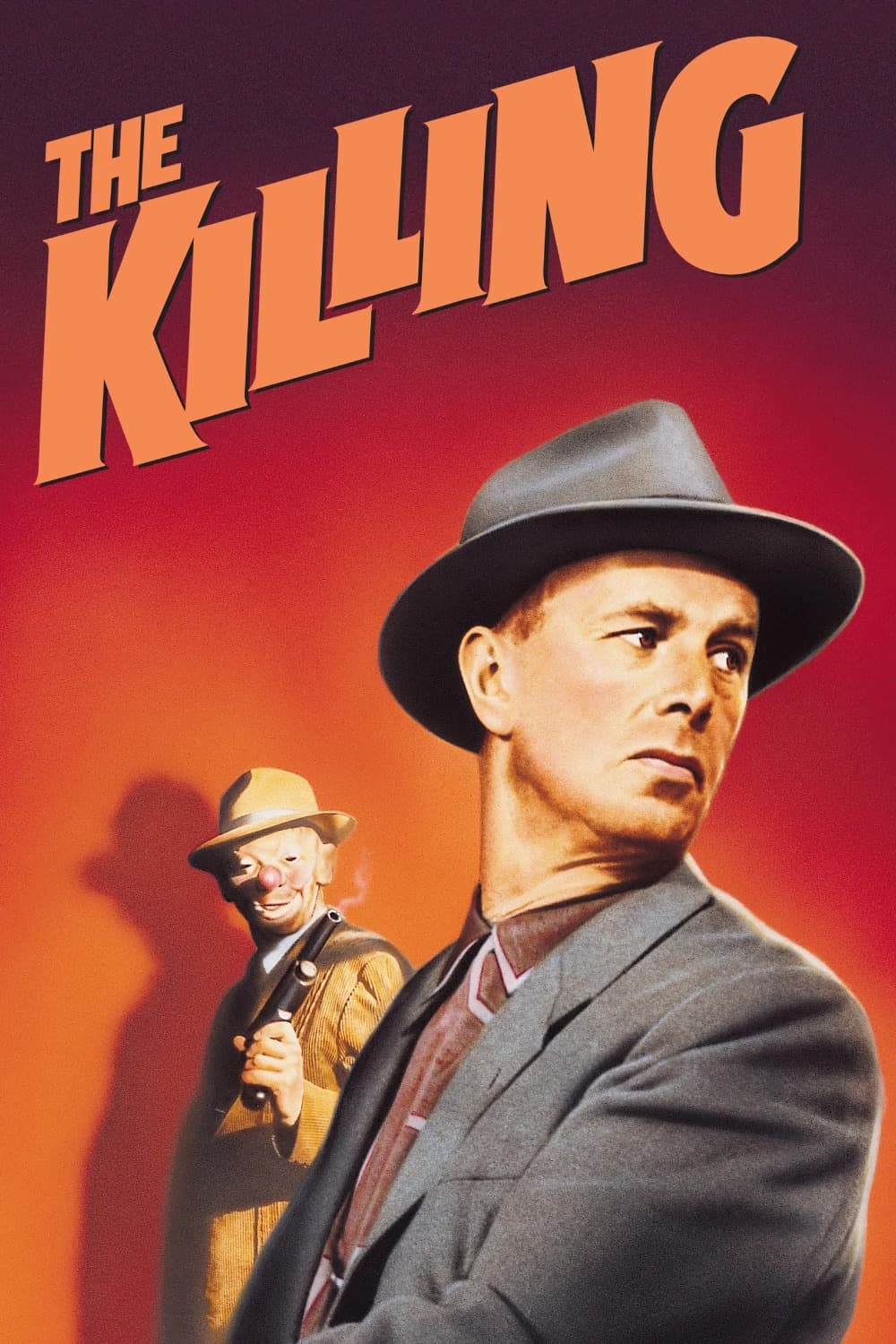
Kubrick was twenty-seven and this is where he became Kubrick: a racetrack robbery told out of order, doubling back to catch each man's hour, thirty years before that felt like a style.
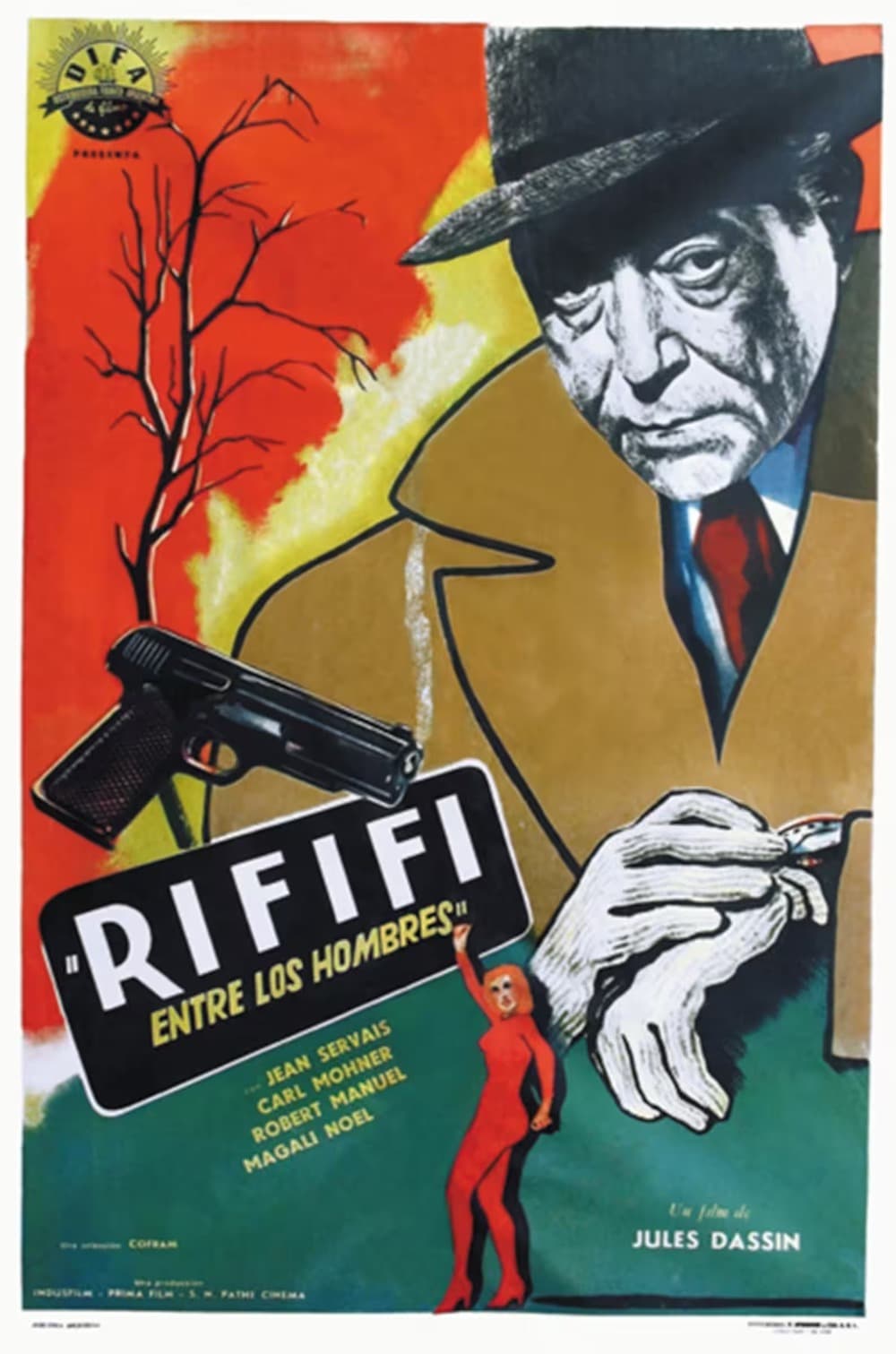
Dassin was blacklisted out of Hollywood and made this in France for almost nothing: the half-hour robbery at its center plays in near-total silence, and the genre has been imitating it since.
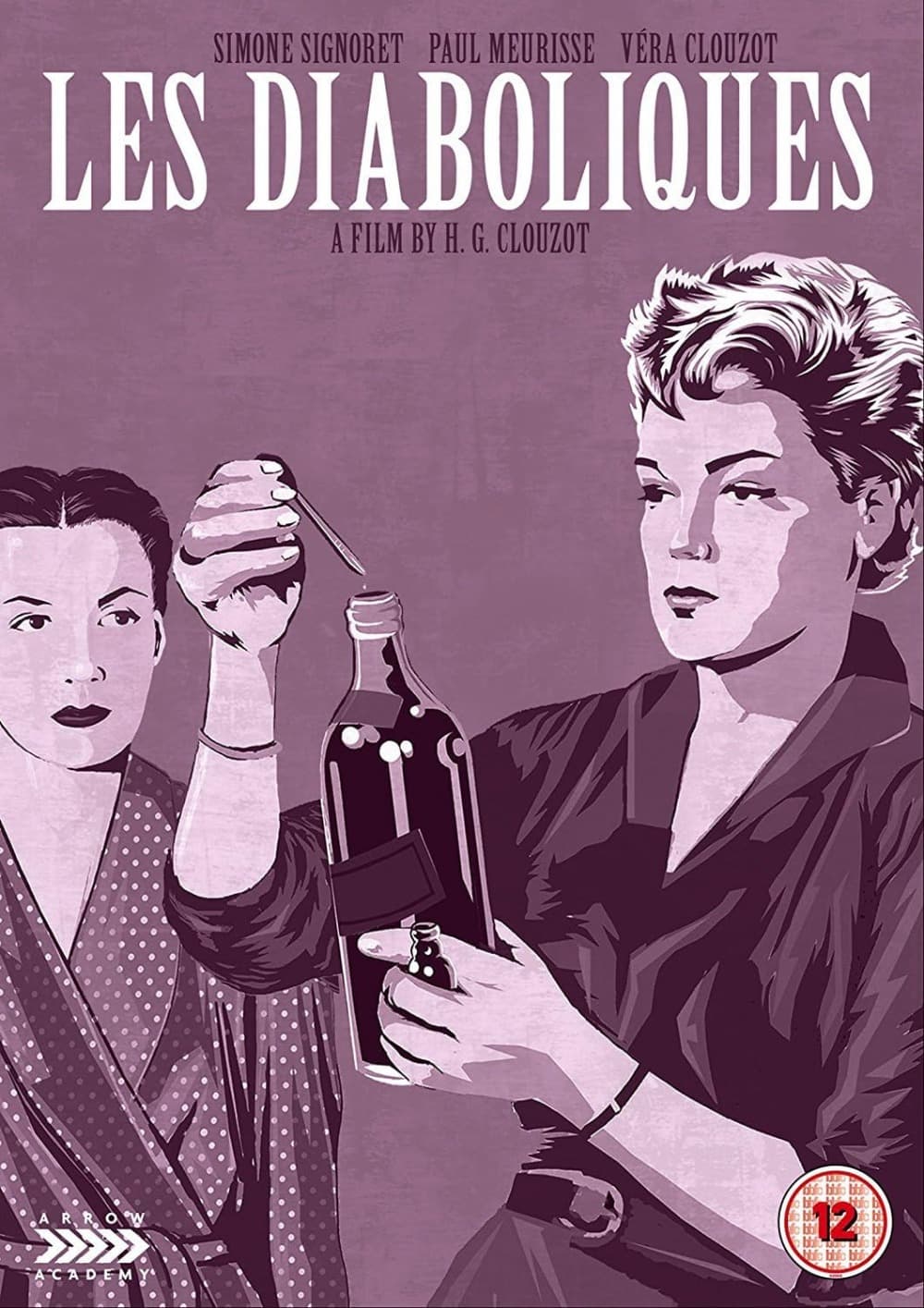
Clouzot got to the material just before Hitchcock could buy it and made the more frightening film: a wife and a mistress conspire against the same terrible man.
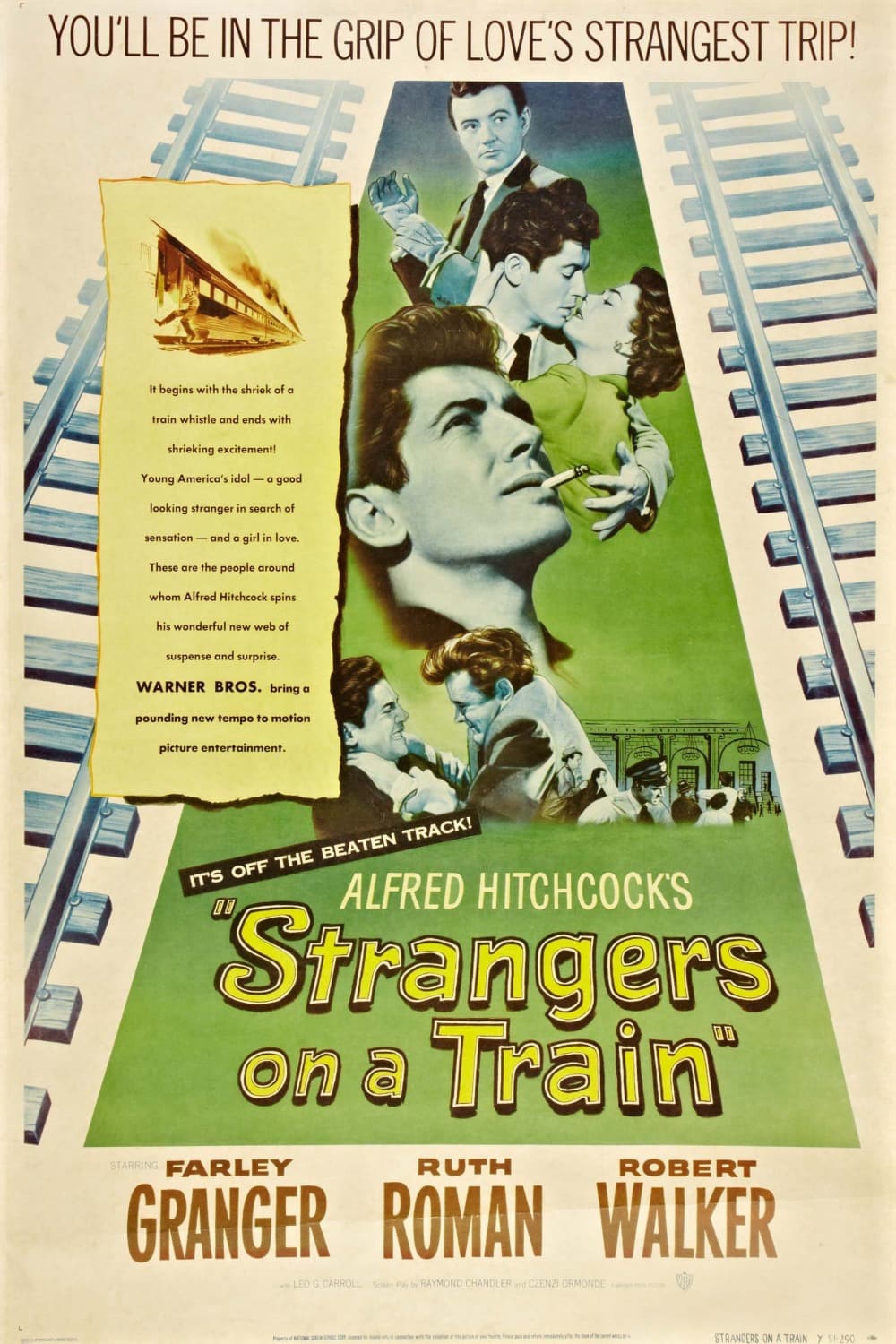
The premise is so clean that thrillers have been borrowing it for seventy years: two men meet on a train and one of them proposes swapping murders.
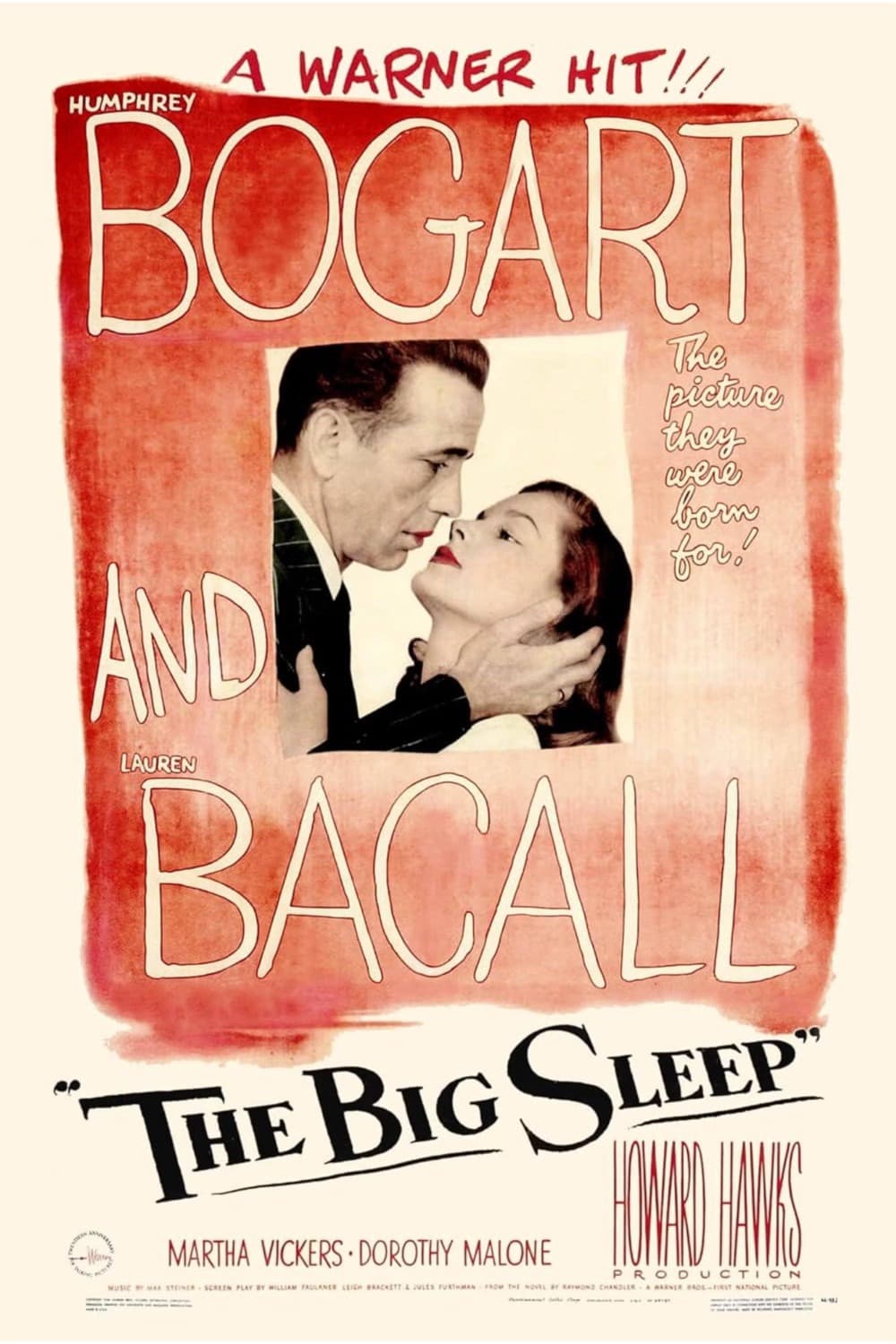
Nobody has ever been able to follow the plot, including the men who wrote it: what you watch it for is Bogart and Bacall talking, which is more than enough.
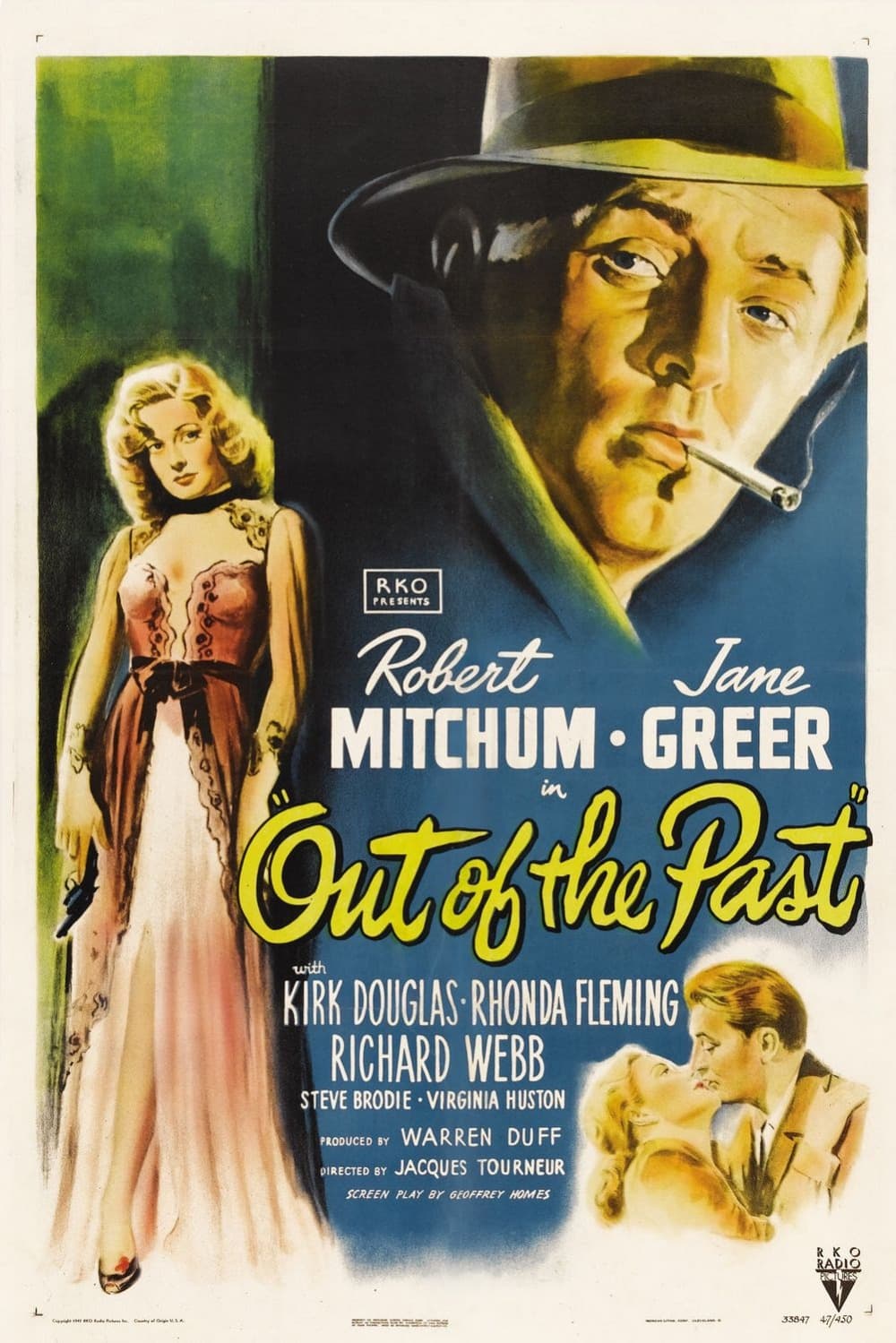
If you want to know what film noir means, this is the film people hand you: a gas station owner's past arrives in the form of a woman he once found.
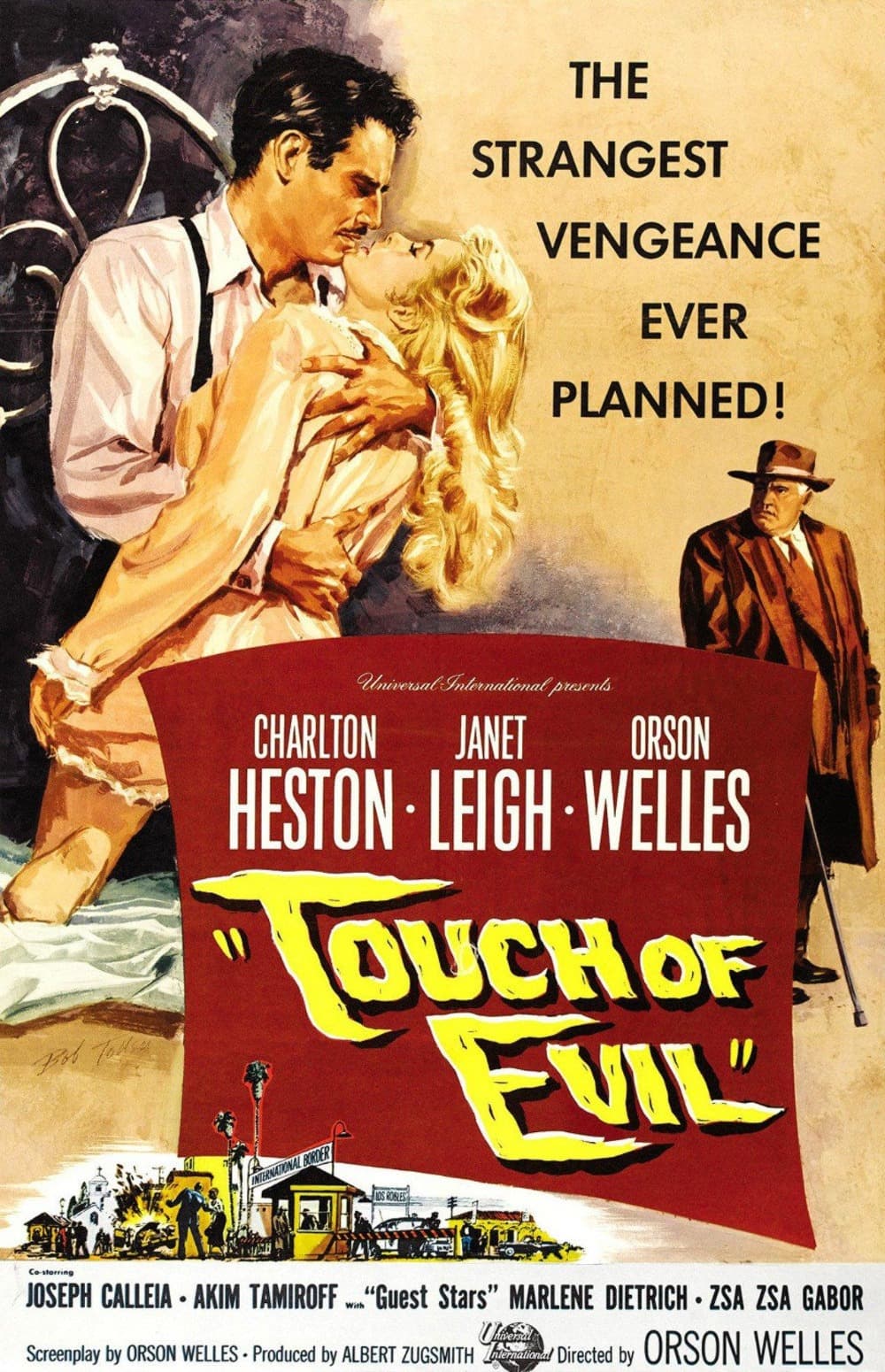
The opening crane shot is the most studied three minutes in film school: Welles was fired off his own picture, and the version we watch was restored from his memo.
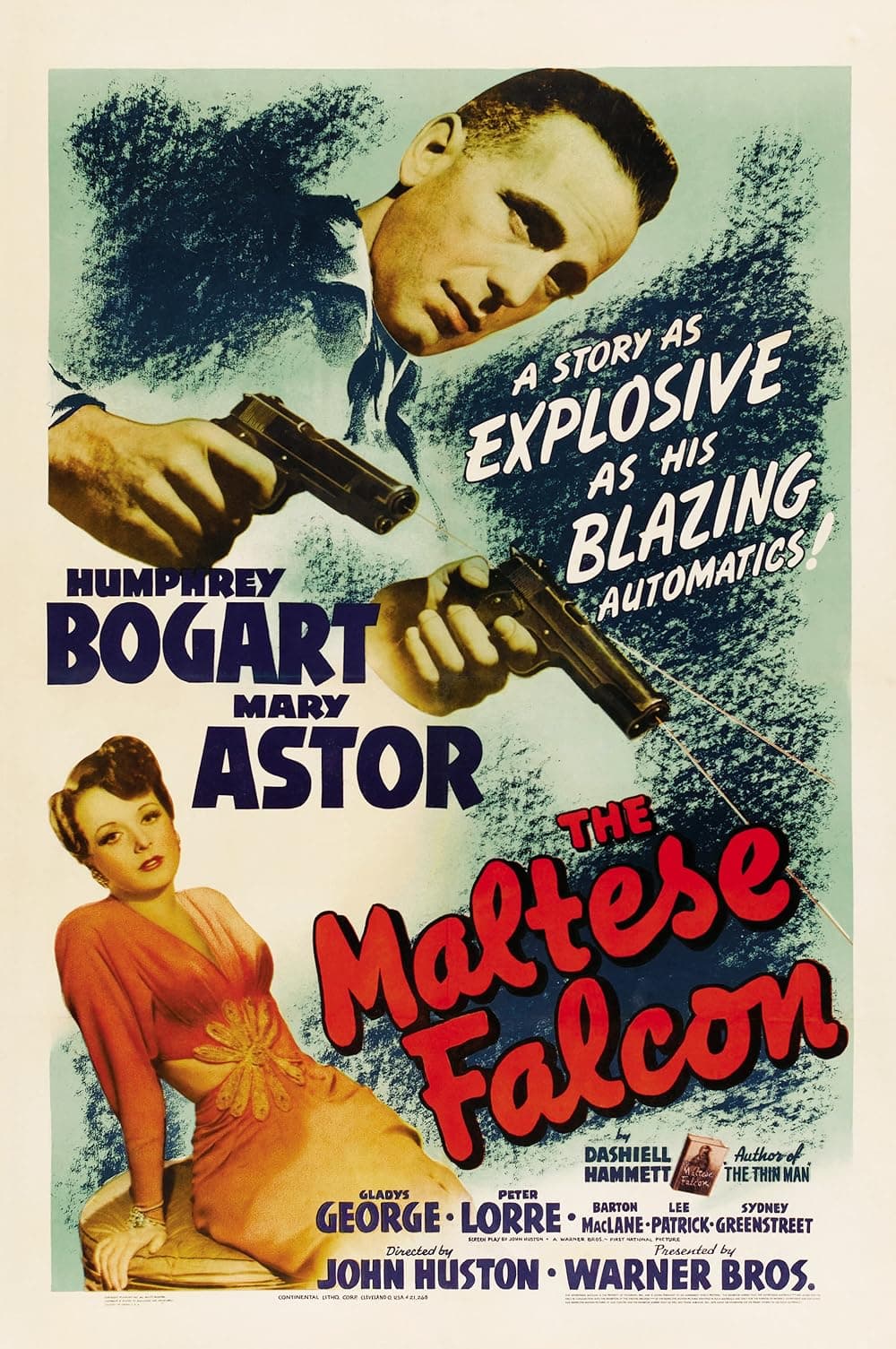
Huston's first film as a director, and the one that finally made Bogart a star: everyone chasing the black bird lies about it for a hundred straight minutes.
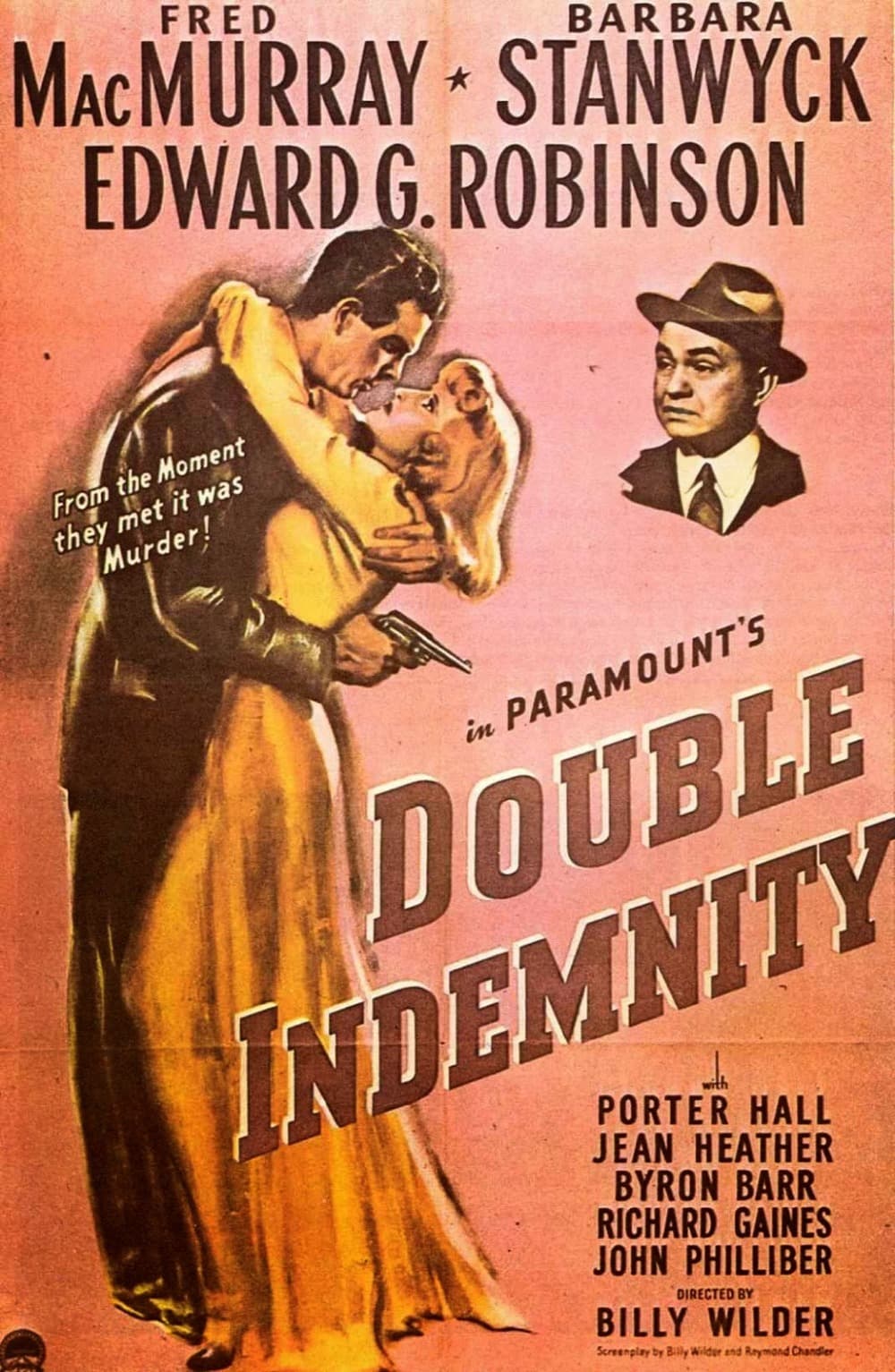
Film noir gets its blueprint here: Wilder and Chandler wrote dialogue nobody has matched for hardness, and set the pattern of the doomed man telling his own story.
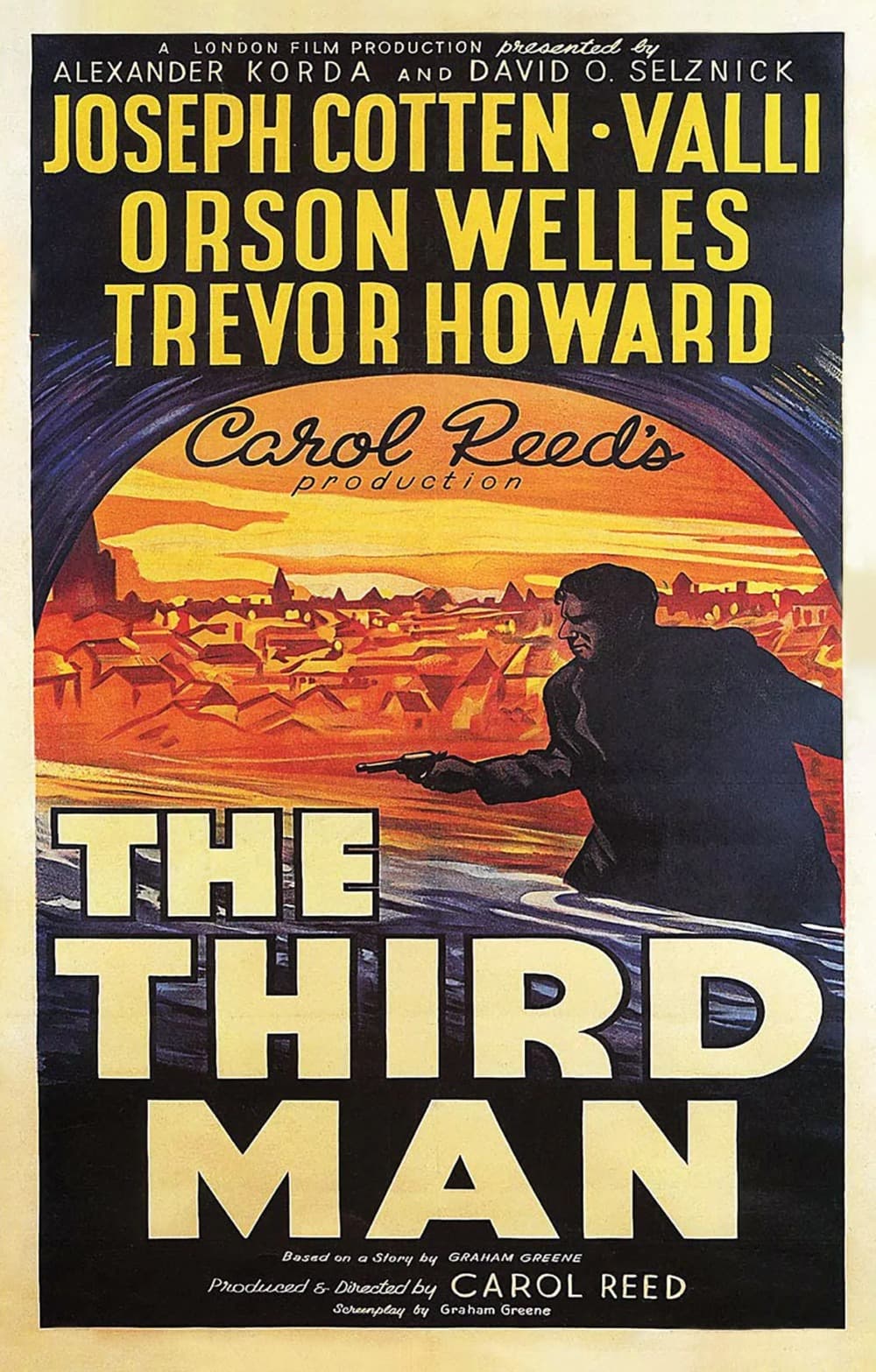
Britain has never made a better one, and nothing else sounds like it: a ruined postwar Vienna, and a zither score by a musician Reed first heard playing for the crew.
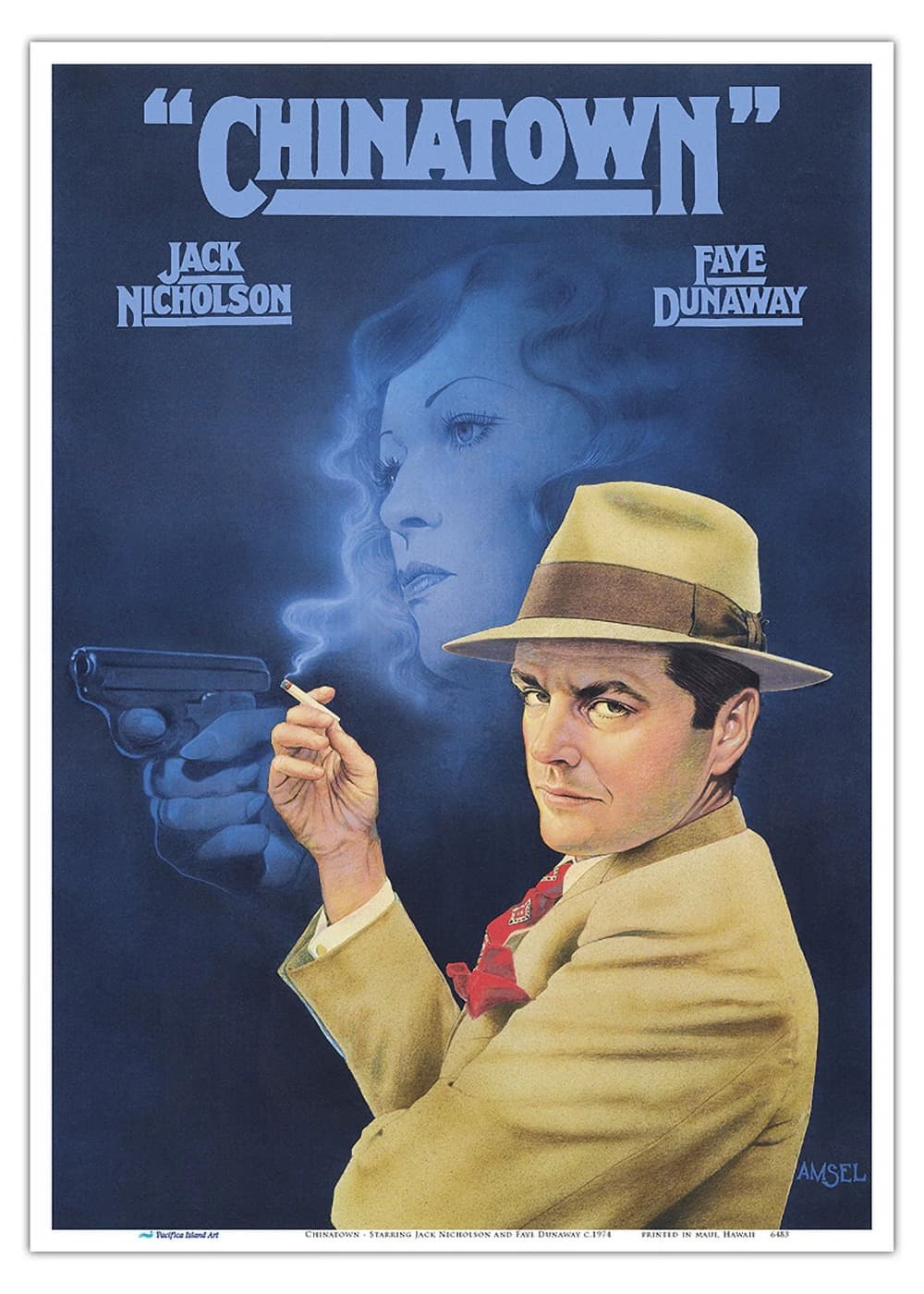
Screenwriters still take this one apart scene by scene to see how it works: Towne and Polanski built a mystery about stolen water that ends without a shred of mercy.
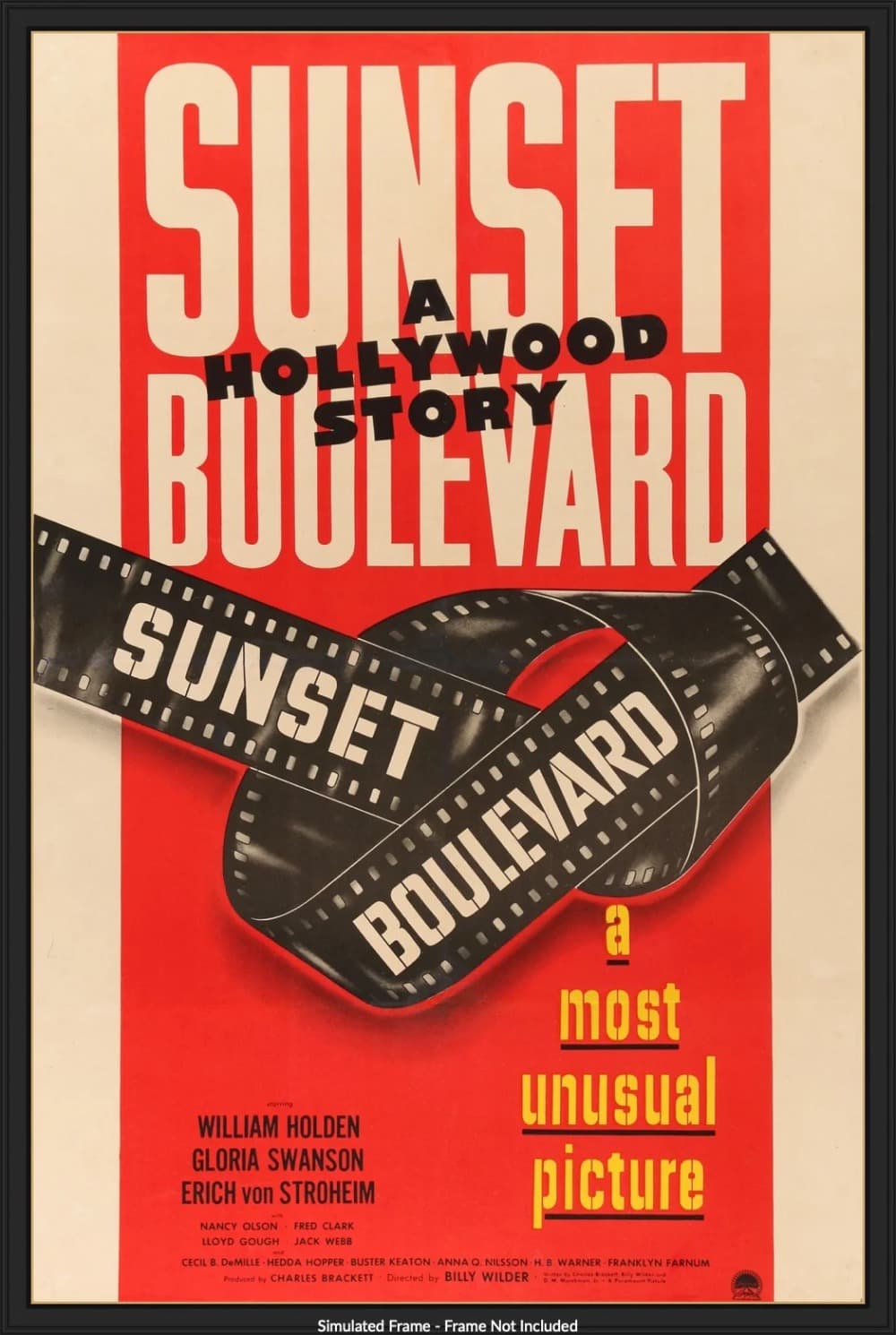
Hollywood has never been crueler about itself: Louis B. Mayer told Wilder he had disgraced the industry, which is the highest praise the film could possibly have received.
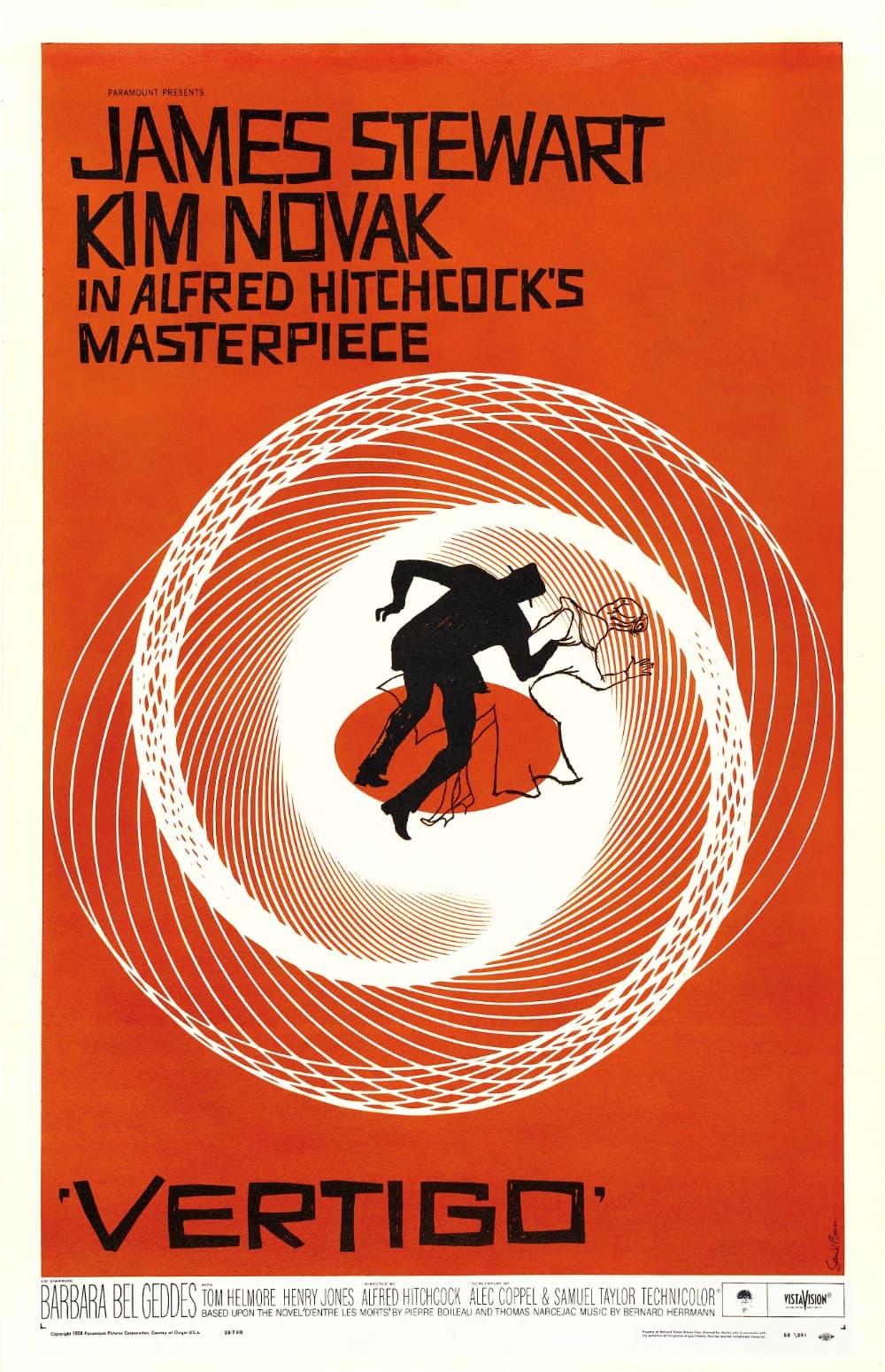
Nobody has ever made obsession look this beautiful or this sick: a man falls for an image instead of a person, and Hitchcock follows him past every point it should stop.