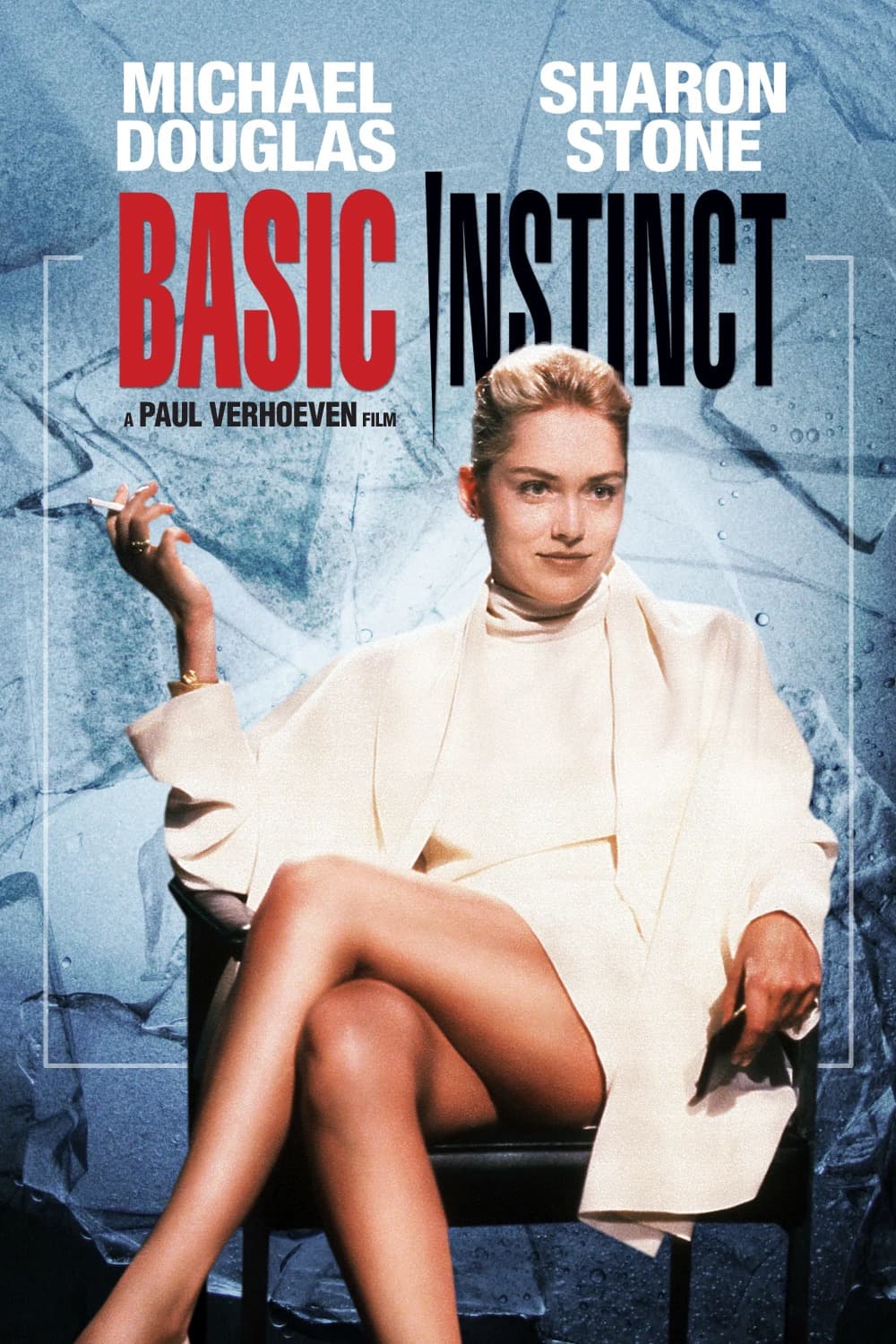
Basic Instinct
Directed by Paul Verhoeven
1992
Paul Verhoeven made the decade's most notorious mainstream thriller and never once blinked: an interrogation scene everyone still knows, and a novelist who may be writing what happens next.
★ 3.9
 skopia
Paul Verhoeven made the decade's most notorious mainstream thriller and never once blinked: an interrogation scene everyone still knows, and a novelist who may be writing what happens next.
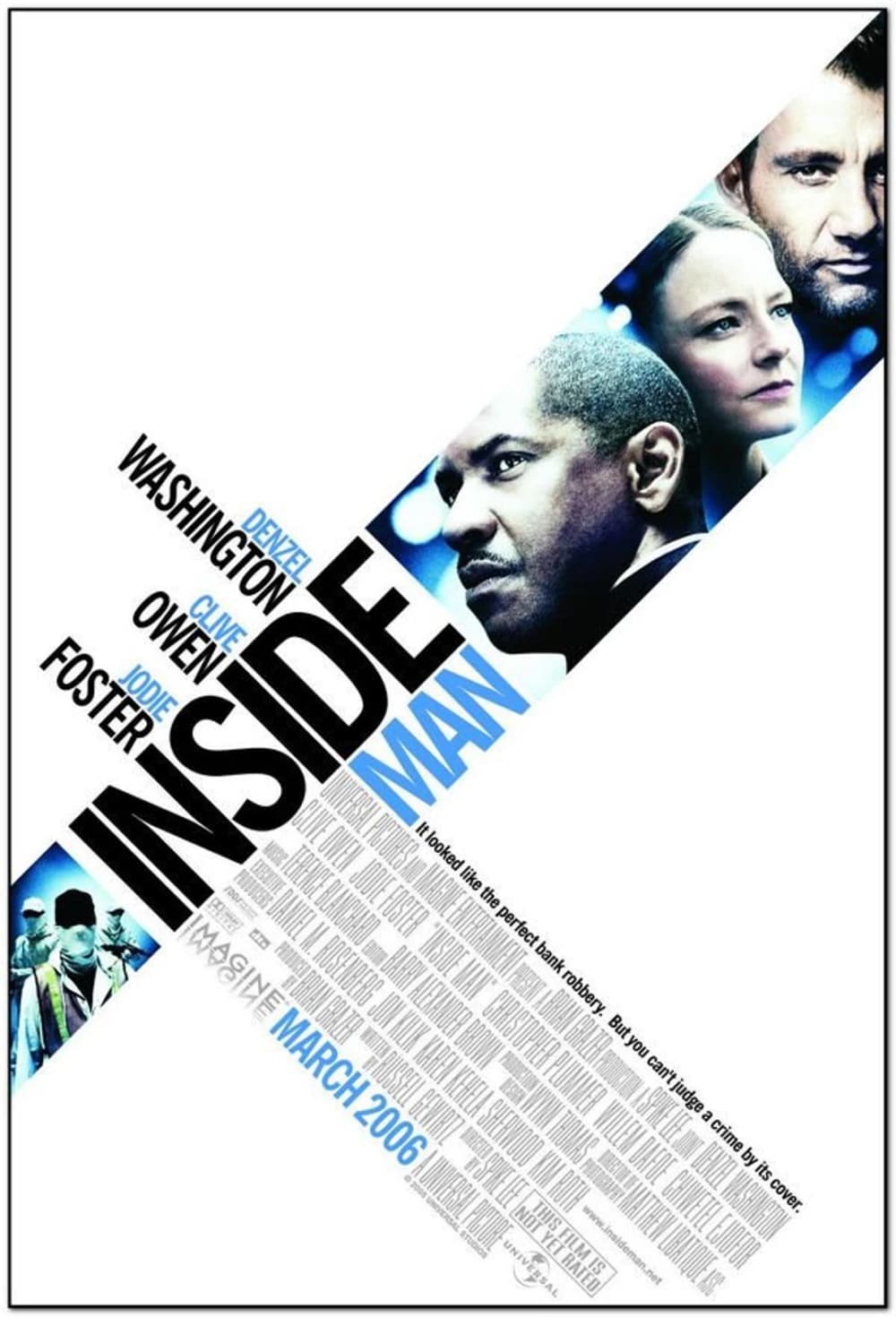
Spike Lee's biggest commercial hit is also his slyest: a rehearsed crew takes hostages inside a Wall Street bank, Denzel Washington negotiates, and Jodie Foster turns up representing somebody nobody can place.
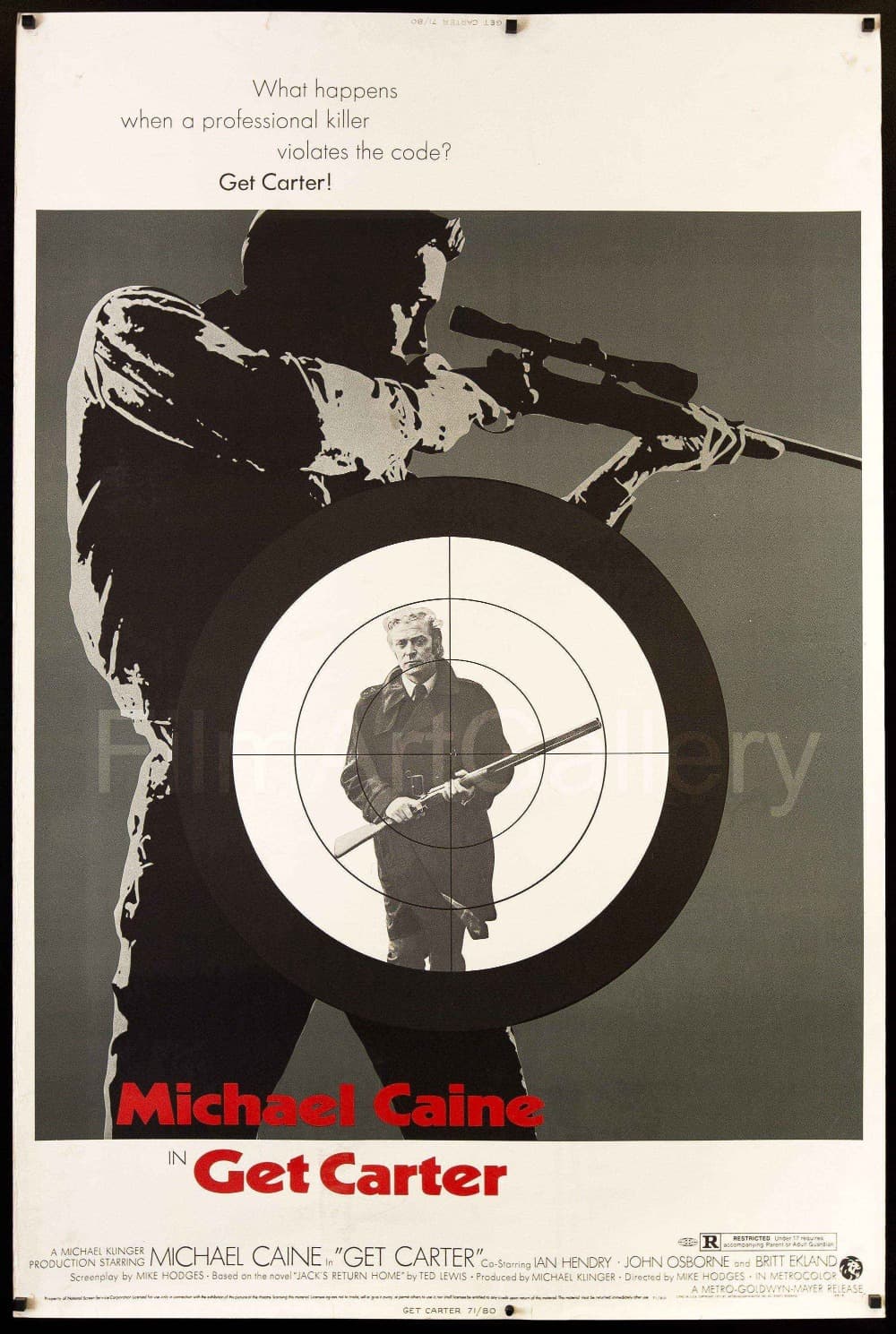
Michael Caine plays a gangster with no charm whatsoever and it is his best performance: Newcastle in 1971 shot as a real place, and every British crime film since has borrowed the tone.

Tarantino took the color-coded aliases straight from this for Reservoir Dogs: four men hijack a subway car under Manhattan and Walter Matthau negotiates with them by radio, entirely deadpan.
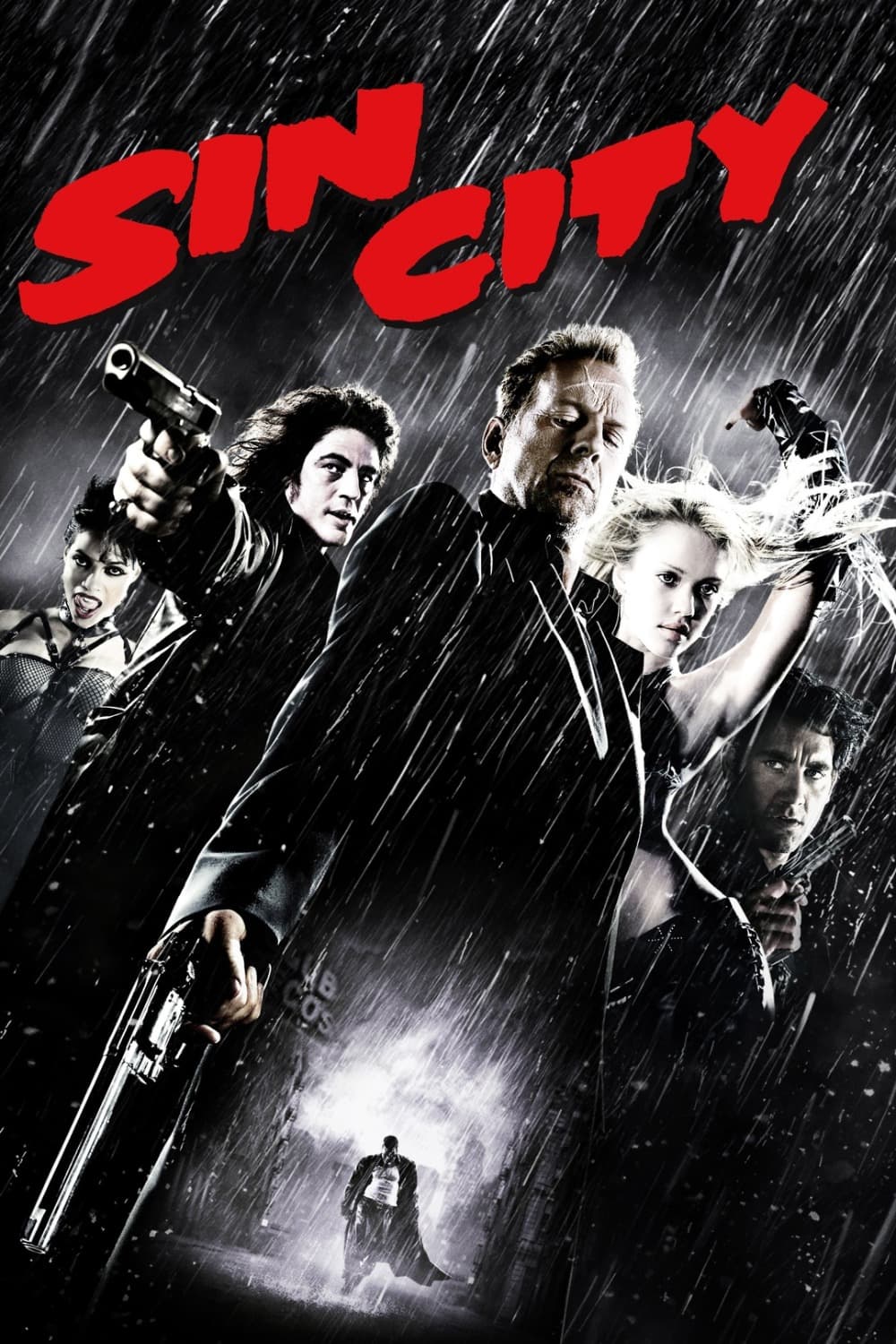
Rodriguez shot the whole thing on green screen and used Frank Miller's comic panels as storyboards: monochrome with single splashes of color, and Miller got a co-director credit for it.
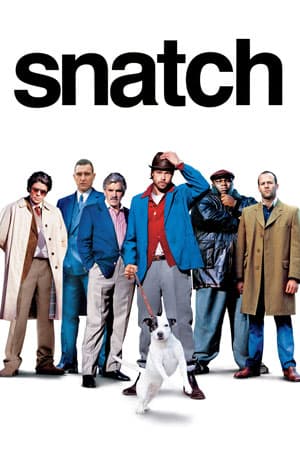
Brad Pitt asked for a part and got one nobody can understand a word of: an unlicensed boxing promoter, a stolen diamond and several sets of London criminals converge at considerable speed.
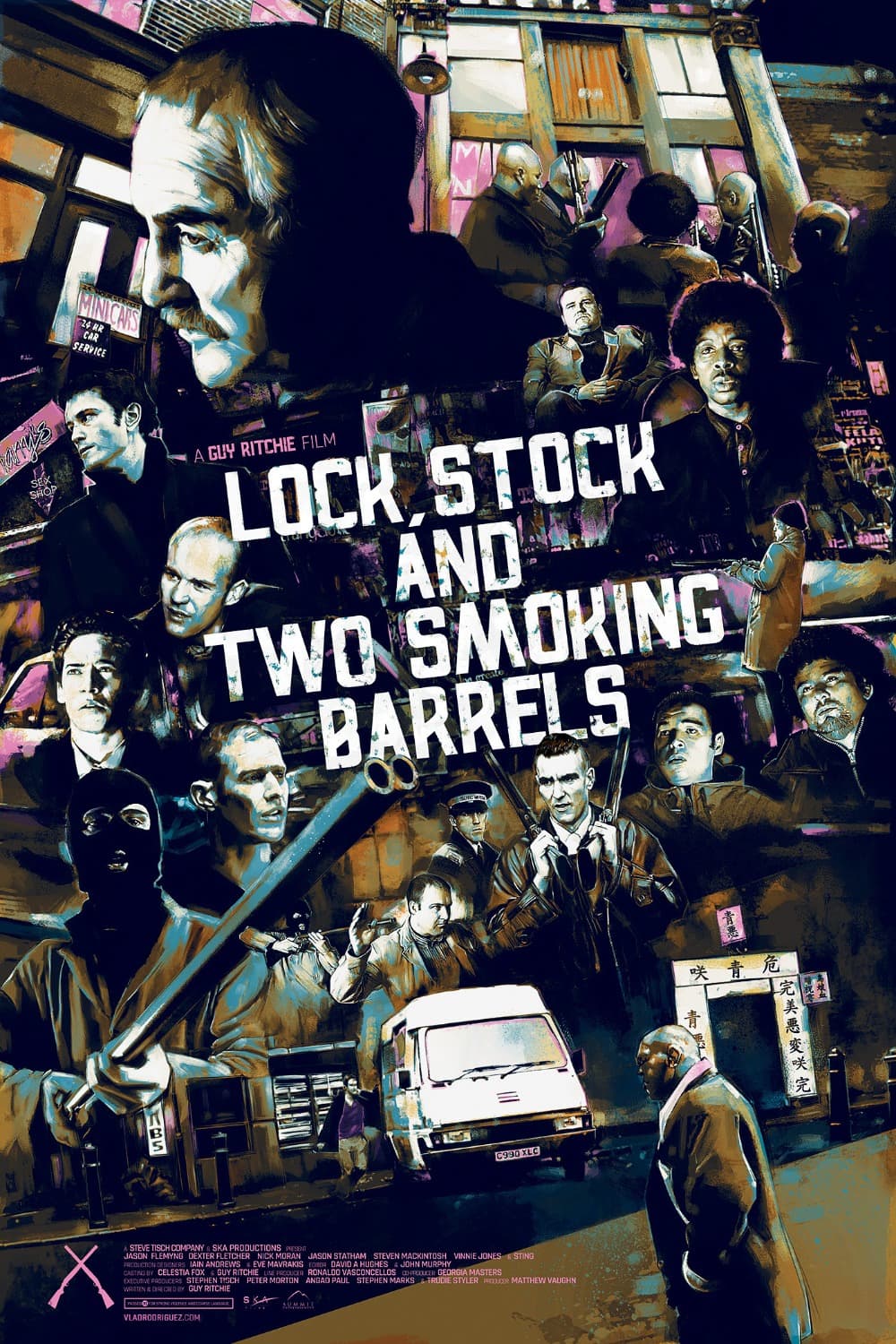
Guy Ritchie raised the money out of favors and cast a professional footballer who had never acted: four London friends owe half a million pounds by Friday, and five plots collide getting it.
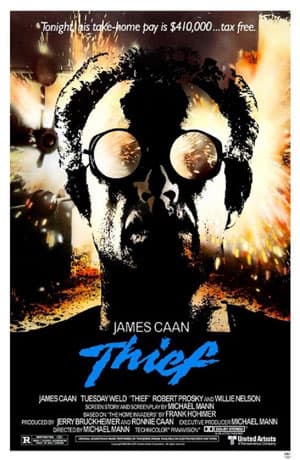
Michael Mann's first theatrical feature, with Tangerine Dream on the score and real ex-burglars advising: a safecracker who has planned his whole future on a diner napkin tries to buy his way out.
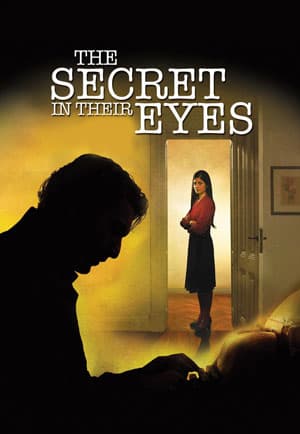
The camera drops out of the sky into a packed football stadium and does not cut for five minutes: an Argentine investigator reopens a case he could never leave alone.
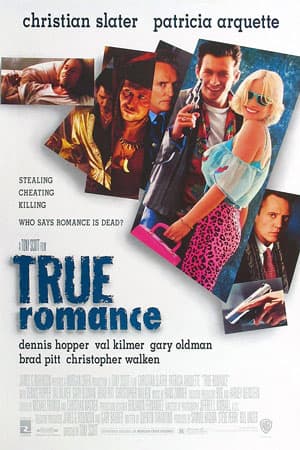
Tarantino sold this script to pay for Reservoir Dogs and Tony Scott shot it with real affection: a comic book clerk and a call girl leave Detroit with the wrong suitcase.
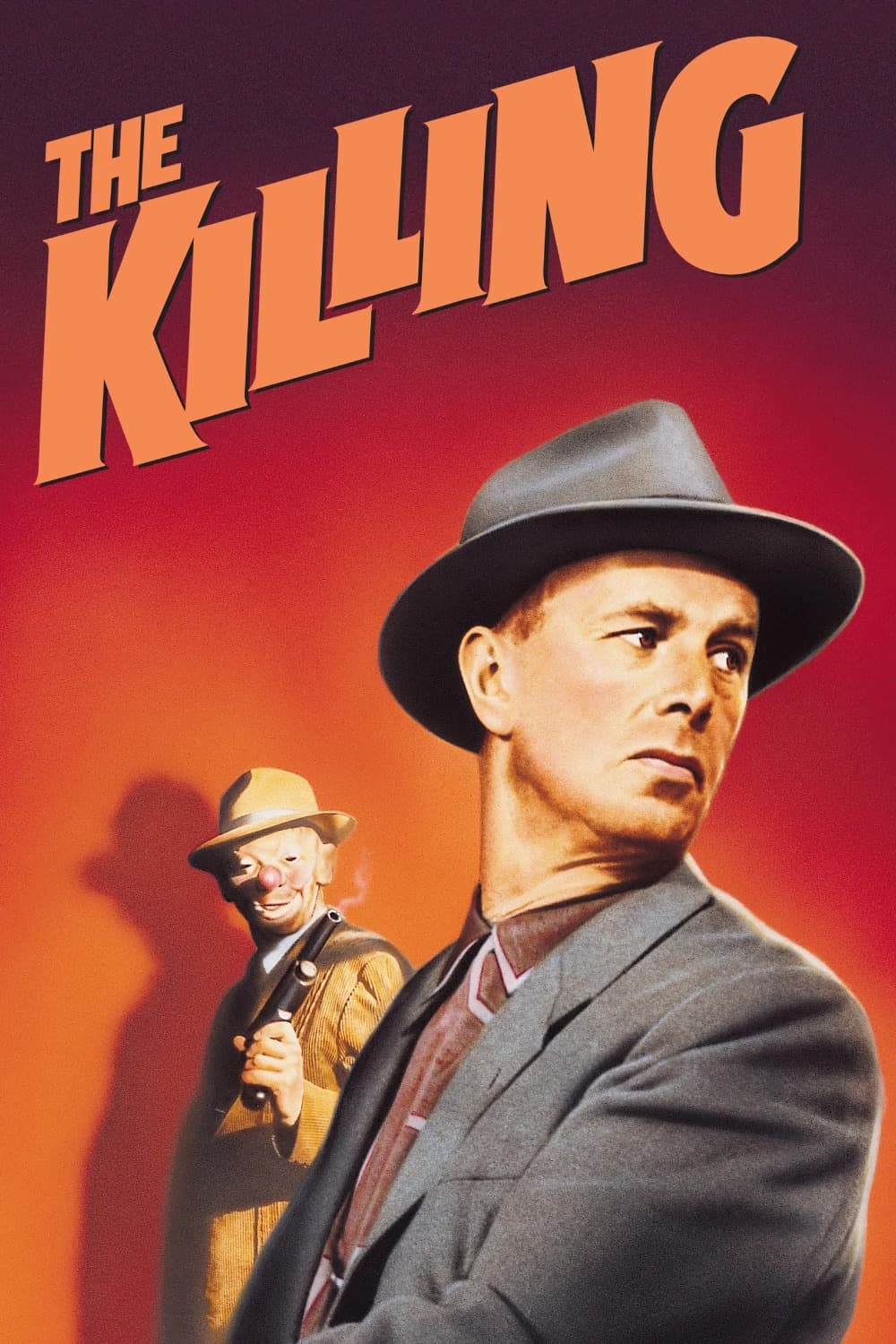
Kubrick was twenty-seven and this is where he became Kubrick: a racetrack robbery told out of order, doubling back to catch each man's hour, thirty years before that felt like a style.
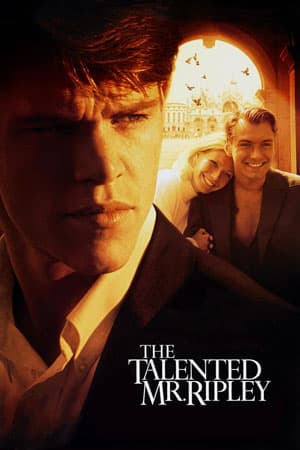
Nothing else captures the pull of wanting somebody else's life this well: Minghella fills the Italian coast with sunlight and good clothes, and lets a young man's envy curdle in plain sight.
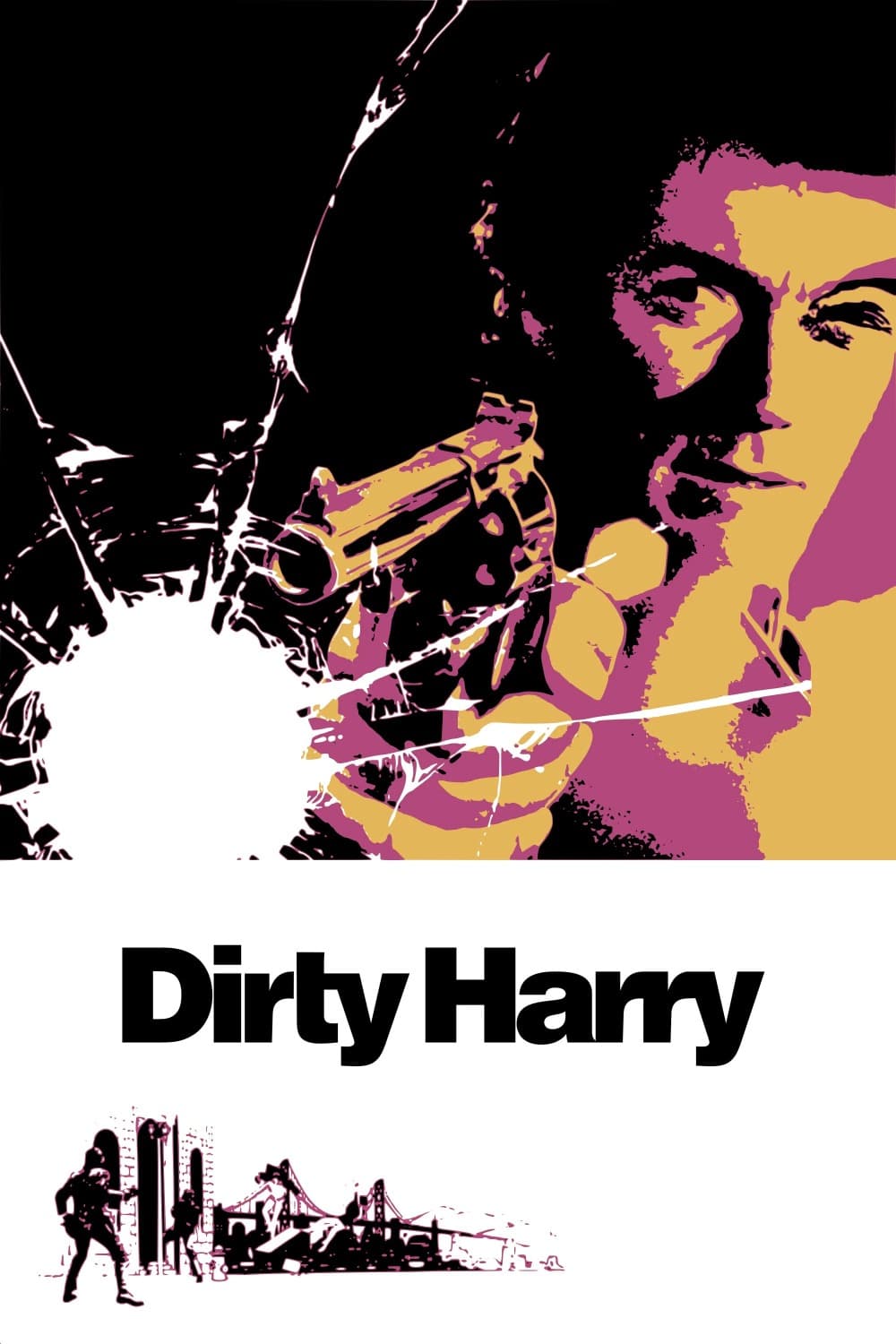
Pauline Kael called it fascist and the argument has never really ended: Eastwood's inspector chases a Zodiac-like killer through San Francisco with a .44 Magnum and open contempt for procedure.
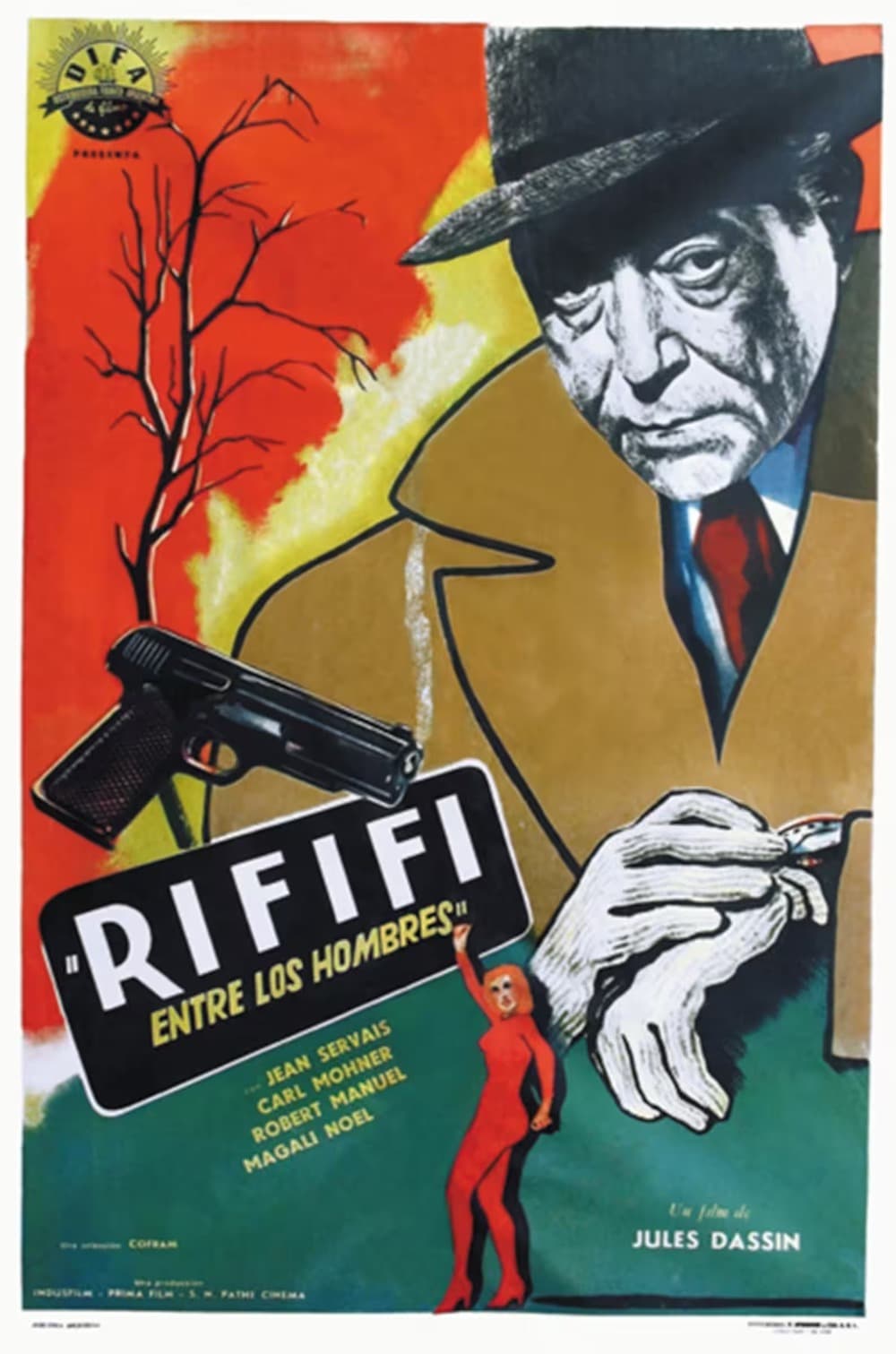
Dassin was blacklisted out of Hollywood and made this in France for almost nothing: the half-hour robbery at its center plays in near-total silence, and the genre has been imitating it since.
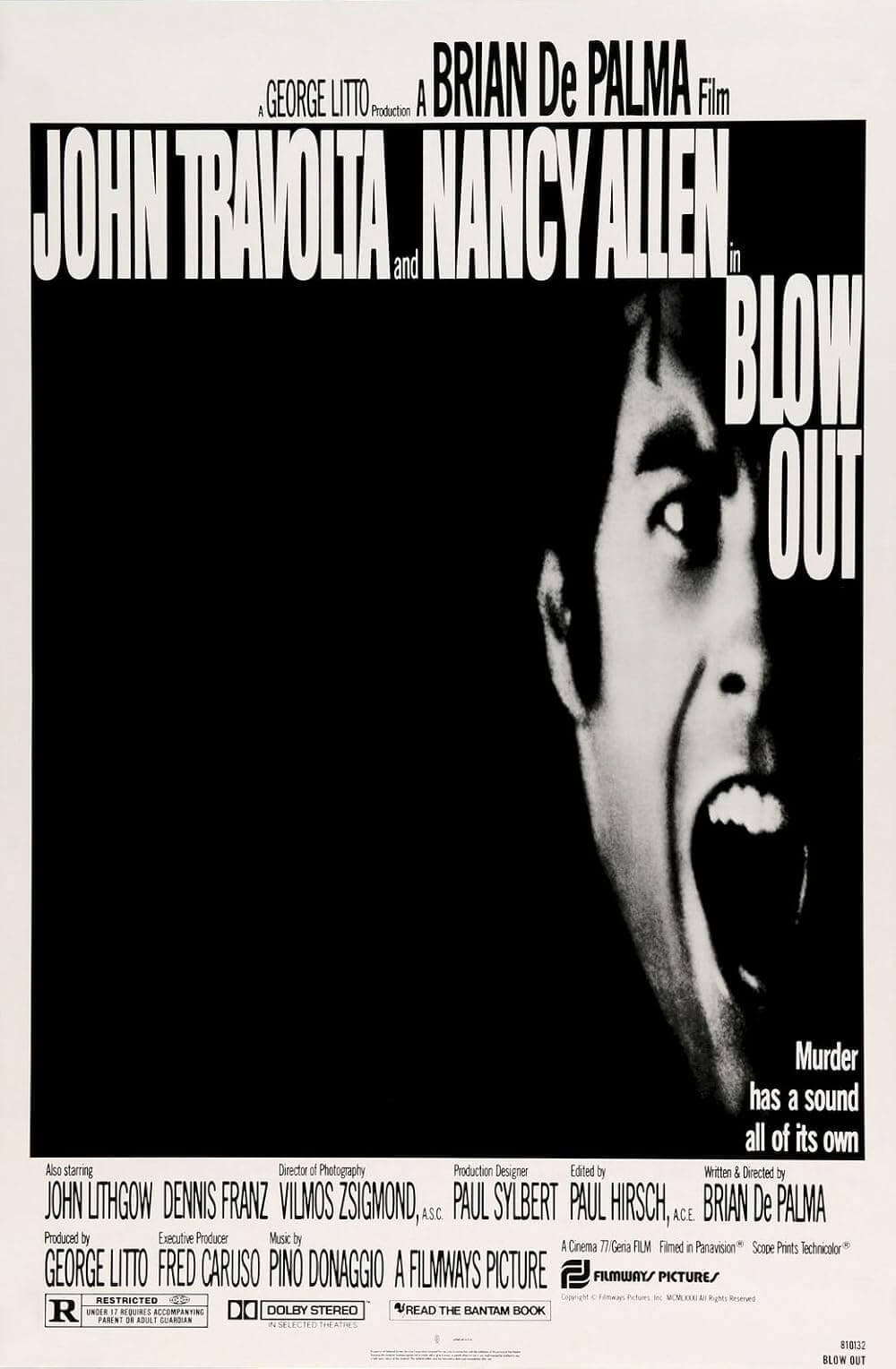
Travolta's best performance is in a thriller that flopped and spent forty years being rediscovered: a movie sound man records an accident and hears something that should not be on the tape.
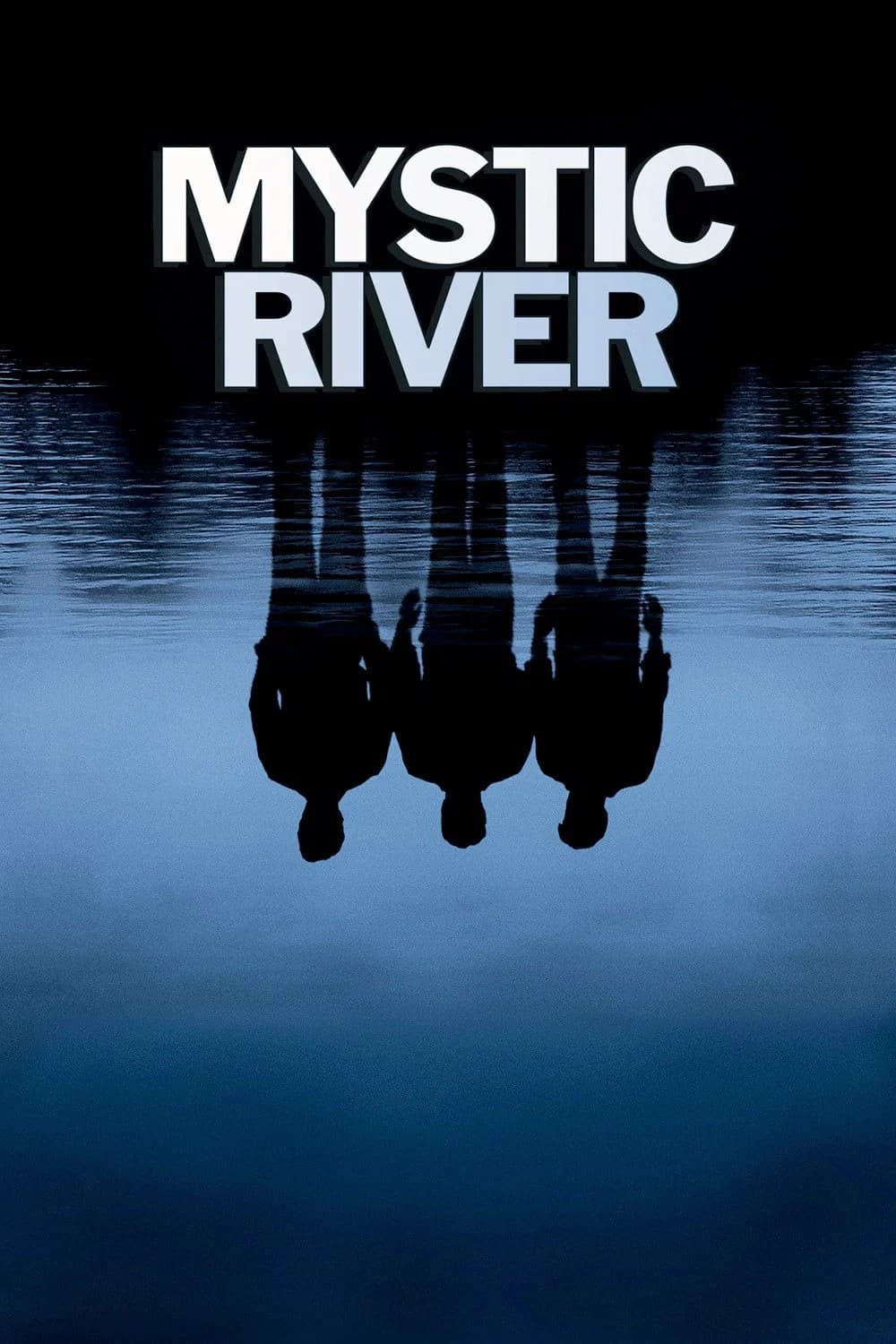
Eastwood's bleakest film: three boys from one Boston block grow into three men, and a murder pulls them back to the afternoon that separated them, with no interest in comforting anyone.
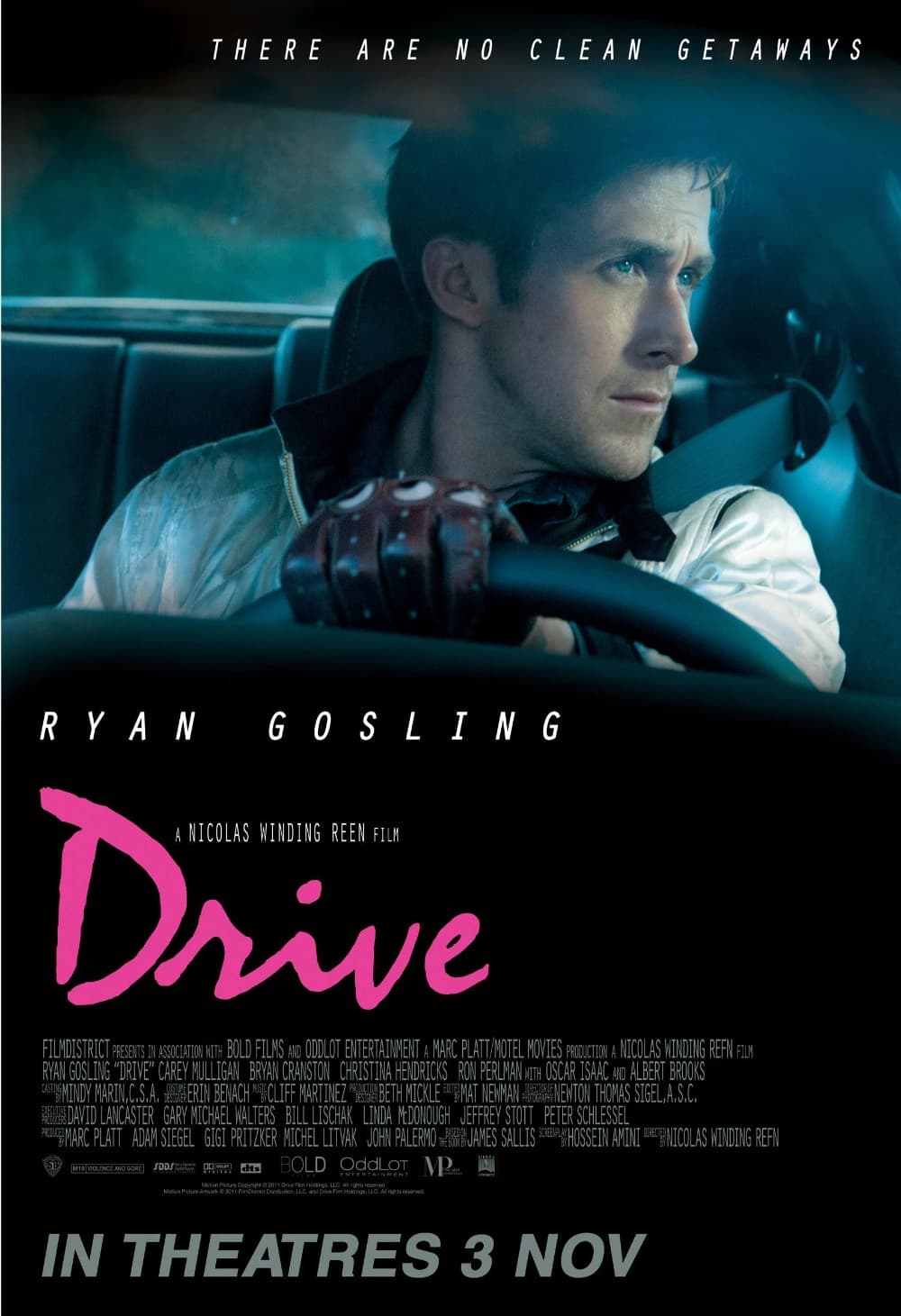
It looks and sounds like nothing else from its decade: neon Los Angeles, a synth score, a driver who barely speaks, and sudden violence that arrives without warning.
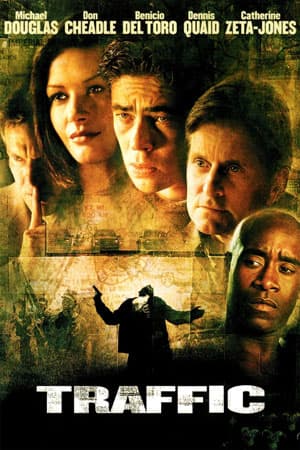
Soderbergh color-codes three separate drug-war stories so you always know which one you are in, then declines to let any of them resolve into a tidy lesson.
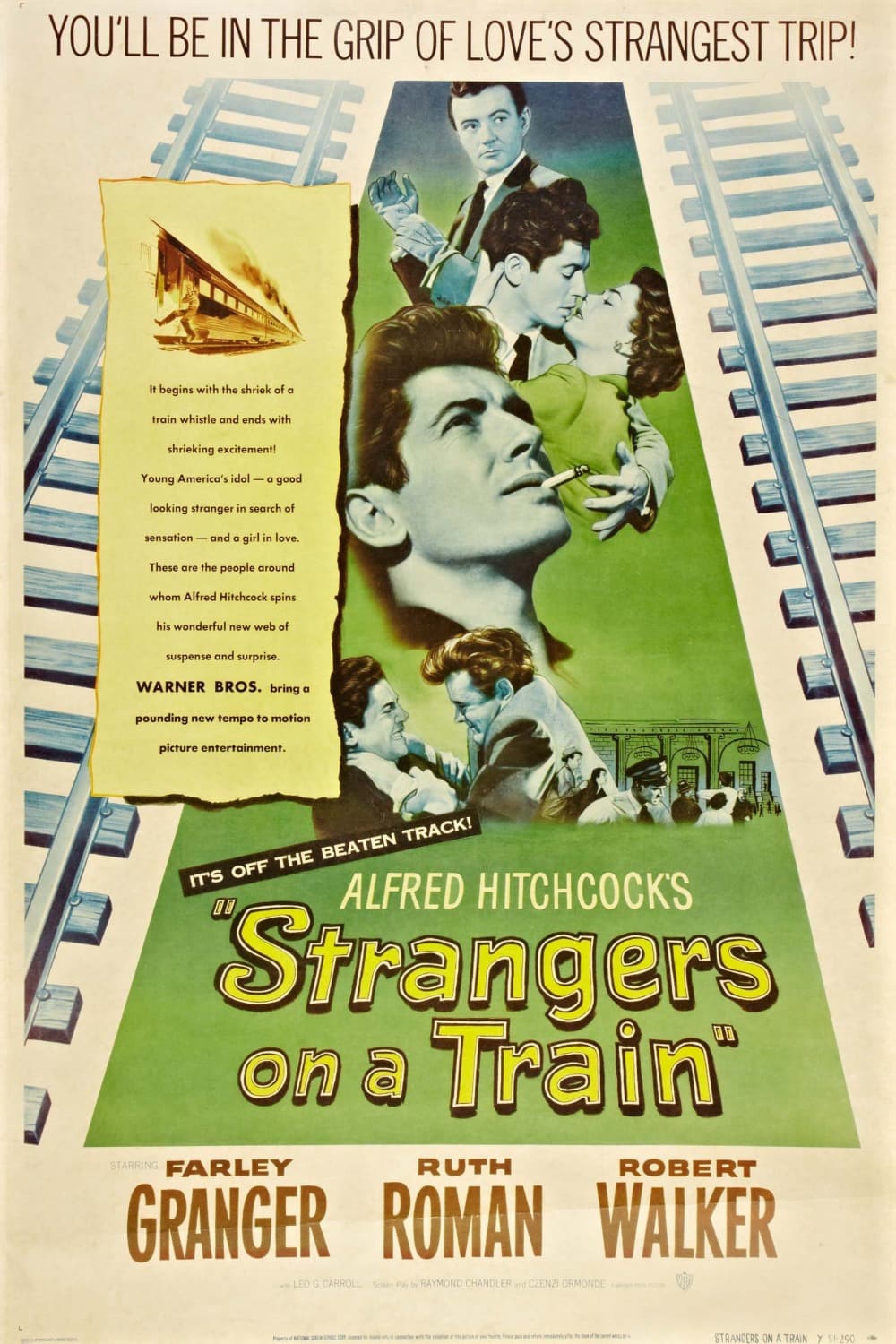
The premise is so clean that thrillers have been borrowing it for seventy years: two men meet on a train and one of them proposes swapping murders.
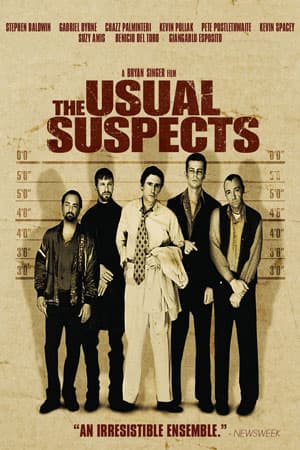
Almost nobody guesses where it is going the first time: five criminals meet in a police lineup, and the whole story reaches you secondhand from an interrogation room.