Driving Miss Daisy
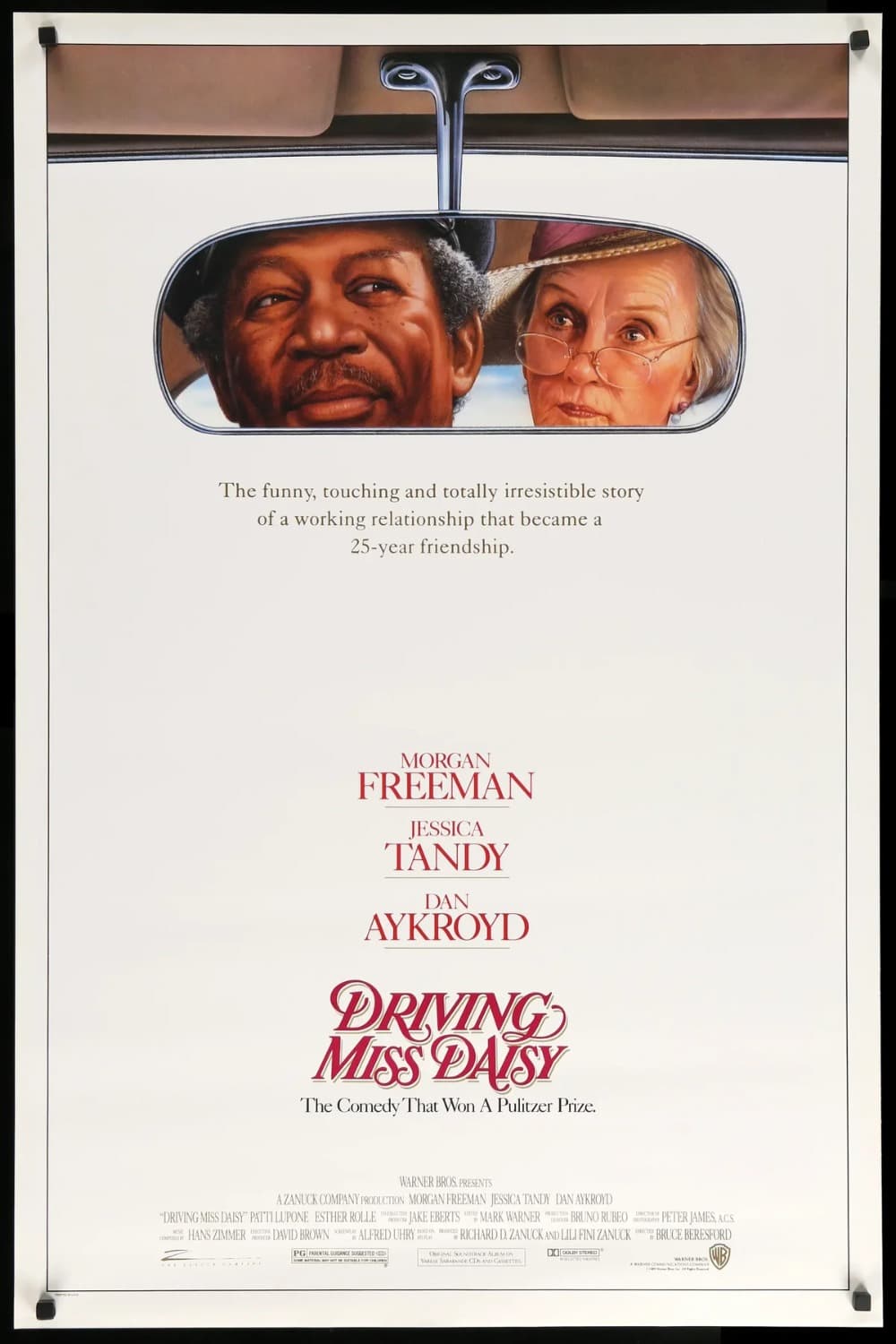
Jessica Tandy was eighty when she won Best Actress, the oldest ever: twenty-five years of an Atlanta employer and her chauffeur, played so lightly that people underrate what the film is doing.

Jessica Tandy was eighty when she won Best Actress, the oldest ever: twenty-five years of an Atlanta employer and her chauffeur, played so lightly that people underrate what the film is doing.

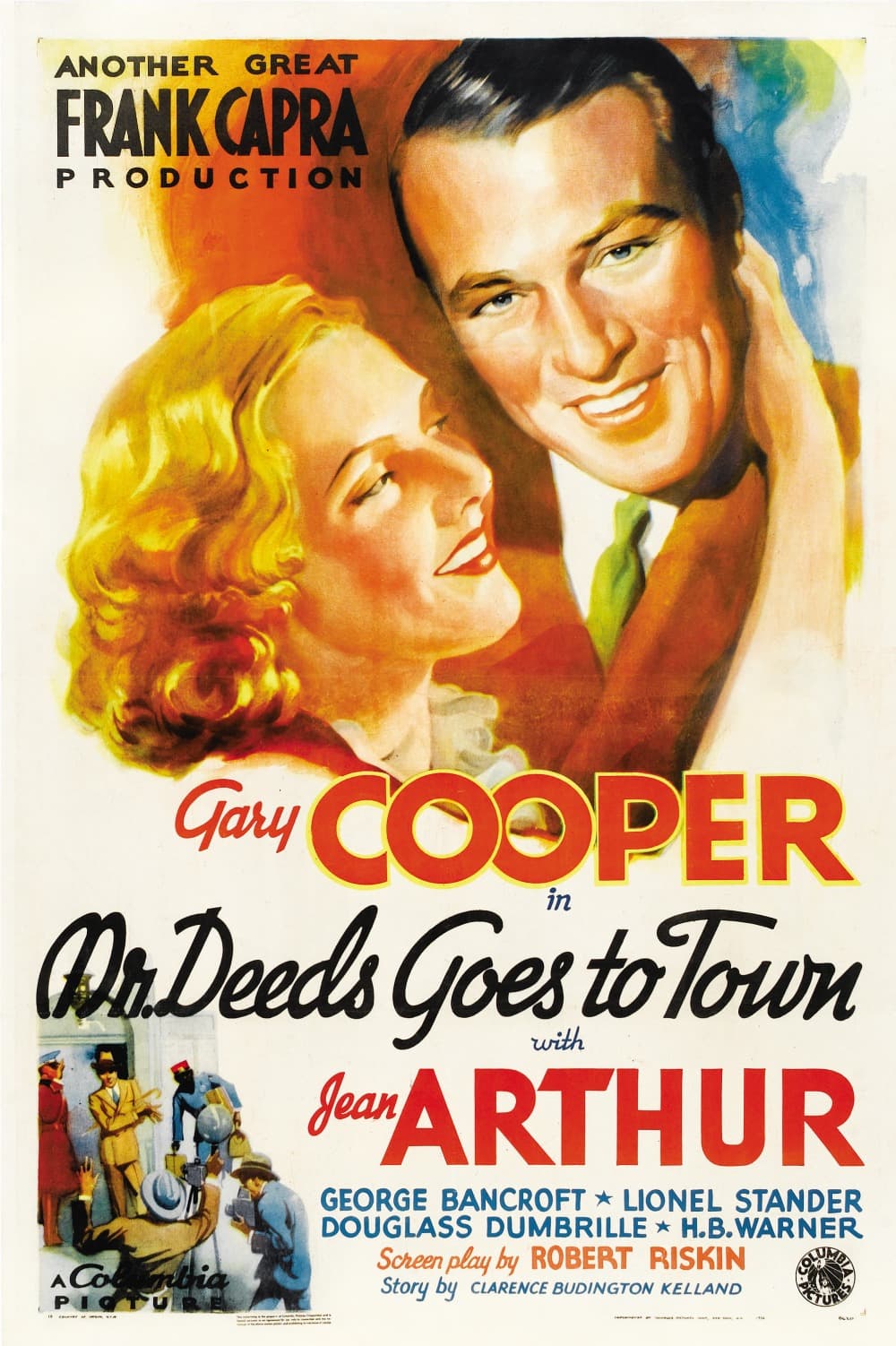
Frank Capra and Gary Cooper at the height of the New Deal: a tuba-playing greeting card poet inherits twenty million dollars and finds out what New York wants from him.

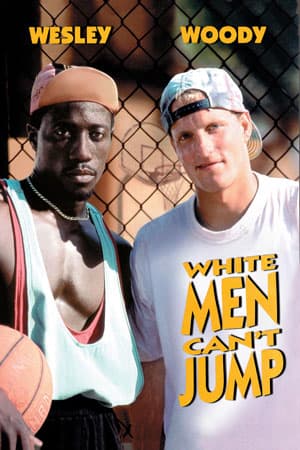
Nobody has ever written trash talk this well: Wesley Snipes and Woody Harrelson hustle Los Angeles playground courts, and the insults are more athletic than the basketball.

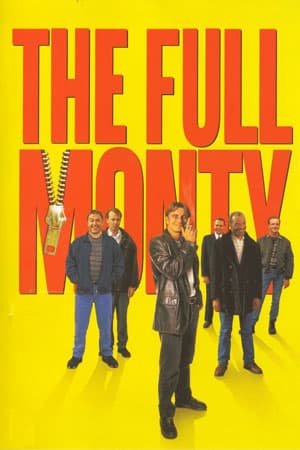
Made in Sheffield for just over two million pounds and it outgrossed everything in Britain that year: six unemployed steelworkers decide to strip for money, and the comedy comes out of genuine desperation.

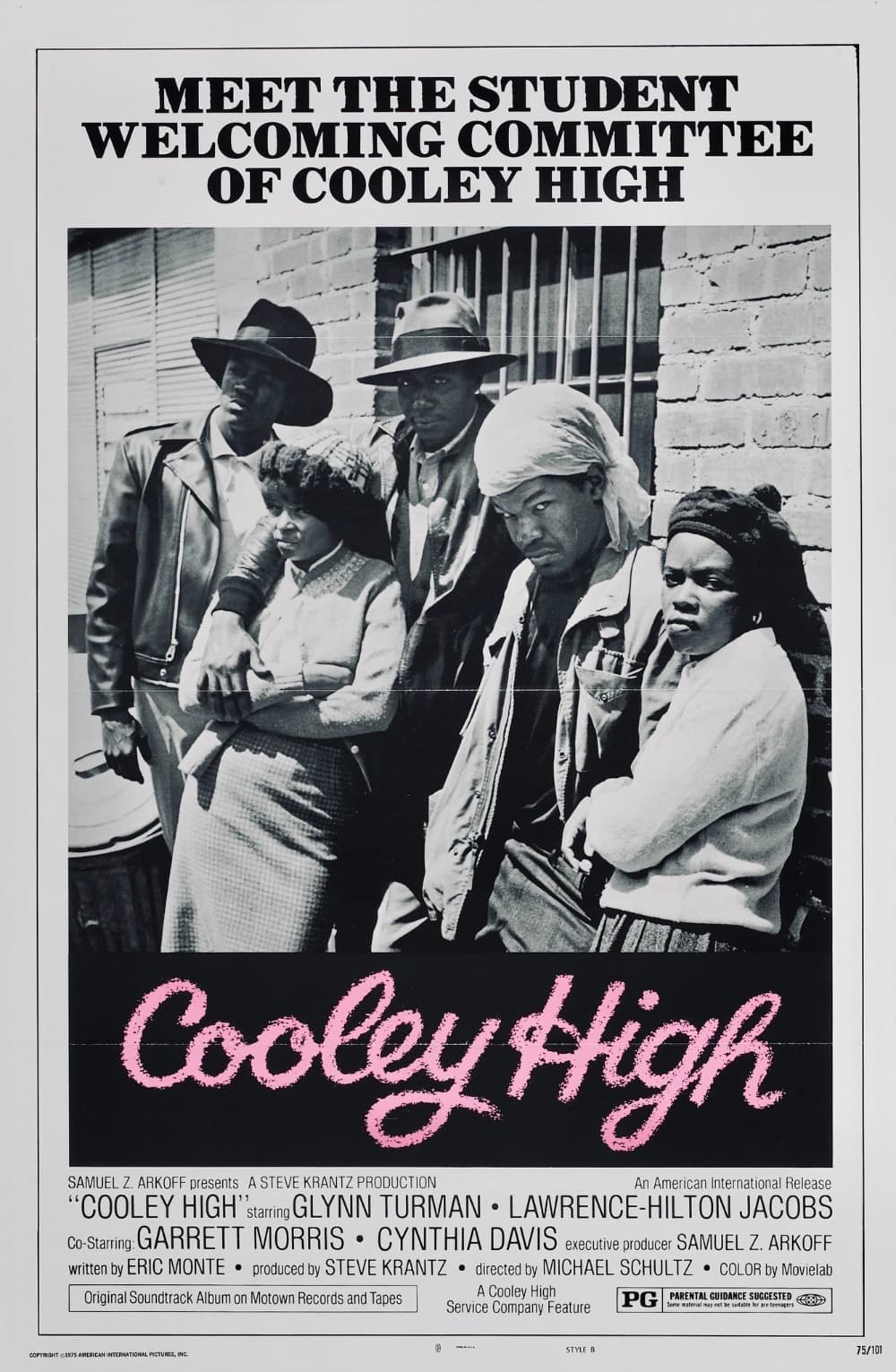
The Black American Graffiti, and better: Chicago teenagers in 1964 with a wall-to-wall Motown soundtrack, and Michael Schultz films a few days of hanging around as if nothing mattered more.

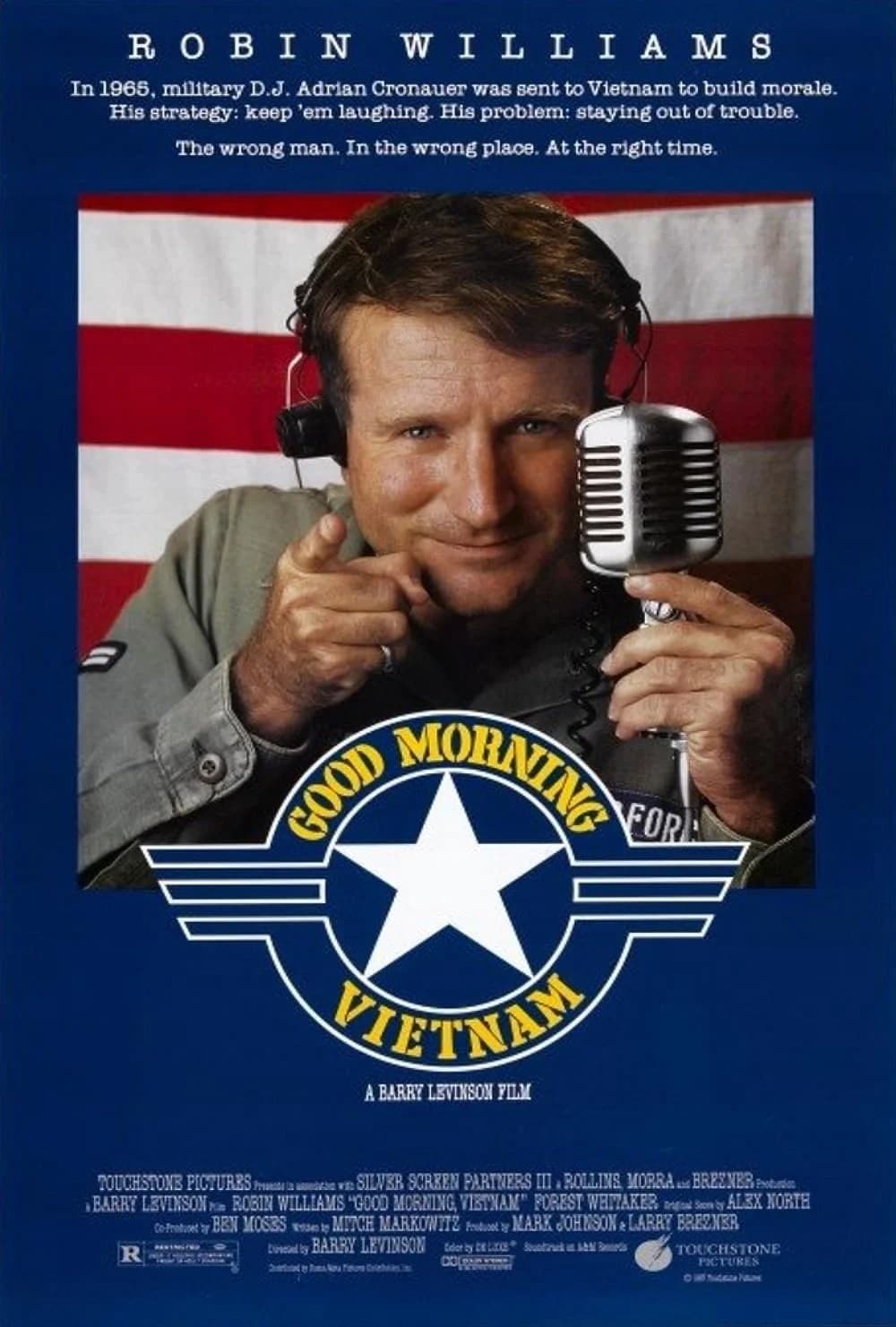
Robin Williams was handed a microphone and the cameras simply ran: an armed forces disc jockey lands in Saigon in 1965, and everyone above him wants the broadcast back the way it was.

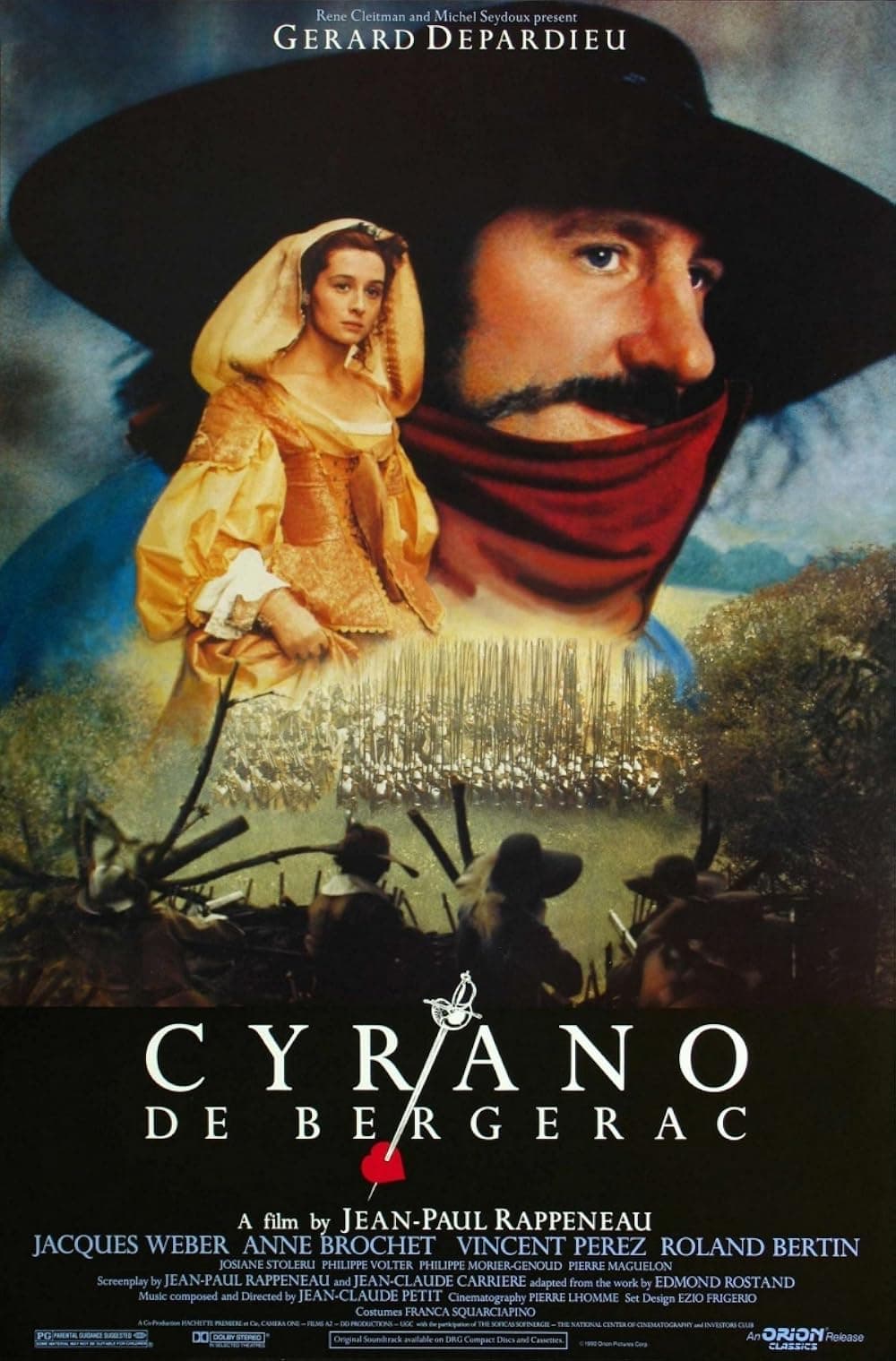
Anthony Burgess translated the subtitles into rhyming couplets so English audiences would get the verse: Gerard Depardieu plays the nose and the poetry equally, and the swordfight is a poem too.

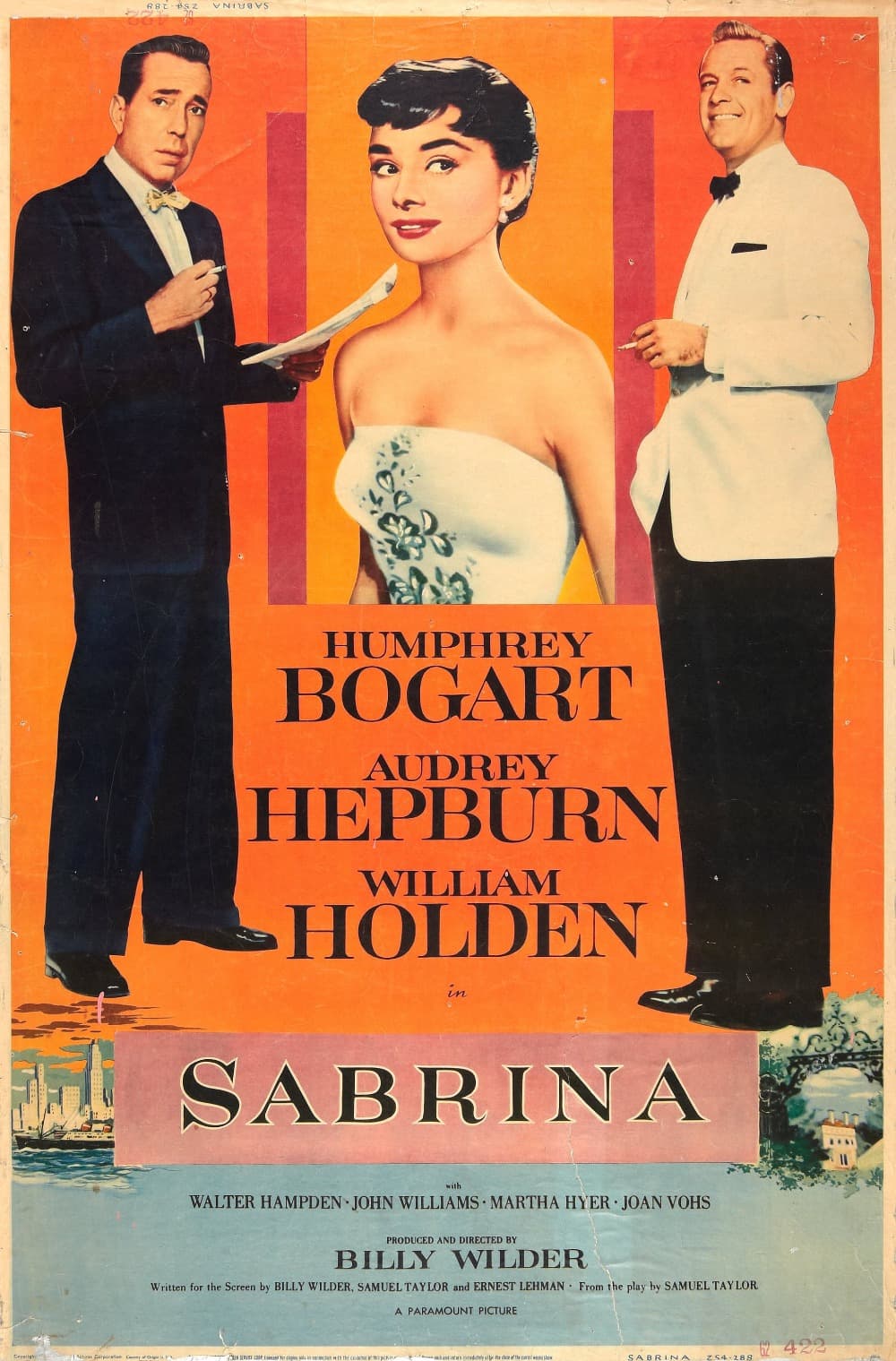
Humphrey Bogart hated making it and it barely shows: Billy Wilder puts Audrey Hepburn between two brothers on a Long Island estate and lets Paris do the transformation offscreen.

Stephen Chbosky wrote the novel, wrote the screenplay and directed it himself, which almost never works: a freshman is taken up by two seniors, and the tunnel scene earned its reputation.

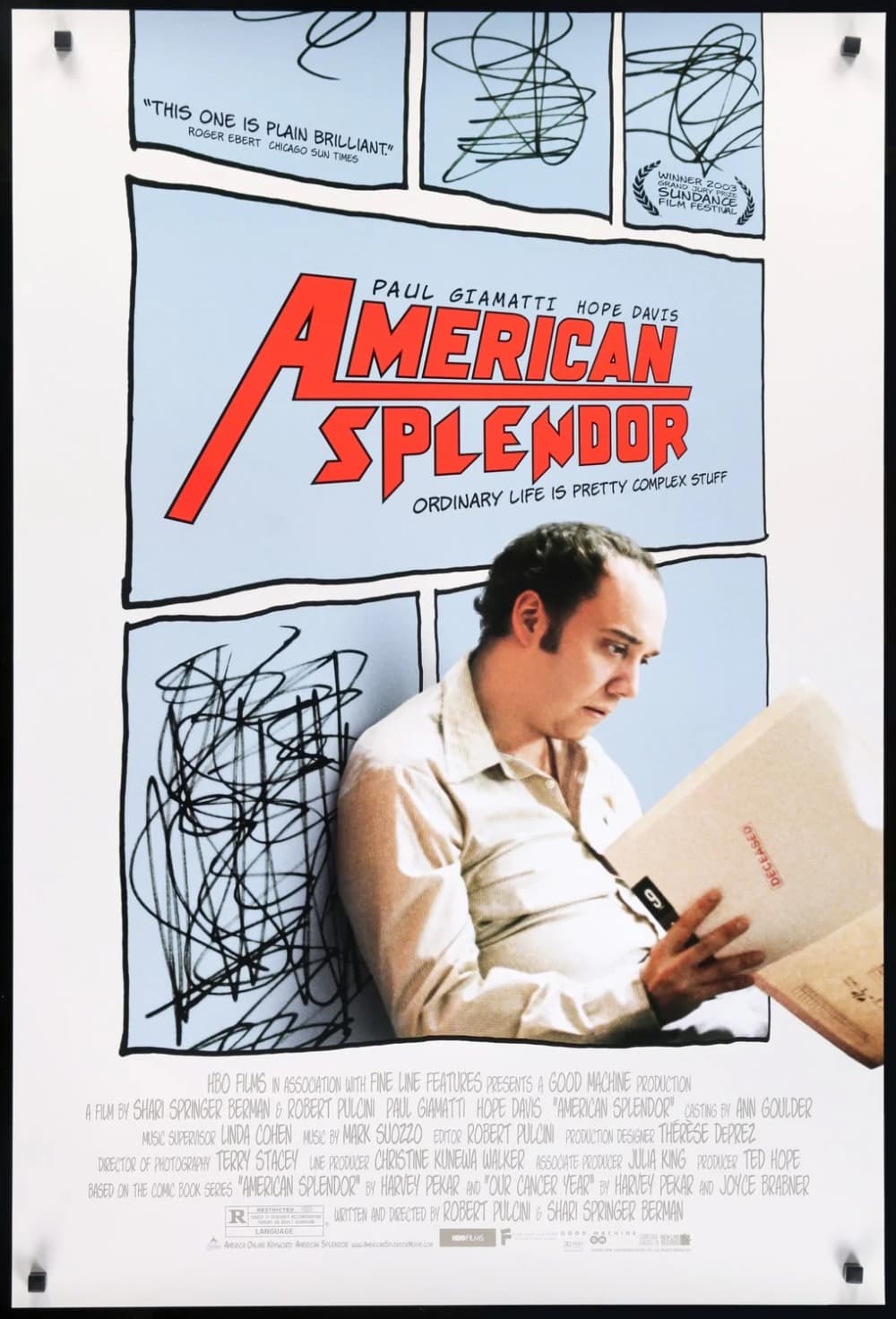
The real Harvey Pekar appears in the film alongside the actor playing him, and they discuss it: a file clerk in Cleveland turned his ordinary life into comics, and stayed a file clerk.

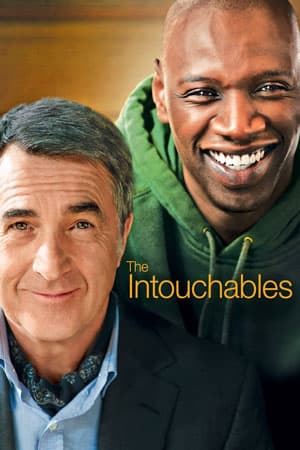
A French box office phenomenon built on two performances: a quadriplegic aristocrat hires a man from the projects precisely because he refuses to be careful around him, and Omar Sy took the Cesar.

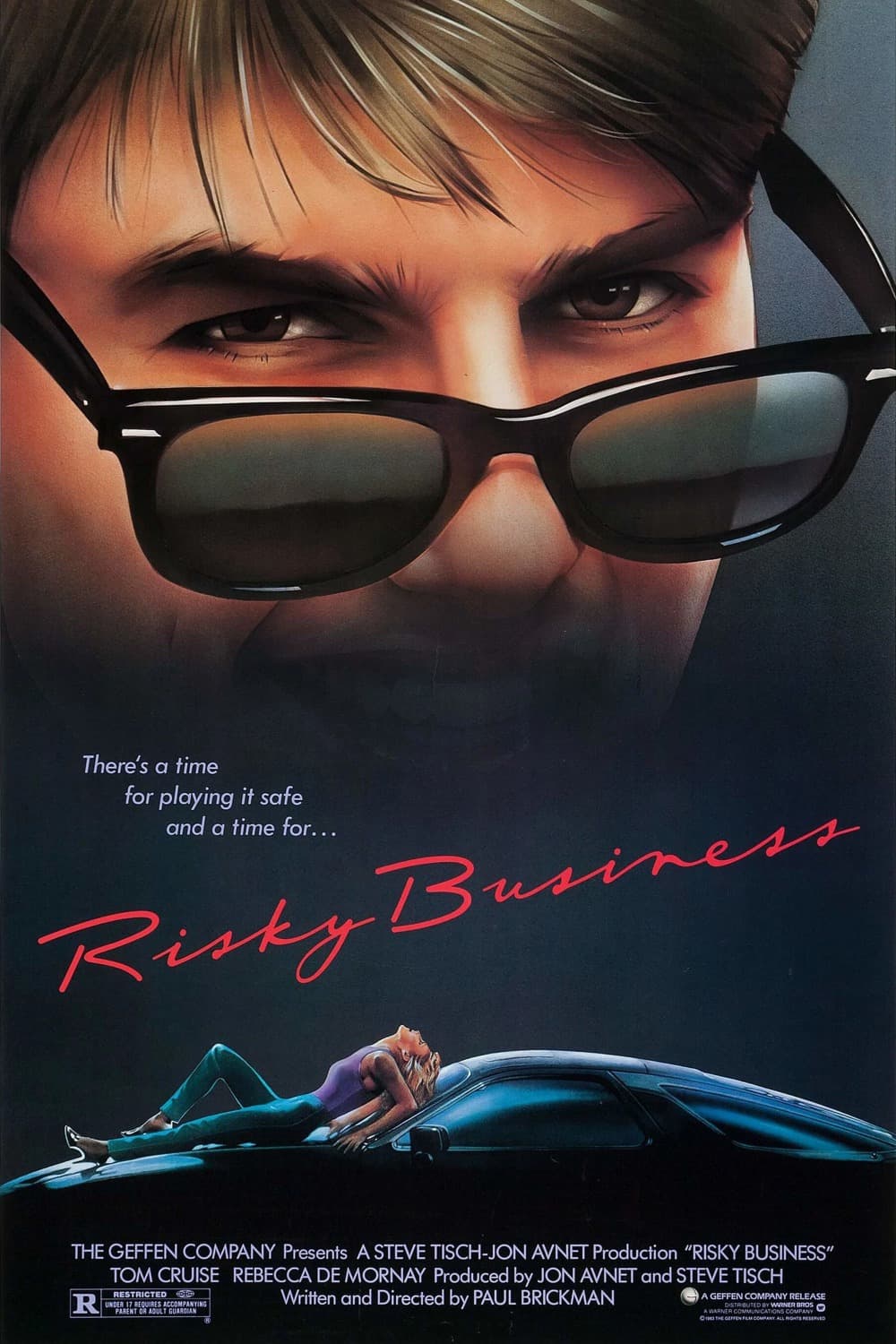
Tom Cruise became a movie star in one scene in his underwear: Tangerine Dream scores a suburban comedy that is much colder and stranger than its reputation suggests.

Adam Elliot spent five years making it, fifty-seven weeks of that shooting clay frame by frame: an eight-year-old in Melbourne writes to a middle-aged New Yorker, and they correspond for twenty years.

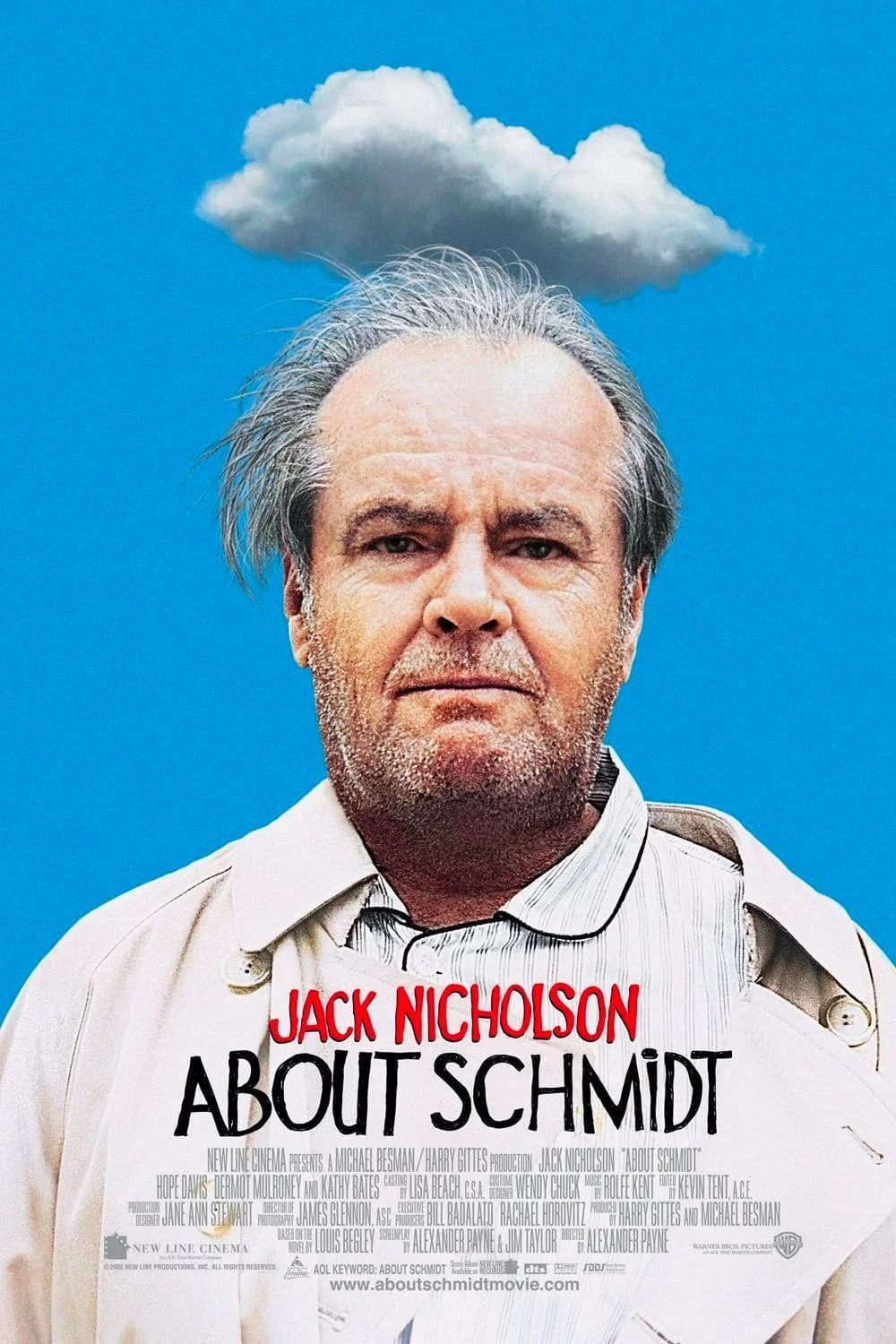
Payne stripped Jack Nicholson of every trick he has: a retired insurance actuary drives a motorhome across Nebraska writing letters to a six-year-old in Tanzania he has never met.

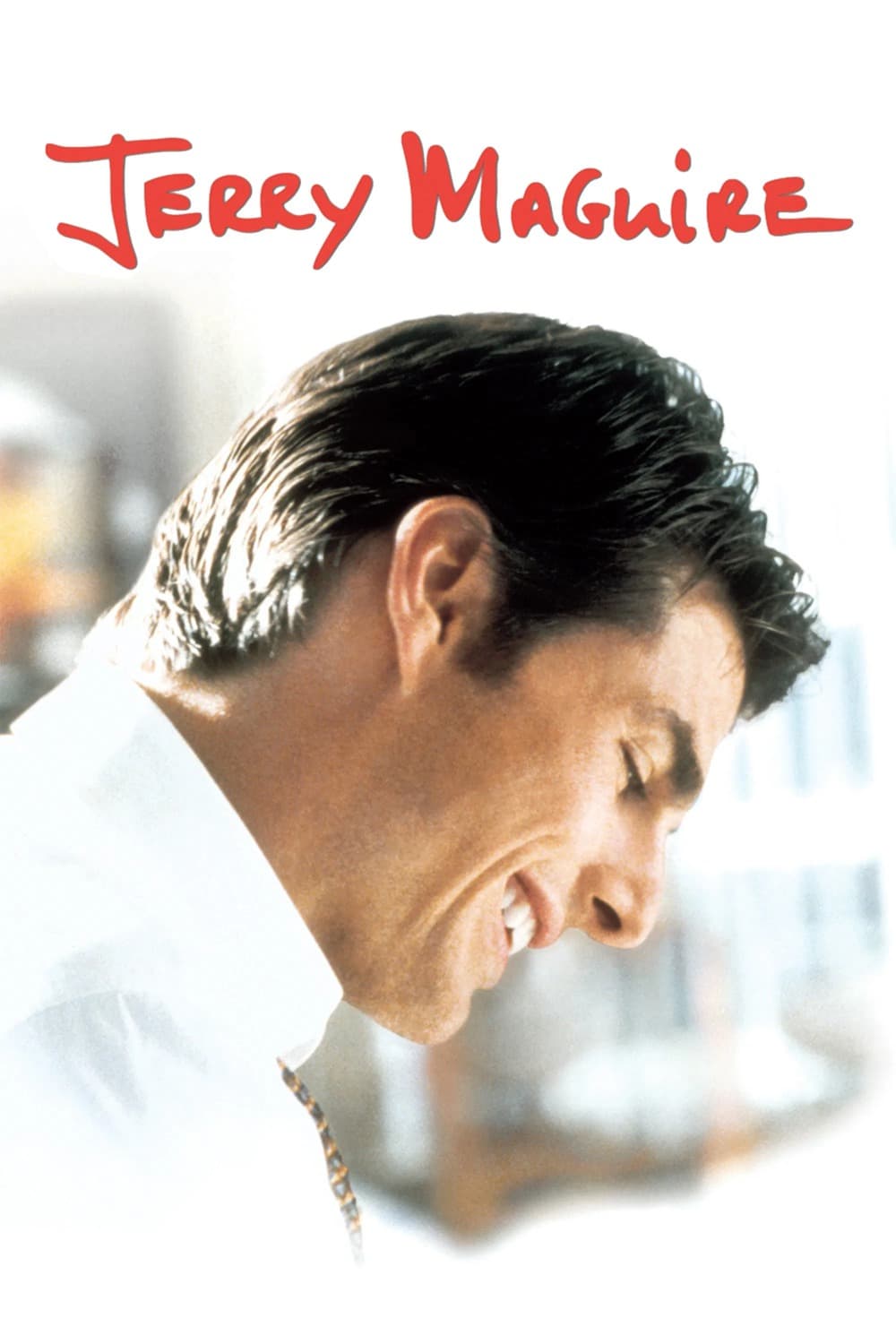
Cameron Crowe wrote a sports movie that is really about whether you can do a job decently: three catchphrases entered the language, and Tom Cruise has never been more likable.

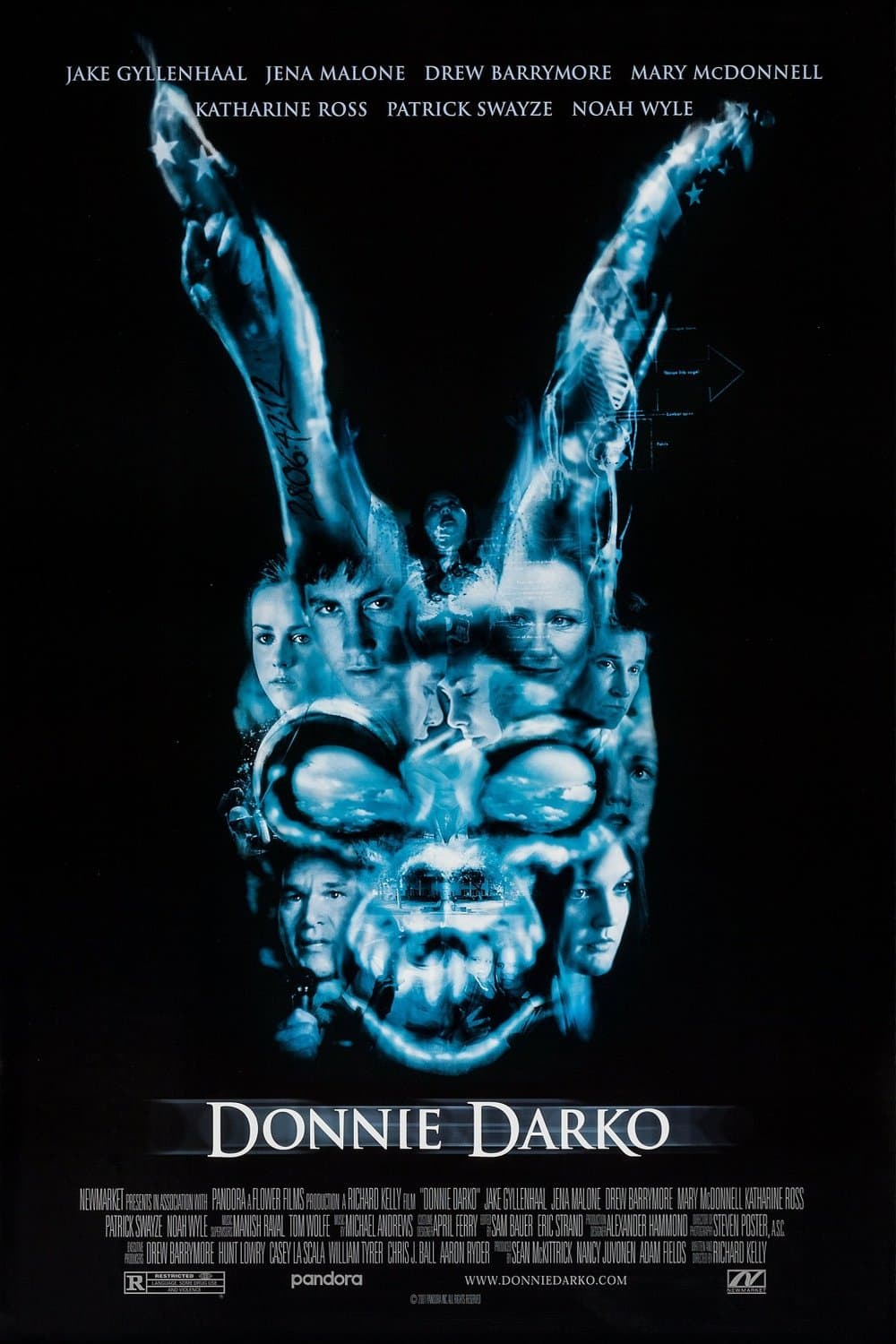
It failed in theaters weeks after September 11 and became a cult object on DVD: Richard Kelly was twenty-six, and nobody has ever fully agreed on what happens in it.

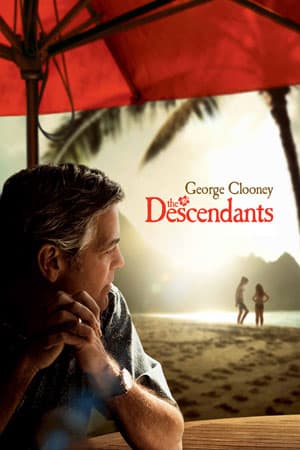
Hawaii has never looked less consoling: George Clooney plays a landowner left in charge of two daughters and a vast family trust while his wife lies unconscious after a boating accident.

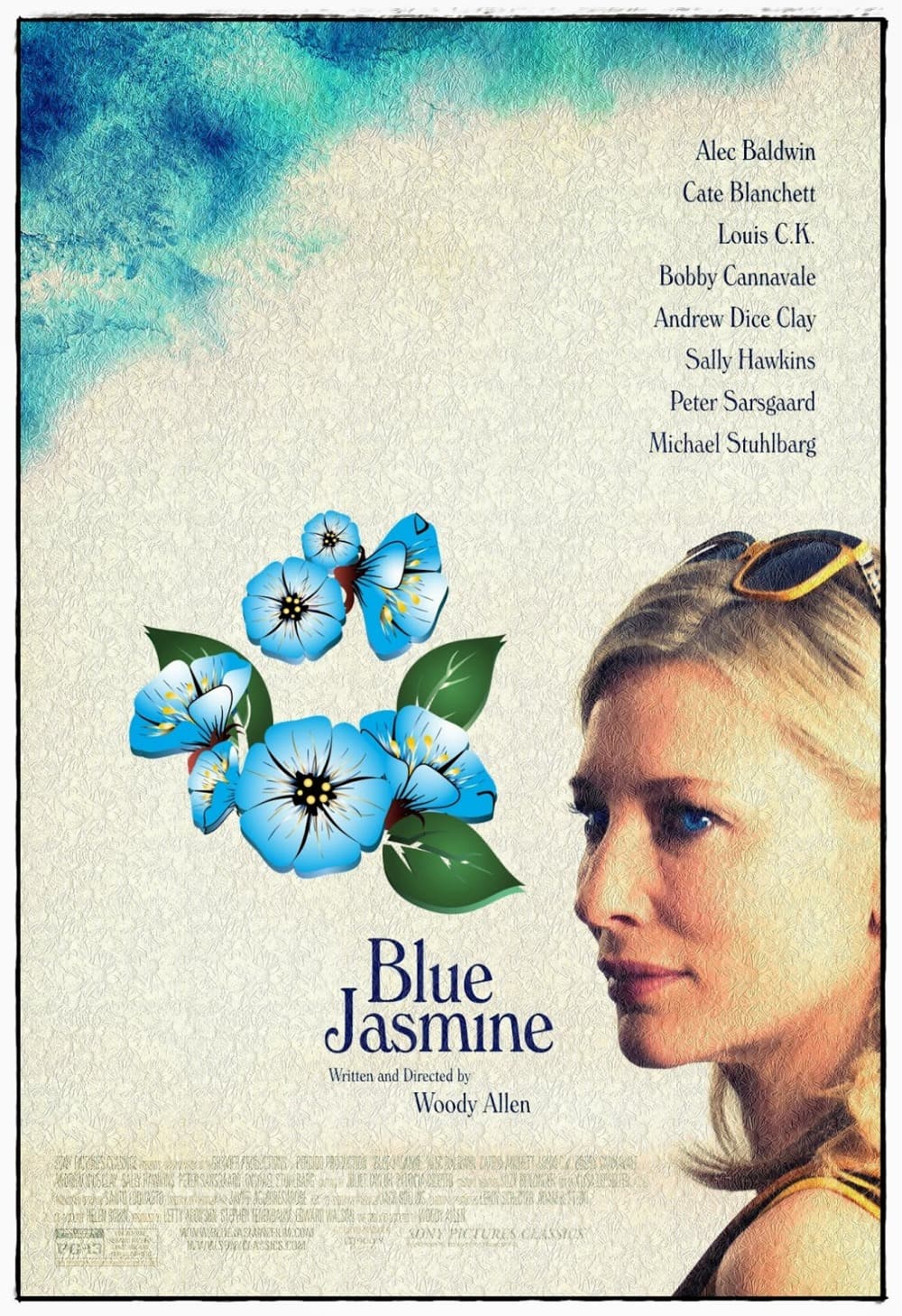
Cate Blanchett plays a Manhattan wife whose husband's fraud has taken everything, arriving in San Francisco with nothing but luggage and manner: Allen's harshest film, and she is unsparing in it.

A mother and daughter argue on the telephone across three decades, and James L. Brooks makes it enormous: nobody else has moved this fluently between a joke and a gut punch.

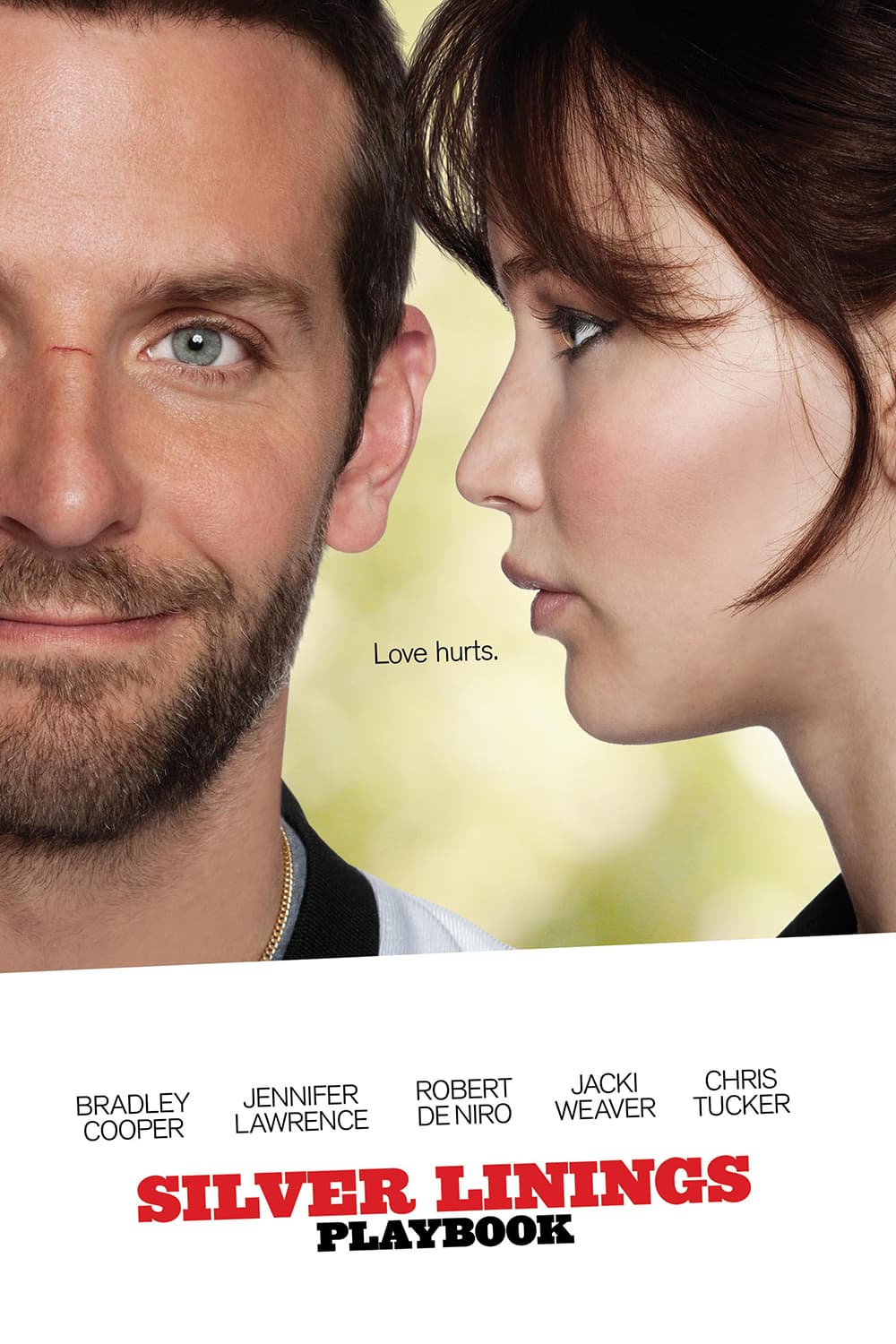
A widow and a man just out of a state hospital strike a deal: David O. Russell keeps the camera close enough to be uncomfortable, and Jennifer Lawrence shot it at twenty-one.