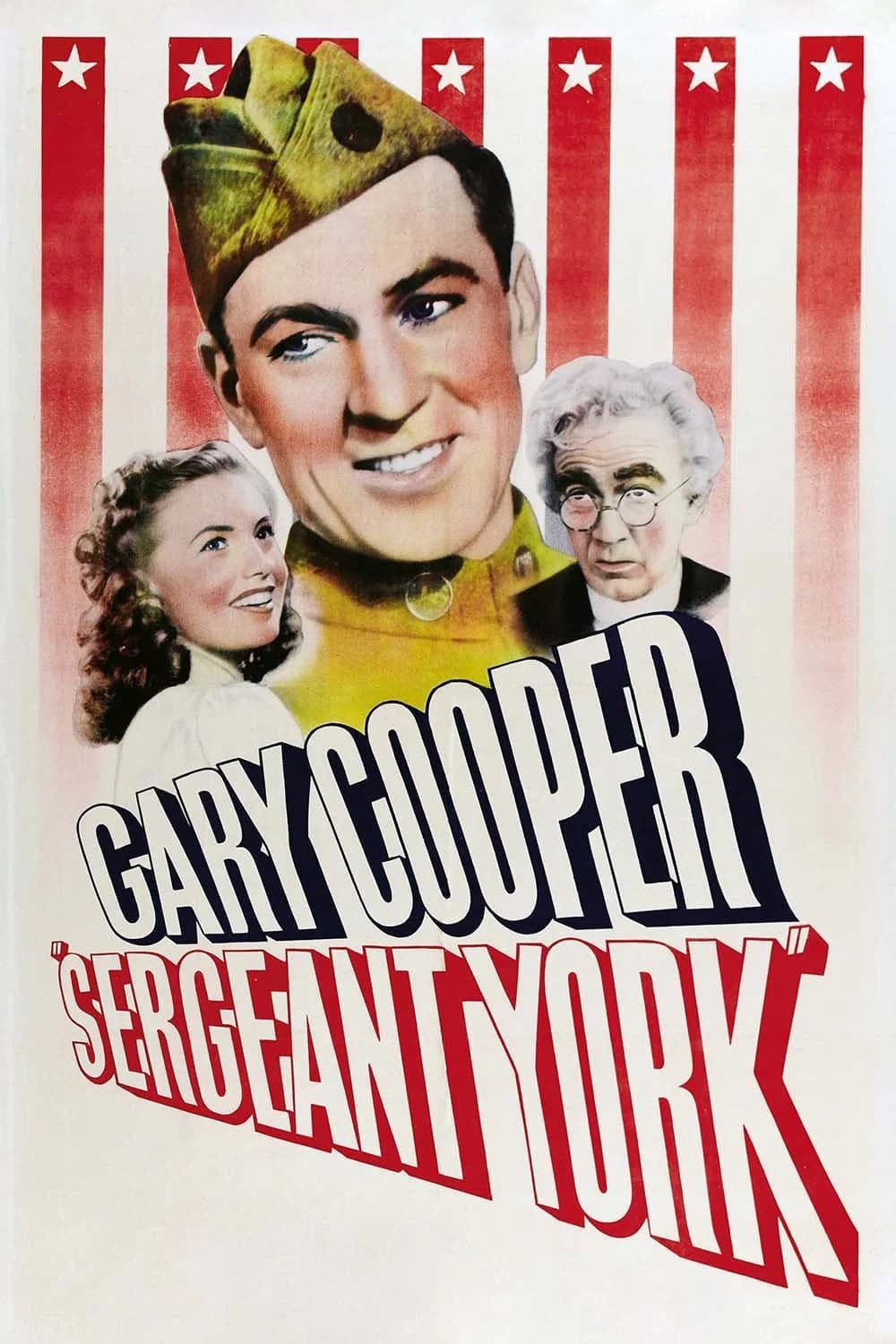
Sergeant York
Directed by Howard Hawks
1941
Alvin York blocked a film about himself for two decades and gave in only to fund a Bible school: a Tennessee pacifist wins the Medal of Honor and Gary Cooper wins Best Actor.
★ 1.8
 skopia
Alvin York blocked a film about himself for two decades and gave in only to fund a Bible school: a Tennessee pacifist wins the Medal of Honor and Gary Cooper wins Best Actor.
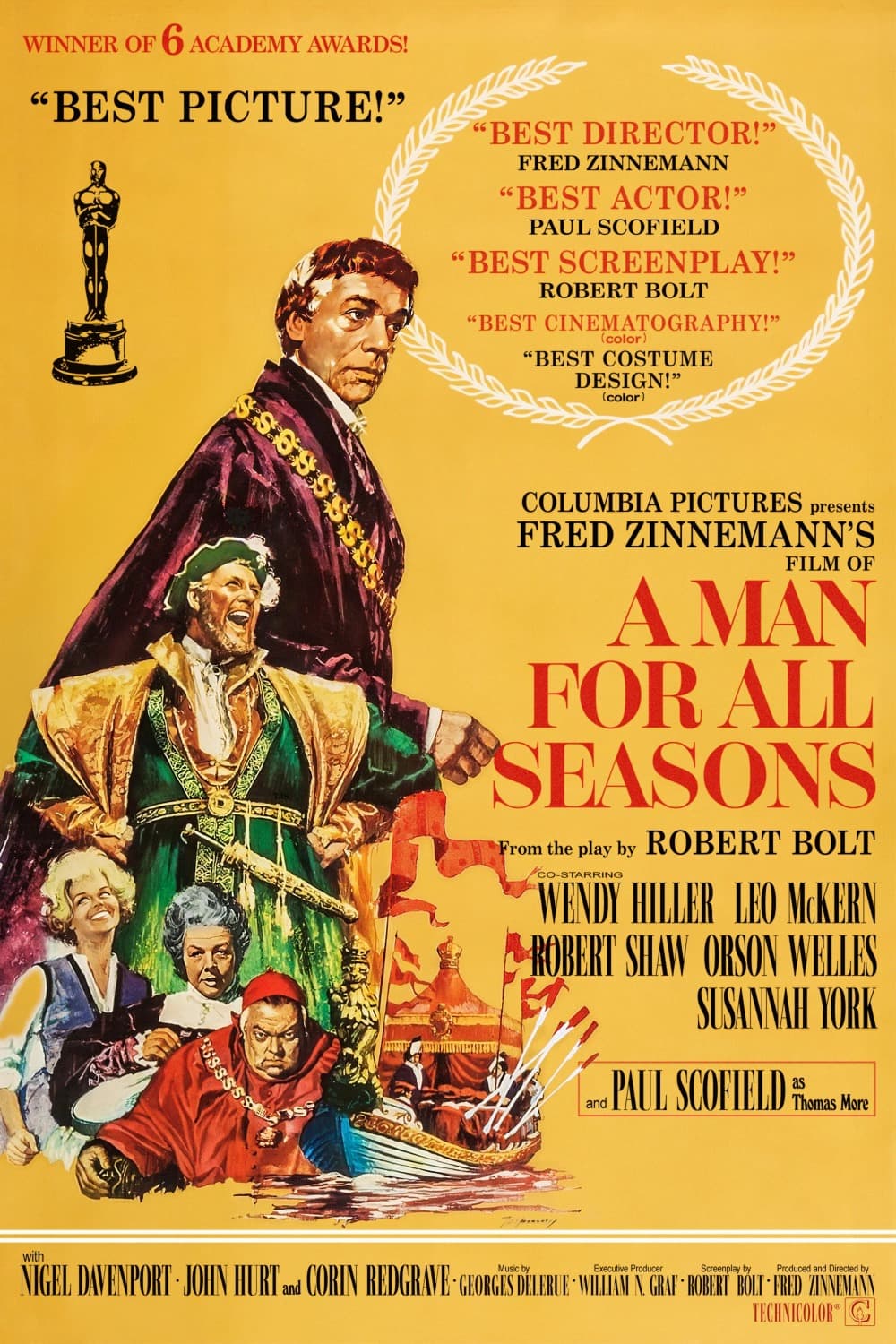
Paul Scofield had played it on stage and was not a film star, and he won anyway: Thomas More refuses to say one sentence, and the whole English state comes for him.
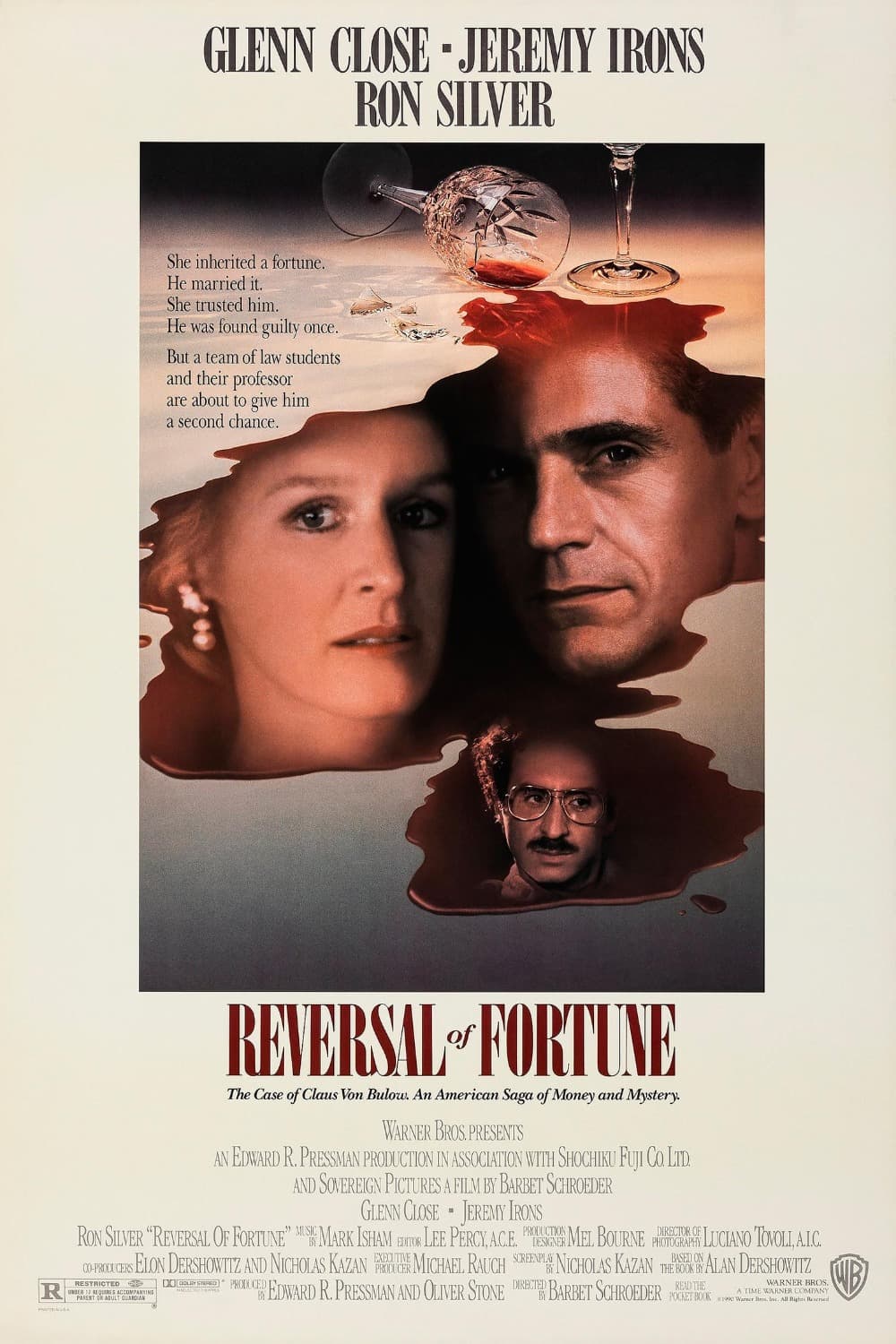
Jeremy Irons plays Claus von Bulow as completely unreadable and was rewarded for it: the film is narrated by his wife from the coma she never woke from, and takes no position.
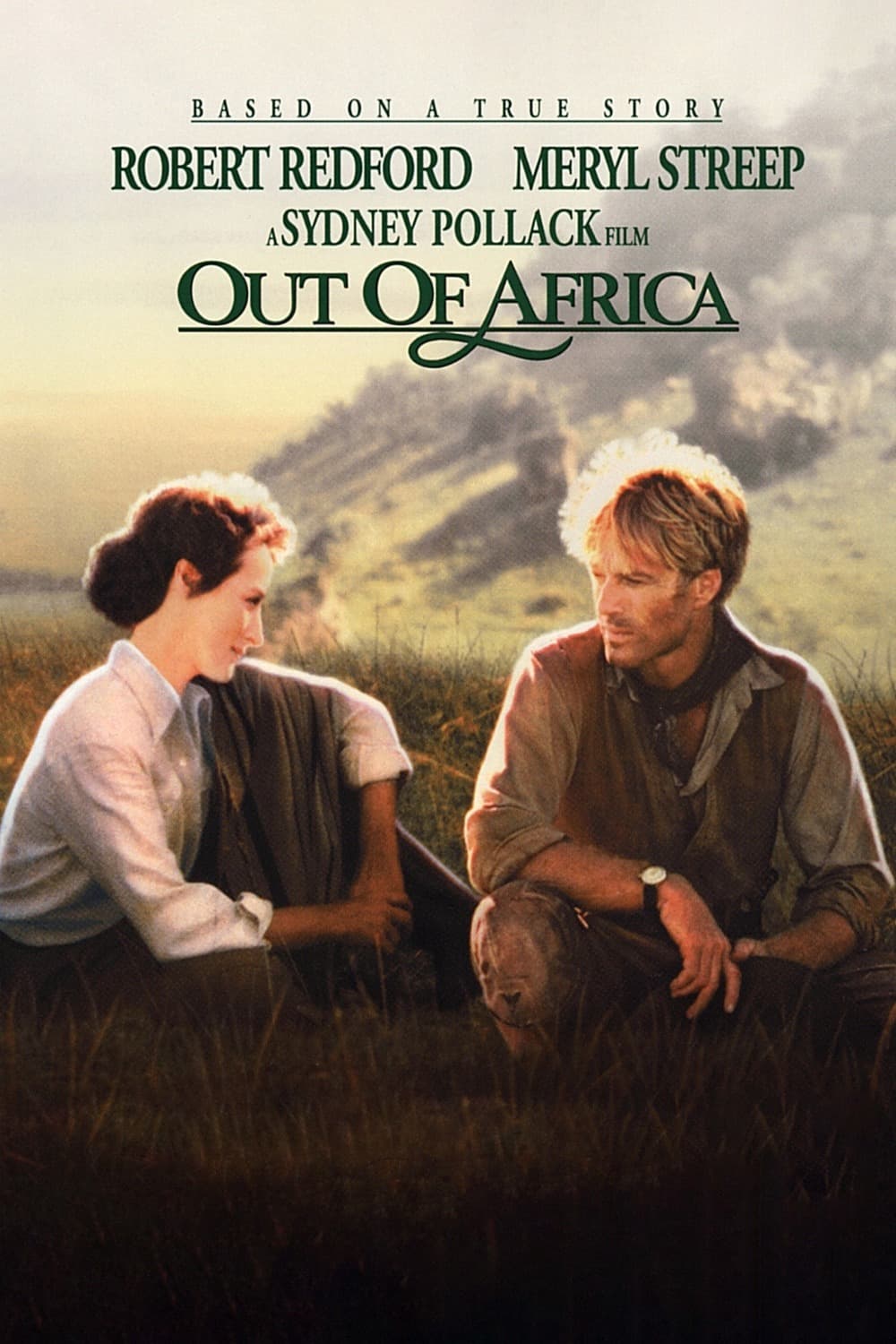
The flight over the Rift Valley is why anyone remembers it: Meryl Streep built Karen Blixen's Danish accent from recordings, and the film takes its time in a way nothing does now.
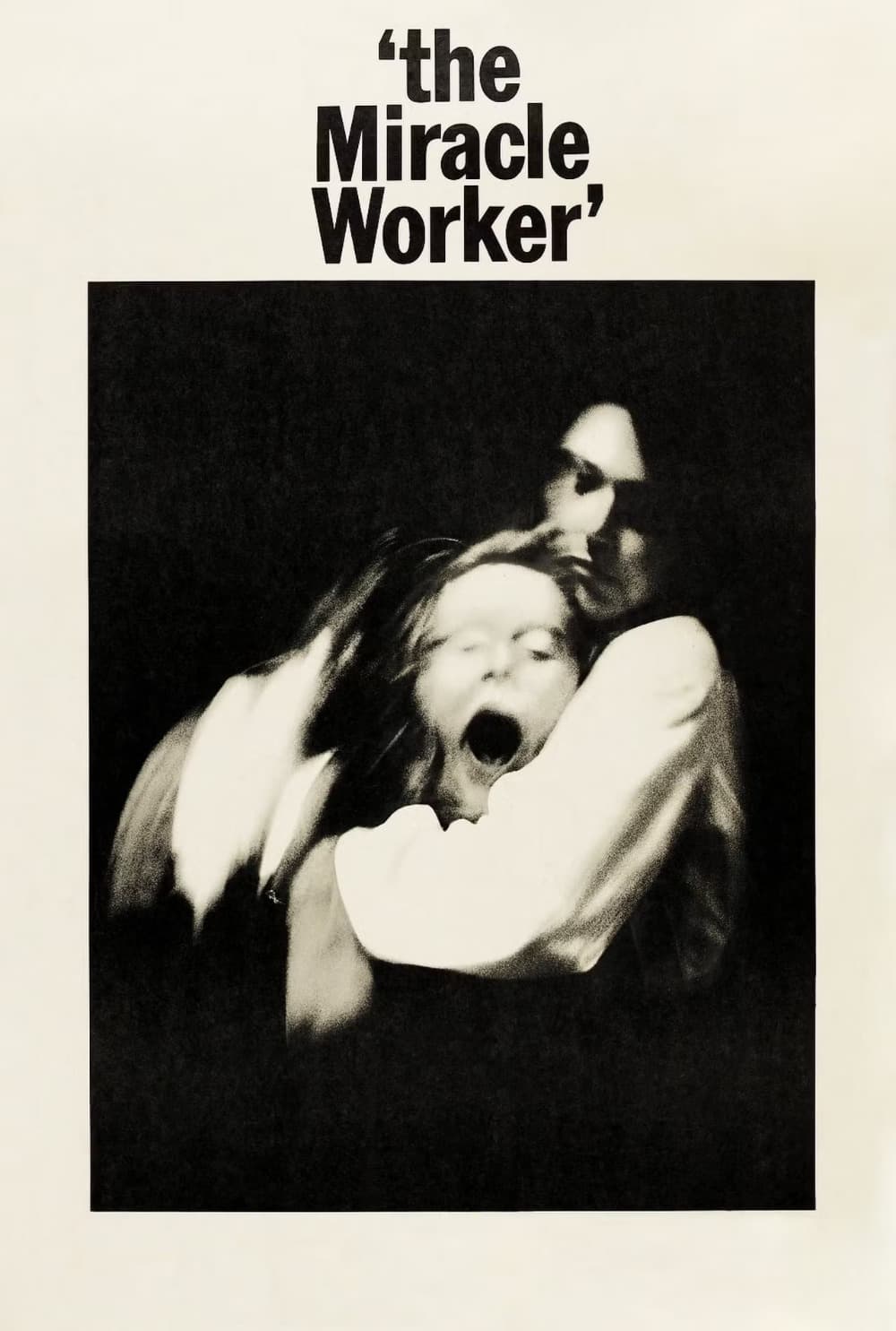
The dining room fight took five days to shoot: Anne Bancroft and Patty Duke both took Oscars, and neither Helen Keller nor her teacher gives an inch anywhere in it.
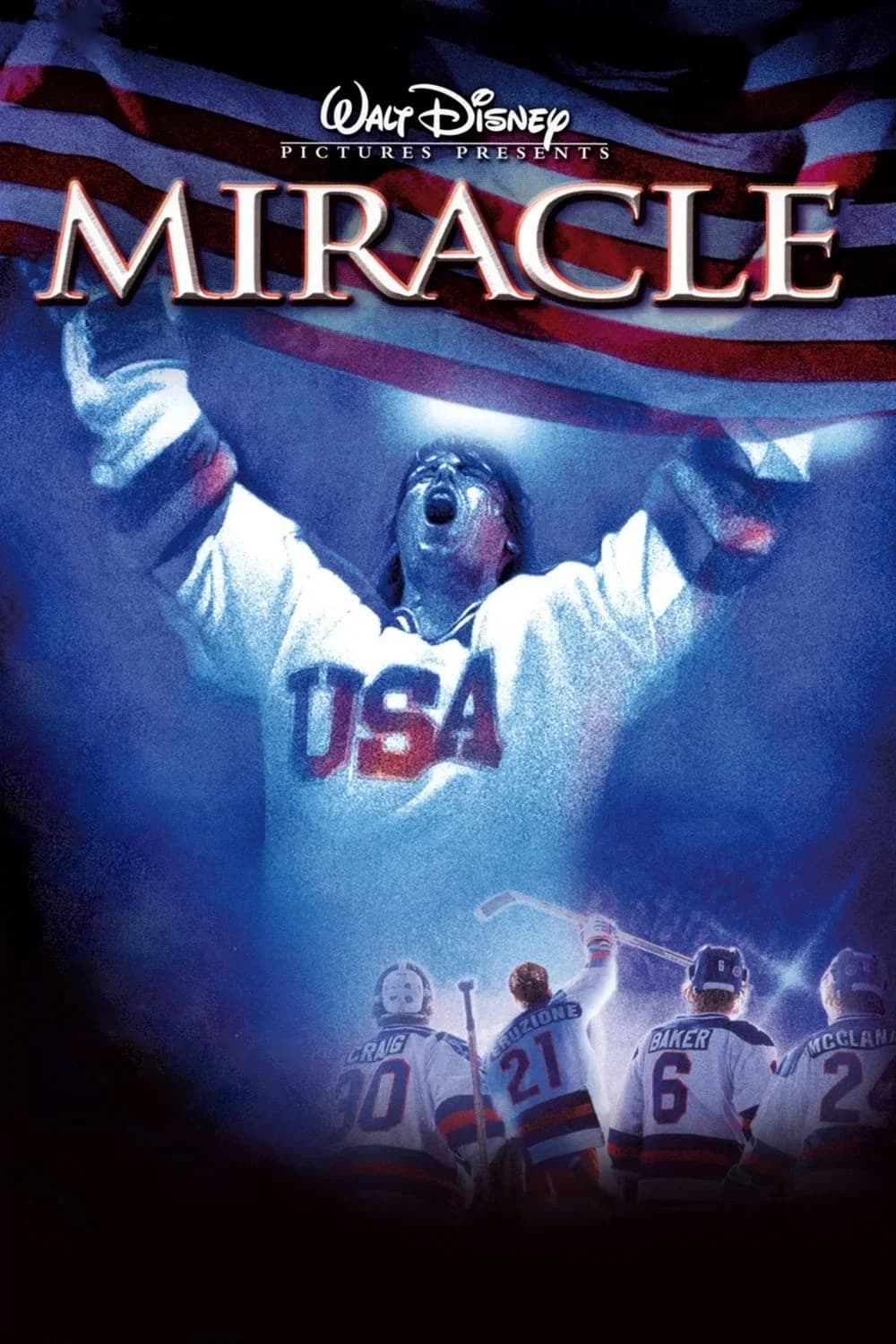
They cast hockey players and taught them to act rather than the reverse: Kurt Russell plays Herb Brooks skating his young Olympic squad into the ground before Lake Placid in 1980.
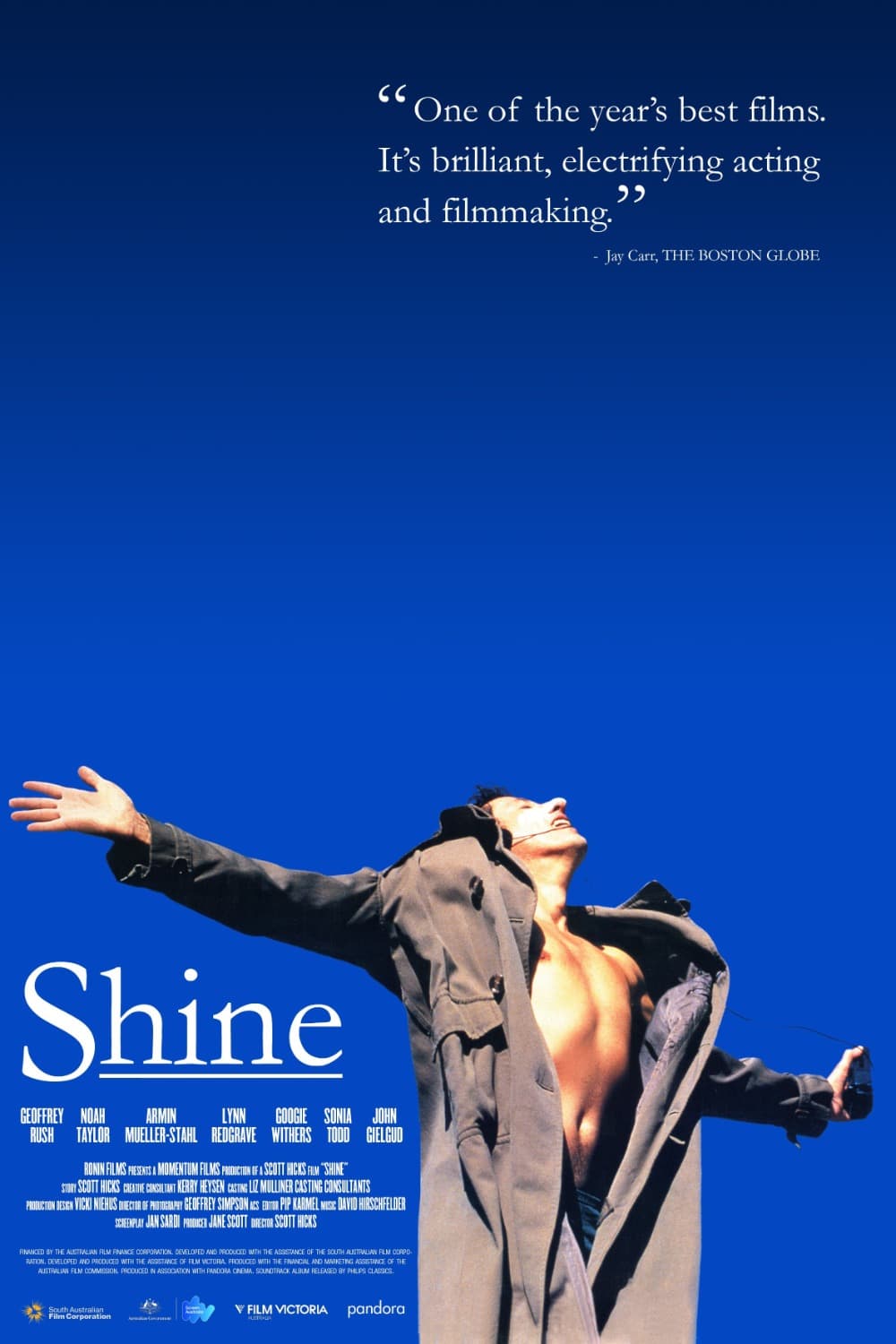
Geoffrey Rush learned the Rachmaninov himself so the hands would be right: the pianist David Helfgott, filmed across three ages, and a father who cannot let a prodigy leave home.
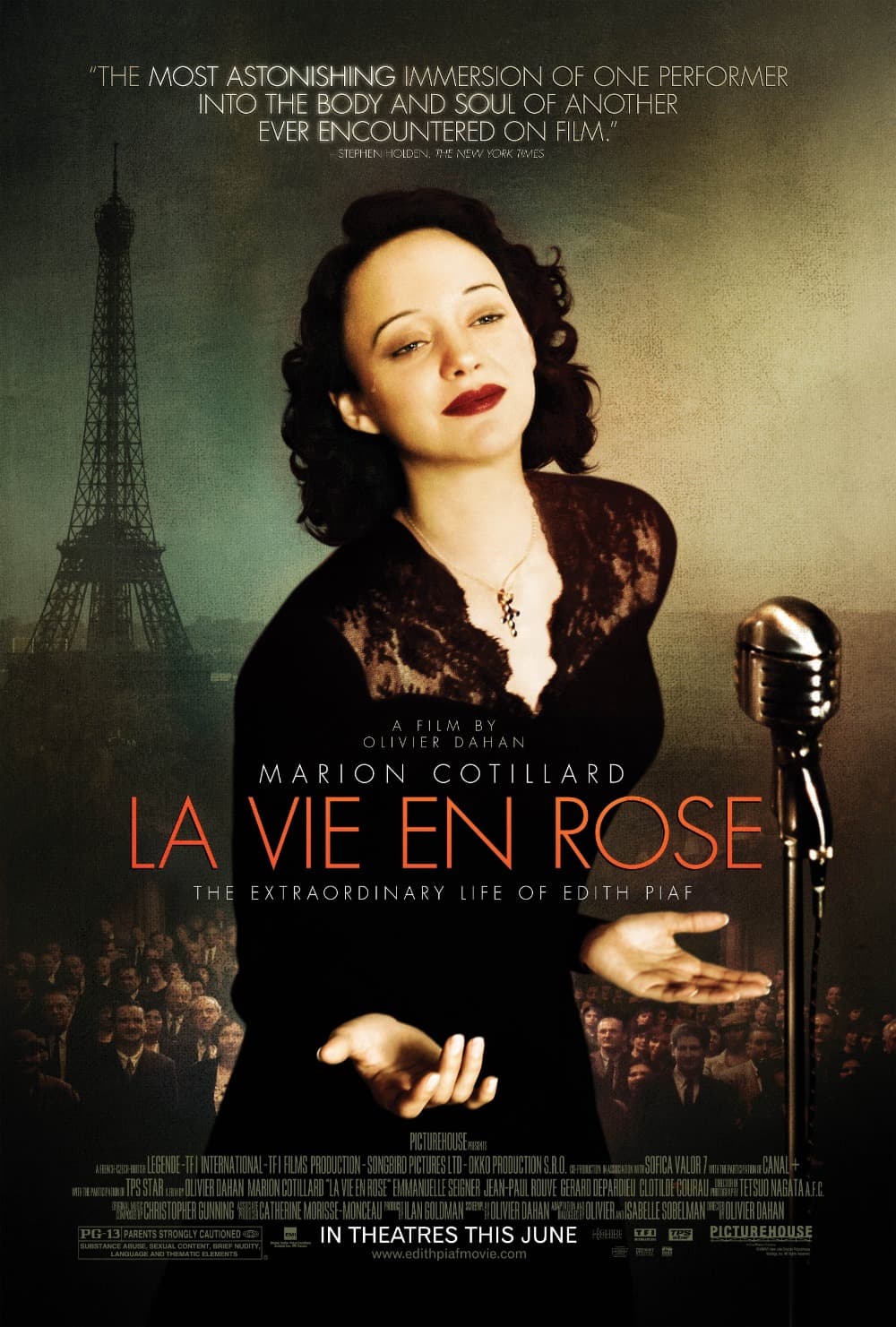
Marion Cotillard ages from a young street singer to the end of Piaf's life and is unrecognizable throughout: the first Best Actress win for a performance given entirely in French.
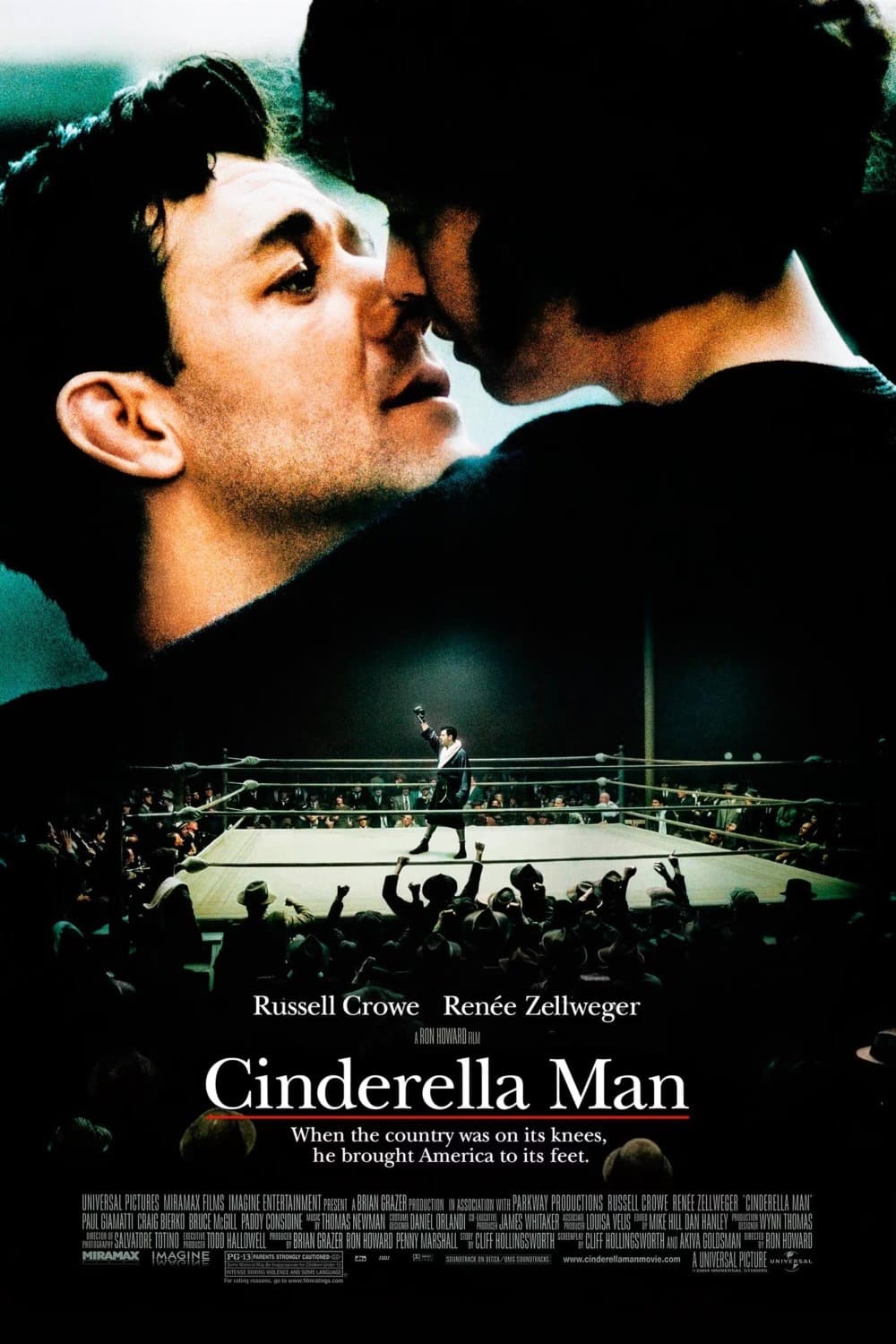
James Braddock was a broken-handed longshoreman on relief when he got a fight nobody expected him to survive: Ron Howard films the Depression as the real opponent, and Paul Giamatti steals it.
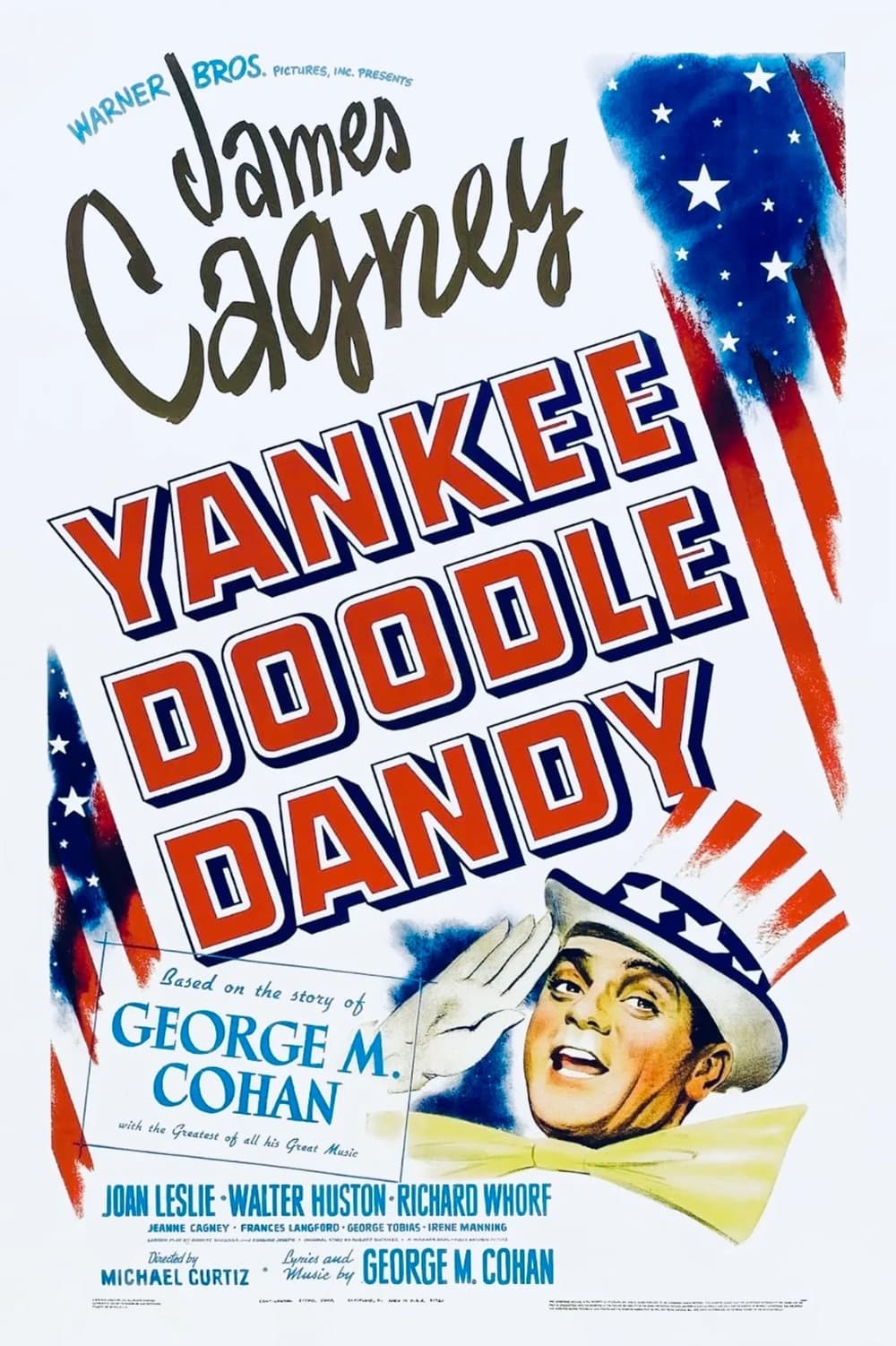
James Cagney was known for gangsters and had started life as a hoofer: he plays George M. Cohan flat out, and improvised the dance down the White House staircase on the day.
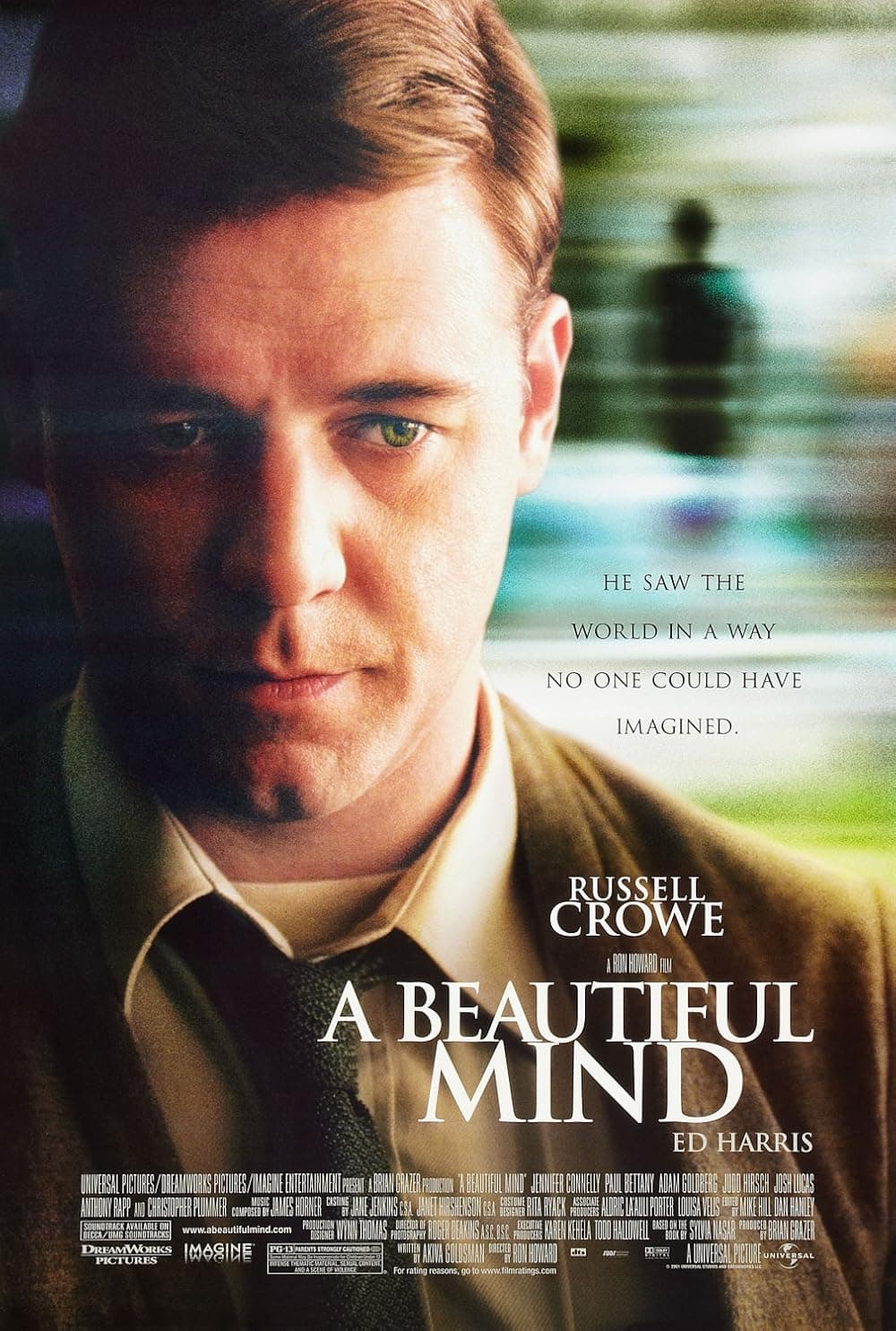
Ron Howard took Best Picture for a mathematician's biography: Russell Crowe plays John Nash from Princeton prodigy to Cold War code work, and Jennifer Connelly matches him the whole way through.
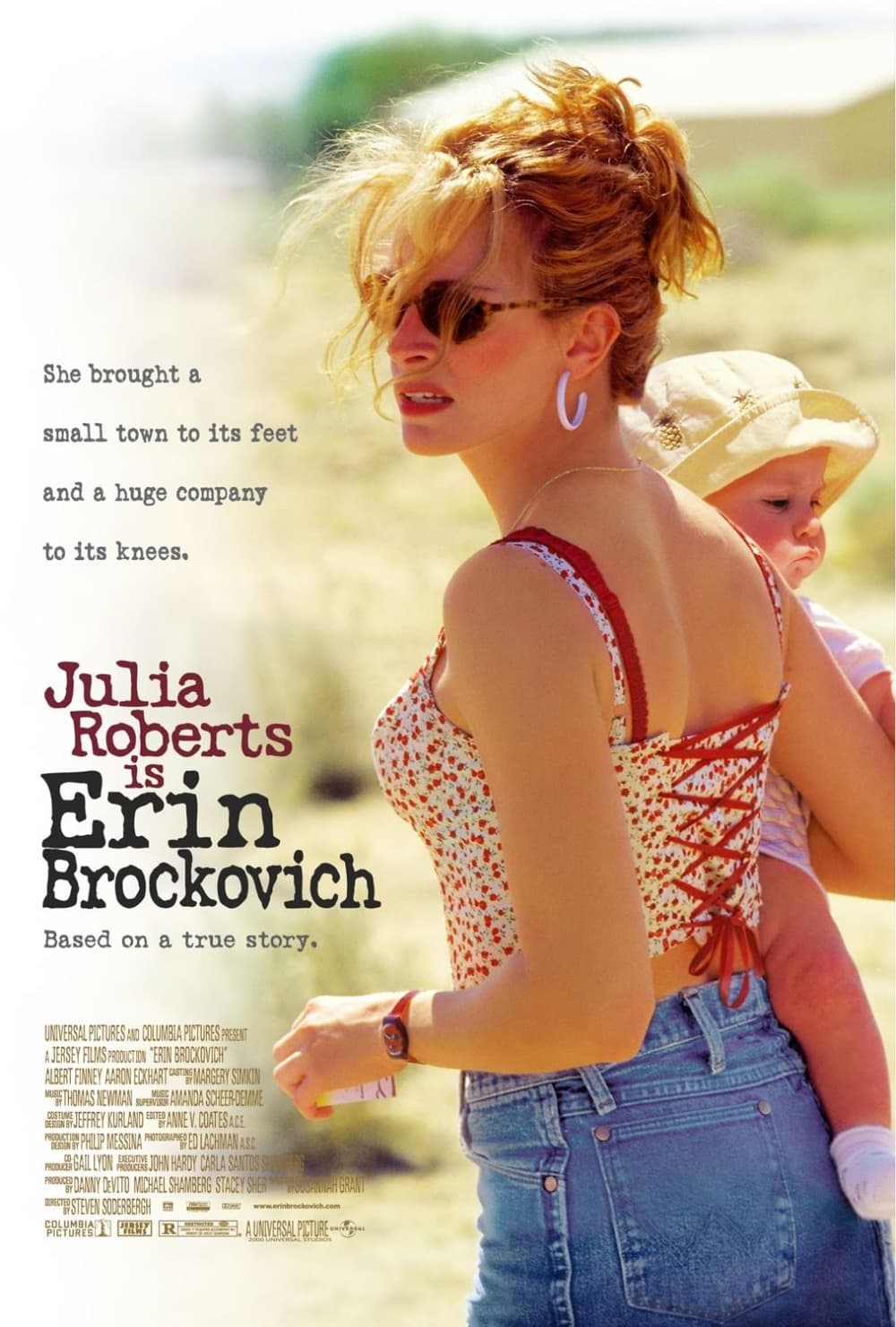
Julia Roberts took the Oscar playing someone still alive and still angry about it: a legal clerk with no training assembles the case against a utility poisoning a California town.
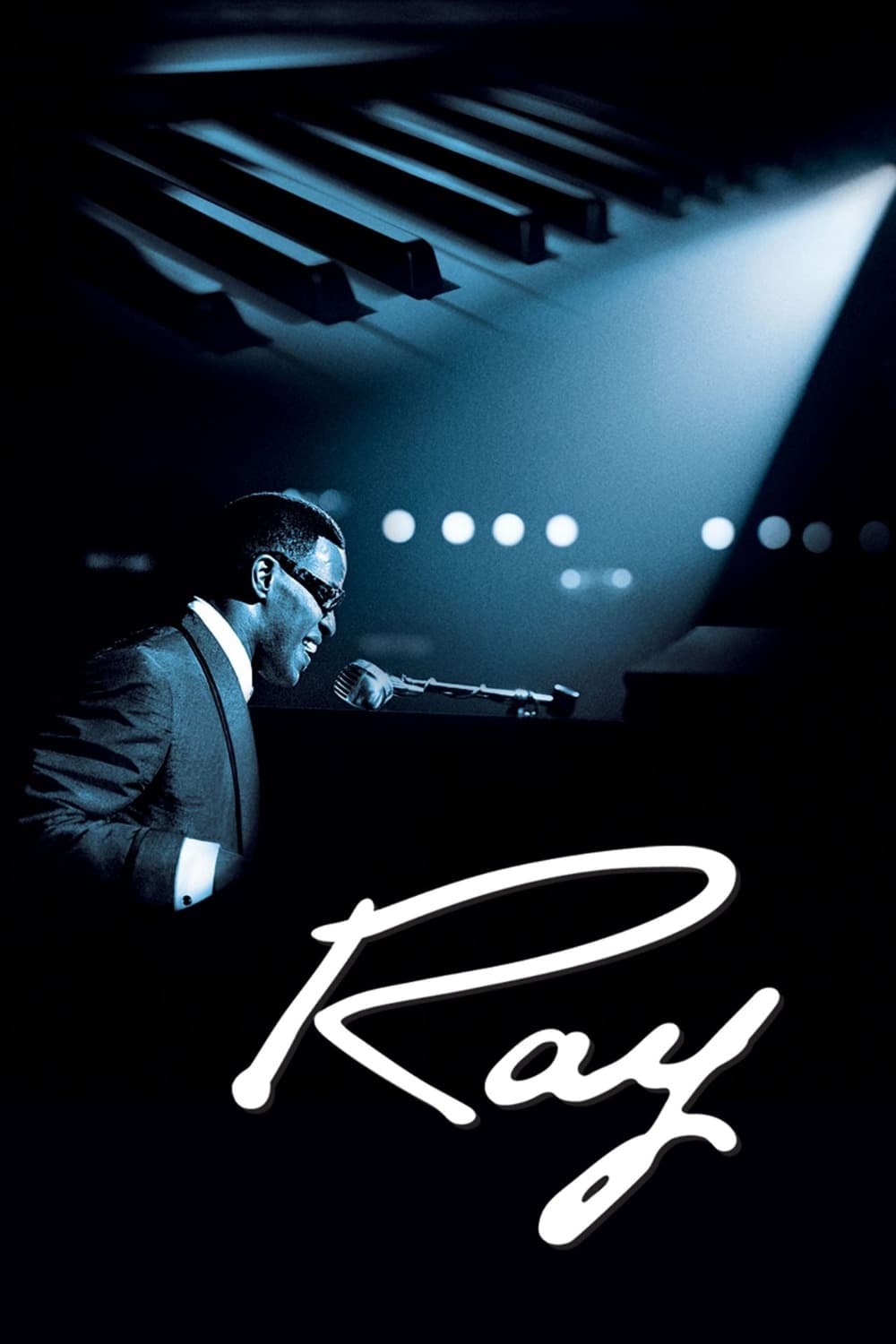
Jamie Foxx wore prosthetics that sealed his eyes shut for up to fourteen hours a day: Ray Charles approved the performance himself, then died months before the film opened.
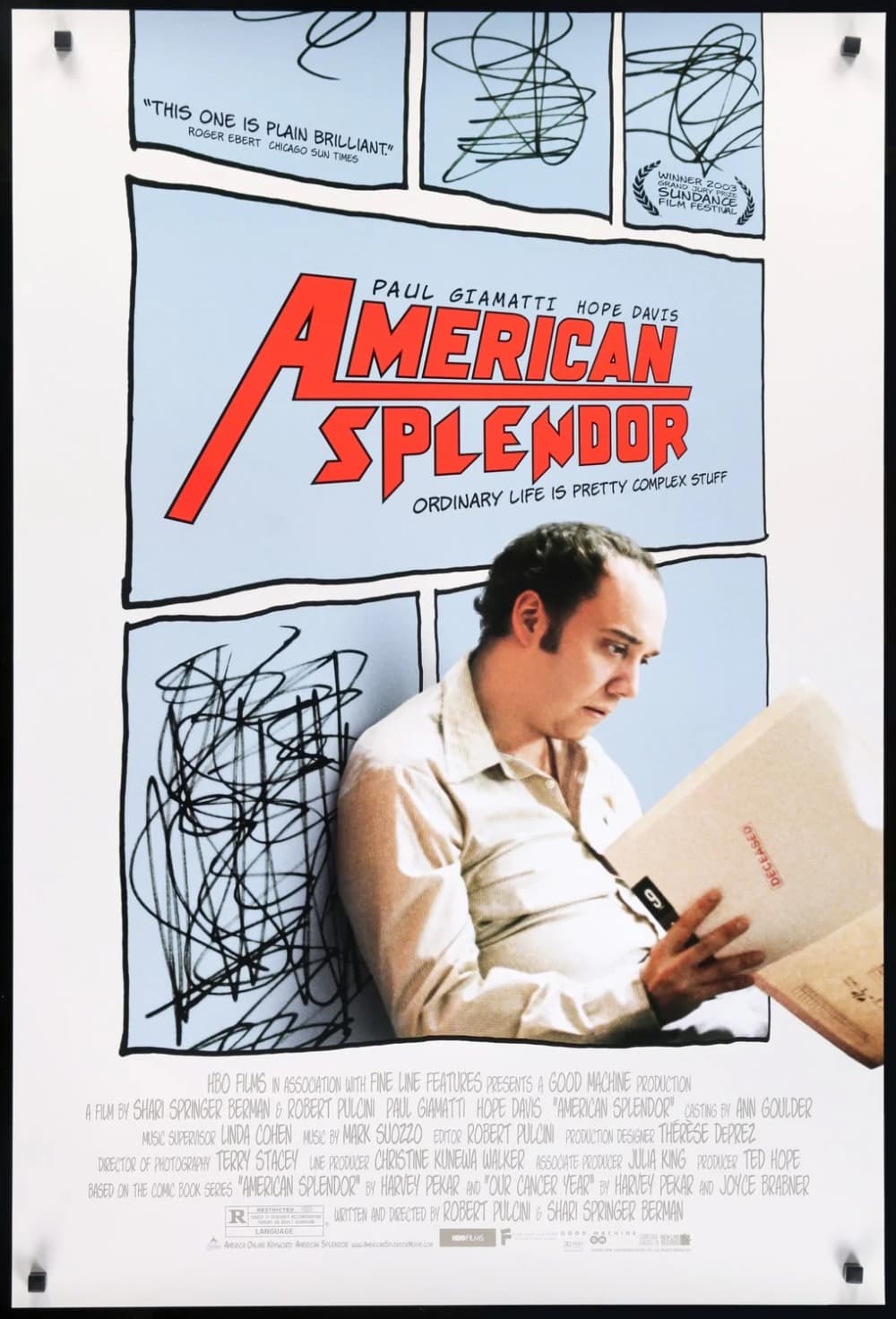
The real Harvey Pekar appears in the film alongside the actor playing him, and they discuss it: a file clerk in Cleveland turned his ordinary life into comics, and stayed a file clerk.
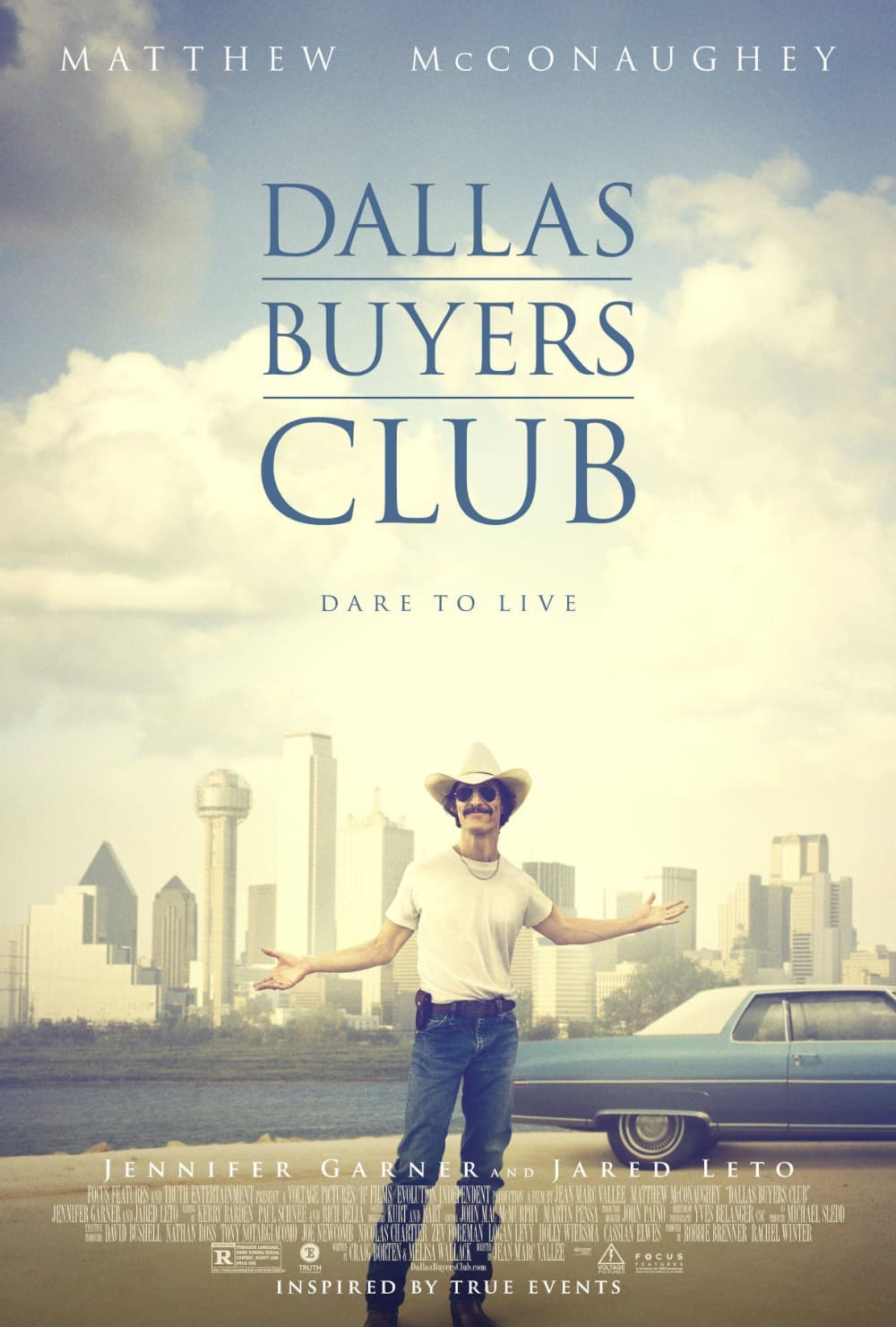
They shot it in twenty-five days for five million dollars and won two acting Oscars: a Texas electrician starts importing unapproved drugs for himself and ends up supplying half the city.
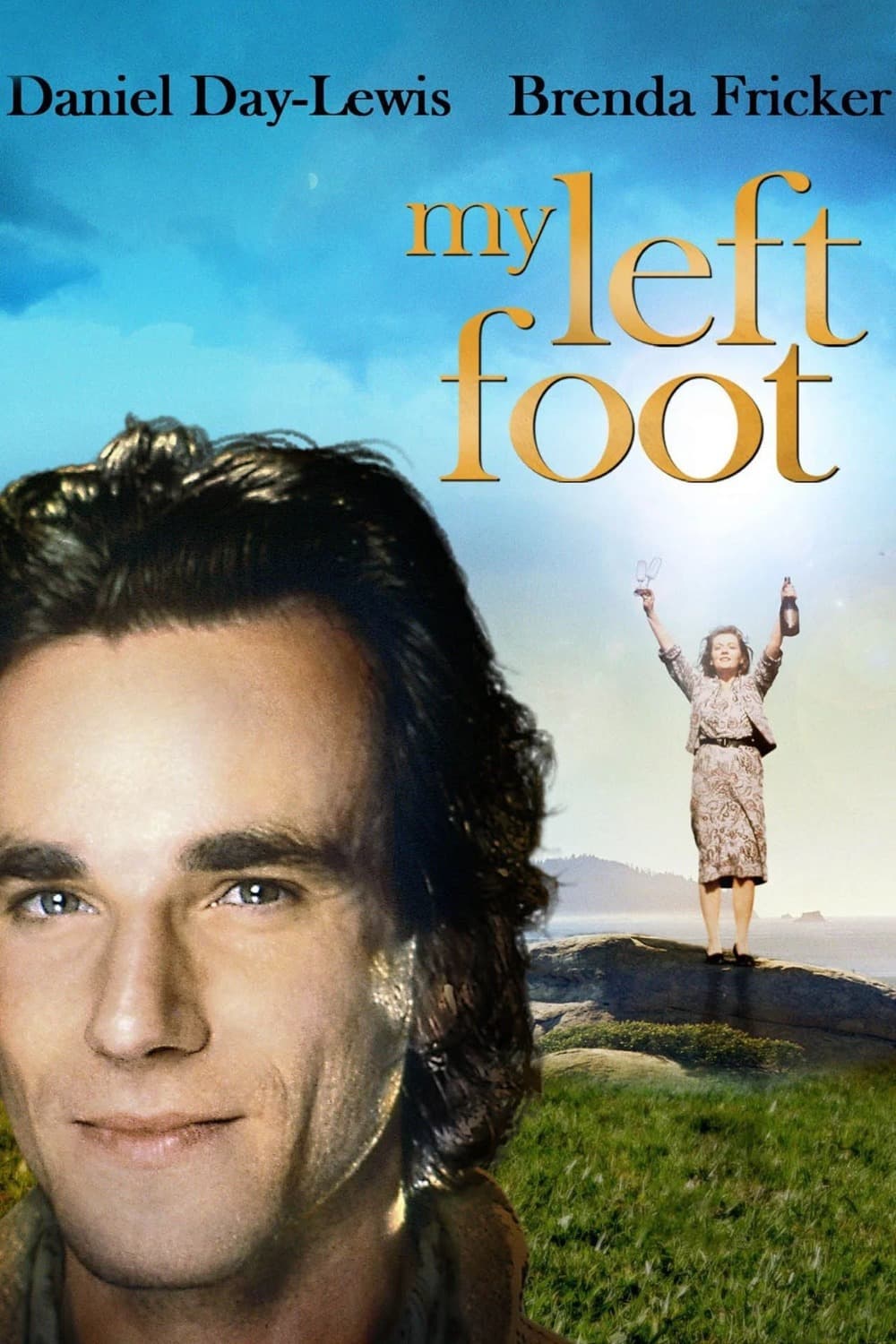
Christy Brown wrote and painted with one foot, and nothing here makes him saintly: Jim Sheridan films a Dublin family that treats him as theirs, loudly and without any ceremony.
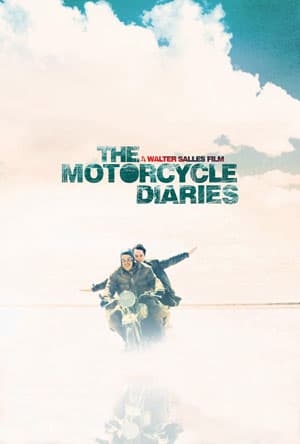
Before he was a poster, Ernesto Guevara was a medical student on a broken motorcycle: Walter Salles shot the actual route through South America, and the politics arrive as things seen.
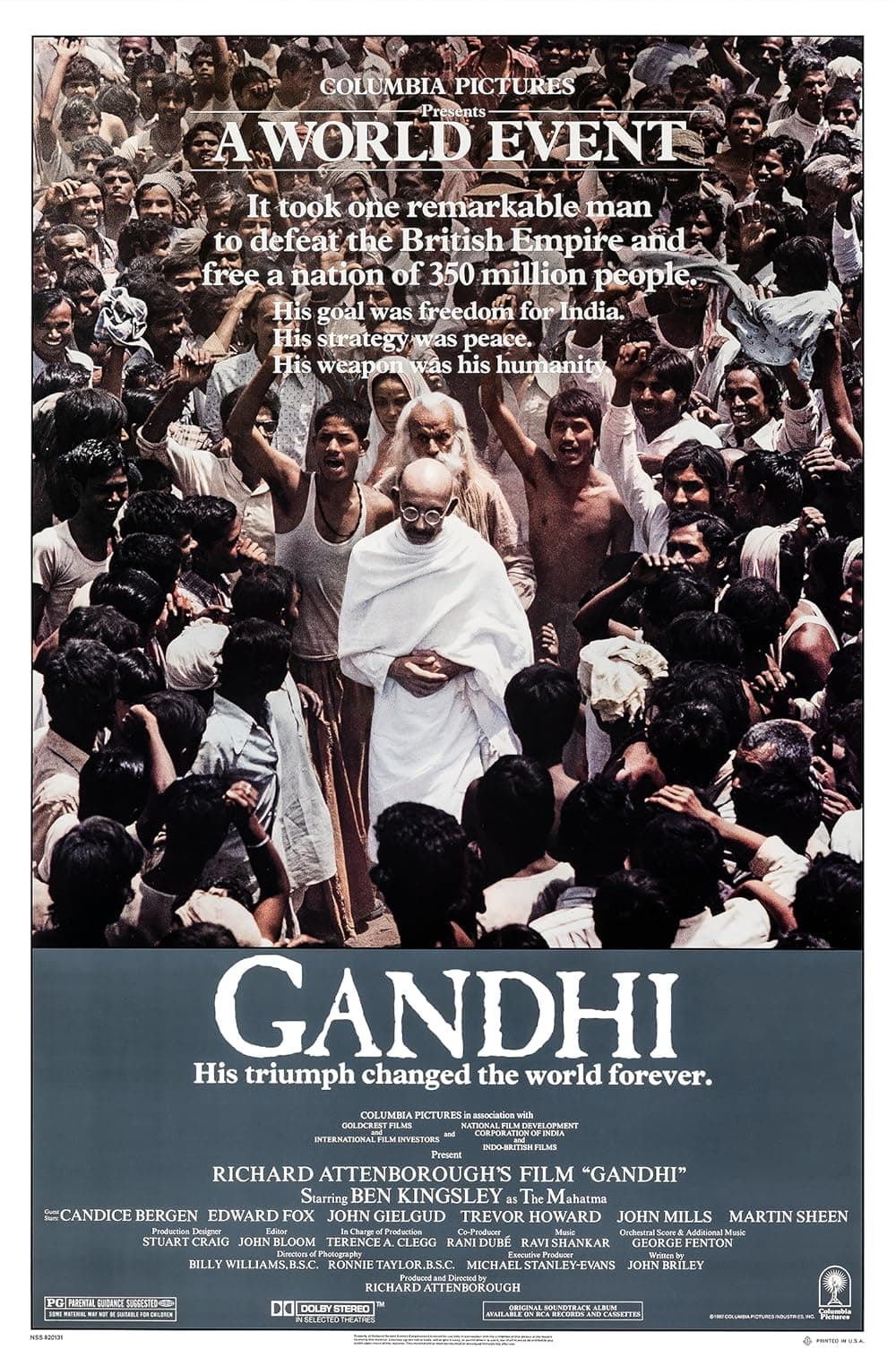
The funeral scene used around three hundred thousand extras, more than any film before or since: Richard Attenborough spent twenty years raising the money, and Ben Kingsley disappears completely.
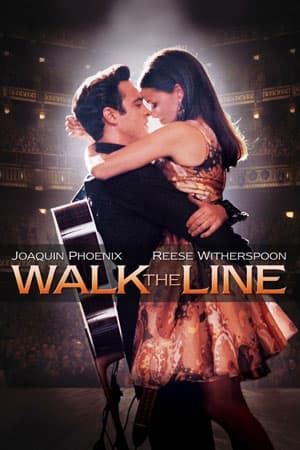
Joaquin Phoenix and Reese Witherspoon sang everything themselves after months of training: Johnny Cash's early years, filmed with the music treated as the argument rather than the soundtrack.
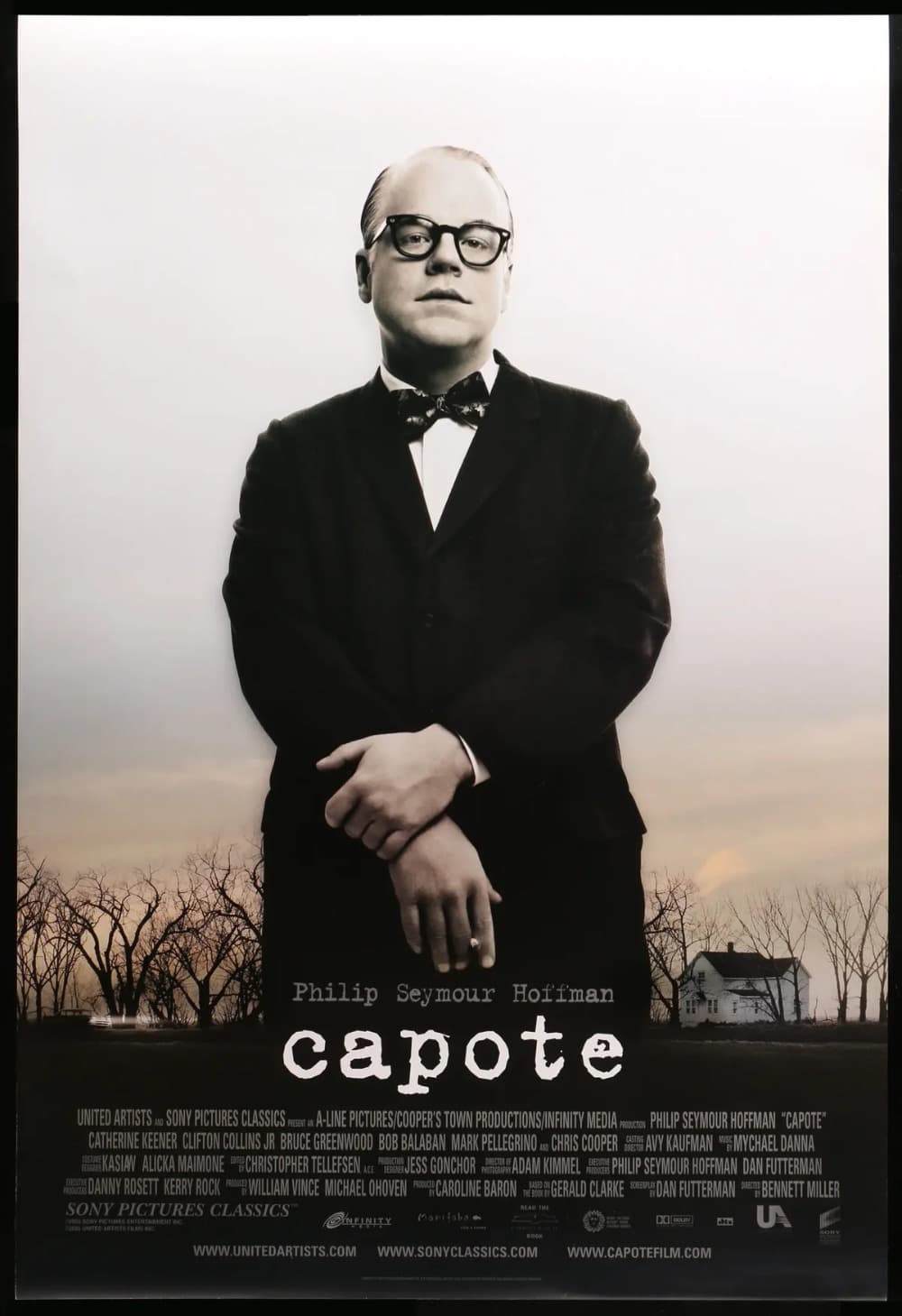
Philip Seymour Hoffman spent months on the voice and it never sounds like an impression: Truman Capote gets the book of his life out of two condemned men, and knows what that costs.