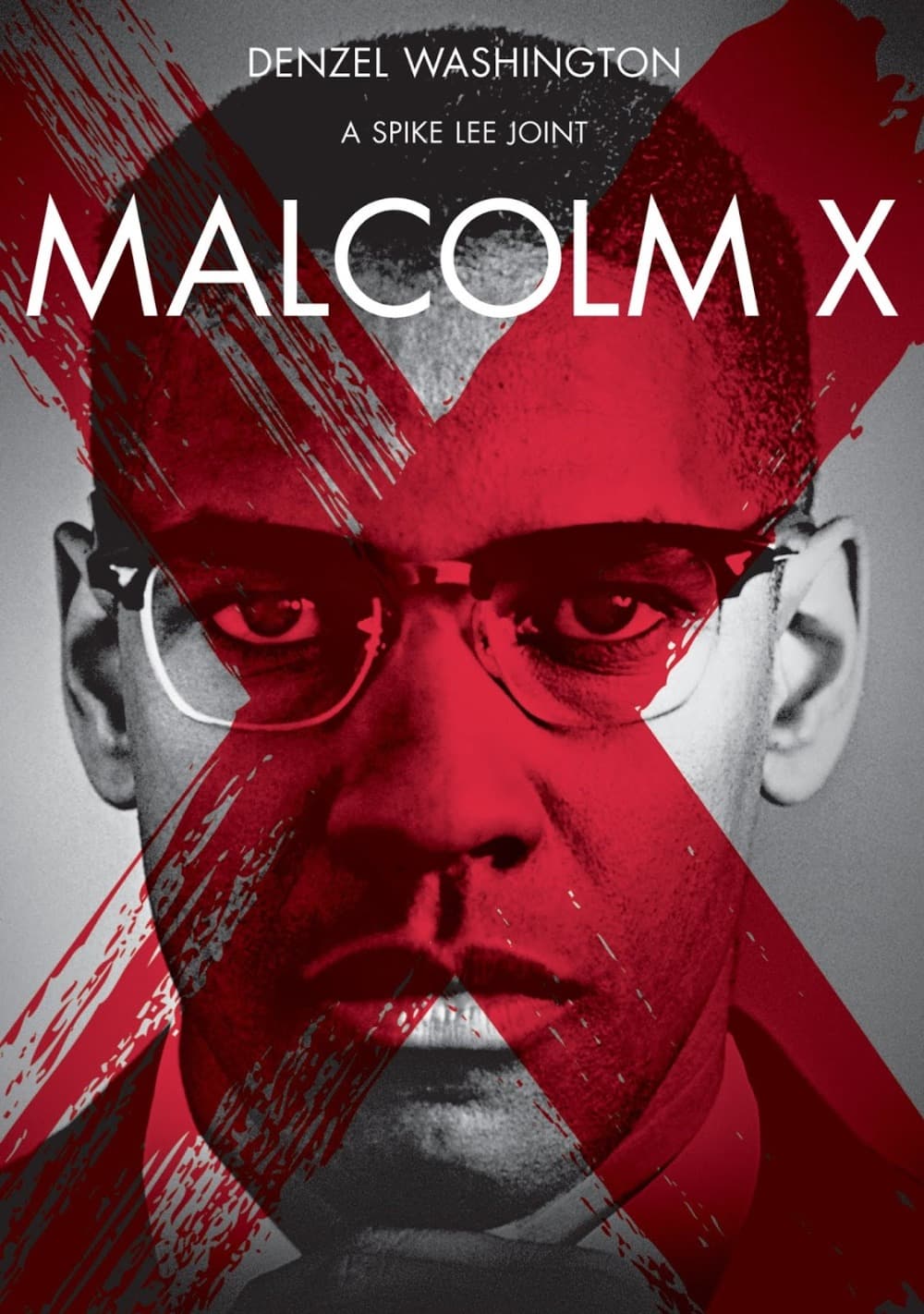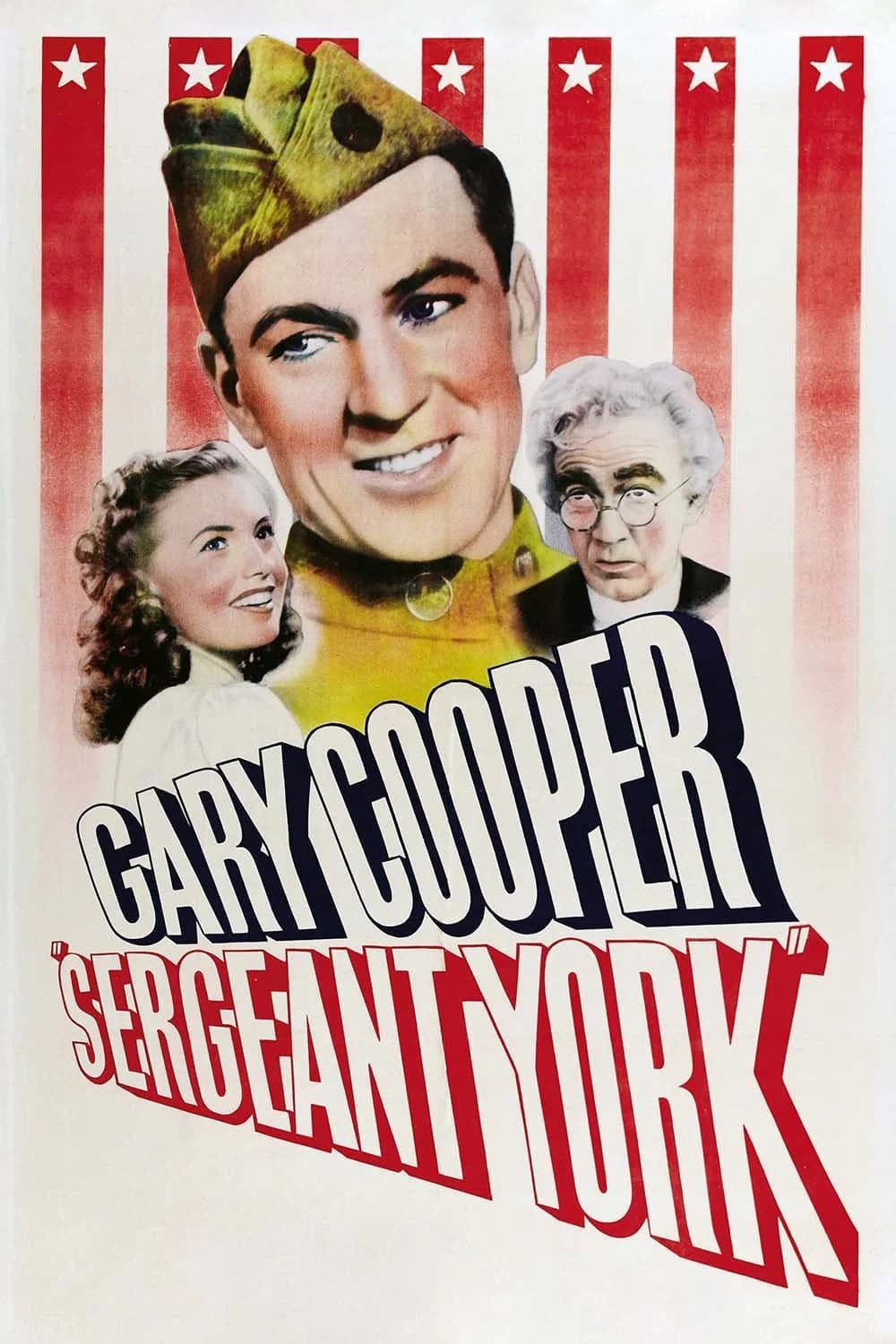
Sergeant York
Directed by Howard Hawks
1941
Alvin York blocked a film about himself for two decades and gave in only to fund a Bible school: a Tennessee pacifist wins the Medal of Honor and Gary Cooper wins Best Actor.
★ 1.8
 skopia
Alvin York blocked a film about himself for two decades and gave in only to fund a Bible school: a Tennessee pacifist wins the Medal of Honor and Gary Cooper wins Best Actor.
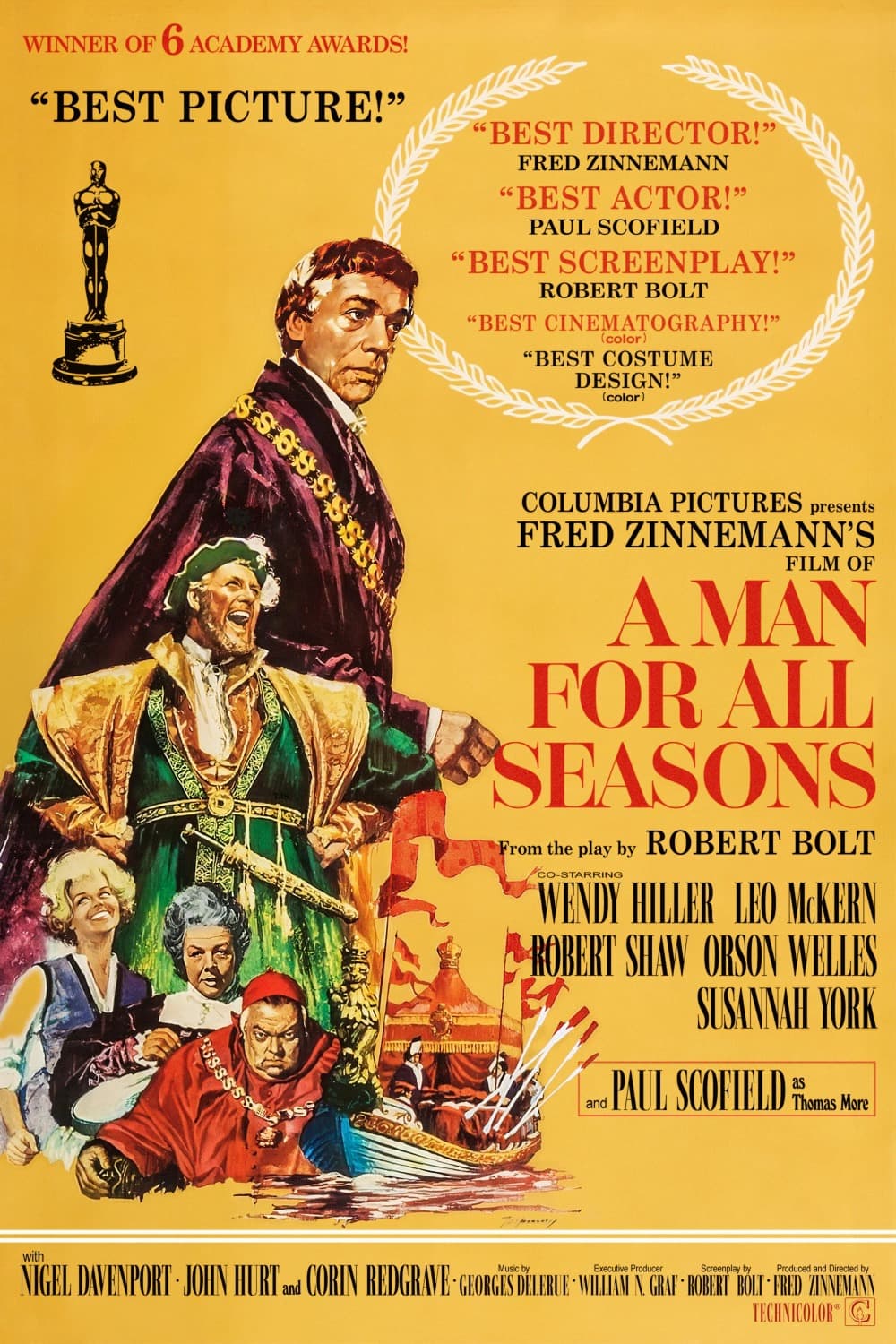
Paul Scofield had played it on stage and was not a film star, and he won anyway: Thomas More refuses to say one sentence, and the whole English state comes for him.
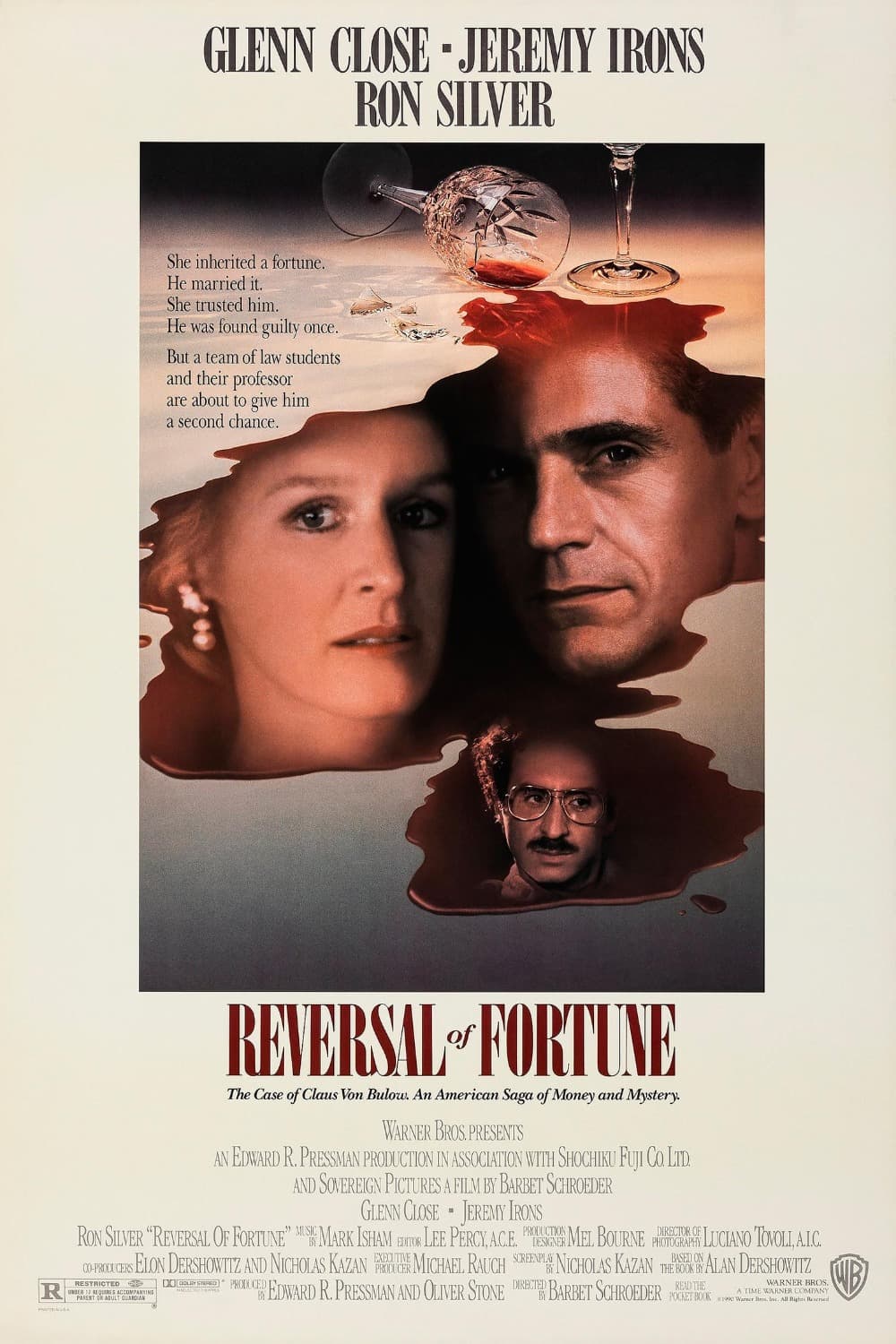
Jeremy Irons plays Claus von Bulow as completely unreadable and was rewarded for it: the film is narrated by his wife from the coma she never woke from, and takes no position.
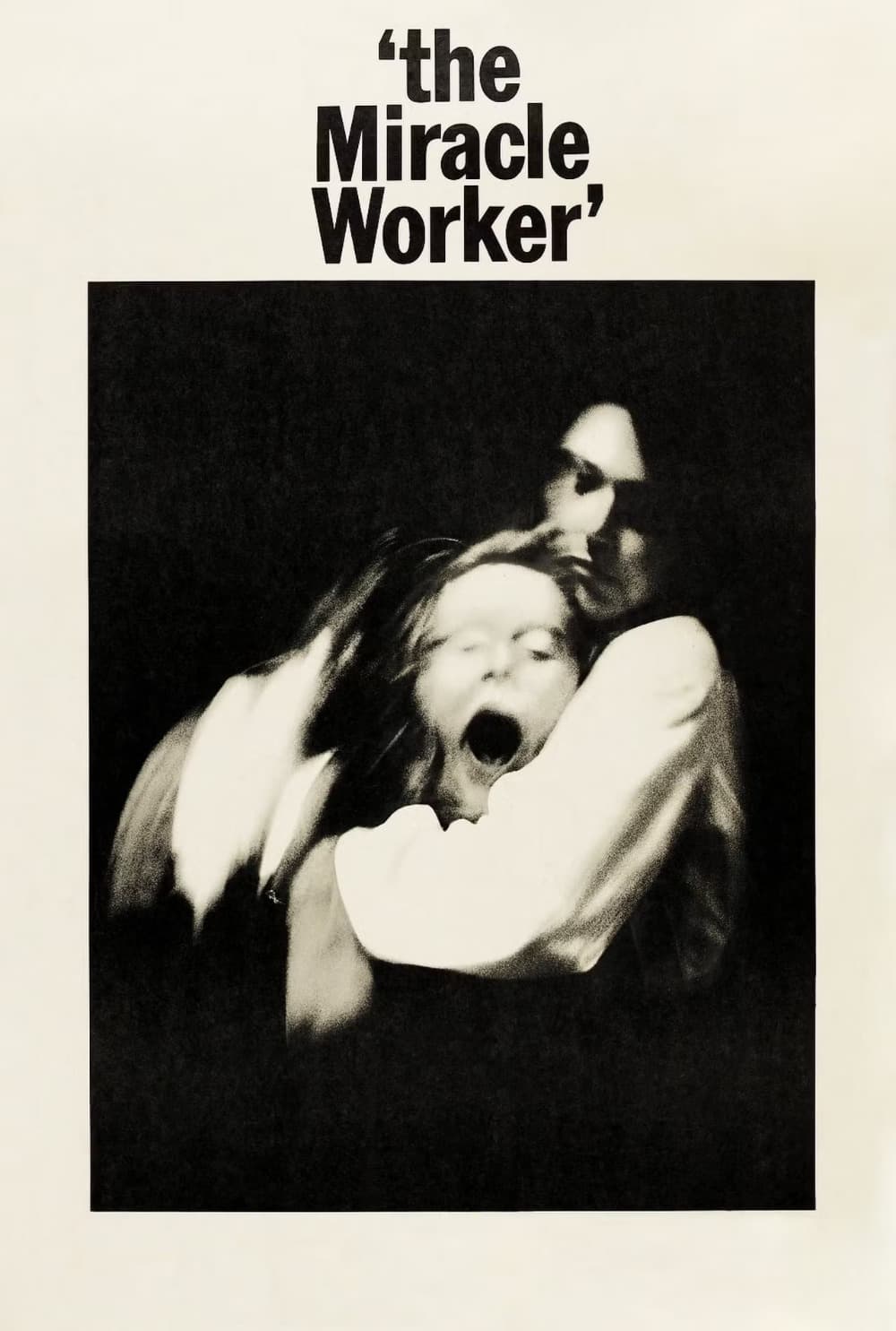
The dining room fight took five days to shoot: Anne Bancroft and Patty Duke both took Oscars, and neither Helen Keller nor her teacher gives an inch anywhere in it.
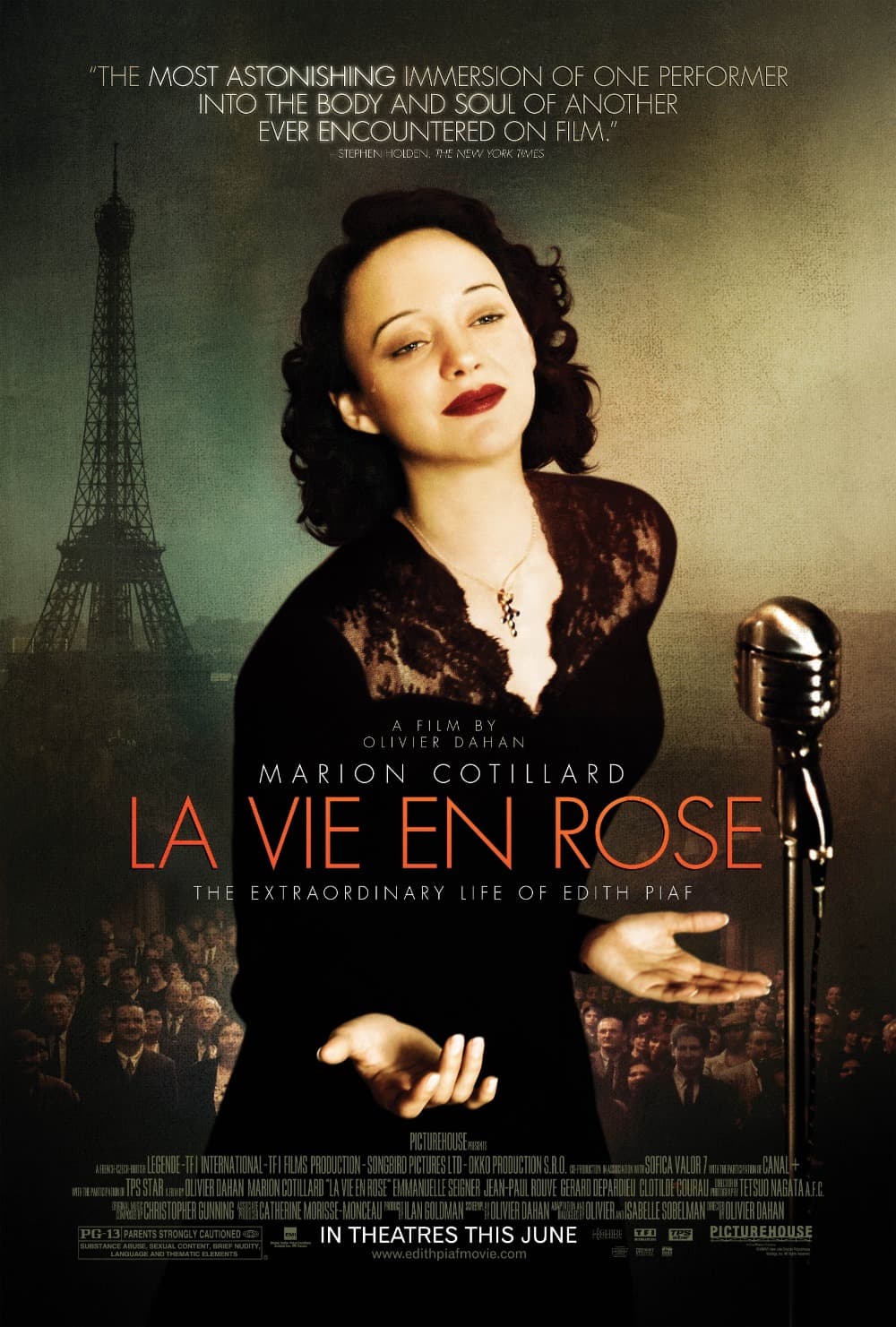
Marion Cotillard ages from a young street singer to the end of Piaf's life and is unrecognizable throughout: the first Best Actress win for a performance given entirely in French.
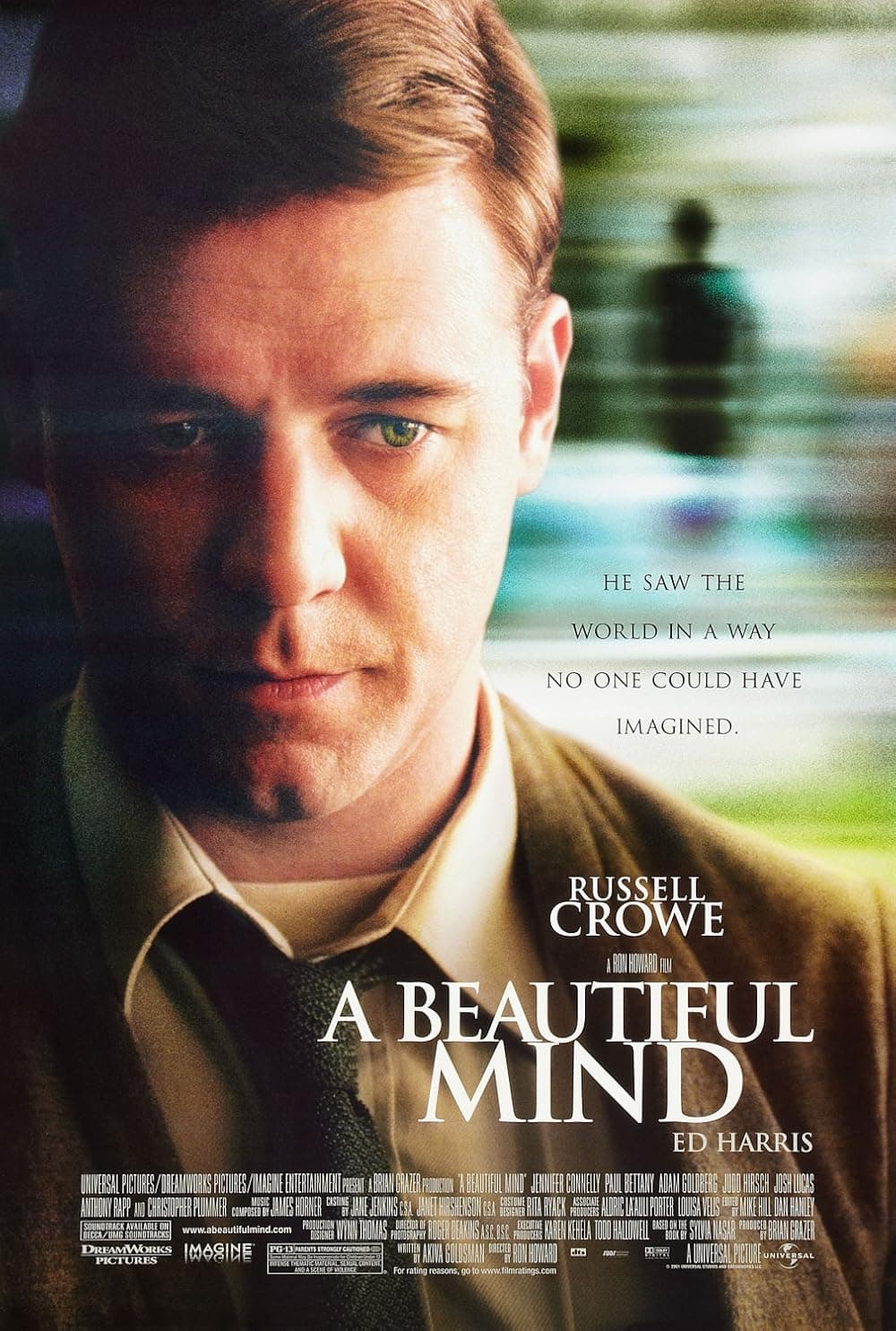
Ron Howard took Best Picture for a mathematician's biography: Russell Crowe plays John Nash from Princeton prodigy to Cold War code work, and Jennifer Connelly matches him the whole way through.
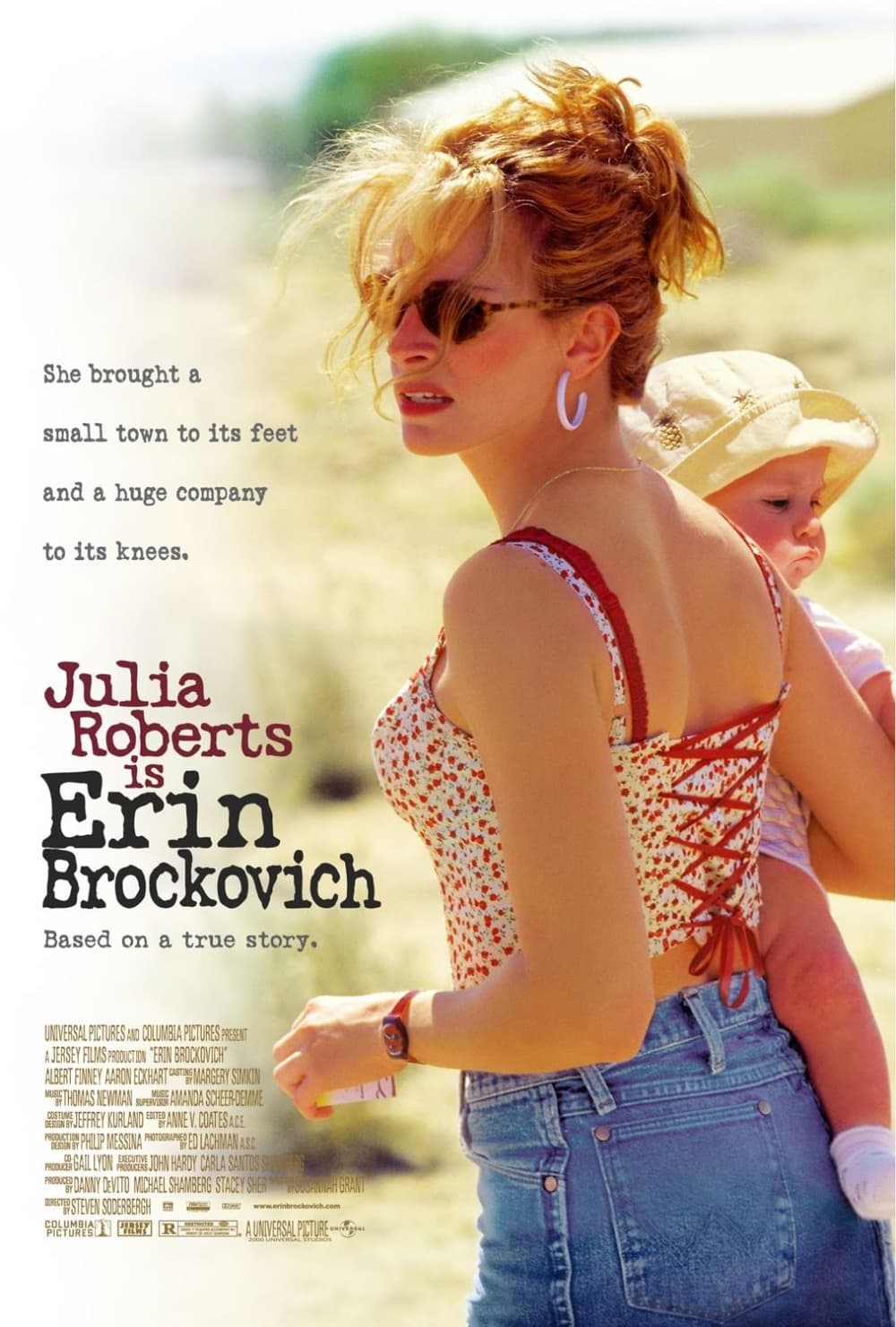
Julia Roberts took the Oscar playing someone still alive and still angry about it: a legal clerk with no training assembles the case against a utility poisoning a California town.
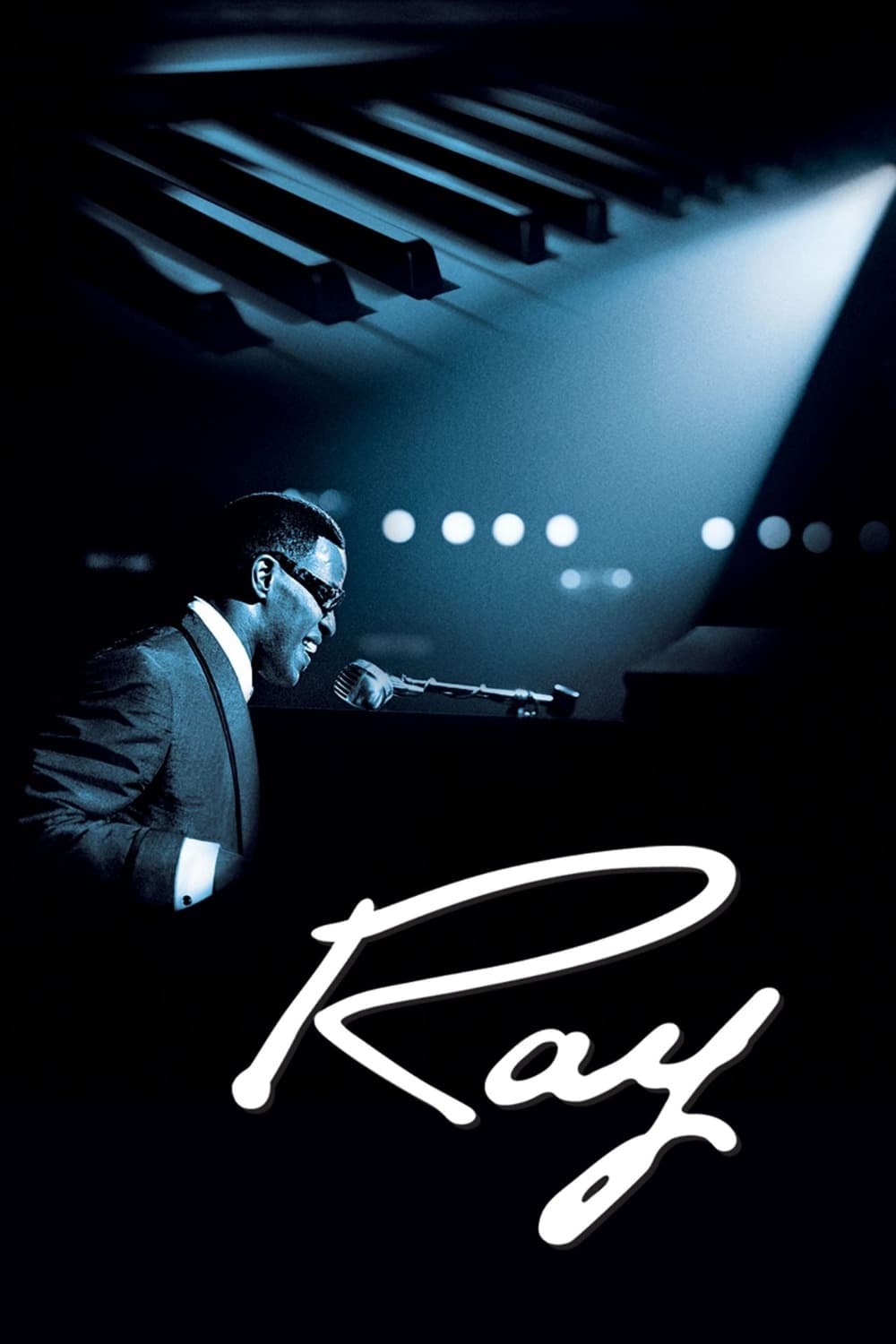
Jamie Foxx wore prosthetics that sealed his eyes shut for up to fourteen hours a day: Ray Charles approved the performance himself, then died months before the film opened.
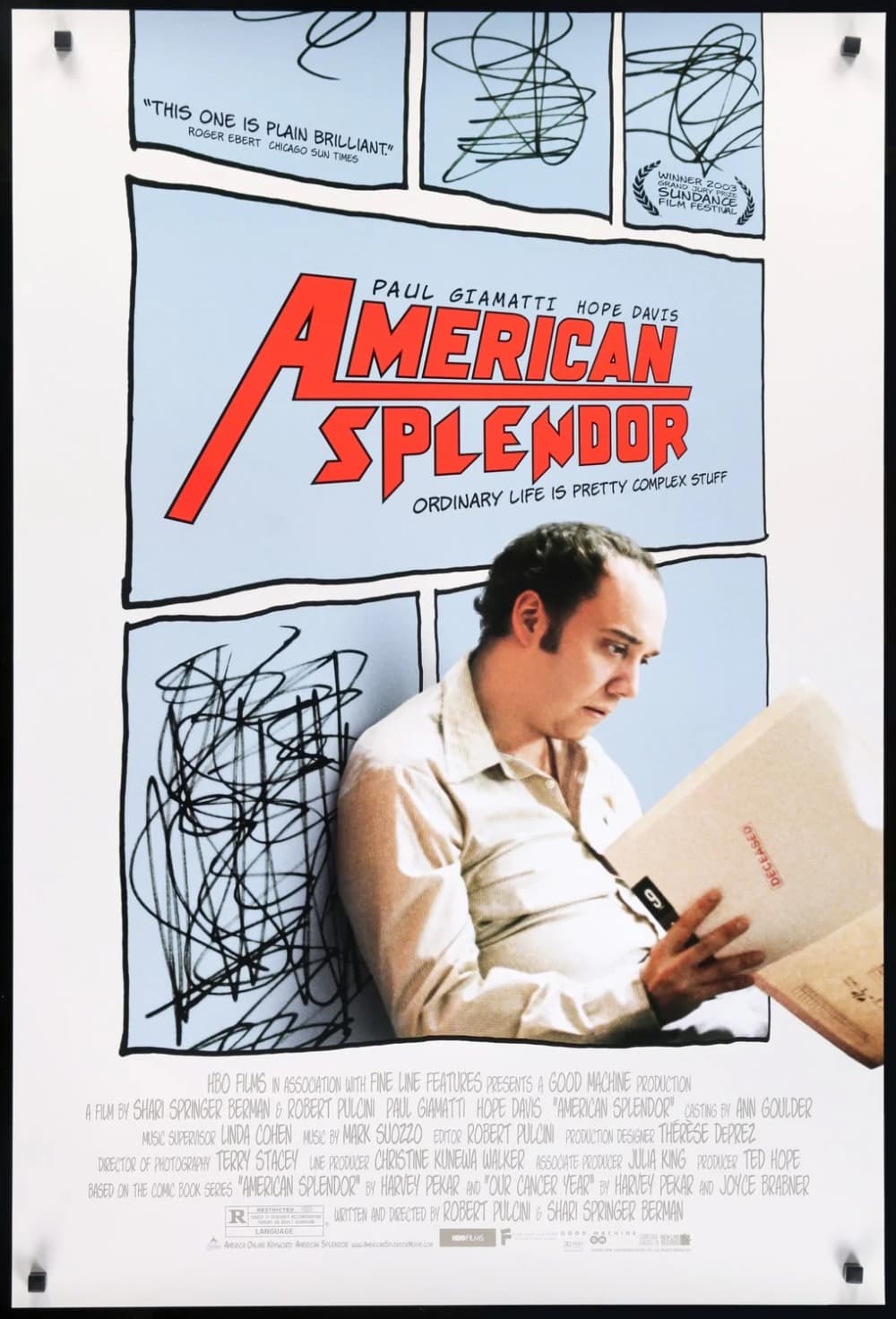
The real Harvey Pekar appears in the film alongside the actor playing him, and they discuss it: a file clerk in Cleveland turned his ordinary life into comics, and stayed a file clerk.
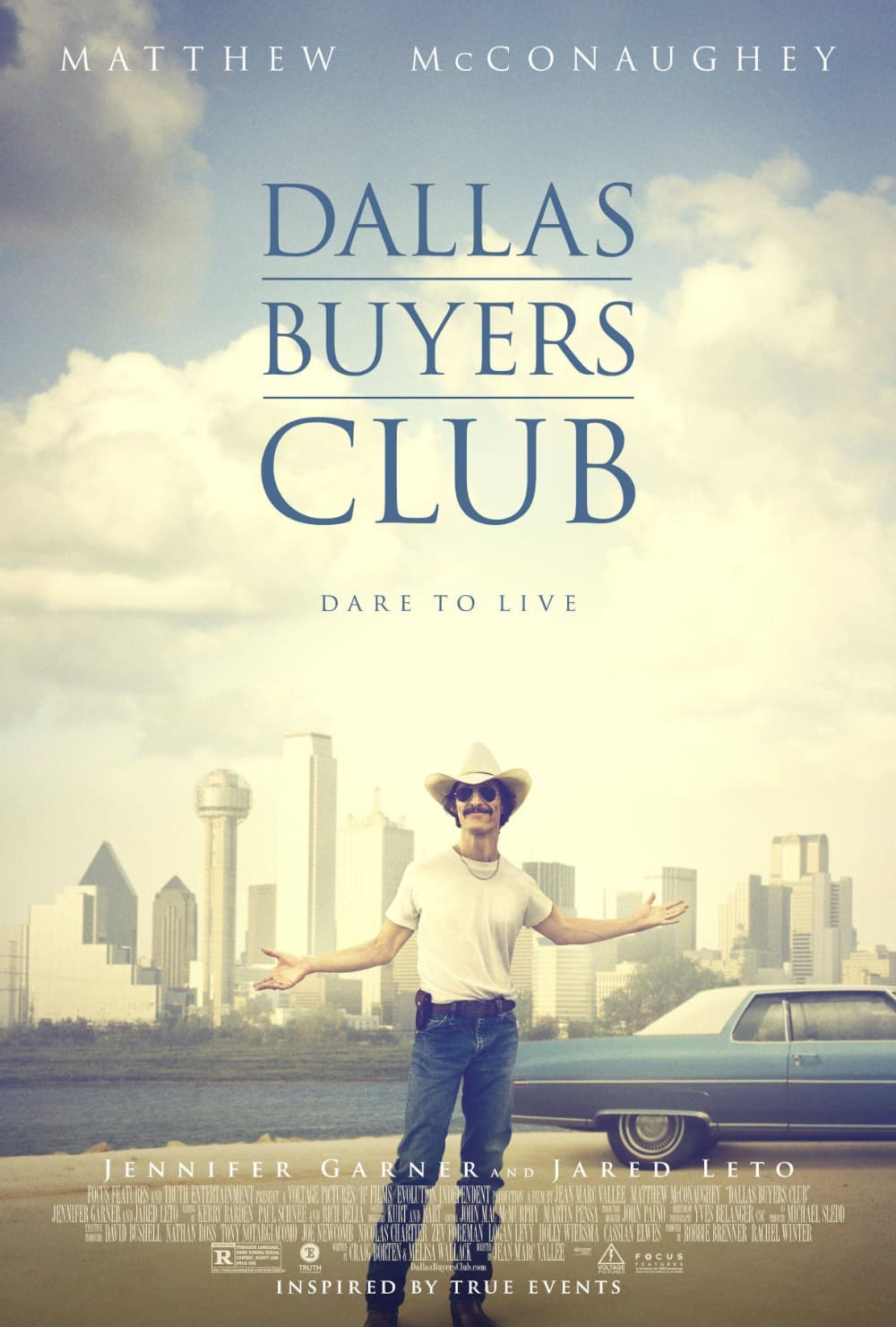
They shot it in twenty-five days for five million dollars and won two acting Oscars: a Texas electrician starts importing unapproved drugs for himself and ends up supplying half the city.
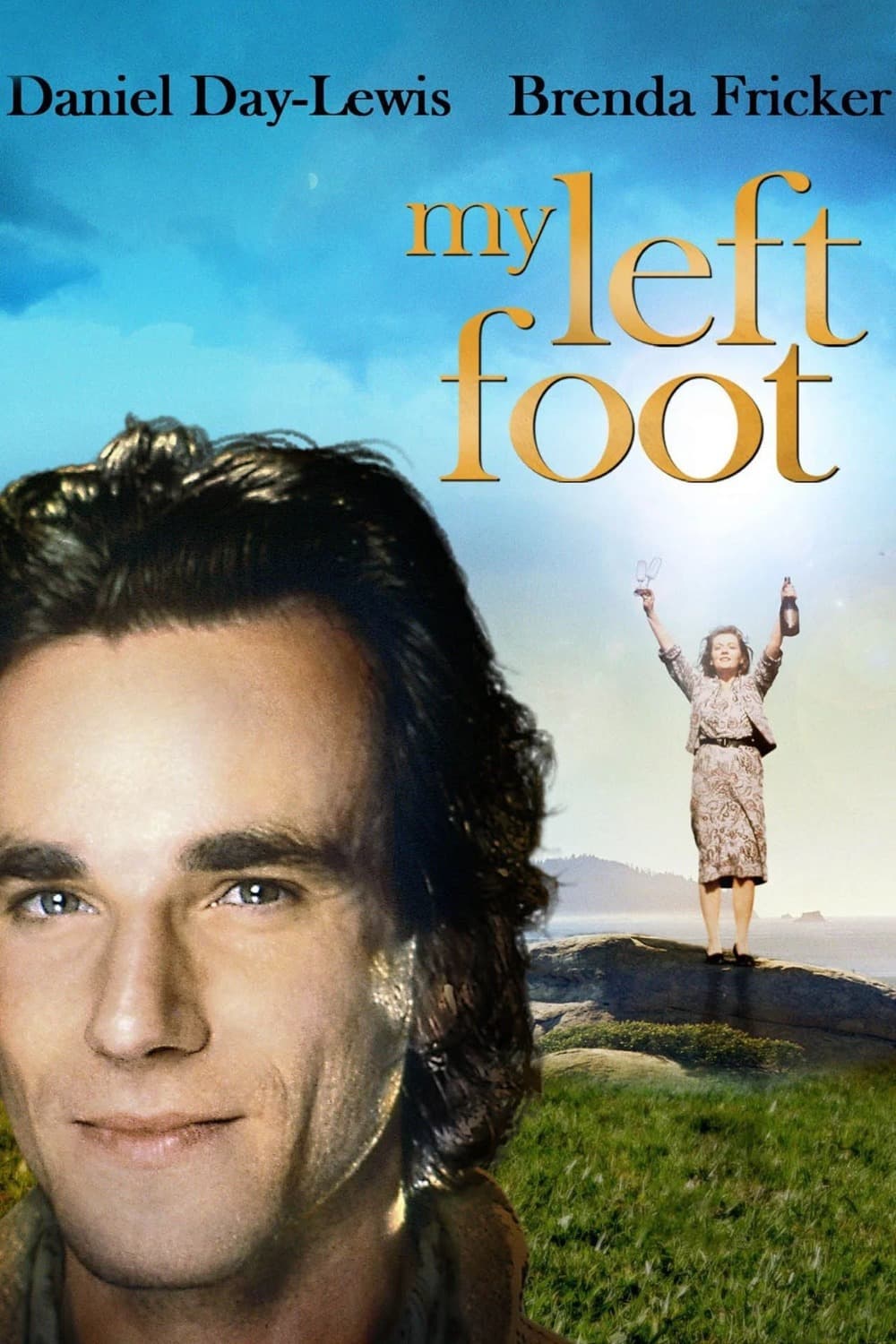
Christy Brown wrote and painted with one foot, and nothing here makes him saintly: Jim Sheridan films a Dublin family that treats him as theirs, loudly and without any ceremony.
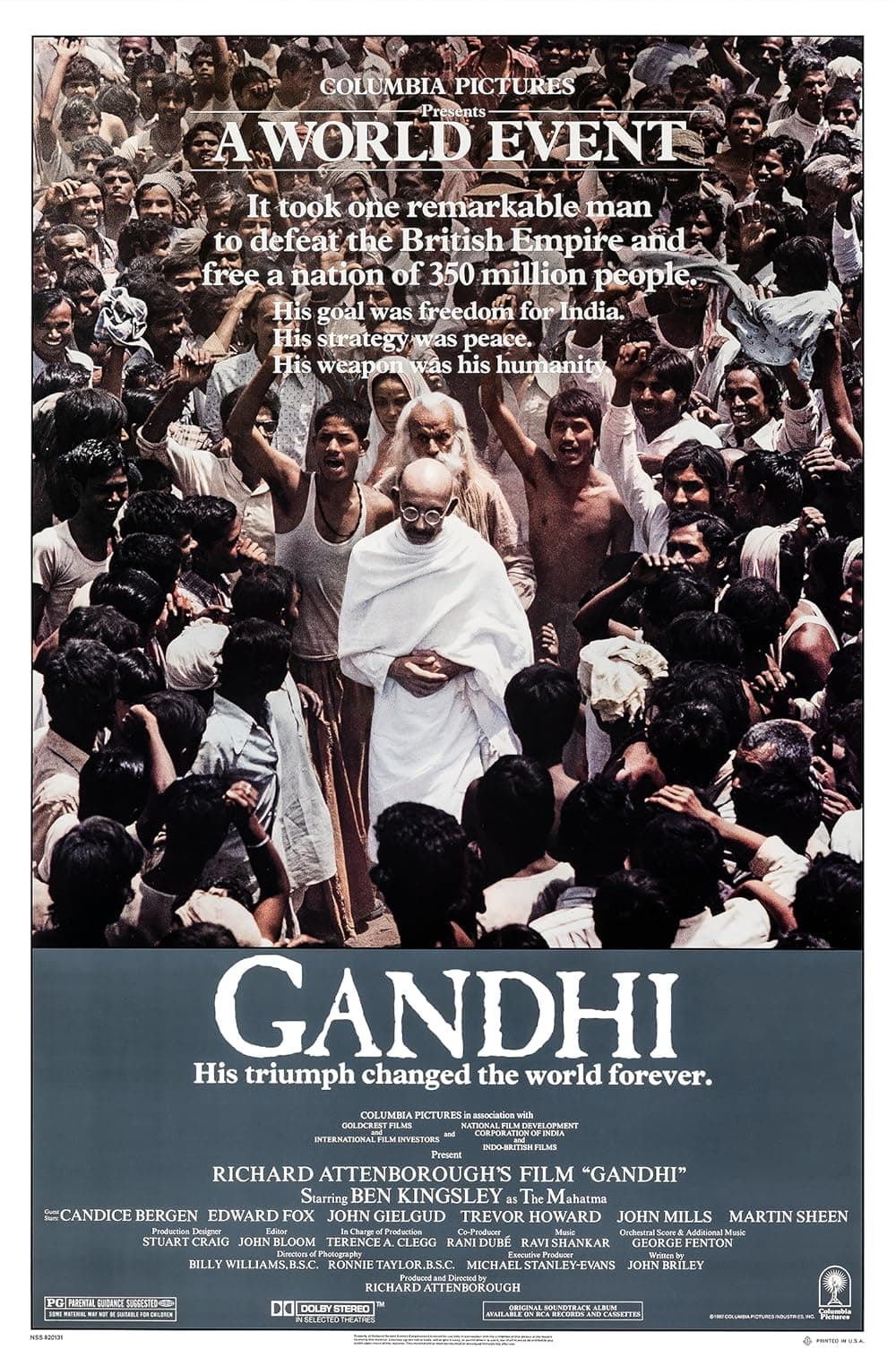
The funeral scene used around three hundred thousand extras, more than any film before or since: Richard Attenborough spent twenty years raising the money, and Ben Kingsley disappears completely.
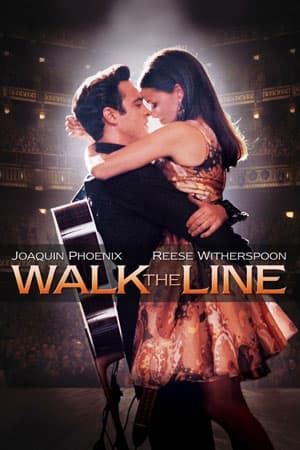
Joaquin Phoenix and Reese Witherspoon sang everything themselves after months of training: Johnny Cash's early years, filmed with the music treated as the argument rather than the soundtrack.
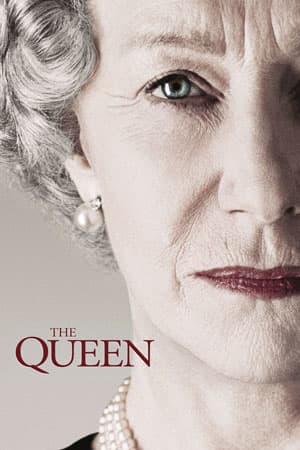
Helen Mirren plays a reigning monarch during the worst week of her reign and makes her sympathetic without softening her: the week after Diana died, reconstructed almost hour by hour.
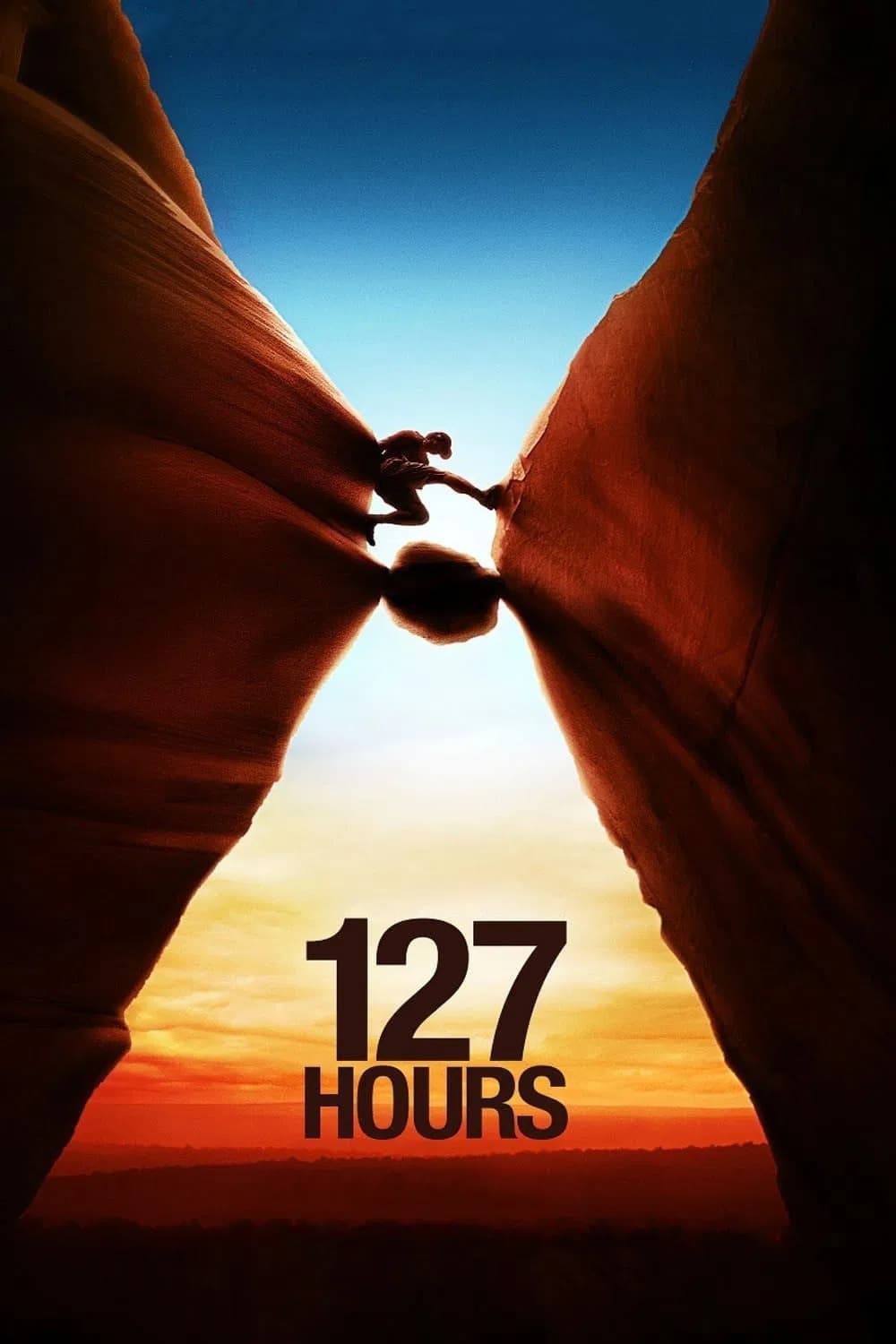
Boyle built a thriller around someone who cannot move: James Franco is pinned by a boulder in a Utah canyon, and the camera keeps finding movement in a space three feet wide.

Daniel Day-Lewis plays a man convicted of a bombing he had nothing to do with: the Guildford Four case, filmed while the wound in Britain was still fresh.
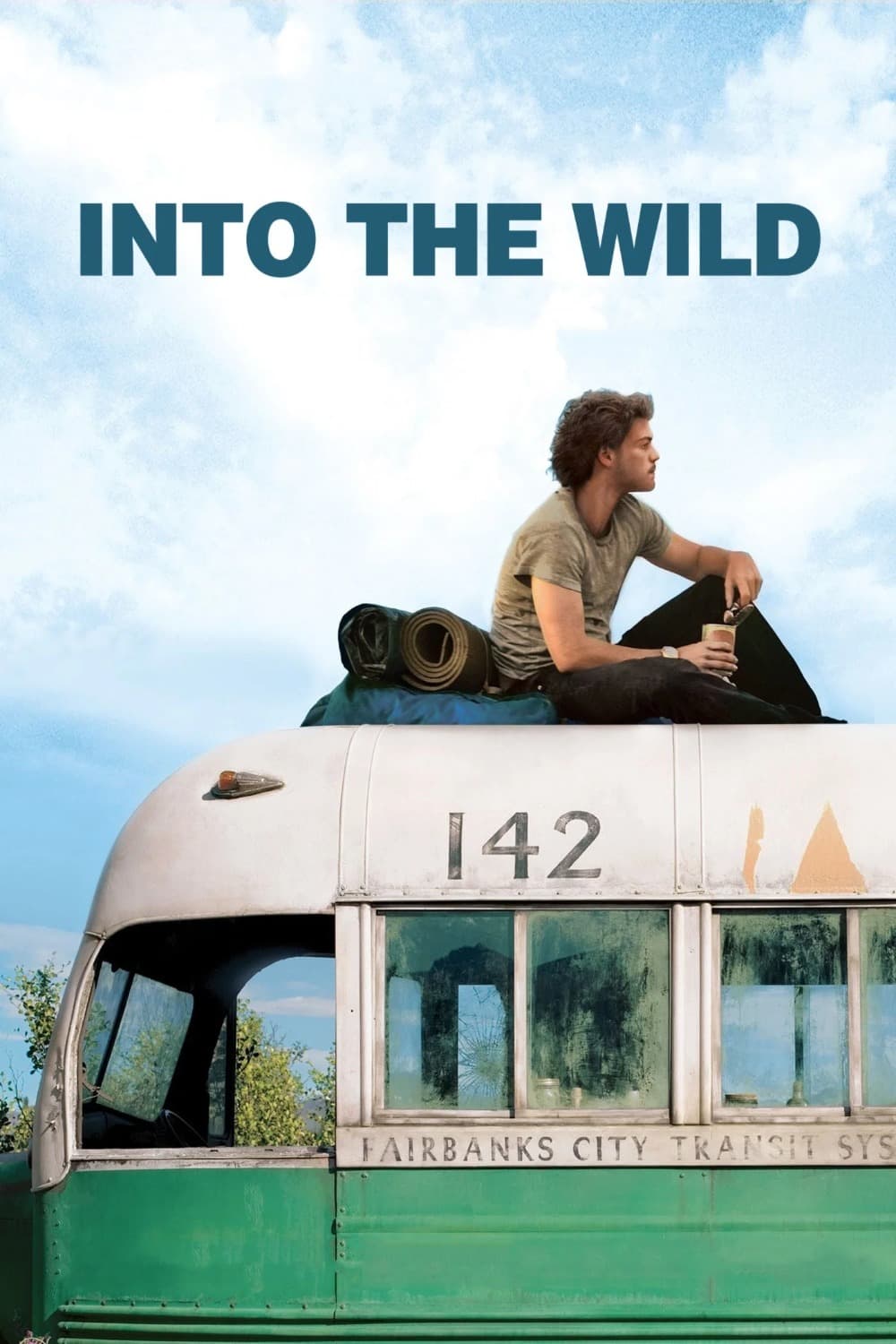
Sean Penn spent ten years persuading the family to let him film this: a graduate burns his savings and walks into the Alaskan interior, and the film neither mocks him nor canonizes him.
The Chinese government let Bertolucci shoot inside the Forbidden City, the first Western production ever allowed in: a child emperor is crowned before thousands and then history keeps rearranging him.

Schnabel put the camera inside a paralyzed man's one working eye and left it there: the memoir it comes from was dictated letter by letter, by blinking, and the film feels weightless anyway.
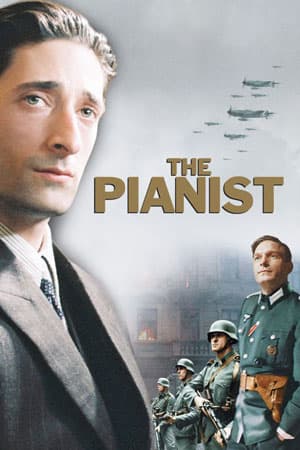
Polanski escaped the Krakow ghetto as a child and waited sixty years to film any of it: a pianist left alone in the ruins of Warsaw, and no heroism anywhere.
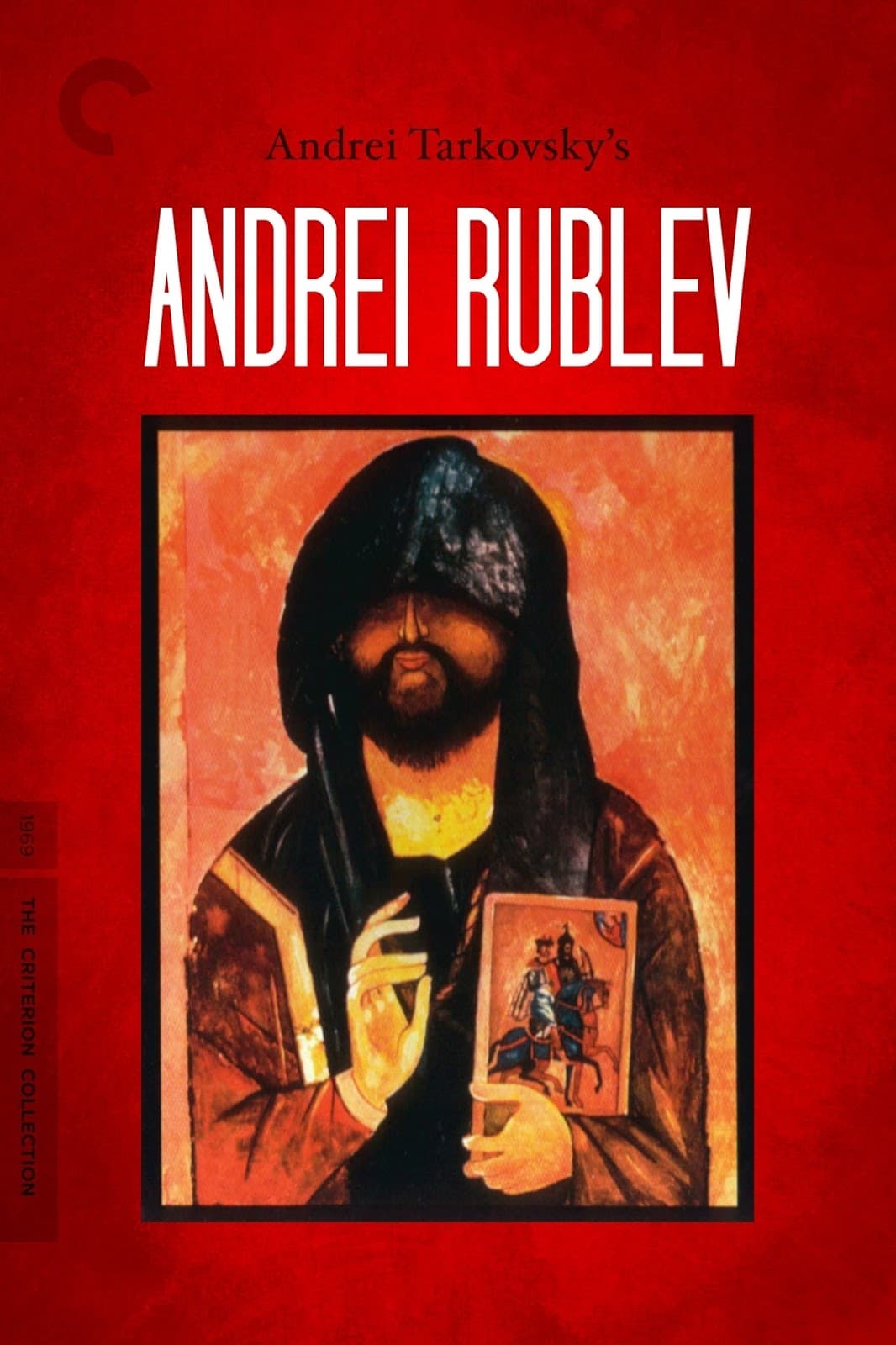
The Soviets shelved it for years and cut it repeatedly: Tarkovsky follows an icon painter through a brutal Russia, and the bell casting sequence justifies the whole three hours.
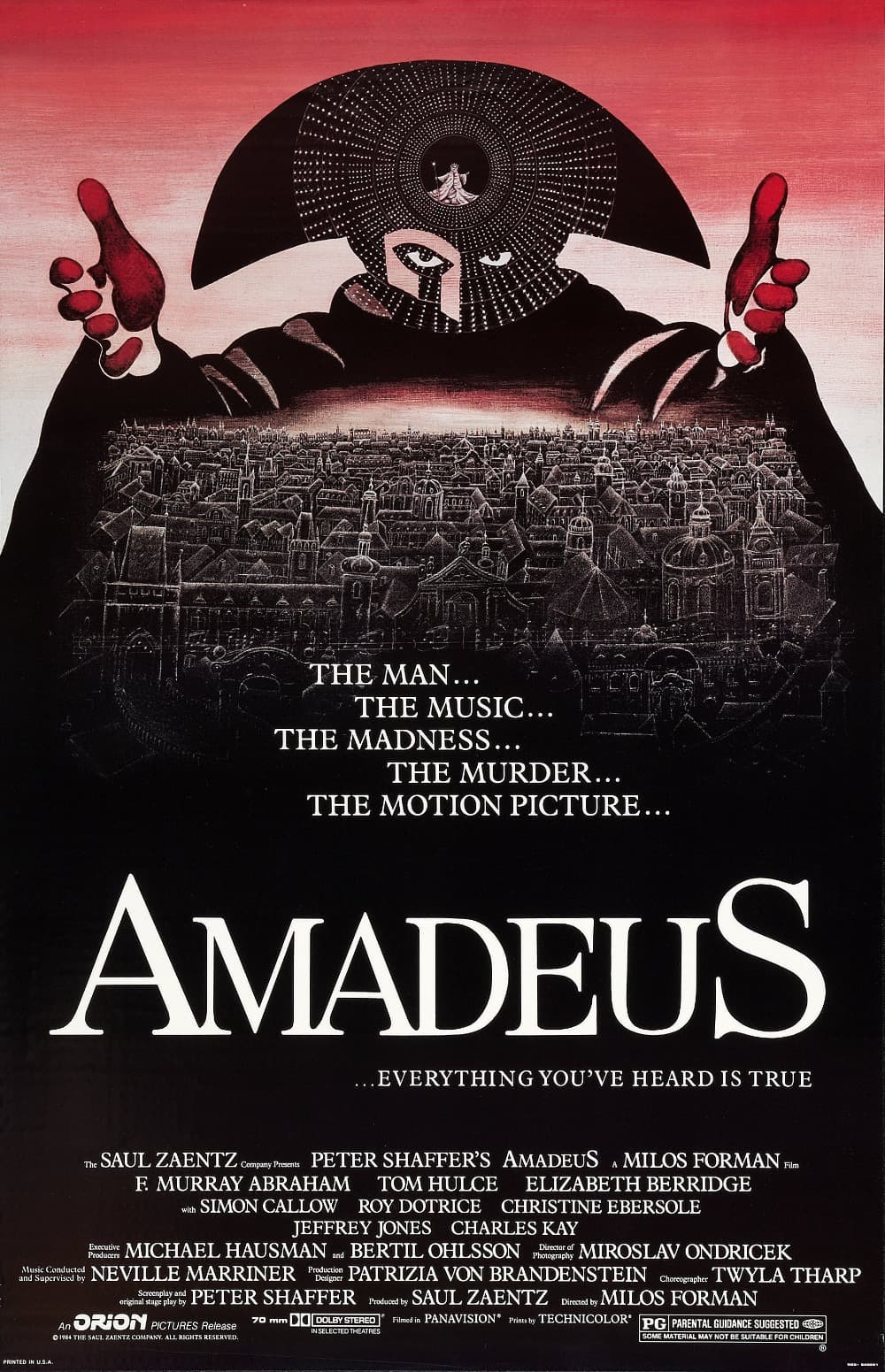
It sent a whole generation out to buy Mozart records: Salieri narrates his own jealousy from an asylum, and the music keeps making his case better than he can.
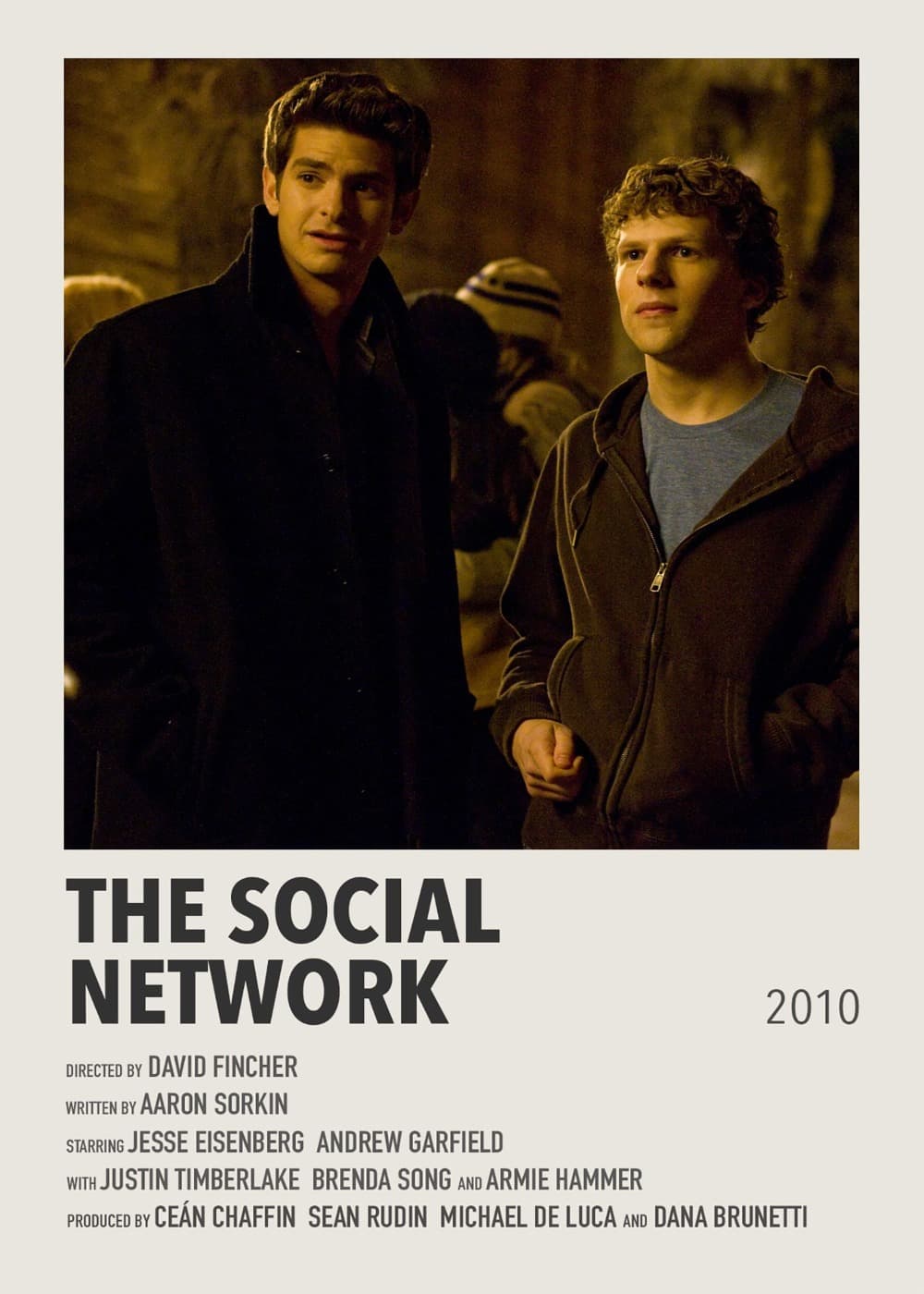
The film that got the internet age right before anyone else did: Sorkin's dialogue moves faster than you can follow, and the loneliness underneath it has only aged better.