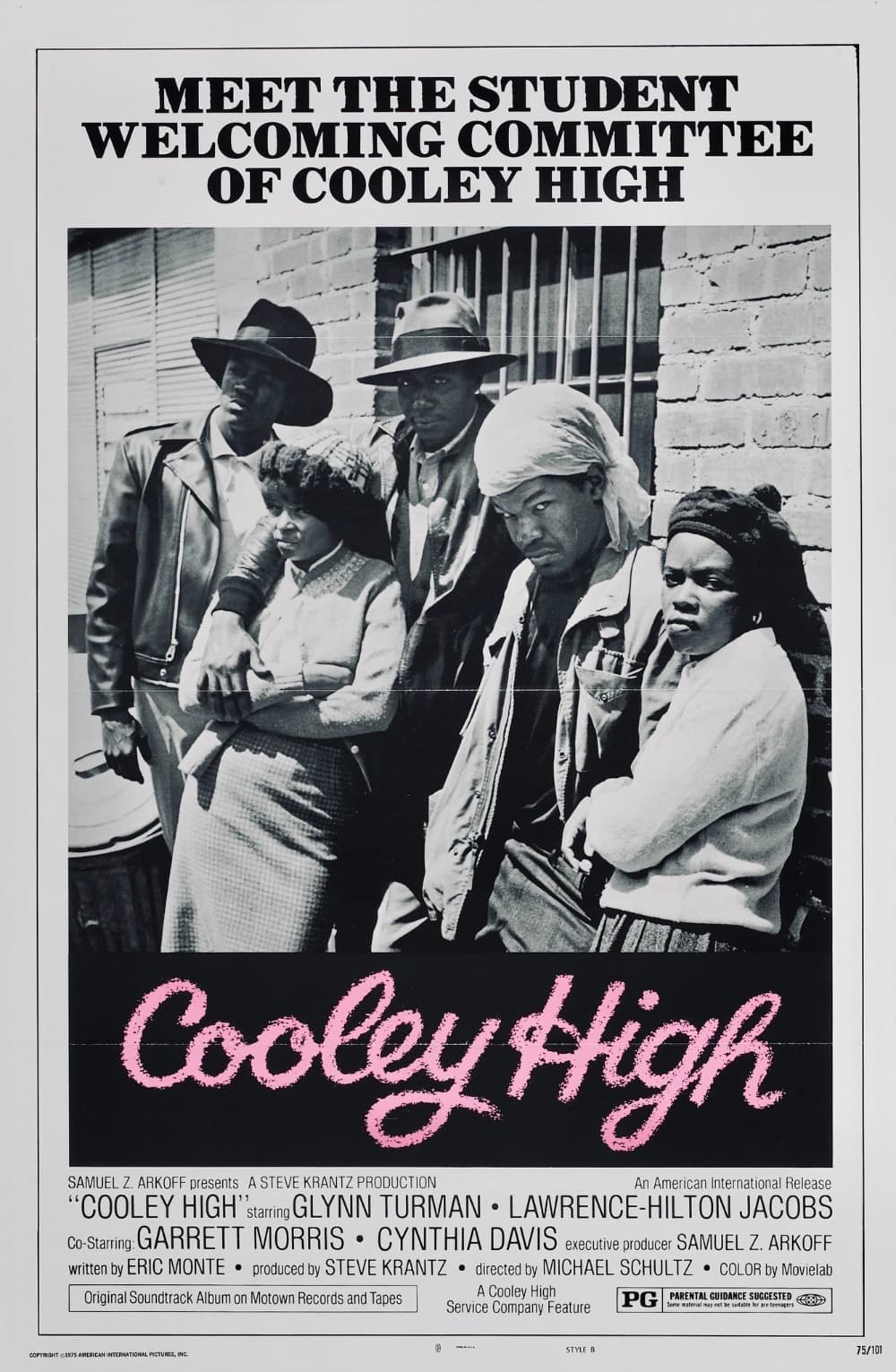
Cooley High
Directed by Michael Schultz
1975
The Black American Graffiti, and better: Chicago teenagers in 1964 with a wall-to-wall Motown soundtrack, and Michael Schultz films a few days of hanging around as if nothing mattered more.
★ 4.1
 skopia
The Black American Graffiti, and better: Chicago teenagers in 1964 with a wall-to-wall Motown soundtrack, and Michael Schultz films a few days of hanging around as if nothing mattered more.
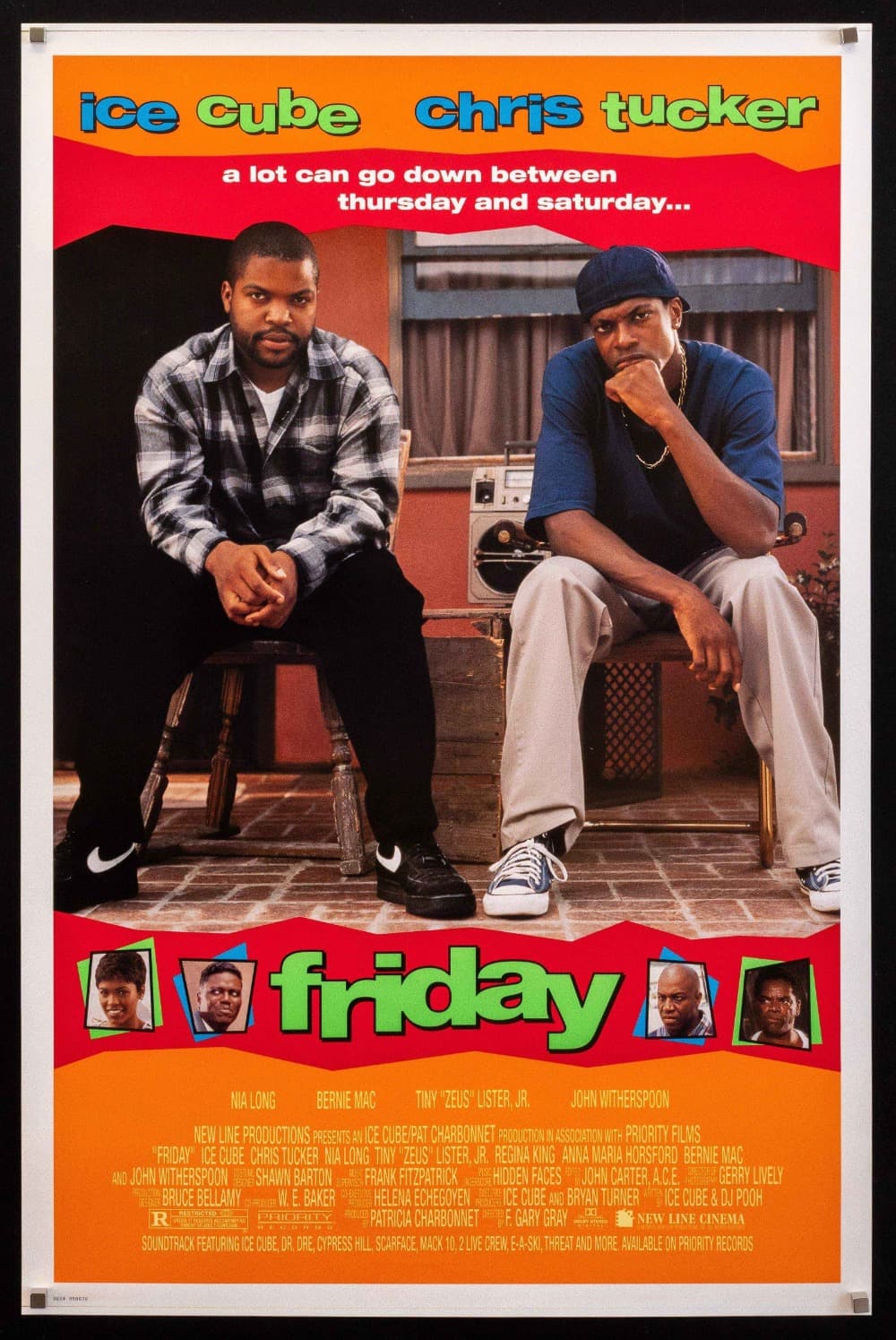
Ice Cube wrote it because he was tired of films that made his neighborhood look like a war zone: one Friday, one porch, and a comedy built out of nothing happening.
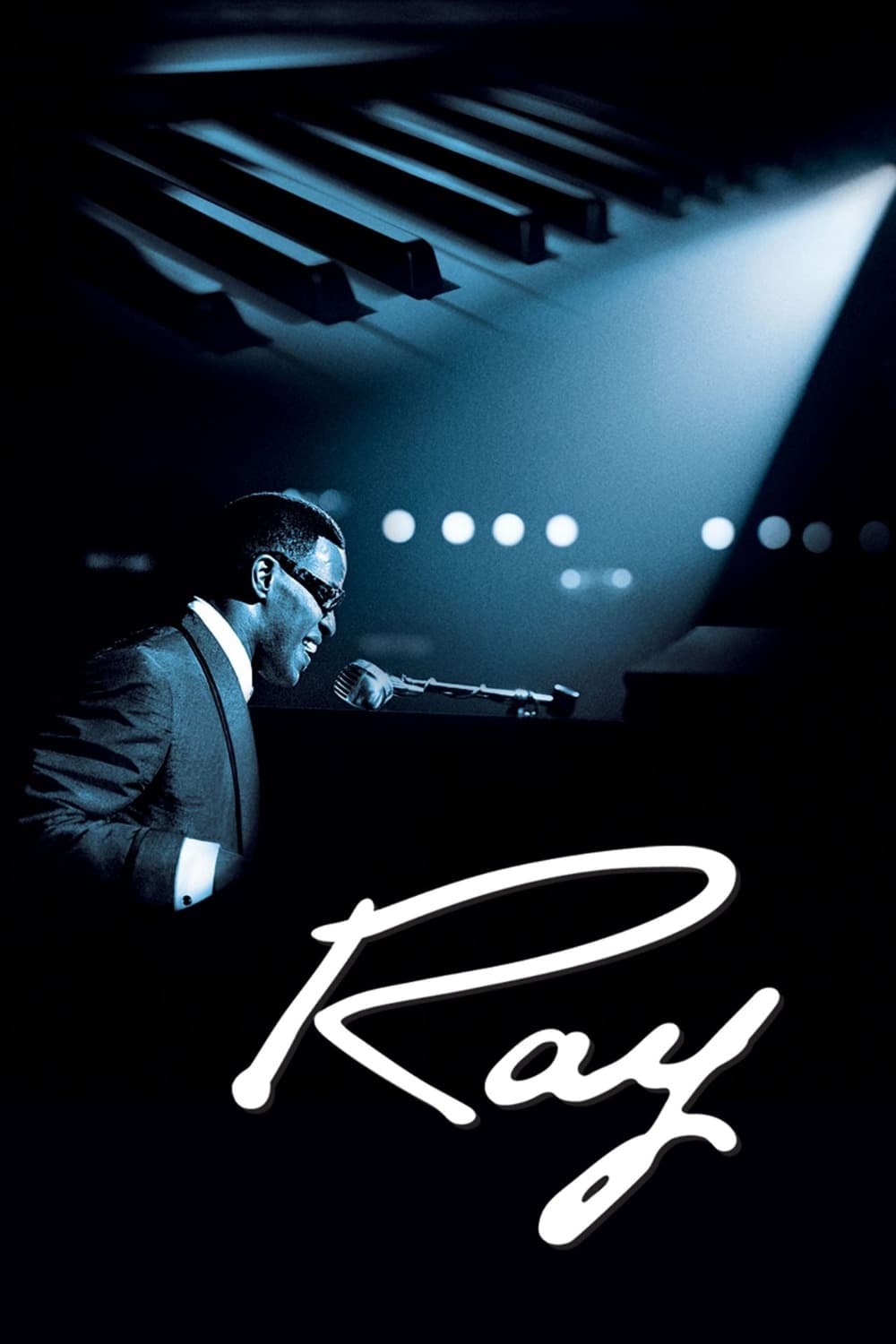
Jamie Foxx wore prosthetics that sealed his eyes shut for up to fourteen hours a day: Ray Charles approved the performance himself, then died months before the film opened.
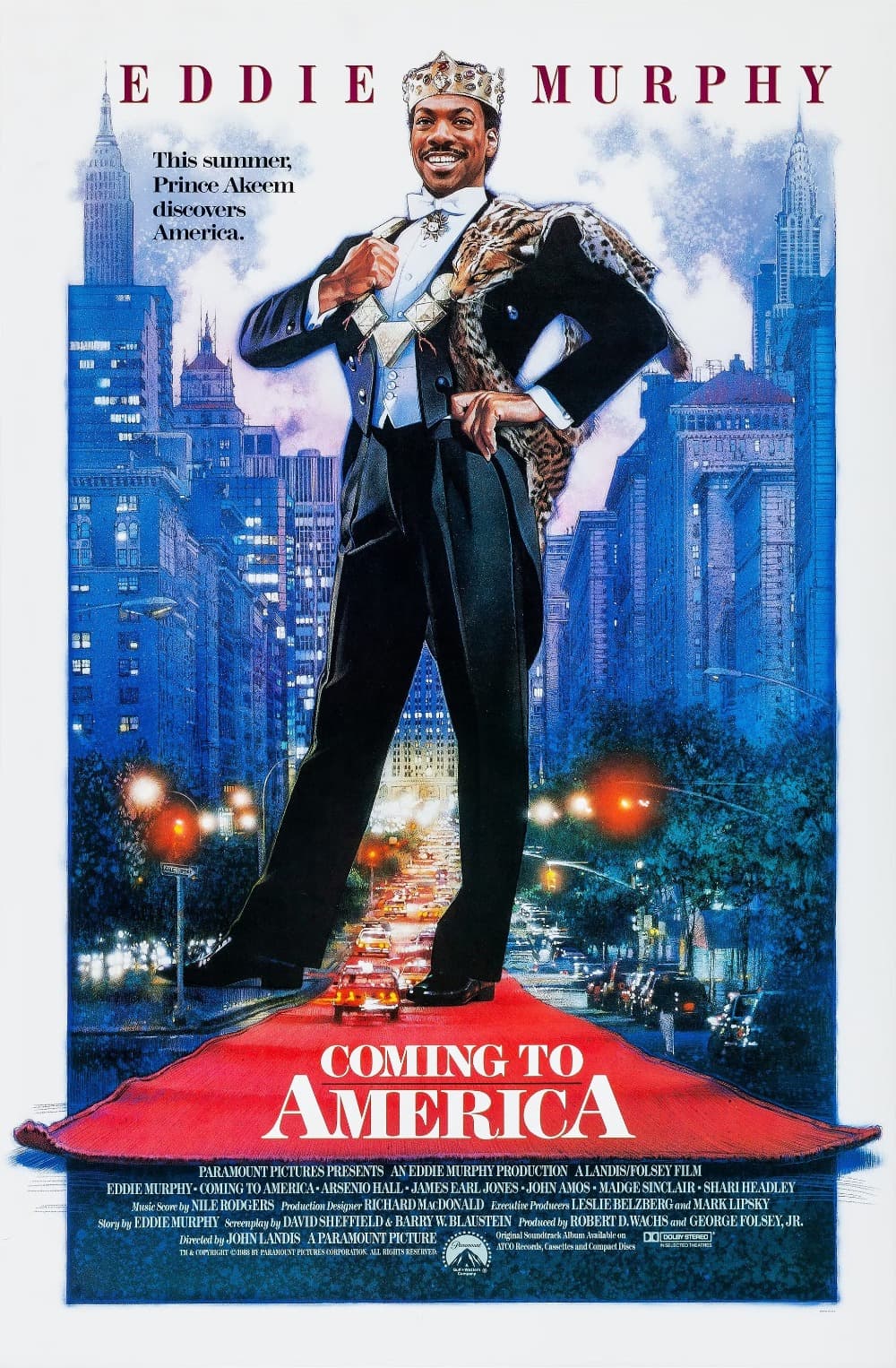
Eddie Murphy and Arsenio Hall play four characters each under Rick Baker's makeup: an African prince goes to Queens specifically to be treated like nobody, and the barbershop scenes steal it.
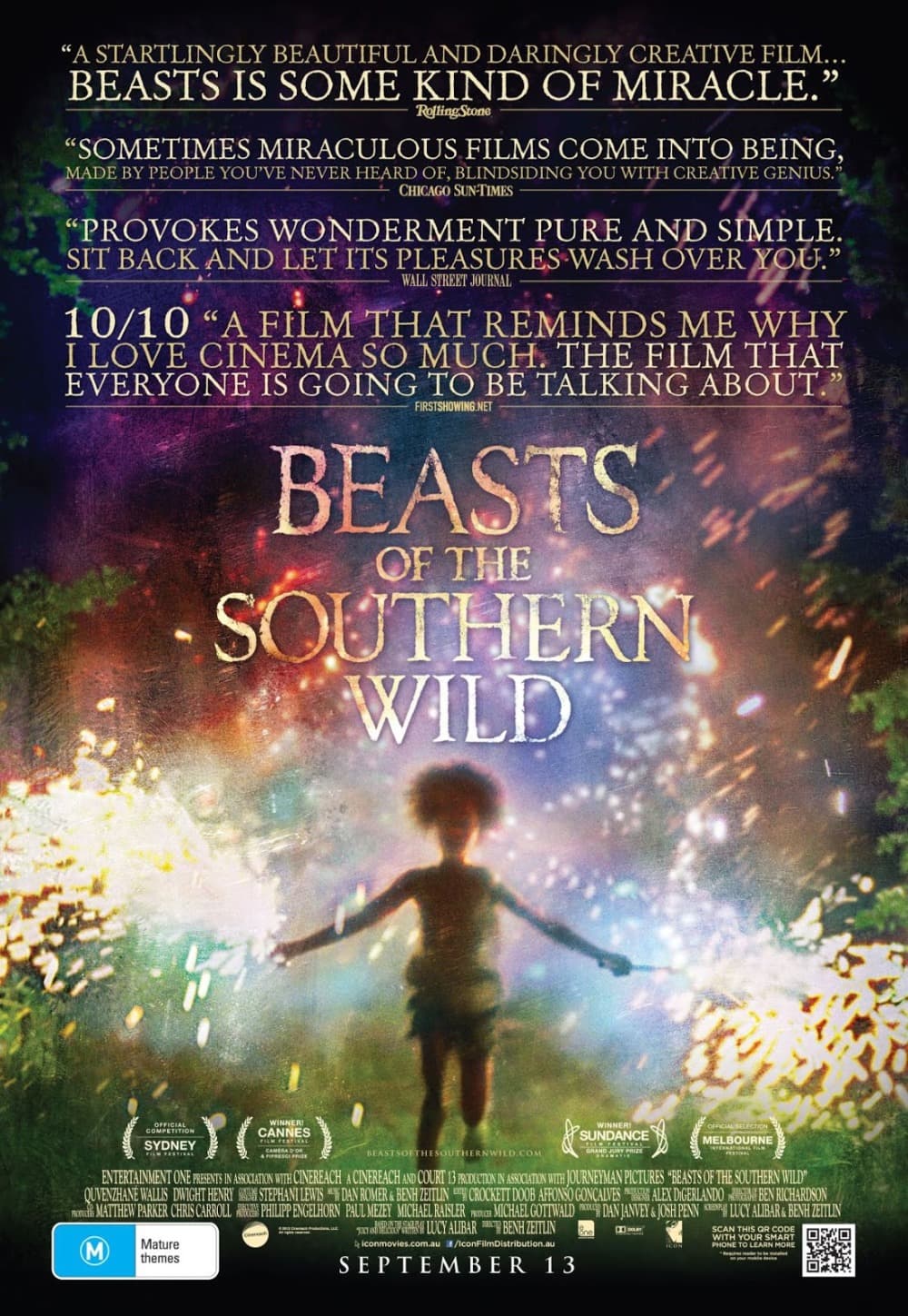
Quvenzhane Wallis was five when she auditioned and became the youngest Best Actress nominee ever: a bayou community below the levee refuses to leave, filmed like a child's own mythology.
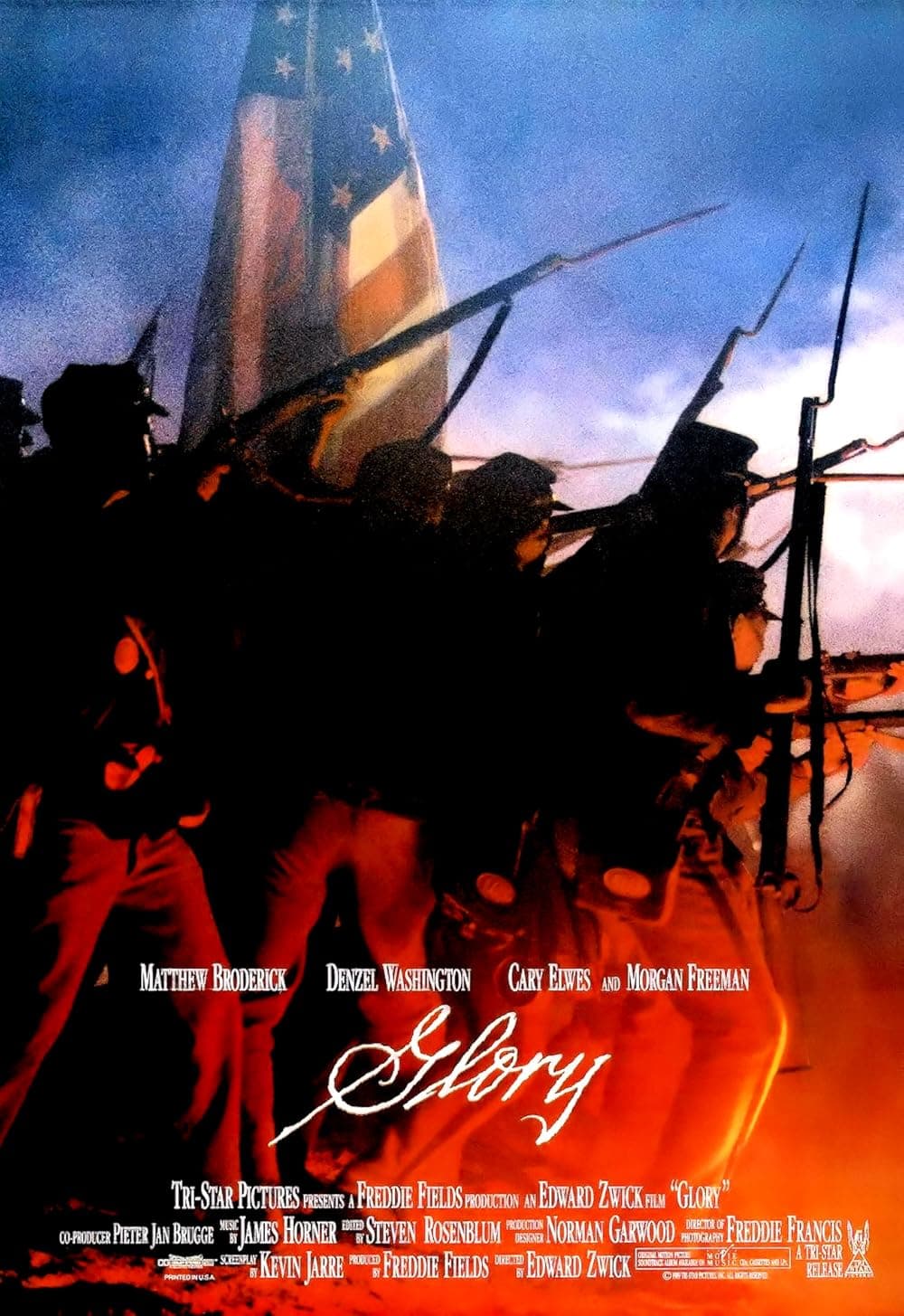
The Civil War film that finally noticed who else was fighting it: the 54th Massachusetts fights for boots, for pay equal to white soldiers, and for permission to be used at all.
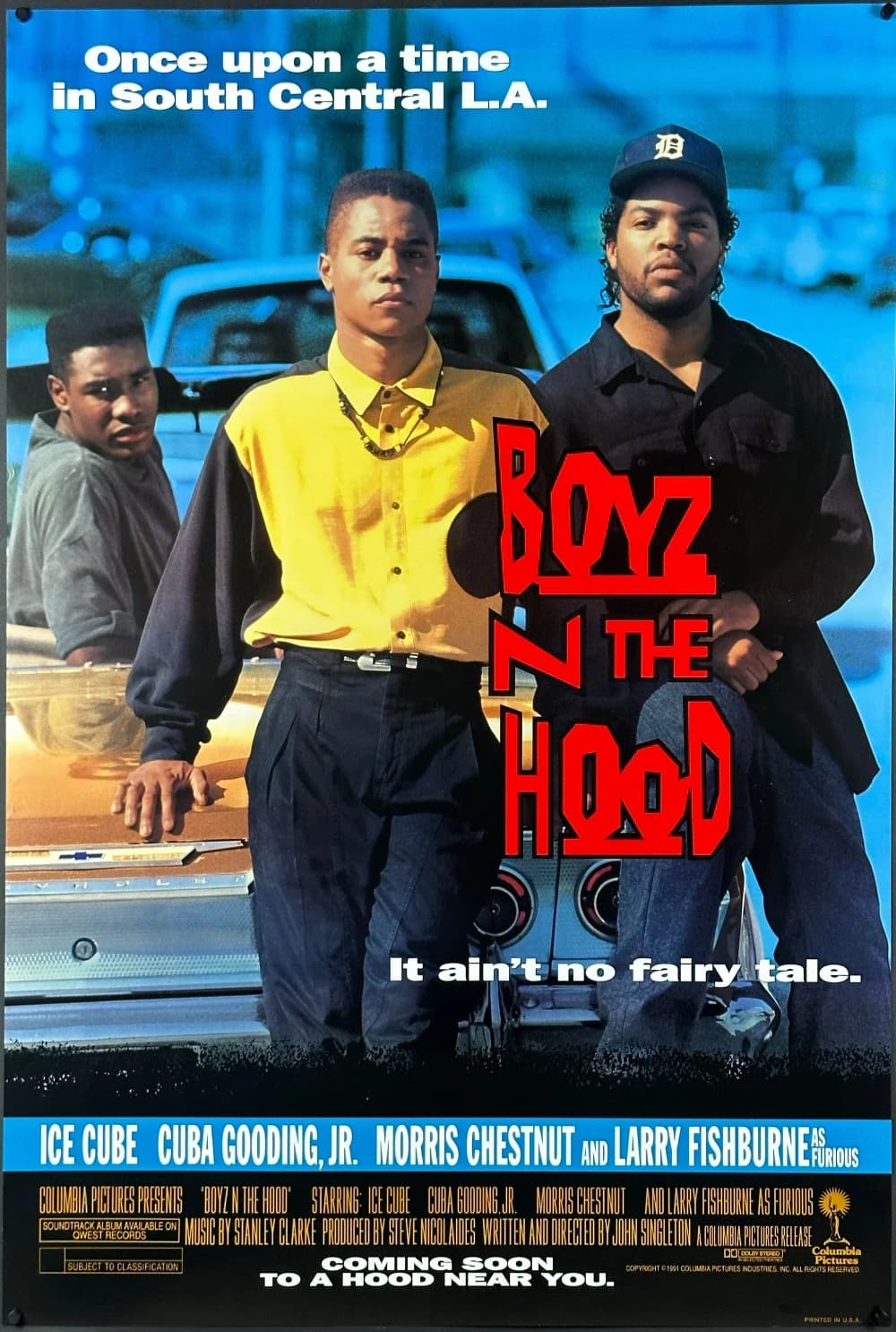
Singleton came straight out of USC film school and filmed the neighborhood he grew up in: South Central rendered as a place where a father raising his son is itself a full-time job.
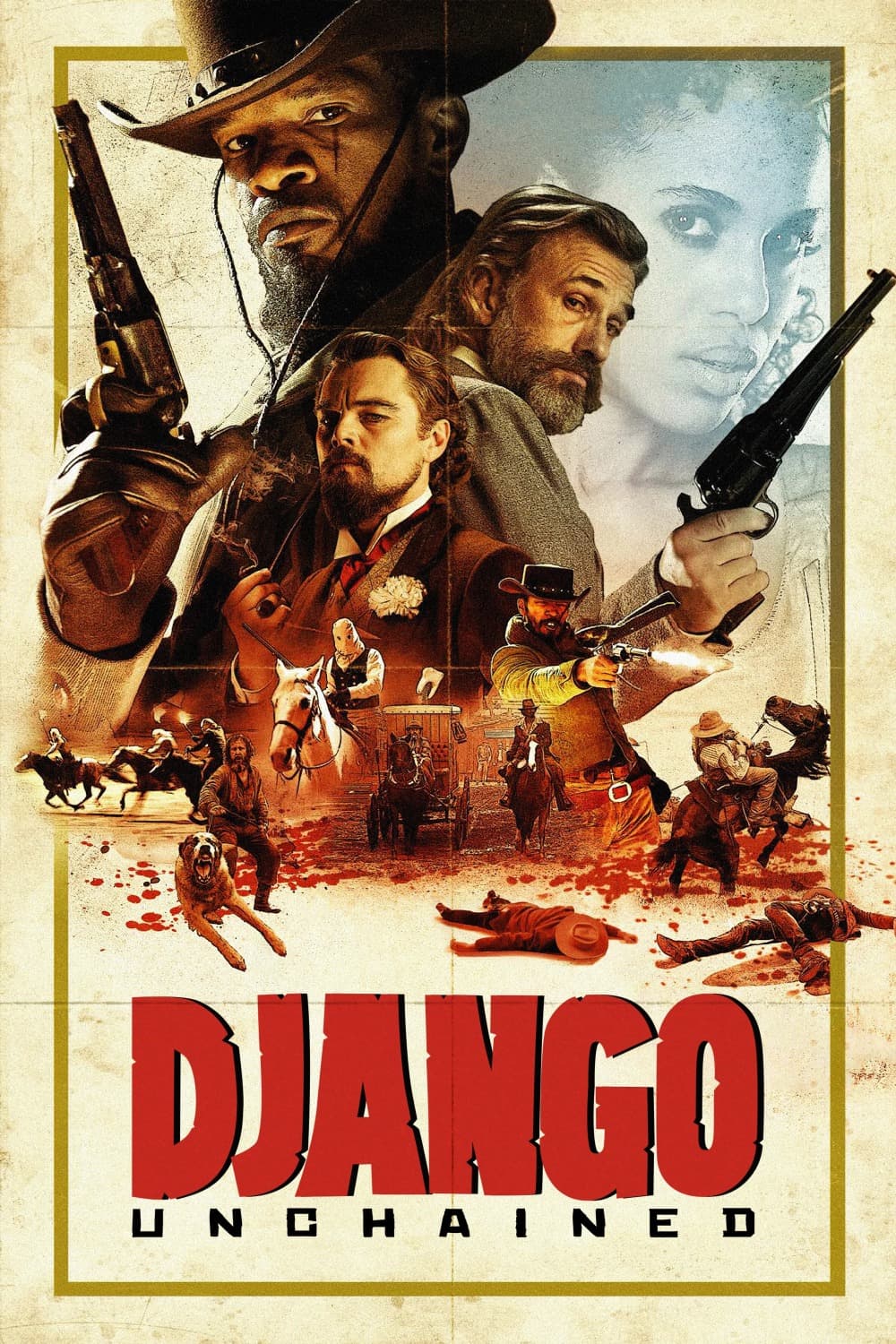
Tarantino turned American slavery into a spaghetti western and got away with it: a freed slave rides with a German bounty hunter, and the dialogue never stops crackling.
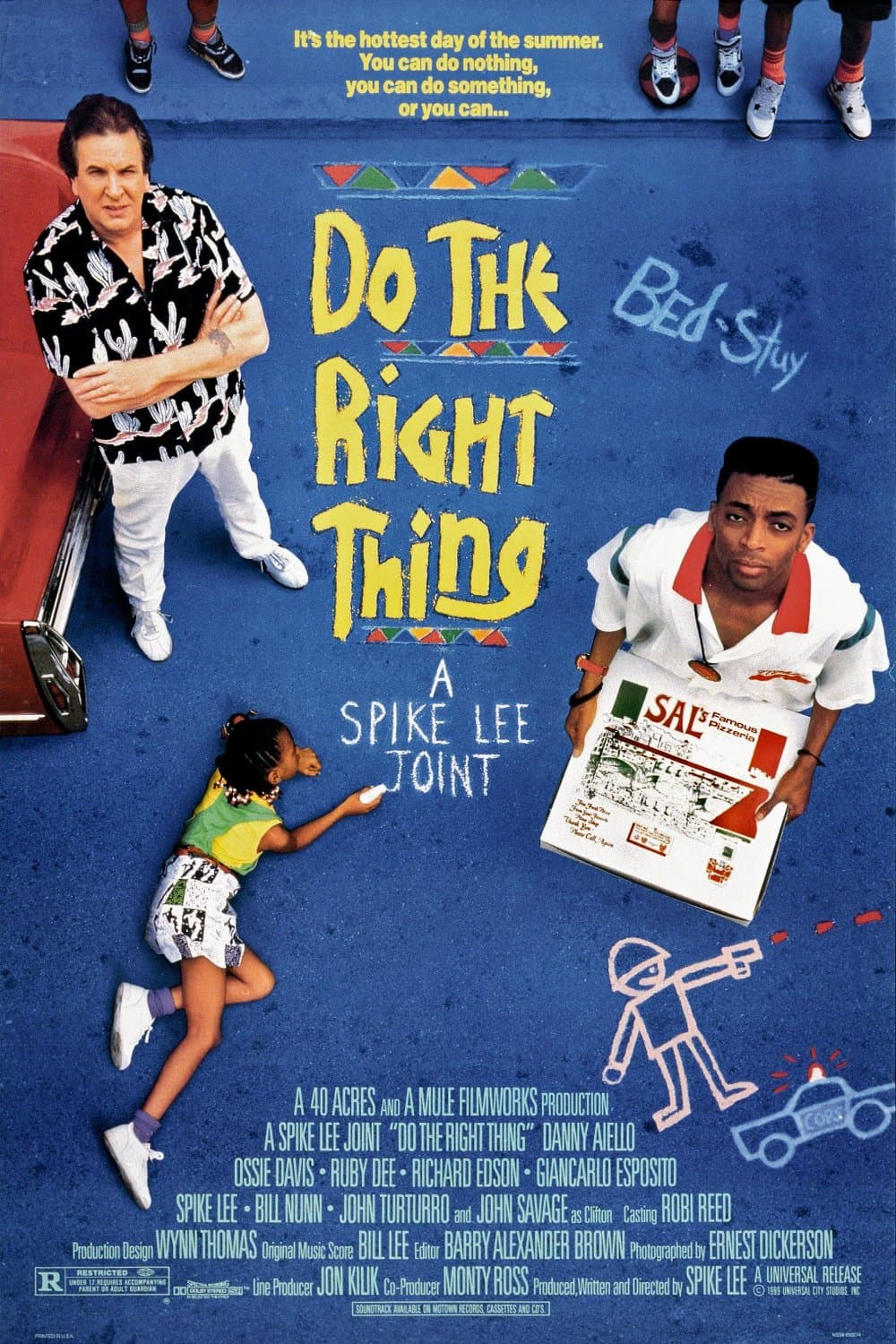
No American film has been braver about refusing to resolve: one Brooklyn block on the hottest day of the year, and Lee will not tell you who was right.
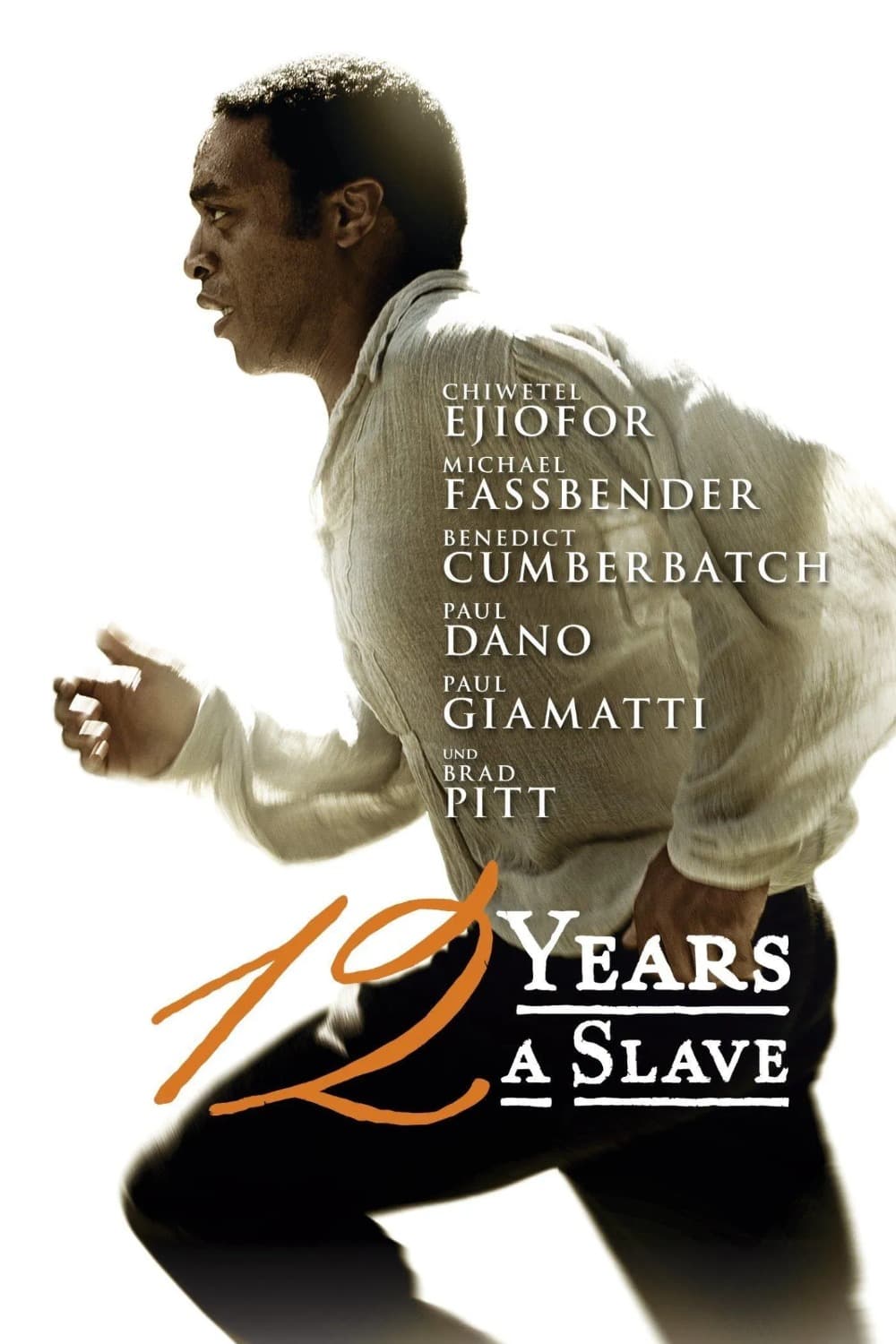
The first Best Picture from a Black director, and the least evasive film ever made about American slavery: McQueen holds shots long past comfort and refuses to look away.