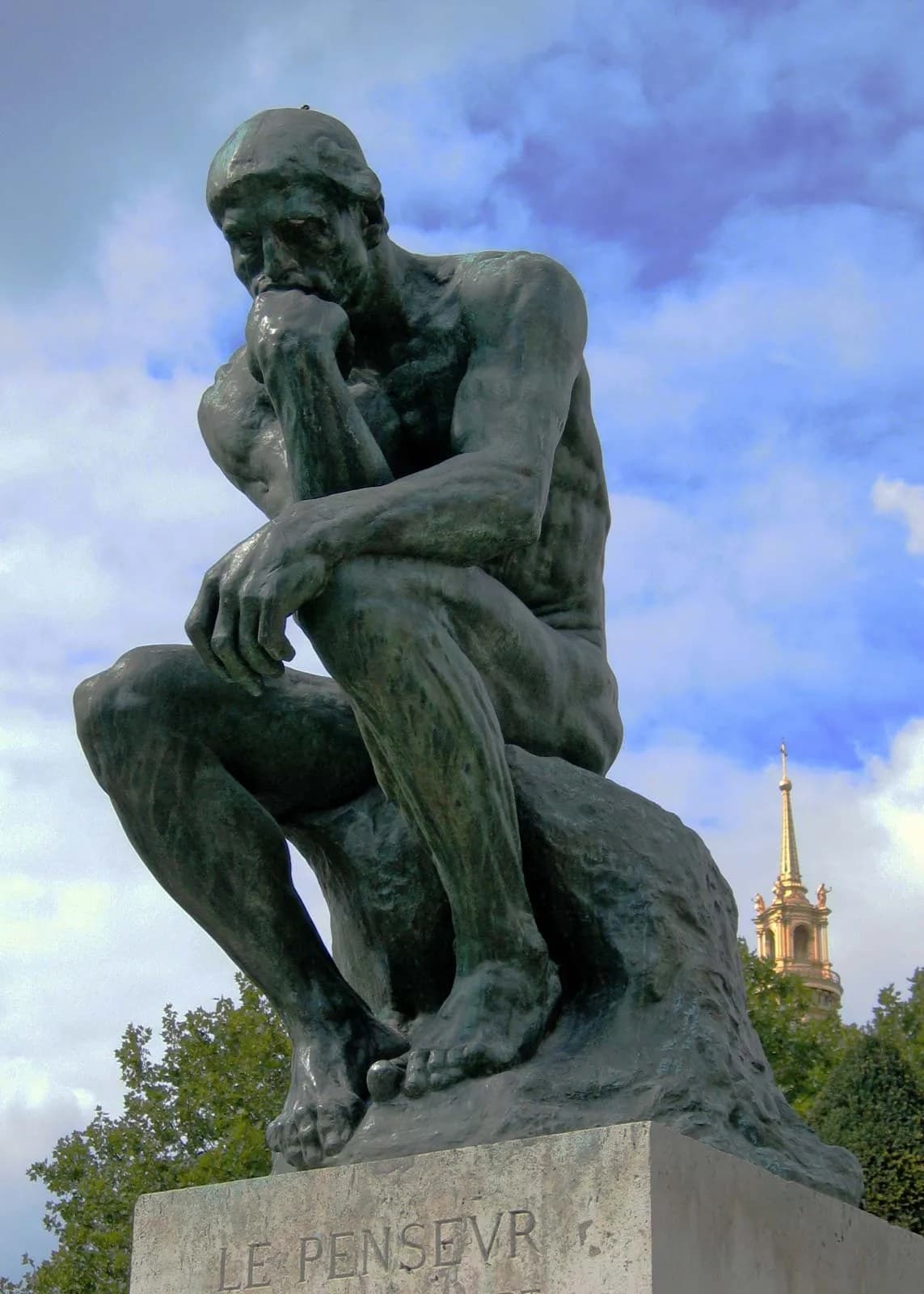
The Thinker
1904 · Musee Rodin, Paris
Rodin first made this figure as Dante brooding over the Gates of Hell, then enlarged him and set him thinking alone on a rock.
★ 9.3
 skopia
Rodin first made this figure as Dante brooding over the Gates of Hell, then enlarged him and set him thinking alone on a rock.

Five nude women stare out with their faces turned into masks, and Picasso kept the canvas rolled up in his studio for years.

Three sisters long for Moscow, a family loses its cherry orchard, and everyone talks around what hurts. Chekhov made the unspoken the real action, and modern theater took its shape from him.
At Yalta a married man meets a woman walking a small dog and cannot shake her. Chekhov judges no one and resolves nothing, and the stories come out quietly devastating.
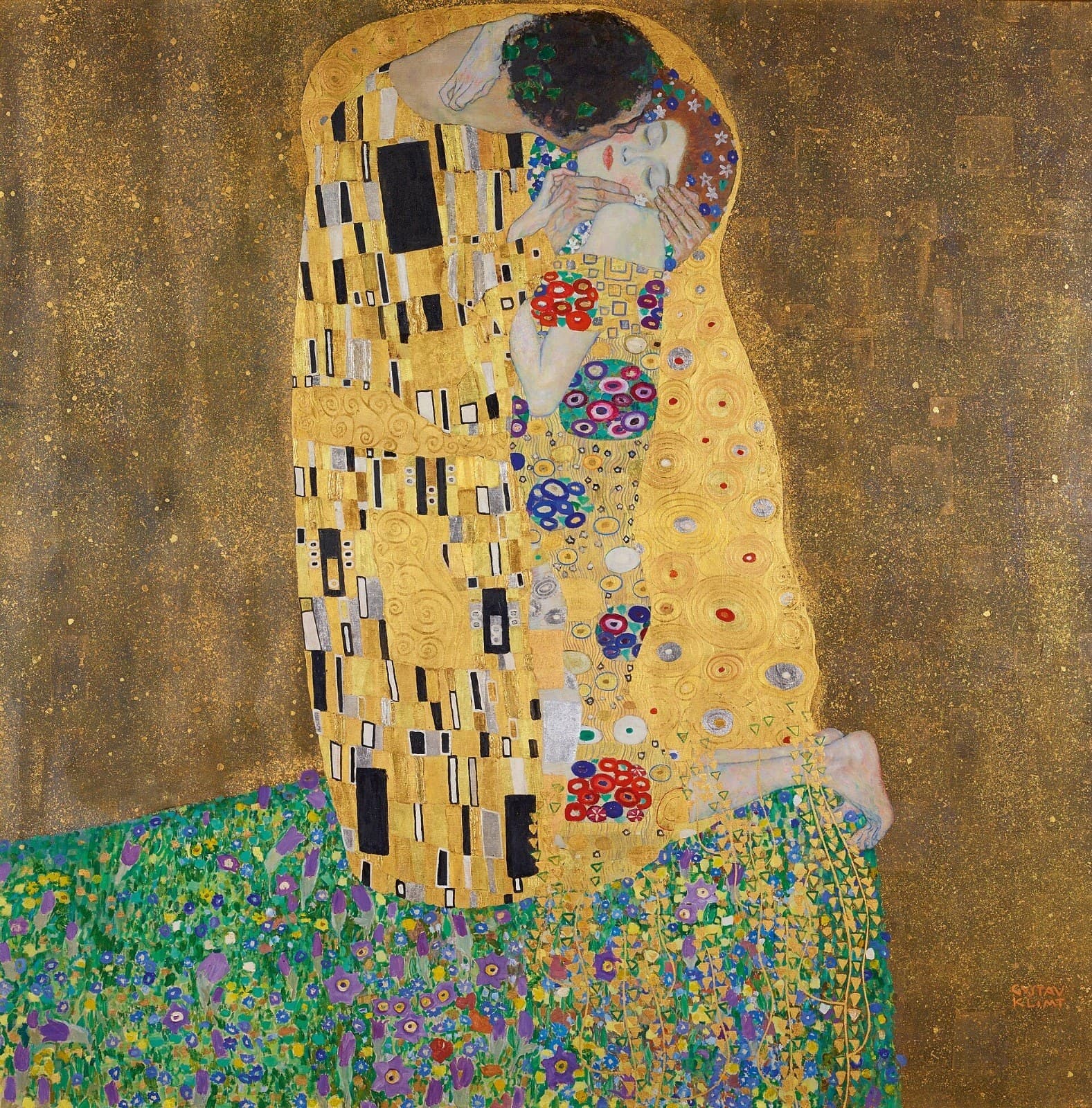
Two lovers kneel wrapped in a single gold robe, rectangles patterning his side of it and circles hers, on a meadow of flowers.
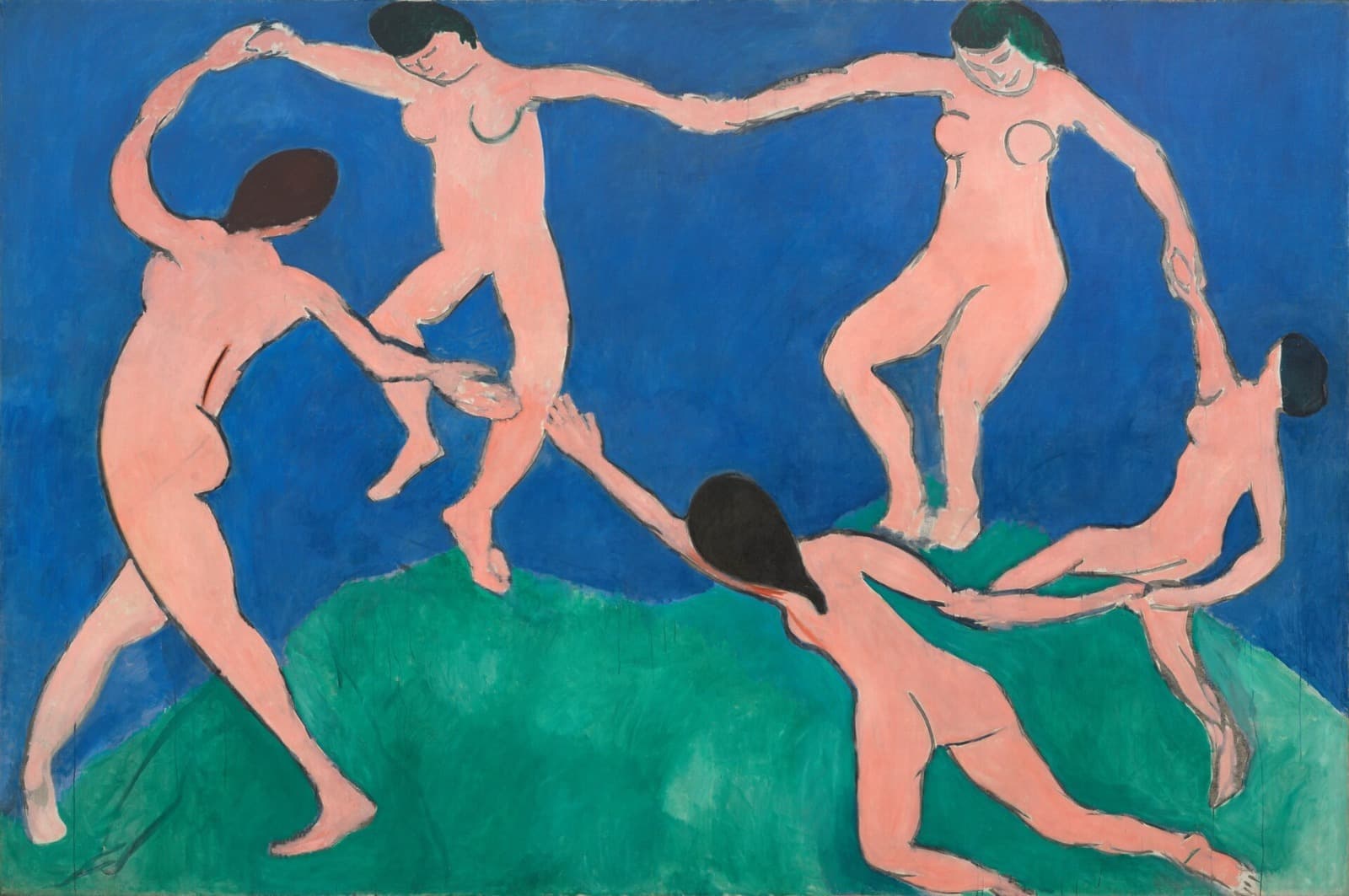
Five figures wheel in a ring against blue and green, reduced to three colors and the strain of holding hands at speed.

Nudes lounge and pipe and dance in a ring in a glade of colors nothing in nature has, a Fauve idyll from 1906.
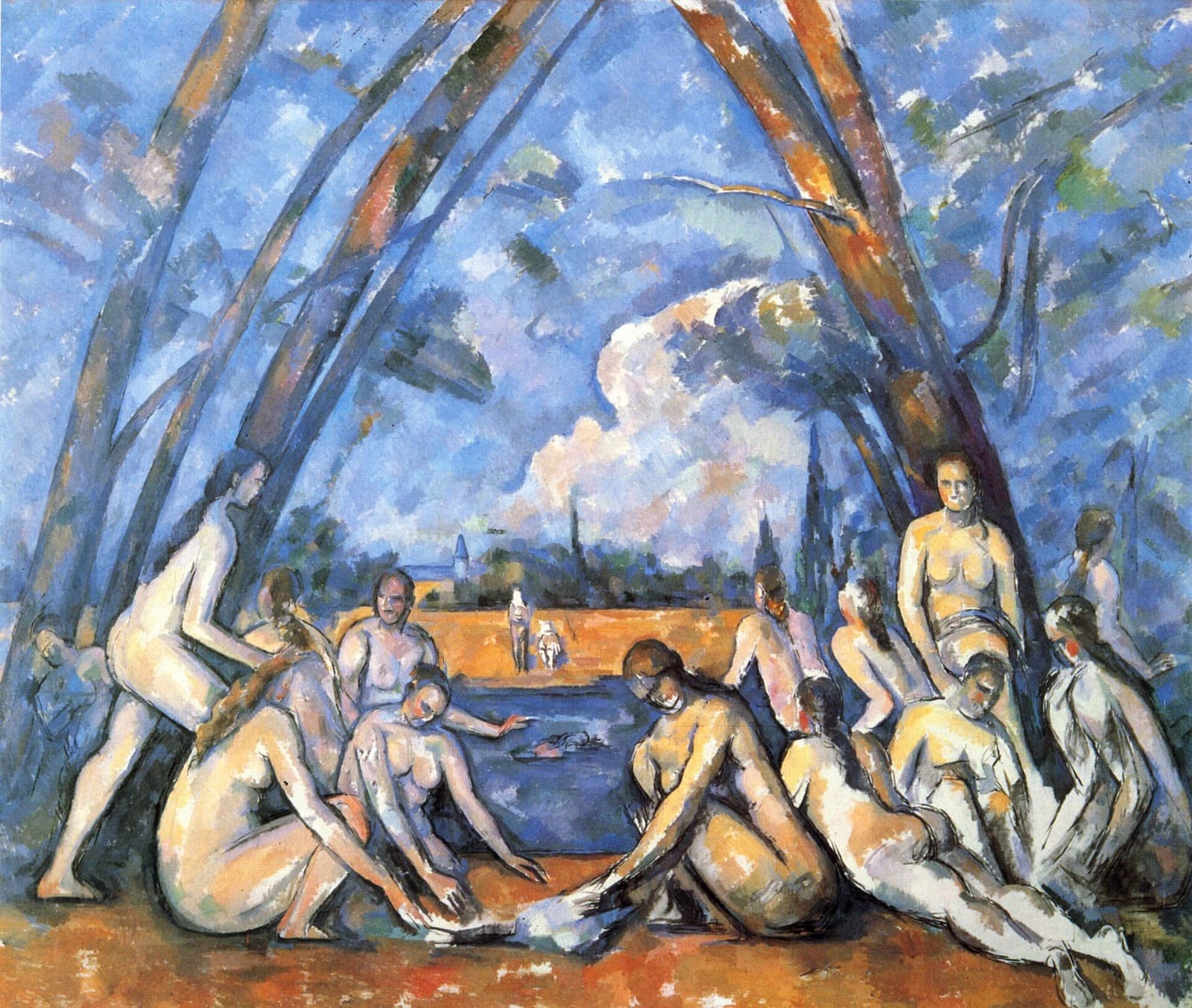
Cézanne worked on it for years and died before he finished, bending the trees inward so they rhyme with the bodies underneath.

Du Bois named the double consciousness of seeing yourself through white eyes and called the color line the problem of the twentieth century. The chapter on his firstborn son's death is unbearable.
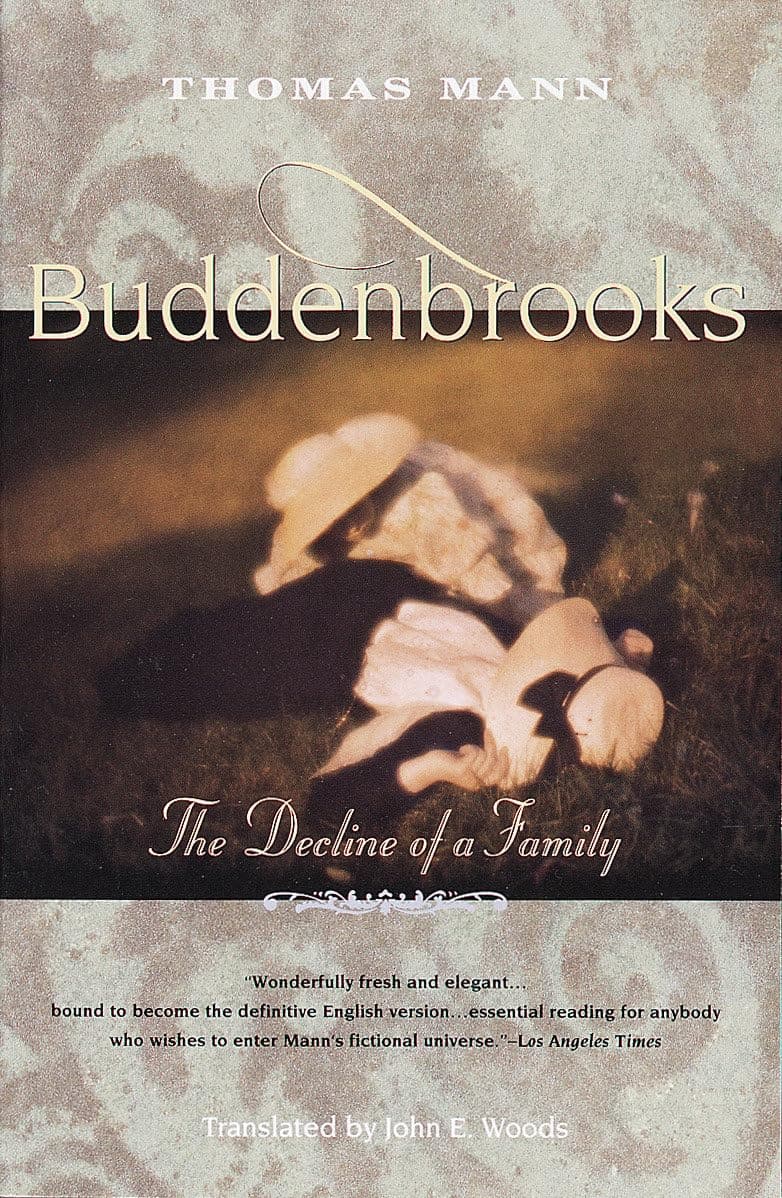
Four generations of a north German grain family run the firm, growing more refined and less fit to survive. Mann counts every dinner and funeral until the decline turns personal.

Only the face and hands are painted naturally and the rest is gold. The Nazis seized it, and a long restitution case eventually got it back.

A critic looked at this and called Matisse and his friends fauves, wild beasts, which is how the movement got its name.
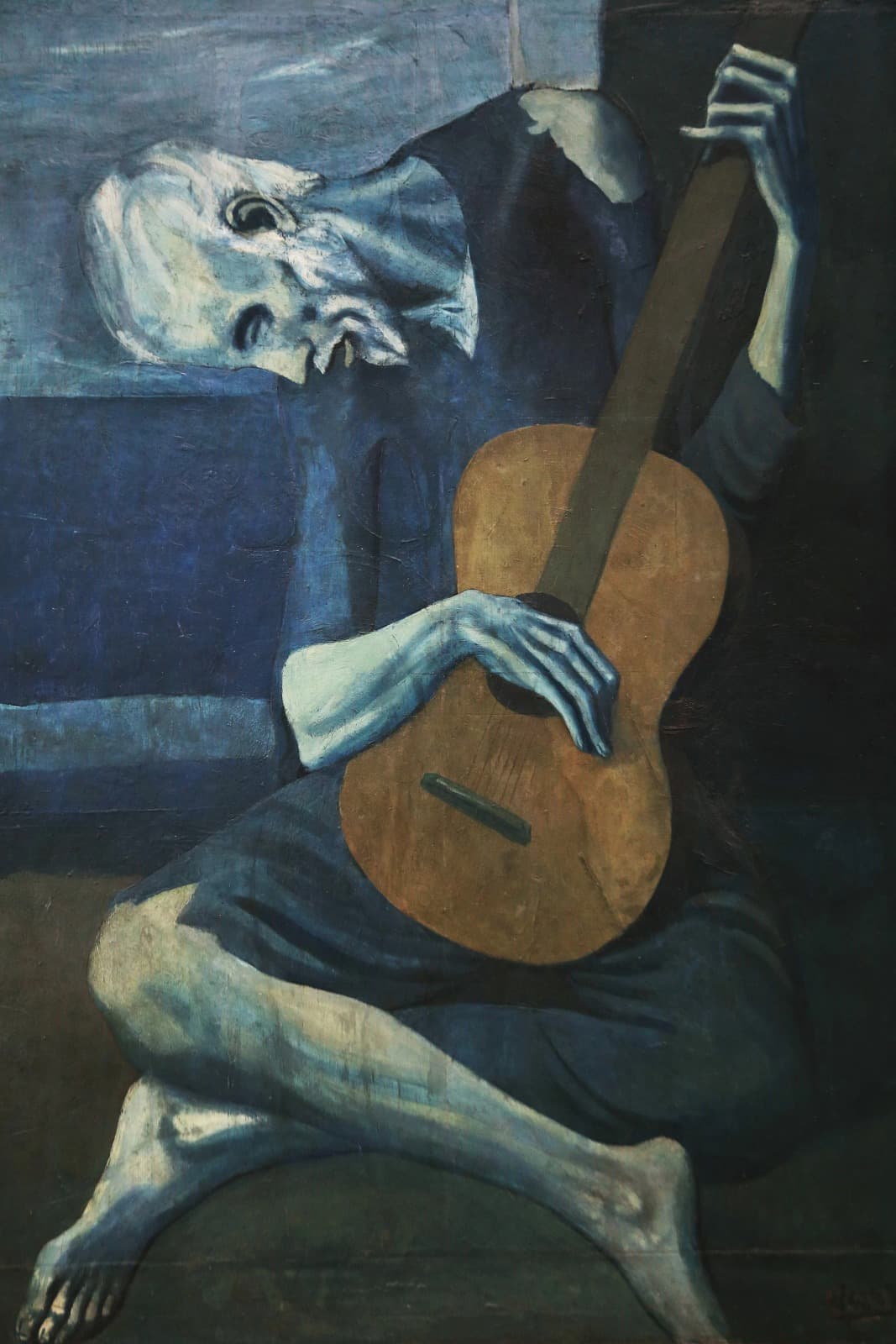
The guitar is the only warm note in the picture. Picasso painted it in his Blue Period, poor himself and living on very little.
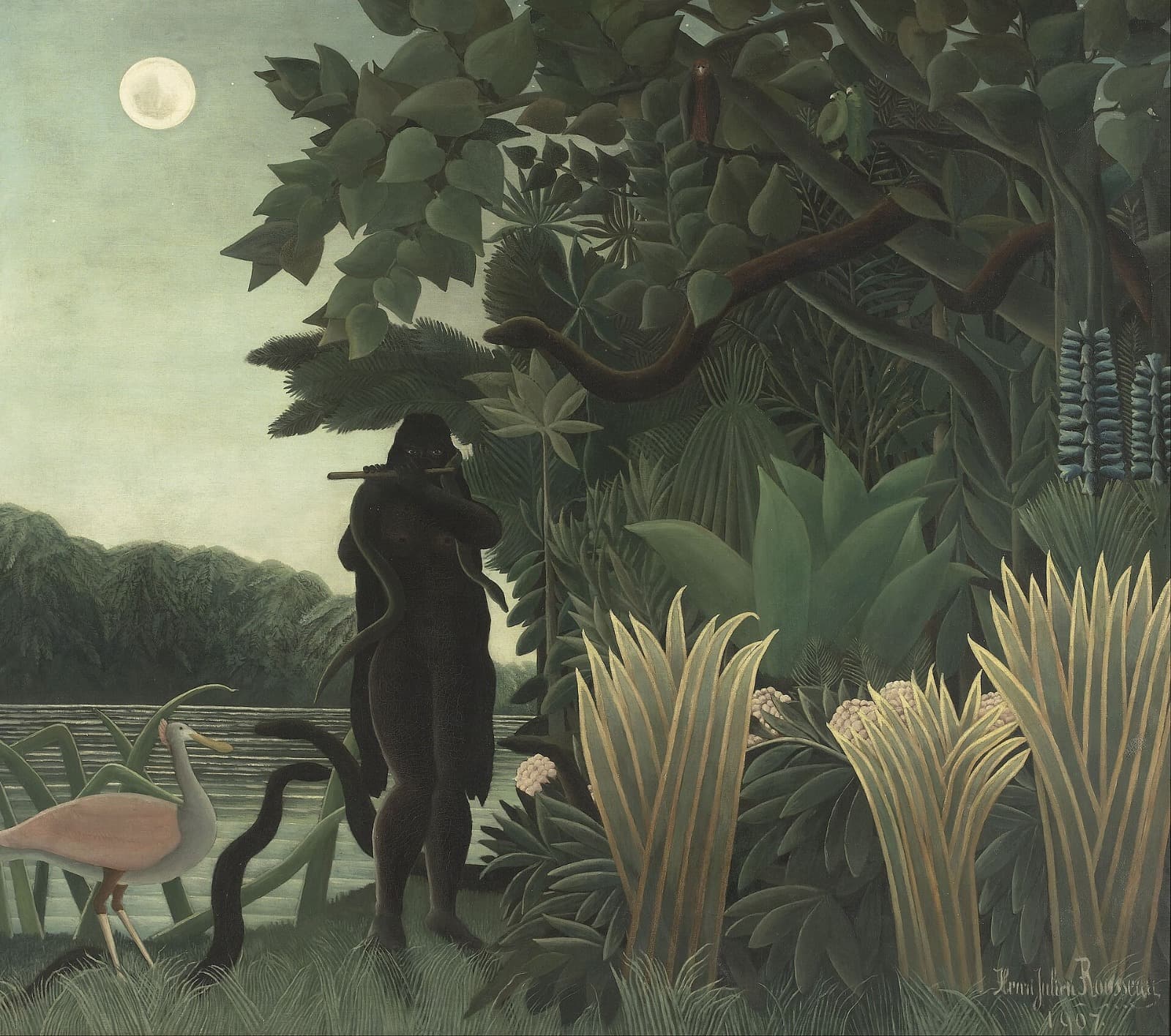
A black silhouette plays a flute and the snakes come out of the leaves toward the music, in moonlight Rousseau invented entirely.

Circus people stand together in an empty landscape without looking at each other. The Rose Period at its largest and most wistful.

Matisse ran a green stripe down his wife's face to divide warm from cool, and used color to do the work of light.
In a South American republic of Conrad's invention, silver from a mine props up a dictator, breaks a marriage, and corrupts the man called incorruptible. Conrad's anatomy of capital has not aged.
Sent to Paris to pry a young American away from a Frenchwoman, a middle-aged emissary looks around and tells a young painter to live all he can. James called it his best novel.
Calvinists could not know whether they were saved, so they worked without rest and spent nothing. Capitalism grew out of that anxiety, Weber argues, then shed the faith and kept the iron cage.
Jim jumps from a sinking pilgrim ship that then does not sink, and never afterward proves to himself the jump was not really him. Conrad makes one second of cowardice bottomless.

A woman in white waits, a woman in red dances, a woman in black stands apart. Three ages of love on a midsummer shore.

The title comes from Baudelaire and the technique from Seurat, but the color is already heading somewhere neither of them went.

James set aside doctrine and asked what religion does to a person. Gathering testimony from converts and mystics, he separates the healthy-minded soul from the sick one and judges belief by its fruits.

Lucy Honeychurch is kissed among violets on a hillside outside Florence, and Forster makes the rest a sunlit comedy about whether English respectability is worth the lie it demands of her.

Lily Bart is beautiful, twenty-nine, and unmarried, which in Old New York is a countdown. Wharton tracks her slide from ballroom to boarding house without once softening the arithmetic.
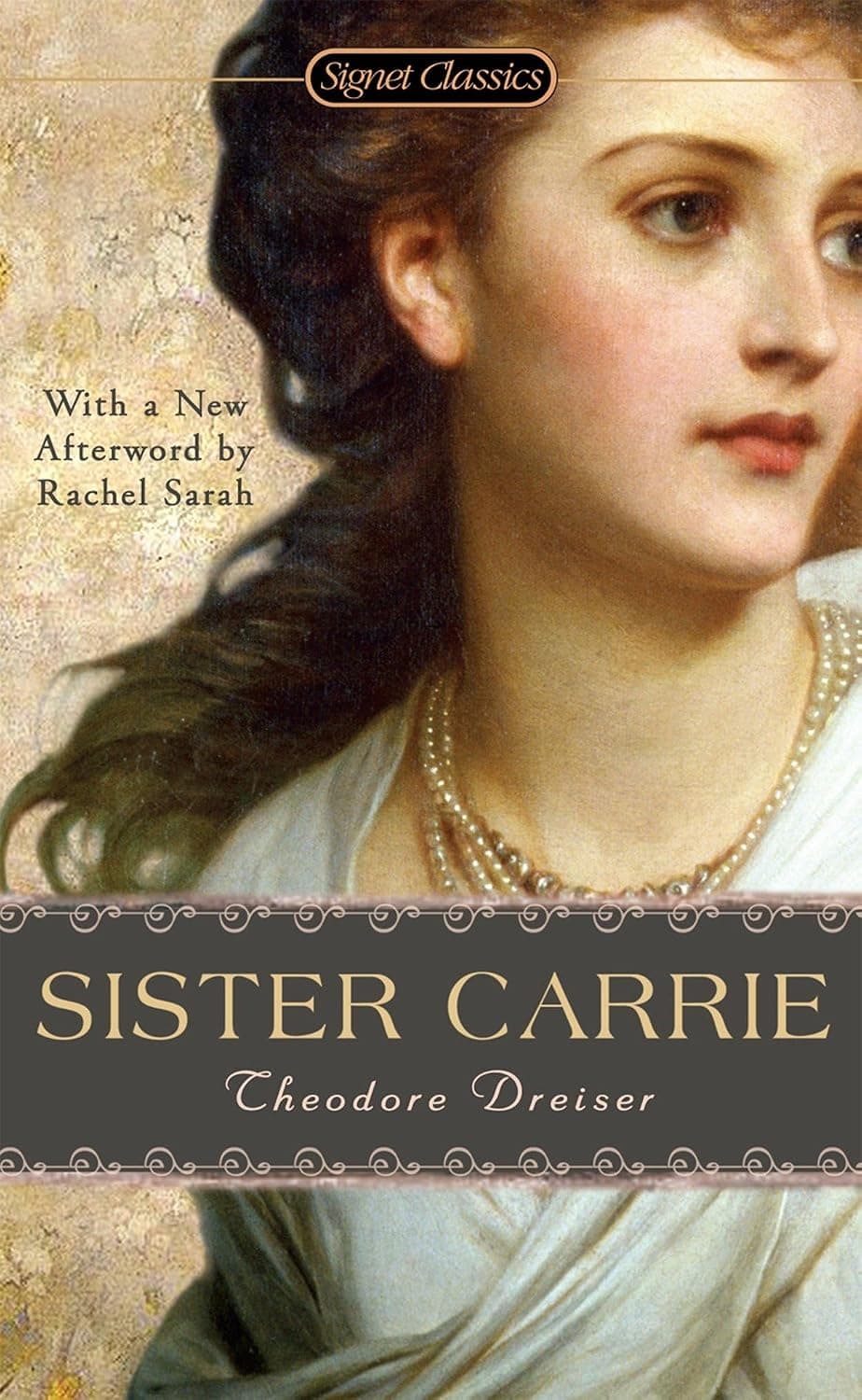
Carrie Meeber leaves Wisconsin for Chicago and rises through two men to the New York stage. Dreiser lets her prosper without remorse or retribution, and American fiction has been freer ever since.

Born wild in the Canadian North, a wolf-dog passes from a Native camp to a dogfighting pit to a man who tames him. The Call of the Wild runs the other way.

Two aging siblings send for an orphan boy to work their Prince Edward Island farm and receive a talkative red-haired girl. Anne Shirley imagines the world into something better and never stops talking.

Rousseau never left France and built his jungles from botanical gardens and prints. This one hung in the room that named the Fauves.
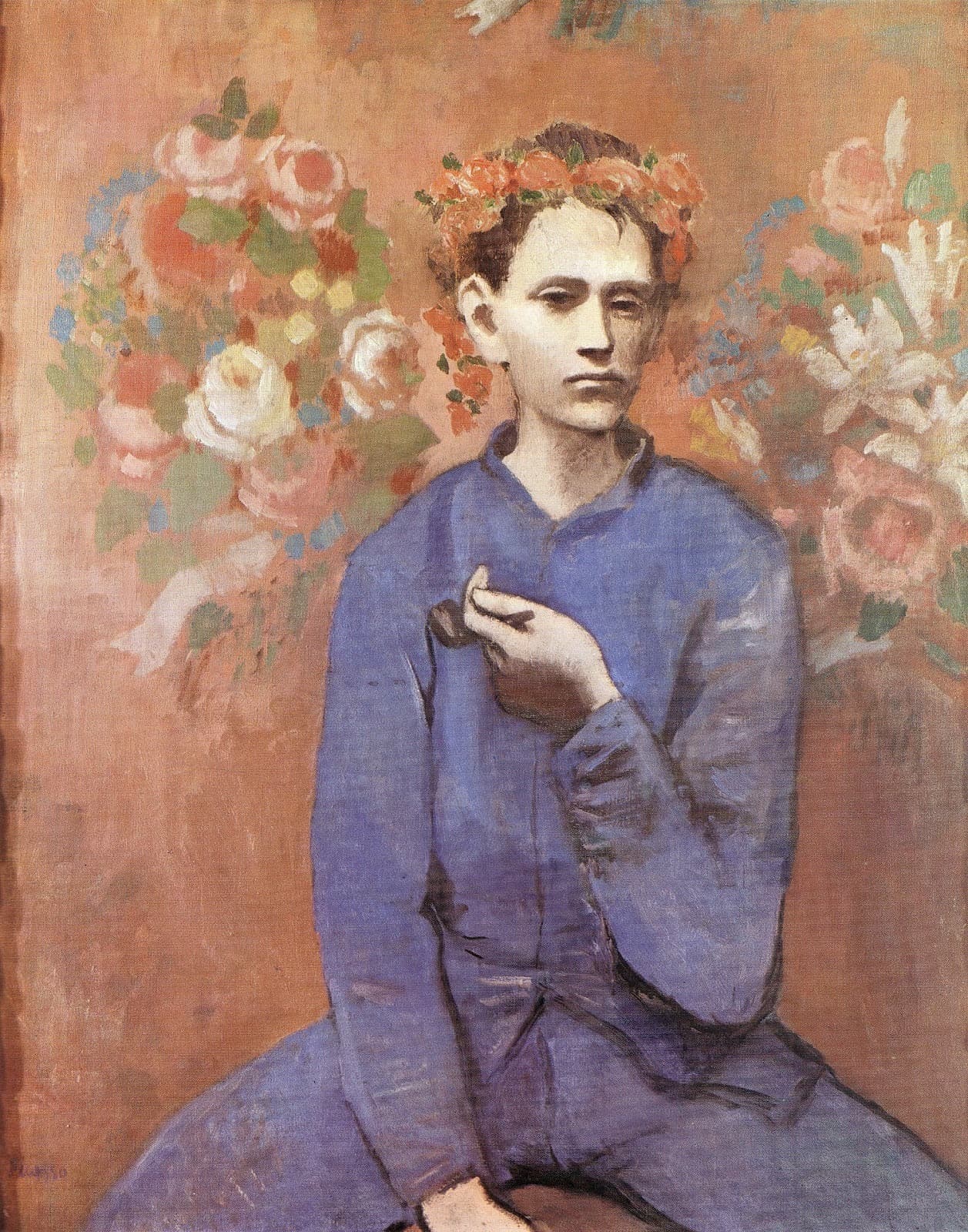
A boy from the street in a crown of roses, painted the year Picasso's blue gloom warmed into rose.
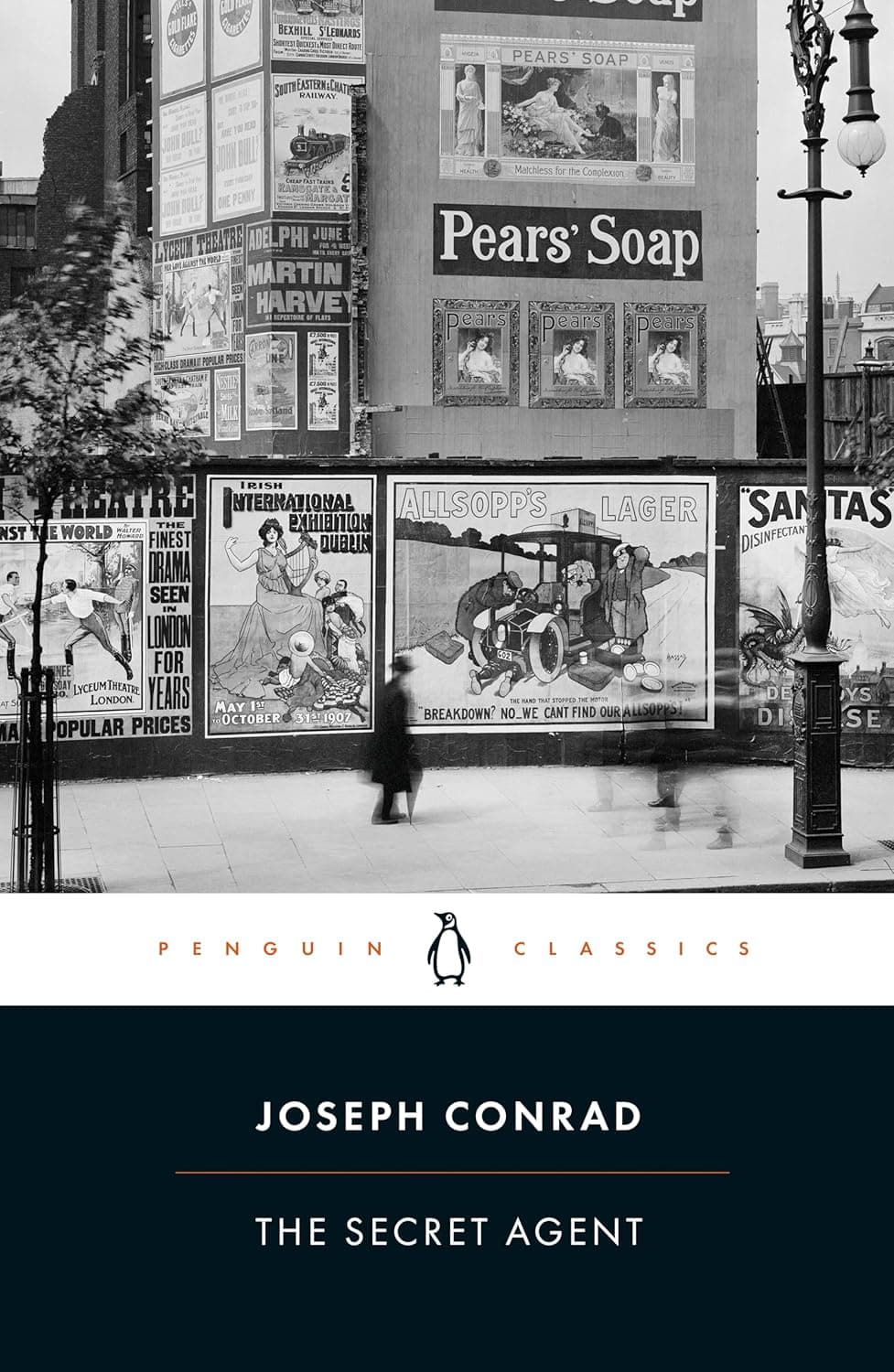
Conrad wrote the first great modern novel of terrorism. Verloc keeps a seedy London shop, informs on anarchists for a foreign embassy, and is ordered to bomb the Greenwich Observatory to frighten England.